Download to read offline





![Wassersug richard[1]](https://image.slidesharecdn.com/wassersugrichard1-140914105156-phpapp02/85/Wassersug-richard-1-77-320.jpg)
![Wassersug richard[1]](https://image.slidesharecdn.com/wassersugrichard1-140914105156-phpapp02/85/Wassersug-richard-1-78-320.jpg)
![Wassersug richard[1]](https://image.slidesharecdn.com/wassersugrichard1-140914105156-phpapp02/85/Wassersug-richard-1-79-320.jpg)
![Wassersug richard[1]](https://image.slidesharecdn.com/wassersugrichard1-140914105156-phpapp02/85/Wassersug-richard-1-80-320.jpg)
![Wassersug richard[1]](https://image.slidesharecdn.com/wassersugrichard1-140914105156-phpapp02/85/Wassersug-richard-1-81-320.jpg)
![Wassersug richard[1]](https://image.slidesharecdn.com/wassersugrichard1-140914105156-phpapp02/85/Wassersug-richard-1-82-320.jpg)
![Wassersug richard[1]](https://image.slidesharecdn.com/wassersugrichard1-140914105156-phpapp02/85/Wassersug-richard-1-83-320.jpg)
![Wassersug richard[1]](https://image.slidesharecdn.com/wassersugrichard1-140914105156-phpapp02/85/Wassersug-richard-1-84-320.jpg)
![Wassersug richard[1]](https://image.slidesharecdn.com/wassersugrichard1-140914105156-phpapp02/85/Wassersug-richard-1-85-320.jpg)

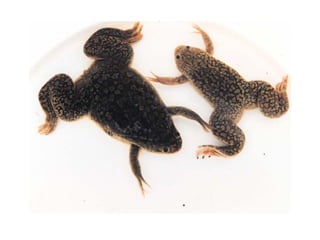
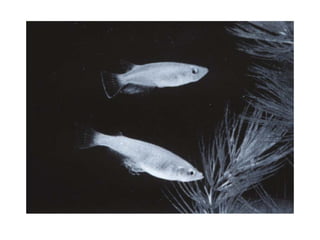
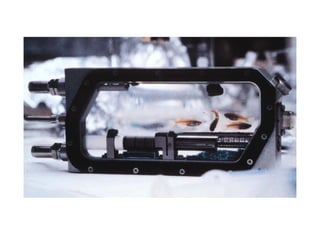
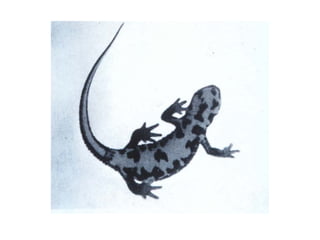
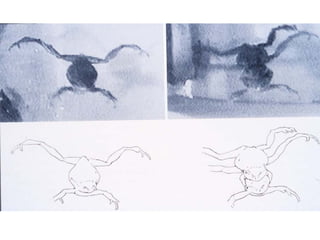
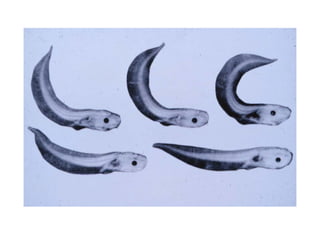
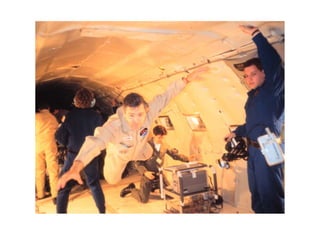
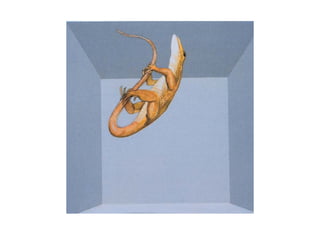
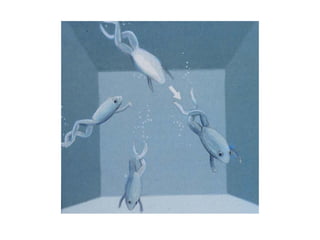
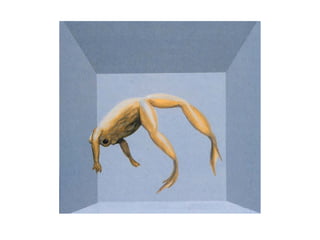
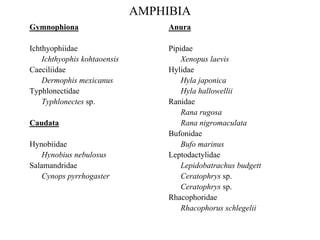
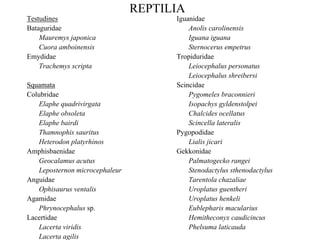
The document discusses observations of various amphibian and reptile species' behavior in microgravity during a flight experiment. It was found that none of the animals vomited, possibly because they did not eat before the flight or because amphibians and reptiles have a weaker vomiting response than mammals. Different species reacted variably based on their ecology and phylogeny. Flexible limbed lizards tended to roll more, while geckos commonly displayed a "skydiving posture" related to their arboreal ancestry. Overall reactions to microgravity varied significantly between species based on both ecology and evolutionary history.


