1. Who was the first president of the US?
2. What are the three branches of the government?
3. What is the supreme law of the land?
4. What was the event where the colonist dumped tea into the ocean?
5. When was the Declaration of Independence signed?
6. What is the capital of the United States?
7. Name three freedoms under the First Amendment
8. Who was the 16th
President of the US (Civil War)
9. Who wrote the Declaration of Independence
10. Who was the leader of Germany during WWII
11. The only US president that was elected 4 times in a row
12. Two Japanese cities were atomic bomb was used during WWII
13. The first man to land on the moon
14. Complete date of twin towers bombing in New York City.
15. How many states are there?
16. Name two political party in the US
17. International peace keeping body today is called
18. The only president to resign while in office
19. How many terms does a president serve? How many years each term?
20. Who is the current President of US? And who is his Vice?
Table of Contents
1.In what unit would you read about A New Industrial Age?
2.On what page would you begin to read about Civil Rights?
Index
3.When was the Revolutionary War Peace Treaty signed?
4.Name two (2) subentries under the Great Depression.
5.When (exact date m/y) did the stock market crashed?
Map
6. (pg A27) What two countries are involved in disputed
territories?
7.Name three land areas that belongs to Spain.
8.Pg (A28) Name two countries that occupies Oregon Territory in
1819.
9.Most of the land southwest of US came from what country?
10.What country originally owned Florida? Louisiana?
AGENDA
1. Attendance
2. Turn in Syllabus with parent signature
3. Chapter 1
1. Objective:
1. A letter from George Washington to his mother
about the latest development in the
Revolutionary War.
2. Josie used her World Geography textbook to
answer her homework.
3. Your high school diploma
4. A photograph of you and your friend during your
8th
birthday.
5. The information from the museum tour guide who
showed you around the exhibit and shared facts
with you.
6. A mummy from ancient Egypt.
Chapter 1-2
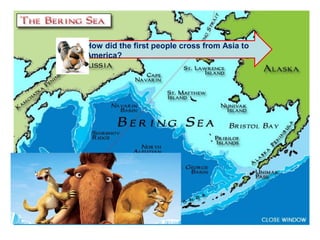
How did the first people cross from Asia to
America?
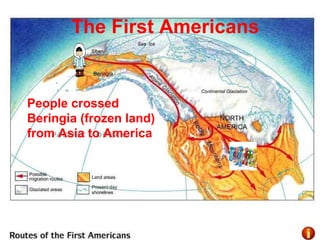
People crossed
Beringia (frozen land)
from Asia to America
The First Americans
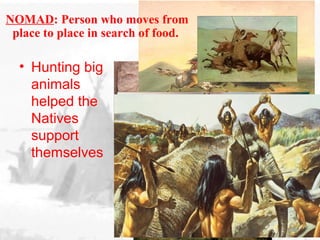
• Hunting big
animals
helped the
Natives
support
themselves
NOMAD: Person who moves from
place to place in search of food.
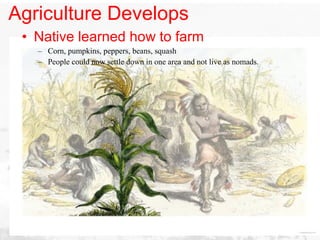
Agriculture Develops
• Native learned how to farm
– Corn, pumpkins, peppers, beans, squash
– People could now settle down in one area and not live as nomads.
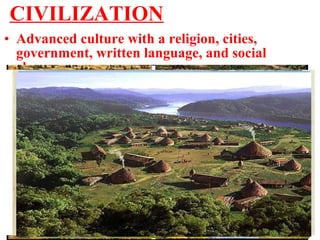
• Advanced culture with a religion, cities,
government, written language, and social
classes
CIVILIZATION
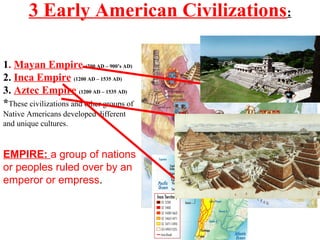
3 Early American Civilizations:
1. Mayan Empire (200 AD – 900’s AD)
2. Inca Empire (1200 AD – 1535 AD)
3. Aztec Empire (1200 AD – 1535 AD)
*These civilizations and other groups of
Native Americans developed different
and unique cultures.
EMPIRE: a group of nations
or peoples ruled over by an
emperor or empress.
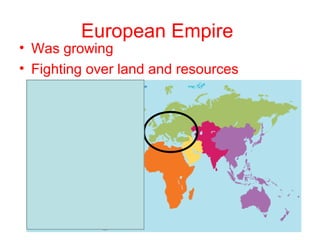
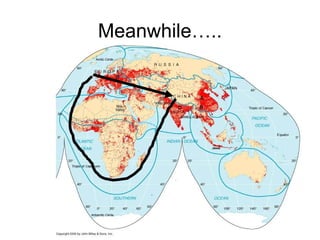
European Empire
• Was growing
• Fighting over land and resources
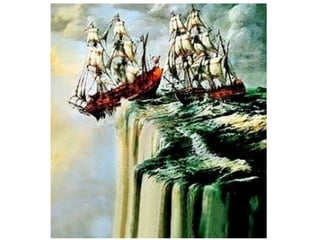
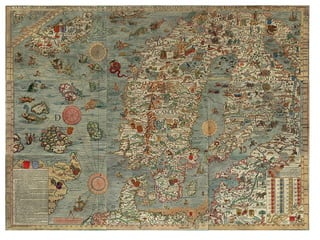
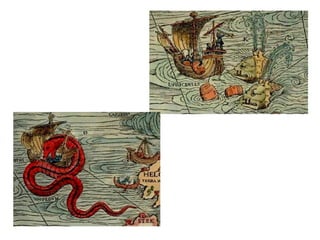
Meanwhile…..
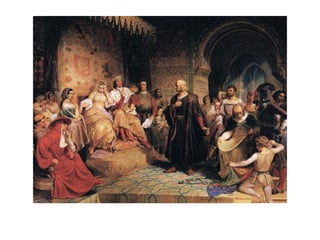
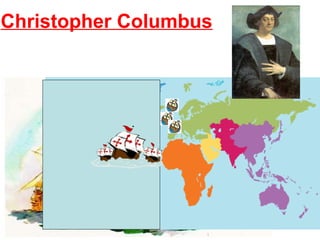
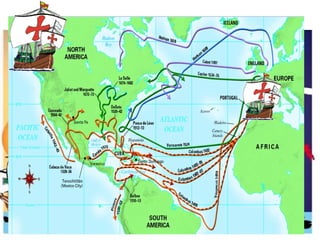
Christopher Columbus
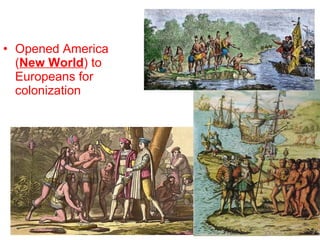
• Opened America
(New World) to
Europeans for
colonization
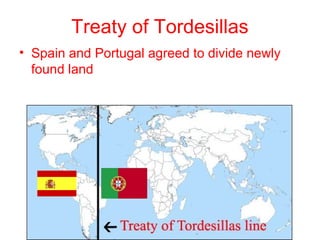
Treaty of Tordesillas
• Spain and Portugal agreed to divide newly
found land
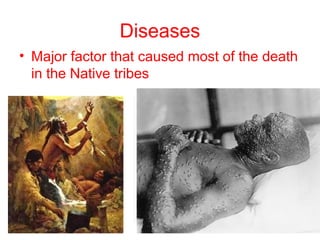
Diseases
• Major factor that caused most of the death
in the Native tribes
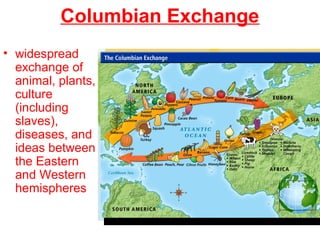
Columbian Exchange
• widespread
exchange of
animal, plants,
culture
(including
slaves),
diseases, and
ideas between
the Eastern
and Western
hemispheres
TEXTBOOK
• Pg 5 Main Ideas
• Pg 12 Skillbuilder (1-2)
• Pg 22 Main idea
• Pg 24 Main idea
• Pg 27 Main idea
• Pg 28 Main idea (letter C only)
• Pg 29 Skillbuilder
• Pg 31 skillbuilder
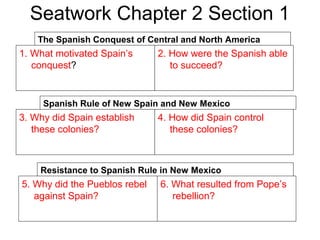
Seatwork Chapter 2 Section 1
1. What motivated Spain’s
conquest?
2. How were the Spanish able
to succeed?
3. Why did Spain establish
these colonies?
4. How did Spain control
these colonies?
5. Why did the Pueblos rebel
against Spain?
6. What resulted from Pope’s
rebellion?
The Spanish Conquest of Central and North America
Spanish Rule of New Spain and New Mexico
Resistance to Spanish Rule in New Mexico
Chapter 1 Section 5
A. What activities preoccupied Columbus as he explored the Americas?
A. Columbus began searching for gold, claimed or bestow lands in the
name of Spain, asserted or spread Christianity
B. Where did Europeans first experiment with the plantation system?
A. They experimented with sugar farm in Lebanon, Portugal established
plantation off the coast of West Africa and Spain in Canary Islands.
C. How did the arrival of European settlers affect native America societies?
A. European settlers brought diseases that devastated Native Americans
societies.
D. Why did Europeans settlers increase their demand for enslaved Africans
A. Europeans diseases reduced the native work force, the price of
African slave rose and more Europeans joined slave trade.
E. Why might Spain and Portugal have been willing to go to war over the
issue of overseas exploration?
A. Both countries want the land and resources that America has to offer
SKILLBUILDER
Page 29 It introduce a variety of plants, animals, ideas and culture in both
hemisphere.
Page 31 Native Americans population declined; Europeans
Chapter 1 Section 5
A. What activities preoccupied Columbus as he
explored the Americas?
B. Where did Europeans first experiment with the
plantation system
C. How did the arrival of European settlers affect
native America societies?
D. Why did Europeans settlers increase their
demand for enslaved Africans
E. Why might Spain and Portugal have been
willing to go to war over the issue of overseas
exploration?
Quiz Ch 1
1. Major reason for Native Americans death
2. A group of nation ruled by an emperor is called
3. Who opened America to the rest of Europeans
4. A person who moves from place to place is called
5. What animal did the European brought to America that became
the Native’s transportation
6. This frozen land was used by Asian to cross from Asia to America
7. An advance culture with written language, religion and government
is called
8. Name one ancient empires in America
9. An exchange of animal and plants between Europe and America
10. The division of American land between Spain and Portugal was
called
Chapter 2
Thirteen Colonies
Europe’s Empire
• Spain was growing and becoming more
powerful
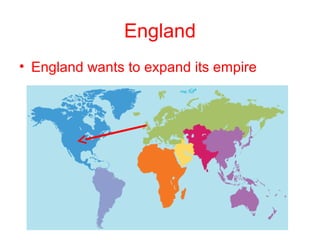
England
• England wants to expand its empire
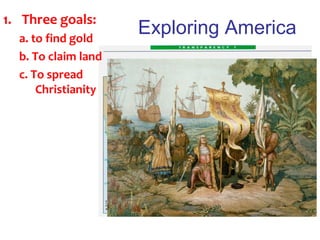
Exploring America
1. Three goals:
a. to find gold
b. To claim land
c. To spread
Christianity
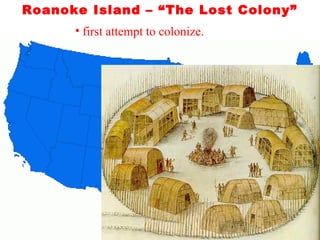
Roanoke Island – “The Lost Colony”
• first attempt to colonize.
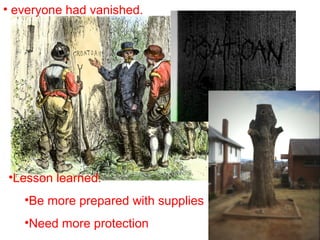
• everyone had vanished.
•Lesson learned:
•Be more prepared with supplies
•Need more protection
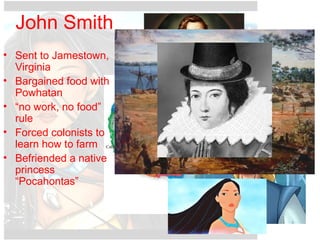
John Smith
• Sent to Jamestown,
Virginia
• Bargained food with
Powhatan
• “no work, no food”
rule
• Forced colonists to
learn how to farm
• Befriended a native
princess
“Pocahontas”
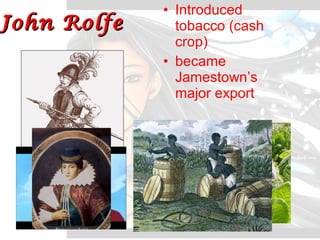
John RolfeJohn Rolfe
• Introduced
tobacco (cash
crop)
• became
Jamestown’s
major export
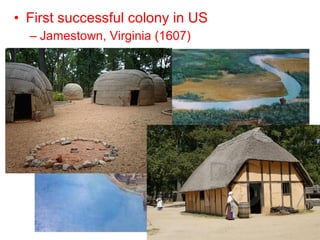
• First successful colony in US
– Jamestown, Virginia (1607)
Which of the following freedoms would you give up if you
had to choose one? Why?
* Speech * Press * Religion * Trial by Jury
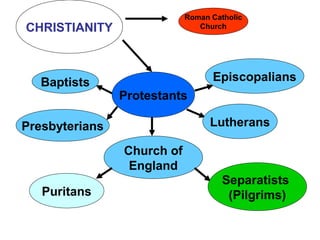
CHRISTIANITY
Protestants
Baptists
Presbyterians
Episcopalians
Lutherans
Church of
England
Puritans
Separatists
(Pilgrims)
Roman Catholic
Church
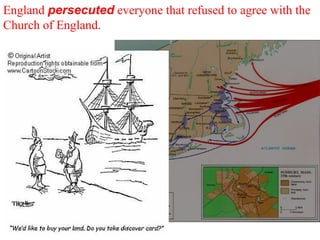
England persecuted everyone that refused to agree with the
Church of England.
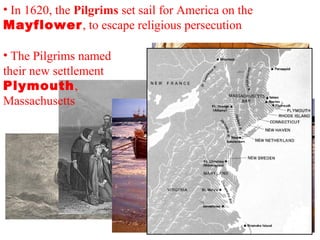
• In 1620, the Pilgrims set sail for America on the
Mayflower, to escape religious persecution
• The Pilgrims named
their new settlement
Plymouth,
Massachusetts
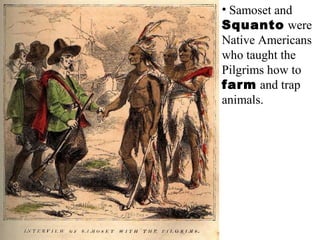
• Samoset and
Squanto were
Native Americans
who taught the
Pilgrims how to
farm and trap
animals.
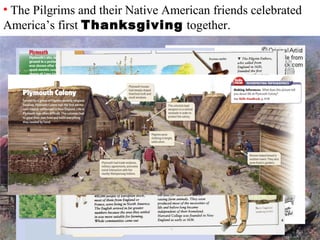
• The Pilgrims and their Native American friends celebrated
America’s first Thanksgiving together.
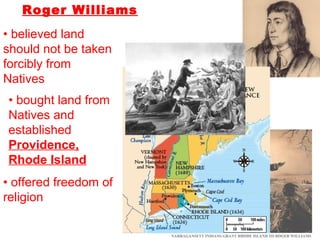
Roger Williams
• believed land
should not be taken
forcibly from
Natives
• bought land from
Natives and
established
Providence,
Rhode Island
• offered freedom of
religion
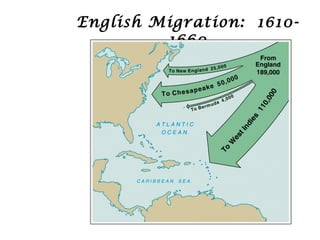
English Migration: 1610-
1660
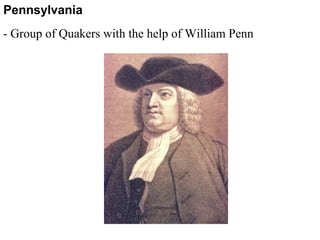
- Group of Quakers with the help of William Penn
Pennsylvania
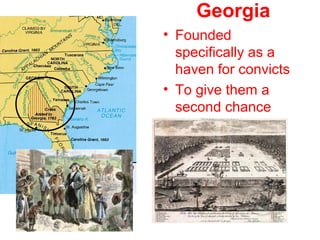
Georgia
• Founded
specifically as a
haven for convicts
• To give them a
second chance
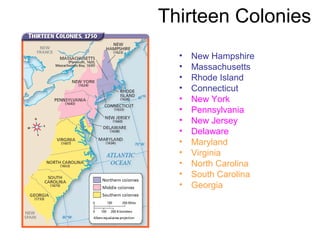
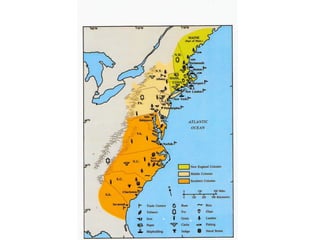
Thirteen Colonies
• New Hampshire
• Massachusetts
• Rhode Island
• Connecticut
• New York
• Pennsylvania
• New Jersey
• Delaware
• Maryland
• Virginia
• North Carolina
• South Carolina
• Georgia
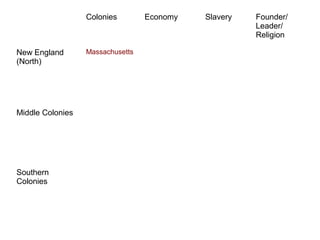
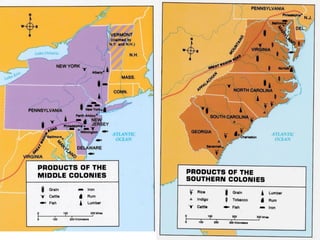
Colonies Economy Slavery Founder/
Leader/
Religion
New England
(North)
Massachusetts
Middle Colonies
Southern
Colonies
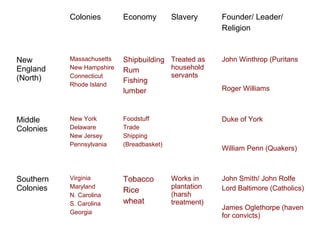
Colonies Economy Slavery Founder/ Leader/
Religion
New
England
(North)
Massachusetts
New Hampshire
Connecticut
Rhode Island
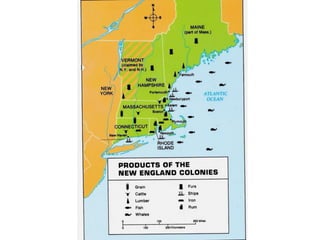
Shipbuilding
Rum
Fishing
lumber
Treated as
household
servants
John Winthrop (Puritans
Roger Williams
Middle
Colonies
New York
Delaware
New Jersey
Pennsylvania
Foodstuff
Trade
Shipping
(Breadbasket)
Duke of York
William Penn (Quakers)
Southern
Colonies
Virginia
Maryland
N. Carolina
S. Carolina
Georgia
Tobacco
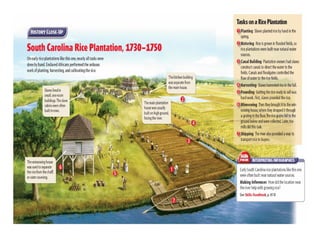
Rice
wheat
Works in
plantation
(harsh
treatment)
John Smith/ John Rolfe
Lord Baltimore (Catholics)
James Oglethorpe (haven
for convicts)
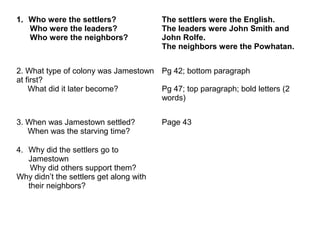
1. Who were the settlers?
Who were the leaders?
Who were the neighbors?
The settlers were the English.
The leaders were John Smith and
John Rolfe.
The neighbors were the Powhatan.
2. What type of colony was Jamestown
at first?
What did it later become?
Pg 42; bottom paragraph
Pg 47; top paragraph; bold letters (2
words)
3. When was Jamestown settled?
When was the starving time?
Page 43
4. Why did the settlers go to
Jamestown
Why did others support them?
Why didn’t the settlers get along with
their neighbors?
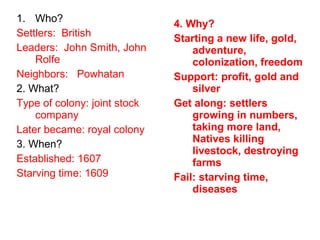
1. Who?
Settlers: British
Leaders: John Smith, John
Rolfe
Neighbors: Powhatan
2. What?
Type of colony: joint stock
company
Later became: royal colony
3. When?
Established: 1607
Starving time: 1609
4. Why?
Starting a new life, gold,
adventure,
colonization, freedom
Support: profit, gold and
silver
Get along: settlers
growing in numbers,
taking more land,
Natives killing
livestock, destroying
farms
Fail: starving time,
diseases
Quiz #2 Ch 2
1. Who introduced a profitable cash crop or major export to
Virginia?
2. What is the name of the first successful colony in US,
(town, state)
3. Where was the first attempt to colonize America but failed
4. He was the first to purchased land in America, who was
he?
5. What city and state was first purchased by a settlers in US
6. What colony did the Pilgrim founded?
7. What is the major export of Virginia?
8. Native American female who aided colonists by supplying
food.
9. Name one major reason for moving to America
10. Colony founded as a haven for convicts
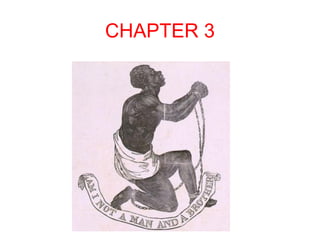
CHAPTER 3
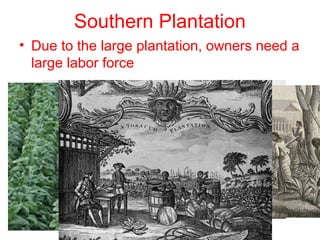
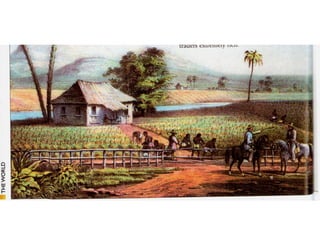
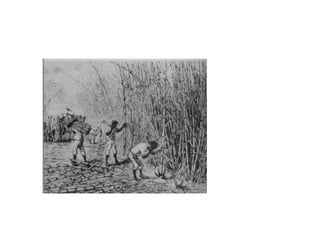
Southern Plantation
• Due to the large plantation, owners need a
large labor force
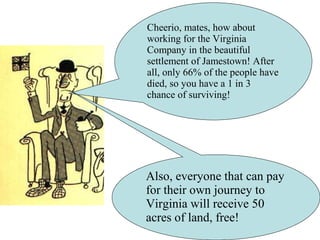
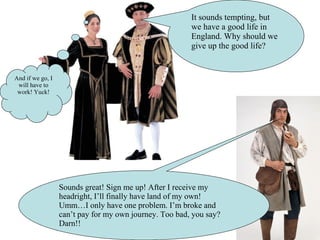
Cheerio, mates, how about
working for the Virginia
Company in the beautiful
settlement of Jamestown! After
all, only 66% of the people have
died, so you have a 1 in 3
chance of surviving!
Also, everyone that can pay
for their own journey to
Virginia will receive 50
acres of land, free!
It sounds tempting, but
we have a good life in
England. Why should we
give up the good life?
And if we go, I
will have to
work! Yuck!
Sounds great! Sign me up! After I receive my
headright, I’ll finally have land of my own!
Umm…I only have one problem. I’m broke and
can’t pay for my own journey. Too bad, you say?
Darn!!
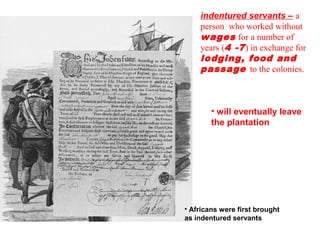
indentured servants – a
person who worked without
wages for a number of
years (4 -7) in exchange for
lodging, food and
passage to the colonies.
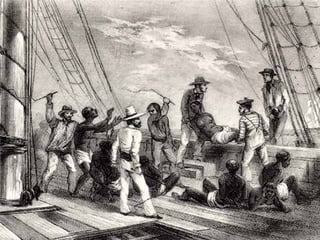
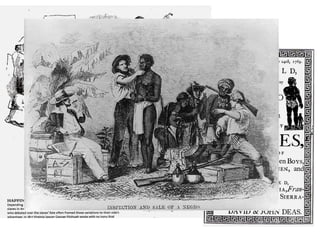
• Africans were first brought
as indentured servants
• will eventually leave
the plantation
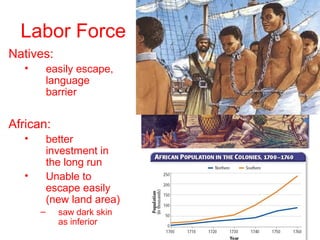
Labor Force
Natives:
• easily escape,
language
barrier
African:
• better
investment in
the long run
• Unable to
escape easily
(new land area)
– saw dark skin
as inferior
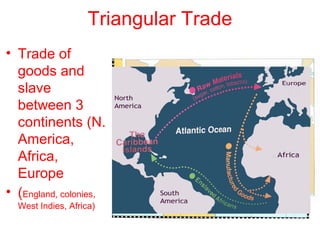
Triangular Trade
• Trade of
goods and
slave
between 3
continents (N.
America,
Africa,
Europe
• (England, colonies,
West Indies, Africa)
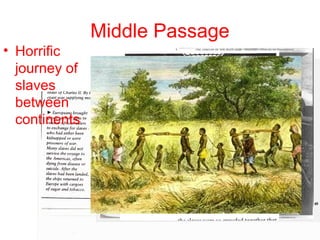
Middle Passage
• Horrific
journey of
slaves
between
continents
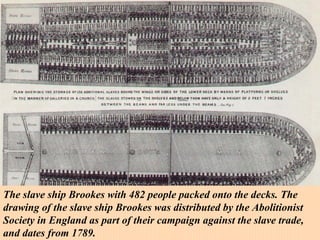
The slave ship Brookes with 482 people packed onto the decks. The
drawing of the slave ship Brookes was distributed by the Abolitionist
Society in England as part of their campaign against the slave trade,
and dates from 1789.
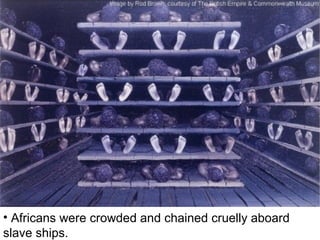
• Africans were crowded and chained cruelly aboard
slave ships.
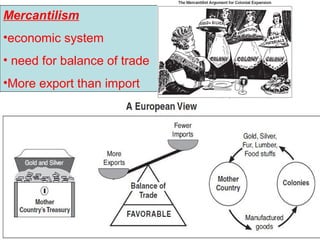
Mercantilism
•economic system
• need for balance of trade
•More export than import
Mother Country- owns all
13 colonies
Children (13 colonies)
Raw materials
Manufactured goods
Thirteen
Colonies England
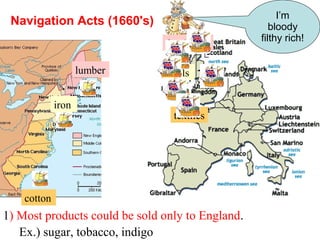
cotton
iron
lumber
furniture
tools
textiles
I’m
bloody
filthy rich!
Navigation Acts (1660's)
Ex.) sugar, tobacco, indigo
1) Most products could be sold only to England.
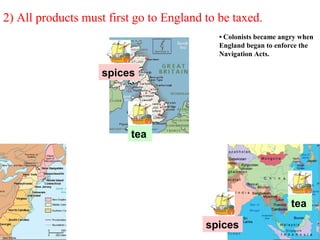
2) All products must first go to England to be taxed.
spices
tea
spices
tea
• Colonists became angry when
England began to enforce the
Navigation Acts.
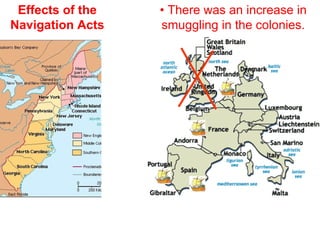
• There was an increase in
smuggling in the colonies.
Effects of the
Navigation Acts
TEXTBOOK
• QUESTIONS AND ANSWERS
• Page 68 Main Idea
• Page 73 Main Idea
• Page 75 Main idea (C and D)
• Page 76
• Page 77
• Page 80
• Page 81 (skillbuilder)
Salem, Massachusetts
Witch Trials
1692
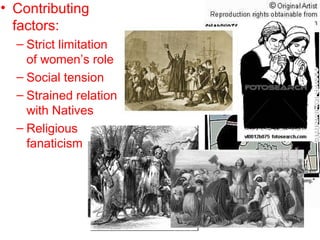
• Contributing
factors:
– Strict limitation
of women’s role
– Social tension
– Strained relation
with Natives
– Religious
fanaticism
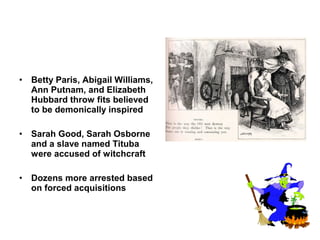
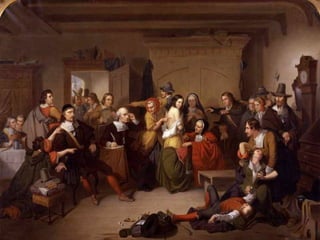
• Betty Paris, Abigail Williams,
Ann Putnam, and Elizabeth
Hubbard throw fits believed
to be demonically inspired
• Sarah Good, Sarah Osborne
and a slave named Tituba
were accused of witchcraft
• Dozens more arrested based
on forced acquisitions
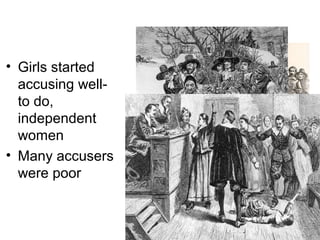
• Girls started
accusing well-
to do,
independent
women
• Many accusers
were poor
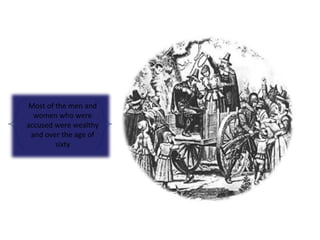
Most of the men and
women who were
accused were wealthy
and over the age of
sixty
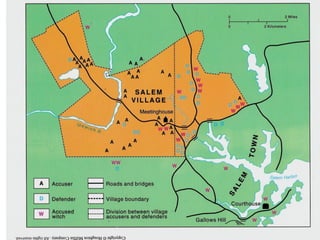
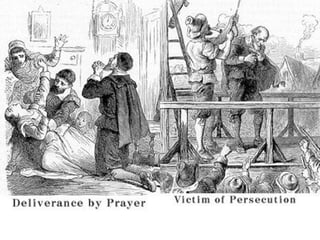
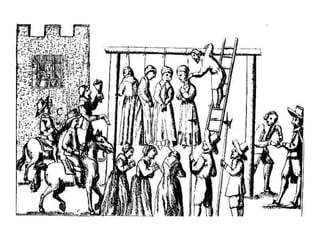
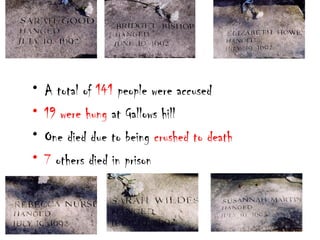
• A total of 141 people were accused
• 19 were hung at Gallows hill
• One died due to being crushed to death
• 7 others died in prison
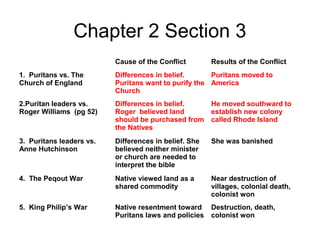
Chapter 2 Section 3
Cause of the Conflict Results of the Conflict
1. Puritans vs. The
Church of England
Differences in belief.
Puritans want to purify the
Church
Puritans moved to
America
2.Puritan leaders vs.
Roger Williams (pg 52)
Differences in belief.
Roger believed land
should be purchased from
the Natives
He moved southward to
establish new colony
called Rhode Island
3. Puritans leaders vs.
Anne Hutchinson
Differences in belief. She
believed neither minister
or church are needed to
interpret the bible
She was banished
4. The Peqout War Native viewed land as a
shared commodity
Near destruction of
villages, colonial death,
colonist won
5. King Philip’s War Native resentment toward
Puritans laws and policies
Destruction, death,
colonist won
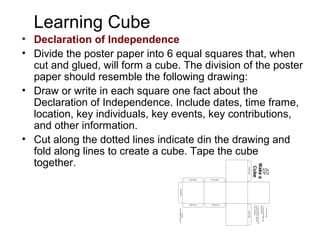
Learning Cube
• Declaration of Independence
• Divide the poster paper into 6 equal squares that, when
cut and glued, will form a cube. The division of the poster
paper should resemble the following drawing:
• Draw or write in each square one fact about the
Declaration of Independence. Include dates, time frame,
location, key individuals, key events, key contributions,
and other information.
• Cut along the dotted lines indicate din the drawing and
fold along lines to create a cube. Tape the cube
together.
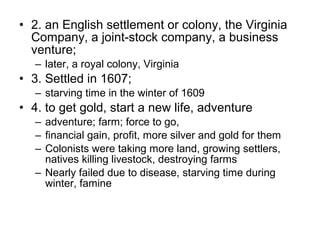
• 2. an English settlement or colony, the Virginia
Company, a joint-stock company, a business
venture;
– later, a royal colony, Virginia
• 3. Settled in 1607;
– starving time in the winter of 1609
• 4. to get gold, start a new life, adventure
– adventure; farm; force to go,
– financial gain, profit, more silver and gold for them
– Colonists were taking more land, growing settlers,
natives killing livestock, destroying farms
– Nearly failed due to disease, starving time during
winter, famine
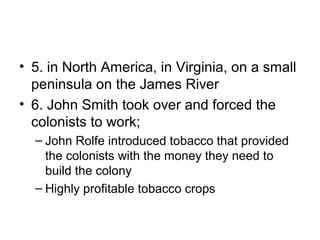
• 5. in North America, in Virginia, on a small
peninsula on the James River
• 6. John Smith took over and forced the
colonists to work;
– John Rolfe introduced tobacco that provided
the colonists with the money they need to
build the colony
– Highly profitable tobacco crops

US CH 2_2016

  • 1.
    1. Who wasthe first president of the US? 2. What are the three branches of the government? 3. What is the supreme law of the land? 4. What was the event where the colonist dumped tea into the ocean? 5. When was the Declaration of Independence signed? 6. What is the capital of the United States? 7. Name three freedoms under the First Amendment 8. Who was the 16th President of the US (Civil War) 9. Who wrote the Declaration of Independence 10. Who was the leader of Germany during WWII 11. The only US president that was elected 4 times in a row 12. Two Japanese cities were atomic bomb was used during WWII 13. The first man to land on the moon 14. Complete date of twin towers bombing in New York City. 15. How many states are there? 16. Name two political party in the US 17. International peace keeping body today is called 18. The only president to resign while in office 19. How many terms does a president serve? How many years each term? 20. Who is the current President of US? And who is his Vice?
  • 2.
    Table of Contents 1.Inwhat unit would you read about A New Industrial Age? 2.On what page would you begin to read about Civil Rights? Index 3.When was the Revolutionary War Peace Treaty signed? 4.Name two (2) subentries under the Great Depression. 5.When (exact date m/y) did the stock market crashed? Map 6. (pg A27) What two countries are involved in disputed territories? 7.Name three land areas that belongs to Spain. 8.Pg (A28) Name two countries that occupies Oregon Territory in 1819. 9.Most of the land southwest of US came from what country? 10.What country originally owned Florida? Louisiana?
  • 3.
    AGENDA 1. Attendance 2. Turnin Syllabus with parent signature 3. Chapter 1 1. Objective:
  • 4.
    1. A letterfrom George Washington to his mother about the latest development in the Revolutionary War. 2. Josie used her World Geography textbook to answer her homework. 3. Your high school diploma 4. A photograph of you and your friend during your 8th birthday. 5. The information from the museum tour guide who showed you around the exhibit and shared facts with you. 6. A mummy from ancient Egypt.
  • 5.
  • 6.
    How did thefirst people cross from Asia to America?
  • 7.
    People crossed Beringia (frozenland) from Asia to America The First Americans
  • 8.
    • Hunting big animals helpedthe Natives support themselves NOMAD: Person who moves from place to place in search of food.
  • 9.
    Agriculture Develops • Nativelearned how to farm – Corn, pumpkins, peppers, beans, squash – People could now settle down in one area and not live as nomads.
  • 10.
    • Advanced culturewith a religion, cities, government, written language, and social classes CIVILIZATION
  • 11.
    3 Early AmericanCivilizations: 1. Mayan Empire (200 AD – 900’s AD) 2. Inca Empire (1200 AD – 1535 AD) 3. Aztec Empire (1200 AD – 1535 AD) *These civilizations and other groups of Native Americans developed different and unique cultures. EMPIRE: a group of nations or peoples ruled over by an emperor or empress.
  • 12.
    European Empire • Wasgrowing • Fighting over land and resources
  • 13.
  • 19.
  • 21.
    • Opened America (NewWorld) to Europeans for colonization
  • 22.
    Treaty of Tordesillas •Spain and Portugal agreed to divide newly found land
  • 23.
    Diseases • Major factorthat caused most of the death in the Native tribes
  • 24.
    Columbian Exchange • widespread exchangeof animal, plants, culture (including slaves), diseases, and ideas between the Eastern and Western hemispheres
  • 25.
    TEXTBOOK • Pg 5Main Ideas • Pg 12 Skillbuilder (1-2) • Pg 22 Main idea • Pg 24 Main idea • Pg 27 Main idea • Pg 28 Main idea (letter C only) • Pg 29 Skillbuilder • Pg 31 skillbuilder
  • 26.
    Seatwork Chapter 2Section 1 1. What motivated Spain’s conquest? 2. How were the Spanish able to succeed? 3. Why did Spain establish these colonies? 4. How did Spain control these colonies? 5. Why did the Pueblos rebel against Spain? 6. What resulted from Pope’s rebellion? The Spanish Conquest of Central and North America Spanish Rule of New Spain and New Mexico Resistance to Spanish Rule in New Mexico
  • 27.
    Chapter 1 Section5 A. What activities preoccupied Columbus as he explored the Americas? A. Columbus began searching for gold, claimed or bestow lands in the name of Spain, asserted or spread Christianity B. Where did Europeans first experiment with the plantation system? A. They experimented with sugar farm in Lebanon, Portugal established plantation off the coast of West Africa and Spain in Canary Islands. C. How did the arrival of European settlers affect native America societies? A. European settlers brought diseases that devastated Native Americans societies. D. Why did Europeans settlers increase their demand for enslaved Africans A. Europeans diseases reduced the native work force, the price of African slave rose and more Europeans joined slave trade. E. Why might Spain and Portugal have been willing to go to war over the issue of overseas exploration? A. Both countries want the land and resources that America has to offer SKILLBUILDER Page 29 It introduce a variety of plants, animals, ideas and culture in both hemisphere. Page 31 Native Americans population declined; Europeans
  • 28.
    Chapter 1 Section5 A. What activities preoccupied Columbus as he explored the Americas? B. Where did Europeans first experiment with the plantation system C. How did the arrival of European settlers affect native America societies? D. Why did Europeans settlers increase their demand for enslaved Africans E. Why might Spain and Portugal have been willing to go to war over the issue of overseas exploration?
  • 29.
    Quiz Ch 1 1.Major reason for Native Americans death 2. A group of nation ruled by an emperor is called 3. Who opened America to the rest of Europeans 4. A person who moves from place to place is called 5. What animal did the European brought to America that became the Native’s transportation 6. This frozen land was used by Asian to cross from Asia to America 7. An advance culture with written language, religion and government is called 8. Name one ancient empires in America 9. An exchange of animal and plants between Europe and America 10. The division of American land between Spain and Portugal was called
  • 30.
  • 31.
    Europe’s Empire • Spainwas growing and becoming more powerful
  • 32.
    England • England wantsto expand its empire
  • 33.
    Exploring America 1. Threegoals: a. to find gold b. To claim land c. To spread Christianity
  • 34.
    Roanoke Island –“The Lost Colony” • first attempt to colonize.
  • 35.
    • everyone hadvanished. •Lesson learned: •Be more prepared with supplies •Need more protection
  • 36.
    John Smith • Sentto Jamestown, Virginia • Bargained food with Powhatan • “no work, no food” rule • Forced colonists to learn how to farm • Befriended a native princess “Pocahontas”
  • 37.
    John RolfeJohn Rolfe •Introduced tobacco (cash crop) • became Jamestown’s major export
  • 38.
    • First successfulcolony in US – Jamestown, Virginia (1607)
  • 39.
    Which of thefollowing freedoms would you give up if you had to choose one? Why? * Speech * Press * Religion * Trial by Jury
  • 40.
  • 41.
    England persecuted everyonethat refused to agree with the Church of England.
  • 42.
    • In 1620,the Pilgrims set sail for America on the Mayflower, to escape religious persecution • The Pilgrims named their new settlement Plymouth, Massachusetts
  • 43.
    • Samoset and Squantowere Native Americans who taught the Pilgrims how to farm and trap animals.
  • 44.
    • The Pilgrimsand their Native American friends celebrated America’s first Thanksgiving together.
  • 45.
    Roger Williams • believedland should not be taken forcibly from Natives • bought land from Natives and established Providence, Rhode Island • offered freedom of religion
  • 46.
  • 47.
    - Group ofQuakers with the help of William Penn Pennsylvania
  • 49.
    Georgia • Founded specifically asa haven for convicts • To give them a second chance
  • 50.
    Thirteen Colonies • NewHampshire • Massachusetts • Rhode Island • Connecticut • New York • Pennsylvania • New Jersey • Delaware • Maryland • Virginia • North Carolina • South Carolina • Georgia
  • 51.
    Colonies Economy SlaveryFounder/ Leader/ Religion New England (North) Massachusetts Middle Colonies Southern Colonies
  • 52.
    Colonies Economy SlaveryFounder/ Leader/ Religion New England (North) Massachusetts New Hampshire Connecticut Rhode Island Shipbuilding Rum Fishing lumber Treated as household servants John Winthrop (Puritans Roger Williams Middle Colonies New York Delaware New Jersey Pennsylvania Foodstuff Trade Shipping (Breadbasket) Duke of York William Penn (Quakers) Southern Colonies Virginia Maryland N. Carolina S. Carolina Georgia Tobacco Rice wheat Works in plantation (harsh treatment) John Smith/ John Rolfe Lord Baltimore (Catholics) James Oglethorpe (haven for convicts)
  • 53.
    1. Who werethe settlers? Who were the leaders? Who were the neighbors? The settlers were the English. The leaders were John Smith and John Rolfe. The neighbors were the Powhatan. 2. What type of colony was Jamestown at first? What did it later become? Pg 42; bottom paragraph Pg 47; top paragraph; bold letters (2 words) 3. When was Jamestown settled? When was the starving time? Page 43 4. Why did the settlers go to Jamestown Why did others support them? Why didn’t the settlers get along with their neighbors?
  • 54.
    1. Who? Settlers: British Leaders:John Smith, John Rolfe Neighbors: Powhatan 2. What? Type of colony: joint stock company Later became: royal colony 3. When? Established: 1607 Starving time: 1609 4. Why? Starting a new life, gold, adventure, colonization, freedom Support: profit, gold and silver Get along: settlers growing in numbers, taking more land, Natives killing livestock, destroying farms Fail: starving time, diseases
  • 56.
    Quiz #2 Ch2 1. Who introduced a profitable cash crop or major export to Virginia? 2. What is the name of the first successful colony in US, (town, state) 3. Where was the first attempt to colonize America but failed 4. He was the first to purchased land in America, who was he? 5. What city and state was first purchased by a settlers in US 6. What colony did the Pilgrim founded? 7. What is the major export of Virginia? 8. Native American female who aided colonists by supplying food. 9. Name one major reason for moving to America 10. Colony founded as a haven for convicts
  • 57.
  • 58.
    Southern Plantation • Dueto the large plantation, owners need a large labor force
  • 59.
    Cheerio, mates, howabout working for the Virginia Company in the beautiful settlement of Jamestown! After all, only 66% of the people have died, so you have a 1 in 3 chance of surviving! Also, everyone that can pay for their own journey to Virginia will receive 50 acres of land, free!
  • 60.
    It sounds tempting,but we have a good life in England. Why should we give up the good life? And if we go, I will have to work! Yuck! Sounds great! Sign me up! After I receive my headright, I’ll finally have land of my own! Umm…I only have one problem. I’m broke and can’t pay for my own journey. Too bad, you say? Darn!!
  • 62.
    indentured servants –a person who worked without wages for a number of years (4 -7) in exchange for lodging, food and passage to the colonies. • Africans were first brought as indentured servants • will eventually leave the plantation
  • 63.
    Labor Force Natives: • easilyescape, language barrier African: • better investment in the long run • Unable to escape easily (new land area) – saw dark skin as inferior
  • 64.
    Triangular Trade • Tradeof goods and slave between 3 continents (N. America, Africa, Europe • (England, colonies, West Indies, Africa)
  • 65.
    Middle Passage • Horrific journeyof slaves between continents
  • 66.
    The slave shipBrookes with 482 people packed onto the decks. The drawing of the slave ship Brookes was distributed by the Abolitionist Society in England as part of their campaign against the slave trade, and dates from 1789.
  • 67.
    • Africans werecrowded and chained cruelly aboard slave ships.
  • 77.
    Mercantilism •economic system • needfor balance of trade •More export than import Mother Country- owns all 13 colonies Children (13 colonies) Raw materials Manufactured goods Thirteen Colonies England
  • 78.
    cotton iron lumber furniture tools textiles I’m bloody filthy rich! Navigation Acts(1660's) Ex.) sugar, tobacco, indigo 1) Most products could be sold only to England.
  • 79.
    2) All productsmust first go to England to be taxed. spices tea spices tea • Colonists became angry when England began to enforce the Navigation Acts.
  • 80.
    • There wasan increase in smuggling in the colonies. Effects of the Navigation Acts
  • 81.
    TEXTBOOK • QUESTIONS ANDANSWERS • Page 68 Main Idea • Page 73 Main Idea • Page 75 Main idea (C and D) • Page 76 • Page 77 • Page 80 • Page 81 (skillbuilder)
  • 83.
  • 84.
    • Contributing factors: – Strictlimitation of women’s role – Social tension – Strained relation with Natives – Religious fanaticism
  • 85.
    • Betty Paris,Abigail Williams, Ann Putnam, and Elizabeth Hubbard throw fits believed to be demonically inspired • Sarah Good, Sarah Osborne and a slave named Tituba were accused of witchcraft • Dozens more arrested based on forced acquisitions
  • 86.
    • Girls started accusingwell- to do, independent women • Many accusers were poor
  • 89.
    Most of themen and women who were accused were wealthy and over the age of sixty
  • 92.
    • A totalof 141 people were accused • 19 were hung at Gallows hill • One died due to being crushed to death • 7 others died in prison
  • 93.
    Chapter 2 Section3 Cause of the Conflict Results of the Conflict 1. Puritans vs. The Church of England Differences in belief. Puritans want to purify the Church Puritans moved to America 2.Puritan leaders vs. Roger Williams (pg 52) Differences in belief. Roger believed land should be purchased from the Natives He moved southward to establish new colony called Rhode Island 3. Puritans leaders vs. Anne Hutchinson Differences in belief. She believed neither minister or church are needed to interpret the bible She was banished 4. The Peqout War Native viewed land as a shared commodity Near destruction of villages, colonial death, colonist won 5. King Philip’s War Native resentment toward Puritans laws and policies Destruction, death, colonist won
  • 94.
    Learning Cube • Declarationof Independence • Divide the poster paper into 6 equal squares that, when cut and glued, will form a cube. The division of the poster paper should resemble the following drawing: • Draw or write in each square one fact about the Declaration of Independence. Include dates, time frame, location, key individuals, key events, key contributions, and other information. • Cut along the dotted lines indicate din the drawing and fold along lines to create a cube. Tape the cube together.
  • 95.
    • 2. anEnglish settlement or colony, the Virginia Company, a joint-stock company, a business venture; – later, a royal colony, Virginia • 3. Settled in 1607; – starving time in the winter of 1609 • 4. to get gold, start a new life, adventure – adventure; farm; force to go, – financial gain, profit, more silver and gold for them – Colonists were taking more land, growing settlers, natives killing livestock, destroying farms – Nearly failed due to disease, starving time during winter, famine
  • 96.
    • 5. inNorth America, in Virginia, on a small peninsula on the James River • 6. John Smith took over and forced the colonists to work; – John Rolfe introduced tobacco that provided the colonists with the money they need to build the colony – Highly profitable tobacco crops