IMMUNIZATION
PROGRAMME IN
INDIA
DR. MAHESWARI JAIKUMAR
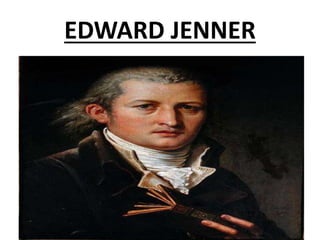
EDWARD JENNER
HISTORY
• 14 May 1796 - Jenner inoculated
James Phipps, an 8 yr old boy with
cowpox lymph taken from Sara
Nelms, a milkmaid.
• Boy recovered after a brief illness
• Jenner inoculated pus taken
from a small pox patient.
• Boy showed no reaction.
• Jenner recommended
vaccination for prevention of
smallpox
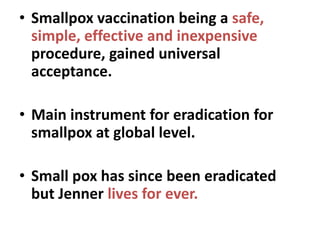
• Smallpox vaccination being a safe,
simple, effective and inexpensive
procedure, gained universal
acceptance.
• Main instrument for eradication for
smallpox at global level.
• Small pox has since been eradicated
but Jenner lives for ever.
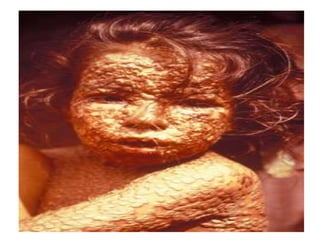
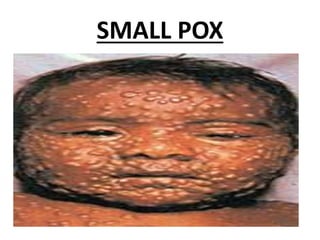
SMALL POX
• Small pox eradicated in 1977.
• IMMUNIZATION MOST
POWERFUL & COST EFFECTIVE
TOOL.
• The first vaccine having been sent by jenner
himself and used in bombay in 1802.
• The pilot projects began during 1960.
• WHO certified India to be free of smallpox in
march 1977.
• The global eradication of smallpox is arguably
the greatest achievement of twentieth
century medicine
VACCINE
PREVENTABLE
DISEASES
VPD
• An infectious disease for which an
effective preventive vaccine exists.
• If a person dies from it, the death is
considered a vaccine-preventable
death.
8 TARGETED VPDS
Diphtheria
Hepatitis B
Measles
Pertusis
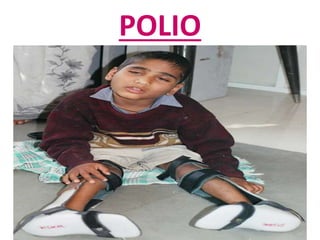
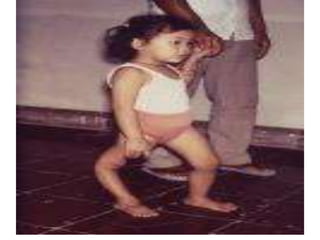
Poliomyelitis
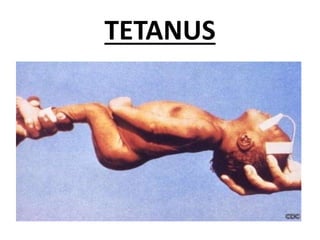
Tetanus
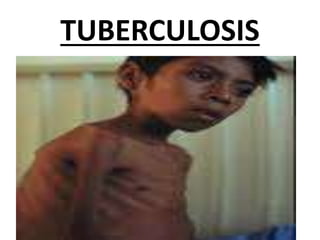
Tuberculosis
JE
• DIPHTHERIA
• PERTUSSIS
• TETANUS
• POLIO
• TUBERCULOSIS
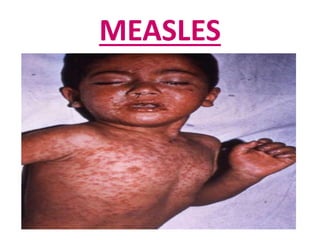
• MEASLES
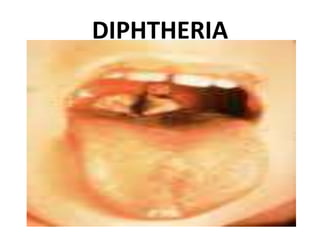
DIPHTHERIA
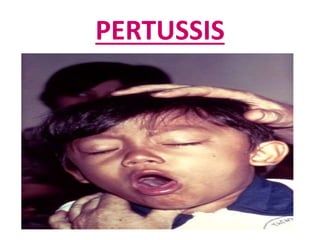
PERTUSSIS
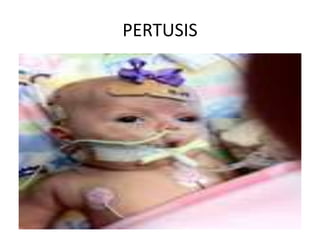
PERTUSIS
TETANUS
POLIO
TUBERCULOSIS
MEASLES
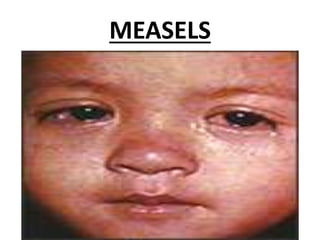
MEASELS
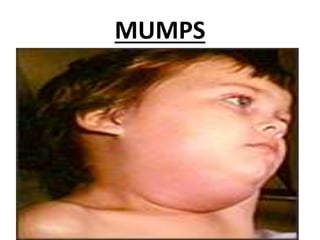
MUMPS
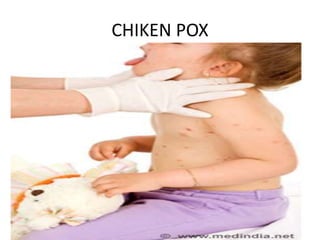
CHIKEN POX
FULLY IMMUNIZED CHILD
• A child who received One dose of
BCG, Three doses of DPT and OPV
One dose of measles before one
year of age.
• This gives a child the best chance for
survival
MILESTONES IN THE
IMMUNIZATION PROGRAM IN
INDIA
• 1978: Expanded Program of Immunization
(EPI) introduced after smallpox eradication:
BCG, DPT, OPV, Typhoid.
• Limited to mainly urban areas
• 1985 : Universal Immunization Program
(UIP) introduced; Expanded to entire
country; Measles added.
• 1990 : Vitamin-A supplementation.
• 1992: Child Survival and Safe
Motherhood Program.
• 1995: Polio National Immunization
Days.
• 1997: Reproductive and Child Health
Program (RCH I).
• 2005 : RCH-II and the National Rural
Health Mission (NRHM).
EXPANDED PROGRAMME
ON IMMUNIZATION 1974
• 1974-
EXPANDED…
• Adding more disease controlling
antigens to vaccination schedules.
• Extending coverage to all corners of a
country.
• Spreading services to reach the less
privileged sectors of the society
1978 – PRIMARY HEALTH CONCEPT
• ALMA – ATA declaration included
immunization as one of the strategies
for achieving HFA by 2000 AD.
• WHO named this immunization
programme as EXPANDED
PROGRAMME ON IMMUNIZATION.
• 1985 – UNICEF re named it as
“UNIVERSAL IMMUNIZATION
PROGRAMME”.
• There is no difference between both
the prog.
• The goal was to achieve universal
immunization by 1990.
• EPI is regarded as an instrument of
UPI.
EPI IN INDIA 1978
• The Govt of India launched it’s EPI in
1978.
• The objective was to reducing
mortality, morbidity resulting from
VPDs.
• To achieve a self sufficiency in vaccine
production.
EPI IN INDIA 1978
• BCG, OPV, DPT & Measles- under 5
children.
• TT- pregnant women.
• Typhoid added.
• OPV- 1979.
UNIVERSAL
IMMUNIZATION PROG
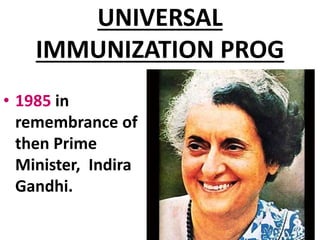
• 1985 in
remembrance of
then Prime
Minister, Indira
Gandhi.
• The UIP was taken up in 1986 as
National Technology Mission & became
operational in all districts in the country
during 1989-90.
• UIP become a part of the Child Survival
and Safe Motherhood (CSSM)
Programme in 1992 and Reproductive
and Child Health (RCH) Programme in
1997.
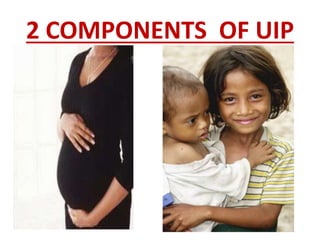
COMPONENTS OF UIP
1. Immunization of pregnant women
against tetanus.
2.Immunization of children in their
first year of life against 6 VPDs.
2 COMPONENTS OF UIP
• 3. The aim was to achieve 100 %
coverage of pregnant women with 2
doses of TT.
• & at least 85% coverage of children
under one year (with 3 doses of
DPT, OPV & one dose of BCG, One
dose of MMR) by 1990
• UIP was first taken up in 30 selected
districts & catchment areas of
Medical Colleges.
• A technology Mission on
Vaccination & Immunization of
Vulnerable Population was set up to
focus on all aspects of immunization
activity.
OBJECTIVES
• To increase immunization
coverage.
• To improve quality of service.
• To achieve self sufficiency in
vaccine production
• To train health personnel.
• To supply cold chain equipment
and establish a good surveillance
network.
• To ensure district wise monitoring
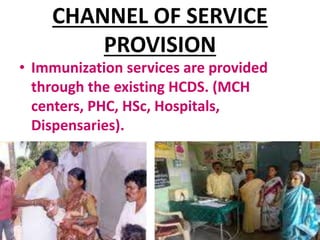
CHANNEL OF SERVICE
PROVISION
• Immunization services are provided
through the existing HCDS. (MCH
centers, PHC, HSc, Hospitals,
Dispensaries).
Though the target was 100%
coverage no country in the world
has reached the coverage figure.
Therefore it can be interpreted as
“NO CHILD SHOULD BE DENIED OF
IMMUNIZATION.”
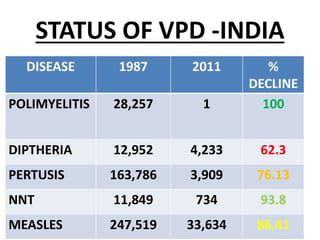
STATUS OF VPD -INDIA
DISEASE 1987 2011 %
DECLINE
POLIMYELITIS 28,257 1 100
DIPTHERIA 12,952 4,233 62.3
PERTUSIS 163,786 3,909 76.13
NNT 11,849 734 93.8
MEASLES 247,519 33,634 86.41
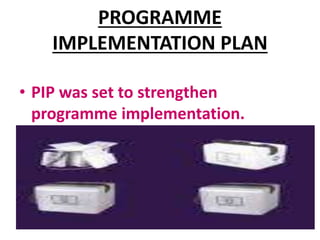
PROGRAMME
IMPLEMENTATION PLAN
• PIP was set to strengthen
programme implementation.
COMPONENTS:
• 1.Support for alternative vaccines
delivery from PHC to HSc & out reach
sessions.
• 2.Deploying retired manpower to
implement vaccination services in urban
slums & underserved areas
3. Mobility support to Dist Immunization
Officer.
4. Reviewing meeting at state level with
the districts at 6 monthly intervals.
5. Training of ANM, cold chain handlers,
mid level managers, refrigerator
machines.
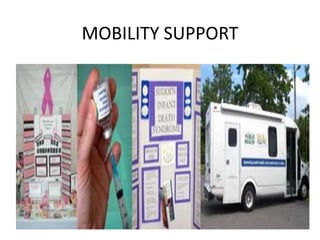
MOBILITY SUPPORT
6. Support mobilization by ASHAs,
Self Help Groups.
7. Printing of immunization cards,
monitoring sheets, cold chain chart
vaccine inventory charts.
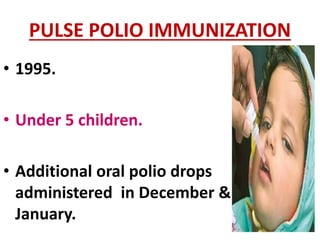
PULSE POLIO IMMUNIZATION
• 1995.
• Under 5 children.
• Additional oral polio drops
administered in December &
January.
STATUS FEB 2012
• INDIA is removed from the
list of
“POLIO ENDEMIC
COUNTRIES”
Universal immunization program

Universal immunization program

  • 1.
  • 2.
  • 3.
    HISTORY • 14 May1796 - Jenner inoculated James Phipps, an 8 yr old boy with cowpox lymph taken from Sara Nelms, a milkmaid. • Boy recovered after a brief illness
  • 4.
    • Jenner inoculatedpus taken from a small pox patient. • Boy showed no reaction. • Jenner recommended vaccination for prevention of smallpox
  • 5.
    • Smallpox vaccinationbeing a safe, simple, effective and inexpensive procedure, gained universal acceptance. • Main instrument for eradication for smallpox at global level. • Small pox has since been eradicated but Jenner lives for ever.
  • 7.
  • 8.
    • Small poxeradicated in 1977. • IMMUNIZATION MOST POWERFUL & COST EFFECTIVE TOOL.
  • 9.
    • The firstvaccine having been sent by jenner himself and used in bombay in 1802. • The pilot projects began during 1960. • WHO certified India to be free of smallpox in march 1977. • The global eradication of smallpox is arguably the greatest achievement of twentieth century medicine
  • 10.
  • 11.
    VPD • An infectiousdisease for which an effective preventive vaccine exists. • If a person dies from it, the death is considered a vaccine-preventable death.
  • 12.
    8 TARGETED VPDS Diphtheria HepatitisB Measles Pertusis Poliomyelitis Tetanus Tuberculosis JE
  • 13.
    • DIPHTHERIA • PERTUSSIS •TETANUS • POLIO • TUBERCULOSIS • MEASLES
  • 14.
  • 15.
  • 16.
  • 17.
  • 18.
  • 20.
  • 21.
  • 22.
  • 23.
  • 24.
  • 25.
    FULLY IMMUNIZED CHILD •A child who received One dose of BCG, Three doses of DPT and OPV One dose of measles before one year of age. • This gives a child the best chance for survival
  • 26.
    MILESTONES IN THE IMMUNIZATIONPROGRAM IN INDIA • 1978: Expanded Program of Immunization (EPI) introduced after smallpox eradication: BCG, DPT, OPV, Typhoid. • Limited to mainly urban areas
  • 27.
    • 1985 :Universal Immunization Program (UIP) introduced; Expanded to entire country; Measles added. • 1990 : Vitamin-A supplementation. • 1992: Child Survival and Safe Motherhood Program.
  • 28.
    • 1995: PolioNational Immunization Days. • 1997: Reproductive and Child Health Program (RCH I). • 2005 : RCH-II and the National Rural Health Mission (NRHM).
  • 29.
  • 30.
    EXPANDED… • Adding moredisease controlling antigens to vaccination schedules. • Extending coverage to all corners of a country. • Spreading services to reach the less privileged sectors of the society
  • 31.
    1978 – PRIMARYHEALTH CONCEPT • ALMA – ATA declaration included immunization as one of the strategies for achieving HFA by 2000 AD. • WHO named this immunization programme as EXPANDED PROGRAMME ON IMMUNIZATION.
  • 32.
    • 1985 –UNICEF re named it as “UNIVERSAL IMMUNIZATION PROGRAMME”. • There is no difference between both the prog.
  • 33.
    • The goalwas to achieve universal immunization by 1990. • EPI is regarded as an instrument of UPI.
  • 34.
    EPI IN INDIA1978 • The Govt of India launched it’s EPI in 1978. • The objective was to reducing mortality, morbidity resulting from VPDs. • To achieve a self sufficiency in vaccine production.
  • 35.
    EPI IN INDIA1978 • BCG, OPV, DPT & Measles- under 5 children. • TT- pregnant women. • Typhoid added. • OPV- 1979.
  • 36.
    UNIVERSAL IMMUNIZATION PROG • 1985in remembrance of then Prime Minister, Indira Gandhi.
  • 37.
    • The UIPwas taken up in 1986 as National Technology Mission & became operational in all districts in the country during 1989-90. • UIP become a part of the Child Survival and Safe Motherhood (CSSM) Programme in 1992 and Reproductive and Child Health (RCH) Programme in 1997.
  • 38.
    COMPONENTS OF UIP 1.Immunization of pregnant women against tetanus. 2.Immunization of children in their first year of life against 6 VPDs.
  • 39.
  • 40.
    • 3. Theaim was to achieve 100 % coverage of pregnant women with 2 doses of TT. • & at least 85% coverage of children under one year (with 3 doses of DPT, OPV & one dose of BCG, One dose of MMR) by 1990
  • 41.
    • UIP wasfirst taken up in 30 selected districts & catchment areas of Medical Colleges. • A technology Mission on Vaccination & Immunization of Vulnerable Population was set up to focus on all aspects of immunization activity.
  • 42.
    OBJECTIVES • To increaseimmunization coverage. • To improve quality of service. • To achieve self sufficiency in vaccine production
  • 43.
    • To trainhealth personnel. • To supply cold chain equipment and establish a good surveillance network. • To ensure district wise monitoring
  • 44.
    CHANNEL OF SERVICE PROVISION •Immunization services are provided through the existing HCDS. (MCH centers, PHC, HSc, Hospitals, Dispensaries).
  • 45.
    Though the targetwas 100% coverage no country in the world has reached the coverage figure. Therefore it can be interpreted as “NO CHILD SHOULD BE DENIED OF IMMUNIZATION.”
  • 46.
    STATUS OF VPD-INDIA DISEASE 1987 2011 % DECLINE POLIMYELITIS 28,257 1 100 DIPTHERIA 12,952 4,233 62.3 PERTUSIS 163,786 3,909 76.13 NNT 11,849 734 93.8 MEASLES 247,519 33,634 86.41
  • 47.
    PROGRAMME IMPLEMENTATION PLAN • PIPwas set to strengthen programme implementation.
  • 48.
    COMPONENTS: • 1.Support foralternative vaccines delivery from PHC to HSc & out reach sessions. • 2.Deploying retired manpower to implement vaccination services in urban slums & underserved areas
  • 49.
    3. Mobility supportto Dist Immunization Officer. 4. Reviewing meeting at state level with the districts at 6 monthly intervals. 5. Training of ANM, cold chain handlers, mid level managers, refrigerator machines.
  • 50.
  • 51.
    6. Support mobilizationby ASHAs, Self Help Groups. 7. Printing of immunization cards, monitoring sheets, cold chain chart vaccine inventory charts.
  • 52.
    PULSE POLIO IMMUNIZATION •1995. • Under 5 children. • Additional oral polio drops administered in December & January.
  • 56.
    STATUS FEB 2012 •INDIA is removed from the list of “POLIO ENDEMIC COUNTRIES”