Personal Developmental Plans
Direct Supervisor’s Role
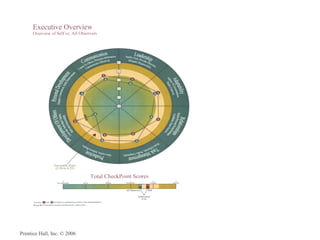
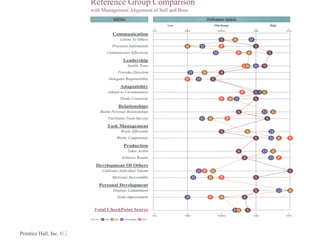
360-degree Feedback Systems
Prentice Hall, Inc. © 2006
Employees
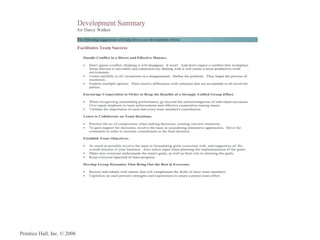
 Help plan their own development
 Improve their own performance
Managers
 Help guide the process of development
 Support success of process
Prentice Hall, Inc. © 2006
Specify actions necessary to
improve performance
Highlight employee’s
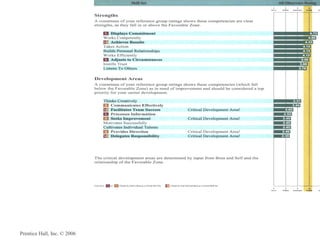
 Strengths
 Areas in need of development
Prentice Hall, Inc. © 2006
How can I continuously learn and
grow in the next year?
How can I do better in the future?
How can I avoid performance
problems of the past?
Prentice Hall, Inc. © 2006
Developmental Plan Objectives
Content of Developmental Plan
Developmental Activities
Prentice Hall, Inc. © 2006
Encourage:
 Continuous learning
 Performance improvement
 Personal growth
Prentice Hall, Inc. © 2006
Improve performance in current job
Sustain performance in current job
Prepare employee for advancement
Enrich employee’s work experience
Prentice Hall, Inc. © 2006
 Developmental objectives
 New skills or knowledge
 Timeline
 How the new skills or knowledge will be
acquired
 Resources
 Strategies
 Standards and measures used to assess
achievement of objectives
Prentice Hall, Inc. © 2006
 Based on needs of organization and
employee
 Chosen by employee and direct
supervisor
 Taking into account
 Employee’s learning preferences
 Developmental objective in question
 Organization’s available resources
Prentice Hall, Inc. © 2006
 On-the-job-training
 Mentoring
 Job rotation
 Temporary assignments
Prentice Hall, Inc. © 2006
 Courses
 Self-guided reading
 Getting a degree
 Attending a conference
 Membership or leadership role
 in professional or trade
organization
Prentice Hall, Inc. © 2006
Explain what is necessary
Refer employee to appropriate
developmental activities
Review & make suggestions
regarding developmental
objectives
Prentice Hall, Inc. © 2006
Check on employee’s progress
Provide motivational
reinforcement
Prentice Hall, Inc. © 2006
Tools to help employees
 Improve performance by using Performance
information Gathered from many sources
 Superiors
 Peers
 Customers
 Subordinates
 The employee
Prentice Hall, Inc. © 2006
 Anonymous feedback
 Most useful when used
 For DEVELOPMENT
 NOT for administrative purposes
 Internet used for collecting data
Prentice Hall, Inc. © 2006
 Cooperation
 Openness and trust
 Input and participation
valued
 Fairness
Prentice Hall, Inc. © 2006
 Advantages of 360-degree Feedback
Systems
 Risks of 360-degree Feedback Systems
 Characteristics of a Good 360-degree
Feedback System
Prentice Hall, Inc. © 2006
 Decreased possibility of biases
 Increased awareness of expectations
 Increased commitment to improve
 Improved self-perception of performance
 Improved performance
 Reduction of ‘undiscussables’
 Increased employee control of their own
careers
Prentice Hall, Inc. © 2006
 Unconstructive negative feedback hurts.
 Are individuals comfortable with the
system? User acceptance is crucial.
 If few raters, anonymity is compromised.
 Raters may become overloaded.
Prentice Hall, Inc. © 2006
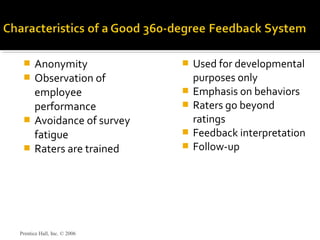
 Anonymity
 Observation of
employee
performance
 Avoidance of survey
fatigue
 Raters are trained
 Used for developmental
purposes only
 Emphasis on behaviors
 Raters go beyond
ratings
 Feedback interpretation
 Follow-up
Prentice Hall, Inc. © 2006

Performance management and employee development

  • 1.
    Personal Developmental Plans DirectSupervisor’s Role 360-degree Feedback Systems Prentice Hall, Inc. © 2006
  • 2.
    Employees  Help plantheir own development  Improve their own performance Managers  Help guide the process of development  Support success of process Prentice Hall, Inc. © 2006
  • 3.
    Specify actions necessaryto improve performance Highlight employee’s  Strengths  Areas in need of development Prentice Hall, Inc. © 2006
  • 4.
    How can Icontinuously learn and grow in the next year? How can I do better in the future? How can I avoid performance problems of the past? Prentice Hall, Inc. © 2006
  • 5.
    Developmental Plan Objectives Contentof Developmental Plan Developmental Activities Prentice Hall, Inc. © 2006
  • 6.
    Encourage:  Continuous learning Performance improvement  Personal growth Prentice Hall, Inc. © 2006
  • 7.
    Improve performance incurrent job Sustain performance in current job Prepare employee for advancement Enrich employee’s work experience Prentice Hall, Inc. © 2006
  • 8.
     Developmental objectives New skills or knowledge  Timeline  How the new skills or knowledge will be acquired  Resources  Strategies  Standards and measures used to assess achievement of objectives Prentice Hall, Inc. © 2006
  • 9.
     Based onneeds of organization and employee  Chosen by employee and direct supervisor  Taking into account  Employee’s learning preferences  Developmental objective in question  Organization’s available resources Prentice Hall, Inc. © 2006
  • 10.
     On-the-job-training  Mentoring Job rotation  Temporary assignments Prentice Hall, Inc. © 2006
  • 11.
     Courses  Self-guidedreading  Getting a degree  Attending a conference  Membership or leadership role  in professional or trade organization Prentice Hall, Inc. © 2006
  • 12.
    Explain what isnecessary Refer employee to appropriate developmental activities Review & make suggestions regarding developmental objectives Prentice Hall, Inc. © 2006
  • 13.
    Check on employee’sprogress Provide motivational reinforcement Prentice Hall, Inc. © 2006
  • 14.
    Tools to helpemployees  Improve performance by using Performance information Gathered from many sources  Superiors  Peers  Customers  Subordinates  The employee Prentice Hall, Inc. © 2006
  • 15.
     Anonymous feedback Most useful when used  For DEVELOPMENT  NOT for administrative purposes  Internet used for collecting data Prentice Hall, Inc. © 2006
  • 16.
  • 17.
  • 18.
  • 19.
  • 20.
     Cooperation  Opennessand trust  Input and participation valued  Fairness Prentice Hall, Inc. © 2006
  • 21.
     Advantages of360-degree Feedback Systems  Risks of 360-degree Feedback Systems  Characteristics of a Good 360-degree Feedback System Prentice Hall, Inc. © 2006
  • 22.
     Decreased possibilityof biases  Increased awareness of expectations  Increased commitment to improve  Improved self-perception of performance  Improved performance  Reduction of ‘undiscussables’  Increased employee control of their own careers Prentice Hall, Inc. © 2006
  • 23.
     Unconstructive negativefeedback hurts.  Are individuals comfortable with the system? User acceptance is crucial.  If few raters, anonymity is compromised.  Raters may become overloaded. Prentice Hall, Inc. © 2006
  • 24.
     Anonymity  Observationof employee performance  Avoidance of survey fatigue  Raters are trained  Used for developmental purposes only  Emphasis on behaviors  Raters go beyond ratings  Feedback interpretation  Follow-up Prentice Hall, Inc. © 2006