

TYPES OF THEORY
AEX 606 Theory constructions in social sciences (2+0)
By
V.Mohanraj,
Ph.D. Scholar,
TNAU
DEVELOPMENTAL THEORIES
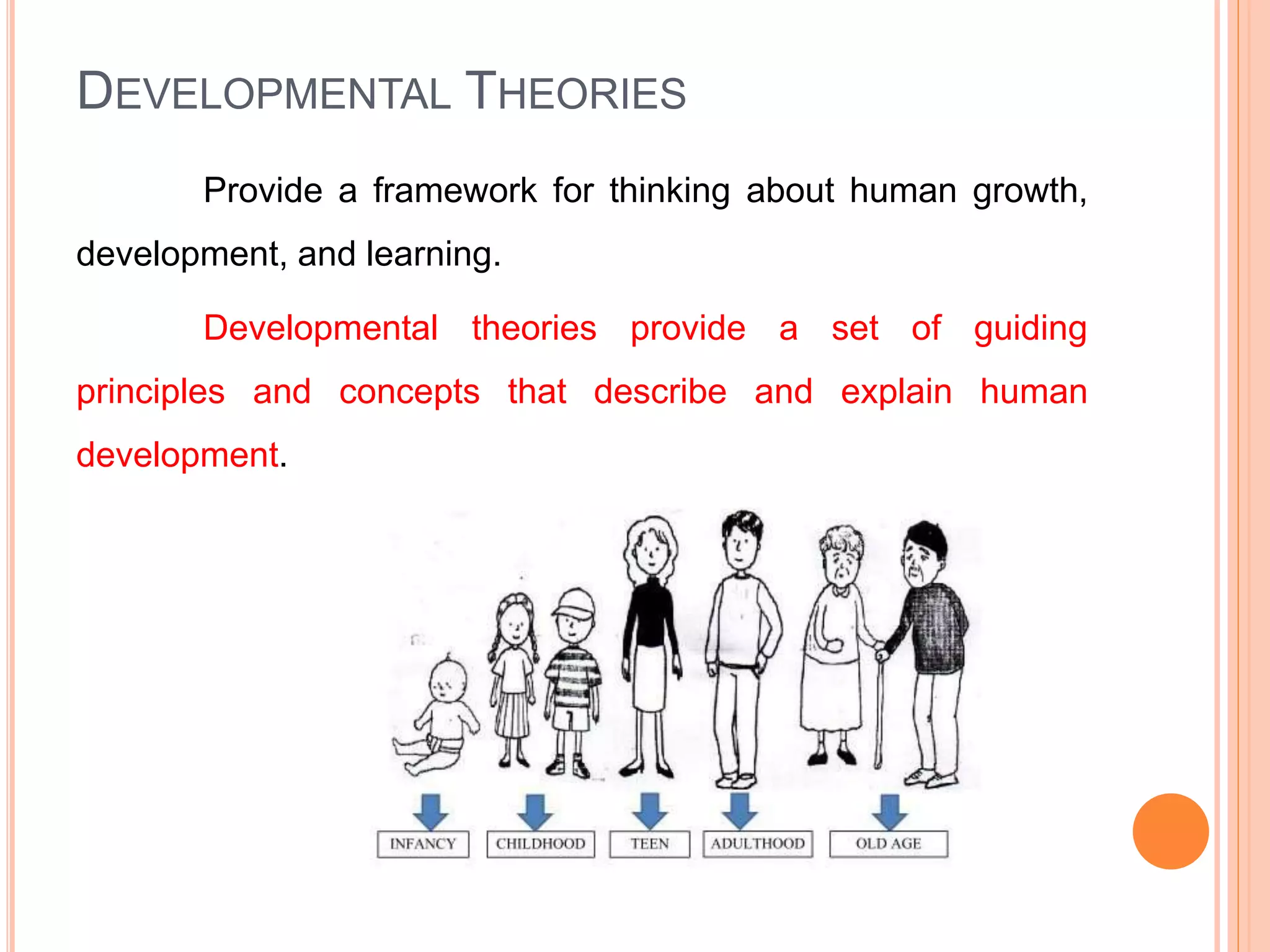
Provide a framework for thinking about human growth,
development, and learning.
Developmental theories provide a set of guiding
principles and concepts that describe and explain human
development.
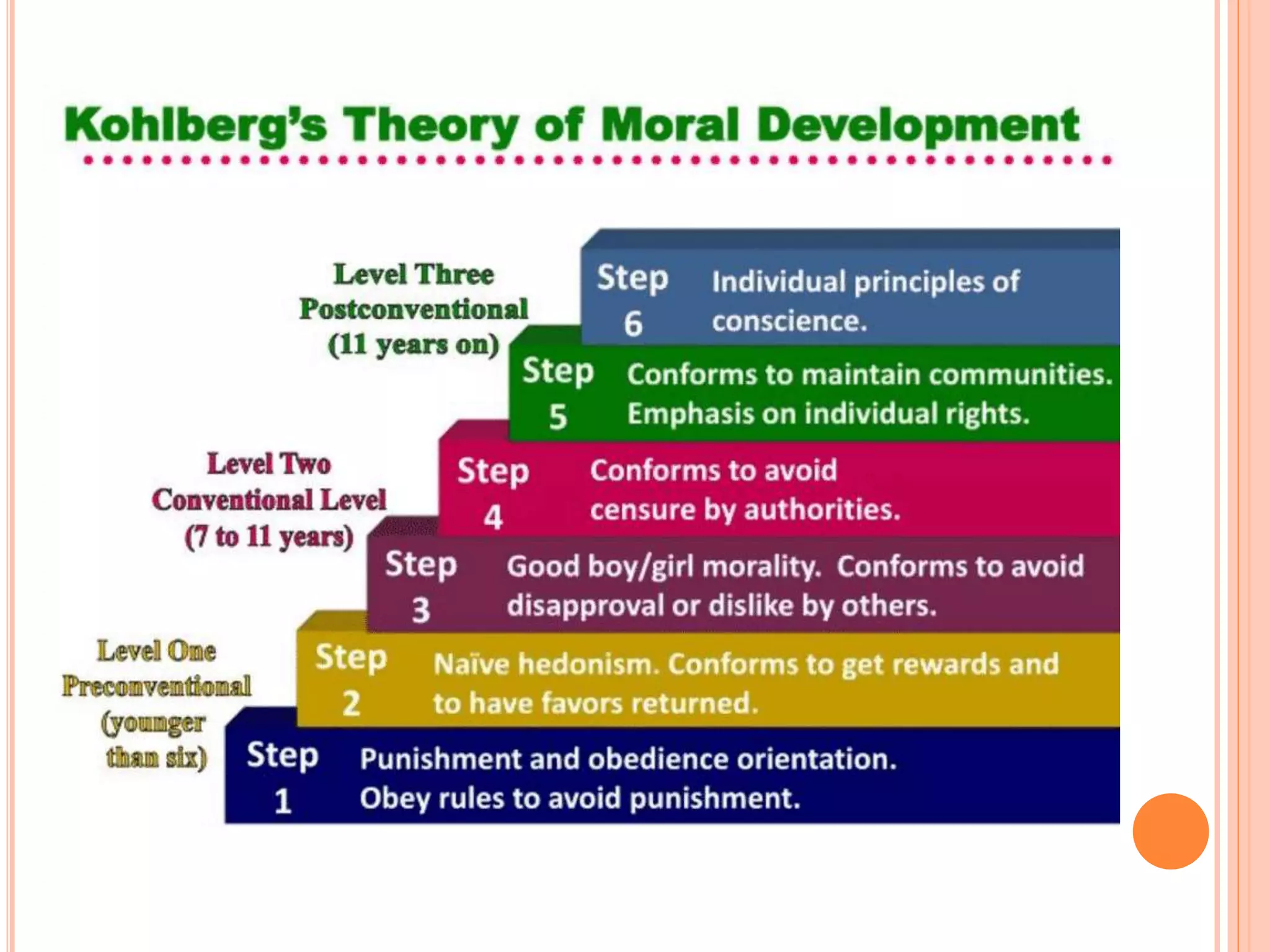
Some developmental theories focus on the formation
of a particular quality, such as Kohlberg's theory of
moral development.
Other developmental theories focus on growth
that happens throughout the lifespan, such
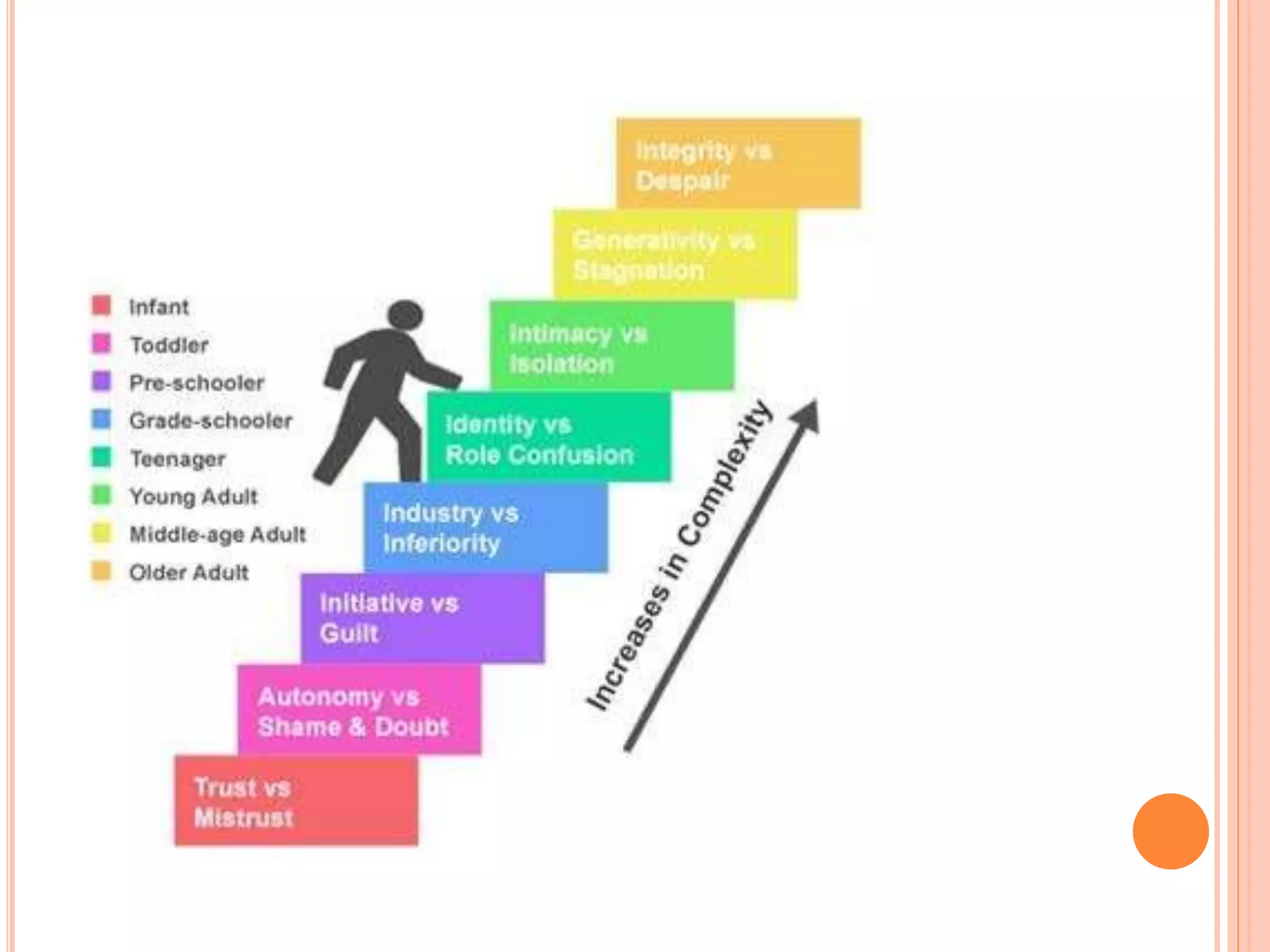
as Erikson's theory of psychosocial development.
GRAND THEORIES
 Grand theories are those comprehensive ideas often proposed by
major thinkers such as Sigmund Freud, Erik Erikson,& Jean
Piaget.
 Psychologists and researchers often use grand theories as a
basis for exploration but consider smaller theories and recent
research as well.
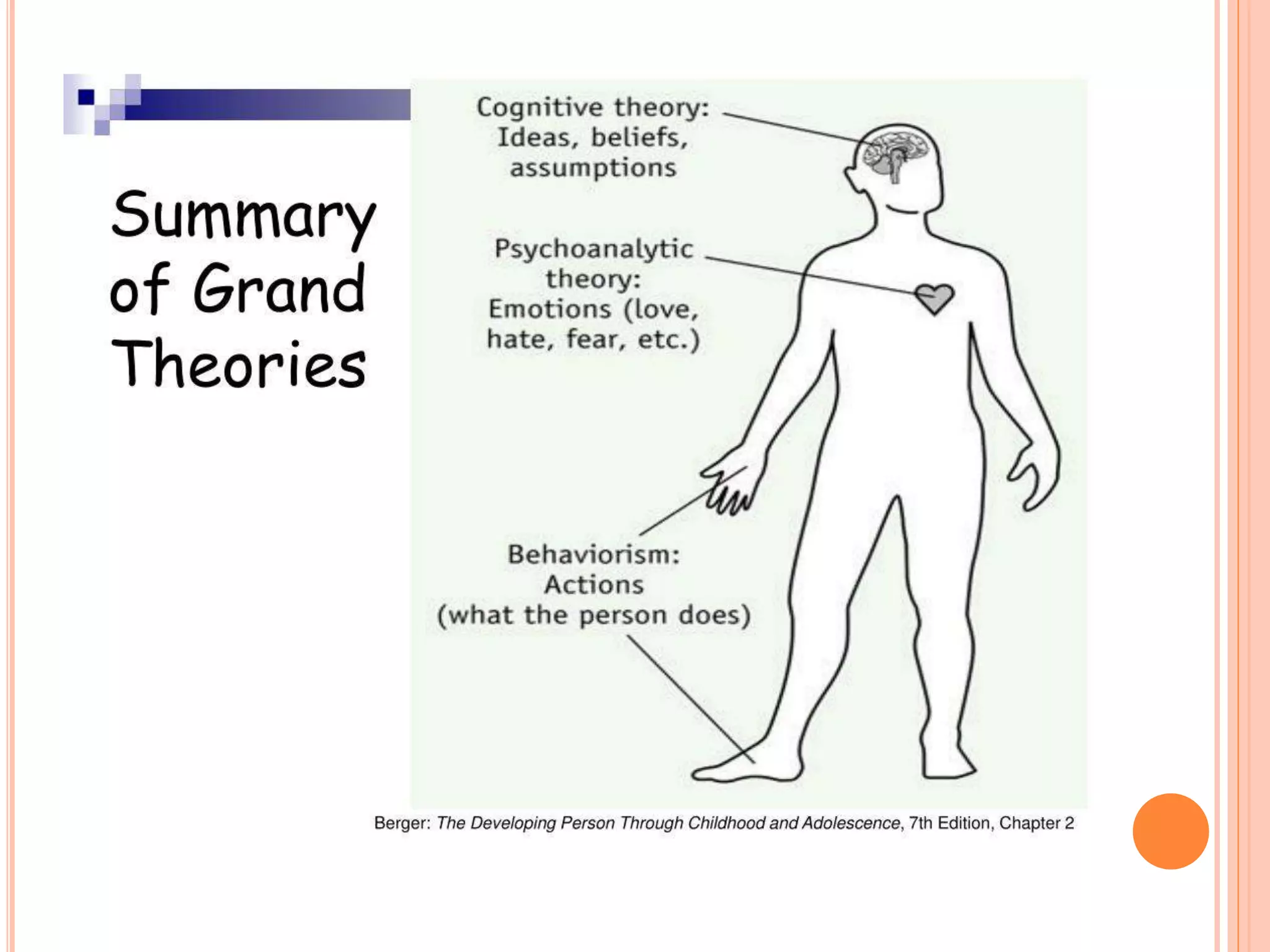
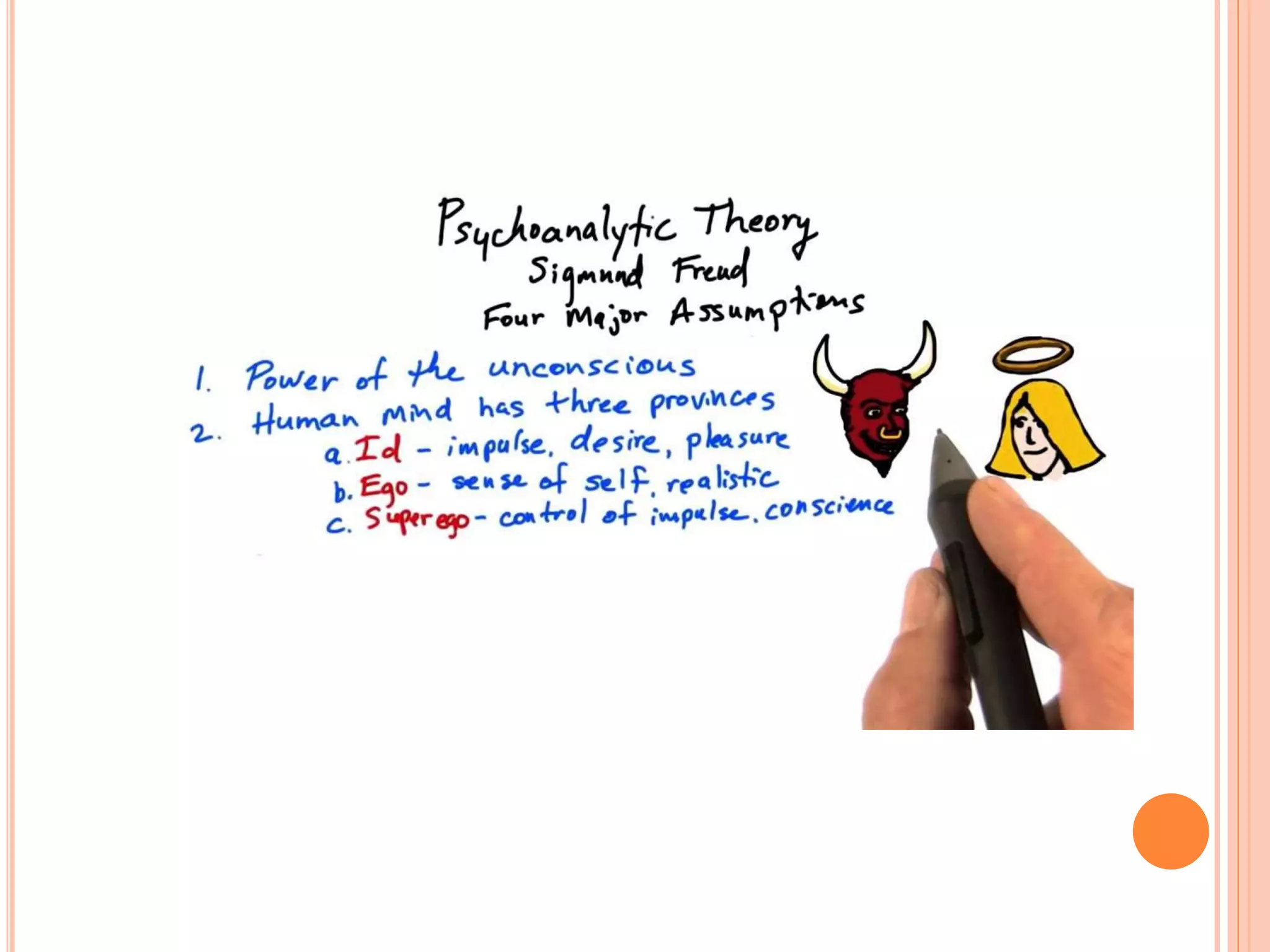
 Grand theories of development include psychoanalytic
theory, learning theory, and cognitive theory. These theories
seek to explain much of human behavior but are often
considered outdated and incomplete in the face of modern
research.
BEHAVIORAL THEORIES
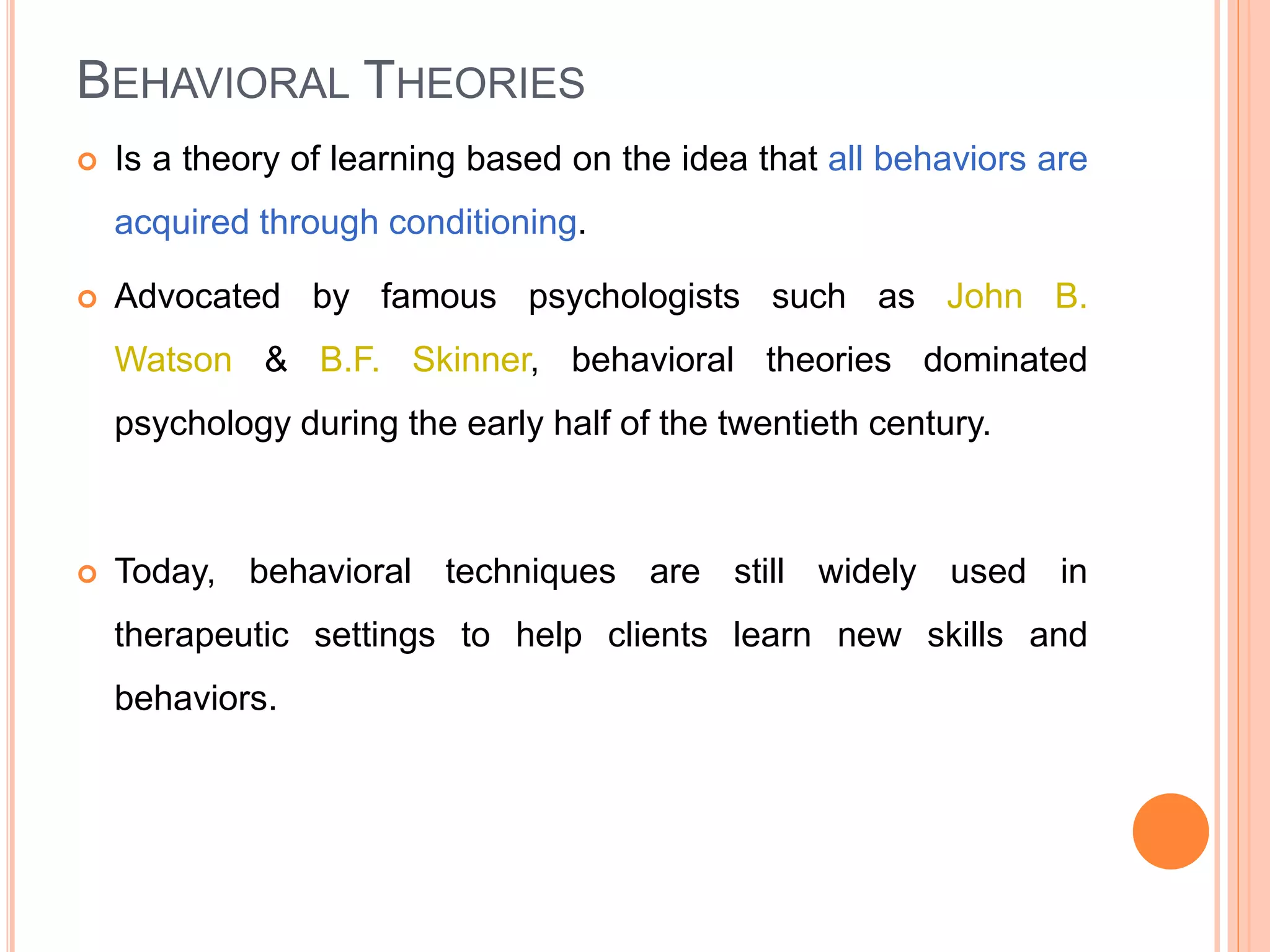
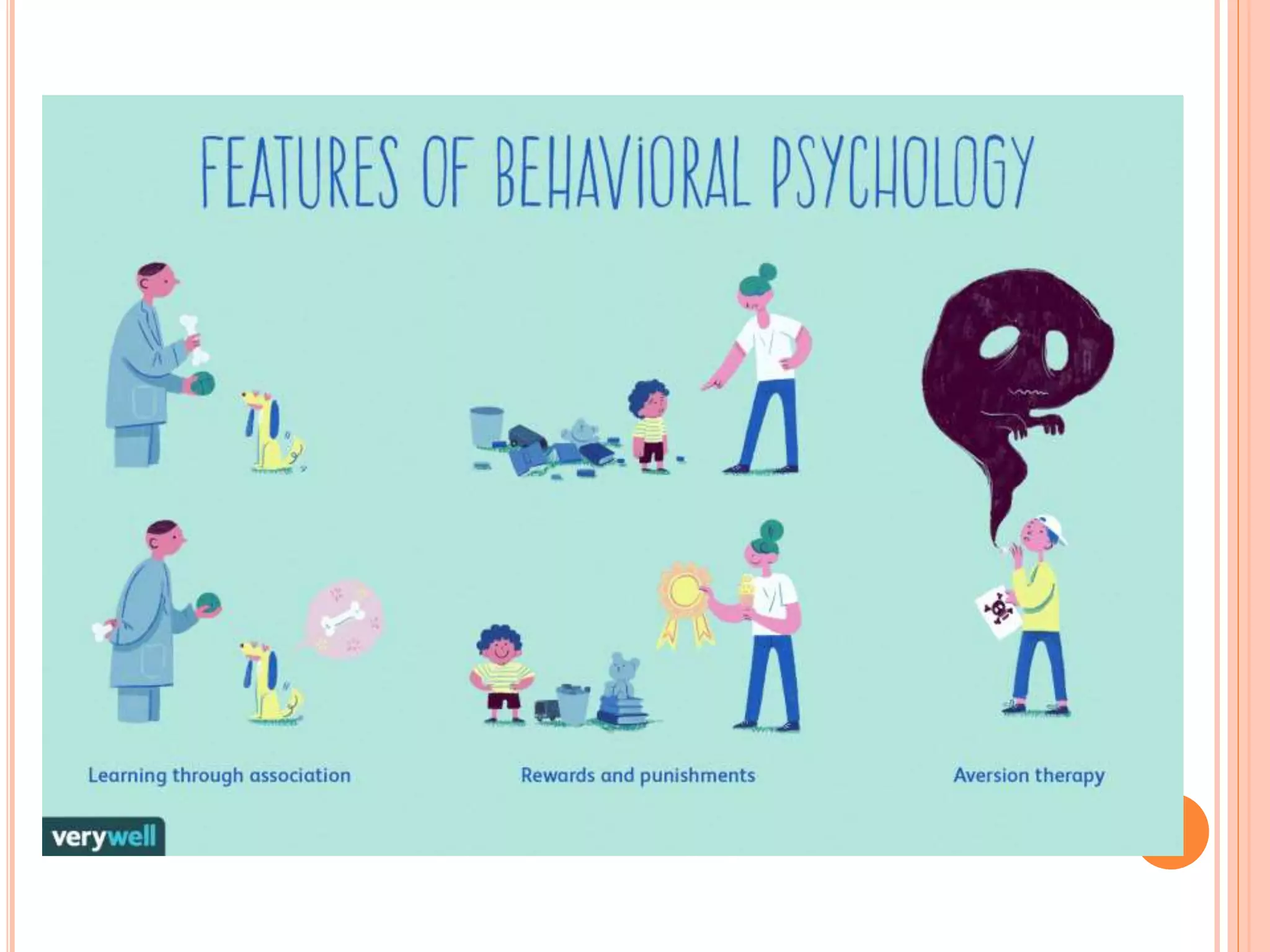
 Is a theory of learning based on the idea that all behaviors are
acquired through conditioning.
 Advocated by famous psychologists such as John B.
Watson & B.F. Skinner, behavioral theories dominated
psychology during the early half of the twentieth century.
 Today, behavioral techniques are still widely used in
therapeutic settings to help clients learn new skills and
behaviors.
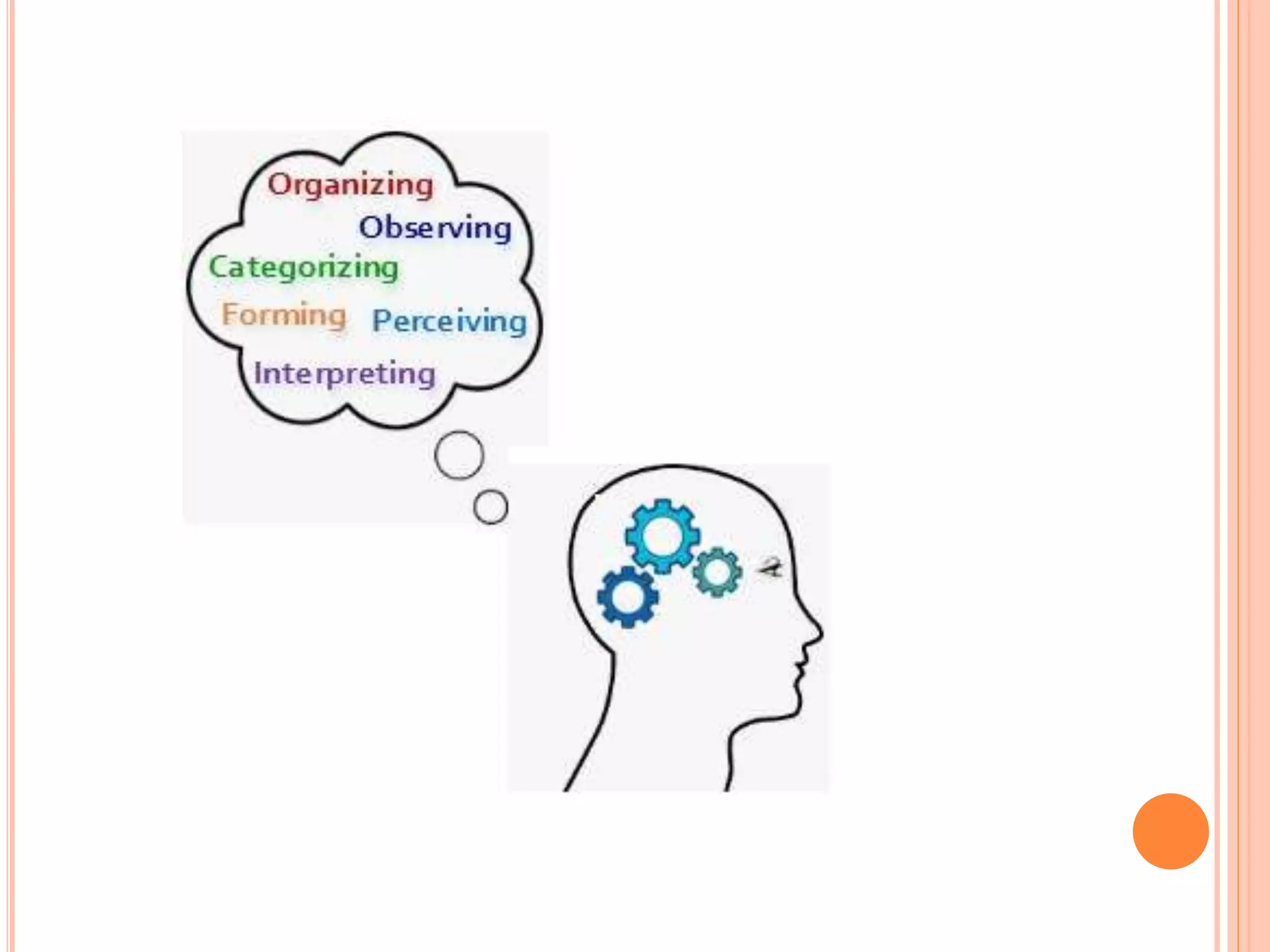
COGNITIVE THEORIES
 Cognitive theories of psychology are focused on internal
states, such as motivation, problem-solving, decision-making,
thinking, and attention.
 Such theories strive to explain different mental processes
including how the mind processes information.
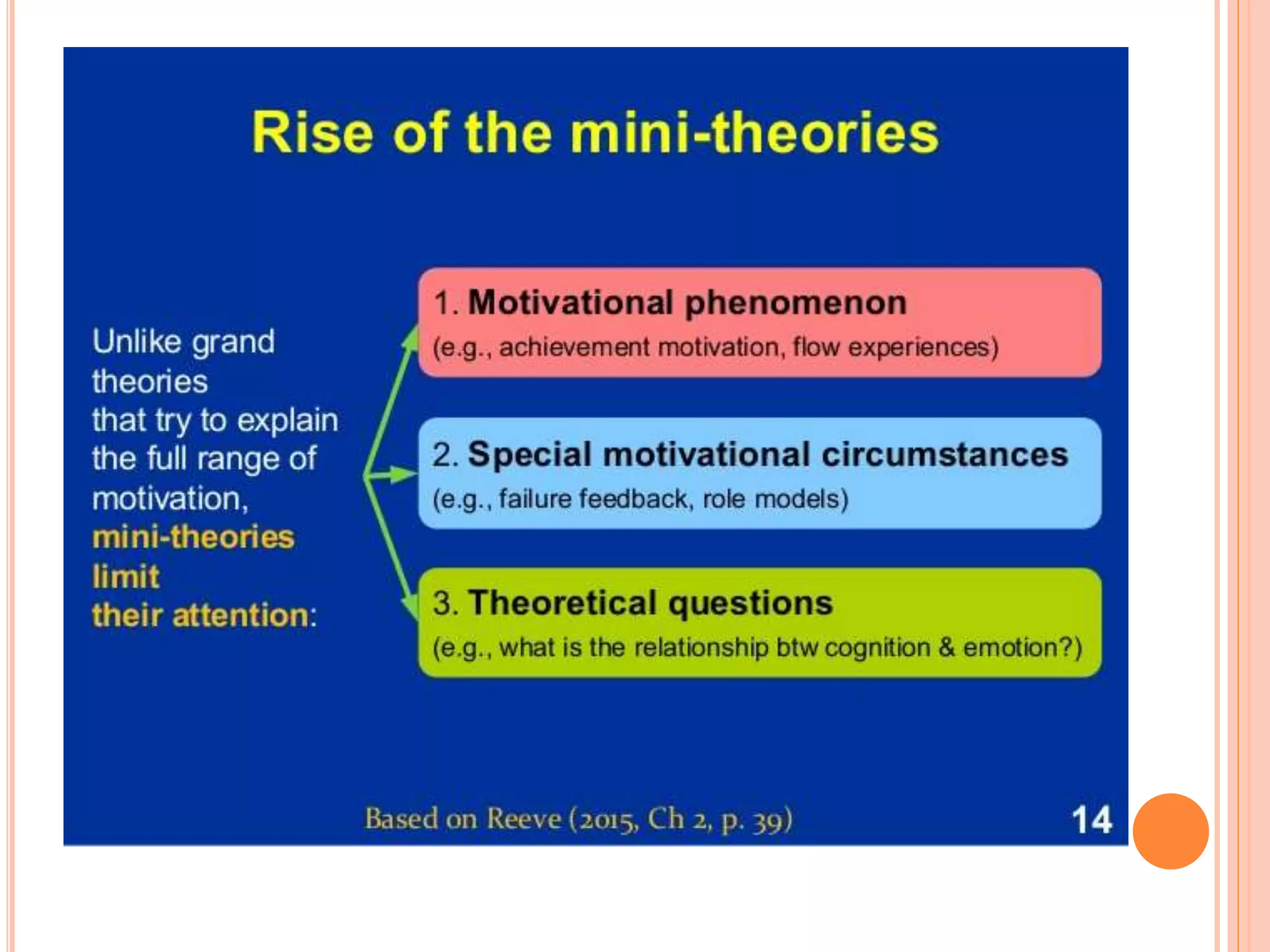
MINI-THEORIES
 Mini-theories describe a small, very particular aspect of
development.
 A mini-theory might explain relatively narrow behaviors, such
as how self-esteem is formedor early childhood socialization.
 These theories are often rooted in the ideas established by
grand theories, but they do not seek to describe and explain
the whole of human behavior and growth.
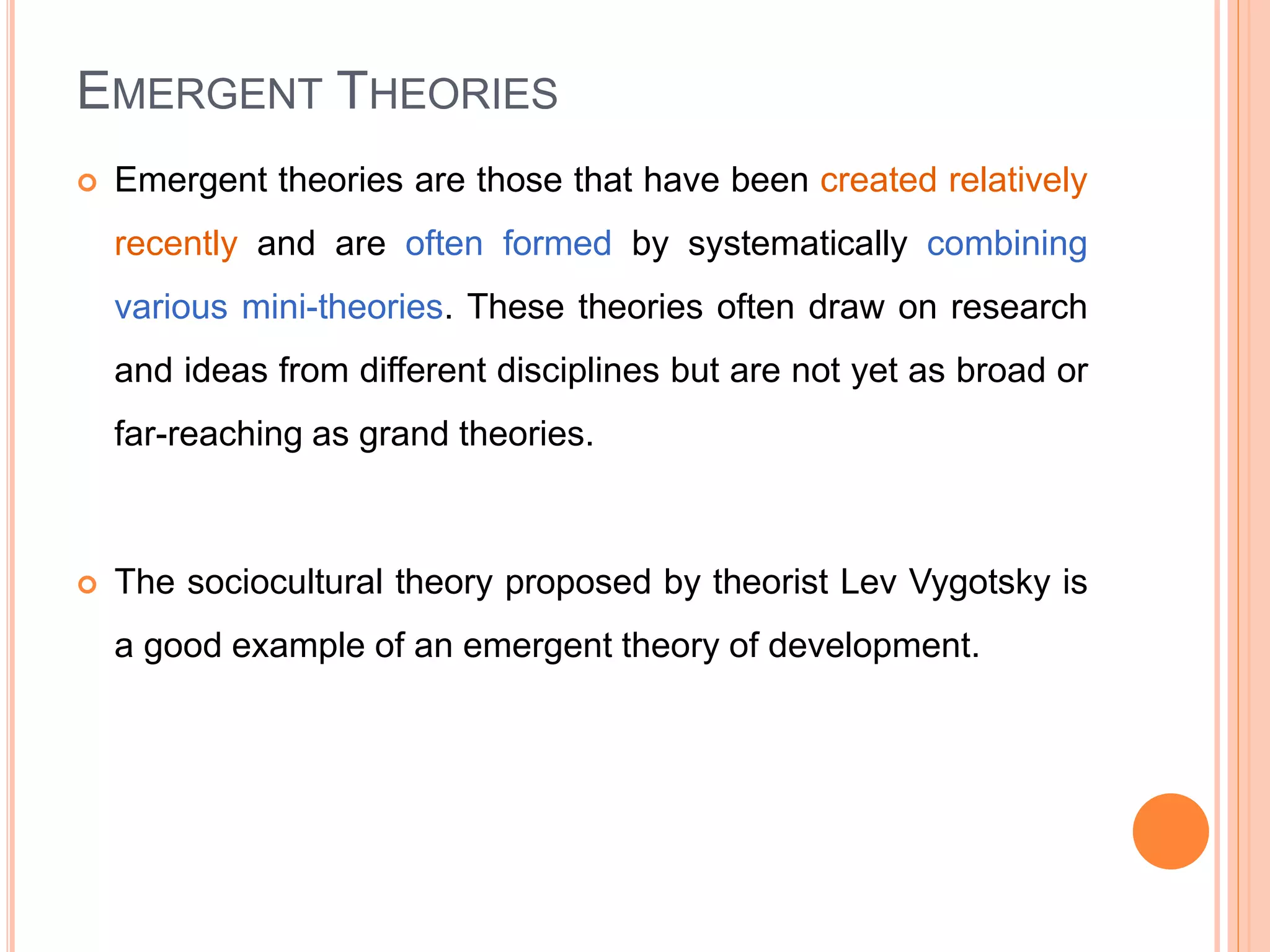
EMERGENT THEORIES
 Emergent theories are those that have been created relatively
recently and are often formed by systematically combining
various mini-theories. These theories often draw on research
and ideas from different disciplines but are not yet as broad or
far-reaching as grand theories.
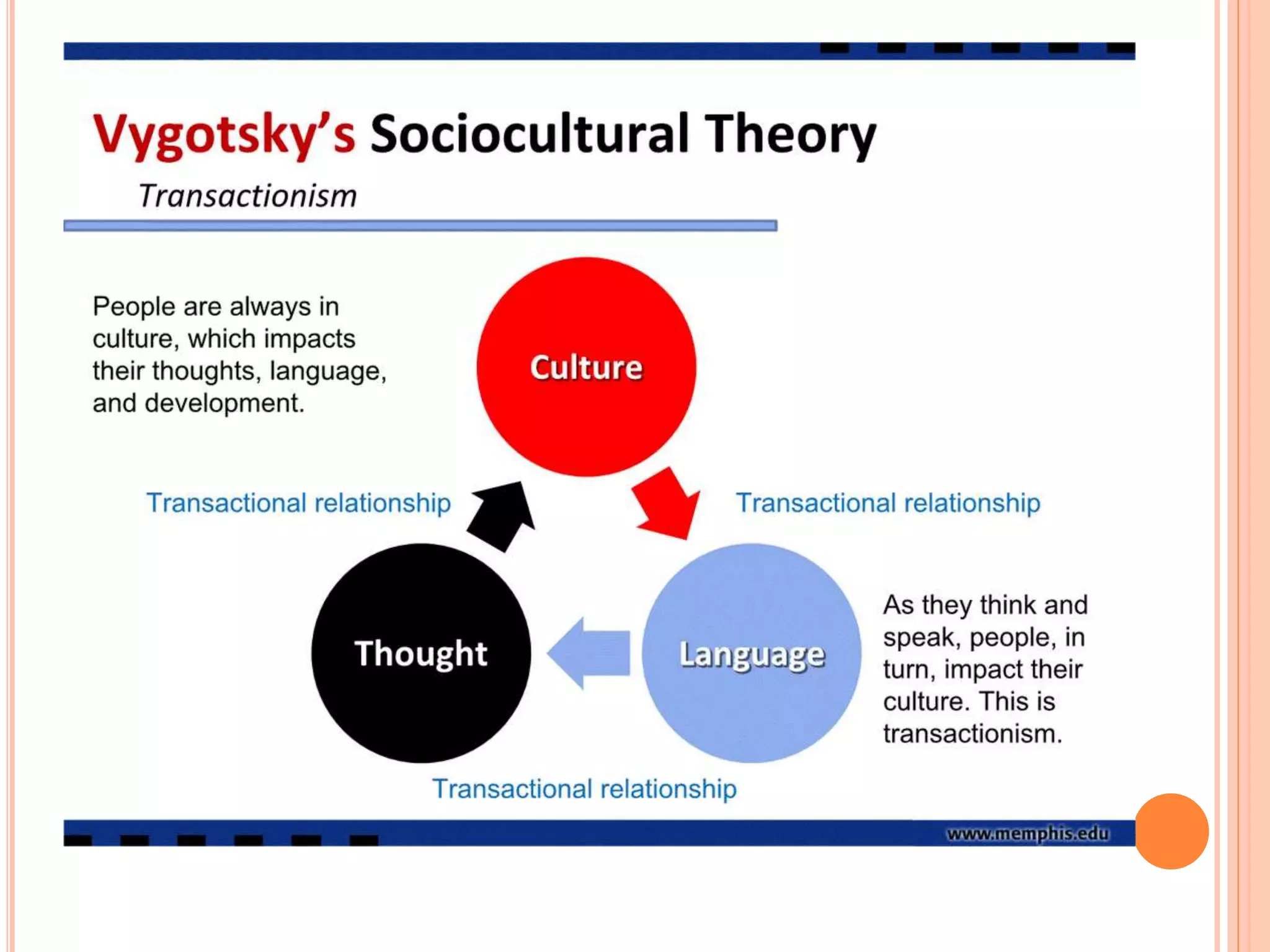
 The sociocultural theory proposed by theorist Lev Vygotsky is
a good example of an emergent theory of development.
HUMANISTIC THEORIES
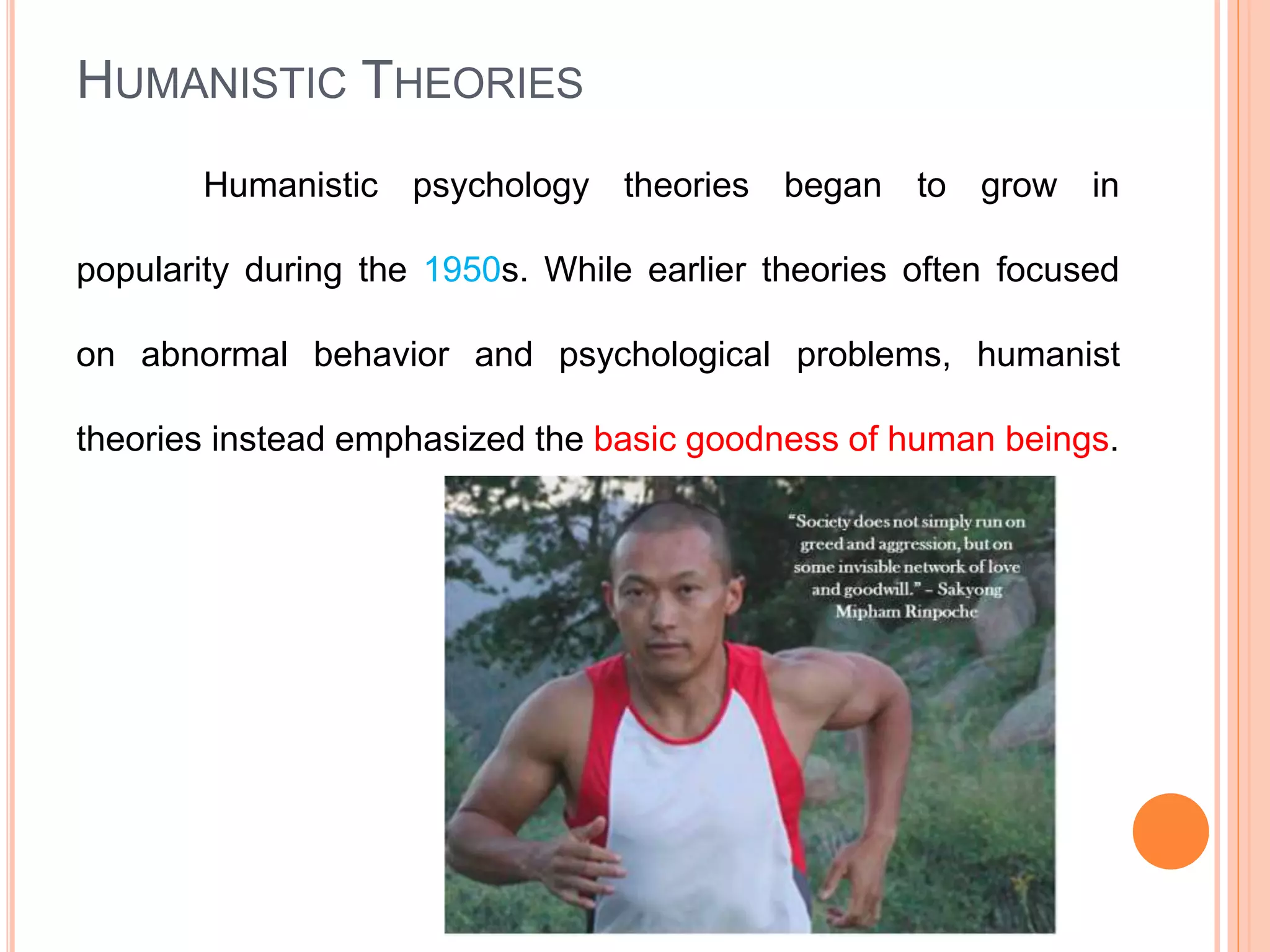
Humanistic psychology theories began to grow in
popularity during the 1950s. While earlier theories often focused
on abnormal behavior and psychological problems, humanist
theories instead emphasized the basic goodness of human beings.
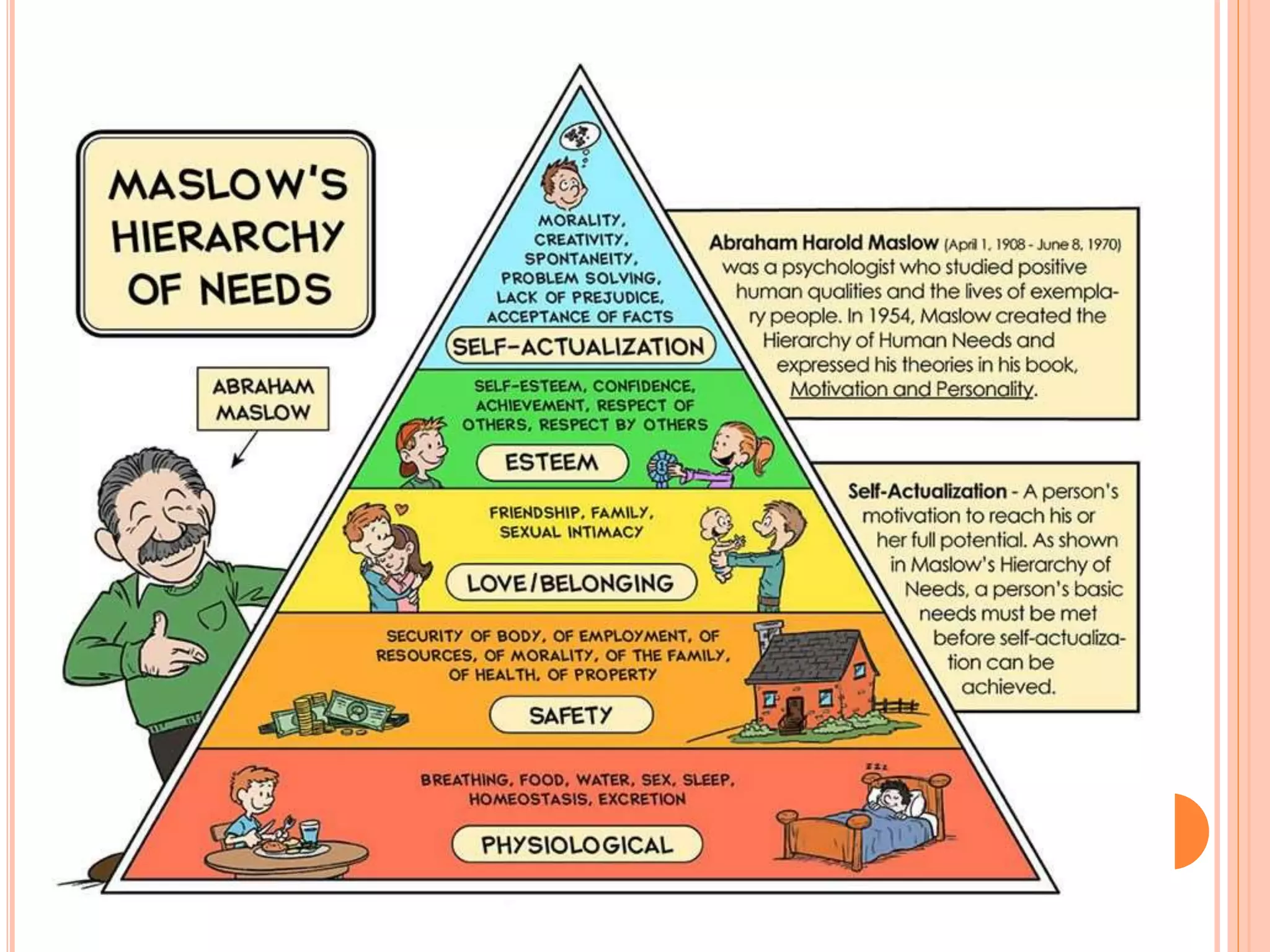
SOME OF THE MAJOR HUMANIST THEORISTS
INCLUDED CARL ROGERS AND ABRAHAM MASLOW.
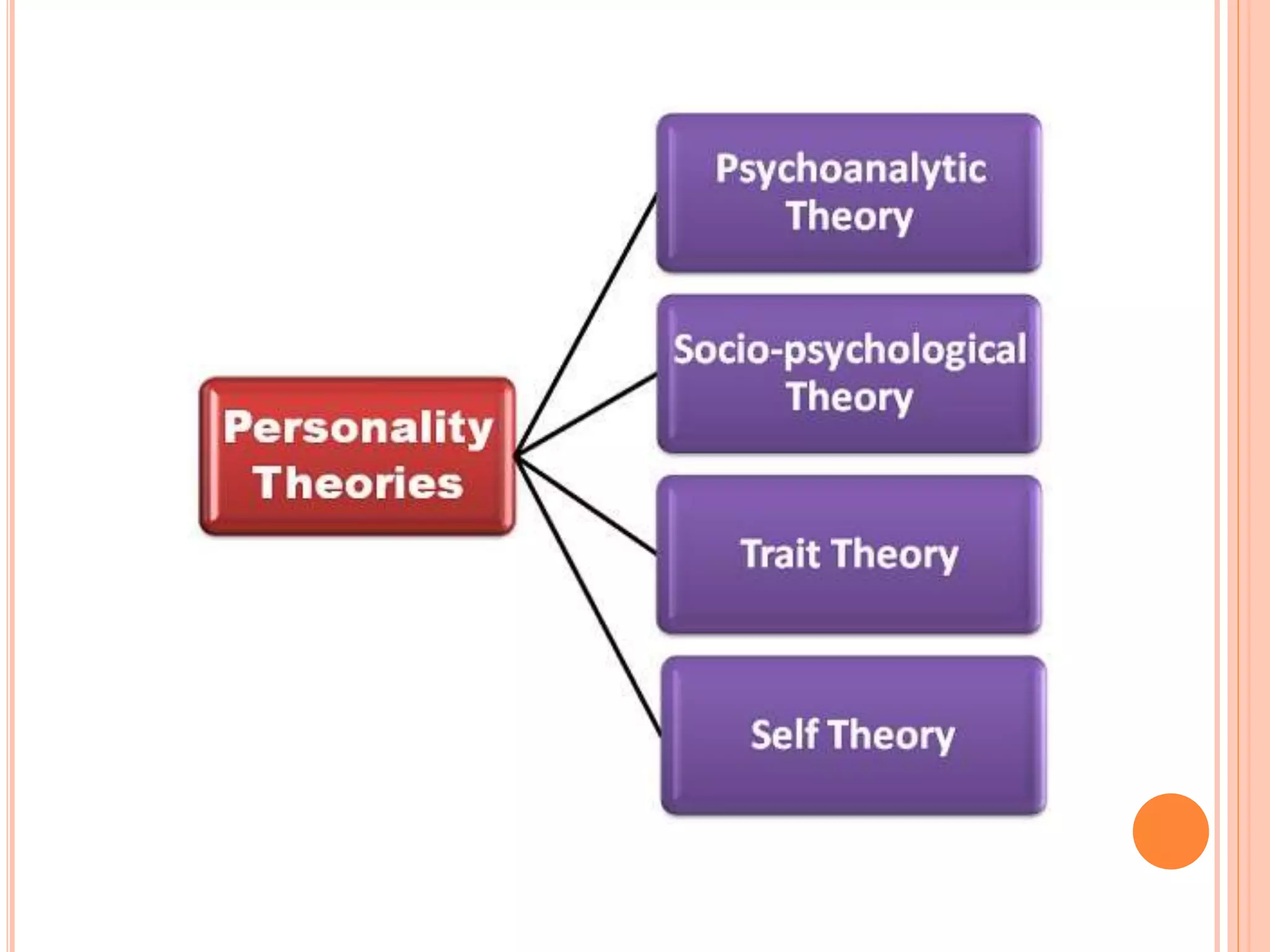
PERSONALITY THEORIES
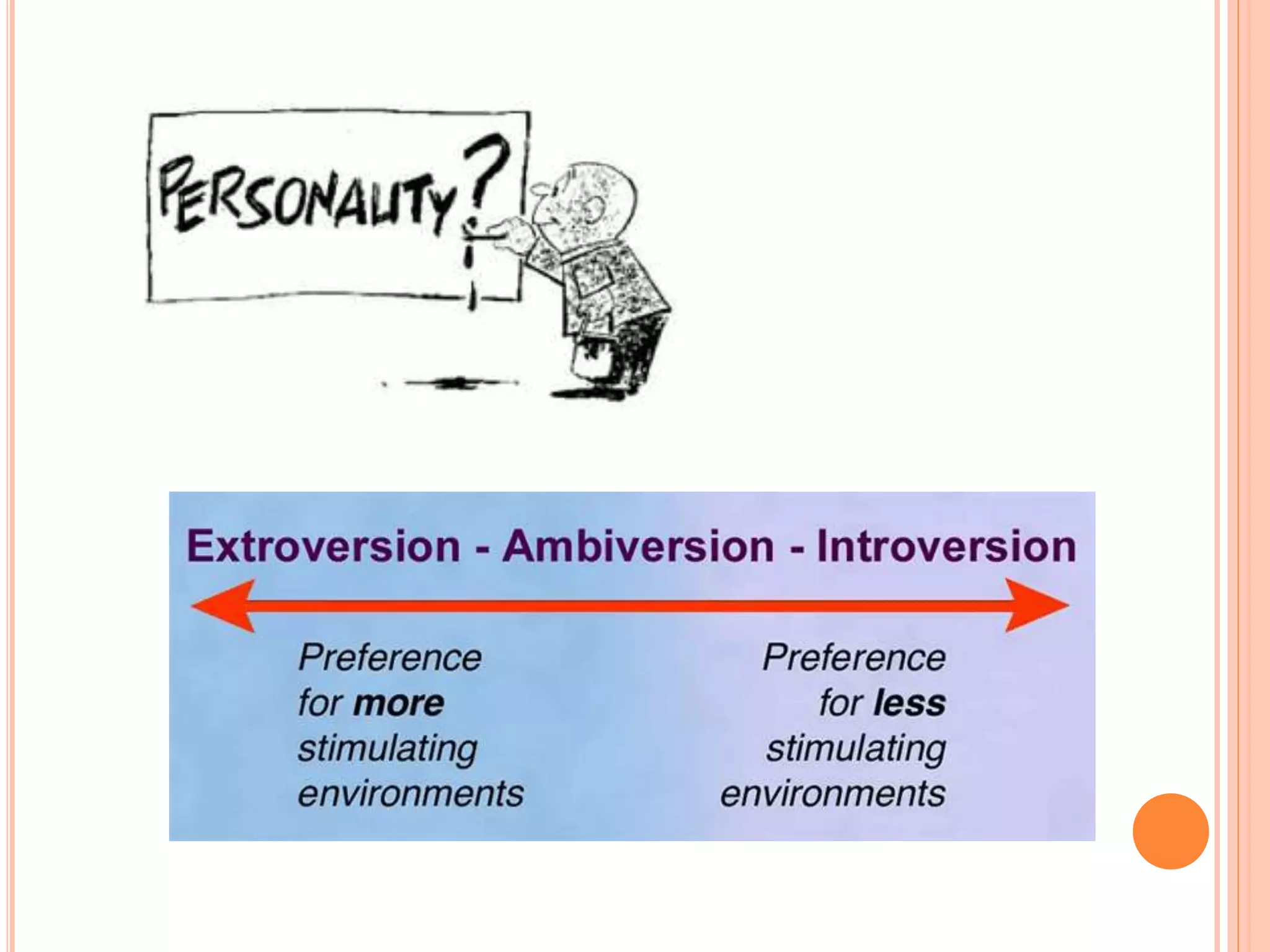
Personality psychology looks at the patterns of thoughts,
feelings, and behavior that make a person unique. Some of the best-
known theories in psychology are devoted to the subject of
personality including the trait theory of personality.
SOCIAL PSYCHOLOGY THEORIES
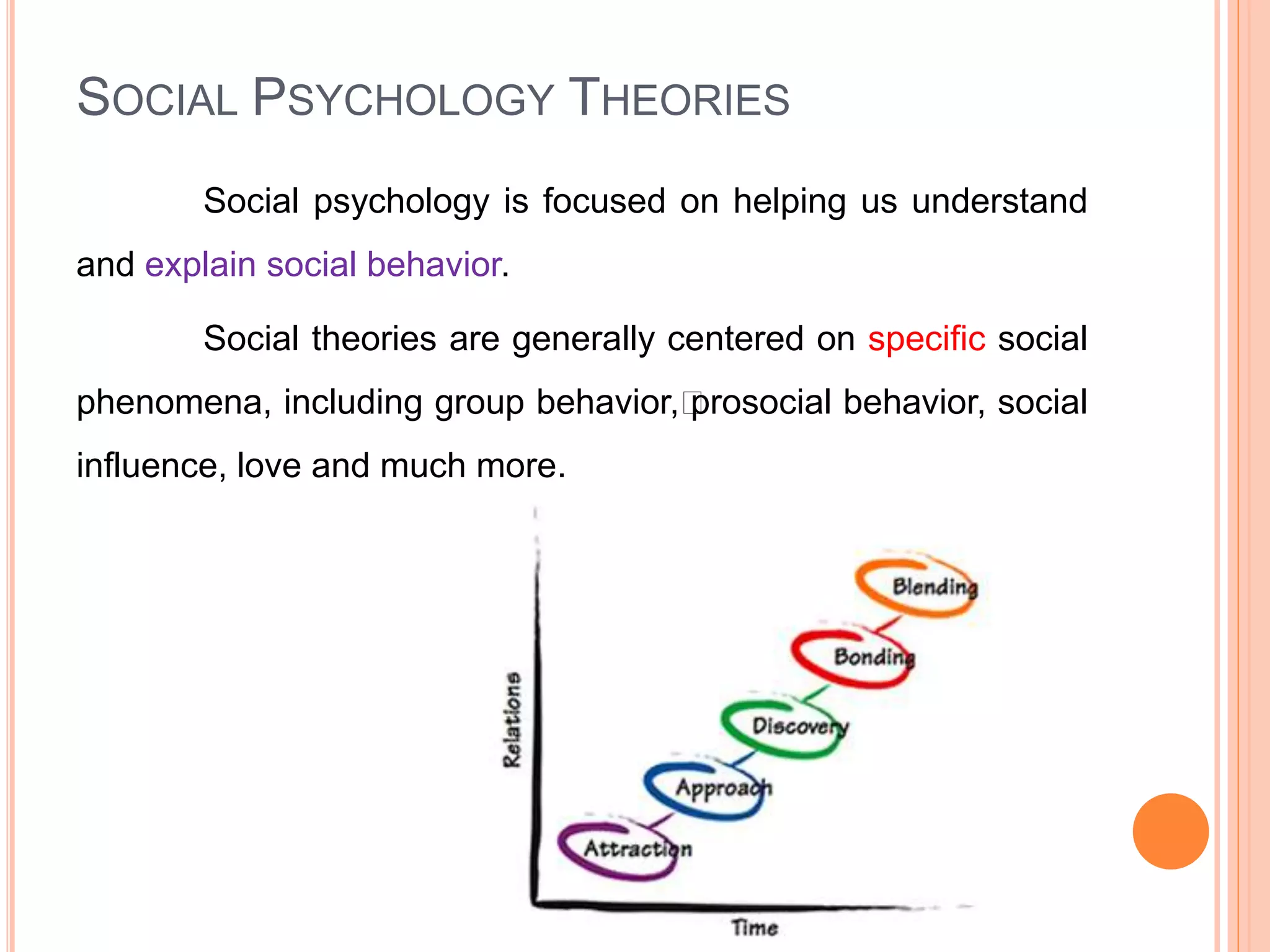
Social psychology is focused on helping us understand
and explain social behavior.
Social theories are generally centered on specific social
phenomena, including group behavior,prosocial behavior, social
influence, love and much more.
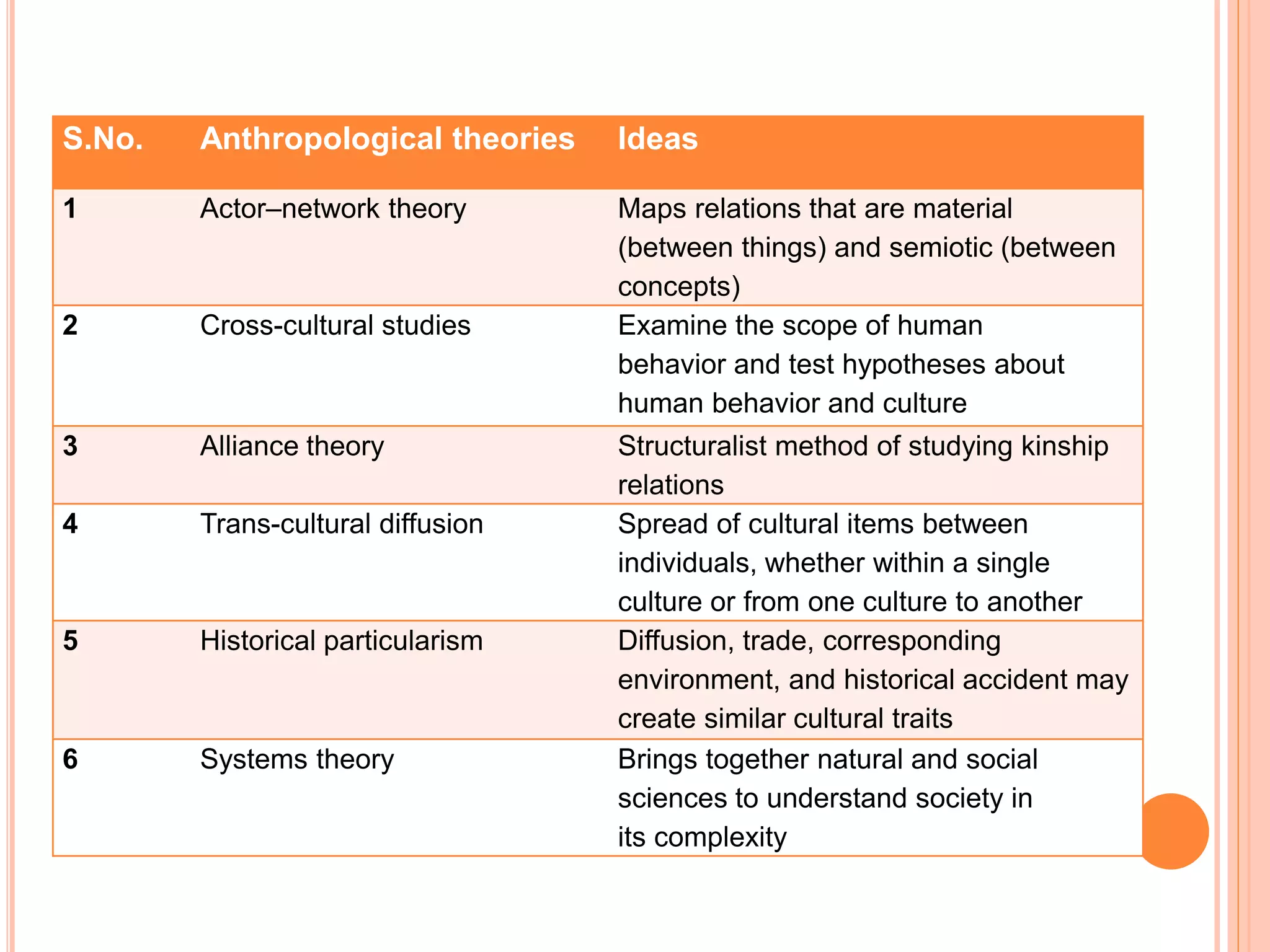
S.No. Anthropological theories Ideas
1 Actor–network theory Maps relations that are material
(between things) and semiotic (between
concepts)
2 Cross-cultural studies Examine the scope of human
behavior and test hypotheses about
human behavior and culture
3 Alliance theory Structuralist method of studying kinship
relations
4 Trans-cultural diffusion Spread of cultural items between
individuals, whether within a single
culture or from one culture to another
5 Historical particularism Diffusion, trade, corresponding
environment, and historical accident may
create similar cultural traits
6 Systems theory Brings together natural and social
sciences to understand society in
its complexity
REFERENCES:
 https://www.verywellmind.com/what-is-a-theory-
2795970
 https://slideplayer.com/slide/4005008/
 https://www.verywellmind.com/leadership-theories-
2795323

Types of theory in social science

  • 1.
    TYPES OF THEORY AEX606 Theory constructions in social sciences (2+0) By V.Mohanraj, Ph.D. Scholar, TNAU
  • 2.
    DEVELOPMENTAL THEORIES Provide aframework for thinking about human growth, development, and learning. Developmental theories provide a set of guiding principles and concepts that describe and explain human development.
  • 3.
    Some developmental theoriesfocus on the formation of a particular quality, such as Kohlberg's theory of moral development. Other developmental theories focus on growth that happens throughout the lifespan, such as Erikson's theory of psychosocial development.
  • 7.
    GRAND THEORIES  Grandtheories are those comprehensive ideas often proposed by major thinkers such as Sigmund Freud, Erik Erikson,& Jean Piaget.  Psychologists and researchers often use grand theories as a basis for exploration but consider smaller theories and recent research as well.
  • 8.
     Grand theoriesof development include psychoanalytic theory, learning theory, and cognitive theory. These theories seek to explain much of human behavior but are often considered outdated and incomplete in the face of modern research.
  • 11.
    BEHAVIORAL THEORIES  Isa theory of learning based on the idea that all behaviors are acquired through conditioning.  Advocated by famous psychologists such as John B. Watson & B.F. Skinner, behavioral theories dominated psychology during the early half of the twentieth century.  Today, behavioral techniques are still widely used in therapeutic settings to help clients learn new skills and behaviors.
  • 13.
    COGNITIVE THEORIES  Cognitivetheories of psychology are focused on internal states, such as motivation, problem-solving, decision-making, thinking, and attention.  Such theories strive to explain different mental processes including how the mind processes information.
  • 15.
    MINI-THEORIES  Mini-theories describea small, very particular aspect of development.  A mini-theory might explain relatively narrow behaviors, such as how self-esteem is formedor early childhood socialization.  These theories are often rooted in the ideas established by grand theories, but they do not seek to describe and explain the whole of human behavior and growth.
  • 18.
    EMERGENT THEORIES  Emergenttheories are those that have been created relatively recently and are often formed by systematically combining various mini-theories. These theories often draw on research and ideas from different disciplines but are not yet as broad or far-reaching as grand theories.  The sociocultural theory proposed by theorist Lev Vygotsky is a good example of an emergent theory of development.
  • 20.
    HUMANISTIC THEORIES Humanistic psychologytheories began to grow in popularity during the 1950s. While earlier theories often focused on abnormal behavior and psychological problems, humanist theories instead emphasized the basic goodness of human beings.
  • 21.
    SOME OF THEMAJOR HUMANIST THEORISTS INCLUDED CARL ROGERS AND ABRAHAM MASLOW.
  • 23.
    PERSONALITY THEORIES Personality psychologylooks at the patterns of thoughts, feelings, and behavior that make a person unique. Some of the best- known theories in psychology are devoted to the subject of personality including the trait theory of personality.
  • 25.
    SOCIAL PSYCHOLOGY THEORIES Socialpsychology is focused on helping us understand and explain social behavior. Social theories are generally centered on specific social phenomena, including group behavior,prosocial behavior, social influence, love and much more.
  • 34.
    S.No. Anthropological theoriesIdeas 1 Actor–network theory Maps relations that are material (between things) and semiotic (between concepts) 2 Cross-cultural studies Examine the scope of human behavior and test hypotheses about human behavior and culture 3 Alliance theory Structuralist method of studying kinship relations 4 Trans-cultural diffusion Spread of cultural items between individuals, whether within a single culture or from one culture to another 5 Historical particularism Diffusion, trade, corresponding environment, and historical accident may create similar cultural traits 6 Systems theory Brings together natural and social sciences to understand society in its complexity
  • 36.