 PRESENTED BY:
NAME: KINJAL S. DOSHI
Er. No.: 160210107011
SUBJECT: COMMUNICATION SKILLS
 Communication is process of passing
infortion and understanding from one to
other.
- Keith
 Communication is an behaviour that results
in exchange of meaning.
- The American
management association
 Communication is art of being understood.
- Peter
Ustinov
 Because we do not have direct access to the
thoughts and feelings of other people, we
must rely on communication to convey
messages to one another. There is more to
communication than simply using language
to speak to one another. Communication
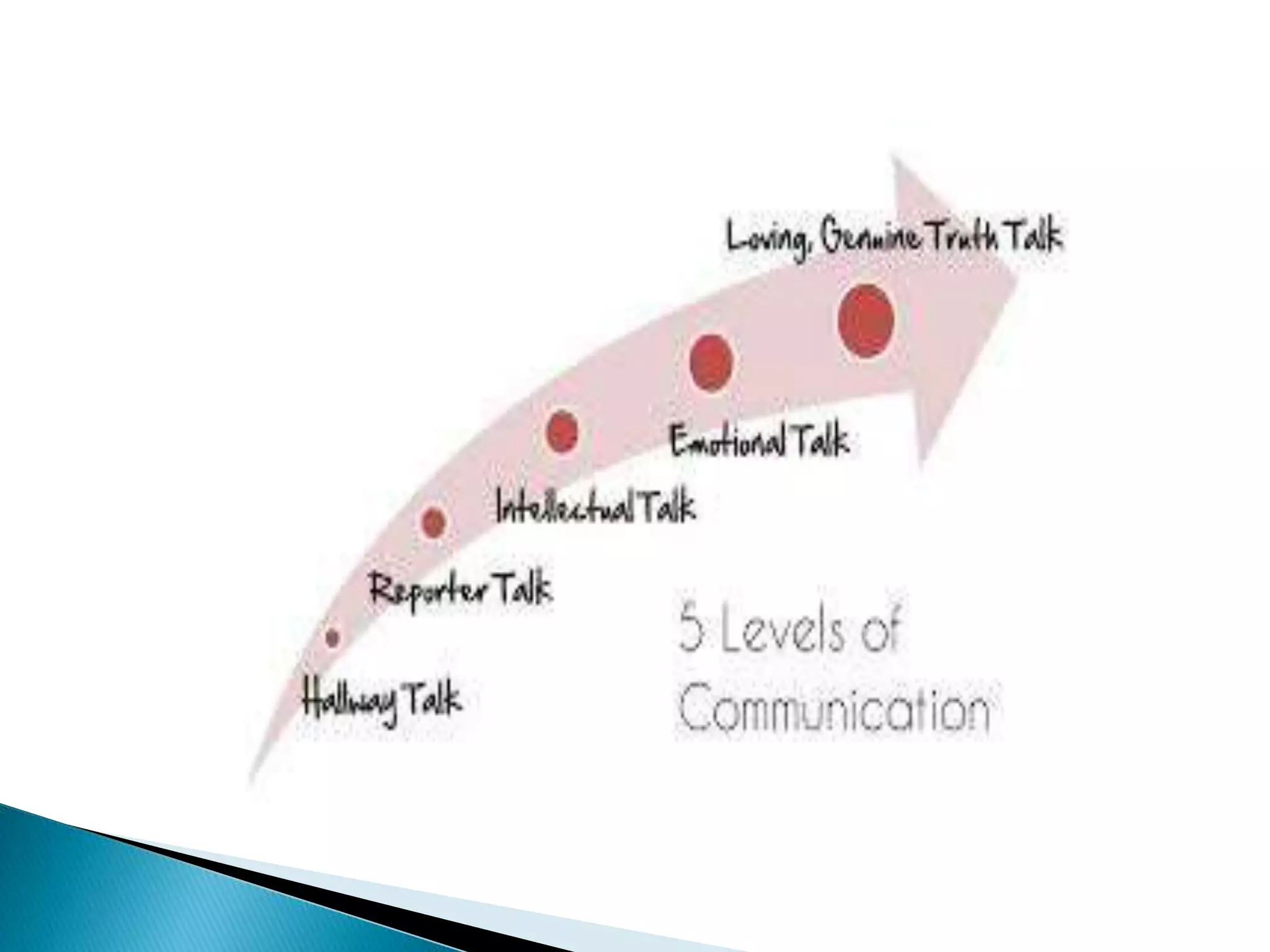
exists on a number of levels and in a variety
of forms.
 Verbal communication refers to the use of
symbols in the form of spoken words to transmit
messages.
 It is complicated by the fact that language is
arbitrary, meaning that words change over time,
due to this miscommunication occurs as word
has different meaning at different time.
 For example, the word "love" is a very imprecise
term; one person's definition of love may differ
substantially from another person's
 Nonverbal communication refers to the use of
symbols other than words to transmit messages.
 It includes gestures, body language, how we utter
words, aspects of our environment that influence
meaning and objects.
 Just like words, nonverbal symbols are
ambiguous. What is a polite gesture to one
person may be considered rude by another
person.
 For example, direct eye contact is appropriate in
U.S. society but considered disrespectful in many
Asian countries.
 Intrapersonal communication is also known
as self-talk or thinking, and refers to the
ways we communicate with ourselves.
 The way we communicate with ourselves
greatly affects our self-esteem.
 To plan our lives, rehearse scenarios before
we act them out, and tell ourselves what to
do or not do we use interapersonal
communication.
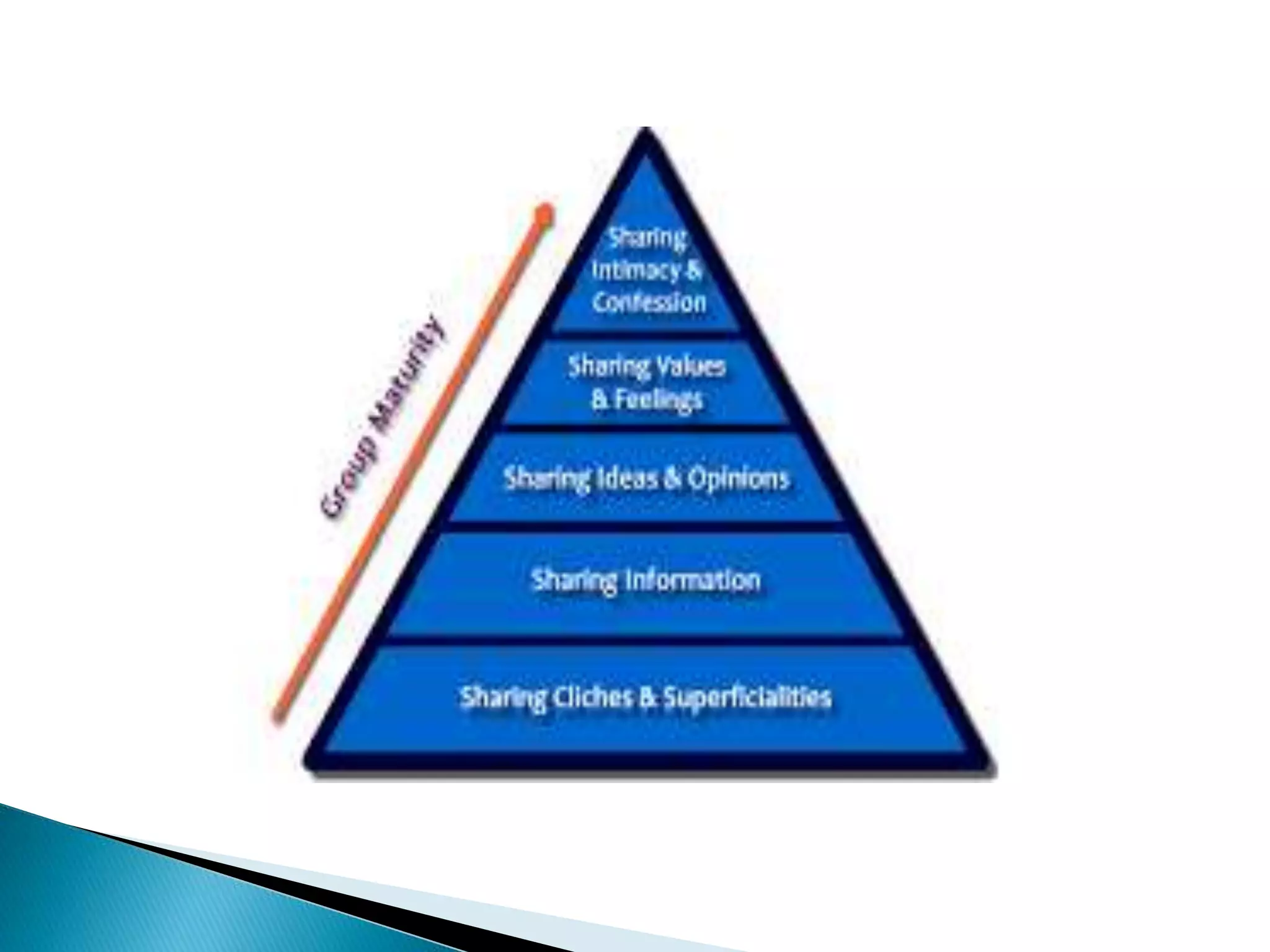
 Interpersonal communication is the
communication we have with other people.
 This type of communication varies from
highly impersonal to extremely personal.
 It is important ingredient of organisation
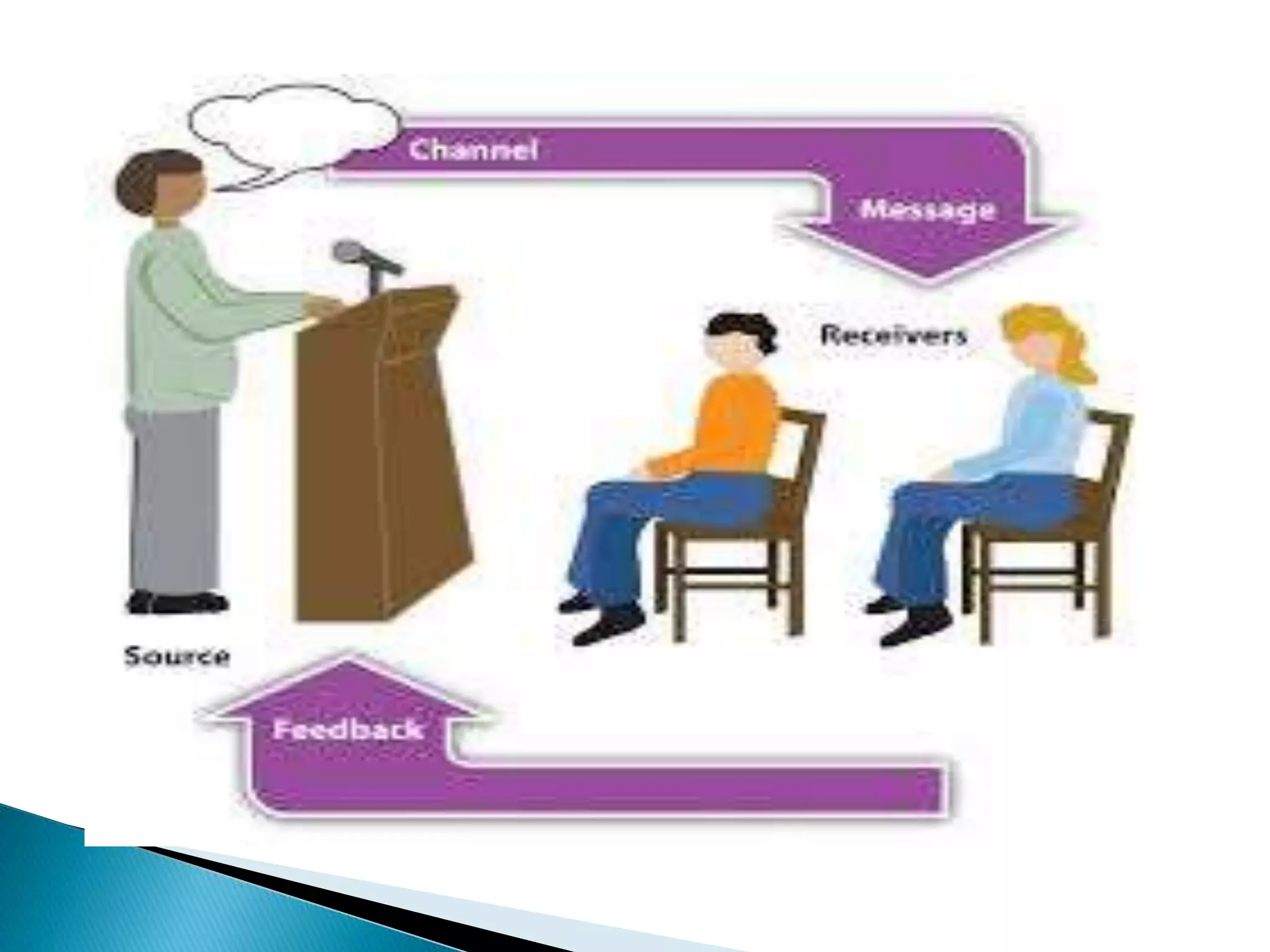
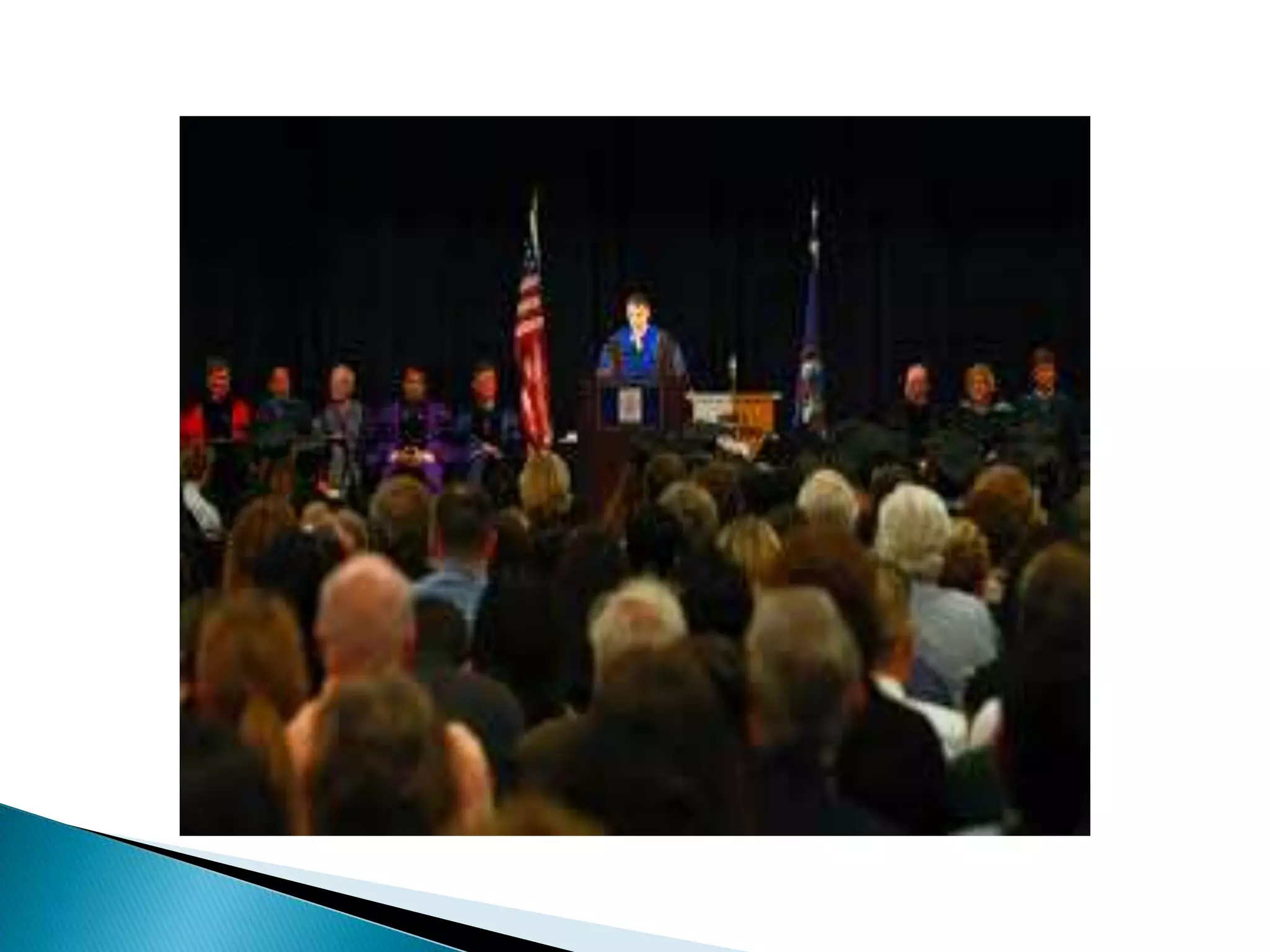
 Public communication refers to public
speeches that we deliver in front of
audiences.
 It serves three main purposes: to entertain, to
persuade and/or to inform.
 It requires greater levels of planning and
preparation on the part of the speaker and
involves less direct interaction with audience.
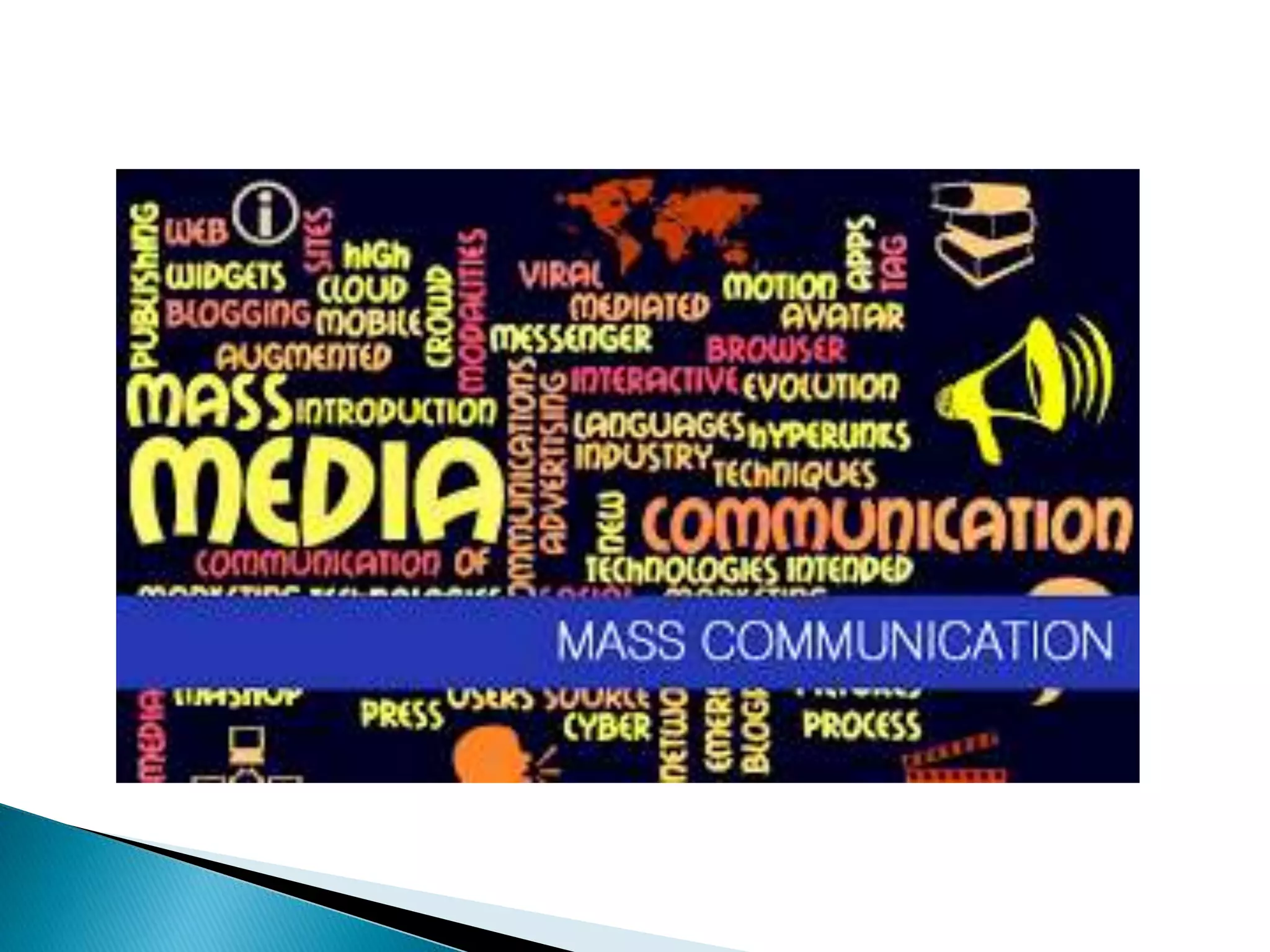
 Mass communication refers to any type of
media that is used to communicate with mass
audiences.
 Examples of mass media include books,
television, radios, films, computer
technologies, magazines and newspapers.
 Mass communication is responsible for giving
us views of events, issues and people from
cultures that differ from ours.
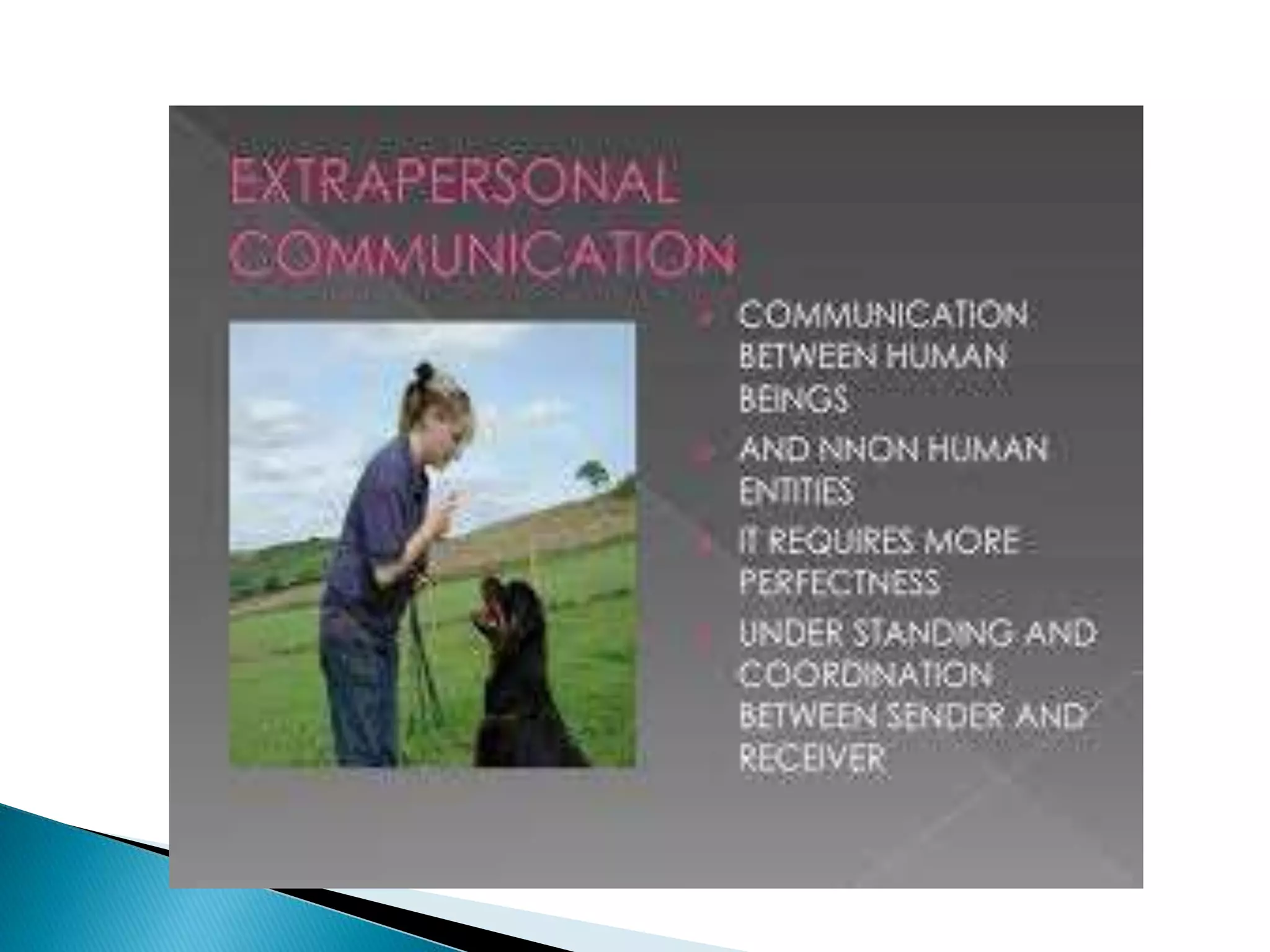
 Communication between human being and
non-human being is extra personal
communication.
 From all communication this calls for perfect
coordination and comprehension between
sender and reciever.
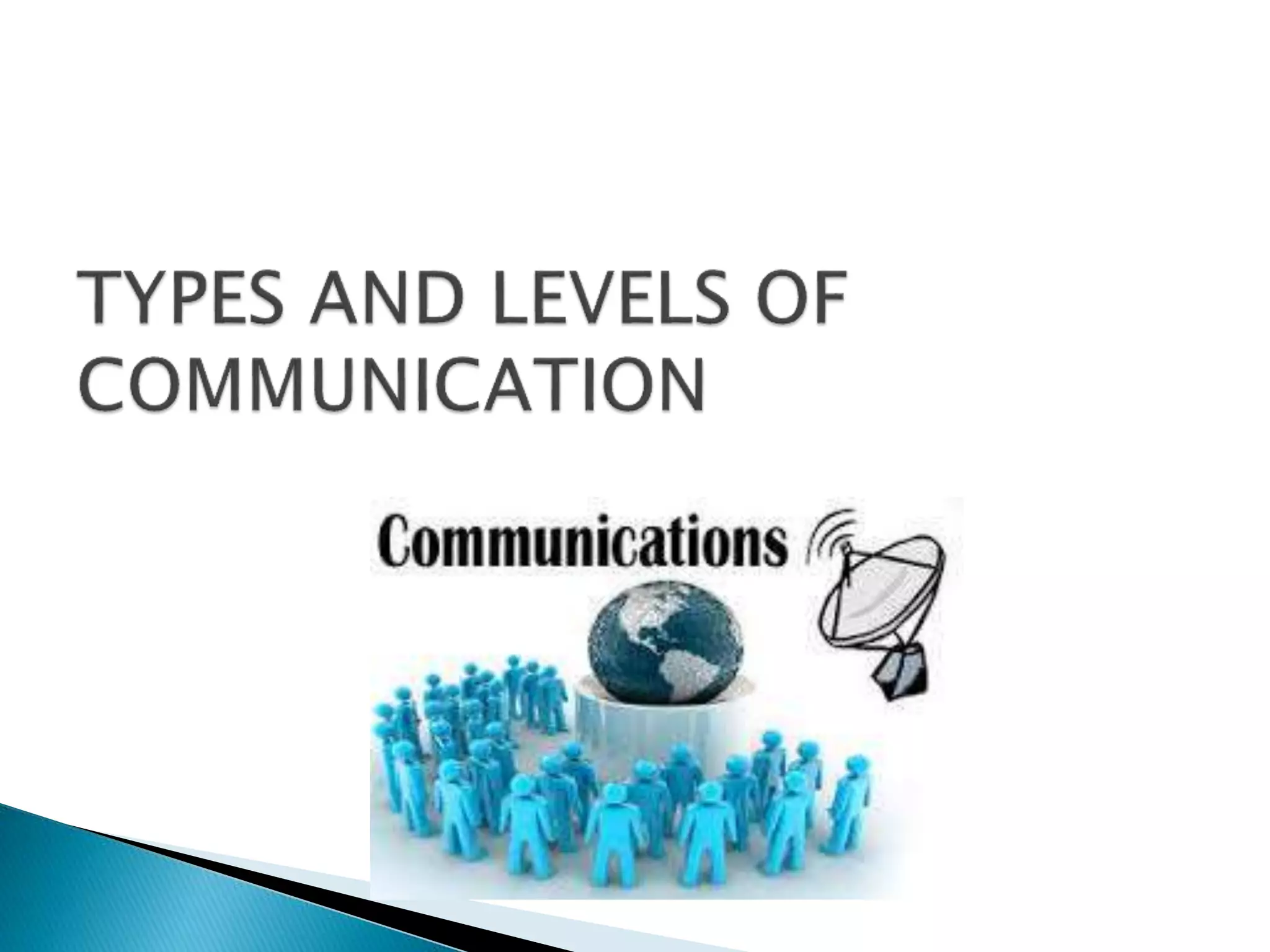
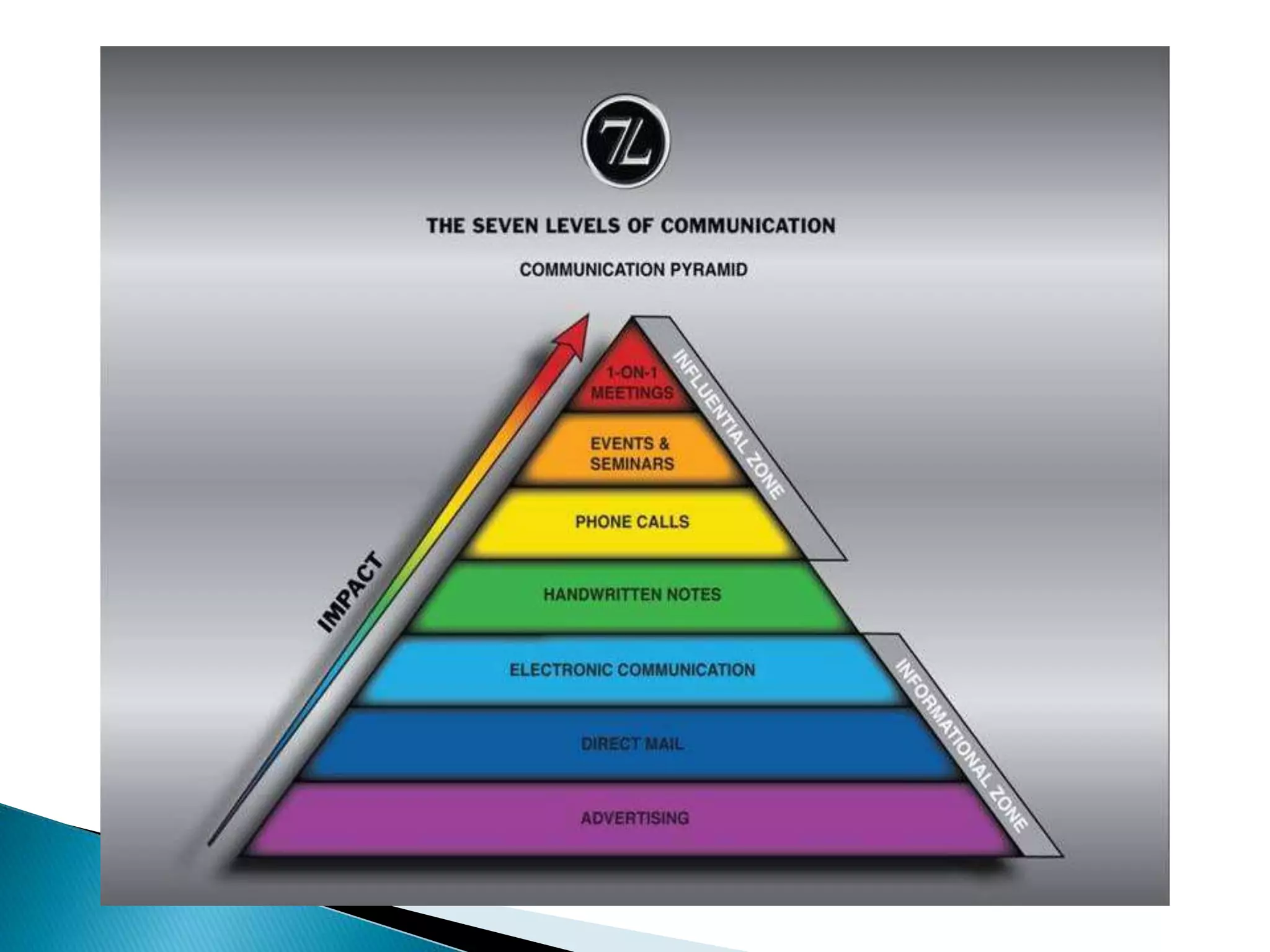
Types and levels of communication

Types and levels of communication

  • 2.
     PRESENTED BY: NAME:KINJAL S. DOSHI Er. No.: 160210107011 SUBJECT: COMMUNICATION SKILLS
  • 6.
     Communication isprocess of passing infortion and understanding from one to other. - Keith  Communication is an behaviour that results in exchange of meaning. - The American management association  Communication is art of being understood. - Peter Ustinov
  • 7.
     Because wedo not have direct access to the thoughts and feelings of other people, we must rely on communication to convey messages to one another. There is more to communication than simply using language to speak to one another. Communication exists on a number of levels and in a variety of forms.
  • 8.
     Verbal communicationrefers to the use of symbols in the form of spoken words to transmit messages.  It is complicated by the fact that language is arbitrary, meaning that words change over time, due to this miscommunication occurs as word has different meaning at different time.  For example, the word "love" is a very imprecise term; one person's definition of love may differ substantially from another person's
  • 10.
     Nonverbal communicationrefers to the use of symbols other than words to transmit messages.  It includes gestures, body language, how we utter words, aspects of our environment that influence meaning and objects.  Just like words, nonverbal symbols are ambiguous. What is a polite gesture to one person may be considered rude by another person.  For example, direct eye contact is appropriate in U.S. society but considered disrespectful in many Asian countries.
  • 11.
     Intrapersonal communicationis also known as self-talk or thinking, and refers to the ways we communicate with ourselves.  The way we communicate with ourselves greatly affects our self-esteem.  To plan our lives, rehearse scenarios before we act them out, and tell ourselves what to do or not do we use interapersonal communication.
  • 12.
     Interpersonal communicationis the communication we have with other people.  This type of communication varies from highly impersonal to extremely personal.  It is important ingredient of organisation
  • 14.
     Public communicationrefers to public speeches that we deliver in front of audiences.  It serves three main purposes: to entertain, to persuade and/or to inform.  It requires greater levels of planning and preparation on the part of the speaker and involves less direct interaction with audience.
  • 16.
     Mass communicationrefers to any type of media that is used to communicate with mass audiences.  Examples of mass media include books, television, radios, films, computer technologies, magazines and newspapers.  Mass communication is responsible for giving us views of events, issues and people from cultures that differ from ours.
  • 19.
     Communication betweenhuman being and non-human being is extra personal communication.  From all communication this calls for perfect coordination and comprehension between sender and reciever.