Caspian Energy 3.0 - Transition through Gas
Caspian Oil & Gas 2013
Chris Cook
5th June 2013
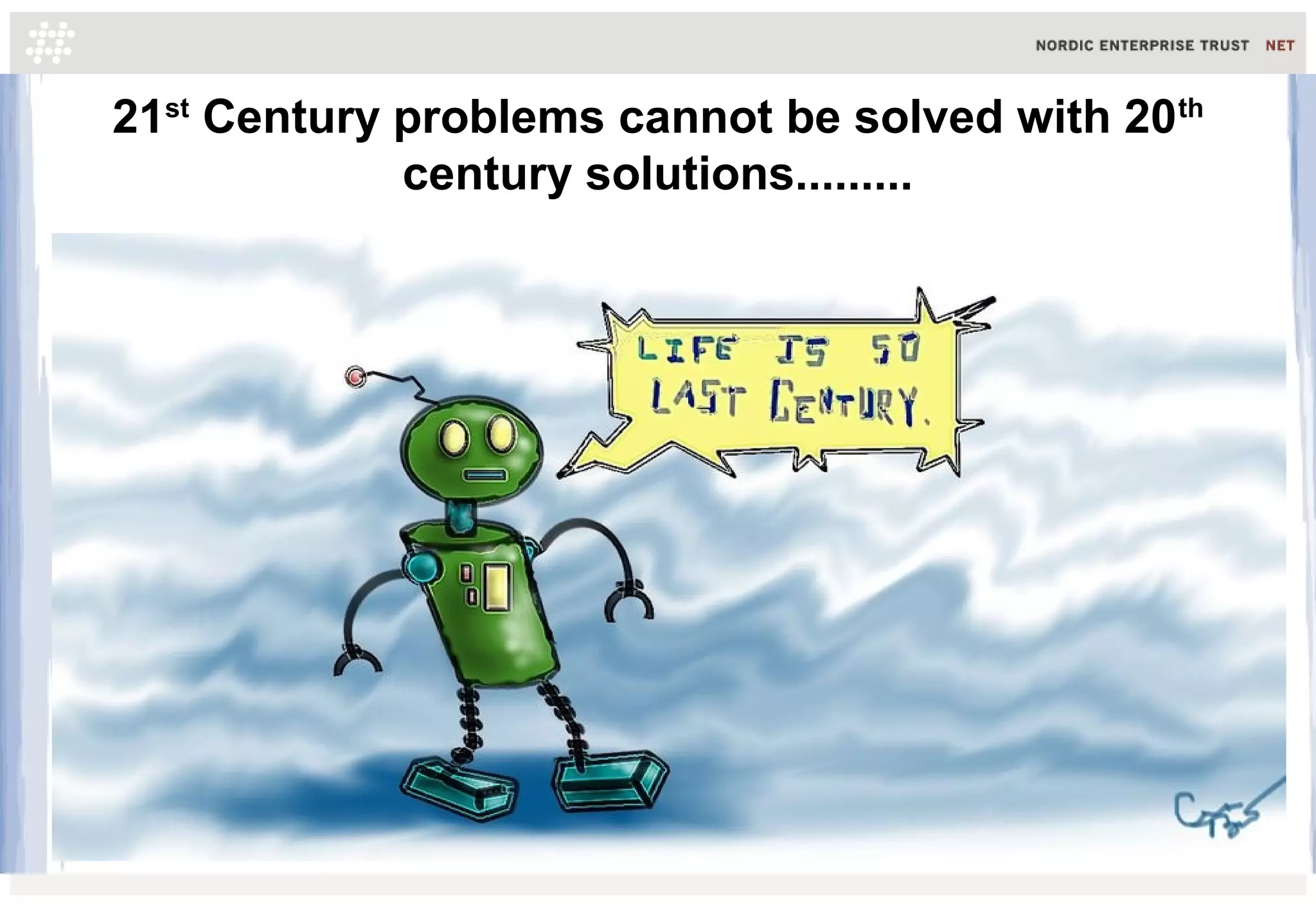
21st
Century problems cannot be solved with 20th
century solutions.........
Introduction - Resilience
Resilience - the enduring power of a body or bodies for
transformation, renewal and recovery through the flux of
interactions and flow of events
Resource Resilience – Natural Grid
Financial Resilience – Open Capital
Resource Resilience – Natural Grid
Since 1980 Denmark's GDP rose 78%
Energy use has been stable
Carbon fuel use has declined
How did Denmark achieve this?
Resource Resilience - Natural Grid
Least Energy Cost principle
- not 'least Danish Krone cost' (or least $, € or £ cost)
- minimum carbon fuel input for a given output of
electricity, heat or power
- investment in renewables, heat, transport, energy
efficiency
Emerging Outcomes of Natural Grid policy
- decentralisation
- skills base of knowledge and knowhow: eg Vestas is
the biggest global wind turbine manufacturer......in a
country of 6m people
- trend to energy security and energy independence
- not forgetting........reduction in carbon use
Funding the Natural Grid
$ trillions required to fund transition to a Natural Grid
$ trillions in carbon fuel use is wasted
Need to drill for oil and gas savings.......
Financial Resilience – Open Capital
Market 2.0 – centralised, intermediated market paradigm
- proprietary finance capital and 'for profit' transactions
- Debt (Banks) and Equity (Joint Stock Company)
- October 2008 – the Market 2.0 paradigm broke
What Market 3.0 will replace it?
Financial Resilience – Open Capital
Market 3.0
- networked, decentralised and dis-intermediated market
paradigm
- transition from intermediation to service provision
- Reason? Market risk is distributed to 'end users' & so
finance capital is limited to operating costs
Financial Resilience – Open Capital
Two elements: market architecture & market instrument
Capital Partnership - neutral, collaborative framework
Prepay - prepayment for production or use over time
Application to Caspian Energy
Caspian Capital Partnership ('Nondominium')
- neutral framework for Caspian energy co-operation
- Energy Pool of future production, Gas & Power Grids,
Gas Hub /Balancing Point benchmark
Caspian Prepay energy financial instrument
- energy clearing union - (mutual guarantee of issue)
- direct 'energy loan' investment by energy investors,
especially gas/power consumers
Caspian Capital Partnership (Nondominium)
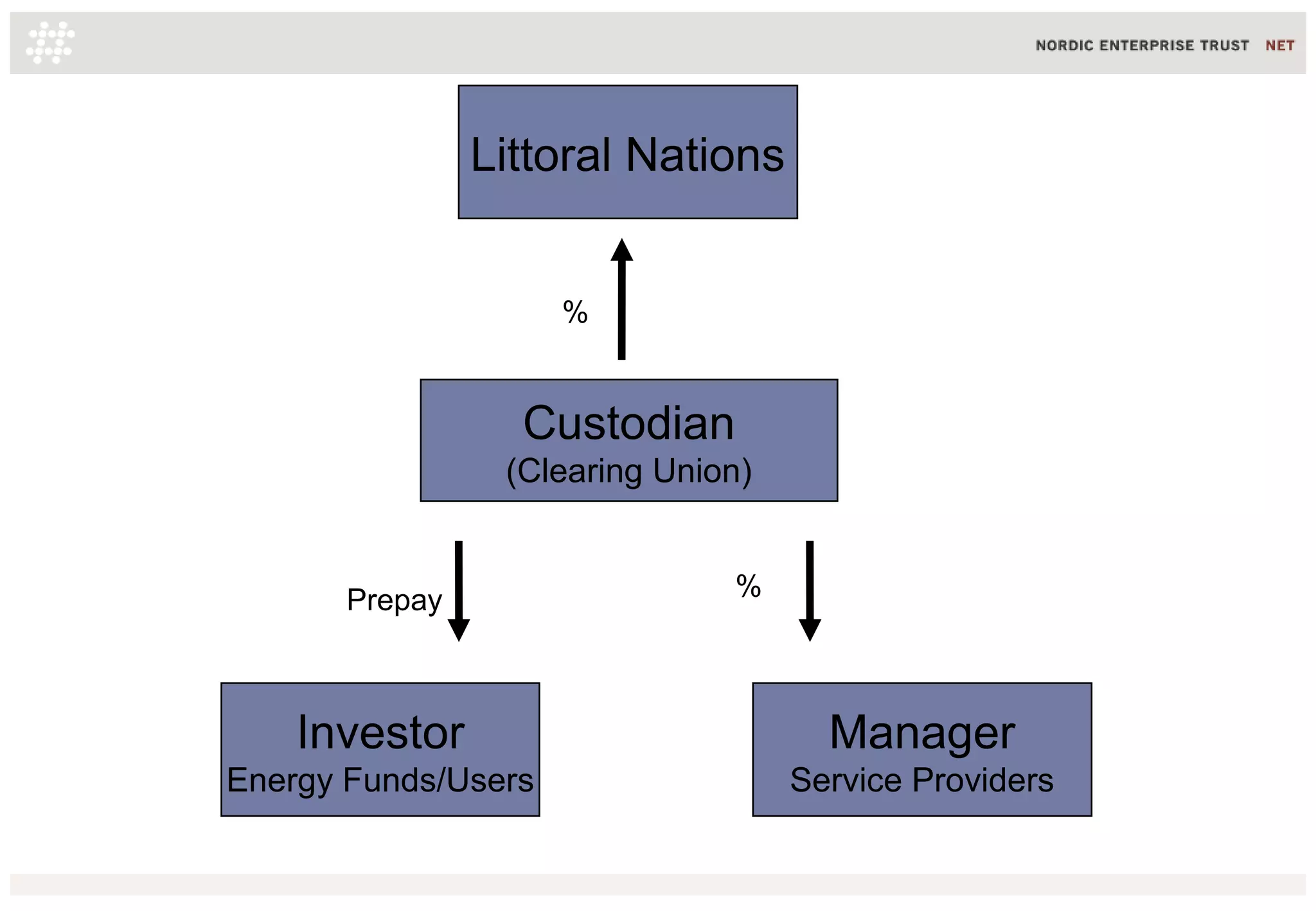
Stakeholders
- Custodian – Clearing Union of Littoral Nations
- Producers and Consumers – Littoral Nations
- Manager – private sector service providers
- Investor – energy funds & energy users
Custodian
(Clearing Union)
%
Investor
Energy Funds/Users
Manager
Service Providers
%
Littoral Nations
Prepay
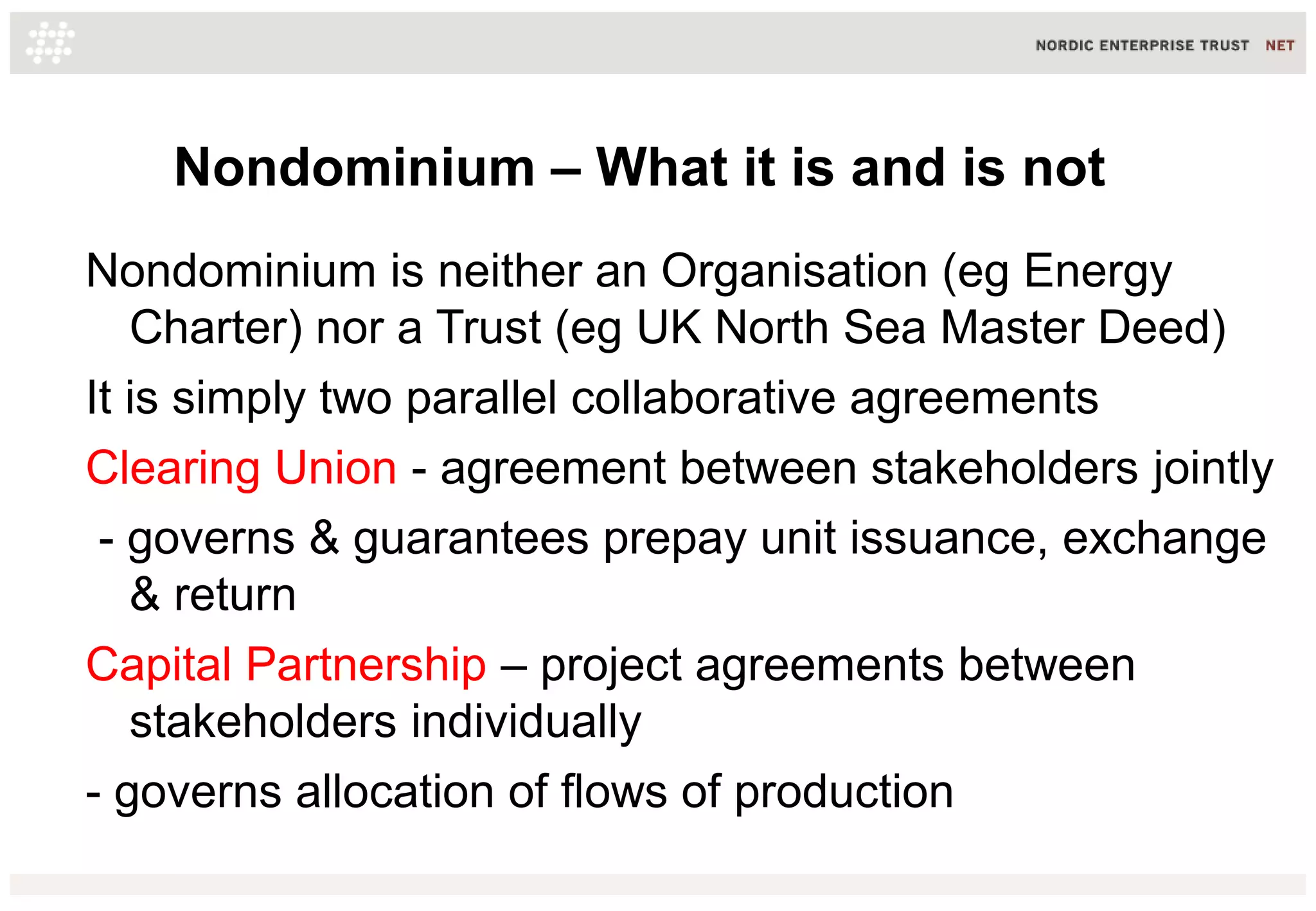
Nondominium – What it is and is not
Nondominium is neither an Organisation (eg Energy
Charter) nor a Trust (eg UK North Sea Master Deed)
It is simply two parallel collaborative agreements
Clearing Union - agreement between stakeholders jointly
- governs & guarantees prepay unit issuance, exchange
& return
Capital Partnership – project agreements between
stakeholders individually
- governs allocation of flows of production
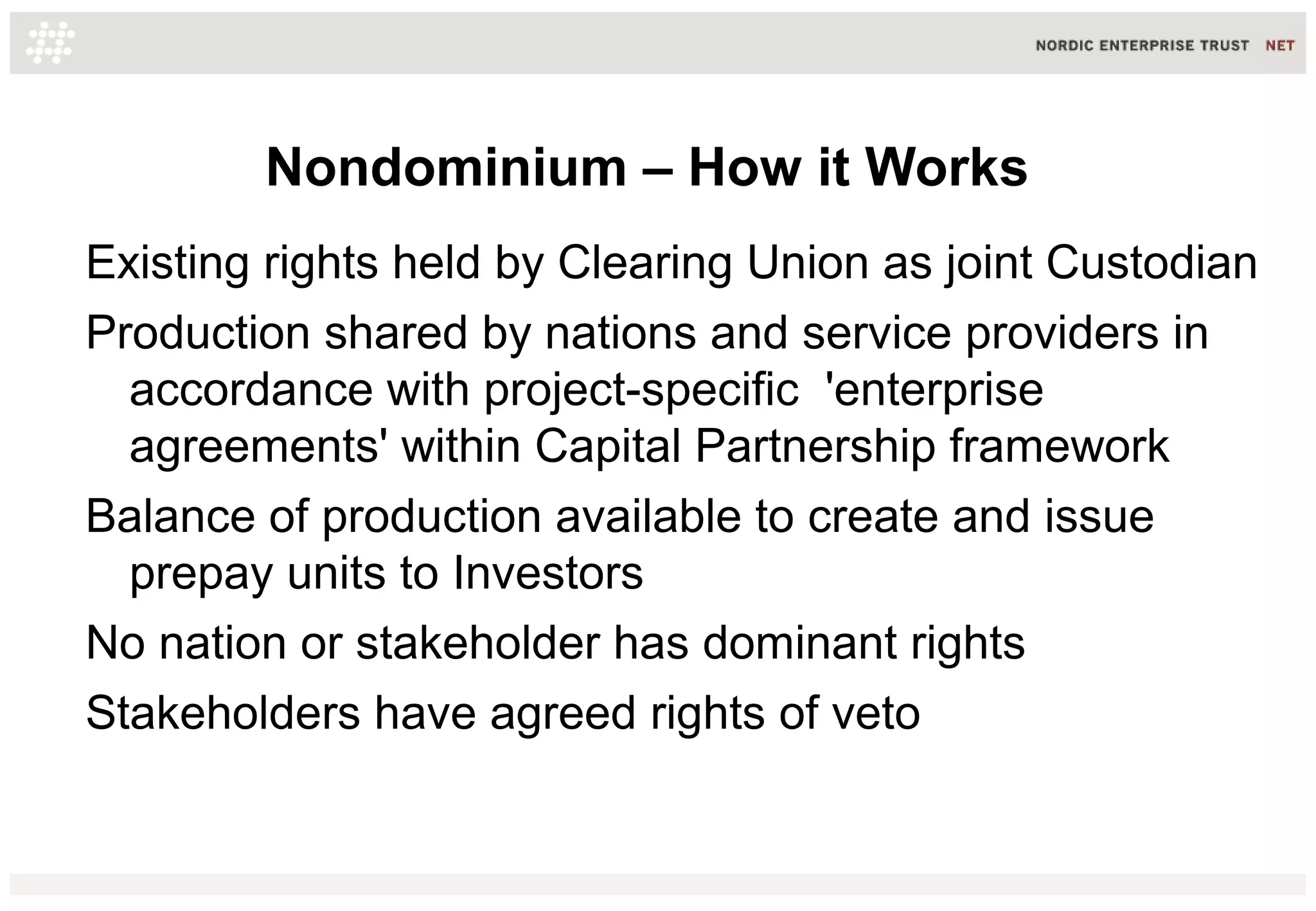
Nondominium – How it Works
Existing rights held by Clearing Union as joint Custodian
Production shared by nations and service providers in
accordance with project-specific 'enterprise
agreements' within Capital Partnership framework
Balance of production available to create and issue
prepay units to Investors
No nation or stakeholder has dominant rights
Stakeholders have agreed rights of veto
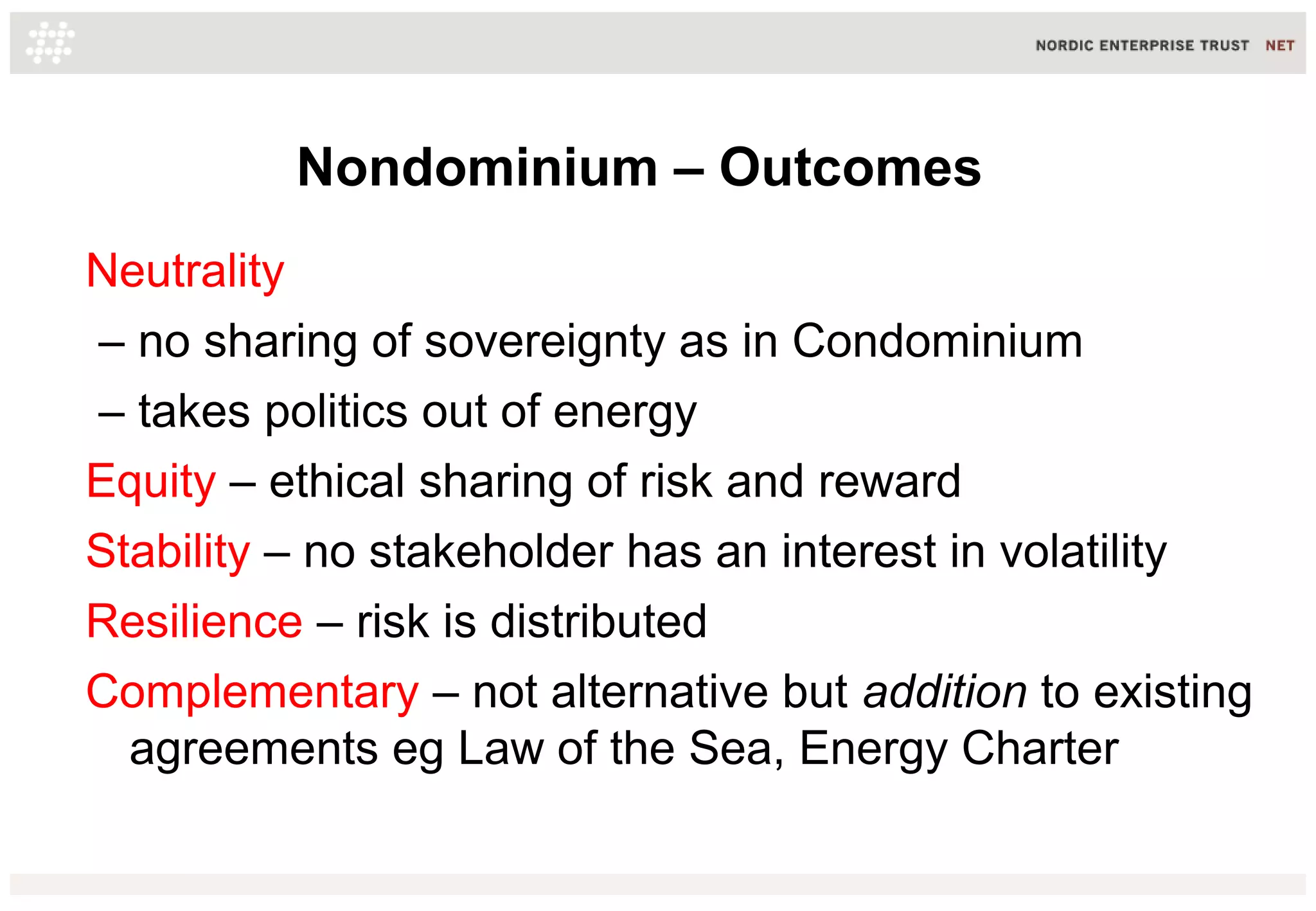
Nondominium – Outcomes
Neutrality
– no sharing of sovereignty as in Condominium
– takes politics out of energy
Equity – ethical sharing of risk and reward
Stability – no stakeholder has an interest in volatility
Resilience – risk is distributed
Complementary – not alternative but addition to existing
agreements eg Law of the Sea, Energy Charter
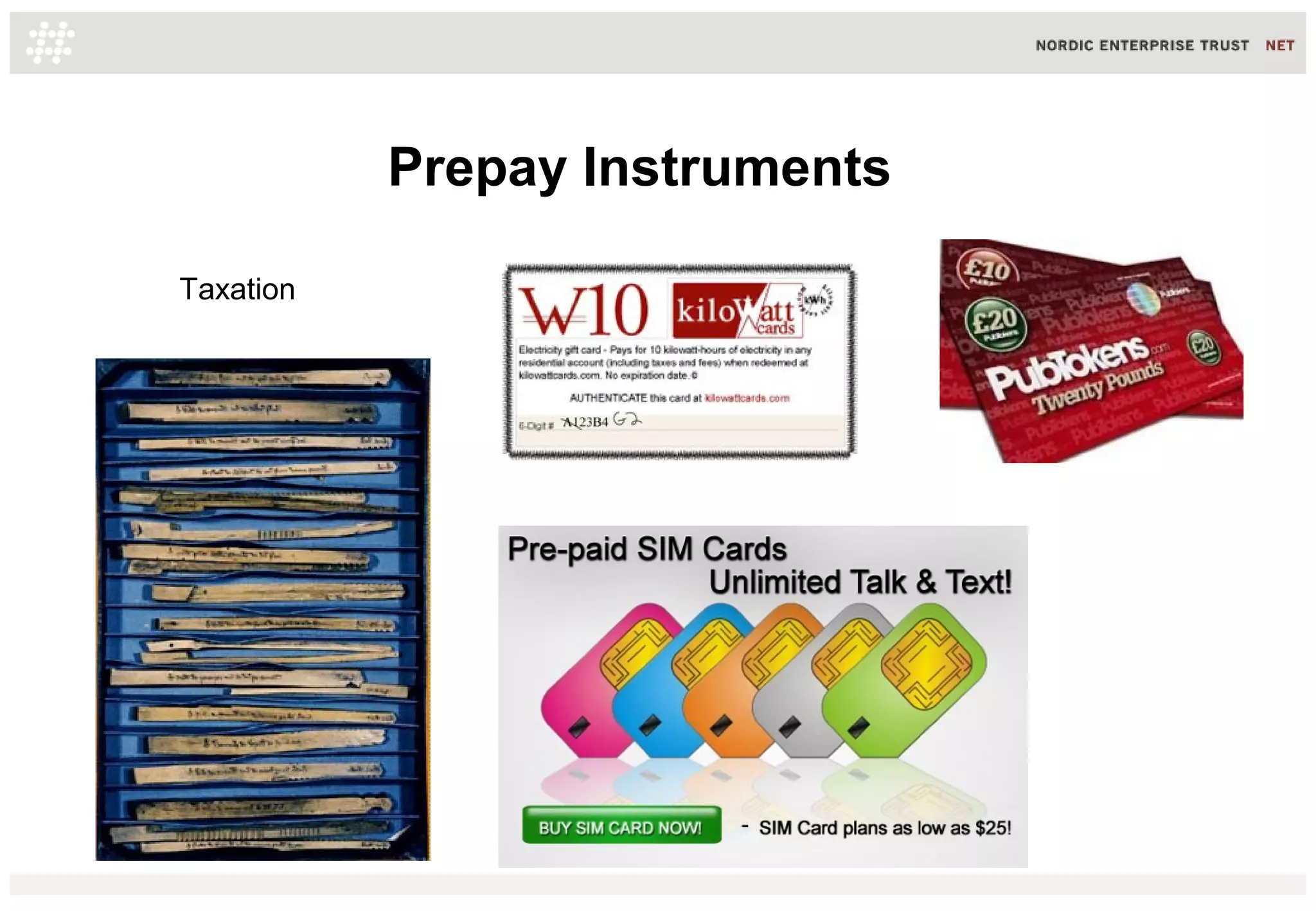
Prepay Instruments
Taxation
Energy Prepay – What it is and is not
Undated credit returnable in payment for energy
supplied
Prepay credit is issued & sold by energy producers at
discount
Not a futures contract: no right to demand delivery
Energy Prepay – How it Works
$1.00's worth of energy sold for 80c gives absolute
return of 25%
Rate of Return - rate over time at which prepay unit
returnable to issuer in payment for energy supply
Rate not fixed - depends on existence & amount of flow
No right to supply – accepted in payment for supply
Energy Loans
Prepay - direct investment in future energy production
or energy savings
- the earlier the investment, the greater the risk, and the
greater the discount
- return in energy: no $ paid for the use of $
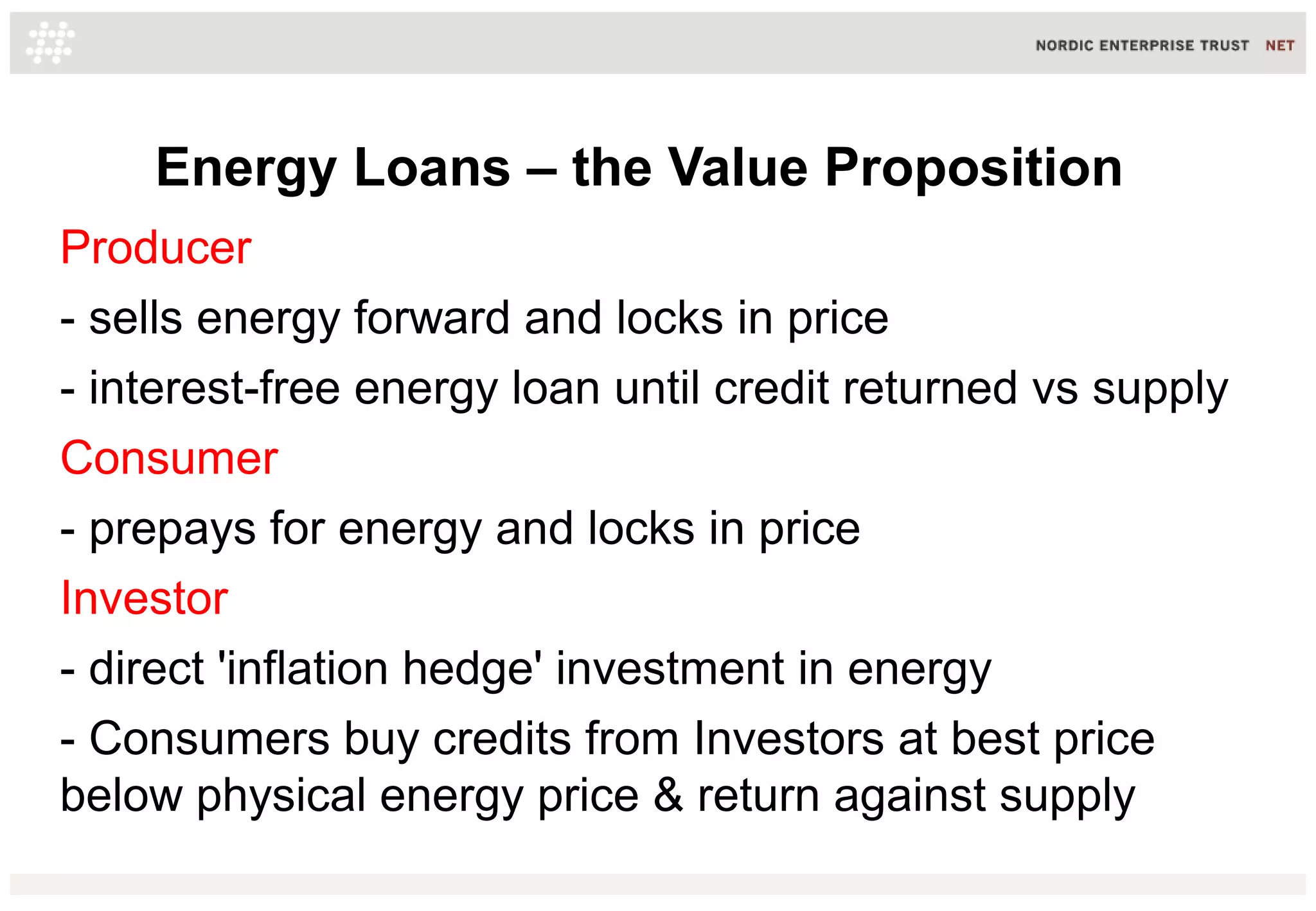
Energy Loans – the Value Proposition
Producer
- sells energy forward and locks in price
- interest-free energy loan until credit returned vs supply
Consumer
- prepays for energy and locks in price
Investor
- direct 'inflation hedge' investment in energy
- Consumers buy credits from Investors at best price
below physical energy price & return against supply
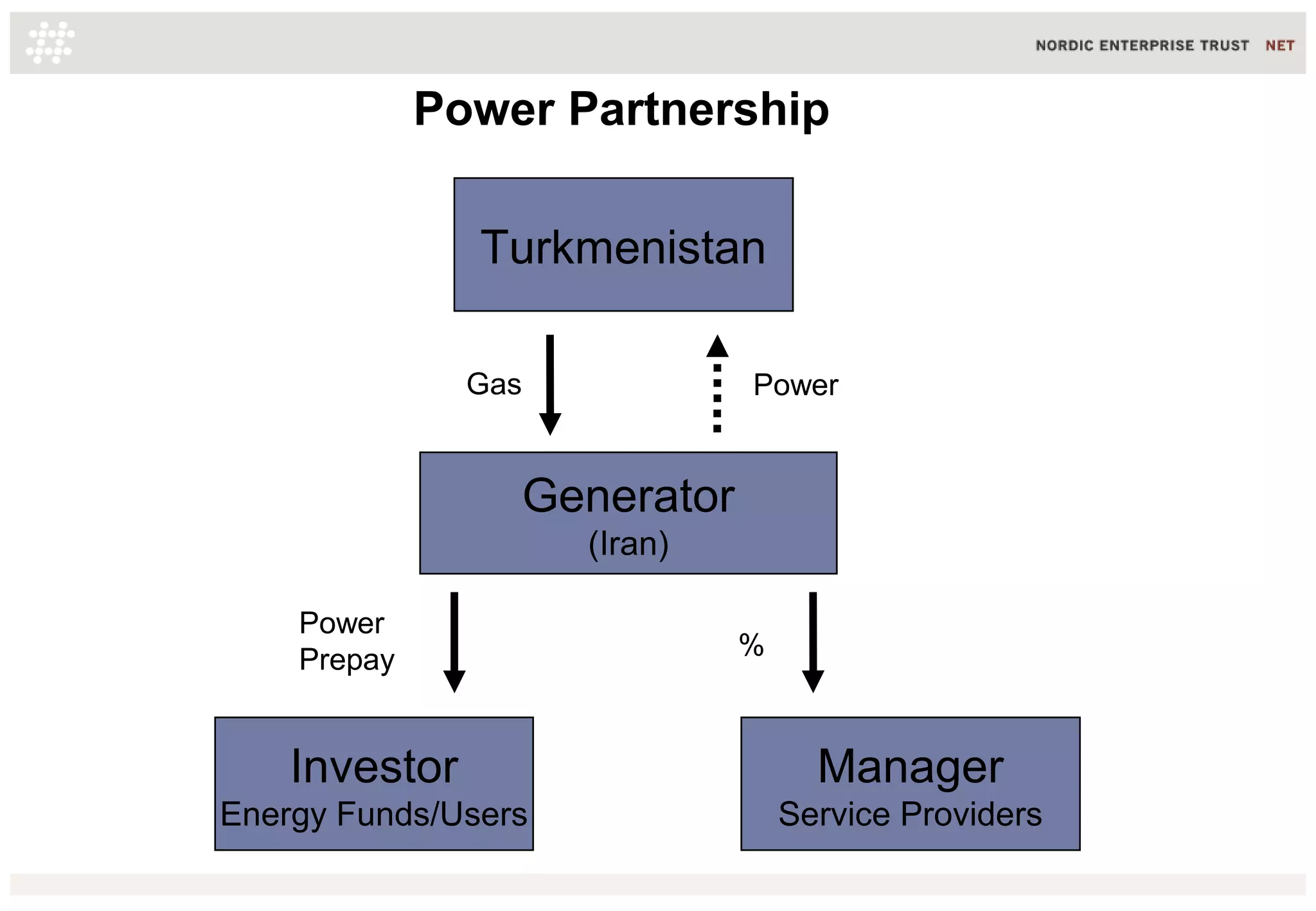
Generator
(Iran)
Gas
Investor
Energy Funds/Users
Manager
Service Providers
%
Turkmenistan
Power
Power Partnership
Power
Prepay
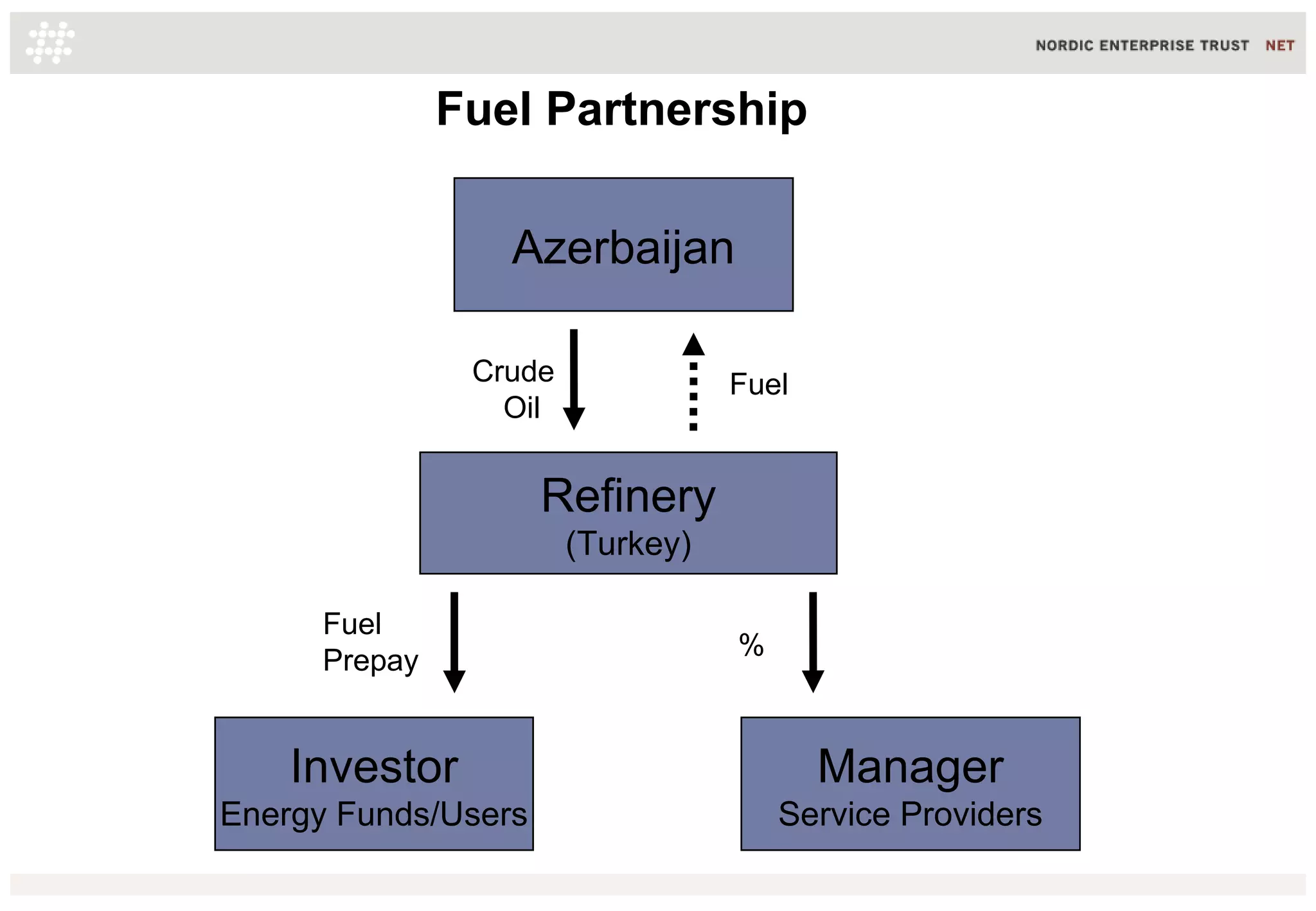
Refinery
(Turkey)
Crude
Oil
Investor
Energy Funds/Users
Manager
Service Providers
%
Azerbaijan
Fuel
Prepay
Fuel Partnership
Fuel
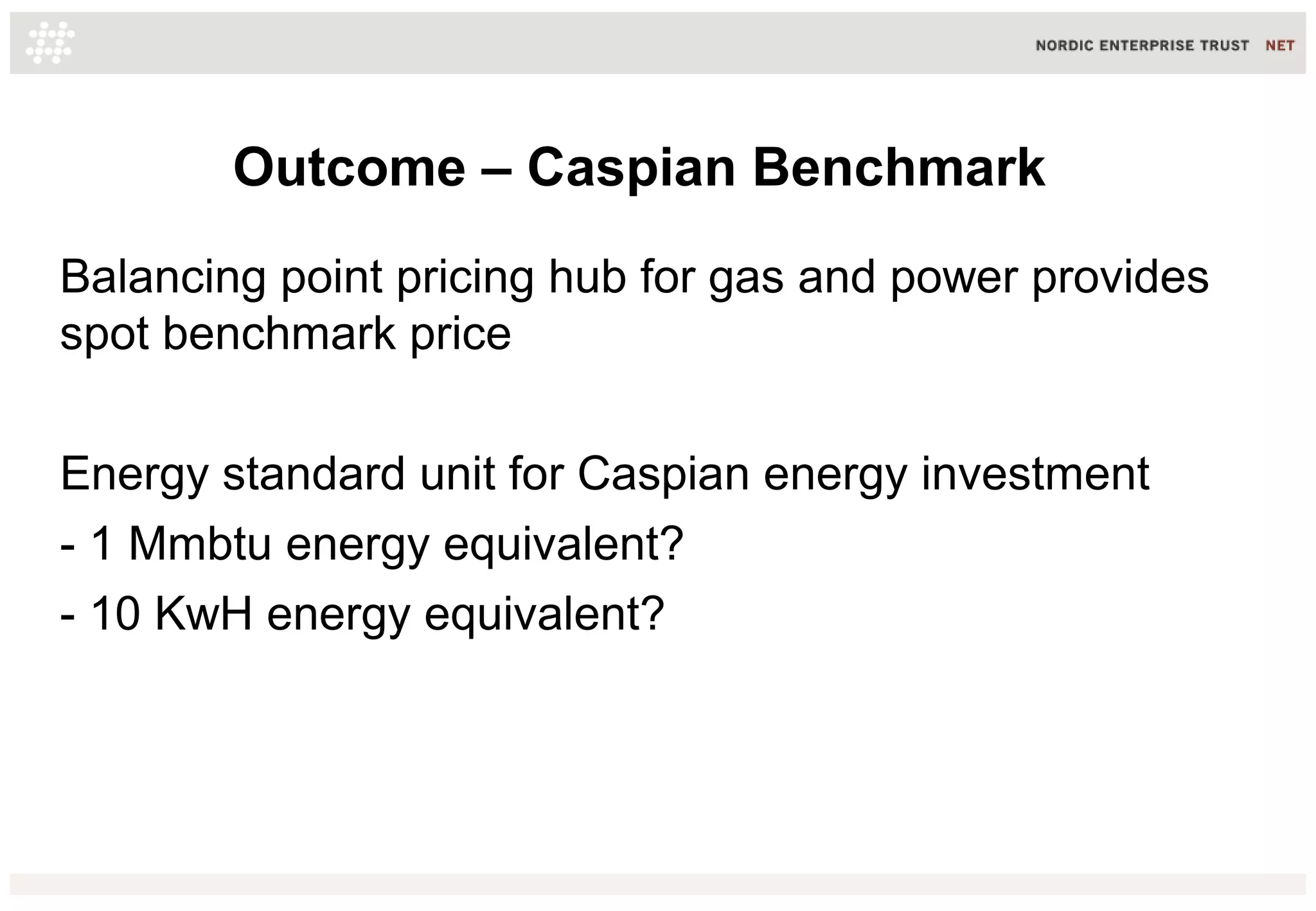
Outcome – Caspian Benchmark
Balancing point pricing hub for gas and power provides
spot benchmark price
Energy standard unit for Caspian energy investment
- 1 Mmbtu energy equivalent?
- 10 KwH energy equivalent?
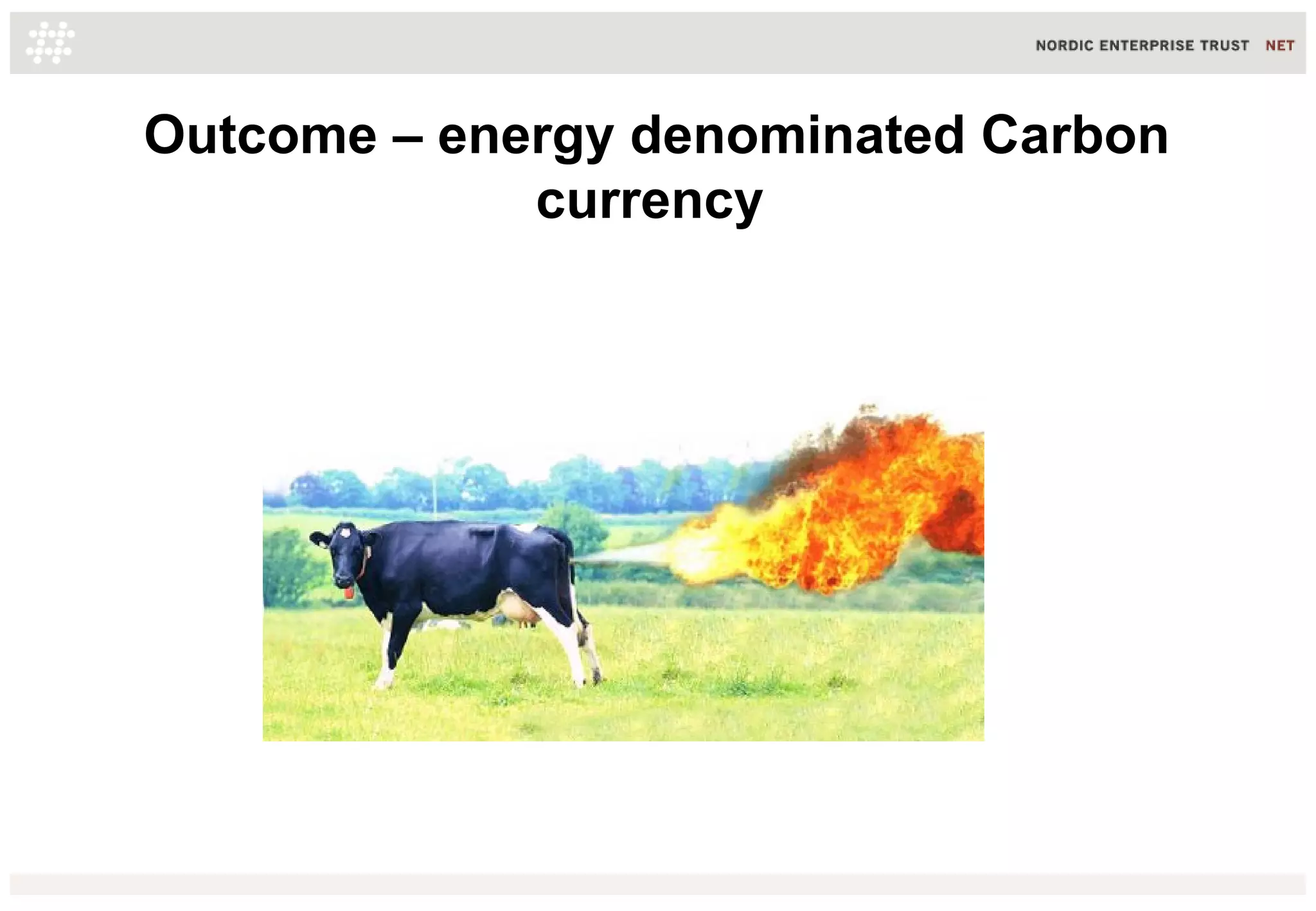
Outcome – energy denominated Carbon
currency
Outcome – new energy subsidy Policy
Energy dividend made in energy prepay units
- incentive to save energy
- energy loan investment use
- exchange units for other value
Outcome – Caspian Green Deal
Energy loans
- new renewable infrastructure: Caspian Supergrid;
wind, solar, hydro
- energy efficiency: least energy cost heating, cooling,
transport, spatial infrastructure
Outcome – the Transition Trade
A Big Trade of the 21st
Century
Exchanging
- value of carbon fuel saved (NegaBarrels and
NegaTherms)
- value of IP (knowledge) and Know How
21st
Century problems cannot be solved with 20th
century solutions.........
…....21st
century solutions pre-date modern finance

Transition through gas caspian

  • 1.
    Caspian Energy 3.0- Transition through Gas Caspian Oil & Gas 2013 Chris Cook 5th June 2013
  • 2.
    21st Century problems cannotbe solved with 20th century solutions.........
  • 3.
    Introduction - Resilience Resilience- the enduring power of a body or bodies for transformation, renewal and recovery through the flux of interactions and flow of events Resource Resilience – Natural Grid Financial Resilience – Open Capital
  • 4.
    Resource Resilience –Natural Grid Since 1980 Denmark's GDP rose 78% Energy use has been stable Carbon fuel use has declined How did Denmark achieve this?
  • 5.
    Resource Resilience -Natural Grid Least Energy Cost principle - not 'least Danish Krone cost' (or least $, € or £ cost) - minimum carbon fuel input for a given output of electricity, heat or power - investment in renewables, heat, transport, energy efficiency
  • 6.
    Emerging Outcomes ofNatural Grid policy - decentralisation - skills base of knowledge and knowhow: eg Vestas is the biggest global wind turbine manufacturer......in a country of 6m people - trend to energy security and energy independence - not forgetting........reduction in carbon use
  • 7.
    Funding the NaturalGrid $ trillions required to fund transition to a Natural Grid $ trillions in carbon fuel use is wasted Need to drill for oil and gas savings.......
  • 8.
    Financial Resilience –Open Capital Market 2.0 – centralised, intermediated market paradigm - proprietary finance capital and 'for profit' transactions - Debt (Banks) and Equity (Joint Stock Company) - October 2008 – the Market 2.0 paradigm broke What Market 3.0 will replace it?
  • 9.
    Financial Resilience –Open Capital Market 3.0 - networked, decentralised and dis-intermediated market paradigm - transition from intermediation to service provision - Reason? Market risk is distributed to 'end users' & so finance capital is limited to operating costs
  • 10.
    Financial Resilience –Open Capital Two elements: market architecture & market instrument Capital Partnership - neutral, collaborative framework Prepay - prepayment for production or use over time
  • 11.
    Application to CaspianEnergy Caspian Capital Partnership ('Nondominium') - neutral framework for Caspian energy co-operation - Energy Pool of future production, Gas & Power Grids, Gas Hub /Balancing Point benchmark Caspian Prepay energy financial instrument - energy clearing union - (mutual guarantee of issue) - direct 'energy loan' investment by energy investors, especially gas/power consumers
  • 12.
    Caspian Capital Partnership(Nondominium) Stakeholders - Custodian – Clearing Union of Littoral Nations - Producers and Consumers – Littoral Nations - Manager – private sector service providers - Investor – energy funds & energy users
  • 13.
  • 14.
    Nondominium – Whatit is and is not Nondominium is neither an Organisation (eg Energy Charter) nor a Trust (eg UK North Sea Master Deed) It is simply two parallel collaborative agreements Clearing Union - agreement between stakeholders jointly - governs & guarantees prepay unit issuance, exchange & return Capital Partnership – project agreements between stakeholders individually - governs allocation of flows of production
  • 15.
    Nondominium – Howit Works Existing rights held by Clearing Union as joint Custodian Production shared by nations and service providers in accordance with project-specific 'enterprise agreements' within Capital Partnership framework Balance of production available to create and issue prepay units to Investors No nation or stakeholder has dominant rights Stakeholders have agreed rights of veto
  • 16.
    Nondominium – Outcomes Neutrality –no sharing of sovereignty as in Condominium – takes politics out of energy Equity – ethical sharing of risk and reward Stability – no stakeholder has an interest in volatility Resilience – risk is distributed Complementary – not alternative but addition to existing agreements eg Law of the Sea, Energy Charter
  • 17.
  • 18.
    Energy Prepay –What it is and is not Undated credit returnable in payment for energy supplied Prepay credit is issued & sold by energy producers at discount Not a futures contract: no right to demand delivery
  • 19.
    Energy Prepay –How it Works $1.00's worth of energy sold for 80c gives absolute return of 25% Rate of Return - rate over time at which prepay unit returnable to issuer in payment for energy supply Rate not fixed - depends on existence & amount of flow No right to supply – accepted in payment for supply
  • 20.
    Energy Loans Prepay -direct investment in future energy production or energy savings - the earlier the investment, the greater the risk, and the greater the discount - return in energy: no $ paid for the use of $
  • 21.
    Energy Loans –the Value Proposition Producer - sells energy forward and locks in price - interest-free energy loan until credit returned vs supply Consumer - prepays for energy and locks in price Investor - direct 'inflation hedge' investment in energy - Consumers buy credits from Investors at best price below physical energy price & return against supply
  • 22.
  • 23.
  • 24.
    Outcome – CaspianBenchmark Balancing point pricing hub for gas and power provides spot benchmark price Energy standard unit for Caspian energy investment - 1 Mmbtu energy equivalent? - 10 KwH energy equivalent?
  • 25.
    Outcome – energydenominated Carbon currency
  • 26.
    Outcome – newenergy subsidy Policy Energy dividend made in energy prepay units - incentive to save energy - energy loan investment use - exchange units for other value
  • 27.
    Outcome – CaspianGreen Deal Energy loans - new renewable infrastructure: Caspian Supergrid; wind, solar, hydro - energy efficiency: least energy cost heating, cooling, transport, spatial infrastructure
  • 28.
    Outcome – theTransition Trade A Big Trade of the 21st Century Exchanging - value of carbon fuel saved (NegaBarrels and NegaTherms) - value of IP (knowledge) and Know How
  • 29.
    21st Century problems cannotbe solved with 20th century solutions.........
  • 30.