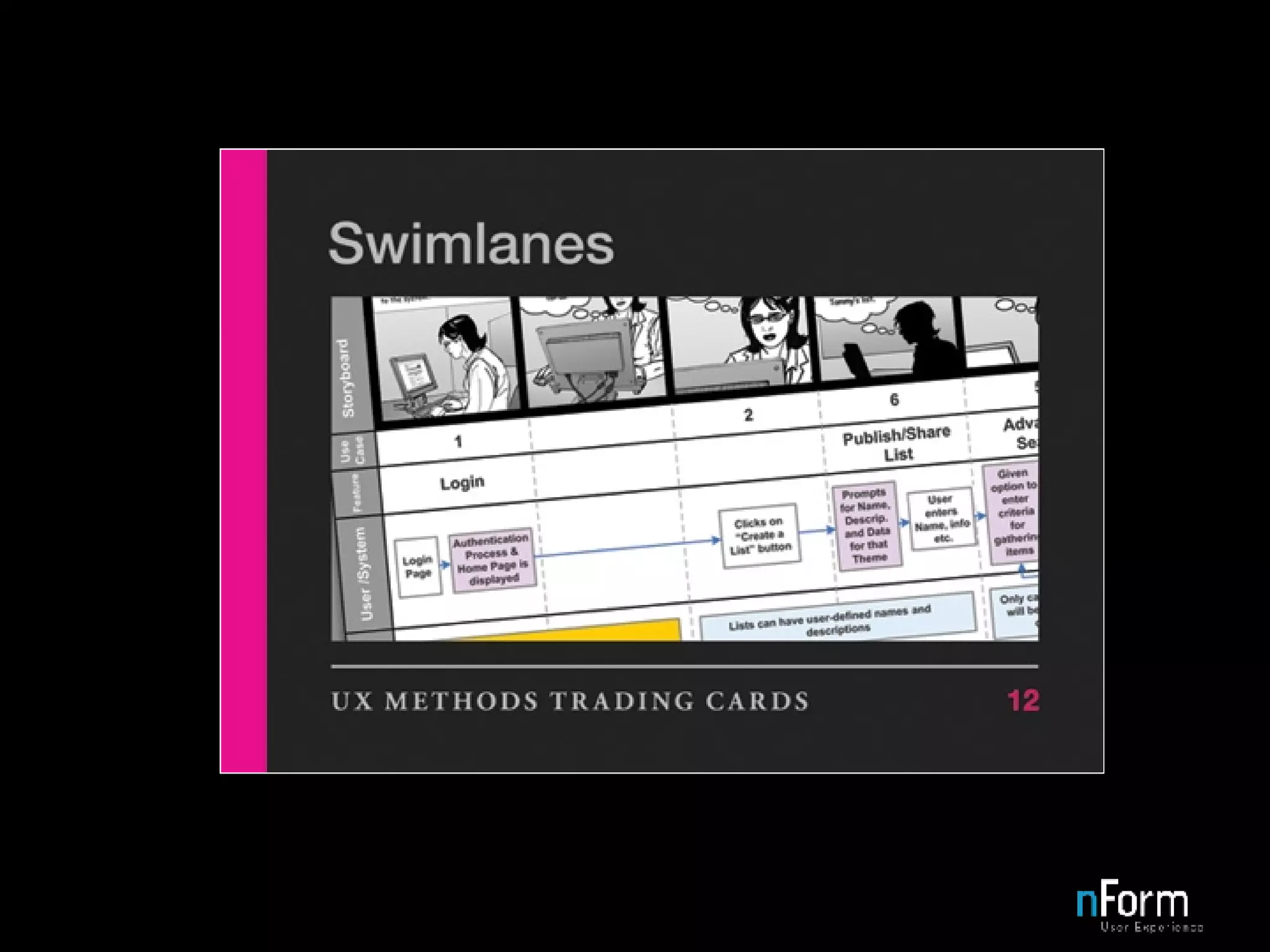
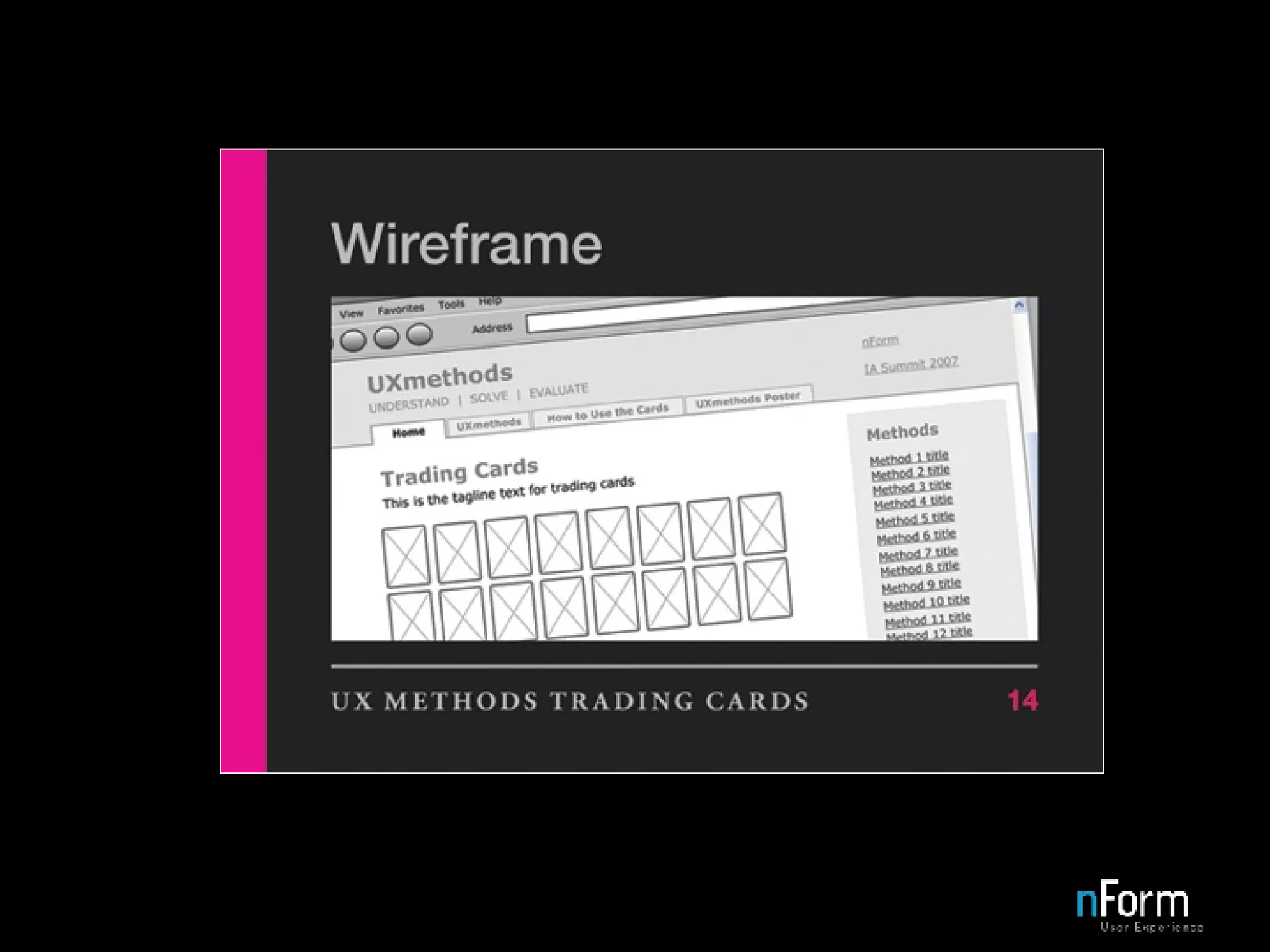
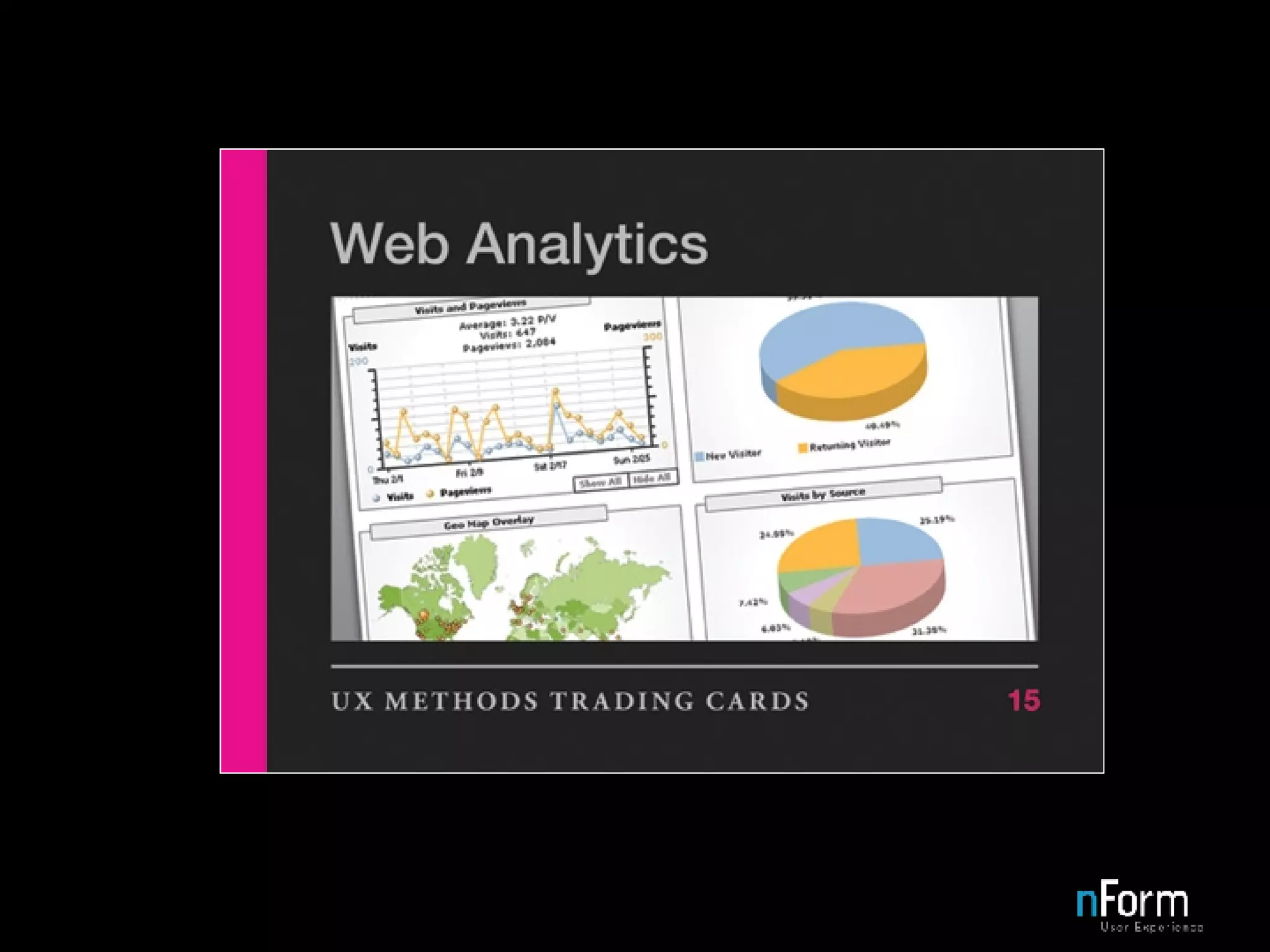


User Experience, Design and Innovation IA Konferenz presented by Jess McMullin nForm User Experience | www.nForm.ca November 10, 2007
A bit about me
 
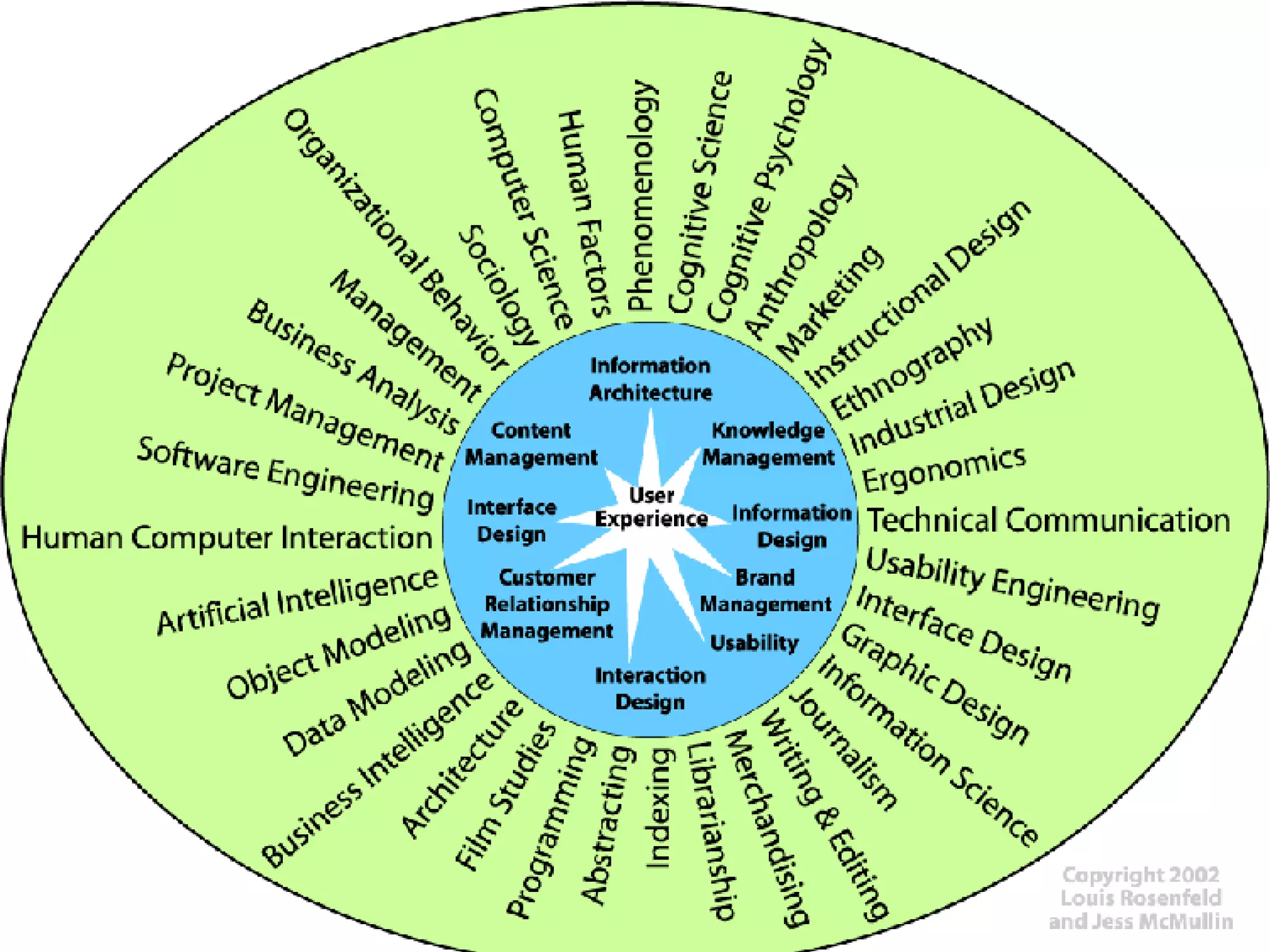
UX, Design, Innovation
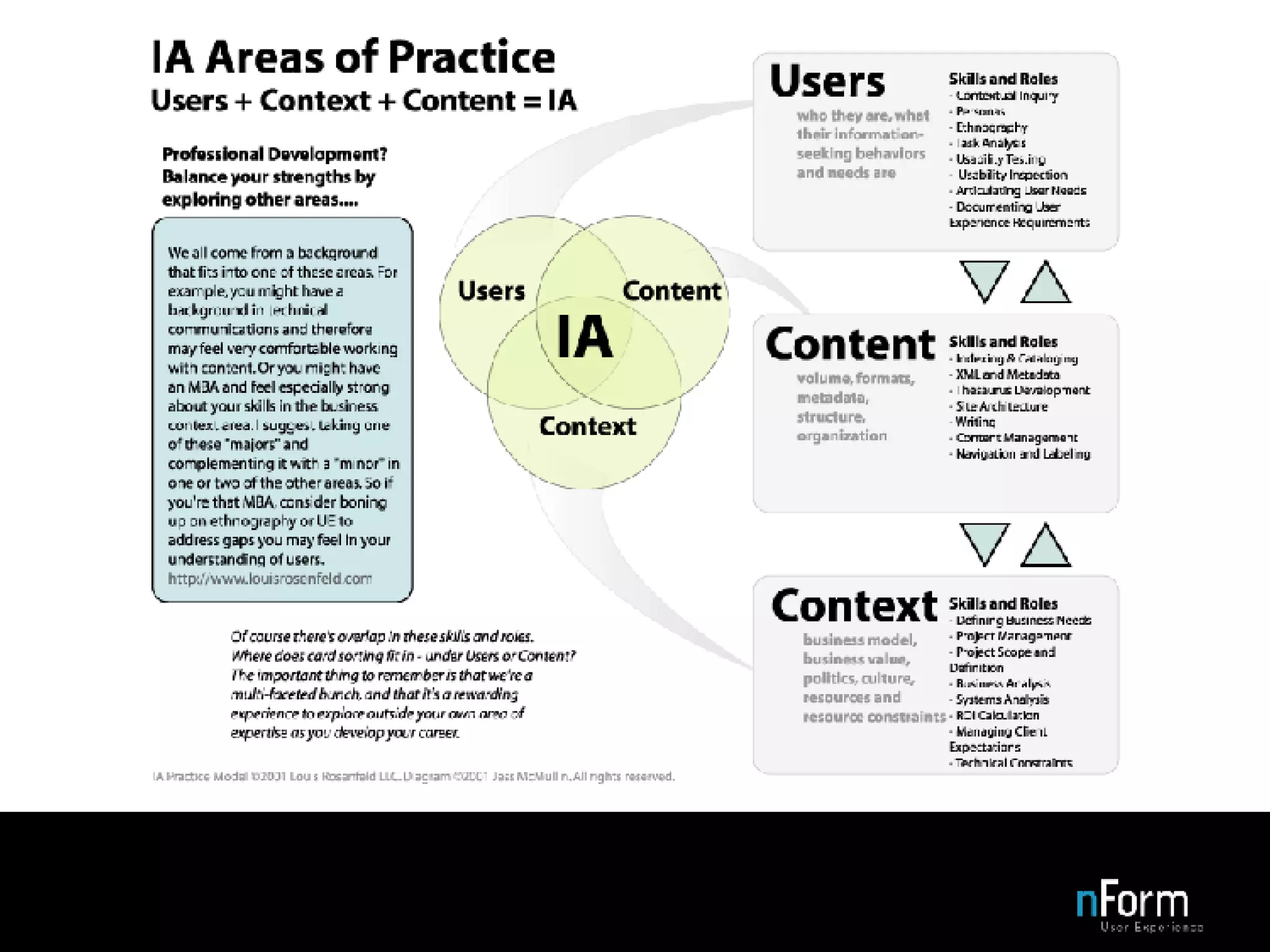
Innovation comes from intersections
 
 
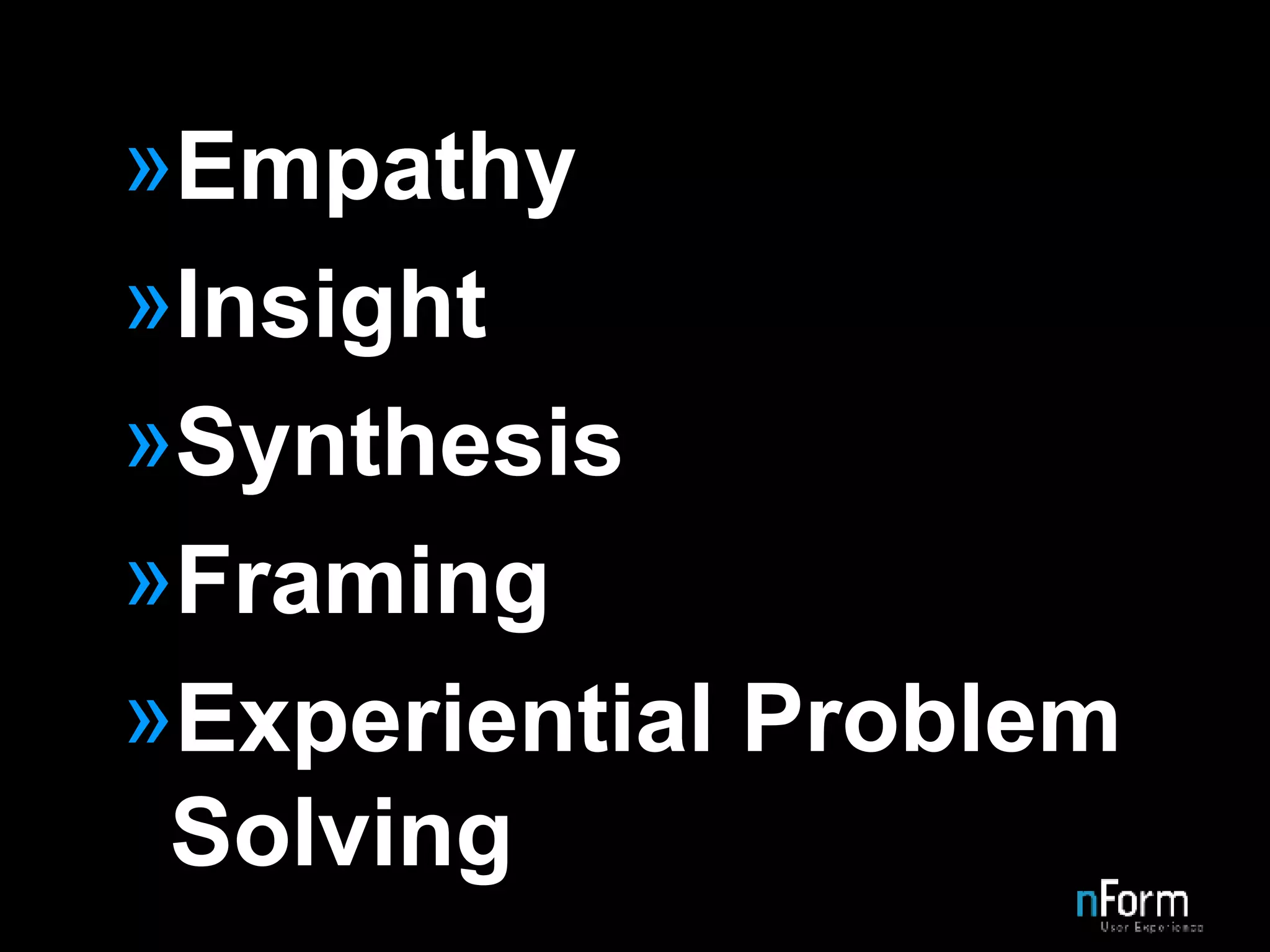
Empathy Insight Synthesis Framing Experiential Problem Solving
 
Many of our methods reveal intersections


… .So I’m here to talk about   deliverables?
But there are  barriers …
I’m here to talk about a  problem …
Blue sky
Blue Sky Barrier
 
I’m here to talk about an  opportunity
Increasing our Influence
 
User Centered  Design


So what’s next?
  we have reached the point in our practice where the  barriers to increasing influence are not about better methods  for working with users, but for working with business. I believe
Pivot 180 º
 
 
Value Centered  Design
 
Business Centered  Design
Business Centered Design: 1.  Using design methods and tools to understand business needs and context. 2.  Beyond your run-of-the-mill business discovery 3.  One half of value-centered design 4.  Beginning of becoming a business peer
2  Ways to think about Deliverables
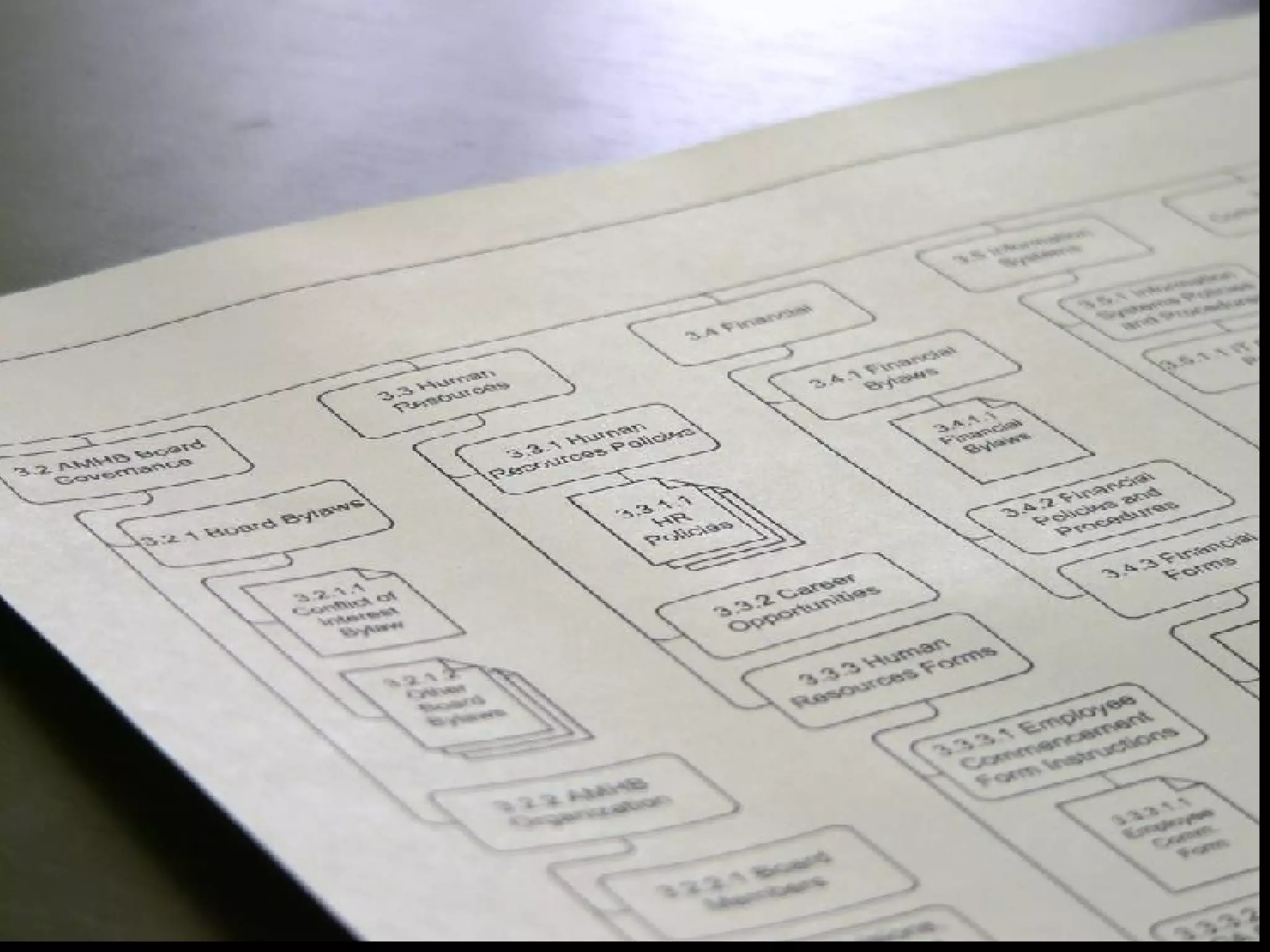
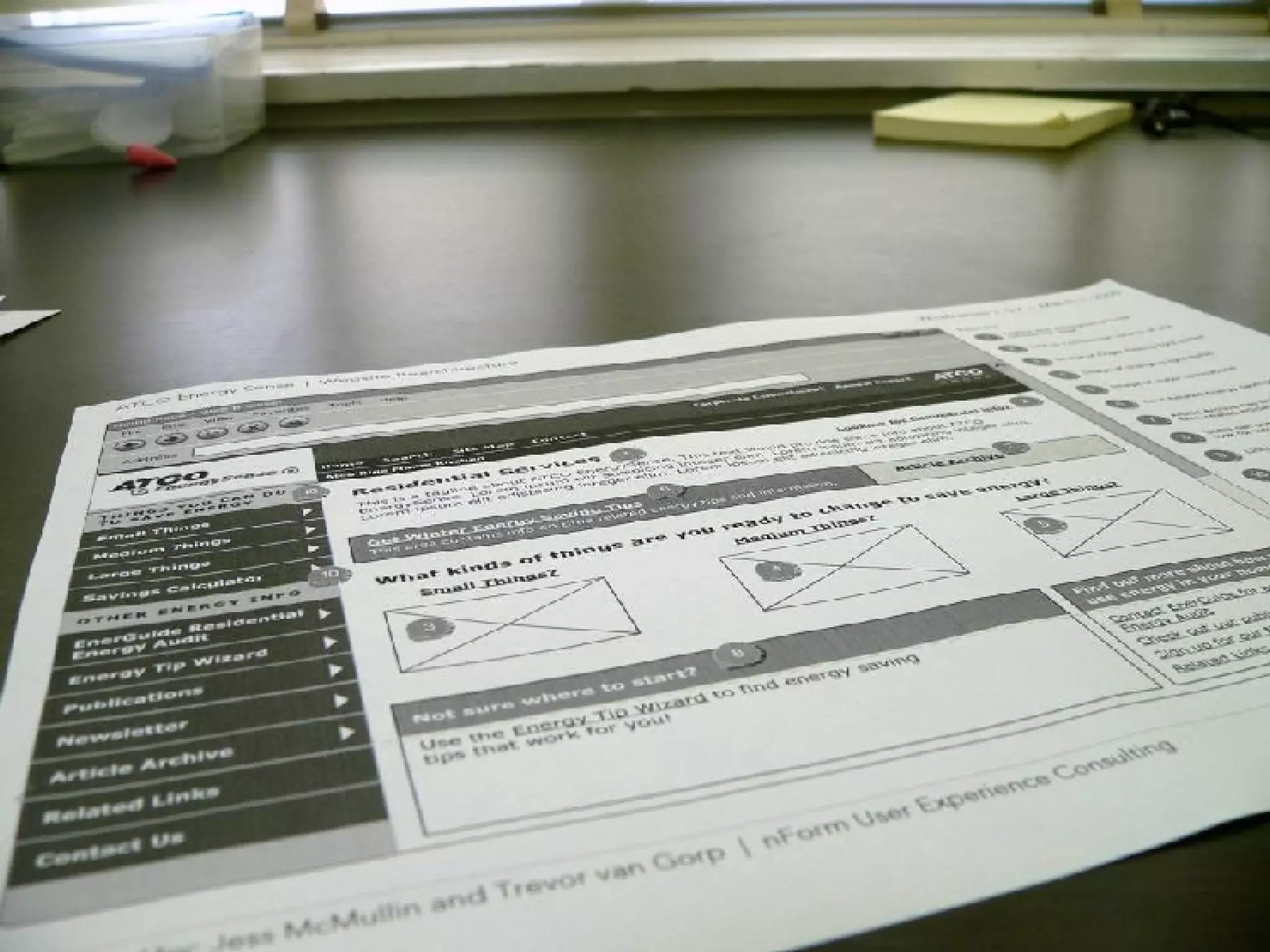
Deliverables   That   Define  Solutions Œ
 
 
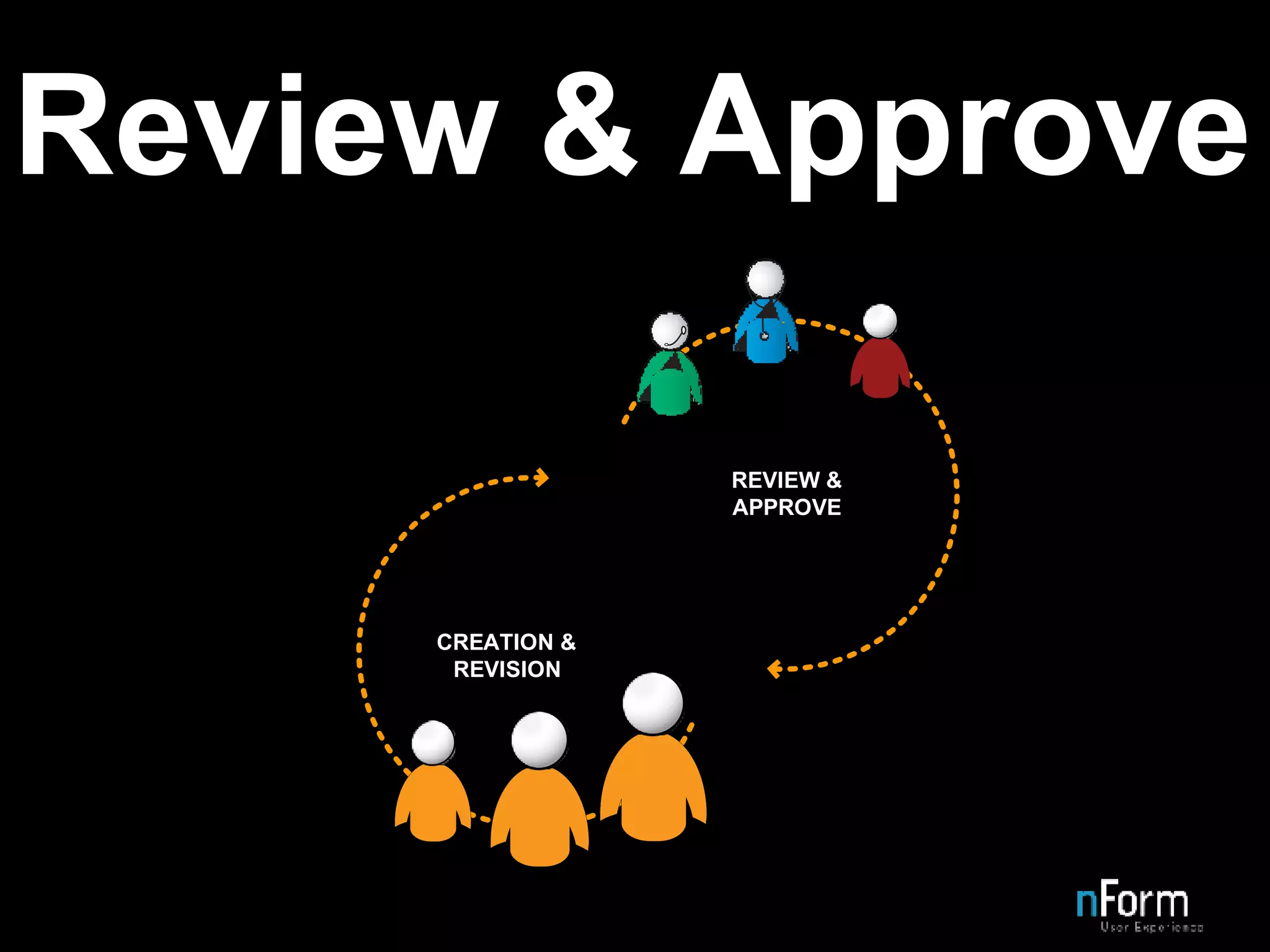
Review & Approve
Review & Approve
Power Imbalance
Exercise
Draw a house
Pair Up. Person who’s birthday is next is the reviewer.
Review the house. How well does it match the house you drew?
Now draw a house together.
To  design the right solution  we have to  define the right problem.
Deliverables   That Define  Problems 
Boundary Objects
As Arias and Fischer (2000) write, "Fundamental challenges facing communities of interest are found in  building a shared understanding of the task at hand  (which often does not exist upfront, but is evolved incrementally and collaboratively…). Members of communities of interest need to learn to communicate with and learn from others who have a different perspective and perhaps a different vocabulary for describing their ideas. [They need to] establish a common ground and a shared understanding.“
Deliverables   That Define   Problems Together 
Becoming a Peer
In Practice


Design the Box From Jim Highsmith, Cutter Institute Create a box for the product, even if it isn’t shipped in a box. Elements for the Box: Name Tagline 3 key selling features Imagery / Color / Type (Later) Back Feature Set
 
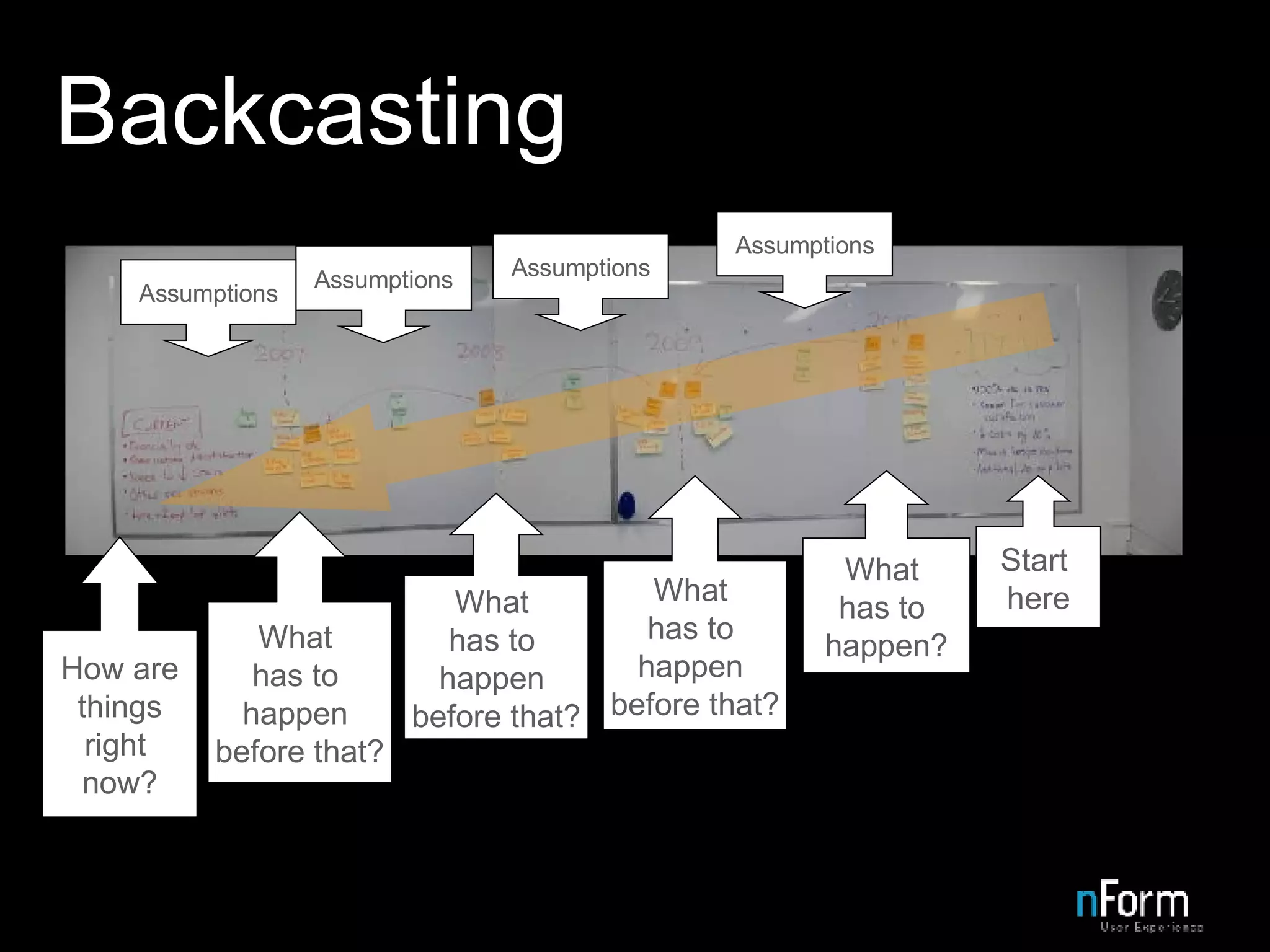
Backcasting Start  here What  has to  happen? What  has to  happen  before that? Assumptions Assumptions What  has to  happen  before that? Assumptions Assumptions What  has to  happen  before that? How are things right  now?


Alignment Model
How to align user needs, business drivers, and online offerings.
6  principles
1.  Codesign
 
2.  Surfaces Agendas
 
3.  Simple


4.  Tangible
 
5.  Literal
How Literal Is the Interpretation?
6.  Evidence Based
 
 
6 principles Codesign Surface Agendas Simple Tangible Literal Evidence-Based
Facilitation Activities
Approach
Get people working together
Peel Back the Layers
 
Partner, Pilot, Publicize
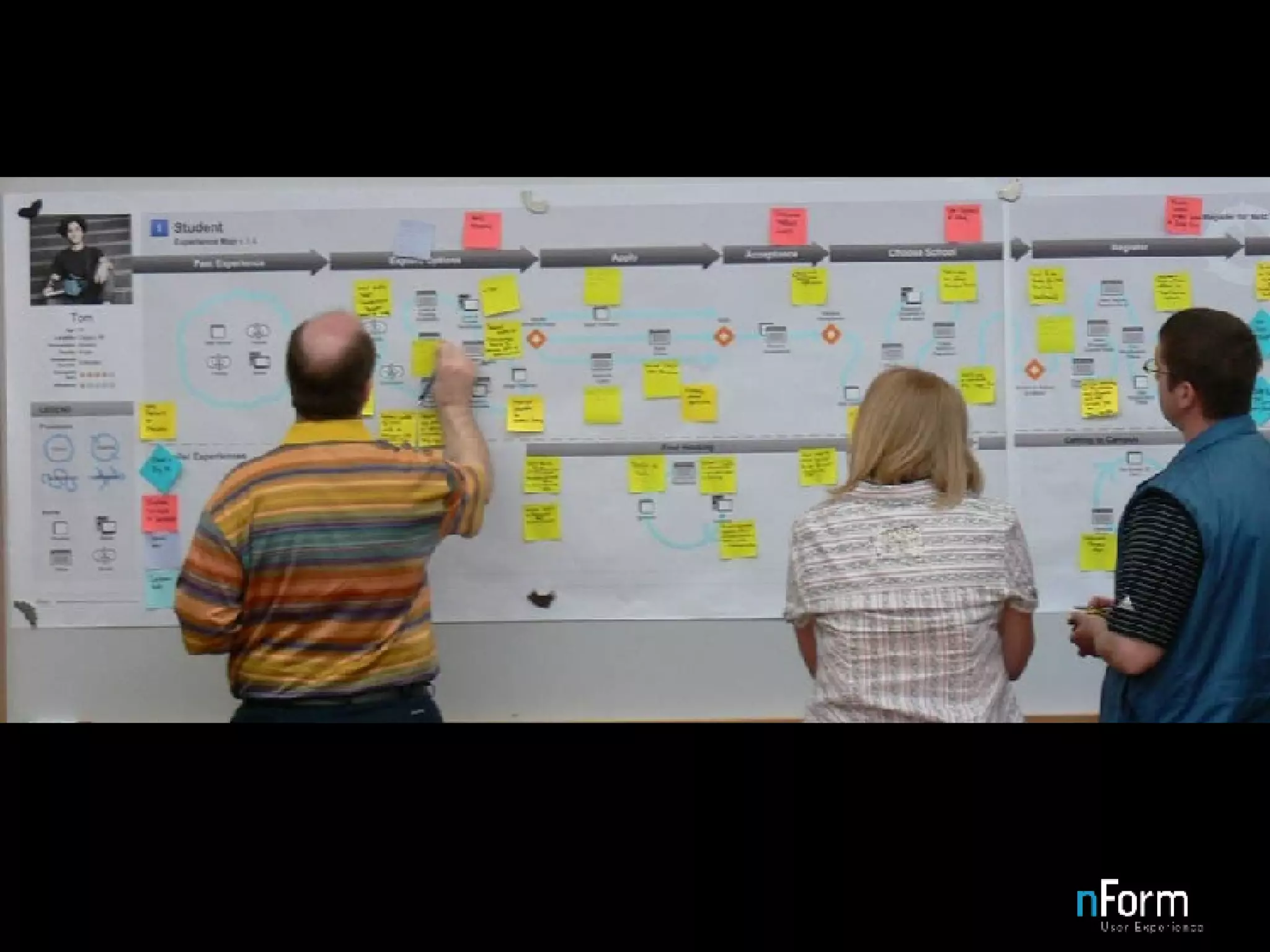
Approach Get the right people in the room, work together to create artifacts and models that let them articulate business needs. Peel Back the layers Start small: Partner, Pilot, Publicize
In Closing
Value Centered Design Work Together to Break Review and Approve Cycle Partner, Pilot, Publicize
Blue Sky Barrier
Blue sky
Wave
Thank You! jess DOT mcmullin AT nform.ca +1.780.421.1701 www.nForm.ca bplusd.org www.slideshare.net/jessmcmullin

Touchstones v. 3 - DE IA