

The U.S. Constitution
Framing, Principles, & Ratification
USHC 1.4
Analyze how dissatisfactions with the
government under the Articles of
Confederation were addressed with the
writing of the Constitution of 1787,
including the debates and compromises
reached at the Philadelphia Convention
and the ratification of the Constitution.
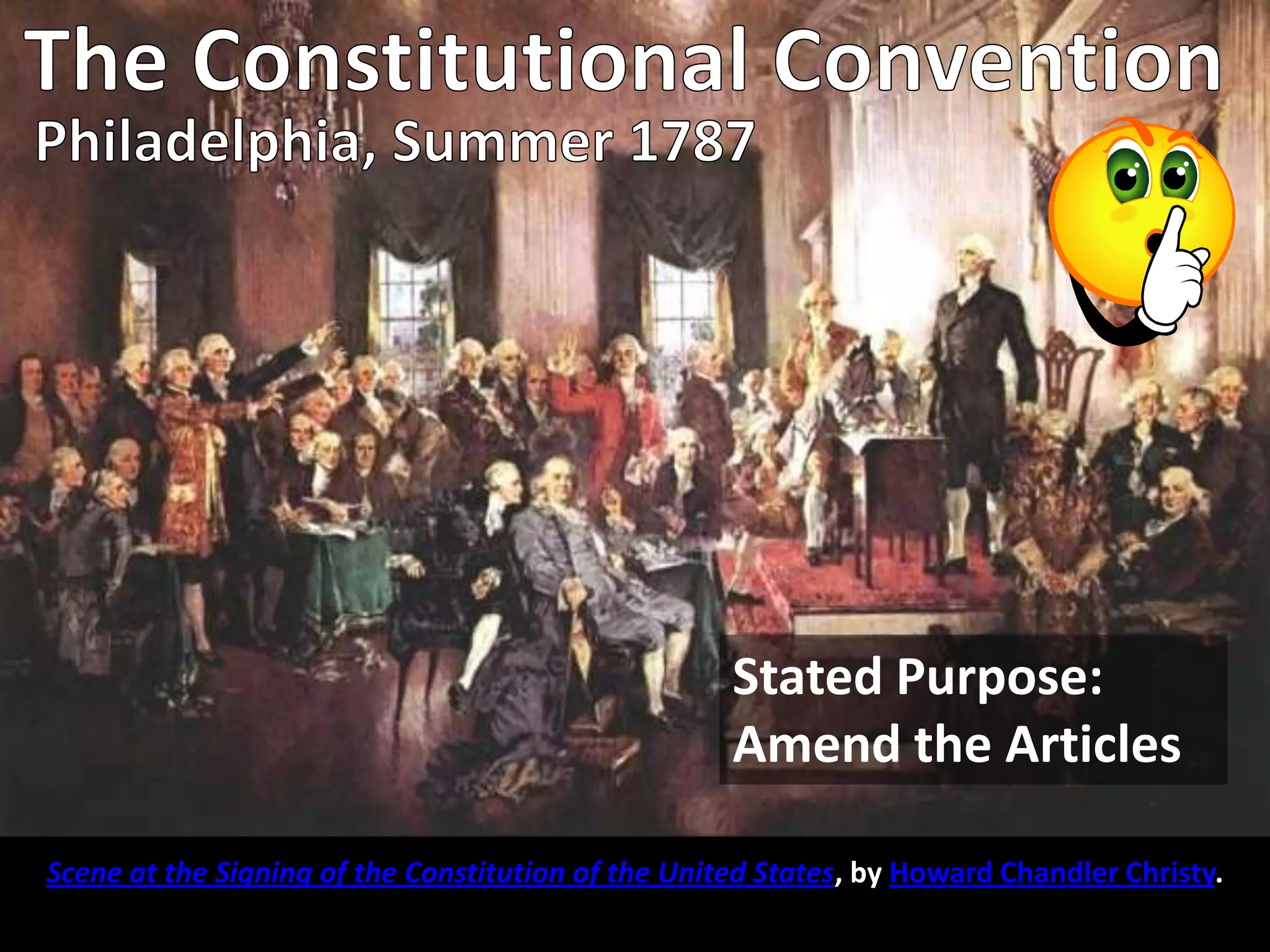
Stated Purpose:
Amend the Articles
Scene at the Signing of the Constitution of the United States, by Howard Chandler Christy.
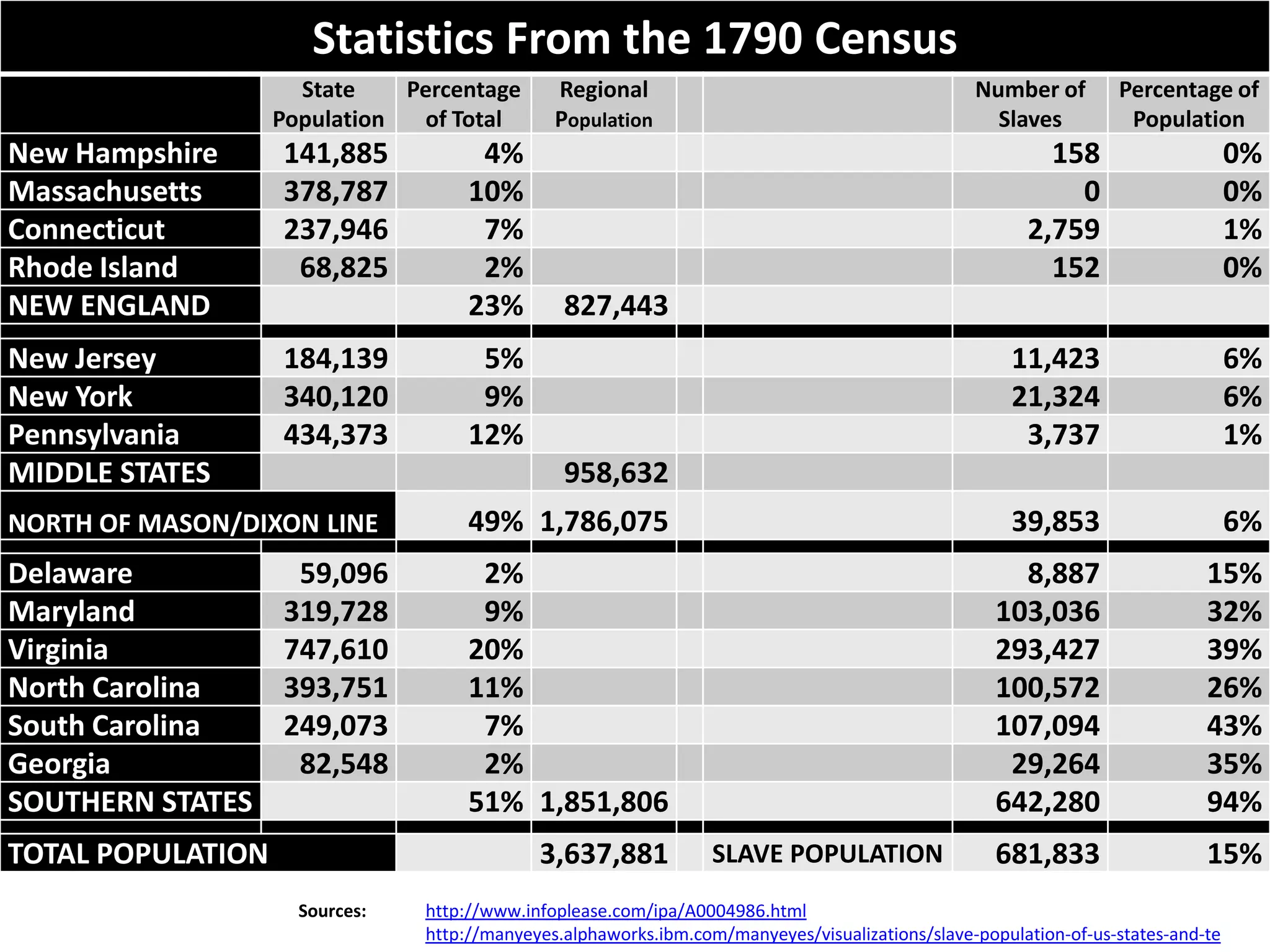
Statistics From the 1790 Census
State
Population
Percentage
of Total
Regional
Population
Number of
Slaves
Percentage of
Population
New Hampshire 141,885 4% 158 0%
Massachusetts 378,787 10% 0 0%
Connecticut 237,946 7% 2,759 1%
Rhode Island 68,825 2% 152 0%
NEW ENGLAND 23% 827,443
New Jersey 184,139 5% 11,423 6%
New York 340,120 9% 21,324 6%
Pennsylvania 434,373 12% 3,737 1%
MIDDLE STATES 958,632
NORTH OF MASON/DIXON LINE 49% 1,786,075 39,853 6%
Delaware 59,096 2% 8,887 15%
Maryland 319,728 9% 103,036 32%
Virginia 747,610 20% 293,427 39%
North Carolina 393,751 11% 100,572 26%
South Carolina 249,073 7% 107,094 43%
Georgia 82,548 2% 29,264 35%
SOUTHERN STATES 51% 1,851,806 642,280 94%
TOTAL POPULATION 3,637,881 SLAVE POPULATION 681,833 15%
Sources: http://www.infoplease.com/ipa/A0004986.html
http://manyeyes.alphaworks.ibm.com/manyeyes/visualizations/slave-population-of-us-states-and-te
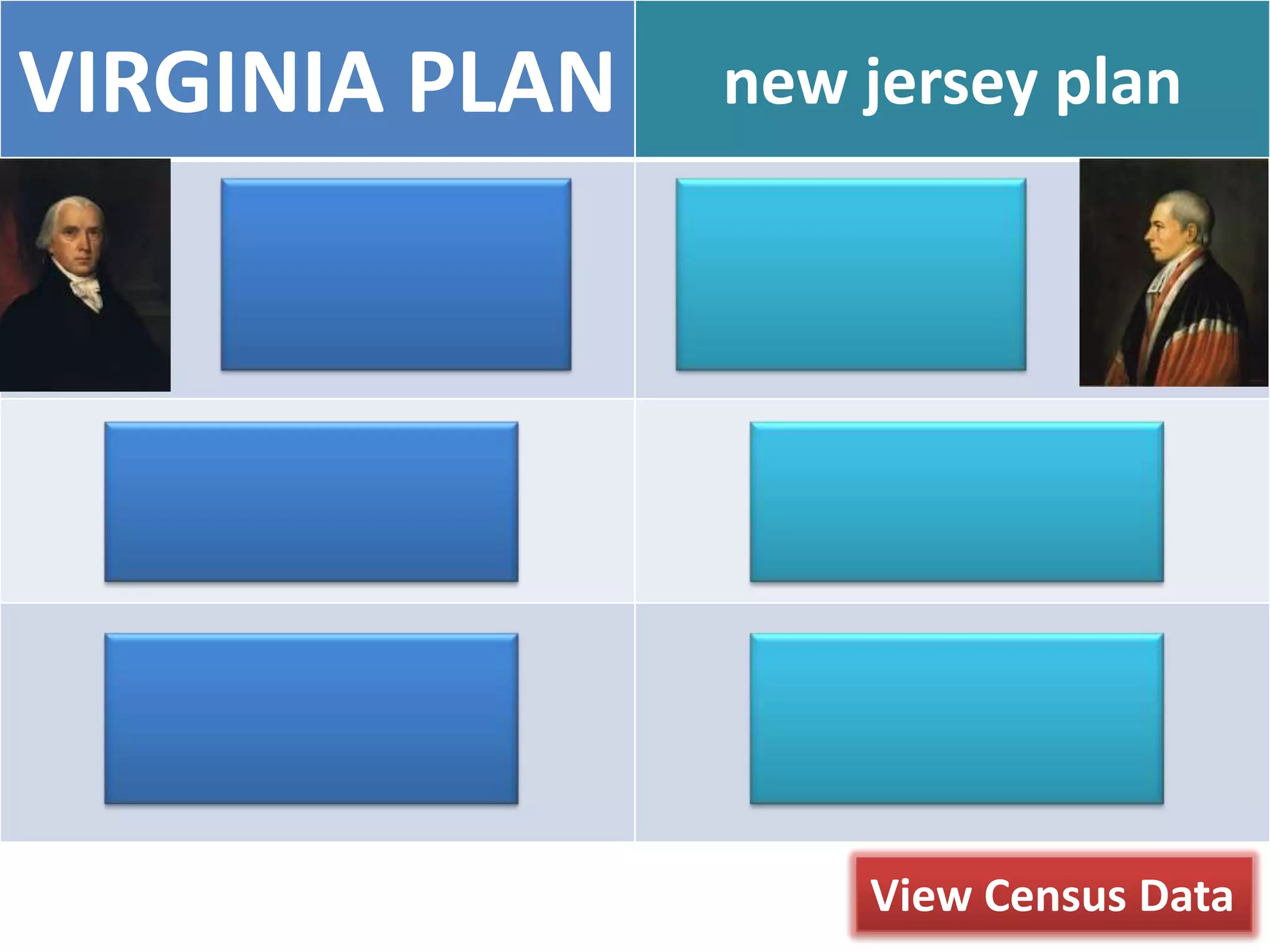
new jersey plan
William
Paterson
Unicameral
Legislature
One Vote
Per State
VIRGINIA PLAN
James
Madison
Bicameral
Legislature
Based on
POPULATION
View Census Data
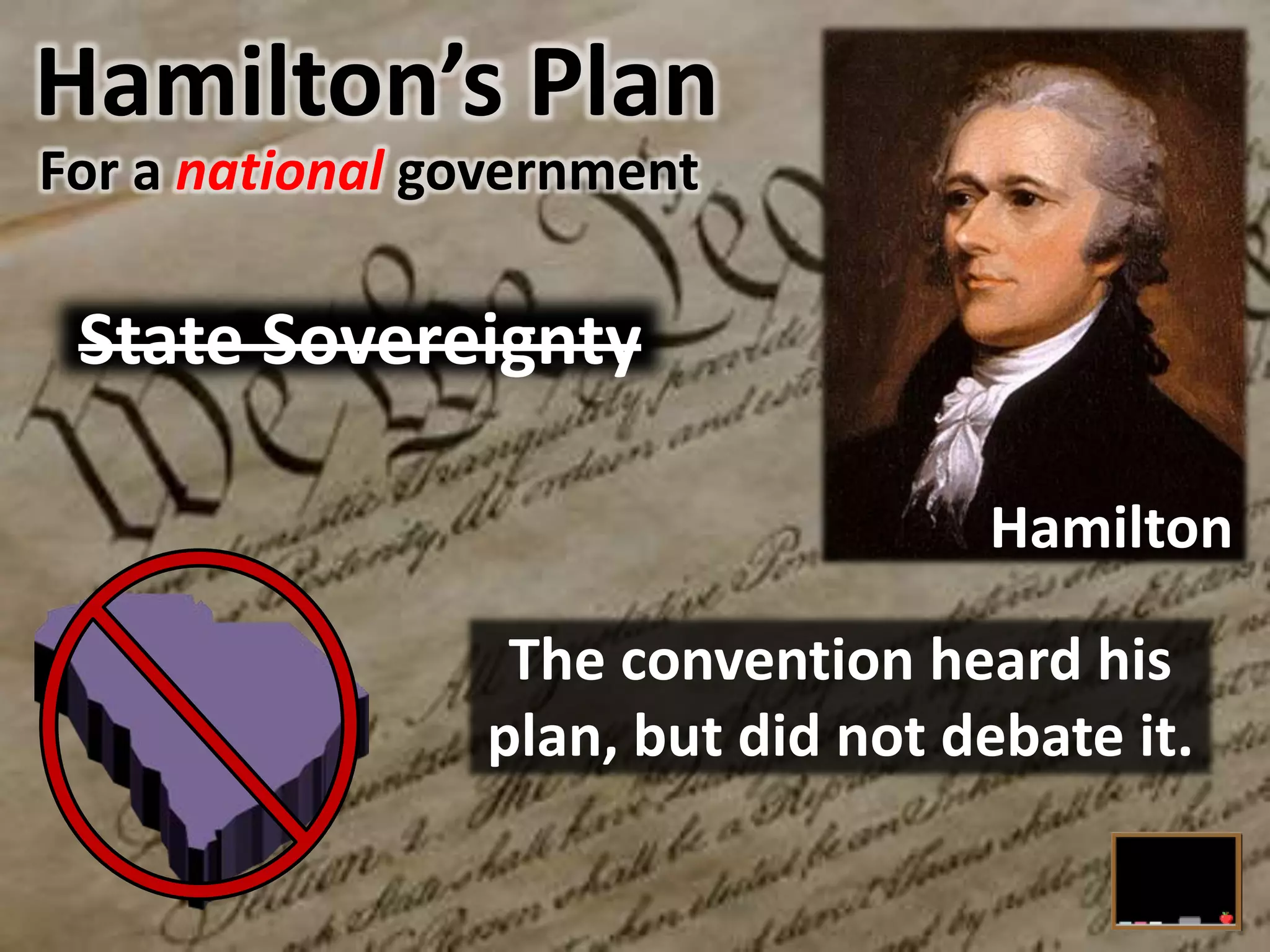
Hamilton’s Plan
The convention heard his
plan, but did not debate it.
For a national government
Hamilton
State Sovereignty
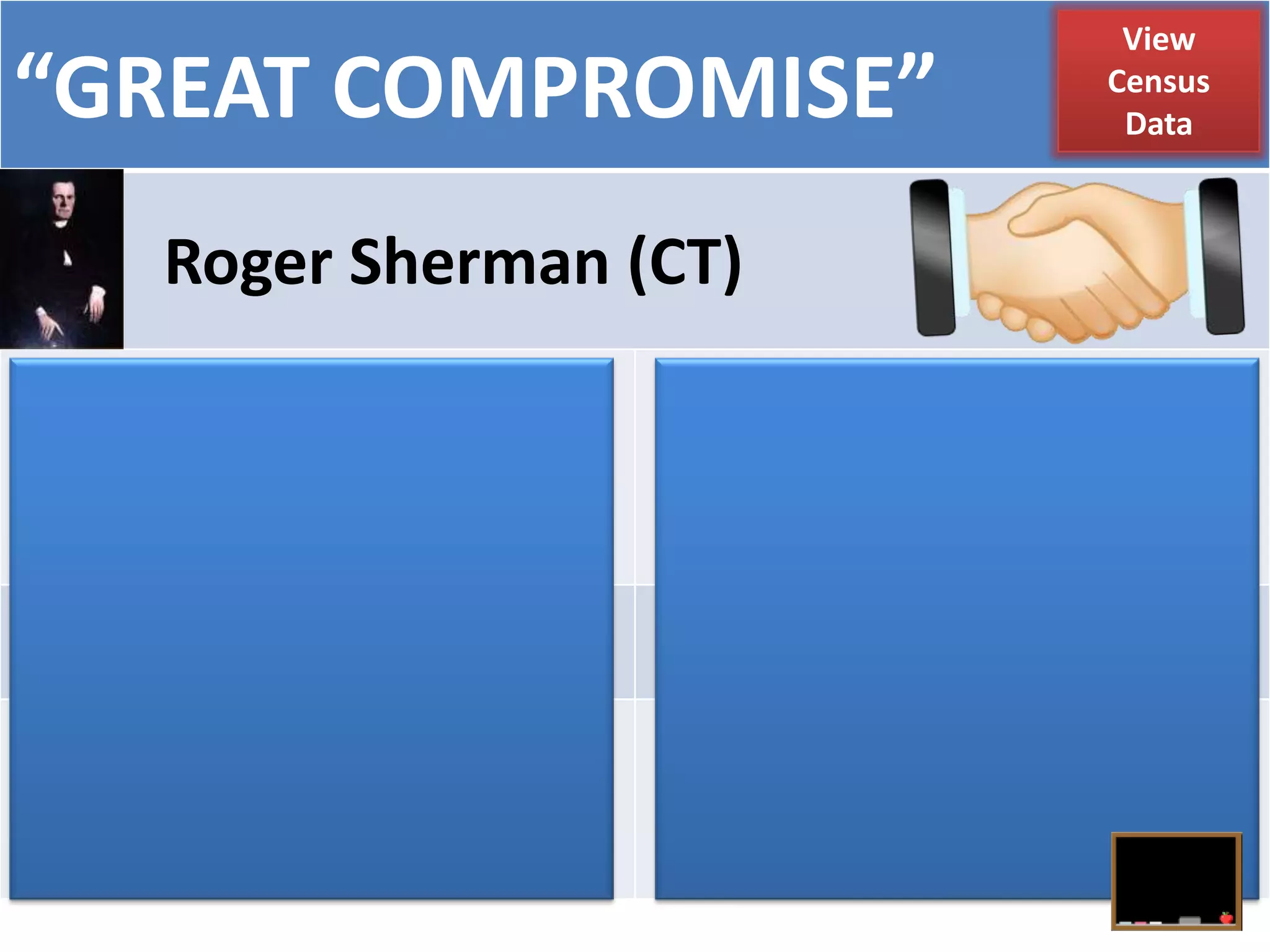
“GREAT COMPROMISE”
Roger Sherman (CT)
House of
Representatives
Lower House
Senate
Upper House
Based on POPULATION Two Votes Per State
Elected by Voters
(DIRECT)
Appointed by
State Legislatures
(INDIRECT)
View
Census
Data
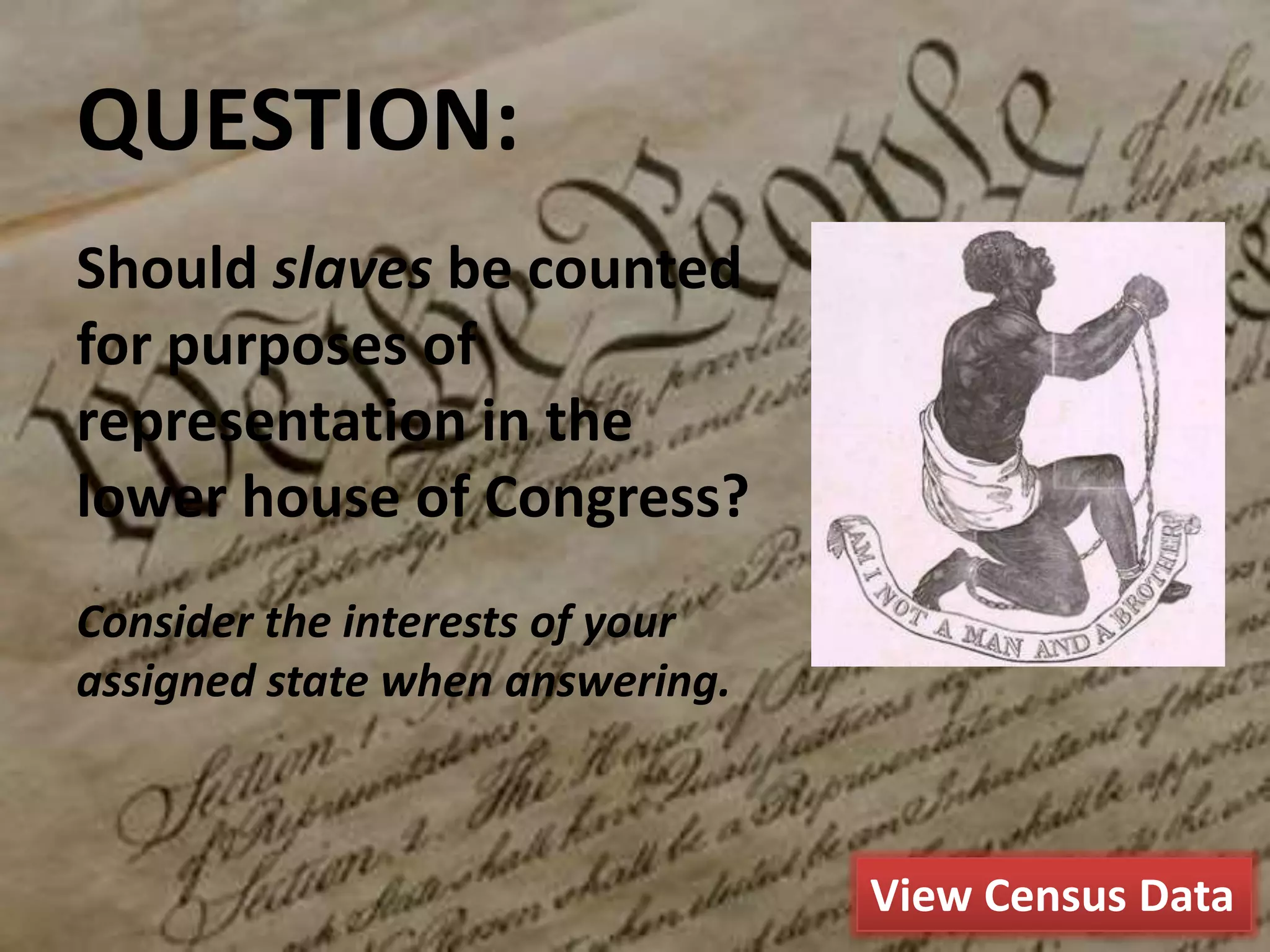
QUESTION:
Should slaves be counted
for purposes of
representation in the
lower house of Congress?
Consider the interests of your
assigned state when answering.
View Census Data
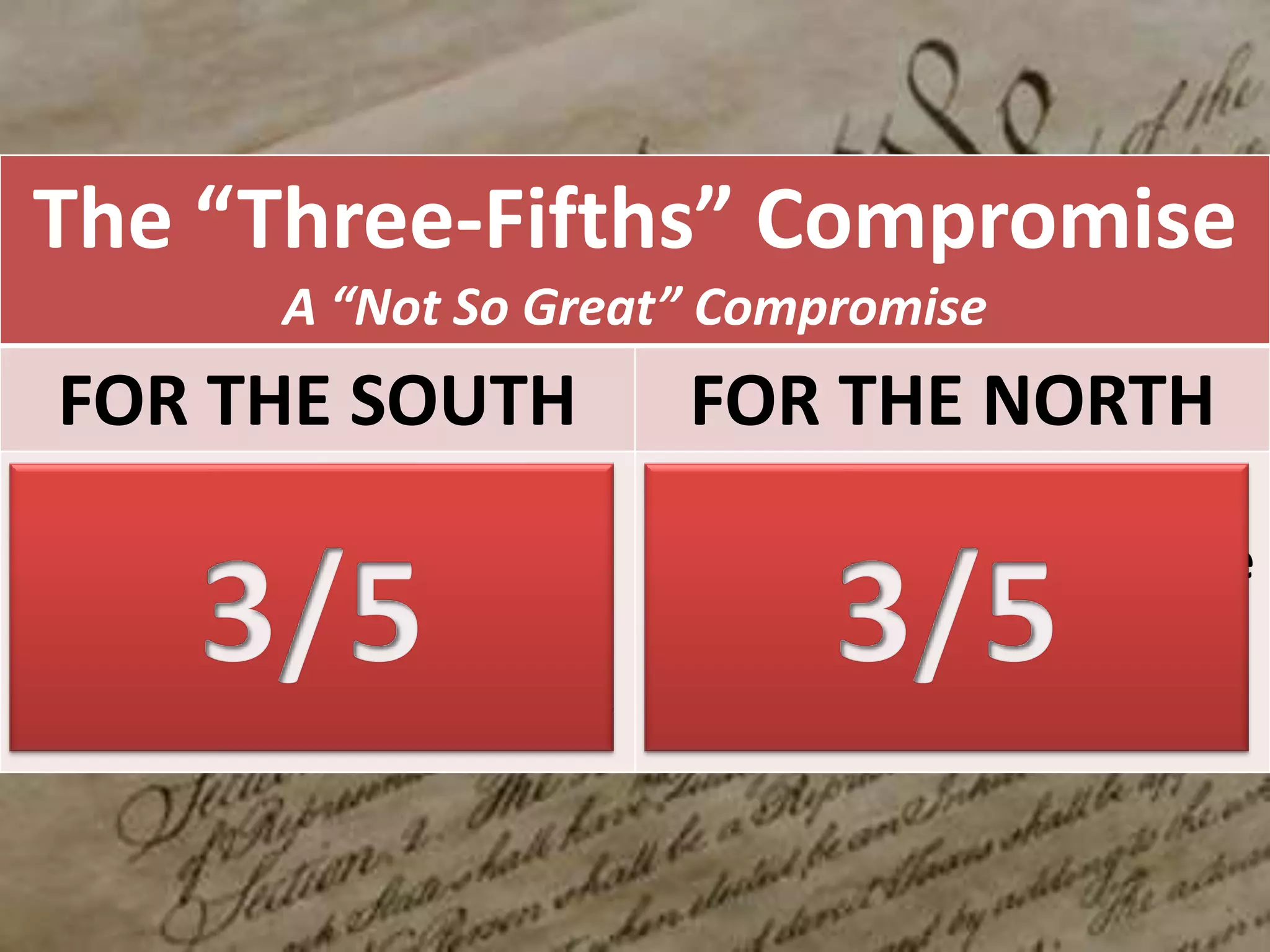
The “Three-Fifths” Compromise
A “Not So Great” Compromise
FOR THE SOUTH FOR THE NORTH
For purposes of
representation in
Congress, slaves would
count for 3/5 of a person.
After 20 years, Congress
has the power to regulate
(or outlaw) the
international slave trade.
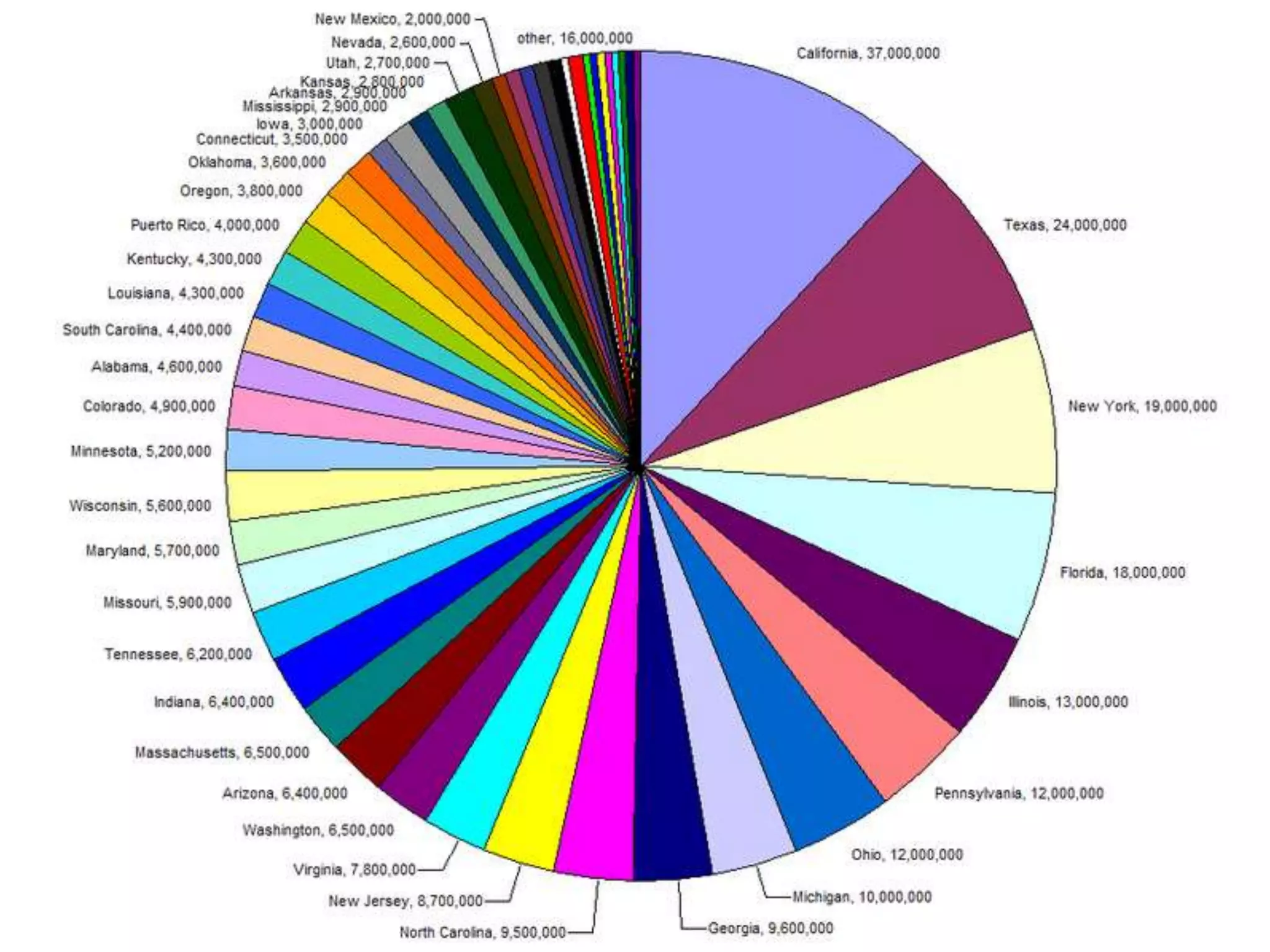
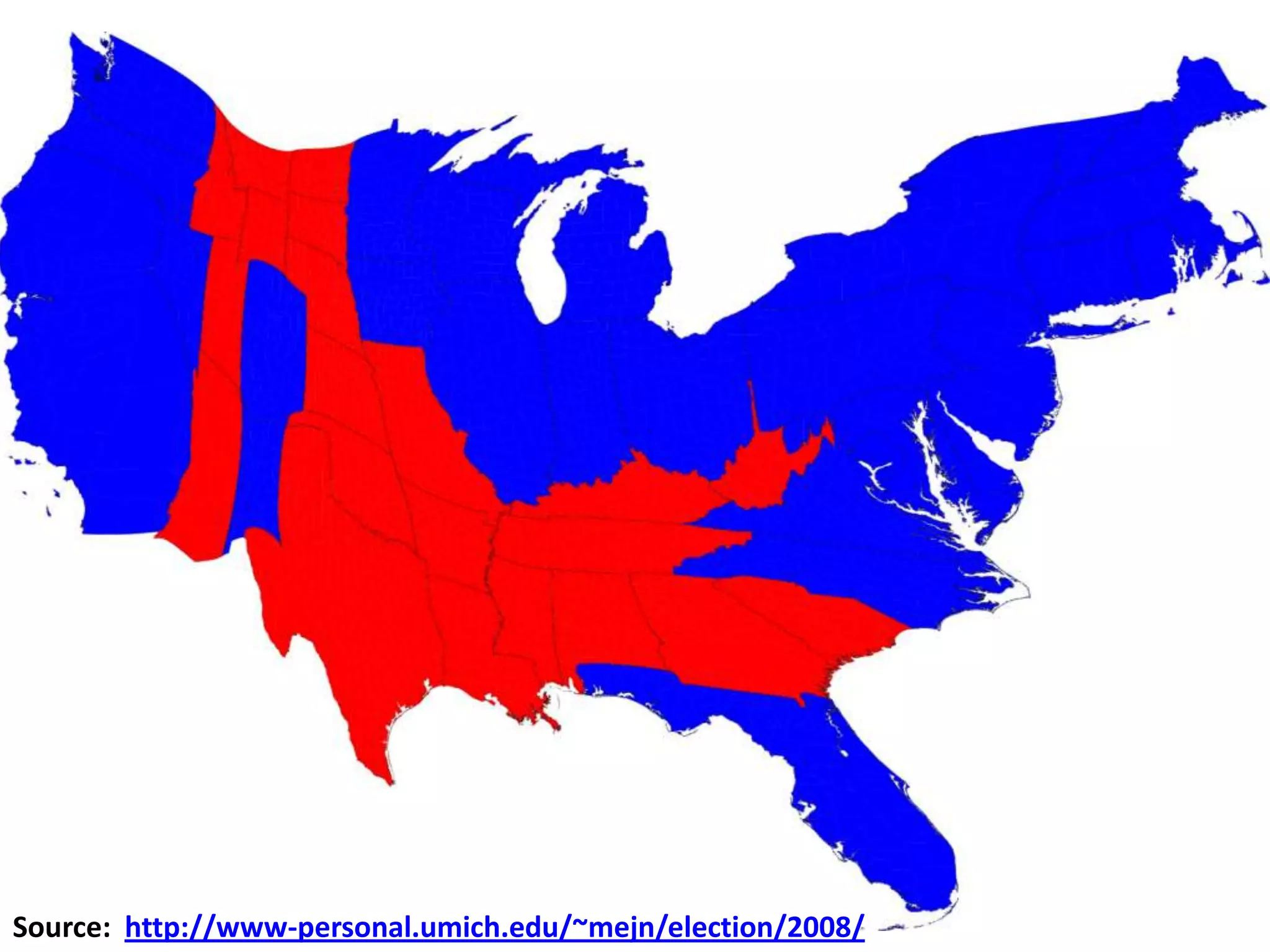
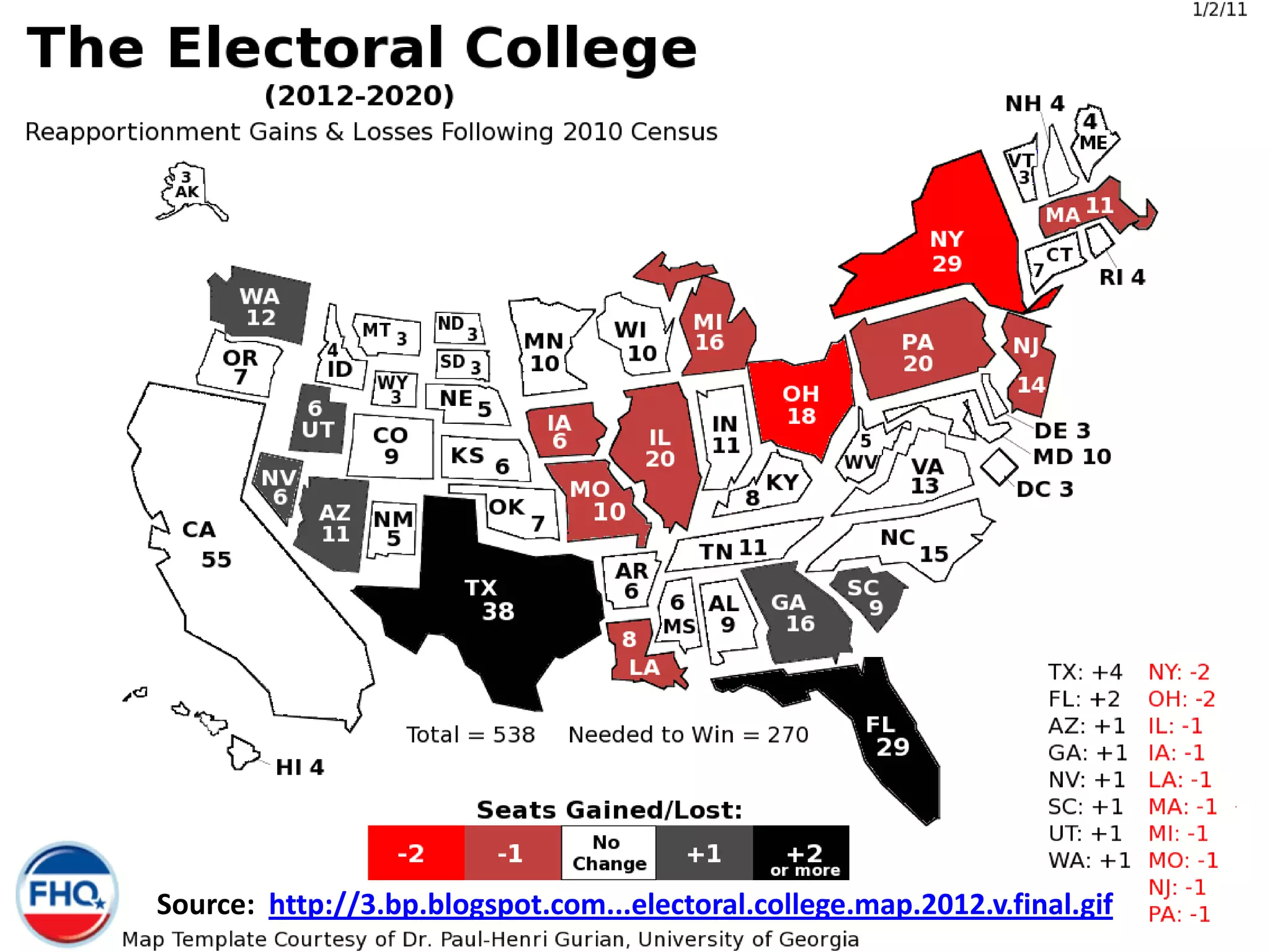
Electoral College
• # of Electors = Senators + Representatives
• Effect of 3/5 Compromise?
Each state will send electors
to cast votes for President.
Source: http://www-personal.umich.edu/~mejn/election/2008/
Source: http://3.bp.blogspot.com...electoral.college.map.2012.v.final.gif
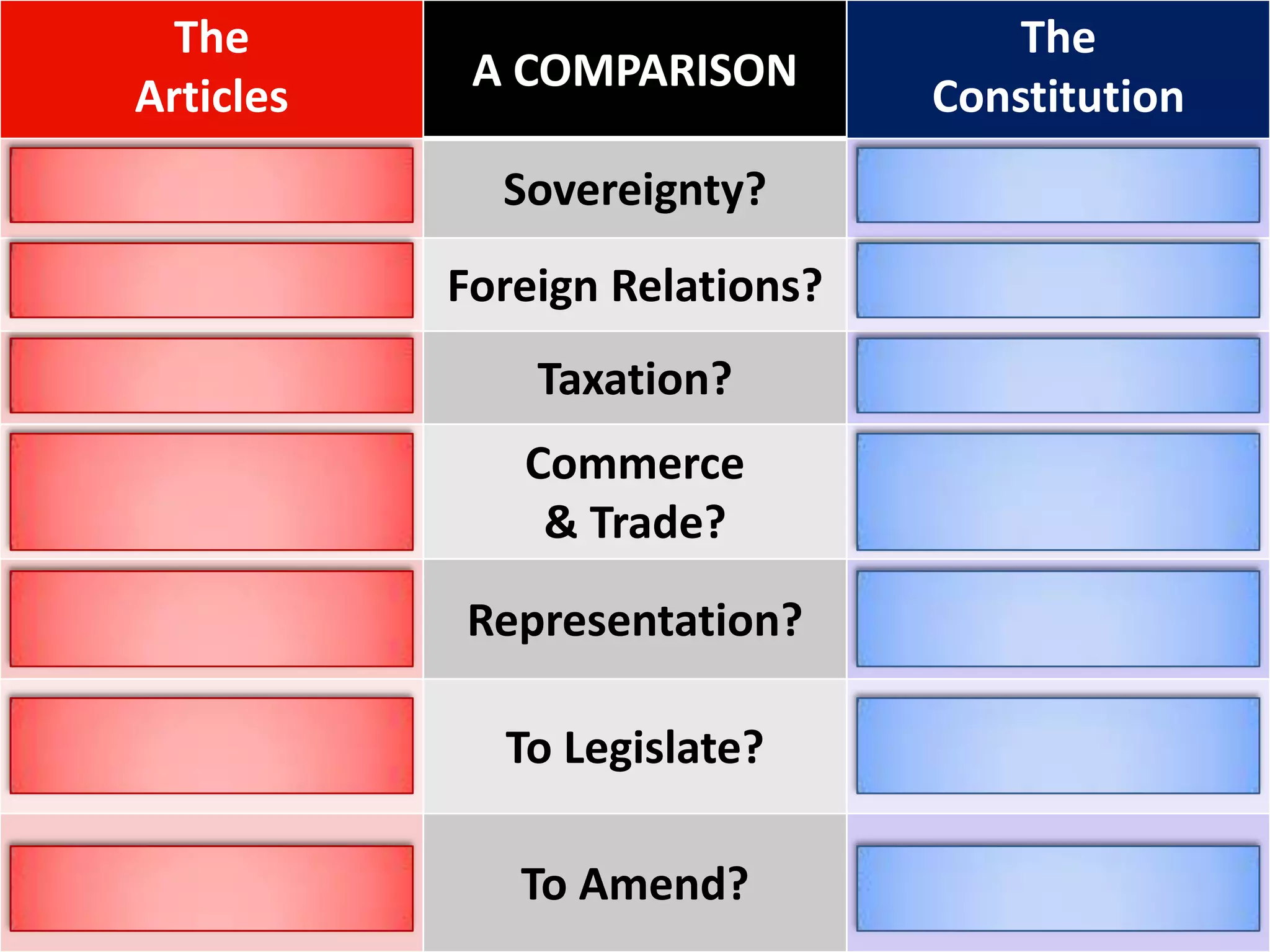
The
Articles
States
Federal
States
States
1 Vote Per State
2/3
UNANIMOUS
The
Constitution
Shared
Federal
Federal & State
Federal (Interstate)
State (Intrastate)
Proportional (House)
Two Each (Senate)
Concurrent Majority +
President’s Signature
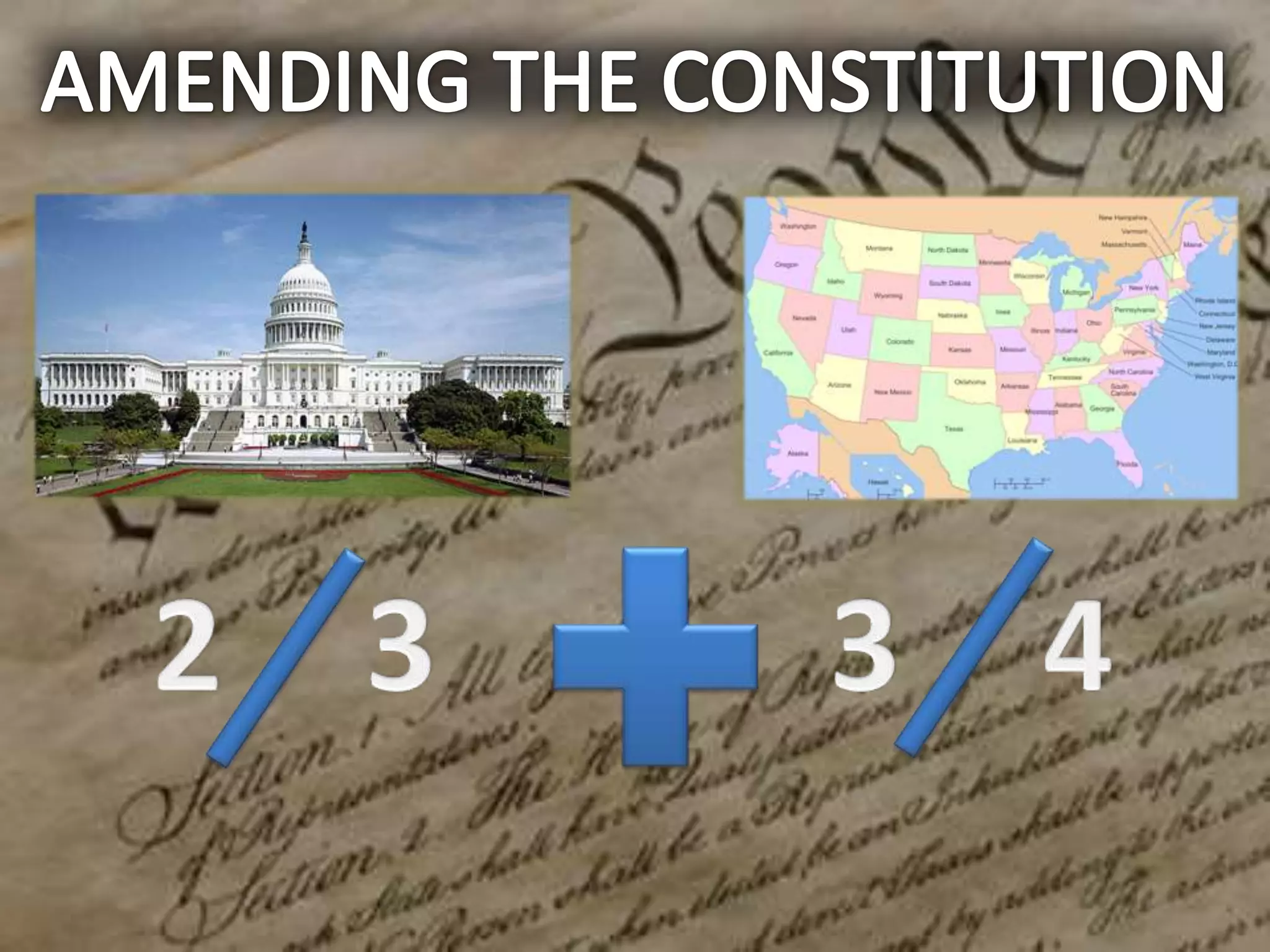
2/3 + 3/4
A COMPARISON
Sovereignty?
Foreign Relations?
Taxation?
Commerce
& Trade?
Representation?
To Legislate?
To Amend?
Limiting the Government
BACK
to Table of Contents
USHC 1.5
Explain how the fundamental
principle of limited government is
protected by the Constitution and
the Bill of Rights, including
democracy, republicanism,
federalism, the separation of
powers, the system of checks and
balances, and individual rights.
Federalism
Checks and
Balances
The Bill
of Rights
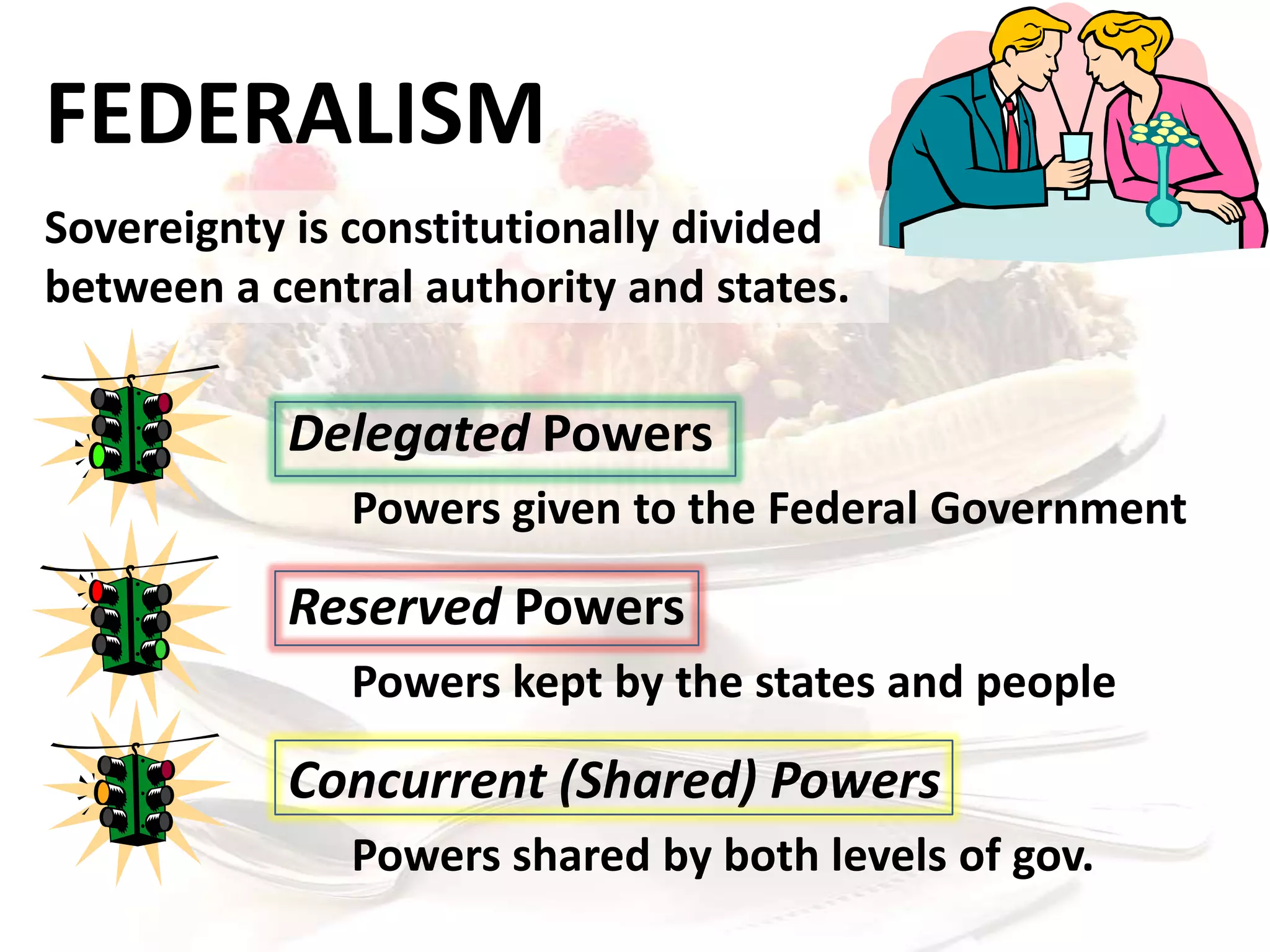
FEDERALISM
Delegated Powers
Powers given to the Federal Government
Reserved Powers
Powers kept by the states and people
Concurrent (Shared) Powers
Powers shared by both levels of gov.
Sovereignty is constitutionally divided
between a central authority and states.
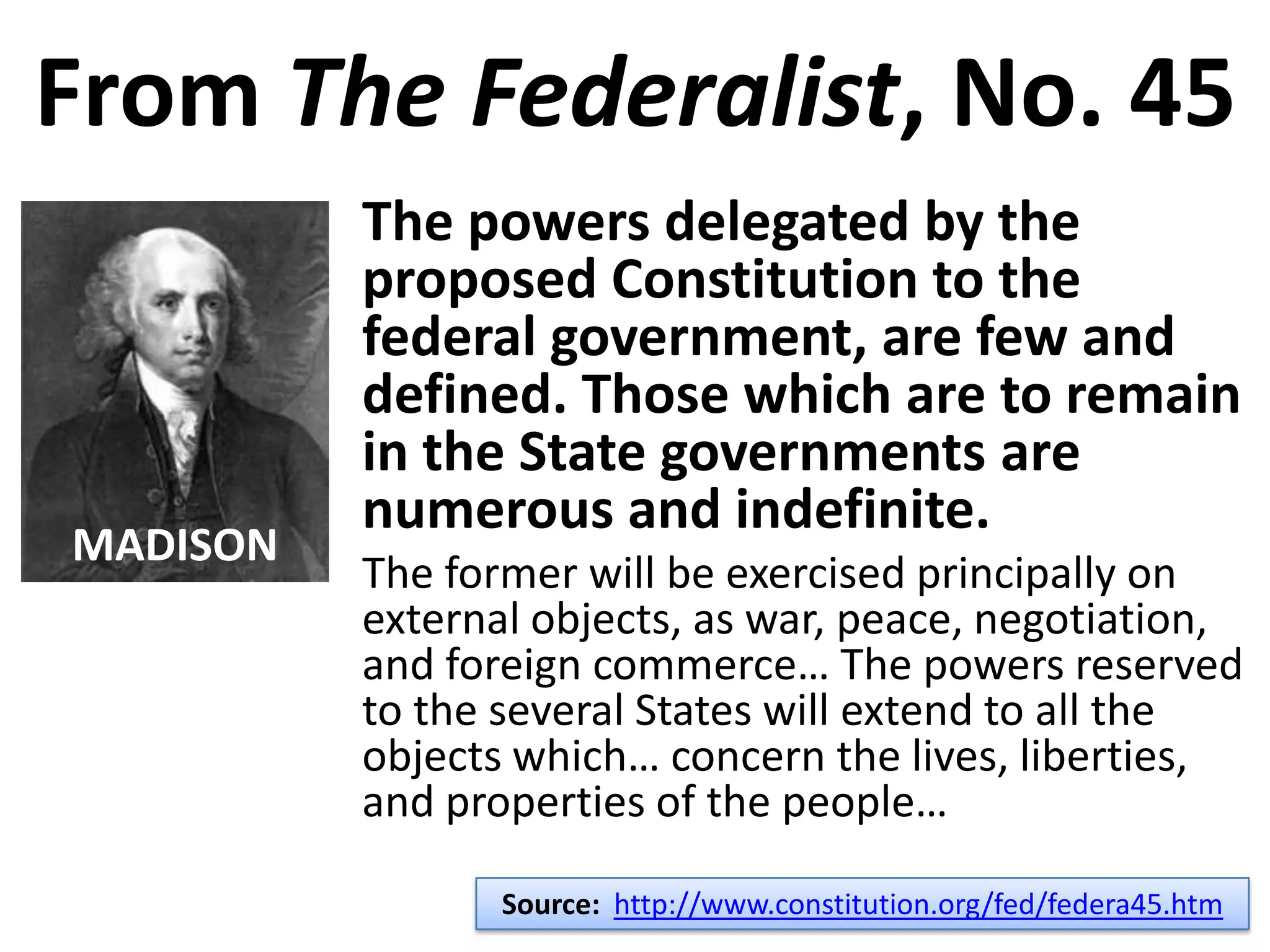
From The Federalist, No. 45
The powers delegated by the
proposed Constitution to the
federal government, are few and
defined. Those which are to remain
in the State governments are
numerous and indefinite.
The former will be exercised principally on
external objects, as war, peace, negotiation,
and foreign commerce… The powers reserved
to the several States will extend to all the
objects which… concern the lives, liberties,
and properties of the people…
Source: http://www.constitution.org/fed/federa45.htm
MADISON
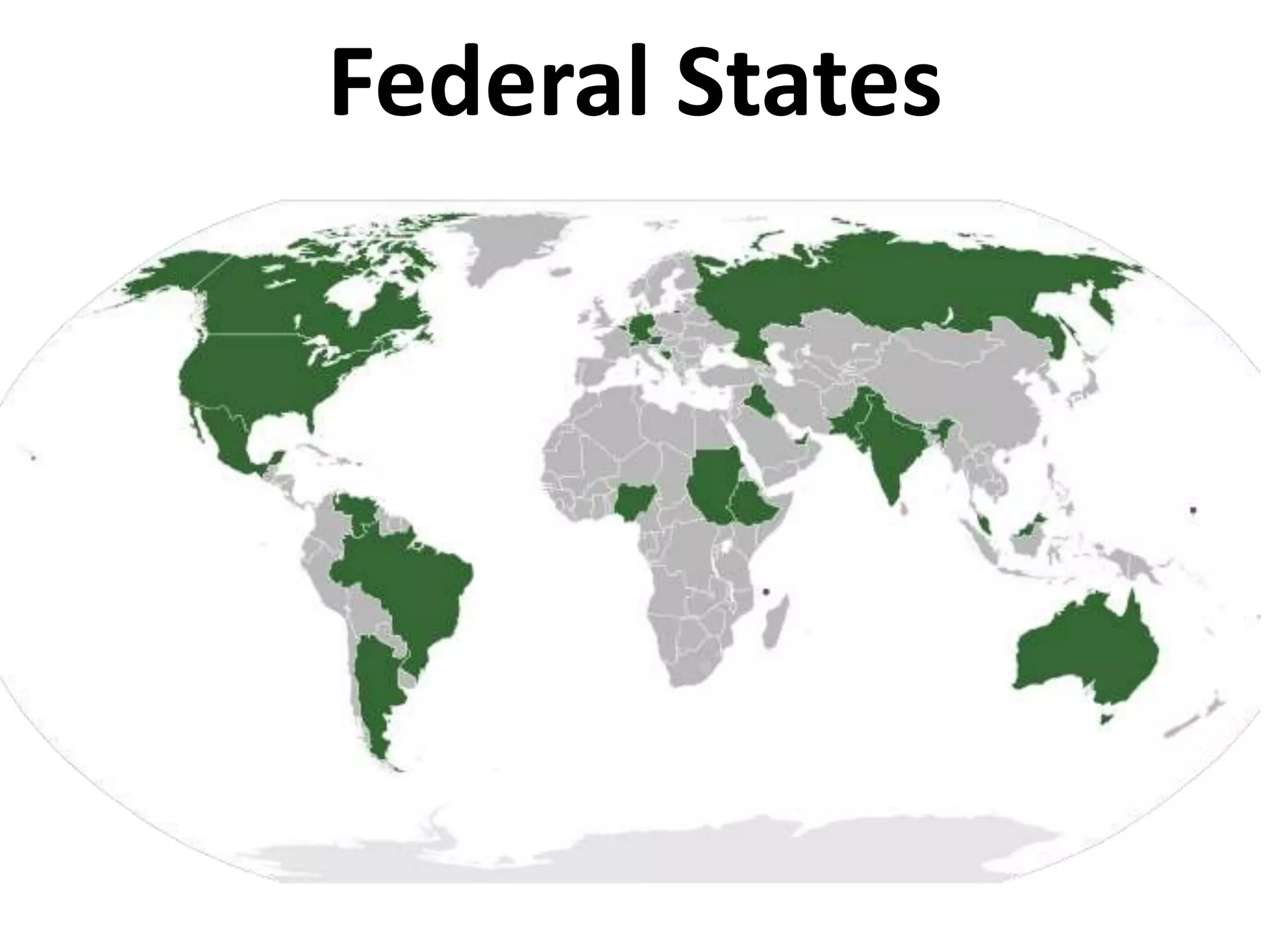
Federal States
Federal
[Delegated]
State
[Reserved]
Federalism
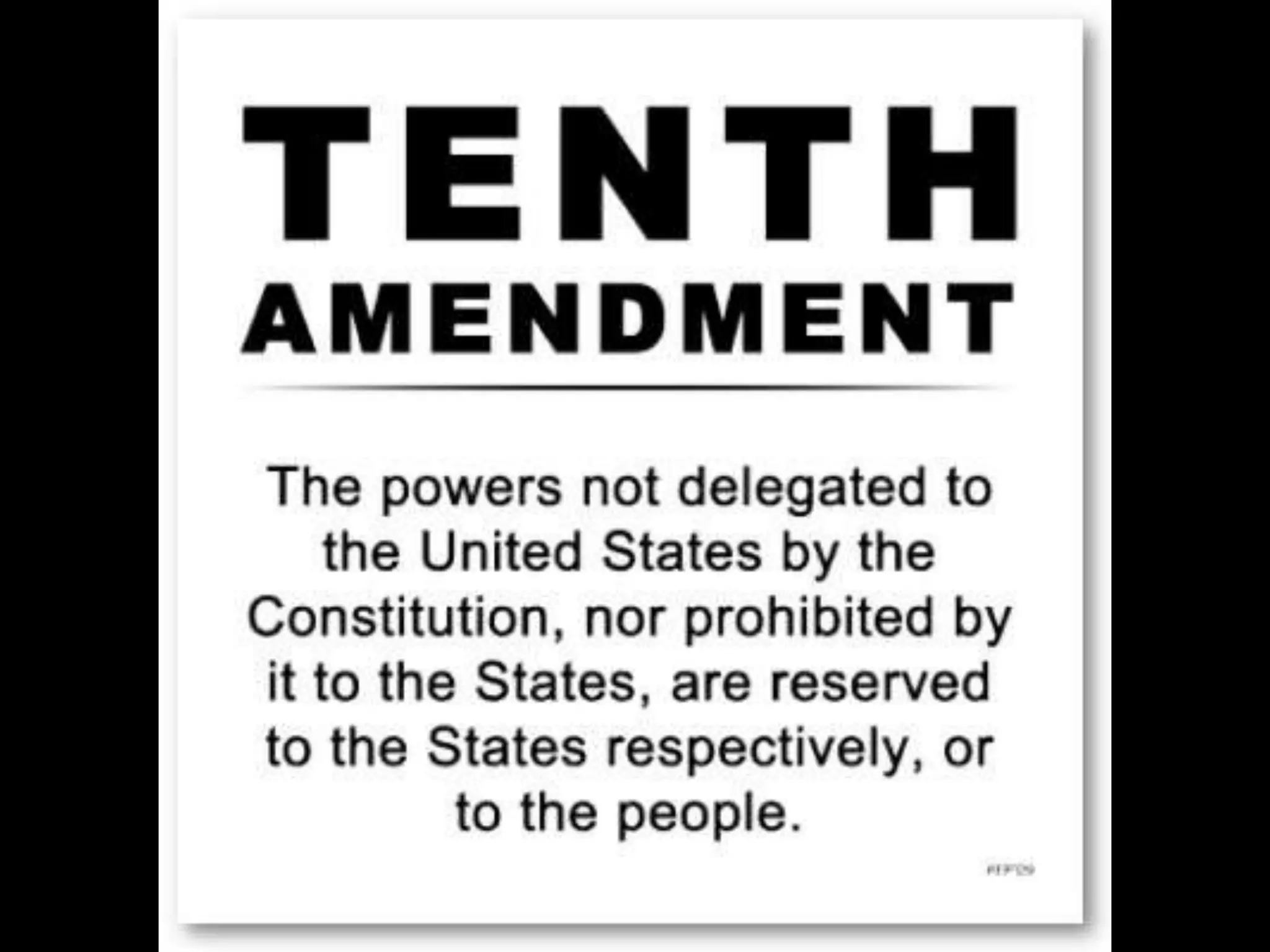
AMENDMENT X
The powers not delegated to the United States by the
Constitution, nor prohibited by it to the states, are reserved to
the states respectively, or to the people.
Concurrent
View
Completed
Chart
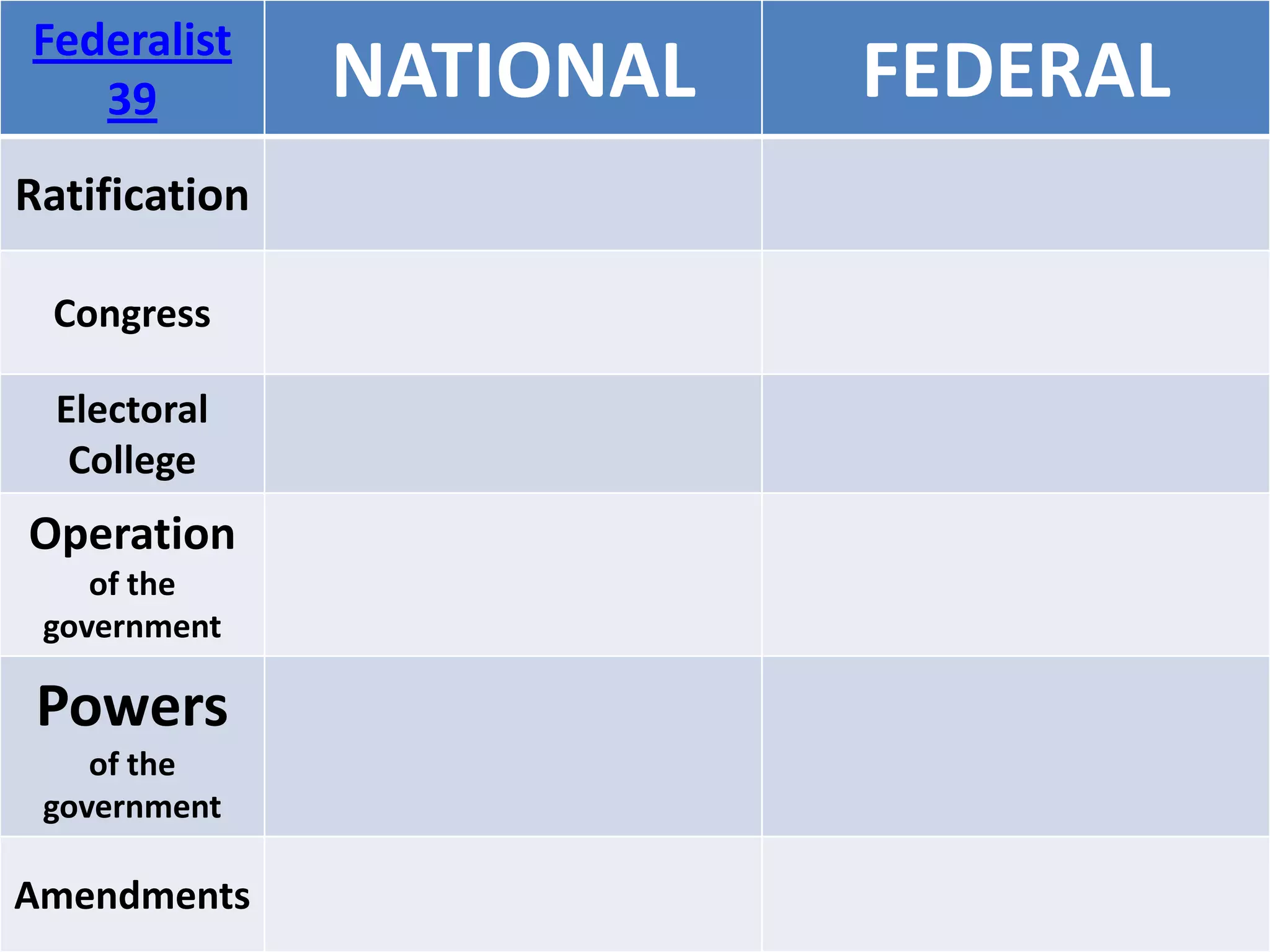
Graphic Organizer 3.3
Federalist
39 NATIONAL FEDERAL
Ratification
Congress
Electoral
College
Operation
of the
government
Powers
of the
government
Amendments
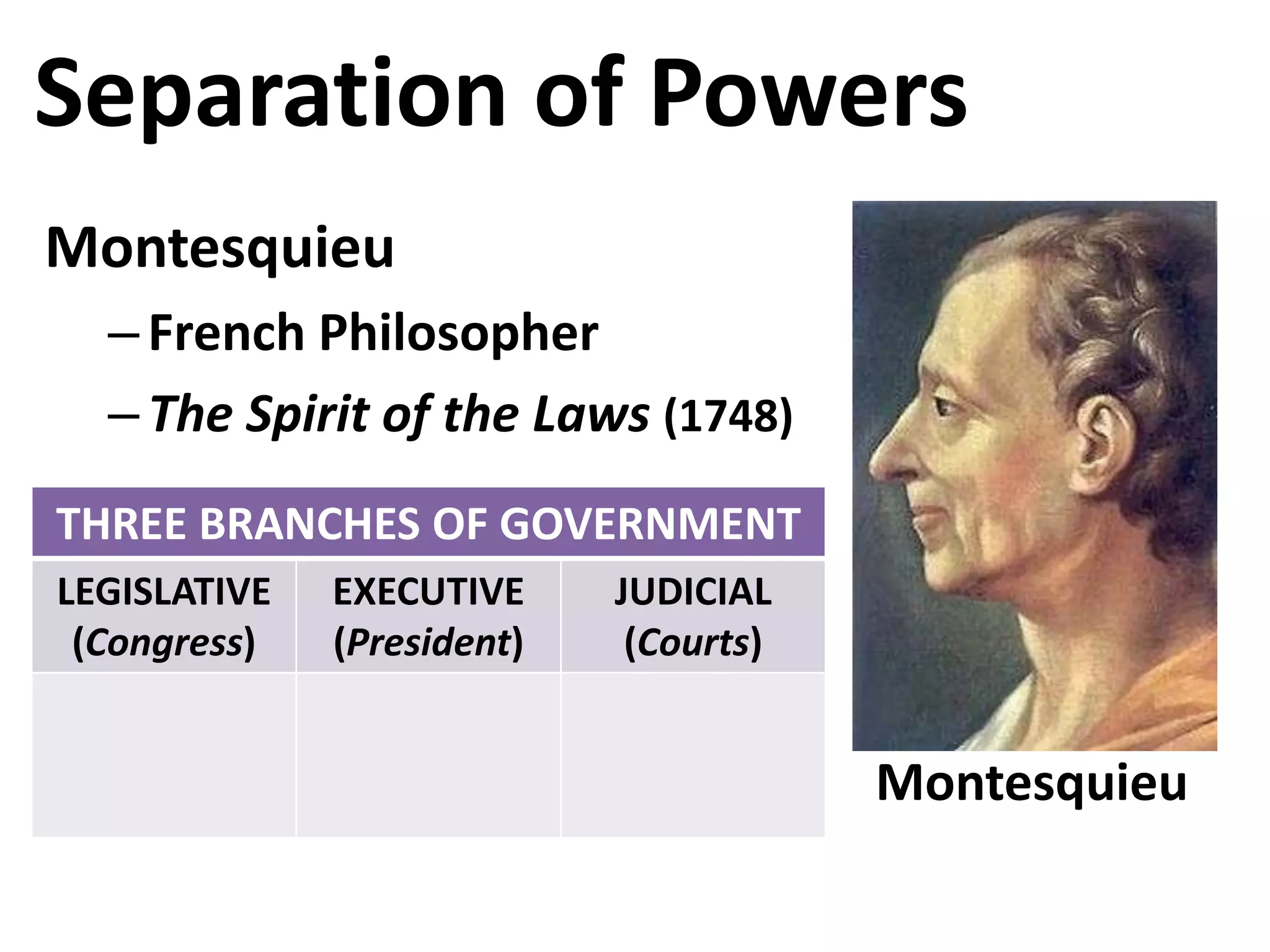
Separation of Powers
Montesquieu
–French Philosopher
–The Spirit of the Laws (1748)
Montesquieu
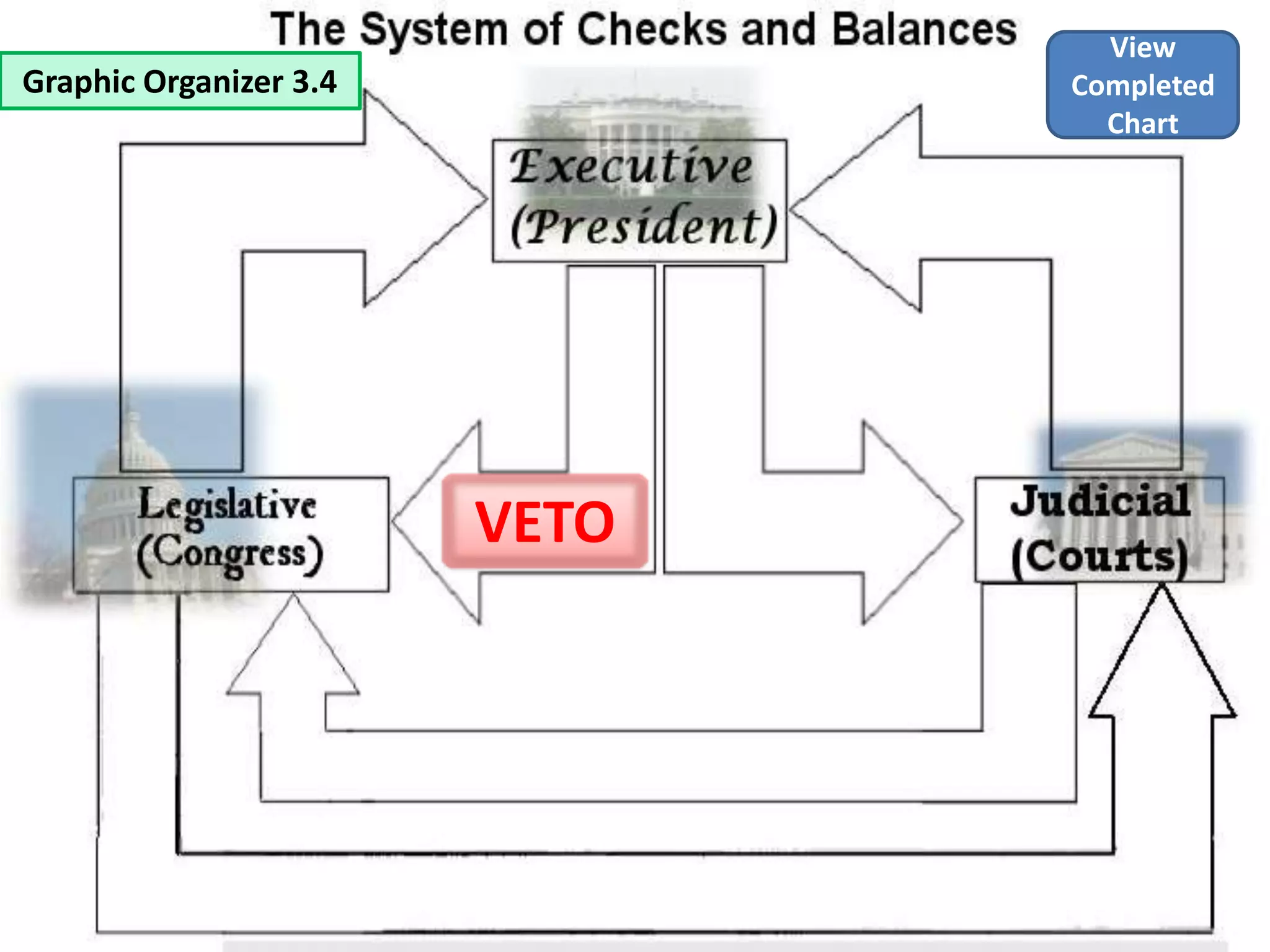
THREE BRANCHES OF GOVERNMENT
LEGISLATIVE
(Congress)
EXECUTIVE
(President)
JUDICIAL
(Courts)
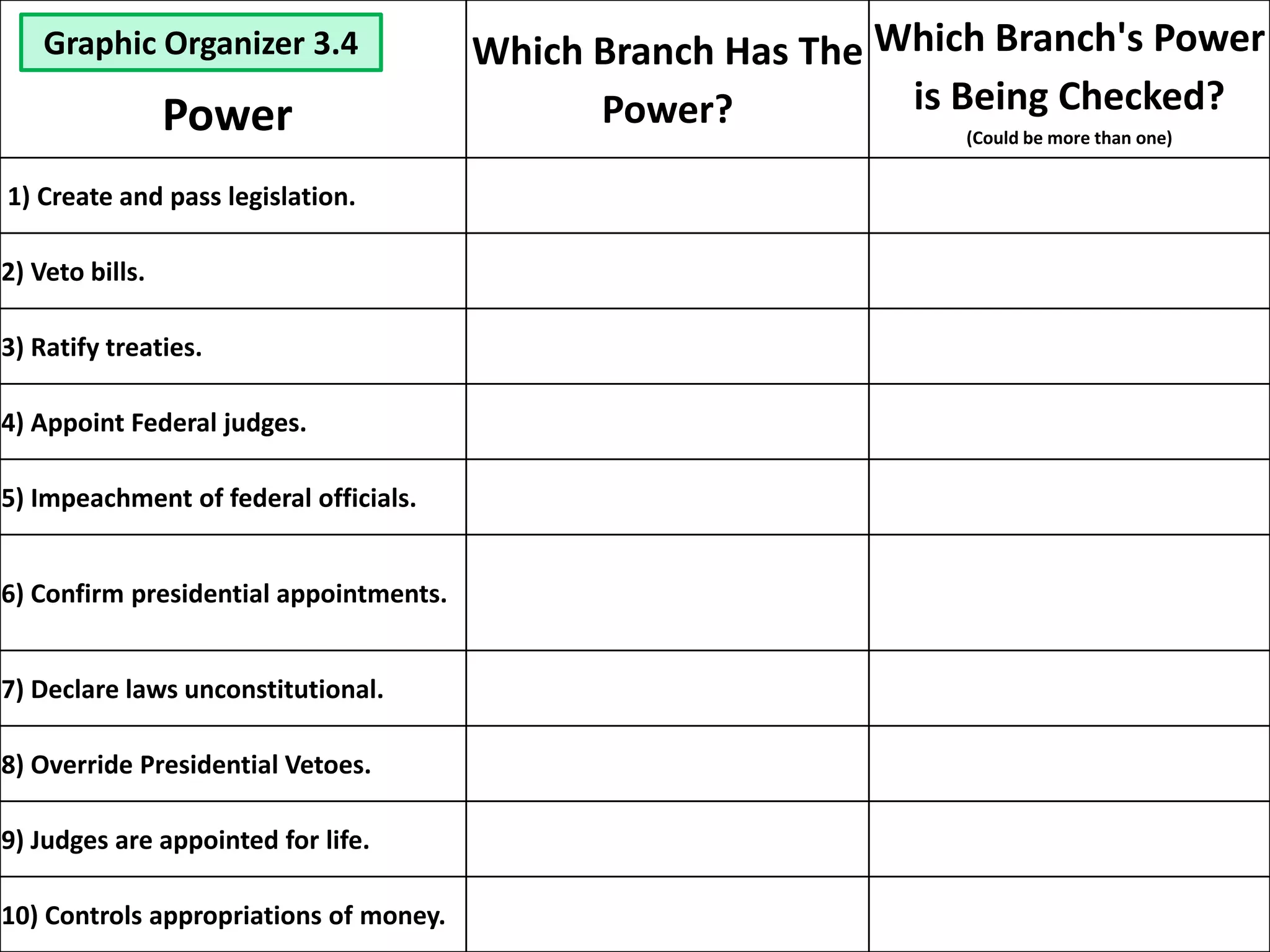
Power
Which Branch Has The
Power?
Which Branch's Power
is Being Checked?
(Could be more than one)
1) Create and pass legislation.
2) Veto bills.
3) Ratify treaties.
4) Appoint Federal judges.
5) Impeachment of federal officials.
6) Confirm presidential appointments.
7) Declare laws unconstitutional.
8) Override Presidential Vetoes.
9) Judges are appointed for life.
10) Controls appropriations of money.
Graphic Organizer 3.4
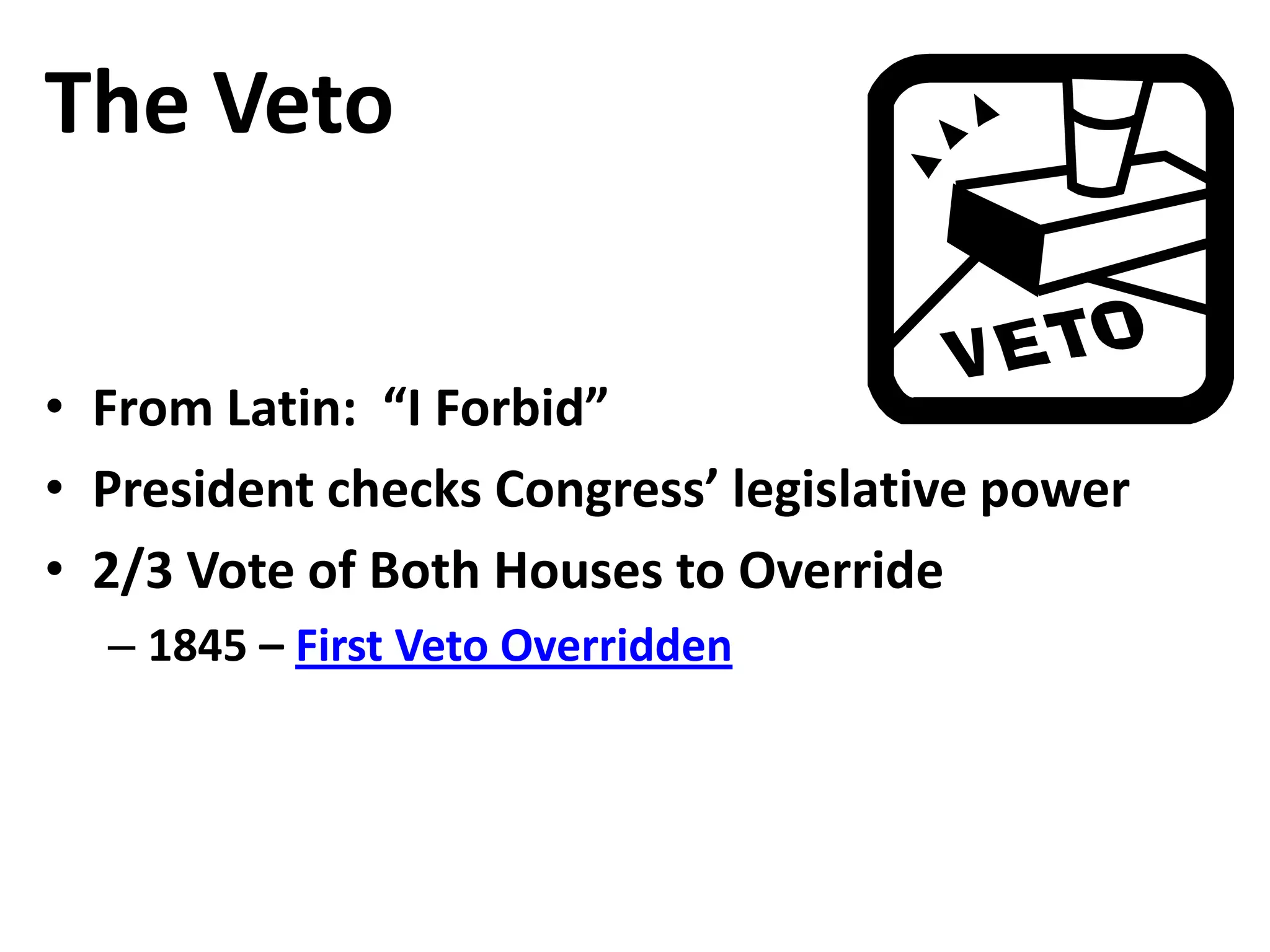
The Veto
• From Latin: “I Forbid”
• President checks Congress’ legislative power
• 2/3 Vote of Both Houses to Override
– 1845 – First Veto Overridden
View
Completed
Chart
Graphic Organizer 3.4
VETO
Ratifying the Constitution
1787-1788 USHC 1.4
Analyze how dissatisfactions with the
government under the Articles of
Confederation were addressed with the
writing of the Constitution of 1787,
including the debates and
compromises reached at the
Philadelphia Convention and the
ratification of the Constitution.
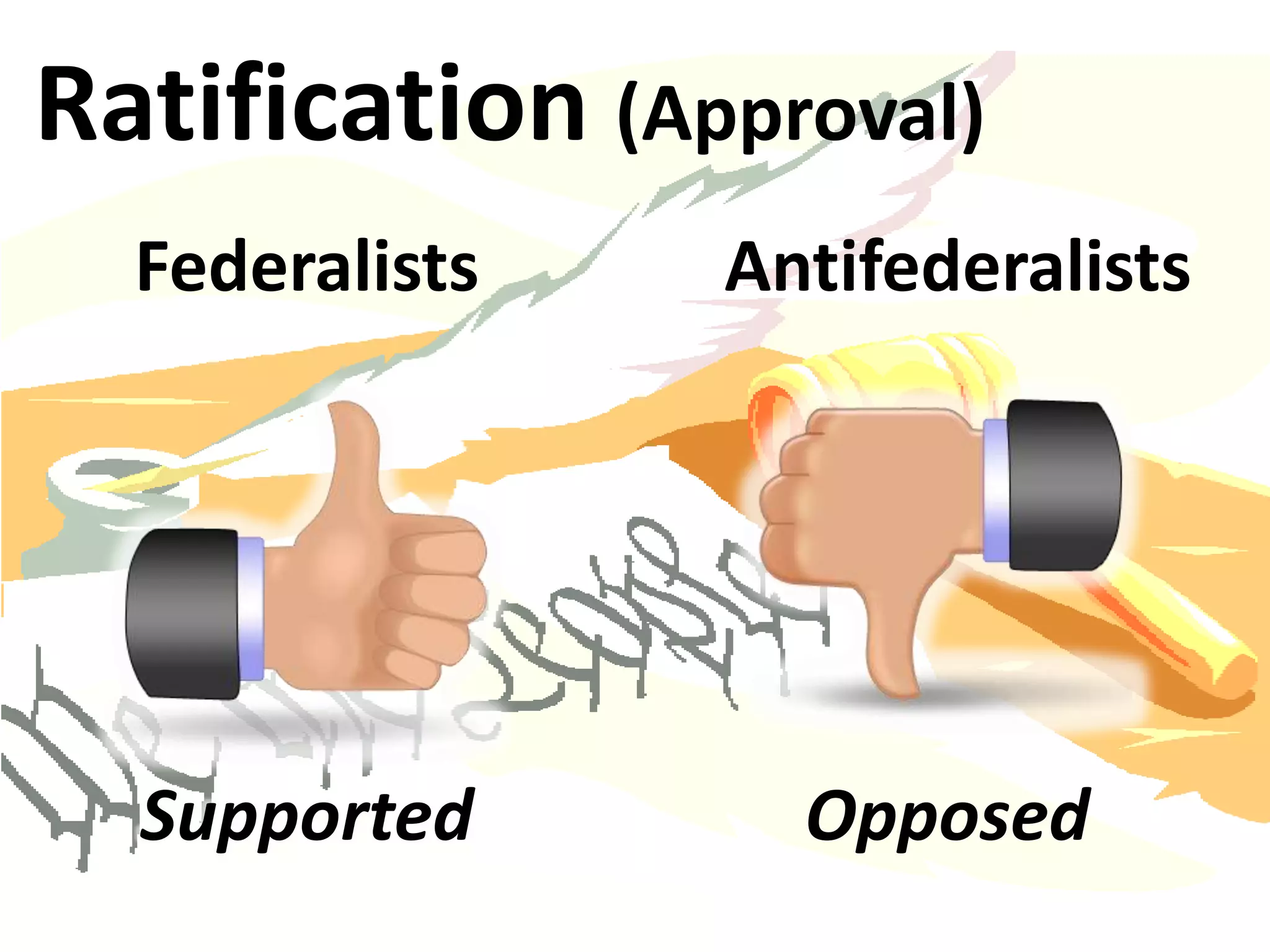
Federalists Antifederalists
Supported Opposed
Ratification (Approval)
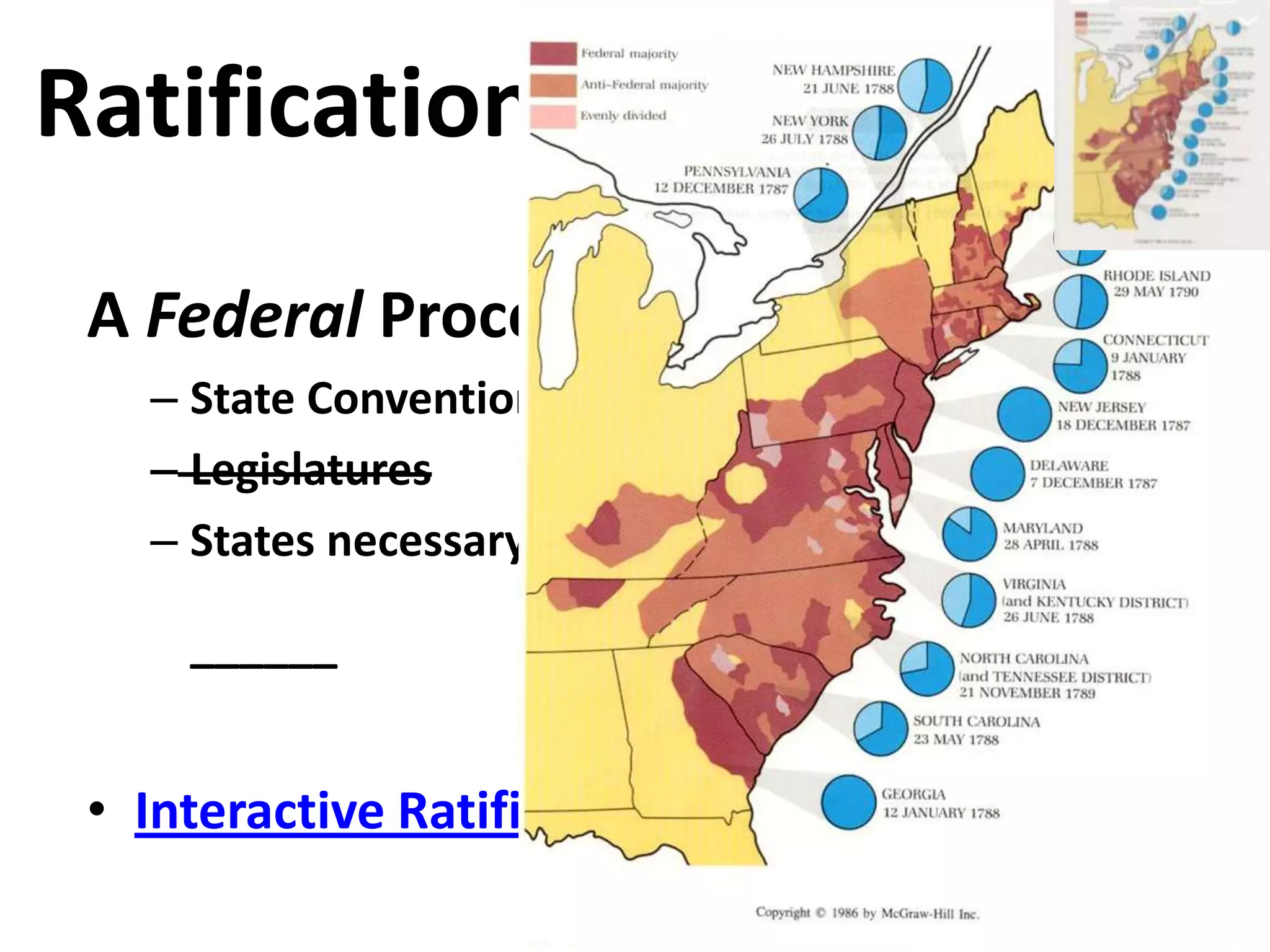
A Federal Process
– State Conventions
– Legislatures
– States necessary to ratify:
______
• Interactive Ratification Map
Ratification
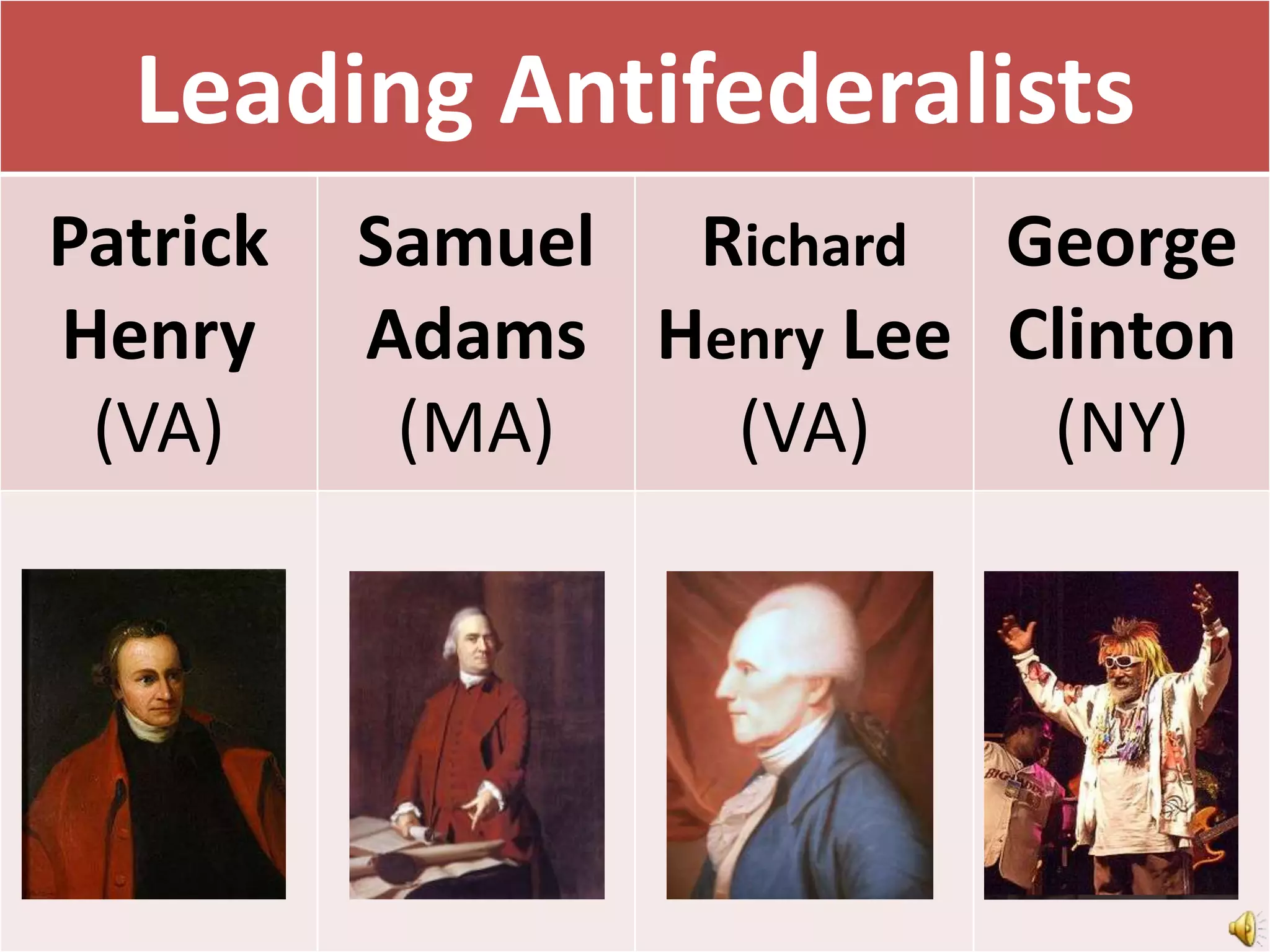
Leading Antifederalists
Patrick
Henry
(VA)
Samuel
Adams
(MA)
Richard
Henry Lee
(VA)
George
Clinton
(NY)
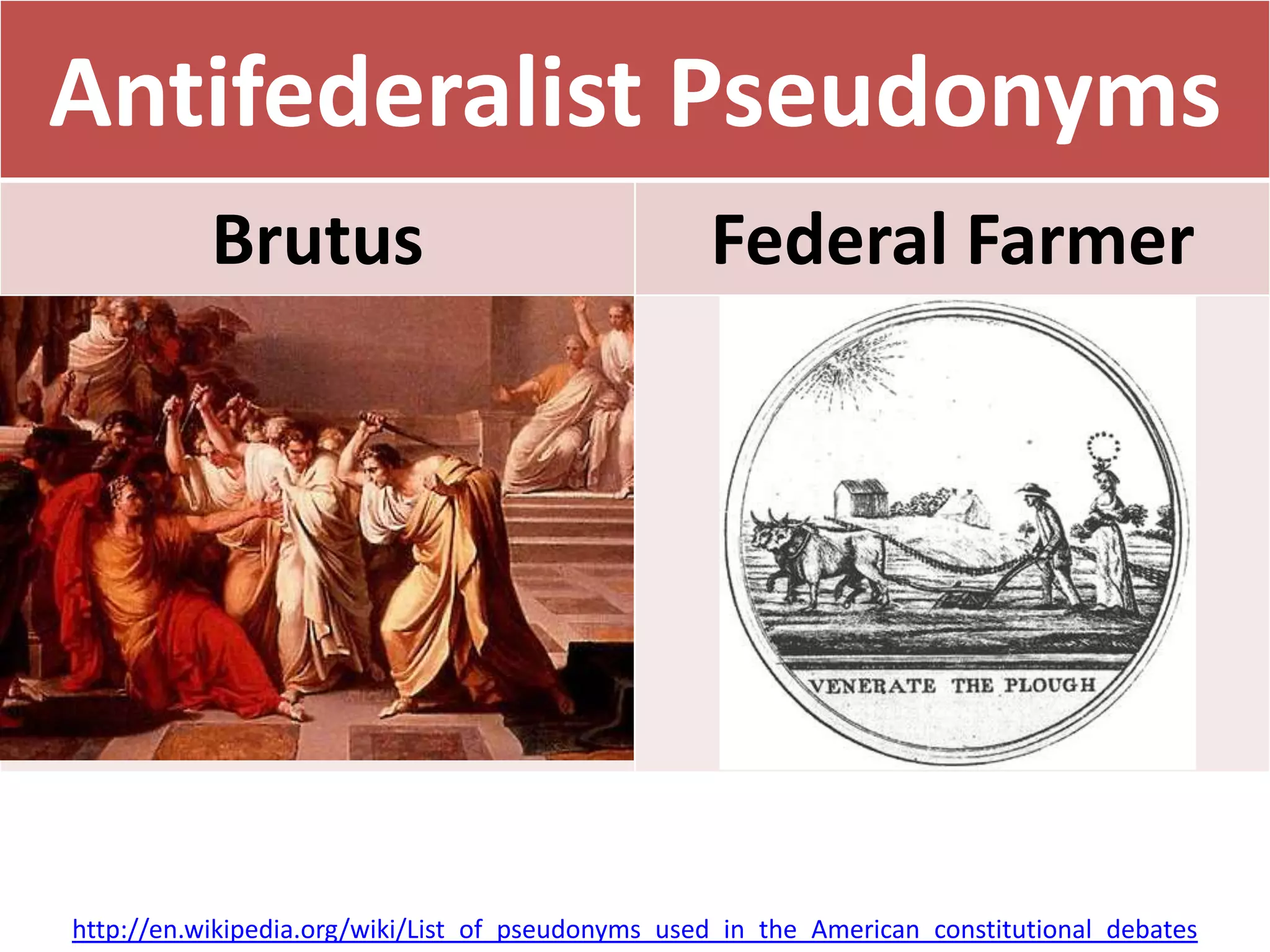
Antifederalist Pseudonyms
Brutus Federal Farmer
http://en.wikipedia.org/wiki/List_of_pseudonyms_used_in_the_American_constitutional_debates
Antifederalist Positions
Fears Platform
Tyranny
“Special Interests”
Aristocracy
Excessive Taxation
Autocratic Government
Term Limits
(Rotation in Office)
Bill of Rights
States’ Rights
Federal Taxation
Recall
Agrarianism
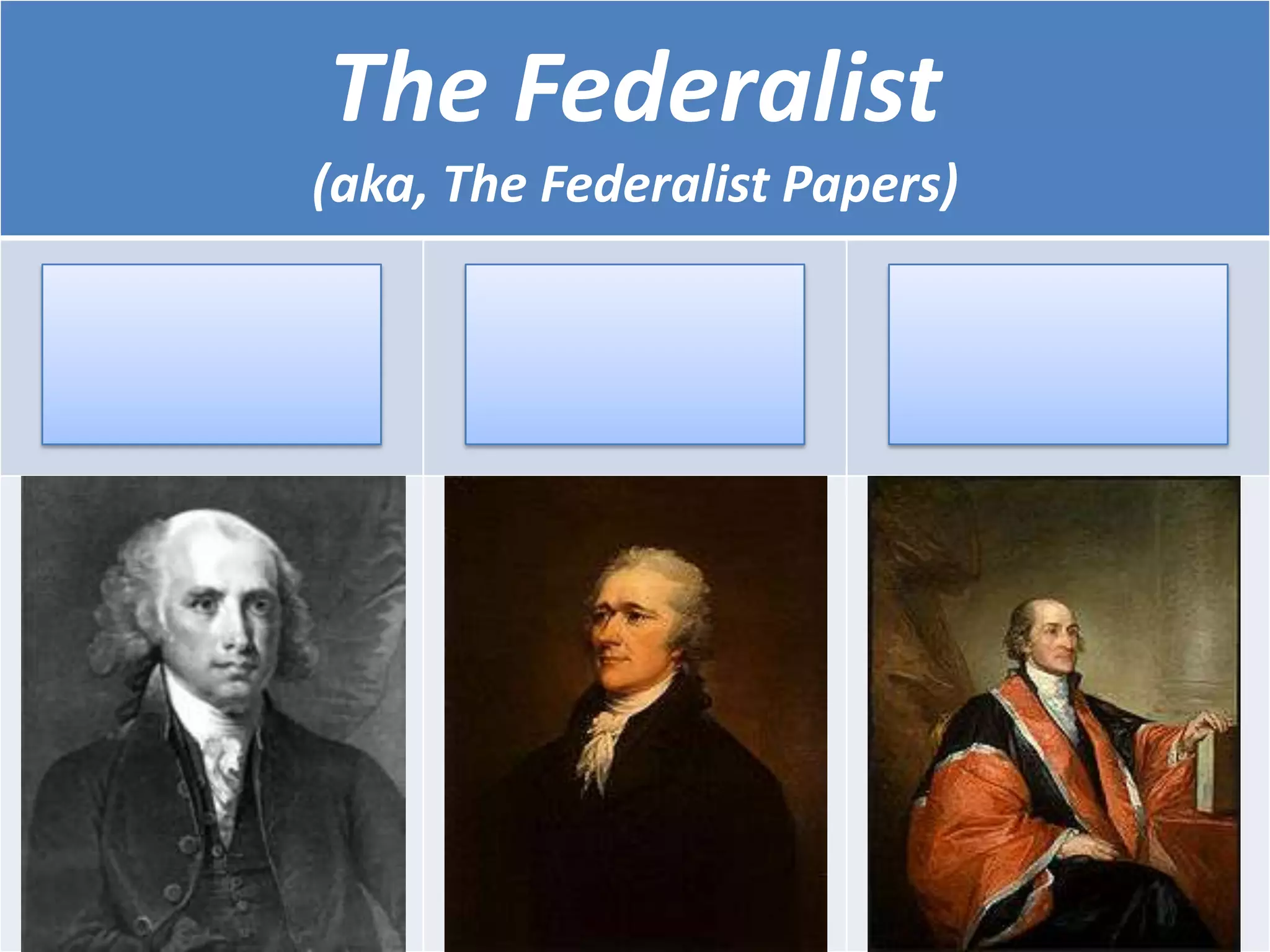
The Federalist
(aka, The Federalist Papers)
James
Madison
Alexander
Hamilton
John
Jay
Federalist Positions
Fears Platform
“The Mob”
Unstable Government
Rebellions
Civil War
Humiliation Abroad
Strong Central
Government
National Greatness
Commerce
Bill of Rights
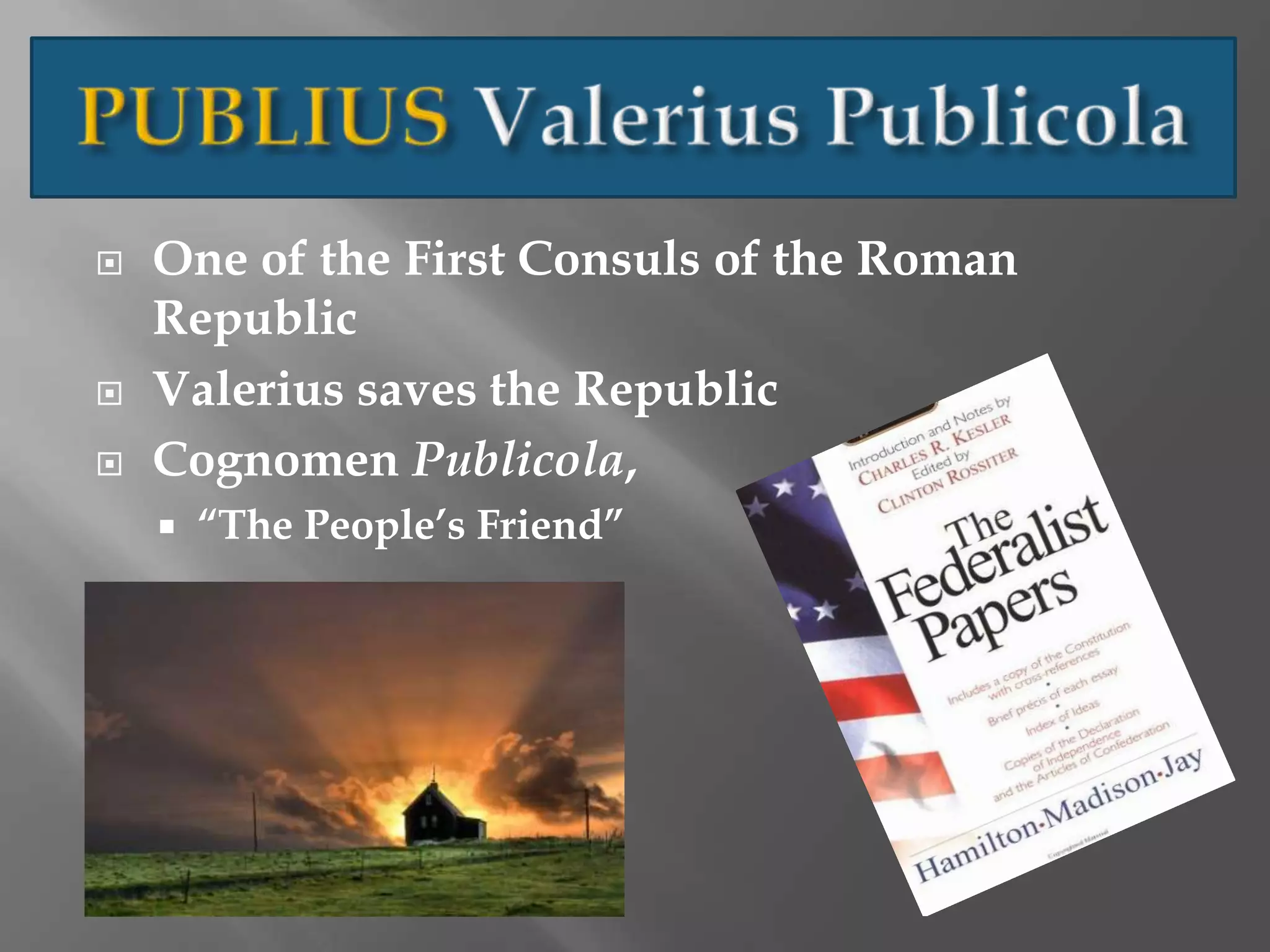
 One of the First Consuls of the Roman
Republic
 Valerius saves the Republic
 Cognomen Publicola,
 “The People’s Friend”
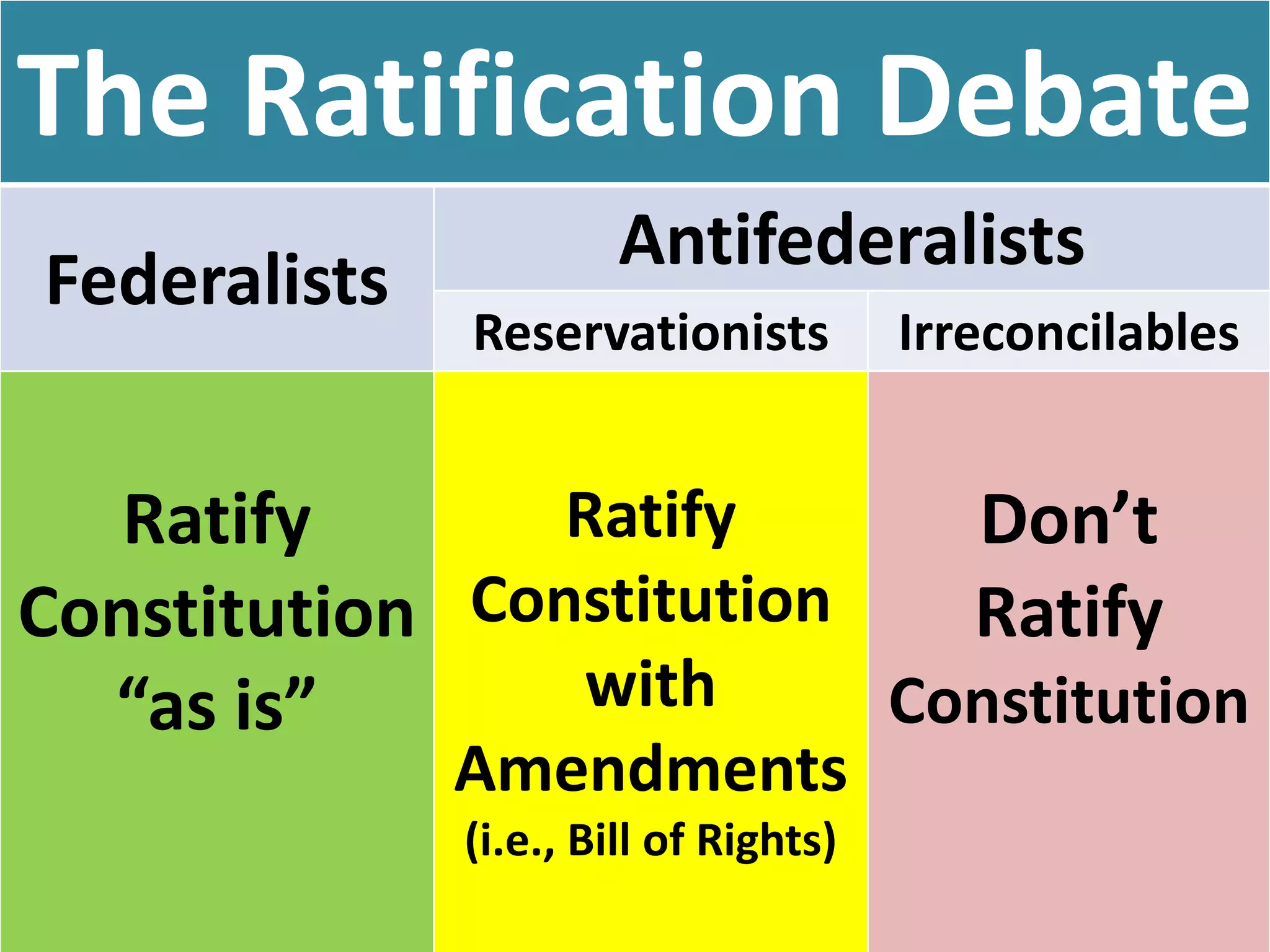
The Ratification Debate
Federalists
Antifederalists
Reservationists Irreconcilables
Ratify
Constitution
“as is”
Ratify
Constitution
with
Amendments
(i.e., Bill of Rights)
Don’t
Ratify
Constitution
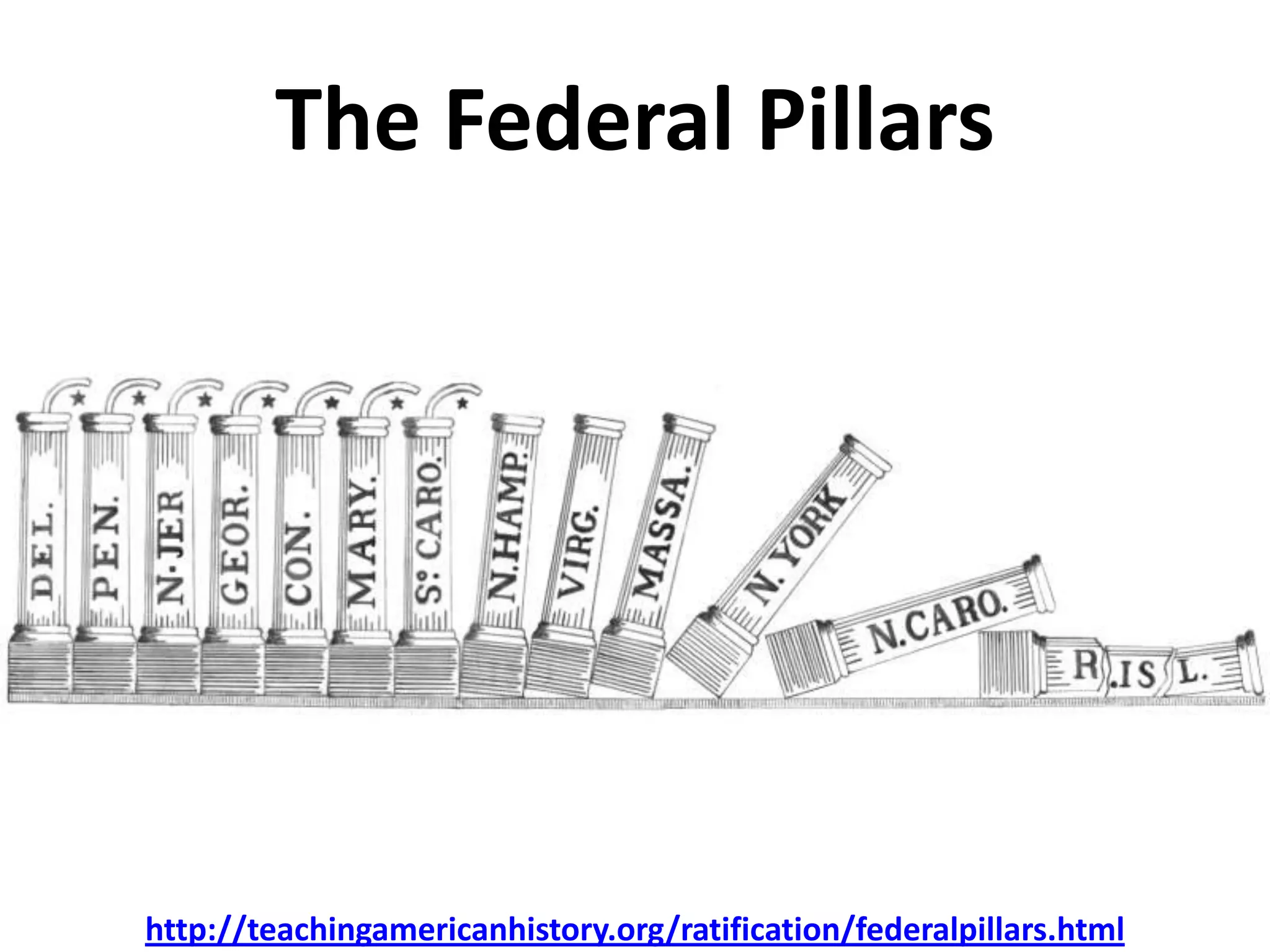
The Federal Pillars
http://teachingamericanhistory.org/ratification/federalpillars.html
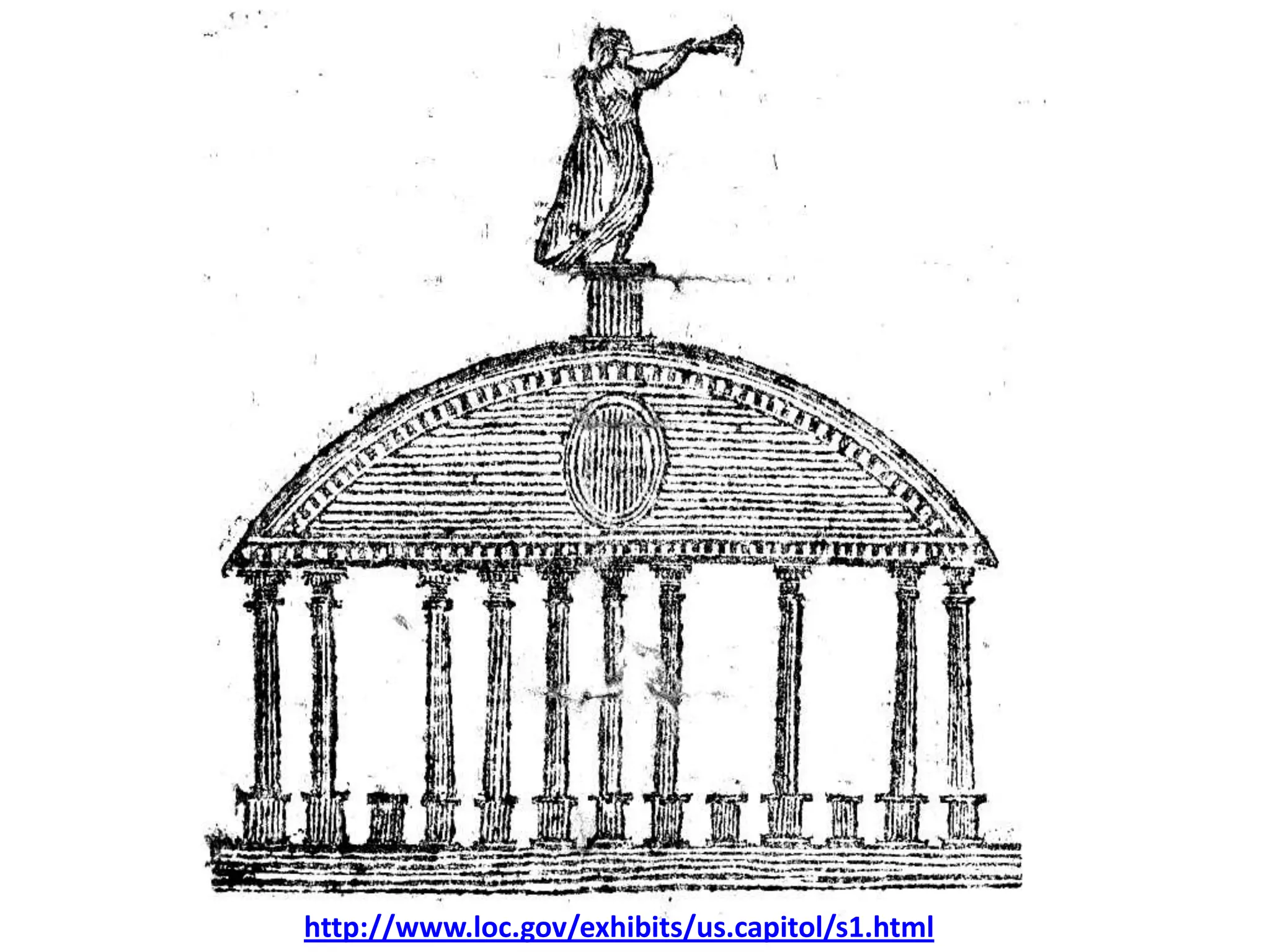
http://www.loc.gov/exhibits/us.capitol/s1.html
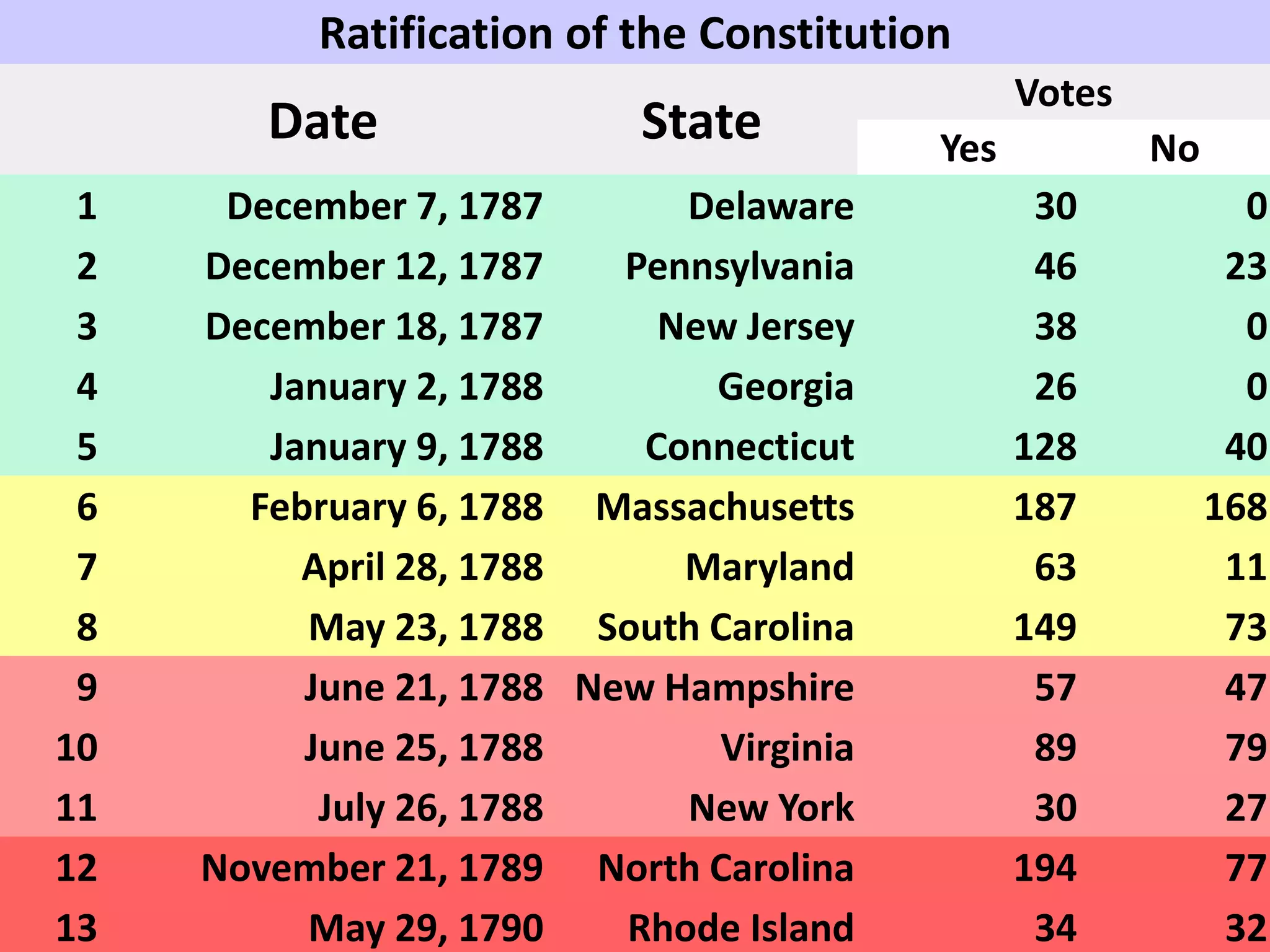
Ratification of the Constitution
Date State
Votes
Yes No
1 December 7, 1787 Delaware 30 0
2 December 12, 1787 Pennsylvania 46 23
3 December 18, 1787 New Jersey 38 0
4 January 2, 1788 Georgia 26 0
5 January 9, 1788 Connecticut 128 40
6 February 6, 1788 Massachusetts 187 168
7 April 28, 1788 Maryland 63 11
8 May 23, 1788 South Carolina 149 73
9 June 21, 1788 New Hampshire 57 47
10 June 25, 1788 Virginia 89 79
11 July 26, 1788 New York 30 27
12 November 21, 1789 North Carolina 194 77
13 May 29, 1790 Rhode Island 34 32
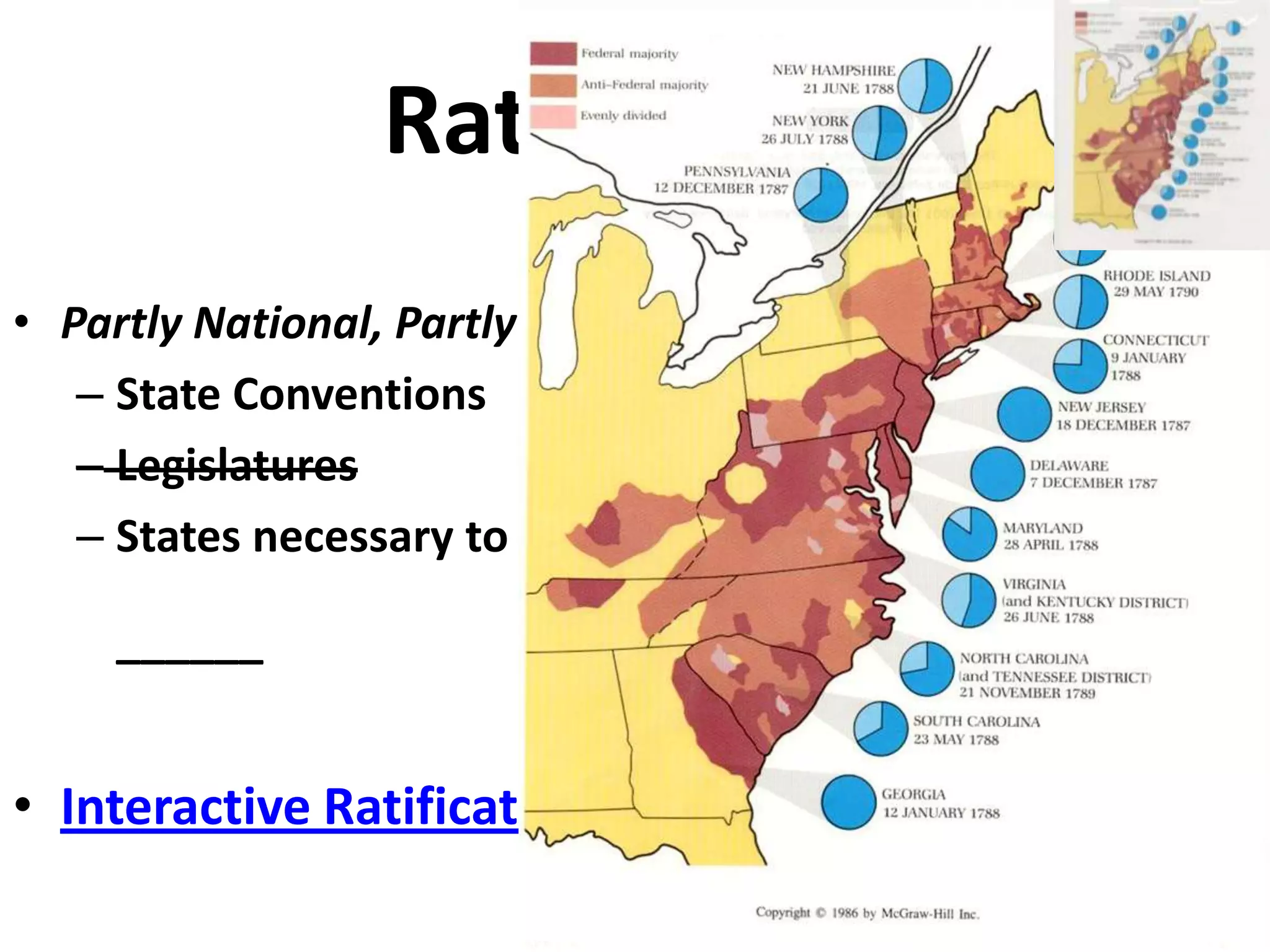
• Partly National, Partly Federal
– State Conventions
– Legislatures
– States necessary to ratify:
______
• Interactive Ratification Map
Ratification
THE BILL OF RIGHTS
1ST Speech, Press, Assembly, Religion, Petition [Expression]
2ND Bear Arms
3RD Quartering Troops in Peacetime
4TH Unreasonable Searches and Seizures
5TH Rights of Accused Persons Self-Incrimination
6TH Speedy and Public Trial / Right to Counsel (Criminal)
7TH Trial By Jury in Civil Suits
8TH Cruel and Unusual Punishments Excessive Bails
9TH Protection of Un-enumerated Rights
10TH Powers of States and People

The U.S. Constitution: Framing, Principles, & Ratification

  • 1.
    The U.S. Constitution Framing,Principles, & Ratification
  • 2.
    USHC 1.4 Analyze howdissatisfactions with the government under the Articles of Confederation were addressed with the writing of the Constitution of 1787, including the debates and compromises reached at the Philadelphia Convention and the ratification of the Constitution.
  • 3.
    Stated Purpose: Amend theArticles Scene at the Signing of the Constitution of the United States, by Howard Chandler Christy.
  • 4.
    Statistics From the1790 Census State Population Percentage of Total Regional Population Number of Slaves Percentage of Population New Hampshire 141,885 4% 158 0% Massachusetts 378,787 10% 0 0% Connecticut 237,946 7% 2,759 1% Rhode Island 68,825 2% 152 0% NEW ENGLAND 23% 827,443 New Jersey 184,139 5% 11,423 6% New York 340,120 9% 21,324 6% Pennsylvania 434,373 12% 3,737 1% MIDDLE STATES 958,632 NORTH OF MASON/DIXON LINE 49% 1,786,075 39,853 6% Delaware 59,096 2% 8,887 15% Maryland 319,728 9% 103,036 32% Virginia 747,610 20% 293,427 39% North Carolina 393,751 11% 100,572 26% South Carolina 249,073 7% 107,094 43% Georgia 82,548 2% 29,264 35% SOUTHERN STATES 51% 1,851,806 642,280 94% TOTAL POPULATION 3,637,881 SLAVE POPULATION 681,833 15% Sources: http://www.infoplease.com/ipa/A0004986.html http://manyeyes.alphaworks.ibm.com/manyeyes/visualizations/slave-population-of-us-states-and-te
  • 5.
    new jersey plan William Paterson Unicameral Legislature OneVote Per State VIRGINIA PLAN James Madison Bicameral Legislature Based on POPULATION View Census Data
  • 6.
    Hamilton’s Plan The conventionheard his plan, but did not debate it. For a national government Hamilton State Sovereignty
  • 7.
    “GREAT COMPROMISE” Roger Sherman(CT) House of Representatives Lower House Senate Upper House Based on POPULATION Two Votes Per State Elected by Voters (DIRECT) Appointed by State Legislatures (INDIRECT) View Census Data
  • 8.
    QUESTION: Should slaves becounted for purposes of representation in the lower house of Congress? Consider the interests of your assigned state when answering. View Census Data
  • 9.
    The “Three-Fifths” Compromise A“Not So Great” Compromise FOR THE SOUTH FOR THE NORTH For purposes of representation in Congress, slaves would count for 3/5 of a person. After 20 years, Congress has the power to regulate (or outlaw) the international slave trade.
  • 10.
    Electoral College • #of Electors = Senators + Representatives • Effect of 3/5 Compromise? Each state will send electors to cast votes for President.
  • 12.
  • 13.
  • 15.
    The Articles States Federal States States 1 Vote PerState 2/3 UNANIMOUS The Constitution Shared Federal Federal & State Federal (Interstate) State (Intrastate) Proportional (House) Two Each (Senate) Concurrent Majority + President’s Signature 2/3 + 3/4 A COMPARISON Sovereignty? Foreign Relations? Taxation? Commerce & Trade? Representation? To Legislate? To Amend?
  • 16.
    Limiting the Government BACK toTable of Contents USHC 1.5 Explain how the fundamental principle of limited government is protected by the Constitution and the Bill of Rights, including democracy, republicanism, federalism, the separation of powers, the system of checks and balances, and individual rights. Federalism Checks and Balances The Bill of Rights
  • 17.
    FEDERALISM Delegated Powers Powers givento the Federal Government Reserved Powers Powers kept by the states and people Concurrent (Shared) Powers Powers shared by both levels of gov. Sovereignty is constitutionally divided between a central authority and states.
  • 18.
    From The Federalist,No. 45 The powers delegated by the proposed Constitution to the federal government, are few and defined. Those which are to remain in the State governments are numerous and indefinite. The former will be exercised principally on external objects, as war, peace, negotiation, and foreign commerce… The powers reserved to the several States will extend to all the objects which… concern the lives, liberties, and properties of the people… Source: http://www.constitution.org/fed/federa45.htm MADISON
  • 19.
  • 20.
    Federal [Delegated] State [Reserved] Federalism AMENDMENT X The powersnot delegated to the United States by the Constitution, nor prohibited by it to the states, are reserved to the states respectively, or to the people. Concurrent View Completed Chart Graphic Organizer 3.3
  • 21.
  • 22.
    Separation of Powers Montesquieu –FrenchPhilosopher –The Spirit of the Laws (1748) Montesquieu THREE BRANCHES OF GOVERNMENT LEGISLATIVE (Congress) EXECUTIVE (President) JUDICIAL (Courts)
  • 23.
    Power Which Branch HasThe Power? Which Branch's Power is Being Checked? (Could be more than one) 1) Create and pass legislation. 2) Veto bills. 3) Ratify treaties. 4) Appoint Federal judges. 5) Impeachment of federal officials. 6) Confirm presidential appointments. 7) Declare laws unconstitutional. 8) Override Presidential Vetoes. 9) Judges are appointed for life. 10) Controls appropriations of money. Graphic Organizer 3.4
  • 24.
    The Veto • FromLatin: “I Forbid” • President checks Congress’ legislative power • 2/3 Vote of Both Houses to Override – 1845 – First Veto Overridden
  • 25.
  • 26.
    Ratifying the Constitution 1787-1788USHC 1.4 Analyze how dissatisfactions with the government under the Articles of Confederation were addressed with the writing of the Constitution of 1787, including the debates and compromises reached at the Philadelphia Convention and the ratification of the Constitution.
  • 27.
  • 28.
    A Federal Process –State Conventions – Legislatures – States necessary to ratify: ______ • Interactive Ratification Map Ratification
  • 29.
  • 30.
    Antifederalist Pseudonyms Brutus FederalFarmer http://en.wikipedia.org/wiki/List_of_pseudonyms_used_in_the_American_constitutional_debates
  • 31.
    Antifederalist Positions Fears Platform Tyranny “SpecialInterests” Aristocracy Excessive Taxation Autocratic Government Term Limits (Rotation in Office) Bill of Rights States’ Rights Federal Taxation Recall Agrarianism
  • 32.
    The Federalist (aka, TheFederalist Papers) James Madison Alexander Hamilton John Jay
  • 33.
    Federalist Positions Fears Platform “TheMob” Unstable Government Rebellions Civil War Humiliation Abroad Strong Central Government National Greatness Commerce Bill of Rights
  • 34.
     One ofthe First Consuls of the Roman Republic  Valerius saves the Republic  Cognomen Publicola,  “The People’s Friend”
  • 35.
    The Ratification Debate Federalists Antifederalists ReservationistsIrreconcilables Ratify Constitution “as is” Ratify Constitution with Amendments (i.e., Bill of Rights) Don’t Ratify Constitution
  • 36.
  • 37.
  • 38.
    Ratification of theConstitution Date State Votes Yes No 1 December 7, 1787 Delaware 30 0 2 December 12, 1787 Pennsylvania 46 23 3 December 18, 1787 New Jersey 38 0 4 January 2, 1788 Georgia 26 0 5 January 9, 1788 Connecticut 128 40 6 February 6, 1788 Massachusetts 187 168 7 April 28, 1788 Maryland 63 11 8 May 23, 1788 South Carolina 149 73 9 June 21, 1788 New Hampshire 57 47 10 June 25, 1788 Virginia 89 79 11 July 26, 1788 New York 30 27 12 November 21, 1789 North Carolina 194 77 13 May 29, 1790 Rhode Island 34 32
  • 39.
    • Partly National,Partly Federal – State Conventions – Legislatures – States necessary to ratify: ______ • Interactive Ratification Map Ratification
  • 41.
    THE BILL OFRIGHTS 1ST Speech, Press, Assembly, Religion, Petition [Expression] 2ND Bear Arms 3RD Quartering Troops in Peacetime 4TH Unreasonable Searches and Seizures 5TH Rights of Accused Persons Self-Incrimination 6TH Speedy and Public Trial / Right to Counsel (Criminal) 7TH Trial By Jury in Civil Suits 8TH Cruel and Unusual Punishments Excessive Bails 9TH Protection of Un-enumerated Rights 10TH Powers of States and People