83
© Springer International Publishing Switzerland 2016
M. Hoffmann, Cognitive, Conative and Behavioral Neurology,
DOI 10.1007/978-3-319-33181-2_5
Temporal Lobe Syndromes
5
Evolution of the Temporal: Some
Pertinent Details
This is one of the few cortical regions that are larger
in size in humans in comparison studies with apes.
Overall there is a relative white matter increase but
with a specific gyral white matter increase as
opposed to core white matter which is not rela-
tively increased. Gyral white matter increase as
opposed to core white matter is thought to mediate
much greater interconnectivity, enabled by the
short association fibers [1]. In comparative analy-
ses, amongst modern humans, relatively wider
orbitofontal cortices, enlarged olfactory bulbs, and
larger and more forwardly placed temporal lobe
poles are evident, consistent with social brain
development [2]. The amygdaloid complex is par-
ticularly concerned with the social brain develop-
ment such as social cognition, coalitions, and
emotional regulation. Another unique human
development is the relative enlargement of the
basolateral nucleus of the amygdaloid group of
nuclei (lateral, basal, accessory nuclei). This is also
consistent with the general surge in interconnectiv-
ity of the temporal lobe association cortices [3, 4].
The Evolutionary Importance
of the Social Circuitry
and the Social Brain
Hypothesis
The importance of social cohesiveness and the
challenge of the polyadic relationships are con-
sidered to be a major if not key drivers of
increasing human brain size (Fig. 5.1) [5]. With
the temporal lobe a central component of social
processing with the amygdala in particular it is
not surprising that some significant human
enlargements have been reported in this part of
the brain. Human gaze and eye contact are
important initial contact modes and ascertaining
eye gaze direction of a conspecific or other
human and its monitoring are functions of supe-
rior temporal lobe [6]. The amygdala also has a
key role in interpreting social facial signals
from the face. A functional MRI study revealed
that during eye contact (and also without eye
contact) the direction of gaze activated the left
amygdala indicating a general role in monitor-
ing eye gaze. This differed from the right side
where only during eye contact was the right
amygdala activated [7].
84
Neuroanatomy and Neurophysiology
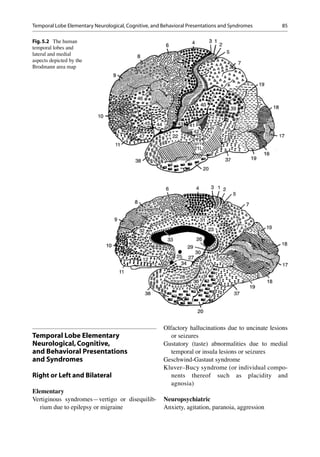
The anatomical confines of the temporal lobes
include (Fig. 5.2):
Lateral
Heschl’s gyrus, planum polare, planum tempo-
rale (BA 41, 42, 22)
Superior temporal middle and inferior temporal
gyrus (BA 22, 21, 20)
Medial
Inferior temporal gyrus (BA 20)
Parahippocampal gyrus (BA 27, 28, 34, 35)
Fusiform gyrus (BA 36)
The posterior temporal lobes are delimited by
an arbitrary line drawn from the parietooccipital
sulcus to the preoccipital notch (indentation in
the inferior temporal gyrus). A horizontal line,
drawn from the midpoint of this particular line to
the lateral sulcus, demarcates the temporal and
parietal lobes [8].
The temporal lobes are intimately tied to all
the other lobes through the association tracts.
Amongst the largest long-range association tracts
include the occipitotemporal and the uncinate
fasciculus. Anterior temporal lobe, inferior fron-
tal lobe lesions, and those of the uncinate fascicu-
lus may be affected together by lesions or disease
states with difficulty in parsing out which is the
most responsible. Accordingly some authors
regard syndromes of the uncinate fasciculus as an
appropriate approach.
Sensory visual and auditory (much less olfac-
tory) inputs mediate evaluation of a conspecific’s
or other human’s eyes, faces, and body move-
ment. Specialized and separate temporal cortical
areas have been identified for these. Supportive
evidence comes from lesion studies as well as
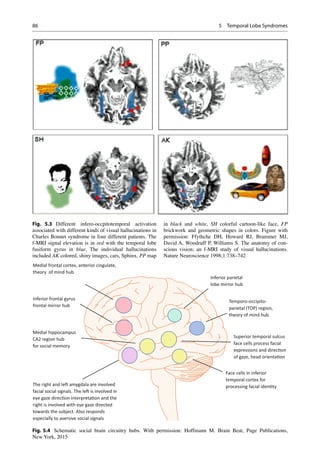
functional imaging studies with fMRI. The study
by ffytche et al. demonstrated the parts activated
during visual hallucinations for faces, places, and
objects (Fig. 5.3) [9]. These are then subsequently
relayed to superior temporal gyrus and amygdala
for salience evaluation. The mirror neuron cir-
cuitry is concerned with theory of mind detection.
In addition the social semantic memory of the
anterior temporal lobe for faces for example forms
part of the social circuitry (Fig. 5.4).
Fig 5.1 The social
brain hypothesis: group
size for primates and
humans and neocortex
ratio. Index of relative
cortex size (neocortex
ratio) is neocortex
volume divided by the
volume of the rest of the
brain. Figure with
permission: Gamble C,
Gowlett J, Dunbar
R. Thinking Big. How
the evolution of social
life shaped the human
mind. Thames and
Hudson, London 2014
5 Temporal Lobe Syndromes
85
Temporal Lobe Elementary
Neurological,Cognitive,
and Behavioral Presentations
and Syndromes
Right or Left and Bilateral
Elementary
Vertiginous syndromes—vertigo or disequilib-
rium due to epilepsy or migraine
Olfactory hallucinations due to uncinate lesions
or seizures
Gustatory (taste) abnormalities due to medial
temporal or insula lesions or seizures
Geschwind-Gastaut syndrome
Kluver–Bucy syndrome (or individual compo-
nents thereof such as placidity and
agnosia)
Neuropsychiatric
Anxiety, agitation, paranoia, aggression
Fig.5.2 The human
temporal lobes and
lateral and medial
aspects depicted by the
Brodmann area map
Temporal Lobe Elementary Neurological, Cognitive, and Behavioral Presentations and Syndromes
86
Fig. 5.3 Different infero-occpitotemporal activation
associated with different kinds of visual hallucinations in
Charles Bonnet syndrome in four different patients. The
f-MRI signal elevation is in red with the temporal lobe
fusiform gyrus in blue. The individual hallucinations
included AK colored, shiny images, cars, Sphinx, PP map
in black and white, SH colorful cartoon-like face, FP
brickwork and geometric shapes in colors. Figure with
permission: Ffythche DH, Howard RJ, Brammer MJ,
David A, Woodruff P, Williams S. The anatomy of con-
scious vision; an f-MRI study of visual hallucinations.
Nature Neuroscience 1998;1:738–742
Inferior parietal
lobe mirror hub
Temporo-occipito-
parietal (TOP) region,
theory of mind hub
Face cells in inferior
temporal cortex for
processing facial identy
Superior temporal sulcus
face cells process facial
expressions and direcon
of gaze, head orientaon
Inferior frontal gyrus
frontal mirror hub
Medial frontal cortex, anterior cingulate,
theory of mind hub
Medial hippocampus
CA2 region hub
for social memory
The right and le amygdala are involved
facial social signals. The le is involved in
eye gaze direcon interpretaon and the
right is involved with eye gaze directed
towards the subject. Also responds
especially to aversive social signals
Fig. 5.4 Schematic social brain circuitry hubs. With permission: Hoffmann M. Brain Beat, Page Publications,
New York, 2015
5 Temporal Lobe Syndromes
87
Cognitive
Memory: Korsakoff amnestic state
Cortical deafness
Auditory agnosia (inability to identify sounds
despite normal peripheral hearing status)
Auditory paracusias
Auditory hallucinations (simple and complex),
illusions (differentiate from peduncular
hallucinosis)
Disorders of time perception (time may pass with
excessive speed or not at all)
Left
Elementary
Right upper quadrantanopia
Cognitive
Aphasias: Wernicke’s, transcortical sensory, and
anomic
Memory: Verbal amnesia
Visual agnosia
Amusia: Lexical amusia (impairment in reading
music)
Synesthesia
Right
Elementary
Left upper quadrantanopia
Cognitive
Memory: Visuospatial amnesia
Prosopagnosia (occipital–temporal region)
Auditory agnosia—verbal (pure word deafness)
and nonverbal (environmental sounds)
Amusias—receptive and expressive
Delusional misidentification syndromes
Theory of mind impairment (semantic dementia)
[10–17]
Neuropathological Processes
The more commonly encountered pathologies
that involve the temporal lobe in relative isolation
include inferior division middle cerebral artery
territory bland infarction, intracerebral hemor-
rhage (Fig. 5.5), epilepsy, encephalitis, tumors,
and traumatic brain injury. Aside from the apha-
sic presentations that are typical of left temporal
lobe involvement, right temporal lobe syndromes
may be more enigmatic or covert. These include
Kluver–Bucy syndrome (KBS) and Geschwind-
Gastaut syndrome (GGS) presentations or frag-
ments thereof or forme fruste varieties. The KBS,
originally described in monkeys, is rare and gen-
erally ascribed to bilateral lesions although cases
have been reported with unilateral lesions [18].
The presentation includes some or all of the
following:
• Visual agnosia
• Hyperorality
• Placidity
• Altered sexual activity both hypersexuality or
hyposexuality
• Hypermetamorphosis
Human forms of the KBS are being increas-
ingly described with manifestations such as com-
pulsive social kissing reported in a person with
Fig. 5.5 Isolated, discrete, right temporal lobe intracere-
bral hemorrhage (arrow)
Temporal Lobe Elementary Neurological, Cognitive, and Behavioral Presentations and Syndromes
88
frontotemporal lobe dementia [19], hypersexual-
ity, and hyperphagia post-right temporal lobec-
tomy for seizure management [20]. KBS may be
permanent or transient and has been reported in
TBI, ICH, FTD, and infectious such as herpes
simplex encephalitis TBI and KBS [21, 22].
Geschwind-Gastaut Syndrome
Although the GGS had for many years been
described in the context of temporal lobe epilepsy,
specifically the interictal phase [23, 24], both iso-
lated bland infarcts and intracerebral hemorrhage
and so the right temporal lobe in particular have
been correlated with this syndrome. The right
temporal lobe had been regarded as one of the so-
called silent areas of the brain but in addition to
the GGS, delusional misidentification syndromes
and a variety of accompanying frontal network
syndromes are frequently encountered with
lesions of this area, if tested for. Importantly these
complex syndromes generally occur without her-
alding sensorimotor deficits (Fig. 5.6) [25].
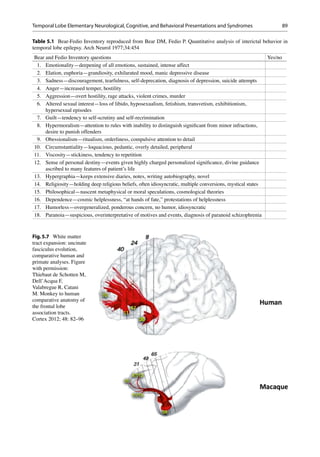
This syndrome is comprised of three core fea-
tures; the diagnostic process is facilitated by the
Bear-Fedio Inventory (Table 5.1):
1. Viscous personality
2. Metaphysical preoccupation
3. Altered physiological drives.
The viscous personality may be regarded as the
key component of the GG syndrome and may
incorporate one or more of the following features:
• Circumstantiality in discourse
• Overinclusive or excessively detailed narrative
information
• Excessive detail may present with hypergraphia,
painting, drawing
• Undue prolongation of the interpersonal
exchange [26]
Metaphysical Preoccupation
1. Incipient and intense intellectual pursuits per-
taining to morality, religion, and philosophy.
Other behavioral and physiological deviations
such as hyposexuality or hypersexuality, undue
fear, or aggression [23, 24, 27].
Uncinate Fasciculus
The UF is a late-maturing (third–fourth decades),
major brain long-range association fiber tract
connecting the OFC and anterior temporal lobes
(Fig. 5.7). Of note is that it is particularly vulnerable
to traumatic brain shearing-type injury. Its late
maturation makes it a site for neuropsychiatric
Fig.5.6 Isolated right
frontal temporal
encephalomalacia
(arrows) post-
hemorrhage and
craniotomy in person
with classic Geschwind-
Gastaut syndrome
5 Temporal Lobe Syndromes
89
Table 5.1 Bear-Fedio Inventory reproduced from Bear DM, Fedio P. Quantitative analysis of interictal behavior in
temporal lobe epilepsy. Arch Neurol 1977;34:454
Bear and Fedio Inventory questions Yes/no
1. Emotionality—deepening of all emotions, sustained, intense affect
2. Elation, euphoria—grandiosity, exhilarated mood, manic depressive disease
3. Sadness—discouragement, tearfulness, self-deprecation, diagnosis of depression, suicide attempts
4. Anger—increased temper, hostility
5. Aggression—overt hostility, rage attacks, violent crimes, murder
6. Altered sexual interest—loss of libido, hyposexualism, fetishism, transvetism, exhibitionism,
hypersexual episodes
7. Guilt—tendency to self-scrutiny and self-recrimination
8. Hypermoralism—attention to rules with inability to distinguish significant from minor infractions,
desire to punish offenders
9. Obessionalism—ritualism, orderliness, compulsive attention to detail
10. Circumstantiality—loquacious, pedantic, overly detailed, peripheral
11. Viscosity—stickiness, tendency to repetition
12. Sense of personal destiny—events given highly charged personalized significance, divine guidance
ascribed to many features of patient’s life
13. Hypergraphia—keeps extensive diaries, notes, writing autobiography, novel
14. Religiosity—holding deep religious beliefs, often idiosyncratic, multiple conversions, mystical states
15. Philosophical—nascent metaphysical or moral speculations, cosmological theories
16. Dependence—cosmic helplessness, “at hands of fate,” protestations of helplessness
17. Humorless—overgeneralized, ponderous concern, no humor, idiosyncratic
18. Paranoia—suspicious, overinterpretative of motives and events, diagnosis of paranoid schizophrenia
Fig.5.7 White matter
tract expansion: uncinate
fasciculus evolution,
comparative human and
primate analyses. Figure
with permission:
Thiebaut de Schotten M,
Dell’Acqua F,
Valabregue R, Catani
M. Monkey to human
comparative anatomy of
the frontal lobe
association tracts.
Cortex 2012; 48: 82–96
Temporal Lobe Elementary Neurological, Cognitive, and Behavioral Presentations and Syndromes
90
syndromes affecting young adults [28]. Three
principal neurophysiological functions of the UF
include episodic memory, social emotional, and
linguistic processing. Pathological states linked
to UF injury include the following:
Social-Emotional Processing
Impairment
The anterior temporal pole is the site for storage
as well as retrieval of socially related memories
and person-related memories and a hub for the
theory of mind circuitry.
Uncinate Fits
These are dreamy states, involving olfactory
and/or gustatory hallucinations, sexual and other
emotional arousals, and involuntary facial or oral
activities [29].
Delusional Misidentification
Syndromes
The UF is the site of injury at times for the delu-
sional misidentification syndromes such as those
with Capgras delusions indicate an impairment in
the face-processing cortical regions to limbic
areas that convey emotional salience or valence
to the faces [30–32].
Cortical Deafness
Due to bilateral lateral temporal lobe lesions
involving Heschl’s gyrus very similar hearing
abnormalities may occur with brainstem stroke due
to anterior inferior cerebellar artery occlusion [33].
Auditory Agnosia
An inability to identify sounds that may be either
verbal (pure word deafness) or nonverbal, despite
normal peripheral hearing status [34].
Auditory Paracusias
These include auditory hallucinations (simple and
complex) and illusions. These need to be differ-
entiated from peduncular hallucinosis due to
pontine infarcts or other lesions that present with
very vivid, colorful, images. These are mostly
visual but can be auditory in nature with reports
of including people talking or shouting, when not
the reality [35–37].
Disorders of Time Perception
The subjective impression that time may pass
with excessive speed or not at all [38, 39].
Amusia
This may include subtypes of receptive, expressive,
and lexical amusia (impairment in reading music [40].
Other Social Disorders Associated
with Temporal Lobe Pathology
(Discussed Under Frontal Network
Syndromes Chapter)
Frontotemporal lobe disorders.
Right—behavioral FTD syndrome
Left—semantic aphasia
Schizophrenia
Autism spectrum conditions
Involuntaryemotionalexpressiondisorder(IEED)
Other Social Disorders Associated
with Temporal Lobe Pathology
(Discussed Under Memory
Syndromes Chapter)
Social impairment associated with memory
impairments
Urbach–Wiethe disease
Autoimmune encephalitis
Acquired prosopagnosia
Progressive prosopagnosia
Prosopagnosia secondary to stroke
The left temporal pole is implicated in the pro-
cessing and storage of proper names, important
for social interaction. This relationship is sup-
ported by both lesion studies and functional
imaging activation reports [41].
5 Temporal Lobe Syndromes
91
Traumatic Brain Injury (TBI):
Orbitofrontal,Anterior Temporal
Lobe and Uncinate Fasciculus
Predilection of Injury
Although brain injury may be both focal and dif-
fuse, extensive and widespread processes in both
a temporal domain and a spatial domain have
been established. In brief vascular, neurotrans-
mitter perturbation, glucose metabolism, and net-
work disturbances have been established. In
addition there is a more focal frontotemporal pre-
dilection of involvement in TBI. Both blast injury
and nonpenetrating head trauma of the anterior
temporal lobes, the inferior frontal lobes, and the
uncinate fasciculus as a functional unit appear to
bear the brunt of injury. This had been estab-
lished as long ago as 1937 and more recently cor-
roborated by MRI imaging data in 40 patients
[42]. Subsequent functional imaging with PET
scans has also implicated the inferior frontal and
temporal lobes indicating post-acute to chronic
injury hypermetabolism [43]. Finally, resting-
state network imaging has elucidated the much
more diffuse consequences of TBI revealing the
extensive cognitive and neuropsychiatric effects
of the disconnected hub networks [44].
Williams Syndrome
This syndrome presents during childhood with
features of:
Wide mouths
Upturned noses
Small chins
Curious starry eyes
Cardiac abnormalities
Hypercalcemia
Cognitively these children have intellectual
prowess in some areas and weakness in others.
They are described as being hypermusical, hyper-
narrative, and hypersocial. Notably they are
remarkably social displaying effervescence;
readily acquaint strangers are loquacious and
seem to delight in story telling. Some of their
weaknesses are akin to the autism spectrum
people. Certain neuroimaging features have been
reported including relatively smaller occipital
and parietal cortices and larger temporal lobes.
Functional imaging in relation to music has
revealed increased activation in the cerebellum,
temporal lobes, and amygdala [45].
Emotion Disorders
Although the brain’s emotional circuitry is exten-
sive and widespread involving many cortical and
subcortical regions, the temporal lobe serves as
an important hub. Our understanding of the much
more expansive neural circuitry involved has
prompted a reappraisal of the critical, necessary,
and other involved brain regions in emotional
assessment, regulation, and impairments secondary
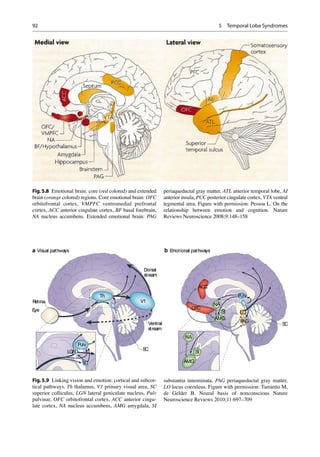
to disease processes (Fig. 5.8).
Evolutionary Insights
The brain has a two-tier system to help cope with
survival. Primates and humans inherited vision
as the predominant sense which is closely linked
to the emotional brain centers. These enable a
rapid and nonconscious reaction to environmen-
tal stimuli or predators that can be life saving,
being a more ancient and “unconscious,” system
which developed earlier in evolution concerned
with more elementary functions and survival,
not the least of which is dealing with the vast
sensory information that requires processing.
This is a standard infrastructure amongst verte-
brates in general. The conscious component
became a later elaboration of the primate brain
(Fig. 5.9) [46]. The occipitotemporal fasciculus
is a particularly large fiber tract in humans, part
of the inferior longitudinal fasciculus that allows
rapid transfer of visual information to the ante-
rior temporal lobe and amygdaloid complex for
environmental threat or predator evaluation and
human social and emotional salience processing
(Fig. 5.10) [47].
As humans we are particularly cooperative as
a species and our coordinated behavior is in
Emotion Disorders
92
Fig.5.8 Emotional brain: core (red colored) and extended
brain (orange colored) regions. Core emotional brain: OFC
orbitofrontal cortex, VMPFC ventromedial prefrontal
cortex, ACC anterior cingulate cortex, BF basal forebrain,
NA nucleus accumbens. Extended emotional brain: PAG
periaqueductal gray matter, ATL anterior temporal lobe, AI
anterior insula, PCC posterior cingulate cortex, VTA ventral
tegmental area. Figure with permission: Pessoa L. On the
relationship between emotion and cognition. Nature
Reviews Neuroscience 2008;9:148–158
Fig.5.9 Linking vision and emotion: cortical and subcor-
tical pathways. Th thalamus, V1 primary visual area, SC
superior colliculus, LGN lateral geniculate nucleus, Pulv
pulvinar, OFC orbitofrontal cortex, ACC anterior cingu-
late cortex, NA nucleus accumbens, AMG amygdala, SI
substantia innominata, PAG periaqueductal gray matter,
LO locus coeruleus. Figure with permission: Tamietto M,
de Gelder B. Neural basis of nonconscious Nature
Neuroscience Reviews 2010;11:697–709
5 Temporal Lobe Syndromes
93
marked contrast to all other animals [48].
Metacognition, a function of the frontopolar
cortex (BA 10), represents the apex of higher
cortical function ability. This region may be
divided into medial lateral and anterior regions
within BA 10, mediating self-reflection, intro-
spection, the monitoring and processing of
internal states with the externally acquired infor-
mation, episodic memory subfunctions such as
source memory and prospective memory, and
contextual and retrieval verification (Fig. 5.11)
[49, 50].
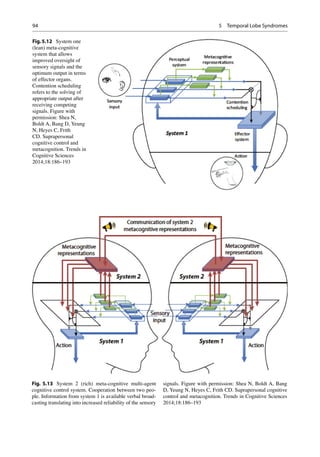
Shea et al. have proposed a two-level meta-
cognitive control system, a system 1 and system
2. System 1 (also called cognitively lean system)
of metacognition operates nonconsciously or
implicitly and is hypothesized to be involved in
processing information from the senses for intra-
personal cognition relevant to many animals
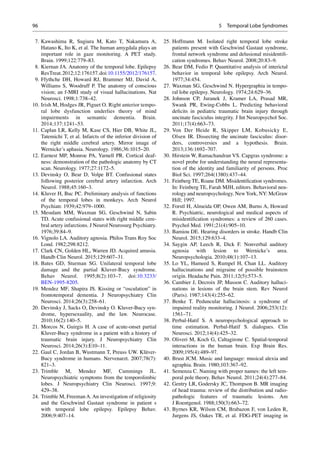
(Fig. 5.12). System 2 (also termed cognitively
rich system) is thought to be unique to humans
and is concerned with processing high-level
information amongst several conspecifics or peo-
ple, also termed suprapersonal control (Fig. 5.13).
Shea et al. conjecture that the suprapersonal
coordination metacognitive system antedated
system 1 or that which controlled the intraper-
sonal cognitive processes that underlie emotional
intelligence and inhibitory control [51]. In line
with these hypotheses is that one of the core frontal
functions of disinhibition was a critical development
in human evolution.
Fig.5.10 Occipito-
temporal pathway.
Figure with permission:
Catani M. Jones DK,
Donato R, ffytche
DH. Occipito-temporal
connections in the
human brain. Brain
2003;126:2093–2107
MNT
MLT
EP
EP
Fig. 5.11 Frontopolar cortex subregion activation pat-
terns (regional cerebral blood flow and blood oxygen level
dependent). MLT multitasking, MNT mentalizing, EP epi-
sodic memory. Figure adapted from: Gilbert SJ, Spengler
S, Simons JS, Steele JD, Lawrie SM, Frith CD, Burgess
PW. Functional Specialization within the Rostral
Prefrontal Cortex (Area 10): A Meta-analysis. Journal of
Cognitive Neuroscience 2006;18:932–948
Emotion Disorders
94
Fig.5.12 System one
(lean) meta-cognitive
system that allows
improved oversight of
sensory signals and the
optimum output in terms
of effector organs.
Contention scheduling
refers to the solving of
appropriate output after
receiving competing
signals. Figure with
permission: Shea N,
Boldt A, Bang D, Yeung
N, Heyes C, Frith
CD. Suprapersonal
cognitive control and
metacognition. Trends in
Cognitive Sciences
2014;18:186–193
Fig. 5.13 System 2 (rich) meta-cognitive multi-agent
cognitive control system. Cooperation between two peo-
ple. Information from system 1 is available verbal broad-
casting translating into increased reliability of the sensory
signals. Figure with permission: Shea N, Boldt A, Bang
D, Yeung N, Heyes C, Frith CD. Suprapersonal cognitive
control and metacognition. Trends in Cognitive Sciences
2014;18:186–193
5 Temporal Lobe Syndromes
95
Clinical
Emotional intelligence (EI) defined differently
according to the various clinical brain specialties
such as psychology, neurology, and psychiatry. EI
has been shown to be important for personal suc-
cess and career success and in navigating the social
complexities in day-to-day living [52]. EI impair-
ment may be apparent in both apparently healthy
people and after brain illnesses such as stroke, fron-
totemporal lobe dementia, Alzheimer’s disease,
and multiple sclerosis [53, 54]. Baron for example
has proposed that EI comprises of the group of
abilities that allow one to
1. Understand one’s own emotions and be able
to express feelings
2. Understand how others that one interacts with
feel and how one relates to them
3. Manage and be in control of one’s own
emotions
4. Use one’s emotions in adapting to one’s
environment
5. Generate positive emotions and use them for
self-motivation in facing challenges
The neural circuitry for EI involves orbitofron-
tal, anterior cingulate, the insula, and amygdaloid
complex regions [55, 56]. Processes that injure
these areas in particular include traumatic brain
injury, stroke, multiple sclerosis, and frontotempo-
ral lobe disorders. A holistic clinical brain injury
assessment should therefore involve all the clinical
brain specialties, neurological, neuropsychiatric,
psychological, and speech and language. EI assess-
ment has already been extensively embraced in the
corporate arena in view of its relationship with not
only career success but also productivity and insti-
tutional health [57, 58] and EI is amenable for
behavioral intervention programs [59, 60]. In a
study involving stroke patients, many different
brain lesions affected EI scores, including with
frontal, temporal, subcortical, and subtentorial
stroke lesions. The most significant abnormalities
were however associated with the frontal and tem-
poral region lesions, supporting Pessoa’s extended
emotional brain circuitry [61, 62].
Involuntary Emotional Expression
Disorder
Involuntary emotional expression disorder
(IEED) refers to clinically recognized syn-
dromes that are characterized by intermittent
inappropriate laughing and/or crying as well as
intermittent emotional lability. Lesion studies
have implicated the frontal primary motor (BA
4), premotor (BA 6), supplementary motor (BA
8), dorsal anterior cingulate gyrus, posterior
insular and parietal regions, and corticopontine
projections to the amygdala, hypothalamus,
and periaqueductal gray matter. In addition sei-
zure activity of these circuits may result in
laughing (gelastic) or crying episodes (dys-
crastic) [63]. Dextromethorphan is a sigma-1
receptor agonist and noncompetitive N-methyl-
d-aspartate (NMDA) receptor antagonist.
Quinidine is a competitive inhibitor of CYP2D6
which increases plasma levels of dextrometho-
rphan. In placebo, double-blinded studies
using validated IEED scales, the Center for
Neurologic Study-Lability Scale, in multiple
sclerosis and amyotrophic lateral sclerosis
patients, the combination drug was superior to
placebo [64].
References
1. Schumann C, Amaral DG. Stereological estimation
of the number of neurons in the human amygdaloid
complex. J Comp Neurol. 2005;491:320–9.
2. Bastir M, Rosas A, Gunz P, Peña-Melian A, Manzi G,
Harvati K, et al. Evolution of the base of the brain in
highly encephalized human species. Nat Commun.
2011;2:588. doi:10.1038/ncomms1593.
3. Semendeferi K, Barger N, Schenker N. Brain reorgani-
zation in humans and apes. The human brain evolving.
Gosport, IN: Stone Age Institute Press; 2010.
4. Barton RA, Aggleton JP, Grenyer R. Evolutionary
coherence of the mammalian amygdala. Proc Biol
Sci. 2003;270:539–43.
5. Dunbar RIM. The social brain: mind, language and
society in evolutionary perspective. Ann Rev
Anthropol. 2003;32:163–81.
6. Pelphrey KA, Viola RJ, McCarthy G. When strang-
ers pass: processing of mutual and averted social
gaze in the superior temporal sulcus. Psychol Sci.
2004;15:598–603.
References
96
7. Kawashima R, Sugiura M, Kato T, Nakamura A,
Hatano K, Ito K, et al. The human amygdala plays an
important role in gaze monitoring. A PET study.
Brain. 1999;122:779–83.
8. Kiernan JA. Anatomy of the temporal lobe. Epilepsy
ResTreat.2012;12:176157.doi:10.1155/2012/176157.
9. Ffythche DH, Howard RJ, Brammer MJ, David A,
Williams S, Woodruff P. The anatomy of conscious
vision; an f-MRI study of visual hallucinations. Nat
Neurosci. 1998;1:738–42.
10. Irish M, Hodges JR, Piguet O. Right anterior tempo-
ral lobe dysfunction underlies theory of mind
impairments in semantic dementia. Brain.
2014;137:1241–53.
11. Caplan LR, Kelly M, Kase CS, Hier DB, White JL,
Tatemichi T, et al. Infarcts of the inferior division of
the right middle cerebral artery. Mirror image of
Wernicke’s aphasia. Neurology. 1986;36:1015–20.
12. Earnest MP, Monroe PA, Yarnell PR. Cortical deaf-
ness: demonstration of the pathologic anatomy by CT
scan. Neurology. 1977;27:1172–5.
13. Devinsky O, Bear D, Volpe BT. Confusional states
following posterior cerebral artery infarction. Arch
Neurol. 1988;45:160–3.
14. Kluver H, Buc PC. Preliminary analysis of functions
of the temporal lobes in monkeys. Arch Neurol
Psychiatr. 1939;42:979–1000.
15. Mesulam MM, Waxman SG, Geschwind N, Sabin
TD. Acute confusional states with right middle cere-
bral artery infarctions. J Neurol Neurosurg Psychiatry.
1976;39:84–9.
16. Vignolo LA. Auditory agnosia. Philos Trans Roy Soc
Lond. 1982;298:8212.
17. Clark CN, Golden HL, Warren JD. Acquired amusia.
Handb Clin Neurol. 2015;129:607–31.
18. Bates GD, Sturman SG. Unilateral temporal lobe
damage and the partial Kluver-Bucy syndrome.
Behav Neurol. 1995;8(2):103–7. doi:10.3233/
BEN-1995-8205.
19. Mendez MF, Shapira JS. Kissing or “osculation” in
frontotemporal dementia. J Neuropsychiatry Clin
Neurosci. 2014;26(3):258–61.
20. Devinsky J, Sacks O, Devinsky O. Kluver-Bucy syn-
drome, hypersexuality, and the law. Neurocase.
2010;16(2):140–5.
21. Morcos N, Guirgis H. A case of acute-onset partial
Kluver-Bucy syndrome in a patient with a history of
traumatic brain injury. J Neuropsychiatry Clin
Neurosci. 2014;26(3):E10–11.
22. Gaul C, Jordan B, Wustmann T, Preuss UW. Klüver-
Bucy syndrome in humans. Nervenarzt. 2007;78(7):
821–3.
23. Trimble M, Mendez MF, Cummings JL.
Neuropsychiatric symptoms from the temporolimbic
lobes. J Neuropsychiatry Clin Neurosci. 1997;9:
429–38.
24. Trimble M, Freeman A. An investigation of religiosity
and the Geschwind Gastaut syndrome in patient s
with temporal lobe epilepsy. Epilepsy Behav.
2006;9:407–14.
25. Hoffmann M. Isolated right temporal lobe stroke
patients present with Geschwind Gastaut syndrome,
frontal network syndrome and delusional misidentifi-
cation syndromes. Behav Neurol. 2008;20:83–9.
26. Bear DM, Fedio P. Quantitative analysis of interictal
behavior in temporal lobe epilepsy. Arch Neurol.
1977;34:454.
27. Waxman SG, Geschwind N. Hypergraphia in tempo-
ral lobe epilepsy. Neurology. 1974;24:629–36.
28. Johnson CP, Juranek J, Kramer LA, Prasad MR,
Swank PR, Ewing-Cobbs L. Predicting behavioral
deficits in pediatric traumatic brain injury through
uncinate fasciculus integrity. J Int Neuropsychol Soc.
2011;17(4):663–73.
29. Von Der Heide R, Skipper LM, Kobusicky E,
Olsen IR. Dissecting the uncinate fasciculus: disor-
ders, controversies and a hypothesis. Brain.
2013;136:1692–707.
30. Hirstein W, Ramachandran VS. Capgras syndrome: a
novel probe for understanding the neural representa-
tion of the identity and familiarity of persons. Proc
Biol Sci. 1997;264(1380):437–44.
31. Feinberg TE, Roane DM. Misidentification syndromes.
In: Feinberg TE, Farah MJH, editors. Behavioral neu-
rology and neuropsychology. NewYork, NY: McGraw
Hill; 1997.
32. Forstl H, Almeida OP, Owen AM, Burns A, Howard
R. Psychiatric, neurological and medical aspects of
misidentification syndromes: a review of 260 cases.
Psychol Med. 1991;21(4):905–10.
33. Bamiou DE. Hearing disorders in stroke. Handb Clin
Neurol. 2015;129:633–4.
34. Saygin AP, Leech R, Dick F. Nonverbal auditory
agnosia with lesion to Wernicke’s area.
Neuropsychologia. 2010;48(1):107–13.
35. Lo YL, Hameed S, Rumpel H, Chan LL. Auditory
hallucinations and migraine of possible brainstem
origin. Headache Pain. 2011;12(5):573–5.
36. Cambier J, Decroix JP, Masson C. Auditory halluci-
nations in lesions of the brain stem. Rev Neurol
(Paris). 1987;143(4):255–62.
37. Benke T. Peduncular hallucinosis: a syndrome of
impaired reality monitoring. J Neurol. 2006;253(12):
1561–71.
38. Perbal-Hatif S. A neuropsychological approach to
time estimation. Perbal-Hatif S. dialogues. Clin
Neurosci. 2012;14(4):425–32.
39. Oliveri M, Koch G, Caltagirone C. Spatial-temporal
interactions in the human brain. Exp Brain Res.
2009;195(4):489–97.
40. Brust JCM. Music and language: musical alexia and
agraphia. Brain. 1980;103:367–92.
41. Semenza C. Naming with proper names: the left tem-
poral pole theory. Behav Neurol. 2011;24(4):277–84.
42. Gentry LR, Godersky JC, Thompson B. MR imaging
of head trauma: review of the distribution and radio-
pathologic features of traumatic lesions. Am
J Roentgenol. 1988;150(3):663–72.
43. Byrnes KR, Wilson CM, Brabazon F, von Leden R,
Jurgens JS, Oakes TR, et al. FDG-PET imaging in
5 Temporal Lobe Syndromes
97
mild traumatic brain injury: a critical review. Front
Neuroenergetics. 2014;9:13. doi:10.3389/
fnene.2013.00013.
44. Fagerholm ED, Hellyear PJ, Scott G, Leech R, Sharp
DJ. Disconnection of network hubs and cognitive
impairment after traumatic brain injury. Brain.
2015;138:1696–709.
45. Galaburda AM, Holinger D, Mills D, Reiss A,
Korenberg JR, Bellugi U. Williams syndrome. A sum-
mary of cognitive, electrophysiological, anatomo-
functional, microanatomical and genetic findings.
Rev Neurol. 2003;36 Suppl 1:132–7.
46. Kaas J. Convergences in the modular and areal orga-
nization of the forebrain of mammals: implications
for the reconstruction of forebrain evolution. Brain
Behav Evol. 2002;59(5-6):262–72.
47. Catani M, Jones DK, Donato R, Ffytche DH. Occipito-
temporal connections in the human brain. Brain.
2003;126:2093–107.
48. Tomasello M. Why we cooperate. Cambridge, MA:
MIT Press; 2009.
49. Gilbert SJ, Spengler S, Simons JS, Steele JD, Lawrie
SM, Frith CD, et al. Functional specialization within
the rostral prefrontal cortex (Area 10): a meta-
analysis. J Cogn Neurosci. 2006;18:932–48.
50. Christoff K, Gabrieli JDE. The frontopolar cortex and
human cognition: evidence for a rostrocaudal hierar-
chical organization within the human prefrontal cor-
tex. Psychobiology. 2000;28:168–86.
51. Shea N, Boldt A, Bang D, Yeung N, Heyes C, Frith
CD. Suprapersonal cognitive control and metacogni-
tion. Trends Cogn Sci. 2014;18:186–93.
52. Goleman DP. Emotional intelligence: why it can mat-
ter more than IQ for character, health and lifelong
achievement. New York, NY: Bantam Books; 1995.
53. Mendez MF, Lauterbach EC, Sampson SM. An
evidence-based review of the psychopathology of
frontotemporal dementia: a report of the ANPA
committee 16 on research. J Neurospsychiatry Clin
Neurosci. 2008;20(2):130–49.
54. Van der Zee J, Sleegers K, Van Broeckhoven C. The
Alzheimer disease frontotemporal lobar degeneration
spectrum. Neurology. 2008;71:1191–7.
55. Bar-On R, Tranel D, Denburg NL, Bechara
A. Exploring the neurological substrate of emo-
tional and social intelligence. Brain. 2003;126:
1790–800.
56. Shamay-Tsoory SG, Tomer R, Goldsher D, Berger
BD, Aharon-Peretz J. Impairment in cognitive and
affective empathy in patients with brain
lesions:anatomical and cognitive correlates. J Clin
Exp Neuropsychol. 2004;26(8):1113–27.
57. Loehr J, Schwartz T. The making of a corporate ath-
lete. Harv Bus Revn. 2001;79:120–12811.
58. Gilkey R, Kilts C. Cognitive fitness. Harv Bus Rev.
2007;85:53–4.
59. Cherniss C, Adler M. Promoting emotional intelli-
gence in organizations. Alexandria, VA: American
Society for Training and Development; 2000.
60. Goleman D. Working with emotional intelligence.
London: Bloomsbury; 1999.
61. Hoffmann M, Benes-Cases L, Hoffmann B, Chen R.
Emotional intelligence impairment is common after
stroke and associated with diverse lesions. BMC
Neurol. 2010;10:103. doi:10.1186/1471-2377-10-103.
62. Pessoa L. On the relationship between emotion and
cognition. Nat Rev Neurosci. 2008;9:148–58.
63. Lauterbach EC, Cummings JL, Kuppuswamy
PS. Toward a more precise, clinically—informed
pathophysiology of pathological laughing and cry-
ing. Neurosci Biobehav Rev. 2013;37(8):1893–916.
64. Pioro EP. Review of dextromethorphan 20 mg/quini-
dine 10 mg (NUEDEXTA®
) for pseudobulbar affect.
Neurol Ther. 2014;3(1):15–28.
References

temporal lobe syndrome.pdf

  • 1.
    83 © Springer InternationalPublishing Switzerland 2016 M. Hoffmann, Cognitive, Conative and Behavioral Neurology, DOI 10.1007/978-3-319-33181-2_5 Temporal Lobe Syndromes 5 Evolution of the Temporal: Some Pertinent Details This is one of the few cortical regions that are larger in size in humans in comparison studies with apes. Overall there is a relative white matter increase but with a specific gyral white matter increase as opposed to core white matter which is not rela- tively increased. Gyral white matter increase as opposed to core white matter is thought to mediate much greater interconnectivity, enabled by the short association fibers [1]. In comparative analy- ses, amongst modern humans, relatively wider orbitofontal cortices, enlarged olfactory bulbs, and larger and more forwardly placed temporal lobe poles are evident, consistent with social brain development [2]. The amygdaloid complex is par- ticularly concerned with the social brain develop- ment such as social cognition, coalitions, and emotional regulation. Another unique human development is the relative enlargement of the basolateral nucleus of the amygdaloid group of nuclei (lateral, basal, accessory nuclei). This is also consistent with the general surge in interconnectiv- ity of the temporal lobe association cortices [3, 4]. The Evolutionary Importance of the Social Circuitry and the Social Brain Hypothesis The importance of social cohesiveness and the challenge of the polyadic relationships are con- sidered to be a major if not key drivers of increasing human brain size (Fig. 5.1) [5]. With the temporal lobe a central component of social processing with the amygdala in particular it is not surprising that some significant human enlargements have been reported in this part of the brain. Human gaze and eye contact are important initial contact modes and ascertaining eye gaze direction of a conspecific or other human and its monitoring are functions of supe- rior temporal lobe [6]. The amygdala also has a key role in interpreting social facial signals from the face. A functional MRI study revealed that during eye contact (and also without eye contact) the direction of gaze activated the left amygdala indicating a general role in monitor- ing eye gaze. This differed from the right side where only during eye contact was the right amygdala activated [7].
  • 2.
    84 Neuroanatomy and Neurophysiology Theanatomical confines of the temporal lobes include (Fig. 5.2): Lateral Heschl’s gyrus, planum polare, planum tempo- rale (BA 41, 42, 22) Superior temporal middle and inferior temporal gyrus (BA 22, 21, 20) Medial Inferior temporal gyrus (BA 20) Parahippocampal gyrus (BA 27, 28, 34, 35) Fusiform gyrus (BA 36) The posterior temporal lobes are delimited by an arbitrary line drawn from the parietooccipital sulcus to the preoccipital notch (indentation in the inferior temporal gyrus). A horizontal line, drawn from the midpoint of this particular line to the lateral sulcus, demarcates the temporal and parietal lobes [8]. The temporal lobes are intimately tied to all the other lobes through the association tracts. Amongst the largest long-range association tracts include the occipitotemporal and the uncinate fasciculus. Anterior temporal lobe, inferior fron- tal lobe lesions, and those of the uncinate fascicu- lus may be affected together by lesions or disease states with difficulty in parsing out which is the most responsible. Accordingly some authors regard syndromes of the uncinate fasciculus as an appropriate approach. Sensory visual and auditory (much less olfac- tory) inputs mediate evaluation of a conspecific’s or other human’s eyes, faces, and body move- ment. Specialized and separate temporal cortical areas have been identified for these. Supportive evidence comes from lesion studies as well as functional imaging studies with fMRI. The study by ffytche et al. demonstrated the parts activated during visual hallucinations for faces, places, and objects (Fig. 5.3) [9]. These are then subsequently relayed to superior temporal gyrus and amygdala for salience evaluation. The mirror neuron cir- cuitry is concerned with theory of mind detection. In addition the social semantic memory of the anterior temporal lobe for faces for example forms part of the social circuitry (Fig. 5.4). Fig 5.1 The social brain hypothesis: group size for primates and humans and neocortex ratio. Index of relative cortex size (neocortex ratio) is neocortex volume divided by the volume of the rest of the brain. Figure with permission: Gamble C, Gowlett J, Dunbar R. Thinking Big. How the evolution of social life shaped the human mind. Thames and Hudson, London 2014 5 Temporal Lobe Syndromes
  • 3.
    85 Temporal Lobe Elementary Neurological,Cognitive, andBehavioral Presentations and Syndromes Right or Left and Bilateral Elementary Vertiginous syndromes—vertigo or disequilib- rium due to epilepsy or migraine Olfactory hallucinations due to uncinate lesions or seizures Gustatory (taste) abnormalities due to medial temporal or insula lesions or seizures Geschwind-Gastaut syndrome Kluver–Bucy syndrome (or individual compo- nents thereof such as placidity and agnosia) Neuropsychiatric Anxiety, agitation, paranoia, aggression Fig.5.2 The human temporal lobes and lateral and medial aspects depicted by the Brodmann area map Temporal Lobe Elementary Neurological, Cognitive, and Behavioral Presentations and Syndromes
  • 4.
    86 Fig. 5.3 Differentinfero-occpitotemporal activation associated with different kinds of visual hallucinations in Charles Bonnet syndrome in four different patients. The f-MRI signal elevation is in red with the temporal lobe fusiform gyrus in blue. The individual hallucinations included AK colored, shiny images, cars, Sphinx, PP map in black and white, SH colorful cartoon-like face, FP brickwork and geometric shapes in colors. Figure with permission: Ffythche DH, Howard RJ, Brammer MJ, David A, Woodruff P, Williams S. The anatomy of con- scious vision; an f-MRI study of visual hallucinations. Nature Neuroscience 1998;1:738–742 Inferior parietal lobe mirror hub Temporo-occipito- parietal (TOP) region, theory of mind hub Face cells in inferior temporal cortex for processing facial identy Superior temporal sulcus face cells process facial expressions and direcon of gaze, head orientaon Inferior frontal gyrus frontal mirror hub Medial frontal cortex, anterior cingulate, theory of mind hub Medial hippocampus CA2 region hub for social memory The right and le amygdala are involved facial social signals. The le is involved in eye gaze direcon interpretaon and the right is involved with eye gaze directed towards the subject. Also responds especially to aversive social signals Fig. 5.4 Schematic social brain circuitry hubs. With permission: Hoffmann M. Brain Beat, Page Publications, New York, 2015 5 Temporal Lobe Syndromes
  • 5.
    87 Cognitive Memory: Korsakoff amnesticstate Cortical deafness Auditory agnosia (inability to identify sounds despite normal peripheral hearing status) Auditory paracusias Auditory hallucinations (simple and complex), illusions (differentiate from peduncular hallucinosis) Disorders of time perception (time may pass with excessive speed or not at all) Left Elementary Right upper quadrantanopia Cognitive Aphasias: Wernicke’s, transcortical sensory, and anomic Memory: Verbal amnesia Visual agnosia Amusia: Lexical amusia (impairment in reading music) Synesthesia Right Elementary Left upper quadrantanopia Cognitive Memory: Visuospatial amnesia Prosopagnosia (occipital–temporal region) Auditory agnosia—verbal (pure word deafness) and nonverbal (environmental sounds) Amusias—receptive and expressive Delusional misidentification syndromes Theory of mind impairment (semantic dementia) [10–17] Neuropathological Processes The more commonly encountered pathologies that involve the temporal lobe in relative isolation include inferior division middle cerebral artery territory bland infarction, intracerebral hemor- rhage (Fig. 5.5), epilepsy, encephalitis, tumors, and traumatic brain injury. Aside from the apha- sic presentations that are typical of left temporal lobe involvement, right temporal lobe syndromes may be more enigmatic or covert. These include Kluver–Bucy syndrome (KBS) and Geschwind- Gastaut syndrome (GGS) presentations or frag- ments thereof or forme fruste varieties. The KBS, originally described in monkeys, is rare and gen- erally ascribed to bilateral lesions although cases have been reported with unilateral lesions [18]. The presentation includes some or all of the following: • Visual agnosia • Hyperorality • Placidity • Altered sexual activity both hypersexuality or hyposexuality • Hypermetamorphosis Human forms of the KBS are being increas- ingly described with manifestations such as com- pulsive social kissing reported in a person with Fig. 5.5 Isolated, discrete, right temporal lobe intracere- bral hemorrhage (arrow) Temporal Lobe Elementary Neurological, Cognitive, and Behavioral Presentations and Syndromes
  • 6.
    88 frontotemporal lobe dementia[19], hypersexual- ity, and hyperphagia post-right temporal lobec- tomy for seizure management [20]. KBS may be permanent or transient and has been reported in TBI, ICH, FTD, and infectious such as herpes simplex encephalitis TBI and KBS [21, 22]. Geschwind-Gastaut Syndrome Although the GGS had for many years been described in the context of temporal lobe epilepsy, specifically the interictal phase [23, 24], both iso- lated bland infarcts and intracerebral hemorrhage and so the right temporal lobe in particular have been correlated with this syndrome. The right temporal lobe had been regarded as one of the so- called silent areas of the brain but in addition to the GGS, delusional misidentification syndromes and a variety of accompanying frontal network syndromes are frequently encountered with lesions of this area, if tested for. Importantly these complex syndromes generally occur without her- alding sensorimotor deficits (Fig. 5.6) [25]. This syndrome is comprised of three core fea- tures; the diagnostic process is facilitated by the Bear-Fedio Inventory (Table 5.1): 1. Viscous personality 2. Metaphysical preoccupation 3. Altered physiological drives. The viscous personality may be regarded as the key component of the GG syndrome and may incorporate one or more of the following features: • Circumstantiality in discourse • Overinclusive or excessively detailed narrative information • Excessive detail may present with hypergraphia, painting, drawing • Undue prolongation of the interpersonal exchange [26] Metaphysical Preoccupation 1. Incipient and intense intellectual pursuits per- taining to morality, religion, and philosophy. Other behavioral and physiological deviations such as hyposexuality or hypersexuality, undue fear, or aggression [23, 24, 27]. Uncinate Fasciculus The UF is a late-maturing (third–fourth decades), major brain long-range association fiber tract connecting the OFC and anterior temporal lobes (Fig. 5.7). Of note is that it is particularly vulnerable to traumatic brain shearing-type injury. Its late maturation makes it a site for neuropsychiatric Fig.5.6 Isolated right frontal temporal encephalomalacia (arrows) post- hemorrhage and craniotomy in person with classic Geschwind- Gastaut syndrome 5 Temporal Lobe Syndromes
  • 7.
    89 Table 5.1 Bear-FedioInventory reproduced from Bear DM, Fedio P. Quantitative analysis of interictal behavior in temporal lobe epilepsy. Arch Neurol 1977;34:454 Bear and Fedio Inventory questions Yes/no 1. Emotionality—deepening of all emotions, sustained, intense affect 2. Elation, euphoria—grandiosity, exhilarated mood, manic depressive disease 3. Sadness—discouragement, tearfulness, self-deprecation, diagnosis of depression, suicide attempts 4. Anger—increased temper, hostility 5. Aggression—overt hostility, rage attacks, violent crimes, murder 6. Altered sexual interest—loss of libido, hyposexualism, fetishism, transvetism, exhibitionism, hypersexual episodes 7. Guilt—tendency to self-scrutiny and self-recrimination 8. Hypermoralism—attention to rules with inability to distinguish significant from minor infractions, desire to punish offenders 9. Obessionalism—ritualism, orderliness, compulsive attention to detail 10. Circumstantiality—loquacious, pedantic, overly detailed, peripheral 11. Viscosity—stickiness, tendency to repetition 12. Sense of personal destiny—events given highly charged personalized significance, divine guidance ascribed to many features of patient’s life 13. Hypergraphia—keeps extensive diaries, notes, writing autobiography, novel 14. Religiosity—holding deep religious beliefs, often idiosyncratic, multiple conversions, mystical states 15. Philosophical—nascent metaphysical or moral speculations, cosmological theories 16. Dependence—cosmic helplessness, “at hands of fate,” protestations of helplessness 17. Humorless—overgeneralized, ponderous concern, no humor, idiosyncratic 18. Paranoia—suspicious, overinterpretative of motives and events, diagnosis of paranoid schizophrenia Fig.5.7 White matter tract expansion: uncinate fasciculus evolution, comparative human and primate analyses. Figure with permission: Thiebaut de Schotten M, Dell’Acqua F, Valabregue R, Catani M. Monkey to human comparative anatomy of the frontal lobe association tracts. Cortex 2012; 48: 82–96 Temporal Lobe Elementary Neurological, Cognitive, and Behavioral Presentations and Syndromes
  • 8.
    90 syndromes affecting youngadults [28]. Three principal neurophysiological functions of the UF include episodic memory, social emotional, and linguistic processing. Pathological states linked to UF injury include the following: Social-Emotional Processing Impairment The anterior temporal pole is the site for storage as well as retrieval of socially related memories and person-related memories and a hub for the theory of mind circuitry. Uncinate Fits These are dreamy states, involving olfactory and/or gustatory hallucinations, sexual and other emotional arousals, and involuntary facial or oral activities [29]. Delusional Misidentification Syndromes The UF is the site of injury at times for the delu- sional misidentification syndromes such as those with Capgras delusions indicate an impairment in the face-processing cortical regions to limbic areas that convey emotional salience or valence to the faces [30–32]. Cortical Deafness Due to bilateral lateral temporal lobe lesions involving Heschl’s gyrus very similar hearing abnormalities may occur with brainstem stroke due to anterior inferior cerebellar artery occlusion [33]. Auditory Agnosia An inability to identify sounds that may be either verbal (pure word deafness) or nonverbal, despite normal peripheral hearing status [34]. Auditory Paracusias These include auditory hallucinations (simple and complex) and illusions. These need to be differ- entiated from peduncular hallucinosis due to pontine infarcts or other lesions that present with very vivid, colorful, images. These are mostly visual but can be auditory in nature with reports of including people talking or shouting, when not the reality [35–37]. Disorders of Time Perception The subjective impression that time may pass with excessive speed or not at all [38, 39]. Amusia This may include subtypes of receptive, expressive, and lexical amusia (impairment in reading music [40]. Other Social Disorders Associated with Temporal Lobe Pathology (Discussed Under Frontal Network Syndromes Chapter) Frontotemporal lobe disorders. Right—behavioral FTD syndrome Left—semantic aphasia Schizophrenia Autism spectrum conditions Involuntaryemotionalexpressiondisorder(IEED) Other Social Disorders Associated with Temporal Lobe Pathology (Discussed Under Memory Syndromes Chapter) Social impairment associated with memory impairments Urbach–Wiethe disease Autoimmune encephalitis Acquired prosopagnosia Progressive prosopagnosia Prosopagnosia secondary to stroke The left temporal pole is implicated in the pro- cessing and storage of proper names, important for social interaction. This relationship is sup- ported by both lesion studies and functional imaging activation reports [41]. 5 Temporal Lobe Syndromes
  • 9.
    91 Traumatic Brain Injury(TBI): Orbitofrontal,Anterior Temporal Lobe and Uncinate Fasciculus Predilection of Injury Although brain injury may be both focal and dif- fuse, extensive and widespread processes in both a temporal domain and a spatial domain have been established. In brief vascular, neurotrans- mitter perturbation, glucose metabolism, and net- work disturbances have been established. In addition there is a more focal frontotemporal pre- dilection of involvement in TBI. Both blast injury and nonpenetrating head trauma of the anterior temporal lobes, the inferior frontal lobes, and the uncinate fasciculus as a functional unit appear to bear the brunt of injury. This had been estab- lished as long ago as 1937 and more recently cor- roborated by MRI imaging data in 40 patients [42]. Subsequent functional imaging with PET scans has also implicated the inferior frontal and temporal lobes indicating post-acute to chronic injury hypermetabolism [43]. Finally, resting- state network imaging has elucidated the much more diffuse consequences of TBI revealing the extensive cognitive and neuropsychiatric effects of the disconnected hub networks [44]. Williams Syndrome This syndrome presents during childhood with features of: Wide mouths Upturned noses Small chins Curious starry eyes Cardiac abnormalities Hypercalcemia Cognitively these children have intellectual prowess in some areas and weakness in others. They are described as being hypermusical, hyper- narrative, and hypersocial. Notably they are remarkably social displaying effervescence; readily acquaint strangers are loquacious and seem to delight in story telling. Some of their weaknesses are akin to the autism spectrum people. Certain neuroimaging features have been reported including relatively smaller occipital and parietal cortices and larger temporal lobes. Functional imaging in relation to music has revealed increased activation in the cerebellum, temporal lobes, and amygdala [45]. Emotion Disorders Although the brain’s emotional circuitry is exten- sive and widespread involving many cortical and subcortical regions, the temporal lobe serves as an important hub. Our understanding of the much more expansive neural circuitry involved has prompted a reappraisal of the critical, necessary, and other involved brain regions in emotional assessment, regulation, and impairments secondary to disease processes (Fig. 5.8). Evolutionary Insights The brain has a two-tier system to help cope with survival. Primates and humans inherited vision as the predominant sense which is closely linked to the emotional brain centers. These enable a rapid and nonconscious reaction to environmen- tal stimuli or predators that can be life saving, being a more ancient and “unconscious,” system which developed earlier in evolution concerned with more elementary functions and survival, not the least of which is dealing with the vast sensory information that requires processing. This is a standard infrastructure amongst verte- brates in general. The conscious component became a later elaboration of the primate brain (Fig. 5.9) [46]. The occipitotemporal fasciculus is a particularly large fiber tract in humans, part of the inferior longitudinal fasciculus that allows rapid transfer of visual information to the ante- rior temporal lobe and amygdaloid complex for environmental threat or predator evaluation and human social and emotional salience processing (Fig. 5.10) [47]. As humans we are particularly cooperative as a species and our coordinated behavior is in Emotion Disorders
  • 10.
    92 Fig.5.8 Emotional brain:core (red colored) and extended brain (orange colored) regions. Core emotional brain: OFC orbitofrontal cortex, VMPFC ventromedial prefrontal cortex, ACC anterior cingulate cortex, BF basal forebrain, NA nucleus accumbens. Extended emotional brain: PAG periaqueductal gray matter, ATL anterior temporal lobe, AI anterior insula, PCC posterior cingulate cortex, VTA ventral tegmental area. Figure with permission: Pessoa L. On the relationship between emotion and cognition. Nature Reviews Neuroscience 2008;9:148–158 Fig.5.9 Linking vision and emotion: cortical and subcor- tical pathways. Th thalamus, V1 primary visual area, SC superior colliculus, LGN lateral geniculate nucleus, Pulv pulvinar, OFC orbitofrontal cortex, ACC anterior cingu- late cortex, NA nucleus accumbens, AMG amygdala, SI substantia innominata, PAG periaqueductal gray matter, LO locus coeruleus. Figure with permission: Tamietto M, de Gelder B. Neural basis of nonconscious Nature Neuroscience Reviews 2010;11:697–709 5 Temporal Lobe Syndromes
  • 11.
    93 marked contrast toall other animals [48]. Metacognition, a function of the frontopolar cortex (BA 10), represents the apex of higher cortical function ability. This region may be divided into medial lateral and anterior regions within BA 10, mediating self-reflection, intro- spection, the monitoring and processing of internal states with the externally acquired infor- mation, episodic memory subfunctions such as source memory and prospective memory, and contextual and retrieval verification (Fig. 5.11) [49, 50]. Shea et al. have proposed a two-level meta- cognitive control system, a system 1 and system 2. System 1 (also called cognitively lean system) of metacognition operates nonconsciously or implicitly and is hypothesized to be involved in processing information from the senses for intra- personal cognition relevant to many animals (Fig. 5.12). System 2 (also termed cognitively rich system) is thought to be unique to humans and is concerned with processing high-level information amongst several conspecifics or peo- ple, also termed suprapersonal control (Fig. 5.13). Shea et al. conjecture that the suprapersonal coordination metacognitive system antedated system 1 or that which controlled the intraper- sonal cognitive processes that underlie emotional intelligence and inhibitory control [51]. In line with these hypotheses is that one of the core frontal functions of disinhibition was a critical development in human evolution. Fig.5.10 Occipito- temporal pathway. Figure with permission: Catani M. Jones DK, Donato R, ffytche DH. Occipito-temporal connections in the human brain. Brain 2003;126:2093–2107 MNT MLT EP EP Fig. 5.11 Frontopolar cortex subregion activation pat- terns (regional cerebral blood flow and blood oxygen level dependent). MLT multitasking, MNT mentalizing, EP epi- sodic memory. Figure adapted from: Gilbert SJ, Spengler S, Simons JS, Steele JD, Lawrie SM, Frith CD, Burgess PW. Functional Specialization within the Rostral Prefrontal Cortex (Area 10): A Meta-analysis. Journal of Cognitive Neuroscience 2006;18:932–948 Emotion Disorders
  • 12.
    94 Fig.5.12 System one (lean)meta-cognitive system that allows improved oversight of sensory signals and the optimum output in terms of effector organs. Contention scheduling refers to the solving of appropriate output after receiving competing signals. Figure with permission: Shea N, Boldt A, Bang D, Yeung N, Heyes C, Frith CD. Suprapersonal cognitive control and metacognition. Trends in Cognitive Sciences 2014;18:186–193 Fig. 5.13 System 2 (rich) meta-cognitive multi-agent cognitive control system. Cooperation between two peo- ple. Information from system 1 is available verbal broad- casting translating into increased reliability of the sensory signals. Figure with permission: Shea N, Boldt A, Bang D, Yeung N, Heyes C, Frith CD. Suprapersonal cognitive control and metacognition. Trends in Cognitive Sciences 2014;18:186–193 5 Temporal Lobe Syndromes
  • 13.
    95 Clinical Emotional intelligence (EI)defined differently according to the various clinical brain specialties such as psychology, neurology, and psychiatry. EI has been shown to be important for personal suc- cess and career success and in navigating the social complexities in day-to-day living [52]. EI impair- ment may be apparent in both apparently healthy people and after brain illnesses such as stroke, fron- totemporal lobe dementia, Alzheimer’s disease, and multiple sclerosis [53, 54]. Baron for example has proposed that EI comprises of the group of abilities that allow one to 1. Understand one’s own emotions and be able to express feelings 2. Understand how others that one interacts with feel and how one relates to them 3. Manage and be in control of one’s own emotions 4. Use one’s emotions in adapting to one’s environment 5. Generate positive emotions and use them for self-motivation in facing challenges The neural circuitry for EI involves orbitofron- tal, anterior cingulate, the insula, and amygdaloid complex regions [55, 56]. Processes that injure these areas in particular include traumatic brain injury, stroke, multiple sclerosis, and frontotempo- ral lobe disorders. A holistic clinical brain injury assessment should therefore involve all the clinical brain specialties, neurological, neuropsychiatric, psychological, and speech and language. EI assess- ment has already been extensively embraced in the corporate arena in view of its relationship with not only career success but also productivity and insti- tutional health [57, 58] and EI is amenable for behavioral intervention programs [59, 60]. In a study involving stroke patients, many different brain lesions affected EI scores, including with frontal, temporal, subcortical, and subtentorial stroke lesions. The most significant abnormalities were however associated with the frontal and tem- poral region lesions, supporting Pessoa’s extended emotional brain circuitry [61, 62]. Involuntary Emotional Expression Disorder Involuntary emotional expression disorder (IEED) refers to clinically recognized syn- dromes that are characterized by intermittent inappropriate laughing and/or crying as well as intermittent emotional lability. Lesion studies have implicated the frontal primary motor (BA 4), premotor (BA 6), supplementary motor (BA 8), dorsal anterior cingulate gyrus, posterior insular and parietal regions, and corticopontine projections to the amygdala, hypothalamus, and periaqueductal gray matter. In addition sei- zure activity of these circuits may result in laughing (gelastic) or crying episodes (dys- crastic) [63]. Dextromethorphan is a sigma-1 receptor agonist and noncompetitive N-methyl- d-aspartate (NMDA) receptor antagonist. Quinidine is a competitive inhibitor of CYP2D6 which increases plasma levels of dextrometho- rphan. In placebo, double-blinded studies using validated IEED scales, the Center for Neurologic Study-Lability Scale, in multiple sclerosis and amyotrophic lateral sclerosis patients, the combination drug was superior to placebo [64]. References 1. Schumann C, Amaral DG. Stereological estimation of the number of neurons in the human amygdaloid complex. J Comp Neurol. 2005;491:320–9. 2. Bastir M, Rosas A, Gunz P, Peña-Melian A, Manzi G, Harvati K, et al. Evolution of the base of the brain in highly encephalized human species. Nat Commun. 2011;2:588. doi:10.1038/ncomms1593. 3. Semendeferi K, Barger N, Schenker N. Brain reorgani- zation in humans and apes. The human brain evolving. Gosport, IN: Stone Age Institute Press; 2010. 4. Barton RA, Aggleton JP, Grenyer R. Evolutionary coherence of the mammalian amygdala. Proc Biol Sci. 2003;270:539–43. 5. Dunbar RIM. The social brain: mind, language and society in evolutionary perspective. Ann Rev Anthropol. 2003;32:163–81. 6. Pelphrey KA, Viola RJ, McCarthy G. When strang- ers pass: processing of mutual and averted social gaze in the superior temporal sulcus. Psychol Sci. 2004;15:598–603. References
  • 14.
    96 7. Kawashima R,Sugiura M, Kato T, Nakamura A, Hatano K, Ito K, et al. The human amygdala plays an important role in gaze monitoring. A PET study. Brain. 1999;122:779–83. 8. Kiernan JA. Anatomy of the temporal lobe. Epilepsy ResTreat.2012;12:176157.doi:10.1155/2012/176157. 9. Ffythche DH, Howard RJ, Brammer MJ, David A, Williams S, Woodruff P. The anatomy of conscious vision; an f-MRI study of visual hallucinations. Nat Neurosci. 1998;1:738–42. 10. Irish M, Hodges JR, Piguet O. Right anterior tempo- ral lobe dysfunction underlies theory of mind impairments in semantic dementia. Brain. 2014;137:1241–53. 11. Caplan LR, Kelly M, Kase CS, Hier DB, White JL, Tatemichi T, et al. Infarcts of the inferior division of the right middle cerebral artery. Mirror image of Wernicke’s aphasia. Neurology. 1986;36:1015–20. 12. Earnest MP, Monroe PA, Yarnell PR. Cortical deaf- ness: demonstration of the pathologic anatomy by CT scan. Neurology. 1977;27:1172–5. 13. Devinsky O, Bear D, Volpe BT. Confusional states following posterior cerebral artery infarction. Arch Neurol. 1988;45:160–3. 14. Kluver H, Buc PC. Preliminary analysis of functions of the temporal lobes in monkeys. Arch Neurol Psychiatr. 1939;42:979–1000. 15. Mesulam MM, Waxman SG, Geschwind N, Sabin TD. Acute confusional states with right middle cere- bral artery infarctions. J Neurol Neurosurg Psychiatry. 1976;39:84–9. 16. Vignolo LA. Auditory agnosia. Philos Trans Roy Soc Lond. 1982;298:8212. 17. Clark CN, Golden HL, Warren JD. Acquired amusia. Handb Clin Neurol. 2015;129:607–31. 18. Bates GD, Sturman SG. Unilateral temporal lobe damage and the partial Kluver-Bucy syndrome. Behav Neurol. 1995;8(2):103–7. doi:10.3233/ BEN-1995-8205. 19. Mendez MF, Shapira JS. Kissing or “osculation” in frontotemporal dementia. J Neuropsychiatry Clin Neurosci. 2014;26(3):258–61. 20. Devinsky J, Sacks O, Devinsky O. Kluver-Bucy syn- drome, hypersexuality, and the law. Neurocase. 2010;16(2):140–5. 21. Morcos N, Guirgis H. A case of acute-onset partial Kluver-Bucy syndrome in a patient with a history of traumatic brain injury. J Neuropsychiatry Clin Neurosci. 2014;26(3):E10–11. 22. Gaul C, Jordan B, Wustmann T, Preuss UW. Klüver- Bucy syndrome in humans. Nervenarzt. 2007;78(7): 821–3. 23. Trimble M, Mendez MF, Cummings JL. Neuropsychiatric symptoms from the temporolimbic lobes. J Neuropsychiatry Clin Neurosci. 1997;9: 429–38. 24. Trimble M, Freeman A. An investigation of religiosity and the Geschwind Gastaut syndrome in patient s with temporal lobe epilepsy. Epilepsy Behav. 2006;9:407–14. 25. Hoffmann M. Isolated right temporal lobe stroke patients present with Geschwind Gastaut syndrome, frontal network syndrome and delusional misidentifi- cation syndromes. Behav Neurol. 2008;20:83–9. 26. Bear DM, Fedio P. Quantitative analysis of interictal behavior in temporal lobe epilepsy. Arch Neurol. 1977;34:454. 27. Waxman SG, Geschwind N. Hypergraphia in tempo- ral lobe epilepsy. Neurology. 1974;24:629–36. 28. Johnson CP, Juranek J, Kramer LA, Prasad MR, Swank PR, Ewing-Cobbs L. Predicting behavioral deficits in pediatric traumatic brain injury through uncinate fasciculus integrity. J Int Neuropsychol Soc. 2011;17(4):663–73. 29. Von Der Heide R, Skipper LM, Kobusicky E, Olsen IR. Dissecting the uncinate fasciculus: disor- ders, controversies and a hypothesis. Brain. 2013;136:1692–707. 30. Hirstein W, Ramachandran VS. Capgras syndrome: a novel probe for understanding the neural representa- tion of the identity and familiarity of persons. Proc Biol Sci. 1997;264(1380):437–44. 31. Feinberg TE, Roane DM. Misidentification syndromes. In: Feinberg TE, Farah MJH, editors. Behavioral neu- rology and neuropsychology. NewYork, NY: McGraw Hill; 1997. 32. Forstl H, Almeida OP, Owen AM, Burns A, Howard R. Psychiatric, neurological and medical aspects of misidentification syndromes: a review of 260 cases. Psychol Med. 1991;21(4):905–10. 33. Bamiou DE. Hearing disorders in stroke. Handb Clin Neurol. 2015;129:633–4. 34. Saygin AP, Leech R, Dick F. Nonverbal auditory agnosia with lesion to Wernicke’s area. Neuropsychologia. 2010;48(1):107–13. 35. Lo YL, Hameed S, Rumpel H, Chan LL. Auditory hallucinations and migraine of possible brainstem origin. Headache Pain. 2011;12(5):573–5. 36. Cambier J, Decroix JP, Masson C. Auditory halluci- nations in lesions of the brain stem. Rev Neurol (Paris). 1987;143(4):255–62. 37. Benke T. Peduncular hallucinosis: a syndrome of impaired reality monitoring. J Neurol. 2006;253(12): 1561–71. 38. Perbal-Hatif S. A neuropsychological approach to time estimation. Perbal-Hatif S. dialogues. Clin Neurosci. 2012;14(4):425–32. 39. Oliveri M, Koch G, Caltagirone C. Spatial-temporal interactions in the human brain. Exp Brain Res. 2009;195(4):489–97. 40. Brust JCM. Music and language: musical alexia and agraphia. Brain. 1980;103:367–92. 41. Semenza C. Naming with proper names: the left tem- poral pole theory. Behav Neurol. 2011;24(4):277–84. 42. Gentry LR, Godersky JC, Thompson B. MR imaging of head trauma: review of the distribution and radio- pathologic features of traumatic lesions. Am J Roentgenol. 1988;150(3):663–72. 43. Byrnes KR, Wilson CM, Brabazon F, von Leden R, Jurgens JS, Oakes TR, et al. FDG-PET imaging in 5 Temporal Lobe Syndromes
  • 15.
    97 mild traumatic braininjury: a critical review. Front Neuroenergetics. 2014;9:13. doi:10.3389/ fnene.2013.00013. 44. Fagerholm ED, Hellyear PJ, Scott G, Leech R, Sharp DJ. Disconnection of network hubs and cognitive impairment after traumatic brain injury. Brain. 2015;138:1696–709. 45. Galaburda AM, Holinger D, Mills D, Reiss A, Korenberg JR, Bellugi U. Williams syndrome. A sum- mary of cognitive, electrophysiological, anatomo- functional, microanatomical and genetic findings. Rev Neurol. 2003;36 Suppl 1:132–7. 46. Kaas J. Convergences in the modular and areal orga- nization of the forebrain of mammals: implications for the reconstruction of forebrain evolution. Brain Behav Evol. 2002;59(5-6):262–72. 47. Catani M, Jones DK, Donato R, Ffytche DH. Occipito- temporal connections in the human brain. Brain. 2003;126:2093–107. 48. Tomasello M. Why we cooperate. Cambridge, MA: MIT Press; 2009. 49. Gilbert SJ, Spengler S, Simons JS, Steele JD, Lawrie SM, Frith CD, et al. Functional specialization within the rostral prefrontal cortex (Area 10): a meta- analysis. J Cogn Neurosci. 2006;18:932–48. 50. Christoff K, Gabrieli JDE. The frontopolar cortex and human cognition: evidence for a rostrocaudal hierar- chical organization within the human prefrontal cor- tex. Psychobiology. 2000;28:168–86. 51. Shea N, Boldt A, Bang D, Yeung N, Heyes C, Frith CD. Suprapersonal cognitive control and metacogni- tion. Trends Cogn Sci. 2014;18:186–93. 52. Goleman DP. Emotional intelligence: why it can mat- ter more than IQ for character, health and lifelong achievement. New York, NY: Bantam Books; 1995. 53. Mendez MF, Lauterbach EC, Sampson SM. An evidence-based review of the psychopathology of frontotemporal dementia: a report of the ANPA committee 16 on research. J Neurospsychiatry Clin Neurosci. 2008;20(2):130–49. 54. Van der Zee J, Sleegers K, Van Broeckhoven C. The Alzheimer disease frontotemporal lobar degeneration spectrum. Neurology. 2008;71:1191–7. 55. Bar-On R, Tranel D, Denburg NL, Bechara A. Exploring the neurological substrate of emo- tional and social intelligence. Brain. 2003;126: 1790–800. 56. Shamay-Tsoory SG, Tomer R, Goldsher D, Berger BD, Aharon-Peretz J. Impairment in cognitive and affective empathy in patients with brain lesions:anatomical and cognitive correlates. J Clin Exp Neuropsychol. 2004;26(8):1113–27. 57. Loehr J, Schwartz T. The making of a corporate ath- lete. Harv Bus Revn. 2001;79:120–12811. 58. Gilkey R, Kilts C. Cognitive fitness. Harv Bus Rev. 2007;85:53–4. 59. Cherniss C, Adler M. Promoting emotional intelli- gence in organizations. Alexandria, VA: American Society for Training and Development; 2000. 60. Goleman D. Working with emotional intelligence. London: Bloomsbury; 1999. 61. Hoffmann M, Benes-Cases L, Hoffmann B, Chen R. Emotional intelligence impairment is common after stroke and associated with diverse lesions. BMC Neurol. 2010;10:103. doi:10.1186/1471-2377-10-103. 62. Pessoa L. On the relationship between emotion and cognition. Nat Rev Neurosci. 2008;9:148–58. 63. Lauterbach EC, Cummings JL, Kuppuswamy PS. Toward a more precise, clinically—informed pathophysiology of pathological laughing and cry- ing. Neurosci Biobehav Rev. 2013;37(8):1893–916. 64. Pioro EP. Review of dextromethorphan 20 mg/quini- dine 10 mg (NUEDEXTA® ) for pseudobulbar affect. Neurol Ther. 2014;3(1):15–28. References