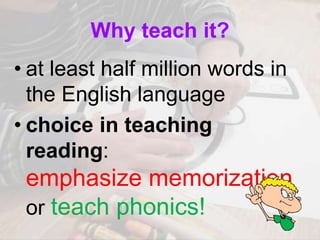
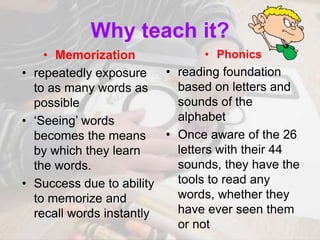
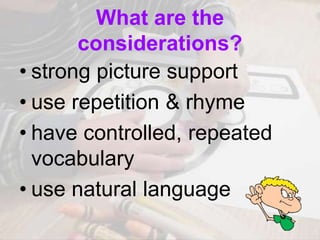
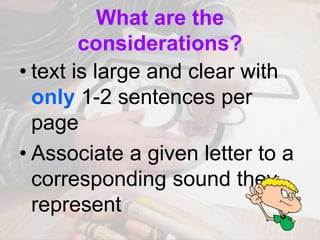

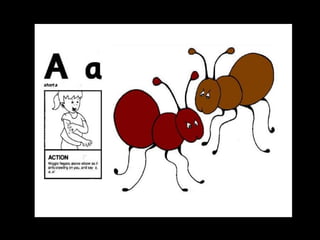
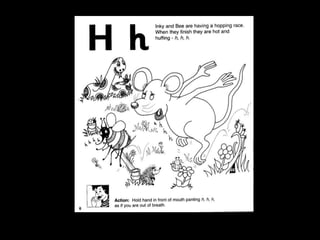
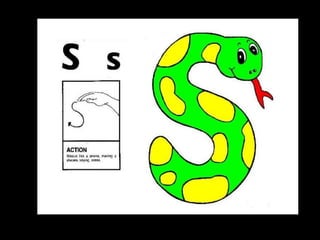
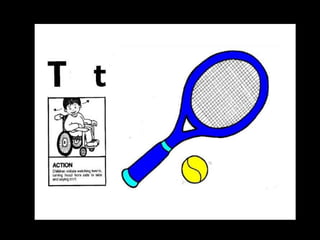








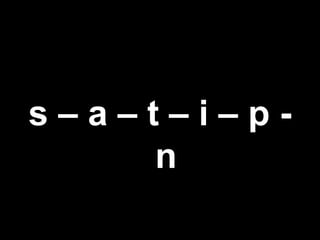
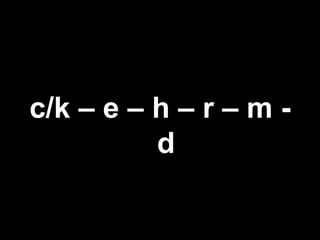
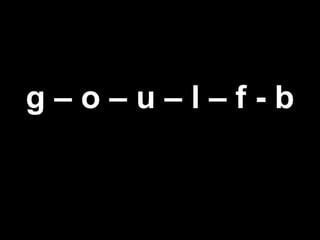
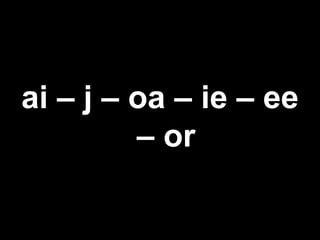



This document discusses phonics instruction and considerations for teaching phonics to children. It recommends starting phonics between ages 3-4 when children start attempting to read words and learn individual letter sounds. Phonics instruction is important for learning to read, spell words, and understand print concepts. There are two main approaches to teaching reading - emphasizing word memorization or teaching phonics. Teaching phonics provides a reading foundation by teaching letters and their corresponding sounds to decode words. Some best practices for phonics instruction include using clear text, repetition, controlled vocabulary, associating letters with sounds, telling stories with actions, and having students practice letters.


![Letters And Sounds Powerpoint[1] For Parents](https://cdn.slidesharecdn.com/ss_thumbnails/lettersandsoundspowerpoint1-for-parents-1234254921724735-2-thumbnail.jpg?width=640&height=640&fit=bounds)


