Downloaded 242 times


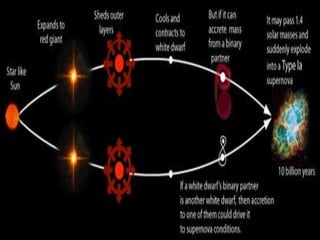
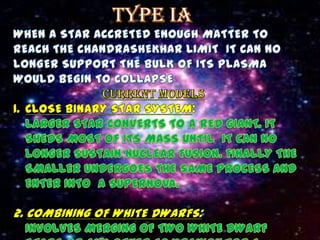
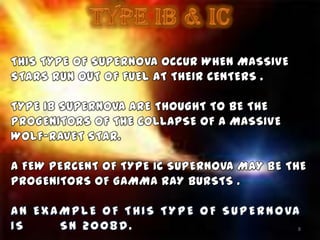
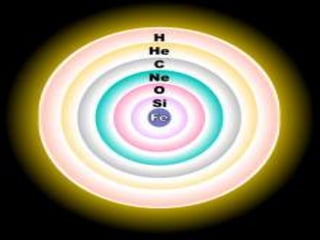
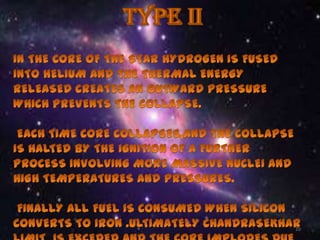
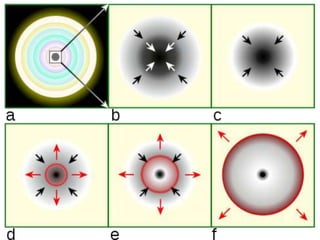
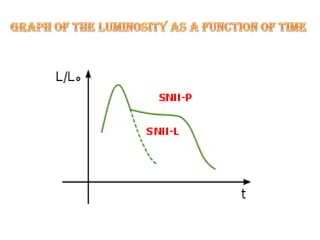

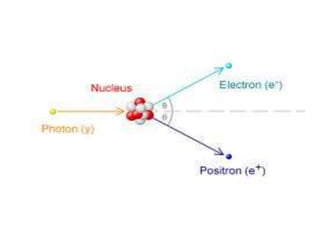

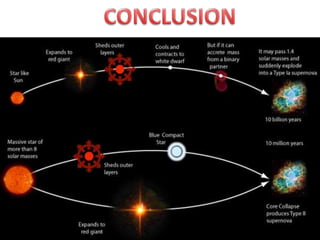

Type II supernovae result from massive stars running out of fuel and collapsing under their own gravity. Some Type II supernovae interact with surrounding material, while others may lose their hydrogen envelopes due to tidal interactions with companion stars. Supernovae are sites of nucleosynthesis, producing heavier elements through nuclear fusion and reactions during the explosion. The r-process occurring in Type II supernovae is responsible for producing about half of the elements heavier than iron. Our Sun will not become a supernova at the end of its life due to insufficient mass, instead expanding into a red giant and fading as a white dwarf. Several large stars in the Milky Way, such as Rho Cassiopeiae and Eta Carinae


