SUCCESSFUL ACADEMIC
LIBRARY MAKEOVER
Tod Colegrove, Ph.D., MSLIS
Head of DeLaMare Science & Engineering Library
University of Nevada, Reno
Tara Radniecki, MA, MLIS
Engineering Librarian
University of Nevada, Reno Internet Librarian 2015
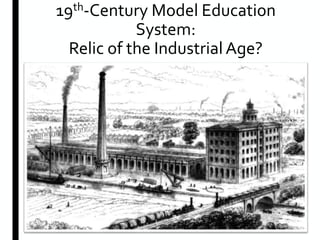
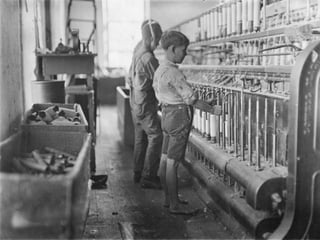
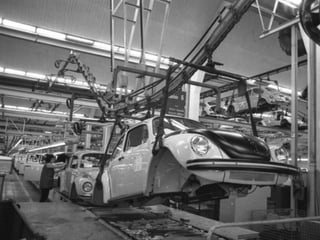
19th-Century Model Education
System:
Relic of the Industrial Age?
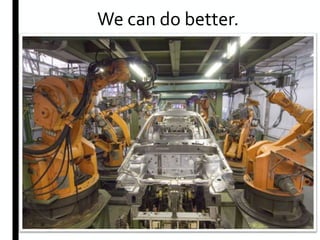
We can do better.
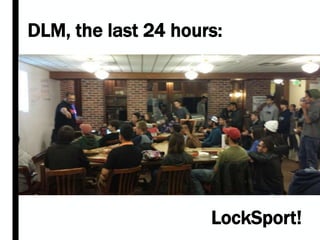
DLM, the last 24 hours:
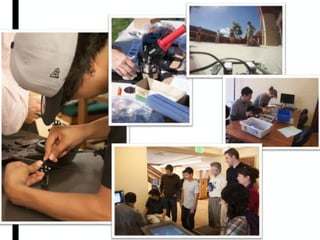
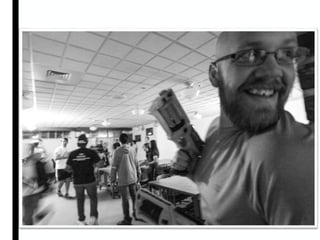
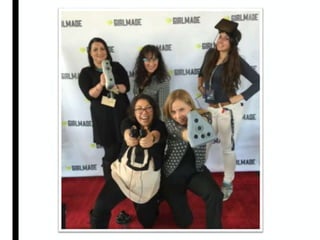
LockSport!
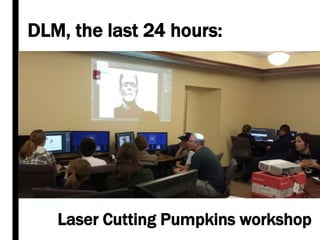
DLM, the last 24 hours:
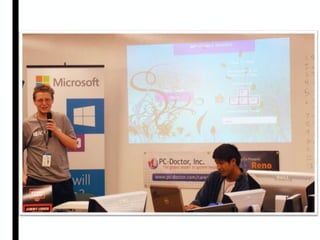
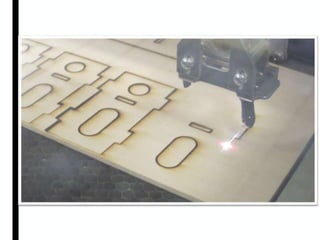
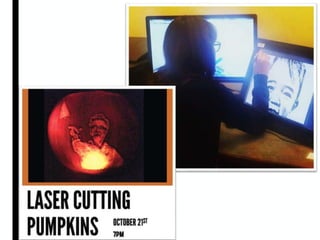
Laser Cutting Pumpkins workshop
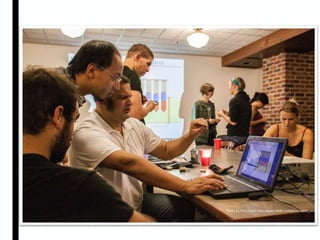
Where can that sort of
collaboration and active learning
happen?
A place where learning,
innovation, entrepreneurship
and discovery are natural
outcomes?
Photo by Nick Crowl: http://www.flickr.com/photos/dstl_unr/
THINGSWE GOT
WRONG
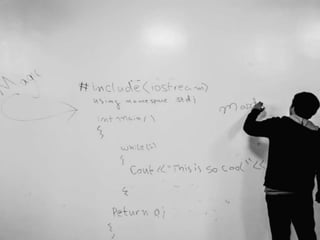
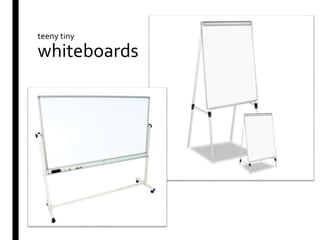
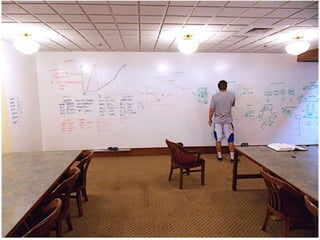
teeny tiny
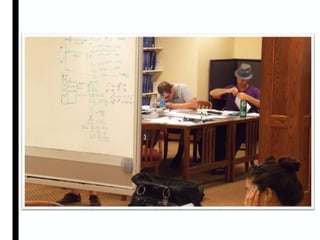
whiteboards
Creating Barriers
■ Checking out whiteboard markers
■ Bolting things down
■ Putting things behind glass
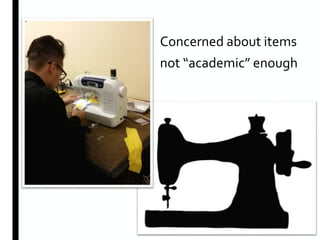
Concerned about items
not “academic” enough
Stealing their fun
Providing services instead
of resources and
opportunities
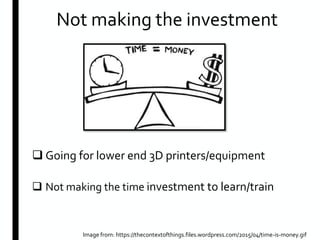
Not making the investment
 Going for lower end 3D printers/equipment
 Not making the time investment to learn/train
Image from: https://thecontextofthings.files.wordpress.com/2015/04/time-is-money.gif
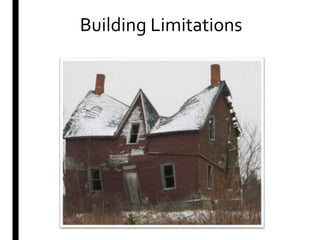
Building Limitations
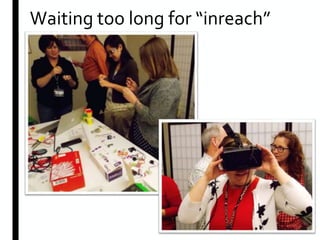
Waiting too long for “inreach”
THINGSWE GOT
RIGHT
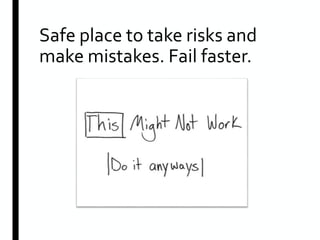
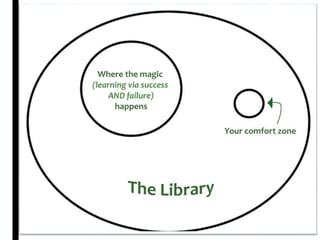
Safe place to take risks and
make mistakes. Fail faster.
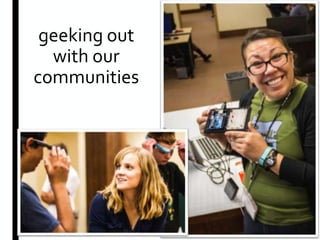
geeking out
with our
communities
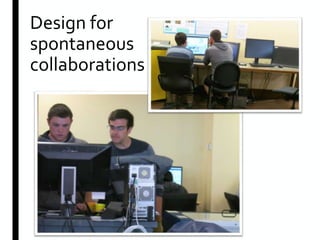
Design for
spontaneous
collaborations
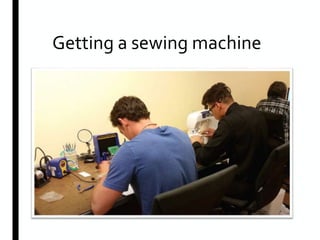
Getting a sewing machine
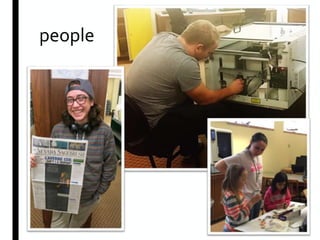
people
Creating our makerspace in
collaboration
■ Students
■ Faculty
■ Community Makerspaces
■ EDAWN
■ Startups
■ Local Businesses
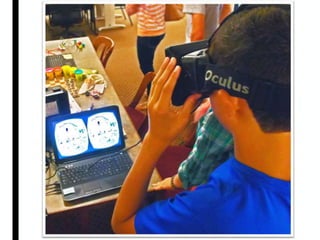
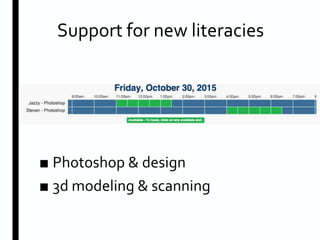
Support for new literacies
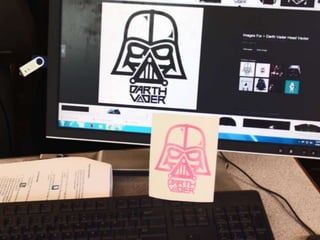
■ Photoshop & design
■ 3d modeling & scanning
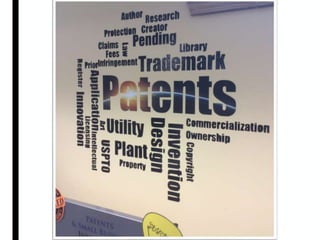
Patents & IP
Questions?

Successful Academic Library Makeover - Internet Librarian 2015

Editor's Notes

  • #2 Makerspaces, Idea Labs & Hackerspaces. Why in libraries?
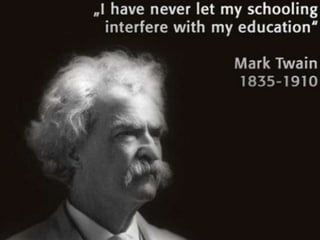
  • #3 Mark Twain – 19th century author and Nevada’s first Assistant Secretary of State thoughts on schooling and education Image credit: http://www.anonymousartofrevolution.com/2013/01/i-have-never-let-my-schooling-interfere.html
  • #4 Image credit: Bridgewater foundary, Wikimedia Commons: https://commons.wikimedia.org/wiki/File:Bridgewater_foundary.gif
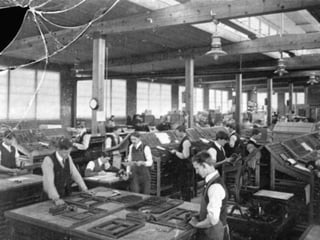
  • #5 The Industrial Age needed workers who could read/write and follow instructions Image credit: Toronto Public Library, retrieved from https://www.flickr.com/photos/43021516@N06/4210654981
  • #6 Rather than education, schooling. Repeated procedures. Insert tab A into slot B. Image credit: Wikimedia Commons, retrived from https://upload.wikimedia.org/wikipedia/commons/1/1f/Doffers_in_Cherryville_Mfg._Co.%2C_N.C._Plenty_of_others._Cherryville%2C_N.C._-_NARA_-_523108.jpg
  • #7 Schools operate similarly to factories: down to the bells at these schools were modeled on the shift-time sounds in factories. Image Credit:Wikimedia Commons, https://commons.wikimedia.org/wiki/File:Bundesarchiv_B_145_Bild-F038788-0020,_Wolfsburg,_VW_Autowerk,_Käfer.jpg
  • #8 What type of workers does today’s society need? Image credit: Wikimedia Commons: https://upload.wikimedia.org/wikipedia/commons/5/5e/KUKA_Industrial_Robots_IR.jpg
  • #9 Image credit: http://genius.com/2972302
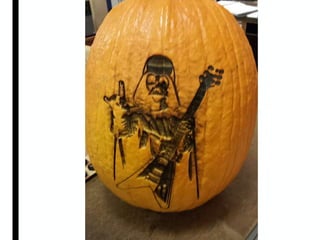
  • #11 Laser cutting pumpkins workshop. Jazmin A.: “I was so stoked!”
  • #12 Laser cutting pumpkins workshop. Jazmin A.: “I was so stoked!”
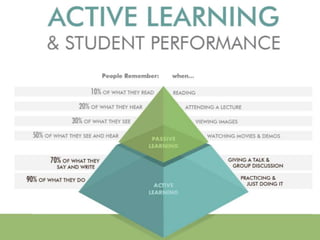
  • #13 If we’re truly serious about enabling and supporting lifelong learning, we need to embrace the realities of active learning & student performance. Where does the old model leave off? What they read? What they hear? Image credit: http://cms.commercialfurnituregroup.com/docs/4038.pdf
  • #16 Enter “makerspace” – in libraries and museums across the country, spaces emerging that enable you to go hands-on with your ideas 3rd place that isn’t home, isn’t work… Image credit: http://cdn.makezine.com/uploads/2012/01/makerspace-logo.png
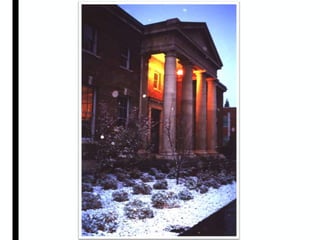
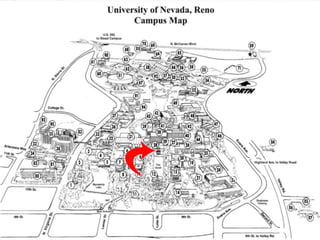
  • #19 Located at the geographic center of the traditional campus, the library is centrally located to the departments served – the library should be hopping!
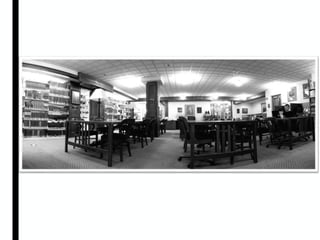
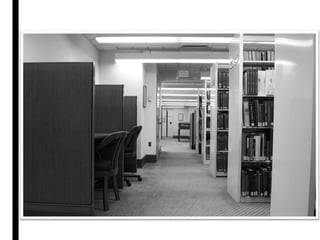
  • #20 But it wasn’t. Throughout the nearly 2,100 square meters of the library, there were typically only 2-3 people at the peak of the day. The photo (credit: Nick Crowl) was taken mid-day/week during the Spring semester; not unusually empty at the time. =/
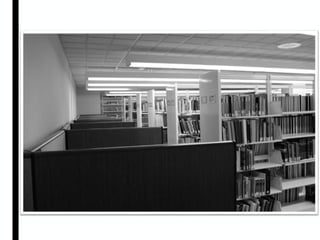
  • #21 Study carrels, seemingly pushed up against the walls by book stacks, saw relatively infrequent use.
  • #22 Where was everybody? Given the ideal location and size of the potential community, the library should have been a hotbed of learning and research activity. Maximum number of people we saw in the library was on the order of 24.
  • #25 Baby steps first. Note price difference: rolling w/b’s 4x as expensive. Making: Calculus. Knowledge. Community.
  • #26 Beginnings of actively supporting that active learning, discovery, collaboration
  • #27 It’s as old as the Socratic method: it takes the dialogue to learn.
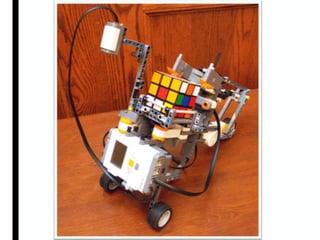
  • #28 Making: robots! LEGO Mindstorms-driven Rubik’s cube solver. (Library checks out LEGO Mindstorms NXT kts as lendable technology.)
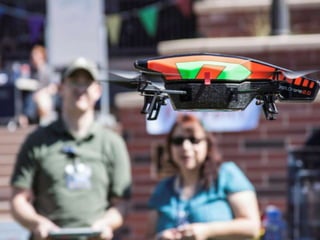
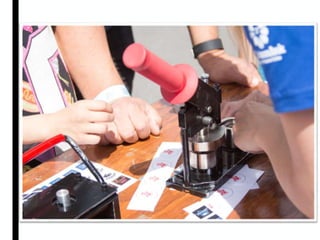
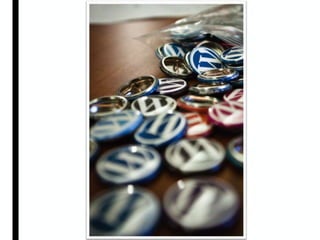
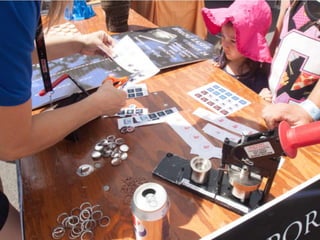
  • #30 Drone quadricopters w/api. More LEGO robots/NCT. Buttons. Games – programming, HCI! Photos by Nick Crowl: http://www.flickr.com/photos/dstl_unr/
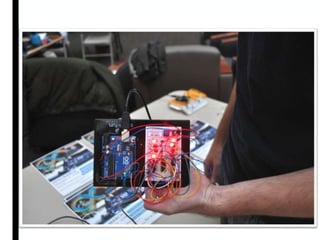
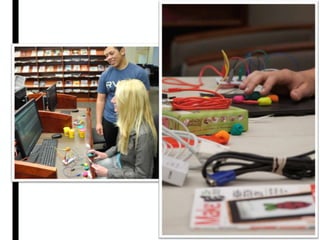
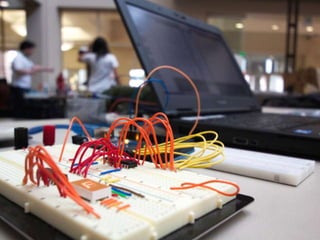
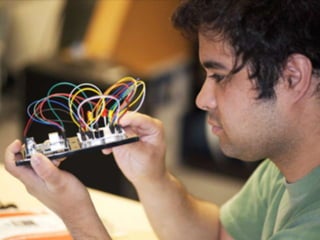
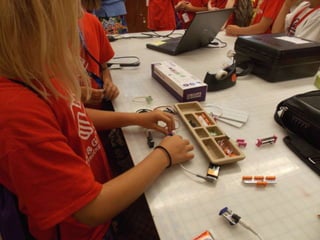
  • #35 Other maker support in the library? Arduino – microcontrollers, lendable technology
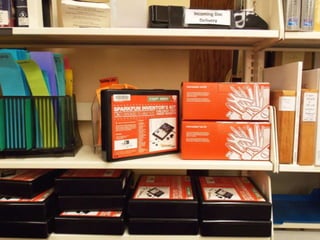
  • #40 The library has a dozen of the Sparkfun (Arduino) Inventor’s Kits as lendable technology, along with several electronics tollkits (soldering iron, wire strippers, etc); a snapshot showing the materials on the library shelves next to course reserves.
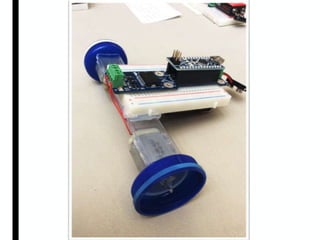
  • #41 If you’re looking at supporting Arduino for engineering, breadboard work: Arduino “nano”. Note Snapple cap + rubber band wheels on this ‘bot! Maker.
  • #42 Open source – downloadable (free) software needed to run on w/s to interface. Note current runs _through_ the operator as circuit.
  • #43 Arduino Day!
  • #46 Springboarding learning, discovery, innovation, and entrepreneurship
  • #67 Image credit: http://subrosa-rosamundi.blogspot.com/2011/12/sad-old-house-photos.html