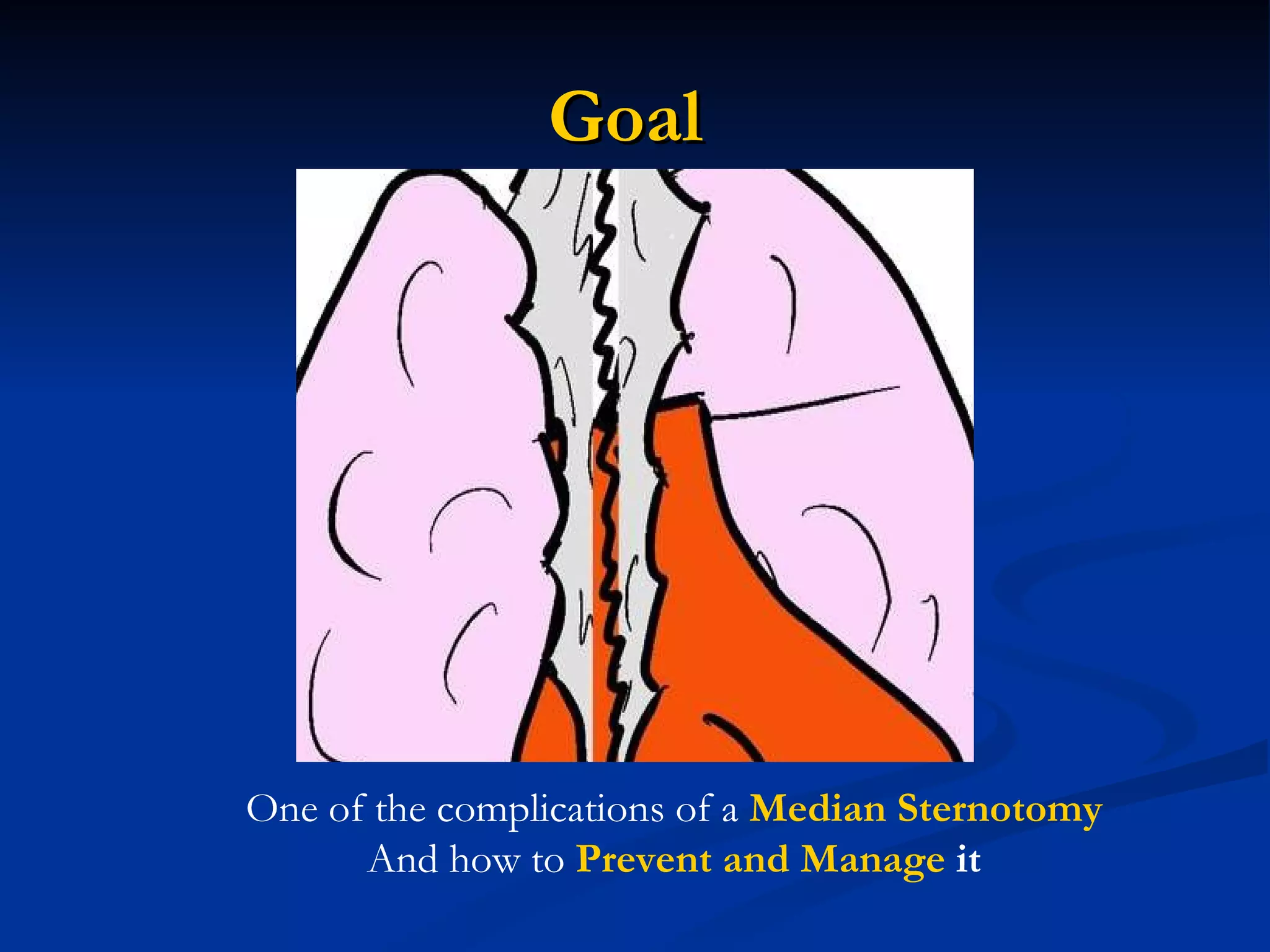







Goal   One of the complications of a  Median Sternotomy And how to  Prevent and Manage  it
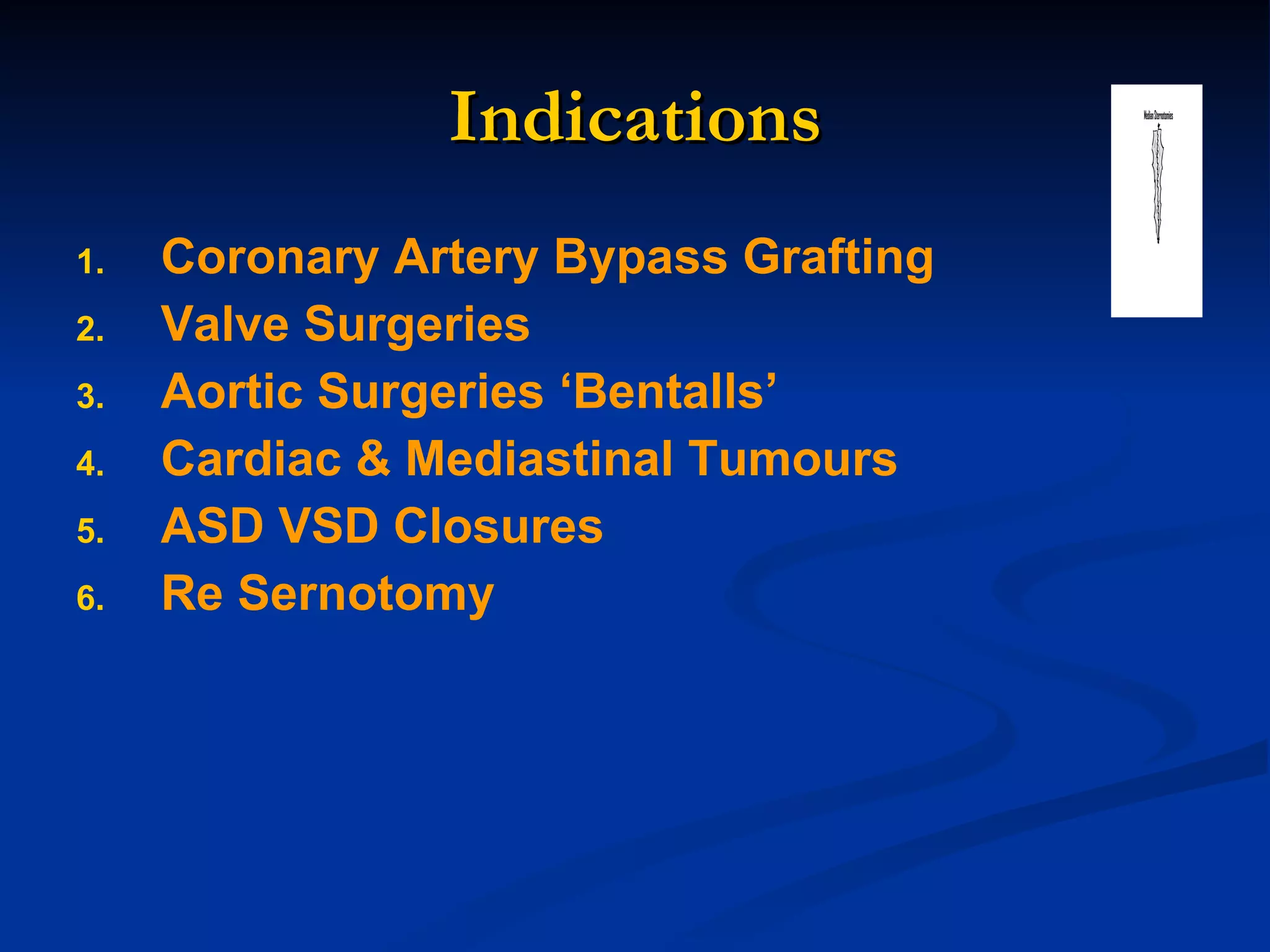
Indications Coronary Artery Bypass Grafting Valve Surgeries Aortic Surgeries ‘Bentalls’ Cardiac & Mediastinal Tumours ASD VSD Closures Re Sernotomy
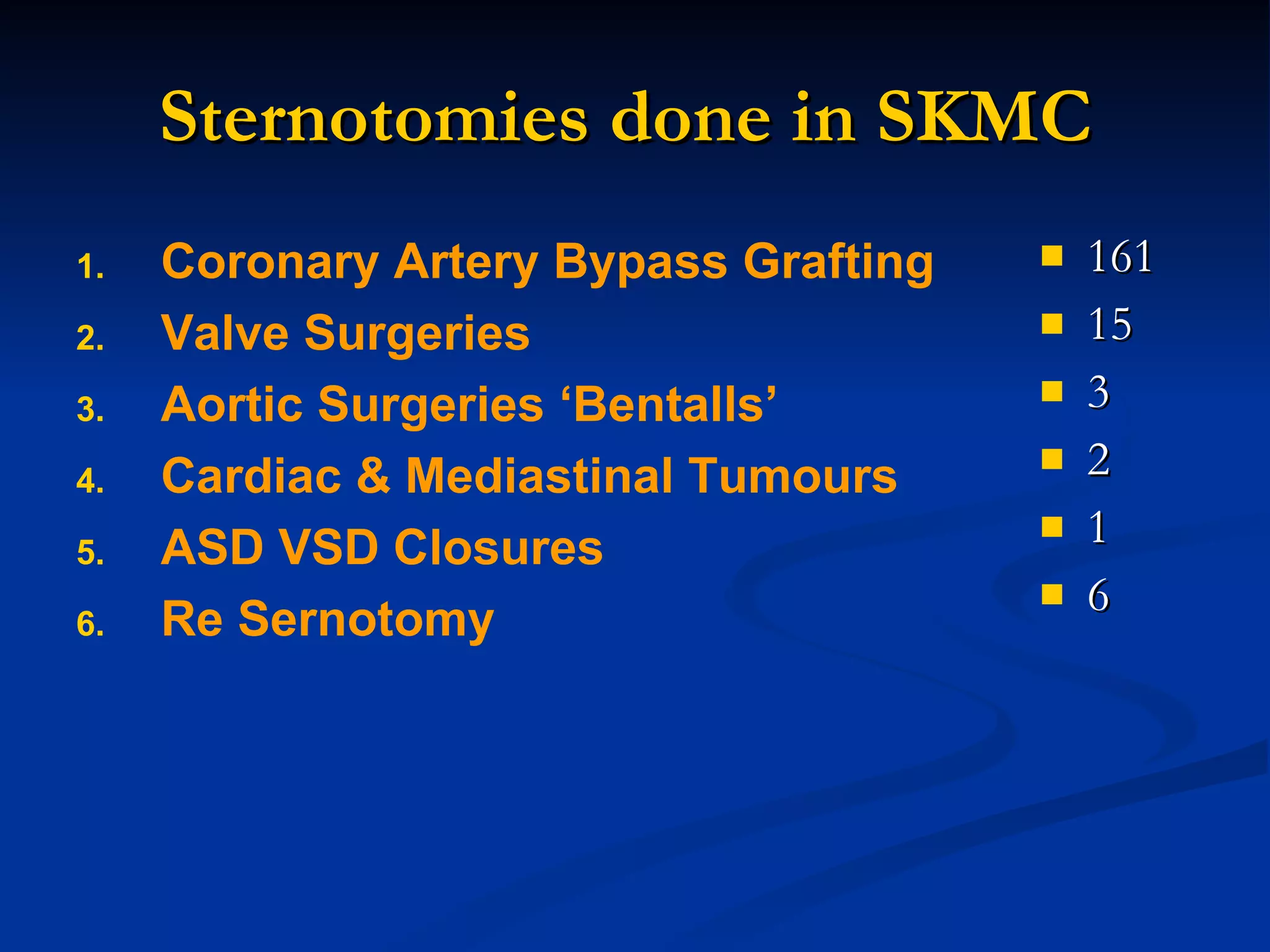
Sternotomies done in SKMC   161 15 3 2 1 6 Coronary Artery Bypass Grafting Valve Surgeries Aortic Surgeries ‘Bentalls’ Cardiac & Mediastinal Tumours ASD VSD Closures Re Sernotomy
Complications of Sternal Wounds Superficial Infection Deep Infection Sternal Osteomyelitis Sternal Dehiscence
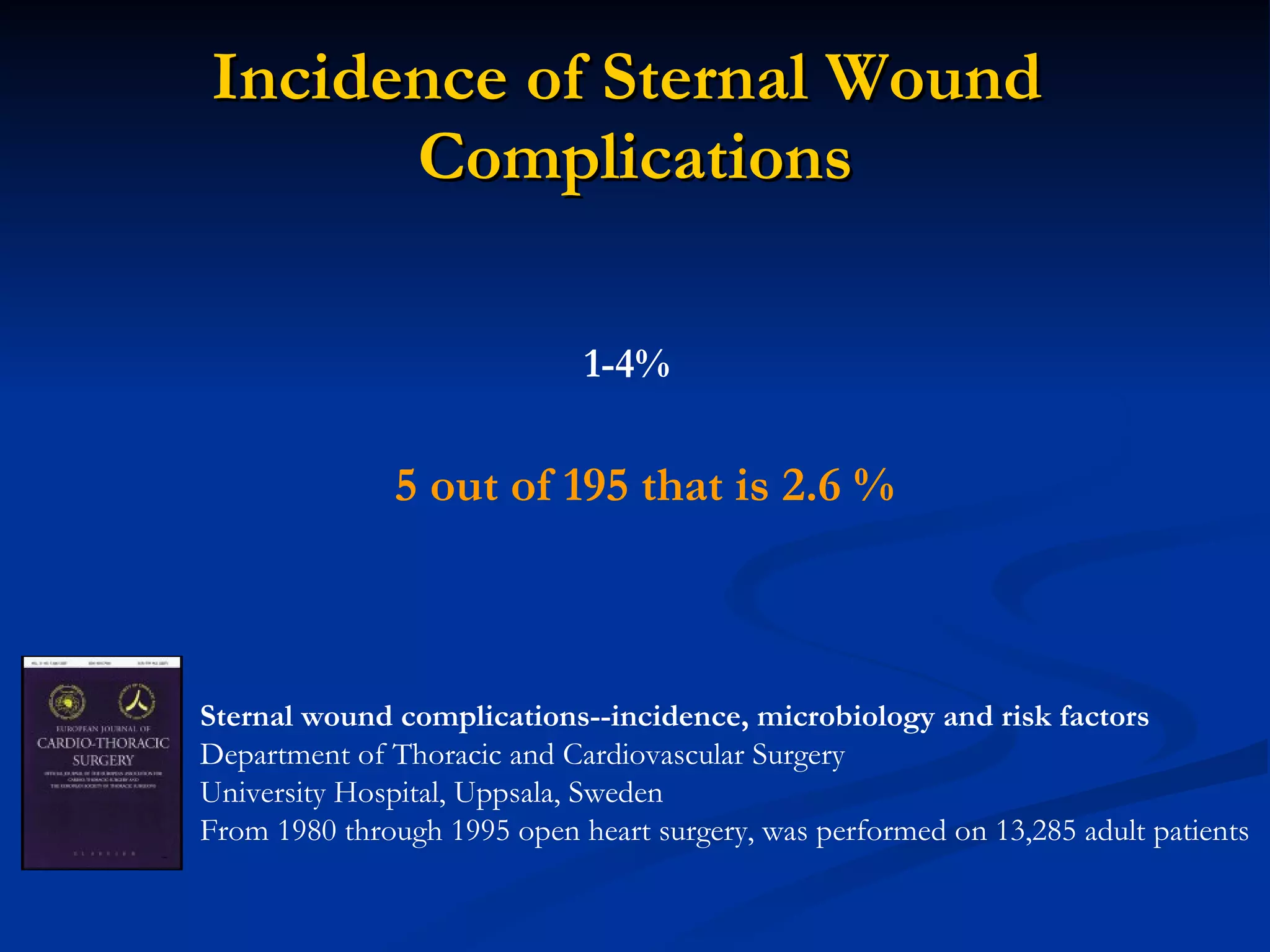
Incidence of Sternal Wound  Complications Sternal wound complications--incidence, microbiology and risk factors Department of Thoracic and Cardiovascular Surgery University Hospital, Uppsala, Sweden From 1980 through 1995 open heart surgery, was performed on 13,285 adult patients   5 out of 195 that is 2.6 % 1-4%
Some Positive Pointers None of the Valve replacements,Aortic dissections or other  Semi-elective or post emergent surgeries got sternal dehiscence All the five patients had severe pre morbid factors (Euroscore > 8)  None of the Re Sternotomies got infected
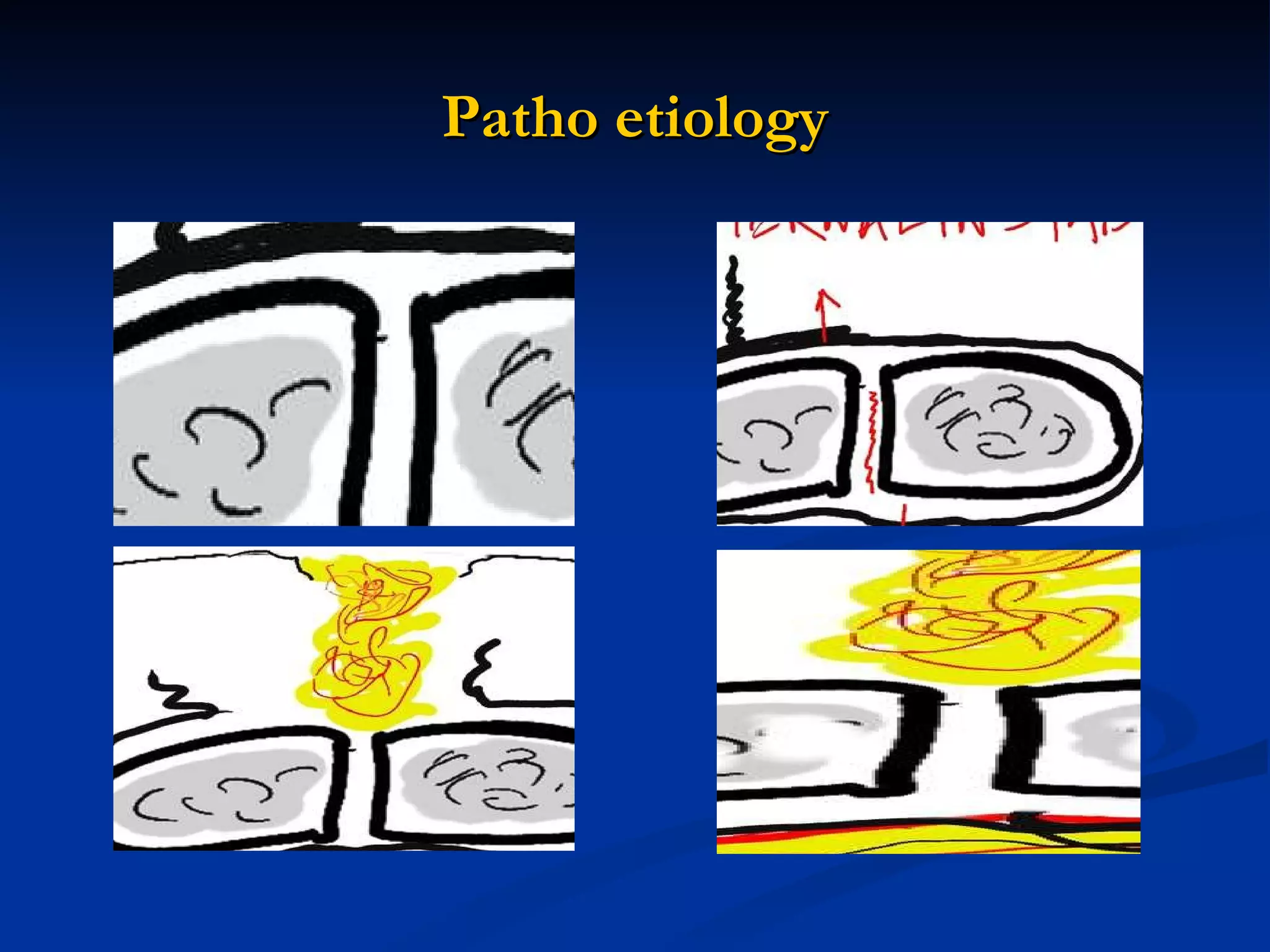
Patho etiology Localized area of Sternal Osteomyelitis  with minimal external signs followed by Sternal separation  Sternal instability , followed by skin breakdown with seepage of bacteria Inadequate mediastinal drainage , leading to a large retrosternal collection Staphylococcus aureus  or  S epidermidis  are identified in 70% to 80% of cases  . Coagulase negative
Patho etiology
So the most important etiological factor which is in our hands is   Sternal Stability
What are the other etiological factors
Euroscore Patient-related factors   Age  Sex Chronic pulmonary disease Extracardiac arteriopathy Neurological dysfunction disease  Previous cardiac surgery Serum creatinine Active endocarditis Critical preoperative state
Euroscore Cardiac-related factors   Unstable angina  LV dysfunction Recent myocardial infarct  Pulmonary hypertension
Euroscore Operation-related factors   Emergency  Any other surgery than isolated CABG Surgery on thoracic aorta Post infarct septal rupture
Our  Four  Sternal Dehiscence Patients Three  are  chronic smokers All  four  are  diabetics Two  of them are  nephropaths All  Four  had severe  triple vessel disease Two had severe comlications on admisson  Myocardial infract Pneumonia
Operative Factors Sternal Stability
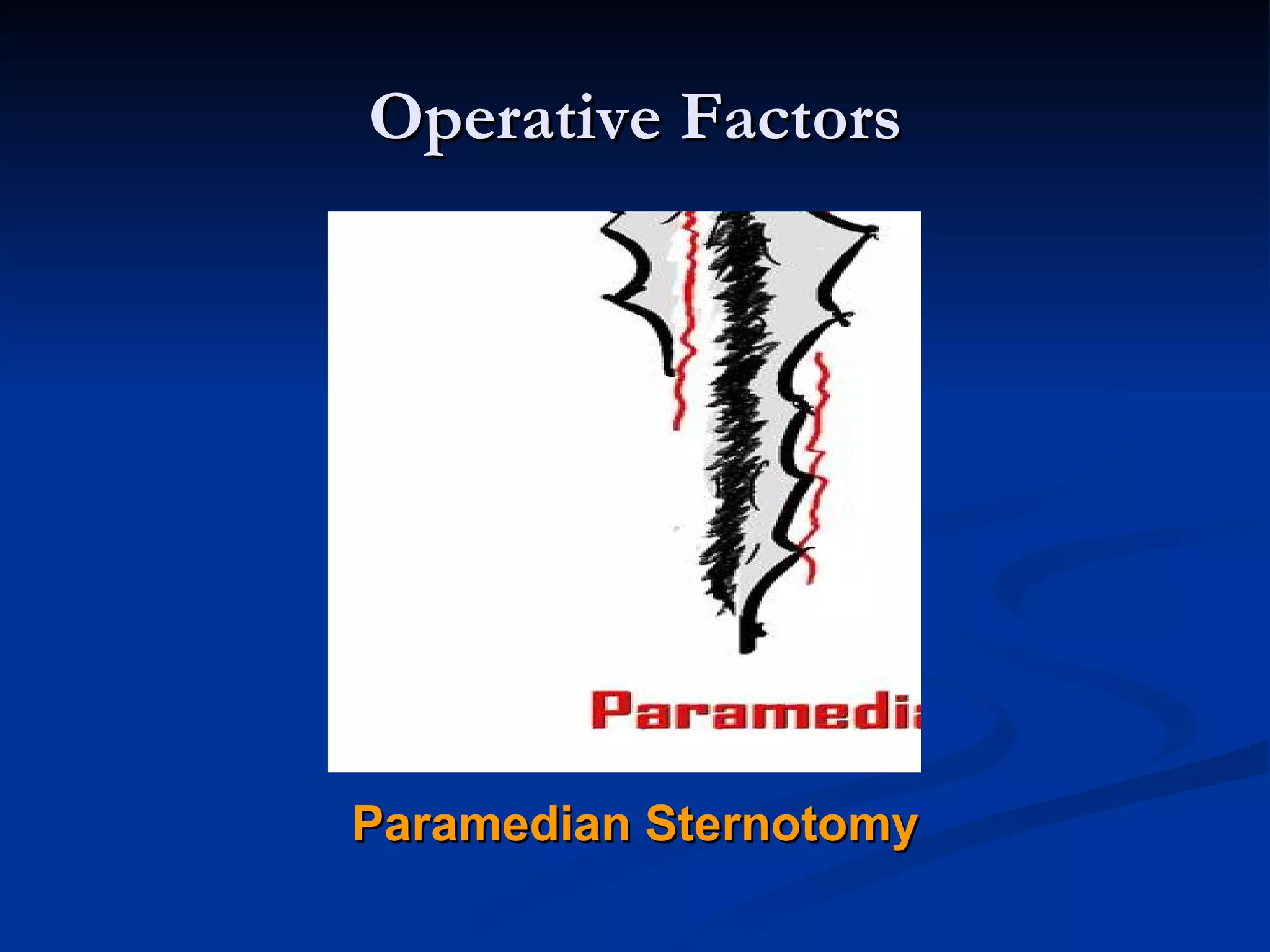
Operative Factors Paramedian Sternotomy
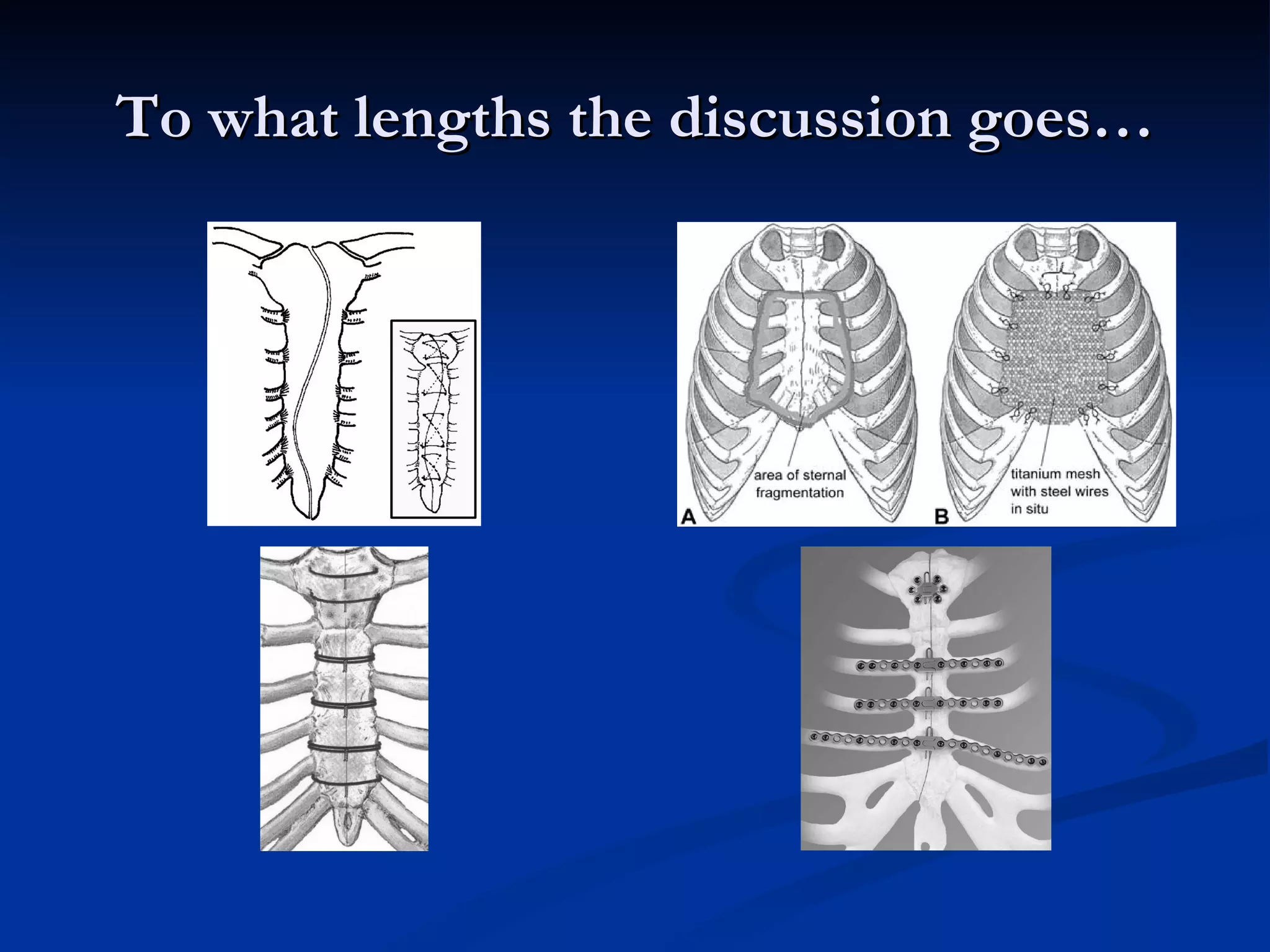
To what lengths the discussion goes…
Management How early you recognize the problem Acute Sub acute Chronic 2 Wks 2-5 Wks >5 Wks Postoperative Mediastinitis : Classification and Management  Reida M. El Oakley, FRCS, John E. Wright, FRCS   Ann Thorac Surg  1996;61:1030-1036
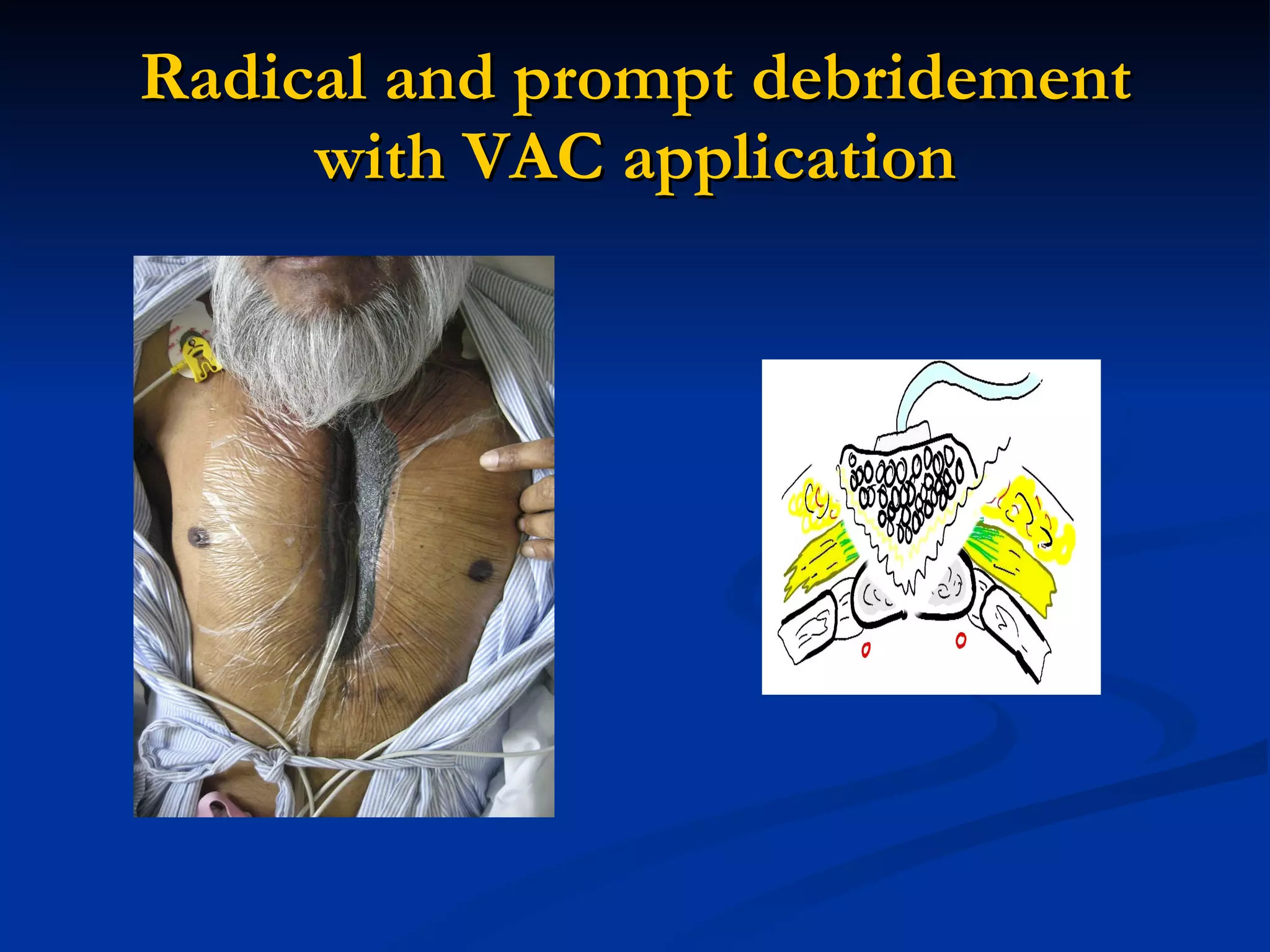
Management Close  examination  to confirm problems with sternal stability  Early  and adequate  debridement Prompt application of  VAC  Sternal debridement  if necessary Tissue cover with local flap .
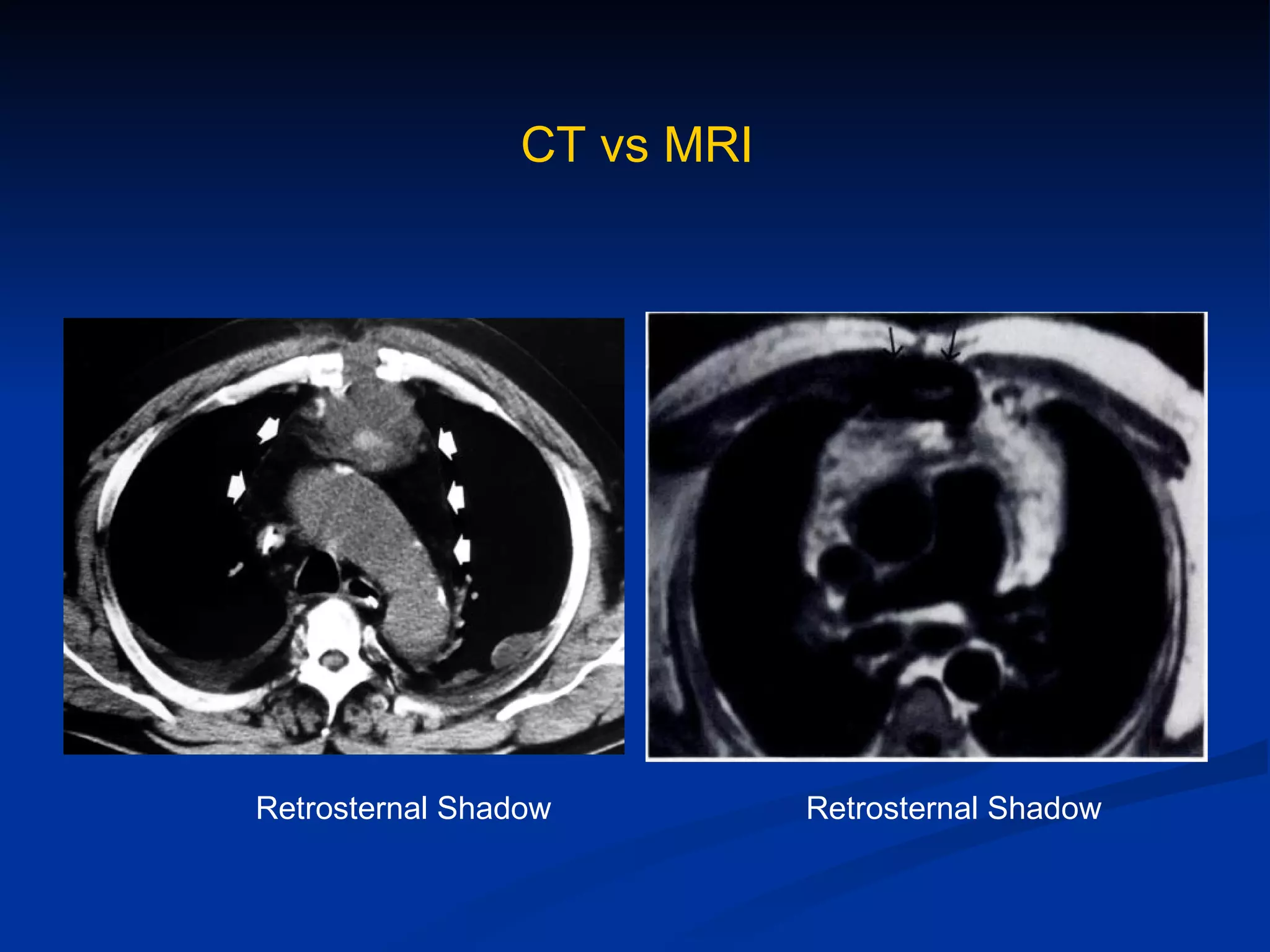
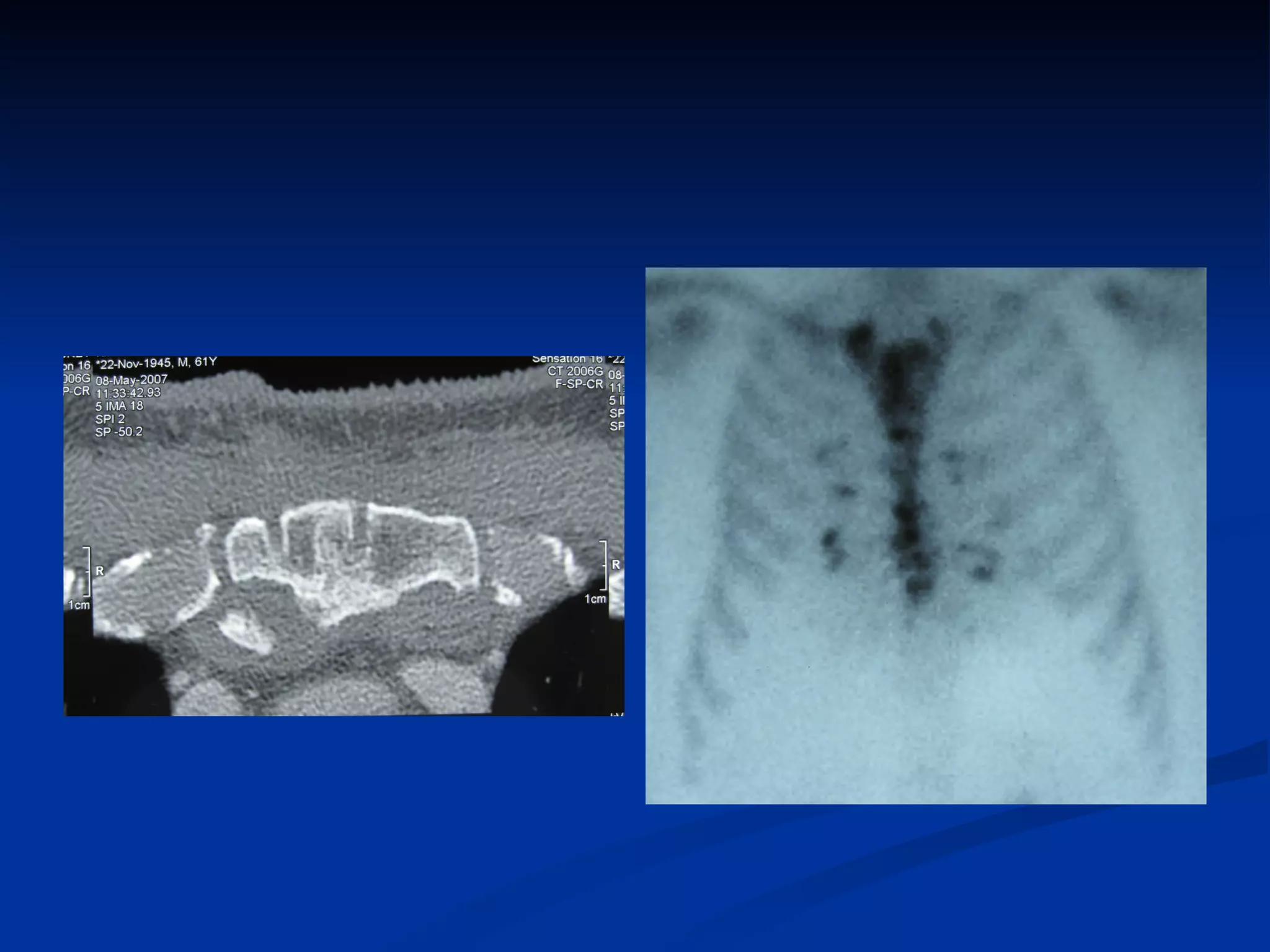
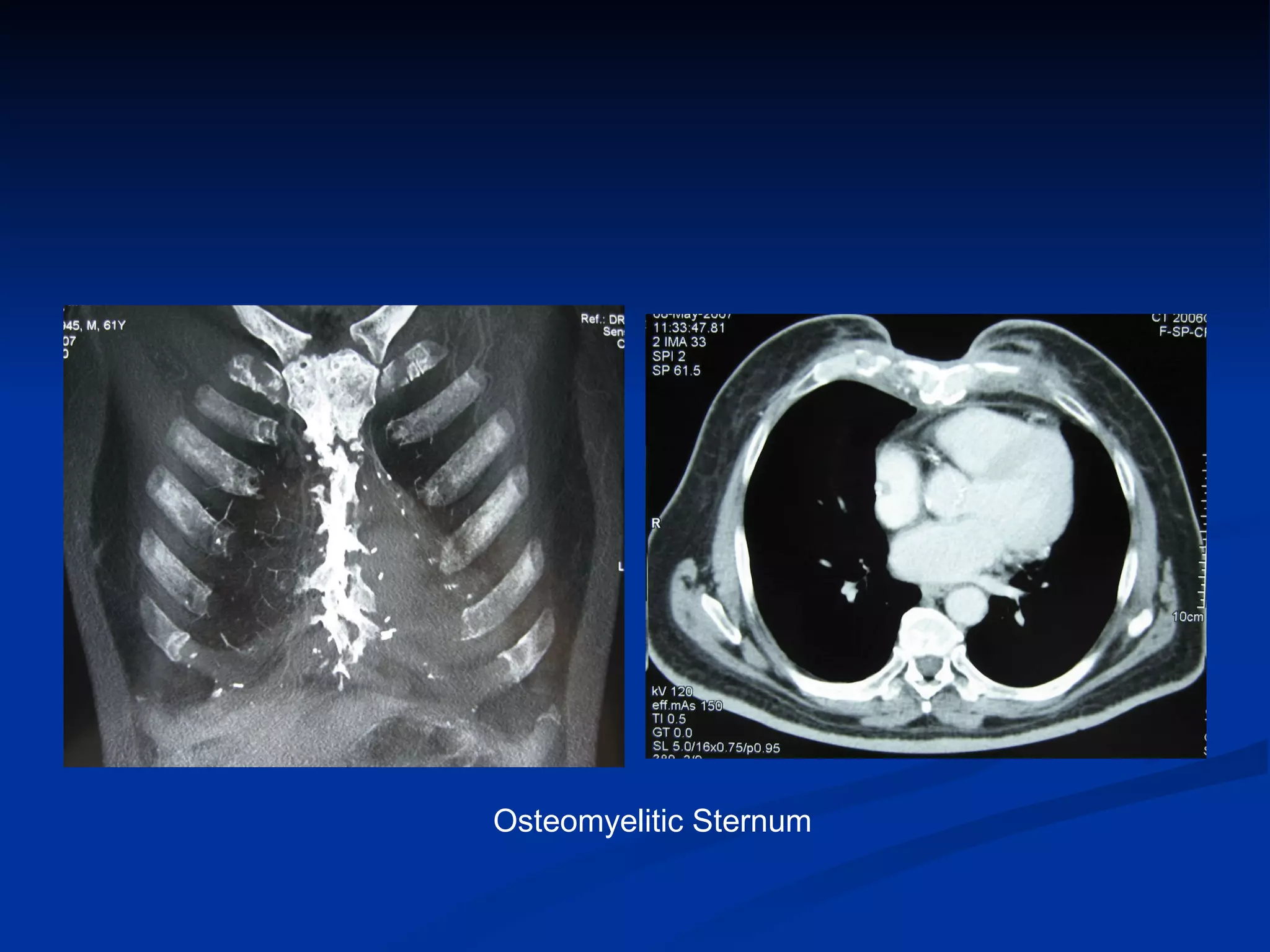
How to make an early diagnosis The  Classic symptoms  and signs of acute infection are  infrequently  encountered   Fever and Leukocytosis  in the absence of local symptoms or signs may be the only presenting clinical features in a small percentage of patients  Wound discharge  is the most common presentation and occurs in 70% to 90%  Local symptoms include wound pain, tenderness, and sternal instability  Chest roentgenograms  are rarely helpful in the early diagnosis  Chest computed tomography scanning with mediastinal aspiration
CT vs MRI Retrosternal Shadow Retrosternal Shadow
 
Osteomyelitic Sternum
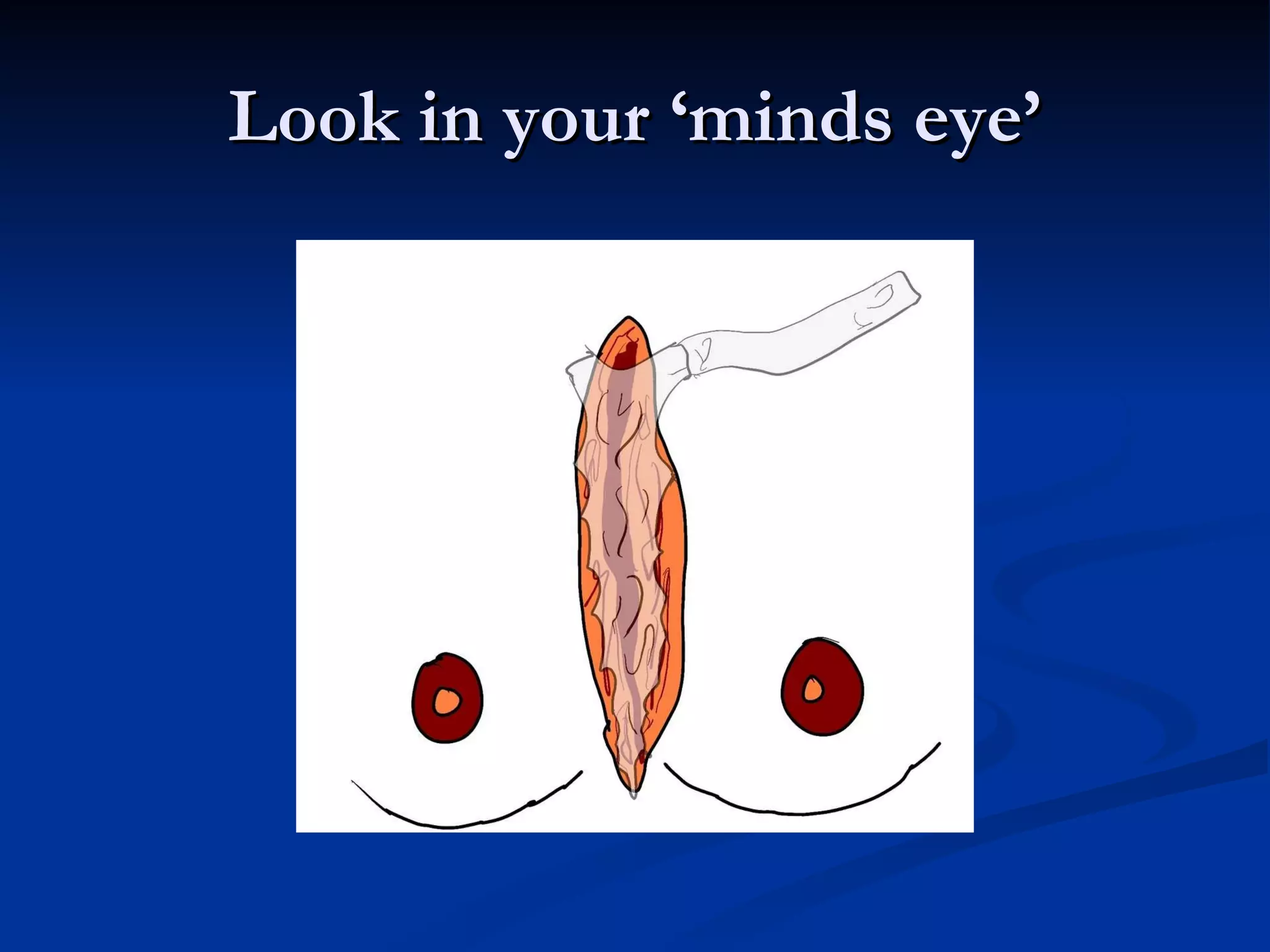
Look in your ‘minds eye’
Radical and prompt debridement with VAC application
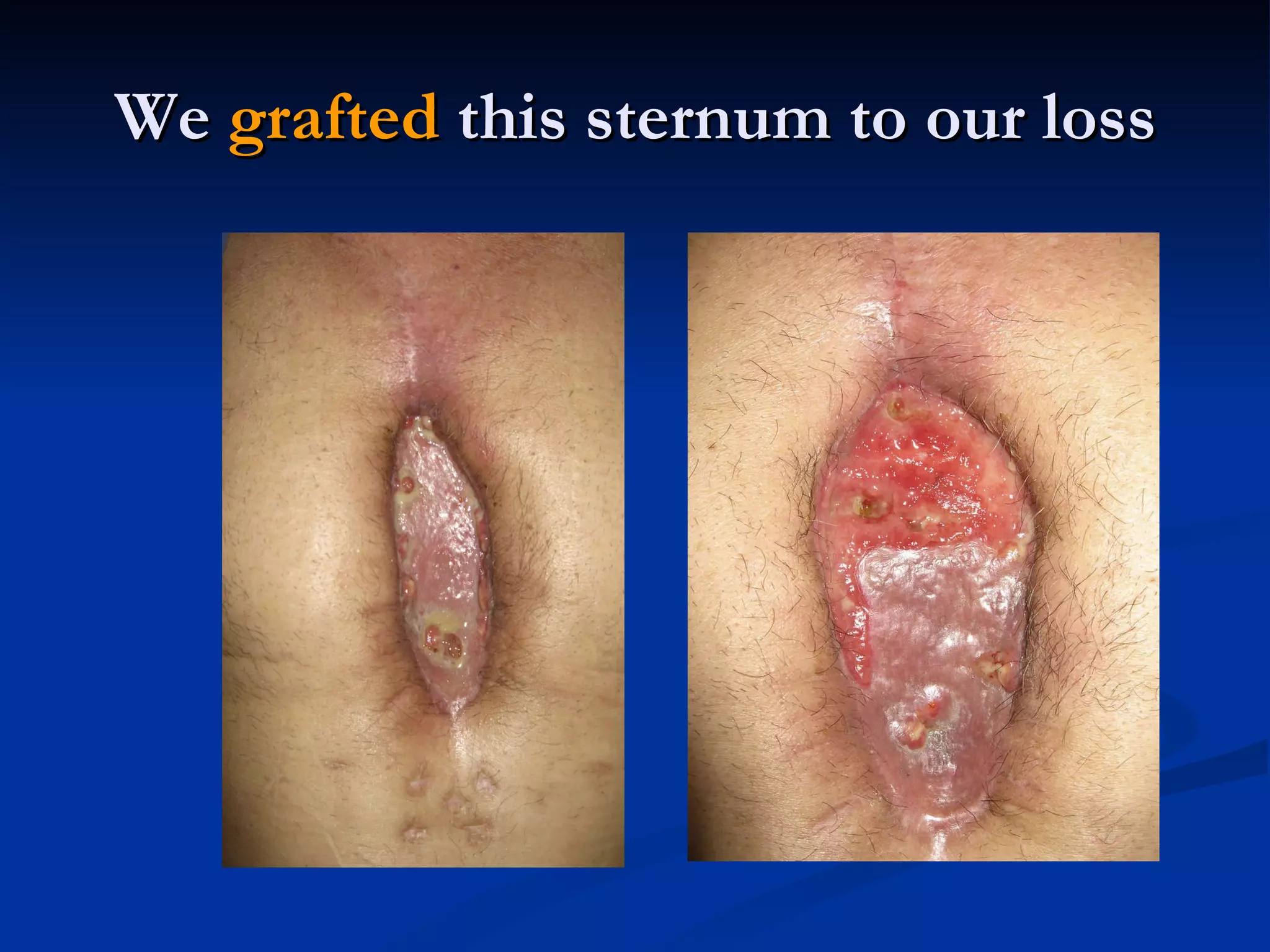
We  grafted  this sternum to our loss
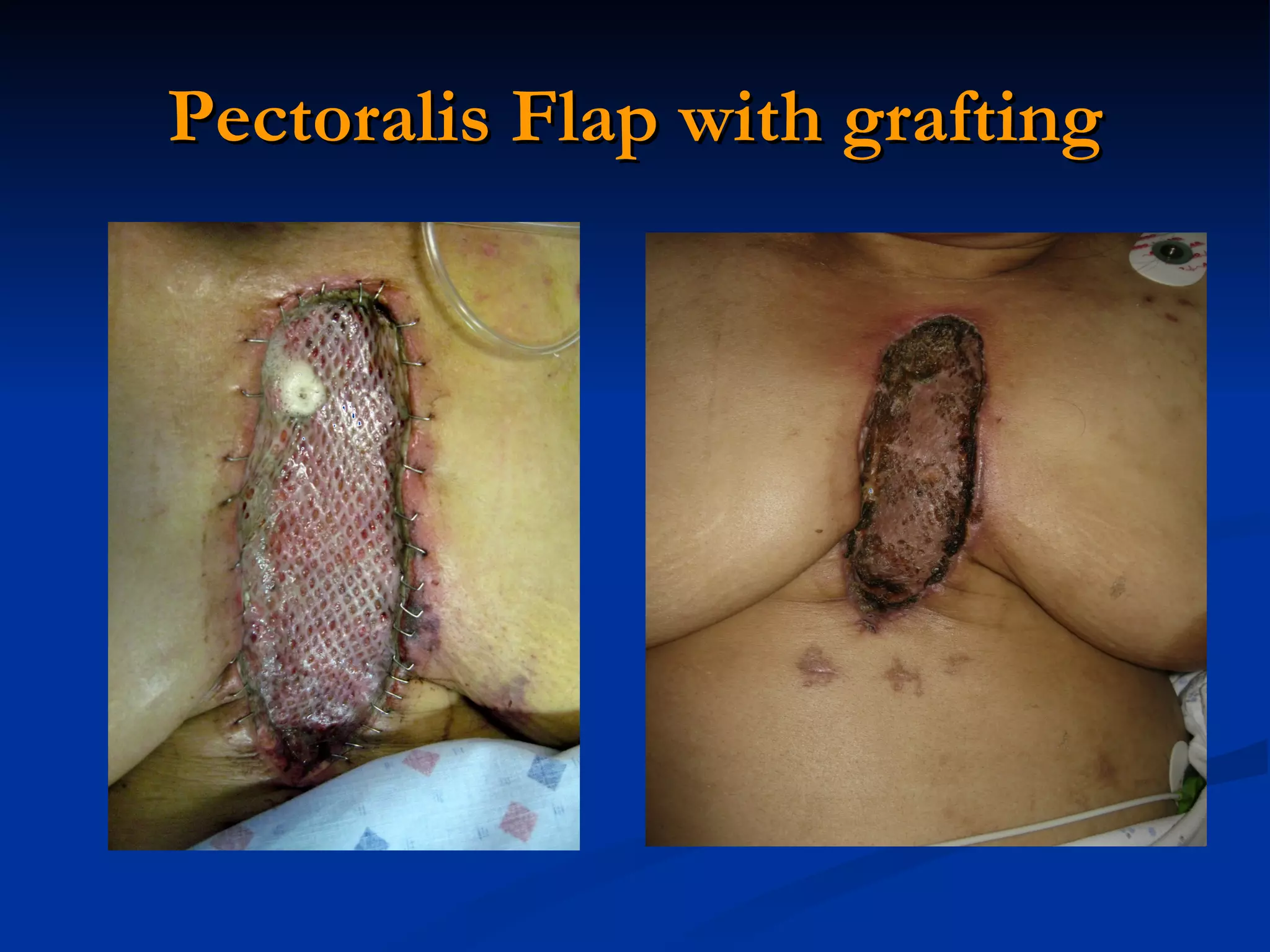
Pectoralis Flap with grafting


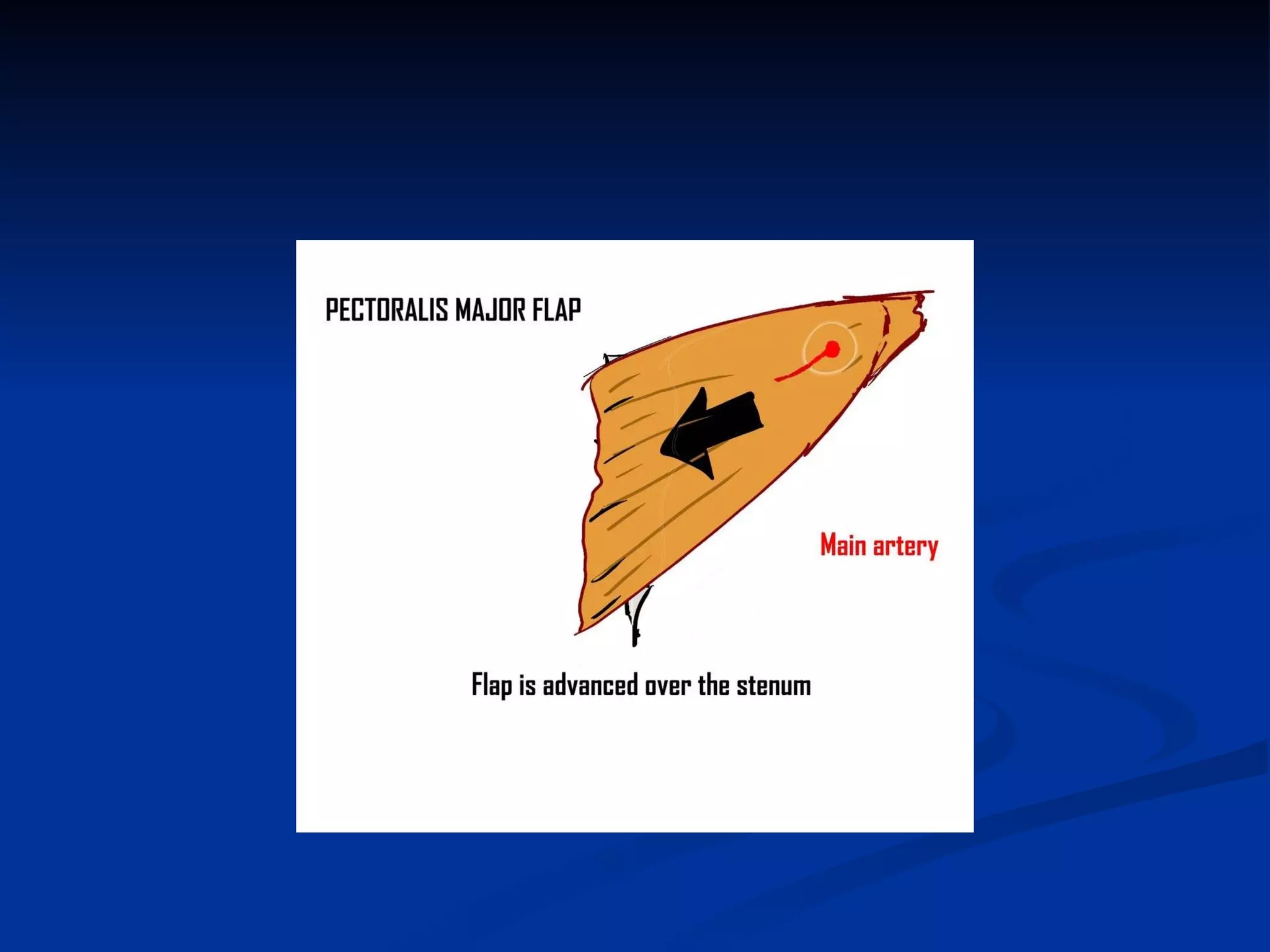
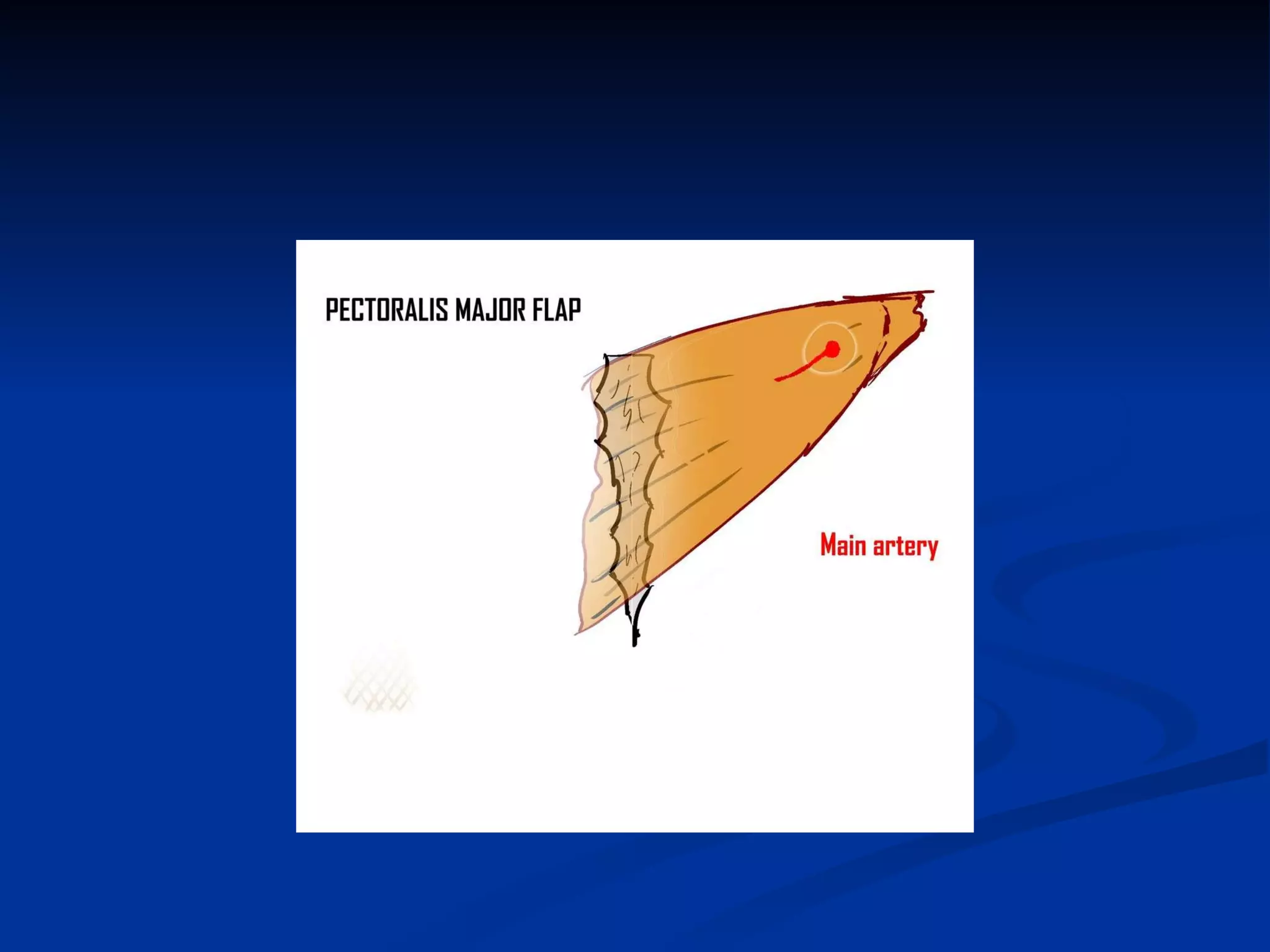
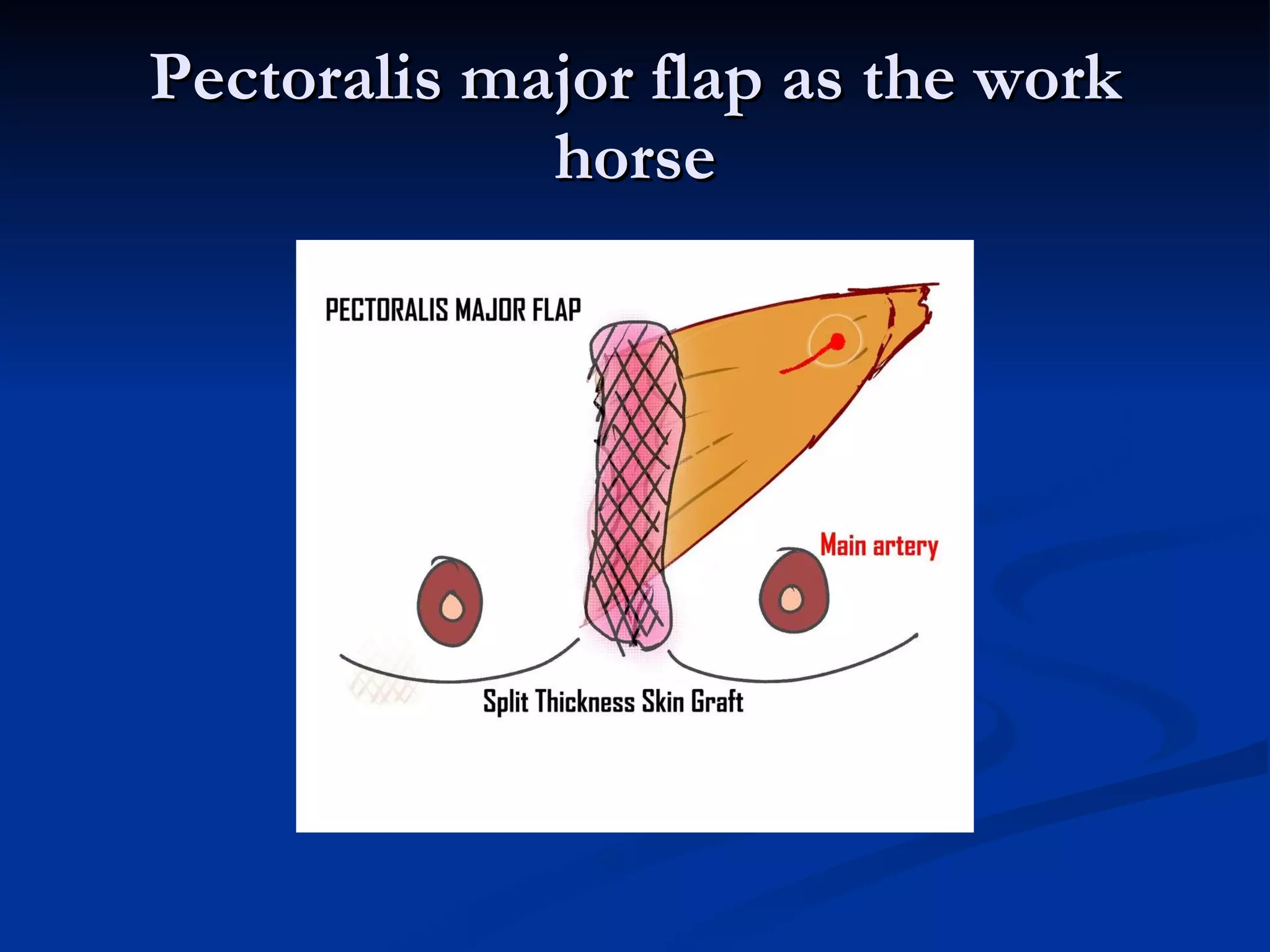
Pectoralis major flap as the work horse
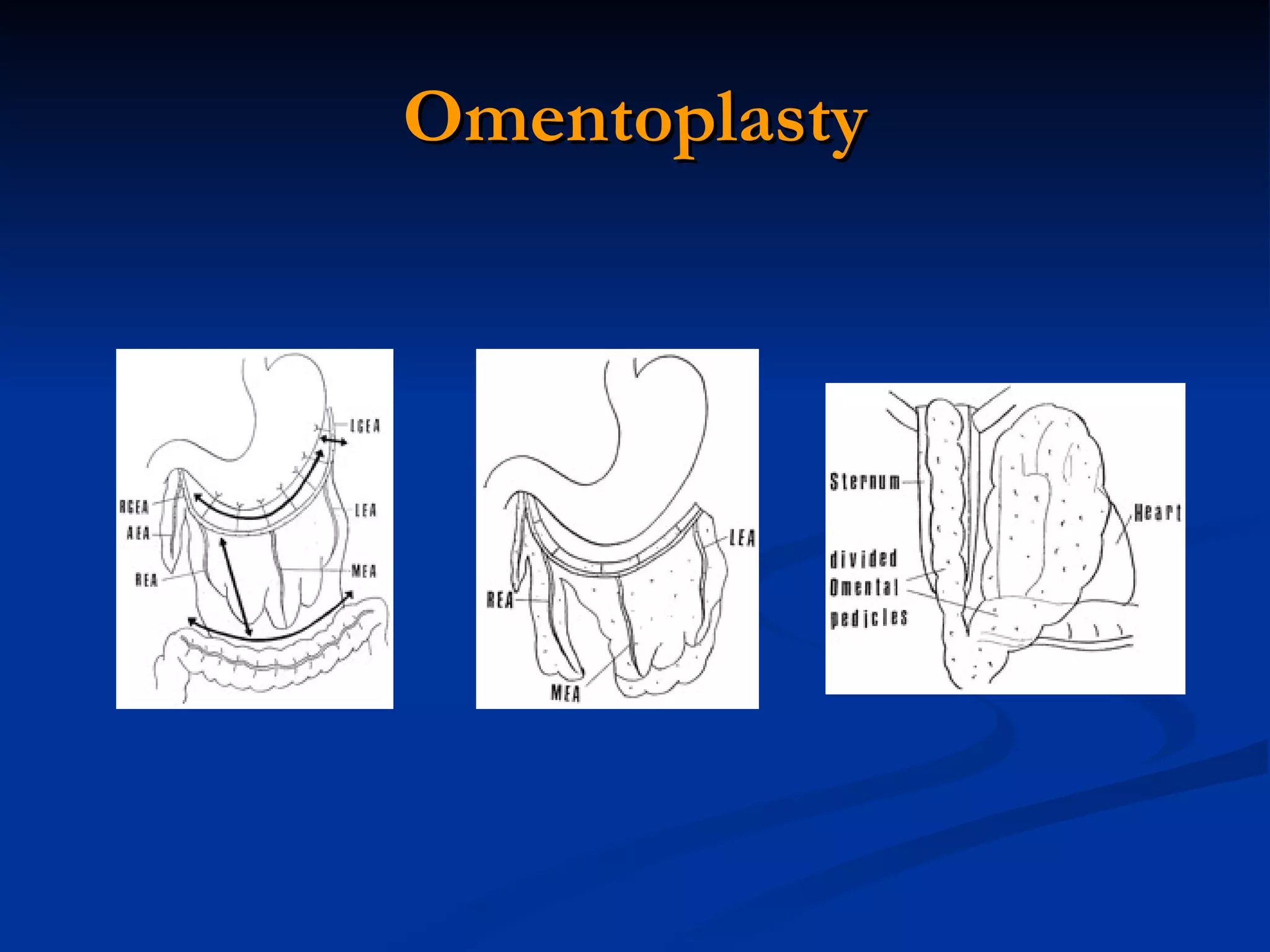
Omentoplasty Because of the  relative degree of skeletal muscle ischemia  after its mobilization and because  omental lipid extract  has been shown to have a  powerful angiogenic effect  an omentoplasty may be the procedure of choice  El Oakley RM, Jarvis J, Barman D, et al.  Factors affecting the integrity of latissimus dorsi muscle grafts: implications for cardiac assistance from skeletal muscle. J Heart Lung Transplant 1995;14:359–65
Omentoplasty
If your getting any  fresh  ideas….. Sternal wound infections in patients undergoing open heart surgery: randomized study comparing  intracutaneous  and  transcutaneous  suture techniques Risnes, M. Abdelnoor, S. Tore Baksaas, R. Lundblad, and J. L. Svennevig Ann. Thorac. Surg ,November 1, 2001; 72(5): 1587 - 1591.


Sternal Dehiscence 10.5

  • 1.
  • 2.
    Goal One of the complications of a Median Sternotomy And how to Prevent and Manage it
  • 3.
    Indications Coronary ArteryBypass Grafting Valve Surgeries Aortic Surgeries ‘Bentalls’ Cardiac & Mediastinal Tumours ASD VSD Closures Re Sernotomy
  • 4.
    Sternotomies done inSKMC 161 15 3 2 1 6 Coronary Artery Bypass Grafting Valve Surgeries Aortic Surgeries ‘Bentalls’ Cardiac & Mediastinal Tumours ASD VSD Closures Re Sernotomy
  • 5.
    Complications of SternalWounds Superficial Infection Deep Infection Sternal Osteomyelitis Sternal Dehiscence
  • 6.
    Incidence of SternalWound Complications Sternal wound complications--incidence, microbiology and risk factors Department of Thoracic and Cardiovascular Surgery University Hospital, Uppsala, Sweden From 1980 through 1995 open heart surgery, was performed on 13,285 adult patients 5 out of 195 that is 2.6 % 1-4%
  • 7.
    Some Positive PointersNone of the Valve replacements,Aortic dissections or other Semi-elective or post emergent surgeries got sternal dehiscence All the five patients had severe pre morbid factors (Euroscore > 8) None of the Re Sternotomies got infected
  • 8.
    Patho etiology Localizedarea of Sternal Osteomyelitis with minimal external signs followed by Sternal separation Sternal instability , followed by skin breakdown with seepage of bacteria Inadequate mediastinal drainage , leading to a large retrosternal collection Staphylococcus aureus or S epidermidis are identified in 70% to 80% of cases . Coagulase negative
  • 9.
  • 10.
    So the mostimportant etiological factor which is in our hands is Sternal Stability
  • 11.
    What are theother etiological factors
  • 12.
    Euroscore Patient-related factors Age Sex Chronic pulmonary disease Extracardiac arteriopathy Neurological dysfunction disease Previous cardiac surgery Serum creatinine Active endocarditis Critical preoperative state
  • 13.
    Euroscore Cardiac-related factors Unstable angina LV dysfunction Recent myocardial infarct Pulmonary hypertension
  • 14.
    Euroscore Operation-related factors Emergency Any other surgery than isolated CABG Surgery on thoracic aorta Post infarct septal rupture
  • 15.
    Our Four Sternal Dehiscence Patients Three are chronic smokers All four are diabetics Two of them are nephropaths All Four had severe triple vessel disease Two had severe comlications on admisson Myocardial infract Pneumonia
  • 16.
  • 17.
  • 18.
    To what lengthsthe discussion goes…
  • 19.
    Management How earlyyou recognize the problem Acute Sub acute Chronic 2 Wks 2-5 Wks >5 Wks Postoperative Mediastinitis : Classification and Management Reida M. El Oakley, FRCS, John E. Wright, FRCS Ann Thorac Surg 1996;61:1030-1036
  • 20.
    Management Close examination to confirm problems with sternal stability Early and adequate debridement Prompt application of VAC Sternal debridement if necessary Tissue cover with local flap .
  • 21.
    How to makean early diagnosis The Classic symptoms and signs of acute infection are infrequently encountered Fever and Leukocytosis in the absence of local symptoms or signs may be the only presenting clinical features in a small percentage of patients Wound discharge is the most common presentation and occurs in 70% to 90% Local symptoms include wound pain, tenderness, and sternal instability Chest roentgenograms are rarely helpful in the early diagnosis Chest computed tomography scanning with mediastinal aspiration
  • 22.
    CT vs MRIRetrosternal Shadow Retrosternal Shadow
  • 23.
  • 24.
  • 25.
    Look in your‘minds eye’
  • 26.
    Radical and promptdebridement with VAC application
  • 27.
    We grafted this sternum to our loss
  • 28.
  • 29.
  • 30.
  • 31.
  • 32.
    Pectoralis major flapas the work horse
  • 33.
    Omentoplasty Because ofthe relative degree of skeletal muscle ischemia after its mobilization and because omental lipid extract has been shown to have a powerful angiogenic effect an omentoplasty may be the procedure of choice El Oakley RM, Jarvis J, Barman D, et al. Factors affecting the integrity of latissimus dorsi muscle grafts: implications for cardiac assistance from skeletal muscle. J Heart Lung Transplant 1995;14:359–65
  • 34.
  • 35.
    If your gettingany fresh ideas….. Sternal wound infections in patients undergoing open heart surgery: randomized study comparing intracutaneous and transcutaneous suture techniques Risnes, M. Abdelnoor, S. Tore Baksaas, R. Lundblad, and J. L. Svennevig Ann. Thorac. Surg ,November 1, 2001; 72(5): 1587 - 1591.
  • 36.
  • 37.
  • 38.
  • 39.
  • 40.