Peninsula
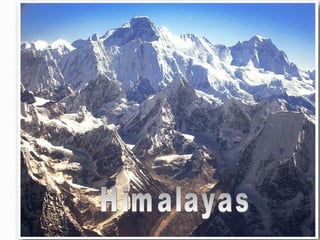
Himalaya Mountains
• Created by South Asia colliding into East
Asia
• ~1000 miles long
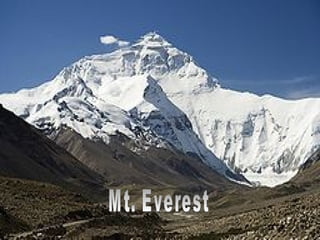
• Contains Mount Everest- the world’s
highest peak 29,035 feet asl
• Located on the border of China and Nepal
Himalaya Mountains
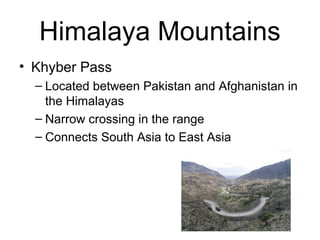
• Khyber Pass
– Located between Pakistan and Afghanistan in
the Himalayas
– Narrow crossing in the range
– Connects South Asia to East Asia
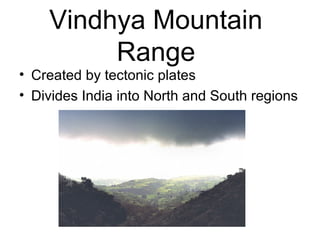
Vindhya Mountain
Range
• Created by tectonic plates
• Divides India into North and South regions
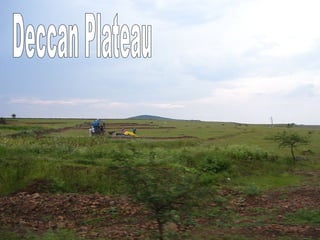
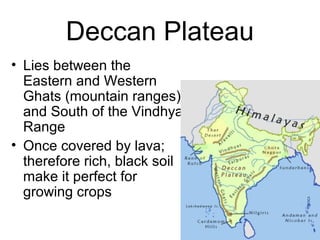
Deccan Plateau
• Lies between the
Eastern and Western
Ghats (mountain ranges)
and South of the Vindhya
Range
• Once covered by lava;
therefore rich, black soil
make it perfect for
growing crops
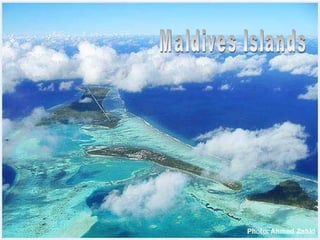
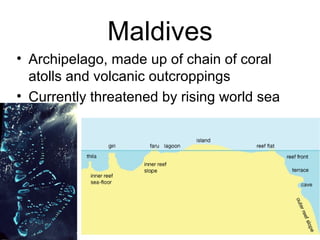
Maldives
• Archipelago, made up of chain of coral
atolls and volcanic outcroppings
• Currently threatened by rising world sea
levels
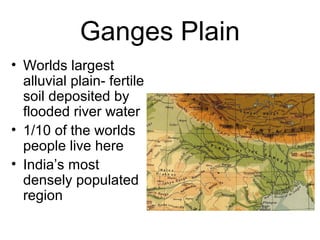
Ganges Plain
• Worlds largest
alluvial plain- fertile
soil deposited by
flooded river water
• 1/10 of the worlds
people live here
• India’s most
densely populated
region
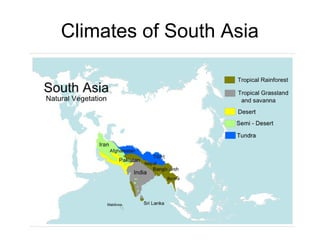
Climates of South Asia
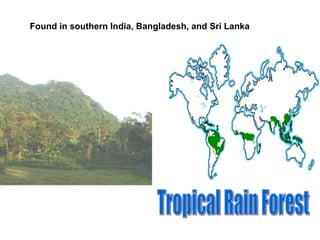
Found in southern India, Bangladesh, and Sri Lanka
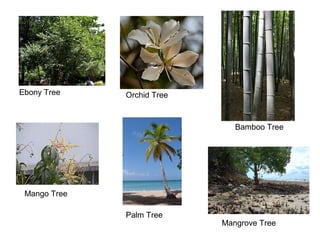
Ebony Tree Orchid Tree
Bamboo Tree
Mango Tree
Palm Tree
Mangrove Tree
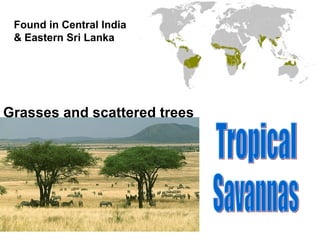
Found in Central India
& Eastern Sri Lanka
Grasses and scattered trees
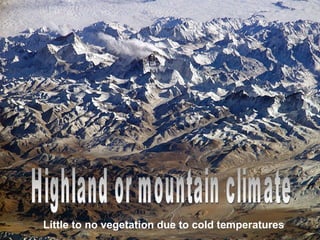
Little to no vegetation due to cold temperatures
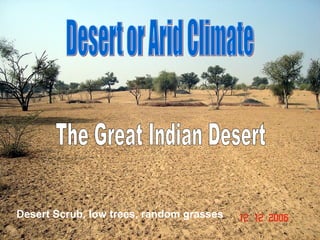
Desert Scrub, low trees, random grasses
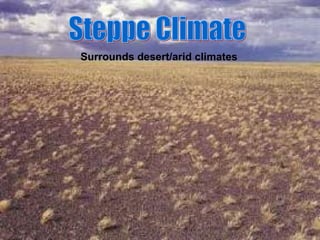
Surrounds desert/arid climates
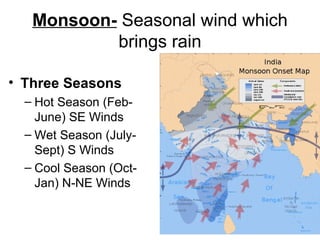
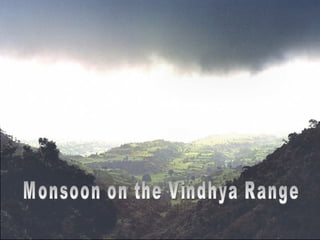
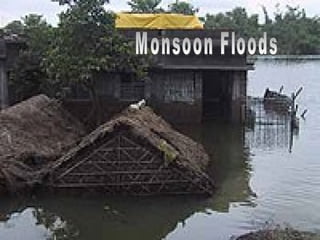
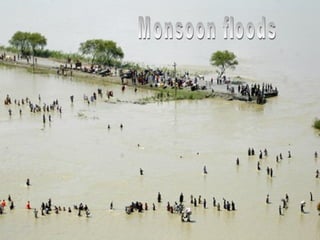
Monsoon- Seasonal wind which
brings rain
• Three Seasons
– Hot Season (Feb-
June) SE Winds
– Wet Season (July-
Sept) S Winds
– Cool Season (Oct-
Jan) N-NE Winds
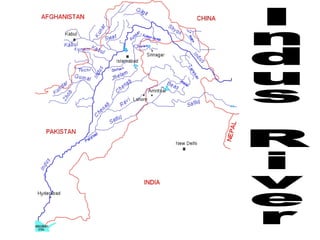
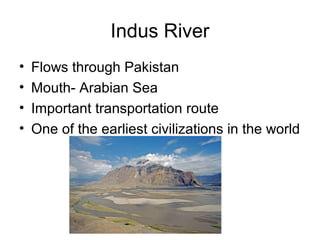
Indus River
• Flows through Pakistan
• Mouth- Arabian Sea
• Important transportation route
• One of the earliest civilizations in the world
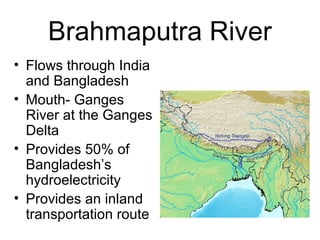
Brahmaputra River
• Flows through India
and Bangladesh
• Mouth- Ganges
River at the Ganges
Delta
• Provides 50% of
Bangladesh’s
hydroelectricity
• Provides an inland
transportation route
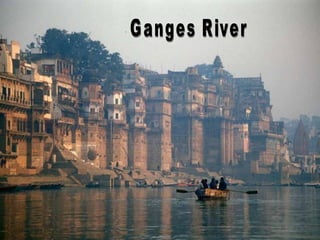
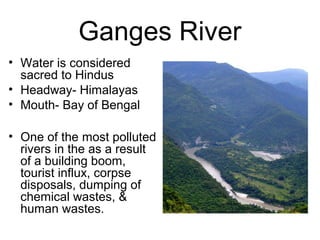
Ganges River
• Water is considered
sacred to Hindus
• Headway- Himalayas
• Mouth- Bay of Bengal
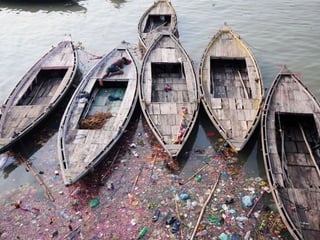
• One of the most polluted
rivers in the as a result
of a building boom,
tourist influx, corpse
disposals, dumping of
chemical wastes, &
human wastes.
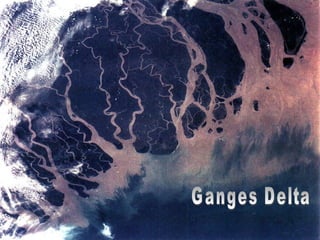
Ganges River Delta
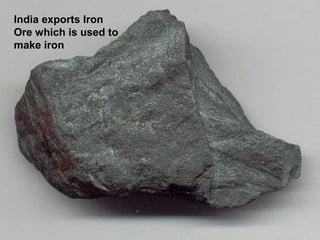
India exports Iron
Ore which is used to
make iron
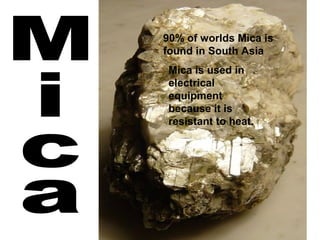
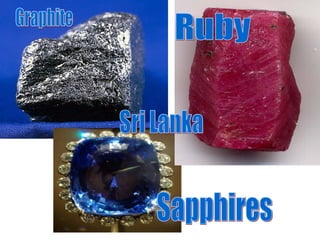
90% of worlds Mica is
found in South Asia
Mica is used in
electrical
equipment
because it is
resistant to heat.
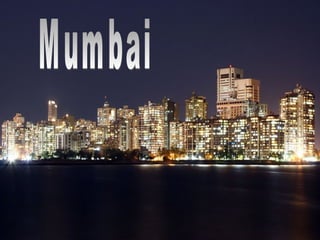
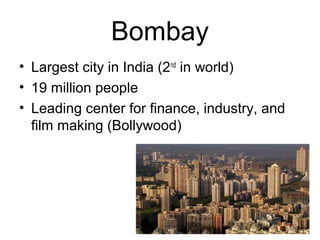
Bombay
• Largest city in India (2nd
in world)
• 19 million people
• Leading center for finance, industry, and
film making (Bollywood)
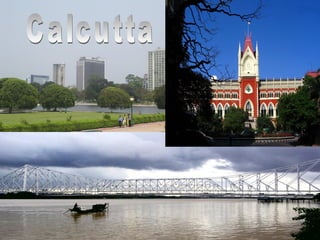
Calcutta
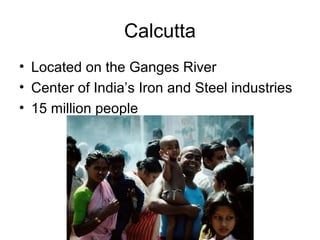
Calcutta
• Located on the Ganges River
• Center of India’s Iron and Steel industries
• 15 million people
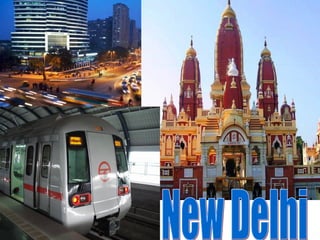
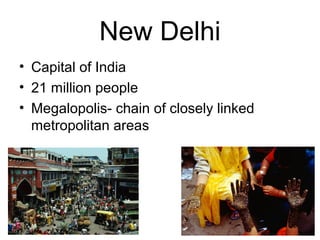
New Delhi
• Capital of India
• 21 million people
• Megalopolis- chain of closely linked
metropolitan areas
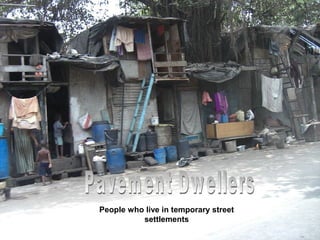
People who live in temporary street
settlements
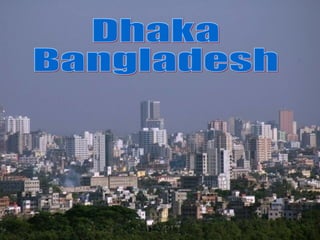
Dhaka
• Capital of Bangladesh
• World’s 2nd
most densely populated urban area
• Over 14 million people (Mega city)
• The center of political, cultural, and economy of
Bangladesh
• Dhaka suffers from urban problems such as
pollution, congestion, and lack of adequate
services due to the rising population.
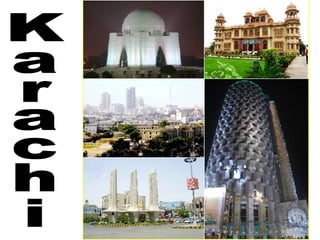
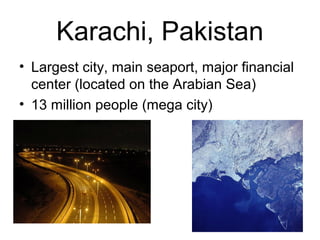
Karachi, Pakistan
• Largest city, main seaport, major financial
center (located on the Arabian Sea)
• 13 million people (mega city)
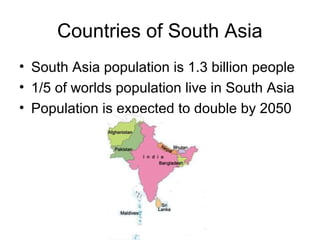
Countries of South Asia
• South Asia population is 1.3 billion people
• 1/5 of worlds population live in South Asia
• Population is expected to double by 2050
India
• In population- worlds largest democracy
• Identify themselves by religion- Hindu,
Buddhist, Sikhs, Jains, Christians
• Jati- “Birth” in Hindu a person Jati
associated with their occupation and
community
• Ex) Surname Gandhi- “Greengrocer”
• Population 1.1 billion (2nd
largest in world)
• Population Density- 814 per square mile
India Continued
• 30% Urban
• Birth Rate- 21 births/1000
• Death Rate- 7 deaths/1000
• Republic- head of state is voted by the citizens
• Former British Colony (independence 1947)
• Religion- 81% Hindu, 13% Muslim, 2% Christian,
2% Sikh
• Language- 41% Hindi
Pakistan
• Population- 187 million
• Population Density- 472 people/square
mile
• Birth Rate- 25 births/1000
• Death Rate- 7 deaths/1000
• 36% Urban
• Life Expectancy- 66 years old
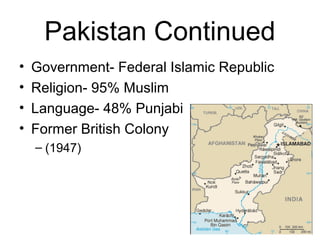
Pakistan Continued
• Government- Federal Islamic Republic
• Religion- 95% Muslim
• Language- 48% Punjabi
• Former British Colony
– (1947)
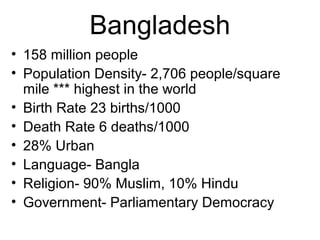
Bangladesh
• 158 million people
• Population Density- 2,706 people/square
mile *** highest in the world
• Birth Rate 23 births/1000
• Death Rate 6 deaths/1000
• 28% Urban
• Language- Bangla
• Religion- 90% Muslim, 10% Hindu
• Government- Parliamentary Democracy
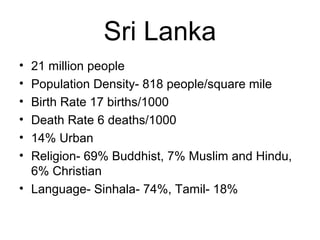
Sri Lanka
• 21 million people
• Population Density- 818 people/square mile
• Birth Rate 17 births/1000
• Death Rate 6 deaths/1000
• 14% Urban
• Religion- 69% Buddhist, 7% Muslim and Hindu,
6% Christian
• Language- Sinhala- 74%, Tamil- 18%
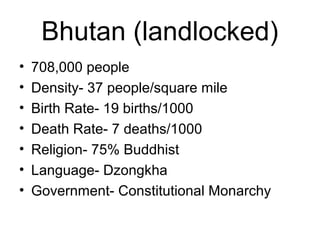
Bhutan (landlocked)
• 708,000 people
• Density- 37 people/square mile
• Birth Rate- 19 births/1000
• Death Rate- 7 deaths/1000
• Religion- 75% Buddhist
• Language- Dzongkha
• Government- Constitutional Monarchy
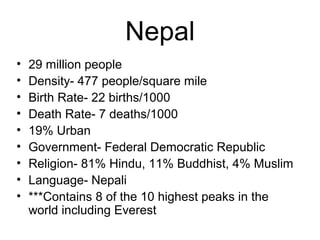
Nepal
• 29 million people
• Density- 477 people/square mile
• Birth Rate- 22 births/1000
• Death Rate- 7 deaths/1000
• 19% Urban
• Government- Federal Democratic Republic
• Religion- 81% Hindu, 11% Buddhist, 4% Muslim
• Language- Nepali
• ***Contains 8 of the 10 highest peaks in the
world including Everest
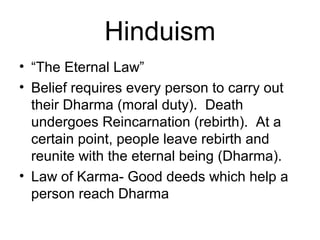
Hinduism
• “The Eternal Law”
• Belief requires every person to carry out
their Dharma (moral duty). Death
undergoes Reincarnation (rebirth). At a
certain point, people leave rebirth and
reunite with the eternal being (Dharma).
• Law of Karma- Good deeds which help a
person reach Dharma
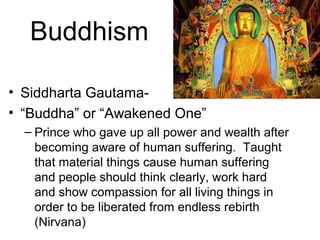
Buddhism
• Siddharta Gautama-
• “Buddha” or “Awakened One”
– Prince who gave up all power and wealth after
becoming aware of human suffering. Taught
that material things cause human suffering
and people should think clearly, work hard
and show compassion for all living things in
order to be liberated from endless rebirth
(Nirvana)
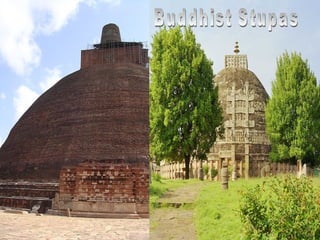
Buddhist Stupas
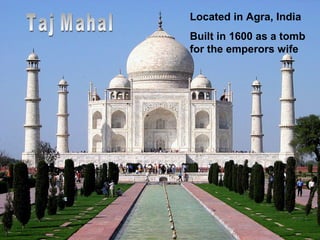
Located in Agra, India
Built in 1600 as a tomb
for the emperors wife
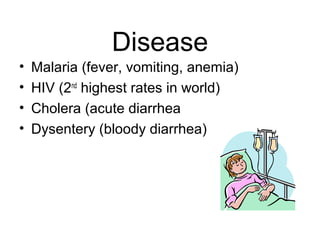
Disease
• Malaria (fever, vomiting, anemia)
• HIV (2nd
highest rates in world)
• Cholera (acute diarrhea
• Dysentery (bloody diarrhea)
History of South Asia
• Indus River Valley
– Began ~2000 BC
– Developed 1st
writing system, strong central
government, and overseas trade
– Built first cities Harappa and Mohenjo Daro
• Aryans
– Began ~1700-1500 BC
– Sacred Writings- Vedas- created the social
Caste System
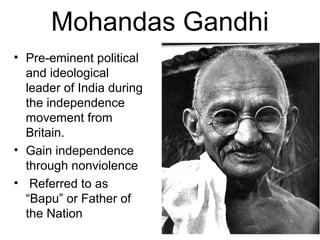
Mohandas Gandhi
• Pre-eminent political
and ideological
leader of India during
the independence
movement from
Britain.
• Gain independence
through nonviolence
• Referred to as
“Bapu” or Father of
the Nation
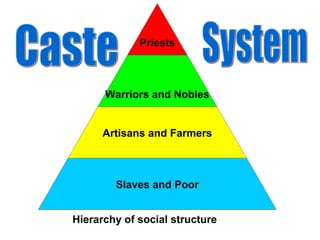
Priests
Warriors and Nobles
Artisans and Farmers
Slaves and Poor
Hierarchy of social structure

South Asia notes

  • 2.
  • 4.
    Himalaya Mountains • Createdby South Asia colliding into East Asia • ~1000 miles long • Contains Mount Everest- the world’s highest peak 29,035 feet asl • Located on the border of China and Nepal
  • 6.
    Himalaya Mountains • KhyberPass – Located between Pakistan and Afghanistan in the Himalayas – Narrow crossing in the range – Connects South Asia to East Asia
  • 7.
    Vindhya Mountain Range • Createdby tectonic plates • Divides India into North and South regions
  • 9.
    Deccan Plateau • Liesbetween the Eastern and Western Ghats (mountain ranges) and South of the Vindhya Range • Once covered by lava; therefore rich, black soil make it perfect for growing crops
  • 11.
    Maldives • Archipelago, madeup of chain of coral atolls and volcanic outcroppings • Currently threatened by rising world sea levels
  • 12.
    Ganges Plain • Worldslargest alluvial plain- fertile soil deposited by flooded river water • 1/10 of the worlds people live here • India’s most densely populated region
  • 13.
  • 14.
    Found in southernIndia, Bangladesh, and Sri Lanka
  • 15.
    Ebony Tree OrchidTree Bamboo Tree Mango Tree Palm Tree Mangrove Tree
  • 16.
    Found in CentralIndia & Eastern Sri Lanka Grasses and scattered trees
  • 17.
    Little to novegetation due to cold temperatures
  • 18.
    Desert Scrub, lowtrees, random grasses
  • 19.
  • 20.
    Monsoon- Seasonal windwhich brings rain • Three Seasons – Hot Season (Feb- June) SE Winds – Wet Season (July- Sept) S Winds – Cool Season (Oct- Jan) N-NE Winds
  • 25.
    Indus River • Flowsthrough Pakistan • Mouth- Arabian Sea • Important transportation route • One of the earliest civilizations in the world
  • 27.
    Brahmaputra River • Flowsthrough India and Bangladesh • Mouth- Ganges River at the Ganges Delta • Provides 50% of Bangladesh’s hydroelectricity • Provides an inland transportation route
  • 29.
    Ganges River • Wateris considered sacred to Hindus • Headway- Himalayas • Mouth- Bay of Bengal • One of the most polluted rivers in the as a result of a building boom, tourist influx, corpse disposals, dumping of chemical wastes, & human wastes.
  • 31.
  • 35.
    India exports Iron Orewhich is used to make iron
  • 36.
    90% of worldsMica is found in South Asia Mica is used in electrical equipment because it is resistant to heat.
  • 39.
    Bombay • Largest cityin India (2nd in world) • 19 million people • Leading center for finance, industry, and film making (Bollywood)
  • 40.
  • 41.
    Calcutta • Located onthe Ganges River • Center of India’s Iron and Steel industries • 15 million people
  • 43.
    New Delhi • Capitalof India • 21 million people • Megalopolis- chain of closely linked metropolitan areas
  • 44.
    People who livein temporary street settlements
  • 46.
    Dhaka • Capital ofBangladesh • World’s 2nd most densely populated urban area • Over 14 million people (Mega city) • The center of political, cultural, and economy of Bangladesh • Dhaka suffers from urban problems such as pollution, congestion, and lack of adequate services due to the rising population.
  • 48.
    Karachi, Pakistan • Largestcity, main seaport, major financial center (located on the Arabian Sea) • 13 million people (mega city)
  • 49.
    Countries of SouthAsia • South Asia population is 1.3 billion people • 1/5 of worlds population live in South Asia • Population is expected to double by 2050
  • 50.
    India • In population-worlds largest democracy • Identify themselves by religion- Hindu, Buddhist, Sikhs, Jains, Christians • Jati- “Birth” in Hindu a person Jati associated with their occupation and community • Ex) Surname Gandhi- “Greengrocer” • Population 1.1 billion (2nd largest in world) • Population Density- 814 per square mile
  • 51.
    India Continued • 30%Urban • Birth Rate- 21 births/1000 • Death Rate- 7 deaths/1000 • Republic- head of state is voted by the citizens • Former British Colony (independence 1947) • Religion- 81% Hindu, 13% Muslim, 2% Christian, 2% Sikh • Language- 41% Hindi
  • 52.
    Pakistan • Population- 187million • Population Density- 472 people/square mile • Birth Rate- 25 births/1000 • Death Rate- 7 deaths/1000 • 36% Urban • Life Expectancy- 66 years old
  • 53.
    Pakistan Continued • Government-Federal Islamic Republic • Religion- 95% Muslim • Language- 48% Punjabi • Former British Colony – (1947)
  • 54.
    Bangladesh • 158 millionpeople • Population Density- 2,706 people/square mile *** highest in the world • Birth Rate 23 births/1000 • Death Rate 6 deaths/1000 • 28% Urban • Language- Bangla • Religion- 90% Muslim, 10% Hindu • Government- Parliamentary Democracy
  • 55.
    Sri Lanka • 21million people • Population Density- 818 people/square mile • Birth Rate 17 births/1000 • Death Rate 6 deaths/1000 • 14% Urban • Religion- 69% Buddhist, 7% Muslim and Hindu, 6% Christian • Language- Sinhala- 74%, Tamil- 18%
  • 56.
    Bhutan (landlocked) • 708,000people • Density- 37 people/square mile • Birth Rate- 19 births/1000 • Death Rate- 7 deaths/1000 • Religion- 75% Buddhist • Language- Dzongkha • Government- Constitutional Monarchy
  • 57.
    Nepal • 29 millionpeople • Density- 477 people/square mile • Birth Rate- 22 births/1000 • Death Rate- 7 deaths/1000 • 19% Urban • Government- Federal Democratic Republic • Religion- 81% Hindu, 11% Buddhist, 4% Muslim • Language- Nepali • ***Contains 8 of the 10 highest peaks in the world including Everest
  • 58.
    Hinduism • “The EternalLaw” • Belief requires every person to carry out their Dharma (moral duty). Death undergoes Reincarnation (rebirth). At a certain point, people leave rebirth and reunite with the eternal being (Dharma). • Law of Karma- Good deeds which help a person reach Dharma
  • 59.
    Buddhism • Siddharta Gautama- •“Buddha” or “Awakened One” – Prince who gave up all power and wealth after becoming aware of human suffering. Taught that material things cause human suffering and people should think clearly, work hard and show compassion for all living things in order to be liberated from endless rebirth (Nirvana)
  • 60.
  • 61.
    Located in Agra,India Built in 1600 as a tomb for the emperors wife
  • 62.
    Disease • Malaria (fever,vomiting, anemia) • HIV (2nd highest rates in world) • Cholera (acute diarrhea • Dysentery (bloody diarrhea)
  • 63.
    History of SouthAsia • Indus River Valley – Began ~2000 BC – Developed 1st writing system, strong central government, and overseas trade – Built first cities Harappa and Mohenjo Daro • Aryans – Began ~1700-1500 BC – Sacred Writings- Vedas- created the social Caste System
  • 64.
    Mohandas Gandhi • Pre-eminentpolitical and ideological leader of India during the independence movement from Britain. • Gain independence through nonviolence • Referred to as “Bapu” or Father of the Nation
  • 65.
    Priests Warriors and Nobles Artisansand Farmers Slaves and Poor Hierarchy of social structure