



Smart Learning Environments
– a potential framework for
standardisation?
Tore Hoel
Oslo and Akershus University College of Applied Sciences
Norway
WG6 Melbourne meeting June 2017
The Challenge – what has changed?
• Is technology the problem - or the way we conceive technology in
relation to our domain?
• Lack of progress in SC36 – we have not produced much of value!
• Lack of stakeholder involvement
• Have SC36 left the CD-ROM era?
Is ‘SMART’ going make the difference?
From AR/VR study group
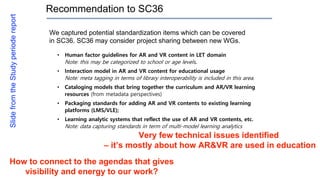
Recommendation to SC36
• Human factor guidelines for AR and VR content in LET domain
Note: this may be categorized to school or age levels.
• Interaction model in AR and VR content for educational usage
Note: meta tagging in terms of library interoperability is included in this area.
• Cataloging models that bring together the curriculum and AR/VR learning
resources (from metadata perspectives)
• Packaging standards for adding AR and VR contents to existing learning
platforms (LMS/VLE);
• Learning analytic systems that reflect the use of AR and VR contents, etc.
Note: data capturing standards in term of multi-model learning analytics
We captured potential standardization items which can be covered
in SC36. SC36 may consider project sharing between new WGs.
SlidefromtheStudyperiodereport
Very few technical issues identified
– it’s mostly about how AR&VR are used in education
How to connect to the agendas that gives
visibility and energy to our work?
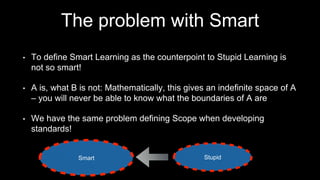
The problem with Smart
• To define Smart Learning as the counterpoint to Stupid Learning is
not so smart!
• A is, what B is not: Mathematically, this gives an indefinite space of A
– you will never be able to know what the boundaries of A are
• We have the same problem defining Scope when developing
standards!
Smart StupidSmart
Smart should be
grounded…
So should also our
standards work!
What is the implied theoretical and
empirical model behind
Smart Learning Environments?
What theoretical and empirical model of
learning technologies should inform LET
standardisation?
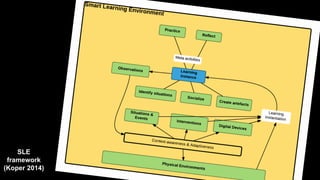
Conceptualizing the field
• Zhi-Ting Zhu
• Jonathan Michael
Spector
• Gwo-Jen Hwang
• Rob Koper
SLE
framework
(Koper 2014)
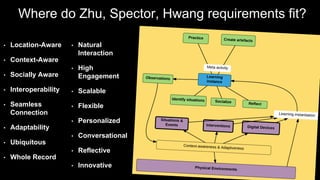
Where do Zhu, Spector, Hwang requirements fit?
• Location-Aware
• Context-Aware
• Socially Aware
• Interoperability
• Seamless
Connection
• Adaptability
• Ubiquitous
• Whole Record
• Natural
Interaction
• High
Engagement
• Scalable
• Flexible
• Personalized
• Conversational
• Reflective
• Innovative
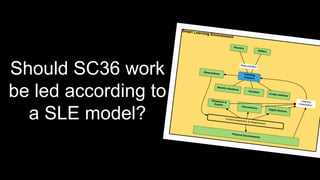
Should SC36 work
be led according to
a SLE model?
What are we looking for?
• Ideas to structure our work, i.e., getting new work items addressing
market needs
• Visibility of our work
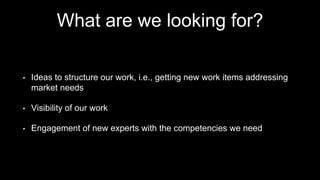
• Engagement of new experts with the competencies we need
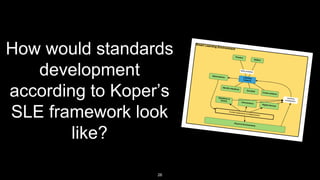
How would standards
development
according to Koper’s
SLE framework look
like?
26
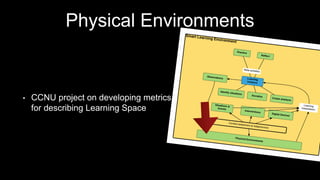
Physical Environments
• CCNU project on developing metrics
for describing Learning Space
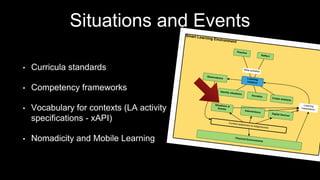
Situations and Events
• Curricula standards
• Competency frameworks
• Vocabulary for contexts (LA activity
specifications - xAPI)
• Nomadicity and Mobile Learning
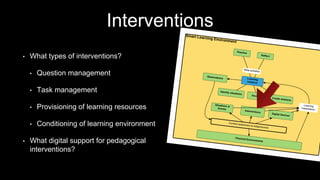
Interventions
• What types of interventions?
• Question management
• Task management
• Provisioning of learning resources
• Conditioning of learning environment
• What digital support for pedagogical
interventions?
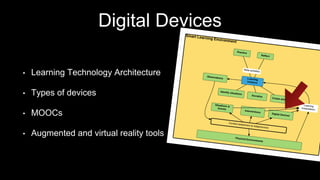
Digital Devices
• Learning Technology Architecture
• Types of devices
• MOOCs
• Augmented and virtual reality tools
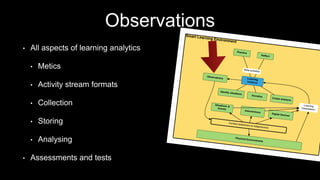
Observations
• All aspects of learning analytics
• Metics
• Activity stream formats
• Collection
• Storing
• Analysing
• Assessments and tests
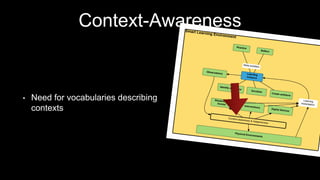
Context-Awareness
• Need for vocabularies describing
contexts
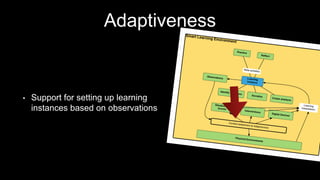
Adaptiveness
• Support for setting up learning
instances based on observations
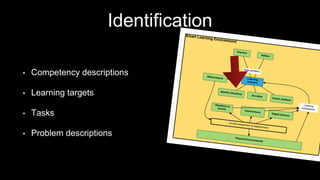
Identification
• Competency descriptions
• Learning targets
• Tasks
• Problem descriptions
Socialization
• Social learning support
• Peer learning
• Group learning
• Role Negotiation
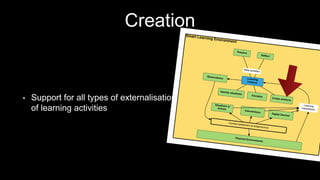
Creation
• Support for all types of externalisation
of learning activities
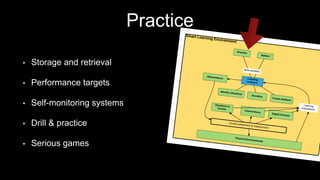
Practice
• Storage and retrieval
• Performance targets
• Self-monitoring systems
• Drill & practice
• Serious games
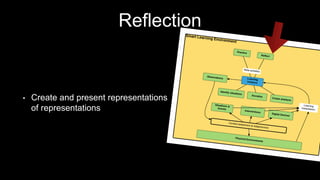
Reflection
• Create and present representations
of representations
Project approach
• What's in scope?
• Stop doing framework standards – answer the needs of the market
• Smaller pieces of work - e.g., facilitator model, classroom..
• 9 months development cycle
The ideal world
• Smart learning, smart education, smart learning environments, etc.
should to be grounded in a verified theory
• A coherent framework model of Smart Learning Environment
• When a new element is identified and being run through the model
you see where it fits, and if not, where the model needs to be fixed
• Smart Learning Environment Framework: Model for structuring
learning technology standardisation
The real world
• We will not have one framework guiding our standards development
• ‘Smart’ is part of a language game serving ‘political’ positioning
rather than providing the scientific rigour needed to develop
standards
• Go for a more pragmatic approach where SLE models are used to
develop & evaluate NWIs – refraining from doing large framework
(multipart) standards, but start doing self-containedm, smaller
standards
谢谢您的关注
This work is licensed under a Creative Commons
Attribution 4.0 International (CC BY 4.0).
tore.hoel@hioa.no
WeChat: Tore_no

Smart Learning Environments - a framework for standardisation?

  • 1.
    Smart Learning Environments –a potential framework for standardisation? Tore Hoel Oslo and Akershus University College of Applied Sciences Norway WG6 Melbourne meeting June 2017
  • 2.
    The Challenge –what has changed? • Is technology the problem - or the way we conceive technology in relation to our domain? • Lack of progress in SC36 – we have not produced much of value! • Lack of stakeholder involvement • Have SC36 left the CD-ROM era? Is ‘SMART’ going make the difference?
  • 3.
  • 4.
    Recommendation to SC36 •Human factor guidelines for AR and VR content in LET domain Note: this may be categorized to school or age levels. • Interaction model in AR and VR content for educational usage Note: meta tagging in terms of library interoperability is included in this area. • Cataloging models that bring together the curriculum and AR/VR learning resources (from metadata perspectives) • Packaging standards for adding AR and VR contents to existing learning platforms (LMS/VLE); • Learning analytic systems that reflect the use of AR and VR contents, etc. Note: data capturing standards in term of multi-model learning analytics We captured potential standardization items which can be covered in SC36. SC36 may consider project sharing between new WGs. SlidefromtheStudyperiodereport Very few technical issues identified – it’s mostly about how AR&VR are used in education How to connect to the agendas that gives visibility and energy to our work?
  • 5.
    The problem withSmart • To define Smart Learning as the counterpoint to Stupid Learning is not so smart! • A is, what B is not: Mathematically, this gives an indefinite space of A – you will never be able to know what the boundaries of A are • We have the same problem defining Scope when developing standards! Smart StupidSmart
  • 6.
    Smart should be grounded… Soshould also our standards work! What is the implied theoretical and empirical model behind Smart Learning Environments? What theoretical and empirical model of learning technologies should inform LET standardisation?
  • 7.
    Conceptualizing the field •Zhi-Ting Zhu • Jonathan Michael Spector • Gwo-Jen Hwang • Rob Koper
  • 8.
  • 9.
    Where do Zhu,Spector, Hwang requirements fit? • Location-Aware • Context-Aware • Socially Aware • Interoperability • Seamless Connection • Adaptability • Ubiquitous • Whole Record • Natural Interaction • High Engagement • Scalable • Flexible • Personalized • Conversational • Reflective • Innovative
  • 10.
    Should SC36 work beled according to a SLE model?
  • 11.
    What are welooking for? • Ideas to structure our work, i.e., getting new work items addressing market needs • Visibility of our work • Engagement of new experts with the competencies we need
  • 12.
    How would standards development accordingto Koper’s SLE framework look like? 26
  • 13.
    Physical Environments • CCNUproject on developing metrics for describing Learning Space
  • 14.
    Situations and Events •Curricula standards • Competency frameworks • Vocabulary for contexts (LA activity specifications - xAPI) • Nomadicity and Mobile Learning
  • 15.
    Interventions • What typesof interventions? • Question management • Task management • Provisioning of learning resources • Conditioning of learning environment • What digital support for pedagogical interventions?
  • 16.
    Digital Devices • LearningTechnology Architecture • Types of devices • MOOCs • Augmented and virtual reality tools
  • 17.
    Observations • All aspectsof learning analytics • Metics • Activity stream formats • Collection • Storing • Analysing • Assessments and tests
  • 18.
    Context-Awareness • Need forvocabularies describing contexts
  • 19.
    Adaptiveness • Support forsetting up learning instances based on observations
  • 20.
    Identification • Competency descriptions •Learning targets • Tasks • Problem descriptions
  • 21.
    Socialization • Social learningsupport • Peer learning • Group learning • Role Negotiation
  • 22.
    Creation • Support forall types of externalisation of learning activities
  • 23.
    Practice • Storage andretrieval • Performance targets • Self-monitoring systems • Drill & practice • Serious games
  • 24.
    Reflection • Create andpresent representations of representations
  • 25.
    Project approach • What'sin scope? • Stop doing framework standards – answer the needs of the market • Smaller pieces of work - e.g., facilitator model, classroom.. • 9 months development cycle
  • 26.
    The ideal world •Smart learning, smart education, smart learning environments, etc. should to be grounded in a verified theory • A coherent framework model of Smart Learning Environment • When a new element is identified and being run through the model you see where it fits, and if not, where the model needs to be fixed • Smart Learning Environment Framework: Model for structuring learning technology standardisation
  • 27.
    The real world •We will not have one framework guiding our standards development • ‘Smart’ is part of a language game serving ‘political’ positioning rather than providing the scientific rigour needed to develop standards • Go for a more pragmatic approach where SLE models are used to develop & evaluate NWIs – refraining from doing large framework (multipart) standards, but start doing self-containedm, smaller standards
  • 28.
    谢谢您的关注 This work islicensed under a Creative Commons Attribution 4.0 International (CC BY 4.0). tore.hoel@hioa.no WeChat: Tore_no

Editor's Notes

  • #11 智慧教育的真谛就是通过利用智能化技术(灵巧技术)构建智能化环境,让师生施展灵巧的教与学方法,能够为学习者提供个性化服务,使其由不能变为可能,由小能变为大能,从而培养具有良好价值取向、较高思维品质和较强施为能力的人才。(祝智庭, 2012.12) The true essence of smart education is making intelligent teaching and learning methods accessible to teachers and students by establishing smart environment via intelligent technology, which was impossible previously, with the aim of training talented people with proper value orientation, brilliant thinking skills and strong implementation capability with more efficiency and less efforts.
  • #17 1. Learning to represent new situations and events in the world and know how to act and react. This is facilitated through the identification HLI. 2. Learning to represent the social norms, values, customs and ideologies of social institutions and learning the skills and habits that enables you ‘to behave’ within the social institutions, including the dissemination of norms and values to others. Social institutions include: family, peer groups, religion, economic system, language and legal system. social situations and events given. This is facilitated through the socialization HLI. 3. Learning to represent new sequences of behavior in order to create something. This is facilitated through the creation HLI. 4. Learning to represent knowledge and actions faster and better, including the representation of performance targets or future incentives for any of the previously mentioned behaviors. This is facilitated through the practice HLI. 5. Learning to create representations of representations and to change the initial representations and behaviors. This is facilitated through the reflection HLI.