DRAWING WITH 
SHAPE and VALUE
VOCABULARY
VOCABULARY 
Line
VOCABULARY 
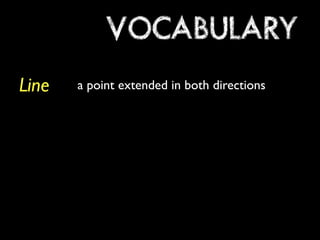
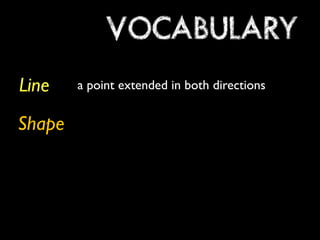
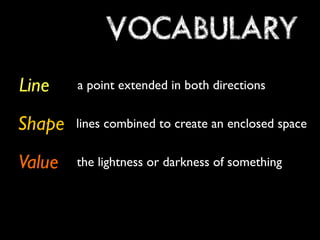
Line a point extended in both directions
VOCABULARY 
Line 
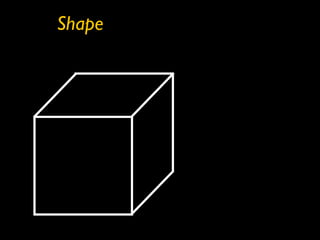
Shape 
a point extended in both directions
VOCABULARY 
Line 
Shape 
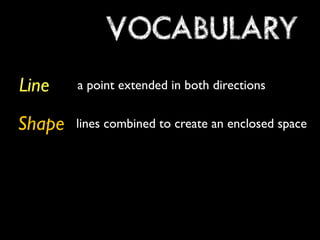
a point extended in both directions 
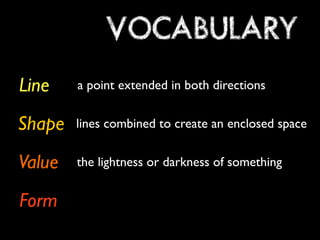
lines combined to create an enclosed space
VOCABULARY 
Line 
Shape 
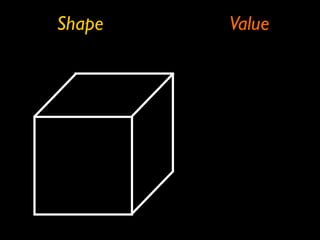
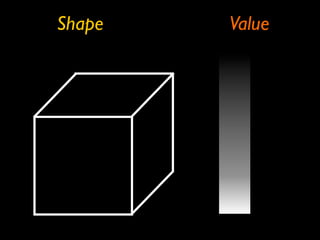
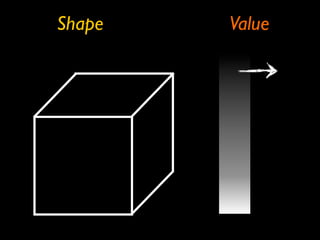
Value 
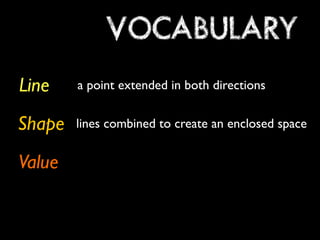
a point extended in both directions 
lines combined to create an enclosed space
VOCABULARY 
Line 
Shape 
Value 
a point extended in both directions 
lines combined to create an enclosed space 
the lightness or darkness of something
VOCABULARY 
Line 
Shape 
Value 
Form 
a point extended in both directions 
lines combined to create an enclosed space 
the lightness or darkness of something
VOCABULARY 
Line 
Shape 
Value 
Form 
a point extended in both directions 
lines combined to create an enclosed space 
the lightness or darkness of something 
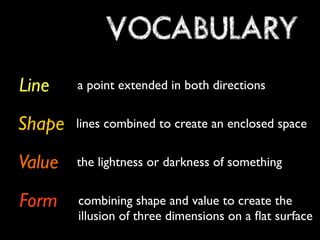
combining shape and value to create the 
illusion of three dimensions on a flat surface
Line
Line
Line
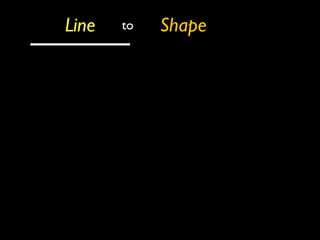
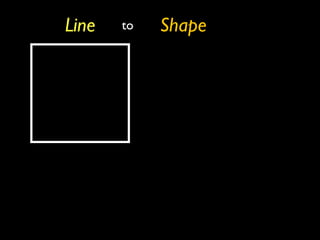
Line to Shape
Line to Shape
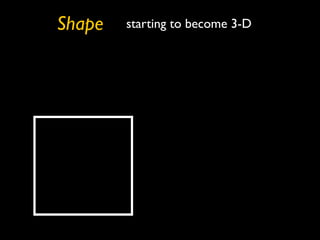
Shape starting to become 3-D
Shape starting to become 3-D 
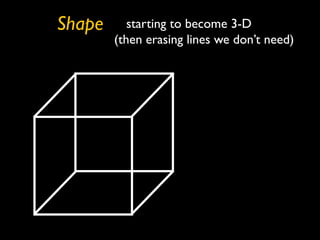
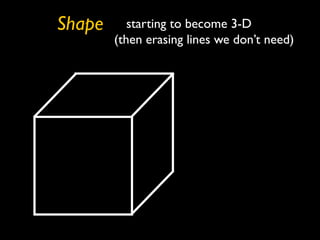
(then erasing lines we don’t need)
Shape starting to become 3-D 
(then erasing lines we don’t need)
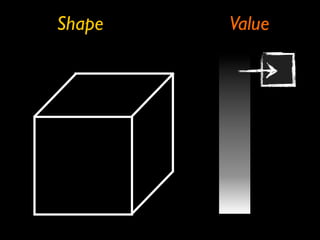
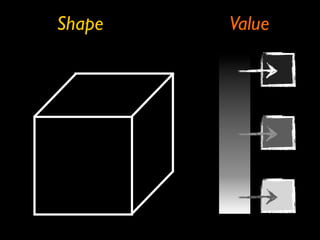
Shape
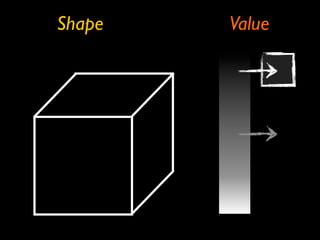
Shape Value
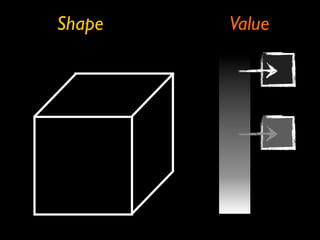
Shape Value
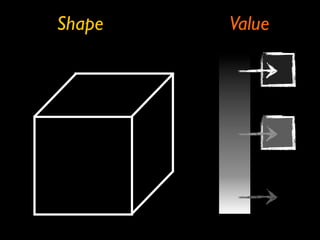
Shape Value
Shape Value
Shape Value
Shape Value
Shape Value
Shape Value
Shape
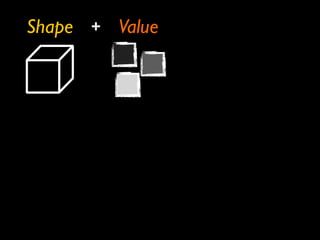
Shape +
Shape + Value
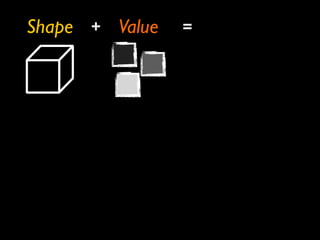
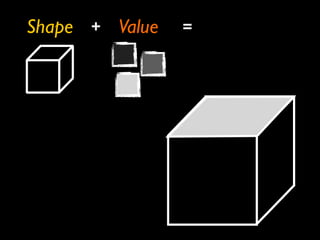
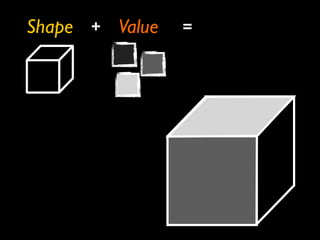
Shape + Value =
Shape + Value =
Shape + Value =
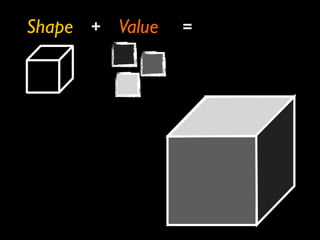
Shape + Value =
Shape + Value =
Shape + Value = 
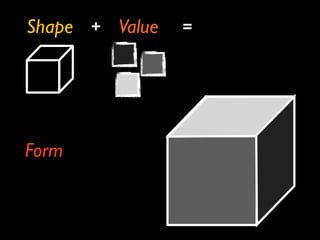
Form
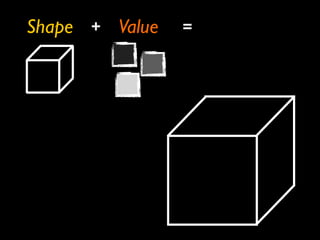
Shape + Value = 
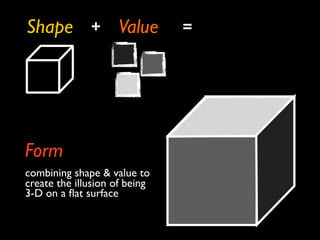
Form 
combining shape & value to 
create the illusion of being 
3-D on a flat surface
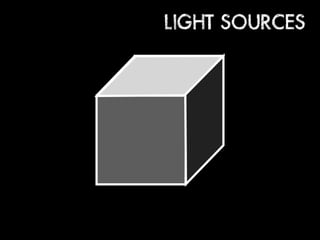
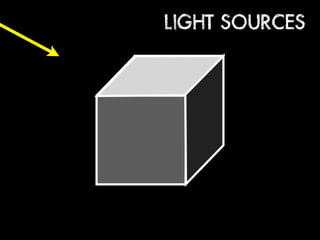
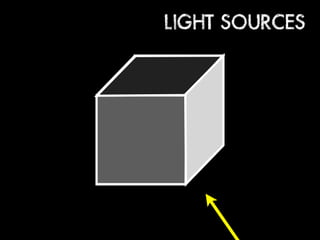
LIGHT SOURCES
LIGHT SOURCES
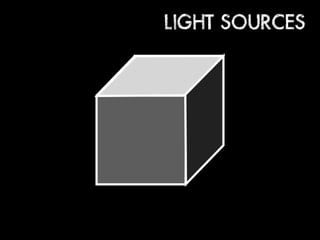
LIGHT SOURCES
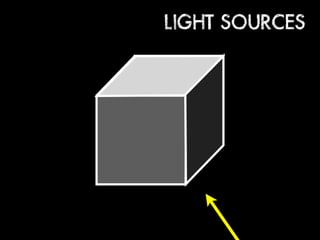
LIGHT SOURCES
LIGHT SOURCES
step one: 
identifying a range of values within a photograph
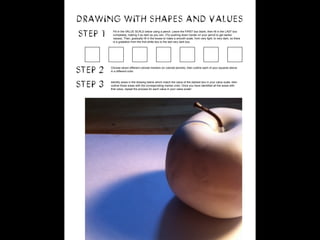
DRAWING WITH SHAPES AND VALUES 
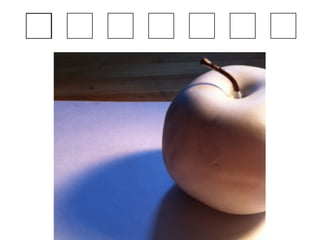
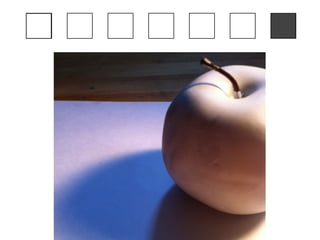
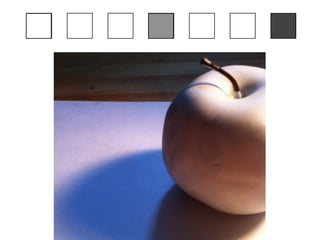
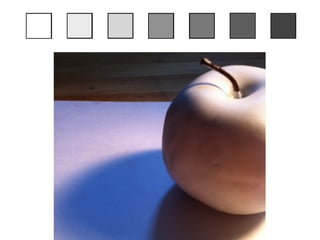
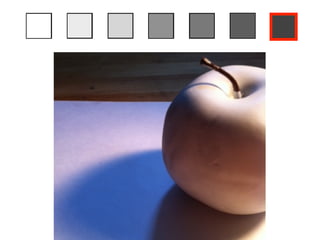
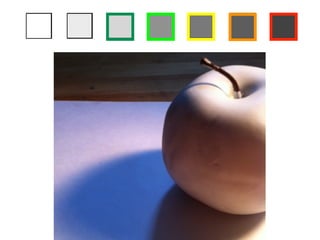
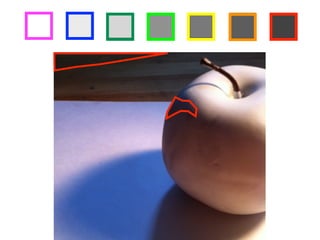
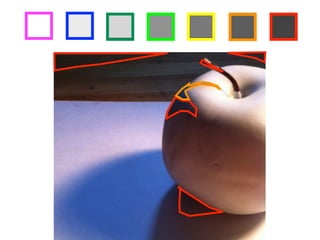
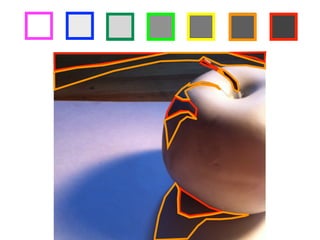
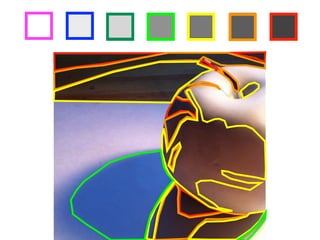
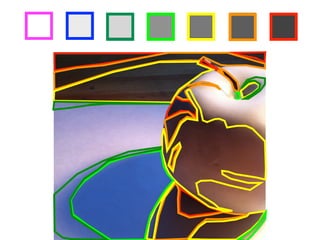
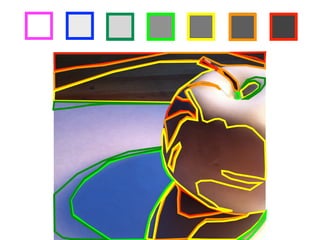
step 1 Fill in the VALUE SCALE below using a pencil. Leave the FIRST box blank, then fill in the LAST box 
completely, making it as dark as you can. (Try pushing down harder on your pencil to get darker 

values). Then, gradually fill in the boxes to make a smooth scale, from very light, to very dark, so there 
is a gradation from the first white box to the last very dark box. 
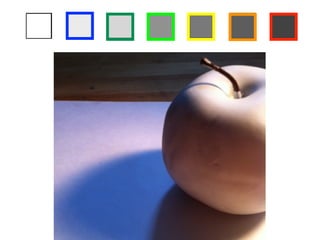
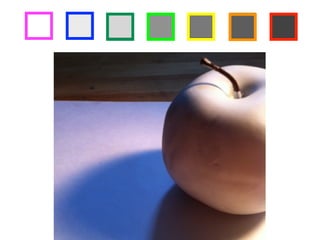
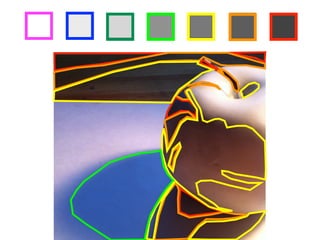
step 2 Choose seven different colored markers (or colored pencils), then outline each of your squares above 
in a different color. 
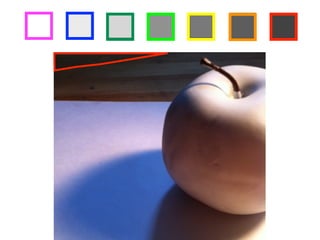
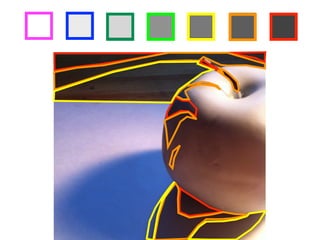
step 3 Identify areas in the drawing below which match the value of the darkest box in your value scale, then 
outline those areas with the corresponding marker color. Once you have identified all the areas with 
that value, repeat the process for each value in your value scale!
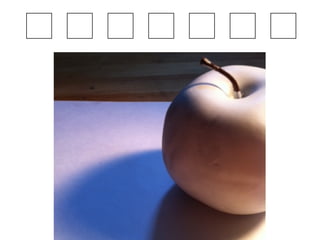
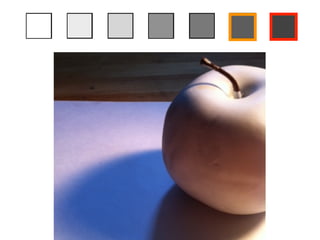
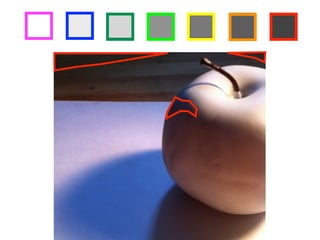
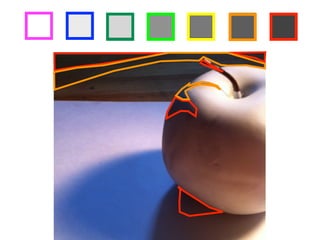
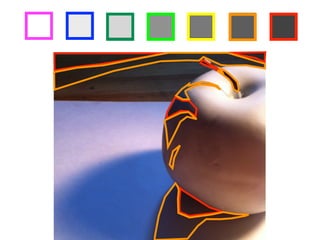
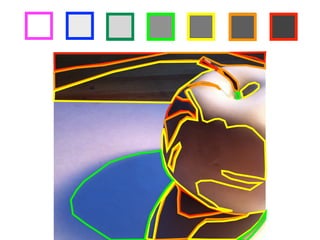
step 2 Choose seven different colored markers, then outline each of your squares 
above in a different color. 
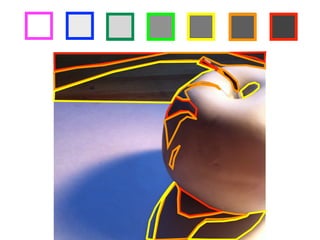
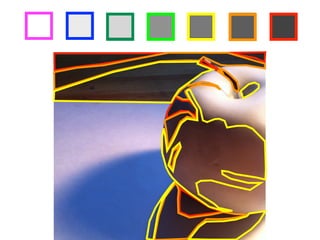
step 3 Identify areas in the drawing below which match the value of the darkest box 
in your value scale, then outline those areas with the corresponding marker 
color. Once you have identified all the areas with that value, repeat the 
process for each value in your value scale!
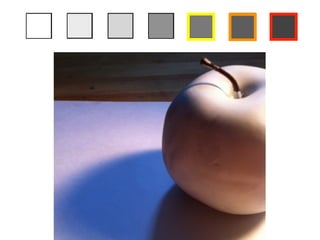
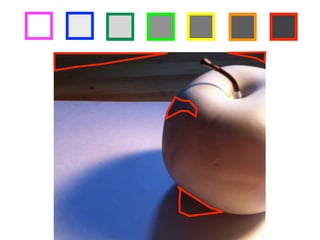
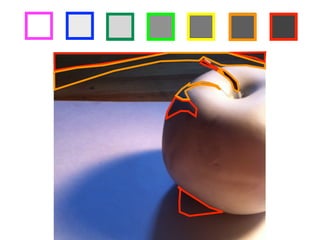
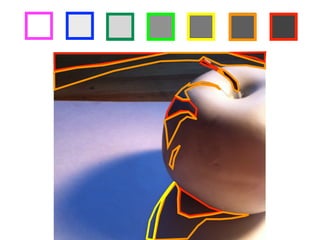
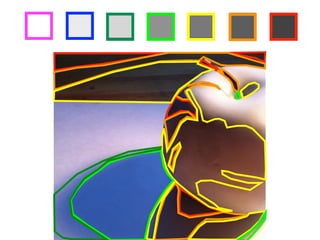
step 2 Choose seven different colored markers, then outline each of your squares 
above in a different color. 
step 3 Identify areas in the drawing below which match the value of the darkest box 
in your value scale, then outline those areas with the corresponding marker 
color. Once you have identified all the areas with that value, repeat the 
process for each value in your value scale!
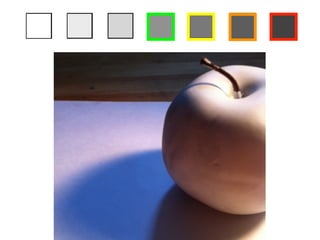
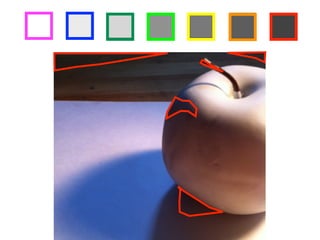
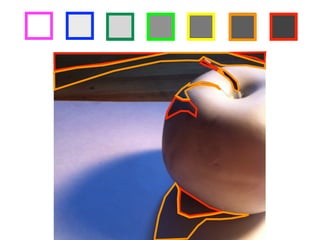
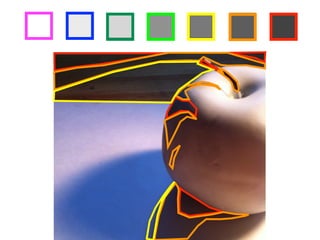
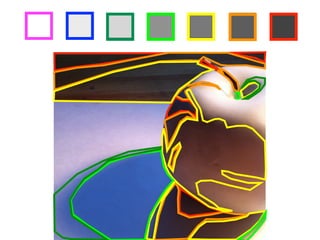
step 2 Choose seven different colored markers, then outline each of your squares 
above in a different color. 
step 3 Identify areas in the drawing below which match the value of the darkest box 
in your value scale, then outline those areas with the corresponding marker 
color. Once you have identified all the areas with that value, repeat the 
process for each value in your value scale!
step 2 Choose seven different colored markers, then outline each of your squares 
above in a different color. 
step 3 Identify areas in the drawing below which match the value of the darkest box 
in your value scale, then outline those areas with the corresponding marker 
color. Once you have identified all the areas with that value, repeat the 
process for each value in your value scale!
step 2 Choose seven different colored markers, then outline each of your squares 
above in a different color. 
step 3 Identify areas in the drawing below which match the value of the darkest box 
in your value scale, then outline those areas with the corresponding marker 
color. Once you have identified all the areas with that value, repeat the 
process for each value in your value scale!
step 2 Choose seven different colored markers, then outline each of your squares 
above in a different color. 
step 3 Identify areas in the drawing below which match the value of the darkest box 
in your value scale, then outline those areas with the corresponding marker 
color. Once you have identified all the areas with that value, repeat the 
process for each value in your value scale!
step 2 Choose seven different colored markers, then outline each of your squares 
above in a different color. 
step 3 Identify areas in the drawing below which match the value of the darkest box 
in your value scale, then outline those areas with the corresponding marker 
color. Once you have identified all the areas with that value, repeat the 
process for each value in your value scale!
step 2 Choose seven different colored markers, then outline each of your squares 
above in a different color. 
step 3 Identify areas in the drawing below which match the value of the darkest box 
in your value scale, then outline those areas with the corresponding marker 
color. Once you have identified all the areas with that value, repeat the 
process for each value in your value scale!
step 2 Choose seven different colored markers, then outline each of your squares 
above in a different color. 
step 3 Identify areas in the drawing below which match the value of the darkest box 
in your value scale, then outline those areas with the corresponding marker 
color. Once you have identified all the areas with that value, repeat the 
process for each value in your value scale!
step 2 Choose seven different colored markers, then outline each of your squares 
above in a different color. 
step 3 Identify areas in the drawing below which match the value of the darkest box 
in your value scale, then outline those areas with the corresponding marker 
color. Once you have identified all the areas with that value, repeat the 
process for each value in your value scale!
step 2 Choose seven different colored markers, then outline each of your squares 
above in a different color. 
step 3 Identify areas in the drawing below which match the value of the darkest box 
in your value scale, then outline those areas with the corresponding marker 
color. Once you have identified all the areas with that value, repeat the 
process for each value in your value scale!
step 2 Choose seven different colored markers, then outline each of your squares 
above in a different color. 
step 3 Identify areas in the drawing below which match the value of the darkest box 
in your value scale, then outline those areas with the corresponding marker 
color. Once you have identified all the areas with that value, repeat the 
process for each value in your value scale!
step 2 Choose seven different colored markers, then outline each of your squares 
above in a different color. 
step 3 Identify areas in the drawing below which match the value of the darkest box 
in your value scale, then outline those areas with the corresponding marker 
color. Once you have identified all the areas with that value, repeat the 
process for each value in your value scale!
step 2 Choose seven different colored markers, then outline each of your squares 
above in a different color. 
step 3 Identify areas in the drawing below which match the value of the darkest box 
in your value scale, then outline those areas with the corresponding marker 
color. Once you have identified all the areas with that value, repeat the 
process for each value in your value scale!
step 2 Choose seven different colored markers, then outline each of your squares 
above in a different color. 
step 3 Identify areas in the drawing below which match the value of the darkest box 
in your value scale, then outline those areas with the corresponding marker 
color. Once you have identified all the areas with that value, repeat the 
process for each value in your value scale!
step 2 Choose seven different colored markers, then outline each of your squares 
above in a different color. 
step 3 Identify areas in the drawing below which match the value of the darkest box 
in your value scale, then outline those areas with the corresponding marker 
color. Once you have identified all the areas with that value, repeat the 
process for each value in your value scale!
step 2 Choose seven different colored markers, then outline each of your squares 
above in a different color. 
step 3 Identify areas in the drawing below which match the value of the darkest box 
in your value scale, then outline those areas with the corresponding marker 
color. Once you have identified all the areas with that value, repeat the 
process for each value in your value scale!
step 2 Choose seven different colored markers, then outline each of your squares 
above in a different color. 
step 3 Identify areas in the drawing below which match the value of the darkest box 
in your value scale, then outline those areas with the corresponding marker 
color. Once you have identified all the areas with that value, repeat the 
process for each value in your value scale!
step 2 Choose seven different colored markers, then outline each of your squares 
above in a different color. 
step 3 Identify areas in the drawing below which match the value of the darkest box 
in your value scale, then outline those areas with the corresponding marker 
color. Once you have identified all the areas with that value, repeat the 
process for each value in your value scale!
step 2 Choose seven different colored markers, then outline each of your squares 
above in a different color. 
step 3 Identify areas in the drawing below which match the value of the darkest box 
in your value scale, then outline those areas with the corresponding marker 
color. Once you have identified all the areas with that value, repeat the 
process for each value in your value scale!
step 2 Choose seven different colored markers, then outline each of your squares 
above in a different color. 
step 3 Identify areas in the drawing below which match the value of the darkest box 
in your value scale, then outline those areas with the corresponding marker 
color. Once you have identified all the areas with that value, repeat the 
process for each value in your value scale!
step 2 Choose seven different colored markers, then outline each of your squares 
above in a different color. 
step 3 Identify areas in the drawing below which match the value of the darkest box 
in your value scale, then outline those areas with the corresponding marker 
color. Once you have identified all the areas with that value, repeat the 
process for each value in your value scale!
step 2 Choose seven different colored markers, then outline each of your squares 
above in a different color. 
step 3 Identify areas in the drawing below which match the value of the darkest box 
in your value scale, then outline those areas with the corresponding marker 
color. Once you have identified all the areas with that value, repeat the 
process for each value in your value scale!
step 2 Choose seven different colored markers, then outline each of your squares 
above in a different color. 
step 3 Identify areas in the drawing below which match the value of the darkest box 
in your value scale, then outline those areas with the corresponding marker 
color. Once you have identified all the areas with that value, repeat the 
process for each value in your value scale!
step 2 Choose seven different colored markers, then outline each of your squares 
above in a different color. 
step 3 Identify areas in the drawing below which match the value of the darkest box 
in your value scale, then outline those areas with the corresponding marker 
color. Once you have identified all the areas with that value, repeat the 
process for each value in your value scale!
step 2 Choose seven different colored markers, then outline each of your squares 
above in a different color. 
step 3 Identify areas in the drawing below which match the value of the darkest box 
in your value scale, then outline those areas with the corresponding marker 
color. Once you have identified all the areas with that value, repeat the 
process for each value in your value scale!
step 2 Choose seven different colored markers, then outline each of your squares 
above in a different color. 
step 3 Identify areas in the drawing below which match the value of the darkest box 
in your value scale, then outline those areas with the corresponding marker 
color. Once you have identified all the areas with that value, repeat the 
process for each value in your value scale!
step 2 Choose seven different colored markers, then outline each of your squares 
above in a different color. 
step 3 Identify areas in the drawing below which match the value of the darkest box 
in your value scale, then outline those areas with the corresponding marker 
color. Once you have identified all the areas with that value, repeat the 
process for each value in your value scale!
step 2 Choose seven different colored markers, then outline each of your squares 
above in a different color. 
step 3 Identify areas in the drawing below which match the value of the darkest box 
in your value scale, then outline those areas with the corresponding marker 
color. Once you have identified all the areas with that value, repeat the 
process for each value in your value scale!
step 2 Choose seven different colored markers, then outline each of your squares 
above in a different color. 
step 3 Identify areas in the drawing below which match the value of the darkest box 
in your value scale, then outline those areas with the corresponding marker 
color. Once you have identified all the areas with that value, repeat the 
process for each value in your value scale!
step 2 Choose seven different colored markers, then outline each of your squares 
above in a different color. 
step 3 Identify areas in the drawing below which match the value of the darkest box 
in your value scale, then outline those areas with the corresponding marker 
color. Once you have identified all the areas with that value, repeat the 
process for each value in your value scale!
step 2 Choose seven different colored markers, then outline each of your squares 
above in a different color. 
step 3 Identify areas in the drawing below which match the value of the darkest box 
in your value scale, then outline those areas with the corresponding marker 
color. Once you have identified all the areas with that value, repeat the 
process for each value in your value scale!
step 2 Choose seven different colored markers, then outline each of your squares 
above in a different color. 
step 3 Identify areas in the drawing below which match the value of the darkest box 
in your value scale, then outline those areas with the corresponding marker 
color. Once you have identified all the areas with that value, repeat the 
process for each value in your value scale!
step 2 Choose seven different colored markers, then outline each of your squares 
above in a different color. 
step 3 Identify areas in the drawing below which match the value of the darkest box 
in your value scale, then outline those areas with the corresponding marker 
color. Once you have identified all the areas with that value, repeat the 
process for each value in your value scale!
step one: 
identifying a range of values within a photograph
step 2 Choose seven different colored markers, then outline each of your squares 
above in a different color. 
step 3 Identify areas in the drawing below which match the value of the darkest box 
in your value scale, then outline those areas with the corresponding marker 
color. Once you have identified all the areas with that value, repeat the 
process for each value in your value scale!
step two: 
• drawing a “value map” of a white object: 
• use your worksheet to number your values 
• create a “value by number” drawing of your white 
object (can be small - use the paper on which you 
took notes yesterday!) 
• when you’re done - shade in your values in! (use 
your scale on your worksheet to help you)
step three: 
drawing WITHOUT LINES
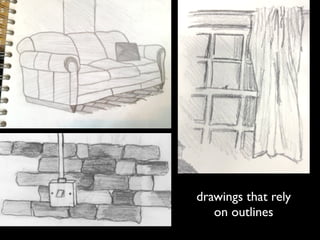
drawings that rely 
on outlines
getting better, but still relying on outlines
wow! see how much more like real life it looks?
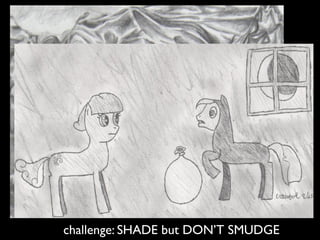
challenge: SHADE but DON’T SMUDGE
step three: 
drawing WITHOUT LINES 
try it on BLACK paper, with WHITE charcoal! 
go slowly - you’re drawing “backwards!”
starting to talk about 
our final project 
for this unit
our final project for this unit 
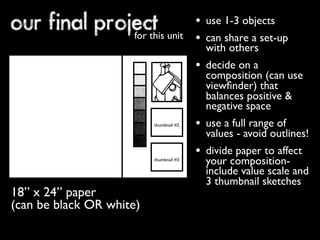
• use 1-3 objects 
• can share a set-up 
with others 
• decide on a 
composition (can use 
viewfinder) that 
balances positive & 
negative space 
• use a full range of 
values - avoid outlines! 
• divide paper to affect 
your composition-include 
value scale and 
3 thumbnail sketches 
18” x 24” paper 
(can be black OR white) 
thumbnail #2 
thumbnail #3
our final project
our final project 
make sure...
our final project 
make sure... 
• you have a STRONG COMPOSITION (using 
SIZE, VIEW, PLACEMENT - not too much 
negative space)
our final project 
make sure... 
• you have a STRONG COMPOSITION (using 
SIZE, VIEW, PLACEMENT - not too much 
negative space) 
• you have stayed away from OUTLINES
our final project 
make sure... 
• you have a STRONG COMPOSITION (using 
SIZE, VIEW, PLACEMENT - not too much 
negative space) 
• you have stayed away from OUTLINES 
• you have stayed away from SMUDGING
our final project 
make sure... 
• you have a STRONG COMPOSITION (using 
SIZE, VIEW, PLACEMENT - not too much 
negative space) 
• you have stayed away from OUTLINES 
• you have stayed away from SMUDGING 
• you have included a FULL range of values (think 
about the value scales you’ve made)
our final project 
make sure... 
• you have a STRONG COMPOSITION (using 
SIZE, VIEW, PLACEMENT - not too much 
negative space) 
• you have stayed away from OUTLINES 
• you have stayed away from SMUDGING 
• you have included a FULL range of values (think 
about the value scales you’ve made) 
• you have shaded the BACKGROUND / 
NEGATIVE SPACE accurately - don’t just leave 
it blank

Shapevalue 2013web-131007094636-phpapp02

  • 1.
  • 2.
  • 3.
  • 4.
    VOCABULARY Line apoint extended in both directions
  • 5.
    VOCABULARY Line Shape a point extended in both directions
  • 6.
    VOCABULARY Line Shape a point extended in both directions lines combined to create an enclosed space
  • 7.
    VOCABULARY Line Shape Value a point extended in both directions lines combined to create an enclosed space
  • 8.
    VOCABULARY Line Shape Value a point extended in both directions lines combined to create an enclosed space the lightness or darkness of something
  • 9.
    VOCABULARY Line Shape Value Form a point extended in both directions lines combined to create an enclosed space the lightness or darkness of something
  • 10.
    VOCABULARY Line Shape Value Form a point extended in both directions lines combined to create an enclosed space the lightness or darkness of something combining shape and value to create the illusion of three dimensions on a flat surface
  • 12.
  • 13.
  • 14.
  • 15.
  • 16.
  • 17.
  • 18.
  • 19.
  • 20.
  • 21.
    Shape starting tobecome 3-D (then erasing lines we don’t need)
  • 22.
    Shape starting tobecome 3-D (then erasing lines we don’t need)
  • 23.
  • 24.
  • 25.
  • 26.
  • 27.
  • 28.
  • 29.
  • 30.
  • 31.
  • 32.
  • 33.
  • 34.
  • 35.
  • 36.
  • 37.
  • 38.
  • 39.
  • 40.
  • 41.
    Shape + Value= Form combining shape & value to create the illusion of being 3-D on a flat surface
  • 42.
  • 43.
  • 44.
  • 45.
  • 46.
  • 47.
    step one: identifyinga range of values within a photograph
  • 48.
    DRAWING WITH SHAPESAND VALUES step 1 Fill in the VALUE SCALE below using a pencil. Leave the FIRST box blank, then fill in the LAST box completely, making it as dark as you can. (Try pushing down harder on your pencil to get darker values). Then, gradually fill in the boxes to make a smooth scale, from very light, to very dark, so there is a gradation from the first white box to the last very dark box. step 2 Choose seven different colored markers (or colored pencils), then outline each of your squares above in a different color. step 3 Identify areas in the drawing below which match the value of the darkest box in your value scale, then outline those areas with the corresponding marker color. Once you have identified all the areas with that value, repeat the process for each value in your value scale!
  • 49.
    step 2 Chooseseven different colored markers, then outline each of your squares above in a different color. step 3 Identify areas in the drawing below which match the value of the darkest box in your value scale, then outline those areas with the corresponding marker color. Once you have identified all the areas with that value, repeat the process for each value in your value scale!
  • 50.
    step 2 Chooseseven different colored markers, then outline each of your squares above in a different color. step 3 Identify areas in the drawing below which match the value of the darkest box in your value scale, then outline those areas with the corresponding marker color. Once you have identified all the areas with that value, repeat the process for each value in your value scale!
  • 51.
    step 2 Chooseseven different colored markers, then outline each of your squares above in a different color. step 3 Identify areas in the drawing below which match the value of the darkest box in your value scale, then outline those areas with the corresponding marker color. Once you have identified all the areas with that value, repeat the process for each value in your value scale!
  • 52.
    step 2 Chooseseven different colored markers, then outline each of your squares above in a different color. step 3 Identify areas in the drawing below which match the value of the darkest box in your value scale, then outline those areas with the corresponding marker color. Once you have identified all the areas with that value, repeat the process for each value in your value scale!
  • 53.
    step 2 Chooseseven different colored markers, then outline each of your squares above in a different color. step 3 Identify areas in the drawing below which match the value of the darkest box in your value scale, then outline those areas with the corresponding marker color. Once you have identified all the areas with that value, repeat the process for each value in your value scale!
  • 54.
    step 2 Chooseseven different colored markers, then outline each of your squares above in a different color. step 3 Identify areas in the drawing below which match the value of the darkest box in your value scale, then outline those areas with the corresponding marker color. Once you have identified all the areas with that value, repeat the process for each value in your value scale!
  • 55.
    step 2 Chooseseven different colored markers, then outline each of your squares above in a different color. step 3 Identify areas in the drawing below which match the value of the darkest box in your value scale, then outline those areas with the corresponding marker color. Once you have identified all the areas with that value, repeat the process for each value in your value scale!
  • 56.
    step 2 Chooseseven different colored markers, then outline each of your squares above in a different color. step 3 Identify areas in the drawing below which match the value of the darkest box in your value scale, then outline those areas with the corresponding marker color. Once you have identified all the areas with that value, repeat the process for each value in your value scale!
  • 57.
    step 2 Chooseseven different colored markers, then outline each of your squares above in a different color. step 3 Identify areas in the drawing below which match the value of the darkest box in your value scale, then outline those areas with the corresponding marker color. Once you have identified all the areas with that value, repeat the process for each value in your value scale!
  • 58.
    step 2 Chooseseven different colored markers, then outline each of your squares above in a different color. step 3 Identify areas in the drawing below which match the value of the darkest box in your value scale, then outline those areas with the corresponding marker color. Once you have identified all the areas with that value, repeat the process for each value in your value scale!
  • 59.
    step 2 Chooseseven different colored markers, then outline each of your squares above in a different color. step 3 Identify areas in the drawing below which match the value of the darkest box in your value scale, then outline those areas with the corresponding marker color. Once you have identified all the areas with that value, repeat the process for each value in your value scale!
  • 60.
    step 2 Chooseseven different colored markers, then outline each of your squares above in a different color. step 3 Identify areas in the drawing below which match the value of the darkest box in your value scale, then outline those areas with the corresponding marker color. Once you have identified all the areas with that value, repeat the process for each value in your value scale!
  • 61.
    step 2 Chooseseven different colored markers, then outline each of your squares above in a different color. step 3 Identify areas in the drawing below which match the value of the darkest box in your value scale, then outline those areas with the corresponding marker color. Once you have identified all the areas with that value, repeat the process for each value in your value scale!
  • 62.
    step 2 Chooseseven different colored markers, then outline each of your squares above in a different color. step 3 Identify areas in the drawing below which match the value of the darkest box in your value scale, then outline those areas with the corresponding marker color. Once you have identified all the areas with that value, repeat the process for each value in your value scale!
  • 63.
    step 2 Chooseseven different colored markers, then outline each of your squares above in a different color. step 3 Identify areas in the drawing below which match the value of the darkest box in your value scale, then outline those areas with the corresponding marker color. Once you have identified all the areas with that value, repeat the process for each value in your value scale!
  • 64.
    step 2 Chooseseven different colored markers, then outline each of your squares above in a different color. step 3 Identify areas in the drawing below which match the value of the darkest box in your value scale, then outline those areas with the corresponding marker color. Once you have identified all the areas with that value, repeat the process for each value in your value scale!
  • 65.
    step 2 Chooseseven different colored markers, then outline each of your squares above in a different color. step 3 Identify areas in the drawing below which match the value of the darkest box in your value scale, then outline those areas with the corresponding marker color. Once you have identified all the areas with that value, repeat the process for each value in your value scale!
  • 66.
    step 2 Chooseseven different colored markers, then outline each of your squares above in a different color. step 3 Identify areas in the drawing below which match the value of the darkest box in your value scale, then outline those areas with the corresponding marker color. Once you have identified all the areas with that value, repeat the process for each value in your value scale!
  • 67.
    step 2 Chooseseven different colored markers, then outline each of your squares above in a different color. step 3 Identify areas in the drawing below which match the value of the darkest box in your value scale, then outline those areas with the corresponding marker color. Once you have identified all the areas with that value, repeat the process for each value in your value scale!
  • 68.
    step 2 Chooseseven different colored markers, then outline each of your squares above in a different color. step 3 Identify areas in the drawing below which match the value of the darkest box in your value scale, then outline those areas with the corresponding marker color. Once you have identified all the areas with that value, repeat the process for each value in your value scale!
  • 69.
    step 2 Chooseseven different colored markers, then outline each of your squares above in a different color. step 3 Identify areas in the drawing below which match the value of the darkest box in your value scale, then outline those areas with the corresponding marker color. Once you have identified all the areas with that value, repeat the process for each value in your value scale!
  • 70.
    step 2 Chooseseven different colored markers, then outline each of your squares above in a different color. step 3 Identify areas in the drawing below which match the value of the darkest box in your value scale, then outline those areas with the corresponding marker color. Once you have identified all the areas with that value, repeat the process for each value in your value scale!
  • 71.
    step 2 Chooseseven different colored markers, then outline each of your squares above in a different color. step 3 Identify areas in the drawing below which match the value of the darkest box in your value scale, then outline those areas with the corresponding marker color. Once you have identified all the areas with that value, repeat the process for each value in your value scale!
  • 72.
    step 2 Chooseseven different colored markers, then outline each of your squares above in a different color. step 3 Identify areas in the drawing below which match the value of the darkest box in your value scale, then outline those areas with the corresponding marker color. Once you have identified all the areas with that value, repeat the process for each value in your value scale!
  • 73.
    step 2 Chooseseven different colored markers, then outline each of your squares above in a different color. step 3 Identify areas in the drawing below which match the value of the darkest box in your value scale, then outline those areas with the corresponding marker color. Once you have identified all the areas with that value, repeat the process for each value in your value scale!
  • 74.
    step 2 Chooseseven different colored markers, then outline each of your squares above in a different color. step 3 Identify areas in the drawing below which match the value of the darkest box in your value scale, then outline those areas with the corresponding marker color. Once you have identified all the areas with that value, repeat the process for each value in your value scale!
  • 75.
    step 2 Chooseseven different colored markers, then outline each of your squares above in a different color. step 3 Identify areas in the drawing below which match the value of the darkest box in your value scale, then outline those areas with the corresponding marker color. Once you have identified all the areas with that value, repeat the process for each value in your value scale!
  • 76.
    step 2 Chooseseven different colored markers, then outline each of your squares above in a different color. step 3 Identify areas in the drawing below which match the value of the darkest box in your value scale, then outline those areas with the corresponding marker color. Once you have identified all the areas with that value, repeat the process for each value in your value scale!
  • 77.
    step 2 Chooseseven different colored markers, then outline each of your squares above in a different color. step 3 Identify areas in the drawing below which match the value of the darkest box in your value scale, then outline those areas with the corresponding marker color. Once you have identified all the areas with that value, repeat the process for each value in your value scale!
  • 78.
    step 2 Chooseseven different colored markers, then outline each of your squares above in a different color. step 3 Identify areas in the drawing below which match the value of the darkest box in your value scale, then outline those areas with the corresponding marker color. Once you have identified all the areas with that value, repeat the process for each value in your value scale!
  • 79.
    step 2 Chooseseven different colored markers, then outline each of your squares above in a different color. step 3 Identify areas in the drawing below which match the value of the darkest box in your value scale, then outline those areas with the corresponding marker color. Once you have identified all the areas with that value, repeat the process for each value in your value scale!
  • 80.
    step 2 Chooseseven different colored markers, then outline each of your squares above in a different color. step 3 Identify areas in the drawing below which match the value of the darkest box in your value scale, then outline those areas with the corresponding marker color. Once you have identified all the areas with that value, repeat the process for each value in your value scale!
  • 81.
    step 2 Chooseseven different colored markers, then outline each of your squares above in a different color. step 3 Identify areas in the drawing below which match the value of the darkest box in your value scale, then outline those areas with the corresponding marker color. Once you have identified all the areas with that value, repeat the process for each value in your value scale!
  • 82.
    step 2 Chooseseven different colored markers, then outline each of your squares above in a different color. step 3 Identify areas in the drawing below which match the value of the darkest box in your value scale, then outline those areas with the corresponding marker color. Once you have identified all the areas with that value, repeat the process for each value in your value scale!
  • 83.
    step one: identifyinga range of values within a photograph
  • 84.
    step 2 Chooseseven different colored markers, then outline each of your squares above in a different color. step 3 Identify areas in the drawing below which match the value of the darkest box in your value scale, then outline those areas with the corresponding marker color. Once you have identified all the areas with that value, repeat the process for each value in your value scale!
  • 85.
    step two: •drawing a “value map” of a white object: • use your worksheet to number your values • create a “value by number” drawing of your white object (can be small - use the paper on which you took notes yesterday!) • when you’re done - shade in your values in! (use your scale on your worksheet to help you)
  • 86.
    step three: drawingWITHOUT LINES
  • 87.
    drawings that rely on outlines
  • 88.
    getting better, butstill relying on outlines
  • 89.
    wow! see howmuch more like real life it looks?
  • 90.
    challenge: SHADE butDON’T SMUDGE
  • 91.
    challenge: SHADE butDON’T SMUDGE
  • 92.
    challenge: SHADE butDON’T SMUDGE
  • 93.
    challenge: SHADE butDON’T SMUDGE
  • 94.
    challenge: SHADE butDON’T SMUDGE
  • 95.
    challenge: SHADE butDON’T SMUDGE
  • 96.
    challenge: SHADE butDON’T SMUDGE
  • 97.
    challenge: SHADE butDON’T SMUDGE
  • 98.
    step three: drawingWITHOUT LINES try it on BLACK paper, with WHITE charcoal! go slowly - you’re drawing “backwards!”
  • 99.
    starting to talkabout our final project for this unit
  • 100.
    our final projectfor this unit • use 1-3 objects • can share a set-up with others • decide on a composition (can use viewfinder) that balances positive & negative space • use a full range of values - avoid outlines! • divide paper to affect your composition-include value scale and 3 thumbnail sketches 18” x 24” paper (can be black OR white) thumbnail #2 thumbnail #3
  • 101.
  • 102.
    our final project make sure...
  • 103.
    our final project make sure... • you have a STRONG COMPOSITION (using SIZE, VIEW, PLACEMENT - not too much negative space)
  • 104.
    our final project make sure... • you have a STRONG COMPOSITION (using SIZE, VIEW, PLACEMENT - not too much negative space) • you have stayed away from OUTLINES
  • 105.
    our final project make sure... • you have a STRONG COMPOSITION (using SIZE, VIEW, PLACEMENT - not too much negative space) • you have stayed away from OUTLINES • you have stayed away from SMUDGING
  • 106.
    our final project make sure... • you have a STRONG COMPOSITION (using SIZE, VIEW, PLACEMENT - not too much negative space) • you have stayed away from OUTLINES • you have stayed away from SMUDGING • you have included a FULL range of values (think about the value scales you’ve made)
  • 107.
    our final project make sure... • you have a STRONG COMPOSITION (using SIZE, VIEW, PLACEMENT - not too much negative space) • you have stayed away from OUTLINES • you have stayed away from SMUDGING • you have included a FULL range of values (think about the value scales you’ve made) • you have shaded the BACKGROUND / NEGATIVE SPACE accurately - don’t just leave it blank