SEVERE COMBINED
IMMUNODEFICIENCY
(SCID)
 Is a primary Immunodeficiency
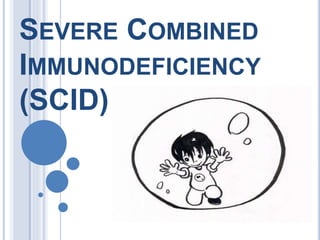
 Often called “Bubble Boy Disease”
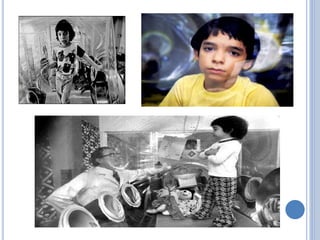
 SCID became widely known during the
1970’s and 80’s, when the world learned of
David Vetter, a boy with X-linked SCID, who
lived for 12 years in a plastic, germ-free
bubble.
CAUSE/ ETIOLOGY
 Mutations in several different genes cause
SCID
 There is a complete block in the development
of T-cells, and thus complete lack of help for B-
cells
 Depending on the particular gene defect, B-
cells and/or NK cells may also be absent
 Caused by a deficiency of an enzyme which is
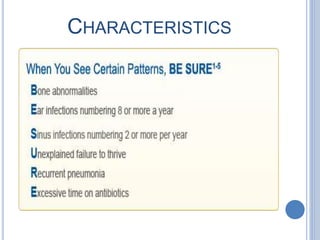
CHARACTERISTICS
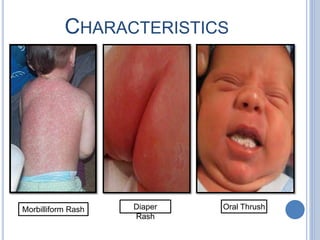
CHARACTERISTICS
Morbilliform Rash Diaper
Rash
Oral Thrush
LABORATORY DIAGNOSIS
 Early diagnosis of SCID: WBC count in
newborn
 Newborn Screening
 Blood tests
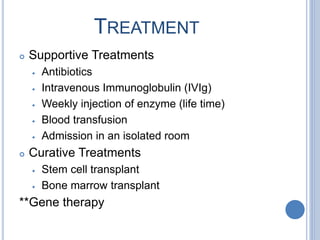
TREATMENT
 Supportive Treatments
 Antibiotics
 Intravenous Immunoglobulin (IVIg)
 Weekly injection of enzyme (life time)
 Blood transfusion
 Admission in an isolated room
 Curative Treatments
 Stem cell transplant
 Bone marrow transplant
**Gene therapy

Severe combined immunodeficiency (scid)

  • 1.
  • 2.
     Is aprimary Immunodeficiency  Often called “Bubble Boy Disease”  SCID became widely known during the 1970’s and 80’s, when the world learned of David Vetter, a boy with X-linked SCID, who lived for 12 years in a plastic, germ-free bubble.
  • 4.
    CAUSE/ ETIOLOGY  Mutationsin several different genes cause SCID  There is a complete block in the development of T-cells, and thus complete lack of help for B- cells  Depending on the particular gene defect, B- cells and/or NK cells may also be absent  Caused by a deficiency of an enzyme which is
  • 5.
  • 6.
  • 7.
    LABORATORY DIAGNOSIS  Earlydiagnosis of SCID: WBC count in newborn  Newborn Screening  Blood tests
  • 8.
    TREATMENT  Supportive Treatments Antibiotics  Intravenous Immunoglobulin (IVIg)  Weekly injection of enzyme (life time)  Blood transfusion  Admission in an isolated room  Curative Treatments  Stem cell transplant  Bone marrow transplant **Gene therapy