
Thinking Science 
through 
teachers’ experiences 
with 
digital technologies 
in Finland and Greece 
M. Vivitsou, K. Tirri & H. Kynäslahti 
Department of Teacher Education 
University of Helsinki
A few words about the study 
Our study kicks off to gain an understanding of science 
educators’ pedagogical thinking. They are two Computer 
Science teachers and one in Technology from Greece, one 
Biology teacher from Finland and two Finnish researchers 
specializing in Science education. All of them either use 
digital technologies in practice, or they do research on 
the pedagogical use of technologies, or both. 
As the landscape in science education changes radically, 
we decided to look into the different aspects of teaching 
science or science-related subjects (e.g., through 
environmental projects) with technologies, as they come 
up in the teachers’ interviews.
The content analysis of findings shows that the participants 
of the study shift away from a mode of thinking that could 
be described as thinking for ‘certainty’. Instead, according 
to the analysis, the teachers’ thinking reflects the ‘new’ 
reality of scientific developments. In the current era, one 
should think twice before arguing in favor of a law of 
nature. What used to be considered as natural law can no 
longer be taken for granted. As a result, we might just as 
well start thinking about the current era as ‘the age of 
uncertainty’. Similarly, the teachers in the study raise 
doubts about what are best ways for thinking and teaching 
science.
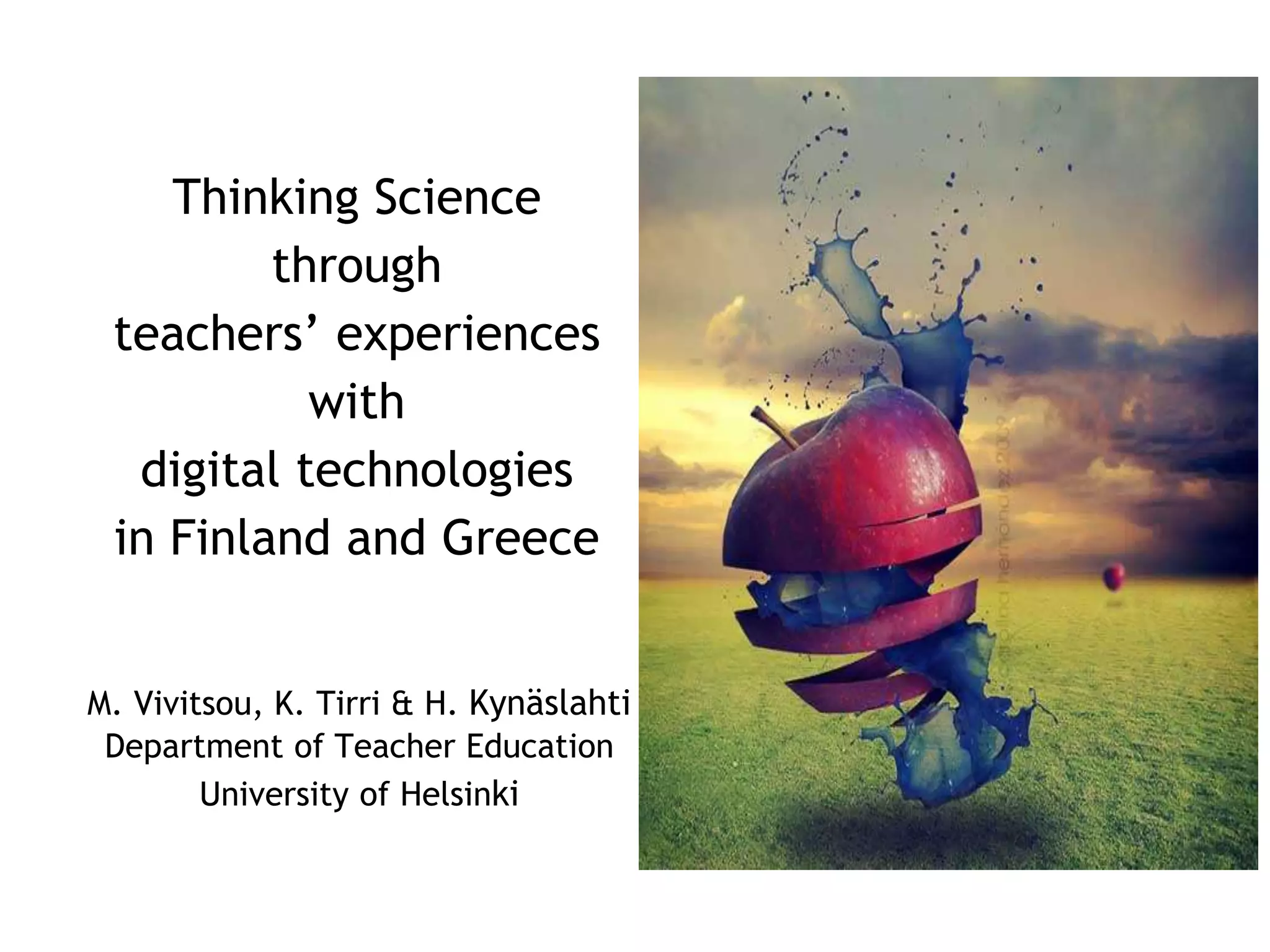
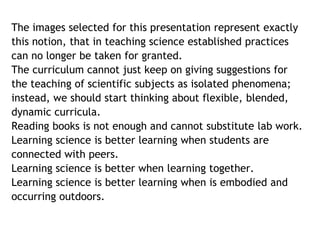
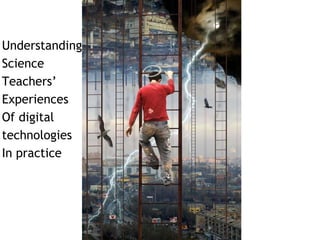
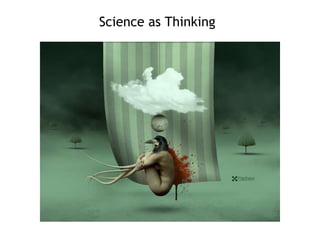
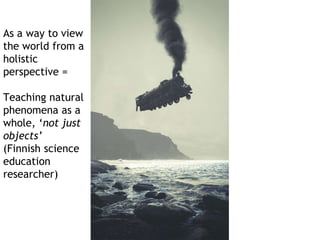
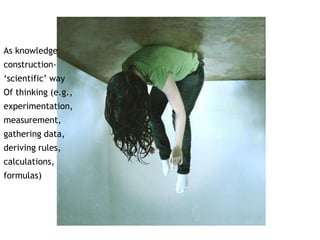
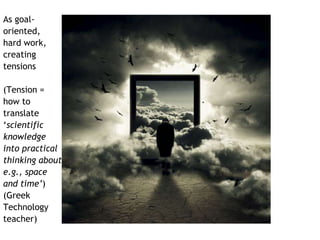
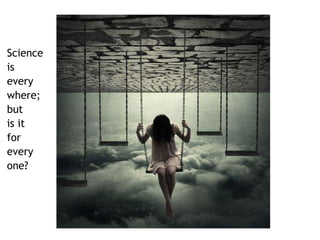
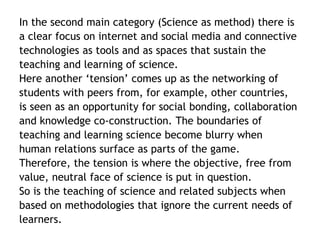
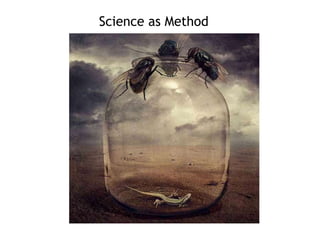
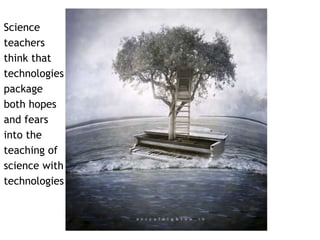
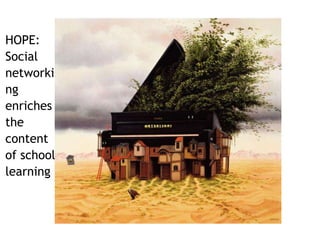
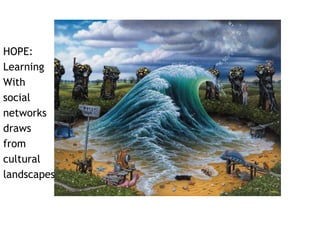
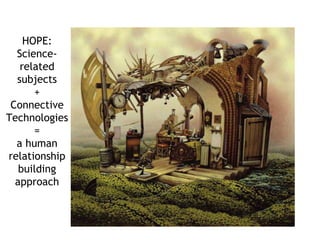
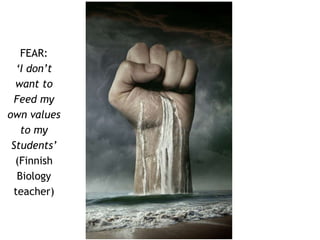
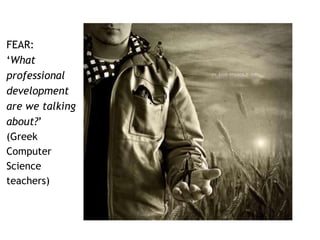
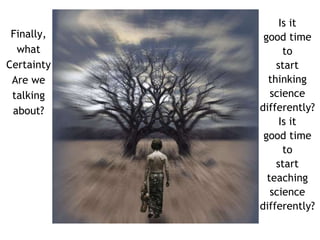
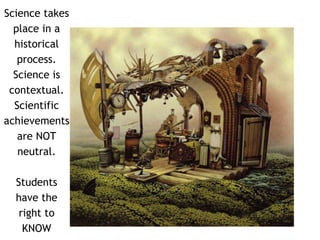
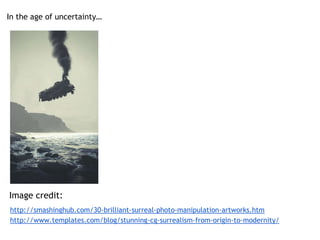
The images selected for this presentation represent exactly 
this notion, that in teaching science established practices 
can no longer be taken for granted. 
The curriculum cannot just keep on giving suggestions for 
the teaching of scientific subjects as isolated phenomena; 
instead, we should start thinking about flexible, blended, 
dynamic curricula. 
Reading books is not enough and cannot substitute lab work. 
Learning science is better learning when students are 
connected with peers. 
Learning science is better when learning together. 
Learning science is better learning when is embodied and 
occurring outdoors.
Understanding 
Science 
Teachers’ 
Experiences 
Of digital 
technologies 
In practice
Science as Thinking
As a way to view 
the world from a 
holistic 
perspective = 
Teaching natural 
phenomena as a 
whole, ‘not just 
objects’ 
(Finnish science 
education 
researcher)
As knowledge 
construction- 
‘scientific’ way 
Of thinking (e.g., 
experimentation, 
measurement, 
gathering data, 
deriving rules, 
calculations, 
formulas)
As goal-oriented, 
hard work, 
creating 
tensions 
(Tension = 
how to 
translate 
‘scientific 
knowledge 
into practical 
thinking about 
e.g., space 
and time’) 
(Greek 
Technology 
teacher)
Science 
is 
every 
where; 
but 
is it 
for 
every 
one?
It seems that in the first category (Science as thinking) there 
is conflict in the way teachers approach science. 
On the one hand they view science as a whole, on the other 
they say that knowledge creation, or knowing, becomes 
possible only when the so-called ‘scientific way’ is followed. 
Another point that could lead to further discussion is the way 
hard work is separated from imaginative and creative 
thinking. These are more likely to appear in a human-science- 
subject rather than in studying the natural sciences. 
One more issue that levels up is the relation between 
science and women. Do female students have equal 
opportunities to learn sciences at school?
In the second main category (Science as method) there is 
a clear focus on internet and social media and connective 
technologies as tools and as spaces that sustain the 
teaching and learning of science. 
Here another ‘tension’ comes up as the networking of 
students with peers from, for example, other countries, 
is seen as an opportunity for social bonding, collaboration 
and knowledge co-construction. The boundaries of 
teaching and learning science become blurry when 
human relations surface as parts of the game. 
Therefore, the tension is where the objective, free from 
value, neutral face of science is put in question. 
So is the teaching of science and related subjects when 
based on methodologies that ignore the current needs of 
learners.
Science as Method
Science 
teachers 
think that 
technologies 
package 
both hopes 
and fears 
into the 
teaching of 
science with 
technologies
HOPE: 
Social 
networki 
ng 
enriches 
the 
content 
of school 
learning
HOPE: 
Learning 
With 
social 
networks 
draws 
from 
cultural 
landscapes
HOPE: 
Science-related 
subjects 
+ 
Connective 
Technologies 
= 
a human 
relationship 
building 
approach
FEAR: 
Internet 
boundaries 
are blurry 
= 
What is 
a 
‘fact’?
FEAR: 
‘I don’t 
want to 
Feed my 
own values 
to my 
Students’ 
(Finnish 
Biology 
teacher)
FEAR: 
‘What 
professional 
development 
are we talking 
about?’ 
(Greek 
Computer 
Science 
teachers)
Finally, 
what 
Certainty 
Are we 
talking 
about? 
Is it 
good time 
to 
start 
thinking 
science 
differently? 
Is it 
good time 
to 
start 
teaching 
science 
differently?
Science takes 
place in a 
historical 
process. 
Science is 
contextual. 
Scientific 
achievements 
are NOT 
neutral. 
Students 
have the 
right to 
KNOW
In the age of uncertainty… 
Image credit: 
http://smashinghub.com/30-brilliant-surreal-photo-manipulation-artworks.htm 
http://www.templates.com/blog/stunning-cg-surrealism-from-origin-to-modernity/

Thinking science through teachers' experiences with digital technologies

  • 1.
    Thinking Science through teachers’ experiences with digital technologies in Finland and Greece M. Vivitsou, K. Tirri & H. Kynäslahti Department of Teacher Education University of Helsinki
  • 2.
    A few wordsabout the study Our study kicks off to gain an understanding of science educators’ pedagogical thinking. They are two Computer Science teachers and one in Technology from Greece, one Biology teacher from Finland and two Finnish researchers specializing in Science education. All of them either use digital technologies in practice, or they do research on the pedagogical use of technologies, or both. As the landscape in science education changes radically, we decided to look into the different aspects of teaching science or science-related subjects (e.g., through environmental projects) with technologies, as they come up in the teachers’ interviews.
  • 3.
    The content analysisof findings shows that the participants of the study shift away from a mode of thinking that could be described as thinking for ‘certainty’. Instead, according to the analysis, the teachers’ thinking reflects the ‘new’ reality of scientific developments. In the current era, one should think twice before arguing in favor of a law of nature. What used to be considered as natural law can no longer be taken for granted. As a result, we might just as well start thinking about the current era as ‘the age of uncertainty’. Similarly, the teachers in the study raise doubts about what are best ways for thinking and teaching science.
  • 4.
    The images selectedfor this presentation represent exactly this notion, that in teaching science established practices can no longer be taken for granted. The curriculum cannot just keep on giving suggestions for the teaching of scientific subjects as isolated phenomena; instead, we should start thinking about flexible, blended, dynamic curricula. Reading books is not enough and cannot substitute lab work. Learning science is better learning when students are connected with peers. Learning science is better when learning together. Learning science is better learning when is embodied and occurring outdoors.
  • 5.
    Understanding Science Teachers’ Experiences Of digital technologies In practice
  • 6.
  • 7.
    As a wayto view the world from a holistic perspective = Teaching natural phenomena as a whole, ‘not just objects’ (Finnish science education researcher)
  • 8.
    As knowledge construction- ‘scientific’ way Of thinking (e.g., experimentation, measurement, gathering data, deriving rules, calculations, formulas)
  • 9.
    As goal-oriented, hardwork, creating tensions (Tension = how to translate ‘scientific knowledge into practical thinking about e.g., space and time’) (Greek Technology teacher)
  • 10.
    Science is every where; but is it for every one?
  • 11.
    It seems thatin the first category (Science as thinking) there is conflict in the way teachers approach science. On the one hand they view science as a whole, on the other they say that knowledge creation, or knowing, becomes possible only when the so-called ‘scientific way’ is followed. Another point that could lead to further discussion is the way hard work is separated from imaginative and creative thinking. These are more likely to appear in a human-science- subject rather than in studying the natural sciences. One more issue that levels up is the relation between science and women. Do female students have equal opportunities to learn sciences at school?
  • 12.
    In the secondmain category (Science as method) there is a clear focus on internet and social media and connective technologies as tools and as spaces that sustain the teaching and learning of science. Here another ‘tension’ comes up as the networking of students with peers from, for example, other countries, is seen as an opportunity for social bonding, collaboration and knowledge co-construction. The boundaries of teaching and learning science become blurry when human relations surface as parts of the game. Therefore, the tension is where the objective, free from value, neutral face of science is put in question. So is the teaching of science and related subjects when based on methodologies that ignore the current needs of learners.
  • 13.
  • 14.
    Science teachers thinkthat technologies package both hopes and fears into the teaching of science with technologies
  • 15.
    HOPE: Social networki ng enriches the content of school learning
  • 16.
    HOPE: Learning With social networks draws from cultural landscapes
  • 17.
    HOPE: Science-related subjects + Connective Technologies = a human relationship building approach
  • 18.
    FEAR: Internet boundaries are blurry = What is a ‘fact’?
  • 19.
    FEAR: ‘I don’t want to Feed my own values to my Students’ (Finnish Biology teacher)
  • 20.
    FEAR: ‘What professional development are we talking about?’ (Greek Computer Science teachers)
  • 21.
    Finally, what Certainty Are we talking about? Is it good time to start thinking science differently? Is it good time to start teaching science differently?
  • 22.
    Science takes placein a historical process. Science is contextual. Scientific achievements are NOT neutral. Students have the right to KNOW
  • 23.
    In the ageof uncertainty… Image credit: http://smashinghub.com/30-brilliant-surreal-photo-manipulation-artworks.htm http://www.templates.com/blog/stunning-cg-surrealism-from-origin-to-modernity/