Role of free radicals in cancer
Submitted By: Ayodhya Paradhe Submitted To: Behere S. Sir
M Pharm 1st Year (Pharmacology) (Pharmacology Department)
SUDHAKAR RAO NAIK INSTITUTE OF PHARMACY PUSAD
Contents
 Introduction
 Cancer disease
 Role of free radicals in cancer
 reference
FREE RADICALS
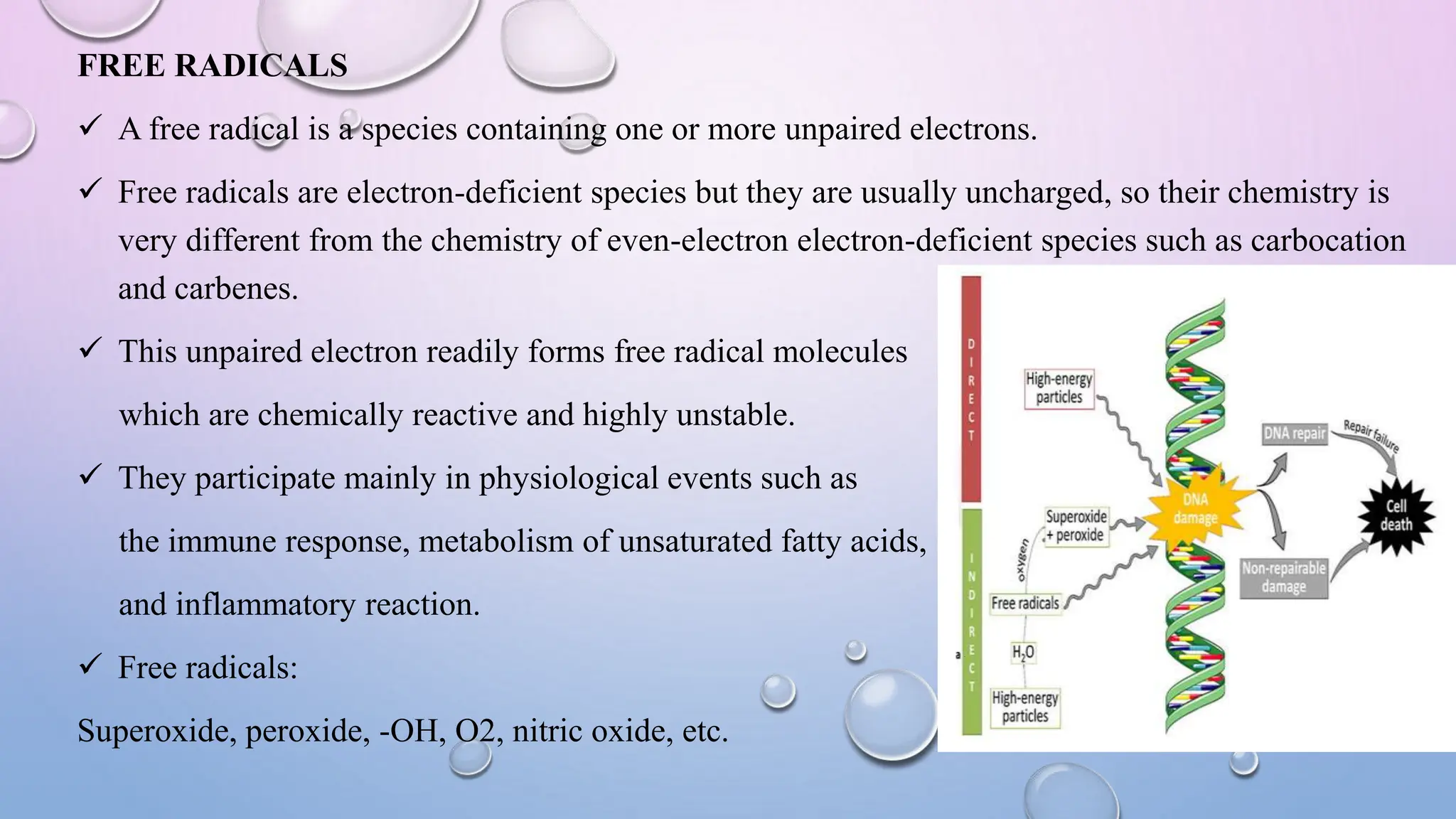
 A free radical is a species containing one or more unpaired electrons.
 Free radicals are electron-deficient species but they are usually uncharged, so their chemistry is
very different from the chemistry of even-electron electron-deficient species such as carbocation
and carbenes.
 This unpaired electron readily forms free radical molecules
which are chemically reactive and highly unstable.
 They participate mainly in physiological events such as
the immune response, metabolism of unsaturated fatty acids,
and inflammatory reaction.
 Free radicals:
Superoxide, peroxide, -OH, O2, nitric oxide, etc.
CANCER DISEASE
 Cancer is a group of diseases involving abnormal cell growth and further it spreads to other parts
of the body
 Cancer develops when normal cells in a particular part of the body begin to grow out of control
 A normal cell turns into a cancer cell because of one or more mutations in its DNA which can be
acquired or inherited
 Cancer arises as a result of a series of genetic and epigenetic changes the main genetic lesions
being :
1. Inactivation of tumor suppressor genes
2. Activation of oncogenes(mutation of normal genes controlling cell division and other processes)
 Cancer cells can also spread to other parts of the body through the blood and lymph system
Types of cancer
In male cancers In female cancers
1. Lung cancer 1. Breast cancer
2. Prostate cancer 2. cervical cancer
3. Colorectal cancer 3. Colorectal cancer
4. Bladder cancer 4. bladder cancer
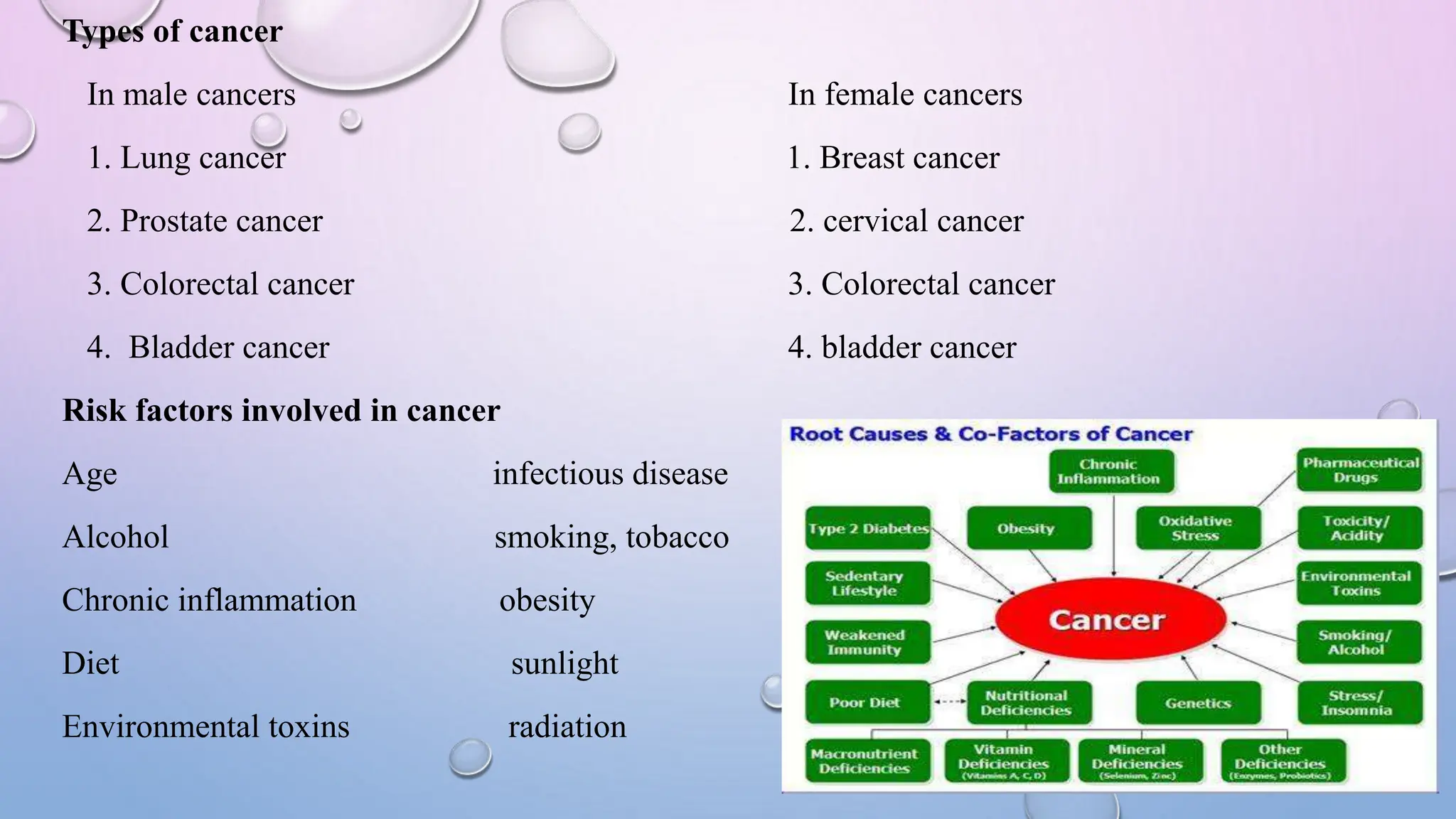
Risk factors involved in cancer
Age infectious disease
Alcohol smoking, tobacco
Chronic inflammation obesity
Diet sunlight
Environmental toxins radiation
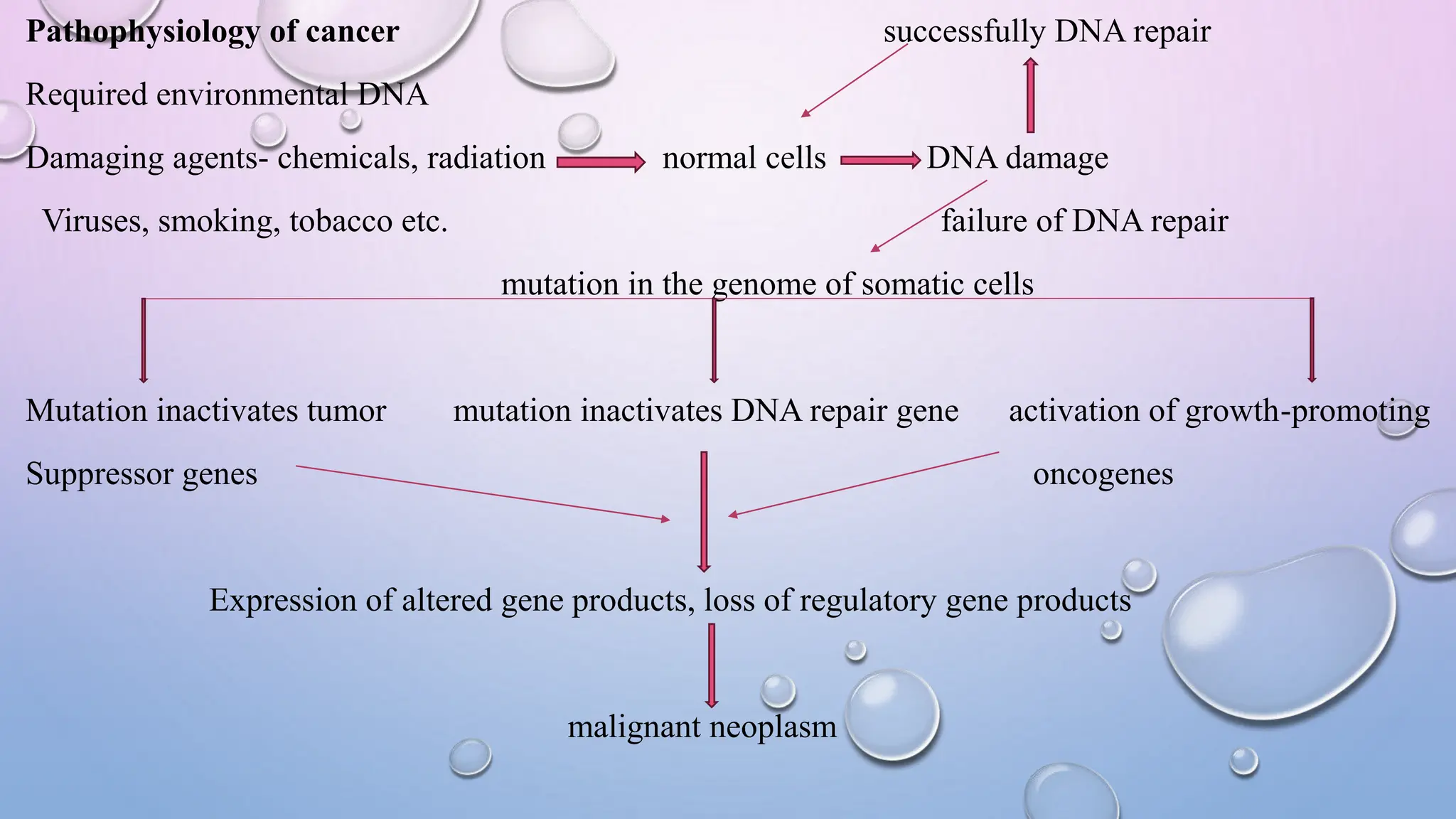
Pathophysiology of cancer successfully DNA repair
Required environmental DNA
Damaging agents- chemicals, radiation normal cells DNA damage
Viruses, smoking, tobacco etc. failure of DNA repair
mutation in the genome of somatic cells
Mutation inactivates tumor mutation inactivates DNA repair gene activation of growth-promoting
Suppressor genes oncogenes
Expression of altered gene products, loss of regulatory gene products
malignant neoplasm
Types of cancer treatment
1. surgery: when used to treat cancer, surgery is a procedure in which surgeon removes cancer from
body. 1/3 of patients without metastasis respond to surgery
2. Radiation therapy: is type of cancer treatment that uses high doses of radiation to kill cancer
cells and shrink tumors. If diagnose at early stage closed to 50% cancer could be cured.
3. chemotherapy: is a type of cancer treatment that uses drugs to kill cancer cells. 50% of patients
will undergo chemotherapy to remove micro-metastasis, however chemotherapy can treat only 10-
15% all cancer patients.
4. Hormone therapy: is a treatment that slow or stops the growth of breast and prostate
eg. Breast cancer- tamoxifen
5. antibodies: eg. Herceptin, Avastin
6. Biological response modifier: eg. Abciximab, rituximab
Anticancer drugs
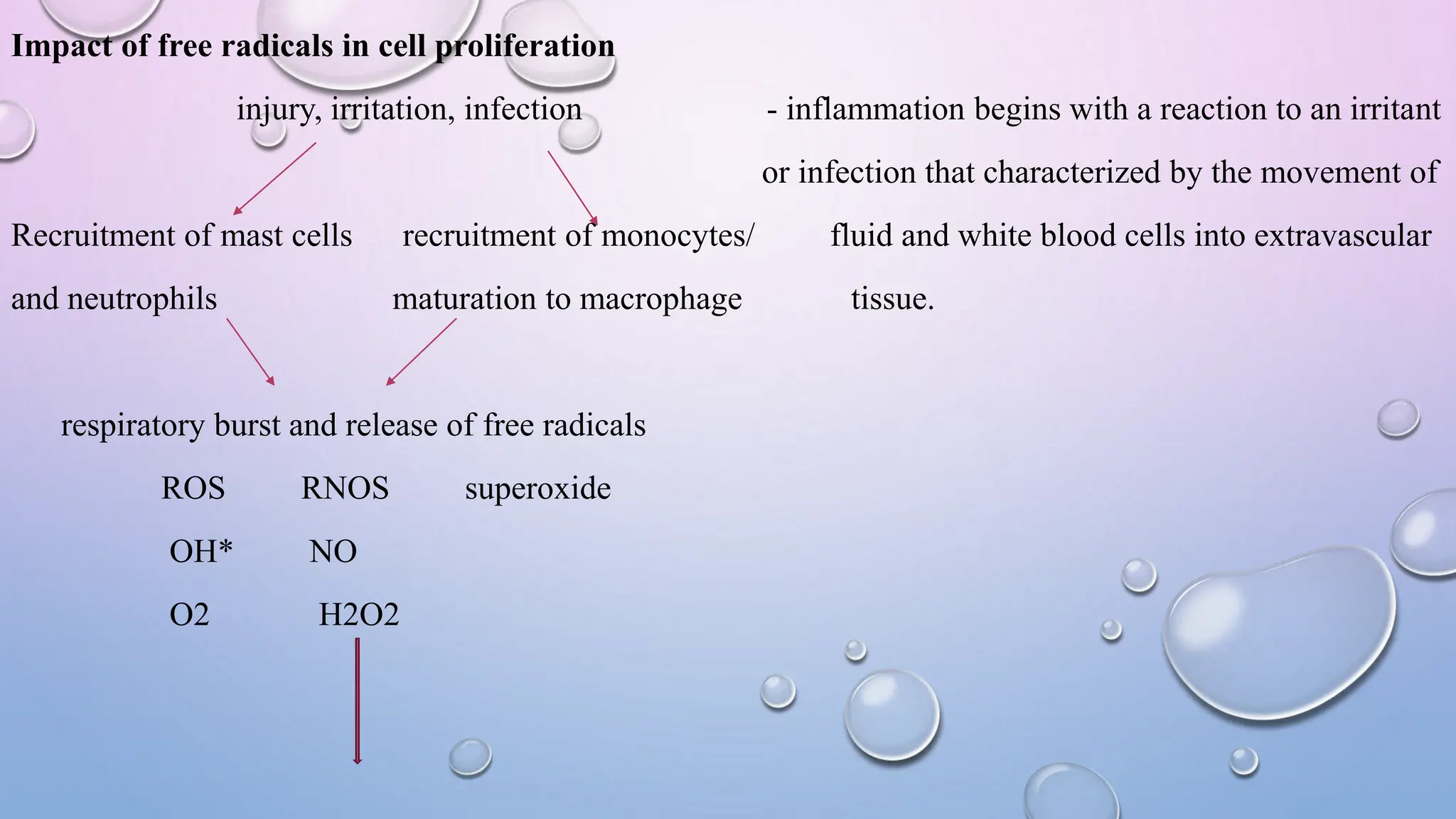
Impact of free radicals in cell proliferation
injury, irritation, infection - inflammation begins with a reaction to an irritant
or infection that characterized by the movement of
Recruitment of mast cells recruitment of monocytes/ fluid and white blood cells into extravascular
and neutrophils maturation to macrophage tissue.
respiratory burst and release of free radicals
ROS RNOS superoxide
OH* NO
O2 H2O2
The basic fundamentals of ROS
cell proliferation Cell survival cell damage cell death
ROS level
low to moderate high excessive
Role of ROS in the development of cancer
 It is well known that species derived from oxygen are cytotoxic and involved in the etiology
of cancer
 high accumulation of ROS and low level of antioxidants in cells causes an imbalance in redox
status which is known as oxidative stress.
 ROS are short-lived and highly electrophilic molecules generated by partial reduction in
oxygen to form Reactive oxygen and nitrogen species such as superoxide, hydrogen peroxide,
hydroxyl radicals, and NO and their biological metabolites

 ROS-induced damage as the reaction of free radicals with DNA includes strand breaks base
modification and DNA protein cross-linked, subsequently resulting in mutagenesis and cancer
development
 Free radicals linked to damage of protein and DNA have been suggested to play a major role in
the development of diseases such as cancer, neurodegenerative disease, etc.
 The susceptible target of ROS in DNA is guanine which causes G T transversions, causes a
mutation in genetic material including purine and pyrimidine, single strand breaks and
disruption of DNA repair process leading to genetic instability.
 Oxidative DNA damage leads to the development of breast cancer, an increase in DNA base
damage and 8-oxo-Dg adduct leads to cancer
 researchers say reducing and inactivation of antioxidant system the oxidative stress in a
cancer cell is higher as compared to the normal cell
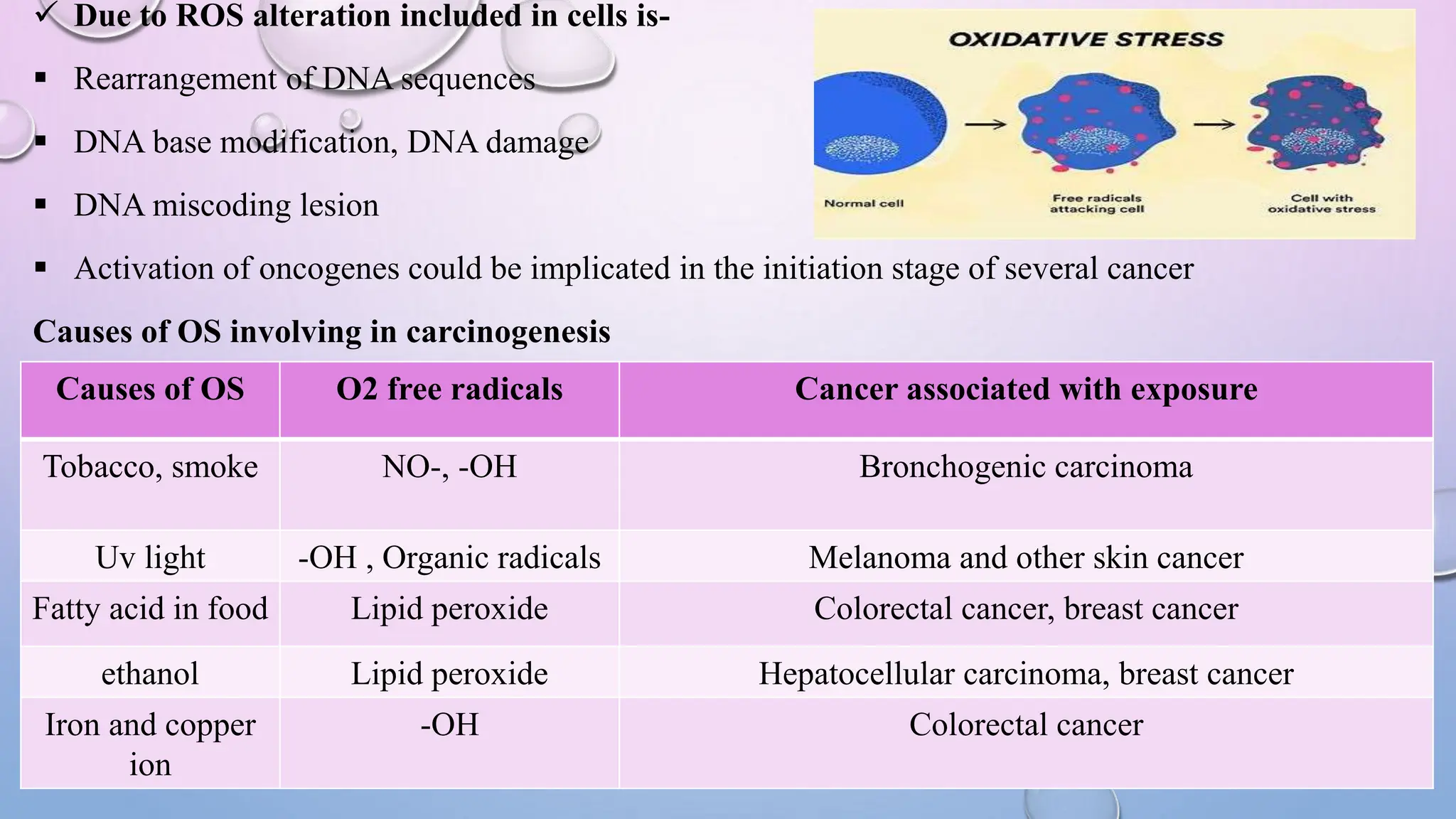
 Due to ROS alteration included in cells is-
 Rearrangement of DNA sequences
 DNA base modification, DNA damage
 DNA miscoding lesion
 Activation of oncogenes could be implicated in the initiation stage of several cancer
Causes of OS involving in carcinogenesis
Causes of OS O2 free radicals Cancer associated with exposure
Tobacco, smoke NO-, -OH Bronchogenic carcinoma
Uv light -OH , Organic radicals Melanoma and other skin cancer
Fatty acid in food Lipid peroxide Colorectal cancer, breast cancer
ethanol Lipid peroxide Hepatocellular carcinoma, breast cancer
Iron and copper
ion
-OH Colorectal cancer
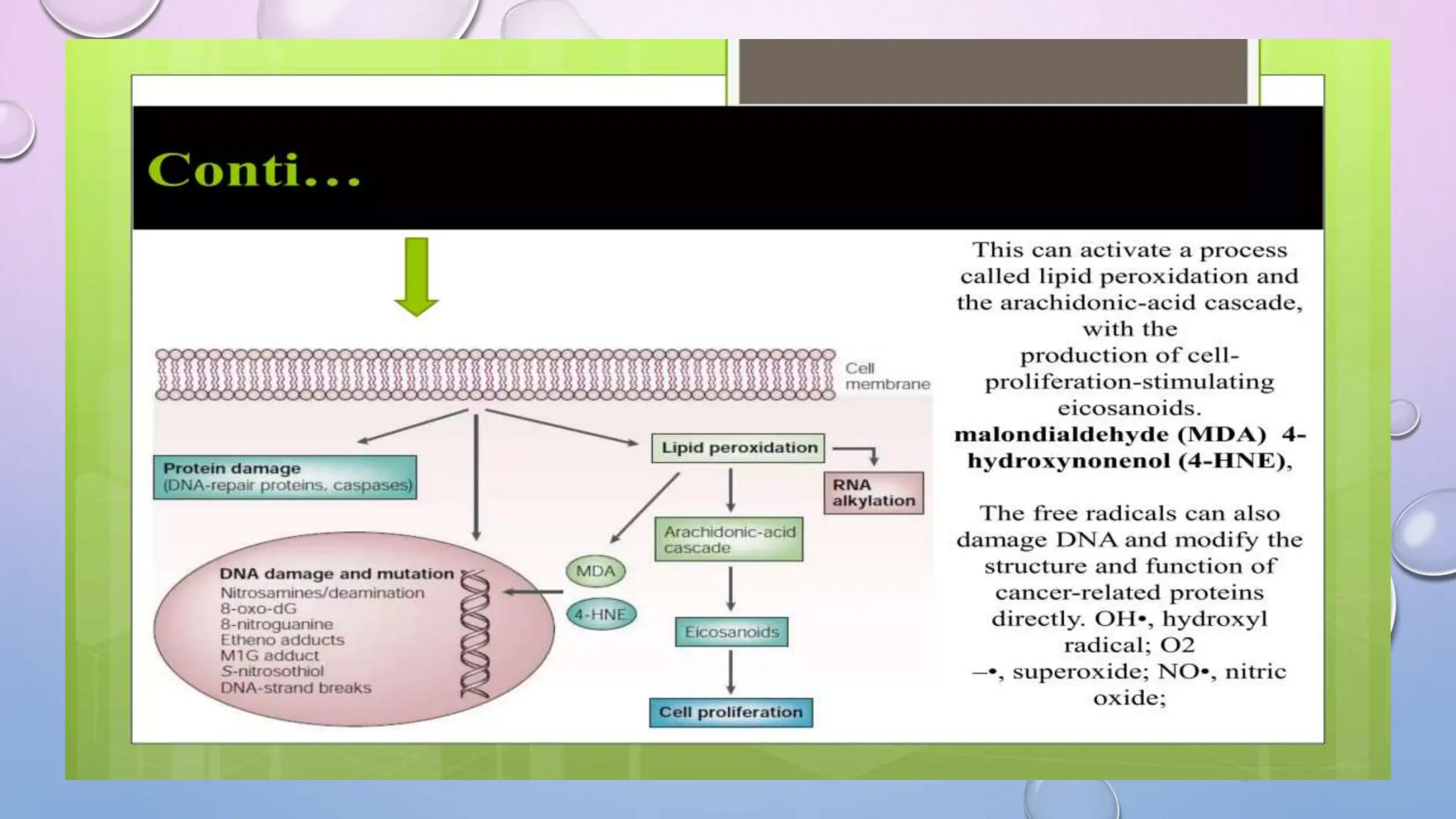
 Free radicals damage DNA and cause cancer- DNA is major target of free radicals to damage
 The types of damage include – strands break ( single or ds break )
 Various forms of base damage
 this damage can result in mutations that are heritable changes in DNA that can yield cancer in
somatic cells.
How to prevent cancer
Experimental as well as epidemiological data indicate that veriety of nutritional factors can act as
antioxidant and inhibit the process of cancer development and reduce cancer risk
Some of these include-
1. Vitamin A
2. Vitamin C
3. Vitamin E
4. Beta-carotene
5. Micronutrients such as antioxidants and anticarcinogens
 Turmeric as a therapeutic agent in cancer
 Inflammation induces inducible nonsynthase (iNOS) as well as COX, LOX this can initiates
carcinogenesis, curcumin inhibit these and prevent carcinogenesis
 The active principle of Curcuma longa –curcumin down regulate the expression of COX,LOX
iNOS, MMP-9, TNF, chemokinesis and other cell-surface adhesion molecules
 Curcumin has shown antioxidant activity so it block the tumorigenesis process in many rodent
carcinogenesis models
 Curcumin has antioxidant activity it exhibits a chemopreventive effect by reducing the ROS
level and by inducing antioxidant enzymes.
 Actions of curcumin:
 Curcumin was found to be associated with the downregulation of multiple regulatory pathways
including OS, as analyzed by RNA sequencing of tumor
 Curcumin was found to prevent amino-1-methyl-6-phenylimidazo(4,5-b)pyridine
( PhIP)which induce cytotoxicity in normal breast epithelial cells.
 It prevents PhIP-induced DNA adduct formation and DNA strand breaks through the
induction of antioxidant enzymes.
 Protective against lung carcinogenesis
 Curcumin also exhibits potential benefits against arsenic which induces OS in human
 Chronic inflammation disorders and infectious diseases responsible for the development of
several types of cancers
 Inflammatory process result in the production of proinflammatory mol., ROS, NF-Kb,
cytokines, AKT, COX2, and LOX which involved in the initiation of cancer
 Curcumin inhibits or inactivates the all carcinogenesis-causing factors
 Human clinical trials have shown safety at dietary doses up to 10mg/day curcumin which
suppresses tumor initiation, promotion, and metastasis
 Vitamin C in cancer treatment
 In a study published in Free Radical Biology and Medicine Vit. C chelation therapy was found to
be highly pro-oxidant after one hr of treatment
 This benefit lasted more than 16 treatments in the absence of nutrient supplementation and even
provided beneficial long-term antioxidant effects
 It was discovered that ‘pro-oxidant’ effects appear to be responsible for destroying tumor cells
 These pro-oxidant effects may also induce an endogenous antioxidant system in normal tissues that
offer protection against carcinogenic insult
Mechanism of action of i.v. vitamin C in cancer cell
a) Transition metal ion-dependant generation of hydrogen peroxide (H2O2)b and oxidation of
intracellular glutathione (GSH) which causes enhanced OS and potential cell death
b) Enhance ten-eleven translocation (TET) DNA hydroxylase activity and jumonji histone
demethylase (JHDM) activity which alters gene transcription.
c) Decrease HIF protein levels which decreases gene transcription
d) Increase collagen synthesis resulting in decreased tumor invasion and metastasis
Turmeric(curcumin), vitamin C, and vitamin E most be effective against: block cancer-forming
enzymes and stimulating antioxidant enzymes.
Breast cancer, bowel cancer, stomach cancer, pancreatic cancer, leukemia, brain cancer, etc.
References
1. D. Dreher et al. Role of oxygen free radicals in cancer development
2. Nehal Gupta et al. Free Radicals As Double-edged Sword: The Cancer Preventive
And Therapeutic Roles Of Curcumin
3. Vsiliki zoi et al. The Role of Curcumin in Cancer Treatment
4. Marcelo Villagran et al. Role Of Vitamin C In Cancer Prevention Therapy
Thank you

_Role_of_free_radicals_in_cancer M pharmacy Pharmacology

  • 1.
    Role of freeradicals in cancer Submitted By: Ayodhya Paradhe Submitted To: Behere S. Sir M Pharm 1st Year (Pharmacology) (Pharmacology Department) SUDHAKAR RAO NAIK INSTITUTE OF PHARMACY PUSAD
  • 2.
    Contents  Introduction  Cancerdisease  Role of free radicals in cancer  reference
  • 3.
    FREE RADICALS  Afree radical is a species containing one or more unpaired electrons.  Free radicals are electron-deficient species but they are usually uncharged, so their chemistry is very different from the chemistry of even-electron electron-deficient species such as carbocation and carbenes.  This unpaired electron readily forms free radical molecules which are chemically reactive and highly unstable.  They participate mainly in physiological events such as the immune response, metabolism of unsaturated fatty acids, and inflammatory reaction.  Free radicals: Superoxide, peroxide, -OH, O2, nitric oxide, etc.
  • 4.
    CANCER DISEASE  Canceris a group of diseases involving abnormal cell growth and further it spreads to other parts of the body  Cancer develops when normal cells in a particular part of the body begin to grow out of control  A normal cell turns into a cancer cell because of one or more mutations in its DNA which can be acquired or inherited  Cancer arises as a result of a series of genetic and epigenetic changes the main genetic lesions being : 1. Inactivation of tumor suppressor genes 2. Activation of oncogenes(mutation of normal genes controlling cell division and other processes)  Cancer cells can also spread to other parts of the body through the blood and lymph system
  • 5.
    Types of cancer Inmale cancers In female cancers 1. Lung cancer 1. Breast cancer 2. Prostate cancer 2. cervical cancer 3. Colorectal cancer 3. Colorectal cancer 4. Bladder cancer 4. bladder cancer Risk factors involved in cancer Age infectious disease Alcohol smoking, tobacco Chronic inflammation obesity Diet sunlight Environmental toxins radiation
  • 6.
    Pathophysiology of cancersuccessfully DNA repair Required environmental DNA Damaging agents- chemicals, radiation normal cells DNA damage Viruses, smoking, tobacco etc. failure of DNA repair mutation in the genome of somatic cells Mutation inactivates tumor mutation inactivates DNA repair gene activation of growth-promoting Suppressor genes oncogenes Expression of altered gene products, loss of regulatory gene products malignant neoplasm
  • 7.
    Types of cancertreatment 1. surgery: when used to treat cancer, surgery is a procedure in which surgeon removes cancer from body. 1/3 of patients without metastasis respond to surgery 2. Radiation therapy: is type of cancer treatment that uses high doses of radiation to kill cancer cells and shrink tumors. If diagnose at early stage closed to 50% cancer could be cured. 3. chemotherapy: is a type of cancer treatment that uses drugs to kill cancer cells. 50% of patients will undergo chemotherapy to remove micro-metastasis, however chemotherapy can treat only 10- 15% all cancer patients. 4. Hormone therapy: is a treatment that slow or stops the growth of breast and prostate eg. Breast cancer- tamoxifen 5. antibodies: eg. Herceptin, Avastin 6. Biological response modifier: eg. Abciximab, rituximab
  • 8.
  • 9.
    Impact of freeradicals in cell proliferation injury, irritation, infection - inflammation begins with a reaction to an irritant or infection that characterized by the movement of Recruitment of mast cells recruitment of monocytes/ fluid and white blood cells into extravascular and neutrophils maturation to macrophage tissue. respiratory burst and release of free radicals ROS RNOS superoxide OH* NO O2 H2O2
  • 11.
    The basic fundamentalsof ROS cell proliferation Cell survival cell damage cell death ROS level low to moderate high excessive Role of ROS in the development of cancer  It is well known that species derived from oxygen are cytotoxic and involved in the etiology of cancer  high accumulation of ROS and low level of antioxidants in cells causes an imbalance in redox status which is known as oxidative stress.  ROS are short-lived and highly electrophilic molecules generated by partial reduction in oxygen to form Reactive oxygen and nitrogen species such as superoxide, hydrogen peroxide, hydroxyl radicals, and NO and their biological metabolites 
  • 12.
     ROS-induced damageas the reaction of free radicals with DNA includes strand breaks base modification and DNA protein cross-linked, subsequently resulting in mutagenesis and cancer development  Free radicals linked to damage of protein and DNA have been suggested to play a major role in the development of diseases such as cancer, neurodegenerative disease, etc.  The susceptible target of ROS in DNA is guanine which causes G T transversions, causes a mutation in genetic material including purine and pyrimidine, single strand breaks and disruption of DNA repair process leading to genetic instability.  Oxidative DNA damage leads to the development of breast cancer, an increase in DNA base damage and 8-oxo-Dg adduct leads to cancer  researchers say reducing and inactivation of antioxidant system the oxidative stress in a cancer cell is higher as compared to the normal cell
  • 13.
     Due toROS alteration included in cells is-  Rearrangement of DNA sequences  DNA base modification, DNA damage  DNA miscoding lesion  Activation of oncogenes could be implicated in the initiation stage of several cancer Causes of OS involving in carcinogenesis Causes of OS O2 free radicals Cancer associated with exposure Tobacco, smoke NO-, -OH Bronchogenic carcinoma Uv light -OH , Organic radicals Melanoma and other skin cancer Fatty acid in food Lipid peroxide Colorectal cancer, breast cancer ethanol Lipid peroxide Hepatocellular carcinoma, breast cancer Iron and copper ion -OH Colorectal cancer
  • 14.
     Free radicalsdamage DNA and cause cancer- DNA is major target of free radicals to damage  The types of damage include – strands break ( single or ds break )  Various forms of base damage  this damage can result in mutations that are heritable changes in DNA that can yield cancer in somatic cells.
  • 15.
    How to preventcancer Experimental as well as epidemiological data indicate that veriety of nutritional factors can act as antioxidant and inhibit the process of cancer development and reduce cancer risk Some of these include- 1. Vitamin A 2. Vitamin C 3. Vitamin E 4. Beta-carotene 5. Micronutrients such as antioxidants and anticarcinogens
  • 16.
     Turmeric asa therapeutic agent in cancer  Inflammation induces inducible nonsynthase (iNOS) as well as COX, LOX this can initiates carcinogenesis, curcumin inhibit these and prevent carcinogenesis  The active principle of Curcuma longa –curcumin down regulate the expression of COX,LOX iNOS, MMP-9, TNF, chemokinesis and other cell-surface adhesion molecules  Curcumin has shown antioxidant activity so it block the tumorigenesis process in many rodent carcinogenesis models  Curcumin has antioxidant activity it exhibits a chemopreventive effect by reducing the ROS level and by inducing antioxidant enzymes.  Actions of curcumin:  Curcumin was found to be associated with the downregulation of multiple regulatory pathways including OS, as analyzed by RNA sequencing of tumor
  • 17.
     Curcumin wasfound to prevent amino-1-methyl-6-phenylimidazo(4,5-b)pyridine ( PhIP)which induce cytotoxicity in normal breast epithelial cells.  It prevents PhIP-induced DNA adduct formation and DNA strand breaks through the induction of antioxidant enzymes.  Protective against lung carcinogenesis  Curcumin also exhibits potential benefits against arsenic which induces OS in human  Chronic inflammation disorders and infectious diseases responsible for the development of several types of cancers  Inflammatory process result in the production of proinflammatory mol., ROS, NF-Kb, cytokines, AKT, COX2, and LOX which involved in the initiation of cancer  Curcumin inhibits or inactivates the all carcinogenesis-causing factors  Human clinical trials have shown safety at dietary doses up to 10mg/day curcumin which suppresses tumor initiation, promotion, and metastasis
  • 19.
     Vitamin Cin cancer treatment  In a study published in Free Radical Biology and Medicine Vit. C chelation therapy was found to be highly pro-oxidant after one hr of treatment  This benefit lasted more than 16 treatments in the absence of nutrient supplementation and even provided beneficial long-term antioxidant effects  It was discovered that ‘pro-oxidant’ effects appear to be responsible for destroying tumor cells  These pro-oxidant effects may also induce an endogenous antioxidant system in normal tissues that offer protection against carcinogenic insult Mechanism of action of i.v. vitamin C in cancer cell a) Transition metal ion-dependant generation of hydrogen peroxide (H2O2)b and oxidation of intracellular glutathione (GSH) which causes enhanced OS and potential cell death b) Enhance ten-eleven translocation (TET) DNA hydroxylase activity and jumonji histone demethylase (JHDM) activity which alters gene transcription.
  • 20.
    c) Decrease HIFprotein levels which decreases gene transcription d) Increase collagen synthesis resulting in decreased tumor invasion and metastasis Turmeric(curcumin), vitamin C, and vitamin E most be effective against: block cancer-forming enzymes and stimulating antioxidant enzymes. Breast cancer, bowel cancer, stomach cancer, pancreatic cancer, leukemia, brain cancer, etc.
  • 21.
    References 1. D. Dreheret al. Role of oxygen free radicals in cancer development 2. Nehal Gupta et al. Free Radicals As Double-edged Sword: The Cancer Preventive And Therapeutic Roles Of Curcumin 3. Vsiliki zoi et al. The Role of Curcumin in Cancer Treatment 4. Marcelo Villagran et al. Role Of Vitamin C In Cancer Prevention Therapy
  • 22.