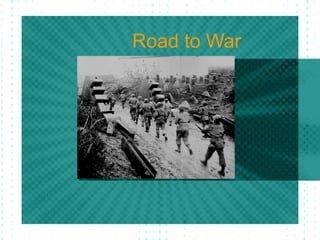
Road to War
Rise of Fascism
 FDR knew that war may be inevitable in
Europe
 2/3 of Americans did not want another
war, citing they did not agree with entry
into WWI
 Nye Report, 1934
 Great Depression
 US still had a general policy of neutrality
Japan
 Japan invades China in 1937
 Already occupied Manchuria (1931-
1932)
 LON did not approve of Japan’s actions
but could not do anything to stop them
 Japan was not allowed to participate in
the league for a year, and they decided
to withdraw from the League!
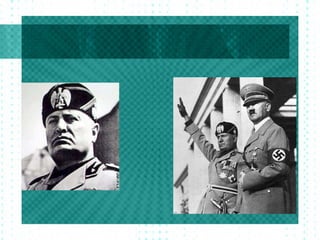
Italy
 Mussolini was encouraged by what
Japan was doing
 Italy invaded Ethiopia in 1935
 Italy had not received any colonies as
part of the Versailles Treaty
 Ethiopia was independent, but could not
stop Italy from invasion
 LON again not happy, but helpless
Hitler/Germany
 Came to power due to poor conditions and
large reaparations, also fear of Communism
 Socialist or Nazi Party took over in 1933
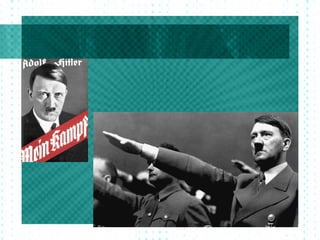
 Mein Kampf: Written by Hitler, discussed
overturning territorial settlements of the
Versailles Treaty, to restore a “German
Fatherland”, and to annex much of Eastern
Europe
 First concentration camp opened in 1933
Appeasement
 Policy from England
and France to avoid
war with Germany
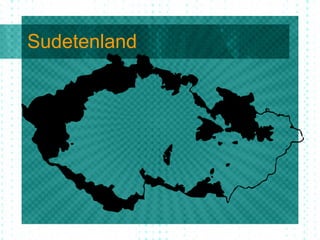
 Munich agreement
in 1938 in which
England and France
agreed to allow
Hitler to annex the
Sudetenland
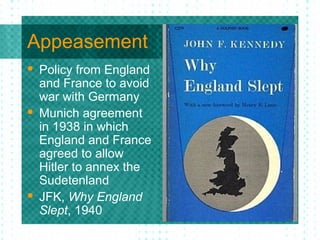
 JFK, Why England
Slept, 1940
Neville Chamberlain, Peace
for Our Time, Sept. 30, 1938
 “The settlement of the Czechoslovakian
problem, which has now been achieved
is, in my view, only the prelude to a
larger settlement in which all Europe
may find peace.”
 “We regard the agreement signed last
night….as symbolic of the desire of our
two peoples never to go to war with one
another again.”
 Chamberlain treated like a hero
Isolationism in the 1930’s
 Very uninvolved in this decade
 Formal recognition of Soviet Union in
1933
 Good Neighbor Policy: US renounced
the use of military force and armed
intervention in the Western Hemisphere
 What factors led to public support for
non-intervention internationally?
Neutrality Act
 1935 act that prevented a recurrence of
events of WWI
 Imposed an embargo on arms trading with
countries at war
 Declared that American citizens traveling on
ships were doing so at their own risk
 Banned loans to bullying countries
 Cash and carry: purchases of non-military
goods from US would have to be paid for in
cash, and picked up on own ships if at war
 Protested by many; esp. America First Committee
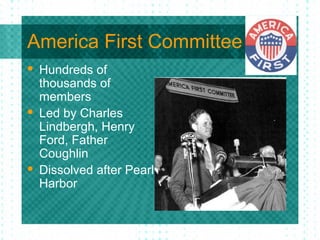
America First Committee
 Hundreds of
thousands of
members
 Led by Charles
Lindbergh, Henry
Ford, Father
Coughlin
 Dissolved after Pearl
Harbor
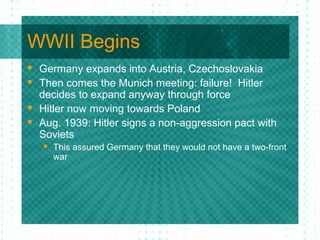
WWII Begins
 Germany expands into Austria, Czechoslovakia
 Then comes the Munich meeting: failure! Hitler
decides to expand anyway through force
 Hitler now moving towards Poland
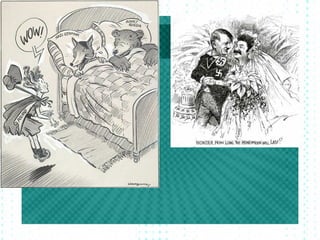
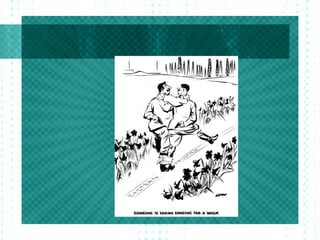
 Aug. 1939: Hitler signs a non-aggression pact with
Soviets
 This assured Germany that they would not have a two-front
war
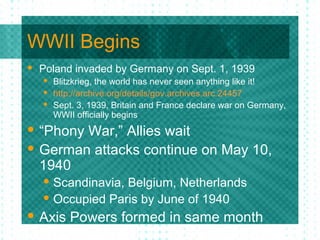
WWII Begins
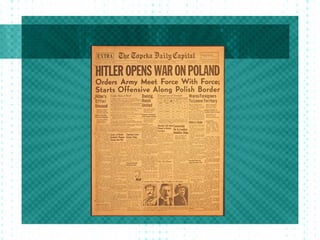
 Poland invaded by Germany on Sept. 1, 1939
 Blitzkrieg, the world has never seen anything like it!
 http://archive.org/details/gov.archives.arc.24457
 Sept. 3, 1939, Britain and France declare war on Germany,
WWII officially begins
 “Phony War,” Allies wait
 German attacks continue on May 10,
1940
 Scandinavia, Belgium, Netherlands
 Occupied Paris by June of 1940
 Axis Powers formed in same month
Sudetenland
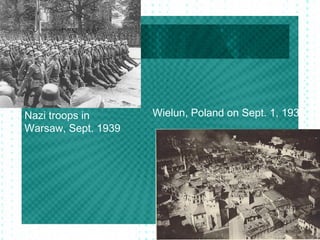
Nazi troops in
Warsaw, Sept. 1939
Wielun, Poland on Sept. 1, 1939
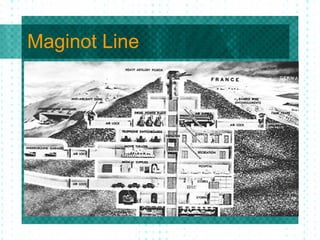
Maginot Line
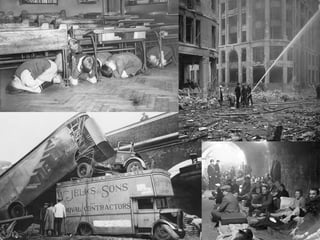
US Reaction
 Looked at for our reaction
 FDR declared neutrality on Sept. 5, 1939
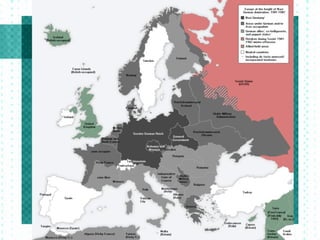
 By April 1940, Germany had defeated
Poland and Denmark
 Then, Norway, Netherlands, Belgium,
Luxembourg
 Even France by June 1940
 Only Britain is left
 Churchill is desperate for help
At this point…some action!
 FDR created the National Defense
Advisory Commission and Council of
National Defense in 1940
 Built military bases on British
possessions in the Atlantic
 Ended neutrality by doing this!
 Congress increased defense spending
and had a peacetime draft
 Selective Service & Training Act
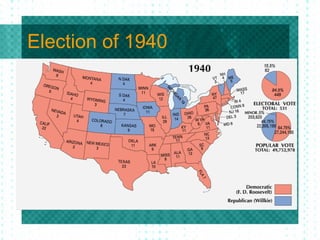
Election of 1940
Lend-Lease Act
 After winning election of 1940
 President had power to lease, lend, or
otherwise dispose of arms and other
equipment whose defense was
considered vital to the security of the US
 When Germany invaded the Soviets in
1941, they expanded the program to
them
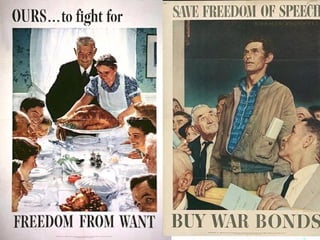
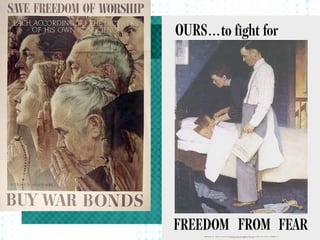
Four Freedoms Speech
 FDR’s State of the Union speech; Jan.
1941
 Four fundamental freedoms that people
everywhere should enjoy
 Freedom of speech
 Freedom of worship
 Freedom from want
 Freedom from fear
 Became a basis for war aims
 An attempt to gain public support
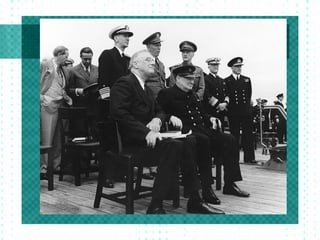
Atlantic Charter
 FDR and Churchill
 Off coast of Newfoundland
 Ideological foundation of the Western
cause
 Similar to Fourteen Points in that it:
 Called for economic collaboration
 Guarantees of political stability
 Free trade, national self-determination,
collective security
Road to War

Road to War

  • 1.
  • 2.
    Rise of Fascism FDR knew that war may be inevitable in Europe  2/3 of Americans did not want another war, citing they did not agree with entry into WWI  Nye Report, 1934  Great Depression  US still had a general policy of neutrality
  • 3.
    Japan  Japan invadesChina in 1937  Already occupied Manchuria (1931- 1932)  LON did not approve of Japan’s actions but could not do anything to stop them  Japan was not allowed to participate in the league for a year, and they decided to withdraw from the League!
  • 4.
    Italy  Mussolini wasencouraged by what Japan was doing  Italy invaded Ethiopia in 1935  Italy had not received any colonies as part of the Versailles Treaty  Ethiopia was independent, but could not stop Italy from invasion  LON again not happy, but helpless
  • 6.
    Hitler/Germany  Came topower due to poor conditions and large reaparations, also fear of Communism  Socialist or Nazi Party took over in 1933  Mein Kampf: Written by Hitler, discussed overturning territorial settlements of the Versailles Treaty, to restore a “German Fatherland”, and to annex much of Eastern Europe  First concentration camp opened in 1933
  • 8.
    Appeasement  Policy fromEngland and France to avoid war with Germany  Munich agreement in 1938 in which England and France agreed to allow Hitler to annex the Sudetenland  JFK, Why England Slept, 1940
  • 9.
    Neville Chamberlain, Peace forOur Time, Sept. 30, 1938  “The settlement of the Czechoslovakian problem, which has now been achieved is, in my view, only the prelude to a larger settlement in which all Europe may find peace.”  “We regard the agreement signed last night….as symbolic of the desire of our two peoples never to go to war with one another again.”  Chamberlain treated like a hero
  • 10.
    Isolationism in the1930’s  Very uninvolved in this decade  Formal recognition of Soviet Union in 1933  Good Neighbor Policy: US renounced the use of military force and armed intervention in the Western Hemisphere  What factors led to public support for non-intervention internationally?
  • 11.
    Neutrality Act  1935act that prevented a recurrence of events of WWI  Imposed an embargo on arms trading with countries at war  Declared that American citizens traveling on ships were doing so at their own risk  Banned loans to bullying countries  Cash and carry: purchases of non-military goods from US would have to be paid for in cash, and picked up on own ships if at war  Protested by many; esp. America First Committee
  • 12.
    America First Committee Hundreds of thousands of members  Led by Charles Lindbergh, Henry Ford, Father Coughlin  Dissolved after Pearl Harbor
  • 13.
    WWII Begins  Germanyexpands into Austria, Czechoslovakia  Then comes the Munich meeting: failure! Hitler decides to expand anyway through force  Hitler now moving towards Poland  Aug. 1939: Hitler signs a non-aggression pact with Soviets  This assured Germany that they would not have a two-front war
  • 14.
    WWII Begins  Polandinvaded by Germany on Sept. 1, 1939  Blitzkrieg, the world has never seen anything like it!  http://archive.org/details/gov.archives.arc.24457  Sept. 3, 1939, Britain and France declare war on Germany, WWII officially begins  “Phony War,” Allies wait  German attacks continue on May 10, 1940  Scandinavia, Belgium, Netherlands  Occupied Paris by June of 1940  Axis Powers formed in same month
  • 15.
  • 19.
    Nazi troops in Warsaw,Sept. 1939 Wielun, Poland on Sept. 1, 1939
  • 20.
  • 22.
    US Reaction  Lookedat for our reaction  FDR declared neutrality on Sept. 5, 1939  By April 1940, Germany had defeated Poland and Denmark  Then, Norway, Netherlands, Belgium, Luxembourg  Even France by June 1940  Only Britain is left  Churchill is desperate for help
  • 25.
    At this point…someaction!  FDR created the National Defense Advisory Commission and Council of National Defense in 1940  Built military bases on British possessions in the Atlantic  Ended neutrality by doing this!  Congress increased defense spending and had a peacetime draft  Selective Service & Training Act
  • 26.
  • 27.
    Lend-Lease Act  Afterwinning election of 1940  President had power to lease, lend, or otherwise dispose of arms and other equipment whose defense was considered vital to the security of the US  When Germany invaded the Soviets in 1941, they expanded the program to them
  • 28.
    Four Freedoms Speech FDR’s State of the Union speech; Jan. 1941  Four fundamental freedoms that people everywhere should enjoy  Freedom of speech  Freedom of worship  Freedom from want  Freedom from fear  Became a basis for war aims  An attempt to gain public support
  • 31.
    Atlantic Charter  FDRand Churchill  Off coast of Newfoundland  Ideological foundation of the Western cause  Similar to Fourteen Points in that it:  Called for economic collaboration  Guarantees of political stability  Free trade, national self-determination, collective security