WELCOME TO THE
TV PROJECT
OVER THE TV STUDIO PROJECT YOU
WILL
 Learn how to conduct accurate, useful research for a factual
programme, recording and summarising your findings
 Learn how to plan location VT's and TV studio productions.
 Pitch an idea for a VT segment to an audience, and answer questions
 Learn how to operate a range of TV studio equipment
 Complete test screenings of your VT/programme, gaining the
feedback of your audience and improving your final production based
on this.
TV PRODUCTION LESSON 1:
PRODUCTION RESEARCH
Background research
Secondary research
Database
Scripting an intro to a segment
TODAY
You are going to learn about
production research.
WHAT IS
‘RESEARCH’?
Is the investigation of
a subject to establish
facts.
WHY DO TV
PRODUCERS
NEED TO FIND
OUT FACTS?
We have a duty to our viewers
to give them a truthful
account of what our
programme is about.
What happens if we broadcast
incorrect information, or even
lies?
Slander is when we tell lies
about someone. Its illegal, and
we can end up in court if
slander someone in our
programmes.
ALL TV
PROGRAMMES
SHOULD BE BUILT
ON A SOLID
FOUNDATION OF
FACTS
Research is the
process we
undertake to learn
more about our
subject and better
understand it.
Production (what is our show
about? Who can we have on it?
Where should we film?)
Audience (who will watch our
programmes, and what do they
want to watch?)
Market (what are other producers
making? What types of
programme are trending, and
should we make a similar
programme?)
THERE ARE 3
DIFFERENT TYPES
OF RESEARCH
WHAT PRODUCTION RESEARCH MIGHT WE
UNDERTAKE FOR A FACTUAL PROGRAMME?
WHAT PRODUCTION RESEARCH MIGHT WE
UNDERTAKE FOR A FACTUAL PROGRAMME?
1. Find out information about
the subject matter / issue
What different subjects do
you need to know about?
WHAT PRODUCTION RESEARCH MIGHT WE
UNDERTAKE FOR A FACTUAL PROGRAMME?
2. Find contributors to interview:
Who?
What about?
When can we interview them?
Where can we interview them?
WHAT PRODUCTION RESEARCH MIGHT WE
UNDERTAKE FOR A FACTUAL PROGRAMME?
3. Research filming locations
Where?
When?
Safe?
Secure?
Do we have permission?
There are 2 main methods
we can use to conduct our
research:
1. primary
2. secondary
What’s the difference?
HOW WE
CONDUCT R
ESEARCH
PRIMARY RESEARCH
Primary research is research you undertake yourself, that does not
already exist.
In essence (ie) you go out and do it yourself.
Primary research involves talking or communicating with
someone else.
Its useful for:
 finding out peoples stories,
 what they think/feel about an issue,
when talking to an expert about an issue.
TYPES OF
PRIMARY
RESEARCH
Face to face interviews
Telephone interviews
Messages & chat
Focus groups
Film / TV screenings &
audience feedback
WHAT PRIMARY RESEARCH COULD YOU DO
FOR A NEWS SEGMENT ON KNIFE CRIME?
SECONDARY RESEARCH
Secondary research is finding information that already
exists somewhere, in some form.
In essence (ie) you look at what someone else has already
researched.
Secondary research is useful for finding out facts, figures,
statistics about a subject. It is also useful for finding out
contextual information about an event (for example
something that’s happened in the news).
TYPES OF
SECONDARY
RESEARCH
Books
Archives (video or audio)
Existing journalism
(newspapers and news sites
eg. BBC News)
 Local news (Coventry
Telegraph)
 National news (BBC UK)
 Global news (BBC World)
TASK 1 – SECONDARY RESEARCH
In your groups conduct subject research into knife crime in
Coventry. You will need to produce written notes with:
1. Key facts about knife crime in the UK
2. Key facts about knife crime in Coventry
3. Your source of information for each fact (www.)
Record all of this information in your notebooks
TASK 2 – FEEDBACK
What did we find out?
How reliable is your source?
Just because its written down doesn’t make it true.
How do we find out if information is reliable?
Verify your info from another 2 sources (triangulation)
How do we record this somewhere the whole team can
access it?
TASK 3 - DATABASE
All of your research needs to be recorded in a research database.
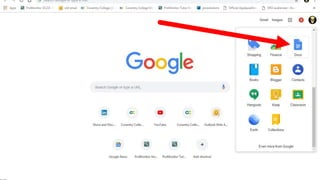
Log in to your google account
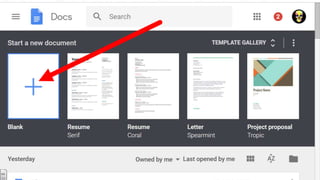
1 person make a new google doc.
1. Name it “Knife Crime Research”.
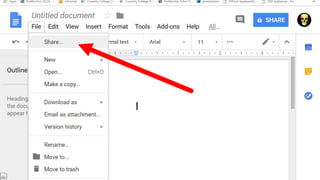
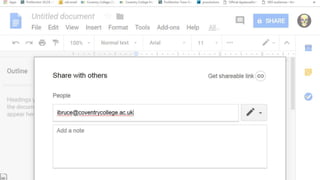
2. Share this with the other 4 researchers using File > Share
3. Individually, write up your research on knife crime, including
your sources.
TASK 4 – SECONDARY RESEARCH
 The government releases lots of useful information on https://www.gov.uk/
 If there is a specific piece of information you want that isn’t available you can
request it using a Freedom Of Information request (FOI).
 The government does not have to give you the information.
 The process for applying for an FOI involves filling in some paperwork and
submitting it.
Go to https://www.gov.uk/ and find me knife crime statistics for this year
(2019)
TASK 5 - SCRIPTING
Script a presenter-led discussion on knife crime as in
intro to the issue of knife crime.
Use your research to give the audience the key
information about the issue.

Research - TV studio project week1

  • 1.
  • 2.
    OVER THE TVSTUDIO PROJECT YOU WILL  Learn how to conduct accurate, useful research for a factual programme, recording and summarising your findings  Learn how to plan location VT's and TV studio productions.  Pitch an idea for a VT segment to an audience, and answer questions  Learn how to operate a range of TV studio equipment  Complete test screenings of your VT/programme, gaining the feedback of your audience and improving your final production based on this.
  • 3.
    TV PRODUCTION LESSON1: PRODUCTION RESEARCH Background research Secondary research Database Scripting an intro to a segment
  • 4.
    TODAY You are goingto learn about production research.
  • 5.
    WHAT IS ‘RESEARCH’? Is theinvestigation of a subject to establish facts.
  • 6.
    WHY DO TV PRODUCERS NEEDTO FIND OUT FACTS? We have a duty to our viewers to give them a truthful account of what our programme is about. What happens if we broadcast incorrect information, or even lies? Slander is when we tell lies about someone. Its illegal, and we can end up in court if slander someone in our programmes.
  • 7.
    ALL TV PROGRAMMES SHOULD BEBUILT ON A SOLID FOUNDATION OF FACTS Research is the process we undertake to learn more about our subject and better understand it.
  • 8.
    Production (what isour show about? Who can we have on it? Where should we film?) Audience (who will watch our programmes, and what do they want to watch?) Market (what are other producers making? What types of programme are trending, and should we make a similar programme?) THERE ARE 3 DIFFERENT TYPES OF RESEARCH
  • 9.
    WHAT PRODUCTION RESEARCHMIGHT WE UNDERTAKE FOR A FACTUAL PROGRAMME?
  • 10.
    WHAT PRODUCTION RESEARCHMIGHT WE UNDERTAKE FOR A FACTUAL PROGRAMME? 1. Find out information about the subject matter / issue What different subjects do you need to know about?
  • 11.
    WHAT PRODUCTION RESEARCHMIGHT WE UNDERTAKE FOR A FACTUAL PROGRAMME? 2. Find contributors to interview: Who? What about? When can we interview them? Where can we interview them?
  • 12.
    WHAT PRODUCTION RESEARCHMIGHT WE UNDERTAKE FOR A FACTUAL PROGRAMME? 3. Research filming locations Where? When? Safe? Secure? Do we have permission?
  • 13.
    There are 2main methods we can use to conduct our research: 1. primary 2. secondary What’s the difference? HOW WE CONDUCT R ESEARCH
  • 14.
    PRIMARY RESEARCH Primary researchis research you undertake yourself, that does not already exist. In essence (ie) you go out and do it yourself. Primary research involves talking or communicating with someone else. Its useful for:  finding out peoples stories,  what they think/feel about an issue, when talking to an expert about an issue.
  • 15.
    TYPES OF PRIMARY RESEARCH Face toface interviews Telephone interviews Messages & chat Focus groups Film / TV screenings & audience feedback
  • 16.
    WHAT PRIMARY RESEARCHCOULD YOU DO FOR A NEWS SEGMENT ON KNIFE CRIME?
  • 17.
    SECONDARY RESEARCH Secondary researchis finding information that already exists somewhere, in some form. In essence (ie) you look at what someone else has already researched. Secondary research is useful for finding out facts, figures, statistics about a subject. It is also useful for finding out contextual information about an event (for example something that’s happened in the news).
  • 18.
    TYPES OF SECONDARY RESEARCH Books Archives (videoor audio) Existing journalism (newspapers and news sites eg. BBC News)  Local news (Coventry Telegraph)  National news (BBC UK)  Global news (BBC World)
  • 19.
    TASK 1 –SECONDARY RESEARCH In your groups conduct subject research into knife crime in Coventry. You will need to produce written notes with: 1. Key facts about knife crime in the UK 2. Key facts about knife crime in Coventry 3. Your source of information for each fact (www.) Record all of this information in your notebooks
  • 20.
    TASK 2 –FEEDBACK What did we find out? How reliable is your source? Just because its written down doesn’t make it true. How do we find out if information is reliable? Verify your info from another 2 sources (triangulation) How do we record this somewhere the whole team can access it?
  • 21.
    TASK 3 -DATABASE All of your research needs to be recorded in a research database. Log in to your google account 1 person make a new google doc. 1. Name it “Knife Crime Research”. 2. Share this with the other 4 researchers using File > Share 3. Individually, write up your research on knife crime, including your sources.
  • 26.
    TASK 4 –SECONDARY RESEARCH  The government releases lots of useful information on https://www.gov.uk/  If there is a specific piece of information you want that isn’t available you can request it using a Freedom Of Information request (FOI).  The government does not have to give you the information.  The process for applying for an FOI involves filling in some paperwork and submitting it. Go to https://www.gov.uk/ and find me knife crime statistics for this year (2019)
  • 28.
    TASK 5 -SCRIPTING Script a presenter-led discussion on knife crime as in intro to the issue of knife crime. Use your research to give the audience the key information about the issue.