
Reading Strategies for
EFL Learners
RESEARCH-SUPPORTED READING STRATEGIES FOR
ENGLISH LANGUAGE LEARNERS
Welcome back!
 Thank you for patience, sending homework, posting
on Google Classroom!
Work today and tomorrow with sending comments
and detailed feedback
 If you were not able to email me homework, please
give me homework today or tomorrow.
 Let me know if you need me to print or email any
documents.
 Changes to class plan
Today… (and a little bit
tomorrow)
 Quickly review the Reading Strategies
PPT
 Share ideas for activities related to
sample reading “Running Around the
World”
 Peer teaching and reflection
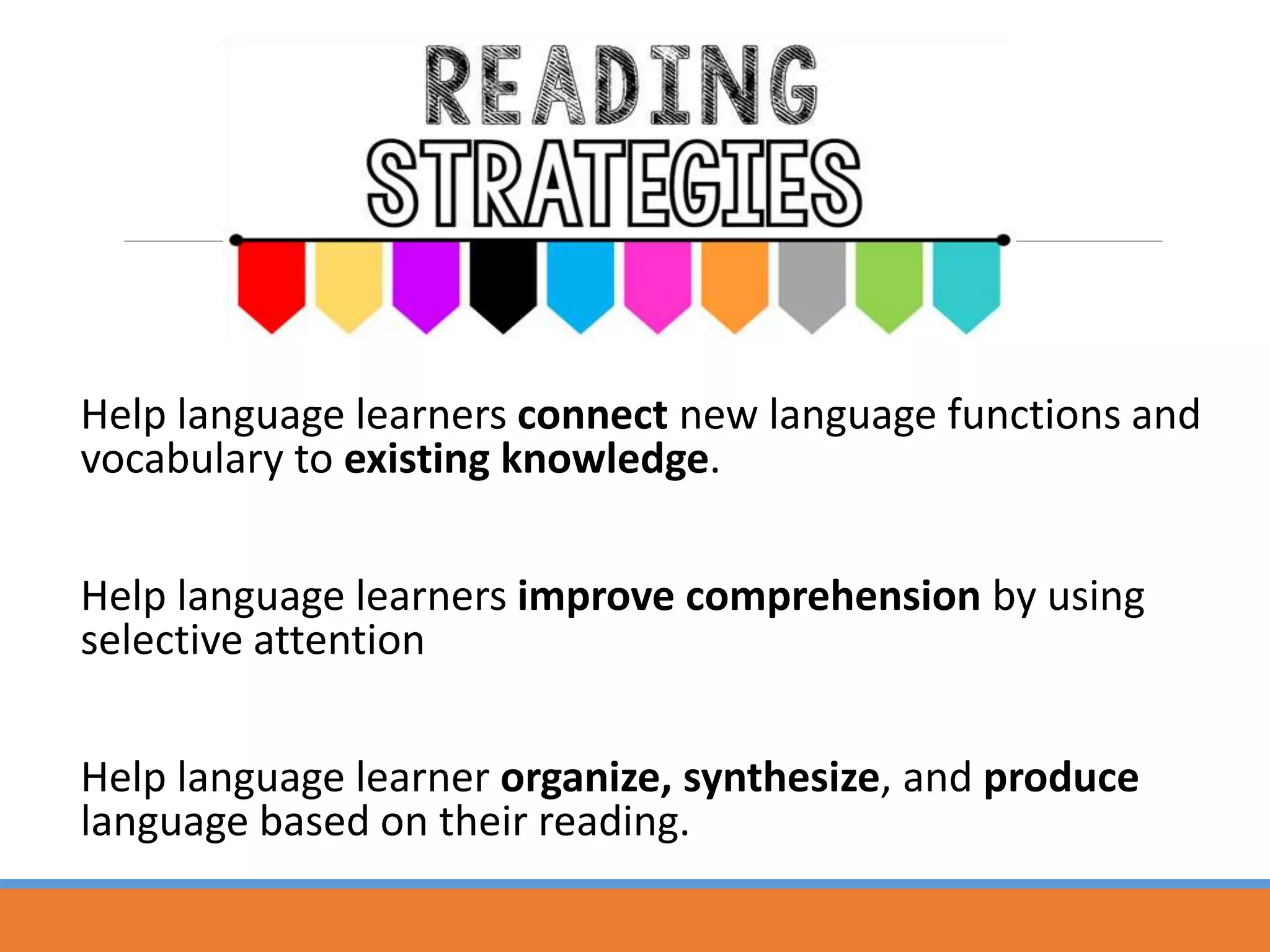
Help language learners connect new language functions and
vocabulary to existing knowledge.
Help language learners improve comprehension by using
selective attention
Help language learner organize, synthesize, and produce
language based on their reading.
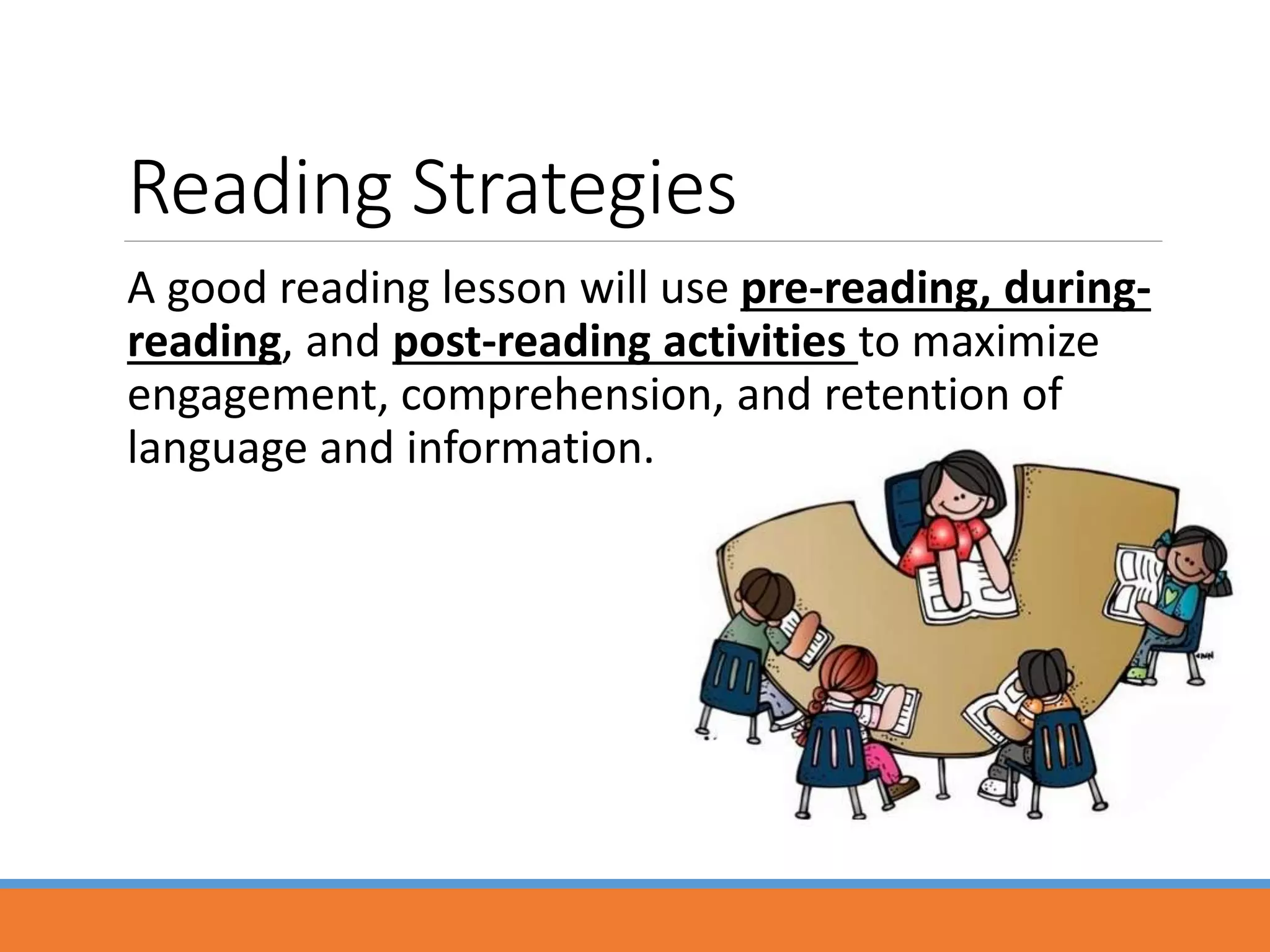
Reading Strategies
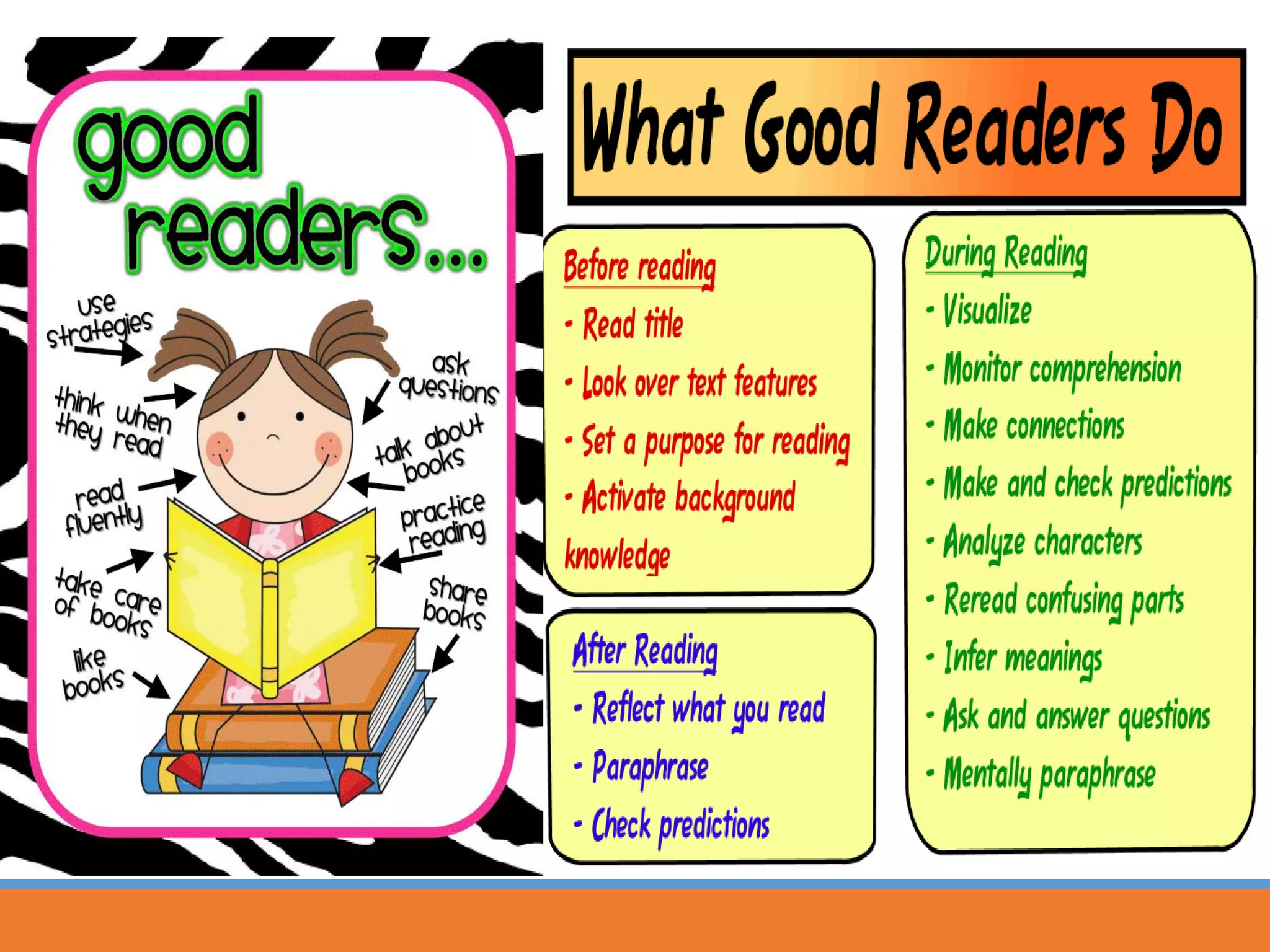
A good reading lesson will use pre-reading, during-
reading, and post-reading activities to maximize
engagement, comprehension, and retention of
language and information.
Pre-Reading Strategies
Pre-reading strategies prepare learners for
reading by activating prior knowledge and
vocabulary and language functions related
to a topic.
Pre-reading strategies motivate students.
Pre-reading strategies can relate content to
students’ lives.
Pre-Reading Strategies
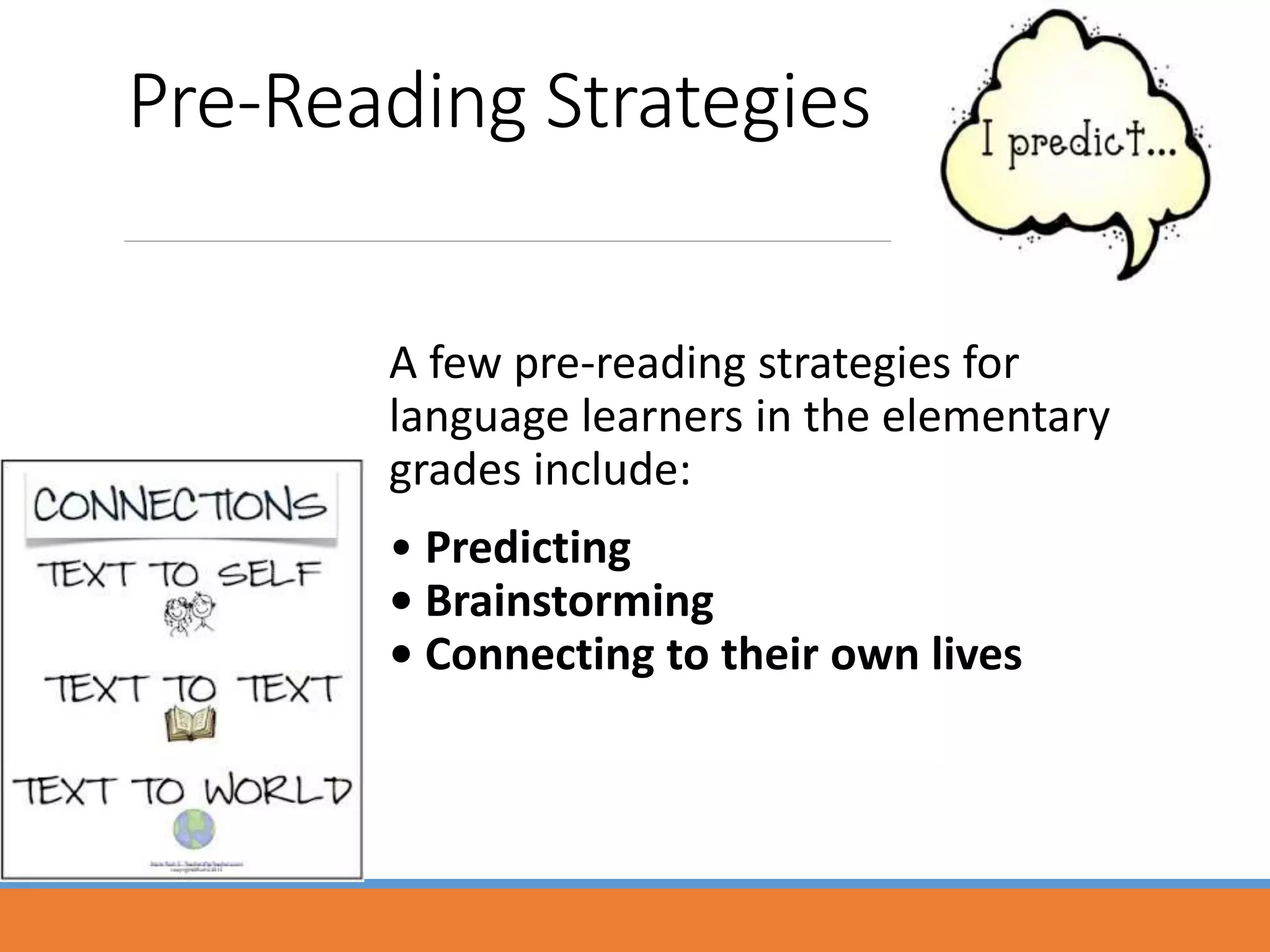
A few pre-reading strategies for
language learners in the elementary
grades include:
• Predicting
• Brainstorming
• Connecting to their own lives
Pre-Reading Strategies
•Predicting what the text is about using the external text features: the
picture, the title in bold, the subtitle, the type of the text
•Use pictures in the text to make guesses about information in the text
•Use a picture related to the topic to brainstorm as many words as
possible related to the text
•Ask Ss to connect the topic to personal lives and provide examples
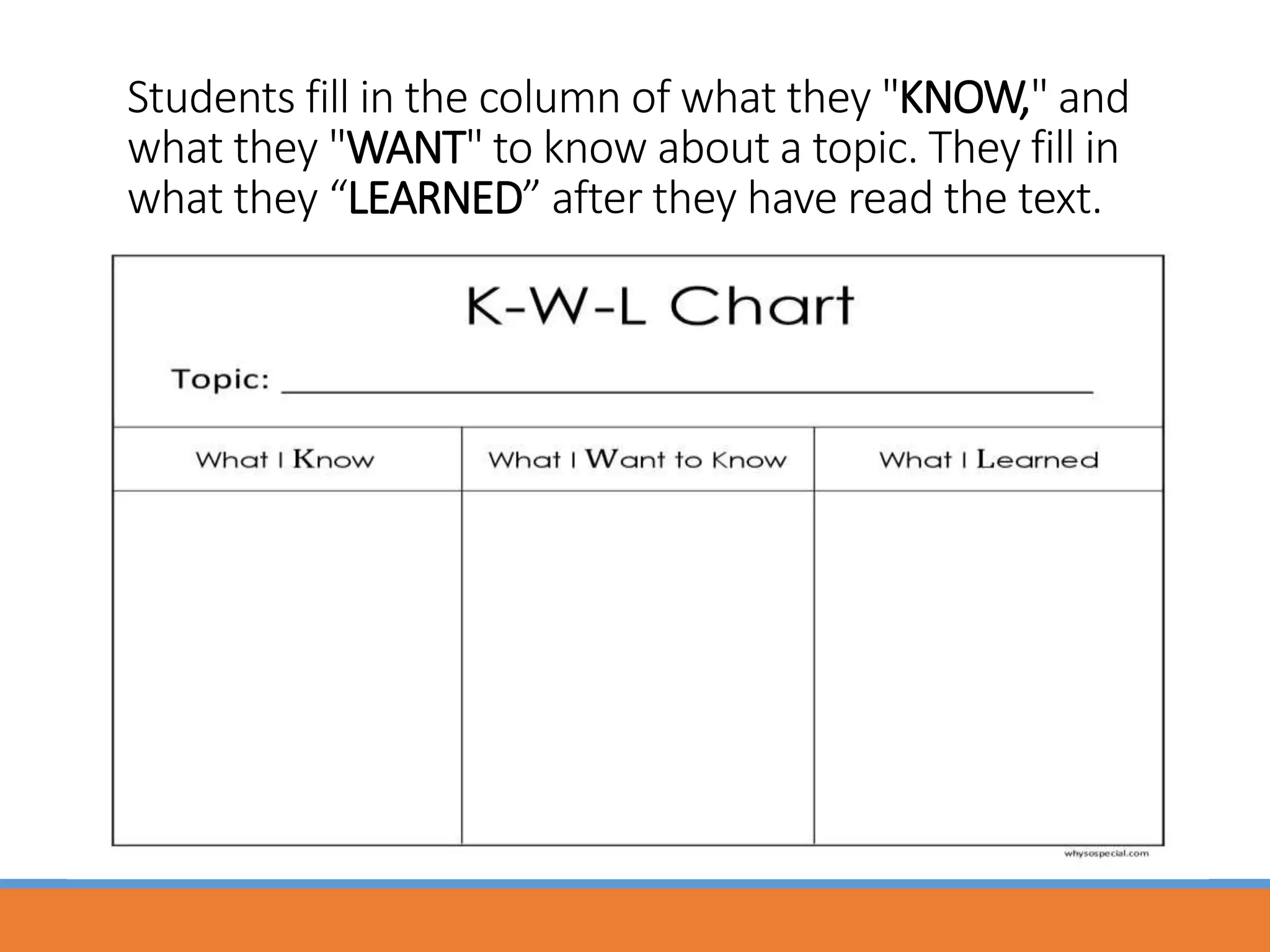
•Use a KWL Chart: (See next slide)
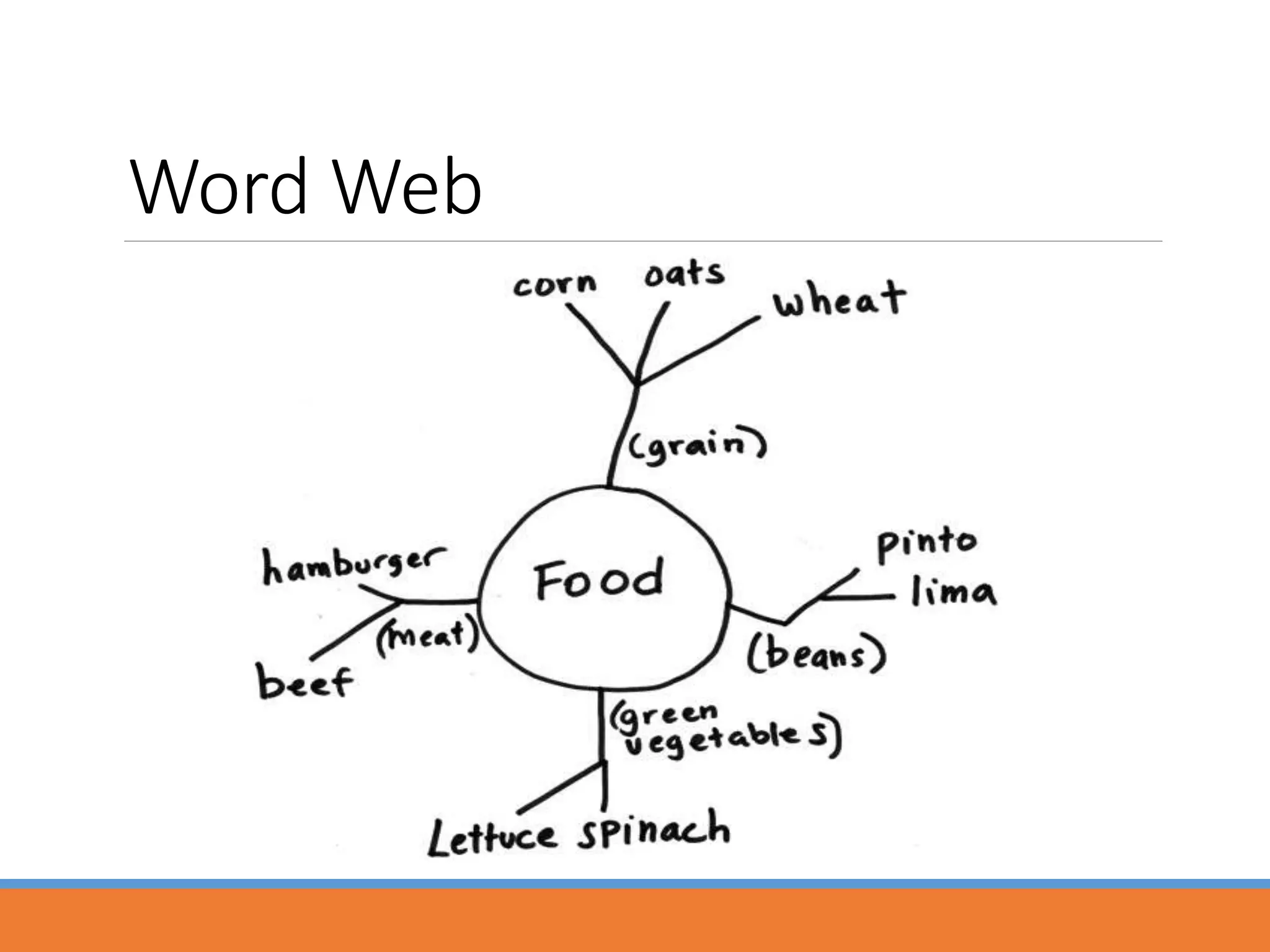
•Use a word web to have students think of words related to a key
character, subject, or aspect of the reading
•Have a whole class discussion about a topic
Students fill in the column of what they "KNOW," and
what they "WANT" to know about a topic. They fill in
what they “LEARNED” after they have read the text.
Word Web
example
Your turn
 What pre-reading strategies would
you use to teach this reading?
 What pre-reading vocabulary
strategies would you use to teach this
reading?
Peer Teaching: Pre-reading
strategy
Does the activity….?
 Activate prior knowledge and
vocabulary
 Motivate students
 Relate content to students’ lives
During-Reading Strategies
During –reading strategies maximize
student comprehension of material
by actively engaging the reader with
the material, questioning,
evaluating, summarizing.
During-Reading Strategies
A few during-reading strategies are:
•Predicting
•Peer summaries
•Creating questions
Can you think of some others?
During Reading Strategies
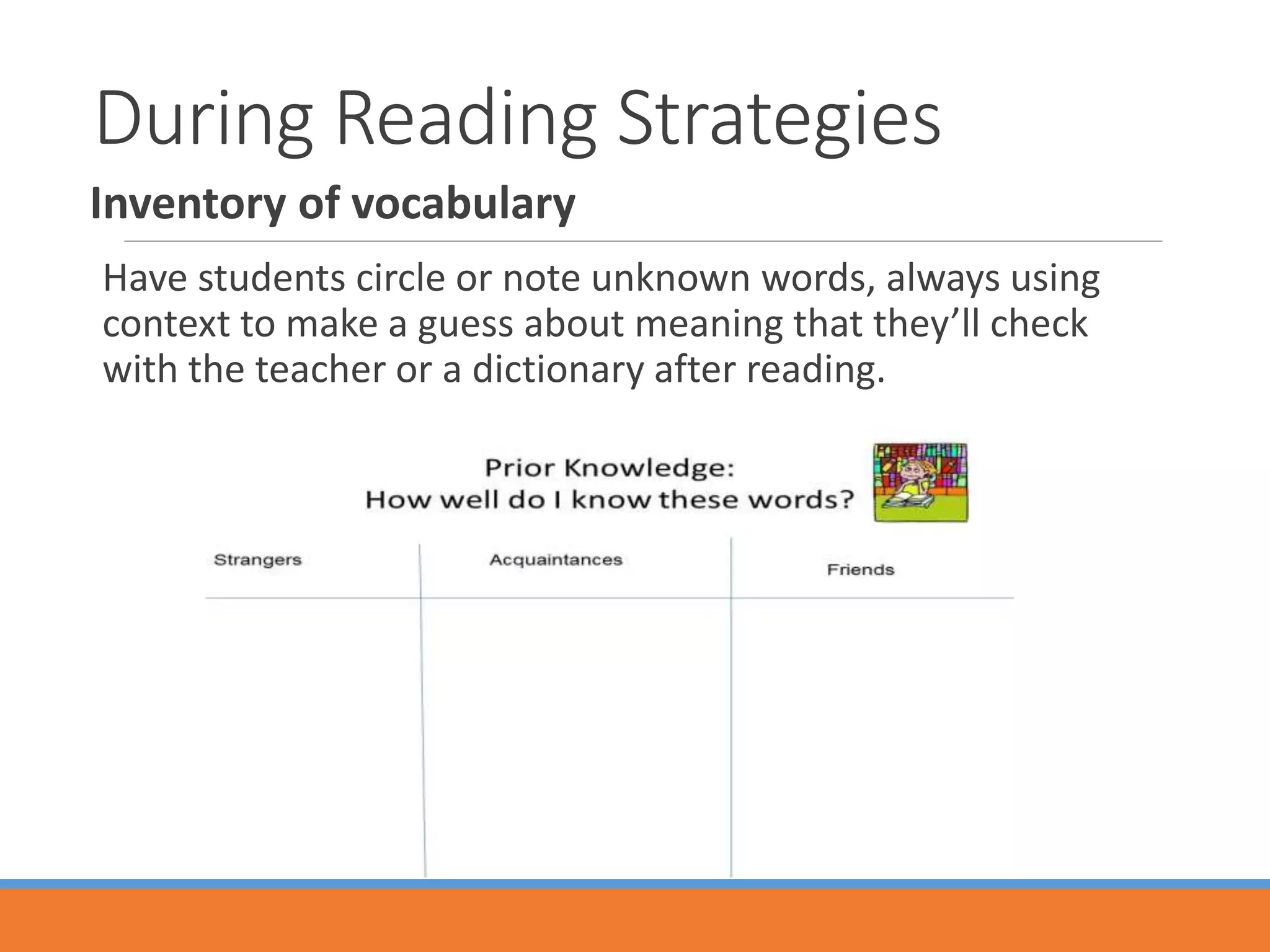
Inventory of vocabulary
Have students circle or note unknown words, always using
context to make a guess about meaning that they’ll check
with the teacher or a dictionary after reading.
During Reading Strategies
Directed-reading-thinking activity (DRTA):
•In pairs, students make a prediction for the first paragraph based on the
title.
•After reading that paragraph aloud, they should evaluate whether their
prediction was right or wrong. Then, they should try to predict what will
happen next, writing down their prediction.
•After that paragraph, they evaluate their prediction and make another
for the subsequent paragraph.
Summarizing with a partner:
Have students read in pairs and summarize each paragraph
for each other, ensuring that both understand.
During Reading
Strategies
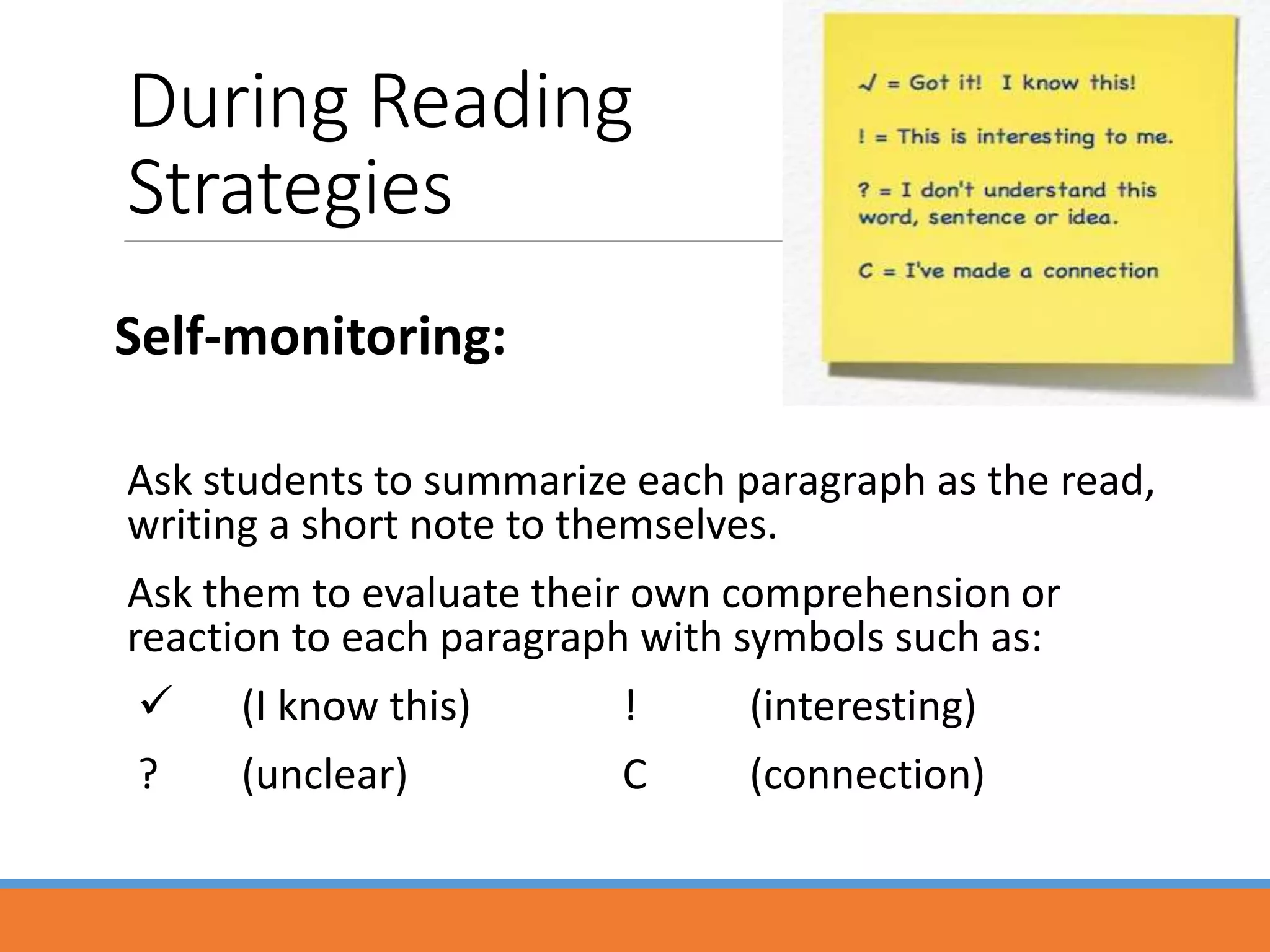
Self-monitoring:
Ask students to summarize each paragraph as the read,
writing a short note to themselves.
Ask them to evaluate their own comprehension or
reaction to each paragraph with symbols such as:
 (I know this) ! (interesting)
? (unclear) C (connection)
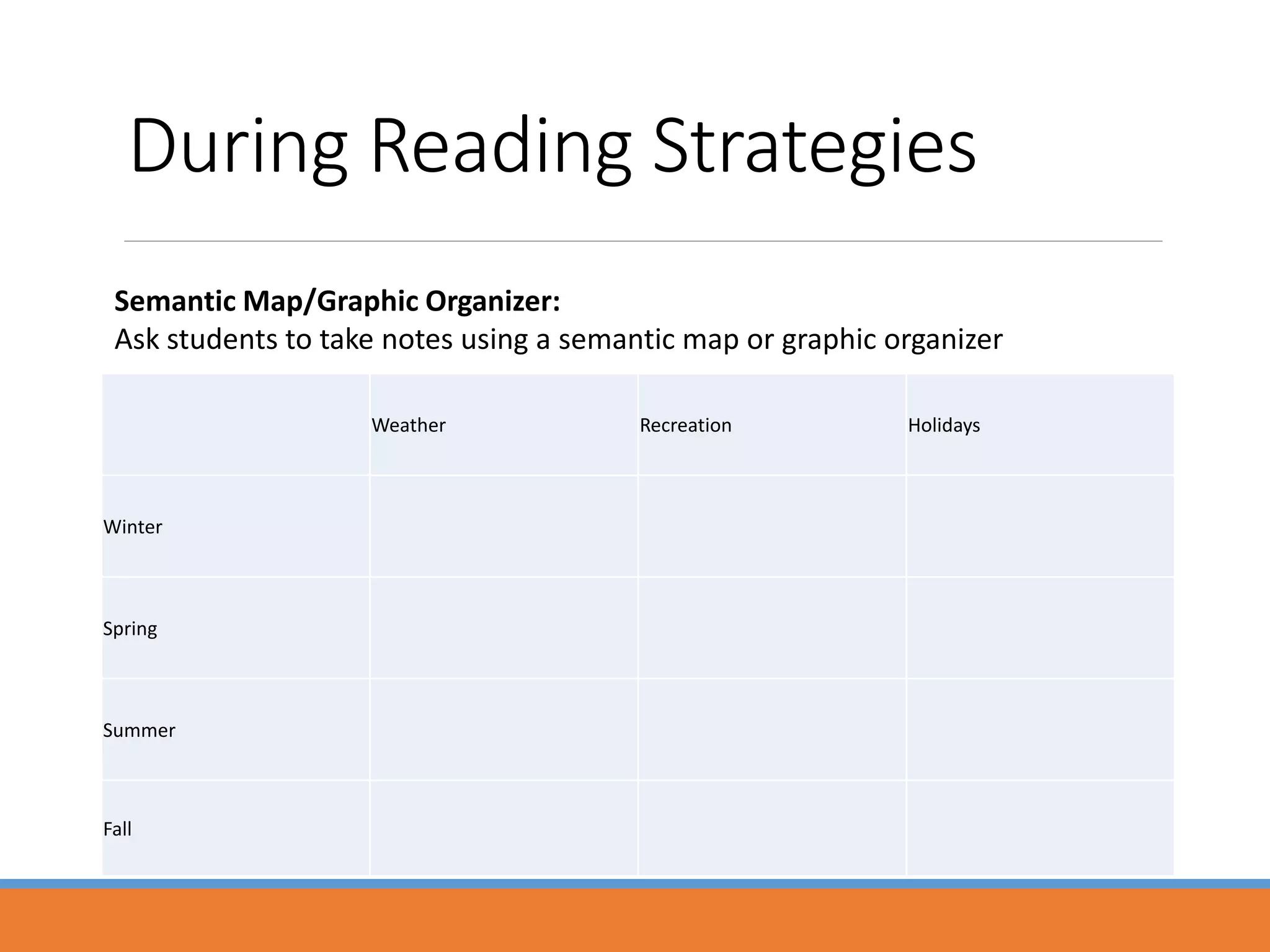
During Reading Strategies
Weather Recreation Holidays
Winter
Spring
Summer
Fall
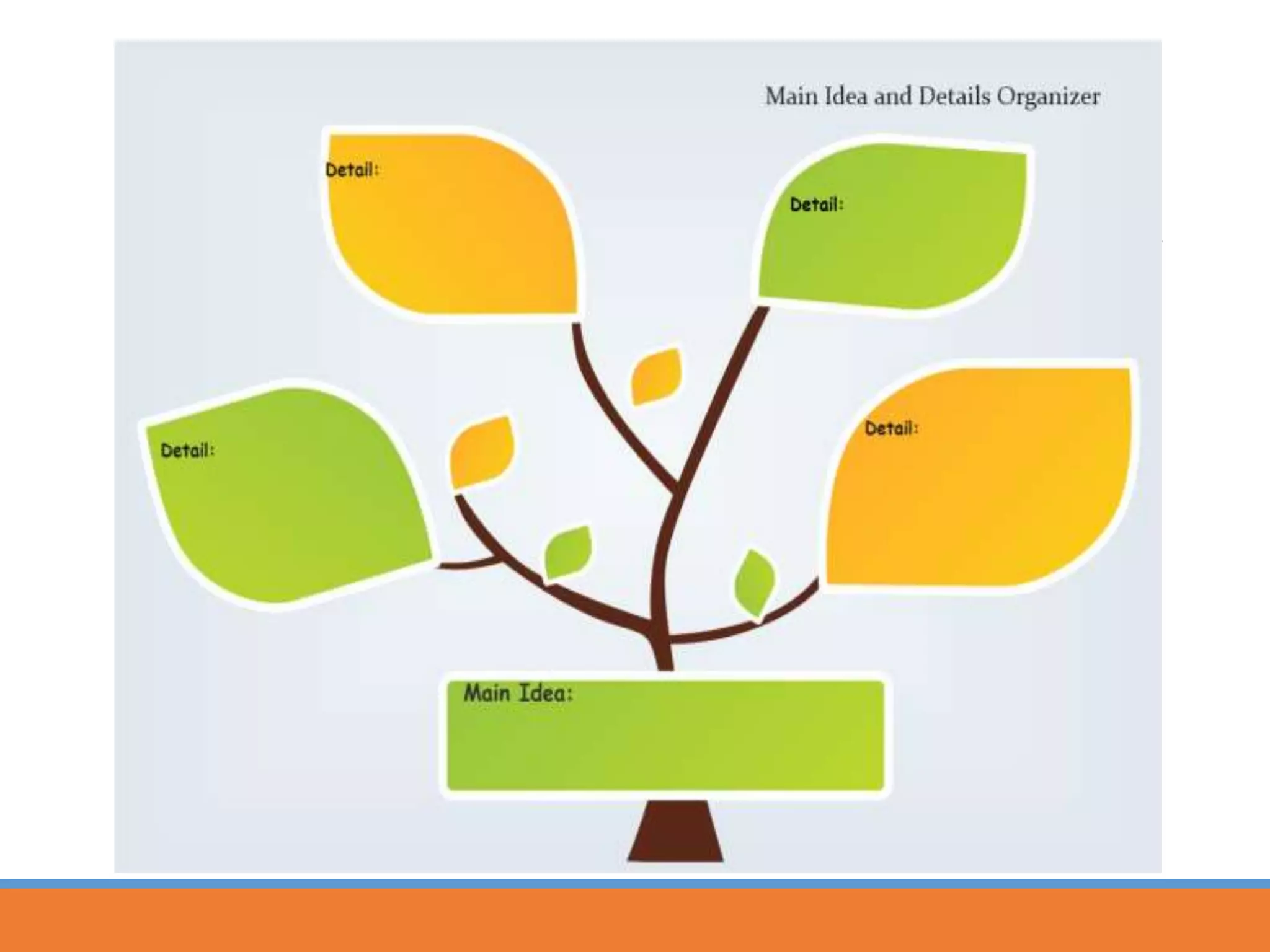
Semantic Map/Graphic Organizer:
Ask students to take notes using a semantic map or graphic organizer
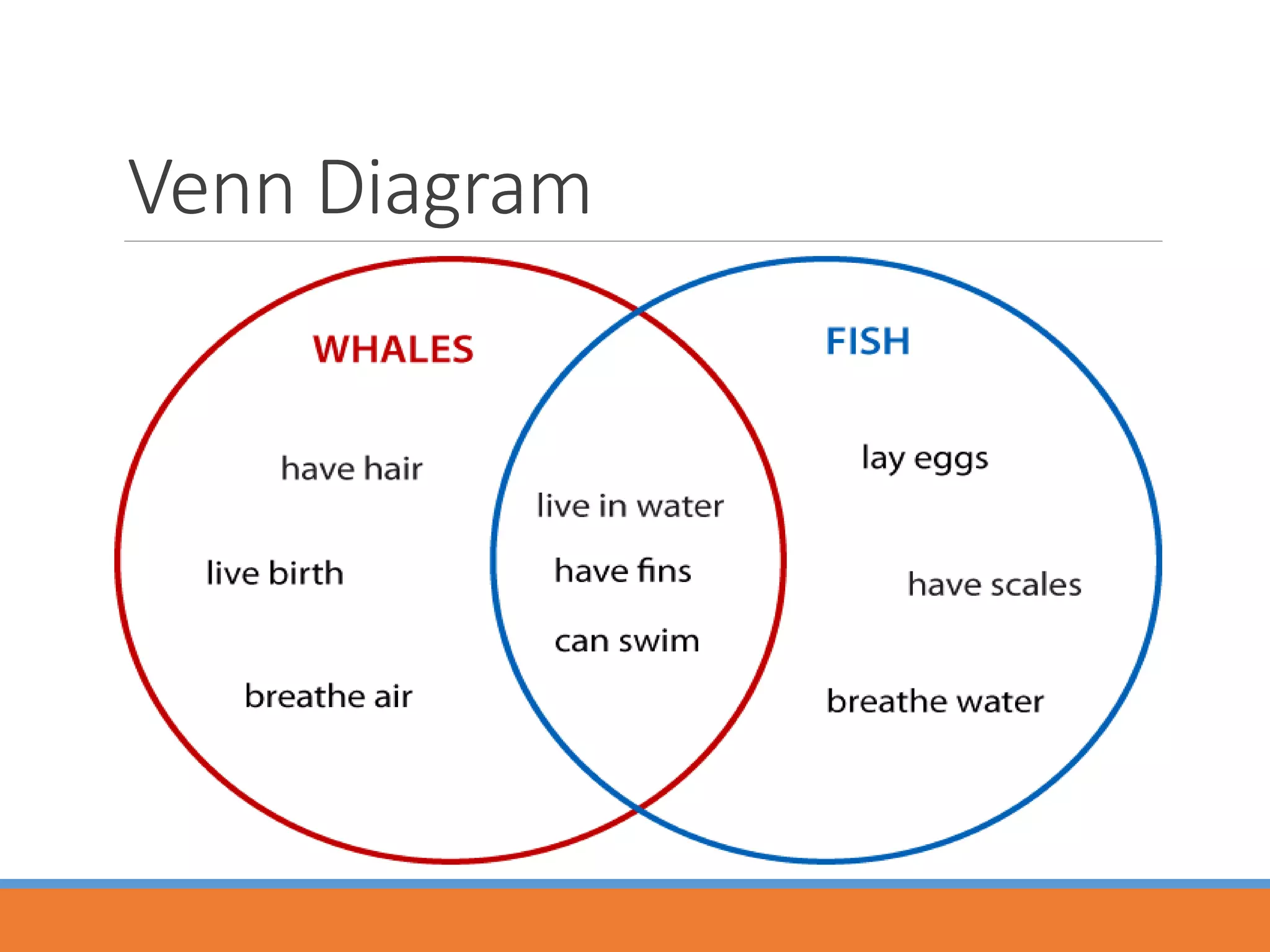
Venn Diagram
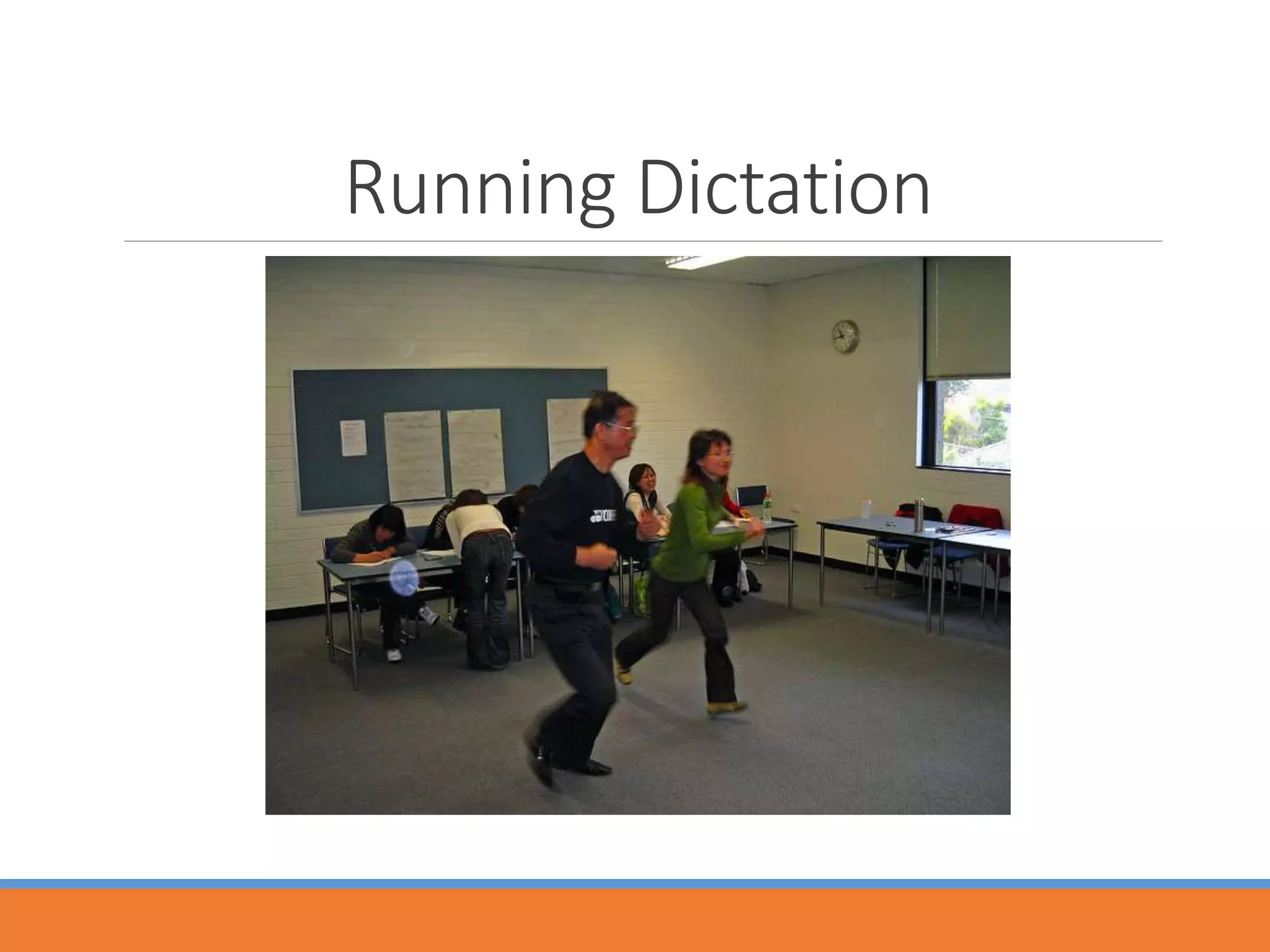
Running Dictation
Review
During Reading Strategies
What during reading strategies
would you use to teach this
reading?
 What during reading vocabulary
strategies would you use to teach
this reading?
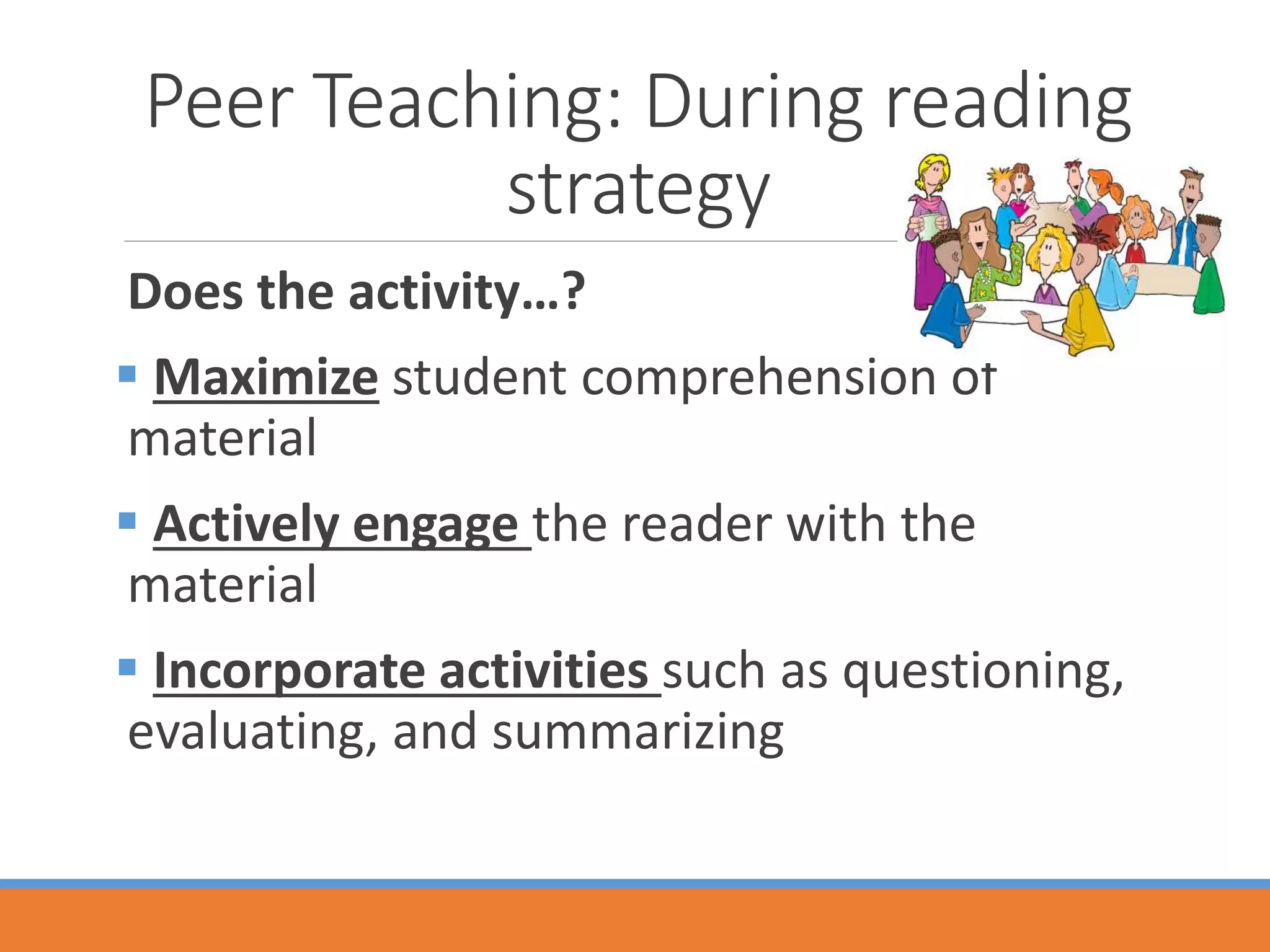
Peer Teaching: During reading
strategy
Does the activity…?
 Maximize student comprehension of
material
 Actively engage the reader with the
material
 Incorporate activities such as questioning,
evaluating, and summarizing
Post-Reading Strategies
Post-reading strategies help
students to master vocabulary,
reinforce and increase
comprehension, and build
productive language related to
the reading.
Post-Reading Strategies
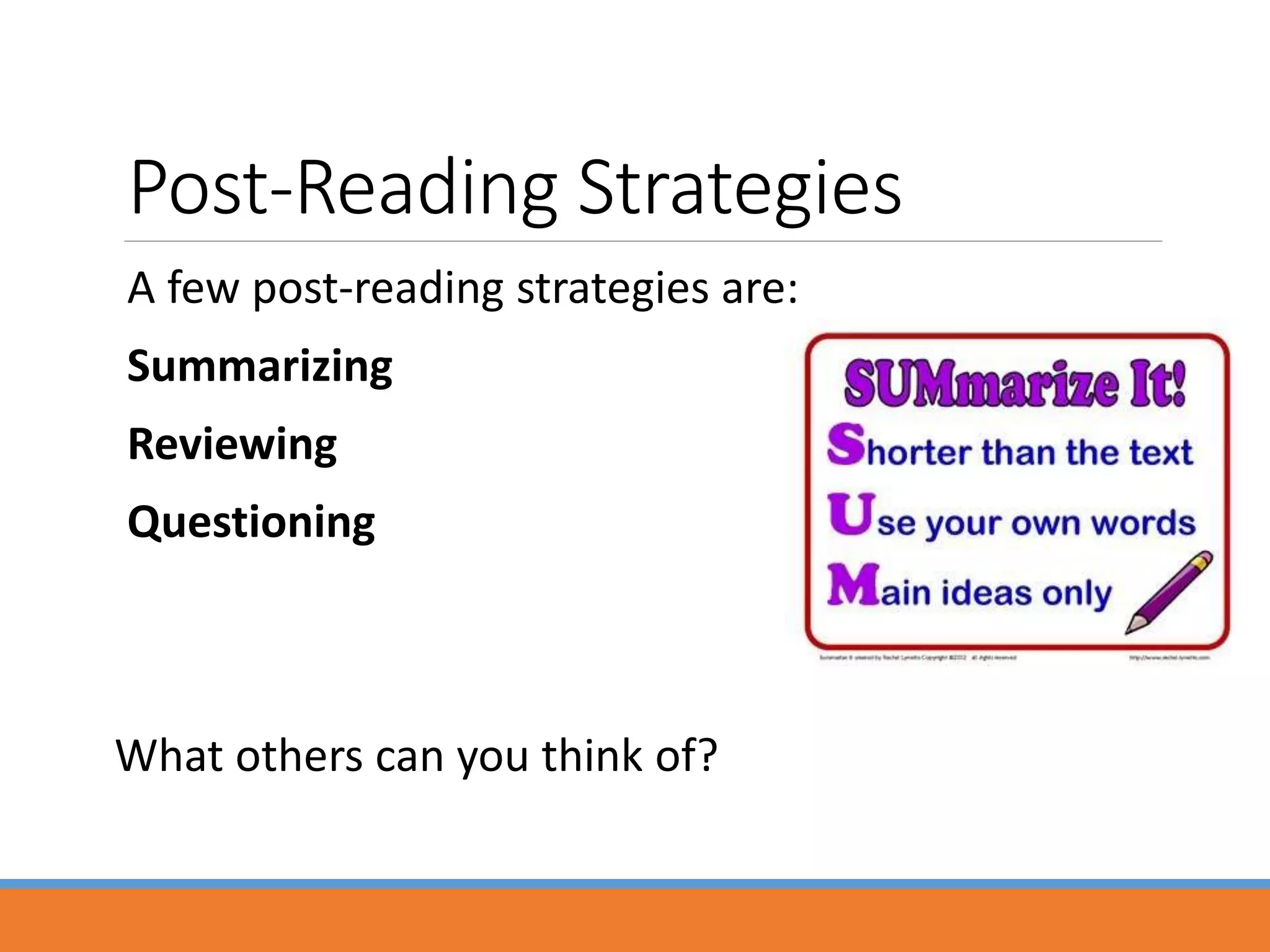
A few post-reading strategies are:
Summarizing
Reviewing
Questioning
What others can you think of?
Post-Reading
Strategies
Visual summary
Ask students to make a story board using pictures to
summarize what they read.
KWL Chart:
Ask students to fill in the “L” column of the KWL and then
share class-wide
Review
Ask students to review predictions, new vocabulary, clicks
and clunks, and key questions raised by the reading.
Review graphic organizers.
Post-Reading
Strategies
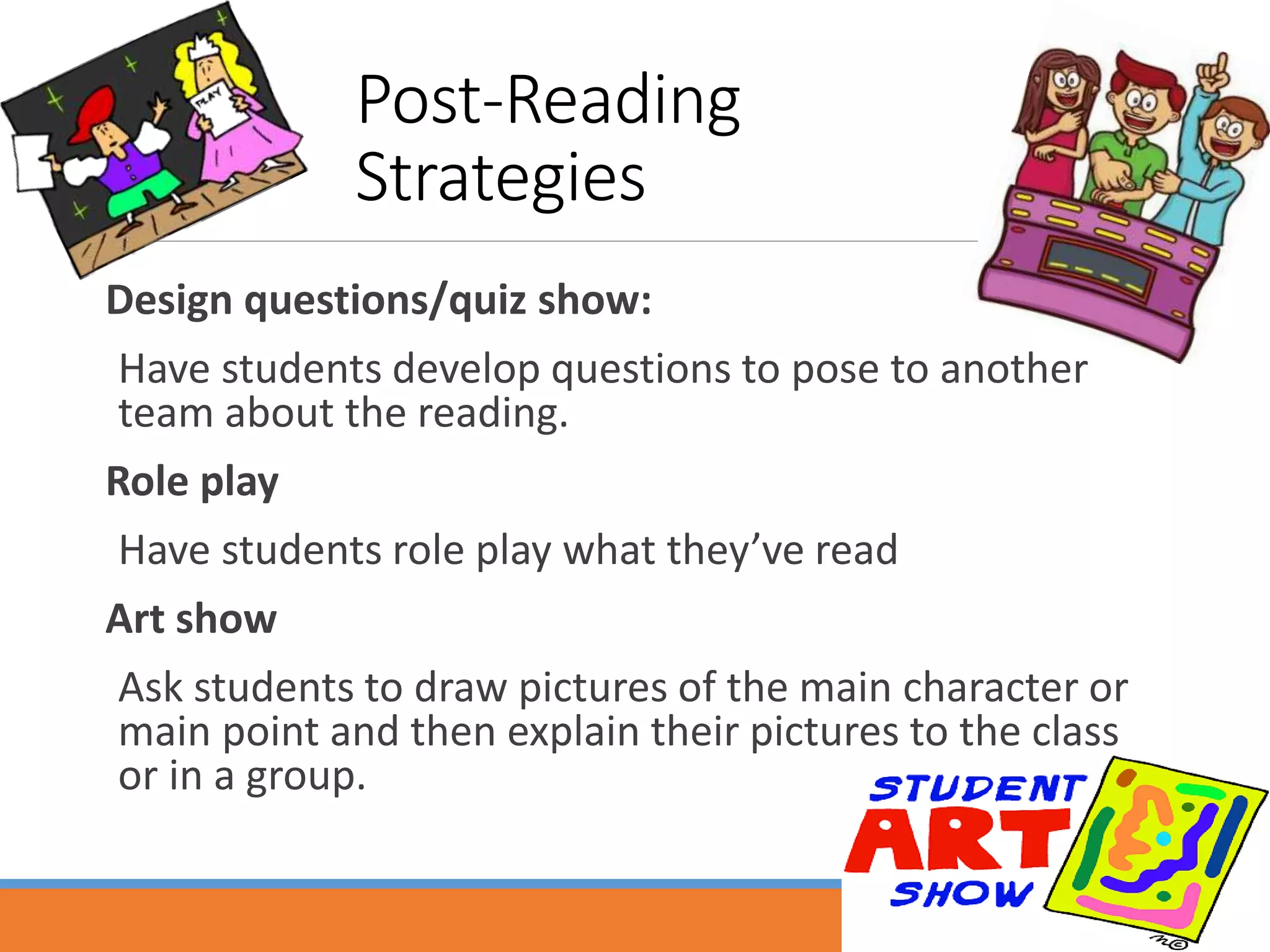
Design questions/quiz show:
Have students develop questions to pose to another
team about the reading.
Role play
Have students role play what they’ve read
Art show
Ask students to draw pictures of the main character or
main point and then explain their pictures to the class
or in a group.
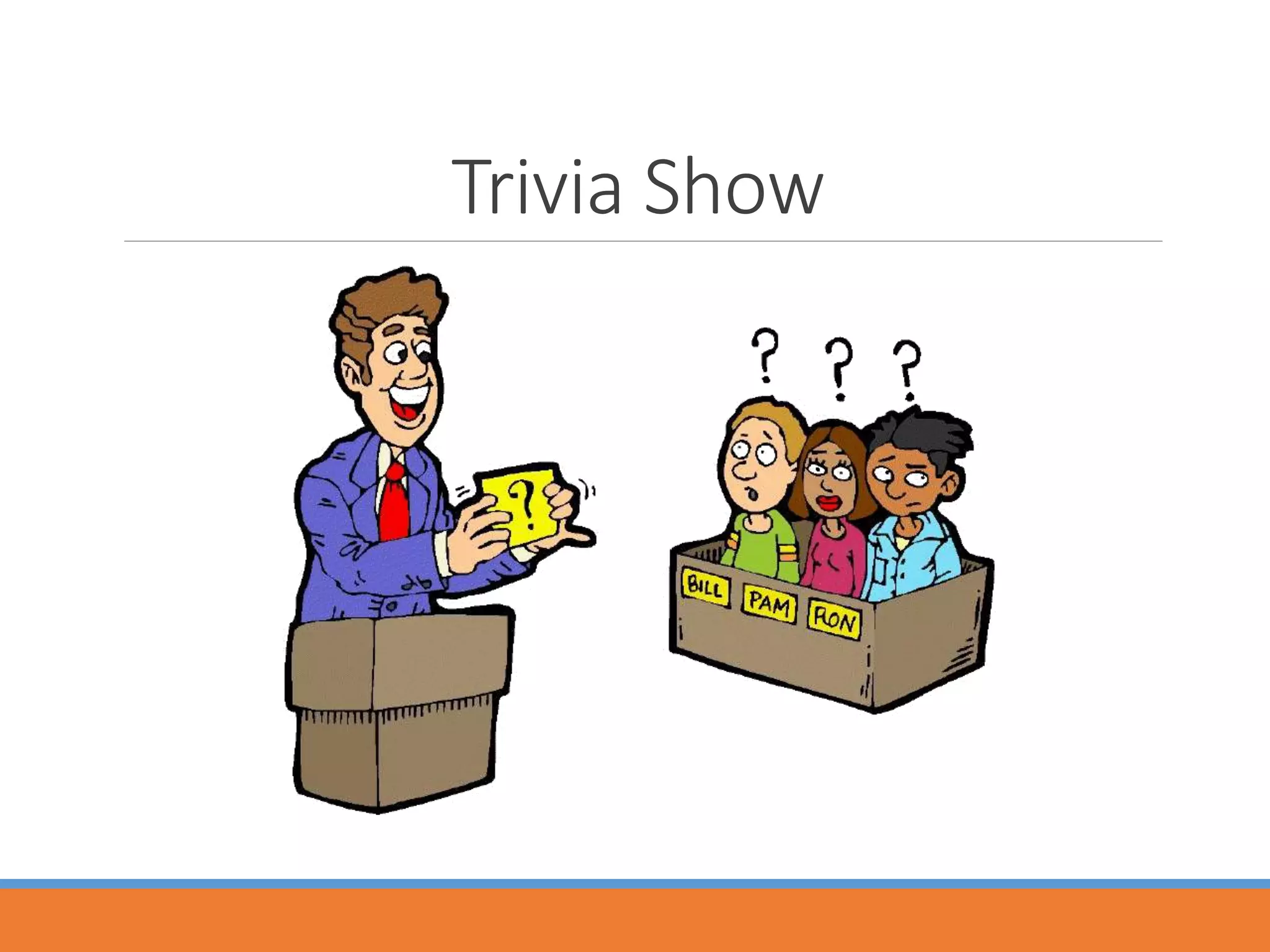
Trivia Show
Post Reading Strategies
What post-reading strategies
would you use to teach this
reading?
 What post-reading vocabulary
strategies would you use to
teach this reading?
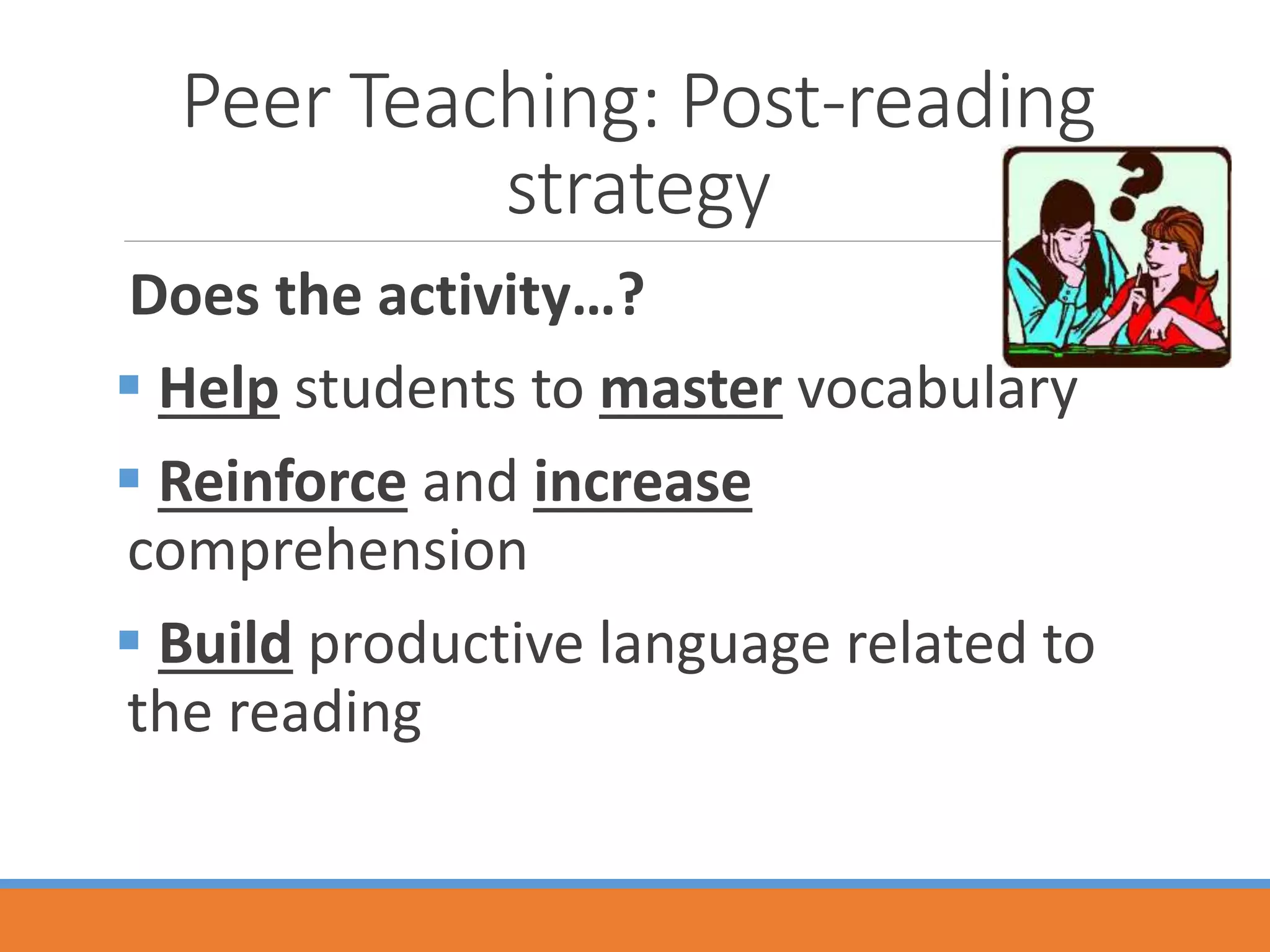
Peer Teaching: Post-reading
strategy
Does the activity…?
 Help students to master vocabulary
 Reinforce and increase
comprehension
 Build productive language related to
the reading
Homework
Think of a reading activity you would do for your
class:
What pre-reading, during reading, and post-
reading strategies would you use for that class?
Write them down in your notebook; be ready to
share in class!

Reading strategies for efl learners 2018

  • 1.
    Reading Strategies for EFLLearners RESEARCH-SUPPORTED READING STRATEGIES FOR ENGLISH LANGUAGE LEARNERS
  • 2.
    Welcome back!  Thankyou for patience, sending homework, posting on Google Classroom! Work today and tomorrow with sending comments and detailed feedback  If you were not able to email me homework, please give me homework today or tomorrow.  Let me know if you need me to print or email any documents.  Changes to class plan
  • 3.
    Today… (and alittle bit tomorrow)  Quickly review the Reading Strategies PPT  Share ideas for activities related to sample reading “Running Around the World”  Peer teaching and reflection
  • 4.
    Help language learnersconnect new language functions and vocabulary to existing knowledge. Help language learners improve comprehension by using selective attention Help language learner organize, synthesize, and produce language based on their reading.
  • 5.
    Reading Strategies A goodreading lesson will use pre-reading, during- reading, and post-reading activities to maximize engagement, comprehension, and retention of language and information.
  • 6.
    Pre-Reading Strategies Pre-reading strategiesprepare learners for reading by activating prior knowledge and vocabulary and language functions related to a topic. Pre-reading strategies motivate students. Pre-reading strategies can relate content to students’ lives.
  • 7.
    Pre-Reading Strategies A fewpre-reading strategies for language learners in the elementary grades include: • Predicting • Brainstorming • Connecting to their own lives
  • 8.
    Pre-Reading Strategies •Predicting whatthe text is about using the external text features: the picture, the title in bold, the subtitle, the type of the text •Use pictures in the text to make guesses about information in the text •Use a picture related to the topic to brainstorm as many words as possible related to the text •Ask Ss to connect the topic to personal lives and provide examples •Use a KWL Chart: (See next slide) •Use a word web to have students think of words related to a key character, subject, or aspect of the reading •Have a whole class discussion about a topic
  • 9.
    Students fill inthe column of what they "KNOW," and what they "WANT" to know about a topic. They fill in what they “LEARNED” after they have read the text.
  • 10.
  • 11.
  • 12.
    Your turn  Whatpre-reading strategies would you use to teach this reading?  What pre-reading vocabulary strategies would you use to teach this reading?
  • 13.
    Peer Teaching: Pre-reading strategy Doesthe activity….?  Activate prior knowledge and vocabulary  Motivate students  Relate content to students’ lives
  • 14.
    During-Reading Strategies During –readingstrategies maximize student comprehension of material by actively engaging the reader with the material, questioning, evaluating, summarizing.
  • 15.
    During-Reading Strategies A fewduring-reading strategies are: •Predicting •Peer summaries •Creating questions Can you think of some others?
  • 16.
    During Reading Strategies Inventoryof vocabulary Have students circle or note unknown words, always using context to make a guess about meaning that they’ll check with the teacher or a dictionary after reading.
  • 17.
    During Reading Strategies Directed-reading-thinkingactivity (DRTA): •In pairs, students make a prediction for the first paragraph based on the title. •After reading that paragraph aloud, they should evaluate whether their prediction was right or wrong. Then, they should try to predict what will happen next, writing down their prediction. •After that paragraph, they evaluate their prediction and make another for the subsequent paragraph. Summarizing with a partner: Have students read in pairs and summarize each paragraph for each other, ensuring that both understand.
  • 18.
    During Reading Strategies Self-monitoring: Ask studentsto summarize each paragraph as the read, writing a short note to themselves. Ask them to evaluate their own comprehension or reaction to each paragraph with symbols such as:  (I know this) ! (interesting) ? (unclear) C (connection)
  • 19.
    During Reading Strategies WeatherRecreation Holidays Winter Spring Summer Fall Semantic Map/Graphic Organizer: Ask students to take notes using a semantic map or graphic organizer
  • 21.
  • 22.
  • 23.
  • 24.
    During Reading Strategies Whatduring reading strategies would you use to teach this reading?  What during reading vocabulary strategies would you use to teach this reading?
  • 25.
    Peer Teaching: Duringreading strategy Does the activity…?  Maximize student comprehension of material  Actively engage the reader with the material  Incorporate activities such as questioning, evaluating, and summarizing
  • 26.
    Post-Reading Strategies Post-reading strategieshelp students to master vocabulary, reinforce and increase comprehension, and build productive language related to the reading.
  • 27.
    Post-Reading Strategies A fewpost-reading strategies are: Summarizing Reviewing Questioning What others can you think of?
  • 28.
    Post-Reading Strategies Visual summary Ask studentsto make a story board using pictures to summarize what they read. KWL Chart: Ask students to fill in the “L” column of the KWL and then share class-wide Review Ask students to review predictions, new vocabulary, clicks and clunks, and key questions raised by the reading. Review graphic organizers.
  • 29.
    Post-Reading Strategies Design questions/quiz show: Havestudents develop questions to pose to another team about the reading. Role play Have students role play what they’ve read Art show Ask students to draw pictures of the main character or main point and then explain their pictures to the class or in a group.
  • 30.
  • 31.
    Post Reading Strategies Whatpost-reading strategies would you use to teach this reading?  What post-reading vocabulary strategies would you use to teach this reading?
  • 32.
    Peer Teaching: Post-reading strategy Doesthe activity…?  Help students to master vocabulary  Reinforce and increase comprehension  Build productive language related to the reading
  • 34.
    Homework Think of areading activity you would do for your class: What pre-reading, during reading, and post- reading strategies would you use for that class? Write them down in your notebook; be ready to share in class!

Editor's Notes

  • #7 Show clips of tribes, people, etc.