Why does a firm do business ?
 Vitamin M
 Who gives the firm Vitamin M ?
Its Customers
All firms want this !
How do you get them ?
Simple !
Just make the products that the customer wants.
How do I know what my customers want ?
QFD
QFD: An Introduction
1) Customer Requirements(VoC)
2) Product’s Technical Requirements (VoO)
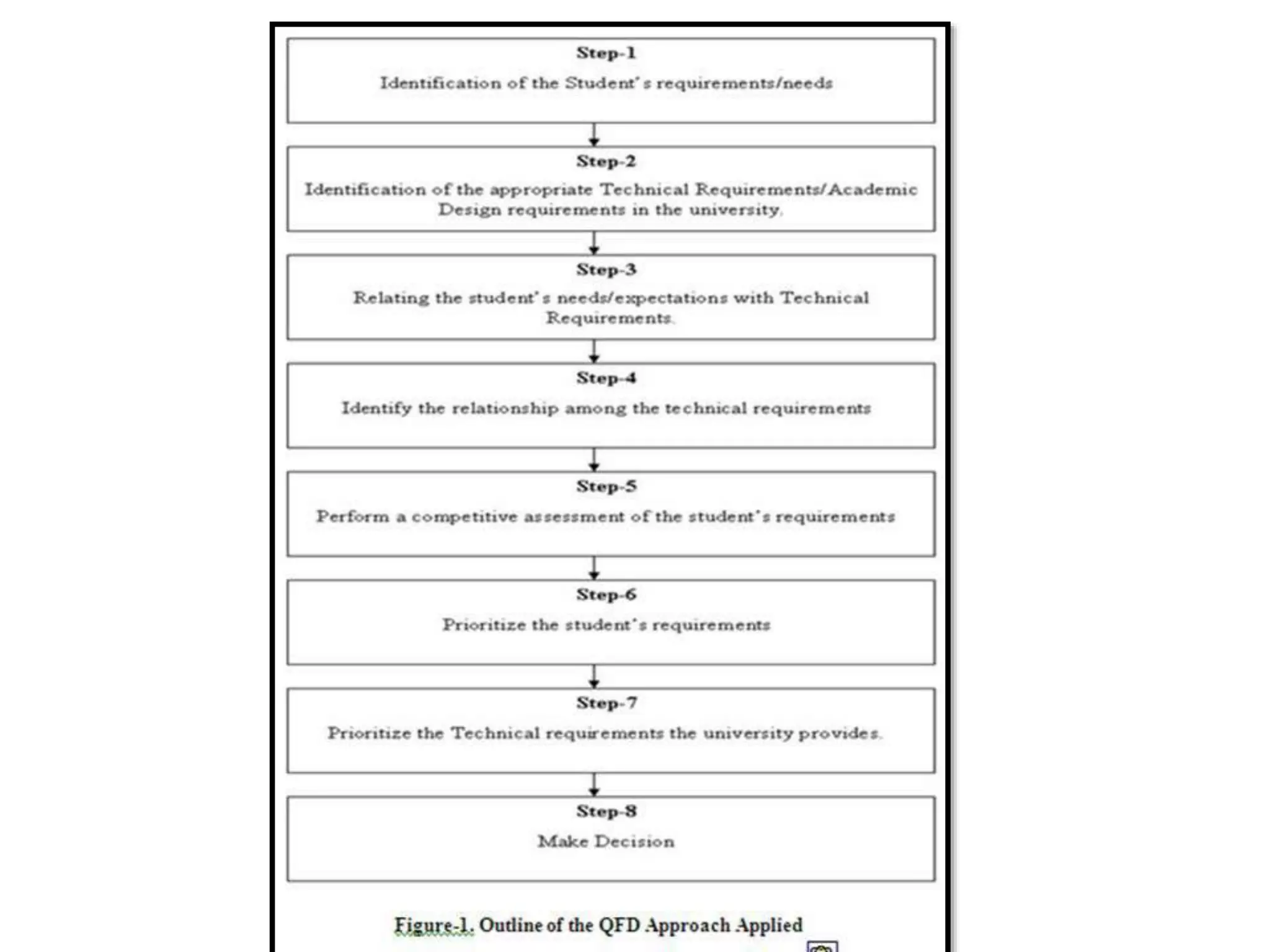
3) Relate customer WHATs to product HOWs
4) TR1 v/s TRn ( TR: Technical requirement )
5) Competitive Assessment and Prioritize Customer
Requirements
6) Prioritize Technical Requirements
1) Customer Requirements(VoC)
 Involves team from Marketing, Operations and Engineering.
 Market Segmentation
 Determine structured requirements.
But WHY ?
 Rate the requirements based on customers
 Put them in the house of quality
 At the end we find what is expected and what excites them.
2) Product’s technical requirements (VoO)
 HOW will be the WHATs be met ?
 Find Technical components that maps to hence addresses to
requirements.
 Important point is getting them quantified
3)Relate customer WHATs to
product HOWs
 Is there any relationship between what my product is and
what my customers expect from my product ?
 If yes, then how strong it is..
 If no relationship, then how can I document it ?
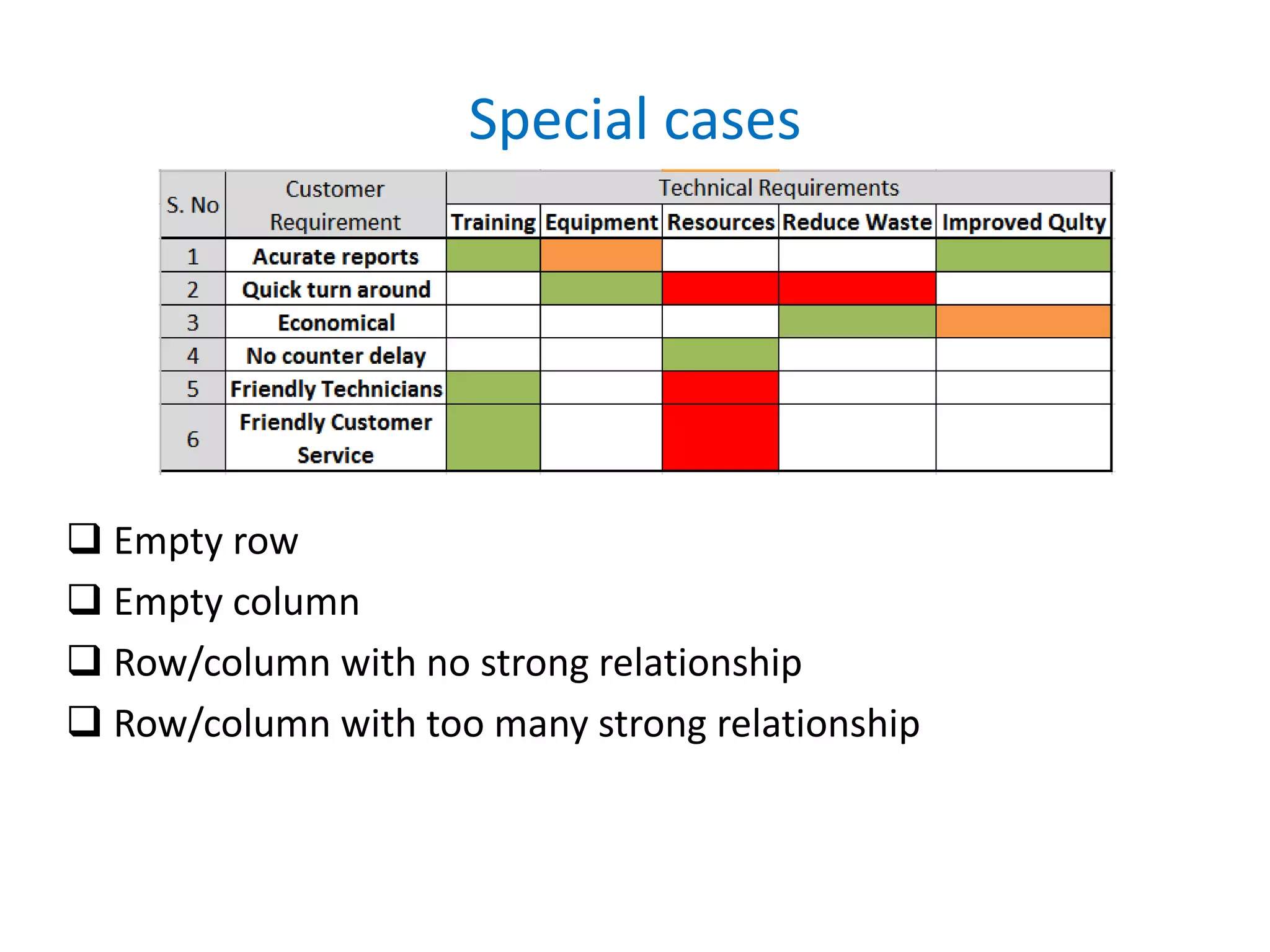
Special cases
 Empty row
 Empty column
 Row/column with no strong relationship
 Row/column with too many strong relationship
4) TR1 v/s TRn
 Each TR to be mapped to every other TR
 Why ?
Because technical requirements are inter-dependent.
Hence change in one can actually lead to –
Improvement in another
Deterioration in another
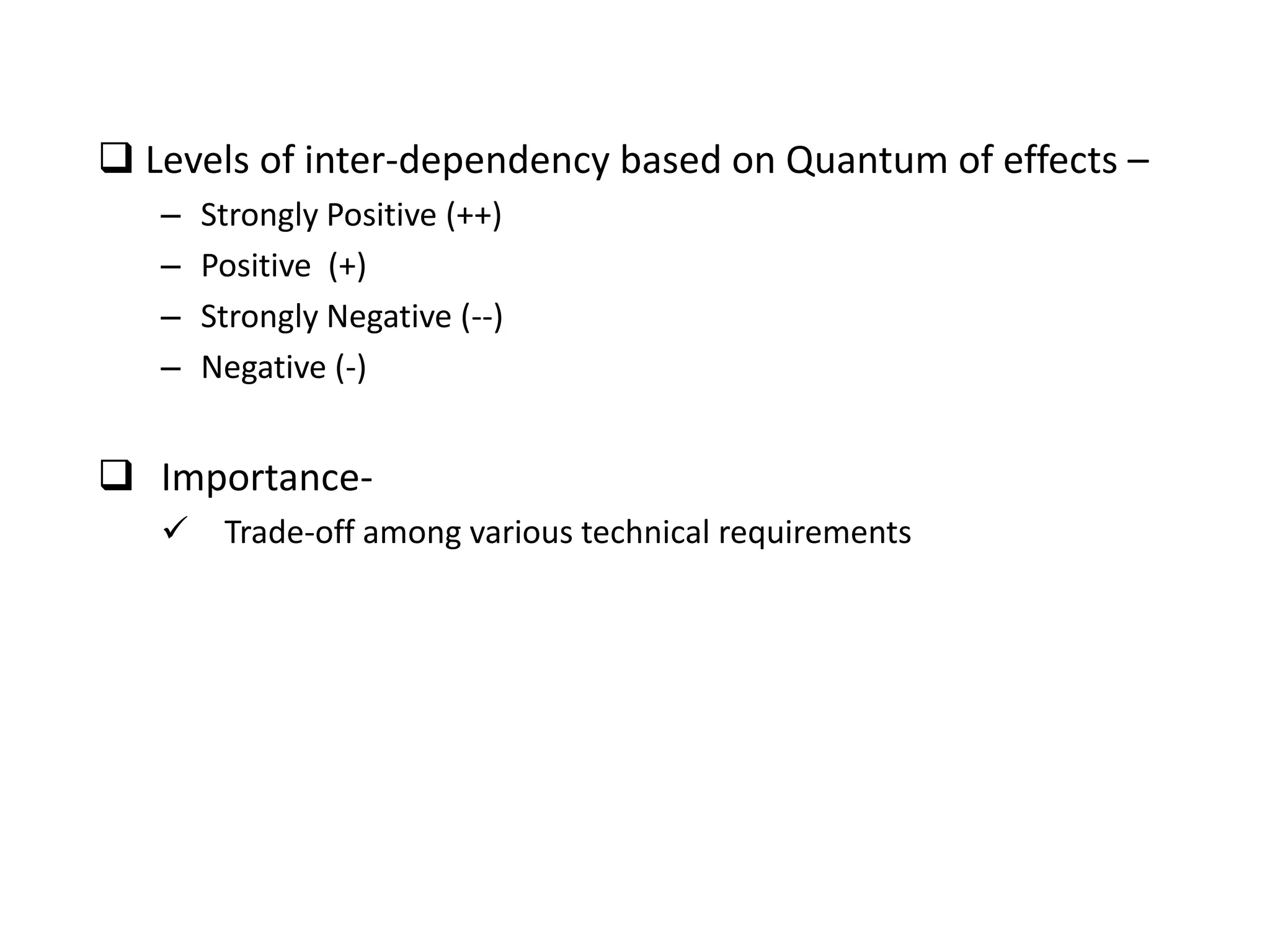
 Levels of inter-dependency based on Quantum of effects –
– Strongly Positive (++)
– Positive (+)
– Strongly Negative (--)
– Negative (-)
 Importance-
 Trade-off among various technical requirements
5.1) Competitive Assessment
 Its evaluation time !
 Evaluate performance of our product against each
requirement individually.
 Let the competitors also face the music 
– Identify competitors
– Reverse engineering on competitors products
– Common set of customers requirements
– Evaluate competitor in the similar manner and rate it
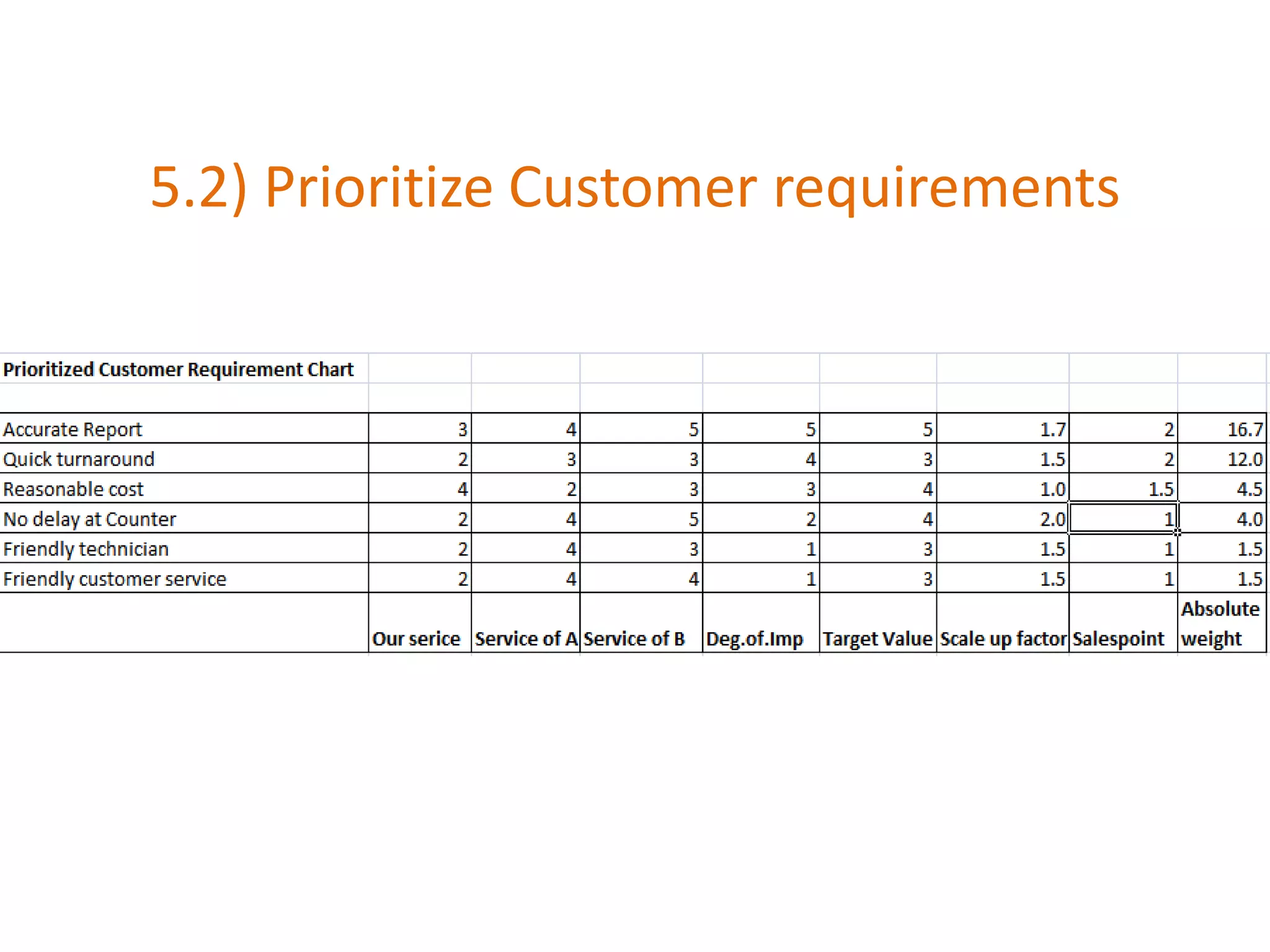
5.2) Prioritize Customer requirements
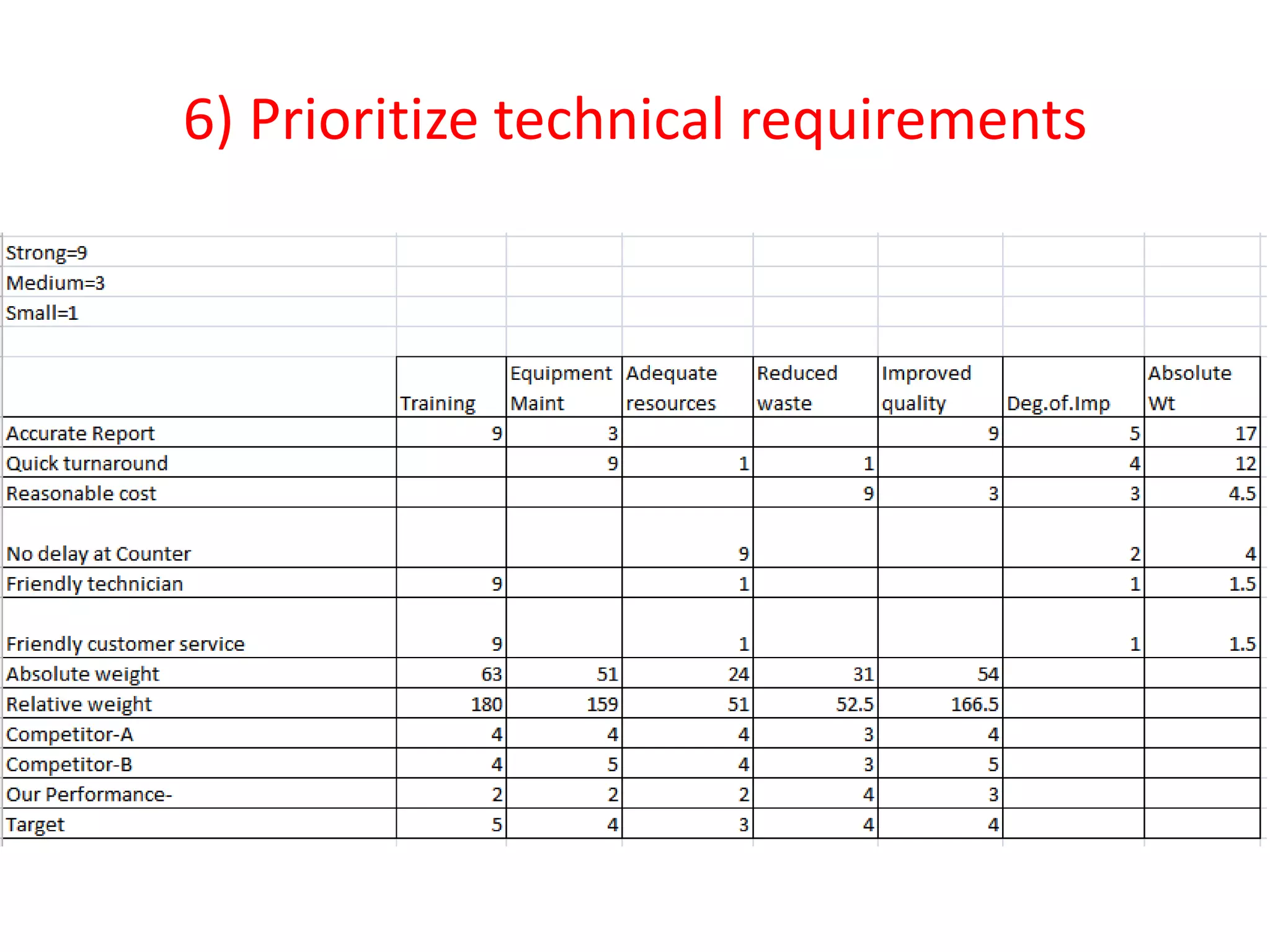
6) Prioritize technical requirements
QFD
In
EDUCATIONAL INSTITUTES
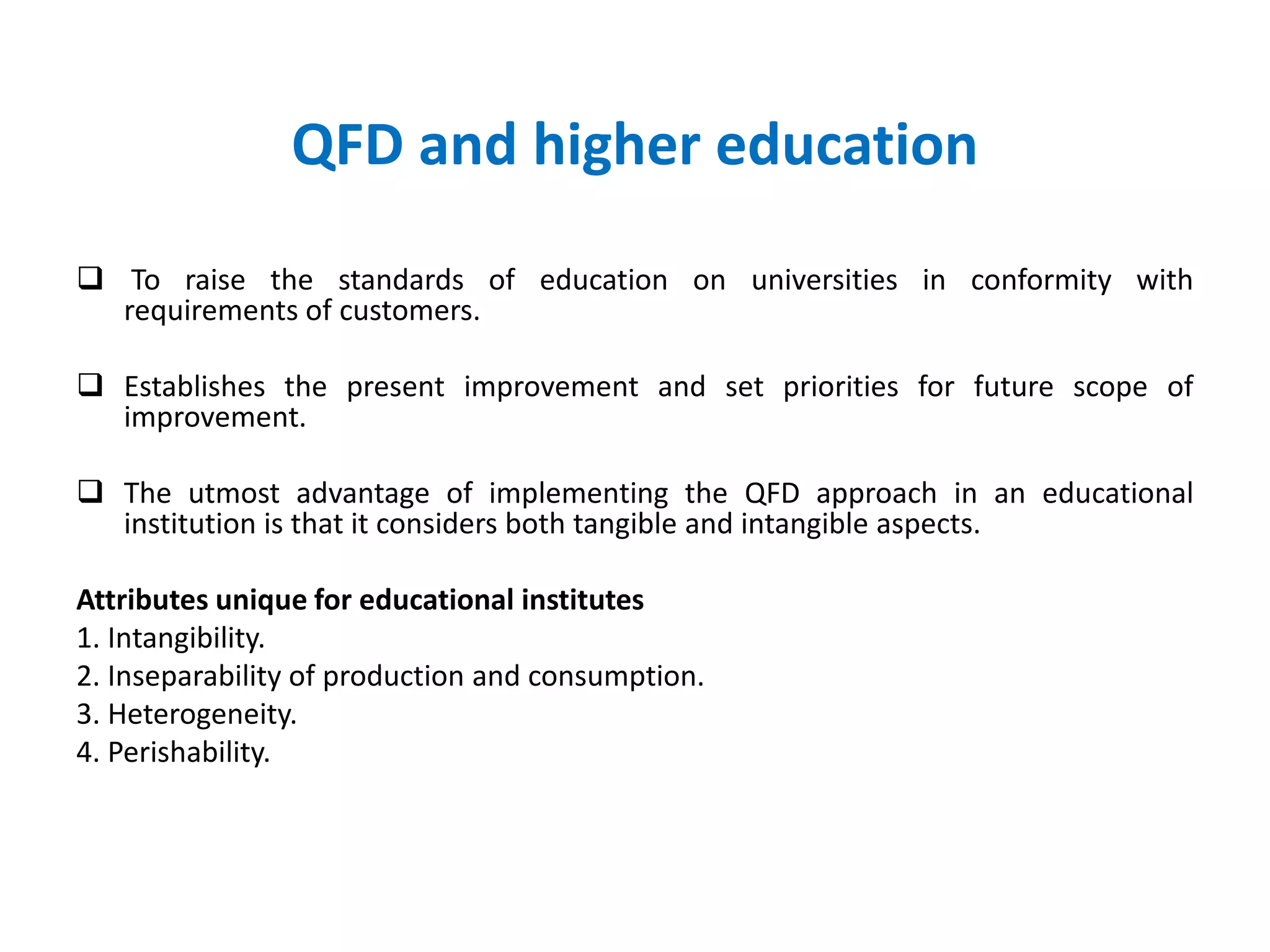
QFD and higher education
 To raise the standards of education on universities in conformity with
requirements of customers.
 Establishes the present improvement and set priorities for future scope of
improvement.
 The utmost advantage of implementing the QFD approach in an educational
institution is that it considers both tangible and intangible aspects.
Attributes unique for educational institutes
1. Intangibility.
2. Inseparability of production and consumption.
3. Heterogeneity.
4. Perishability.
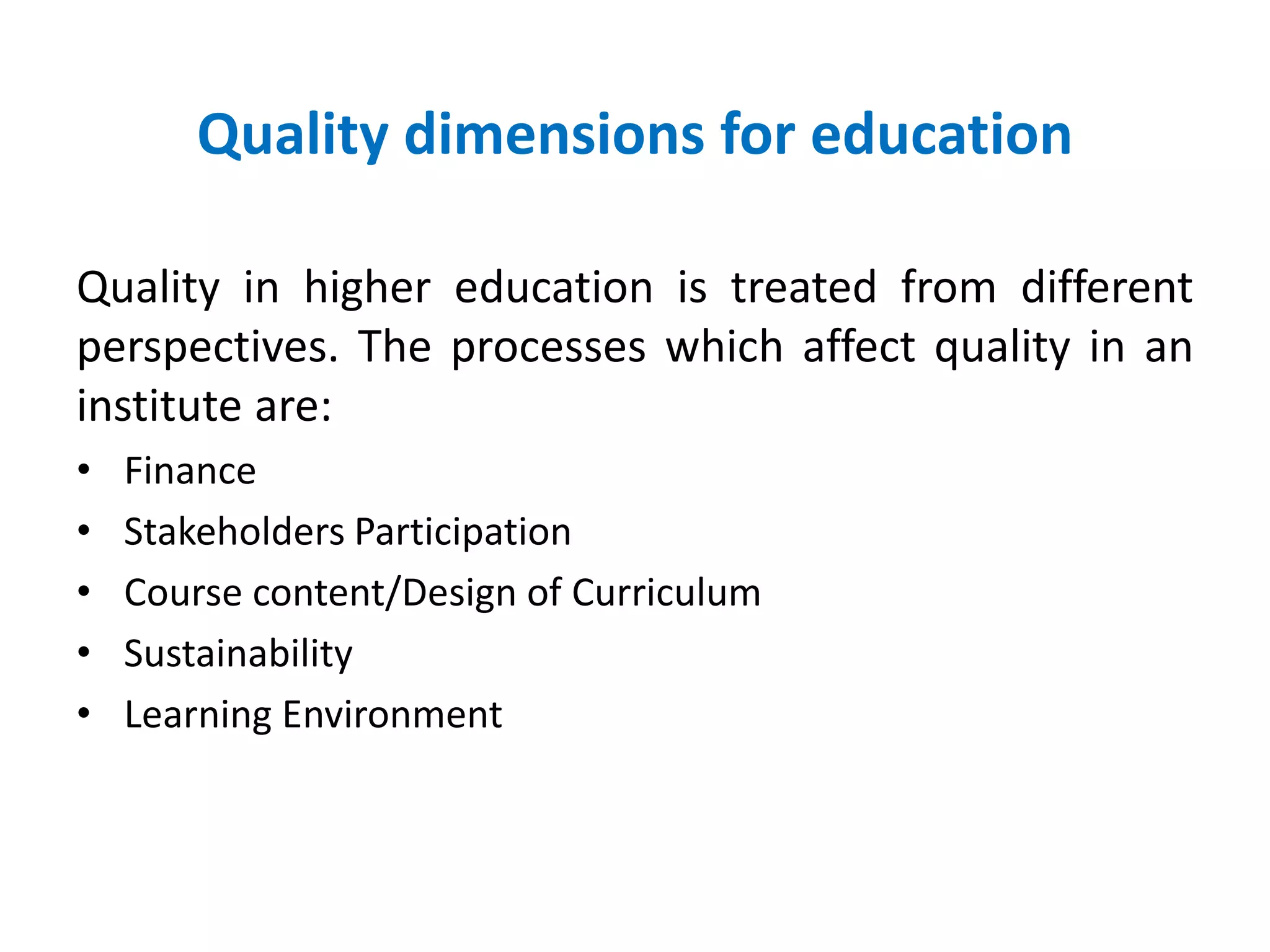
Quality dimensions for education
Quality in higher education is treated from different
perspectives. The processes which affect quality in an
institute are:
• Finance
• Stakeholders Participation
• Course content/Design of Curriculum
• Sustainability
• Learning Environment
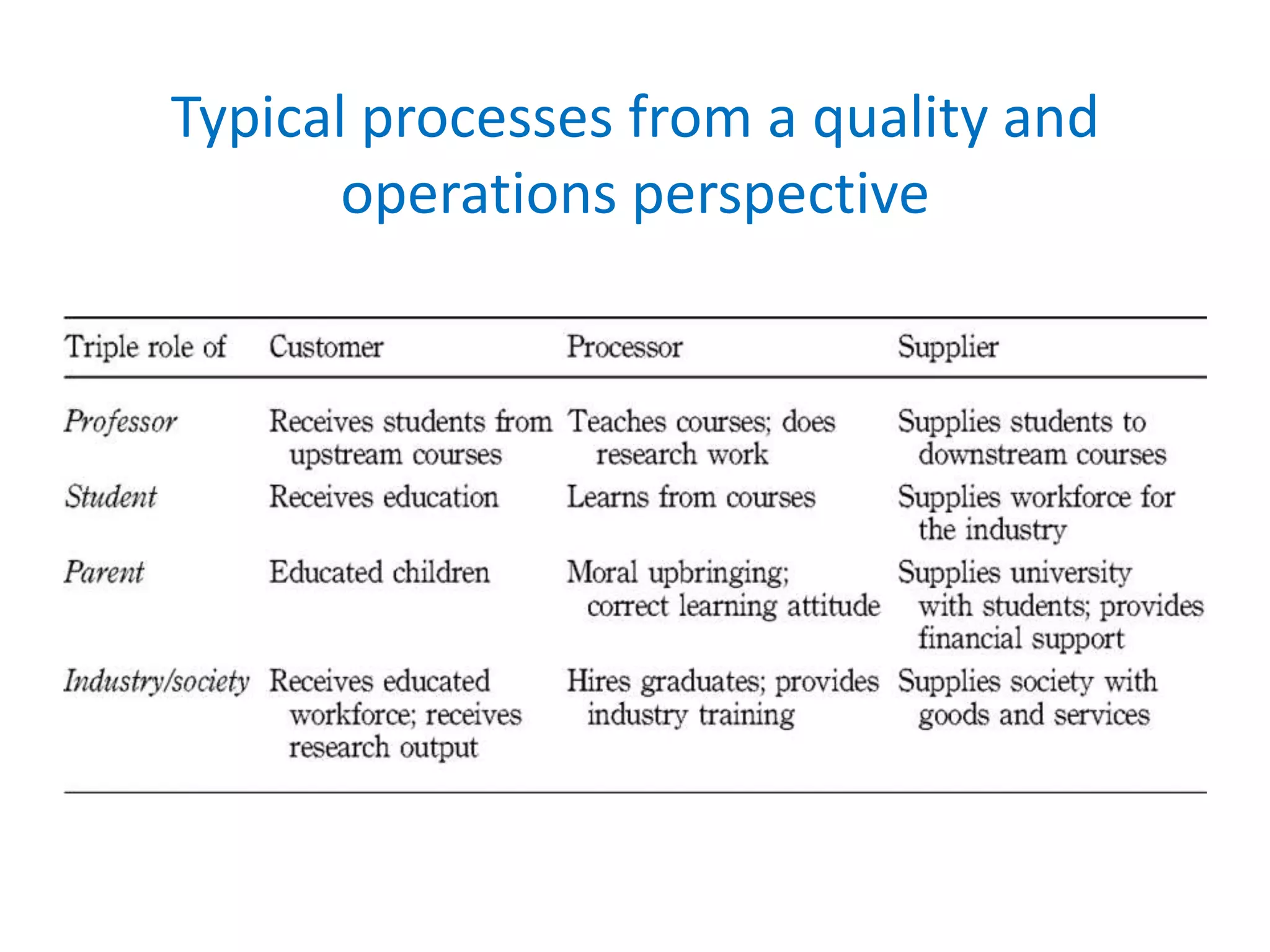
Typical processes from a quality and
operations perspective
QFD In E-Commerce
E-STORE & WEB DESIGN
 Due to increased internet usage and exposure.
 Provides a competitive advantage for online merchants
 Traditional shoppoing moving to online merchants
 A revolution in marketing and retailing fields
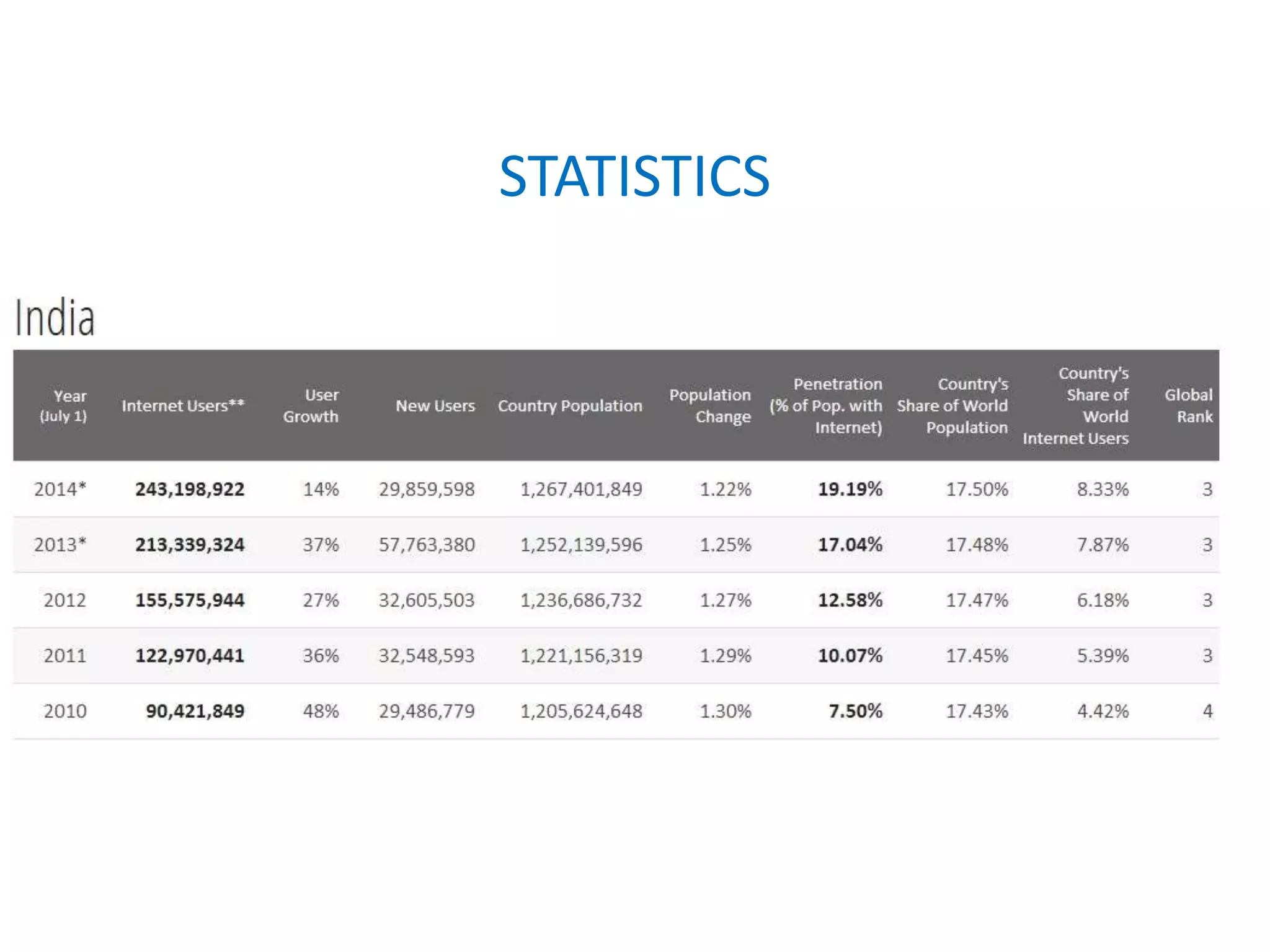
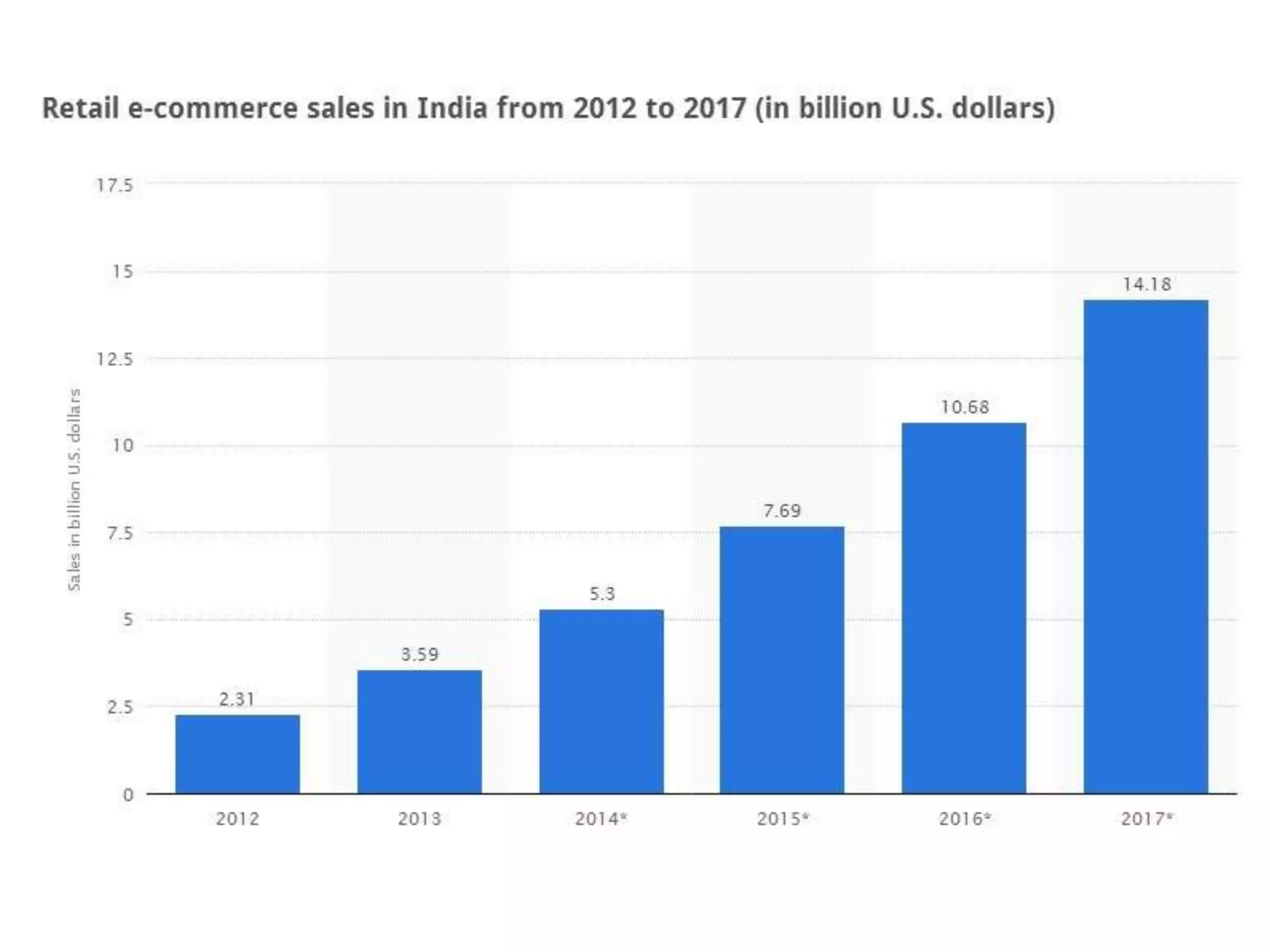
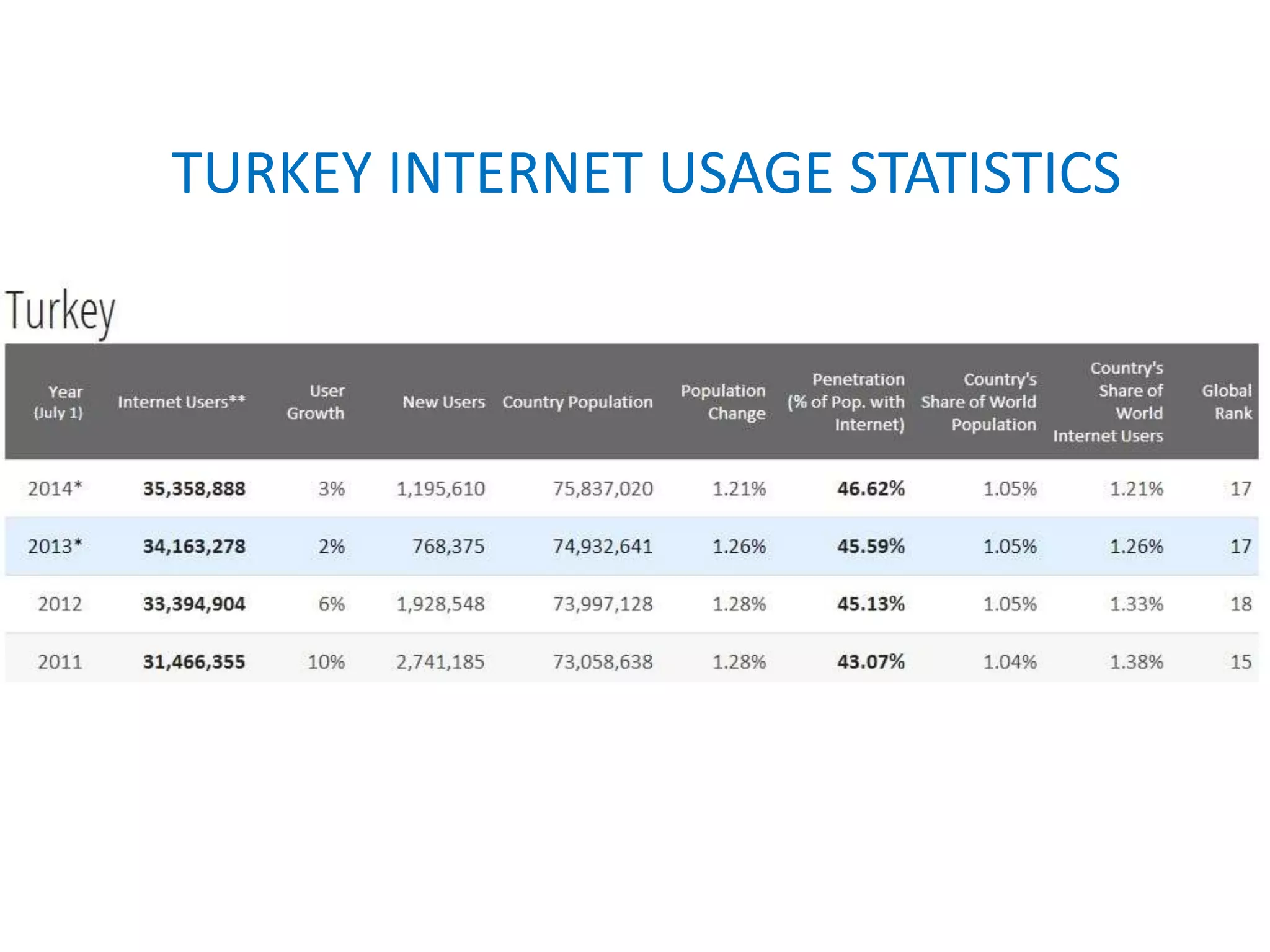
STATISTICS
WHY QFD FOR WEB DESIGN & E-STORES?
 Due to increased attention to internet,many companies set up
e-stores.
 Despite its popularity,few studies on how e-stores should be
designes.
 E-store is company-customer interface
 Important Communication Element
 Positive communication affects marketing,sales increasing
customer returns
WEB STORE QFD DESIGN
 HAAG et al(1966) made important contribution – SQFD
 SQFD-adaption of HOQ,front end process that proceeds SDLC.
 Important for e-store Development process:-
A. Provides methodology for handling customer wants about e-
store design quality.
B. Increases e-customer satisfaction.
APPLICATION - TURKEY
 QFD Team had 2 website design experts.
 Developed by suleyman barutcu
 2 Questionnaires.
A. First questionnaire(4 demographic 26 customer expectations
from e-store design, buying behavior towards e-store)
B. Second questionnaire:-11 customer wants
TURKEY INTERNET USAGE STATISTICS
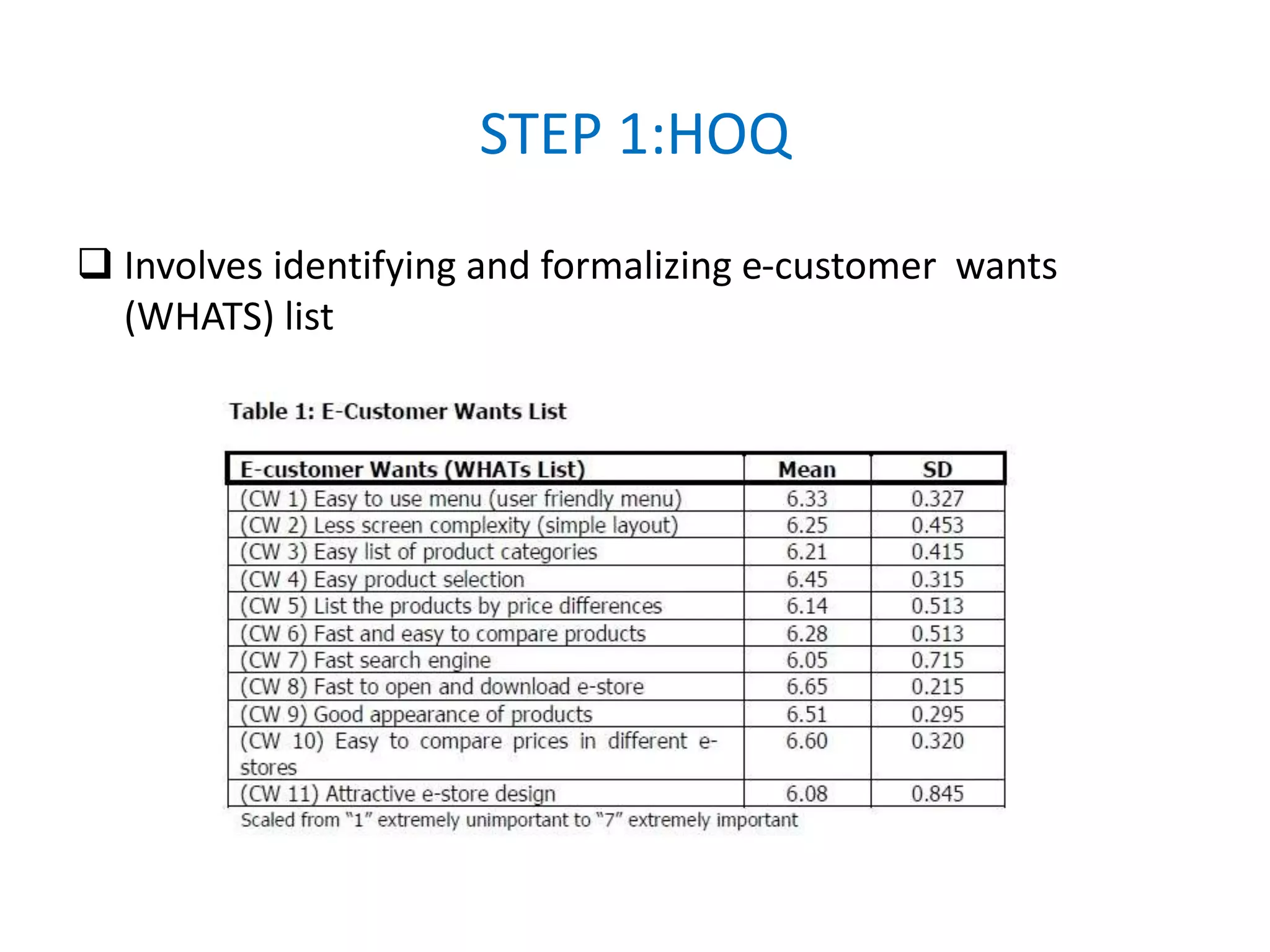
STEP 1:HOQ
 Involves identifying and formalizing e-customer wants
(WHATS) list
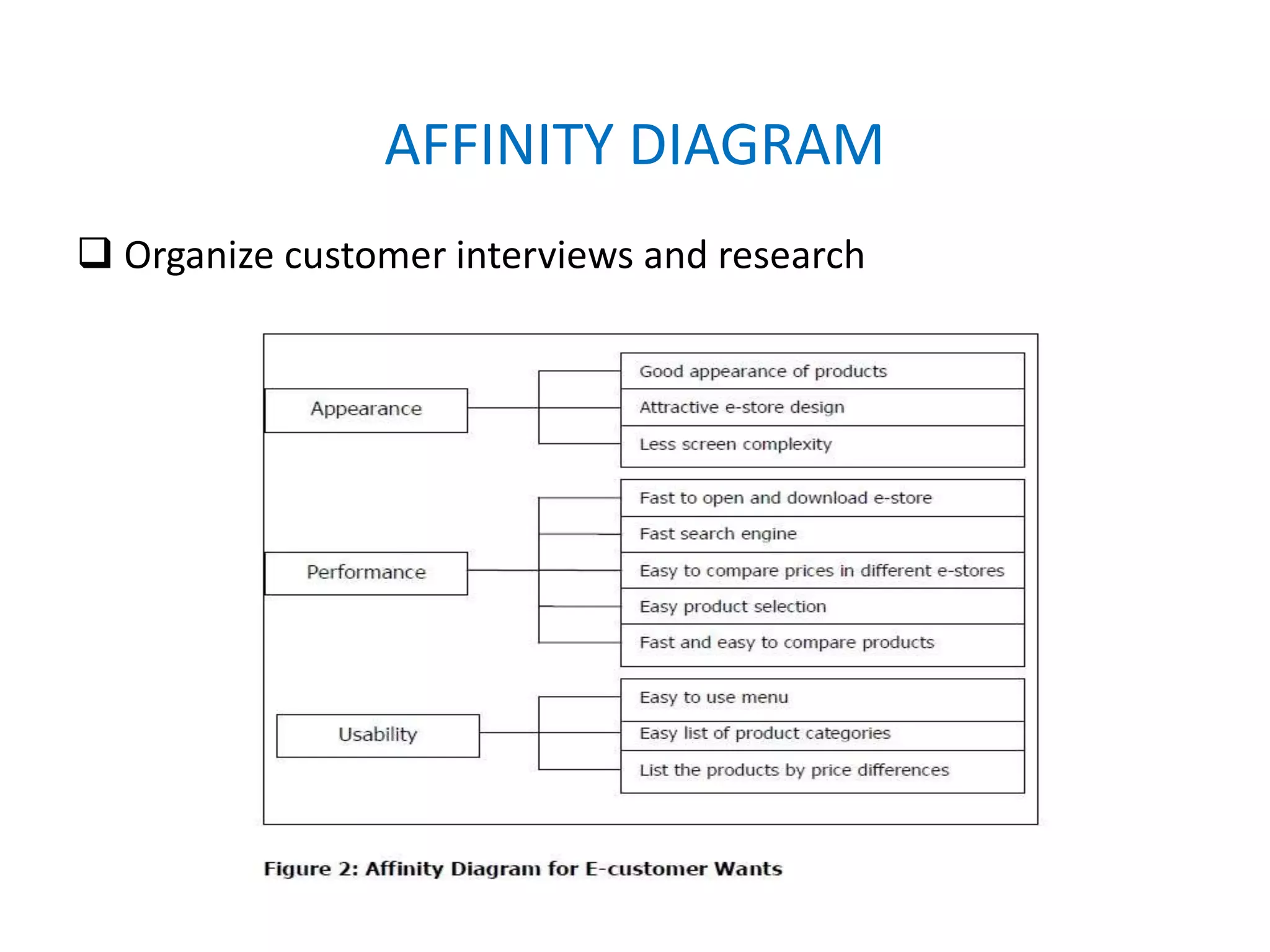
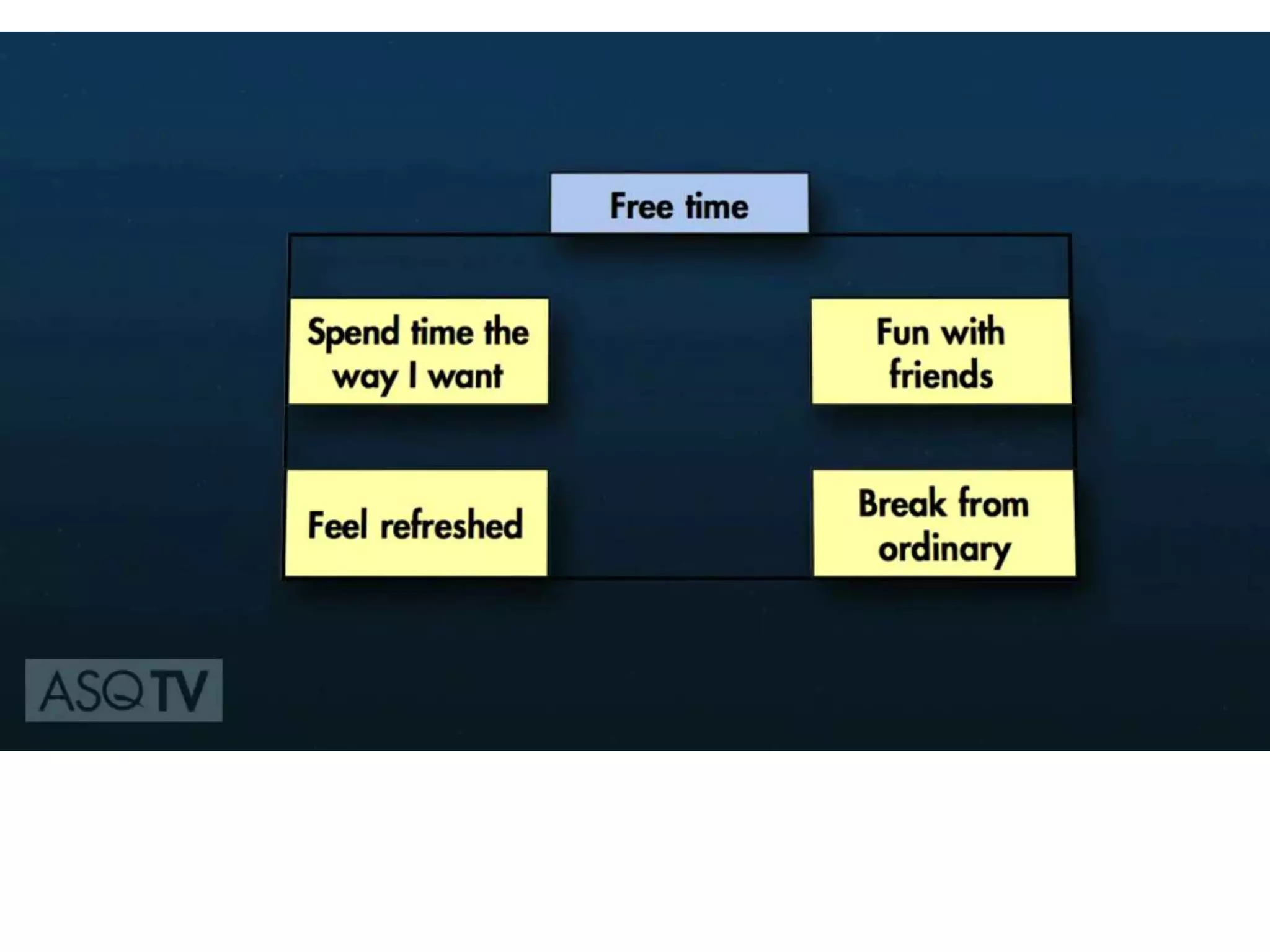
AFFINITY DIAGRAM
 Organize customer interviews and research
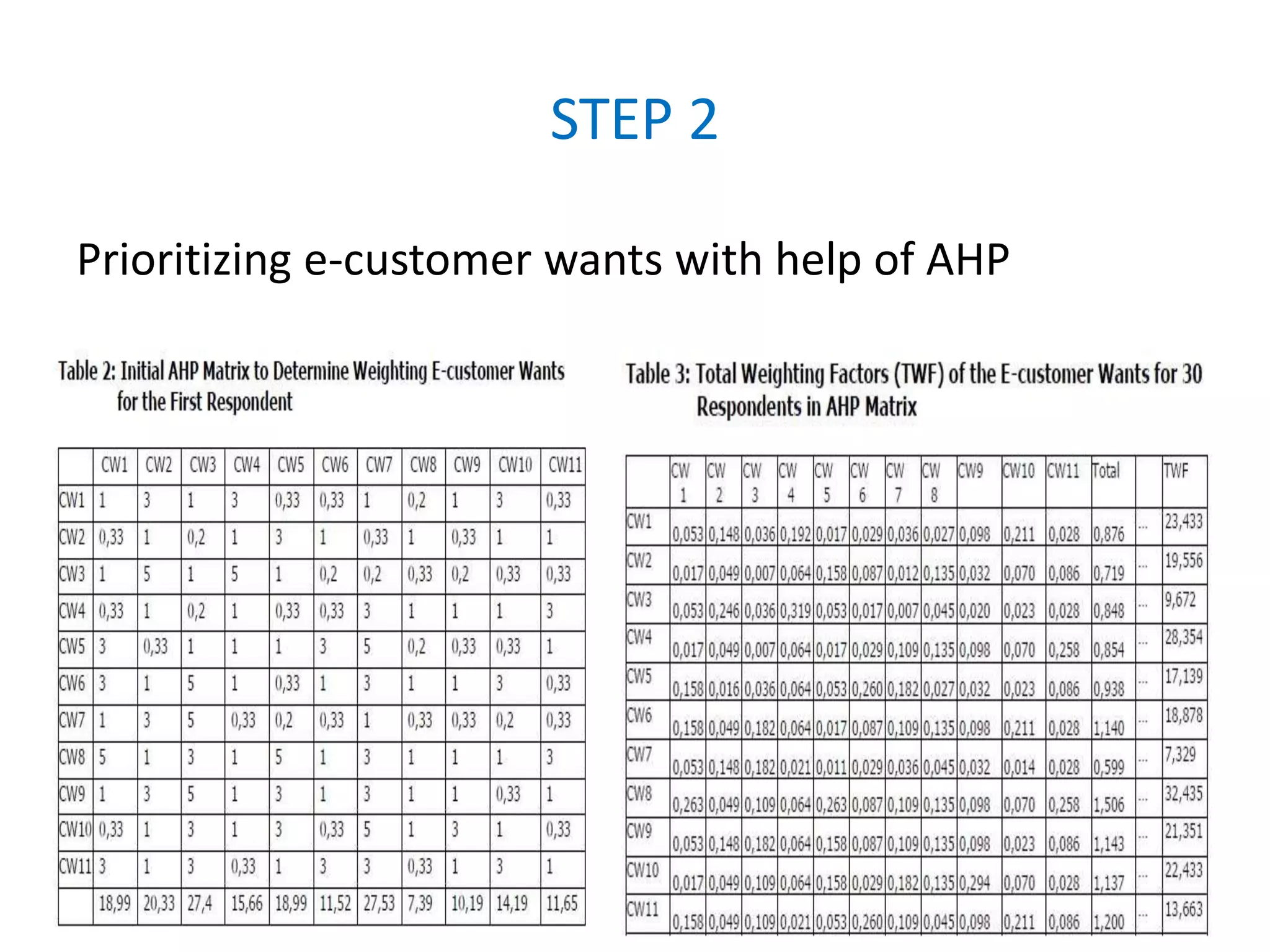
STEP 2
Prioritizing e-customer wants with help of AHP
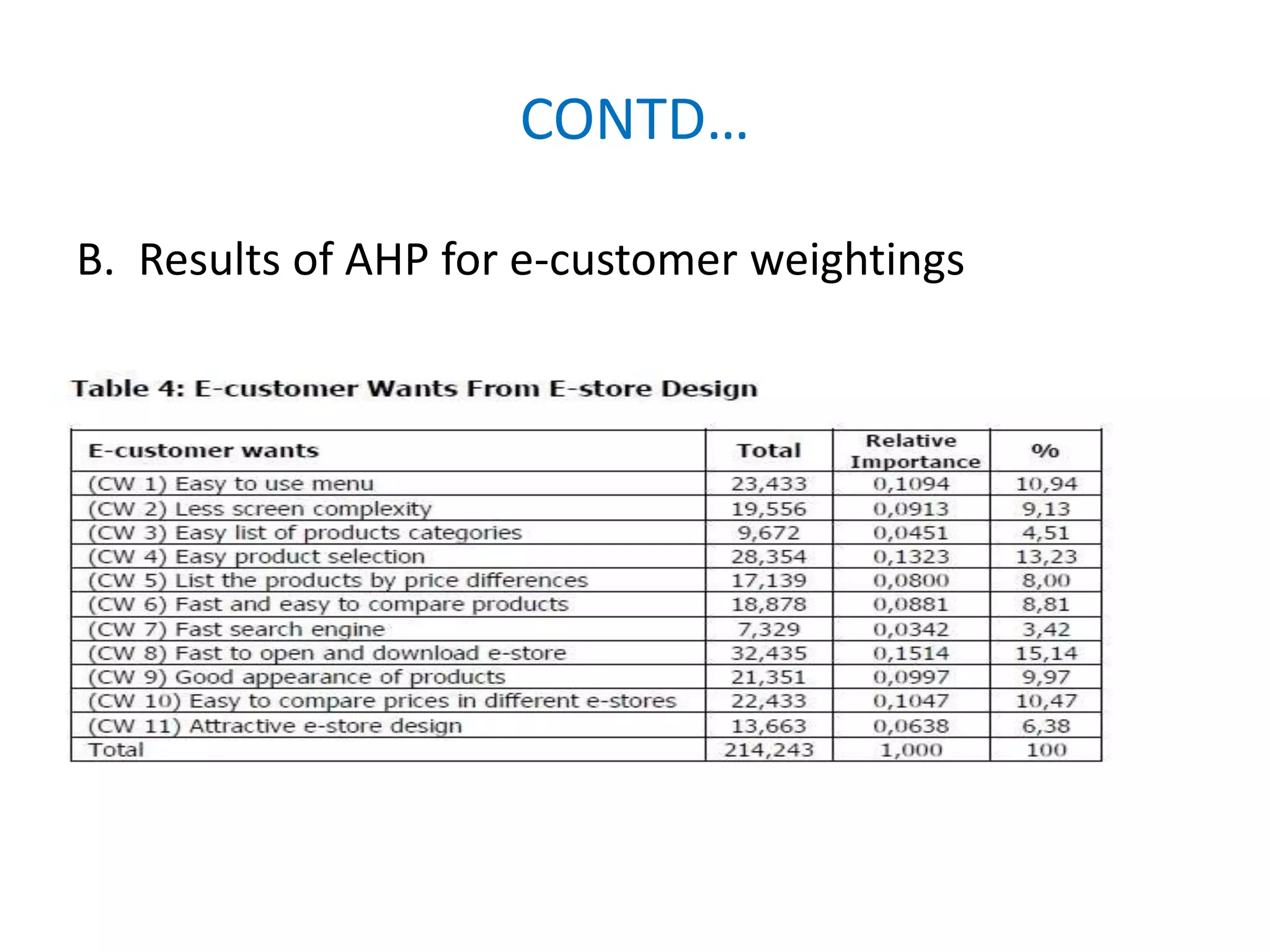
CONTD…
B. Results of AHP for e-customer weightings
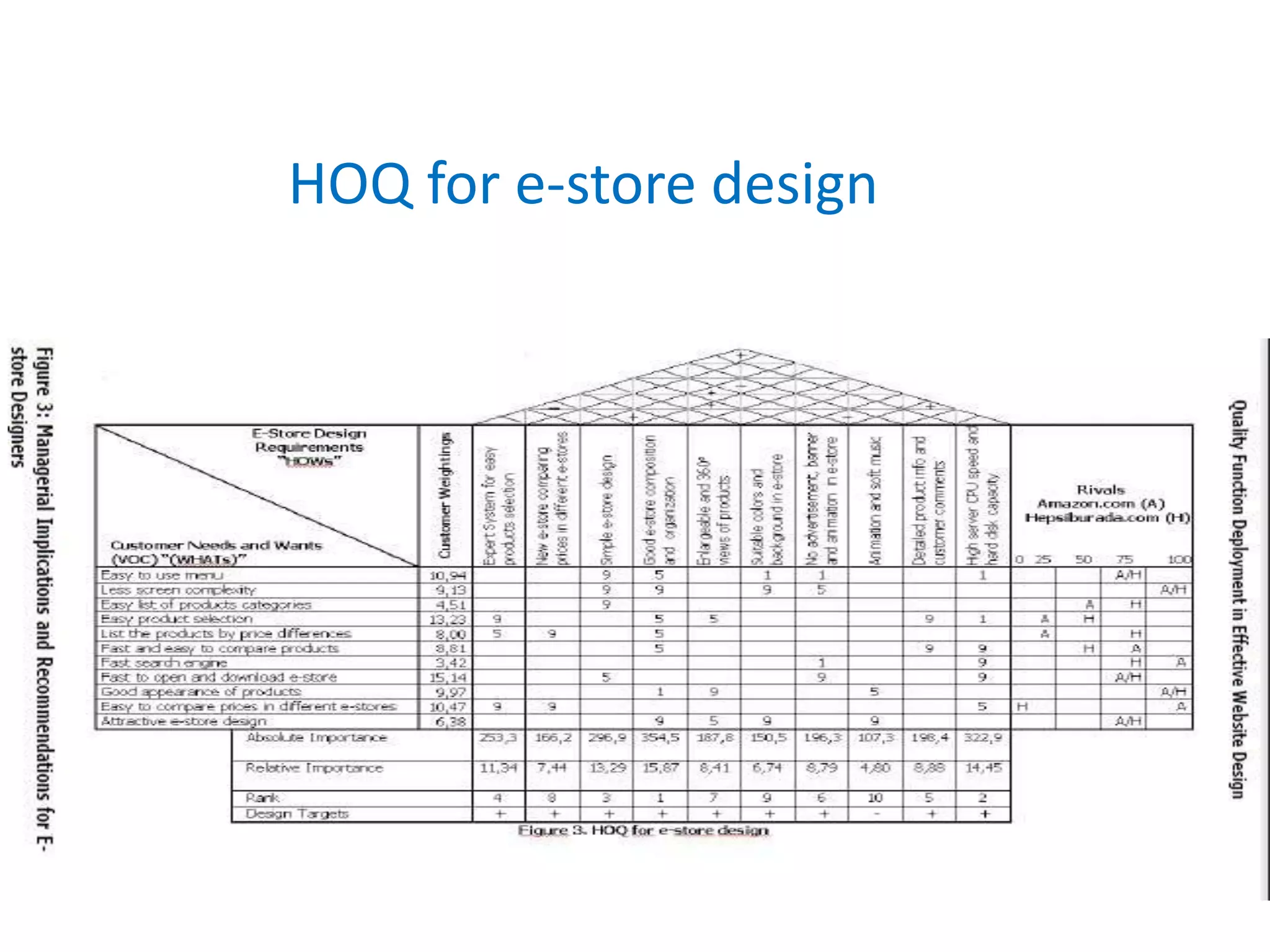
HOQ for e-store design
CONTD…
As per completed HOQ 2 important e-customer
wants:-
1. Have new e-store that searches and compares
prices of products in different e-stores
2. To select and compare products with each other
easily using expert systems.
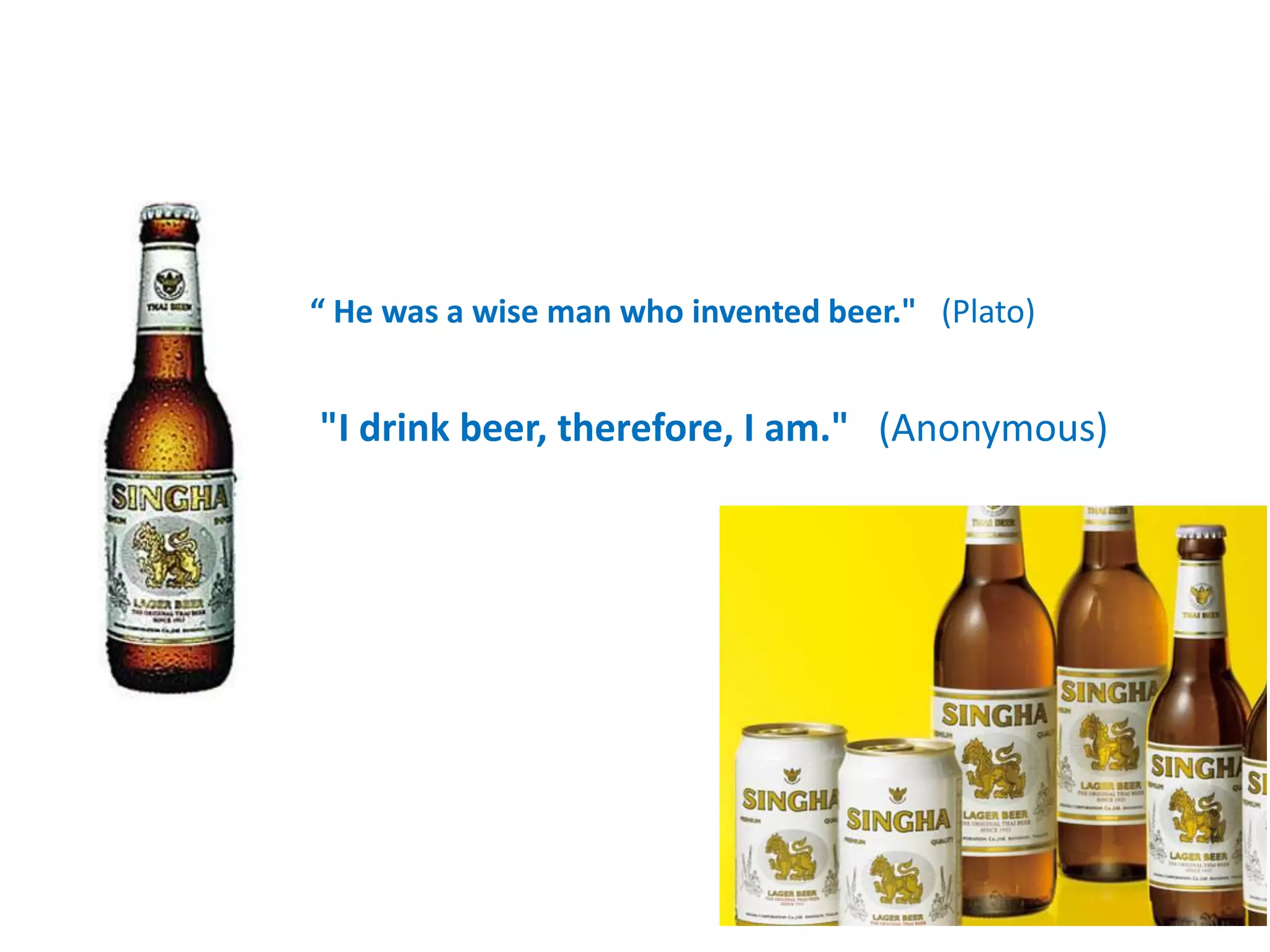
“ He was a wise man who invented beer." (Plato)
"I drink beer, therefore, I am." (Anonymous)
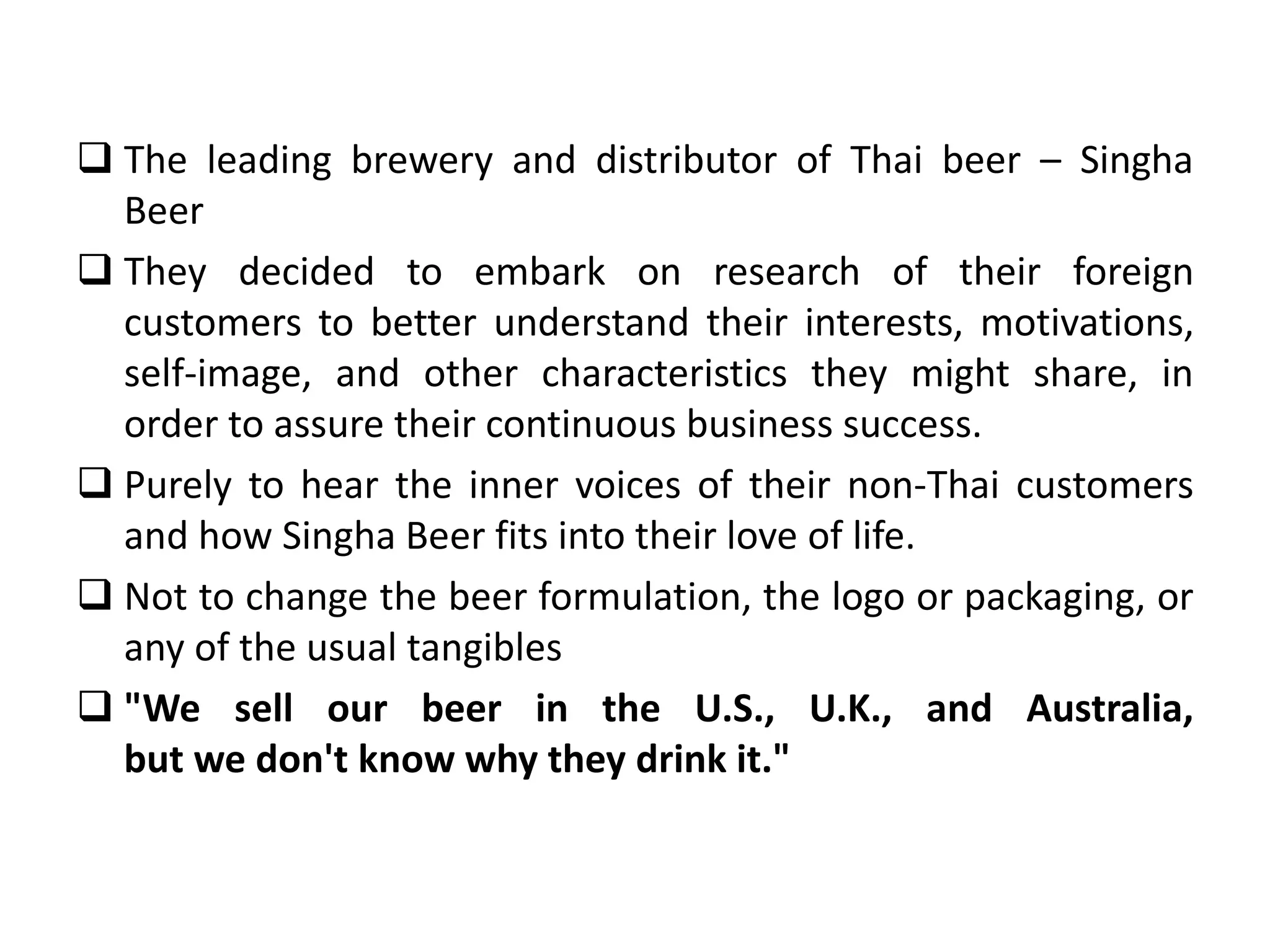
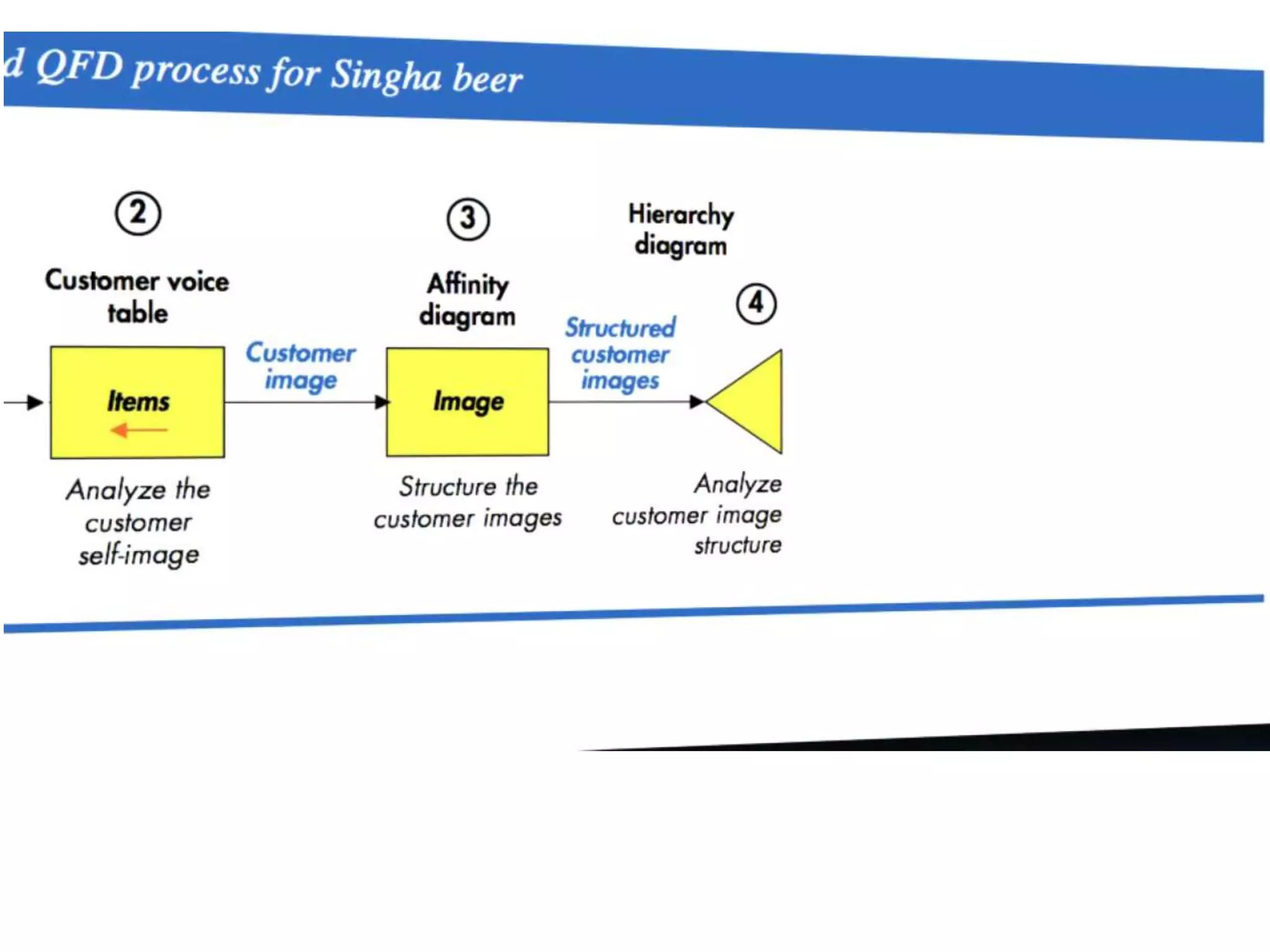
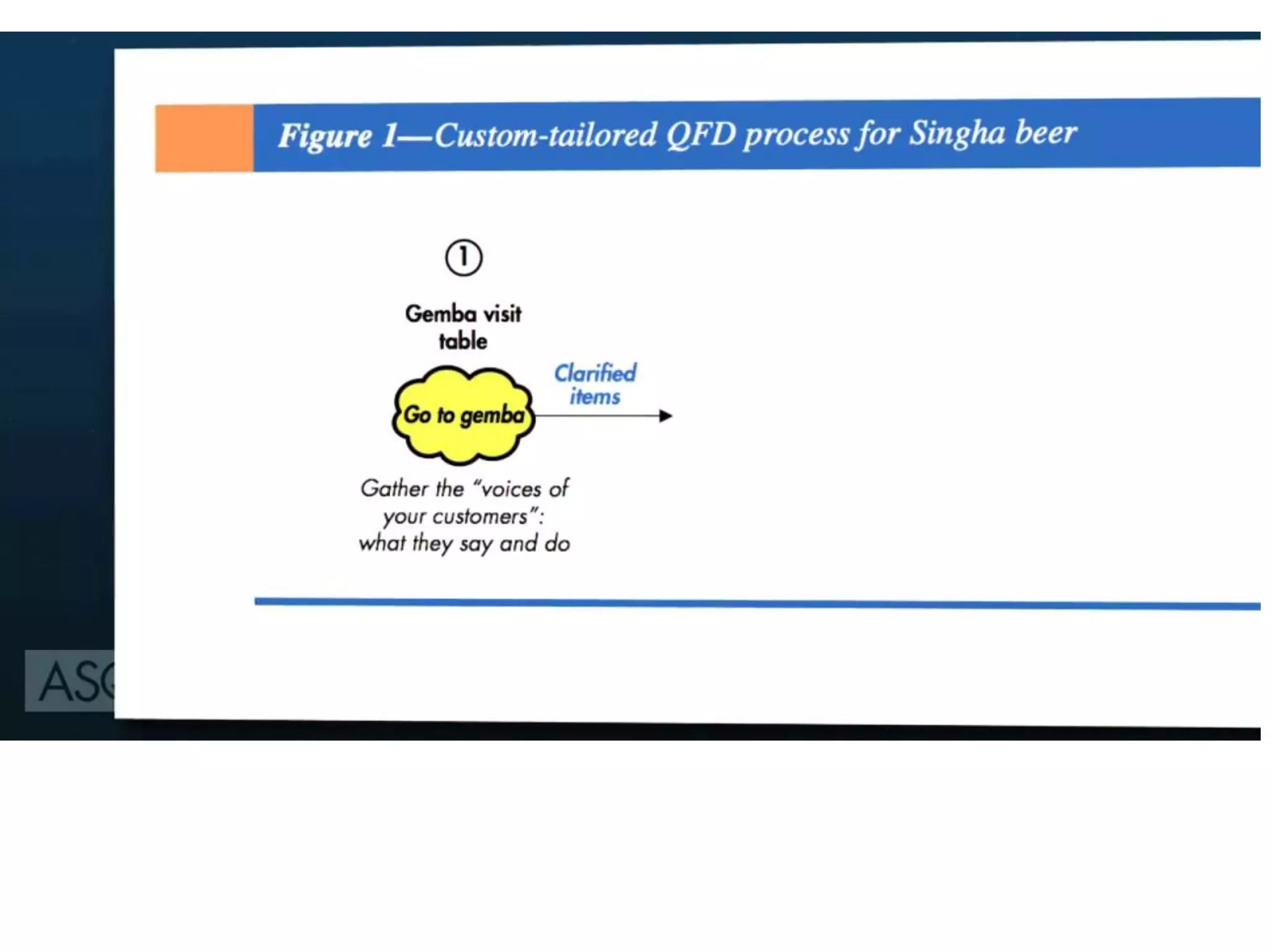
 The leading brewery and distributor of Thai beer – Singha
Beer
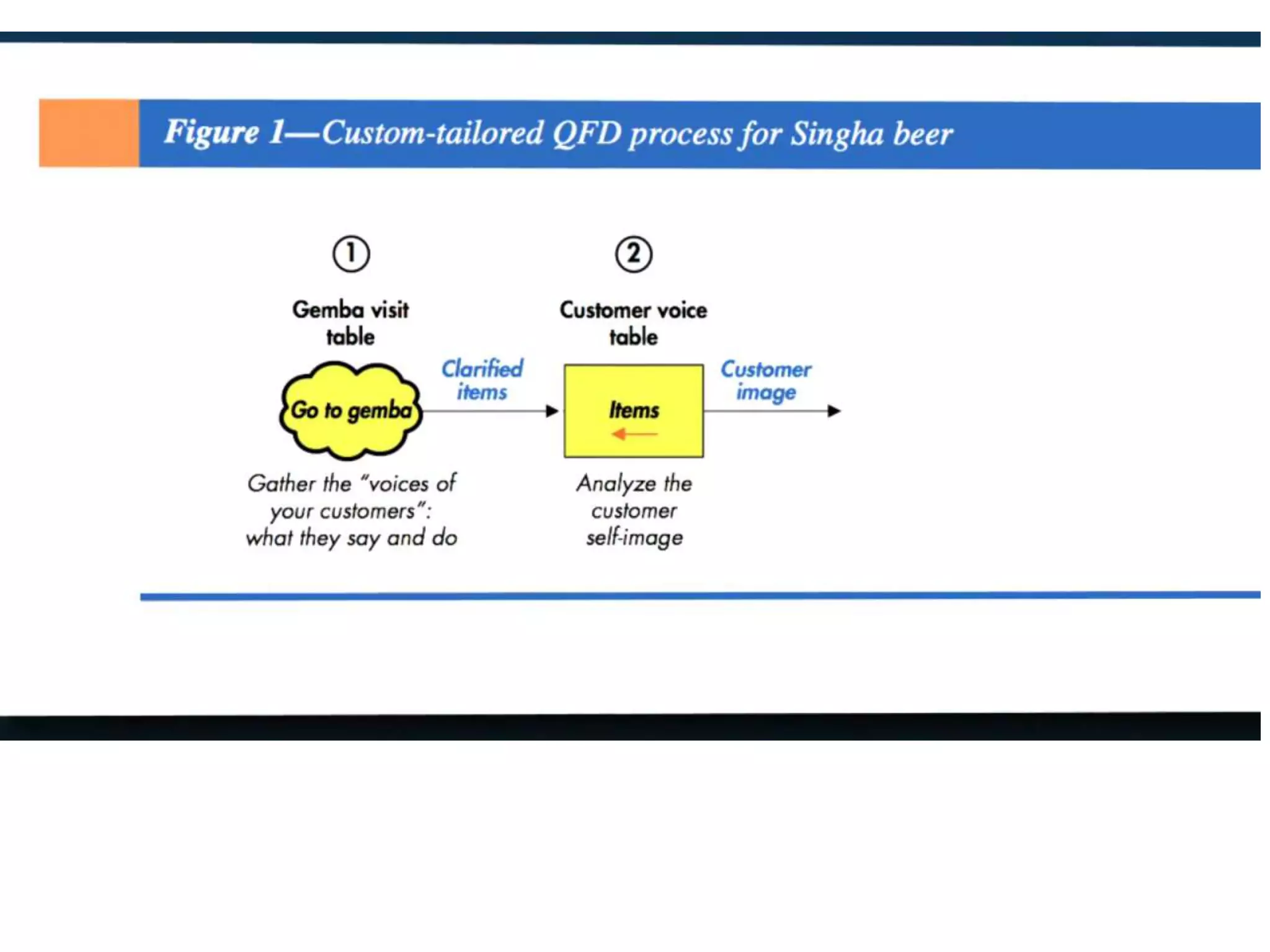
 They decided to embark on research of their foreign
customers to better understand their interests, motivations,
self-image, and other characteristics they might share, in
order to assure their continuous business success.
 Purely to hear the inner voices of their non-Thai customers
and how Singha Beer fits into their love of life.
 Not to change the beer formulation, the logo or packaging, or
any of the usual tangibles
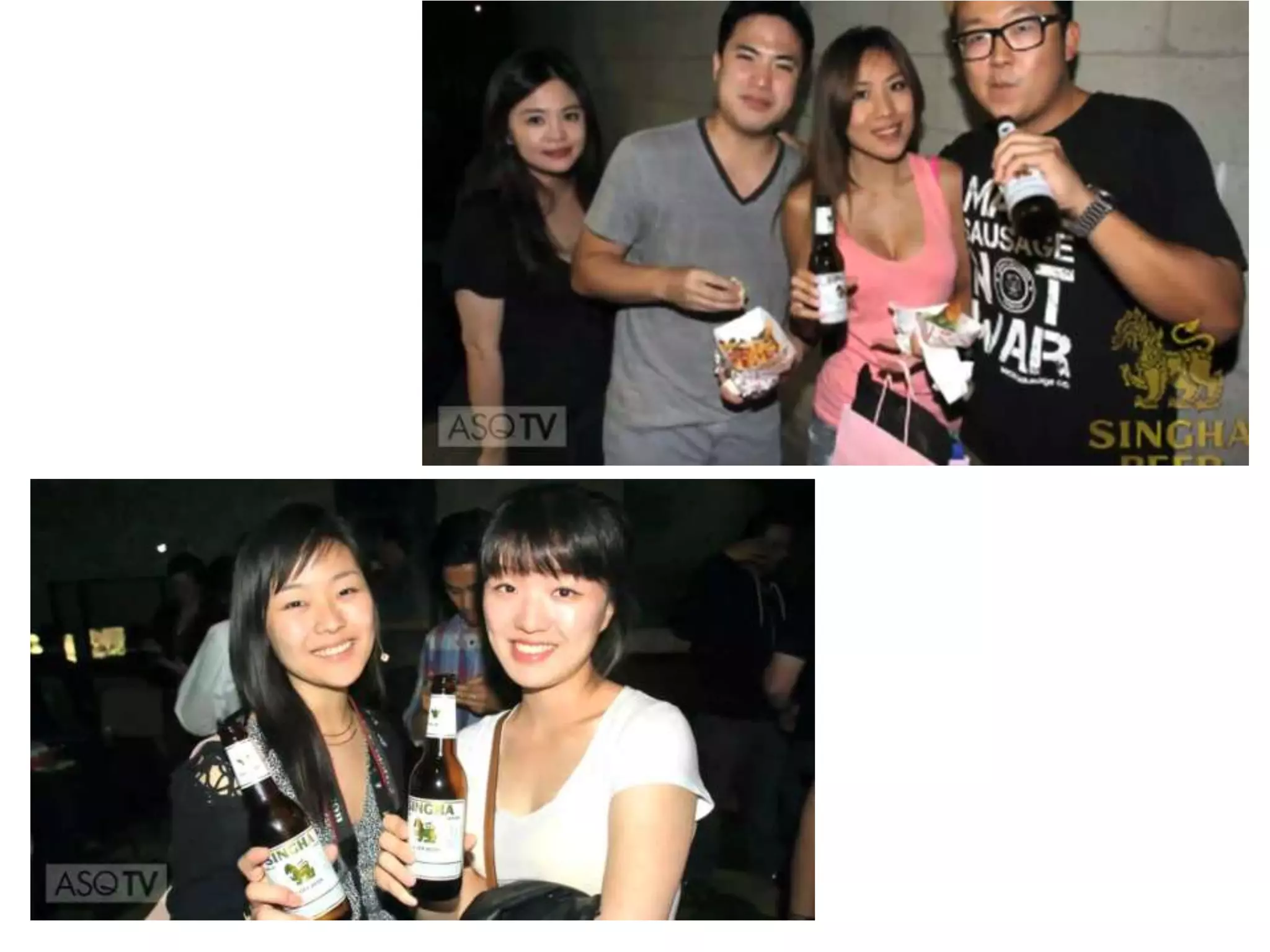
 "We sell our beer in the U.S., U.K., and Australia,
but we don't know why they drink it."
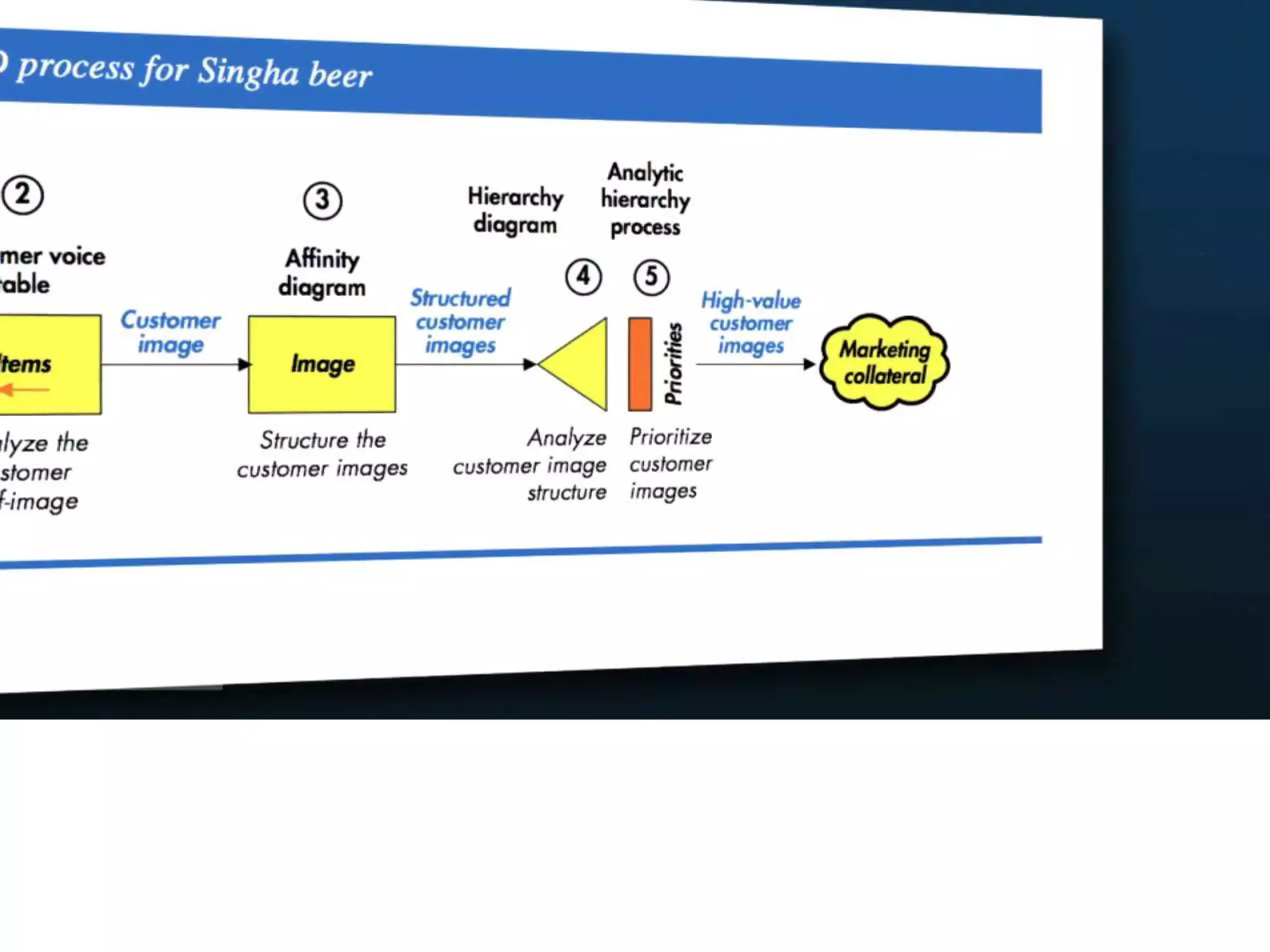
 In addition to the kansei image needs, the Singha marketing team
also considered their brand truth of "authenticity" and "prestige",
and their brand asset of Thailand as a place for travel, vacations,
outdoors/beaches, and culture.
 From this formula, the Singha team extrapolated the elements for
defining their new brand essence. Armed with these knowledge,
Singha's UK advertising agency was asked to create marketing
collateral such as advertisements, promotions, etc.
 Singha Beer has extended their utility to better
understanding why their customers like their product from
an emotional perspective, in order to produce
advertisements that speak to their inner wishes. Singha
believes that by directing advertisements to kindle these
wishes, consumer interest will grow around the world.
In 1992, the Ritz-Carlton Hotel Company set a company-wide Quality Goal of:
 Six Sigma;
 50% Cycle Time Reduction; and
 100% Customer Retention by 1996.
Reduction in room cleaning cycle time to 65% or 8 minutes with
the added task of servicing the honour bar;
Reduction in defects per room by 42% to 3.7 which translates to a
higher reliability in cleanliness factor;
Reduction of standard guest room interruptions by 33% due to
combining of honour bar task with cleaning team;
Reduction in time guest would be disturbed if occupying room at
time cleaning is provided;
Increase in property/life safety for gusts and staff due to fewer
guest room doors being opened at any one time, as well as
presence of more than one room attendant within a room;
Increase in productivity from 13 to 15 rooms per person and still
increasing with resultant labour savings; and
Reduction in individual travel by 64% to 205 feet within guest
room.
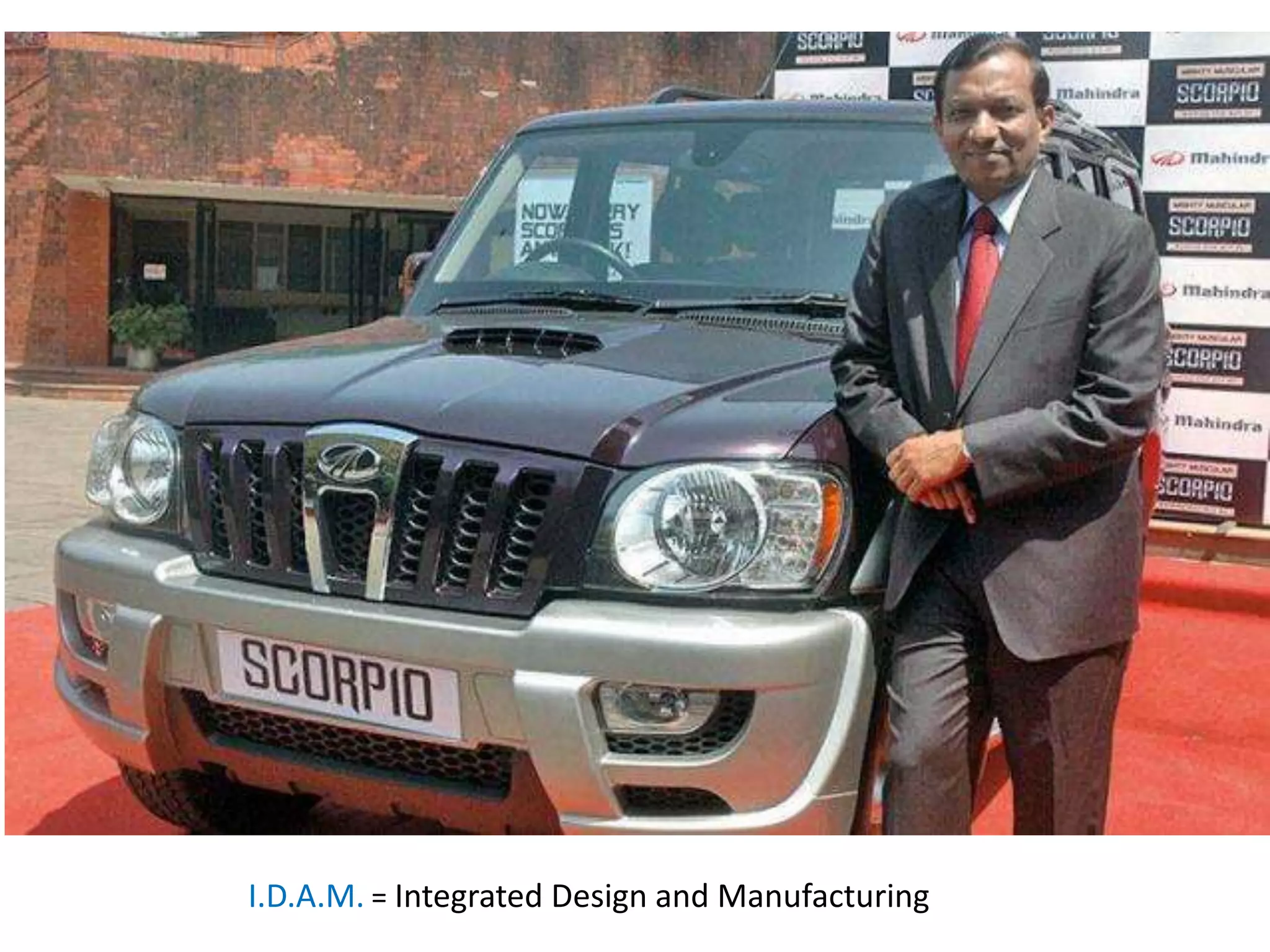
I.D.A.M. = Integrated Design and Manufacturing
Quality Function Deployment

Quality Function Deployment

  • 2.
    Why does afirm do business ?  Vitamin M  Who gives the firm Vitamin M ? Its Customers
  • 3.
    All firms wantthis ! How do you get them ? Simple ! Just make the products that the customer wants. How do I know what my customers want ? QFD
  • 4.
    QFD: An Introduction 1)Customer Requirements(VoC) 2) Product’s Technical Requirements (VoO) 3) Relate customer WHATs to product HOWs 4) TR1 v/s TRn ( TR: Technical requirement ) 5) Competitive Assessment and Prioritize Customer Requirements 6) Prioritize Technical Requirements
  • 5.
    1) Customer Requirements(VoC) Involves team from Marketing, Operations and Engineering.  Market Segmentation  Determine structured requirements. But WHY ?  Rate the requirements based on customers  Put them in the house of quality  At the end we find what is expected and what excites them.
  • 6.
    2) Product’s technicalrequirements (VoO)  HOW will be the WHATs be met ?  Find Technical components that maps to hence addresses to requirements.  Important point is getting them quantified
  • 7.
    3)Relate customer WHATsto product HOWs  Is there any relationship between what my product is and what my customers expect from my product ?  If yes, then how strong it is..  If no relationship, then how can I document it ?
  • 8.
    Special cases  Emptyrow  Empty column  Row/column with no strong relationship  Row/column with too many strong relationship
  • 9.
    4) TR1 v/sTRn  Each TR to be mapped to every other TR  Why ? Because technical requirements are inter-dependent. Hence change in one can actually lead to – Improvement in another Deterioration in another
  • 10.
     Levels ofinter-dependency based on Quantum of effects – – Strongly Positive (++) – Positive (+) – Strongly Negative (--) – Negative (-)  Importance-  Trade-off among various technical requirements
  • 11.
    5.1) Competitive Assessment Its evaluation time !  Evaluate performance of our product against each requirement individually.  Let the competitors also face the music  – Identify competitors – Reverse engineering on competitors products – Common set of customers requirements – Evaluate competitor in the similar manner and rate it
  • 12.
  • 13.
  • 15.
  • 16.
    QFD and highereducation  To raise the standards of education on universities in conformity with requirements of customers.  Establishes the present improvement and set priorities for future scope of improvement.  The utmost advantage of implementing the QFD approach in an educational institution is that it considers both tangible and intangible aspects. Attributes unique for educational institutes 1. Intangibility. 2. Inseparability of production and consumption. 3. Heterogeneity. 4. Perishability.
  • 17.
    Quality dimensions foreducation Quality in higher education is treated from different perspectives. The processes which affect quality in an institute are: • Finance • Stakeholders Participation • Course content/Design of Curriculum • Sustainability • Learning Environment
  • 18.
    Typical processes froma quality and operations perspective
  • 20.
  • 21.
    E-STORE & WEBDESIGN  Due to increased internet usage and exposure.  Provides a competitive advantage for online merchants  Traditional shoppoing moving to online merchants  A revolution in marketing and retailing fields
  • 22.
  • 24.
    WHY QFD FORWEB DESIGN & E-STORES?  Due to increased attention to internet,many companies set up e-stores.  Despite its popularity,few studies on how e-stores should be designes.  E-store is company-customer interface  Important Communication Element  Positive communication affects marketing,sales increasing customer returns
  • 25.
    WEB STORE QFDDESIGN  HAAG et al(1966) made important contribution – SQFD  SQFD-adaption of HOQ,front end process that proceeds SDLC.  Important for e-store Development process:- A. Provides methodology for handling customer wants about e- store design quality. B. Increases e-customer satisfaction.
  • 26.
    APPLICATION - TURKEY QFD Team had 2 website design experts.  Developed by suleyman barutcu  2 Questionnaires. A. First questionnaire(4 demographic 26 customer expectations from e-store design, buying behavior towards e-store) B. Second questionnaire:-11 customer wants
  • 27.
  • 28.
    STEP 1:HOQ  Involvesidentifying and formalizing e-customer wants (WHATS) list
  • 29.
    AFFINITY DIAGRAM  Organizecustomer interviews and research
  • 30.
    STEP 2 Prioritizing e-customerwants with help of AHP
  • 31.
    CONTD… B. Results ofAHP for e-customer weightings
  • 32.
  • 33.
    CONTD… As per completedHOQ 2 important e-customer wants:- 1. Have new e-store that searches and compares prices of products in different e-stores 2. To select and compare products with each other easily using expert systems.
  • 34.
    “ He wasa wise man who invented beer." (Plato) "I drink beer, therefore, I am." (Anonymous)
  • 35.
     The leadingbrewery and distributor of Thai beer – Singha Beer  They decided to embark on research of their foreign customers to better understand their interests, motivations, self-image, and other characteristics they might share, in order to assure their continuous business success.  Purely to hear the inner voices of their non-Thai customers and how Singha Beer fits into their love of life.  Not to change the beer formulation, the logo or packaging, or any of the usual tangibles  "We sell our beer in the U.S., U.K., and Australia, but we don't know why they drink it."
  • 44.
     In additionto the kansei image needs, the Singha marketing team also considered their brand truth of "authenticity" and "prestige", and their brand asset of Thailand as a place for travel, vacations, outdoors/beaches, and culture.  From this formula, the Singha team extrapolated the elements for defining their new brand essence. Armed with these knowledge, Singha's UK advertising agency was asked to create marketing collateral such as advertisements, promotions, etc.  Singha Beer has extended their utility to better understanding why their customers like their product from an emotional perspective, in order to produce advertisements that speak to their inner wishes. Singha believes that by directing advertisements to kindle these wishes, consumer interest will grow around the world.
  • 45.
    In 1992, theRitz-Carlton Hotel Company set a company-wide Quality Goal of:  Six Sigma;  50% Cycle Time Reduction; and  100% Customer Retention by 1996.
  • 46.
    Reduction in roomcleaning cycle time to 65% or 8 minutes with the added task of servicing the honour bar; Reduction in defects per room by 42% to 3.7 which translates to a higher reliability in cleanliness factor; Reduction of standard guest room interruptions by 33% due to combining of honour bar task with cleaning team; Reduction in time guest would be disturbed if occupying room at time cleaning is provided; Increase in property/life safety for gusts and staff due to fewer guest room doors being opened at any one time, as well as presence of more than one room attendant within a room; Increase in productivity from 13 to 15 rooms per person and still increasing with resultant labour savings; and Reduction in individual travel by 64% to 205 feet within guest room.
  • 47.
    I.D.A.M. = IntegratedDesign and Manufacturing