
 Quality Assurance: The planned and systematic activities
implemented in a quality system so that quality requirements
for a product or service will be fulfilled.
 This is process oriented and focuses on defect prevention
 Proactive
 Planning stage
 Managerial tool
 Quality Control: The observation techniques and activities
used to fulfill requirements for quality.
 Product oriented and focuses on defect identification.
 Reactive
 Execution stage
 Corrective tool
 Quality Assurance is to improve development and test
processes so that defects do not arise when the product is
being developed.
 Quality control is to identify defects after a product is
developed and before it is released.
 Quality assurance : everyone in the team involved in
developing the product is responsible for Quality assurance.
 Quality control is usually the responsibility of a specific
team that tests the product for defects.
 Material Test Certificate
 Internal and External Tests
 Control measures – IS Codes
 QC Certifications
 Reactive Process
 Checklists
 Daily Inspection
 Process Control
 Process Implementation
 Proactive process
 Test Reports
 Tested Quantity data
 Sample details
 Third party certification
 Periodicity of tests
 Checklists of completed activities
 Audit reports
 Training records
 Snag lists
 Defects and rectification measures
 Labour test report
Few test checklists include
 Rolling Margin Test
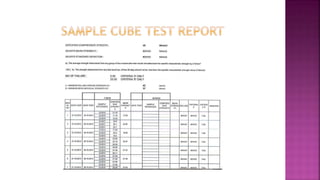
 Cube Test
 Tensile load Test
 Sieve test report
Few Checklists in Execution (QA) include
 Concrete Checklist
 Reinforcement Checklist
 Formwork
 Block work
 Individual Roles and Responsibilities
 Periodicity of Tests and Inspection
 Checklists
 Responsibility Structure
Thank you

Quality assurance vs quality control

  • 2.
     Quality Assurance:The planned and systematic activities implemented in a quality system so that quality requirements for a product or service will be fulfilled.  This is process oriented and focuses on defect prevention  Proactive  Planning stage  Managerial tool
  • 3.
     Quality Control:The observation techniques and activities used to fulfill requirements for quality.  Product oriented and focuses on defect identification.  Reactive  Execution stage  Corrective tool
  • 5.
     Quality Assuranceis to improve development and test processes so that defects do not arise when the product is being developed.  Quality control is to identify defects after a product is developed and before it is released.
  • 6.
     Quality assurance: everyone in the team involved in developing the product is responsible for Quality assurance.  Quality control is usually the responsibility of a specific team that tests the product for defects.
  • 7.
     Material TestCertificate  Internal and External Tests  Control measures – IS Codes  QC Certifications  Reactive Process
  • 8.
     Checklists  DailyInspection  Process Control  Process Implementation  Proactive process
  • 9.
     Test Reports Tested Quantity data  Sample details  Third party certification  Periodicity of tests
  • 10.
     Checklists ofcompleted activities  Audit reports  Training records  Snag lists  Defects and rectification measures  Labour test report
  • 12.
    Few test checklistsinclude  Rolling Margin Test  Cube Test  Tensile load Test  Sieve test report
  • 13.
    Few Checklists inExecution (QA) include  Concrete Checklist  Reinforcement Checklist  Formwork  Block work
  • 14.
     Individual Rolesand Responsibilities  Periodicity of Tests and Inspection  Checklists  Responsibility Structure
  • 15.