- Pulmonary embolism (PE) is a potentially life-threatening condition where one or more arteries in the lungs become blocked by blood clots.
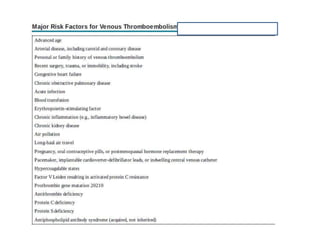
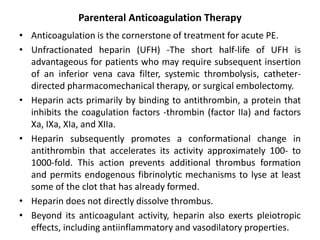
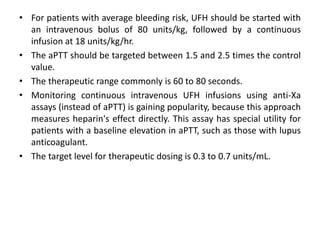
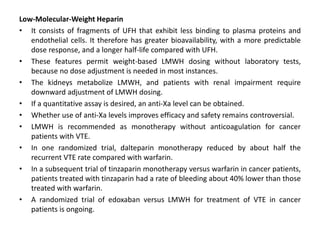
- Virchow's triad of stasis, hypercoagulability, and endothelial injury often leads to the formation of blood clots. Inflammation also plays a key role in precipitating PE.
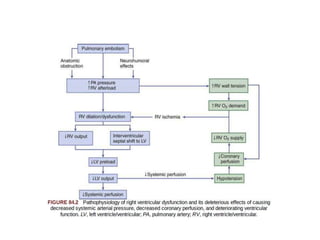
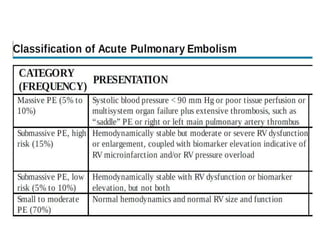
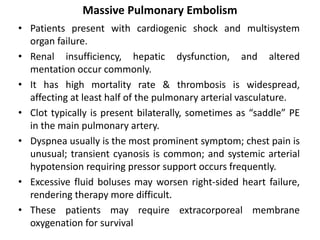
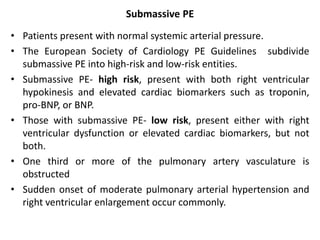
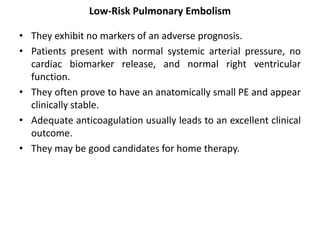
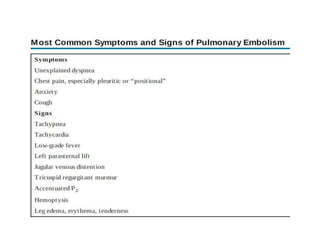
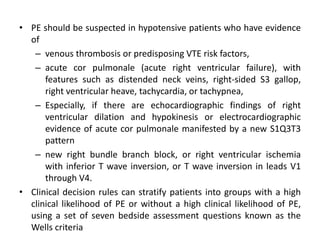
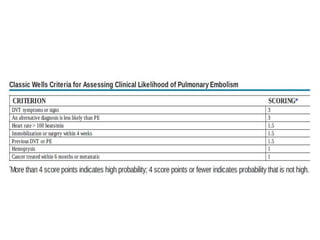
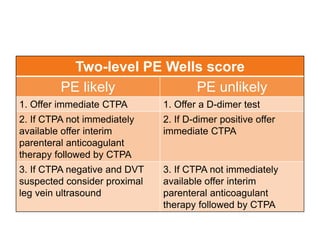
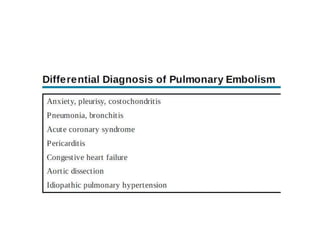
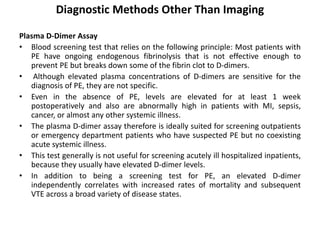
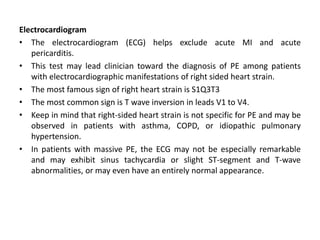
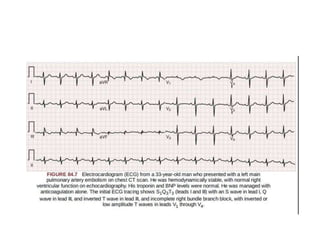
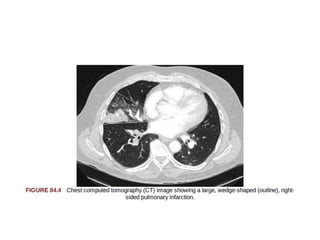
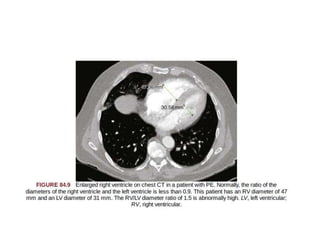
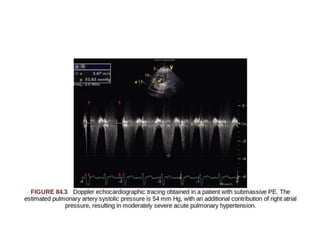
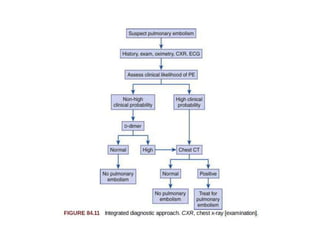
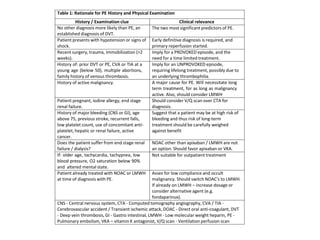
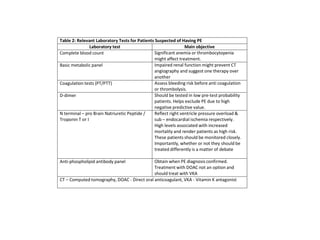
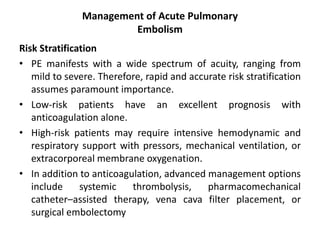
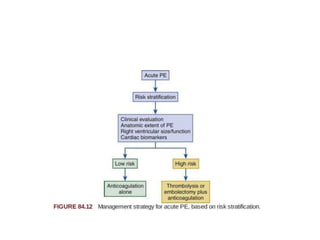
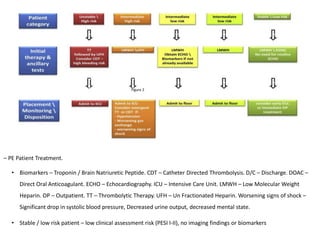
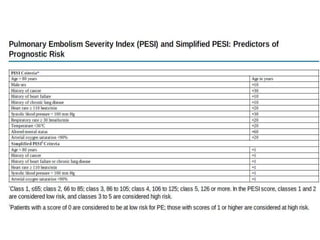
- PE can range from low-risk cases with no adverse effects to massive cases involving multiple blood clots that can cause heart failure or death. Diagnosis involves assessing symptoms and risk factors, blood tests, imaging like CT scans, and electrocardiograms.




![PERI-PROSTHETIC FRACTURE NAIL-PLATE CONSTRUCT [NPC].pptx](https://cdn.slidesharecdn.com/ss_thumbnails/drarunkumardrmohamedashrafperiprostheticfrasturenail-plateconstructnpc-260209164459-7e9d15a1-thumbnail.jpg?width=640&height=640&fit=bounds)


![CTEV [ clubfoot] DR ARUN LAL ,DR MOHAMED ASHRAF travancore medical college k...](https://cdn.slidesharecdn.com/ss_thumbnails/ctevclubfootdrarunlaldrmohamedashraftravancoremedicalcollegekollamkeralaindia-260208063247-18fc466c-thumbnail.jpg?width=640&height=640&fit=bounds)


