Psoriatic Arthritis and Diet:
an Individualized Approach

Dr. Alexander Shikhman MD, PhD, FACR
    Institute for Specialized Medicine
             www.ifsmed.com
Psoriatic Arthritis

 Inflammatory joint disease found in up to 30% of
  patients with psoriasis
 Stiffness, pain, swelling and tenderness of the joints
  and surrounding ligaments and tendons
 Early recognition, diagnosis and treatment can help
  prevent progressive joint involvement and damage
 Skin symptoms usually appear before joint
 symptoms, but not always
Psoriatic Arthritis

Symptoms to be aware of:
 Back pain/stiffness
 Pain in heel or bottom of foot
 Morning stiffness lasting longer than 30
  minutes
 Generalized fatigue
 Reduced range of motion
 Swollen fingers and/or toes
Psoriatic Arthritis

If you have psoriasis and are experiencing any symptoms
of psoriatic arthritis, it is a good idea to:
 Tell your health care provider
 Consider seeing a rheumatologist
 Not wait for your symptoms to get worse before seeking
  medical advice and/or treatment
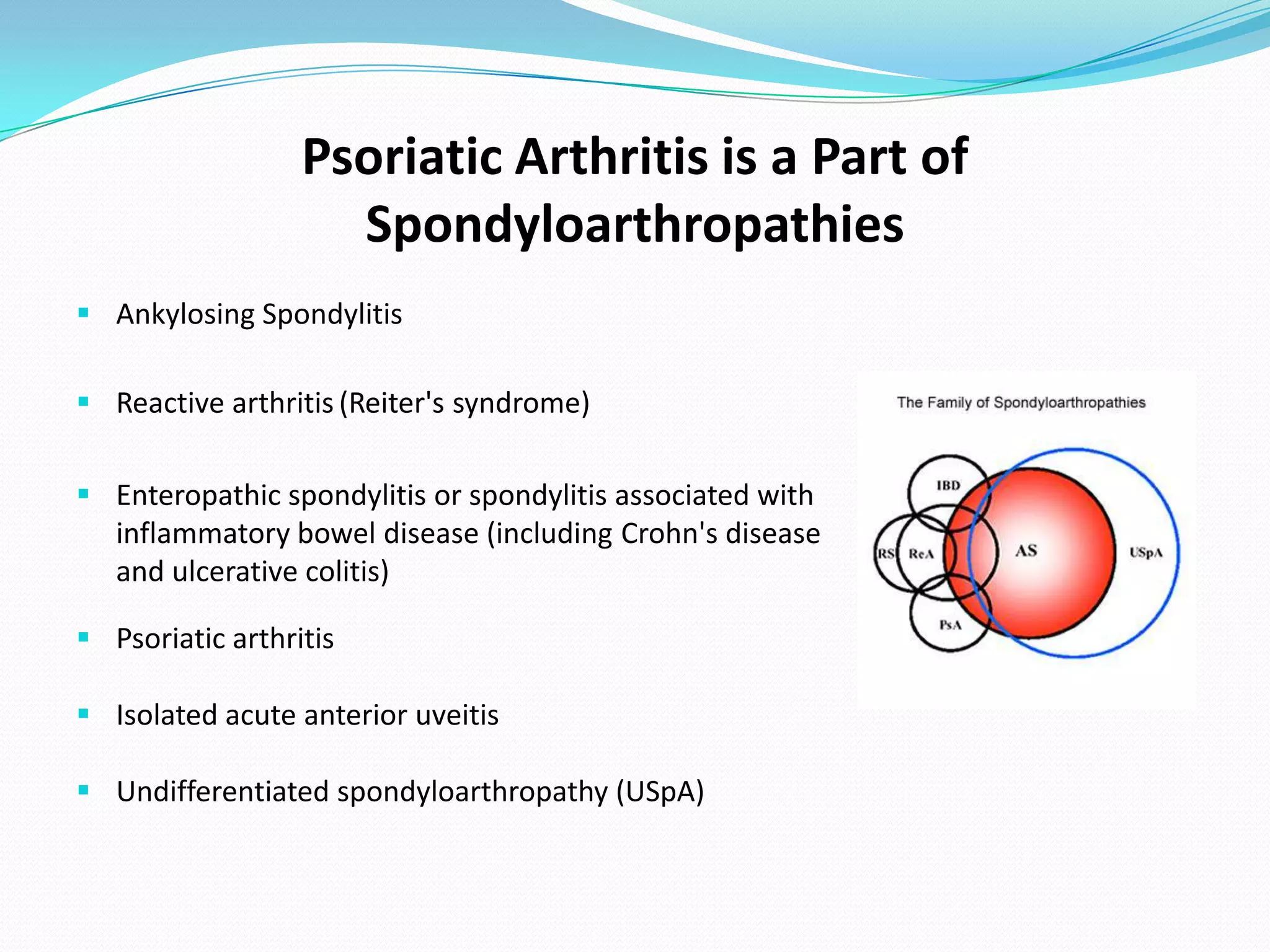
Psoriatic Arthritis is a Part of
                    Spondyloarthropathies
 Ankylosing Spondylitis

 Reactive arthritis (Reiter's syndrome)

 Enteropathic spondylitis or spondylitis associated with
  inflammatory bowel disease (including Crohn's disease
  and ulcerative colitis)

 Psoriatic arthritis

 Isolated acute anterior uveitis

 Undifferentiated spondyloarthropathy (USpA)
Psoriatic Arthritis is a Part of
                 Spondyloarthropathies

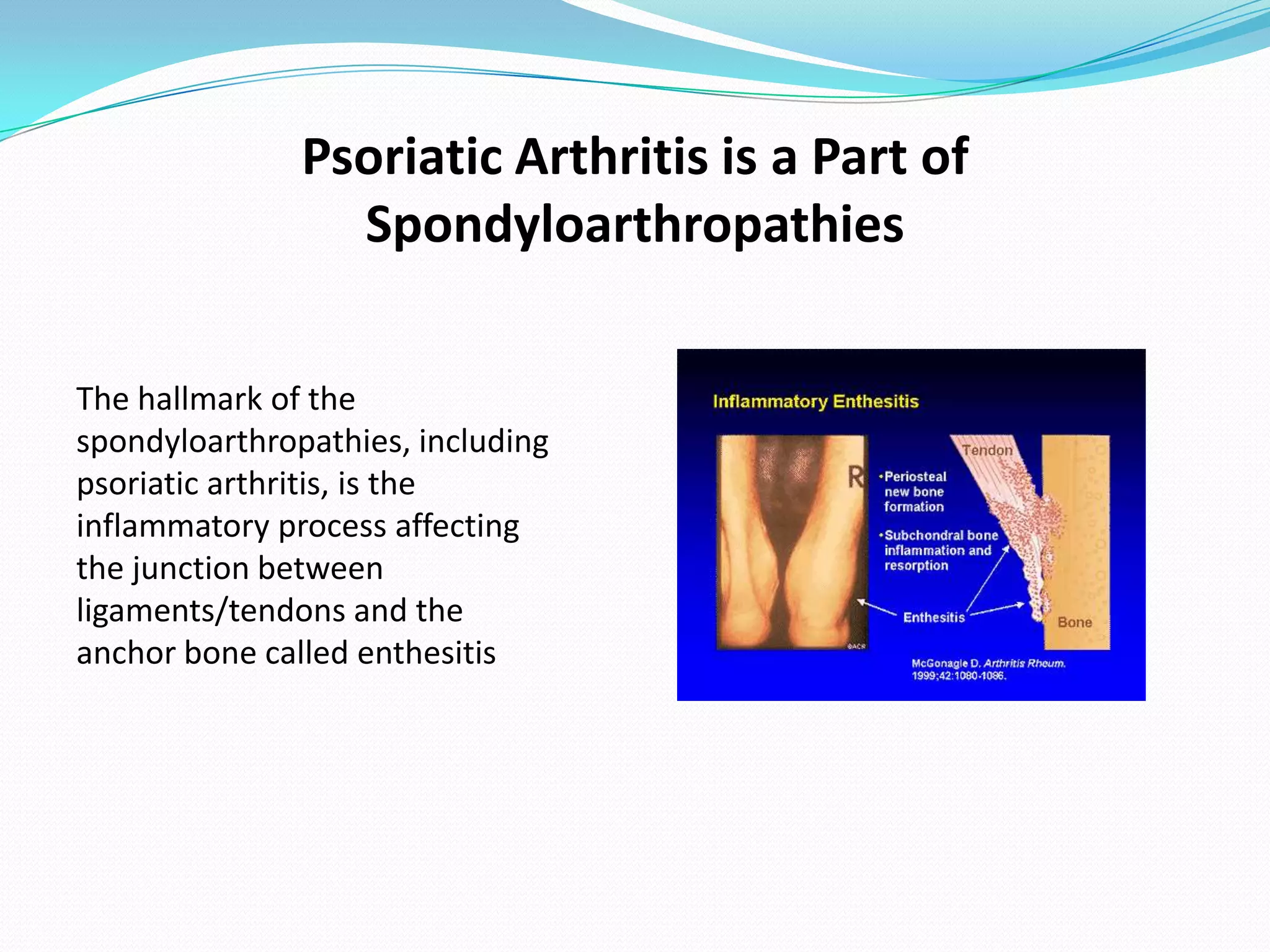
The hallmark of the
spondyloarthropathies, including
psoriatic arthritis, is the
inflammatory process affecting
the junction between
ligaments/tendons and the
anchor bone called enthesitis
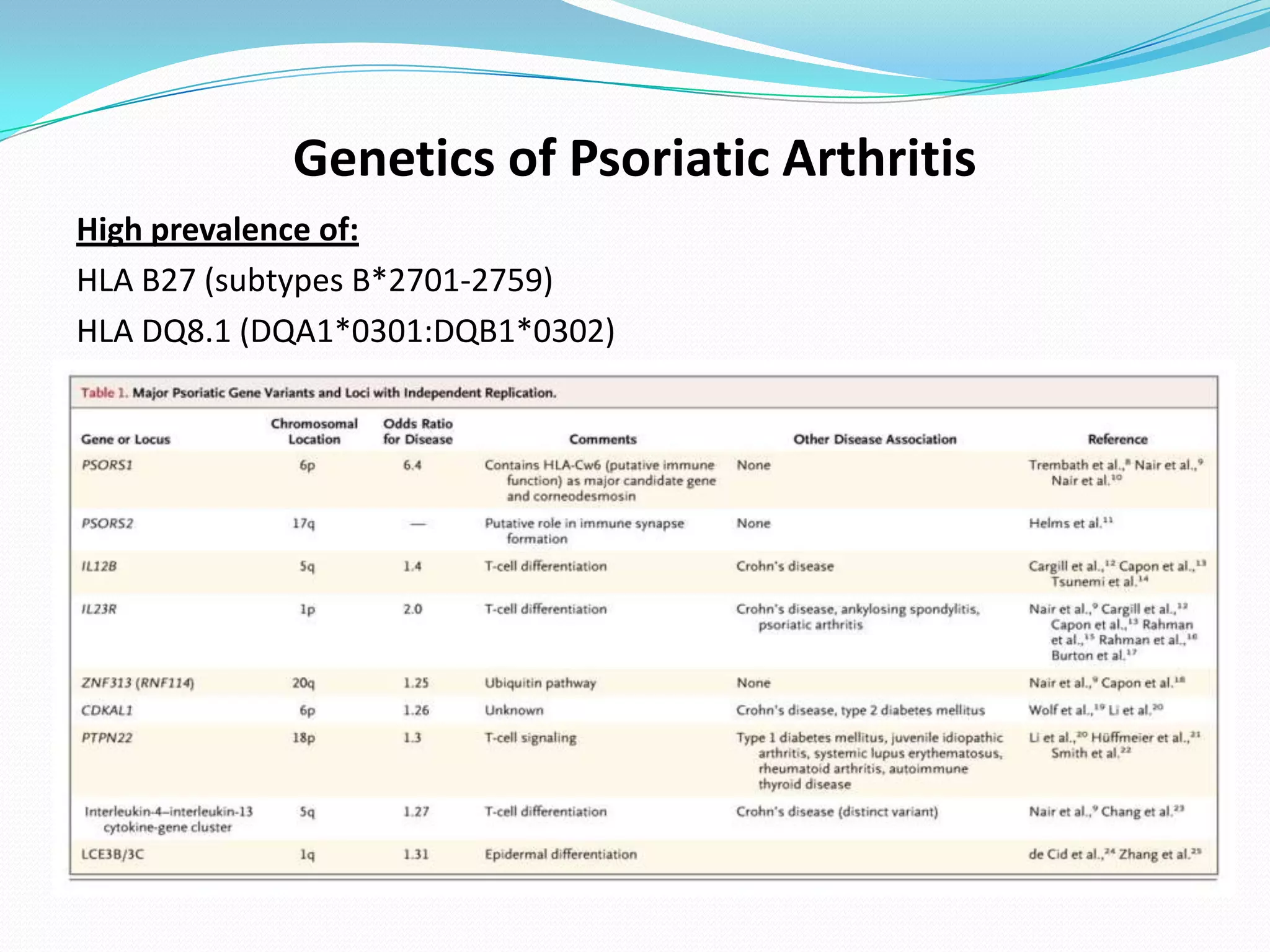
Genetics of Psoriatic Arthritis
High prevalence of:
HLA B27 (subtypes B*2701-2759)
HLA DQ8.1 (DQA1*0301:DQB1*0302)
Diagnosing Psoriatic Arthritis

   There is no single test to diagnose psoriatic arthritis

Typically, the diagnosis of psoriatic arthritis is based on a
combination of:
 Patient’s history
 Physical examination
 Imaging of the joints (x-rays, ultrasound, MRI etc)
 Laboratory test results
Subtypes of Psoriatic Arthritis

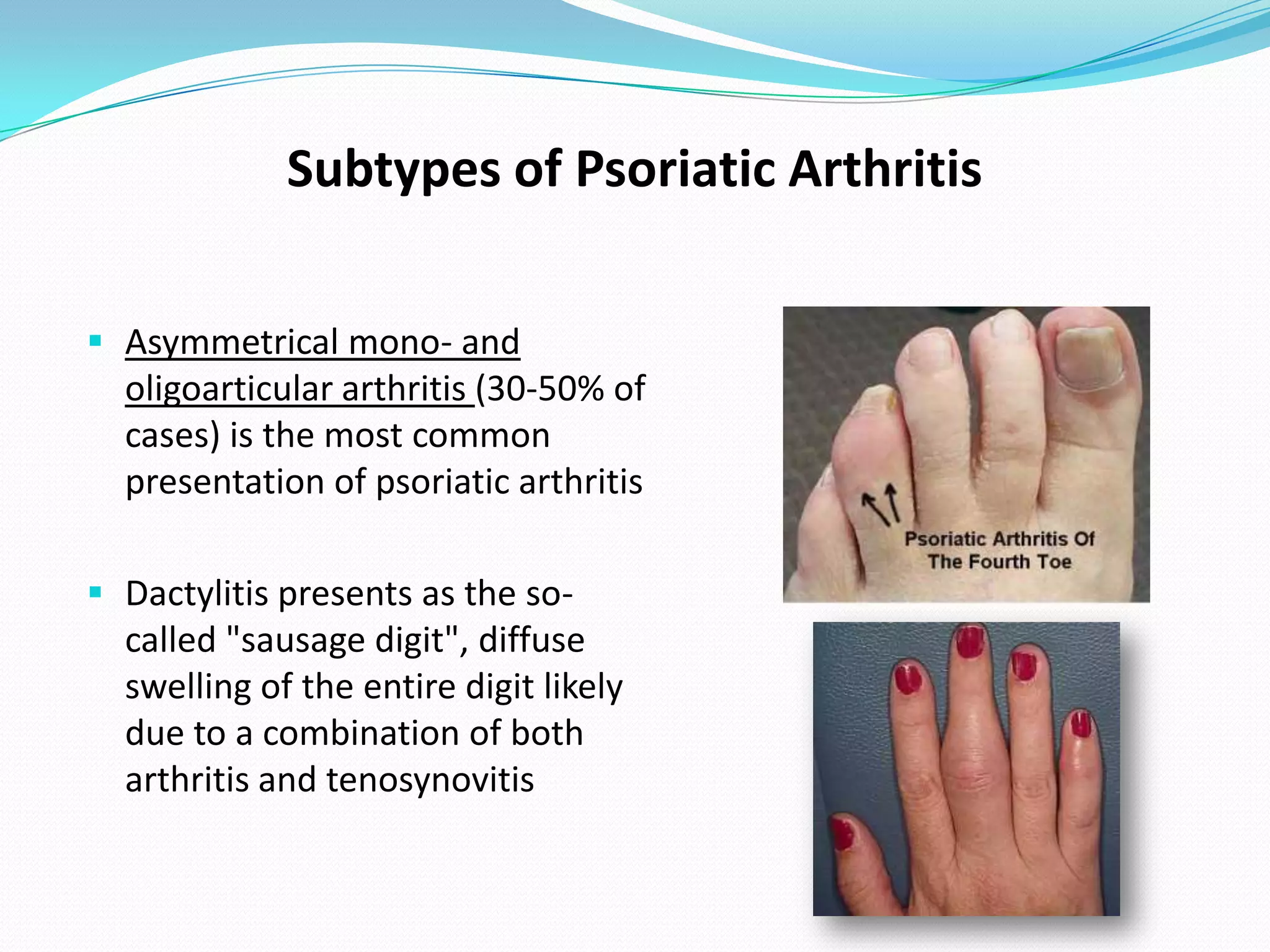
 Asymmetrical mono- and
  oligoarticular arthritis (30-50% of
  cases) is the most common
  presentation of psoriatic arthritis

 Dactylitis presents as the so-
  called "sausage digit", diffuse
  swelling of the entire digit likely
  due to a combination of both
  arthritis and tenosynovitis
Subtypes of Psoriatic Arthritis


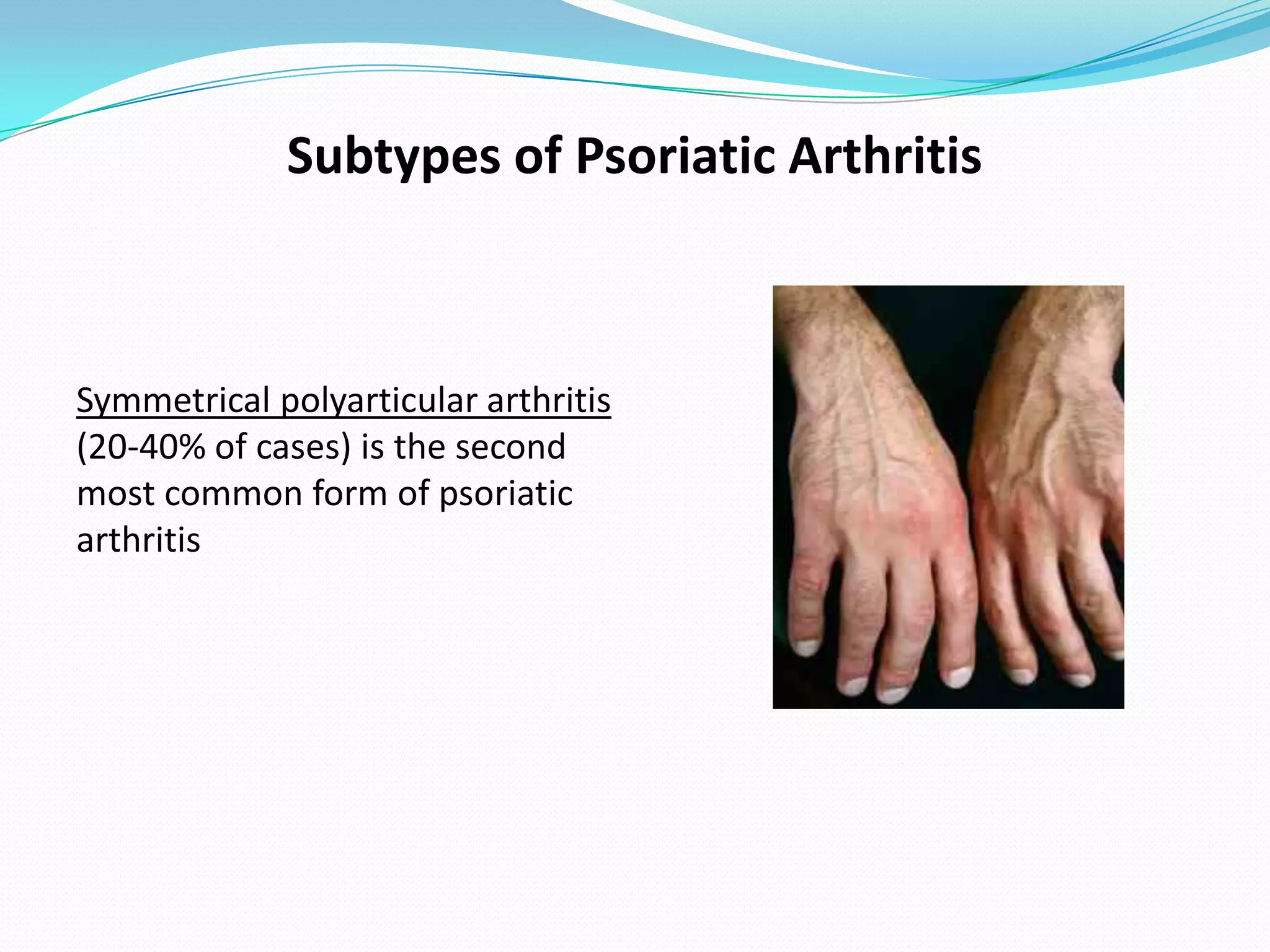
Symmetrical polyarticular arthritis
(20-40% of cases) is the second
most common form of psoriatic
arthritis
Subtypes of Psoriatic Arthritis

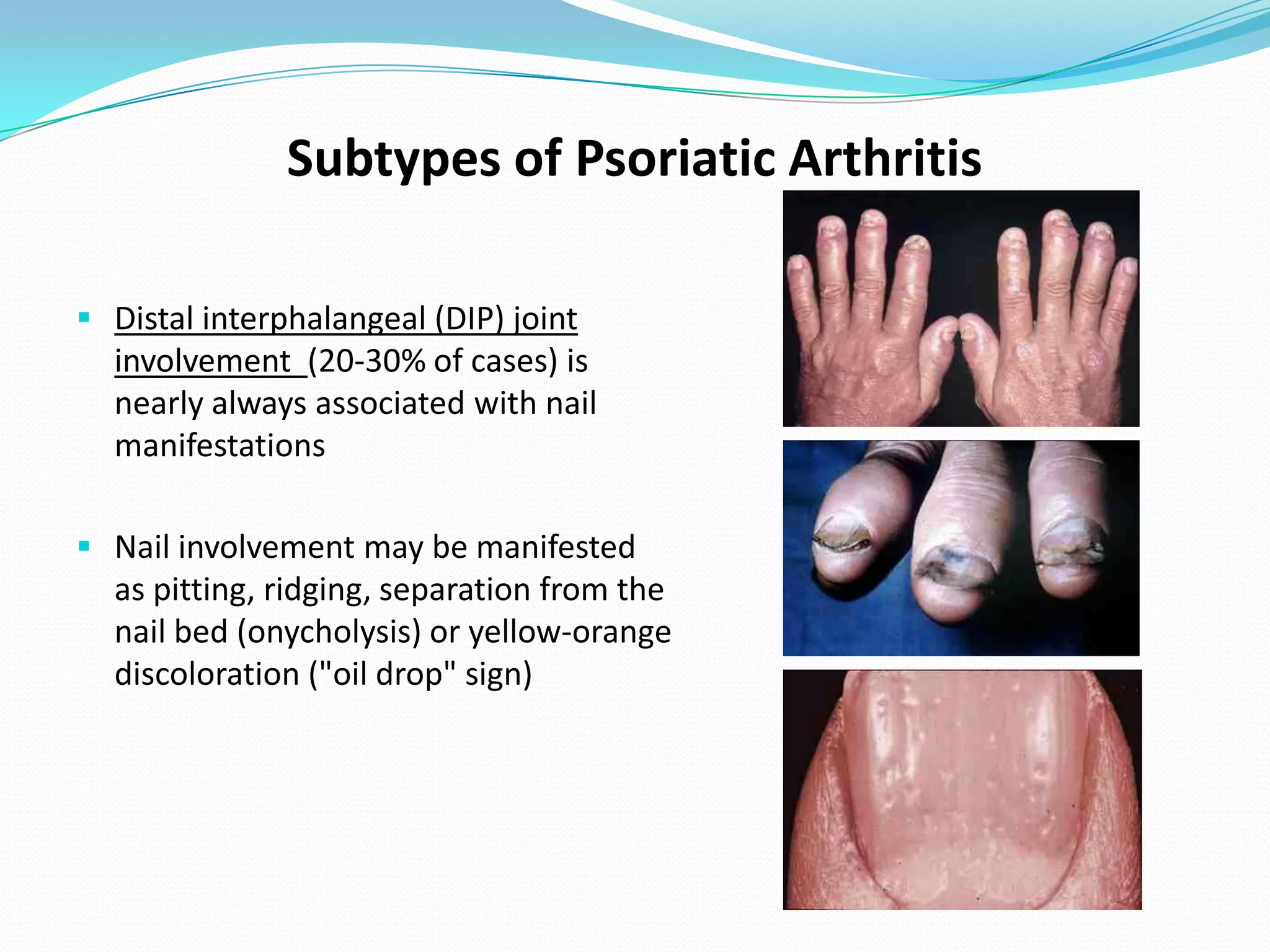
 Distal interphalangeal (DIP) joint
  involvement (20-30% of cases) is
  nearly always associated with nail
  manifestations

 Nail involvement may be manifested
  as pitting, ridging, separation from the
  nail bed (onycholysis) or yellow-orange
  discoloration ("oil drop" sign)
Subtypes of Psoriatic Arthritis
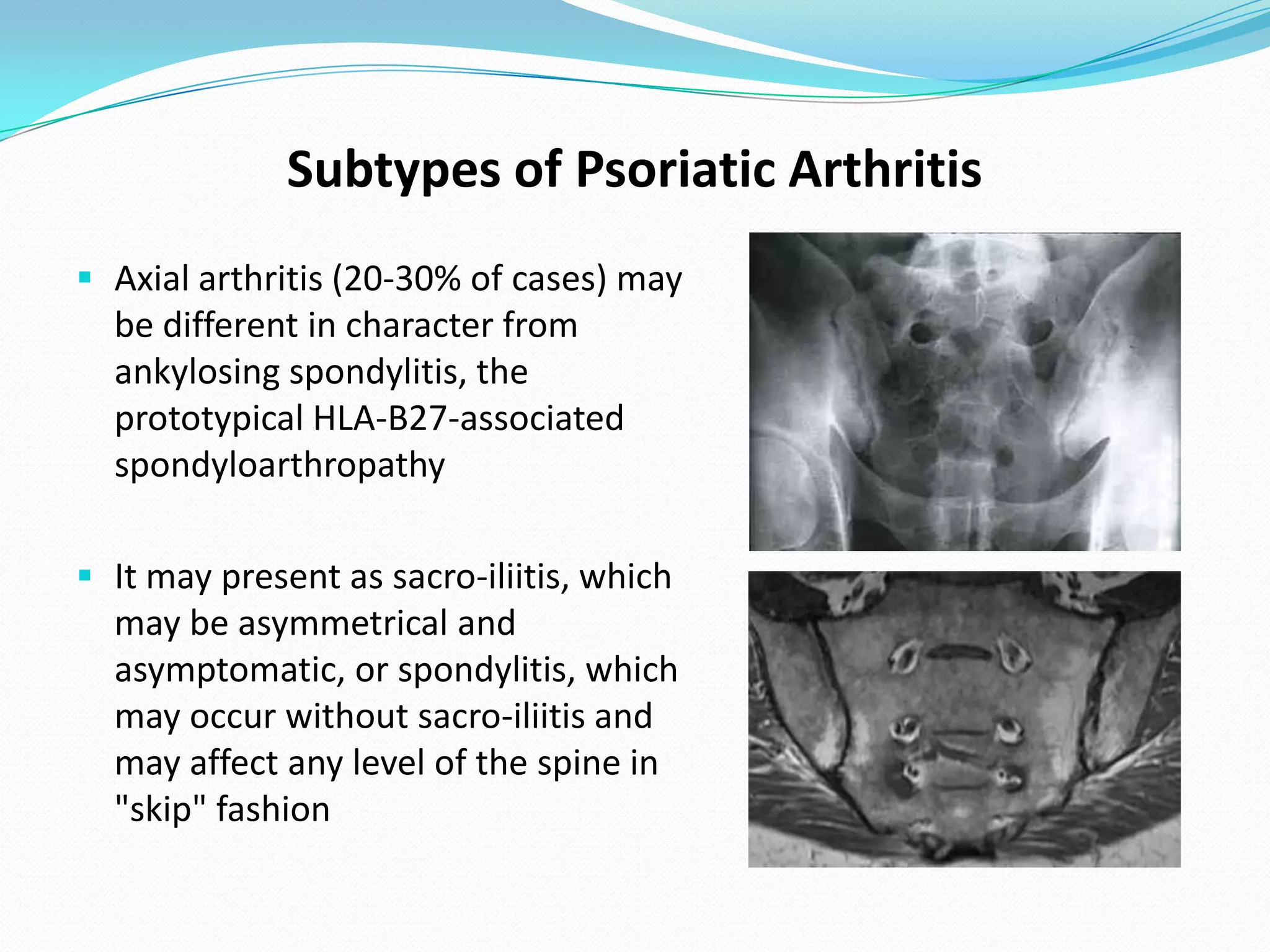
 Axial arthritis (20-30% of cases) may
  be different in character from
  ankylosing spondylitis, the
  prototypical HLA-B27-associated
  spondyloarthropathy

 It may present as sacro-iliitis, which
  may be asymmetrical and
  asymptomatic, or spondylitis, which
  may occur without sacro-iliitis and
  may affect any level of the spine in
  "skip" fashion
Subtypes of Psoriatic Arthritis


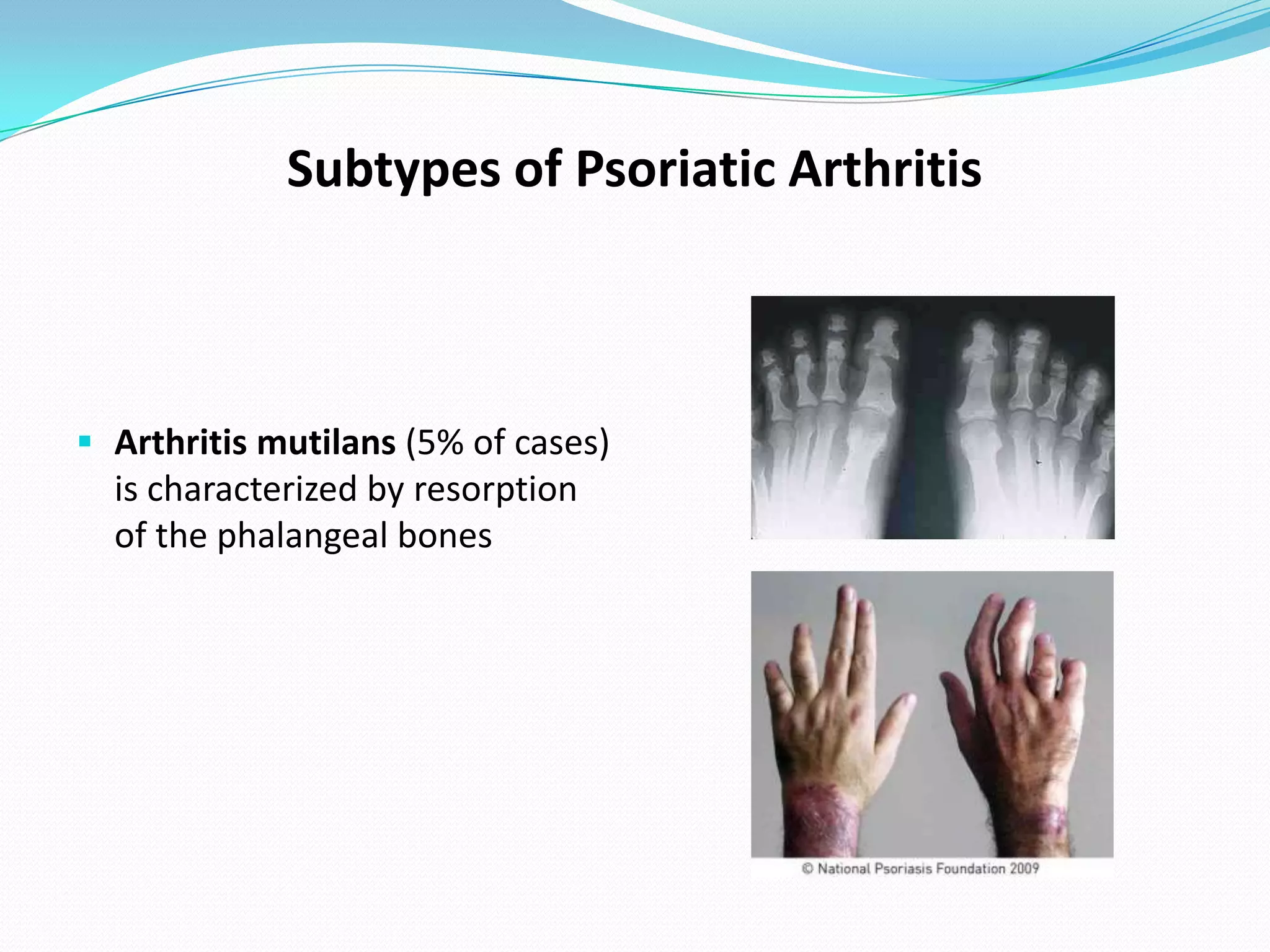
 Arthritis mutilans (5% of cases)
  is characterized by resorption
  of the phalangeal bones
Psoriatic Arthritis: Satellite Problems
 Extra-Cutaneous and                        Overlapping Problems
Articular Manifestations

    Conjunctivitis                         Gout
    Uveitis                                Pseudogout (calcium
                                             pyrophosphate deposition
    Aortitis (inflammation of aorta)
                                             disease)
    Pulmonary fibrosis
Psoriasis, Psoriatic Arthritis and Infection
THE FOLLOWING INFECTIOUS AGENTS HAVE BEEN ASSOCIATED
 WITH ACTIVATION OF PSORIASIS AND PSORIATIC ARTHRITIS

  Streptococcus pyogenes group A
  Candida albicans
  Helicobacter pylori
  Atypical mycobacteria
  Mycoplasma pneumonia
  Human immunodeficiency virus (HIV)
  Hepatitis C
Psoriasis, Psoriatic Arthritis and
                Streptococcal Infection

 Early studies on T cells in the skin revealed the presence of
  oligoclonal T-cells which could indicate the presence of a common
  antigen as a major target of the psoriatic immune response.

 HLA-Cw*-0602 protein product binds peptide motifs that are
  shared between the M proteins of Streptococci and the keratins
  K16 and K17 in the skin. This provides a mechanism for psoriasis
  where Streptococcal infection leads to T cell activation.
Treatments for Psoriatic Arthritis
             Symptomatic Therapy
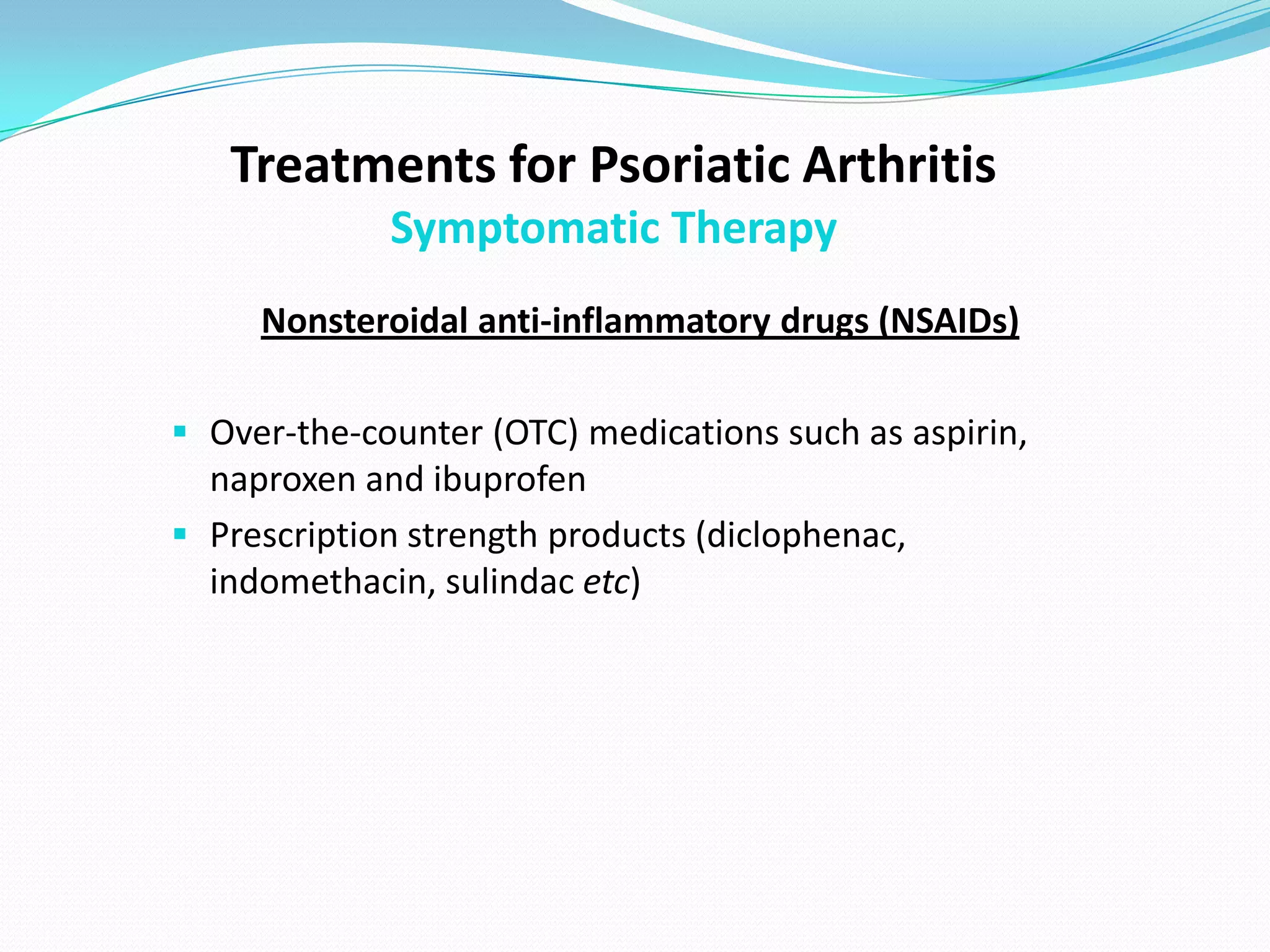
     Nonsteroidal anti-inflammatory drugs (NSAIDs)

 Over-the-counter (OTC) medications such as aspirin,
  naproxen and ibuprofen
 Prescription strength products (diclophenac,
  indomethacin, sulindac etc)
Treatments for Psoriatic Arthritis
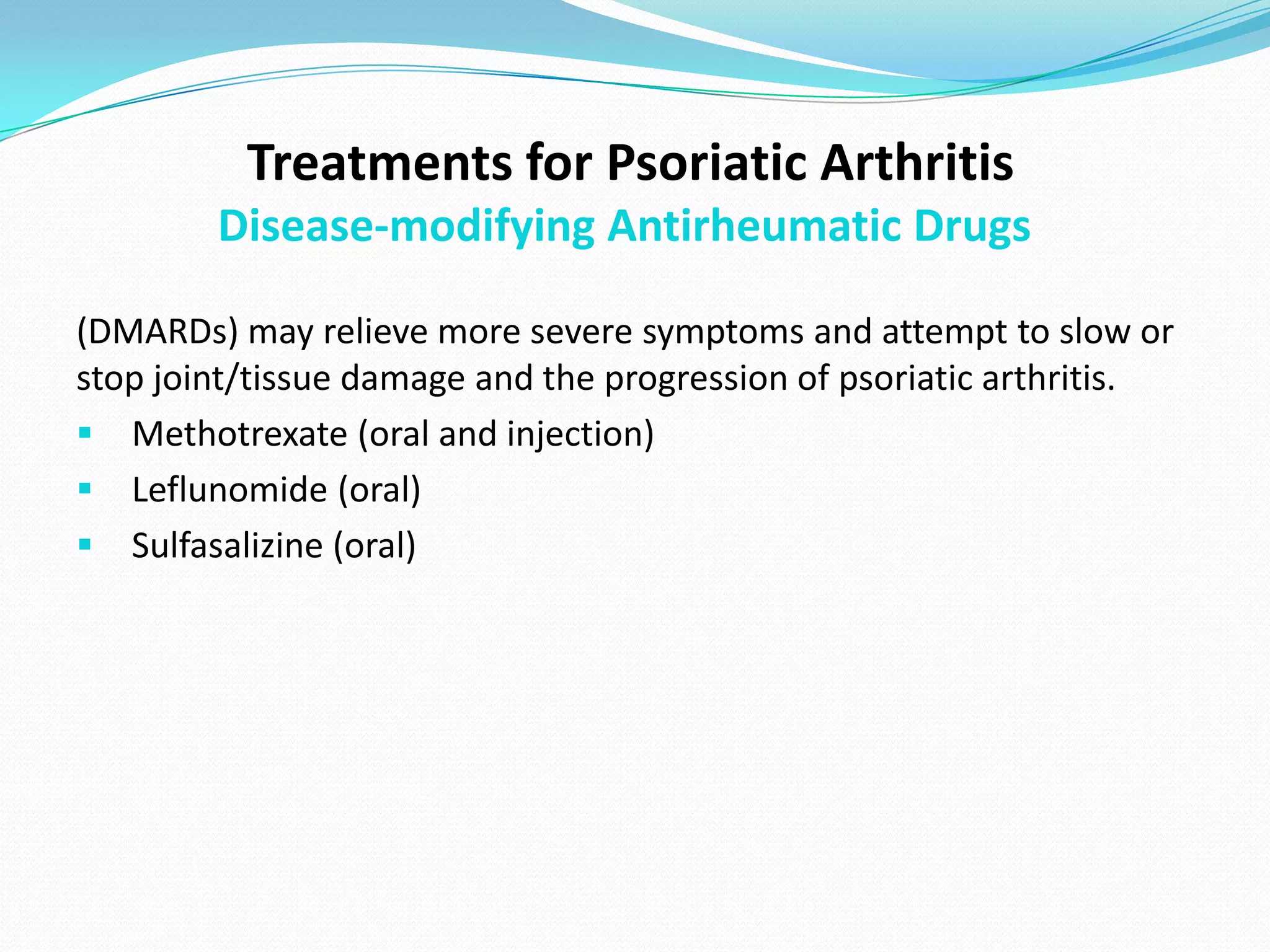
        Disease-modifying Antirheumatic Drugs

(DMARDs) may relieve more severe symptoms and attempt to slow or
stop joint/tissue damage and the progression of psoriatic arthritis.
 Methotrexate (oral and injection)
 Leflunomide (oral)
 Sulfasalizine (oral)
Treatments for Psoriatic Arthritis

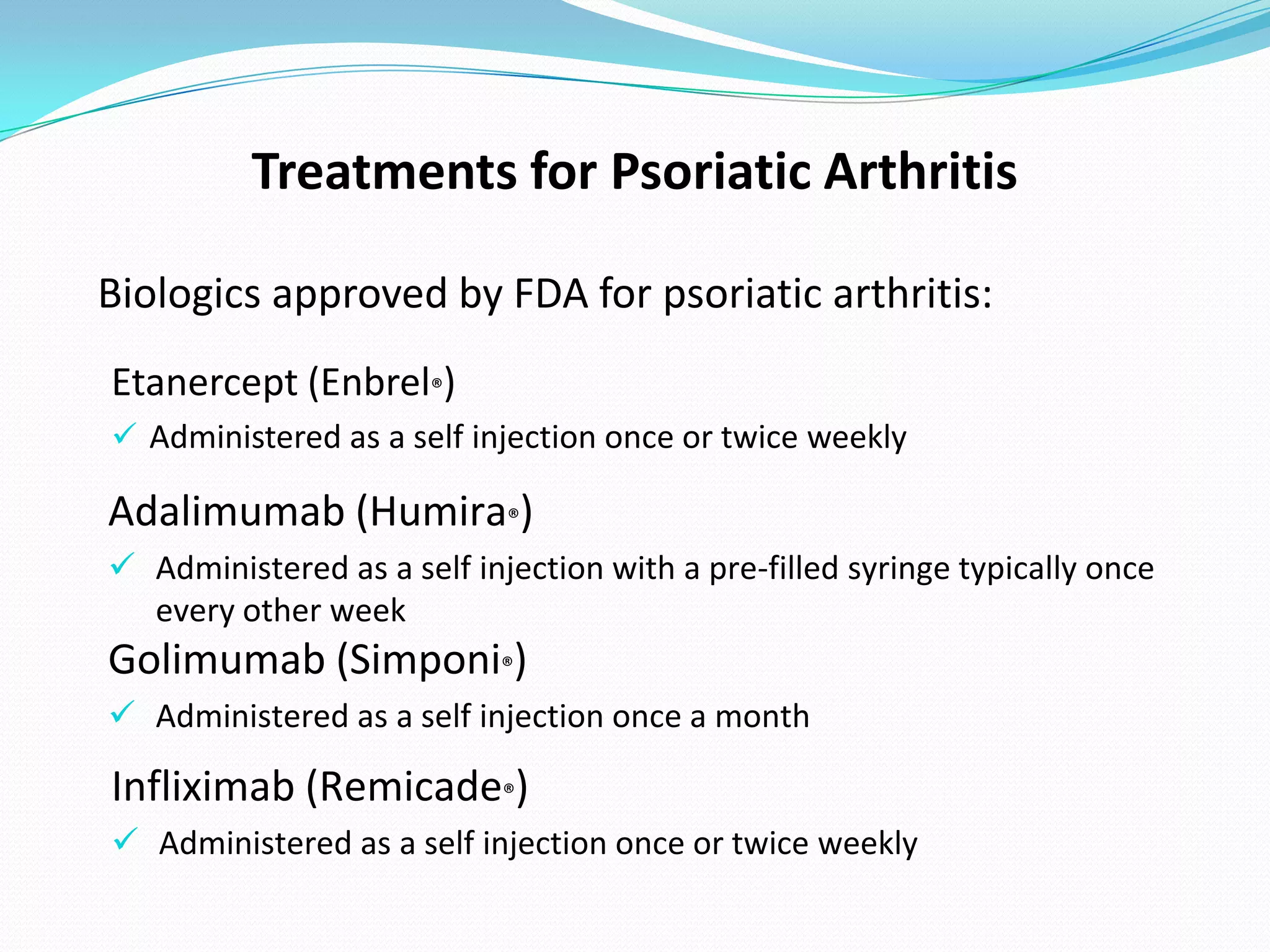
Biologics approved by FDA for psoriatic arthritis:
Etanercept (Enbrel®)
 Administered as a self injection once or twice weekly

Adalimumab (Humira®)
 Administered as a self injection with a pre-filled syringe typically once
  every other week
Golimumab (Simponi®)
 Administered as a self injection once a month

Infliximab (Remicade®)
 Administered as a self injection once or twice weekly
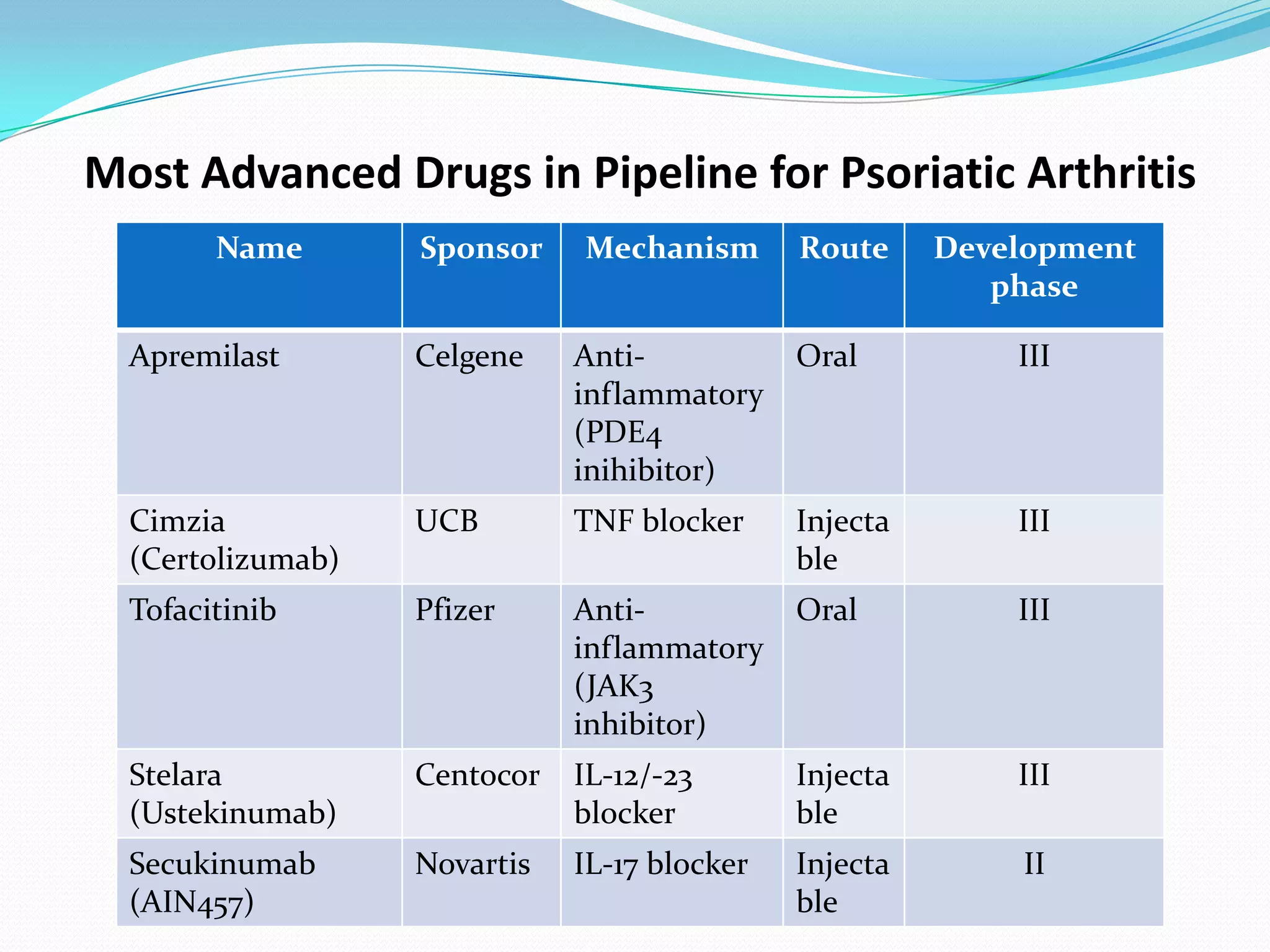
Most Advanced Drugs in Pipeline for Psoriatic Arthritis
        Name       Sponsor    Mechanism       Route     Development
                                                           phase

  Apremilast       Celgene    Anti-           Oral          III
                              inflammatory
                              (PDE4
                              inihibitor)
  Cimzia           UCB        TNF blocker     Injecta       III
  (Certolizumab)                              ble
  Tofacitinib      Pfizer     Anti-           Oral          III
                              inflammatory
                              (JAK3
                              inhibitor)
  Stelara          Centocor   IL-12/-23       Injecta       III
  (Ustekinumab)               blocker         ble
  Secukinumab      Novartis   IL-17 blocker   Injecta       II
  (AIN457)                                    ble
Psoriasis, Psoriatic Arthritis and Diet
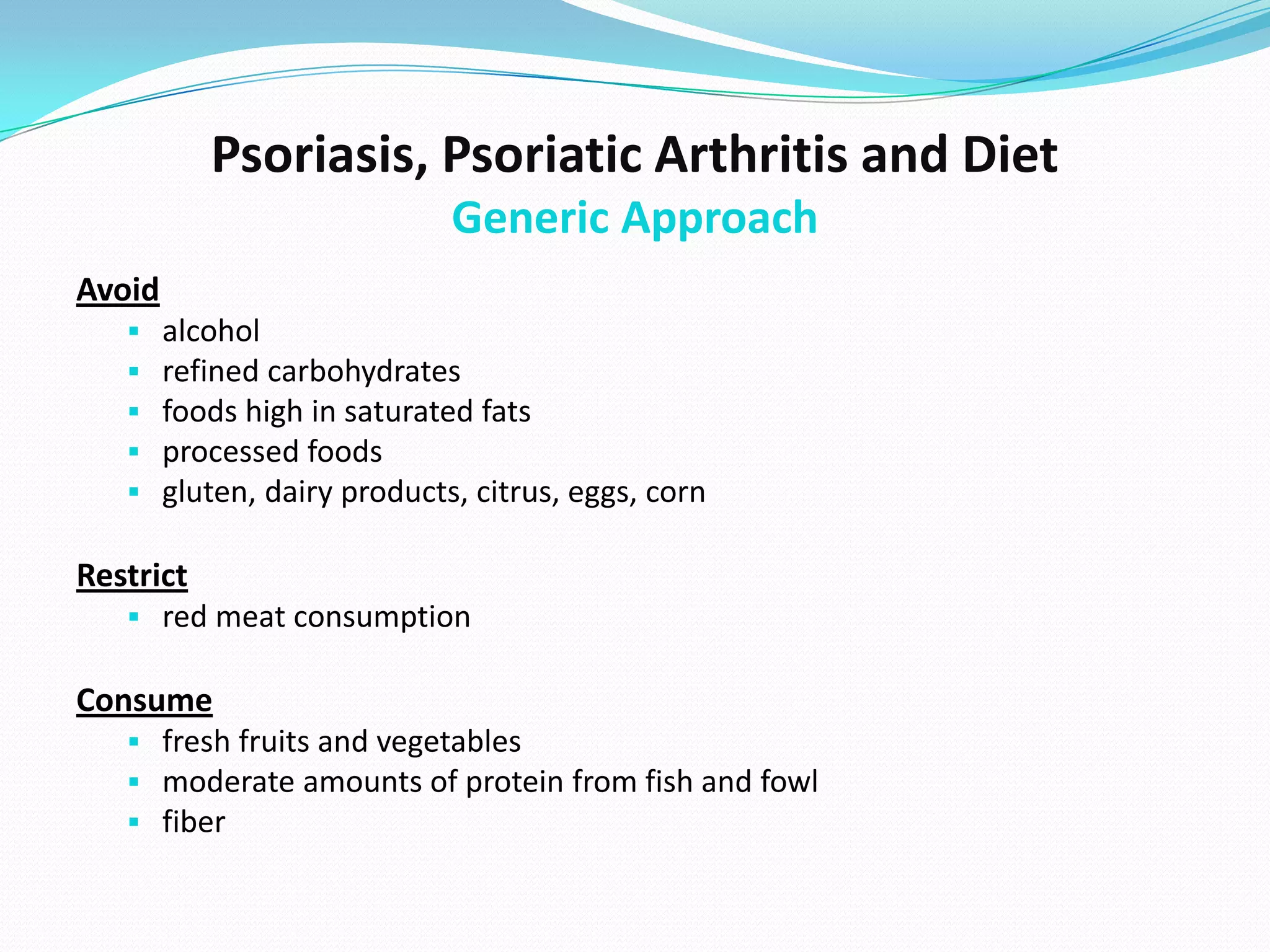
                              Generic Approach
Avoid
       alcohol
       refined carbohydrates
       foods high in saturated fats
       processed foods
       gluten, dairy products, citrus, eggs, corn

Restrict
    red meat consumption

Consume
    fresh fruits and vegetables
    moderate amounts of protein from fish and fowl
    fiber
Psoriasis, Psoriatic Arthritis and Diet
                      Individualized Approach
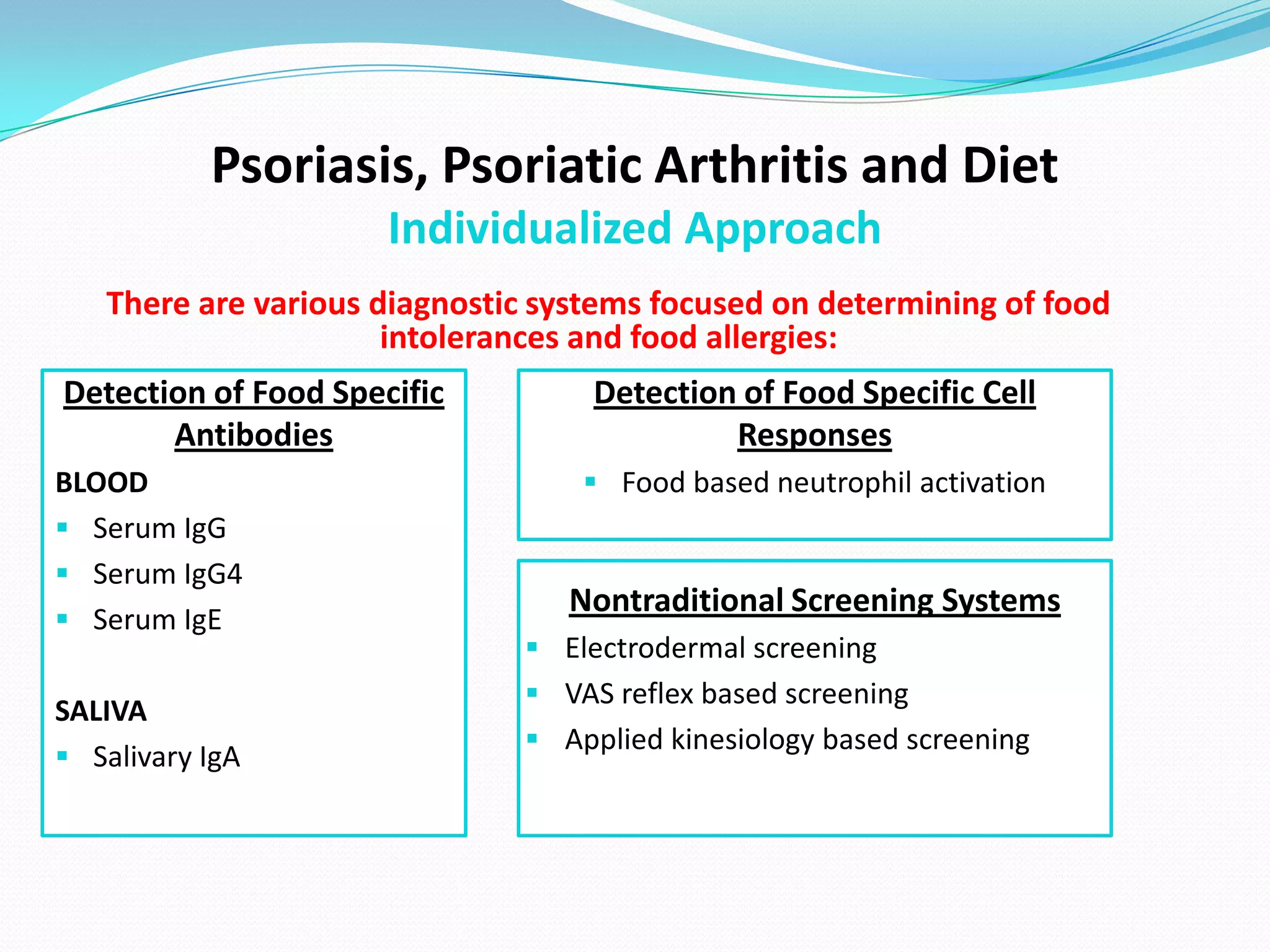
   There are various diagnostic systems focused on determining of food
                      intolerances and food allergies:
Detection of Food Specific         Detection of Food Specific Cell
       Antibodies                           Responses
BLOOD                              Food based neutrophil activation
 Serum IgG
 Serum IgG4
                                 Nontraditional Screening Systems
 Serum IgE
                               Electrodermal screening
                               VAS reflex based screening
SALIVA
                               Applied kinesiology based screening
 Salivary IgA
Psoriasis, Psoriatic Arthritis and Diet
           Individualized Approach
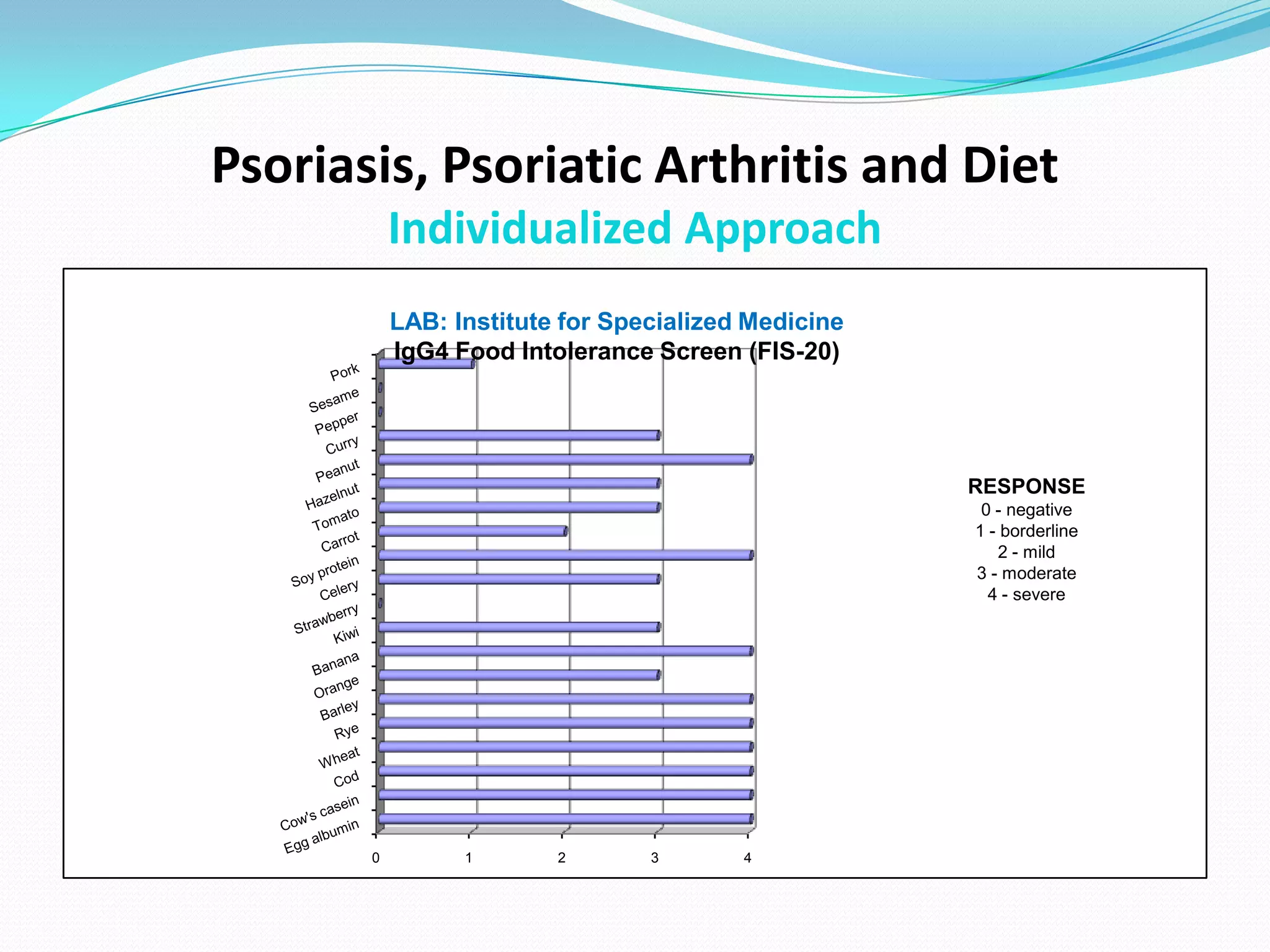
           LAB: Institute for Specialized Medicine
           IgG4 Food Intolerance Screen (FIS-20)


                                                     RESPONSE
                                                      0 - negative
                                                     1 - borderline
                                                        2 - mild
                                                     3 - moderate
                                                       4 - severe


       0         1       2       3       4
Psoriasis, Psoriatic Arthritis and Diet
                      Individualized Approach
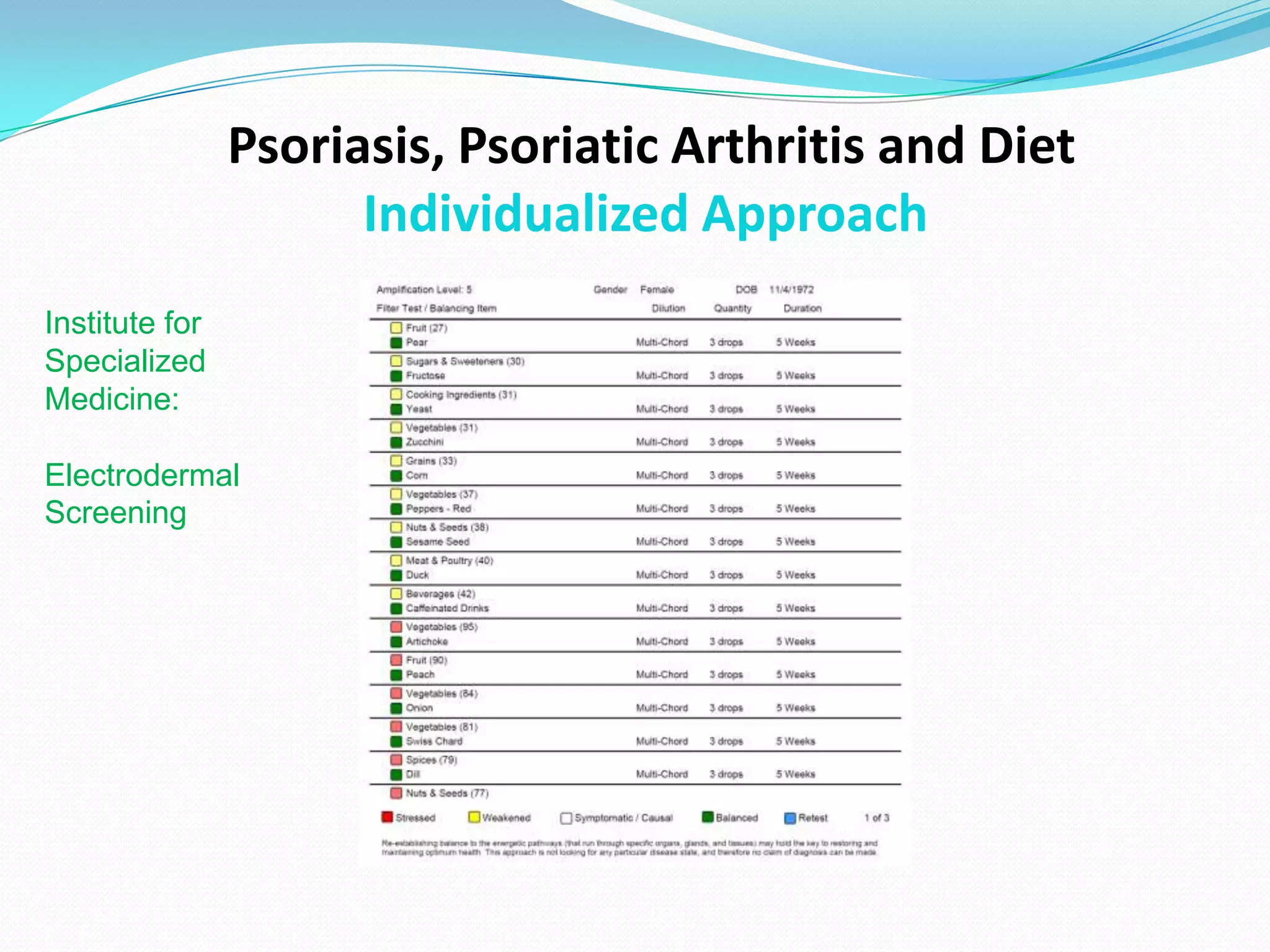
Institute for
Specialized
Medicine:

Electrodermal
Screening
Psoriasis, Psoriatic Arthritis and Diet
                      Individualized Approach

 Most of the systems available for food intolerance testing have specificity
  around 75-80%

 Introduction of overlapping systems significantly increases reliability of the
  results

 The ultimate answer is based on foods elimination with their subsequent
  reintroduction (challenge test)
Psoriasis, Psoriatic Arthritis and
                    Food Supplements
      Commonly Used Remedies           Orphan Remedies
 Omega-3 polyunsaturated fatty     Sea cucumber extract
    acids
                                    Indigo extract
   Black currant seed oil
   Vitamin D3 - do not use with    Oregon grape (Mahonia
    Calcipotriene (Dovonex)          aquifolium) extact
   Calcium                         Yucca Schidigera extract
   Turmeric                        Coleus forskohlii
   Boswellia
   Devil’s claw
   N-acetylglucosamine
   Probiotics
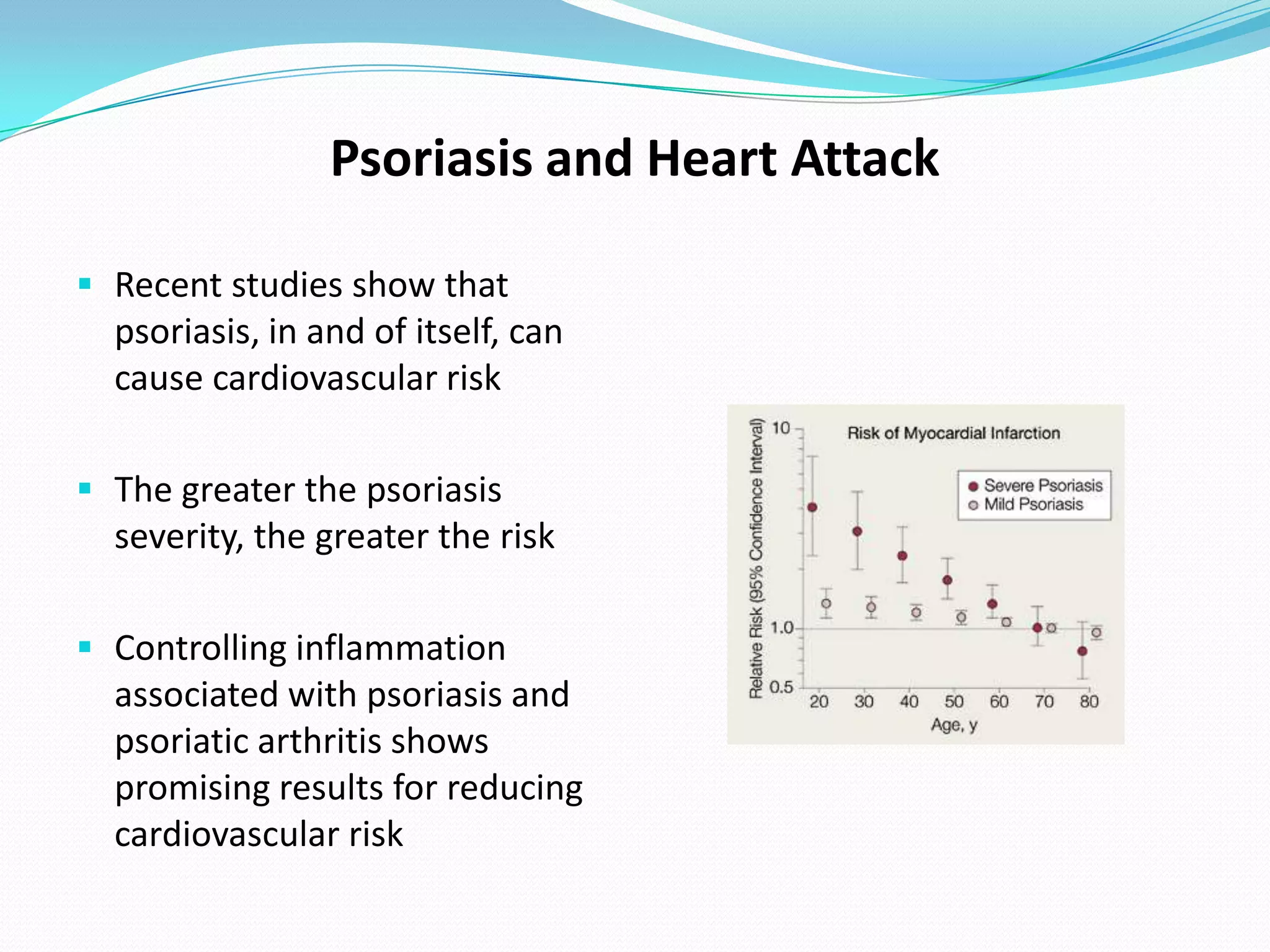
Psoriasis and Heart Attack

 Recent studies show that
  psoriasis, in and of itself, can
  cause cardiovascular risk

 The greater the psoriasis
  severity, the greater the risk

 Controlling inflammation
  associated with psoriasis and
  psoriatic arthritis shows
  promising results for reducing
  cardiovascular risk
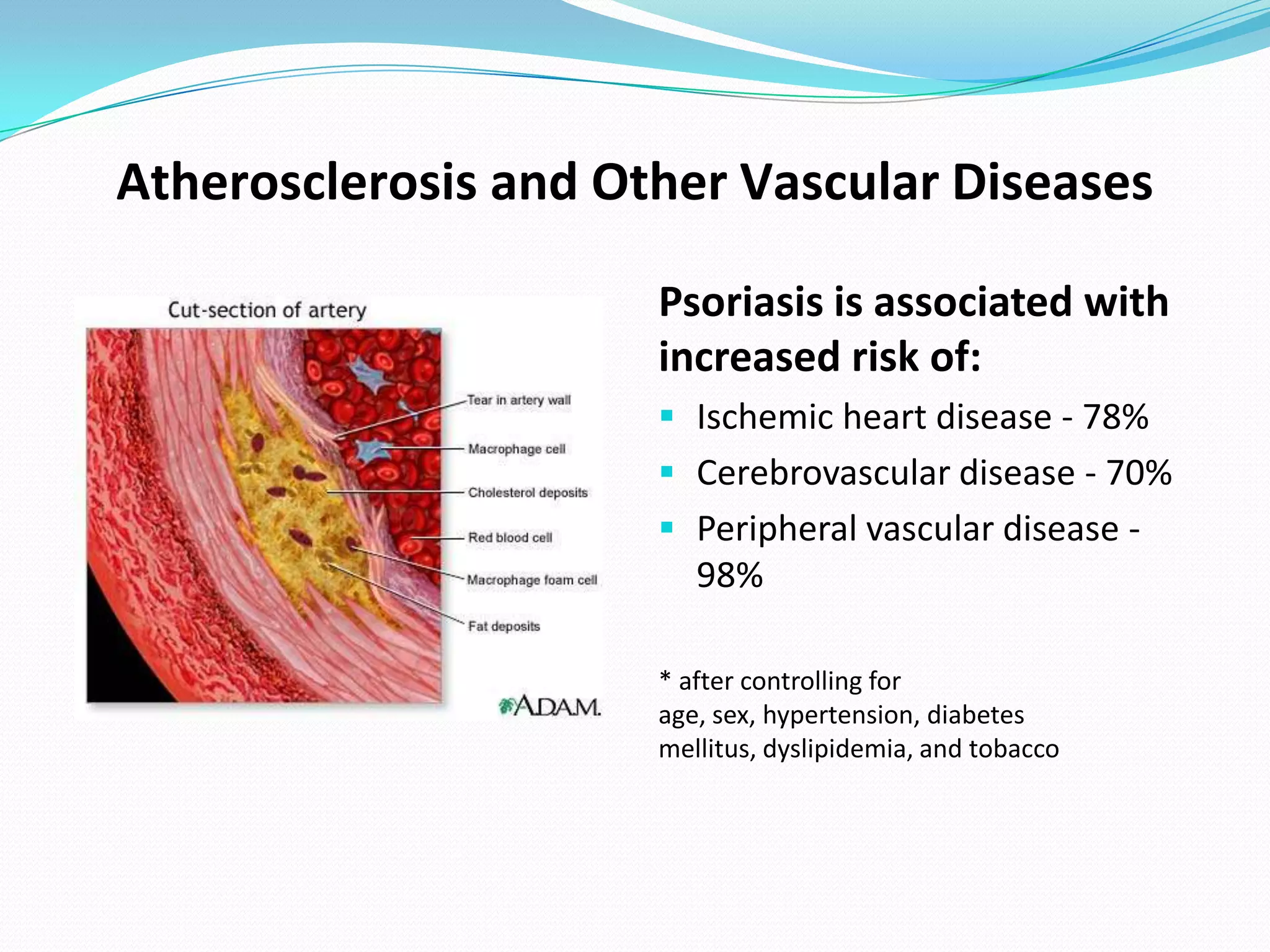
Atherosclerosis and Other Vascular Diseases

                      Psoriasis is associated with
                      increased risk of:
                       Ischemic heart disease - 78%
                       Cerebrovascular disease - 70%
                       Peripheral vascular disease -
                         98%

                      * after controlling for
                      age, sex, hypertension, diabetes
                      mellitus, dyslipidemia, and tobacco
Possible Causes for Increased Risk of
               Heart Attack in Psoriasis

 Uncontrolled inflammation leading to blood vessel dysfunction, altered
  blood lipids and vascular disease
 The use of drugs such as corticosteroids, acitretin, and cyclosporine that
  alter blood lipid levels
 The increased prevalence other risk factors: obesity, hypertension, high
  triglycerides, smoking
Recommendations from
            The National Psoriasis Foundation
                     Medical Board

   Begin screening for cardiovascular disease risks at age 20
   Monitor and modify cholesterol levels
   Take measures to control depression
   If you smoke, quit
   Moderate alcohol intake
   Eat a healthy diet
   Exercise 3 times a week for 30 minutes

                               Kimball, et al., J. Amer. Acad. Derm. June, 2008; volume 58(6); 964-969.
Other Possible Related Health Conditions:

     Hypertension
     Diabetes
     Cancer
     Depression
     Obesity
     Crohn's disease

                   Kimball, et al., J. Amer. Acad. Derm. June, 2008; volume 58(6); 964-969.
Dr. Alexander Shikhman MD, PhD, FACR
    Institute for Specialized Medicine
             www.ifsmed.com

Psoriatic Arthritis and Connection to Diet: an Individualized Approach

  • 1.
    Psoriatic Arthritis andDiet: an Individualized Approach Dr. Alexander Shikhman MD, PhD, FACR Institute for Specialized Medicine www.ifsmed.com
  • 2.
    Psoriatic Arthritis  Inflammatoryjoint disease found in up to 30% of patients with psoriasis  Stiffness, pain, swelling and tenderness of the joints and surrounding ligaments and tendons  Early recognition, diagnosis and treatment can help prevent progressive joint involvement and damage  Skin symptoms usually appear before joint symptoms, but not always
  • 3.
    Psoriatic Arthritis Symptoms tobe aware of:  Back pain/stiffness  Pain in heel or bottom of foot  Morning stiffness lasting longer than 30 minutes  Generalized fatigue  Reduced range of motion  Swollen fingers and/or toes
  • 4.
    Psoriatic Arthritis If youhave psoriasis and are experiencing any symptoms of psoriatic arthritis, it is a good idea to:  Tell your health care provider  Consider seeing a rheumatologist  Not wait for your symptoms to get worse before seeking medical advice and/or treatment
  • 5.
    Psoriatic Arthritis isa Part of Spondyloarthropathies  Ankylosing Spondylitis  Reactive arthritis (Reiter's syndrome)  Enteropathic spondylitis or spondylitis associated with inflammatory bowel disease (including Crohn's disease and ulcerative colitis)  Psoriatic arthritis  Isolated acute anterior uveitis  Undifferentiated spondyloarthropathy (USpA)
  • 6.
    Psoriatic Arthritis isa Part of Spondyloarthropathies The hallmark of the spondyloarthropathies, including psoriatic arthritis, is the inflammatory process affecting the junction between ligaments/tendons and the anchor bone called enthesitis
  • 7.
    Genetics of PsoriaticArthritis High prevalence of: HLA B27 (subtypes B*2701-2759) HLA DQ8.1 (DQA1*0301:DQB1*0302)
  • 8.
    Diagnosing Psoriatic Arthritis There is no single test to diagnose psoriatic arthritis Typically, the diagnosis of psoriatic arthritis is based on a combination of:  Patient’s history  Physical examination  Imaging of the joints (x-rays, ultrasound, MRI etc)  Laboratory test results
  • 9.
    Subtypes of PsoriaticArthritis  Asymmetrical mono- and oligoarticular arthritis (30-50% of cases) is the most common presentation of psoriatic arthritis  Dactylitis presents as the so- called "sausage digit", diffuse swelling of the entire digit likely due to a combination of both arthritis and tenosynovitis
  • 10.
    Subtypes of PsoriaticArthritis Symmetrical polyarticular arthritis (20-40% of cases) is the second most common form of psoriatic arthritis
  • 11.
    Subtypes of PsoriaticArthritis  Distal interphalangeal (DIP) joint involvement (20-30% of cases) is nearly always associated with nail manifestations  Nail involvement may be manifested as pitting, ridging, separation from the nail bed (onycholysis) or yellow-orange discoloration ("oil drop" sign)
  • 12.
    Subtypes of PsoriaticArthritis  Axial arthritis (20-30% of cases) may be different in character from ankylosing spondylitis, the prototypical HLA-B27-associated spondyloarthropathy  It may present as sacro-iliitis, which may be asymmetrical and asymptomatic, or spondylitis, which may occur without sacro-iliitis and may affect any level of the spine in "skip" fashion
  • 13.
    Subtypes of PsoriaticArthritis  Arthritis mutilans (5% of cases) is characterized by resorption of the phalangeal bones
  • 14.
    Psoriatic Arthritis: SatelliteProblems Extra-Cutaneous and Overlapping Problems Articular Manifestations  Conjunctivitis  Gout  Uveitis  Pseudogout (calcium pyrophosphate deposition  Aortitis (inflammation of aorta) disease)  Pulmonary fibrosis
  • 15.
    Psoriasis, Psoriatic Arthritisand Infection THE FOLLOWING INFECTIOUS AGENTS HAVE BEEN ASSOCIATED WITH ACTIVATION OF PSORIASIS AND PSORIATIC ARTHRITIS  Streptococcus pyogenes group A  Candida albicans  Helicobacter pylori  Atypical mycobacteria  Mycoplasma pneumonia  Human immunodeficiency virus (HIV)  Hepatitis C
  • 16.
    Psoriasis, Psoriatic Arthritisand Streptococcal Infection  Early studies on T cells in the skin revealed the presence of oligoclonal T-cells which could indicate the presence of a common antigen as a major target of the psoriatic immune response.  HLA-Cw*-0602 protein product binds peptide motifs that are shared between the M proteins of Streptococci and the keratins K16 and K17 in the skin. This provides a mechanism for psoriasis where Streptococcal infection leads to T cell activation.
  • 17.
    Treatments for PsoriaticArthritis Symptomatic Therapy Nonsteroidal anti-inflammatory drugs (NSAIDs)  Over-the-counter (OTC) medications such as aspirin, naproxen and ibuprofen  Prescription strength products (diclophenac, indomethacin, sulindac etc)
  • 18.
    Treatments for PsoriaticArthritis Disease-modifying Antirheumatic Drugs (DMARDs) may relieve more severe symptoms and attempt to slow or stop joint/tissue damage and the progression of psoriatic arthritis.  Methotrexate (oral and injection)  Leflunomide (oral)  Sulfasalizine (oral)
  • 19.
    Treatments for PsoriaticArthritis Biologics approved by FDA for psoriatic arthritis: Etanercept (Enbrel®)  Administered as a self injection once or twice weekly Adalimumab (Humira®)  Administered as a self injection with a pre-filled syringe typically once every other week Golimumab (Simponi®)  Administered as a self injection once a month Infliximab (Remicade®)  Administered as a self injection once or twice weekly
  • 20.
    Most Advanced Drugsin Pipeline for Psoriatic Arthritis Name Sponsor Mechanism Route Development phase Apremilast Celgene Anti- Oral III inflammatory (PDE4 inihibitor) Cimzia UCB TNF blocker Injecta III (Certolizumab) ble Tofacitinib Pfizer Anti- Oral III inflammatory (JAK3 inhibitor) Stelara Centocor IL-12/-23 Injecta III (Ustekinumab) blocker ble Secukinumab Novartis IL-17 blocker Injecta II (AIN457) ble
  • 21.
    Psoriasis, Psoriatic Arthritisand Diet Generic Approach Avoid  alcohol  refined carbohydrates  foods high in saturated fats  processed foods  gluten, dairy products, citrus, eggs, corn Restrict  red meat consumption Consume  fresh fruits and vegetables  moderate amounts of protein from fish and fowl  fiber
  • 22.
    Psoriasis, Psoriatic Arthritisand Diet Individualized Approach There are various diagnostic systems focused on determining of food intolerances and food allergies: Detection of Food Specific Detection of Food Specific Cell Antibodies Responses BLOOD  Food based neutrophil activation  Serum IgG  Serum IgG4 Nontraditional Screening Systems  Serum IgE  Electrodermal screening  VAS reflex based screening SALIVA  Applied kinesiology based screening  Salivary IgA
  • 23.
    Psoriasis, Psoriatic Arthritisand Diet Individualized Approach LAB: Institute for Specialized Medicine IgG4 Food Intolerance Screen (FIS-20) RESPONSE 0 - negative 1 - borderline 2 - mild 3 - moderate 4 - severe 0 1 2 3 4
  • 24.
    Psoriasis, Psoriatic Arthritisand Diet Individualized Approach Institute for Specialized Medicine: Electrodermal Screening
  • 25.
    Psoriasis, Psoriatic Arthritisand Diet Individualized Approach  Most of the systems available for food intolerance testing have specificity around 75-80%  Introduction of overlapping systems significantly increases reliability of the results  The ultimate answer is based on foods elimination with their subsequent reintroduction (challenge test)
  • 26.
    Psoriasis, Psoriatic Arthritisand Food Supplements Commonly Used Remedies Orphan Remedies  Omega-3 polyunsaturated fatty  Sea cucumber extract acids  Indigo extract  Black currant seed oil  Vitamin D3 - do not use with  Oregon grape (Mahonia Calcipotriene (Dovonex) aquifolium) extact  Calcium  Yucca Schidigera extract  Turmeric  Coleus forskohlii  Boswellia  Devil’s claw  N-acetylglucosamine  Probiotics
  • 27.
    Psoriasis and HeartAttack  Recent studies show that psoriasis, in and of itself, can cause cardiovascular risk  The greater the psoriasis severity, the greater the risk  Controlling inflammation associated with psoriasis and psoriatic arthritis shows promising results for reducing cardiovascular risk
  • 28.
    Atherosclerosis and OtherVascular Diseases Psoriasis is associated with increased risk of:  Ischemic heart disease - 78%  Cerebrovascular disease - 70%  Peripheral vascular disease - 98% * after controlling for age, sex, hypertension, diabetes mellitus, dyslipidemia, and tobacco
  • 29.
    Possible Causes forIncreased Risk of Heart Attack in Psoriasis  Uncontrolled inflammation leading to blood vessel dysfunction, altered blood lipids and vascular disease  The use of drugs such as corticosteroids, acitretin, and cyclosporine that alter blood lipid levels  The increased prevalence other risk factors: obesity, hypertension, high triglycerides, smoking
  • 30.
    Recommendations from The National Psoriasis Foundation Medical Board  Begin screening for cardiovascular disease risks at age 20  Monitor and modify cholesterol levels  Take measures to control depression  If you smoke, quit  Moderate alcohol intake  Eat a healthy diet  Exercise 3 times a week for 30 minutes Kimball, et al., J. Amer. Acad. Derm. June, 2008; volume 58(6); 964-969.
  • 31.
    Other Possible RelatedHealth Conditions:  Hypertension  Diabetes  Cancer  Depression  Obesity  Crohn's disease Kimball, et al., J. Amer. Acad. Derm. June, 2008; volume 58(6); 964-969.
  • 32.
    Dr. Alexander ShikhmanMD, PhD, FACR Institute for Specialized Medicine www.ifsmed.com

Editor's Notes

  • #4 Additional screenings at 40: Blood pressure, body mass index, waist circumference, pulse, fasting serum lipoprotein, total and HDL cholesterol, fasting blood glucoseModerate alcohol intake is one drink per day for women and two drinks per day for men