Principle,
Philosophy
and
Needs
Principles of Extension
1. Principle of Cultural Difference
2. Grass Roots Principle
3. Principle of Indigenous Knowledge
4. Principle of Interests and Needs
5. Principle of Learning by Doing
6. Principle of Participation
7. Family Principle
8. Principle of Leadership
9. Principle of Adaptability
10. Principle of Satisfaction
11. Principle of Evaluation
Philosophy of Extension Education
According to Kelsey and Hearne (1967) the basic philosophy
of extension education is to teach people how to think, not
what to think. Extension's specific job is furnishing the
inspiration, supplying specific advice the technical help, and
counselling to see that the people as individuals, families,
groups and communities work together as a unit in
"blueprinting" their own problems, charting their own courses,
and that they launch forth to achieve their objectives. Sound
extension philosophy is always looking ahead.
Needs
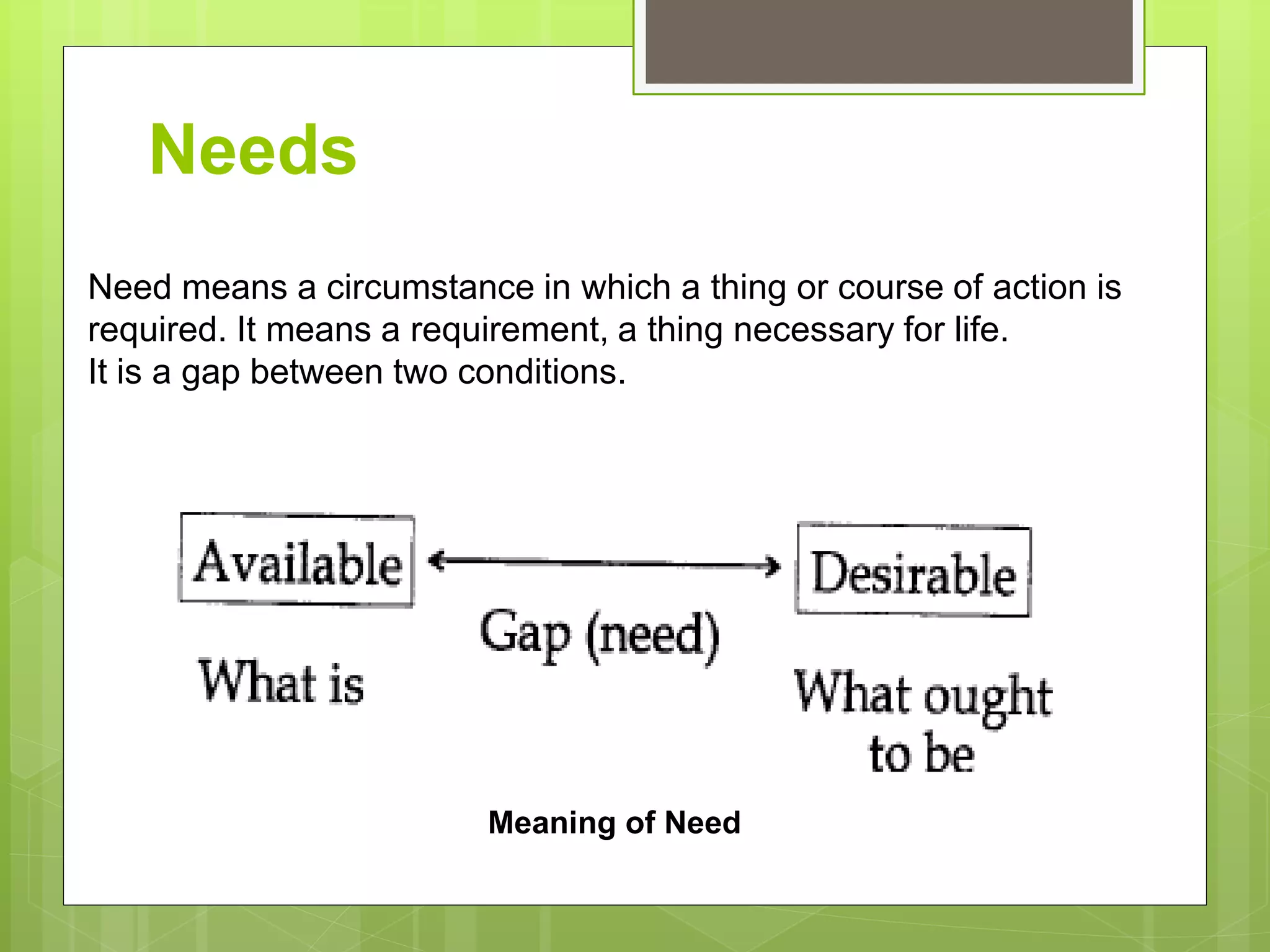
Need means a circumstance in which a thing or course of action is
required. It means a requirement, a thing necessary for life.
It is a gap between two conditions.
Meaning of Need
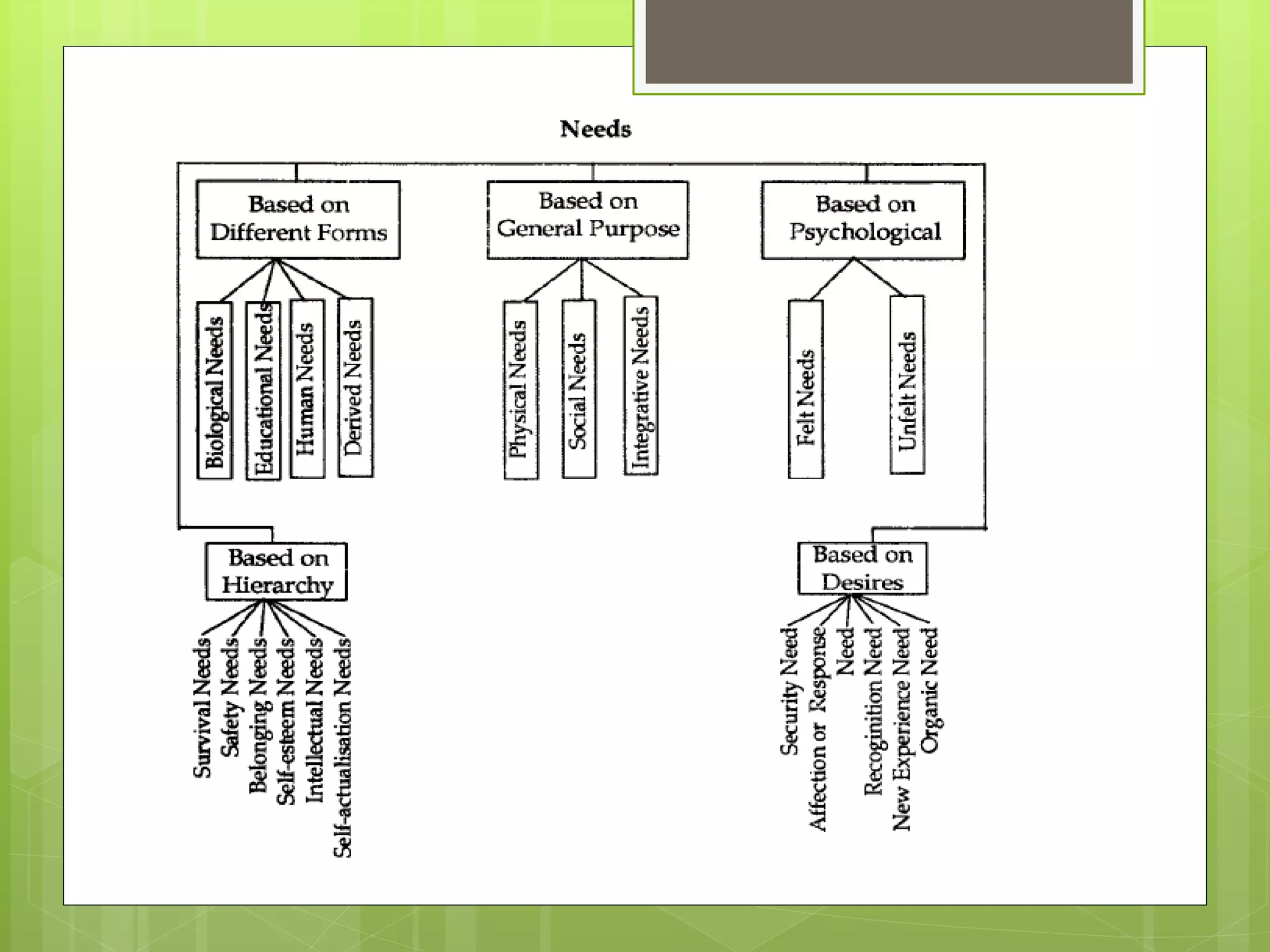
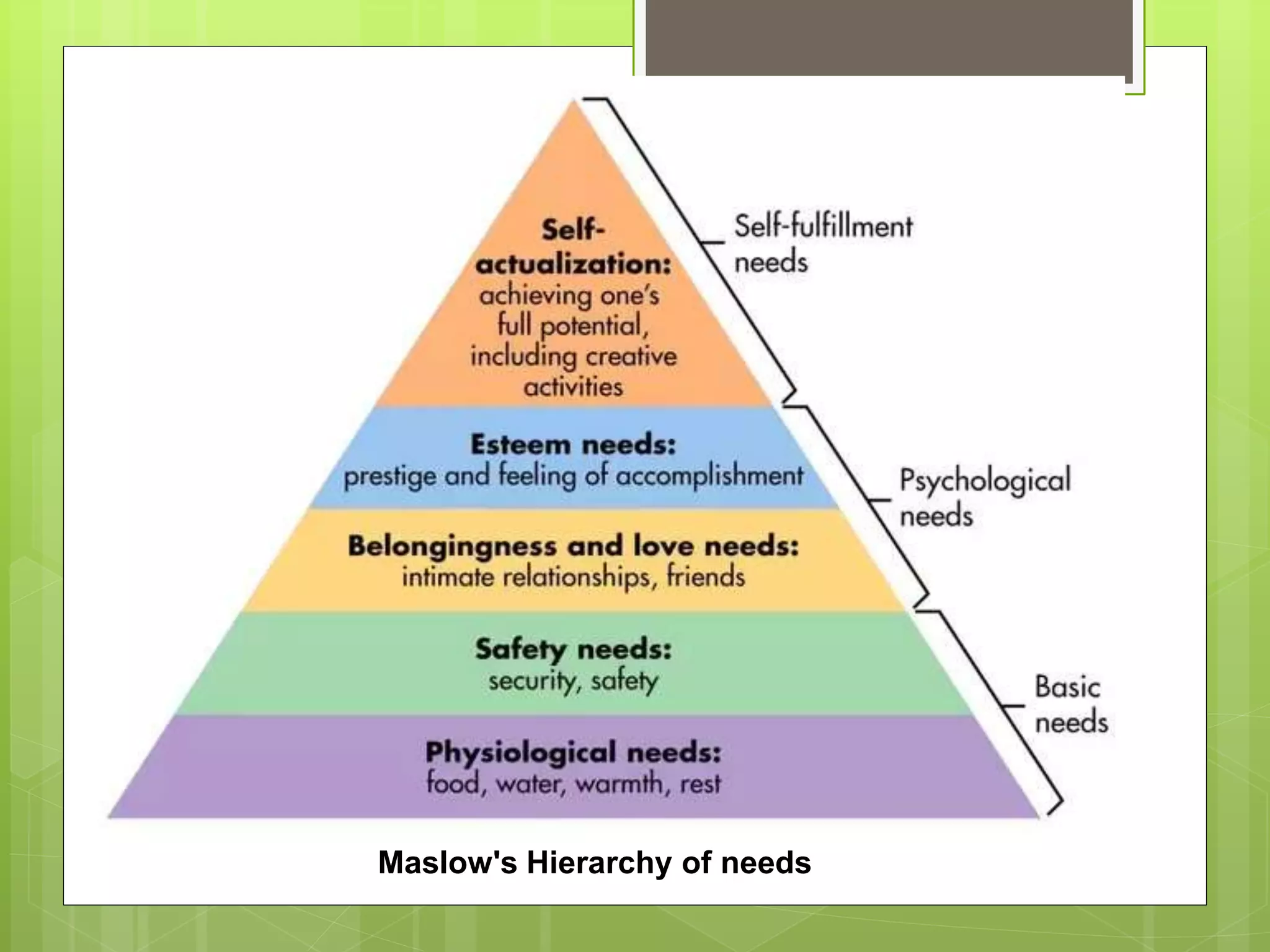
Maslow's Hierarchy of needs
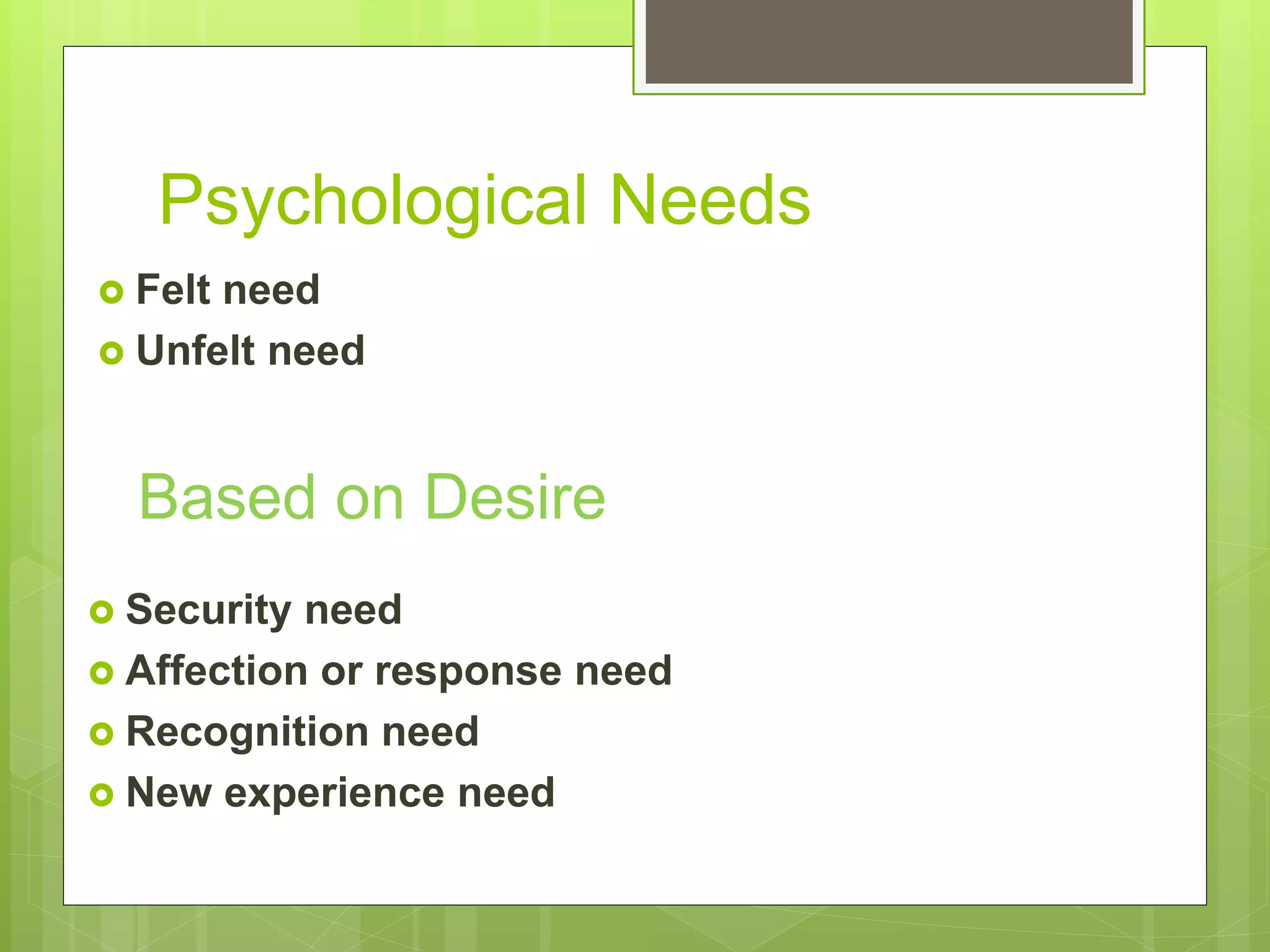
Psychological Needs
 Felt need
 Unfelt need
Based on Desire
 Security need
 Affection or response need
 Recognition need
 New experience need

principle, philosophy and needs of extension

  • 1.
  • 2.
    Principles of Extension 1.Principle of Cultural Difference 2. Grass Roots Principle 3. Principle of Indigenous Knowledge 4. Principle of Interests and Needs 5. Principle of Learning by Doing 6. Principle of Participation 7. Family Principle 8. Principle of Leadership 9. Principle of Adaptability 10. Principle of Satisfaction 11. Principle of Evaluation
  • 3.
    Philosophy of ExtensionEducation According to Kelsey and Hearne (1967) the basic philosophy of extension education is to teach people how to think, not what to think. Extension's specific job is furnishing the inspiration, supplying specific advice the technical help, and counselling to see that the people as individuals, families, groups and communities work together as a unit in "blueprinting" their own problems, charting their own courses, and that they launch forth to achieve their objectives. Sound extension philosophy is always looking ahead.
  • 4.
    Needs Need means acircumstance in which a thing or course of action is required. It means a requirement, a thing necessary for life. It is a gap between two conditions. Meaning of Need
  • 6.
  • 7.
    Psychological Needs  Feltneed  Unfelt need Based on Desire  Security need  Affection or response need  Recognition need  New experience need