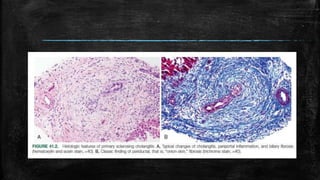
Primary sclerosing
cholangitis
Dr. Mostafa MamoonWarid
Phase- B, Hepatobilary Surgery
Bangabandhu Sheikh Mujib Medical University
Introduction
▪ Primary sclerosing cholangitis (PSC) is a chronic, idiopathic, cholestatic
liver disease characterized histologically by peribiliary inflammation and
fibrosis.
▪ It can lead to end stage cirrhosis and is a recognized risk factor for
hepatobiliary cancers
▪ This carries a median liver transplant (LT)-free survival time of
approximately 15 years (Jussila et al, 2013; Karlsen et al, 2010b; Weismuller
et al, 2008).
▪ Due to its progressive nature and lack of effective pharmacotherapy, and
despite being a relatively rare disorder, PSC is the fifth most common
indication for LT (UNOS, 2015; Bjoro et al, 2006; Karlsen et al, 2010)
Epidemiology
▪ PSC most commonly affects males.
▪ It commonly affects during the fourth decade of life (Angulo et al,
1999).
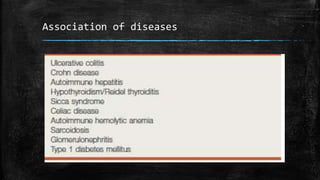
▪ Strong association with inflammatory bowel disease (IBD)
Association of diseases
Clinical features
▪ Right upper quadrant discomfort
▪ Jaundice
▪ Pruritus
▪ Fever
▪ Weight loss
Diagnosis
▪ Clinical features with
▪ (1) a chronically cholestatic serum biochemical profile
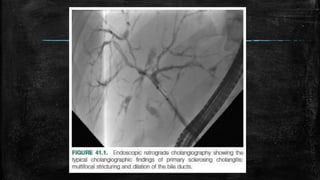
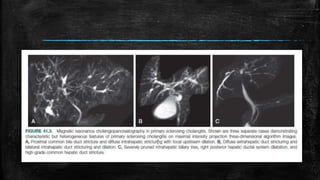
▪ (2) cholangiography demonstrating multifocal intrahepatic and/or
extrahepatic biliary strictures and segmental dilations
▪ (3) compatible features (e.g., chronic cholangitis, ductular
proliferation, and periductal fibrosis) on liver biopsy
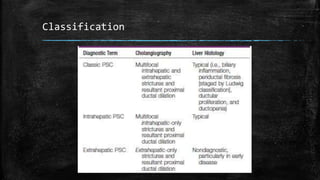
Classification
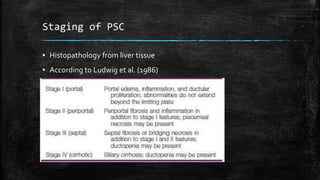
Staging of PSC
▪ Histopathology from liver tissue
▪ According to Ludwig et al. (1986)
Treatment
▪ Medical management
▪ Surgical management
Medical management
▪ Ursodeoxycholic acid (UDCA)
▪ Antibiotics
▪ Vitamin K
▪ Cholestyramines
▪ Steroids
Ursodeoxycholic acid (UDCA)
▪ Low dose
– 10-15mg/kg/day
– Significant biochemical improvement
– No difference in formation of Cholangiocarcinoma (CCA) or death
▪ High dose
– 28-30mg/kg/day
– 2 fold increase in adverse effect due to toxic metabolites
Ursodeoxycholic acid (UDCA)
▪ Intermediate dose
– 17-23mg/kg/day
– Improves biochemical profile significantly
– Relative reduction in formation of CCA
– Less toxic metabolites than high dose.
Surgical management
▪ ERCP
– For management of “dominant stricture”
Dominant stricture is loosely defined as a stenosis with a diameter of less than or
equal to 1.5 mm in the common bile duct or less than or equal to 1 mm in the
hepatic duct
– Brush cytology for cholangiocarcinoma surveillance
▪ Resection of Cholangiocarcinoma (CCA) with PSC
– When to do
▪ Resectable
▪ Don’t have cirrhotic stage PSC
▪ Not suitable for liver transplantation (LT)
– Precaution
▪ CCA is often mulifocal
▪ Hepatic fibrosis/ low hepatic reserve may preclude safe resection
▪ Recurrent disease/death occurs in 90% patient
Orthotopic liver transplant
▪ PSC IS 5th most common cause of LT
▪ 1 year survival 90%
▪ 5 years survival 80%
▪ Roux-en-Y Bilioenteric anastomosis is superior technique (Welsh et
al, 2004)
▪ Post-LT recurrent PSC occur in up to 34% of deceased donor LTs (Vera
et al,2002) and 67% of living-related donor LTs (Egawa et al, 2009;
Tamura et al, 2007)
▪ Median survival without redo-LT for these patients is estimated to be
approximately 4 years (Campsen et al, 2008)
▪ PSC with CCA needs neoadjuvant radiosensitizing chemotherapy,
external beam radiotherapy, and ERC-delivered transluminal
brachytherapy, followed by oral capecitabine until staging
laparotomy or laparoscopy immediately prior to LT to re-verify
candidacy (DeVreede et al, 2000; Rea et al, 2005).
Conclusion
▪ PSC is a chronic, cholestatic, premalignant cholangiopathy of
unknown etiology characterized by fibrous obliteration of the
intrahepatic and/or extrahepatic biliary tree and a strong association
with IBD
▪ Effective medical therapy has yet to be established
▪ LT is an excellent option in carefully selected patients with PSC
associated liver failure or hepatobiliary malignancy
Thank you

Primary sclerosing cholangitis.drquiyum

  • 1.
    Primary sclerosing cholangitis Dr. MostafaMamoonWarid Phase- B, Hepatobilary Surgery Bangabandhu Sheikh Mujib Medical University
  • 2.
    Introduction ▪ Primary sclerosingcholangitis (PSC) is a chronic, idiopathic, cholestatic liver disease characterized histologically by peribiliary inflammation and fibrosis. ▪ It can lead to end stage cirrhosis and is a recognized risk factor for hepatobiliary cancers ▪ This carries a median liver transplant (LT)-free survival time of approximately 15 years (Jussila et al, 2013; Karlsen et al, 2010b; Weismuller et al, 2008). ▪ Due to its progressive nature and lack of effective pharmacotherapy, and despite being a relatively rare disorder, PSC is the fifth most common indication for LT (UNOS, 2015; Bjoro et al, 2006; Karlsen et al, 2010)
  • 3.
    Epidemiology ▪ PSC mostcommonly affects males. ▪ It commonly affects during the fourth decade of life (Angulo et al, 1999). ▪ Strong association with inflammatory bowel disease (IBD)
  • 4.
  • 5.
    Clinical features ▪ Rightupper quadrant discomfort ▪ Jaundice ▪ Pruritus ▪ Fever ▪ Weight loss
  • 6.
    Diagnosis ▪ Clinical featureswith ▪ (1) a chronically cholestatic serum biochemical profile ▪ (2) cholangiography demonstrating multifocal intrahepatic and/or extrahepatic biliary strictures and segmental dilations ▪ (3) compatible features (e.g., chronic cholangitis, ductular proliferation, and periductal fibrosis) on liver biopsy
  • 10.
  • 11.
    Staging of PSC ▪Histopathology from liver tissue ▪ According to Ludwig et al. (1986)
  • 12.
  • 13.
    Medical management ▪ Ursodeoxycholicacid (UDCA) ▪ Antibiotics ▪ Vitamin K ▪ Cholestyramines ▪ Steroids
  • 14.
    Ursodeoxycholic acid (UDCA) ▪Low dose – 10-15mg/kg/day – Significant biochemical improvement – No difference in formation of Cholangiocarcinoma (CCA) or death ▪ High dose – 28-30mg/kg/day – 2 fold increase in adverse effect due to toxic metabolites
  • 15.
    Ursodeoxycholic acid (UDCA) ▪Intermediate dose – 17-23mg/kg/day – Improves biochemical profile significantly – Relative reduction in formation of CCA – Less toxic metabolites than high dose.
  • 16.
    Surgical management ▪ ERCP –For management of “dominant stricture” Dominant stricture is loosely defined as a stenosis with a diameter of less than or equal to 1.5 mm in the common bile duct or less than or equal to 1 mm in the hepatic duct – Brush cytology for cholangiocarcinoma surveillance
  • 17.
    ▪ Resection ofCholangiocarcinoma (CCA) with PSC – When to do ▪ Resectable ▪ Don’t have cirrhotic stage PSC ▪ Not suitable for liver transplantation (LT) – Precaution ▪ CCA is often mulifocal ▪ Hepatic fibrosis/ low hepatic reserve may preclude safe resection ▪ Recurrent disease/death occurs in 90% patient
  • 18.
    Orthotopic liver transplant ▪PSC IS 5th most common cause of LT ▪ 1 year survival 90% ▪ 5 years survival 80% ▪ Roux-en-Y Bilioenteric anastomosis is superior technique (Welsh et al, 2004) ▪ Post-LT recurrent PSC occur in up to 34% of deceased donor LTs (Vera et al,2002) and 67% of living-related donor LTs (Egawa et al, 2009; Tamura et al, 2007)
  • 19.
    ▪ Median survivalwithout redo-LT for these patients is estimated to be approximately 4 years (Campsen et al, 2008) ▪ PSC with CCA needs neoadjuvant radiosensitizing chemotherapy, external beam radiotherapy, and ERC-delivered transluminal brachytherapy, followed by oral capecitabine until staging laparotomy or laparoscopy immediately prior to LT to re-verify candidacy (DeVreede et al, 2000; Rea et al, 2005).
  • 20.
    Conclusion ▪ PSC isa chronic, cholestatic, premalignant cholangiopathy of unknown etiology characterized by fibrous obliteration of the intrahepatic and/or extrahepatic biliary tree and a strong association with IBD ▪ Effective medical therapy has yet to be established ▪ LT is an excellent option in carefully selected patients with PSC associated liver failure or hepatobiliary malignancy
  • 21.