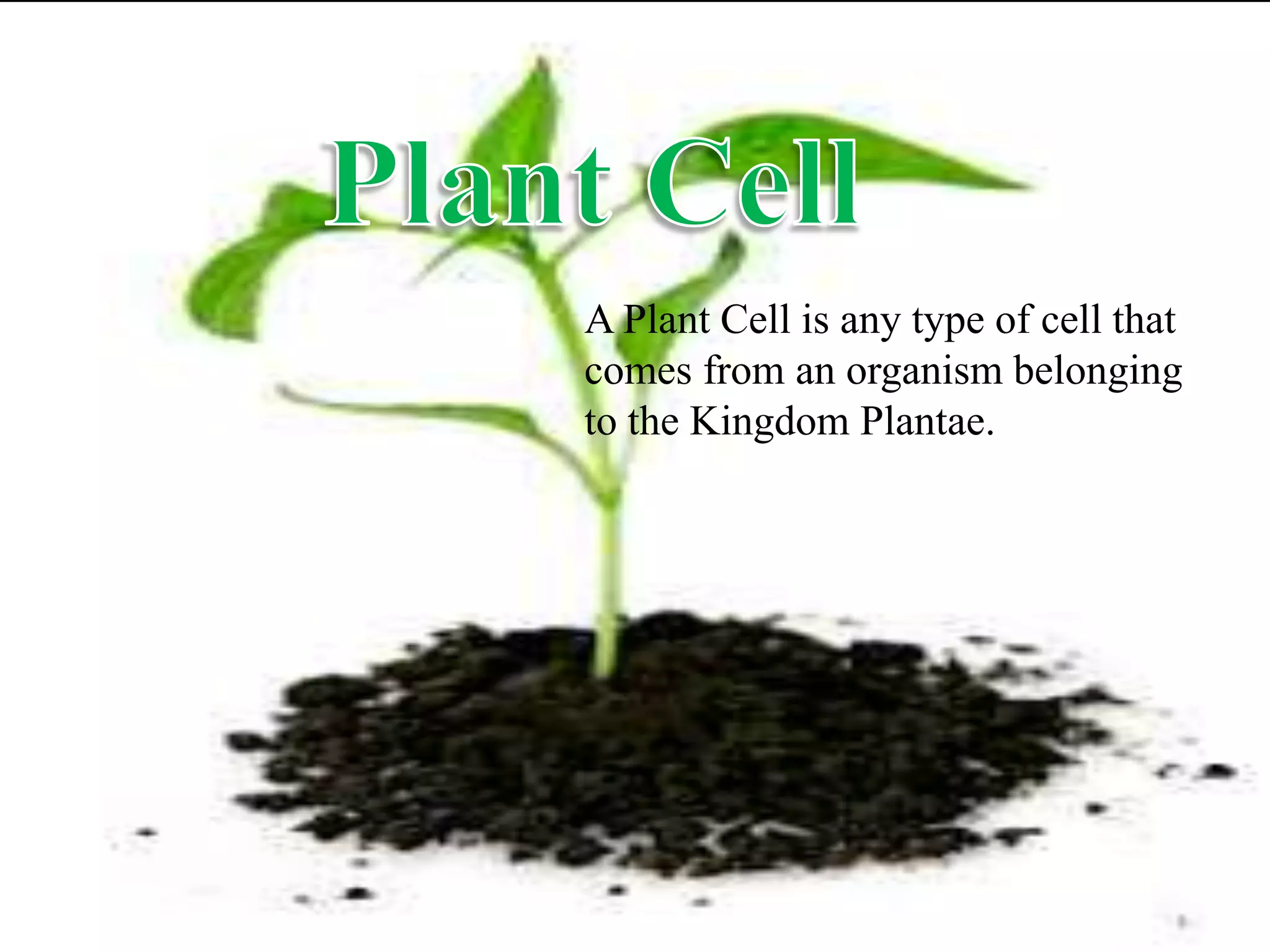
A Plant Cell is any type of cell that
comes from an organism belonging
to the Kingdom Plantae.
Plant cells are eukaryotic cells, or cells with a
membrane-bound nucleus. Unlike prokaryotic
cells the DNA in a plant cell is housed within
the nucleus. In addition to having a nucleus,
plant cells also contain other membrane-
bound organelles, or tiny cellular structures,
that carry out specific functions necessary for
normal cellular operation. Organelles have a
wide range of responsibilities that include
everything from producing hormones and
enzymes to providing energy for a plant cell.
v
Parts of a
Plant Cell and
its Function
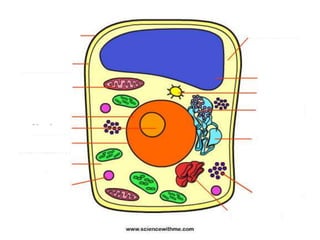
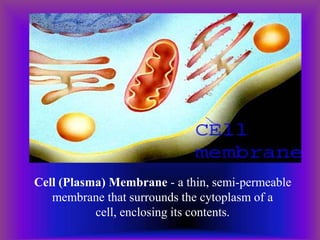
Cell (Plasma) Membrane - a thin, semi-permeable
membrane that surrounds the cytoplasm of a
cell, enclosing its contents.
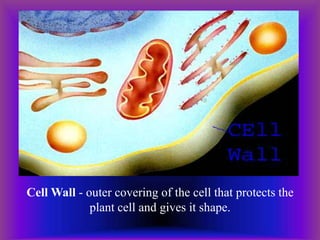
Cell Wall - outer covering of the cell that protects the
plant cell and gives it shape.
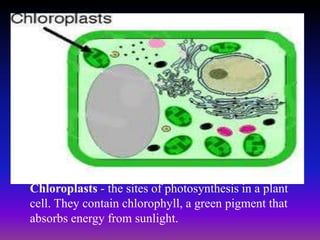
Chloroplasts - the sites of photosynthesis in a plant
cell. They contain chlorophyll, a green pigment that
absorbs energy from sunlight.
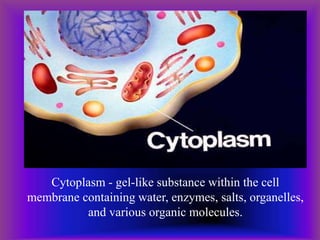
Cytoplasm - gel-like substance within the cell
membrane containing water, enzymes, salts, organelles,
and various organic molecules.
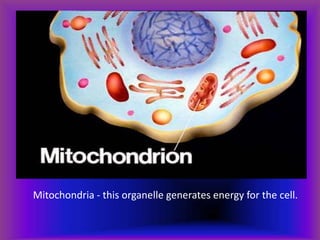
Mitochondria - this organelle generates energy for the cell.
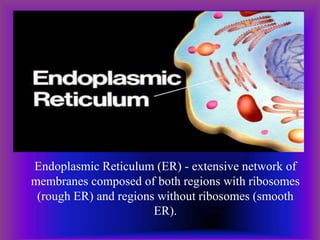
Endoplasmic Reticulum (ER) - extensive network of
membranes composed of both regions with ribosomes
(rough ER) and regions without ribosomes (smooth
ER).
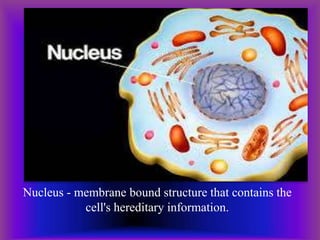
Nucleus - membrane bound structure that contains the
cell's hereditary information.
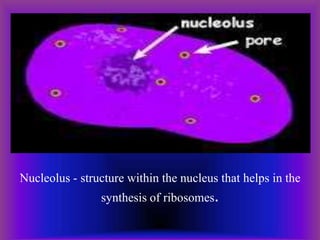
Nucleolus - structure within the nucleus that helps in the
synthesis of ribosomes.
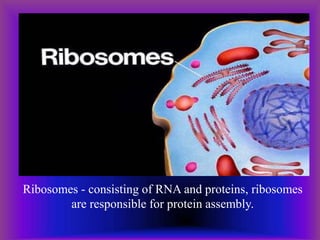
Ribosomes - consisting of RNA and proteins, ribosomes
are responsible for protein assembly.
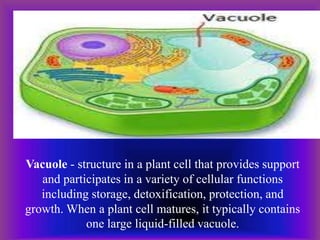
Vacuole - structure in a plant cell that provides support
and participates in a variety of cellular functions
including storage, detoxification, protection, and
growth. When a plant cell matures, it typically contains
one large liquid-filled vacuole.
Kinds of
Plant Cell
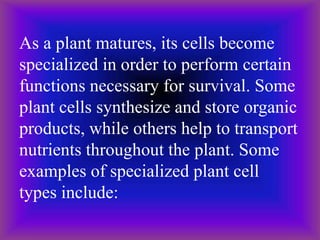
As a plant matures, its cells become
specialized in order to perform certain
functions necessary for survival. Some
plant cells synthesize and store organic
products, while others help to transport
nutrients throughout the plant. Some
examples of specialized plant cell
types include:
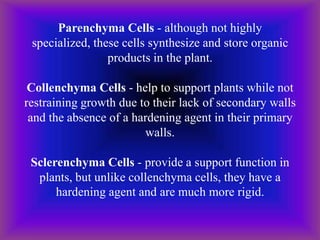
Parenchyma Cells - although not highly
specialized, these cells synthesize and store organic
products in the plant.
Collenchyma Cells - help to support plants while not
restraining growth due to their lack of secondary walls
and the absence of a hardening agent in their primary
walls.
Sclerenchyma Cells - provide a support function in
plants, but unlike collenchyma cells, they have a
hardening agent and are much more rigid.
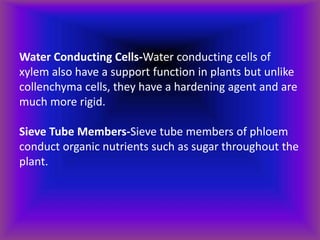
Water Conducting Cells-Water conducting cells of
xylem also have a support function in plants but unlike
collenchyma cells, they have a hardening agent and are
much more rigid.
Sieve Tube Members-Sieve tube members of phloem
conduct organic nutrients such as sugar throughout the
plant.
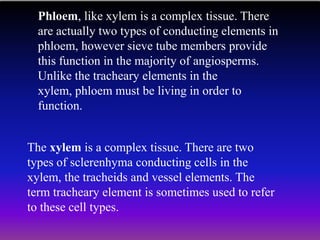
Phloem, like xylem is a complex tissue. There
are actually two types of conducting elements in
phloem, however sieve tube members provide
this function in the majority of angiosperms.
Unlike the tracheary elements in the
xylem, phloem must be living in order to
function.
The xylem is a complex tissue. There are two
types of sclerenhyma conducting cells in the
xylem, the tracheids and vessel elements. The
term tracheary element is sometimes used to refer
to these cell types.

plant cells

  • 1.
    A Plant Cellis any type of cell that comes from an organism belonging to the Kingdom Plantae.
  • 2.
    Plant cells areeukaryotic cells, or cells with a membrane-bound nucleus. Unlike prokaryotic cells the DNA in a plant cell is housed within the nucleus. In addition to having a nucleus, plant cells also contain other membrane- bound organelles, or tiny cellular structures, that carry out specific functions necessary for normal cellular operation. Organelles have a wide range of responsibilities that include everything from producing hormones and enzymes to providing energy for a plant cell.
  • 3.
  • 4.
    Parts of a PlantCell and its Function
  • 5.
    Cell (Plasma) Membrane- a thin, semi-permeable membrane that surrounds the cytoplasm of a cell, enclosing its contents.
  • 6.
    Cell Wall -outer covering of the cell that protects the plant cell and gives it shape.
  • 7.
    Chloroplasts - thesites of photosynthesis in a plant cell. They contain chlorophyll, a green pigment that absorbs energy from sunlight.
  • 8.
    Cytoplasm - gel-likesubstance within the cell membrane containing water, enzymes, salts, organelles, and various organic molecules.
  • 9.
    Mitochondria - thisorganelle generates energy for the cell.
  • 10.
    Endoplasmic Reticulum (ER)- extensive network of membranes composed of both regions with ribosomes (rough ER) and regions without ribosomes (smooth ER).
  • 11.
    Nucleus - membranebound structure that contains the cell's hereditary information.
  • 12.
    Nucleolus - structurewithin the nucleus that helps in the synthesis of ribosomes.
  • 13.
    Ribosomes - consistingof RNA and proteins, ribosomes are responsible for protein assembly.
  • 14.
    Vacuole - structurein a plant cell that provides support and participates in a variety of cellular functions including storage, detoxification, protection, and growth. When a plant cell matures, it typically contains one large liquid-filled vacuole.
  • 15.
  • 16.
    As a plantmatures, its cells become specialized in order to perform certain functions necessary for survival. Some plant cells synthesize and store organic products, while others help to transport nutrients throughout the plant. Some examples of specialized plant cell types include:
  • 17.
    Parenchyma Cells -although not highly specialized, these cells synthesize and store organic products in the plant. Collenchyma Cells - help to support plants while not restraining growth due to their lack of secondary walls and the absence of a hardening agent in their primary walls. Sclerenchyma Cells - provide a support function in plants, but unlike collenchyma cells, they have a hardening agent and are much more rigid.
  • 18.
    Water Conducting Cells-Waterconducting cells of xylem also have a support function in plants but unlike collenchyma cells, they have a hardening agent and are much more rigid. Sieve Tube Members-Sieve tube members of phloem conduct organic nutrients such as sugar throughout the plant.
  • 19.
    Phloem, like xylemis a complex tissue. There are actually two types of conducting elements in phloem, however sieve tube members provide this function in the majority of angiosperms. Unlike the tracheary elements in the xylem, phloem must be living in order to function. The xylem is a complex tissue. There are two types of sclerenhyma conducting cells in the xylem, the tracheids and vessel elements. The term tracheary element is sometimes used to refer to these cell types.