POST- OP MANAGEMENT.
GROUP 9
ROLE OF PACU.
HSM201-0150/2019 Deborah Bosibori.
Introduction.
• PACU-is a specialized unit of the hospital which provides care for
the patients who are recovering from anaesthesia
• PACU is staffed with epically trained nurses who are able to
monitor patients vitals and provide pain relief
• Patients typically stay in PACU for approximately 2-4 hours after
surgery
Role of PACU.
• Allow anaesthetic agent to wear off
• Monitoring and observation
• Patency of airway
• Adequate ventilation and oxygenation
• Stable haemodynamics
• Adequate pain control
• Monitoring temperature
• Manage any other complications
Procedures in the Post-
anaesthesia Care Unit (PACU)
Emmanuel Ian Ochieng
HSM201-0040/2018
From the operating room to PACU.
• Before leaving the operating room, the airway of the patient
must be patent
• There must be adequate ventilatory support and
hemodynamic stability.
• Well trained anaesthesia personnel to attend to the patient.
• All anaesthetic agents are discontinued.
• Intubation or LMAs are removed if the airway is patent
• Monitors are disconnected if the above parameters are within
normal ranges.
• There is a brief verbal or written report to the PACU nurse.
Continuation
• The transportation is done by a qualified anaesthetist
• May be defective due to insufficient monitoring, inaccessibility to
medication or resuscitative equipment
• Patients are transported in beds in the Trendelenburg position (head
down) especially in hypovolemic patients
• The back up position is used for patients with pulmonary insufficiency
• The lateral position is used in patients who underwent tonsillectomy
and at risk of airway bleeding- prevents airway obstruction and helps
drain secretions
• A report is handed by the anaesthetist to PACU nurse containing-
preop history, pertinent introp events, expected postop problems,
PACU meds(antibiotics, analgesia).
In the PACU.
• Routine observation is done due to the potential morbidity and
mortality (up to 50%)
• All procedures apply to those who received general anaesthesia and
those patients from interventional radiology, endoscopy or MRI suites
• PACU should be near the operating room in case patients need to be
taken back for emergencies
• Equipment needed: pulse oximetry, electrocardiogram, automated
noninvasive BP monitors, temperature measurements, warming or
cooling blankets, heating pads, oxygen cannulas, laryngoscopes, ETT,
LMAs, catheters, defibrillators, emergency carts with drugs and
supplies for advanced life support.
• A multidisciplinary approach- anaesthetist, surgeons,nurses
Continuation
• Full neurological examinations are done upon resumption of
conciousness
• For those with regional anaesthesia assessment of sensory
and motor functions are emphasized
• Continual assessment of airway patency, oxygenation and
vital signs( every 5 minutes for 15 mins or until stable and
every 15 mins after)
• Check for any nausea or vomiting
• Pain assessment (numerical or descriptive scales) and
appropriate administration of analgesia- NSAIDs, opiods,
multimodal analgesia
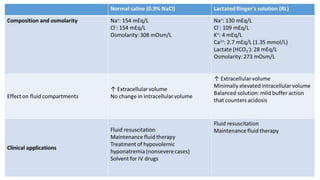
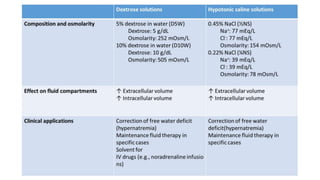
Points to note
• Proper documentation of the whole process is paramount
• Constant evaluation by a qualified anaesthetist before
discharge from PACU
• Observe for signs of respiratory depression especially in the
use of parenteral opiods for analgesics for at least 20-30
minutes after the last dose
• Supplemental oxygen should always be ready in any of the
processes as rapid resumption of inhalation of room air in
PACU or while in transit can cause hypoxemia
• Intubation maintained for unstable patients
DISCHARGE FROM POST
ANAESTHESIA CARE UNIT
(PACU)
LOMUKUNY EREGAE CAROLYNE
HSM201-0018/2018
Introduction.
• Patients are discharged wen they are stable enough to tolerate
discharge home
• Discharge decision id made by the anaesthesiologist in
consultation with the nurse
• Things considered before discharging the patient include,
• Pain level
• Vital signs
• Ability to ambulate
Discharge criteria.
• General criteria include the following
1.protective reflexes are intact ,airway is patent
,respiratory functions and oxygen saturation are stable
2. vitals are stable
3.patient is conscious with appropriate muscular
strength
4.patient is ambulating
5.Urine output is appropriate
Continued…
6.Catheters, tubes ,drains and iv lines are patent
7.Skin colour and condition is appropriate for the
procedure
8.Condition of dressing and surgical wound is
appropriate for the procedure
9.Pain and anxiety are adequately controlled
10.For obstetric patients-fundus is firm, lochia is
minimal to moderate, incision site is intact
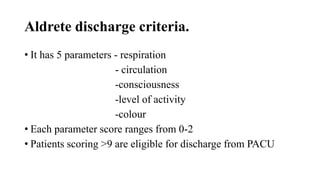
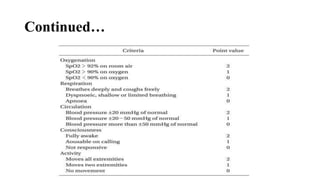
Aldrete discharge criteria.
• It has 5 parameters - respiration
- circulation
-consciousness
-level of activity
-colour
• Each parameter score ranges from 0-2
• Patients scoring >9 are eligible for discharge from PACU
Continued…
Discharge instructions.
• Include information about the following
• 1.pain management
• 2. activity restriction
• 3. incision site care
• 4. follow up appointments
POST-OP
COMPLICATIONS
JULIET M. K NYATICHI
HSM201-0034/2019
Introduction.
•An important cause of morbidity, mortality, extended
hospital stay, and increased costs.
•Most pts at increased risk can be identified at preop
assessment.
•Early identification allows for targeted, appropriate,
anticipatory and supportive medical care.
•This reduces incidence and severity of such
complications when they occur.
Classification of postop complications.
• According to time after surgery:
● immediate (within 6 h of procedure)
● early (6–72 h)
● late (>72 h)
• Generic and surgery specific
General complications.
• Bleeding
• Deep venous thrombosis
• Pulmonary embolism
• Fever/ hyperthermia
• Hypothermia and shivering
Respiratory complications.
• Most frequently encountered serious complications
in the PACU.
• Overwhelming majority related to airway obstruction,
hypoventilation, hypoxemia, or a combination of
these.
Airway obstruction.
• Most common cause (unconscious) – tongue falling back against
posterior pharynx.
• Others – laryngospasm, glottic oedema, aspirated vomitus, retained
throat pack, secretions or blood in the airway, or external pressure
on the trachea (neck hematoma).
• Partial airway obstruction presents as sonorous respiration.
• Total: absence of breath sounds +/- paradoxical chest movement.
Management of airway obstruction.
• Supplemental O2 while corrective measures are undertaken.
• Jaw-thrust manoeuvre pulls the tongue forward.
• Oral/nasal airway, LMA, or ETT may be required.
• Laryngospasm – jaw-thrust manoeuvre + gentle PAP via a tight-fitting
face mask; suction secretions; IV succinylcholine and positive-
pressure ventilation with 100% oxygen.
• Glottic oedema – IV corticosteroids or nebulized racemic epinephrine
Hypoventilation.
• PaCO2 >45 mm Hg
• Clinically significant when PaCO2 is >60 mm Hg or
arterial blood pH is <7.25.
• Clinical signs – excessive somnolence, airway
obstruction, slow respiratory rate, tachypnoea with
shallow breathing, or laboured breathing.
• Most commonly due to residual depressant effects of
anaesthetics and analgesics on respiratory drive.
Management of hypoventilation.
• Assessment via capnography or ABGs.
• Treat the underlying cause.
• External stimulation of the patient to wakefulness, reversal of
opioid, benzodiazepine, or NMJ blocker effect, or controlled
mechanical ventilation.
• Hypoventilation due to pain and splinting is treated using
multimodal analgesia.
Hypoxemia.
• Low level of oxygen in blood.
• Pulse oximetry facilitates early detection, ABGs confirm diagnosis
• Usually caused by hypoventilation with or without obstruction,
increased right-to-left intrapulmonary shunting, or both.
• Signs – restlessness, agitation, tachycardia, or arrhythmias.
• Late signs – obtundation, bradycardia, hypotension, and cardiac
arrest.
Management of hypoxemia.
• Establish a patent airway and administer oxygen.
• Mild to moderate hypoxemia – 30% to 60% oxygen.
• Severe or persistent hypoxemia –100% oxygen via NRM or an ETT.
• Treat the underlying cause
• Pneumothorax – CXR; chest tube insertion
• Bronchospasm – nebulized bronchodilator therapy
• Diuretics for circulatory overload.
Case example 1
• A 53-year-old man scheduled to undergo a laparoscopic cholecystectomy. His
medical history:
• HTN - Controlled on daily metoprolol.
• Hyperlipidaemia - Addressed with a statin regimen.
• Hypothyroidism - TSH level obtained 1 week previously was normal, pt is
taking thyroxine 75 μg/day
• CKD - dialysis-dependent and was last dialyzed yesterday; morning laboratory
tests K conc. is 5.1 mEq/L
• Anaesthesia is induced with propofol and fentanyl, and rocuronium is used
for intubation of the trachea. The duration of the operation is brief (50 mins)
and its course unremarkable.
• Anaesthetic maintenance is with isoflurane in combination with air and
oxygen. At the end of the procedure, the patient has 2/4 twitches. Reversal is
accomplished with neostigmine and glycopyrrolate. Subsequently, the patient
generates good tidal volumes and exhibits criteria for return of muscle strength.
He is then successfully extubated.
Continued…
• Twenty minutes later, the staff anaesthesiologist receives an
emergency page to the bedside from the PACU. The patient is now
gasping, using all accessory muscles of breathing and unable to
move much air. A bedside examination shows poor hand grip
strength and lack of adequate muscle strength. In addition, he has
lost the ability to generate a good cough.
• Vital signs are as follows: HR, 130 beats/min; respiratory rate (RR),
40 breaths/min; BP, 180/100 mm Hg; SpO2, 80% on a 100% NRM
• Comment on signs?
• What is the probable cause of the complications?
• Suggest management.
Case example 1 solutions.
• Initiate BVM ventilation. Every small respiratory effort by the patient
supported with a gentle breath from the bag-mask assembly.
• IV sugammadex administered, immediate resolution of symptoms.
• After CXR rechecked and return of muscle strength noted, the patient was
placed on 2 L of O2 via nasal cannula (NC) .
• The likely cause was residual muscle relaxant. Because of the patient's
impaired renal function, the intubating dose of rocuronium may not have
been totally removed from his system. In addition, there appears to have
been some residual paralysis when the reversal agent was administered.
• After ventilator support was instituted, reversal was achieved by
administering sugammadex. This agent is a selective relaxant-
binding drug that encapsulates the nondepolarizing aminosteroid muscle
relaxants rocuronium and vecuronium, reversing and preventing their action
References.
• Miller R. D. et al. (2018). Basics of Anesthesia: Post anesthesia recovery (7th ed.).
Elsevier.
• Butterworth J. F. et al. (2022). Morgan & Mikhail’s Clinical Anesthesiology: Post
anesthesia care (7th ed.). Mc Grawhill.
• Duke J. C., Keech B. M (2016). Duke’s Anesthesia Secrets: Post anesthetic care
(5th ed.). Elsevier.
• Williams N. S et al. (2018). Bailey’s short practice of surgery: Post operative care
(27th ed.). Elsevier
• Medscape: https://emedicine.medscape.com/article/2500080-overview
CVS AND CNS
COMPLICATIONS
DAKANE MAALIM MOHAMED
HSM201-0232/2019
CVS COMPLICATIONS: Hypotension
• This is mainly attributed due to failure of left ventricle and
less commonly excessive atrial vasodilation.
• Absolute hypovolemia can result from inadequate fluid
replacement contuniuing third spacing, wound drainage and
hemorrhage.
• Relative hypovolemia is often responsible for the
hypotension associated with spinal or epidural anaesthesia
• Other causes include allergic reactions , preexisting heart
conditions and cardiac tamponade.
Treatment of hypotension.
• Significant reduction of about 20-30% of blood pressures below
• patients baseline requires correction.
• Raise bloood pressure by use of 250-500ml of fluid bolus crystalloid or
100 -250ml of colloid
• Use of vasopressor or ionotrope like epinephrine and dopamine incase of
severe hypotension.
• Presence of tension pneumothorax as suggested by hypovolemia is an
indication for immediate pleural aspiration even before radiographic
confirmation.
• Cardiac tamponade or tension pneumothorax requires
pericardiocentesis and needle compression.
Hypertension.
Postoperative hypertension can be due to the following causes:
• Fluid overload
• Increased sympathetic tone; anxiety
• Hypothermia
• Metabolic acidosis
• Neuroendocrine response to surgery
• Increased sympathetic tone due to hypoxemia,hypercapnia
• History of hypertension
Treatment of hypertension.
• Assessment of other treatable causes of hypertension first
such as pain control and anxiety
• Moderate elevations of Bp can be treated with IV beta
blockers e.g., labetalol, esmolol, an ACE inhibitor
e.g.enalapril, or CCBs e.g., nifedipine
• Patients with marked elevations should be treated with iv
infusion of nitropusside, nicardipine, clevipam, nitroglycerin,
or fenoldopam.
• The end point of treatment when pressures are consistent
with patient’s own blood pressure.
Arrhythmias.
• Are very common complications after cardiac surgery.
• Represent a major source of morbidity and mortality.
• Atrial arrhythmias are the most common with
ventricular arrhythmias occurring less often
Causes of arrhythmias.
• Age – increasing in age is a risk factor
• Underlying structural heart disease
• Underlying comorbidities – previous stroke, history of
COPD
• Residual effects of anaesthetic agents
• Respiratory disturbances – hypoxemia, hypercarbia
and acidosis
Treatment of arrhythmias.
• Antiarrhythmic agents – sotalol, procainamide, amiodarone
• Antithrombotic therapy – patients with AF are at risk of
thromboembolic events thus appropriate medications are
prescribed (Warfarin)
• In sustained fibrillations a cardiac defibrillator maybe fixed
NEUROPSYCHIATRIC COMPLICATIONS:
Post operative Delirium
• Delirium – acute cerebral dysfunction or inflammation-mediated
neuronal injury characterized by inattention and fluctuating of
conscious level.
• Length – up to 30 days postop
• Surgeries – orthopaedic, cardiac and vascular.
• Etiology – age , cognitive impairment, sleep disruption, emergency
surgeries, significant intraoperative bleeding, poorly controlled pain.
Continued…
• Types – hypoactive , hyperactive ,mixed
• The gold standard for diagnosing is DSM V criteria which is
performed by psychiatrist.
• Anaesthesia: bispectral index
• Drugs: benzodiazepines, ketamine , dexmedotomide
• Prolonged fasting should be avoided and maintain hydration
Treatment of delirium.
• Identify patient risk factors and treat underlying cause.
• Mobilize early nutrition and fluid therapy.
• Environmental cues e.g., calendars
• Reorient patient back to family
• Treat with behavioral therapy and non pharmacological.
• Pharmacotherapy e.g., olanzapine
Delayed arousal.
• Major causes of delayed emergence from anaesthesia are due
to drug, metabolic or neurologic effects.
Examples include;
• Prolonged anaesthesia.
• Elderly patients.
• Pre-existing brain disease.
Identifying patient risk factors is crucial.
Failure to arouse
Due to:
• Infections
• Hypoxic-ischaemic brain injury.
• Stroke
This can be managed by;
• Maintaining physiological homeostasis during and after
surgery.
• Avoid deep intraoperative propofol.
Hypothermia.
• Is temperature below 36 degree celsius
• Risk factors: abdominal surgery, age and long surgeries.
• Clinical features: shivering
• Treatment: small doses of meperidine 12.5 -25 mg.
• Sedate and a muscle relaxant in intubated and mechanically
ventilated patients
• Forced air warming device, warming blankets.
Malignant hyperthermia.
• Hypermetabolic muscle disease mostly due to genetic
with phenotypical signs and symptoms with exposure of
inhaled general anaesthesia.
• Clinical features: fever, succinyl masseter muscle rigity,
sweating, cyanosis, hypertension and arrhythmias
Continued…
Laboratory: mixed metabolic respiratory acidosis with a base
deficits, hyperkalemia, hypernatremia, hypermagnesia, reduced
mixed venous oxygen saturation.
Drug factors:
• halothene, ether, enflurane, isoflurane , desflurane, sevoflurane,
methoxyflurane -inhaled general anaesthesia.
• succinylcholine -Non depolarizing muscle relaxant
Treatment.
• Hyperventilate on 100 % oxygen
• Discontinue volatile agents , succinylcholine
• Administer dantrolene therapy
• Hyperkalemia – glucose, insulin, diuresis with furosemide
• Correct metabolic acidosis by giving IV sodium bicarbonate
• Antiarrythmias and vasopressor if indicated
• Cooling : icepacks, cooling ventilation, cooling blanket and
hypothermic cardiopulmonary bypass.
GASTROINTESTINAL AND
GENITOURINARY
COMPLICTIONS
KIPROP COLINPOWELL K.
HSM201-0007/2019
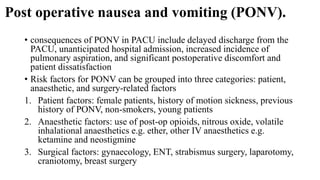
Post operative nausea and vomiting (PONV).
• consequences of PONV in PACU include delayed discharge from the
PACU, unanticipated hospital admission, increased incidence of
pulmonary aspiration, and significant postoperative discomfort and
patient dissatisfaction
• Risk factors for PONV can be grouped into three categories: patient,
anaesthetic, and surgery-related factors
1. Patient factors: female patients, history of motion sickness, previous
history of PONV, non-smokers, young patients
2. Anaesthetic factors: use of post-op opioids, nitrous oxide, volatile
inhalational anaesthetics e.g. ether, other IV anaesthetics e.g.
ketamine and neostigmine
3. Surgical factors: gynaecology, ENT, strabismus surgery, laparotomy,
craniotomy, breast surgery
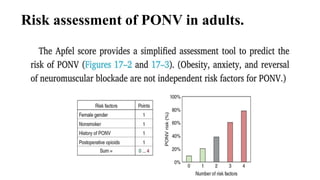
Risk assessment of PONV in adults.
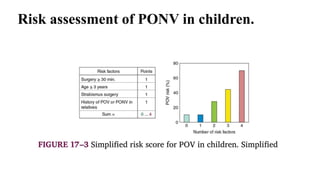
Risk assessment of PONV in children.
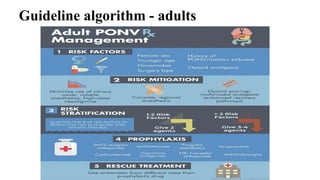
Guideline algorithm - adults
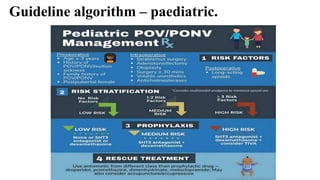
Guideline algorithm – paediatric.
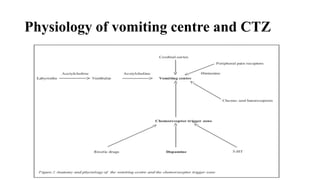
Physiology of vomiting centre and CTZ
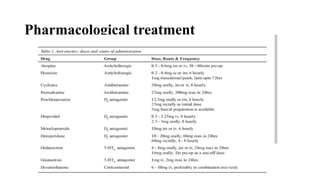
Pharmacological treatment
Non-pharmacological treatment
• Ginger root
• Acupuncture at the Pericardium 6 point (5cm proximal
to the palmar aspect of the wrist, between the flexor
carpi radialis and palmaris longus tendons)
• Perioperative hypnosis
Prevention strategies.
• Use regional anaesthesia to avoid general anaesthesia.
• Use of propofol for induction and maintenance
• Avoidance of nitrous oxide in surgeries lasting >1hr
• Avoidance of volatile anaesthetics
• Minimization of intraop and postop opioids
• Adequate hydration
• Use of sugammadex instead of neostigmine for reversal of NMJ block
Acute kidney injury.
• Results in oliguria
• Causes divide into prerenal, renal and post-renal
• Prerenal causes: hypovolemia (bleeding, sepsis, third-space fluid loss,
inadequate volume resuscitation), hepatorenal syndrome, low cardiac
output, renal vascular obstruction, intra-abdominal hypertension
• Renal causes: ischemia (acute tubular necrosis), radiographic contrast
dyes, rhabdomyolysis, tumour lysis, haemolysis
• Post-renal causes: blocked catheter or malpositioned, bladder output
obstruction
Treatment of AKI
• Fluid hydration IVF in hypovolemic patients based on the degree
of fluid depletion
• Stop or avoid drugs with nephrotoxic potential e.g. ACE
Inhibitors
• Monitoring volume input and output
• Renal replacement therapy [in oliguria despite volume repletion
or electrolytes imbalances
Urinary retention.
• Inability to void despite a bladder volume of 500-600ml
• Incidence in PACU is 5-70%
• Risk factors: age older than 50 years, male gender, volume of
intraoperative intravascular fluid infusion, duration of surgery, and
bladder volume on admission
• Type of surgery is also predictive; most common in anorectal and joint
replacement surgery
• Commonly used perioperative medications such as anticholinergics, β-
blockers, and narcotics also contribute
• GAs act as smooth muscle relaxants and lead to decreased bladder
contractility while interfering with autonomic regulation of the
detrusor
Continued…
• Spinal and epidural anesthetics impact voiding by effectively
interfering with the afferent and efferent nerves and micturition reflex
arcs as they enter and exit the spinal cord and make their way up to the
central micturition centers
• Opioids cause retention by increasing sphincter tone by
overstimulation of the sympathetic nervous system leading to an
increase in outlet obstruction
Treatment of urinary retention.
• Catheterization until bladder control is regained
• Medication - Alpha-blocker; Mirabegron to relax the
urethra
Urinary tract infections.
• This occurs during catheterization mostly especially with
long indwelling catheters that increase risk
Management
1. Prevention - prophylactic antibiotics reduces by 50%
2. Aseptic techniques when inserting catheter
3. Treatment-antibiotics eg Ceftriaxone
Continuity of care of surgical
patients in the ward.
PATRICIA WANJIRU KAMAU
HSM201-0018/2019
Introduction.
• Aims:
• Support patient's return to baseline health
• Recognize and treat adverse events
• This includes facilitating adequate hydration, proper
nutrition, optimal pain control, and early mobilization
Monitoring.
• Vital signs
• Focused physical examination, including assessment of the surgical
site
• Input and output values
• IV fluid intake
• Urine output: If output is < 0.5 mL/kg/hour for > 6 hours
• Check catheter patency.
• Consider possible causes of AKI
• Surgical drain output
• Total output over 24 hours
FLUID MANAGEMENT.
• Indications:
• Fluid resuscitation
• Replacement of:
• Fluid losses or free water deficit
• Baseline fluid needs (e.g., maintenance fluids)
• Correction of electrolyte imbalances
• IV medication delivery
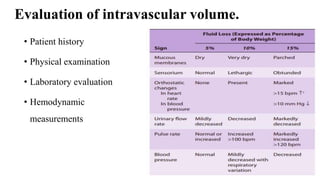
Evaluation of intravascular volume.
• Patient history
• Physical examination
• Laboratory evaluation
• Hemodynamic
measurements
Classification of Fluid Management.
1.Maintenance fluid
• Replace amount of fluid and electrolytes lost
physiologically (remember fluid loss in normal adult)
• Use Holiday Seggar formula i.e 4:2:1 rule or
100:50:20 rule
• Example – normal saline, dextrose e.t.c.
2. Replacement fluid.
• Formulated to correct fluid losses caused by;
• Gastric drainage
• Vomiting and diarrhea
• Intestinal trauma
• Oozing from trauma site
• Example-ringers lactate
3. Special fluids.
• Used in arising/confounding conditions, e.g.,
hypoglycemia, hypokalemia, metabolic acidosis
• Example – sodium carbonate, dextrose, potassium
chloride.
Intravenous fluid therapy.
• Crystalloids – solutions that contain small molecular weight
solutes e.g. NS, RL, dextrose
• Colloids – solutions that contain larger molecular weight
solutes e.g. albumin, dextran
• Balanced IV fluid solutions: crystalloids or colloids that do
not significantly alter the homeostasis of the extracellular
compartment
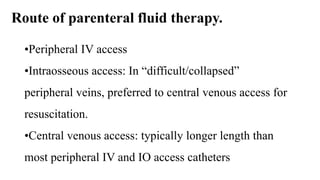
Route of parenteral fluid therapy.
•Peripheral IV access
•Intraosseous access: In “difficult/collapsed”
peripheral veins, preferred to central venous access for
resuscitation.
•Central venous access: typically longer length than
most peripheral IV and IO access catheters
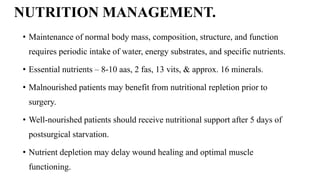
NUTRITION MANAGEMENT.
• Maintenance of normal body mass, composition, structure, and function
requires periodic intake of water, energy substrates, and specific nutrients.
• Essential nutrients – 8-10 aas, 2 fas, 13 vits, & approx. 16 minerals.
• Malnourished patients may benefit from nutritional repletion prior to
surgery.
• Well-nourished patients should receive nutritional support after 5 days of
postsurgical starvation.
• Nutrient depletion may delay wound healing and optimal muscle
functioning.
Resting metabolic rate.
• Can be measured using indirect calorimetry or
estimated using standard nomograms.
• Patients generally require 25–30 kcal/kg daily.
• Can increase greatly above basal levels with certain
conditions, such as burns.
Implications of poor nutrition.
• Impaired immune defenses
• Impaired wound healing
• Longer recovery period
• Prolonged hospital stay
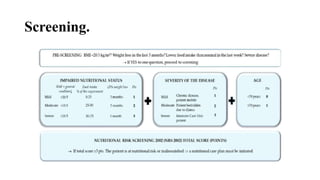
Screening.
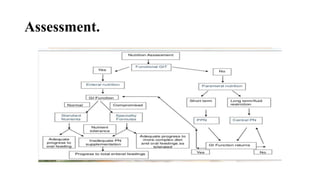
Assessment.
Methods of feeding.
•Enteral – kitchen feeds, enteral formulae (soy
bean)
•Parenteral – hypertonic dextrose, lipid solutions
•Combined
Complications of total parenteral nutrition.
• Catheter-related complications
• Pneumothorax
• Haemothorax
• Chylothorax
• Hydrothorax
• Air embolism
• Cardiac tamponade
• Thrombosis of central vein
• Bloodstream infection
• Metabolic complications
• Azotemia
• Hepatic dysfunction
• Cholestasis
• Hyperglycemia
• Hypoglycemia (due to interruption
of infusion)
• Metabolic acidosis or alkalosis
• Hyperlipidemia
• Pancreatitis
• Fat embolism syndrome
ASSESSMENT AND MANAGEMENT OF
POSTOP PAIN.
•Pain – unpleasant sensory and emotional
experience associated with actual or potential
tissue damage.
•Can be assessed subjectively or objectively.
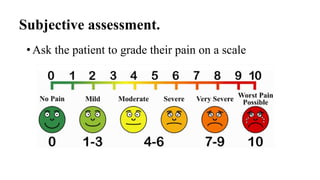
Subjective assessment.
•Ask the patient to grade their pain on a scale
Objective assessment.
• Look for clinical features of pain;
•Unwillingness to mobilise
•Sweating
•Agitation
•Tachycardia
Factors affecting post-op pain.
• Genetics
• Age
• Previous pain experience
• Degree of operative trauma
• Psychological factors-fear and anxiety
Post-op causes of pain.
• Incision site pain
• IV site-needle trauma
• Tubes –drains , ETT
• Movement- ambulation, physiotherapy
• Respiratory causes- coughing, deep breathing
• Others-too tight dressing, urinary retention
Management of pain.
• Use multidisciplinary approach
• Objectives
• Patient comfort
• Early mobilization
• Speed up recovery
• Reduce risk of complications
• Maintain muscle power
Consequences of poor pain management.
• Hypercoagulable states
• Diminished range of movement
• Psychological diseases-anxiety and depression
• Diminished range of movement
• Prolonged hospital stay and overuse of analgesics
• Litigations from relatives
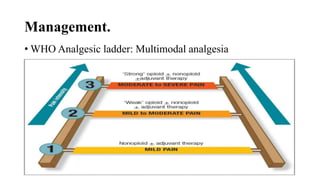
Management.
• WHO Analgesic ladder: Multimodal analgesia
THANK YOU
♡
.

Postoperative management.pptxfghhhhghcfvg

  • 1.
    POST- OP MANAGEMENT. GROUP9 ROLE OF PACU. HSM201-0150/2019 Deborah Bosibori.
  • 2.
    Introduction. • PACU-is aspecialized unit of the hospital which provides care for the patients who are recovering from anaesthesia • PACU is staffed with epically trained nurses who are able to monitor patients vitals and provide pain relief • Patients typically stay in PACU for approximately 2-4 hours after surgery
  • 3.
    Role of PACU. •Allow anaesthetic agent to wear off • Monitoring and observation • Patency of airway • Adequate ventilation and oxygenation • Stable haemodynamics • Adequate pain control • Monitoring temperature • Manage any other complications
  • 4.
    Procedures in thePost- anaesthesia Care Unit (PACU) Emmanuel Ian Ochieng HSM201-0040/2018
  • 5.
    From the operatingroom to PACU. • Before leaving the operating room, the airway of the patient must be patent • There must be adequate ventilatory support and hemodynamic stability. • Well trained anaesthesia personnel to attend to the patient. • All anaesthetic agents are discontinued. • Intubation or LMAs are removed if the airway is patent • Monitors are disconnected if the above parameters are within normal ranges. • There is a brief verbal or written report to the PACU nurse.
  • 6.
    Continuation • The transportationis done by a qualified anaesthetist • May be defective due to insufficient monitoring, inaccessibility to medication or resuscitative equipment • Patients are transported in beds in the Trendelenburg position (head down) especially in hypovolemic patients • The back up position is used for patients with pulmonary insufficiency • The lateral position is used in patients who underwent tonsillectomy and at risk of airway bleeding- prevents airway obstruction and helps drain secretions • A report is handed by the anaesthetist to PACU nurse containing- preop history, pertinent introp events, expected postop problems, PACU meds(antibiotics, analgesia).
  • 7.
    In the PACU. •Routine observation is done due to the potential morbidity and mortality (up to 50%) • All procedures apply to those who received general anaesthesia and those patients from interventional radiology, endoscopy or MRI suites • PACU should be near the operating room in case patients need to be taken back for emergencies • Equipment needed: pulse oximetry, electrocardiogram, automated noninvasive BP monitors, temperature measurements, warming or cooling blankets, heating pads, oxygen cannulas, laryngoscopes, ETT, LMAs, catheters, defibrillators, emergency carts with drugs and supplies for advanced life support. • A multidisciplinary approach- anaesthetist, surgeons,nurses
  • 8.
    Continuation • Full neurologicalexaminations are done upon resumption of conciousness • For those with regional anaesthesia assessment of sensory and motor functions are emphasized • Continual assessment of airway patency, oxygenation and vital signs( every 5 minutes for 15 mins or until stable and every 15 mins after) • Check for any nausea or vomiting • Pain assessment (numerical or descriptive scales) and appropriate administration of analgesia- NSAIDs, opiods, multimodal analgesia
  • 9.
    Points to note •Proper documentation of the whole process is paramount • Constant evaluation by a qualified anaesthetist before discharge from PACU • Observe for signs of respiratory depression especially in the use of parenteral opiods for analgesics for at least 20-30 minutes after the last dose • Supplemental oxygen should always be ready in any of the processes as rapid resumption of inhalation of room air in PACU or while in transit can cause hypoxemia • Intubation maintained for unstable patients
  • 10.
    DISCHARGE FROM POST ANAESTHESIACARE UNIT (PACU) LOMUKUNY EREGAE CAROLYNE HSM201-0018/2018
  • 11.
    Introduction. • Patients aredischarged wen they are stable enough to tolerate discharge home • Discharge decision id made by the anaesthesiologist in consultation with the nurse • Things considered before discharging the patient include, • Pain level • Vital signs • Ability to ambulate
  • 12.
    Discharge criteria. • Generalcriteria include the following 1.protective reflexes are intact ,airway is patent ,respiratory functions and oxygen saturation are stable 2. vitals are stable 3.patient is conscious with appropriate muscular strength 4.patient is ambulating 5.Urine output is appropriate
  • 13.
    Continued… 6.Catheters, tubes ,drainsand iv lines are patent 7.Skin colour and condition is appropriate for the procedure 8.Condition of dressing and surgical wound is appropriate for the procedure 9.Pain and anxiety are adequately controlled 10.For obstetric patients-fundus is firm, lochia is minimal to moderate, incision site is intact
  • 14.
    Aldrete discharge criteria. •It has 5 parameters - respiration - circulation -consciousness -level of activity -colour • Each parameter score ranges from 0-2 • Patients scoring >9 are eligible for discharge from PACU
  • 15.
  • 16.
    Discharge instructions. • Includeinformation about the following • 1.pain management • 2. activity restriction • 3. incision site care • 4. follow up appointments
  • 17.
    POST-OP COMPLICATIONS JULIET M. KNYATICHI HSM201-0034/2019
  • 18.
    Introduction. •An important causeof morbidity, mortality, extended hospital stay, and increased costs. •Most pts at increased risk can be identified at preop assessment. •Early identification allows for targeted, appropriate, anticipatory and supportive medical care. •This reduces incidence and severity of such complications when they occur.
  • 19.
    Classification of postopcomplications. • According to time after surgery: ● immediate (within 6 h of procedure) ● early (6–72 h) ● late (>72 h) • Generic and surgery specific
  • 20.
    General complications. • Bleeding •Deep venous thrombosis • Pulmonary embolism • Fever/ hyperthermia • Hypothermia and shivering
  • 21.
    Respiratory complications. • Mostfrequently encountered serious complications in the PACU. • Overwhelming majority related to airway obstruction, hypoventilation, hypoxemia, or a combination of these.
  • 22.
    Airway obstruction. • Mostcommon cause (unconscious) – tongue falling back against posterior pharynx. • Others – laryngospasm, glottic oedema, aspirated vomitus, retained throat pack, secretions or blood in the airway, or external pressure on the trachea (neck hematoma). • Partial airway obstruction presents as sonorous respiration. • Total: absence of breath sounds +/- paradoxical chest movement.
  • 23.
    Management of airwayobstruction. • Supplemental O2 while corrective measures are undertaken. • Jaw-thrust manoeuvre pulls the tongue forward. • Oral/nasal airway, LMA, or ETT may be required. • Laryngospasm – jaw-thrust manoeuvre + gentle PAP via a tight-fitting face mask; suction secretions; IV succinylcholine and positive- pressure ventilation with 100% oxygen. • Glottic oedema – IV corticosteroids or nebulized racemic epinephrine
  • 24.
    Hypoventilation. • PaCO2 >45mm Hg • Clinically significant when PaCO2 is >60 mm Hg or arterial blood pH is <7.25. • Clinical signs – excessive somnolence, airway obstruction, slow respiratory rate, tachypnoea with shallow breathing, or laboured breathing. • Most commonly due to residual depressant effects of anaesthetics and analgesics on respiratory drive.
  • 25.
    Management of hypoventilation. •Assessment via capnography or ABGs. • Treat the underlying cause. • External stimulation of the patient to wakefulness, reversal of opioid, benzodiazepine, or NMJ blocker effect, or controlled mechanical ventilation. • Hypoventilation due to pain and splinting is treated using multimodal analgesia.
  • 26.
    Hypoxemia. • Low levelof oxygen in blood. • Pulse oximetry facilitates early detection, ABGs confirm diagnosis • Usually caused by hypoventilation with or without obstruction, increased right-to-left intrapulmonary shunting, or both. • Signs – restlessness, agitation, tachycardia, or arrhythmias. • Late signs – obtundation, bradycardia, hypotension, and cardiac arrest.
  • 27.
    Management of hypoxemia. •Establish a patent airway and administer oxygen. • Mild to moderate hypoxemia – 30% to 60% oxygen. • Severe or persistent hypoxemia –100% oxygen via NRM or an ETT. • Treat the underlying cause • Pneumothorax – CXR; chest tube insertion • Bronchospasm – nebulized bronchodilator therapy • Diuretics for circulatory overload.
  • 28.
    Case example 1 •A 53-year-old man scheduled to undergo a laparoscopic cholecystectomy. His medical history: • HTN - Controlled on daily metoprolol. • Hyperlipidaemia - Addressed with a statin regimen. • Hypothyroidism - TSH level obtained 1 week previously was normal, pt is taking thyroxine 75 μg/day • CKD - dialysis-dependent and was last dialyzed yesterday; morning laboratory tests K conc. is 5.1 mEq/L • Anaesthesia is induced with propofol and fentanyl, and rocuronium is used for intubation of the trachea. The duration of the operation is brief (50 mins) and its course unremarkable. • Anaesthetic maintenance is with isoflurane in combination with air and oxygen. At the end of the procedure, the patient has 2/4 twitches. Reversal is accomplished with neostigmine and glycopyrrolate. Subsequently, the patient generates good tidal volumes and exhibits criteria for return of muscle strength. He is then successfully extubated.
  • 29.
    Continued… • Twenty minuteslater, the staff anaesthesiologist receives an emergency page to the bedside from the PACU. The patient is now gasping, using all accessory muscles of breathing and unable to move much air. A bedside examination shows poor hand grip strength and lack of adequate muscle strength. In addition, he has lost the ability to generate a good cough. • Vital signs are as follows: HR, 130 beats/min; respiratory rate (RR), 40 breaths/min; BP, 180/100 mm Hg; SpO2, 80% on a 100% NRM • Comment on signs? • What is the probable cause of the complications? • Suggest management.
  • 30.
    Case example 1solutions. • Initiate BVM ventilation. Every small respiratory effort by the patient supported with a gentle breath from the bag-mask assembly. • IV sugammadex administered, immediate resolution of symptoms. • After CXR rechecked and return of muscle strength noted, the patient was placed on 2 L of O2 via nasal cannula (NC) . • The likely cause was residual muscle relaxant. Because of the patient's impaired renal function, the intubating dose of rocuronium may not have been totally removed from his system. In addition, there appears to have been some residual paralysis when the reversal agent was administered. • After ventilator support was instituted, reversal was achieved by administering sugammadex. This agent is a selective relaxant- binding drug that encapsulates the nondepolarizing aminosteroid muscle relaxants rocuronium and vecuronium, reversing and preventing their action
  • 31.
    References. • Miller R.D. et al. (2018). Basics of Anesthesia: Post anesthesia recovery (7th ed.). Elsevier. • Butterworth J. F. et al. (2022). Morgan & Mikhail’s Clinical Anesthesiology: Post anesthesia care (7th ed.). Mc Grawhill. • Duke J. C., Keech B. M (2016). Duke’s Anesthesia Secrets: Post anesthetic care (5th ed.). Elsevier. • Williams N. S et al. (2018). Bailey’s short practice of surgery: Post operative care (27th ed.). Elsevier • Medscape: https://emedicine.medscape.com/article/2500080-overview
  • 32.
    CVS AND CNS COMPLICATIONS DAKANEMAALIM MOHAMED HSM201-0232/2019
  • 33.
    CVS COMPLICATIONS: Hypotension •This is mainly attributed due to failure of left ventricle and less commonly excessive atrial vasodilation. • Absolute hypovolemia can result from inadequate fluid replacement contuniuing third spacing, wound drainage and hemorrhage. • Relative hypovolemia is often responsible for the hypotension associated with spinal or epidural anaesthesia • Other causes include allergic reactions , preexisting heart conditions and cardiac tamponade.
  • 34.
    Treatment of hypotension. •Significant reduction of about 20-30% of blood pressures below • patients baseline requires correction. • Raise bloood pressure by use of 250-500ml of fluid bolus crystalloid or 100 -250ml of colloid • Use of vasopressor or ionotrope like epinephrine and dopamine incase of severe hypotension. • Presence of tension pneumothorax as suggested by hypovolemia is an indication for immediate pleural aspiration even before radiographic confirmation. • Cardiac tamponade or tension pneumothorax requires pericardiocentesis and needle compression.
  • 35.
    Hypertension. Postoperative hypertension canbe due to the following causes: • Fluid overload • Increased sympathetic tone; anxiety • Hypothermia • Metabolic acidosis • Neuroendocrine response to surgery • Increased sympathetic tone due to hypoxemia,hypercapnia • History of hypertension
  • 36.
    Treatment of hypertension. •Assessment of other treatable causes of hypertension first such as pain control and anxiety • Moderate elevations of Bp can be treated with IV beta blockers e.g., labetalol, esmolol, an ACE inhibitor e.g.enalapril, or CCBs e.g., nifedipine • Patients with marked elevations should be treated with iv infusion of nitropusside, nicardipine, clevipam, nitroglycerin, or fenoldopam. • The end point of treatment when pressures are consistent with patient’s own blood pressure.
  • 37.
    Arrhythmias. • Are verycommon complications after cardiac surgery. • Represent a major source of morbidity and mortality. • Atrial arrhythmias are the most common with ventricular arrhythmias occurring less often
  • 38.
    Causes of arrhythmias. •Age – increasing in age is a risk factor • Underlying structural heart disease • Underlying comorbidities – previous stroke, history of COPD • Residual effects of anaesthetic agents • Respiratory disturbances – hypoxemia, hypercarbia and acidosis
  • 39.
    Treatment of arrhythmias. •Antiarrhythmic agents – sotalol, procainamide, amiodarone • Antithrombotic therapy – patients with AF are at risk of thromboembolic events thus appropriate medications are prescribed (Warfarin) • In sustained fibrillations a cardiac defibrillator maybe fixed
  • 40.
    NEUROPSYCHIATRIC COMPLICATIONS: Post operativeDelirium • Delirium – acute cerebral dysfunction or inflammation-mediated neuronal injury characterized by inattention and fluctuating of conscious level. • Length – up to 30 days postop • Surgeries – orthopaedic, cardiac and vascular. • Etiology – age , cognitive impairment, sleep disruption, emergency surgeries, significant intraoperative bleeding, poorly controlled pain.
  • 41.
    Continued… • Types –hypoactive , hyperactive ,mixed • The gold standard for diagnosing is DSM V criteria which is performed by psychiatrist. • Anaesthesia: bispectral index • Drugs: benzodiazepines, ketamine , dexmedotomide • Prolonged fasting should be avoided and maintain hydration
  • 42.
    Treatment of delirium. •Identify patient risk factors and treat underlying cause. • Mobilize early nutrition and fluid therapy. • Environmental cues e.g., calendars • Reorient patient back to family • Treat with behavioral therapy and non pharmacological. • Pharmacotherapy e.g., olanzapine
  • 43.
    Delayed arousal. • Majorcauses of delayed emergence from anaesthesia are due to drug, metabolic or neurologic effects. Examples include; • Prolonged anaesthesia. • Elderly patients. • Pre-existing brain disease. Identifying patient risk factors is crucial.
  • 44.
    Failure to arouse Dueto: • Infections • Hypoxic-ischaemic brain injury. • Stroke This can be managed by; • Maintaining physiological homeostasis during and after surgery. • Avoid deep intraoperative propofol.
  • 45.
    Hypothermia. • Is temperaturebelow 36 degree celsius • Risk factors: abdominal surgery, age and long surgeries. • Clinical features: shivering • Treatment: small doses of meperidine 12.5 -25 mg. • Sedate and a muscle relaxant in intubated and mechanically ventilated patients • Forced air warming device, warming blankets.

  • 46.
    Malignant hyperthermia. • Hypermetabolicmuscle disease mostly due to genetic with phenotypical signs and symptoms with exposure of inhaled general anaesthesia. • Clinical features: fever, succinyl masseter muscle rigity, sweating, cyanosis, hypertension and arrhythmias
  • 47.
    Continued… Laboratory: mixed metabolicrespiratory acidosis with a base deficits, hyperkalemia, hypernatremia, hypermagnesia, reduced mixed venous oxygen saturation. Drug factors: • halothene, ether, enflurane, isoflurane , desflurane, sevoflurane, methoxyflurane -inhaled general anaesthesia. • succinylcholine -Non depolarizing muscle relaxant
  • 48.
    Treatment. • Hyperventilate on100 % oxygen • Discontinue volatile agents , succinylcholine • Administer dantrolene therapy • Hyperkalemia – glucose, insulin, diuresis with furosemide • Correct metabolic acidosis by giving IV sodium bicarbonate • Antiarrythmias and vasopressor if indicated • Cooling : icepacks, cooling ventilation, cooling blanket and hypothermic cardiopulmonary bypass.
  • 49.
  • 50.
    Post operative nauseaand vomiting (PONV). • consequences of PONV in PACU include delayed discharge from the PACU, unanticipated hospital admission, increased incidence of pulmonary aspiration, and significant postoperative discomfort and patient dissatisfaction • Risk factors for PONV can be grouped into three categories: patient, anaesthetic, and surgery-related factors 1. Patient factors: female patients, history of motion sickness, previous history of PONV, non-smokers, young patients 2. Anaesthetic factors: use of post-op opioids, nitrous oxide, volatile inhalational anaesthetics e.g. ether, other IV anaesthetics e.g. ketamine and neostigmine 3. Surgical factors: gynaecology, ENT, strabismus surgery, laparotomy, craniotomy, breast surgery
  • 51.
    Risk assessment ofPONV in adults.
  • 52.
    Risk assessment ofPONV in children.
  • 53.
  • 54.
  • 55.
    Physiology of vomitingcentre and CTZ
  • 56.
  • 57.
    Non-pharmacological treatment • Gingerroot • Acupuncture at the Pericardium 6 point (5cm proximal to the palmar aspect of the wrist, between the flexor carpi radialis and palmaris longus tendons) • Perioperative hypnosis
  • 58.
    Prevention strategies. • Useregional anaesthesia to avoid general anaesthesia. • Use of propofol for induction and maintenance • Avoidance of nitrous oxide in surgeries lasting >1hr • Avoidance of volatile anaesthetics • Minimization of intraop and postop opioids • Adequate hydration • Use of sugammadex instead of neostigmine for reversal of NMJ block
  • 59.
    Acute kidney injury. •Results in oliguria • Causes divide into prerenal, renal and post-renal • Prerenal causes: hypovolemia (bleeding, sepsis, third-space fluid loss, inadequate volume resuscitation), hepatorenal syndrome, low cardiac output, renal vascular obstruction, intra-abdominal hypertension • Renal causes: ischemia (acute tubular necrosis), radiographic contrast dyes, rhabdomyolysis, tumour lysis, haemolysis • Post-renal causes: blocked catheter or malpositioned, bladder output obstruction
  • 60.
    Treatment of AKI •Fluid hydration IVF in hypovolemic patients based on the degree of fluid depletion • Stop or avoid drugs with nephrotoxic potential e.g. ACE Inhibitors • Monitoring volume input and output • Renal replacement therapy [in oliguria despite volume repletion or electrolytes imbalances
  • 61.
    Urinary retention. • Inabilityto void despite a bladder volume of 500-600ml • Incidence in PACU is 5-70% • Risk factors: age older than 50 years, male gender, volume of intraoperative intravascular fluid infusion, duration of surgery, and bladder volume on admission • Type of surgery is also predictive; most common in anorectal and joint replacement surgery • Commonly used perioperative medications such as anticholinergics, β- blockers, and narcotics also contribute • GAs act as smooth muscle relaxants and lead to decreased bladder contractility while interfering with autonomic regulation of the detrusor
  • 62.
    Continued… • Spinal andepidural anesthetics impact voiding by effectively interfering with the afferent and efferent nerves and micturition reflex arcs as they enter and exit the spinal cord and make their way up to the central micturition centers • Opioids cause retention by increasing sphincter tone by overstimulation of the sympathetic nervous system leading to an increase in outlet obstruction
  • 63.
    Treatment of urinaryretention. • Catheterization until bladder control is regained • Medication - Alpha-blocker; Mirabegron to relax the urethra
  • 64.
    Urinary tract infections. •This occurs during catheterization mostly especially with long indwelling catheters that increase risk Management 1. Prevention - prophylactic antibiotics reduces by 50% 2. Aseptic techniques when inserting catheter 3. Treatment-antibiotics eg Ceftriaxone
  • 65.
    Continuity of careof surgical patients in the ward. PATRICIA WANJIRU KAMAU HSM201-0018/2019
  • 66.
    Introduction. • Aims: • Supportpatient's return to baseline health • Recognize and treat adverse events • This includes facilitating adequate hydration, proper nutrition, optimal pain control, and early mobilization
  • 67.
    Monitoring. • Vital signs •Focused physical examination, including assessment of the surgical site • Input and output values • IV fluid intake • Urine output: If output is < 0.5 mL/kg/hour for > 6 hours • Check catheter patency. • Consider possible causes of AKI • Surgical drain output • Total output over 24 hours
  • 68.
    FLUID MANAGEMENT. • Indications: •Fluid resuscitation • Replacement of: • Fluid losses or free water deficit • Baseline fluid needs (e.g., maintenance fluids) • Correction of electrolyte imbalances • IV medication delivery
  • 69.
    Evaluation of intravascularvolume. • Patient history • Physical examination • Laboratory evaluation • Hemodynamic measurements
  • 70.
    Classification of FluidManagement. 1.Maintenance fluid • Replace amount of fluid and electrolytes lost physiologically (remember fluid loss in normal adult) • Use Holiday Seggar formula i.e 4:2:1 rule or 100:50:20 rule • Example – normal saline, dextrose e.t.c.
  • 71.
    2. Replacement fluid. •Formulated to correct fluid losses caused by; • Gastric drainage • Vomiting and diarrhea • Intestinal trauma • Oozing from trauma site • Example-ringers lactate
  • 72.
    3. Special fluids. •Used in arising/confounding conditions, e.g., hypoglycemia, hypokalemia, metabolic acidosis • Example – sodium carbonate, dextrose, potassium chloride.
  • 73.
    Intravenous fluid therapy. •Crystalloids – solutions that contain small molecular weight solutes e.g. NS, RL, dextrose • Colloids – solutions that contain larger molecular weight solutes e.g. albumin, dextran • Balanced IV fluid solutions: crystalloids or colloids that do not significantly alter the homeostasis of the extracellular compartment
  • 76.
    Route of parenteralfluid therapy. •Peripheral IV access •Intraosseous access: In “difficult/collapsed” peripheral veins, preferred to central venous access for resuscitation. •Central venous access: typically longer length than most peripheral IV and IO access catheters
  • 77.
    NUTRITION MANAGEMENT. • Maintenanceof normal body mass, composition, structure, and function requires periodic intake of water, energy substrates, and specific nutrients. • Essential nutrients – 8-10 aas, 2 fas, 13 vits, & approx. 16 minerals. • Malnourished patients may benefit from nutritional repletion prior to surgery. • Well-nourished patients should receive nutritional support after 5 days of postsurgical starvation. • Nutrient depletion may delay wound healing and optimal muscle functioning.
  • 78.
    Resting metabolic rate. •Can be measured using indirect calorimetry or estimated using standard nomograms. • Patients generally require 25–30 kcal/kg daily. • Can increase greatly above basal levels with certain conditions, such as burns.
  • 79.
    Implications of poornutrition. • Impaired immune defenses • Impaired wound healing • Longer recovery period • Prolonged hospital stay
  • 80.
  • 81.
  • 82.
    Methods of feeding. •Enteral– kitchen feeds, enteral formulae (soy bean) •Parenteral – hypertonic dextrose, lipid solutions •Combined
  • 83.
    Complications of totalparenteral nutrition. • Catheter-related complications • Pneumothorax • Haemothorax • Chylothorax • Hydrothorax • Air embolism • Cardiac tamponade • Thrombosis of central vein • Bloodstream infection • Metabolic complications • Azotemia • Hepatic dysfunction • Cholestasis • Hyperglycemia • Hypoglycemia (due to interruption of infusion) • Metabolic acidosis or alkalosis • Hyperlipidemia • Pancreatitis • Fat embolism syndrome
  • 84.
    ASSESSMENT AND MANAGEMENTOF POSTOP PAIN. •Pain – unpleasant sensory and emotional experience associated with actual or potential tissue damage. •Can be assessed subjectively or objectively.
  • 85.
    Subjective assessment. •Ask thepatient to grade their pain on a scale
  • 86.
    Objective assessment. • Lookfor clinical features of pain; •Unwillingness to mobilise •Sweating •Agitation •Tachycardia
  • 87.
    Factors affecting post-oppain. • Genetics • Age • Previous pain experience • Degree of operative trauma • Psychological factors-fear and anxiety
  • 88.
    Post-op causes ofpain. • Incision site pain • IV site-needle trauma • Tubes –drains , ETT • Movement- ambulation, physiotherapy • Respiratory causes- coughing, deep breathing • Others-too tight dressing, urinary retention
  • 89.
    Management of pain. •Use multidisciplinary approach • Objectives • Patient comfort • Early mobilization • Speed up recovery • Reduce risk of complications • Maintain muscle power
  • 90.
    Consequences of poorpain management. • Hypercoagulable states • Diminished range of movement • Psychological diseases-anxiety and depression • Diminished range of movement • Prolonged hospital stay and overuse of analgesics • Litigations from relatives
  • 91.
    Management. • WHO Analgesicladder: Multimodal analgesia
  • 92.