1
A Strategy for Excellent
Performance
By : k.h.tofighi
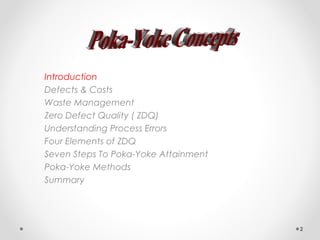
Introduction
Defects & Costs
Waste Management
Zero Defect Quality ( ZDQ)
Understanding Process Errors
Four Elements of ZDQ
Seven Steps To Poka-Yoke Attainment
Poka-Yoke Methods
Summary
2
3
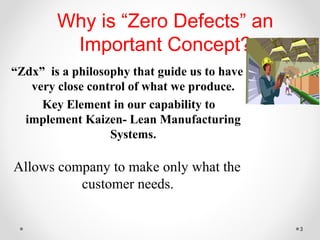
Why is “Zero Defects” an
Important Concept?
“Zdx” is a philosophy that guide us to have
very close control of what we produce.
Key Element in our capability to
implement Kaizen- Lean Manufacturing
Systems.
Allows company to make only what the
customer needs.
Phillip .b. CrosbyPhillip .b. Crosby
• In early 1970 he founded the zero defect method to
eliminate the extra cost of the system due to the
mistakes that was happening in “PERCHING” missiles
mass production line.
• Later on the others dispread this method in many
other business like automotive industries.
• He said :
" everyone should do things
right the first time".
Introduction
Defects & Costs
Waste Management
Zero Defect Quality ( ZDQ)
Understanding Process Errors
Four Elements of ZDQ
Seven Steps to Poka-Yoke Attainment
Poka-Yoke Methods
Summary
5
6
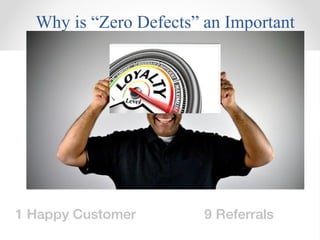
Why is “Zero Defects” an Important
Concept?
Maintain Customer Satisfaction & Loyalty
Happy Customers mean more sales!
7
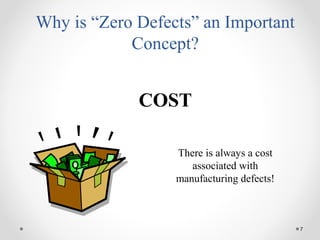
Why is “Zero Defects” an Important
Concept?
COST
There is always a cost
associated with
manufacturing defects!
8
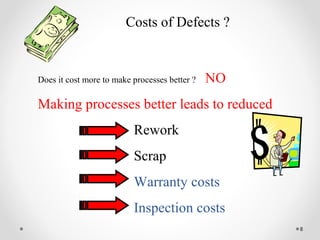
Costs of Defects ?
Does it cost more to make processes better ? NO
Making processes better leads to reduced
Rework
Scrap
Warranty costs
Inspection costs
9
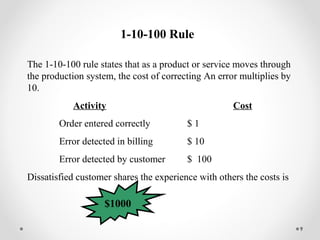
1-10-100 Rule
The 1-10-100 rule states that as a product or service moves through
the production system, the cost of correcting An error multiplies by
10.
Activity Cost
Order entered correctly $ 1
Error detected in billing $ 10
Error detected by customer $ 100
Dissatisfied customer shares the experience with others the costs is
$1000
Introduction
Defects & Costs
Waste Management
Zero Defect Quality ( ZDQ)
Understanding Process Errors
Four Elements of ZDQ
Seven Steps to Poka-Yoke Attainment
Poka-Yoke Methods
Summary
10
11
Why is “Zero Defects” an
Important Concept?
Key Element in our capability
to eliminate waste.
12
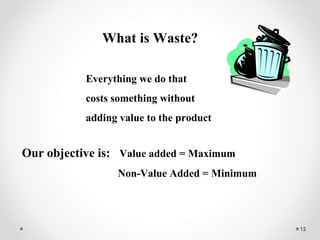
What is Waste?
Everything we do that
costs something without
adding value to the product
Our objective is: Value added = Maximum
Non-Value Added = Minimum
The nine types of wasteThe nine types of waste
Overproduction
Delays (wasting time)
Transportation
Process (quality affected)
Inventories
Motions (do it in the wrong way)
Defective products
Untapped resources
Misused resources
13
14
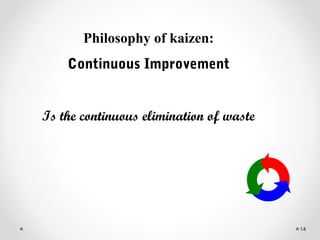
Philosophy of kaizen:
Continuous Improvement
Is the continuous elimination of waste
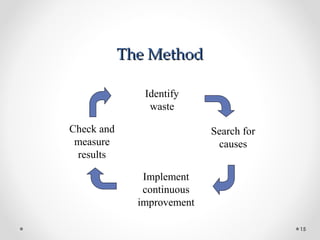
The MethodThe Method
15
Check and
measure
results
Identify
waste
Search for
causes
Implement
continuous
improvement
Introduction
Defects & Costs
Waste Management
Zero Defect Quality ( ZDQ)
Understanding Process Errors
Four Elements of ZDQ
Seven Steps to Poka-Yoke Attainment
Poka-Yoke Methods
Summary
16
17
What is a Zero Defect Quality
System (ZDQ)?
A quality concept to manufacture ZERO defects
& elimination of waste associated with defects!
“ZERO” is the goal!
We do it slowly , gradually , step by step
But finally we do!
18
What is a Zero Defect Quality
System (ZDQ)?
Based on a discipline that
defects are prevented.
Control the process so that defects
are impossible!
19
What is a Zero Defect Quality
System (ZDQ)?
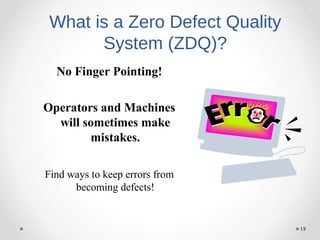
No Finger Pointing!
Operators and Machines
will sometimes make
mistakes.
Find ways to keep errors from
becoming defects!
20
What is a Zero Defect Quality
System (ZDQ)?
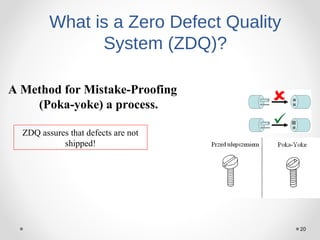
A Method for Mistake-Proofing
(Poka-yoke) a process.
ZDQ assures that defects are not
shipped!
21
How ZDQ Makes Work Easier
Mistake-Proof or Poka-yoke the process!
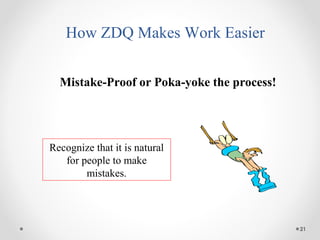
Recognize that it is natural
for people to make
mistakes.
22
How ZDQ Makes Work Easier
Mistake-Proof or Poka-yoke the process!
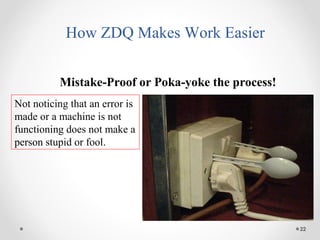
Not noticing that an error is
made or a machine is not
functioning does not make a
person stupid or fool.
Introduction
Defects & Costs
Waste Management
Zero Defect Quality ( ZDQ)
Understanding Process Errors
Four Elements of ZDQ
Seven Steps to Poka-Yoke Attainment
Poka-Yoke Methods
Summary
23
24
Relationship between processes and quality defects.
•Almost any business activity can be considered a process.
•Production processes involve the flow of material. Machining,
assembly, and packaging are typical production processes.
•Business processes involve the flow of information. Financial
planning, purchasing & order entry are typical business
processes.
•All processes have the potential for defects. Hence, all processes
offer a opportunity for the elimination of defects and the resultant
quality improvement.
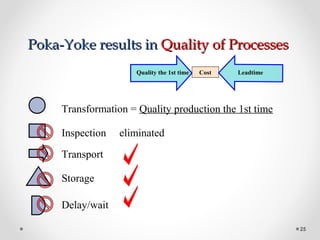
Poka-Yoke results inPoka-Yoke results in Quality of ProcessesQuality of Processes
25
Transformation = Quality production the 1st time
Inspection eliminated
Transport
Storage
Delay/wait
LeadtimeQuality the 1st time Cost
26
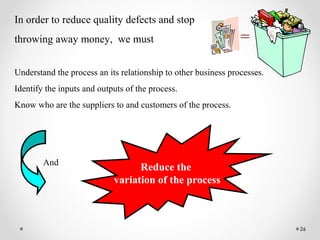
In order to reduce quality defects and stop
throwing away money, we must
Understand the process an its relationship to other business processes.
Identify the inputs and outputs of the process.
Know who are the suppliers to and customers of the process.
=
Reduce the
variation of the process
And
27
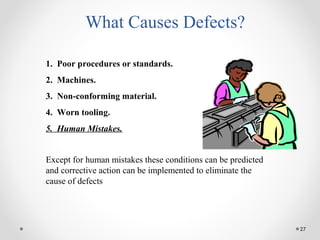
What Causes Defects?
1. Poor procedures or standards.
2. Machines.
3. Non-conforming material.
4. Worn tooling.
5. Human Mistakes.
Except for human mistakes these conditions can be predicted
and corrective action can be implemented to eliminate the
cause of defects
28
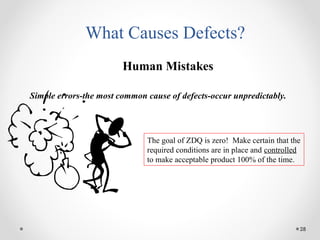
What Causes Defects?
Human Mistakes
Simple errors-the most common cause of defects-occur unpredictably.
The goal of ZDQ is zero! Make certain that the
required conditions are in place and controlled
to make acceptable product 100% of the time.
Ten Types of Human MistakesTen Types of Human Mistakes
Forgetfulness
Misunderstanding
Wrong identification
Lack of experience
Willful (ignoring rules or procedure)
Inadvertent or sloppiness
Slowliness
Lack of standardization
Surprise (unexpected machine operation, etc.)
Intentional (sabotage)
29
Introduction
Defects & Costs
Waste Management
Zero Defect Quality ( ZDQ)
Understanding Process Errors
Four Elements of ZDQ
Seven Steps to Poka-Yoke Attainment
Poka-Yoke Methods
Summary
30
31
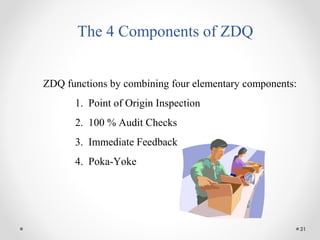
The 4 Components of ZDQ
ZDQ functions by combining four elementary components:
1. Point of Origin Inspection
2. 100 % Audit Checks
3. Immediate Feedback
4. Poka-Yoke
32
Inspection
The 3 basic approaches to inspection of processed product are:
Judgment/Standard Inspection
Informative Inspection
Point of Origin Inspection
The first two approaches are widely used and considered
traditional.
Only Point of Origin Inspection actually eliminates
defects.
33
Point of Origin Inspection
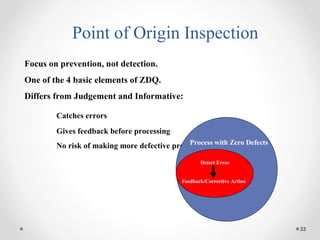
Focus on prevention, not detection.
One of the 4 basic elements of ZDQ.
Differs from Judgement and Informative:
Catches errors
Gives feedback before processing
No risk of making more defective product
Detect Error
Feedback/Corrective Action
Process with Zero Defects
34
ZDQ/Check and Do/Point of Origin
Inspection
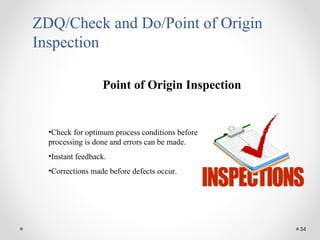
Point of Origin Inspection
•Check for optimum process conditions before
processing is done and errors can be made.
•Instant feedback.
•Corrections made before defects occur.
35
100% Audit Checks
Point of Origin Inspection on every piece.
The second of the 4 basic elements of ZDQ.
Differs from SQC inspection:
Does not rely on sampling
Prevents defects
Does not assume defects will statistically occur
100% Audit checks everything on the line!
Zero Defects
36
Quick Feedback
Error correction as soon as possible
The third of the 4 basic elements of ZDQ.
Differs from traditional inspection approaches that:
Correct problems after the process
Address the problem when errors are already defects
In some cases never identify an error has occurred
ZDQ sends the operator a signal and alarms
the person that an error has happened!
ZDQ Inspections = Immediate Feedback
Introduction
Defects & Costs
Waste Management
Zero Defect Quality ( ZDQ)
Understanding Process Errors
Four Elements of ZDQ
Seven Steps to Poka-Yoke Attainment
Poka-Yoke Methods
Summary
37
7 steps to poka yoke7 steps to poka yoke
Quality Processes :Design “Robust” quality processes to achieve zero
defects.
Utilize a Team Environment: leverage the teams knowledge, experience
to enhance the improvement efforts.
Elimination of Errors: Utilize a robust problem solving methodology to drive
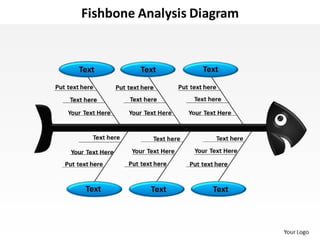
defects towards zero.( fish bone or ishikawa diagram)
Eliminate the “Root Cause” of The Errors: Use the 5 Why’s and 2 H’s
approach
Do It Right The First Time: Utilizing resources to perform functions correctly
the “first” time.
Eliminate Non-Value Added Decisions: Don’t make excuses-just do it !
Implement an Incremental Continual Improvement Approach:
implement improvement actions immediately and focus on incremental
improvements; efforts do not have to result in a 100% improvement
immediately.
38
39
The Seven Guidelines to Poka- Yoke Attainment
1.) Quality Processes - Design “Robust” quality processes to achieve zero defects.
2.) Utilize a Team Environment- leverage the teams knowledge, experience to
enhance the improvement efforts.
3.) Elimination of Errors -Utilize a robust problem solving methodology to drive
defects towards zero.
4.) Eliminate the “Root Cause” of The Errors-Use the 5 Why’s and 2 H’s approach
5.) Do It Right The First Time- Utilizing resources to perform functions correctly the
“first” time.
6.) Eliminate Non-Value Added Decisions- Don’t make excuses-just do it !
7.) Implement an Incremental Continual Improvement Approach-implement
improvement actions immediately and focus on incremental improvements; efforts do
not have to result in a 100% improvement immediately.
Introduction
Defects & Costs
Waste Management
Zero Defect Quality ( ZDQ)
Understanding Process Errors
Four Elements of ZDQ
Seven Steps to Poka-Yoke Attainment
Poka-Yoke Methods
Summary
40
41
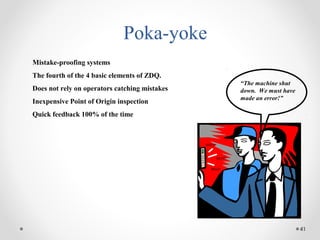
Poka-yoke
Mistake-proofing systems
The fourth of the 4 basic elements of ZDQ.
Does not rely on operators catching mistakes
Inexpensive Point of Origin inspection
Quick feedback 100% of the time
“The machine shut
down. We must have
made an error!”
BEEP!
BEEP!
BEEP!
42
Poka-yoke
What is Poke-yoke?
A method that uses sensor or other devices for catching
errors that may pass by operators or assemblers.
Poka-yoke effects two key elements of ZDQ:
Identifying the defect immediately ( Point of Origin Inspection)
Quick Feedback for Corrective Action
How effective the system is depends on where it is used: Point of Origin orHow effective the system is depends on where it is used: Point of Origin or
Informative Inspection.Informative Inspection.
43
Poka-yoke
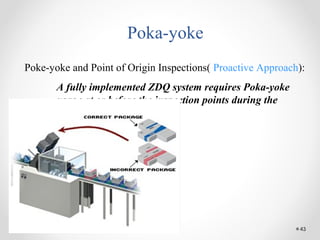
Poke-yoke and Point of Origin Inspections( Proactive Approach):
A fully implemented ZDQ system requires Poka-yoke
usage at or before the inspection points during the
process.
44
Poka-yoke
Poka-yoke differs from Informative Inspection
( Reactive Approach):
•Check occurs immediately or after the process.
•Can be an operator check at the process or successive check at the next
process.
•Not 100% effective, will not eliminate all defects.
•Effective in preventing defects from being passed to next process.
45
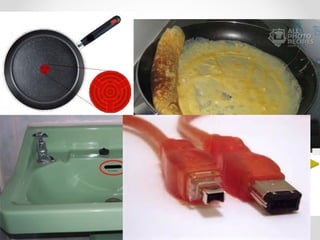
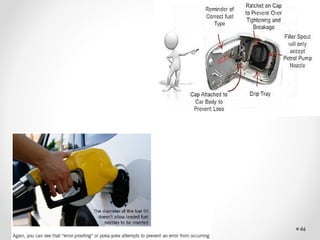
Some practical samples…
46
47
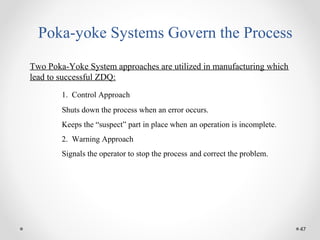
Poka-yoke Systems Govern the Process
Two Poka-Yoke System approaches are utilized in manufacturing which
lead to successful ZDQ:
1. Control Approach
Shuts down the process when an error occurs.
Keeps the “suspect” part in place when an operation is incomplete.
2. Warning Approach
Signals the operator to stop the process and correct the problem.
48
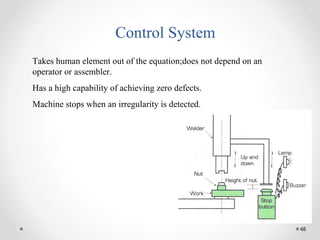
Control System
Takes human element out of the equation;does not depend on an
operator or assembler.
Has a high capability of achieving zero defects.
Machine stops when an irregularity is detected.
49
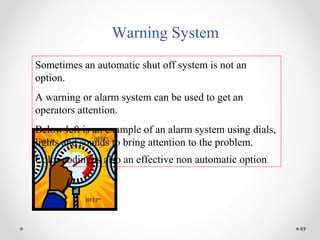
Warning System
Sometimes an automatic shut off system is not an
option.
A warning or alarm system can be used to get an
operators attention.
Below left is an example of an alarm system using dials,
lights and sounds to bring attention to the problem.
Color coding is also an effective non automatic option.
BEEP!
BEEP!
BEEP!
50
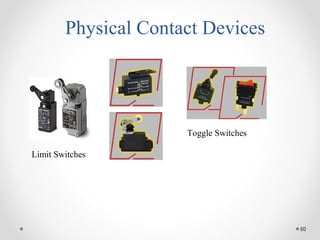
Physical Contact Devices
Limit Switches
Toggle Switches
51
Methods for Using Poka-yoke
Poka-yoke systems consist of three
primary methods:
1. Contact
2. Counting
3. Motion-Sequence
Each method can be used in a control
system or a warning system.
Each method uses a different process
prevention approach for dealing with
irregularities.
52
Energy Contact Devices
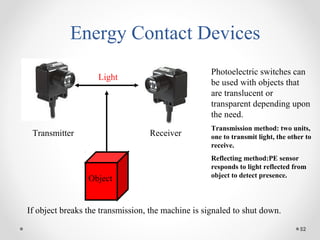
Photoelectric switches can
be used with objects that
are translucent or
transparent depending upon
the need.
Transmission method: two units,
one to transmit light, the other to
receive.
Reflecting method:PE sensor
responds to light reflected from
object to detect presence.
Light
Transmitter Receiver
Object
If object breaks the transmission, the machine is signaled to shut down.
53
Contact Methods
Do not have to be high tech!
Passive devices are sometimes the best method. These can be as
simple as guide pins or blocks that do not allow parts to be seated in the
wrong position prior to processing
Take advantage of parts designed with an uneven shape!
A work piece with a hole a bump or an uneven end is a perfect candidate
for a passive jig. This method signals to the operator right away that the
part is not in proper position.
54
Counting Method
Used when a fixed number of operations are required within a process, or
when a product has a fixed number of parts that are attached to it.
A sensor counts the number of times a part is used or a process is completed
and releases the part only when the right count is reached.
55
Counting Method
Another approach is to count the number of parts or components required
to complete an operation in advance. If operators finds parts leftover
using this method, they will know that something has been omitted from
the process.
In this situation using different color of the pieces are also
recommended.
56
Motion-Sequence Method
The third poka-yoke method uses sensors to determine if a motion or a step
in a process has occurred. If the step has not occurred or has occurred out
of sequence, the the sensor signals a timer or other device to stop the
machine and signal the operator.
57
Motion-Sequence Method
In order to help operators select the right parts for the right step in a process
the “sequencing” aspect of the motion-step method is used. This is
especially helpful when using multiple parts that are similar in size and
shape.
Types of Sensing DevicesTypes of Sensing Devices
58
Sensing devices that are traditionally used in poka-yoke
systems can be divided into three categories:
1. Physical contact devices
2. Energy sensing devices
3. Warning Sensors
Each category of sensors includes a broad range
of devices that can be used depending on the
process.
Introduction
Defects & Costs
Waste Management
Zero Defect Quality ( ZDQ)
Understanding Process Errors
Four Elements of ZDQ
Seven Steps to Poka-Yoke Attainment
Poka-Yoke Methods
Summary
59
POKA-YOKEPOKA-YOKE
to avoid (yokeru) inadvertent errors (poka)to avoid (yokeru) inadvertent errors (poka)
Checklists
Dowel and locating pins
Error & alarm detectors
Limit or touch switches
Detectors, readers, meters,
counters
60
Two types of error proofing devicesTwo types of error proofing devices
POKA-YOKEPOKA-YOKE
Control - eliminates the possibility of
a mistake to occur (automatic
machine shutdown)
Warning - signals that a mistake can
occur (blinking light, alarm, etc.)
61
3 Rules of POKA-YOKE3 Rules of POKA-YOKE
Don’t wait for the perfect
POKA-YOKE. Do it now!
If your POKA-YOKE idea has
better than 50% chance to
succeed…Do it!
Do it now….improve later!
62
63

Poka yoke

  • 1.
    1 A Strategy forExcellent Performance By : k.h.tofighi
  • 2.
    Introduction Defects & Costs WasteManagement Zero Defect Quality ( ZDQ) Understanding Process Errors Four Elements of ZDQ Seven Steps To Poka-Yoke Attainment Poka-Yoke Methods Summary 2
  • 3.
    3 Why is “ZeroDefects” an Important Concept? “Zdx” is a philosophy that guide us to have very close control of what we produce. Key Element in our capability to implement Kaizen- Lean Manufacturing Systems. Allows company to make only what the customer needs.
  • 4.
    Phillip .b. CrosbyPhillip.b. Crosby • In early 1970 he founded the zero defect method to eliminate the extra cost of the system due to the mistakes that was happening in “PERCHING” missiles mass production line. • Later on the others dispread this method in many other business like automotive industries. • He said : " everyone should do things right the first time".
  • 5.
    Introduction Defects & Costs WasteManagement Zero Defect Quality ( ZDQ) Understanding Process Errors Four Elements of ZDQ Seven Steps to Poka-Yoke Attainment Poka-Yoke Methods Summary 5
  • 6.
    6 Why is “ZeroDefects” an Important Concept? Maintain Customer Satisfaction & Loyalty Happy Customers mean more sales!
  • 7.
    7 Why is “ZeroDefects” an Important Concept? COST There is always a cost associated with manufacturing defects!
  • 8.
    8 Costs of Defects? Does it cost more to make processes better ? NO Making processes better leads to reduced Rework Scrap Warranty costs Inspection costs
  • 9.
    9 1-10-100 Rule The 1-10-100rule states that as a product or service moves through the production system, the cost of correcting An error multiplies by 10. Activity Cost Order entered correctly $ 1 Error detected in billing $ 10 Error detected by customer $ 100 Dissatisfied customer shares the experience with others the costs is $1000
  • 10.
    Introduction Defects & Costs WasteManagement Zero Defect Quality ( ZDQ) Understanding Process Errors Four Elements of ZDQ Seven Steps to Poka-Yoke Attainment Poka-Yoke Methods Summary 10
  • 11.
    11 Why is “ZeroDefects” an Important Concept? Key Element in our capability to eliminate waste.
  • 12.
    12 What is Waste? Everythingwe do that costs something without adding value to the product Our objective is: Value added = Maximum Non-Value Added = Minimum
  • 13.
    The nine typesof wasteThe nine types of waste Overproduction Delays (wasting time) Transportation Process (quality affected) Inventories Motions (do it in the wrong way) Defective products Untapped resources Misused resources 13
  • 14.
    14 Philosophy of kaizen: ContinuousImprovement Is the continuous elimination of waste
  • 15.
    The MethodThe Method 15 Checkand measure results Identify waste Search for causes Implement continuous improvement
  • 16.
    Introduction Defects & Costs WasteManagement Zero Defect Quality ( ZDQ) Understanding Process Errors Four Elements of ZDQ Seven Steps to Poka-Yoke Attainment Poka-Yoke Methods Summary 16
  • 17.
    17 What is aZero Defect Quality System (ZDQ)? A quality concept to manufacture ZERO defects & elimination of waste associated with defects! “ZERO” is the goal! We do it slowly , gradually , step by step But finally we do!
  • 18.
    18 What is aZero Defect Quality System (ZDQ)? Based on a discipline that defects are prevented. Control the process so that defects are impossible!
  • 19.
    19 What is aZero Defect Quality System (ZDQ)? No Finger Pointing! Operators and Machines will sometimes make mistakes. Find ways to keep errors from becoming defects!
  • 20.
    20 What is aZero Defect Quality System (ZDQ)? A Method for Mistake-Proofing (Poka-yoke) a process. ZDQ assures that defects are not shipped!
  • 21.
    21 How ZDQ MakesWork Easier Mistake-Proof or Poka-yoke the process! Recognize that it is natural for people to make mistakes.
  • 22.
    22 How ZDQ MakesWork Easier Mistake-Proof or Poka-yoke the process! Not noticing that an error is made or a machine is not functioning does not make a person stupid or fool.
  • 23.
    Introduction Defects & Costs WasteManagement Zero Defect Quality ( ZDQ) Understanding Process Errors Four Elements of ZDQ Seven Steps to Poka-Yoke Attainment Poka-Yoke Methods Summary 23
  • 24.
    24 Relationship between processesand quality defects. •Almost any business activity can be considered a process. •Production processes involve the flow of material. Machining, assembly, and packaging are typical production processes. •Business processes involve the flow of information. Financial planning, purchasing & order entry are typical business processes. •All processes have the potential for defects. Hence, all processes offer a opportunity for the elimination of defects and the resultant quality improvement.
  • 25.
    Poka-Yoke results inPoka-Yokeresults in Quality of ProcessesQuality of Processes 25 Transformation = Quality production the 1st time Inspection eliminated Transport Storage Delay/wait LeadtimeQuality the 1st time Cost
  • 26.
    26 In order toreduce quality defects and stop throwing away money, we must Understand the process an its relationship to other business processes. Identify the inputs and outputs of the process. Know who are the suppliers to and customers of the process. = Reduce the variation of the process And
  • 27.
    27 What Causes Defects? 1.Poor procedures or standards. 2. Machines. 3. Non-conforming material. 4. Worn tooling. 5. Human Mistakes. Except for human mistakes these conditions can be predicted and corrective action can be implemented to eliminate the cause of defects
  • 28.
    28 What Causes Defects? HumanMistakes Simple errors-the most common cause of defects-occur unpredictably. The goal of ZDQ is zero! Make certain that the required conditions are in place and controlled to make acceptable product 100% of the time.
  • 29.
    Ten Types ofHuman MistakesTen Types of Human Mistakes Forgetfulness Misunderstanding Wrong identification Lack of experience Willful (ignoring rules or procedure) Inadvertent or sloppiness Slowliness Lack of standardization Surprise (unexpected machine operation, etc.) Intentional (sabotage) 29
  • 30.
    Introduction Defects & Costs WasteManagement Zero Defect Quality ( ZDQ) Understanding Process Errors Four Elements of ZDQ Seven Steps to Poka-Yoke Attainment Poka-Yoke Methods Summary 30
  • 31.
    31 The 4 Componentsof ZDQ ZDQ functions by combining four elementary components: 1. Point of Origin Inspection 2. 100 % Audit Checks 3. Immediate Feedback 4. Poka-Yoke
  • 32.
    32 Inspection The 3 basicapproaches to inspection of processed product are: Judgment/Standard Inspection Informative Inspection Point of Origin Inspection The first two approaches are widely used and considered traditional. Only Point of Origin Inspection actually eliminates defects.
  • 33.
    33 Point of OriginInspection Focus on prevention, not detection. One of the 4 basic elements of ZDQ. Differs from Judgement and Informative: Catches errors Gives feedback before processing No risk of making more defective product Detect Error Feedback/Corrective Action Process with Zero Defects
  • 34.
    34 ZDQ/Check and Do/Pointof Origin Inspection Point of Origin Inspection •Check for optimum process conditions before processing is done and errors can be made. •Instant feedback. •Corrections made before defects occur.
  • 35.
    35 100% Audit Checks Pointof Origin Inspection on every piece. The second of the 4 basic elements of ZDQ. Differs from SQC inspection: Does not rely on sampling Prevents defects Does not assume defects will statistically occur 100% Audit checks everything on the line! Zero Defects
  • 36.
    36 Quick Feedback Error correctionas soon as possible The third of the 4 basic elements of ZDQ. Differs from traditional inspection approaches that: Correct problems after the process Address the problem when errors are already defects In some cases never identify an error has occurred ZDQ sends the operator a signal and alarms the person that an error has happened! ZDQ Inspections = Immediate Feedback
  • 37.
    Introduction Defects & Costs WasteManagement Zero Defect Quality ( ZDQ) Understanding Process Errors Four Elements of ZDQ Seven Steps to Poka-Yoke Attainment Poka-Yoke Methods Summary 37
  • 38.
    7 steps topoka yoke7 steps to poka yoke Quality Processes :Design “Robust” quality processes to achieve zero defects. Utilize a Team Environment: leverage the teams knowledge, experience to enhance the improvement efforts. Elimination of Errors: Utilize a robust problem solving methodology to drive defects towards zero.( fish bone or ishikawa diagram) Eliminate the “Root Cause” of The Errors: Use the 5 Why’s and 2 H’s approach Do It Right The First Time: Utilizing resources to perform functions correctly the “first” time. Eliminate Non-Value Added Decisions: Don’t make excuses-just do it ! Implement an Incremental Continual Improvement Approach: implement improvement actions immediately and focus on incremental improvements; efforts do not have to result in a 100% improvement immediately. 38
  • 39.
    39 The Seven Guidelinesto Poka- Yoke Attainment 1.) Quality Processes - Design “Robust” quality processes to achieve zero defects. 2.) Utilize a Team Environment- leverage the teams knowledge, experience to enhance the improvement efforts. 3.) Elimination of Errors -Utilize a robust problem solving methodology to drive defects towards zero. 4.) Eliminate the “Root Cause” of The Errors-Use the 5 Why’s and 2 H’s approach 5.) Do It Right The First Time- Utilizing resources to perform functions correctly the “first” time. 6.) Eliminate Non-Value Added Decisions- Don’t make excuses-just do it ! 7.) Implement an Incremental Continual Improvement Approach-implement improvement actions immediately and focus on incremental improvements; efforts do not have to result in a 100% improvement immediately.
  • 40.
    Introduction Defects & Costs WasteManagement Zero Defect Quality ( ZDQ) Understanding Process Errors Four Elements of ZDQ Seven Steps to Poka-Yoke Attainment Poka-Yoke Methods Summary 40
  • 41.
    41 Poka-yoke Mistake-proofing systems The fourthof the 4 basic elements of ZDQ. Does not rely on operators catching mistakes Inexpensive Point of Origin inspection Quick feedback 100% of the time “The machine shut down. We must have made an error!” BEEP! BEEP! BEEP!
  • 42.
    42 Poka-yoke What is Poke-yoke? Amethod that uses sensor or other devices for catching errors that may pass by operators or assemblers. Poka-yoke effects two key elements of ZDQ: Identifying the defect immediately ( Point of Origin Inspection) Quick Feedback for Corrective Action How effective the system is depends on where it is used: Point of Origin orHow effective the system is depends on where it is used: Point of Origin or Informative Inspection.Informative Inspection.
  • 43.
    43 Poka-yoke Poke-yoke and Pointof Origin Inspections( Proactive Approach): A fully implemented ZDQ system requires Poka-yoke usage at or before the inspection points during the process.
  • 44.
    44 Poka-yoke Poka-yoke differs fromInformative Inspection ( Reactive Approach): •Check occurs immediately or after the process. •Can be an operator check at the process or successive check at the next process. •Not 100% effective, will not eliminate all defects. •Effective in preventing defects from being passed to next process.
  • 45.
  • 46.
  • 47.
    47 Poka-yoke Systems Governthe Process Two Poka-Yoke System approaches are utilized in manufacturing which lead to successful ZDQ: 1. Control Approach Shuts down the process when an error occurs. Keeps the “suspect” part in place when an operation is incomplete. 2. Warning Approach Signals the operator to stop the process and correct the problem.
  • 48.
    48 Control System Takes humanelement out of the equation;does not depend on an operator or assembler. Has a high capability of achieving zero defects. Machine stops when an irregularity is detected.
  • 49.
    49 Warning System Sometimes anautomatic shut off system is not an option. A warning or alarm system can be used to get an operators attention. Below left is an example of an alarm system using dials, lights and sounds to bring attention to the problem. Color coding is also an effective non automatic option. BEEP! BEEP! BEEP!
  • 50.
    50 Physical Contact Devices LimitSwitches Toggle Switches
  • 51.
    51 Methods for UsingPoka-yoke Poka-yoke systems consist of three primary methods: 1. Contact 2. Counting 3. Motion-Sequence Each method can be used in a control system or a warning system. Each method uses a different process prevention approach for dealing with irregularities.
  • 52.
    52 Energy Contact Devices Photoelectricswitches can be used with objects that are translucent or transparent depending upon the need. Transmission method: two units, one to transmit light, the other to receive. Reflecting method:PE sensor responds to light reflected from object to detect presence. Light Transmitter Receiver Object If object breaks the transmission, the machine is signaled to shut down.
  • 53.
    53 Contact Methods Do nothave to be high tech! Passive devices are sometimes the best method. These can be as simple as guide pins or blocks that do not allow parts to be seated in the wrong position prior to processing Take advantage of parts designed with an uneven shape! A work piece with a hole a bump or an uneven end is a perfect candidate for a passive jig. This method signals to the operator right away that the part is not in proper position.
  • 54.
    54 Counting Method Used whena fixed number of operations are required within a process, or when a product has a fixed number of parts that are attached to it. A sensor counts the number of times a part is used or a process is completed and releases the part only when the right count is reached.
  • 55.
    55 Counting Method Another approachis to count the number of parts or components required to complete an operation in advance. If operators finds parts leftover using this method, they will know that something has been omitted from the process. In this situation using different color of the pieces are also recommended.
  • 56.
    56 Motion-Sequence Method The thirdpoka-yoke method uses sensors to determine if a motion or a step in a process has occurred. If the step has not occurred or has occurred out of sequence, the the sensor signals a timer or other device to stop the machine and signal the operator.
  • 57.
    57 Motion-Sequence Method In orderto help operators select the right parts for the right step in a process the “sequencing” aspect of the motion-step method is used. This is especially helpful when using multiple parts that are similar in size and shape.
  • 58.
    Types of SensingDevicesTypes of Sensing Devices 58 Sensing devices that are traditionally used in poka-yoke systems can be divided into three categories: 1. Physical contact devices 2. Energy sensing devices 3. Warning Sensors Each category of sensors includes a broad range of devices that can be used depending on the process.
  • 59.
    Introduction Defects & Costs WasteManagement Zero Defect Quality ( ZDQ) Understanding Process Errors Four Elements of ZDQ Seven Steps to Poka-Yoke Attainment Poka-Yoke Methods Summary 59
  • 60.
    POKA-YOKEPOKA-YOKE to avoid (yokeru)inadvertent errors (poka)to avoid (yokeru) inadvertent errors (poka) Checklists Dowel and locating pins Error & alarm detectors Limit or touch switches Detectors, readers, meters, counters 60
  • 61.
    Two types oferror proofing devicesTwo types of error proofing devices POKA-YOKEPOKA-YOKE Control - eliminates the possibility of a mistake to occur (automatic machine shutdown) Warning - signals that a mistake can occur (blinking light, alarm, etc.) 61
  • 62.
    3 Rules ofPOKA-YOKE3 Rules of POKA-YOKE Don’t wait for the perfect POKA-YOKE. Do it now! If your POKA-YOKE idea has better than 50% chance to succeed…Do it! Do it now….improve later! 62
  • 63.

Editor's Notes

  • #9 Eliminating process wastes,such as defects, through implementation of Poka-yoke efforts, will result in more repeatable and reproducible processes. Thus, processes will be more efficient and be more cost effective.
  • #10 This rule shows the importance and the possible escalation of the costs associated with defects. The idea is, that as the defective item is processed, the costs increased by a factor of 10 at each successive step. Theses increases in costs are due to the accumulation of wastes of each successive step as well as the increase in the consumption of resources associated with each additional step in the process.
  • #13 What is waste ? Waste is defined here in general terms. Waste does not add value to the products and services we provide and is therefore non-value added. Thus, by the elimination of wastes, we reduce activities that do not add value to the customer and do not contribute to the profits of our organization! Moreover, when we reduce wastes, we have more time and resources to focus on the value-added activities which are important to our customer and which do contribute the our profits !
  • #14 These are the nine characteristic types of waste affecting process performance. Everything we do or make that does not add value to the product is waste. The goal is to minimize wastes, maximize value add.
  • #15 In order for an organization to continually improve in all aspects of their business, they must eliminate the wastes associated with the processes.
  • #16 As processes are dynamic over time , new wastes appear. The continuous improvement cycle repeats indefinitely in order to address the changing face of waste.
  • #25 Work is a series of interrelated processes. All processes have variation associated with them. Variation results in defects. Defects in one process can lead to defects in another process. When defects escalate costs escalate.
  • #26 If quality is designed into the production process, it may be possible to eliminate inspection.
  • #30 Mistakes can be assigned to any of ten categories depending on the basis of their origin.
  • #40 These are the sevens rules to a successful Poka-yoke implementation, generally in most text you will see 8 guidelines to poka-yoke attainment;we combined two steps into one. These should be custom fitted to your organization and culture.
  • #59 Sensing devices are the actual mechanism used to make contact, count, or identify the motion sequence of a work piece. They are the third tier of a poka-yoke system ( tires: approaches-methods-sensing devices).
  • #61 To prevent mistakes from becoming defects, Poka-Yoke, or error proofing devices build quality into a process. To avoid (yokeru) inadvertent errors (poka) Often worker originated
  • #62 Control examples : polarized electrical plug, gas pump nozzle, car transmission must be in park in order to start engine. Warning examples : disc brake pad noise when pad becomes thin, alarm for car lights left on after engine is turned off.
  • #63 Adopt a bias for action, avoid paralysis by analysis