Hiron Saraj Devnath
Pharmacy Discipline, Khulna University.
Role of
Inorganic Materials
in Pharmacy
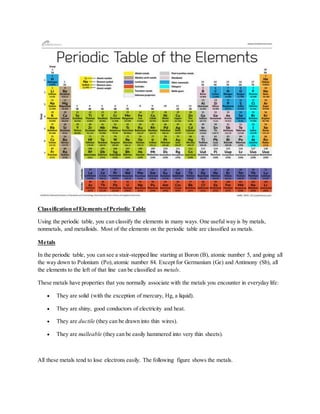
Periodic Table
The periodic table is a tabular arrangement of the chemical elements, organized on the basis of
their atomic number (number of protons in the nucleus), electron configurations, and recurring
chemical properties. Elements are presented in order of increasing atomic number, which is
typically listed with the chemical symbol in each box. The standard form of the table consists of
a grid of elements laid out in 18 columns and 7 rows, with a double row of elements below that.
The table can also be deconstructed into four rectangular blocks: the s-block to the left, the p-
block to the right, the d-block in the middle, and the f-block below that. The rows of the table are
called periods; the columns are called groups, with some of these having names such as halogens
or noble gases.
History of Periodic Table
The history of the periodic table reflects over a century of growth in the understanding of
chemical properties. The most important event in its history occurred in 1869, when the table
was published by Dmitri Mendeleev, who built upon earlier discoveries by scientists such as
Antoine-Laurent de Lavoisier and John Newlands, but who is nevertheless generally given sole
credit for its development.
The modern periodic table is also known as the long form of the periodic table or the extended
form of the periodic table.
In this table, the elements are arranged in the order of increasing atomic numbers in such away
that elements with similar properties fall in the same vertical column. These vertical columns are
referred to as 'Groups'. There are eight groups, which are further sub-divided into eighteen sub-
groups. There are 7 horizontal rows in the periodic table. These are called the periods.Noble
(inert) gases are placed in the 18 or VIII A, which is at the extreme right of the table. Halogens
are placed in group 17 or VII A, just ahead of the noble gas elements. The alkali metals (Na, K,
etc.) are placed in group 1 or I A and the alkaline earth metals (Ca, Ba, etc.) are placed in 2 or II
A which is at the extreme left of the table. Transition elements such as copper, iron, etc., are
placed in the 3 to 12 groups, which occur at the middle of the table. The inner transition
elements, lanthanides and actinides are placed in two separate series at the bottom of the main
body of the periodic table.
Classification ofElements ofPeriodic Table
Using the periodic table, you can classify the elements in many ways. One useful way is by metals,
nonmetals, and metalloids. Most of the elements on the periodic table are classified as metals.
Metals
In the periodic table, you can see a stair-stepped line starting at Boron (B), atomic number 5, and going all
the way down to Polonium (Po),atomic number 84. Except for Germanium (Ge) and Antimony (Sb), all
the elements to the left of that line can be classified as metals.
These metals have properties that you normally associate with the metals you encounter in everyday life:
 They are solid (with the exception of mercury, Hg, a liquid).
 They are shiny, good conductors of electricity and heat.
 They are ductile (they can be drawn into thin wires).
 They are malleable (they can be easily hammered into very thin sheets).
All these metals tend to lose electrons easily. The following figure shows the metals.
Nonmetals
Except for the elements that border the stair-stepped line, the elements to the right of the line are
classified as nonmetals (along with hydrogen). Nonmetals have properties opposite those of the metals.
The nonmetals are brittle, not malleable or ductile, poor conductors of both heat and electricity, and tend
to gain electrons in chemical reactions. Some nonmetals are liquids. These elements are shown in the
following figure.
Metalloids
Metalloids usually look like metals but behave largely like nonmetals. Physically, they are shiny, brittle
solids with intermediate to relatively good electrical conductivity and the electronic band structure of a
semimetal or semiconductor. Chemically, they mostly behave as (weak) nonmetals, have intermediate
ionization energies and electronegativity values, and amphoteric or weakly acidic oxides. They can form
alloys with metals. Most of their other physical and chemical properties are intermediate in nature.
Noble Gases
The noble gases make a group of chemical elements with similar properties: under standard conditions,
they are all
 odorless,
 colorless,
 monatomic gases with very low chemical reactivity.
The six noble gases that occur naturally are helium (He), neon (Ne),argon (Ar), krypton (Kr), xenon
(Xe), and the radioactive radon (Rn).
The noble gases have weak interatomic force,and consequently have very low melting and boiling points.
They are all monatomic gases under standard conditions, including the elements with larger atomic
masses than many normally solid elements.
Role ofInorganic Materials in Pharmacy
A comprehensive introduction to inorganic chemistry and, specifically, the science of metal-based drugs,
Essentials of Inorganic Chemistry describes the basics of inorganic chemistry, including organometallic
chemistry and radiochemistry, from a pharmaceutical perspective. Importance of inorganic compounds in
pharmacy and medicine, Gastrointestinal Agents, Major Intra- and Extra-cellular Electrolytes, Essential
and Trace Elements, Topical Agents, Gases and Vapors, DentalProducts, Miscellaneous Agents,
Pharmaceuticalaids, Acids, Bases and Buffers,Inorganic Radiopharmaceuticals.
Alkali Metals: (IA)
Lithium
Lithium occurs in small amounts in Earth's surface,usually in association with compounds of aluminum.
Lithium compounds are regarded as slightly toxic, and perhaps more than the other Group IA elements.
Lithium appears not to have a biological role, which does not meant that lithium compounds do not have
an affect. Most people know lithium best because of its use (in the form of lithium carbonate) as a way of
controlling certain mental disorders. People who suffer from manic depression (a mental illness in
which highly excited, agitated manic moods alternate with sad, depressed moods) can often benefit from
regular treatments with lithium carbonate. Lithium is also used industrially in lubricants, batteries, glass,
and alloys (mixtures of metals) with lead, aluminum, and magnesium.
Sodium
Sodium is used in the manufacture of tetraethyl lead and as a cooling agent in nuclear reactors. The most
important compound of sodium is sodium chloride, known commonly as salt. Other important compounds
are sodium carbonate, known as washing soda, and sodium bicarbonate, known as baking soda. Sodium
tetraborate is known commonly as borax. Sodium fluoride, NaF,is used as an antiseptic. Sodium
peroxide, Na2O2,is an important bleaching and oxidizing agent. Sodium is used to produce sodium
peroxide and sodium hydride. Liquid sodium, with its high thermal conductivity, is used as a heat
exchange liquid in fastbreeder nuclear reactors,and in sodium-filled electrical transmission lines. Sodium
also plays some important roles in living organisms. It regulates nerve transmission, alters cell membrane
permeability, and
Sodium stored in oil to prevent its reaction with the surrounding air.
Potassium
Potassium is used in fertilizers and matches. KCl, a salt, is also useful to people who require low sodium
diets. High doses of potassium will stop the heart and are a main component of the solution used in
executions via lethal injection. Due to its yellow color in compounds, it is used in fireworks, inks, and
dyes. Potassium iodide (KI) is used in medicine for the treatment of rheumatism and over activity of the
thyroid gland. Potassium hydrogen tartrate (KHC4H4O6),commonly known as cream of tartar,is a white
solid used in baking powder and in medicine. Potassium salts are extremely toxic when injected.
Vomiting (emesis) helps prevents toxic effects from ingestion of excess amounts of potassium. Like
sodium, potassium is a vital nutrient for organisms in a variety of ways.
Rubidium
Rubidium reacts quickly with O2 and is useful in vacuum tubes and photocells. Rubidium burns purple
and is sometimes used in fireworks. Rubidium is also used in laser cooling devices. Rubidium is
employed primarily in various kinds of chemical research. One of its compounds has been used to treat
patients with depression. In addition, some kinds of glass and radiation detection equipment are made
with cesium compounds.
Alkaline Earth Metals:( IIA)
Beryllium
Beryllium is found primarily in emeralds and aquamarines, both precious stones that are forms of the
beryllium alluminosilicate compound beryl. Though it is toxic to humans, beryllium nonetheless has an
application in the health-care industry: because it lets through more x rays than does glass, beryllium is
often used in x-ray tubes.
Magnesium
In the human body, magnesium ions (charged atoms) aid in the digestive process,and many people take
mineral supplements containing magnesium, sometimes in combination with calcium. There is also its use
as a laxative, already mentioned. Epsom salts, as befits their base or alkaline quality, are exceedingly
bitter—the kind of substance a person only ingests under conditions of the most dire necessity. On the
other hand, milk of magnesia is a laxative with a far less unpleasant taste. It plays a critical role in
chlorophyll, the green pigment in plants that captures energy from sunlight, and for this reason,it is also
used in fertilizers.
Calcium
The food, cosmetic, and pharmaceutical industries use calcium in antacids, toothpaste, chewing gum, and
vitamins. To an even greater extent than magnesium, calcium is important to living things, and is present
in leaves, bone, teeth, shells, and coral. In the human body, it helps in the clotting of blood, the
contraction of muscles, and the regulation of the heartbeat. Found in green vegetables and dairy products,
calcium (along with calcium supplements) is recommended for the prevention of osteoporosis. The latter,
a condition involving a loss of bone density, affects elderly women in particular, and causes bones to
become brittle and break easily. Calcium is very important to the health and strength of bones and teeth.
Strontium:
"applications" of strontium involved the radioactive isotope strontium-90, a by-product of nuclear
weapons testing in the atmosphere from the late 1940s onward. The isotope fell to earth in a fine powder,
coated the grass,was ingested by cows, and eventually wound up in the milk they produced. Because of
its similarities to calcium, the isotope became incorporated into the teeth and gums of children who drank
the milk, posing health concerns that helped bring an end to atmospheric testing in the early 1960s.
Barium
Barium is used in enemas, and barium sulfate is used to coat the inner lining of the intestines to allow a
doctor to examine a patient's digestive system. (Though barium is poisonous, in the form of barium
sulfate it is safe for ingestion because the compound does not dissolve in water or other bodily fluids.)
Prior to receiving x rays, a patient may be instructed to drink a chalky barium sulfate liquid, which
absorbs a great deal of the radiation emitted by the x-ray machine. This adds contrast to the black-and-
white x-ray photo, enabling the doctor to make a more informed diagnosis.
Radium
Radium is also used in paints. Radiation therapy for cancer sometimes involves the use of radium.
Radium was once used as an additive in various toothpastes, but has been removed to to health risks.
Historically, radium was used in Rutherford's famous gold foil experiment.
Group (IIIA)
Boron
Boric acid has antiseptic, antifungal, and antiviral properties and for these reasons is applied as a water
clarifier in swimming pool water treatment. Mild solutions of boric acid have been used as eye
antiseptics. Bortezomib (Velcade). Boron appears as an active element in its first-approved organic
pharmaceutical in the novel pharmaceutical bortezomib, a new class of drug called the proteasome
inhibitors, which are active in myeloma and one form of lymphoma (it is in currently in experimental
trials against other types of lymphoma). The boron atom in bortezomib binds the catalytic site of the 26S
proteasome with high affinity and specificity. A number of potential boronated pharmaceuticals using
boron-10, have been prepared for use in boron neutron capture therapy (BNCT). Some boron compounds
show promise in treating arthritis, though none have as yet been generally approved for the purpose.
Boron is used in detergents (i.e. Borax) and in boric acid, which is used as an antiseptic. Boron shielding
is used as a control for nuclear reactors,taking advantage of its high cross-section for neutron capture.
There exists one known boron-containing natural antibiotic, boromycin, isolated from streptomyces.
Aluminum
Vaccine formulations containing aluminium hydroxide stimulate the immune system by inducing the
release of uric acid, an immunological danger signal. This strongly attracts certain types of monocytes
which differentiate into dendritic cells. aluminum acetate solution Burow's solution. Basic aluminum
carbonate gel an aluminum hydroxide–aluminum carbonate gel, used as an antacid, for treatment of
hyperphosphatemia in renal insufficiency, and to prevent phosphate urinary calculi. Aluminum chloride a
topical astringent solution and antiperspirant. Aluminum chlorohydrate an antiperspirant; called also
aluminum hydroxychloride. Aluminum hydroxide the hydroxide of aluminum, used as an antacid and
phosphate binder; the official preparation is aluminum hydroxide gel. Aluminum hydroxide gel a
preparation of aluminum hydroxide in suspension or dried form, used as an antacid in the treatment of
peptic ulcer and gastric hyperacidity and as a phosphate binder in treatment of phosphate nephrolithiasis.
Aluminum hydroxychloride aluminum chlorohydrate. Aluminum oxide Al2O3, occurring naturally as
various minerals; used in the production of abrasives,refractories, ceramics,catalysts, to strengthen
dental ceramics,and in chromatography. Aluminum phosphate gel a water suspension of aluminum
phosphate and some flavoring agents; used as a gastric antacid, astringent, and soothing agent. Aluminum
poisoning the toxic effects of high levels of aluminum or its compounds in the body. In the
gastrointestinal tract aluminum inhibits absorption of electrolytes; inhalation of aluminum fumes may
cause pulmonary fibrosis; and aluminum in the bloodstream may lead to serious neurological symptoms,
such as in dialysis encephalopathy. Aluminum silicate the silicate salt of aluminum, found in nature in
severaldifferent hydrated forms that have pharmaceutical or dental uses; see attapulgite, fuller's earth,
and kaolin. Aluminum sub acetate a compound used as an astringent, diluted with water. Aluminum
sulfate a compound used as an astringent solution and antiperspirant.
Gallium
Although gallium has no natural function in biology, gallium ions interact with processes in the body in a
similar manner to iron(III). As these processes include inflammation, which is a marker for many disease
states,severalgallium salts are used, or are in development, as both pharmaceuticals and
radiopharmaceuticals in medicine. When gallium ions are mistakenly taken up by bacteria such as
Pseudomonas, the bacteria's ability to respire is interfered with and the bacteria die. The mechanism
behind this is that iron is redox active, which allows for the transfer of electrons during respiration, but
gallium is redox inactive. Gallium maltolate has high bioavailability and the gallium is antiproliferative to
pathologically proliferating cells, particularly cancer cells and some bacteria, due primarily to its ability to
mimic ferric iron (Fe3+).Gallium nitrate (brand name Ganite) has been used as an intravenous
pharmaceutical to treat hypercalcemia associated with tumor metastasis to bones. Gallium is thought to
interfere with osteoclast function. It may be effective when other treatments for maligancy-associated
hypercalcemia are not. Gallium maltolate, an orally absorbable form of gallium(III) ion, is in clinical and
preclinical trials as a potential treatment for a number of types of cancer,infectious disease,and
inflammatory disease. A complex amine-phenol Ga(III) compound MR045 was found to be selectively
toxic to parasites that have developed resistance to chloroquine, a common drug against malaria. Both the
Ga (III) complex and chloroquine act by inhibiting crystallization of hemozoin, a disposal product formed
from the digestion of blood by the parasites.
Indium
The health effects of exposure to Indium have been little studied. The EU does not consider it a chemical
of "High Concern". Indium tin oxide and indium phosphide have been shown to cause harm to the
pulmonary and immune systems, predominantly through ionic indium. Mild eye irritation may result from
exposure to its dust or vapor. Lab studies in animals have shown injection may cause liver and kidney
damage. Because of its rarity, little is known about its ecological fate, bioaccumulation has not been ruled
out.
Thallium
Before the widespread application of technetium-99m in nuclear medicine, the radioactive isotope
thallium-201, with a half-life of 73 hours, was the main substance for nuclear cardiography. The nuclide
is still used for stress tests for risk stratification in patients with coronary artery disease (CAD).[40] This
isotope of thallium can be generated using a transportable generator which is similar to the technetium-
99m generator. The generator contains lead-201 (half-life 9.33 hours) which decays by electron capture to
the thallium-201. The lead-201 can be produced in a cyclotron by the bombardment of thallium with
protons or deuterons by the (p,3n) and (d,4n) reactions.
Group (IVA)
Z Element
6 Carbon
14 Silicon
32 Germanium
50 Tin
82 Lead
114 Flerovium
Carbon
Chemviron Carbon has a range of high purity powder and granular carbons that are suitable for the
purification of phamaceuticals including:
 Amino Acids including: methionine, lysine, mono sodium glutamate (MSG), phenyl alanine,
aspartic acid, glycine
 Blood plasma
 Contrast liquids
 Enzymes
 Folic acid
 Intravenous solution
Silicon
Silica is a common additive in the production of foods, where it is used primarily as a flow agent in
powdered foods, or to absorb water in hygroscopic applications. It is the primary component of
diatomaceous earth. Colloidal silica is also used as a wine, beer, and juice fining agent.
In pharmaceutical products, silica aids powder flow when tablets are formed.
Tin
Tin bonds readily to iron and is used for coating lead, zinc and steelto prevent corrosion. Tin-plated steel
containers are widely used for food preservation, and this forms a large part of the market for metallic tin.
Lead
In the human body, lead inhibits porphobilinogen synthase and ferrochelatase,preventing both
porphobilinogen formation and the incorporation of iron into protoporphyrin IX, the final step in heme
synthesis. This causes ineffective heme synthesis and subsequent microcytic anemia. At lower levels, it
acts as a calcium analog, interfering with ion channels during nerve conduction. This is one of the
mechanisms by which it interferes with cognition. Acute lead poisoning is treated using disodium calcium
edetate:the calcium chelate of the disodium salt of ethylene-diamine-tetracetic acid (EDTA). This
chelating agent has a greater affinity for lead than for calcium and so the lead chelate is formed by
exchange. This is then excreted in the urine leaving behind harmless calcium. According to the Agency
for Toxic Substance and Disease Registry, a small amount of ingested lead (1%) will store itself in bones,
and the rest will be excreted by an adult through urine and feces within a few weeks of exposure.
However,only about 32% of lead will be excreted by a child.
Group (VA)
Nitrogen
Plants are able to assimilate nitrogen directly in the form of nitrates that may be present in soil from
natural mineral deposits, artificial fertilizers, animal waste,or organic decay (as the product of bacteria,
but not bacteria specifically associated with the plant). Nitrates absorbed in this fashion are converted to
nitrites by the enzyme nitrate reductase,and then converted to ammonia by another enzyme called nitrite
reductase. Nitrogen compounds are basic building blocks in animal biology as well. Animals use
nitrogen-containing amino acids from plant sources as starting materials for all nitrogen-compound
animal biochemistry, including the manufacture of proteins and nucleic acids. Plant-feeding insects are
dependent on nitrogen in their diet, such that varying the amount of nitrogen fertilizer applied to a plant
can affect the reproduction rate of insects feeding on fertilized plants.
Phosphorus
The main component of bone is hydroxyapatite as well as amorphous forms of calcium phosphate,
possibly including carbonate. Hydroxyapatite is the main component of tooth enamel. Water fluoridation
enhances the resistance of teeth to decay by the partial conversion of this mineral to the still harder
material called fluoroapatite:. Ca5(PO4)3OH + F−
→ Ca5(PO4)3F + OH−
Arsenic
Despite the well known toxicity of arsenic, arsenic trioxide has long been of biomedical interest, dating to
traditional Chinese medicine, where it is known as Pi Shuang and is still used to treat cancer and other
conditions, and to homeopathy, where it is called arsenicum album. Some discredited patent medicines,
e.g., Fowler's solution, contained derivatives of arsenic oxide.
Antimony (Sb)
Antimony-based drugs, such as meglumine antimoniate, are also considered the drugs of choice for
treatment of leishmaniasis in domestic animals. Unfortunately, as well as having low therapeutic indices,
the drugs are poor at penetrating the bone marrow, where some of the Leishmania amastigotes reside, and
so cure of the disease – especially the visceral form – is very difficult. Elemental antimony as an
antimony pill was once used as a medicine. It could be reused by others after ingestion and elimination.
Bismuth
Bismuth is an ingredient in some pharmaceuticals, although the use of some of these substances is
declining. Bismuth subsalicylate is used as an antidiarrheal; it is the active ingredient in such "Pink
Bismuth" preparations as Pepto-Bismol, as well as the 2004 reformulation of Kaopectate. It is also used to
treat some other gastro-intestinal diseases. The mechanism of action of this substance is still not well
documented, although an oligodynamic effect (toxic effect of small doses of heavy metal ions on
microbes) may be involved in at least some cases. Salicylic acid from hydrolysis of the compound is
antimicrobial for toxogenic E. coli, an important pathogen in traveler's diarrhea. A combination of
bismuth subsalicylate and bismuth subcitrate is used to treat peptic ulcers. Bibrocathol is an organic
bismuth-containing compound used to treat eye infections. Bismuth subgallate, the active ingredient in
Devrom, is used as an internal deodorant to treat malodor from flatulence ("gas") and feces.Bismuth
compounds (including sodium bismuth tartrate) were formerly used to treat syphilis."Milk of bismuth"
(an aqueous solution of bismuth hydroxide and bismuth subcarbonate) was marketed as an alimentary
cureall in the early 20th century. Bismuth subnitrate (Bi5O(OH)9(NO3)4) and bismuth subcarbonate
(Bi2O2(CO3)) are also used in medicine.
Group (VIA)
Oxygen
Oxygen and other compressed gasses are used in conjunction with a nebulizer for topical delivery of
medications to the upper and lower airways. Nebulizers use compressed gas to propel liquid medication
into an aerosol, with specific therapeutically sized droplets, for deposition in the appropriate, desired
airway. Compressed gas, usually at flows of 8-10 L/min, is used to "nebulize" medications, saline and
sterile water into a theraputeic aerosol for inhalation. In the clinical setting room air (ambient mix of
severalgasses),Oxygen and Heli-Ox gas are commonly used to nebulize small, large and continuous
volumes of liquid.
Sulfur
Sulfur is an essential component of all living cells.In plants and animals, the amino acids cysteine and
methionine contain most of the sulfur. The element is thus present in all polypeptides, proteins, and
enzymes that contain these amino acids. In humans, methionine is an essential amino acid that must be
ingested. However,save for the vitamins biotin and thiamine, cysteine and all sulfur-containing
compounds in the human body can be synthesized from methionine. The enzyme sulfite oxidase is needed
for the metabolism of methionine and cysteine in humans and animals.
Selenium
The substance loosely called selenium sulfide (approximate formula SeS2) is the active ingredient in
some anti-dandruff shampoos. The selenium compound kills the scalp fungus Malassezia, which causes
shedding of dry skin fragments. The ingredient is also used in body lotions to treat tinea versicolor due to
infection by a different species of Malassezia fungus.
Tellurium
Tellurium has no known biological function, although fungi can incorporate it in place of sulfur and
selenium into amino acids such as telluro-cysteine and telluro-methionine.[5][63] Organisms have shown
a highly variable tolerance to tellurium compounds. Many cells, such as Pseudomonas aeruginosa take up
tellurite and reduce it to elemental tellurium which accumulates and causes a characteristic and often
dramatic darkening of cells. In yeast, this reduction is mediated by the sulfate assimilation pathway.
Tellurium accumulation seems to account for a major part of the toxicity effects. Many organisms also
metabolize tellurium partly to form dimethyl telluride although dimethyl ditelluride is also formed by
some species. Dimethyl telluride has been observed in hot springs at very low concentrations.
Halogens
Florin
Fluorine is used in non-stick Teflon pans. Fluorine is also used to etch glass and is an ingredient in
toothpaste. CFCs, or chlorofluorocarbons, are a main component in refrigeration and cooling units.
Fluorine has been added in very small quantities to public water supplies to reduce tooth decay.
Chlorine
The use of chlorine is quite common. You may recognize the smell of chlorine in public swimming pools
or bleach. This is because chlorine makes an excellent disinfectant. One of the most common applications
of chlorine is in something that you ingest every day: table salt is NaCl.
Bromine
Bromine is used as a pesticide. It is also used to flame-proof things. Bromine, like chlorine, is commonly
used in disinfectants and sanitizers. A bottle of PRN PharmaceuticalCompany (Pensacola,FL) K•BroVet
veterinary pharmaceutical potassium bromide oral solution (250 mg / mL). The product is intended to be
used in dogs, primarily as an antiepileptic (to stop seizures).
Iodine
Potassium iodide has been used as an expectorant, although this use is increasingly uncommon. In
medicine, potassium iodide is usually used to treat acute thyrotoxicosis, usually as a saturated solution of
potassium iodide called SSKI. It is also used to block uptake of iodine-131 in the thyroid gland (see
isotopes section above), when this isotope is used as part of radiopharmaceuticals (such as iobenguane)
that are not targeted to the thyroid or thyroid-type tissues. Iodine, as an element with high electron density
and atomic number, absorbs X-rays well.
Noble Gas
Some noble gases have direct application in medicine.
 Helium is sometimes used to improve the ease of breathing of asthma sufferers.
 Xenon is used as an anesthetic because of its high solubility in lipids, which makes it more potent
than the usual nitrous oxide, and because it is readily eliminated from the body, resulting in faster
recovery. Xenon finds application in medical imaging of the lungs through hyperpolarized MRI.
 Radon, which is highly radioactive and is only available in minute amounts, is used in
radiotherapy.
Transition Metals
Copper
The human body is about 0.0004% copper, though as noted, larger quantities of copper can be toxic.
Copper is found in foods such as shell-fish, nuts, raisins, and dried beans. Whereas human blood has
hemoglobin, a molecule with an iron atom at the center,the blood of lobsters and other large crustaceans
contains hemocyanin, in which copper performs a similar function.
Zinc
Zinc phosphide is used as a rodent poison. Like severalother transition metals, zinc is a part of many
living things, yet it can be toxic in large quantities or specific compounds. For a human being, inhaling
zinc oxide causes involuntary shaking. On the other hand, humans and many animals require zinc in their
diets for the digestion of proteins. Furthermore, it is believed that zinc contributes to the healing of
wounds and to the storage of insulin in the pancreas.
Cadmium
Cadmium is highly toxic, and is believed to be the cause behind the outbreak of itai-itai ("ouch-ouch")
disease in Japan in 1955. People ingested rice oil contaminated with cadmium, and experienced a number
of painful side effects associated with cadmium poisoning: nausea,vomiting, choking, diarrhea,
abdominal pain, headaches,and difficulty breathing.
Mercury
Even with elements present in the human body, such as zinc, there is a danger of toxicity with exposure to
large quantities. Mercury, on the other hand, does not occur naturally in the human body, and is therefore
extremely dangerous. Because it is difficult for the body to eliminate, even small quantities can
accumulate and exert their poisonous effects,resulting in disorders of the nervous system.
Iron
Iron tonic helps to provide iron supplements in human body. It is an effective medicine for those who
suffer from anemia and low blood-iron. Iron tonic is very essential for women because menstruation,
pregnancy and breastfeeding reduce iron stores in body. Iron tonic increase your energy, overall health
and wellbeing. Iron tonic is essential for vegetarians who are at higher risk of developing iron deficiency
and also for those who eat little red meat. It also aids in immune function. It also helps in cognitive
development and temperature regulation. Iron tonics help in energy metabolism and work performance.
Manganese
Manganese is an important metal for human health, being absolutely necessary for development,
metabolism, and the antioxidant system. Nevertheless,excessive exposure or intake may lead to a
condition known as manganism, a neurodegenerative disorder that causes dopaminergic neuronal death
and parkinsonian- like symptoms.
Chromium
Chromium deficiency has been attributed to only three people on long-term parenteralnutrition, which is
when a patient is fed a liquid diet through intravenous drips for long periods of time. Although no
biological role for chromium has ever been demonstrated, dietary supplements for chromium include
chromium(III) picolinate, chromium(III) polynicotinate, and related materials.
uses of molybdenum compounds are described in this section.
Molybdenum
 Treatment of anaemia
 Prevention of dental caries
 Effect of molybdenum on the immunological reactivity of organisms
 Molybdenum and cancer
 Bioorganometallic chemistry of molybdenocene dichloride and its derivatives: cancer therapy
 Molybdocene is cytotoxic
 Anti-cancer activity of molybdophosphate: heteropoly Mo
 Polyoxomolybdate
 Therapeutic antitumour
 Molybdenum anti-tumour compounds
 Diabetes
 Therapeutic diabetes
Silver
The medical uses of silver include its incorporation into wound dressings, and its use as an antibiotic
coating in medical devices. Wound dressings containing silver sulfadiazine or silver nanomaterials may
be used to treat external infections. Silver is also used in some medical applications, such as urinary
catheters and endotrachealbreathing tubes, where there is tentative evidence that it is effective in
reducing catheter-related urinary tract infections and ventilator-associated pneumonia respectively. The
silver ion (Ag+) is bioactive and in sufficient concentration readily kills bacteria in vitro. Silver and silver
nanoparticles are used as an antimicrobial in a variety of industrial, healthcare and domestic applications.
Nickel
Nickel can have an impact on human health through infectious diseases arising from nickel-dependent
bacteria. Nickel released from Siberian Traps volcanic eruptions (site of the modern city of Norilsk) is
suspected of having had a significant impact on the role played by Methanosarcina, a genus of
euryarchaeote archaea that produced methane during the biggest extinction event on record.
Cobalt
Cobalt is essential to all animals. It is a key constituent of cobalamin, also known as vitamin B12, which
is the primary biological reservoir of cobalt as an "ultratrace" element.[75][76] Bacteria in the guts of
ruminant animals convert cobalt salts into vitamin B12,a compound which can only be produced by
bacteria or archaea. The minimum presence of cobalt in soils therefore markedly improves the health of
grazing animals, and an uptake of 0.20 mg/kg a day is recommended for them, as they can obtain vitamin
B12 in no other way.
Titanium
Titanium biocompatibility: Because it is biocompatible (it is non-toxic and is not rejected by the body),
titanium has many medical uses, including surgical implements and implants, such as hip balls and
sockets (joint replacement) that can stay in place for up to 20 years. The titanium is often alloyed with
about 4% aluminium or 6% Al and 4% vanadium. titanium is non-ferromagnetic, patients with titanium
implants can be safely examined with magnetic resonance imaging (convenient for long-term implants).
Preparing titanium for implantation in the body involves subjecting it to a high-temperature plasma arc
which removes the surface atoms,exposing fresh titanium that is instantly oxidized. Titanium is also used
for the surgical instruments used in image-guided surgery, as well as wheelchairs, crutches,and any other
products where high strength and low weight are desirable.
Vanadium
Deficiencies in vanadium result in reduced growth and impaired reproduction in rats and chickens.
Vanadium is a relatively controversial dietary supplement, used primarily for increasing insulin
sensitivity and body-building. Whether it works for the latter purpose has not been proven; some
evidence suggests that athletes who take it are merely experiencing a placebo effect. Vanadylsulfate may
improve glucose control in people with type 2 diabetes. Decavanadate and oxovanadates appear to play a
role in a variety of biochemical processes,such as those relating to oxidative stress.
Scandium
Elemental scandium is considered non-toxic and little animal testing of scandium compounds has been
done. The median lethal dose (LD50) levels for scandium(III) chloride for rats have been determined as 4
mg/kg for intraperitoneal and 755 mg/kg for oral administration. Dentists use erbium, chromium: yttrium-
scandium-gallium garnet (Er,Cr:YSGG) lasers for cavity preparation and in endodontics.
Zirconium
Zirconium-containing compounds are used in many biomedical applications including dental implants
and other restorative practices, knee and hip replacements, and middle-ear ossicular chain reconstruction.
Zirconium cyclosilicate is under investigation for oral therapy in the treatment of hyperkalemia. It is a
highly selective oral sorbent designed specifically to trap potassium ions over other ions throughout the
gastrointestinal tract.
Lanthanides
Lanthanum
While lanthanum has pharmacological effects on severalreceptors and ion channels, its specificity for the
GABA receptor is unique among divalent cations. Lanthanum acts at the same modulatory site on the
GABA receptor as zinc- a known negative allosteric modulator. The lanthanum cation La3+ is a positive
allosteric modulator at native and recombinant GABA receptors,increasing open channel time and
decreasing desensitization in a subunit configuration dependent manner.
Cerium
Cerium can act similar to calcium in organisms, so accumulates in bones in small amounts. Cerium is also
found in small amounts in tobacco plants, barley, and the wood of beech trees. However,very little
cerium accumulates in the food chain. Human blood contains 0.001 ppm, human bones contain 3 ppm,
and human tissue contains 0.3 ppm of cerium. There is a total of 40 milligrams of cerium in a typical 70-
kilogram human. Humans typically consume less than a milligram per day of cerium. Cerium (or other
lanthanides) are the cofactor for the methanol dehydrogenase of the methanotrophic bacterium
Methylacidiphilum fumariolicum SolV. Cerium salts can stimulate metabolism.
Prasedymium
Praseodymium was selected as a promoter for SnO2/Ti electrode to improve the electrocatalytic
performance by electrodeposition in pharmaceutical wastewater treatment; the micrograph and the
structure were characterized by SEM and XRD. The electrocatalytic performance of the electrode doped
with Pr was superior for the treatment of pharmaceutical wastewater.
Neodymium
Neodymium magnets have been tested for medical uses such as magnetic braces and bone repair, but
biocompatibility issues have prevented widespread application. Commercially available magnets made
from neodymium are exceptionally strong, and can attract each other from large distances. If not handled
carefully, they come together very quickly and forcefully, causing injuries. For example, there is at least
one documented case of a person losing a fingertip when two magnets he was using snapped together
from 50 cm away. Neodymium also acts as an anticoagulant, especially when given intravenously.
Promethium
Promethium is also used to measure the thickness of materials by evaluating the amount of radiation from
a promethium source that passes through the sample. It has possible future uses in portable X-ray sources,
and as auxiliary heat or power sources for space probes and satellites (although the alpha emitter
plutonium-238 has become standard for most space-exploration-related uses.
Samarium
Samarium metal has no biological role in the human body. Its salts stimulate metabolism, but it is unclear
whether this is the effect of samarium or other lanthanides present with it. The total amount of samarium
in adults is about 50 µg, mostly in liver and kidneys and with about 8 µg/L being dissolved in the blood.
Samarium is not absorbed by plants to a measurable concentration and therefore is normally not a part of
human diet.
Gadolinium
Gadolinium has no known native biological role, but its compounds are used as research tools in
biomedicine. Gd3+ compounds are components of MRI contrast agents. It is used in various ion channel
electrophysiology experiments to block sodium leak channels and stretch activated ion channels.
Holmium
Holmium plays no biological role in humans, but its salts are able to stimulate metabolism.[14] Humans
typically consume about a milligram of holmium a year. Plants do not readily take up holmium from the
soil. Some vegetables have had their holmium content measured,and it amounted to 100 parts per trillion.
Erbium
Erbium does not have a biological role, but erbium salts can stimulate metabolism. Humans consume 1
milligram of erbium a year on average. The highest concentration of erbium in humans is in the bones,
but there is also erbium in the human kidneys and liver. A large variety of medical applications (i.e.
dermatology, dentistry) utilize erbium ion's 2940 nm emission (see Er:YAG laser), which is highly
absorbed in water (absorption coefficient about 12000/cm). Such shallow tissue deposition of laser energy
is necessary for laser surgery, and the efficient production of steam for laser enamel ablation in dentistry.
Thulium
Despite its high cost, portable X-ray devices use thulium that has been bombarded in a nuclear reactor as
a radiation source. These sources have a useful life of about one year, as tools in medical and dental
diagnosis, as well as to detect defects in inaccessible mechanical and electronic components. There is
only a very small amount of thulium in the human body, but the exact amount is unknown. Thulium has
not been observed to have a biological role, but small amounts of soluble thulium salts stimulate
metabolism. Soluble thulium salts are mildly toxic, but insoluble thulium salts are completely nontoxic.
Lutetium
The synthetic isotope lutetium-177 bound to octreotate (a somatostatin analogue), is used experimentally
in targeted radionuclide therapy for neuroendocrine tumors. Indeed, lutetium-177 is seeing increasing use
as a radionuclide, in neuroendrocine tumor therapy and bone pain palliation.
Actinides
Actinium
225Ac is applied in medicine to produce 213Bi in a reusable generator or can be used alone as an agent
for radiation therapy, in particular targeted alpha therapy (TAT). This isotope has a half-life of 10 days
that makes it much more suitable for radiation therapy than 213Bi (half-life 46 minutes). Not only 225Ac
itself, but also its decay products emit alpha particles which kill cancer cells in the body. The major
difficulty with application of 225Ac was that intravenous injection of simple actinium complexes resulted
in their accumulation in the bones and liver for a period of tens of years. As a result, after the cancer cells
were quickly killed by alpha particles from 225Ac, the radiation from the actinium and its decay products
might induce new mutations. To solve this problem, 225Ac was bound to a chelating agent, such as
citrate, ethylenediaminetetraacetic acid (EDTA) or diethylene triamine pentaacetic acid (DTPA). This
reduced actinium accumulation in the bones, but the excretion from the body remained slow.
Uranium
Normal functioning of the kidney, brain, liver, heart, and other systems can be affected by uranium
exposure, because,besides being weakly radioactive, uranium is a toxic metal. Uranium is also a
reproductive toxicant. Radiological effects are generally local because alpha radiation, the primary form
of 238U decay, has a very short range, and will not penetrate skin. Uranyl (UO2+2) ions, such as from
uranium trioxide or uranyl nitrate and other hexavalent uranium compounds, have been shown to cause
birth defects and immune system damage in laboratory animals. While the CDC has published one study
that no human cancer has been seen as a result of exposure to natural or depleted uranium, exposure to
uranium and its decay products, especially radon, are widely known and significant health threats.
Neptunium
Neptunium does not have a known biological role. Animal tests showed that it is not absorbed via the
digestive tract. When injected it concentrates in the bones, from which it is slowly released.
Americium
Americium is an artificial element of recent origin, and thus does not have a biological requirement. It has
been proposed to use bacteria for removal of americium and other heavy metals from rivers and streams.
Thus, Enterobacteriaceae of the genus Citrobacter precipitate americium ions from aqueous solutions,
binding them into a metal-phosphate complex at their cell walls. Several studies have been reported on
the biosorption and bioaccumulation of americium by bacteria and fungi.
Curium
In the bone, curium accumulates on the inside of the interfaces to the bone marrow and does not
significantly redistribute with time; its radiation destroys bone marrow and thus stops red blood cell
creation. The biological half-life of curium is about 20 years in the liver and 50 years in the bones.
Curium is absorbed in the body much more strongly via inhalation, and the allowed total dose of 244Cm
in soluble form is 0.3 μC. Intravenous injection of 242Cm and 244Cm containing solutions to rats
increased the incidence of bone tumor, and inhalation promoted pulmonary and liver cancer.
Californium
Californium that bioaccumulates in skeletal tissue releases radiation that disrupts the body's ability to
form red blood cells. The element plays no natural biological role in any organism due to its intense
radioactivity and low concentration in the environment.
At last we can say that At the biological interface, medicinal chemistry combines to form a set of highly
interdisciplinary sciences,setting its inorganic, organic, physical, and computational emphases alongside
biological areas such as biochemistry, molecular biology, pharmacognosy and pharmacology, toxicology
and veterinary and human medicine; these,with project management, statistics, and pharmaceutical
business practices, systematically oversee altering identified chemical agents such that after
pharmaceutical formulation, they are safe and efficacious, and therefore suitable for use in treatment of
disease.

Periodic table

  • 1.
    Hiron Saraj Devnath PharmacyDiscipline, Khulna University. Role of Inorganic Materials in Pharmacy Periodic Table The periodic table is a tabular arrangement of the chemical elements, organized on the basis of their atomic number (number of protons in the nucleus), electron configurations, and recurring chemical properties. Elements are presented in order of increasing atomic number, which is
  • 2.
    typically listed withthe chemical symbol in each box. The standard form of the table consists of a grid of elements laid out in 18 columns and 7 rows, with a double row of elements below that. The table can also be deconstructed into four rectangular blocks: the s-block to the left, the p- block to the right, the d-block in the middle, and the f-block below that. The rows of the table are called periods; the columns are called groups, with some of these having names such as halogens or noble gases. History of Periodic Table The history of the periodic table reflects over a century of growth in the understanding of chemical properties. The most important event in its history occurred in 1869, when the table was published by Dmitri Mendeleev, who built upon earlier discoveries by scientists such as Antoine-Laurent de Lavoisier and John Newlands, but who is nevertheless generally given sole credit for its development. The modern periodic table is also known as the long form of the periodic table or the extended form of the periodic table. In this table, the elements are arranged in the order of increasing atomic numbers in such away that elements with similar properties fall in the same vertical column. These vertical columns are referred to as 'Groups'. There are eight groups, which are further sub-divided into eighteen sub- groups. There are 7 horizontal rows in the periodic table. These are called the periods.Noble (inert) gases are placed in the 18 or VIII A, which is at the extreme right of the table. Halogens are placed in group 17 or VII A, just ahead of the noble gas elements. The alkali metals (Na, K, etc.) are placed in group 1 or I A and the alkaline earth metals (Ca, Ba, etc.) are placed in 2 or II A which is at the extreme left of the table. Transition elements such as copper, iron, etc., are placed in the 3 to 12 groups, which occur at the middle of the table. The inner transition elements, lanthanides and actinides are placed in two separate series at the bottom of the main body of the periodic table.
  • 3.
    Classification ofElements ofPeriodicTable Using the periodic table, you can classify the elements in many ways. One useful way is by metals, nonmetals, and metalloids. Most of the elements on the periodic table are classified as metals. Metals In the periodic table, you can see a stair-stepped line starting at Boron (B), atomic number 5, and going all the way down to Polonium (Po),atomic number 84. Except for Germanium (Ge) and Antimony (Sb), all the elements to the left of that line can be classified as metals. These metals have properties that you normally associate with the metals you encounter in everyday life:  They are solid (with the exception of mercury, Hg, a liquid).  They are shiny, good conductors of electricity and heat.  They are ductile (they can be drawn into thin wires).  They are malleable (they can be easily hammered into very thin sheets). All these metals tend to lose electrons easily. The following figure shows the metals.
  • 4.
    Nonmetals Except for theelements that border the stair-stepped line, the elements to the right of the line are classified as nonmetals (along with hydrogen). Nonmetals have properties opposite those of the metals. The nonmetals are brittle, not malleable or ductile, poor conductors of both heat and electricity, and tend to gain electrons in chemical reactions. Some nonmetals are liquids. These elements are shown in the following figure. Metalloids Metalloids usually look like metals but behave largely like nonmetals. Physically, they are shiny, brittle solids with intermediate to relatively good electrical conductivity and the electronic band structure of a semimetal or semiconductor. Chemically, they mostly behave as (weak) nonmetals, have intermediate ionization energies and electronegativity values, and amphoteric or weakly acidic oxides. They can form alloys with metals. Most of their other physical and chemical properties are intermediate in nature. Noble Gases The noble gases make a group of chemical elements with similar properties: under standard conditions, they are all  odorless,  colorless,  monatomic gases with very low chemical reactivity. The six noble gases that occur naturally are helium (He), neon (Ne),argon (Ar), krypton (Kr), xenon (Xe), and the radioactive radon (Rn). The noble gases have weak interatomic force,and consequently have very low melting and boiling points. They are all monatomic gases under standard conditions, including the elements with larger atomic masses than many normally solid elements. Role ofInorganic Materials in Pharmacy A comprehensive introduction to inorganic chemistry and, specifically, the science of metal-based drugs, Essentials of Inorganic Chemistry describes the basics of inorganic chemistry, including organometallic chemistry and radiochemistry, from a pharmaceutical perspective. Importance of inorganic compounds in pharmacy and medicine, Gastrointestinal Agents, Major Intra- and Extra-cellular Electrolytes, Essential and Trace Elements, Topical Agents, Gases and Vapors, DentalProducts, Miscellaneous Agents, Pharmaceuticalaids, Acids, Bases and Buffers,Inorganic Radiopharmaceuticals. Alkali Metals: (IA)
  • 5.
    Lithium Lithium occurs insmall amounts in Earth's surface,usually in association with compounds of aluminum. Lithium compounds are regarded as slightly toxic, and perhaps more than the other Group IA elements. Lithium appears not to have a biological role, which does not meant that lithium compounds do not have an affect. Most people know lithium best because of its use (in the form of lithium carbonate) as a way of controlling certain mental disorders. People who suffer from manic depression (a mental illness in which highly excited, agitated manic moods alternate with sad, depressed moods) can often benefit from regular treatments with lithium carbonate. Lithium is also used industrially in lubricants, batteries, glass, and alloys (mixtures of metals) with lead, aluminum, and magnesium. Sodium Sodium is used in the manufacture of tetraethyl lead and as a cooling agent in nuclear reactors. The most important compound of sodium is sodium chloride, known commonly as salt. Other important compounds are sodium carbonate, known as washing soda, and sodium bicarbonate, known as baking soda. Sodium tetraborate is known commonly as borax. Sodium fluoride, NaF,is used as an antiseptic. Sodium peroxide, Na2O2,is an important bleaching and oxidizing agent. Sodium is used to produce sodium peroxide and sodium hydride. Liquid sodium, with its high thermal conductivity, is used as a heat exchange liquid in fastbreeder nuclear reactors,and in sodium-filled electrical transmission lines. Sodium also plays some important roles in living organisms. It regulates nerve transmission, alters cell membrane permeability, and Sodium stored in oil to prevent its reaction with the surrounding air. Potassium Potassium is used in fertilizers and matches. KCl, a salt, is also useful to people who require low sodium diets. High doses of potassium will stop the heart and are a main component of the solution used in executions via lethal injection. Due to its yellow color in compounds, it is used in fireworks, inks, and dyes. Potassium iodide (KI) is used in medicine for the treatment of rheumatism and over activity of the thyroid gland. Potassium hydrogen tartrate (KHC4H4O6),commonly known as cream of tartar,is a white solid used in baking powder and in medicine. Potassium salts are extremely toxic when injected. Vomiting (emesis) helps prevents toxic effects from ingestion of excess amounts of potassium. Like sodium, potassium is a vital nutrient for organisms in a variety of ways. Rubidium
  • 6.
    Rubidium reacts quicklywith O2 and is useful in vacuum tubes and photocells. Rubidium burns purple and is sometimes used in fireworks. Rubidium is also used in laser cooling devices. Rubidium is employed primarily in various kinds of chemical research. One of its compounds has been used to treat patients with depression. In addition, some kinds of glass and radiation detection equipment are made with cesium compounds. Alkaline Earth Metals:( IIA) Beryllium Beryllium is found primarily in emeralds and aquamarines, both precious stones that are forms of the beryllium alluminosilicate compound beryl. Though it is toxic to humans, beryllium nonetheless has an application in the health-care industry: because it lets through more x rays than does glass, beryllium is often used in x-ray tubes. Magnesium In the human body, magnesium ions (charged atoms) aid in the digestive process,and many people take mineral supplements containing magnesium, sometimes in combination with calcium. There is also its use as a laxative, already mentioned. Epsom salts, as befits their base or alkaline quality, are exceedingly bitter—the kind of substance a person only ingests under conditions of the most dire necessity. On the other hand, milk of magnesia is a laxative with a far less unpleasant taste. It plays a critical role in chlorophyll, the green pigment in plants that captures energy from sunlight, and for this reason,it is also used in fertilizers. Calcium The food, cosmetic, and pharmaceutical industries use calcium in antacids, toothpaste, chewing gum, and vitamins. To an even greater extent than magnesium, calcium is important to living things, and is present in leaves, bone, teeth, shells, and coral. In the human body, it helps in the clotting of blood, the contraction of muscles, and the regulation of the heartbeat. Found in green vegetables and dairy products, calcium (along with calcium supplements) is recommended for the prevention of osteoporosis. The latter, a condition involving a loss of bone density, affects elderly women in particular, and causes bones to become brittle and break easily. Calcium is very important to the health and strength of bones and teeth.
  • 7.
    Strontium: "applications" of strontiuminvolved the radioactive isotope strontium-90, a by-product of nuclear weapons testing in the atmosphere from the late 1940s onward. The isotope fell to earth in a fine powder, coated the grass,was ingested by cows, and eventually wound up in the milk they produced. Because of its similarities to calcium, the isotope became incorporated into the teeth and gums of children who drank the milk, posing health concerns that helped bring an end to atmospheric testing in the early 1960s. Barium Barium is used in enemas, and barium sulfate is used to coat the inner lining of the intestines to allow a doctor to examine a patient's digestive system. (Though barium is poisonous, in the form of barium sulfate it is safe for ingestion because the compound does not dissolve in water or other bodily fluids.) Prior to receiving x rays, a patient may be instructed to drink a chalky barium sulfate liquid, which absorbs a great deal of the radiation emitted by the x-ray machine. This adds contrast to the black-and- white x-ray photo, enabling the doctor to make a more informed diagnosis. Radium Radium is also used in paints. Radiation therapy for cancer sometimes involves the use of radium. Radium was once used as an additive in various toothpastes, but has been removed to to health risks. Historically, radium was used in Rutherford's famous gold foil experiment. Group (IIIA) Boron Boric acid has antiseptic, antifungal, and antiviral properties and for these reasons is applied as a water clarifier in swimming pool water treatment. Mild solutions of boric acid have been used as eye antiseptics. Bortezomib (Velcade). Boron appears as an active element in its first-approved organic pharmaceutical in the novel pharmaceutical bortezomib, a new class of drug called the proteasome inhibitors, which are active in myeloma and one form of lymphoma (it is in currently in experimental trials against other types of lymphoma). The boron atom in bortezomib binds the catalytic site of the 26S
  • 8.
    proteasome with highaffinity and specificity. A number of potential boronated pharmaceuticals using boron-10, have been prepared for use in boron neutron capture therapy (BNCT). Some boron compounds show promise in treating arthritis, though none have as yet been generally approved for the purpose. Boron is used in detergents (i.e. Borax) and in boric acid, which is used as an antiseptic. Boron shielding is used as a control for nuclear reactors,taking advantage of its high cross-section for neutron capture. There exists one known boron-containing natural antibiotic, boromycin, isolated from streptomyces. Aluminum Vaccine formulations containing aluminium hydroxide stimulate the immune system by inducing the release of uric acid, an immunological danger signal. This strongly attracts certain types of monocytes which differentiate into dendritic cells. aluminum acetate solution Burow's solution. Basic aluminum carbonate gel an aluminum hydroxide–aluminum carbonate gel, used as an antacid, for treatment of hyperphosphatemia in renal insufficiency, and to prevent phosphate urinary calculi. Aluminum chloride a topical astringent solution and antiperspirant. Aluminum chlorohydrate an antiperspirant; called also aluminum hydroxychloride. Aluminum hydroxide the hydroxide of aluminum, used as an antacid and phosphate binder; the official preparation is aluminum hydroxide gel. Aluminum hydroxide gel a preparation of aluminum hydroxide in suspension or dried form, used as an antacid in the treatment of peptic ulcer and gastric hyperacidity and as a phosphate binder in treatment of phosphate nephrolithiasis. Aluminum hydroxychloride aluminum chlorohydrate. Aluminum oxide Al2O3, occurring naturally as various minerals; used in the production of abrasives,refractories, ceramics,catalysts, to strengthen dental ceramics,and in chromatography. Aluminum phosphate gel a water suspension of aluminum phosphate and some flavoring agents; used as a gastric antacid, astringent, and soothing agent. Aluminum poisoning the toxic effects of high levels of aluminum or its compounds in the body. In the gastrointestinal tract aluminum inhibits absorption of electrolytes; inhalation of aluminum fumes may cause pulmonary fibrosis; and aluminum in the bloodstream may lead to serious neurological symptoms, such as in dialysis encephalopathy. Aluminum silicate the silicate salt of aluminum, found in nature in severaldifferent hydrated forms that have pharmaceutical or dental uses; see attapulgite, fuller's earth, and kaolin. Aluminum sub acetate a compound used as an astringent, diluted with water. Aluminum sulfate a compound used as an astringent solution and antiperspirant. Gallium Although gallium has no natural function in biology, gallium ions interact with processes in the body in a similar manner to iron(III). As these processes include inflammation, which is a marker for many disease states,severalgallium salts are used, or are in development, as both pharmaceuticals and radiopharmaceuticals in medicine. When gallium ions are mistakenly taken up by bacteria such as Pseudomonas, the bacteria's ability to respire is interfered with and the bacteria die. The mechanism behind this is that iron is redox active, which allows for the transfer of electrons during respiration, but gallium is redox inactive. Gallium maltolate has high bioavailability and the gallium is antiproliferative to pathologically proliferating cells, particularly cancer cells and some bacteria, due primarily to its ability to mimic ferric iron (Fe3+).Gallium nitrate (brand name Ganite) has been used as an intravenous pharmaceutical to treat hypercalcemia associated with tumor metastasis to bones. Gallium is thought to interfere with osteoclast function. It may be effective when other treatments for maligancy-associated hypercalcemia are not. Gallium maltolate, an orally absorbable form of gallium(III) ion, is in clinical and
  • 9.
    preclinical trials asa potential treatment for a number of types of cancer,infectious disease,and inflammatory disease. A complex amine-phenol Ga(III) compound MR045 was found to be selectively toxic to parasites that have developed resistance to chloroquine, a common drug against malaria. Both the Ga (III) complex and chloroquine act by inhibiting crystallization of hemozoin, a disposal product formed from the digestion of blood by the parasites. Indium The health effects of exposure to Indium have been little studied. The EU does not consider it a chemical of "High Concern". Indium tin oxide and indium phosphide have been shown to cause harm to the pulmonary and immune systems, predominantly through ionic indium. Mild eye irritation may result from exposure to its dust or vapor. Lab studies in animals have shown injection may cause liver and kidney damage. Because of its rarity, little is known about its ecological fate, bioaccumulation has not been ruled out. Thallium Before the widespread application of technetium-99m in nuclear medicine, the radioactive isotope thallium-201, with a half-life of 73 hours, was the main substance for nuclear cardiography. The nuclide is still used for stress tests for risk stratification in patients with coronary artery disease (CAD).[40] This isotope of thallium can be generated using a transportable generator which is similar to the technetium- 99m generator. The generator contains lead-201 (half-life 9.33 hours) which decays by electron capture to the thallium-201. The lead-201 can be produced in a cyclotron by the bombardment of thallium with protons or deuterons by the (p,3n) and (d,4n) reactions. Group (IVA) Z Element 6 Carbon 14 Silicon 32 Germanium 50 Tin 82 Lead 114 Flerovium Carbon Chemviron Carbon has a range of high purity powder and granular carbons that are suitable for the purification of phamaceuticals including:  Amino Acids including: methionine, lysine, mono sodium glutamate (MSG), phenyl alanine, aspartic acid, glycine
  • 10.
     Blood plasma Contrast liquids  Enzymes  Folic acid  Intravenous solution Silicon Silica is a common additive in the production of foods, where it is used primarily as a flow agent in powdered foods, or to absorb water in hygroscopic applications. It is the primary component of diatomaceous earth. Colloidal silica is also used as a wine, beer, and juice fining agent. In pharmaceutical products, silica aids powder flow when tablets are formed. Tin Tin bonds readily to iron and is used for coating lead, zinc and steelto prevent corrosion. Tin-plated steel containers are widely used for food preservation, and this forms a large part of the market for metallic tin. Lead In the human body, lead inhibits porphobilinogen synthase and ferrochelatase,preventing both porphobilinogen formation and the incorporation of iron into protoporphyrin IX, the final step in heme synthesis. This causes ineffective heme synthesis and subsequent microcytic anemia. At lower levels, it acts as a calcium analog, interfering with ion channels during nerve conduction. This is one of the mechanisms by which it interferes with cognition. Acute lead poisoning is treated using disodium calcium edetate:the calcium chelate of the disodium salt of ethylene-diamine-tetracetic acid (EDTA). This chelating agent has a greater affinity for lead than for calcium and so the lead chelate is formed by exchange. This is then excreted in the urine leaving behind harmless calcium. According to the Agency for Toxic Substance and Disease Registry, a small amount of ingested lead (1%) will store itself in bones, and the rest will be excreted by an adult through urine and feces within a few weeks of exposure. However,only about 32% of lead will be excreted by a child. Group (VA)
  • 11.
    Nitrogen Plants are ableto assimilate nitrogen directly in the form of nitrates that may be present in soil from natural mineral deposits, artificial fertilizers, animal waste,or organic decay (as the product of bacteria, but not bacteria specifically associated with the plant). Nitrates absorbed in this fashion are converted to nitrites by the enzyme nitrate reductase,and then converted to ammonia by another enzyme called nitrite reductase. Nitrogen compounds are basic building blocks in animal biology as well. Animals use nitrogen-containing amino acids from plant sources as starting materials for all nitrogen-compound animal biochemistry, including the manufacture of proteins and nucleic acids. Plant-feeding insects are dependent on nitrogen in their diet, such that varying the amount of nitrogen fertilizer applied to a plant can affect the reproduction rate of insects feeding on fertilized plants. Phosphorus The main component of bone is hydroxyapatite as well as amorphous forms of calcium phosphate, possibly including carbonate. Hydroxyapatite is the main component of tooth enamel. Water fluoridation enhances the resistance of teeth to decay by the partial conversion of this mineral to the still harder material called fluoroapatite:. Ca5(PO4)3OH + F− → Ca5(PO4)3F + OH− Arsenic Despite the well known toxicity of arsenic, arsenic trioxide has long been of biomedical interest, dating to traditional Chinese medicine, where it is known as Pi Shuang and is still used to treat cancer and other conditions, and to homeopathy, where it is called arsenicum album. Some discredited patent medicines, e.g., Fowler's solution, contained derivatives of arsenic oxide. Antimony (Sb) Antimony-based drugs, such as meglumine antimoniate, are also considered the drugs of choice for treatment of leishmaniasis in domestic animals. Unfortunately, as well as having low therapeutic indices, the drugs are poor at penetrating the bone marrow, where some of the Leishmania amastigotes reside, and
  • 12.
    so cure ofthe disease – especially the visceral form – is very difficult. Elemental antimony as an antimony pill was once used as a medicine. It could be reused by others after ingestion and elimination. Bismuth Bismuth is an ingredient in some pharmaceuticals, although the use of some of these substances is declining. Bismuth subsalicylate is used as an antidiarrheal; it is the active ingredient in such "Pink Bismuth" preparations as Pepto-Bismol, as well as the 2004 reformulation of Kaopectate. It is also used to treat some other gastro-intestinal diseases. The mechanism of action of this substance is still not well documented, although an oligodynamic effect (toxic effect of small doses of heavy metal ions on microbes) may be involved in at least some cases. Salicylic acid from hydrolysis of the compound is antimicrobial for toxogenic E. coli, an important pathogen in traveler's diarrhea. A combination of bismuth subsalicylate and bismuth subcitrate is used to treat peptic ulcers. Bibrocathol is an organic bismuth-containing compound used to treat eye infections. Bismuth subgallate, the active ingredient in Devrom, is used as an internal deodorant to treat malodor from flatulence ("gas") and feces.Bismuth compounds (including sodium bismuth tartrate) were formerly used to treat syphilis."Milk of bismuth" (an aqueous solution of bismuth hydroxide and bismuth subcarbonate) was marketed as an alimentary cureall in the early 20th century. Bismuth subnitrate (Bi5O(OH)9(NO3)4) and bismuth subcarbonate (Bi2O2(CO3)) are also used in medicine. Group (VIA) Oxygen Oxygen and other compressed gasses are used in conjunction with a nebulizer for topical delivery of medications to the upper and lower airways. Nebulizers use compressed gas to propel liquid medication into an aerosol, with specific therapeutically sized droplets, for deposition in the appropriate, desired airway. Compressed gas, usually at flows of 8-10 L/min, is used to "nebulize" medications, saline and sterile water into a theraputeic aerosol for inhalation. In the clinical setting room air (ambient mix of severalgasses),Oxygen and Heli-Ox gas are commonly used to nebulize small, large and continuous volumes of liquid. Sulfur
  • 13.
    Sulfur is anessential component of all living cells.In plants and animals, the amino acids cysteine and methionine contain most of the sulfur. The element is thus present in all polypeptides, proteins, and enzymes that contain these amino acids. In humans, methionine is an essential amino acid that must be ingested. However,save for the vitamins biotin and thiamine, cysteine and all sulfur-containing compounds in the human body can be synthesized from methionine. The enzyme sulfite oxidase is needed for the metabolism of methionine and cysteine in humans and animals. Selenium The substance loosely called selenium sulfide (approximate formula SeS2) is the active ingredient in some anti-dandruff shampoos. The selenium compound kills the scalp fungus Malassezia, which causes shedding of dry skin fragments. The ingredient is also used in body lotions to treat tinea versicolor due to infection by a different species of Malassezia fungus. Tellurium Tellurium has no known biological function, although fungi can incorporate it in place of sulfur and selenium into amino acids such as telluro-cysteine and telluro-methionine.[5][63] Organisms have shown a highly variable tolerance to tellurium compounds. Many cells, such as Pseudomonas aeruginosa take up tellurite and reduce it to elemental tellurium which accumulates and causes a characteristic and often dramatic darkening of cells. In yeast, this reduction is mediated by the sulfate assimilation pathway. Tellurium accumulation seems to account for a major part of the toxicity effects. Many organisms also metabolize tellurium partly to form dimethyl telluride although dimethyl ditelluride is also formed by some species. Dimethyl telluride has been observed in hot springs at very low concentrations. Halogens Florin Fluorine is used in non-stick Teflon pans. Fluorine is also used to etch glass and is an ingredient in toothpaste. CFCs, or chlorofluorocarbons, are a main component in refrigeration and cooling units. Fluorine has been added in very small quantities to public water supplies to reduce tooth decay. Chlorine The use of chlorine is quite common. You may recognize the smell of chlorine in public swimming pools or bleach. This is because chlorine makes an excellent disinfectant. One of the most common applications of chlorine is in something that you ingest every day: table salt is NaCl.
  • 14.
    Bromine Bromine is usedas a pesticide. It is also used to flame-proof things. Bromine, like chlorine, is commonly used in disinfectants and sanitizers. A bottle of PRN PharmaceuticalCompany (Pensacola,FL) K•BroVet veterinary pharmaceutical potassium bromide oral solution (250 mg / mL). The product is intended to be used in dogs, primarily as an antiepileptic (to stop seizures). Iodine Potassium iodide has been used as an expectorant, although this use is increasingly uncommon. In medicine, potassium iodide is usually used to treat acute thyrotoxicosis, usually as a saturated solution of potassium iodide called SSKI. It is also used to block uptake of iodine-131 in the thyroid gland (see isotopes section above), when this isotope is used as part of radiopharmaceuticals (such as iobenguane) that are not targeted to the thyroid or thyroid-type tissues. Iodine, as an element with high electron density and atomic number, absorbs X-rays well. Noble Gas Some noble gases have direct application in medicine.  Helium is sometimes used to improve the ease of breathing of asthma sufferers.  Xenon is used as an anesthetic because of its high solubility in lipids, which makes it more potent than the usual nitrous oxide, and because it is readily eliminated from the body, resulting in faster recovery. Xenon finds application in medical imaging of the lungs through hyperpolarized MRI.  Radon, which is highly radioactive and is only available in minute amounts, is used in radiotherapy. Transition Metals Copper The human body is about 0.0004% copper, though as noted, larger quantities of copper can be toxic. Copper is found in foods such as shell-fish, nuts, raisins, and dried beans. Whereas human blood has hemoglobin, a molecule with an iron atom at the center,the blood of lobsters and other large crustaceans contains hemocyanin, in which copper performs a similar function. Zinc Zinc phosphide is used as a rodent poison. Like severalother transition metals, zinc is a part of many living things, yet it can be toxic in large quantities or specific compounds. For a human being, inhaling zinc oxide causes involuntary shaking. On the other hand, humans and many animals require zinc in their diets for the digestion of proteins. Furthermore, it is believed that zinc contributes to the healing of wounds and to the storage of insulin in the pancreas.
  • 15.
    Cadmium Cadmium is highlytoxic, and is believed to be the cause behind the outbreak of itai-itai ("ouch-ouch") disease in Japan in 1955. People ingested rice oil contaminated with cadmium, and experienced a number of painful side effects associated with cadmium poisoning: nausea,vomiting, choking, diarrhea, abdominal pain, headaches,and difficulty breathing. Mercury Even with elements present in the human body, such as zinc, there is a danger of toxicity with exposure to large quantities. Mercury, on the other hand, does not occur naturally in the human body, and is therefore extremely dangerous. Because it is difficult for the body to eliminate, even small quantities can accumulate and exert their poisonous effects,resulting in disorders of the nervous system. Iron Iron tonic helps to provide iron supplements in human body. It is an effective medicine for those who suffer from anemia and low blood-iron. Iron tonic is very essential for women because menstruation, pregnancy and breastfeeding reduce iron stores in body. Iron tonic increase your energy, overall health and wellbeing. Iron tonic is essential for vegetarians who are at higher risk of developing iron deficiency and also for those who eat little red meat. It also aids in immune function. It also helps in cognitive development and temperature regulation. Iron tonics help in energy metabolism and work performance. Manganese Manganese is an important metal for human health, being absolutely necessary for development, metabolism, and the antioxidant system. Nevertheless,excessive exposure or intake may lead to a condition known as manganism, a neurodegenerative disorder that causes dopaminergic neuronal death and parkinsonian- like symptoms. Chromium Chromium deficiency has been attributed to only three people on long-term parenteralnutrition, which is when a patient is fed a liquid diet through intravenous drips for long periods of time. Although no biological role for chromium has ever been demonstrated, dietary supplements for chromium include chromium(III) picolinate, chromium(III) polynicotinate, and related materials. uses of molybdenum compounds are described in this section. Molybdenum  Treatment of anaemia  Prevention of dental caries  Effect of molybdenum on the immunological reactivity of organisms  Molybdenum and cancer  Bioorganometallic chemistry of molybdenocene dichloride and its derivatives: cancer therapy
  • 16.
     Molybdocene iscytotoxic  Anti-cancer activity of molybdophosphate: heteropoly Mo  Polyoxomolybdate  Therapeutic antitumour  Molybdenum anti-tumour compounds  Diabetes  Therapeutic diabetes Silver The medical uses of silver include its incorporation into wound dressings, and its use as an antibiotic coating in medical devices. Wound dressings containing silver sulfadiazine or silver nanomaterials may be used to treat external infections. Silver is also used in some medical applications, such as urinary catheters and endotrachealbreathing tubes, where there is tentative evidence that it is effective in reducing catheter-related urinary tract infections and ventilator-associated pneumonia respectively. The silver ion (Ag+) is bioactive and in sufficient concentration readily kills bacteria in vitro. Silver and silver nanoparticles are used as an antimicrobial in a variety of industrial, healthcare and domestic applications. Nickel Nickel can have an impact on human health through infectious diseases arising from nickel-dependent bacteria. Nickel released from Siberian Traps volcanic eruptions (site of the modern city of Norilsk) is suspected of having had a significant impact on the role played by Methanosarcina, a genus of euryarchaeote archaea that produced methane during the biggest extinction event on record. Cobalt Cobalt is essential to all animals. It is a key constituent of cobalamin, also known as vitamin B12, which is the primary biological reservoir of cobalt as an "ultratrace" element.[75][76] Bacteria in the guts of ruminant animals convert cobalt salts into vitamin B12,a compound which can only be produced by bacteria or archaea. The minimum presence of cobalt in soils therefore markedly improves the health of grazing animals, and an uptake of 0.20 mg/kg a day is recommended for them, as they can obtain vitamin B12 in no other way. Titanium Titanium biocompatibility: Because it is biocompatible (it is non-toxic and is not rejected by the body), titanium has many medical uses, including surgical implements and implants, such as hip balls and sockets (joint replacement) that can stay in place for up to 20 years. The titanium is often alloyed with about 4% aluminium or 6% Al and 4% vanadium. titanium is non-ferromagnetic, patients with titanium implants can be safely examined with magnetic resonance imaging (convenient for long-term implants). Preparing titanium for implantation in the body involves subjecting it to a high-temperature plasma arc which removes the surface atoms,exposing fresh titanium that is instantly oxidized. Titanium is also used for the surgical instruments used in image-guided surgery, as well as wheelchairs, crutches,and any other products where high strength and low weight are desirable. Vanadium
  • 17.
    Deficiencies in vanadiumresult in reduced growth and impaired reproduction in rats and chickens. Vanadium is a relatively controversial dietary supplement, used primarily for increasing insulin sensitivity and body-building. Whether it works for the latter purpose has not been proven; some evidence suggests that athletes who take it are merely experiencing a placebo effect. Vanadylsulfate may improve glucose control in people with type 2 diabetes. Decavanadate and oxovanadates appear to play a role in a variety of biochemical processes,such as those relating to oxidative stress. Scandium Elemental scandium is considered non-toxic and little animal testing of scandium compounds has been done. The median lethal dose (LD50) levels for scandium(III) chloride for rats have been determined as 4 mg/kg for intraperitoneal and 755 mg/kg for oral administration. Dentists use erbium, chromium: yttrium- scandium-gallium garnet (Er,Cr:YSGG) lasers for cavity preparation and in endodontics. Zirconium Zirconium-containing compounds are used in many biomedical applications including dental implants and other restorative practices, knee and hip replacements, and middle-ear ossicular chain reconstruction. Zirconium cyclosilicate is under investigation for oral therapy in the treatment of hyperkalemia. It is a highly selective oral sorbent designed specifically to trap potassium ions over other ions throughout the gastrointestinal tract. Lanthanides Lanthanum While lanthanum has pharmacological effects on severalreceptors and ion channels, its specificity for the GABA receptor is unique among divalent cations. Lanthanum acts at the same modulatory site on the GABA receptor as zinc- a known negative allosteric modulator. The lanthanum cation La3+ is a positive allosteric modulator at native and recombinant GABA receptors,increasing open channel time and decreasing desensitization in a subunit configuration dependent manner. Cerium Cerium can act similar to calcium in organisms, so accumulates in bones in small amounts. Cerium is also found in small amounts in tobacco plants, barley, and the wood of beech trees. However,very little cerium accumulates in the food chain. Human blood contains 0.001 ppm, human bones contain 3 ppm, and human tissue contains 0.3 ppm of cerium. There is a total of 40 milligrams of cerium in a typical 70- kilogram human. Humans typically consume less than a milligram per day of cerium. Cerium (or other lanthanides) are the cofactor for the methanol dehydrogenase of the methanotrophic bacterium Methylacidiphilum fumariolicum SolV. Cerium salts can stimulate metabolism.
  • 18.
    Prasedymium Praseodymium was selectedas a promoter for SnO2/Ti electrode to improve the electrocatalytic performance by electrodeposition in pharmaceutical wastewater treatment; the micrograph and the structure were characterized by SEM and XRD. The electrocatalytic performance of the electrode doped with Pr was superior for the treatment of pharmaceutical wastewater. Neodymium Neodymium magnets have been tested for medical uses such as magnetic braces and bone repair, but biocompatibility issues have prevented widespread application. Commercially available magnets made from neodymium are exceptionally strong, and can attract each other from large distances. If not handled carefully, they come together very quickly and forcefully, causing injuries. For example, there is at least one documented case of a person losing a fingertip when two magnets he was using snapped together from 50 cm away. Neodymium also acts as an anticoagulant, especially when given intravenously. Promethium Promethium is also used to measure the thickness of materials by evaluating the amount of radiation from a promethium source that passes through the sample. It has possible future uses in portable X-ray sources, and as auxiliary heat or power sources for space probes and satellites (although the alpha emitter plutonium-238 has become standard for most space-exploration-related uses. Samarium Samarium metal has no biological role in the human body. Its salts stimulate metabolism, but it is unclear whether this is the effect of samarium or other lanthanides present with it. The total amount of samarium in adults is about 50 µg, mostly in liver and kidneys and with about 8 µg/L being dissolved in the blood. Samarium is not absorbed by plants to a measurable concentration and therefore is normally not a part of human diet. Gadolinium Gadolinium has no known native biological role, but its compounds are used as research tools in biomedicine. Gd3+ compounds are components of MRI contrast agents. It is used in various ion channel electrophysiology experiments to block sodium leak channels and stretch activated ion channels. Holmium Holmium plays no biological role in humans, but its salts are able to stimulate metabolism.[14] Humans typically consume about a milligram of holmium a year. Plants do not readily take up holmium from the soil. Some vegetables have had their holmium content measured,and it amounted to 100 parts per trillion. Erbium Erbium does not have a biological role, but erbium salts can stimulate metabolism. Humans consume 1 milligram of erbium a year on average. The highest concentration of erbium in humans is in the bones, but there is also erbium in the human kidneys and liver. A large variety of medical applications (i.e.
  • 19.
    dermatology, dentistry) utilizeerbium ion's 2940 nm emission (see Er:YAG laser), which is highly absorbed in water (absorption coefficient about 12000/cm). Such shallow tissue deposition of laser energy is necessary for laser surgery, and the efficient production of steam for laser enamel ablation in dentistry. Thulium Despite its high cost, portable X-ray devices use thulium that has been bombarded in a nuclear reactor as a radiation source. These sources have a useful life of about one year, as tools in medical and dental diagnosis, as well as to detect defects in inaccessible mechanical and electronic components. There is only a very small amount of thulium in the human body, but the exact amount is unknown. Thulium has not been observed to have a biological role, but small amounts of soluble thulium salts stimulate metabolism. Soluble thulium salts are mildly toxic, but insoluble thulium salts are completely nontoxic. Lutetium The synthetic isotope lutetium-177 bound to octreotate (a somatostatin analogue), is used experimentally in targeted radionuclide therapy for neuroendocrine tumors. Indeed, lutetium-177 is seeing increasing use as a radionuclide, in neuroendrocine tumor therapy and bone pain palliation. Actinides Actinium 225Ac is applied in medicine to produce 213Bi in a reusable generator or can be used alone as an agent for radiation therapy, in particular targeted alpha therapy (TAT). This isotope has a half-life of 10 days that makes it much more suitable for radiation therapy than 213Bi (half-life 46 minutes). Not only 225Ac itself, but also its decay products emit alpha particles which kill cancer cells in the body. The major difficulty with application of 225Ac was that intravenous injection of simple actinium complexes resulted in their accumulation in the bones and liver for a period of tens of years. As a result, after the cancer cells were quickly killed by alpha particles from 225Ac, the radiation from the actinium and its decay products might induce new mutations. To solve this problem, 225Ac was bound to a chelating agent, such as citrate, ethylenediaminetetraacetic acid (EDTA) or diethylene triamine pentaacetic acid (DTPA). This reduced actinium accumulation in the bones, but the excretion from the body remained slow. Uranium Normal functioning of the kidney, brain, liver, heart, and other systems can be affected by uranium exposure, because,besides being weakly radioactive, uranium is a toxic metal. Uranium is also a reproductive toxicant. Radiological effects are generally local because alpha radiation, the primary form of 238U decay, has a very short range, and will not penetrate skin. Uranyl (UO2+2) ions, such as from uranium trioxide or uranyl nitrate and other hexavalent uranium compounds, have been shown to cause birth defects and immune system damage in laboratory animals. While the CDC has published one study that no human cancer has been seen as a result of exposure to natural or depleted uranium, exposure to uranium and its decay products, especially radon, are widely known and significant health threats.
  • 20.
    Neptunium Neptunium does nothave a known biological role. Animal tests showed that it is not absorbed via the digestive tract. When injected it concentrates in the bones, from which it is slowly released. Americium Americium is an artificial element of recent origin, and thus does not have a biological requirement. It has been proposed to use bacteria for removal of americium and other heavy metals from rivers and streams. Thus, Enterobacteriaceae of the genus Citrobacter precipitate americium ions from aqueous solutions, binding them into a metal-phosphate complex at their cell walls. Several studies have been reported on the biosorption and bioaccumulation of americium by bacteria and fungi. Curium In the bone, curium accumulates on the inside of the interfaces to the bone marrow and does not significantly redistribute with time; its radiation destroys bone marrow and thus stops red blood cell creation. The biological half-life of curium is about 20 years in the liver and 50 years in the bones. Curium is absorbed in the body much more strongly via inhalation, and the allowed total dose of 244Cm in soluble form is 0.3 μC. Intravenous injection of 242Cm and 244Cm containing solutions to rats increased the incidence of bone tumor, and inhalation promoted pulmonary and liver cancer. Californium Californium that bioaccumulates in skeletal tissue releases radiation that disrupts the body's ability to form red blood cells. The element plays no natural biological role in any organism due to its intense radioactivity and low concentration in the environment. At last we can say that At the biological interface, medicinal chemistry combines to form a set of highly interdisciplinary sciences,setting its inorganic, organic, physical, and computational emphases alongside biological areas such as biochemistry, molecular biology, pharmacognosy and pharmacology, toxicology and veterinary and human medicine; these,with project management, statistics, and pharmaceutical business practices, systematically oversee altering identified chemical agents such that after pharmaceutical formulation, they are safe and efficacious, and therefore suitable for use in treatment of disease.