




Presentation
On
Patient Information Leaflet (PIL)
Amity University, NOIDA
Amity Institute of Pharmacy
By : Unnati Garg
DEFINITION
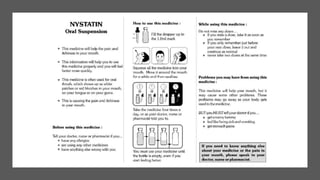
 Every medicine pack includes a patient information leaflet (PIL), which
provides information on using the medicine safely. PILs are based on the
Summaries of Product Characteristics (SPCs) which are a description of a
medicinal product's properties and the conditions attached to its use.
 It contains everything you need to know about your medicine. For example:
 what the medicine is intended for
 how you should use the medicine
 when you should not use the medicine
 when caution is advised
 which adverse events are possible
 which ingredients the medicine contains
Key Points
Complex language and
medical terms cause
difficulty in understanding
by patients
All the information should
be translated into lay-man
language.
Short sentences and/or
bullet points should be
used.
System organ class
arrangement should not
be used for side effects as
patients are unable to
follow the logic.
Side effects should be
grouped by seriousness to
enable patients to
understand when to take
action and what the
should be.
Guidelines before you start taking the
medicine
 Read all of this leaflet carefully.
 Keep this leaflet. You may need to read it again.
 If you have any further questions, ask your health care provider.
 This medicine has been prescribed for you. Do not pass it on to others. It
may harm them, even if their symptoms are the same as yours.
 If any of the side effects becomes serious, or if you notice any side effects
not listed in this leaflet, please tell your health care provider.
CONTENTS OF THE PIL
1. Identification of the medicine
 The name of the medicine, the active substance(s), the pharmaceutical
form and the strength of the product should be stated.
2. Therapeutic Indications
 The conditions for which the medicine is authorized must be listed.
 The section should include any benefit information considered
appropriate.
3. Information necessary before taking the
medicine
 Situations where the medicine should not be used , any precautions,
warnings, interactions with other medicines or foods, information for
special group of patients (pregnant or nursing mothers) and any effects
the medicine may have on the patient’s ability to drive.
4. Dosage
 How to take or use the medicine including both the route and method of
administration.
 How often it should be given.
 How long the course of treatment will last.
5. Description of Side effects
 All the effects which may occur under normal use of the medicine and
what action the patient should take if any of these occur. They should be
listed by seriousness and then by frequency.
6. Additional Information
 This covers information on excipient detail, a description of the product,
registered pack sizes, storage conditions, name and address of the
manufacturer.
REFERENCES
 https://www.slideshare.net/sonushanno/patient-information-leaflets-29133935
 https://english.cbg-meb.nl/human/patients-and-consumers/patient-information-
leaflet
Patient Information Leafelet

Patient Information Leafelet

  • 1.
    Presentation On Patient Information Leaflet(PIL) Amity University, NOIDA Amity Institute of Pharmacy By : Unnati Garg
  • 2.
    DEFINITION  Every medicinepack includes a patient information leaflet (PIL), which provides information on using the medicine safely. PILs are based on the Summaries of Product Characteristics (SPCs) which are a description of a medicinal product's properties and the conditions attached to its use.  It contains everything you need to know about your medicine. For example:  what the medicine is intended for  how you should use the medicine  when you should not use the medicine  when caution is advised  which adverse events are possible  which ingredients the medicine contains
  • 3.
    Key Points Complex languageand medical terms cause difficulty in understanding by patients All the information should be translated into lay-man language. Short sentences and/or bullet points should be used. System organ class arrangement should not be used for side effects as patients are unable to follow the logic. Side effects should be grouped by seriousness to enable patients to understand when to take action and what the should be.
  • 4.
    Guidelines before youstart taking the medicine  Read all of this leaflet carefully.  Keep this leaflet. You may need to read it again.  If you have any further questions, ask your health care provider.  This medicine has been prescribed for you. Do not pass it on to others. It may harm them, even if their symptoms are the same as yours.  If any of the side effects becomes serious, or if you notice any side effects not listed in this leaflet, please tell your health care provider.
  • 5.
  • 6.
    1. Identification ofthe medicine  The name of the medicine, the active substance(s), the pharmaceutical form and the strength of the product should be stated. 2. Therapeutic Indications  The conditions for which the medicine is authorized must be listed.  The section should include any benefit information considered appropriate.
  • 7.
    3. Information necessarybefore taking the medicine  Situations where the medicine should not be used , any precautions, warnings, interactions with other medicines or foods, information for special group of patients (pregnant or nursing mothers) and any effects the medicine may have on the patient’s ability to drive. 4. Dosage  How to take or use the medicine including both the route and method of administration.  How often it should be given.  How long the course of treatment will last.
  • 8.
    5. Description ofSide effects  All the effects which may occur under normal use of the medicine and what action the patient should take if any of these occur. They should be listed by seriousness and then by frequency. 6. Additional Information  This covers information on excipient detail, a description of the product, registered pack sizes, storage conditions, name and address of the manufacturer.
  • 10.