Pathogenesis of viruses and host defense
DR SHAHIDA KASHIF
Learning objective
 Describe transmission and portal of entry of virus
 Differentiate pathogenesis and immunopathogenesis
 Differentiate nonspecific defences and specific defences
INTRODUCTION
The ability of viruses to cause disease can be
viewed on two distinct levels:
1. the changes that occur within individual
cells.
2. the process that takes place in the infected
Patient.
THE INFECTED CELL
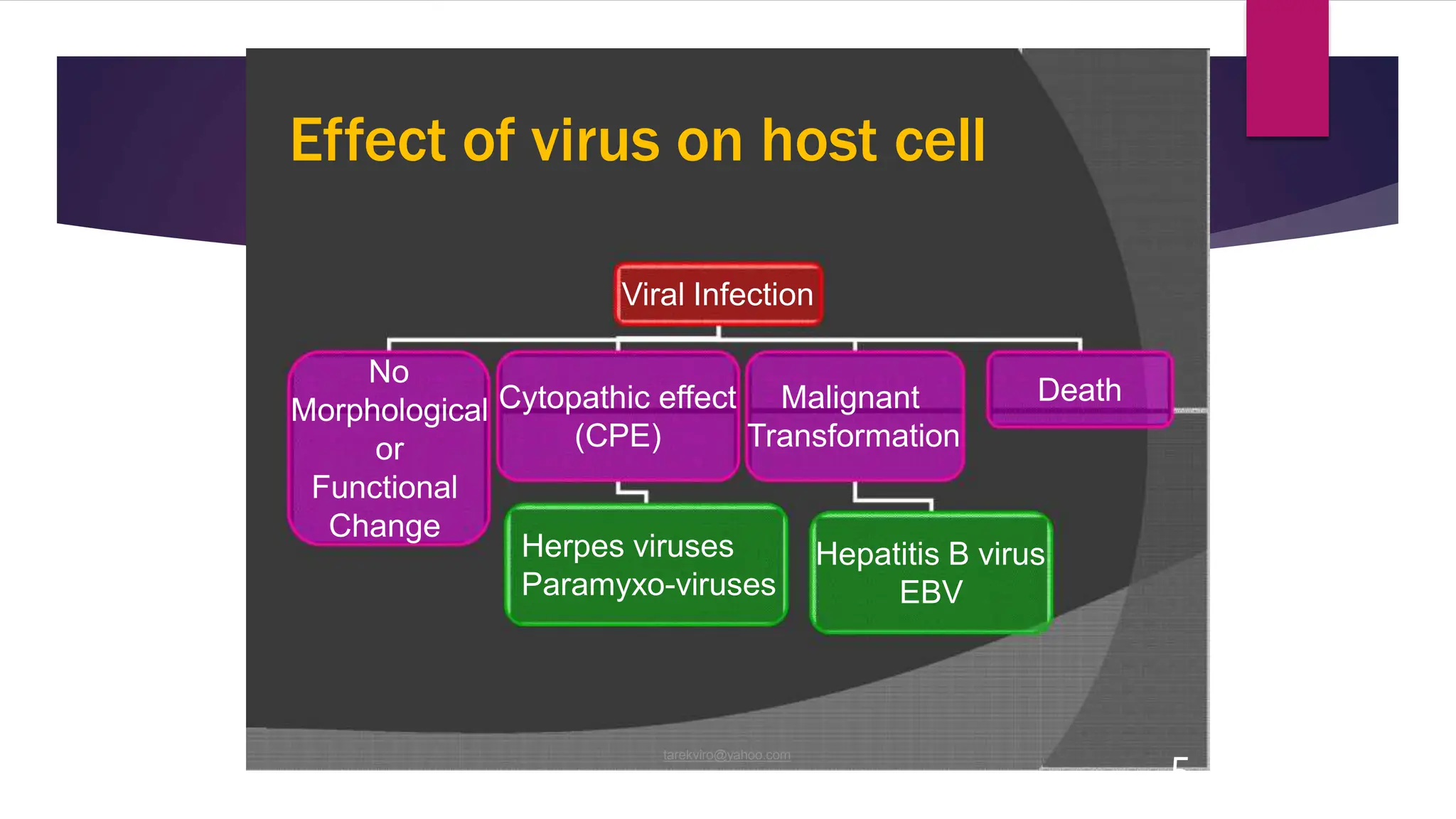
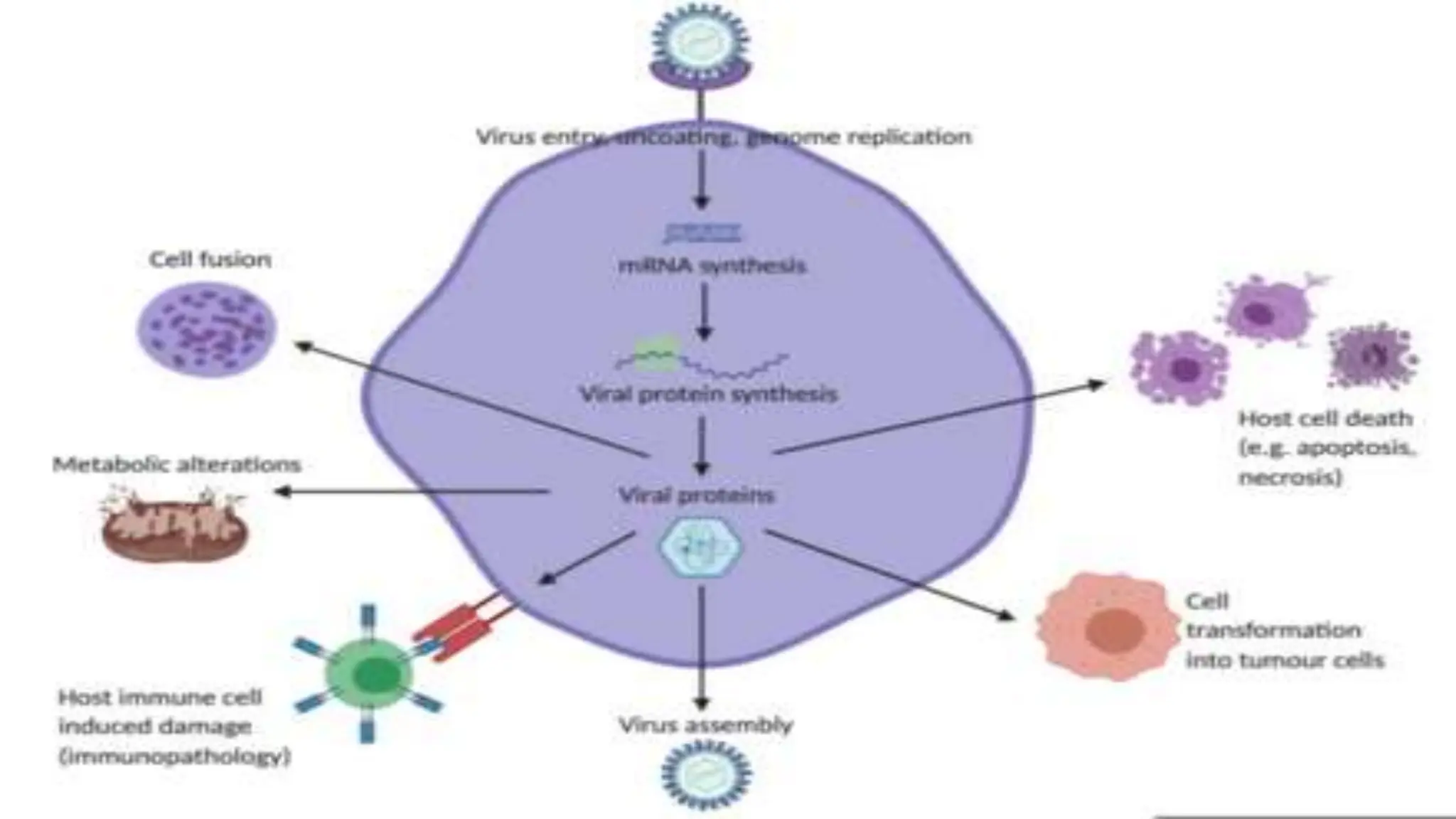
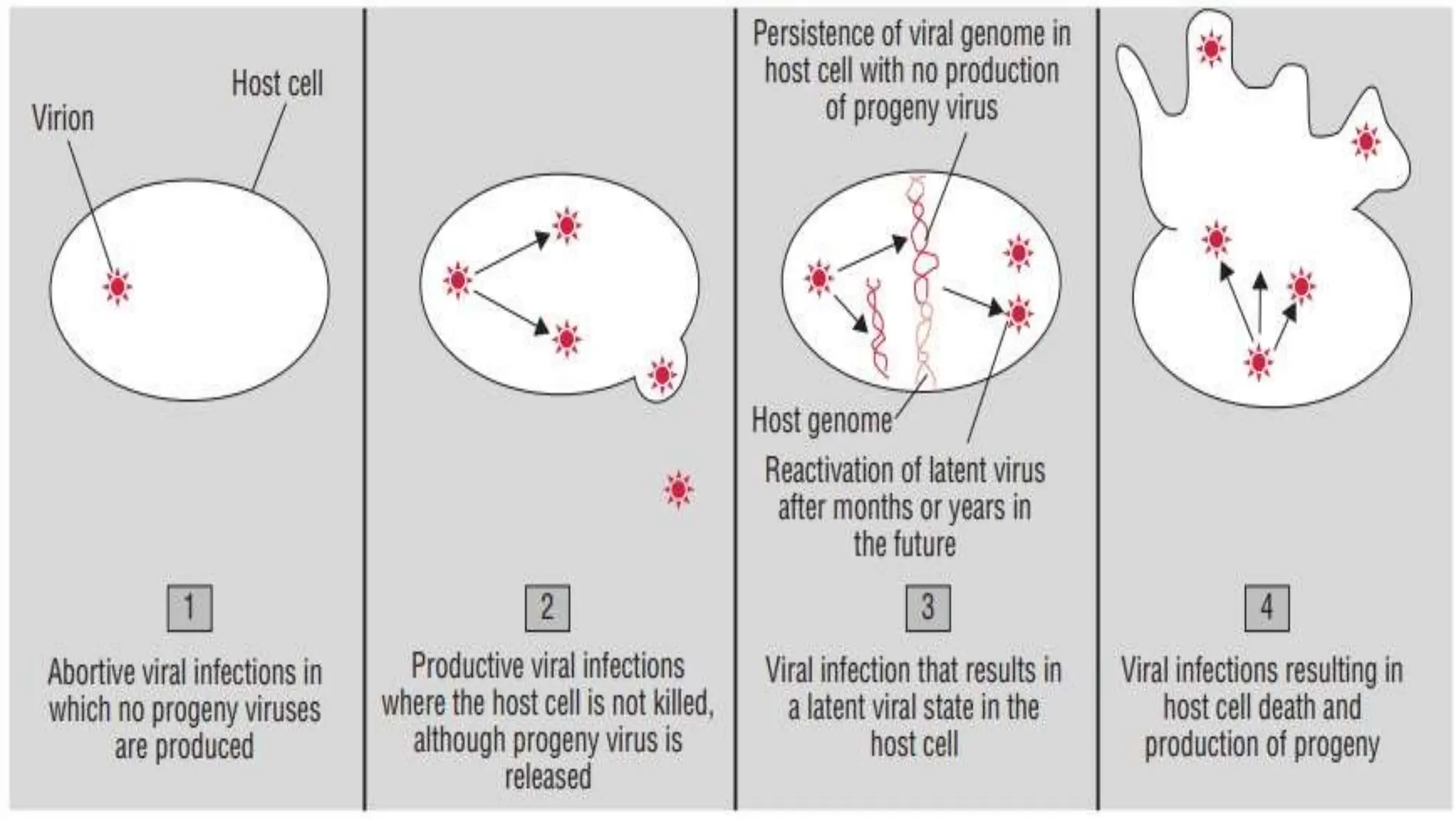
There are four main effects of virus infection on
the cell:
1. No apparent morphologic or functional change
2. Cytopathic effect.
3. Malignant transformation.
4. Death
Effect of virus on host cell
5
tarekviro@yahoo.com
Viral Infection
Death
No
Morphological
or
Functional
Change
Cytopathic effect Malignant
(CPE) Transformation
Herpes viruses
Paramyxo-viruses
Hepatitis B virus
EBV
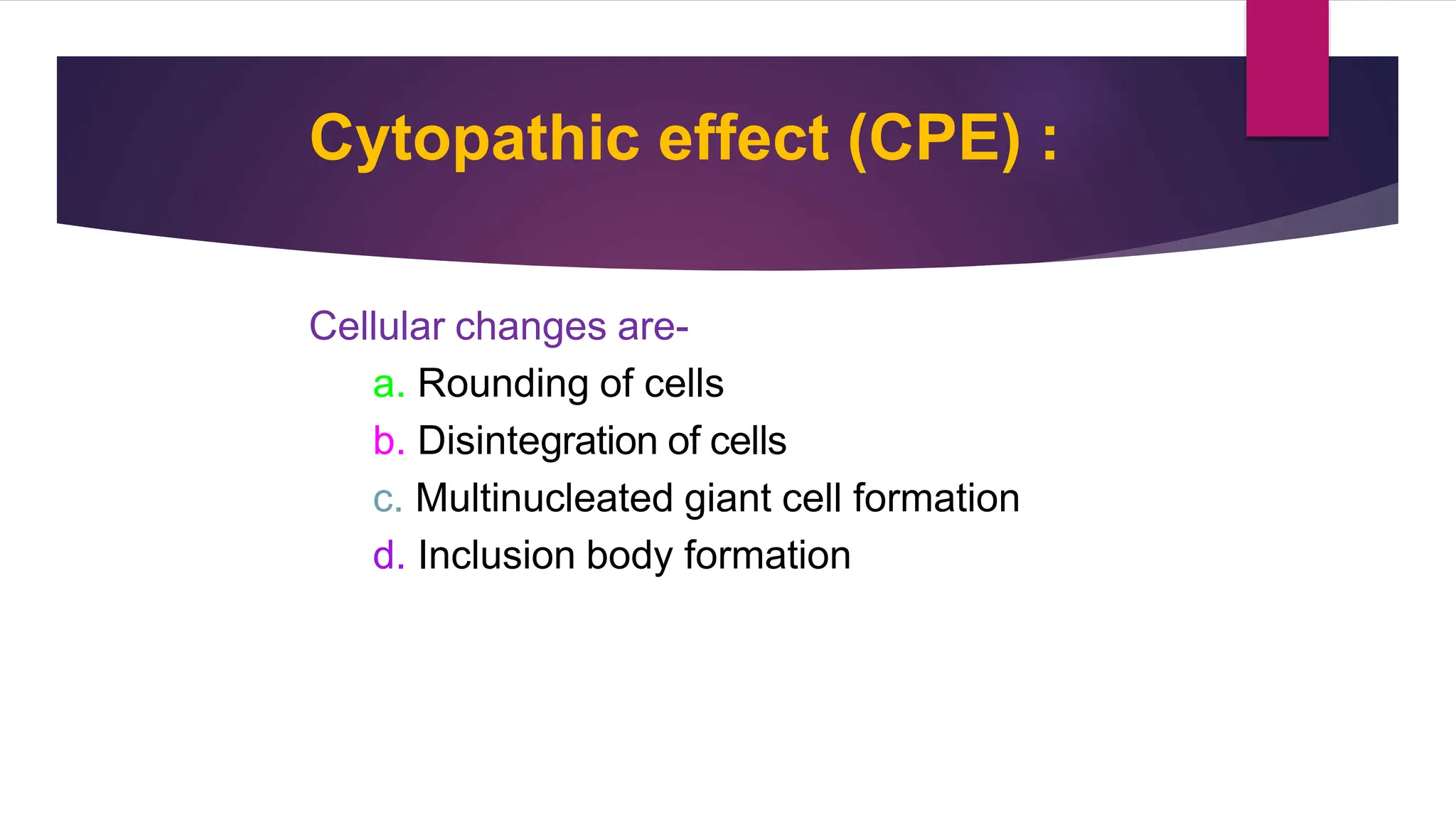
Cytopathic effect (CPE) :
6
Cellular changes are-
a. Rounding of cells
b. Disintegration of cells
c. Multinucleated giant cell formation
d. Inclusion body formation
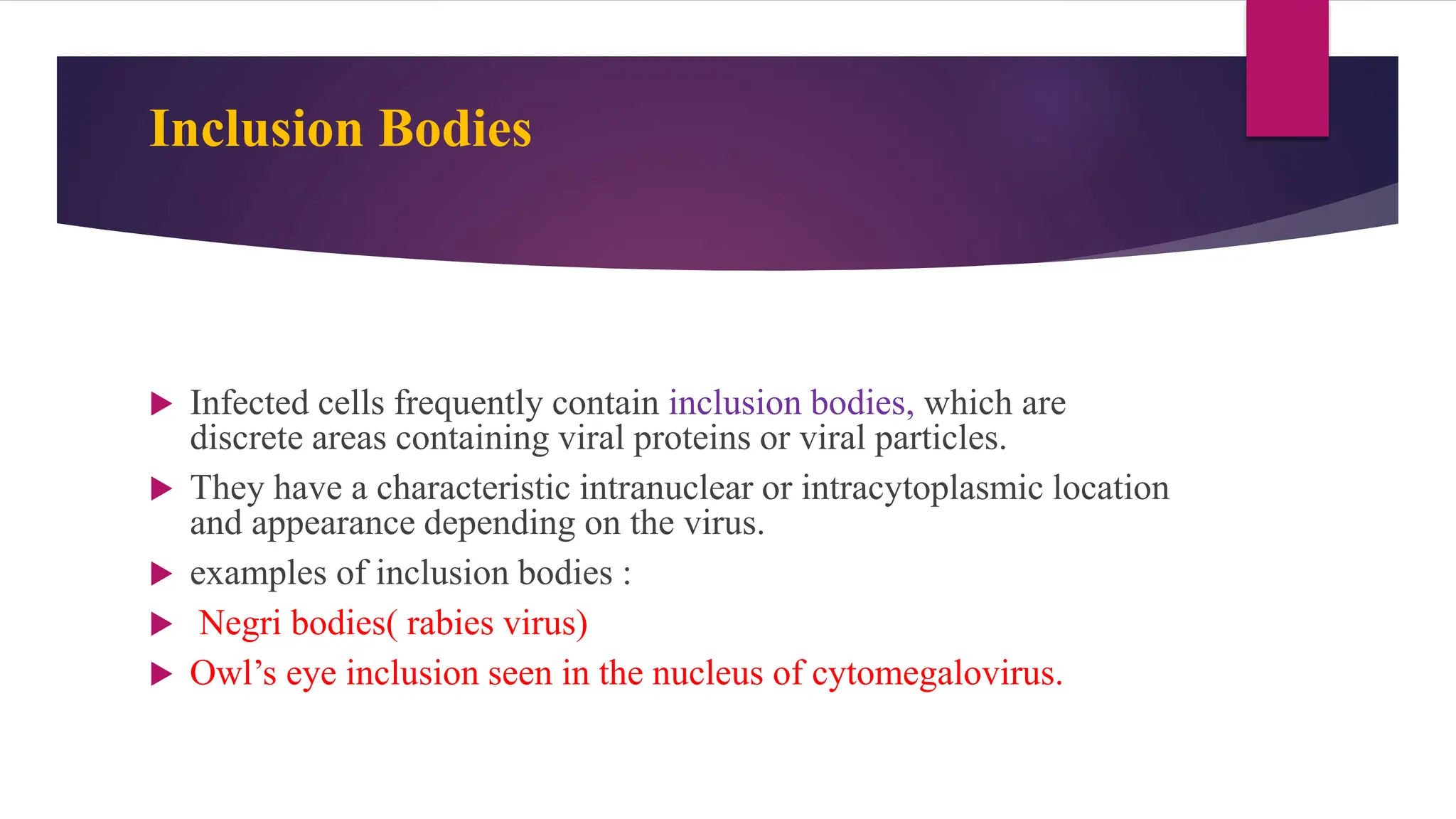
Inclusion Bodies
 Infected cells frequently contain inclusion bodies, which are
discrete areas containing viral proteins or viral particles.
 They have a characteristic intranuclear or intracytoplasmic location
and appearance depending on the virus.
 examples of inclusion bodies :
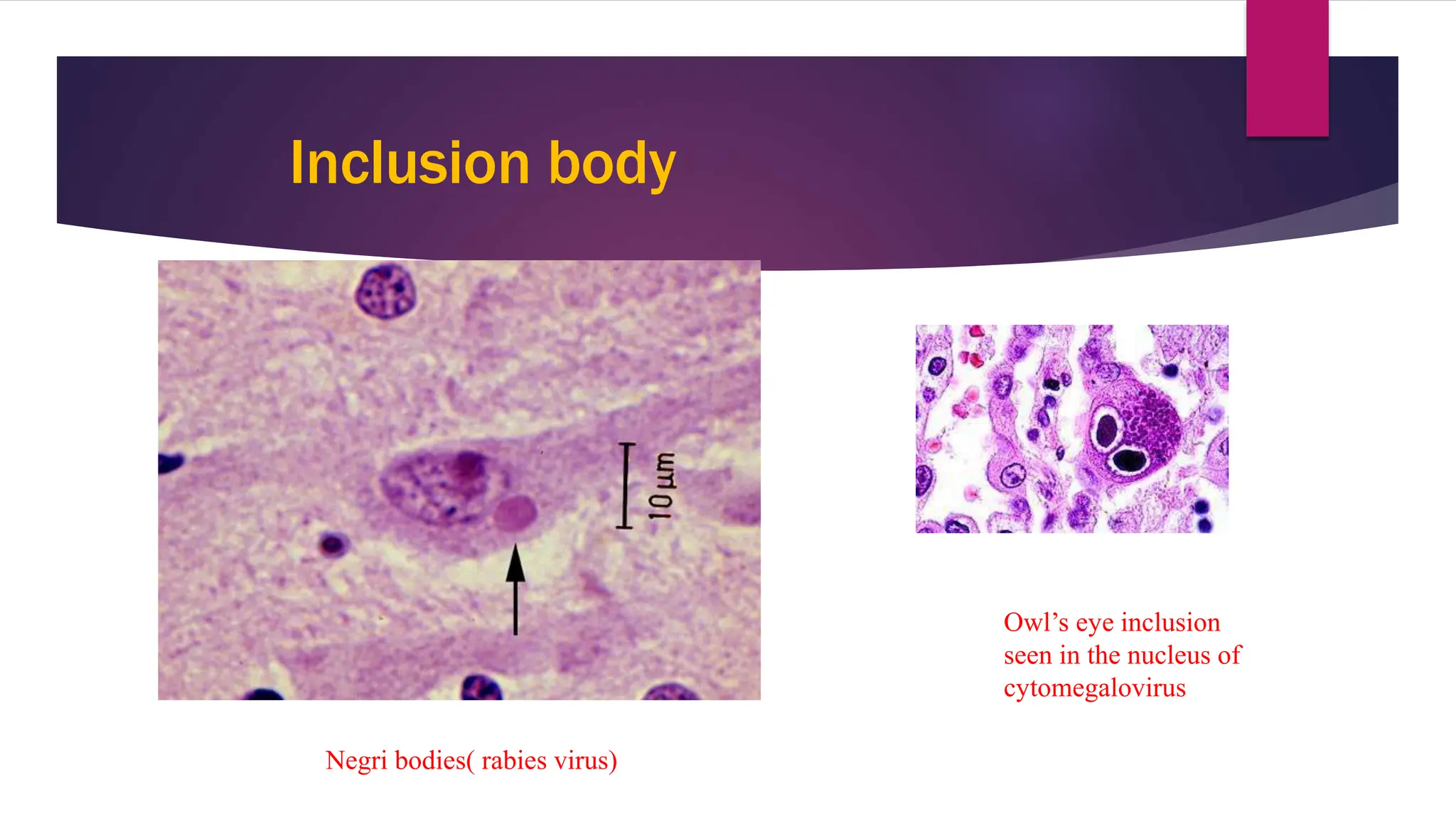
 Negri bodies( rabies virus)
 Owl’s eye inclusion seen in the nucleus of cytomegalovirus.
Inclusion body
8
Owl’s eye inclusion
seen in the nucleus of
cytomegalovirus
Negri bodies( rabies virus)
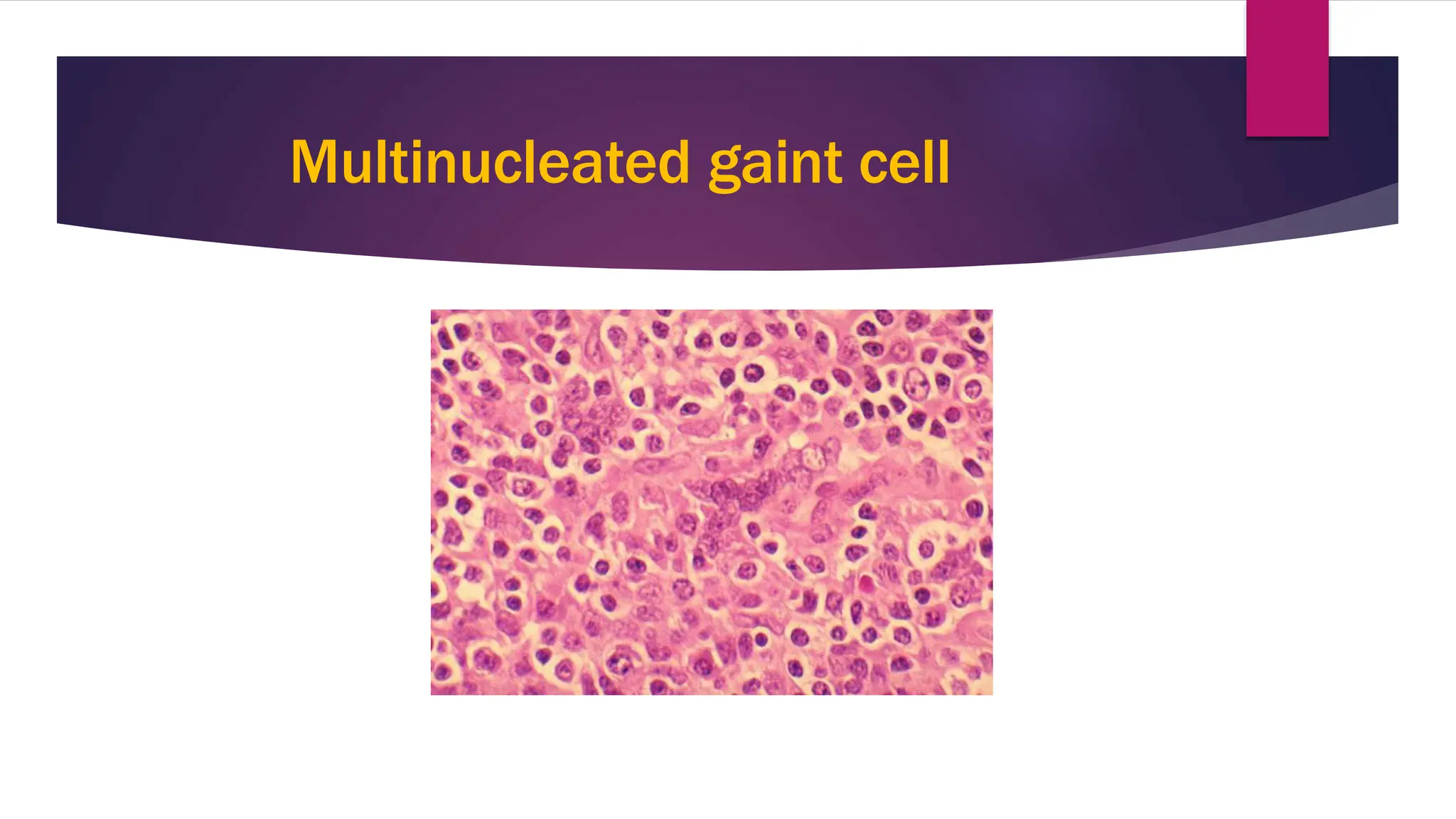
Multinucleated gaint cell
 Fusion of virus-infected cells produces multinucleated giant
cells, which characteristically form after infection.
 Fusion occurs as a result of cell membrane changes, which
are probably caused by the insertion of viral proteins into the
membrane
Example: herpesviruses and paramyxoviruses.
Multinucleated gaint cell
1
0
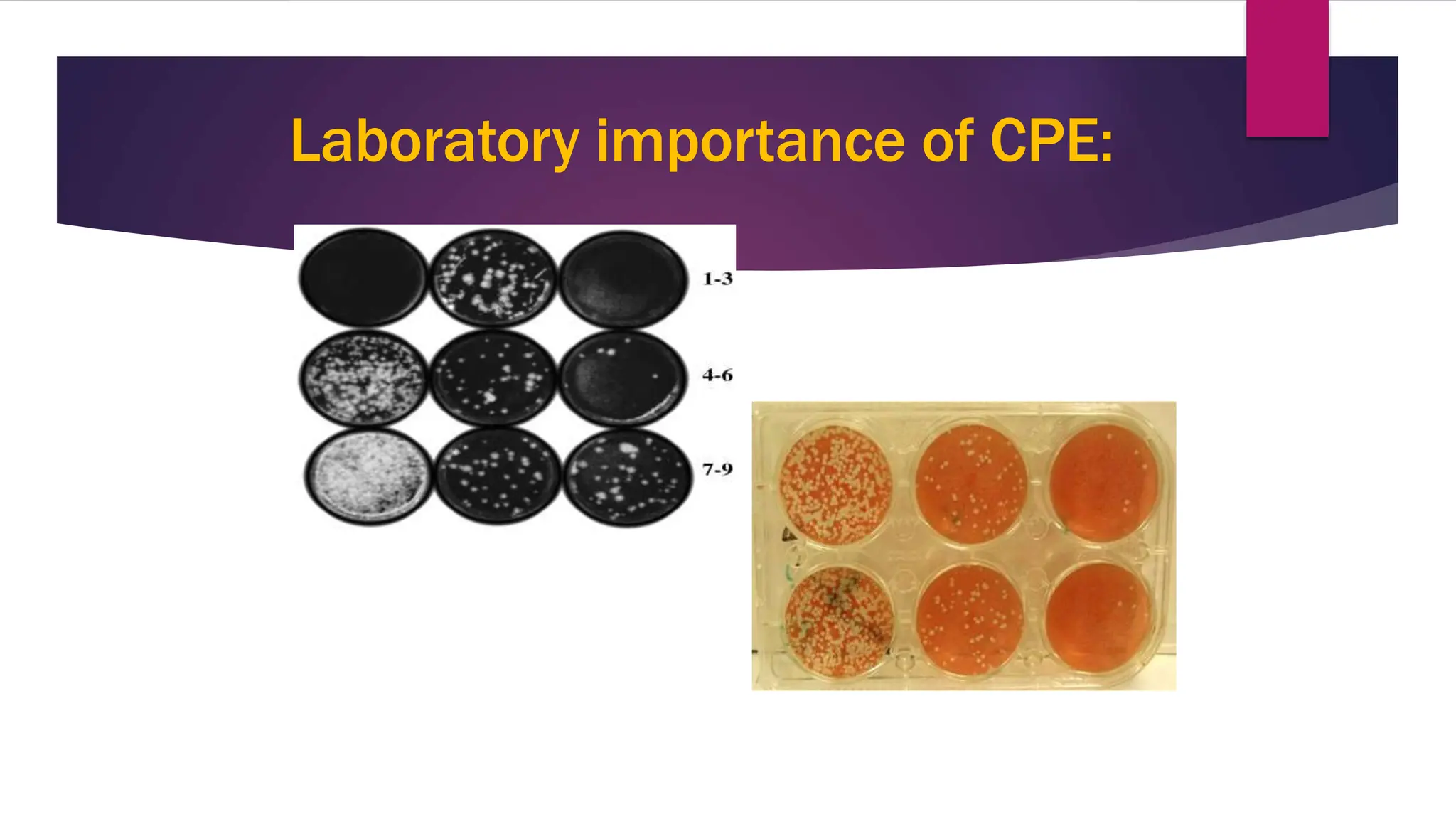
Laboratory importance of CPE:
a.Viral detection by observing the CPE in cell
culture
b. Viral quantification by plaque assay
1
1
Laboratory importance of CPE:
1
2
Malignant change:
Characterized by-
a. Unopposed cell growth
b. Prolonged survival
c. Rounded, piled-up cells
1
3
Death
Death of the cell is probably due to
 inhibition of macromolecular synthesis.
 Inhibition of host cell protein synthesis (first effect)
 Inhibition of DNA and RNA synthesis may be a secondary effect.
THE INFECTED PATIENT
Pathogenesis in the infected patient involves
1. transmission of the virus and its entry into the host.
2. Replication of the virus and damage to cells
3. spread of the virus to other cells and organs.
4. the immune response, both as a host defense and as a
contributing cause of certain diseases.
5. persistence of the virus in some instances.
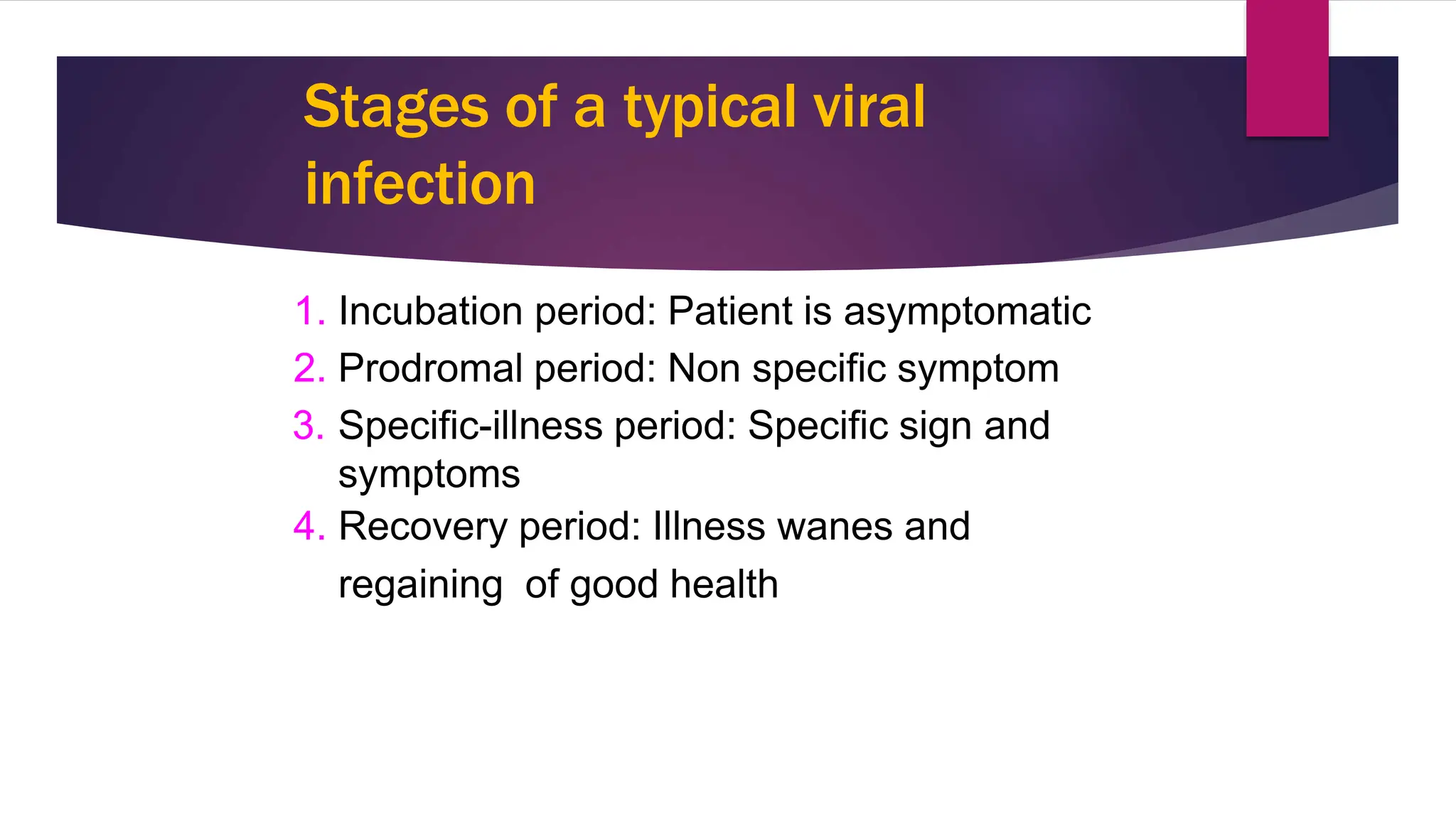
Stages of a typical viral
infection
1. Incubation period: Patient is asymptomatic
2. Prodromal period: Non specific symptom
3. Specific-illness period: Specific sign and
symptoms
4. Recovery period: Illness wanes and
regaining of good health
1
7
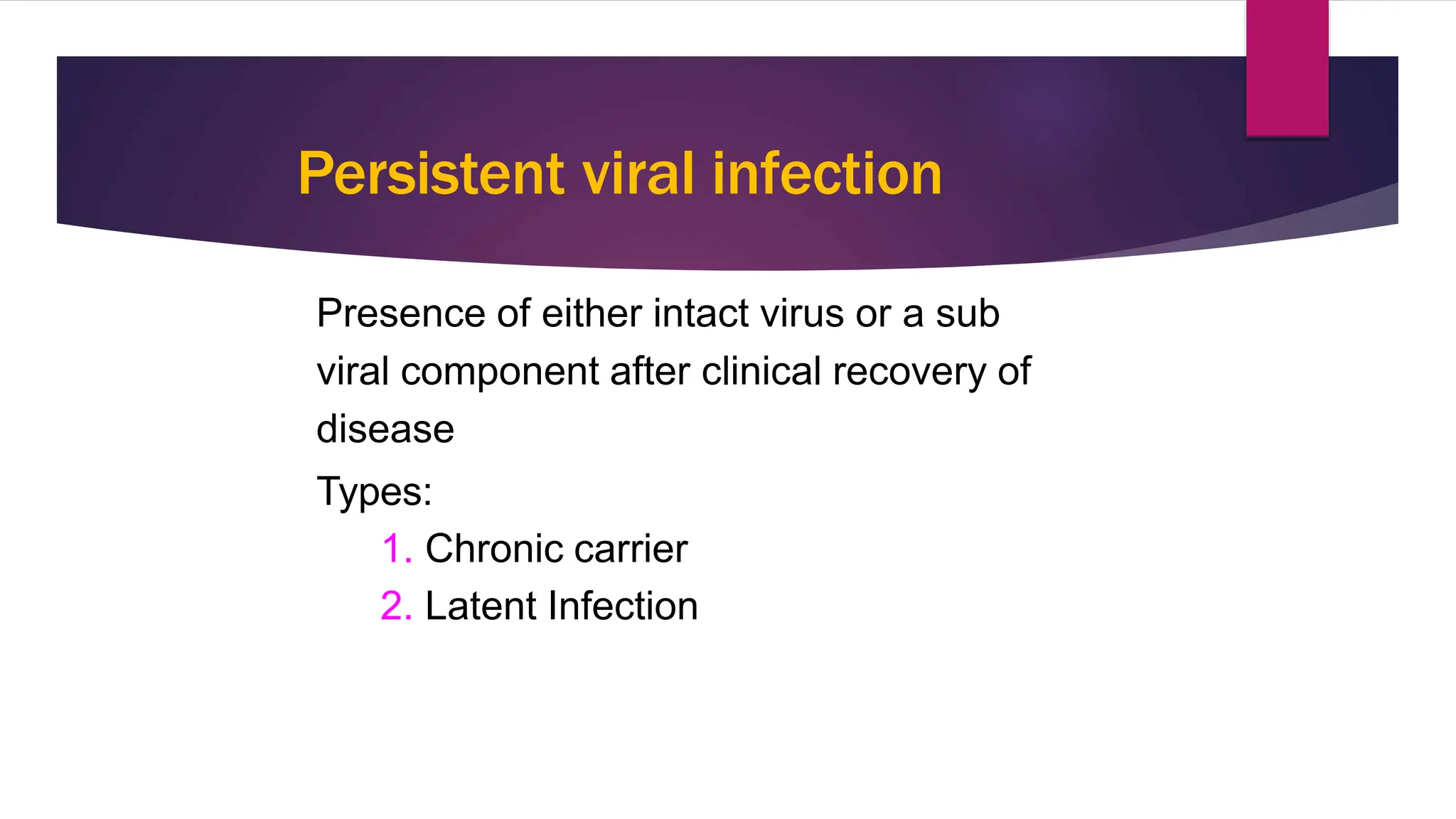
Persistent viral infection
Presence of either intact virus or a sub
viral component after clinical recovery of
disease
Types:
1. Chronic carrier
2. Latent Infection
1
8
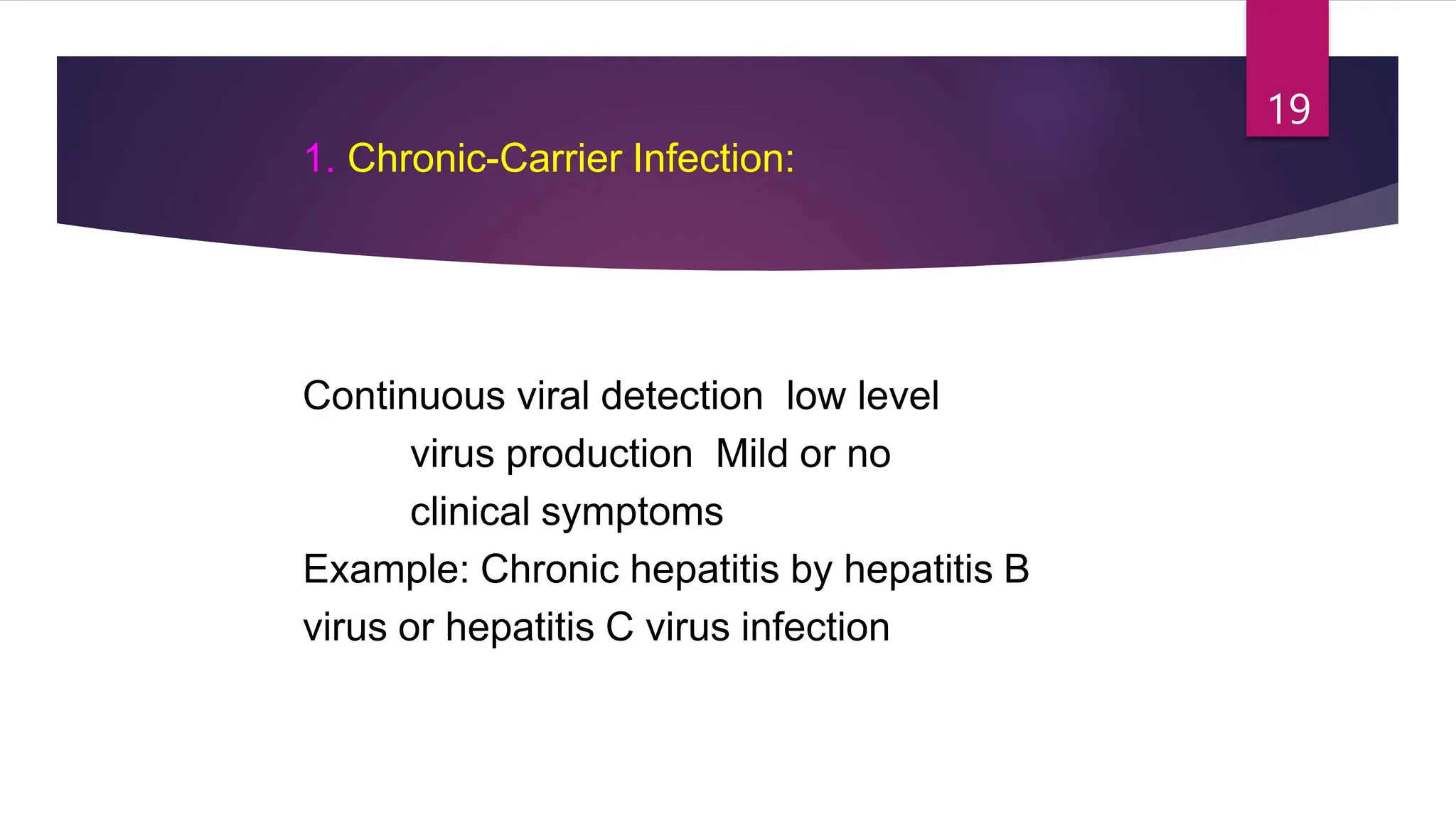
1. Chronic-Carrier Infection:
Continuous viral detection low level
virus production Mild or no
clinical symptoms
Example: Chronic hepatitis by hepatitis B
virus or hepatitis C virus infection
19
20
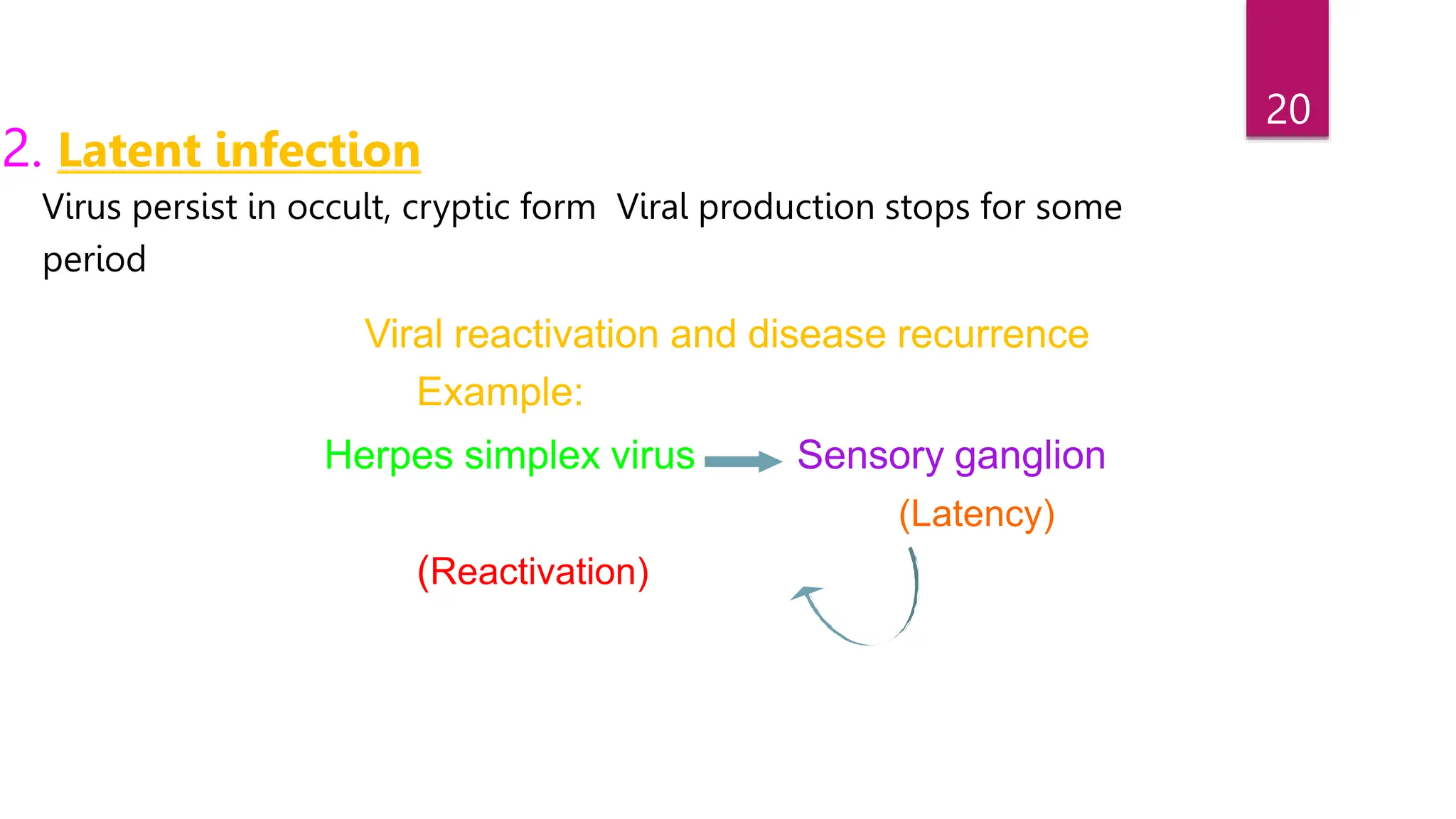
2. Latent infection
Virus persist in occult, cryptic form Viral production stops for some
period
Viral reactivation and disease recurrence
Example:
Herpes simplex virus Sensory ganglion
(Latency)
(Reactivation) Blisters
TRANSMISSION & PORTAL OF
ENTRTY
 Viruses are transmitted to the individual by many different routes,
and their portals of entry are varied.
 For example, person-to-person spread occurs by transfer of
respiratory secretions, saliva, blood, or semen and by fecal
contamination of water or food.
 The transfer of blood, either by transfusion or by sharing needles
during intravenous drug use, can transmit various viruses.
 Transmission between mother and offspring is called vertical
transmission.
 Person-to-person transmission that is not from mother to offspring is
called horizontal transmission.
 Animal-to-human transmission can take place either directly from the bite
of a reservoir host as in rabies or indirectly through the bite of an insect
vector, such as a mosquito, which transfers the virus from an animal
reservoir to the person.
 In addition, activation of a latent, nonreplicating virus to form an active,
replicating virus can occur within the individual, with no transmission
from an external source.
LOCALIZED OR DISSEMINATED
INFECTIONS
 Most viral infections are either localized to the portal of entry or spread
systemically through the body.
Example:
 localized infection is the common cold caused by rhinoviruses, which involves
only the upper respiratory tract.
 Influenza is localized primarily to the upper and lower respiratory tracts.
 Respiratory viruses have a short incubation period because they replicate directly
in the mucosa.
 Some viral infections spread systemically, not via the bloodstream,
but rather by retrograde axonal flow within neurons.
 Four important human pathogens do this: rabies virus, herpes simplex
type:
1. herpes simplex type
2. varicella-zoster virus
PATHOGENESIS &
IMMUNOPATHOGENESIS
 The signs and symptoms of most viral diseases undoubtedly are the
result of cell killing by virus-induced inhibition of macromolecular
synthesis.
 Death of the virus-infected cells results in a loss of function and in
the symptoms of disease.
 For example, when poliovirus kills motor neurons, paralysis of the
muscles innervated by those neurons results.
• Also, the hemorrhages caused by Ebola virus are due to the damage to
the vascular endothelial cells caused by the envelope glycoprotein of
the virus.
• There are some diseases that are not caused by the virus damaging or
killing the infected cell.
• For example, rotavirus-induced diarrhea is caused primarily by
stimulation of the enteric nervous system.
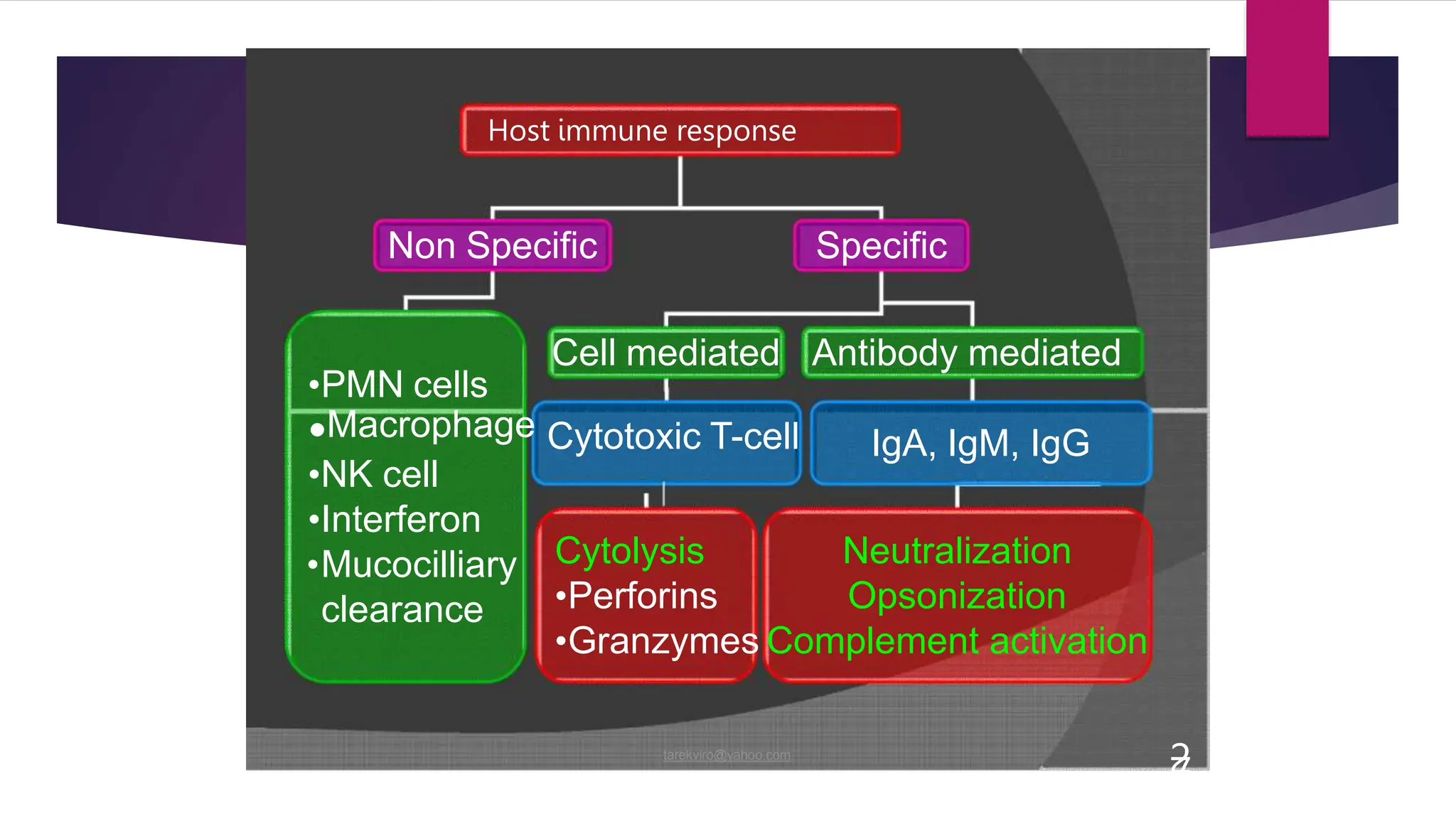
Host immune response
tarekviro@yahoo.com
2
7
Non Specific Specific
Cell mediated Antibody mediated
•PMN cells
•Mucocilliary
clearance
•Macrophage Cytotoxic T-cell
•NK cell
•Interferon
IgA, IgM, IgG
Neutralization
Opsonization
Cytolysis
•Perforins
•Granzymes Complement activation
PERSISTENT VIRAL INFECTIONS
 In most viral infections, the virus does not remain in the
body for a significant period after clinical recovery.
 However, in certain instances, the virus persists for long
periods either intact or in the form of a subviral
component (e.g., the genome).
 The mechanisms that may play a role in the persistence of
viruses include:
1. Integration of a DNA provirus into host cell DNA, as occurs with retroviruses.
2. Immune tolerance, because neutralizing antibodies are not formed.
3. Formation of virus–antibody complexes, which remain infectious.
4. Location within an immunologically sheltered “BE SAFE ” (e.g., the brain).
5. Rapid antigenic variation.
6. Spread from cell to cell without an extracellular phase, so that virus is not
exposed to antibody.
7. Immunosuppression, as in acquired immunodeficiency syndrome (AIDS).
CHRONIC-CARRIER INFECTIONS
 Some patients who have been infected with certain viruses continue to produce
significant amounts of the virus for long periods.
 This carrier state can follow an asymptomatic infection as well as the actual
disease and can itself either be asymptomatic or result in chronic illness.
Important clinical examples:
 are chronic hepatitis,e.g hepatitis B , hepatitis C virus carriers, and neonatal
rubella virus and CMV infections.
LATENT INFECTIONS
 In these infections, best illustrated by the herpesvirus group, the
patient recovers from the initial infection and virus production stops.
 Subsequently, the symptoms may recur, accompanied by the
production of virus.
 In herpes simplex virus infections, the virus enters the latent state in
the cells of the sensory ganglia.
 Herpes simplex virus type 1, which causes infections primarily of the eyes and
face, is latent in the trigeminal ganglion, whereas herpes simplex virus type 2,
which causes infections primarily of the genitals, is latent in the lumbar and
sacral ganglia.
 Varicella-zoster virus, another member of the herpesvirus family, causes
varicella (chickenpox) as its initial manifestation and then remains latent,
primarily in the trigeminal or thoracic ganglion cells.
 It can recur in the form of the painful vesicles of zoster (shingles), usually on
the face or trunk.
Interferon
Interferons are heterogeneous group of Glycoproteins produced
after viral infection
Types:
1. Alpha-Interferon
2. Beta-Interferon
3. Gama-Interferon
3
4
Mechanism of action
Interferon acts by inducing the synthesis
of three cell encoded proteins that inhibit the
translation of viral mRNA with out affecting the
translation of cellular mRNA
3
5
Viral vaccines
Prevention of viral disease can be
achieved by active immunization or
passive immunization
⦿ Common types of vaccines:
1. Live attenuated vaccine: OPV, Measles
2. Killed viral vaccine: Influenza A & B
3. Recombinant DNA vaccine: Hepatitis B
3
6
Advantage of live vaccine
⦿ Can induce both IgA and IgG antibodies
⦿Long duration protection
⦿Effective in producing herd immunity
⦿Easy to administered
3
7
Disadvantage of live vaccine
⦿Revert to virulence
⦿Can not be used in pregnant and
immuno-compromise person
3
8
Herd immunity
Immunization of 80% of an homogenous
population results in development of
immunity to remaining 20% of the
“Herd”.
Example: OPV produce herd immunity
Killed viral vaccine is less efficient in
producing herd immunity
3
9
pathogenesis of viruses and host defense  sk (1).pptx

pathogenesis of viruses and host defense sk (1).pptx

  • 1.
    Pathogenesis of virusesand host defense DR SHAHIDA KASHIF
  • 2.
    Learning objective  Describetransmission and portal of entry of virus  Differentiate pathogenesis and immunopathogenesis  Differentiate nonspecific defences and specific defences
  • 3.
    INTRODUCTION The ability ofviruses to cause disease can be viewed on two distinct levels: 1. the changes that occur within individual cells. 2. the process that takes place in the infected Patient.
  • 4.
    THE INFECTED CELL Thereare four main effects of virus infection on the cell: 1. No apparent morphologic or functional change 2. Cytopathic effect. 3. Malignant transformation. 4. Death
  • 5.
    Effect of viruson host cell 5 tarekviro@yahoo.com Viral Infection Death No Morphological or Functional Change Cytopathic effect Malignant (CPE) Transformation Herpes viruses Paramyxo-viruses Hepatitis B virus EBV
  • 6.
    Cytopathic effect (CPE): 6 Cellular changes are- a. Rounding of cells b. Disintegration of cells c. Multinucleated giant cell formation d. Inclusion body formation
  • 7.
    Inclusion Bodies  Infectedcells frequently contain inclusion bodies, which are discrete areas containing viral proteins or viral particles.  They have a characteristic intranuclear or intracytoplasmic location and appearance depending on the virus.  examples of inclusion bodies :  Negri bodies( rabies virus)  Owl’s eye inclusion seen in the nucleus of cytomegalovirus.
  • 8.
    Inclusion body 8 Owl’s eyeinclusion seen in the nucleus of cytomegalovirus Negri bodies( rabies virus)
  • 9.
    Multinucleated gaint cell Fusion of virus-infected cells produces multinucleated giant cells, which characteristically form after infection.  Fusion occurs as a result of cell membrane changes, which are probably caused by the insertion of viral proteins into the membrane Example: herpesviruses and paramyxoviruses.
  • 10.
  • 11.
    Laboratory importance ofCPE: a.Viral detection by observing the CPE in cell culture b. Viral quantification by plaque assay 1 1
  • 12.
  • 13.
    Malignant change: Characterized by- a.Unopposed cell growth b. Prolonged survival c. Rounded, piled-up cells 1 3
  • 14.
    Death Death of thecell is probably due to  inhibition of macromolecular synthesis.  Inhibition of host cell protein synthesis (first effect)  Inhibition of DNA and RNA synthesis may be a secondary effect.
  • 16.
    THE INFECTED PATIENT Pathogenesisin the infected patient involves 1. transmission of the virus and its entry into the host. 2. Replication of the virus and damage to cells 3. spread of the virus to other cells and organs. 4. the immune response, both as a host defense and as a contributing cause of certain diseases. 5. persistence of the virus in some instances.
  • 17.
    Stages of atypical viral infection 1. Incubation period: Patient is asymptomatic 2. Prodromal period: Non specific symptom 3. Specific-illness period: Specific sign and symptoms 4. Recovery period: Illness wanes and regaining of good health 1 7
  • 18.
    Persistent viral infection Presenceof either intact virus or a sub viral component after clinical recovery of disease Types: 1. Chronic carrier 2. Latent Infection 1 8
  • 19.
    1. Chronic-Carrier Infection: Continuousviral detection low level virus production Mild or no clinical symptoms Example: Chronic hepatitis by hepatitis B virus or hepatitis C virus infection 19
  • 20.
    20 2. Latent infection Viruspersist in occult, cryptic form Viral production stops for some period Viral reactivation and disease recurrence Example: Herpes simplex virus Sensory ganglion (Latency) (Reactivation) Blisters
  • 21.
    TRANSMISSION & PORTALOF ENTRTY  Viruses are transmitted to the individual by many different routes, and their portals of entry are varied.  For example, person-to-person spread occurs by transfer of respiratory secretions, saliva, blood, or semen and by fecal contamination of water or food.  The transfer of blood, either by transfusion or by sharing needles during intravenous drug use, can transmit various viruses.
  • 22.
     Transmission betweenmother and offspring is called vertical transmission.  Person-to-person transmission that is not from mother to offspring is called horizontal transmission.  Animal-to-human transmission can take place either directly from the bite of a reservoir host as in rabies or indirectly through the bite of an insect vector, such as a mosquito, which transfers the virus from an animal reservoir to the person.  In addition, activation of a latent, nonreplicating virus to form an active, replicating virus can occur within the individual, with no transmission from an external source.
  • 23.
    LOCALIZED OR DISSEMINATED INFECTIONS Most viral infections are either localized to the portal of entry or spread systemically through the body. Example:  localized infection is the common cold caused by rhinoviruses, which involves only the upper respiratory tract.  Influenza is localized primarily to the upper and lower respiratory tracts.  Respiratory viruses have a short incubation period because they replicate directly in the mucosa.
  • 24.
     Some viralinfections spread systemically, not via the bloodstream, but rather by retrograde axonal flow within neurons.  Four important human pathogens do this: rabies virus, herpes simplex type: 1. herpes simplex type 2. varicella-zoster virus
  • 25.
    PATHOGENESIS & IMMUNOPATHOGENESIS  Thesigns and symptoms of most viral diseases undoubtedly are the result of cell killing by virus-induced inhibition of macromolecular synthesis.  Death of the virus-infected cells results in a loss of function and in the symptoms of disease.  For example, when poliovirus kills motor neurons, paralysis of the muscles innervated by those neurons results.
  • 26.
    • Also, thehemorrhages caused by Ebola virus are due to the damage to the vascular endothelial cells caused by the envelope glycoprotein of the virus. • There are some diseases that are not caused by the virus damaging or killing the infected cell. • For example, rotavirus-induced diarrhea is caused primarily by stimulation of the enteric nervous system.
  • 27.
    Host immune response tarekviro@yahoo.com 2 7 NonSpecific Specific Cell mediated Antibody mediated •PMN cells •Mucocilliary clearance •Macrophage Cytotoxic T-cell •NK cell •Interferon IgA, IgM, IgG Neutralization Opsonization Cytolysis •Perforins •Granzymes Complement activation
  • 28.
    PERSISTENT VIRAL INFECTIONS In most viral infections, the virus does not remain in the body for a significant period after clinical recovery.  However, in certain instances, the virus persists for long periods either intact or in the form of a subviral component (e.g., the genome).  The mechanisms that may play a role in the persistence of viruses include:
  • 29.
    1. Integration ofa DNA provirus into host cell DNA, as occurs with retroviruses. 2. Immune tolerance, because neutralizing antibodies are not formed. 3. Formation of virus–antibody complexes, which remain infectious. 4. Location within an immunologically sheltered “BE SAFE ” (e.g., the brain). 5. Rapid antigenic variation. 6. Spread from cell to cell without an extracellular phase, so that virus is not exposed to antibody. 7. Immunosuppression, as in acquired immunodeficiency syndrome (AIDS).
  • 31.
    CHRONIC-CARRIER INFECTIONS  Somepatients who have been infected with certain viruses continue to produce significant amounts of the virus for long periods.  This carrier state can follow an asymptomatic infection as well as the actual disease and can itself either be asymptomatic or result in chronic illness. Important clinical examples:  are chronic hepatitis,e.g hepatitis B , hepatitis C virus carriers, and neonatal rubella virus and CMV infections.
  • 32.
    LATENT INFECTIONS  Inthese infections, best illustrated by the herpesvirus group, the patient recovers from the initial infection and virus production stops.  Subsequently, the symptoms may recur, accompanied by the production of virus.  In herpes simplex virus infections, the virus enters the latent state in the cells of the sensory ganglia.
  • 33.
     Herpes simplexvirus type 1, which causes infections primarily of the eyes and face, is latent in the trigeminal ganglion, whereas herpes simplex virus type 2, which causes infections primarily of the genitals, is latent in the lumbar and sacral ganglia.  Varicella-zoster virus, another member of the herpesvirus family, causes varicella (chickenpox) as its initial manifestation and then remains latent, primarily in the trigeminal or thoracic ganglion cells.  It can recur in the form of the painful vesicles of zoster (shingles), usually on the face or trunk.
  • 34.
    Interferon Interferons are heterogeneousgroup of Glycoproteins produced after viral infection Types: 1. Alpha-Interferon 2. Beta-Interferon 3. Gama-Interferon 3 4
  • 35.
    Mechanism of action Interferonacts by inducing the synthesis of three cell encoded proteins that inhibit the translation of viral mRNA with out affecting the translation of cellular mRNA 3 5
  • 36.
    Viral vaccines Prevention ofviral disease can be achieved by active immunization or passive immunization ⦿ Common types of vaccines: 1. Live attenuated vaccine: OPV, Measles 2. Killed viral vaccine: Influenza A & B 3. Recombinant DNA vaccine: Hepatitis B 3 6
  • 37.
    Advantage of livevaccine ⦿ Can induce both IgA and IgG antibodies ⦿Long duration protection ⦿Effective in producing herd immunity ⦿Easy to administered 3 7
  • 38.
    Disadvantage of livevaccine ⦿Revert to virulence ⦿Can not be used in pregnant and immuno-compromise person 3 8
  • 39.
    Herd immunity Immunization of80% of an homogenous population results in development of immunity to remaining 20% of the “Herd”. Example: OPV produce herd immunity Killed viral vaccine is less efficient in producing herd immunity 3 9