MODELS OF
ORGANIZATIONAL
BEHAVIOUR
By
N Bharath Kumar
MBA (Pharma)
PM/2016/411
NIPER-HYDERABAD
A field of study that investigates the impact of
individuals, groups, and structures on human behaviour
within organizations; the aim is to apply such knowledge
towards improving organizational effectiveness.
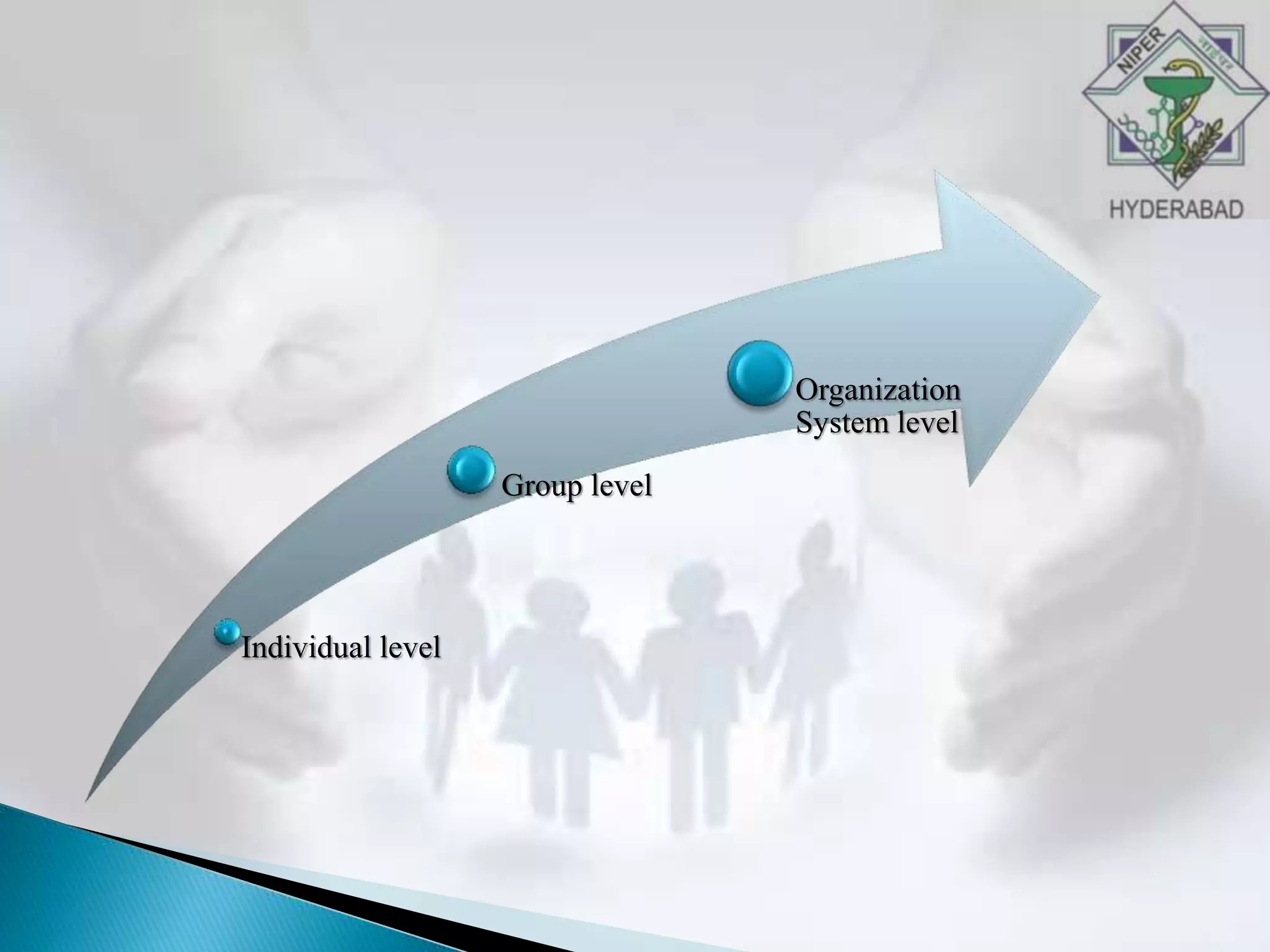
Individual level
Group level
Organization
System level
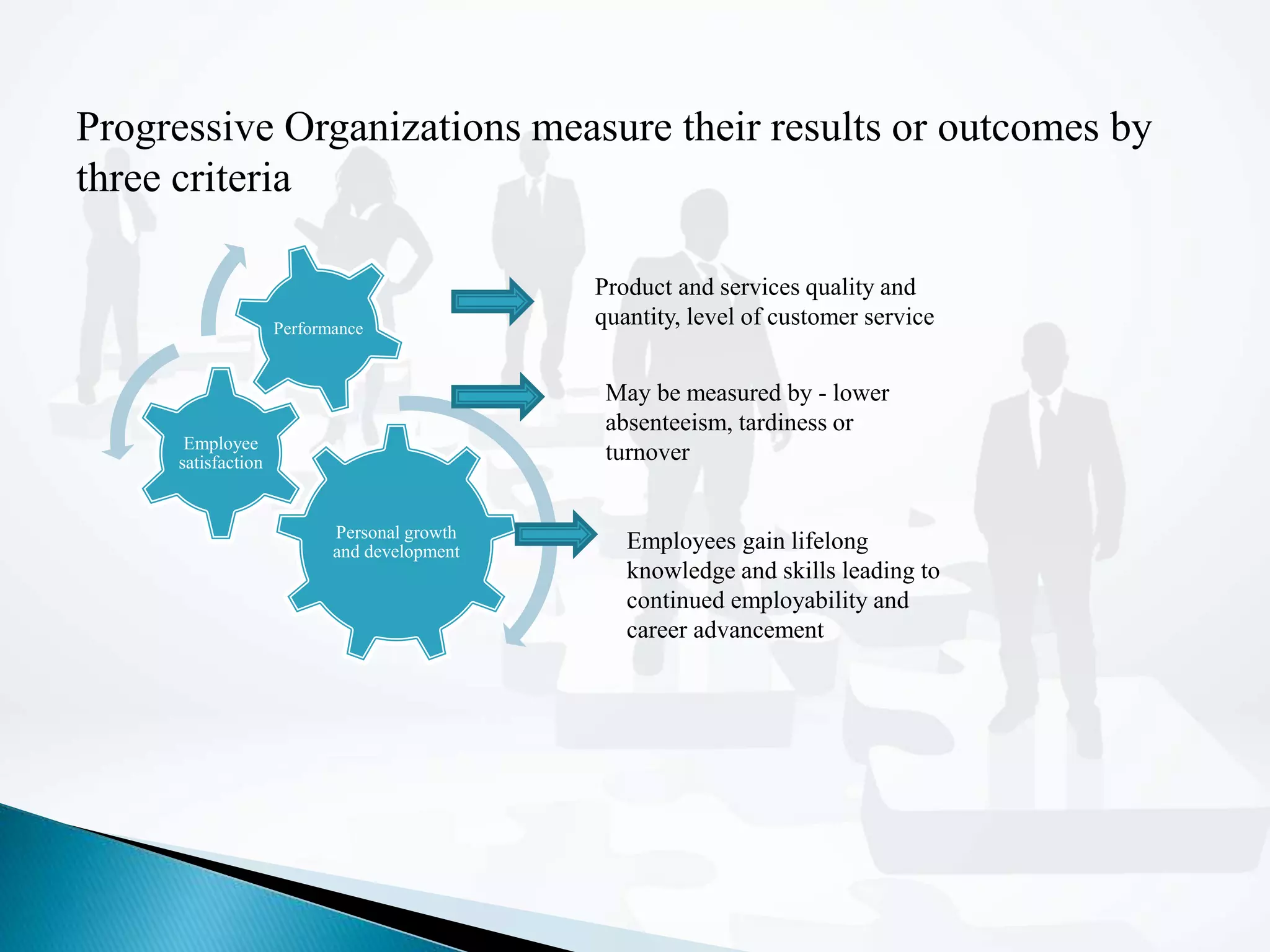
Progressive Organizations measure their results or outcomes by
three criteria
Personal growth
and development
Employee
satisfaction
Performance
Product and services quality and
quantity, level of customer service
May be measured by - lower
absenteeism, tardiness or
turnover
Employees gain lifelong
knowledge and skills leading to
continued employability and
career advancement
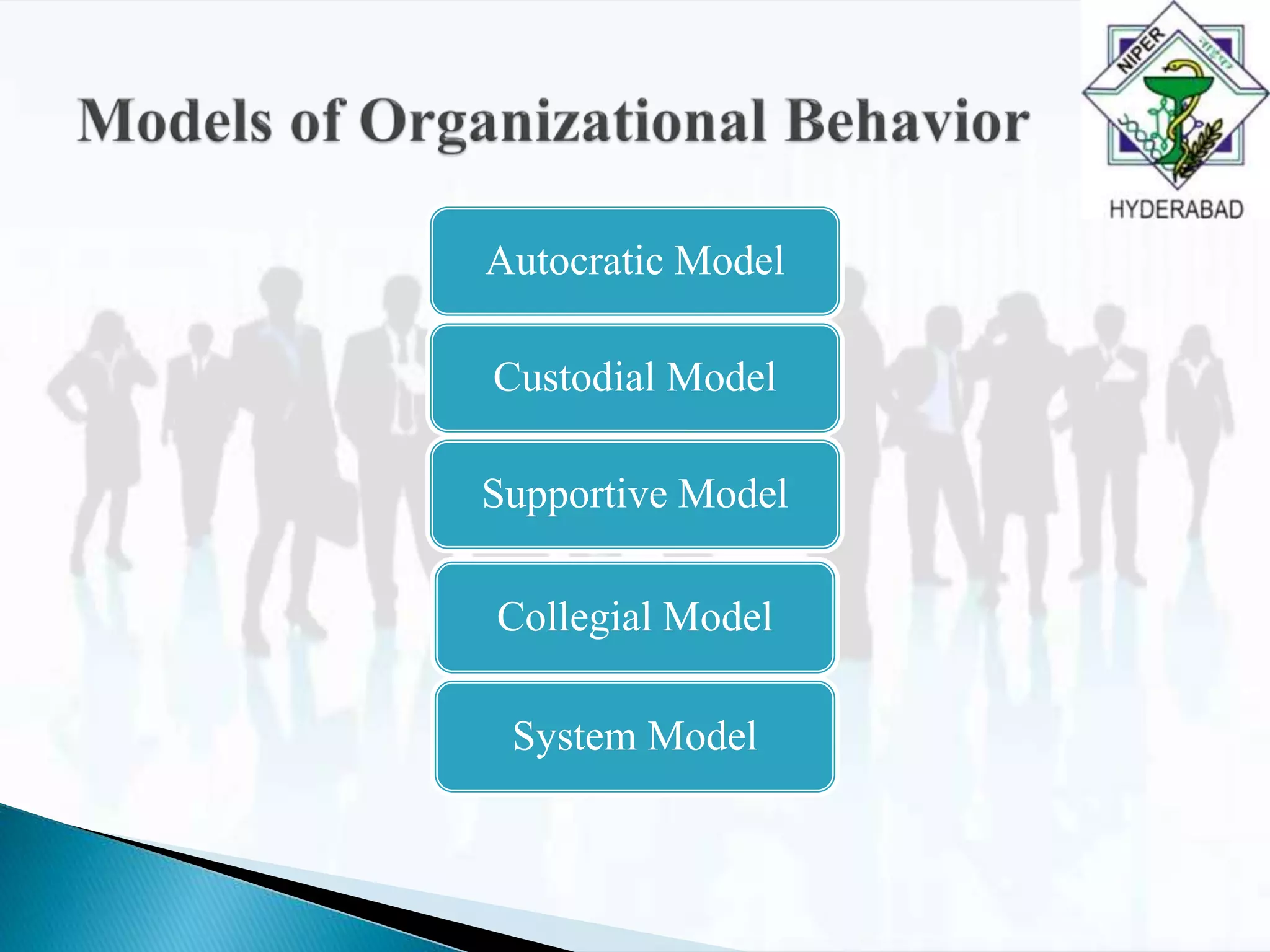
Autocratic Model
Custodial Model
Supportive Model
Collegial Model
System Model
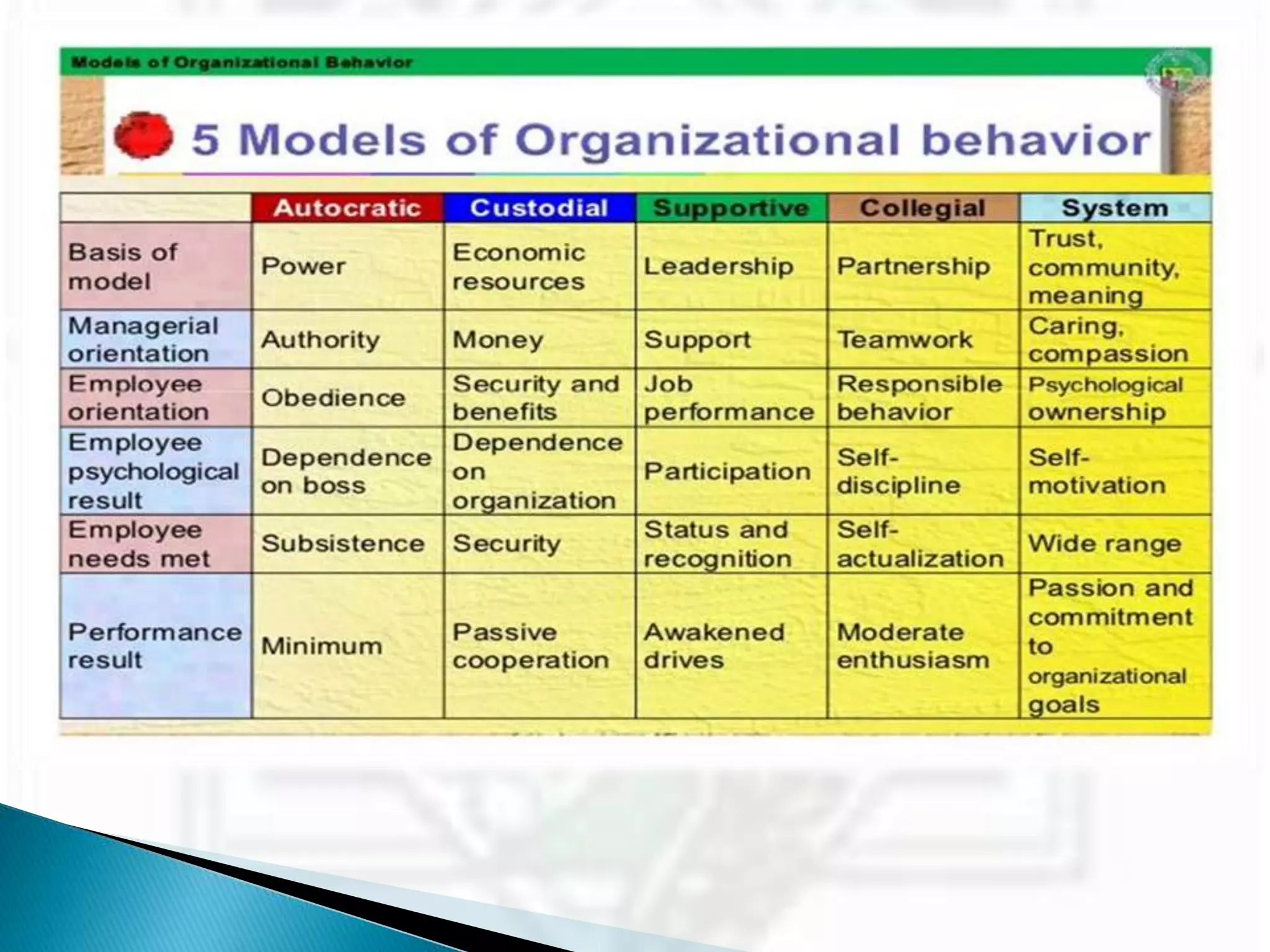
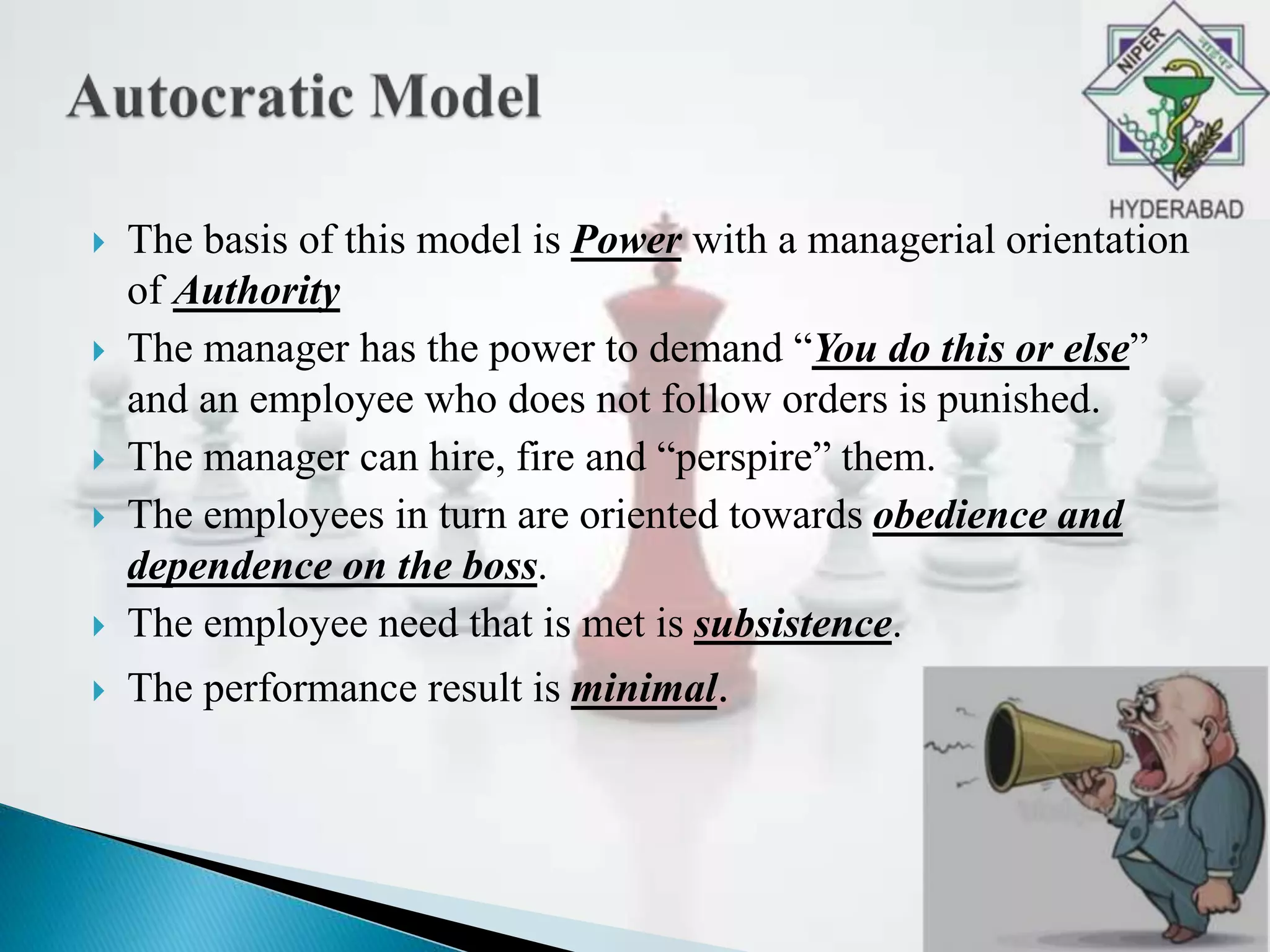
 The basis of this model is Power with a managerial orientation
of Authority
 The manager has the power to demand “You do this or else”
and an employee who does not follow orders is punished.
 The manager can hire, fire and “perspire” them.
 The employees in turn are oriented towards obedience and
dependence on the boss.
 The employee need that is met is subsistence.
 The performance result is minimal.
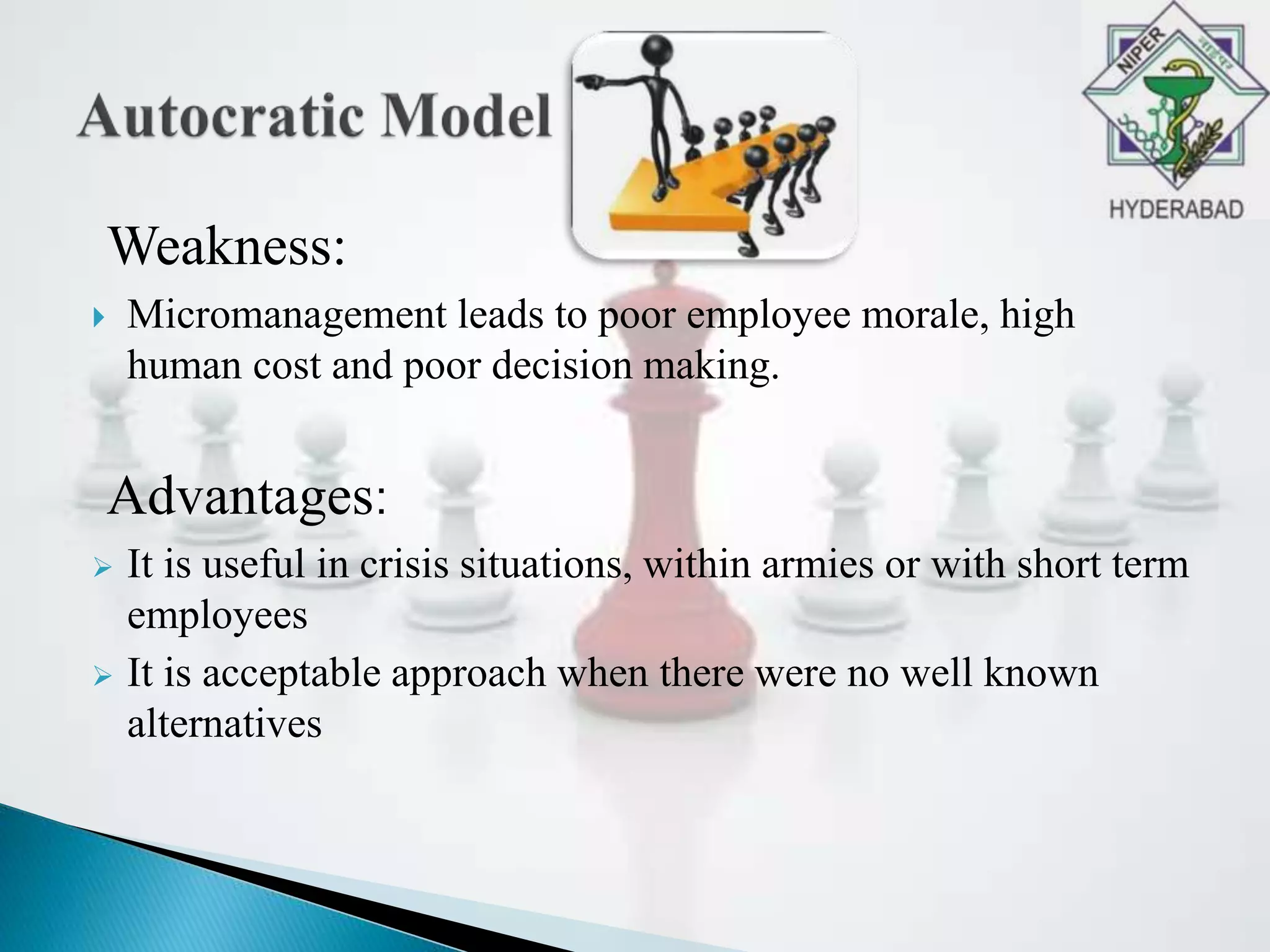
Weakness:
 Micromanagement leads to poor employee morale, high
human cost and poor decision making.
Advantages:
 It is useful in crisis situations, within armies or with short term
employees
 It is acceptable approach when there were no well known
alternatives
 The basis of this model is Economic resources with a
managerial orientation of Money
 Employee feel with reasonable contentment.
 The employee orientation is security and benefits
 The employee psychological results is dependence on
organization
 The employee need that is met is security.
 The performance result is passive cooperation.
 The basis of this model is Leadership with a managerial
orientation of Support
 The employee orientation is Job performance
 The employee psychological results is a feeling of
participation and tasks involvement in the organization
 Employee status and recognition needs are better met
 Performance results is awakened drives
 The basis of this model is Partnership with a managerial
orientation of Team work
 The employee orientation is responsible behavior
 The employee psychological results is self discipline
 Employee needs met is self actualization
 Performance results is moderate enthusiasm
 This is the most recent model.
 The basis of this model is trust, community and meaning with
a managerial orientation of caring and compassion
 The employee orientation is psychological ownership
 The employee psychological results is self motivation
 Employee needs are met are wide range
 Performance results is passion and commitment to
organizational goal
 http://www.myorganisationalbehaviour.com/five-models-of-organisational-behaviour/
 http://www.nwlink.com/~donclark/leader/leadob.html
 http://www.myorganisationalbehaviour.com/five-models-of-organisational-behaviour/
 http://www.yourarticlelibrary.com/organization/organizational-behaviour/top-5-models-of-
organizational-behavior-explained/63749/
 http://buo1ob.wikidot.com/models-of-organizational-behavior
 http://mbanote-management.blogspot.in/2011/03/model-of-organizational-behavior_23.html
 http://wikieducator.org/Organizational_Behavior
 http://vulms.vu.edu.pk/Courses/MGT502/Lessons/Lesson_2/_Lesson%202_.pdf
 http://tmv.edu.in/pdf/Distance_education/BCA%20Books/BCA%20VI%20SEM/BCA-
629%20OB.pdf
 http://ismdhanbad.ac.in/elearning/notes/introduction_to_ob.pdf
 http://textofvideo.nptel.iitm.ac.in/110105033/lec2.pdf
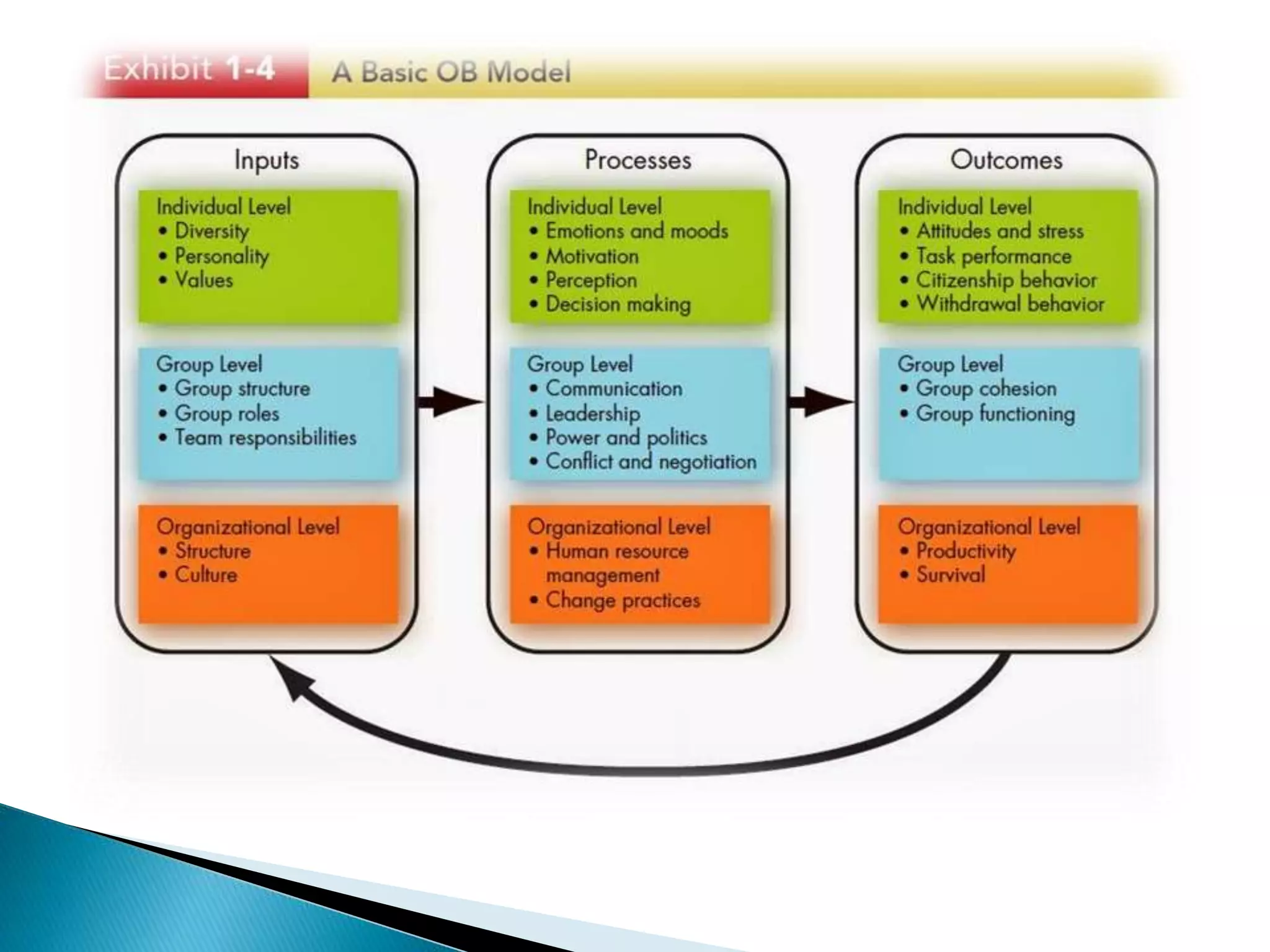
Organizational Behaviour-model (OB Model)

Organizational Behaviour-model (OB Model)

  • 1.
    MODELS OF ORGANIZATIONAL BEHAVIOUR By N BharathKumar MBA (Pharma) PM/2016/411 NIPER-HYDERABAD
  • 2.
    A field ofstudy that investigates the impact of individuals, groups, and structures on human behaviour within organizations; the aim is to apply such knowledge towards improving organizational effectiveness.
  • 3.
  • 5.
    Progressive Organizations measuretheir results or outcomes by three criteria Personal growth and development Employee satisfaction Performance Product and services quality and quantity, level of customer service May be measured by - lower absenteeism, tardiness or turnover Employees gain lifelong knowledge and skills leading to continued employability and career advancement
  • 6.
    Autocratic Model Custodial Model SupportiveModel Collegial Model System Model
  • 8.
     The basisof this model is Power with a managerial orientation of Authority  The manager has the power to demand “You do this or else” and an employee who does not follow orders is punished.  The manager can hire, fire and “perspire” them.  The employees in turn are oriented towards obedience and dependence on the boss.  The employee need that is met is subsistence.  The performance result is minimal.
  • 9.
    Weakness:  Micromanagement leadsto poor employee morale, high human cost and poor decision making. Advantages:  It is useful in crisis situations, within armies or with short term employees  It is acceptable approach when there were no well known alternatives
  • 10.
     The basisof this model is Economic resources with a managerial orientation of Money  Employee feel with reasonable contentment.  The employee orientation is security and benefits  The employee psychological results is dependence on organization  The employee need that is met is security.  The performance result is passive cooperation.
  • 11.
     The basisof this model is Leadership with a managerial orientation of Support  The employee orientation is Job performance  The employee psychological results is a feeling of participation and tasks involvement in the organization  Employee status and recognition needs are better met  Performance results is awakened drives
  • 12.
     The basisof this model is Partnership with a managerial orientation of Team work  The employee orientation is responsible behavior  The employee psychological results is self discipline  Employee needs met is self actualization  Performance results is moderate enthusiasm
  • 13.
     This isthe most recent model.  The basis of this model is trust, community and meaning with a managerial orientation of caring and compassion  The employee orientation is psychological ownership  The employee psychological results is self motivation  Employee needs are met are wide range  Performance results is passion and commitment to organizational goal
  • 14.
     http://www.myorganisationalbehaviour.com/five-models-of-organisational-behaviour/  http://www.nwlink.com/~donclark/leader/leadob.html http://www.myorganisationalbehaviour.com/five-models-of-organisational-behaviour/  http://www.yourarticlelibrary.com/organization/organizational-behaviour/top-5-models-of- organizational-behavior-explained/63749/  http://buo1ob.wikidot.com/models-of-organizational-behavior  http://mbanote-management.blogspot.in/2011/03/model-of-organizational-behavior_23.html  http://wikieducator.org/Organizational_Behavior  http://vulms.vu.edu.pk/Courses/MGT502/Lessons/Lesson_2/_Lesson%202_.pdf  http://tmv.edu.in/pdf/Distance_education/BCA%20Books/BCA%20VI%20SEM/BCA- 629%20OB.pdf  http://ismdhanbad.ac.in/elearning/notes/introduction_to_ob.pdf  http://textofvideo.nptel.iitm.ac.in/110105033/lec2.pdf