OCEAN ECOSYSTEM 
By:monica
What is it? 
• The kenjeran ocean is located in around Surabaya. 80 percent of life 
are found in the ocean. For years we always litter in the ocean. Now 
as the ocean gets more warmer and acidic they face new problem. 
• Place: kenjeran beach
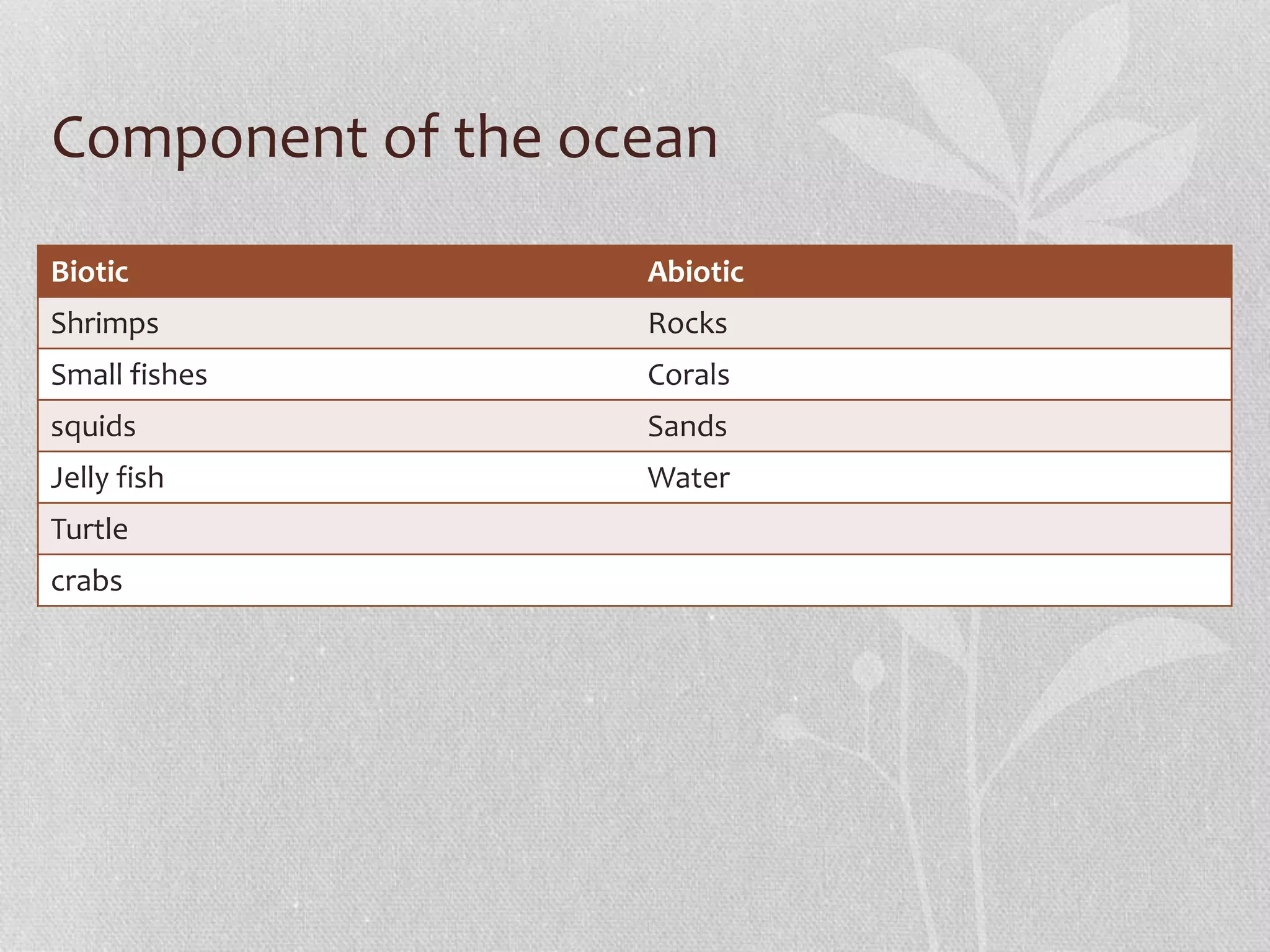
Component of the ocean 
Biotic Abiotic 
Shrimps Rocks 
Small fishes Corals 
squids Sands 
Jelly fish Water 
Turtle 
crabs
Interdependent happen 
• Living-non-living 
The animal in the ocean depend on the ocean to live. 
Fishes are camouflaged to the coral reef for protection 
• Living-living 
A green turtle is cleaned by several fish. Many species act as a 
cleaners in group and sometimes alone. 
A cleaner shrimps is the dental hygienist for moray eel. 
A hermit crab has covered its shell home with small sea anemones. 
The crab gains protection and the anemones gain more flow to carry 
their food their way.
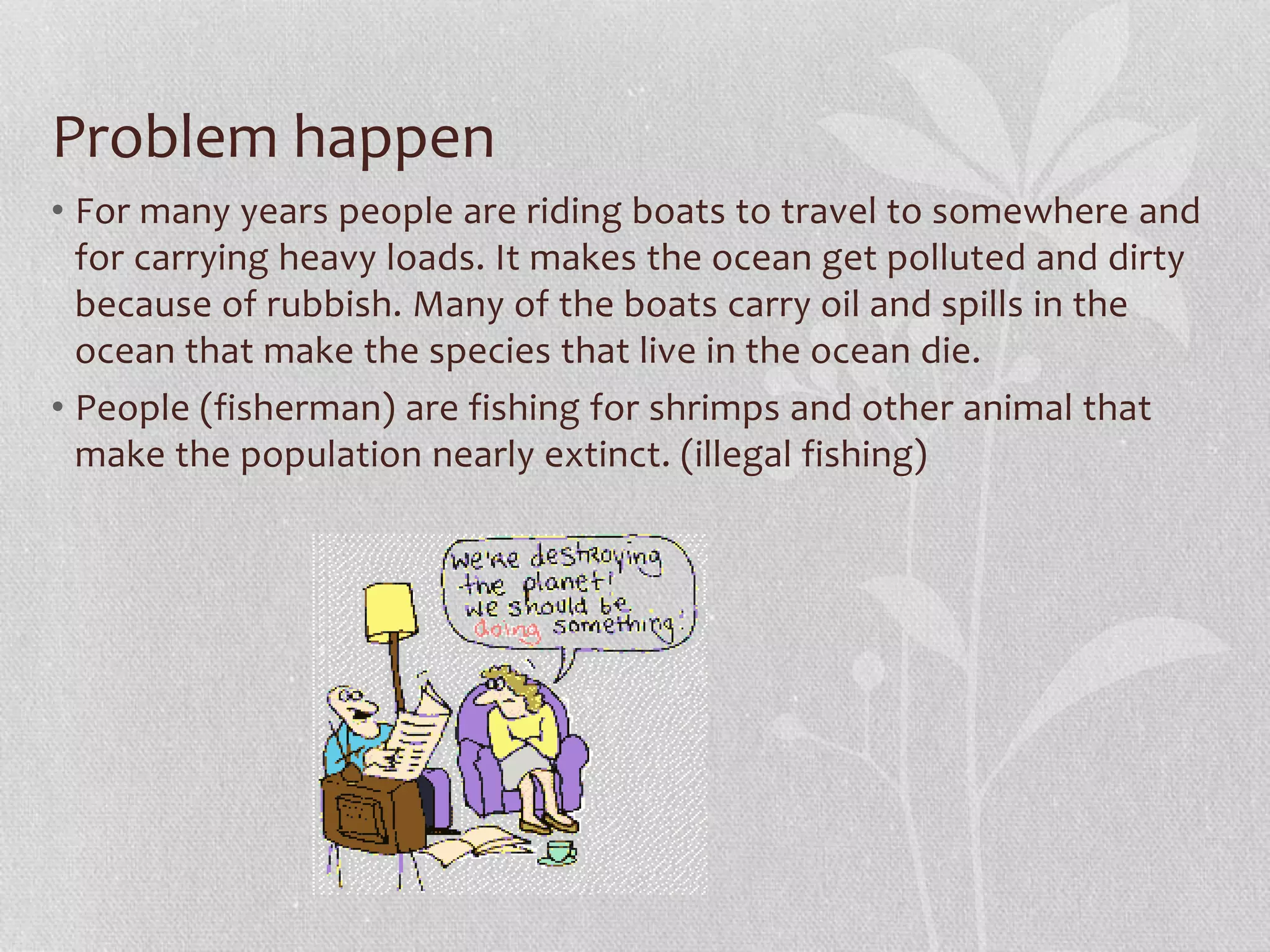
Problem happen 
• For many years people are riding boats to travel to somewhere and 
for carrying heavy loads. It makes the ocean get polluted and dirty 
because of rubbish. Many of the boats carry oil and spills in the 
ocean that make the species that live in the ocean die. 
• People (fisherman) are fishing for shrimps and other animal that 
make the population nearly extinct. (illegal fishing)
Possible action 
• Don’t eat seafood to much 
We will protect the population of the fish and also protect the coral 
reefs. 
• Stop using plastic 
If we stop using plastic bag you will decrease marine litter and 
protect coral reefs. Replace the plastic things in your life and change 
them with other material like glass, woods or canvas bag. Recycle all 
plastic. 
• Make less waste 
You will decrease marine litter and protect coral reefs. Buy items 
with less packaging. Buy milk in recyclable cartons not in plastic bag. 
Use cloth bags or metal container.
Possible action 1 
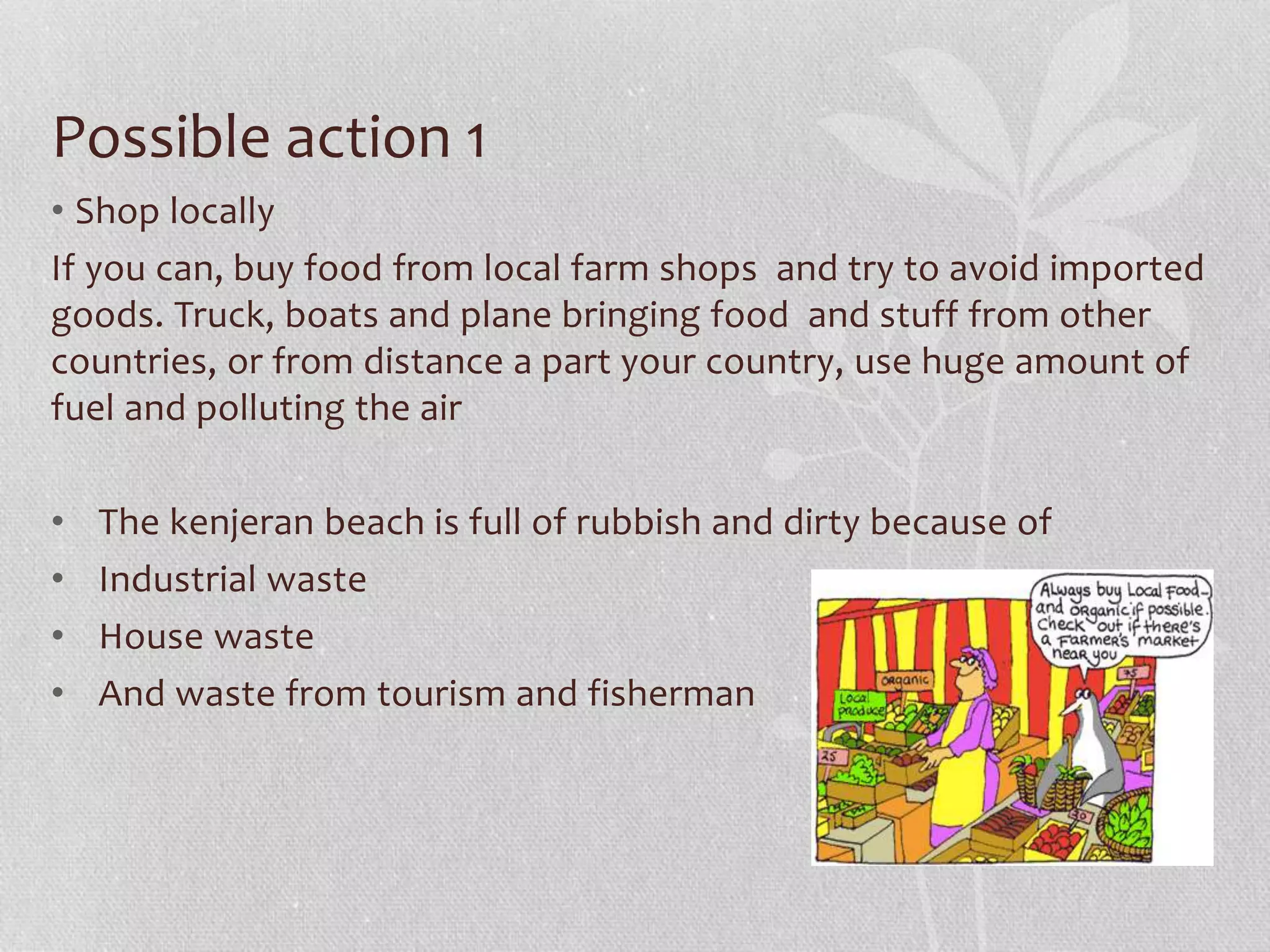
• Shop locally 
If you can, buy food from local farm shops and try to avoid imported 
goods. Truck, boats and plane bringing food and stuff from other 
countries, or from distance a part your country, use huge amount of 
fuel and polluting the air 
• The kenjeran beach is full of rubbish and dirty because of 
• Industrial waste 
• House waste 
• And waste from tourism and fisherman
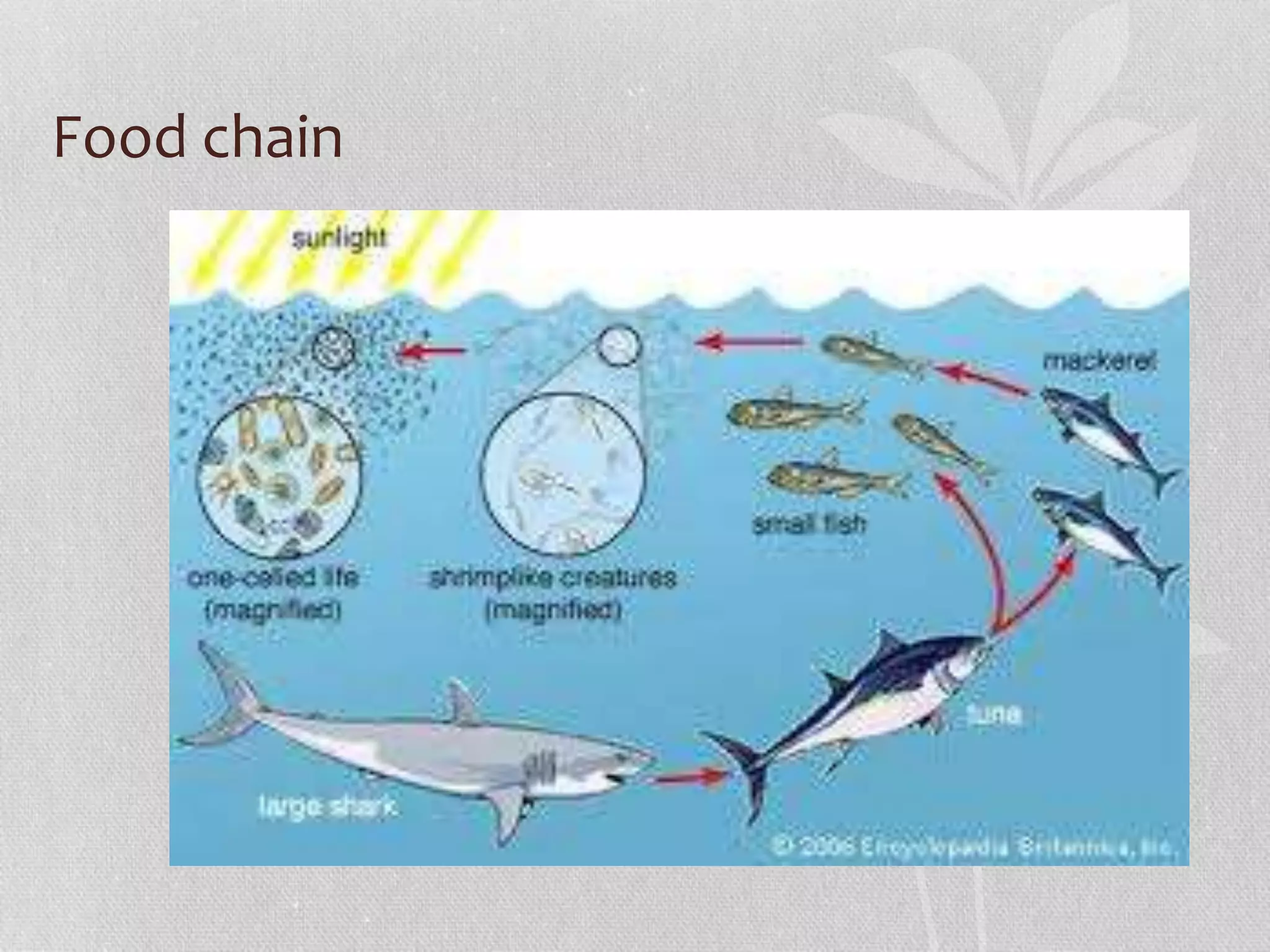
Food chain
• Interdependent between human and other living things 
Humans depend on fish to sell and get money also to eat. 
• Interdependent between human and other non living things 
Humans depend on the ocean water for their everyday need / daily 
need, (for washing dishes, washing clothes and etc)
Problem I focus on is throwing rubbish in the 
ocean 
In past time, It was the big and beautiful beach. But, now in there, 
we just meet a lot tourist and people who ignored the morality 
standard in this country. People are busy doing their activity without 
being caring with their surroundings. 
Website : sangbuya.wordpress.com/2011/10/24/kenjeran-thebeautiful-side- 
of-surabaya-city 
By: Buya
Bibliography 
• Primary resources: my nephew who live near kenjeran 
• Secondary resources: encyclopedia, website 
• Target audience: tourism so they will not throw rubbish and not 
make the ocean dirty.

Ocean ecosystem summative

  • 1.
  • 2.
    What is it? • The kenjeran ocean is located in around Surabaya. 80 percent of life are found in the ocean. For years we always litter in the ocean. Now as the ocean gets more warmer and acidic they face new problem. • Place: kenjeran beach
  • 3.
    Component of theocean Biotic Abiotic Shrimps Rocks Small fishes Corals squids Sands Jelly fish Water Turtle crabs
  • 4.
    Interdependent happen •Living-non-living The animal in the ocean depend on the ocean to live. Fishes are camouflaged to the coral reef for protection • Living-living A green turtle is cleaned by several fish. Many species act as a cleaners in group and sometimes alone. A cleaner shrimps is the dental hygienist for moray eel. A hermit crab has covered its shell home with small sea anemones. The crab gains protection and the anemones gain more flow to carry their food their way.
  • 5.
    Problem happen •For many years people are riding boats to travel to somewhere and for carrying heavy loads. It makes the ocean get polluted and dirty because of rubbish. Many of the boats carry oil and spills in the ocean that make the species that live in the ocean die. • People (fisherman) are fishing for shrimps and other animal that make the population nearly extinct. (illegal fishing)
  • 6.
    Possible action •Don’t eat seafood to much We will protect the population of the fish and also protect the coral reefs. • Stop using plastic If we stop using plastic bag you will decrease marine litter and protect coral reefs. Replace the plastic things in your life and change them with other material like glass, woods or canvas bag. Recycle all plastic. • Make less waste You will decrease marine litter and protect coral reefs. Buy items with less packaging. Buy milk in recyclable cartons not in plastic bag. Use cloth bags or metal container.
  • 7.
    Possible action 1 • Shop locally If you can, buy food from local farm shops and try to avoid imported goods. Truck, boats and plane bringing food and stuff from other countries, or from distance a part your country, use huge amount of fuel and polluting the air • The kenjeran beach is full of rubbish and dirty because of • Industrial waste • House waste • And waste from tourism and fisherman
  • 8.
  • 9.
    • Interdependent betweenhuman and other living things Humans depend on fish to sell and get money also to eat. • Interdependent between human and other non living things Humans depend on the ocean water for their everyday need / daily need, (for washing dishes, washing clothes and etc)
  • 10.
    Problem I focuson is throwing rubbish in the ocean In past time, It was the big and beautiful beach. But, now in there, we just meet a lot tourist and people who ignored the morality standard in this country. People are busy doing their activity without being caring with their surroundings. Website : sangbuya.wordpress.com/2011/10/24/kenjeran-thebeautiful-side- of-surabaya-city By: Buya
  • 11.
    Bibliography • Primaryresources: my nephew who live near kenjeran • Secondary resources: encyclopedia, website • Target audience: tourism so they will not throw rubbish and not make the ocean dirty.