Shamima Akter
BOT, MRS (enrolling)
Lecturer,
Department of Occupational Therapy
Bangladesh Health Professions Institute
Centre for the Rehabilitation of the Paralysed
Chapain, Savar
OCCUPATIONAL PERFORMANCE
AREAS
Occupational Performance Area
Three Domains
1. Activities of daily living or self care
activities
2. Productivity or work
3. Play or leisure
4. Rest/ Sleep
Activities of Daily Living
Activities of daily living
 The typical life task required for self-care
and self- maintenance, such as
grooming, bathing, eating, dressing etc.
List of Activities of Daily Living
Grooming Health Maintenance
Oral hygiene Functional Mobility
Bathing Socialization
Toilet hygiene Functional Communication
Personal device care Community Mobility
Dressing Emergency Response
Self-feeding & Eating Sexual Expression
Medication routine
Grooming
Obtaining and using supplies; removing
body hair (use of razors, tweezers, lotions,
etc.); applying and removing cosmetics;
washing, drying, combing, styling, and
brushing hair; caring for nails (hands and
feet), caring for skin, ears, and eyes; and
applying deodorant.
Styling and Brushing hair
Caring of Nails
Applying and removing cosmetics
Oral Hygiene
Obtaining and using supplies; cleaning mouth;
brushing and flossing teeth; or removing,
cleaning, and reinserting dental orthotics and
prosthetics.
Oral Care
Dental Floss
Bathing/Showering
Obtaining and using supplies; soaping,
rinsing, and drying body parts; maintaining
bathing position; and transferring to and from
bathing positions.
Toilet Hygiene
Obtaining and using supplies; clothing
management; maintaining toileting position;
transferring to and from toileting position;
cleaning body; and caring for menstrual and
continence needs (including catheters,
colostomies, and suppository management).
Colostomies
Catheter
Personal Device Care
Cleaning and maintaining personal care
items, such as hearing aids, contact lenses,
glasses, orthotics, prosthetics, adaptive
equipment.
Prosthesis
(Artificial Limb)
Orthosis
(Supportive
device)
Adaptive equipment
Recognizing sudden, unexpected hazardous
situations, and initiating action to reduce the
threat to health and safety.
Emergency
Response
Emergency system
Emergency system
Engaging in desired sexual and intimate
activities
Sexual Expression
Dressing
Selecting clothing and accessories
appropriate to time of day, weather, and
occasion; obtaining clothing from storage
area; dressing and undressing in a sequential
fashion; fastening and adjusting clothing and
shoes; and applying and removing personal
devices, prostheses, or orthosis.
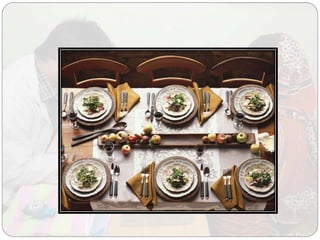
Feeding and Eating
Setting up food; selecting and using
appropriate utensils and tableware: cleaning
face, hands, and clothing; bringing food or
drink to mouth; sucking, masticating,
coughing, and swallowing; and management
of alternative methods of nourishment.
Swallowing Process
Medication Routine
Obtaining medication. Opening and closing
containers, following prescribed schedules,
taking correct quantities, reporting problems
and adverse effects, and administering correct
quantities by using prescribed methods.
Developing and maintaining routines for
illness prevention and wellness promotion,
such as physical fitness, nutrition, and
decreasing health risk behaviors
Health maintenance
Accessing opportunities and interacting with
other people in appropriate contextual and
cultural ways to meet emotional and physical
needs.
Socialization
Moving from one position or place to another,
such as in-bed mobility, wheelchair mobility,
transfers (wheelchair, bed, car, tub, toilet,
tub/shower, chair, floor). Performing functional
ambulation and transport objects.
Functional Mobility
Moving self in the community and using public
or private transportation, such as driving, or
accessing buses, taxi cabs, or other public
transportation systems.
Community Mobility
Using equipment or systems to send and
receive information, such as writing
equipment, telephones, typewriters,
computers, communication boards, call lights,
emergency systems, Braille writers,
telecommunication devices for the deaf, and
augmentative communication systems.
Functional
Communication
Telephones
Communication boards
Telecommunication devices for the deaf
Braille
Augmentative communication systems
Call lights
PRODUCTIVITY OR WORK
Productivity
Productivity refers to activities (both
paid or unpaid) that provide
services or commodities to others
such educational activities and job-
related activities.
1. Home management
Clothing Care
Cleaning
Meal preparation and clean up
Shopping
Money management
Household maintenance
Safety procedures
2. Care of others
3. Educational activities
4. Vocational activities
Productivity
Obtaining and maintaining personal and
household possessions and environment.
Clothing Care
Cleaning
Meal preparation and clean up
Shopping
Money management
Household maintenance
Safety procedures
Home Management
Obtaining and using supplies; sorting,
laundering (hand, machine, and dry clean);
folding; ironing; storing; and mending.
Clothing Care
sorting
Mending
Obtaining and using supplies; picking up;
putting away; vacuuming; sweeping and
mopping floors; dusting; polishing; scrubbing;
washing windows; cleaning mirrors; making
beds; and removing trash and recyclables.
Cleaning
Picking Up Putting Away
Vacuuming
Sweeping & Mopping floors
Dusting
Scrubbing
Polishing
s
Washing windows
Cleaning mirror
Planning nutritious meals; preparing and
serving food; opening and closing containers,
cabinets and drawers; using kitchen utensils
and appliances; cleaning up and storing food
safely.
Meal Preparation & Clean
Up
Preparing shopping lists (grocery and other);
selecting and purchasing items; selecting
method of payment; and completing money
transactions.
Shopping
Budgeting, paying bills, and using bank
systems.
Money Management
Maintaining home, yard, garden, appliances,
vehicles, and household items.
Household
Maintenance
Knowing and performing preventive and
emergency procedures to maintain a safe
environment and to prevent injuries.
Safety Procedure
Providing for children, spouse, parents, pets,
or others, such as giving physical care,
nurturing, communicating, and using age
appropriate activities.
Care of Others
Participating in a learning environment
through school, community, or work-
sponsored activities, such as exploring
educational interests, attending to instruction,
managing assignments, and contributing to
group experiences.
Educational
Activities
Participating in work-related activities.
 Vocational exploration
 Job acquisition
 Work or job performance
 Retirement planning
 Volunteer participation
Vocational Activities
Determining aptitudes; developing interests
and skills, and selecting appropriate
vocational pursuits.
Vocational
Exploration
Identifying and selecting work opportunities,
and completing application and interview
processes.
Job Acquisition
Performing job tasks in a timely and
effective manner; incorporating necessary
work behaviors.
Work or Job
Performance
Determining aptitudes; developing interests
and skills; and selecting appropriate
avocational pursuits.
Retirement Planning
Performing unpaid activities for the benefit
of selected individuals, groups, or causes.
Volunteers
Participation
Play or Leisure Activity
 Play refers to activities freely undertaken
for their own sake; it includes exploring,
pretending, celebrating, engaging in
games or sports, and pursuing hobbies.
 Intrinsically motivating activities for
amusement, recreation, spontaneous
enjoyment, or self-expression.
Play or Leisure
Play or Leisure Exploration -Identifying
interests, skills, opportunities, and appropriate
play or leisure activities.
Play or Leisure
Exploration
Play or Leisure Performance -Planning and
participating in play or leisure activities.
Maintaining balance of play or leisure
activities with work and productive activities,
and activities of daily living. Obtaining,
utilizing, and maintaining equipment and
supplies.
Play or Leisure
Performance
Rest/ Sleep
 Rest, sleep, sleep preparation, and sleep
participation
PERFORMANCE AREA
 According to Occupational Therapy Practice
Framework (AOTA 2008, cited in Radomski, latham,
2013), Areas of occupations are:
• Activities of daily living
• Instrumental activities of daily living
• Rest & sleep
• Education
• Work
• Play
• Leisure
• Social preparation
Performance area
 Activities of Daily Living/ ADL— Care of one’s body
including bathing, showering, bowel and bladder
management, dressing, eating, self-feeding,
functional mobility, personal device care, personal
hygiene and grooming, sexual activity, and toilet
hygiene.
 Instrumental Activities of Daily Living/IADL—
Activities to support daily life in the home and
community including, care of others, child rearing,
care of pets, communication management,
community mobility, financial management, health
management and maintenance, home
establishment and management, meal preparation
and cleanup, religious observance, safety and
Continue…
 Rest and Sleep— Rest, sleep, sleep preparation, and
sleep participation
 Education — Participation in formal or informal
education; exploration of informal educational needs
or interests
 Work — Employment interests and pursuits,
employment seeking and acquisition, job
performance, retirement preparation and adjustment,
and volunteer exploration and participation
 Play — Play exploration and participation
 Leisure — Leisure exploration and participation
 Social preparation — Engaging in activities that result
in successful interaction at the community, family or
PERFORMANCE CONTEXT
 According to Occupational Functioning Model,
occupational performance contexts are:
 Physical
 Personal
 Cultural
 Social
 Situational
Performance Context
 Physical— Including the natural and built
environments, objects and utensils, and the
requirements that tools and utensils pose for use
 Personal— Including age, gender, activity history,
sense of competency, and spirituality
 Cultural— Including norms, values, beliefs, and
routines or rituals of the family, ethnic group,
community, or religious group
 Social— Including temporal demands of role tasks,
activities and habits; balance of activity types; and
balance of activity and rest
 Situational— Including circumstances related to the
setting or surroundings at a given moment
REFERENCE
 Trombly CA 1996, Occupational Therapy for
Physical Dysfunction, 5th ed, Mosby Company,
Philadelphia
 Radomski and Trombly-Latham 2008,
Occupational Therapy for Physical
Dysfunction (6th Ed). Philadelphia: Lippincott,
Williams and Wilkins.
 Radomski and Trombly-Latham 2014,
Occupational Therapy for Physical
Dysfunction (7th Ed). Philadelphia: Lippincott,
Williams and Wilkins.
ASK ME MORE…

Occupational performance area

  • 2.
    Shamima Akter BOT, MRS(enrolling) Lecturer, Department of Occupational Therapy Bangladesh Health Professions Institute Centre for the Rehabilitation of the Paralysed Chapain, Savar OCCUPATIONAL PERFORMANCE AREAS
  • 3.
    Occupational Performance Area ThreeDomains 1. Activities of daily living or self care activities 2. Productivity or work 3. Play or leisure 4. Rest/ Sleep
  • 4.
  • 5.
    Activities of dailyliving  The typical life task required for self-care and self- maintenance, such as grooming, bathing, eating, dressing etc.
  • 6.
    List of Activitiesof Daily Living Grooming Health Maintenance Oral hygiene Functional Mobility Bathing Socialization Toilet hygiene Functional Communication Personal device care Community Mobility Dressing Emergency Response Self-feeding & Eating Sexual Expression Medication routine
  • 7.
    Grooming Obtaining and usingsupplies; removing body hair (use of razors, tweezers, lotions, etc.); applying and removing cosmetics; washing, drying, combing, styling, and brushing hair; caring for nails (hands and feet), caring for skin, ears, and eyes; and applying deodorant.
  • 9.
  • 10.
  • 11.
  • 12.
    Oral Hygiene Obtaining andusing supplies; cleaning mouth; brushing and flossing teeth; or removing, cleaning, and reinserting dental orthotics and prosthetics.
  • 13.
  • 14.
  • 15.
    Bathing/Showering Obtaining and usingsupplies; soaping, rinsing, and drying body parts; maintaining bathing position; and transferring to and from bathing positions.
  • 17.
    Toilet Hygiene Obtaining andusing supplies; clothing management; maintaining toileting position; transferring to and from toileting position; cleaning body; and caring for menstrual and continence needs (including catheters, colostomies, and suppository management).
  • 18.
  • 19.
    Personal Device Care Cleaningand maintaining personal care items, such as hearing aids, contact lenses, glasses, orthotics, prosthetics, adaptive equipment.
  • 21.
  • 22.
  • 23.
    Recognizing sudden, unexpectedhazardous situations, and initiating action to reduce the threat to health and safety. Emergency Response
  • 24.
  • 25.
  • 26.
    Engaging in desiredsexual and intimate activities Sexual Expression
  • 27.
    Dressing Selecting clothing andaccessories appropriate to time of day, weather, and occasion; obtaining clothing from storage area; dressing and undressing in a sequential fashion; fastening and adjusting clothing and shoes; and applying and removing personal devices, prostheses, or orthosis.
  • 29.
    Feeding and Eating Settingup food; selecting and using appropriate utensils and tableware: cleaning face, hands, and clothing; bringing food or drink to mouth; sucking, masticating, coughing, and swallowing; and management of alternative methods of nourishment.
  • 34.
  • 35.
    Medication Routine Obtaining medication.Opening and closing containers, following prescribed schedules, taking correct quantities, reporting problems and adverse effects, and administering correct quantities by using prescribed methods.
  • 37.
    Developing and maintainingroutines for illness prevention and wellness promotion, such as physical fitness, nutrition, and decreasing health risk behaviors Health maintenance
  • 39.
    Accessing opportunities andinteracting with other people in appropriate contextual and cultural ways to meet emotional and physical needs. Socialization
  • 41.
    Moving from oneposition or place to another, such as in-bed mobility, wheelchair mobility, transfers (wheelchair, bed, car, tub, toilet, tub/shower, chair, floor). Performing functional ambulation and transport objects. Functional Mobility
  • 43.
    Moving self inthe community and using public or private transportation, such as driving, or accessing buses, taxi cabs, or other public transportation systems. Community Mobility
  • 47.
    Using equipment orsystems to send and receive information, such as writing equipment, telephones, typewriters, computers, communication boards, call lights, emergency systems, Braille writers, telecommunication devices for the deaf, and augmentative communication systems. Functional Communication
  • 48.
  • 49.
  • 50.
  • 51.
  • 52.
  • 53.
  • 54.
  • 55.
    Productivity Productivity refers toactivities (both paid or unpaid) that provide services or commodities to others such educational activities and job- related activities.
  • 56.
    1. Home management ClothingCare Cleaning Meal preparation and clean up Shopping Money management Household maintenance Safety procedures 2. Care of others 3. Educational activities 4. Vocational activities Productivity
  • 57.
    Obtaining and maintainingpersonal and household possessions and environment. Clothing Care Cleaning Meal preparation and clean up Shopping Money management Household maintenance Safety procedures Home Management
  • 58.
    Obtaining and usingsupplies; sorting, laundering (hand, machine, and dry clean); folding; ironing; storing; and mending. Clothing Care
  • 60.
  • 63.
  • 64.
    Obtaining and usingsupplies; picking up; putting away; vacuuming; sweeping and mopping floors; dusting; polishing; scrubbing; washing windows; cleaning mirrors; making beds; and removing trash and recyclables. Cleaning
  • 65.
  • 66.
  • 67.
  • 68.
  • 71.
    Planning nutritious meals;preparing and serving food; opening and closing containers, cabinets and drawers; using kitchen utensils and appliances; cleaning up and storing food safely. Meal Preparation & Clean Up
  • 81.
    Preparing shopping lists(grocery and other); selecting and purchasing items; selecting method of payment; and completing money transactions. Shopping
  • 83.
    Budgeting, paying bills,and using bank systems. Money Management
  • 86.
    Maintaining home, yard,garden, appliances, vehicles, and household items. Household Maintenance
  • 88.
    Knowing and performingpreventive and emergency procedures to maintain a safe environment and to prevent injuries. Safety Procedure
  • 92.
    Providing for children,spouse, parents, pets, or others, such as giving physical care, nurturing, communicating, and using age appropriate activities. Care of Others
  • 94.
    Participating in alearning environment through school, community, or work- sponsored activities, such as exploring educational interests, attending to instruction, managing assignments, and contributing to group experiences. Educational Activities
  • 97.
    Participating in work-relatedactivities.  Vocational exploration  Job acquisition  Work or job performance  Retirement planning  Volunteer participation Vocational Activities
  • 98.
    Determining aptitudes; developinginterests and skills, and selecting appropriate vocational pursuits. Vocational Exploration
  • 99.
    Identifying and selectingwork opportunities, and completing application and interview processes. Job Acquisition
  • 101.
    Performing job tasksin a timely and effective manner; incorporating necessary work behaviors. Work or Job Performance
  • 103.
    Determining aptitudes; developinginterests and skills; and selecting appropriate avocational pursuits. Retirement Planning
  • 105.
    Performing unpaid activitiesfor the benefit of selected individuals, groups, or causes. Volunteers Participation
  • 109.
  • 110.
     Play refersto activities freely undertaken for their own sake; it includes exploring, pretending, celebrating, engaging in games or sports, and pursuing hobbies.  Intrinsically motivating activities for amusement, recreation, spontaneous enjoyment, or self-expression. Play or Leisure
  • 113.
    Play or LeisureExploration -Identifying interests, skills, opportunities, and appropriate play or leisure activities. Play or Leisure Exploration
  • 115.
    Play or LeisurePerformance -Planning and participating in play or leisure activities. Maintaining balance of play or leisure activities with work and productive activities, and activities of daily living. Obtaining, utilizing, and maintaining equipment and supplies. Play or Leisure Performance
  • 117.
    Rest/ Sleep  Rest,sleep, sleep preparation, and sleep participation
  • 118.
    PERFORMANCE AREA  Accordingto Occupational Therapy Practice Framework (AOTA 2008, cited in Radomski, latham, 2013), Areas of occupations are: • Activities of daily living • Instrumental activities of daily living • Rest & sleep • Education • Work • Play • Leisure • Social preparation
  • 119.
    Performance area  Activitiesof Daily Living/ ADL— Care of one’s body including bathing, showering, bowel and bladder management, dressing, eating, self-feeding, functional mobility, personal device care, personal hygiene and grooming, sexual activity, and toilet hygiene.  Instrumental Activities of Daily Living/IADL— Activities to support daily life in the home and community including, care of others, child rearing, care of pets, communication management, community mobility, financial management, health management and maintenance, home establishment and management, meal preparation and cleanup, religious observance, safety and
  • 120.
    Continue…  Rest andSleep— Rest, sleep, sleep preparation, and sleep participation  Education — Participation in formal or informal education; exploration of informal educational needs or interests  Work — Employment interests and pursuits, employment seeking and acquisition, job performance, retirement preparation and adjustment, and volunteer exploration and participation  Play — Play exploration and participation  Leisure — Leisure exploration and participation  Social preparation — Engaging in activities that result in successful interaction at the community, family or
  • 121.
    PERFORMANCE CONTEXT  Accordingto Occupational Functioning Model, occupational performance contexts are:  Physical  Personal  Cultural  Social  Situational
  • 122.
    Performance Context  Physical—Including the natural and built environments, objects and utensils, and the requirements that tools and utensils pose for use  Personal— Including age, gender, activity history, sense of competency, and spirituality  Cultural— Including norms, values, beliefs, and routines or rituals of the family, ethnic group, community, or religious group  Social— Including temporal demands of role tasks, activities and habits; balance of activity types; and balance of activity and rest  Situational— Including circumstances related to the setting or surroundings at a given moment
  • 123.
    REFERENCE  Trombly CA1996, Occupational Therapy for Physical Dysfunction, 5th ed, Mosby Company, Philadelphia  Radomski and Trombly-Latham 2008, Occupational Therapy for Physical Dysfunction (6th Ed). Philadelphia: Lippincott, Williams and Wilkins.  Radomski and Trombly-Latham 2014, Occupational Therapy for Physical Dysfunction (7th Ed). Philadelphia: Lippincott, Williams and Wilkins.
  • 124.