

ObesityObesity
Dr. Amit Gangwal
Smriti college of pharmaceutical education, Indore
Amit Ratn Gangwal Jain Amit Ka PPT
Uploaded on Slideshare on
Saturday /14/06/2014: At 11:59PM
DisclaimerAll the images have been as such taken from
internet using Google as search engine. I do not
claim on these images. These are of original
creator/photographer. I am thankful to these
men/women and websites. This PPT is on
Slideshare and I am not making any money by
this PPT. This is available for public free of cost. I
do not want to make money by these slides.
This image has been taken from following website. I am thankful to original copy writer
http://fashionisabitch.wordpress.com/2011/12/23/holiday-dresses-for-all-body-shapes/
Obesity is defined as BMI (body mass index)
30kgm2 or more.
But as shown in picture in last slide, based on
body type and deposition of fat pads, this BMI
is not the sole criterion to judge the obesity but
yes one of the mostly accepted way.
Therefore, obesity is measured using BMI and
further evaluated in terms of fat distribution via
the waist–hip ratio and total cardiovascular risk
factors
At least one article is seen
everyday in newspaper on obesity
directly or indirectly; no other
disease is searched (and articles
are read on) as frequently as
obesity.
Obesity is a foremost health problem not only in
developed nations but also in developing countries.
It increases the risk of other diseases like diabetes,
cardiovascular ailments, fatty liver and some forms of
cancer.
http://www.walkingforweightloss.co.uk/wp-
content/uploads/2014/01/1601063875_13683337861.j
pg
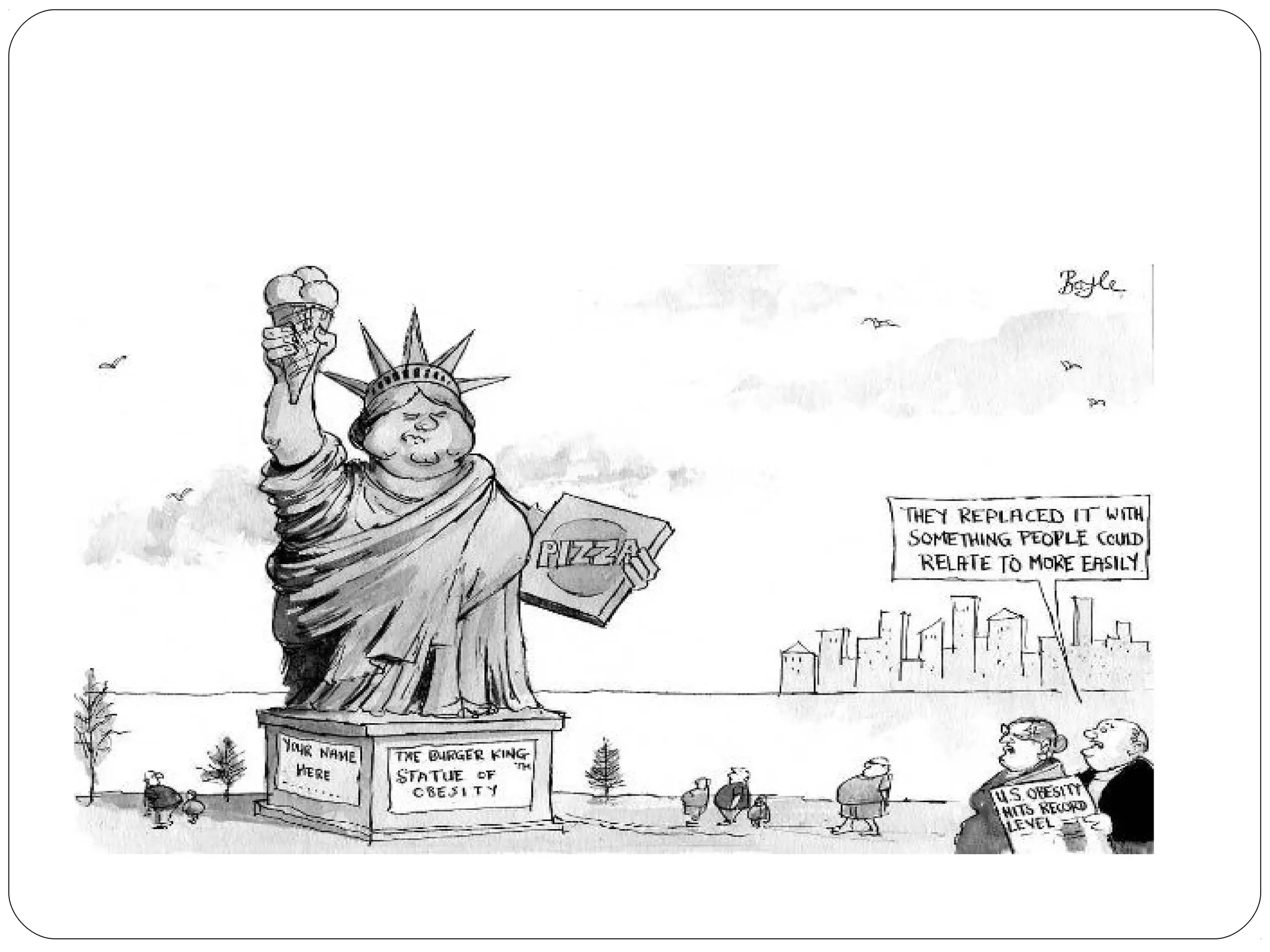
Obesity has become an epidemic not
only in affluent societies but also
spreading in other strata.
Though a metabolic disorder, obesity is
as dangerous as other leading
diseases like cancer, diabetes,
cardiovascular disorders etc.
Obesity is now so common in
various geographies that it is
beginning to replace conditions
arising from malnutrition and
infectious diseases as the
most significant contributor to
ill health.
Obesity is often a lifelong problem.
Many of the currently available treatments
for obesity aim to reduce body weight or
manage obesity for impermanent period;
there is a need for some solution which
can address obesity in a longer lasting or
permanent way.
Once excess weight is gained, it is not
easy to lose. Once lost, you will have
to work at maintaining your healthier
weight.
The continuing rise in occurrence of
obesity worldwide will require new
solutions to be found for treatment,
management and prevention of
obesity.
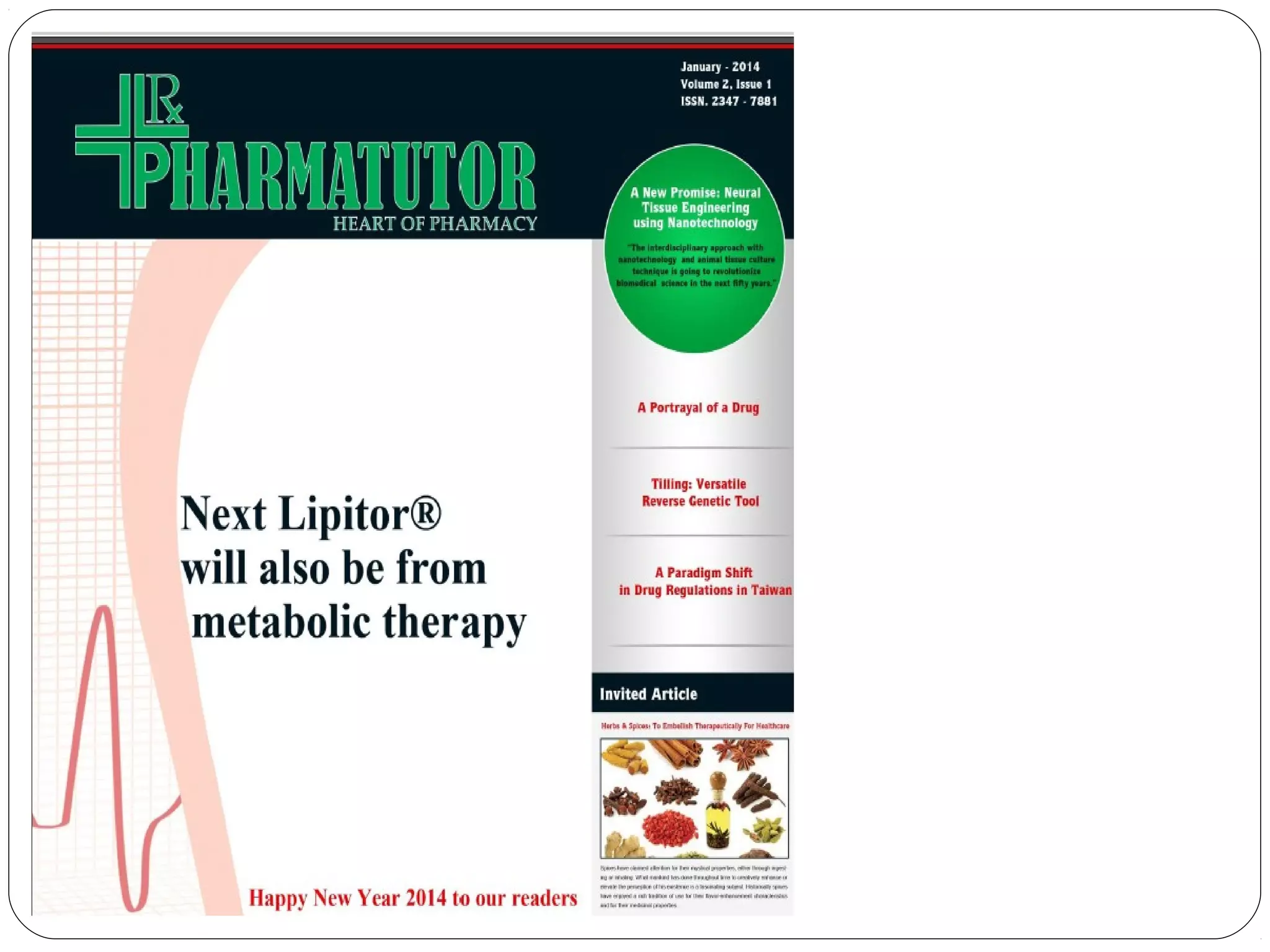
Because humanity does not appear
inclined to take more exercise or
avoid opulent life style, the
emphasis over the next few
decades is likely to be on treating
obesity and might be possible that
next Lipitor® will be again from
metabolic therapy.
Because such is the rate of prevalence of
obesity and quite limited options that as
soon as a successful antiobesity drug is
launched (without side effects) in coming
years, people will take it in no time and it
will break the record of world’s biggest
blockbuster brand Lipitor®
Lipitor®
till date is the world’s
largest sold drug; becoming the
blockbuster brand containing
Atrovastatin. There is an urgent
need of exploring all the
available options to address the
menace of this metabolic
disorder
How to address obesity ?
Obesity treatments include physical activity,
changes in eating behavior,
pharmacotherapy, weight reducing medicinal
plants, etc.
Antiobesity drugs may be taken to
reduce appetite or inhibit fat absorption
together with a suitable diet.
If diet, exercise and medication are not
successful, other options are available.
Surgery
A gastric balloon may assist with weight loss,
or surgery may be performed to condense stomach
volume and/or bowel length, leading to earlier feeling
of satiety and reduced ability to absorb nutrients from
food.
Strategies to combat obesity
Many synthetic drug therapies are available for the
treatment of obesity e. g.
orlistat (Xenical®): a pancreatic lipase inhibitor
which can block 30% of triglyceride hydrolysis in
subjects eating a 30% fat diet,
sibutramine (Reductil®): neurotransmitter reuptake
inhibitor
Mechanism of currently available
or recalled drugs
Mechanism of currently available or
recalled drugs
• Most of the drugs that have entered the market for treating
obesity were originally developed to treat psychiatric problems.
• During the past decade, understanding of the hypothalamus
functions that control food intake has increased considerably.
(Acomplia®): cannabinoid-1 receptors blocker.
Sibutramine showed increased incidence of serious, non
fatal cardiovascular events and rimonabant has been
shown to possess risk of depression and anxiety.
The relatively safer orlistat also possesses several side
effects like signs of liver damage, allergic reaction,
gallbladder disease etc.
Orlistat’s use is associated with high rates of
gastrointestinal side effects.
Weight loss caused by these synthetic drugs however is modest
with an average of 2.9 kg at 1 to 4 years and there is scarcity of
data on how these drugs influence longer-term complications of
obesity.
A combination of phentermine and topiramate (Qsymia®) is
also fairly effective in treatment of obesity.
Recently USFDA has given consent to a pill (lorcaserin under the
trade name Belviq®) that could help to treat obesity.
It can help people to lose about 3–4% of their body weight when
combined with other classical way to combat obesity like a healthy diet
and exercise.
The drug has been approved for use by obese people with a BMI greater
than 30, and for a subset of overweight people (BMI > 27) who have
health conditions such as high blood pressure, elevated cholesterol and
Type 2 diabetes. In the past two years, the USFDA has rejected around
3 obesity drugs because of safety concerns or lack of efficacy. The
USFDA advisory committee recommended in March 2012 that all
antiobesity drug candidates should pass cardiovascular risks assessing
tests.
• Currently available drugs and ongoing research act on somewhat
overlapping systems that manage food intake. Phentermine
increases the serotonin levels, noradrenalin and dopamine in the
brain, although its anti-obesity activity is thought to occur mainly
by increasing noradrenalin levels in the hypothalamus, thereby
leading to an increased sympathetic activity.
• Orlistat is a long time solution for obese person, permitted by US
Food and Drug Administration. In the intestinal mucosa, orlistat
binds to and blocks the activity of lipase enzyme, released by the
pancreas in response to fat intake, thereby inhibiting the
breakdown of fat molecules and their absorption.
Mechanism of currently available
or recalled drugs
• Different factors like meal termination, meal initiation and
overconsumption of highly rewarding and palatable foods are
modulated by different neuroanatomical structures.
• Integration of the action of many signaling chemicals like
hormones, neurotransmitters and neuropeptides is central to
feeding behavior.
Mechanism of currently available
or recalled drugs
Sibutramine blocks serotonin noradrenalin re-uptake in the
synapse. Rimonabant, a cannabinoid 1 (CB1) receptor
inverse agonist, obstructs the signaling of endogenous
cannabinoids (such as 2-arachidonoylglycerol (2-AG).
Mechanism of currently available
or recalled drugs
What are the major leg pullers/constraints in
obesity management:
Tentative reasons?
Perhaps the only disease where person has to
interrupt his daily assignment (taking meal) fixed
by the God, which is a daunting task.
What are the major leg pullers/constraints in
obesity management
Preclinical models or clinical designs are not
robust enough to analyze and predict real time
effect in obese persons.
Placebo or will power seems to be more effectual
than well designed clinical studies.
What are the major leg pullers/constraints
in obesity management:
With technology spreading and sliding in every
household, obesity victim becomes helpless and
hapless notwithstanding his willingness to shed
those extra pounds.
What are the major leg pullers/constraints in
obesity management:
Side effects of approved antiobesity molecules
led to frequent suspension of marketing
authorization by regulatory authorities in one or
more part of world.
What are the major leg pullers/constraints in
obesity management:
Moreover, this is among those rare diseases in
which medication alone does not improve the
conditions significantly and permanently. Person
has to follow strict dietary regimen.
What are the major leg pullers/constraints in
obesity management:
Treatment and change in food habits are
frustrating.
What are the major leg pullers/constraints in
obesity management:
Treatment involves interplay of at least three
major systems of body: Nervous, Endocrine and
Digestive systems.
What are the major leg pullers/constraints in
obesity management:
Though a bit successful, but traditional treatment
single drug therapy to treat obesity is not effective
impressively because of multiplicity and
redundancy of mechanism involved in appetite
regulation and energy homeostasis.
What are the major leg pullers/constraints in
obesity management:
Even treatment is on but ready availability of
palatable food with a high fat content is not
supporting the therapy.
What are the major leg pullers/constraints in
obesity management:
Side effects are probably due to the fact that body
is being forced to not absorb/assimilate basic
building blocks i. e. fatty acids.
What are the major leg pullers/constraints in
obesity management:
So many chemicals are involved that it seems
difficult to completely control the system.
What are the major leg pullers/constraints in
obesity management:
From the physiology of weight control, it is
evident that there are many potential targets for
obesity treatment, but there is high degree of
redundancy in the system.
What are the major leg pullers/constraints in
obesity management:
So far there is no proof or success indicating that
pharmacological treatment is effective in the
absence of changes to diet and lifestyle.
What are the major leg pullers/constraints in
obesity management:
Intense behavioral interventions are mandatory
for effective weight loss and health improvements
in obese patients11
.
One thing is still sure and challenging, at least based
on the available literature that pharmacotherapy for
obesity is unlikely to provide a magic bullet and that
diet and life style changes are expected to remain
the centre of treatment for the predictable future.
Looking at the ever increasing number of obese
person, this is not an overstatement that an obesity
panacea stands a good chance of becoming next
Lipitor®
.
Much stress is being focused on endpoints
(reduced food intake/body weight) and possibly
not enough on process. To accomplish full-
fledged and foolproof success in obesity
treatment, a deepest and penetrating
understanding of molecular, physiological, and
psychological mechanisms are warranted.
Thanks
Keep laughing.

Obesity

  • 1.
    ObesityObesity Dr. Amit Gangwal Smriticollege of pharmaceutical education, Indore Amit Ratn Gangwal Jain Amit Ka PPT Uploaded on Slideshare on Saturday /14/06/2014: At 11:59PM
  • 3.
    DisclaimerAll the imageshave been as such taken from internet using Google as search engine. I do not claim on these images. These are of original creator/photographer. I am thankful to these men/women and websites. This PPT is on Slideshare and I am not making any money by this PPT. This is available for public free of cost. I do not want to make money by these slides.
  • 4.
    This image hasbeen taken from following website. I am thankful to original copy writer http://fashionisabitch.wordpress.com/2011/12/23/holiday-dresses-for-all-body-shapes/
  • 5.
    Obesity is definedas BMI (body mass index) 30kgm2 or more. But as shown in picture in last slide, based on body type and deposition of fat pads, this BMI is not the sole criterion to judge the obesity but yes one of the mostly accepted way. Therefore, obesity is measured using BMI and further evaluated in terms of fat distribution via the waist–hip ratio and total cardiovascular risk factors
  • 6.
    At least onearticle is seen everyday in newspaper on obesity directly or indirectly; no other disease is searched (and articles are read on) as frequently as obesity.
  • 7.
    Obesity is aforemost health problem not only in developed nations but also in developing countries. It increases the risk of other diseases like diabetes, cardiovascular ailments, fatty liver and some forms of cancer.
  • 8.
  • 9.
    Obesity has becomean epidemic not only in affluent societies but also spreading in other strata. Though a metabolic disorder, obesity is as dangerous as other leading diseases like cancer, diabetes, cardiovascular disorders etc.
  • 10.
    Obesity is nowso common in various geographies that it is beginning to replace conditions arising from malnutrition and infectious diseases as the most significant contributor to ill health.
  • 11.
    Obesity is oftena lifelong problem. Many of the currently available treatments for obesity aim to reduce body weight or manage obesity for impermanent period; there is a need for some solution which can address obesity in a longer lasting or permanent way.
  • 12.
    Once excess weightis gained, it is not easy to lose. Once lost, you will have to work at maintaining your healthier weight. The continuing rise in occurrence of obesity worldwide will require new solutions to be found for treatment, management and prevention of obesity.
  • 13.
    Because humanity doesnot appear inclined to take more exercise or avoid opulent life style, the emphasis over the next few decades is likely to be on treating obesity and might be possible that next Lipitor® will be again from metabolic therapy.
  • 16.
    Because such isthe rate of prevalence of obesity and quite limited options that as soon as a successful antiobesity drug is launched (without side effects) in coming years, people will take it in no time and it will break the record of world’s biggest blockbuster brand Lipitor®
  • 17.
    Lipitor® till date isthe world’s largest sold drug; becoming the blockbuster brand containing Atrovastatin. There is an urgent need of exploring all the available options to address the menace of this metabolic disorder
  • 18.
    How to addressobesity ? Obesity treatments include physical activity, changes in eating behavior, pharmacotherapy, weight reducing medicinal plants, etc.
  • 19.
    Antiobesity drugs maybe taken to reduce appetite or inhibit fat absorption together with a suitable diet.
  • 20.
    If diet, exerciseand medication are not successful, other options are available.
  • 21.
    Surgery A gastric balloonmay assist with weight loss, or surgery may be performed to condense stomach volume and/or bowel length, leading to earlier feeling of satiety and reduced ability to absorb nutrients from food.
  • 22.
  • 23.
    Many synthetic drugtherapies are available for the treatment of obesity e. g. orlistat (Xenical®): a pancreatic lipase inhibitor which can block 30% of triglyceride hydrolysis in subjects eating a 30% fat diet, sibutramine (Reductil®): neurotransmitter reuptake inhibitor Mechanism of currently available or recalled drugs
  • 24.
    Mechanism of currentlyavailable or recalled drugs • Most of the drugs that have entered the market for treating obesity were originally developed to treat psychiatric problems. • During the past decade, understanding of the hypothalamus functions that control food intake has increased considerably.
  • 25.
    (Acomplia®): cannabinoid-1 receptorsblocker. Sibutramine showed increased incidence of serious, non fatal cardiovascular events and rimonabant has been shown to possess risk of depression and anxiety. The relatively safer orlistat also possesses several side effects like signs of liver damage, allergic reaction, gallbladder disease etc. Orlistat’s use is associated with high rates of gastrointestinal side effects.
  • 26.
    Weight loss causedby these synthetic drugs however is modest with an average of 2.9 kg at 1 to 4 years and there is scarcity of data on how these drugs influence longer-term complications of obesity. A combination of phentermine and topiramate (Qsymia®) is also fairly effective in treatment of obesity. Recently USFDA has given consent to a pill (lorcaserin under the trade name Belviq®) that could help to treat obesity.
  • 27.
    It can helppeople to lose about 3–4% of their body weight when combined with other classical way to combat obesity like a healthy diet and exercise. The drug has been approved for use by obese people with a BMI greater than 30, and for a subset of overweight people (BMI > 27) who have health conditions such as high blood pressure, elevated cholesterol and Type 2 diabetes. In the past two years, the USFDA has rejected around 3 obesity drugs because of safety concerns or lack of efficacy. The USFDA advisory committee recommended in March 2012 that all antiobesity drug candidates should pass cardiovascular risks assessing tests.
  • 28.
    • Currently availabledrugs and ongoing research act on somewhat overlapping systems that manage food intake. Phentermine increases the serotonin levels, noradrenalin and dopamine in the brain, although its anti-obesity activity is thought to occur mainly by increasing noradrenalin levels in the hypothalamus, thereby leading to an increased sympathetic activity. • Orlistat is a long time solution for obese person, permitted by US Food and Drug Administration. In the intestinal mucosa, orlistat binds to and blocks the activity of lipase enzyme, released by the pancreas in response to fat intake, thereby inhibiting the breakdown of fat molecules and their absorption. Mechanism of currently available or recalled drugs
  • 29.
    • Different factorslike meal termination, meal initiation and overconsumption of highly rewarding and palatable foods are modulated by different neuroanatomical structures. • Integration of the action of many signaling chemicals like hormones, neurotransmitters and neuropeptides is central to feeding behavior. Mechanism of currently available or recalled drugs
  • 30.
    Sibutramine blocks serotoninnoradrenalin re-uptake in the synapse. Rimonabant, a cannabinoid 1 (CB1) receptor inverse agonist, obstructs the signaling of endogenous cannabinoids (such as 2-arachidonoylglycerol (2-AG). Mechanism of currently available or recalled drugs
  • 31.
    What are themajor leg pullers/constraints in obesity management: Tentative reasons? Perhaps the only disease where person has to interrupt his daily assignment (taking meal) fixed by the God, which is a daunting task.
  • 32.
    What are themajor leg pullers/constraints in obesity management Preclinical models or clinical designs are not robust enough to analyze and predict real time effect in obese persons. Placebo or will power seems to be more effectual than well designed clinical studies.
  • 33.
    What are themajor leg pullers/constraints in obesity management: With technology spreading and sliding in every household, obesity victim becomes helpless and hapless notwithstanding his willingness to shed those extra pounds.
  • 34.
    What are themajor leg pullers/constraints in obesity management: Side effects of approved antiobesity molecules led to frequent suspension of marketing authorization by regulatory authorities in one or more part of world.
  • 35.
    What are themajor leg pullers/constraints in obesity management: Moreover, this is among those rare diseases in which medication alone does not improve the conditions significantly and permanently. Person has to follow strict dietary regimen.
  • 36.
    What are themajor leg pullers/constraints in obesity management: Treatment and change in food habits are frustrating.
  • 37.
    What are themajor leg pullers/constraints in obesity management: Treatment involves interplay of at least three major systems of body: Nervous, Endocrine and Digestive systems.
  • 38.
    What are themajor leg pullers/constraints in obesity management: Though a bit successful, but traditional treatment single drug therapy to treat obesity is not effective impressively because of multiplicity and redundancy of mechanism involved in appetite regulation and energy homeostasis.
  • 39.
    What are themajor leg pullers/constraints in obesity management: Even treatment is on but ready availability of palatable food with a high fat content is not supporting the therapy.
  • 40.
    What are themajor leg pullers/constraints in obesity management: Side effects are probably due to the fact that body is being forced to not absorb/assimilate basic building blocks i. e. fatty acids.
  • 41.
    What are themajor leg pullers/constraints in obesity management: So many chemicals are involved that it seems difficult to completely control the system.
  • 42.
    What are themajor leg pullers/constraints in obesity management: From the physiology of weight control, it is evident that there are many potential targets for obesity treatment, but there is high degree of redundancy in the system.
  • 43.
    What are themajor leg pullers/constraints in obesity management: So far there is no proof or success indicating that pharmacological treatment is effective in the absence of changes to diet and lifestyle.
  • 44.
    What are themajor leg pullers/constraints in obesity management: Intense behavioral interventions are mandatory for effective weight loss and health improvements in obese patients11 .
  • 45.
    One thing isstill sure and challenging, at least based on the available literature that pharmacotherapy for obesity is unlikely to provide a magic bullet and that diet and life style changes are expected to remain the centre of treatment for the predictable future. Looking at the ever increasing number of obese person, this is not an overstatement that an obesity panacea stands a good chance of becoming next Lipitor® .
  • 46.
    Much stress isbeing focused on endpoints (reduced food intake/body weight) and possibly not enough on process. To accomplish full- fledged and foolproof success in obesity treatment, a deepest and penetrating understanding of molecular, physiological, and psychological mechanisms are warranted.
  • 49.