Non elastic
impression materials
ASST PROFESSOR
Dr Mumtaz ul Islam
B.Sc. BDS. MHR. M.Phil.
Rigid impression materials and types
• Incapable to record undercut area
• Impression plaster fractures on recovery others distorts
• Impression plaster
• Impression compound
• Impression waxes
• Zinc oxide eugenol pastes system
Impression plaster
• Similar in composition of dental plaster
• Beta calcium sulphate hemihydrate
• Reacts with water form calcium sulphate di hydrate
• Water powder ratio is very high (0.60)
• Mucostatic
• Fluid consistency
Control of properties
• Accelerator potassium sulphate
• Retarder borex
• Antiexpansion agent
• Alizarine red dye
• Accelerator, retarder and dye mixed in a solution can be used
• Too fluid stock tray cant hold it
Impression recording
• Two methods direct and wash
• Direct with special tray
• Puddling the impression tray
• Wash in a preliminary (primary) compound impression
• Simply seat the impression home
• Gentle movement from side to side and anterio posterior
Removal of impression
• Very fluid records fine details
• Hemihydrates absorb moisture a more closer contact
• Dimensionally stable after setting
• Removal is more difficult often fractures in undercut area
• Dry sensation after impression and bad taste complaints
• Disinfection with sodium hypochlorite for 10 minutes
Casting the impression
• If impression of an undercut area taken it fractures
• Fractured pieces can be joined with each other
• Impression must be coated with a separating media
• Impossible to separate the impression
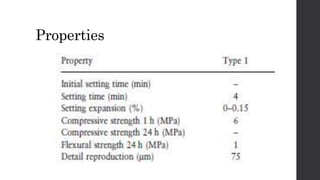
Properties
Properties Contd,
• Rapid setting
• Low strength
• Excellent for recording flabby ridge (mobile soft tissues)
 Requires a special technique
 Impression of sound ridges taken in ZnO Eugenol
 A window is framed over the flabby ridge
 Impression plaster is painted over the exposed tissue
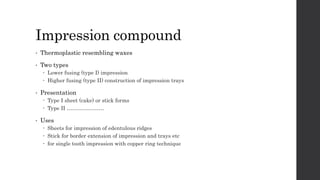
Impression compound
• Thermoplastic resembling waxes
• Two types
 Lower fusing (type I) impression
 Higher fusing (type II) construction of impression trays
• Presentation
 Type I sheet (cake) or stick forms
 Type II …………………
• Uses
 Sheets for impression of edentulous ridges
 Stick for border extension of impression and trays etc
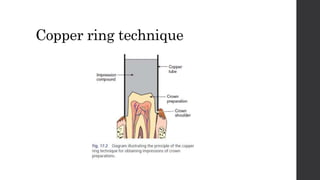
 for single tooth impression with copper ring technique
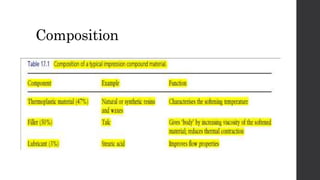
Composition
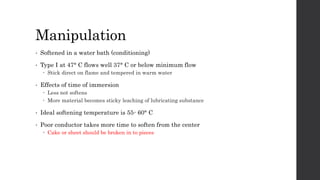
Manipulation
• Softened in a water bath (conditioning)
• Type I at 47° C flows well 37° C or below minimum flow
 Stick direct on flame and tempered in warm water
• Effects of time of immersion
 Less not softens
 More material becomes sticky leaching of lubricating substance
• Ideal softening temperature is 55- 60° C
• Poor conductor takes more time to soften from the center
 Cake or sheet should be broken in to pieces
Copper ring technique
Difference between both types
• Type I flows above 37°C (mouth temperature)
 Sheet shows 20% and stick shows 6% or less flow
• Type II not flows at or near mouth temperature
 2% or less flow
• Type I should record the impression of groves 0.02 – 4 mm
Viscosity
• The most viscous impression material
• Fine details can not be recorded
• Makes it muco compressive
• Records full depth of sulcus
• Displace lingual and buccal soft tissue
Internal stresses
• High coefficient of thermal expansion
• Poor thermal conductivity
• Large temperature drop from mouth to room
• Distortion occors gradually
• Model should be poured as soon as possible
Clinical considerations
• Border seal & dynamic shape of tissues
• Localized mucocompression for post dam area marking
• Survival is questionable
• Chemical disinfection is uncertain
• If not tempered can burn the soft tissue (common)
Impression waxes
• Low melting paraffin wax and bees wax in 3:1
• Readily flow at mouth temperature and relatively soft at room temperature
• Rarely used to record complete impression
• Corrective impressions especially for ZnO Eugenol
• Small imperfections of impression are corrected by painting
• Impression of lower free end saddle partial denture
Applegate technique
• Melted wax applied to the faulty or short impression
• Where needed loaded in the try
• Tray seated in to the mouth with firm pressure
• Allow the wax to flow well at mouth temperature under pressure
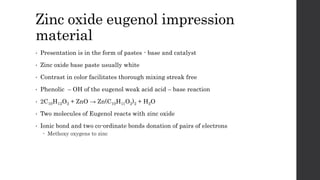
Zinc oxide eugenol impression
material
• Presentation is in the form of pastes - base and catalyst
• Zinc oxide base paste usually white
• Contrast in color facilitates thorough mixing streak free
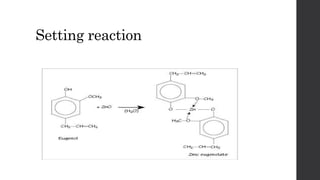
• Phenolic – OH of the eugenol weak acid acid – base reaction
• 2C10H12O2 + ZnO → Zn(C10H11O2)2 + H2O
• Two molecules of Eugenol reacts with zinc oxide
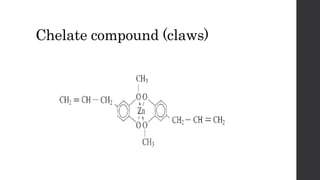
• Ionic bond and two co-ordinate bonds donation of pairs of electrons
 Methoxy oxygens to zinc
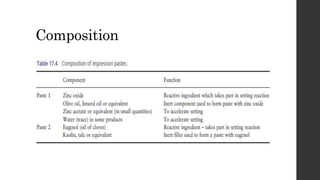
Composition
Setting reaction
Chelate compound (claws)
Ionic reaction
• Needs an ionic medium & ionizable salts
• Water acts as ionic medium and accelerator
• Some manufacturers not add water
• Water added materials starts reaction soon after mixing
Properties
• Thickness around 1 mm insignificant dimensional change
• Low initial viscosity pseudoplastic fine details
• Defects can be corrected with impression -------------
• Major disadvantage lack of elasticity
• Considered as non-irritant
• Ortho ethoxy benzoic acid is used in sensitive patients
Non elastic impression materials

Non elastic impression materials

  • 1.
    Non elastic impression materials ASSTPROFESSOR Dr Mumtaz ul Islam B.Sc. BDS. MHR. M.Phil.
  • 2.
    Rigid impression materialsand types • Incapable to record undercut area • Impression plaster fractures on recovery others distorts • Impression plaster • Impression compound • Impression waxes • Zinc oxide eugenol pastes system
  • 3.
    Impression plaster • Similarin composition of dental plaster • Beta calcium sulphate hemihydrate • Reacts with water form calcium sulphate di hydrate • Water powder ratio is very high (0.60) • Mucostatic • Fluid consistency
  • 4.
    Control of properties •Accelerator potassium sulphate • Retarder borex • Antiexpansion agent • Alizarine red dye • Accelerator, retarder and dye mixed in a solution can be used • Too fluid stock tray cant hold it
  • 5.
    Impression recording • Twomethods direct and wash • Direct with special tray • Puddling the impression tray • Wash in a preliminary (primary) compound impression • Simply seat the impression home • Gentle movement from side to side and anterio posterior
  • 6.
    Removal of impression •Very fluid records fine details • Hemihydrates absorb moisture a more closer contact • Dimensionally stable after setting • Removal is more difficult often fractures in undercut area • Dry sensation after impression and bad taste complaints • Disinfection with sodium hypochlorite for 10 minutes
  • 7.
    Casting the impression •If impression of an undercut area taken it fractures • Fractured pieces can be joined with each other • Impression must be coated with a separating media • Impossible to separate the impression
  • 8.
  • 9.
    Properties Contd, • Rapidsetting • Low strength • Excellent for recording flabby ridge (mobile soft tissues)  Requires a special technique  Impression of sound ridges taken in ZnO Eugenol  A window is framed over the flabby ridge  Impression plaster is painted over the exposed tissue
  • 10.
    Impression compound • Thermoplasticresembling waxes • Two types  Lower fusing (type I) impression  Higher fusing (type II) construction of impression trays • Presentation  Type I sheet (cake) or stick forms  Type II ………………… • Uses  Sheets for impression of edentulous ridges  Stick for border extension of impression and trays etc  for single tooth impression with copper ring technique
  • 11.
  • 12.
    Manipulation • Softened ina water bath (conditioning) • Type I at 47° C flows well 37° C or below minimum flow  Stick direct on flame and tempered in warm water • Effects of time of immersion  Less not softens  More material becomes sticky leaching of lubricating substance • Ideal softening temperature is 55- 60° C • Poor conductor takes more time to soften from the center  Cake or sheet should be broken in to pieces
  • 13.
  • 14.
    Difference between bothtypes • Type I flows above 37°C (mouth temperature)  Sheet shows 20% and stick shows 6% or less flow • Type II not flows at or near mouth temperature  2% or less flow • Type I should record the impression of groves 0.02 – 4 mm
  • 15.
    Viscosity • The mostviscous impression material • Fine details can not be recorded • Makes it muco compressive • Records full depth of sulcus • Displace lingual and buccal soft tissue
  • 16.
    Internal stresses • Highcoefficient of thermal expansion • Poor thermal conductivity • Large temperature drop from mouth to room • Distortion occors gradually • Model should be poured as soon as possible
  • 17.
    Clinical considerations • Borderseal & dynamic shape of tissues • Localized mucocompression for post dam area marking • Survival is questionable • Chemical disinfection is uncertain • If not tempered can burn the soft tissue (common)
  • 18.
    Impression waxes • Lowmelting paraffin wax and bees wax in 3:1 • Readily flow at mouth temperature and relatively soft at room temperature • Rarely used to record complete impression • Corrective impressions especially for ZnO Eugenol • Small imperfections of impression are corrected by painting • Impression of lower free end saddle partial denture
  • 19.
    Applegate technique • Meltedwax applied to the faulty or short impression • Where needed loaded in the try • Tray seated in to the mouth with firm pressure • Allow the wax to flow well at mouth temperature under pressure
  • 20.
    Zinc oxide eugenolimpression material • Presentation is in the form of pastes - base and catalyst • Zinc oxide base paste usually white • Contrast in color facilitates thorough mixing streak free • Phenolic – OH of the eugenol weak acid acid – base reaction • 2C10H12O2 + ZnO → Zn(C10H11O2)2 + H2O • Two molecules of Eugenol reacts with zinc oxide • Ionic bond and two co-ordinate bonds donation of pairs of electrons  Methoxy oxygens to zinc
  • 21.
  • 22.
  • 23.
  • 24.
    Ionic reaction • Needsan ionic medium & ionizable salts • Water acts as ionic medium and accelerator • Some manufacturers not add water • Water added materials starts reaction soon after mixing
  • 25.
    Properties • Thickness around1 mm insignificant dimensional change • Low initial viscosity pseudoplastic fine details • Defects can be corrected with impression ------------- • Major disadvantage lack of elasticity • Considered as non-irritant • Ortho ethoxy benzoic acid is used in sensitive patients