Global Soil Partnership (GSP) in West
Africa
20 - 22 Mai 2015 Accra, Ghana
ADDAM KIARI SAIDOU, INRAN NIGER
PRIORITIES FOR
SUSTAINABLE SOIL
MANAGEMENT
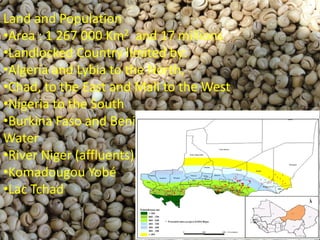
Land and Population
•Area : 1 267 000 Km2 and 17 millions
•Landlocked Country limited by:
•Algeria and Lybia to the North,
•Chad, to the East and Mali to the West
•Nigeria to the South
•Burkina Faso and Benin in the Western part.
Water
•River Niger (affluents)
•Komadougou Yobé
•Lac Tchad
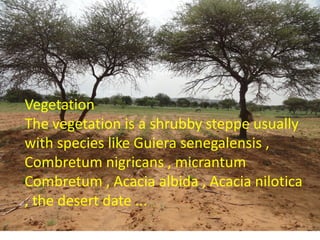
Vegetation
The vegetation is a shrubby steppe usually
with species like Guiera senegalensis ,
Combretum nigricans , micrantum
Combretum , Acacia albida , Acacia nilotica
, the desert date ...
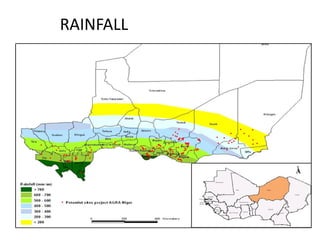
RAINFALL
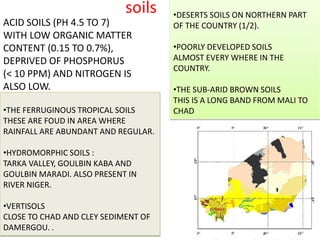
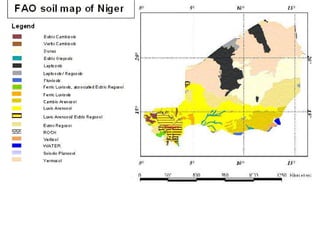
soils •DESERTS SOILS ON NORTHERN PART
OF THE COUNTRY (1/2).
•POORLY DEVELOPED SOILS
ALMOST EVERY WHERE IN THE
COUNTRY.
•THE SUB-ARID BROWN SOILS
THIS IS A LONG BAND FROM MALI TO
CHAD•THE FERRUGINOUS TROPICAL SOILS
THESE ARE FOUD IN AREA WHERE
RAINFALL ARE ABUNDANT AND REGULAR.
•HYDROMORPHIC SOILS :
TARKA VALLEY, GOULBIN KABA AND
GOULBIN MARADI. ALSO PRESENT IN
RIVER NIGER.
•VERTISOLS
CLOSE TO CHAD AND CLEY SEDIMENT OF
DAMERGOU. .
ACID SOILS (PH 4.5 TO 7)
WITH LOW ORGANIC MATTER
CONTENT (0.15 TO 0.7%),
DEPRIVED OF PHOSPHORUS
(< 10 PPM) AND NITROGEN IS
ALSO LOW.
Status of the soil in Niger
•The soils are heterogeneous and require
different regimes of managements and fertilizer
application.
•Most soils are moderately fertile but in the absence of soil
amendments and appropriate cultural practices, the soil
continue to lose the nutritional balance required for
efficiency and sustainablity for crop production.
•The most common deficient soil nutrients are phosphorus
and Nitrogen.
•In many areas in Niger(arable land even virgin lands)
are low in available P as well as organic matter.
•Nutrients imbalance translate into low crop yield.
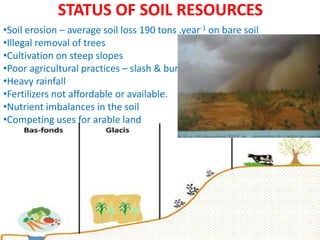
STATUS OF SOIL RESOURCES
•Soil erosion – average soil loss 190 tons .year-1 on bare soil
•Illegal removal of trees
•Cultivation on steep slopes
•Poor agricultural practices – slash & burn
•Heavy rainfall
•Fertilizers not affordable or available.
•Nutrient imbalances in the soil
•Competing uses for arable land
Soil Constraints
•deforestation
•Wind and water erosion
•population pressure
•monoculture
•Household poverty
•Export crop residues
• Unable to fertilize the soil
Wind and water erosion
Hedge grown from Euphorbia
balsimefera
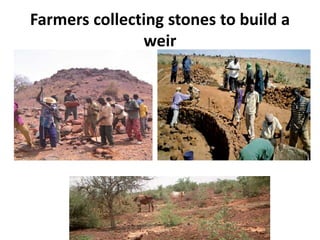
Farmers collecting stones to build a
weir
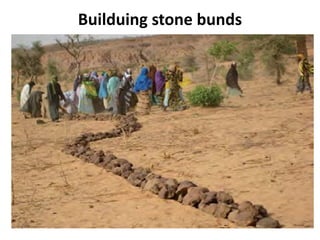
Builduing stone bunds
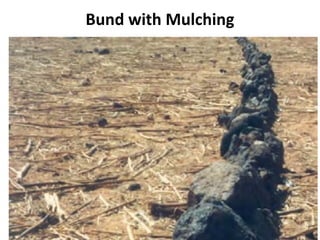
Bund with Mulching
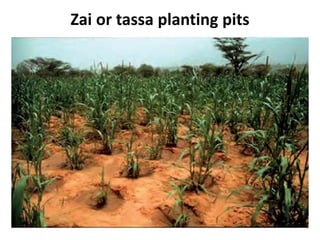
Zai or tassa planting pits
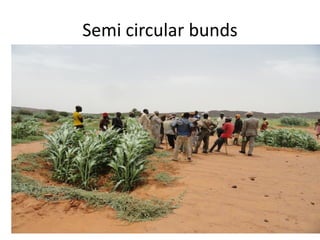
Semi circular bunds
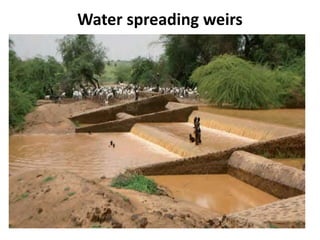
Water spreading weirs
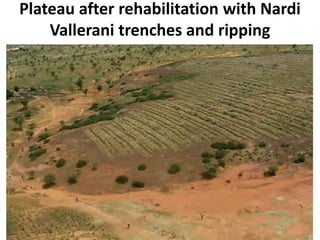
Plateau after rehabilitation with Nardi
Vallerani trenches and ripping
Constraints
•Ignorance of our soils
• State withdrawal
•Staff close to retirement
•Outdated Laboratory equipments
POTENTIALS
• Map at 1 / 500.000 (1968)
•Three sheets covering the southern
agricultural belt
•Soil testing laboratories
• GIS laboratory
•Human ressources
PRIORITIES
Policies
•SSM Policy recommendations to governments
•Create favorable socio-economic and policy
environment for farmers to invest in soils
•Direct investments in sustainable soil fertility
management
•Development of national soil science society
Capacity Building
Capacity
needs
at individual
Level
•Training in new and quick
methods of soil analysis
•Training of qualified
technicians and researchers
Capacity
needs at
institutional
level Establishment of well equipped soil
laboratories that can be used for
training national technicians.
Awareness
•Food security as main driver of SSM
•Communication plan for stakeholders,
including schools and public audiences
•Scaling out of good practices and
knowledge
•Common understanding of SSM
For sustainability of soil Management in
Niger
•Fertilizers use beyond 4kg. ha-1.
•Nutrient mining from crops production
range between 20-50kg .ha-1 . year-1
•To regenerate the nutrient mined soil, it
take 4-5 years of fallow.
•Farmers ‘ fields Schools …
–Soil organic matter / soil carbon
–Maximize organic/mineral input efficiencies
–Education in soil science
–Platform for information exchange
–Increased voice of soil scientists at policy level
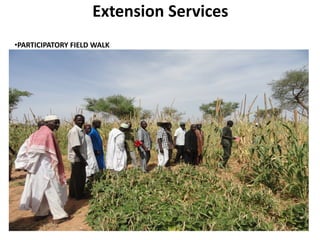
Extension Services
•PARTICIPATORY FIELD WALK
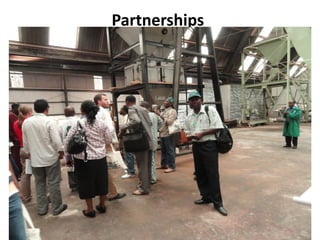
Partnerships
•Develop and adapt methods for increasing
efficiency of biological nitrogen fixation and
Phosphorus cycling in soils/;
•Develop rotations which improve soil fertility
and soil conservation;
•Develop, improve and adapt methods for cost
effective use of: Organic fertilizers; mulching to
improve water retention; minimum tillage and
Cultural practices.
•Develop crop/livestock/trees for SSM.
Conclusion
•Policies, awareness, communication, partnership
•Updating soil maps and classification for SSM
•Capacity building (human and materials)
•Mobile Labs.
•Support for demonstration and
•Dissemination of new technologies in ISFM
•Train farmers in short and long term SSM
Technologies and other good practices like FMNR
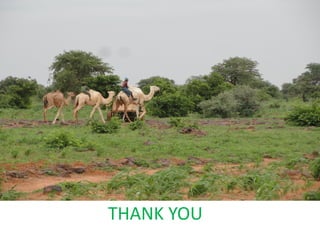
THANK YOU

Niger

  • 1.
    Global Soil Partnership(GSP) in West Africa 20 - 22 Mai 2015 Accra, Ghana ADDAM KIARI SAIDOU, INRAN NIGER PRIORITIES FOR SUSTAINABLE SOIL MANAGEMENT
  • 2.
    Land and Population •Area: 1 267 000 Km2 and 17 millions •Landlocked Country limited by: •Algeria and Lybia to the North, •Chad, to the East and Mali to the West •Nigeria to the South •Burkina Faso and Benin in the Western part. Water •River Niger (affluents) •Komadougou Yobé •Lac Tchad
  • 3.
    Vegetation The vegetation isa shrubby steppe usually with species like Guiera senegalensis , Combretum nigricans , micrantum Combretum , Acacia albida , Acacia nilotica , the desert date ...
  • 4.
  • 6.
    soils •DESERTS SOILSON NORTHERN PART OF THE COUNTRY (1/2). •POORLY DEVELOPED SOILS ALMOST EVERY WHERE IN THE COUNTRY. •THE SUB-ARID BROWN SOILS THIS IS A LONG BAND FROM MALI TO CHAD•THE FERRUGINOUS TROPICAL SOILS THESE ARE FOUD IN AREA WHERE RAINFALL ARE ABUNDANT AND REGULAR. •HYDROMORPHIC SOILS : TARKA VALLEY, GOULBIN KABA AND GOULBIN MARADI. ALSO PRESENT IN RIVER NIGER. •VERTISOLS CLOSE TO CHAD AND CLEY SEDIMENT OF DAMERGOU. . ACID SOILS (PH 4.5 TO 7) WITH LOW ORGANIC MATTER CONTENT (0.15 TO 0.7%), DEPRIVED OF PHOSPHORUS (< 10 PPM) AND NITROGEN IS ALSO LOW.
  • 8.
    Status of thesoil in Niger •The soils are heterogeneous and require different regimes of managements and fertilizer application. •Most soils are moderately fertile but in the absence of soil amendments and appropriate cultural practices, the soil continue to lose the nutritional balance required for efficiency and sustainablity for crop production. •The most common deficient soil nutrients are phosphorus and Nitrogen. •In many areas in Niger(arable land even virgin lands) are low in available P as well as organic matter. •Nutrients imbalance translate into low crop yield.
  • 9.
    STATUS OF SOILRESOURCES •Soil erosion – average soil loss 190 tons .year-1 on bare soil •Illegal removal of trees •Cultivation on steep slopes •Poor agricultural practices – slash & burn •Heavy rainfall •Fertilizers not affordable or available. •Nutrient imbalances in the soil •Competing uses for arable land
  • 10.
    Soil Constraints •deforestation •Wind andwater erosion •population pressure •monoculture •Household poverty •Export crop residues • Unable to fertilize the soil
  • 11.
  • 12.
    Hedge grown fromEuphorbia balsimefera
  • 13.
  • 14.
  • 15.
  • 16.
    Zai or tassaplanting pits
  • 17.
  • 18.
  • 19.
    Plateau after rehabilitationwith Nardi Vallerani trenches and ripping
  • 20.
    Constraints •Ignorance of oursoils • State withdrawal •Staff close to retirement •Outdated Laboratory equipments
  • 21.
    POTENTIALS • Map at1 / 500.000 (1968) •Three sheets covering the southern agricultural belt •Soil testing laboratories • GIS laboratory •Human ressources
  • 22.
    PRIORITIES Policies •SSM Policy recommendationsto governments •Create favorable socio-economic and policy environment for farmers to invest in soils •Direct investments in sustainable soil fertility management •Development of national soil science society
  • 23.
    Capacity Building Capacity needs at individual Level •Trainingin new and quick methods of soil analysis •Training of qualified technicians and researchers Capacity needs at institutional level Establishment of well equipped soil laboratories that can be used for training national technicians.
  • 24.
    Awareness •Food security asmain driver of SSM •Communication plan for stakeholders, including schools and public audiences •Scaling out of good practices and knowledge •Common understanding of SSM
  • 25.
    For sustainability ofsoil Management in Niger •Fertilizers use beyond 4kg. ha-1. •Nutrient mining from crops production range between 20-50kg .ha-1 . year-1 •To regenerate the nutrient mined soil, it take 4-5 years of fallow. •Farmers ‘ fields Schools …
  • 26.
    –Soil organic matter/ soil carbon –Maximize organic/mineral input efficiencies –Education in soil science –Platform for information exchange –Increased voice of soil scientists at policy level
  • 27.
  • 28.
  • 29.
    •Develop and adaptmethods for increasing efficiency of biological nitrogen fixation and Phosphorus cycling in soils/; •Develop rotations which improve soil fertility and soil conservation; •Develop, improve and adapt methods for cost effective use of: Organic fertilizers; mulching to improve water retention; minimum tillage and Cultural practices. •Develop crop/livestock/trees for SSM.
  • 30.
    Conclusion •Policies, awareness, communication,partnership •Updating soil maps and classification for SSM •Capacity building (human and materials) •Mobile Labs. •Support for demonstration and •Dissemination of new technologies in ISFM •Train farmers in short and long term SSM Technologies and other good practices like FMNR
  • 31.