Setting the Stage
Breaking Developments in Forest &
Landscape Restoration in Africa
Dennis Garrity
Drylands Ambassador, UN Convention
to Combat Desertification
The Challenge in Perspective
• Hunger and poverty is
overwhelmingly rural, so the real
challenge is to assist Africa’s 100
million smallholders to produce more
food and income, and
• To restore, regenerate and sustain
the natural resource base for future
food production.
Trend in biomass productivity by farming system
Alarming Land Degradation in Africa
AFRICA
RESTORATION
INITIATIVE
Image: Flickr/USAID Kenya
Opportunities to realize the synergies
within African landscapes
22 countries have made commitments including:
• Niger 1 million hectares
• Ghana 2 million hectares
• Ethiopia 15 million hectares
• Kenya 5 million hectares
• Uganda 2.5 million hectares
• Rwanda 2 million hectares
Total commitments are now over 59 m hectares
by countries in West, Central, East and Southern
Africa. 19
Political commitment to scale up
restoration successes is growing!
The Parkland Renaissance
on Niger Farmlands
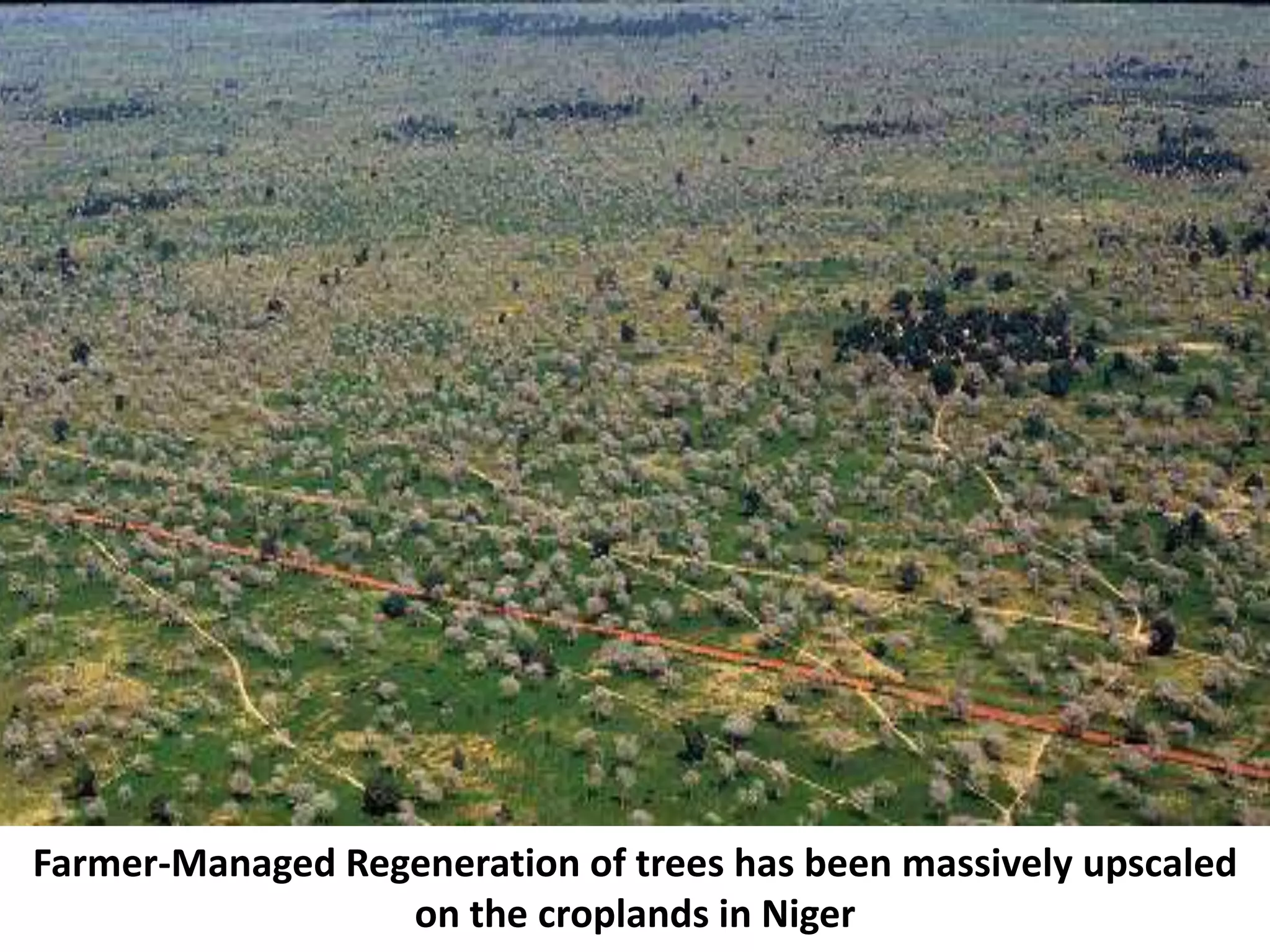
Farmer-Managed Regeneration of trees has been massively upscaled
on the croplands in Niger
Southern Mali
6 million hectares of agroforestry parklands
Photo: C. Reij
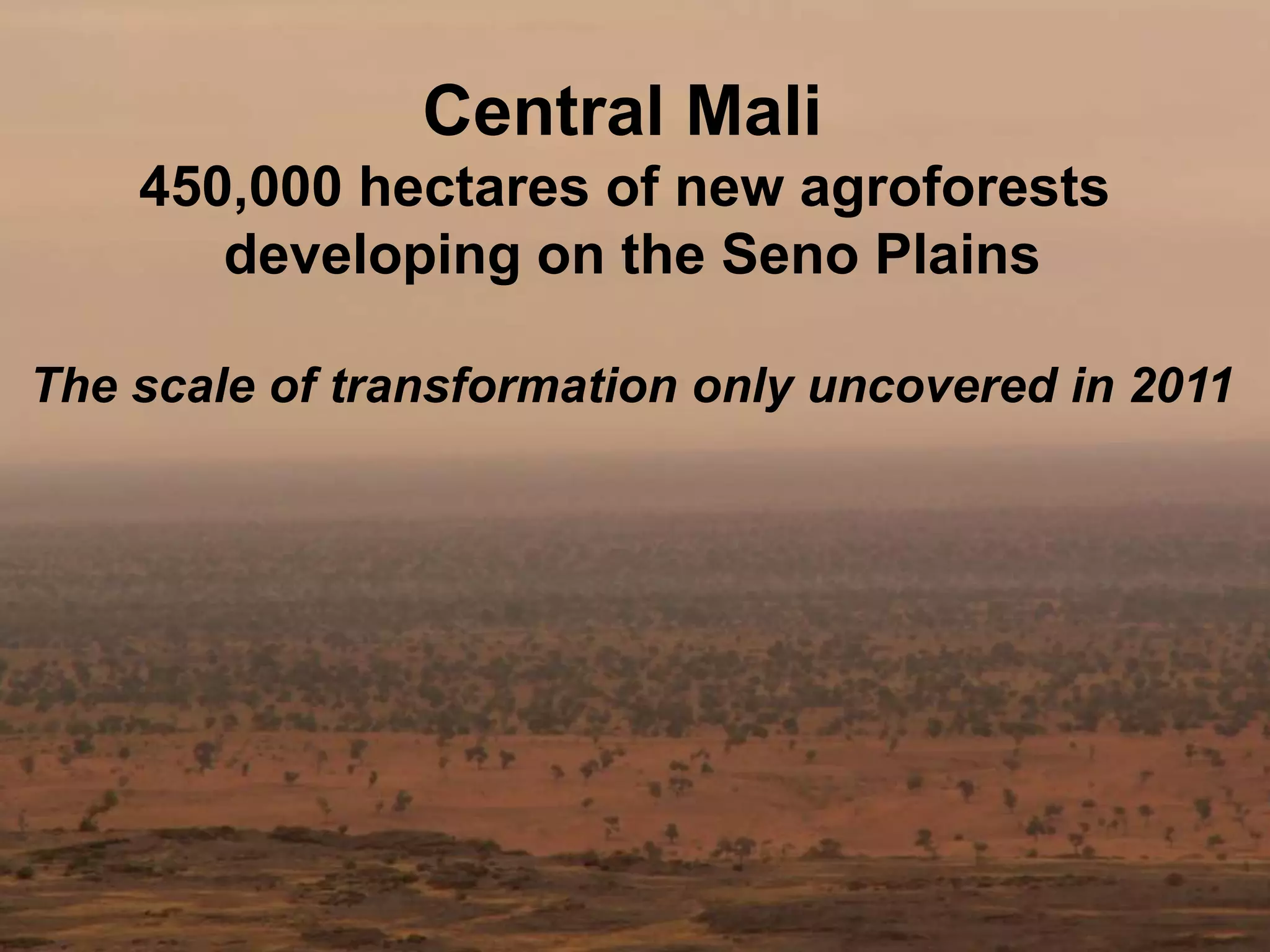
Central Mali
450,000 hectares of new agroforests
developing on the Seno Plains
The scale of transformation only uncovered in 2011
Major agroforestry regions in West Africa
and potential directions of expansion
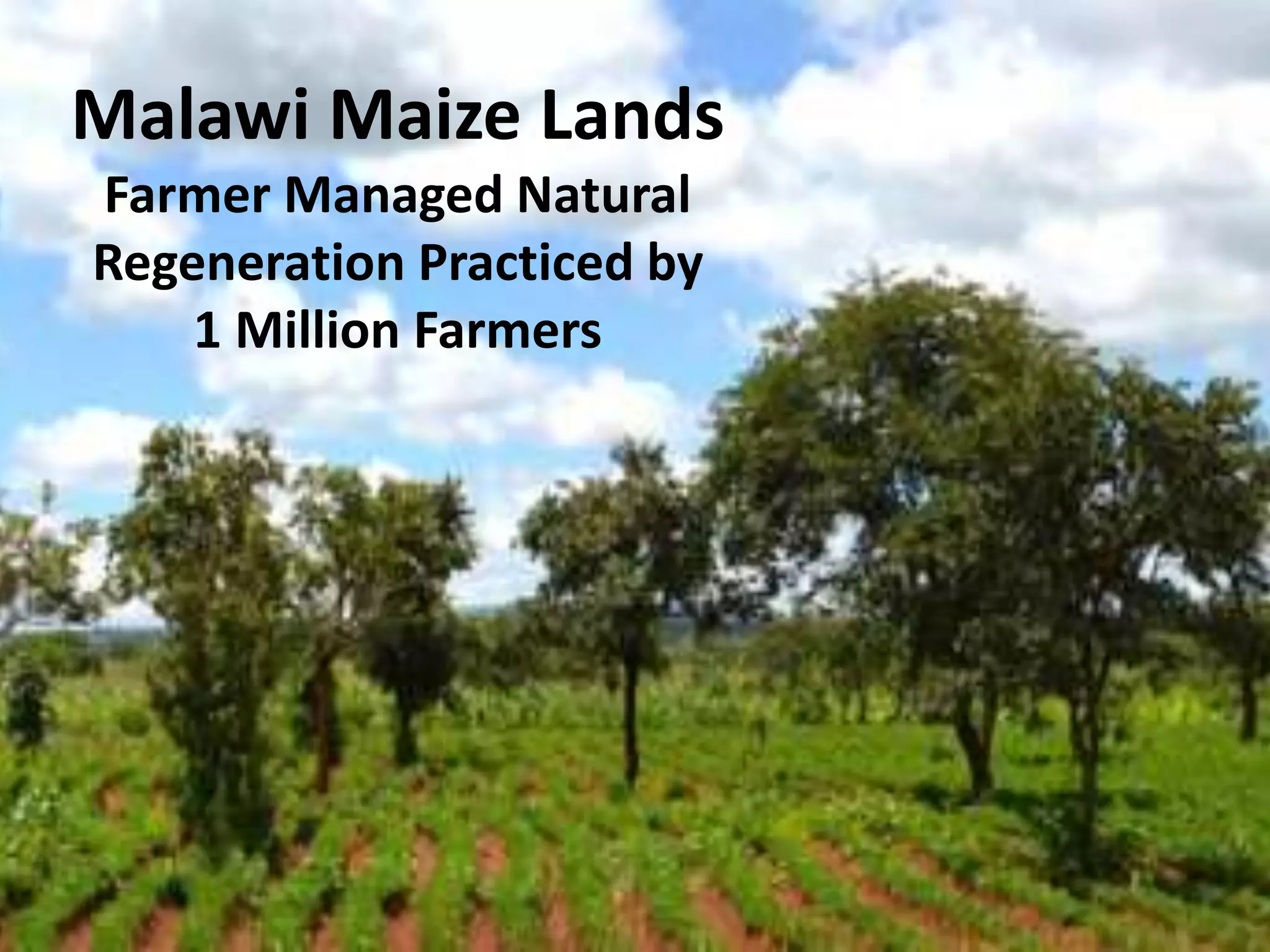
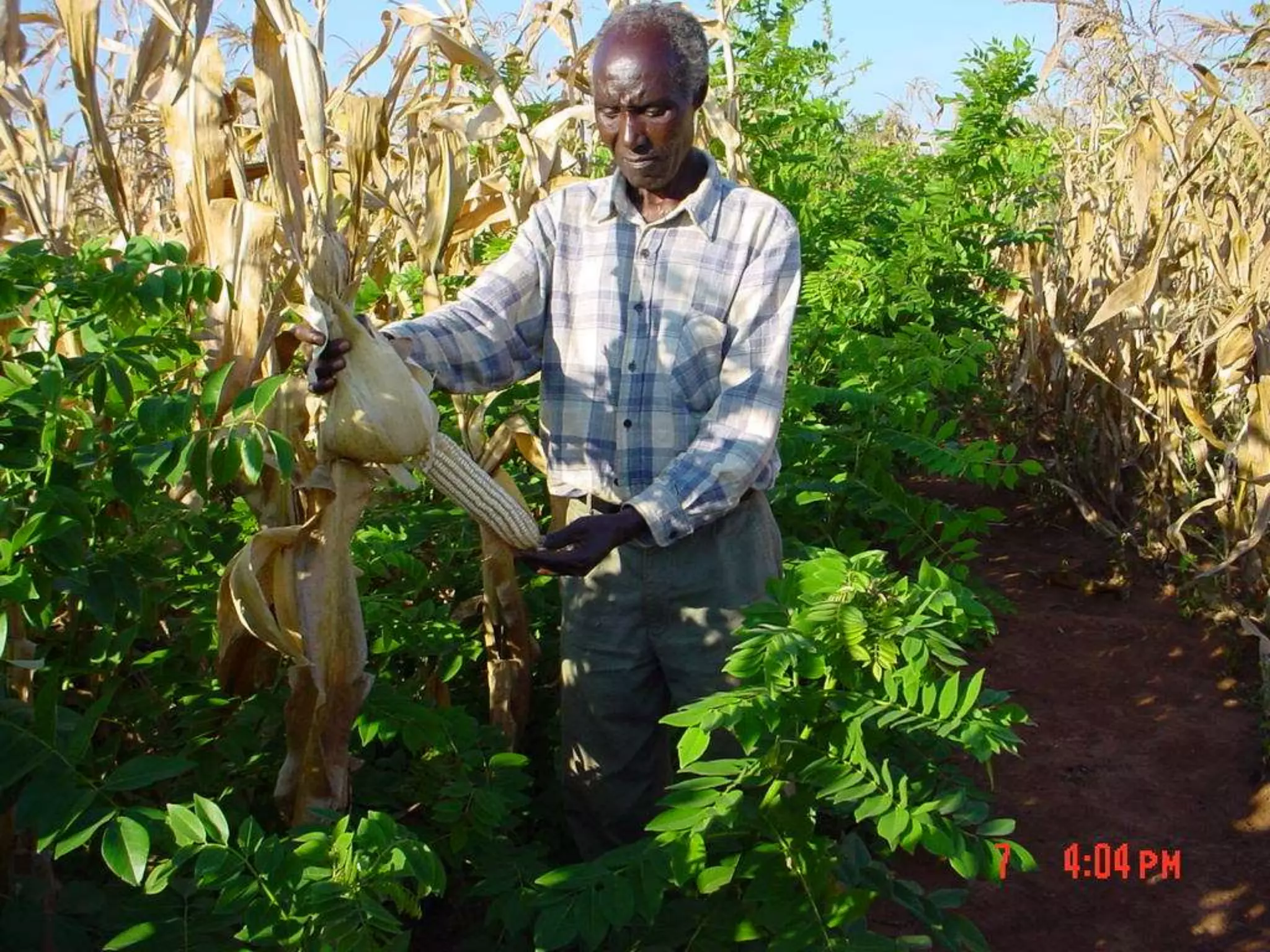
Malawi Maize Lands
Farmer Managed Natural
Regeneration Practiced by
1 Million Farmers
THE RANGELANDS
Shinyanga, Tanzania
Severe desertification
through to the late 1980s
Community-Based Regeneration of woodlands and
grazing lands covering about 500,000 ha in 934 villages
Awarded the UNDP Equator Prize
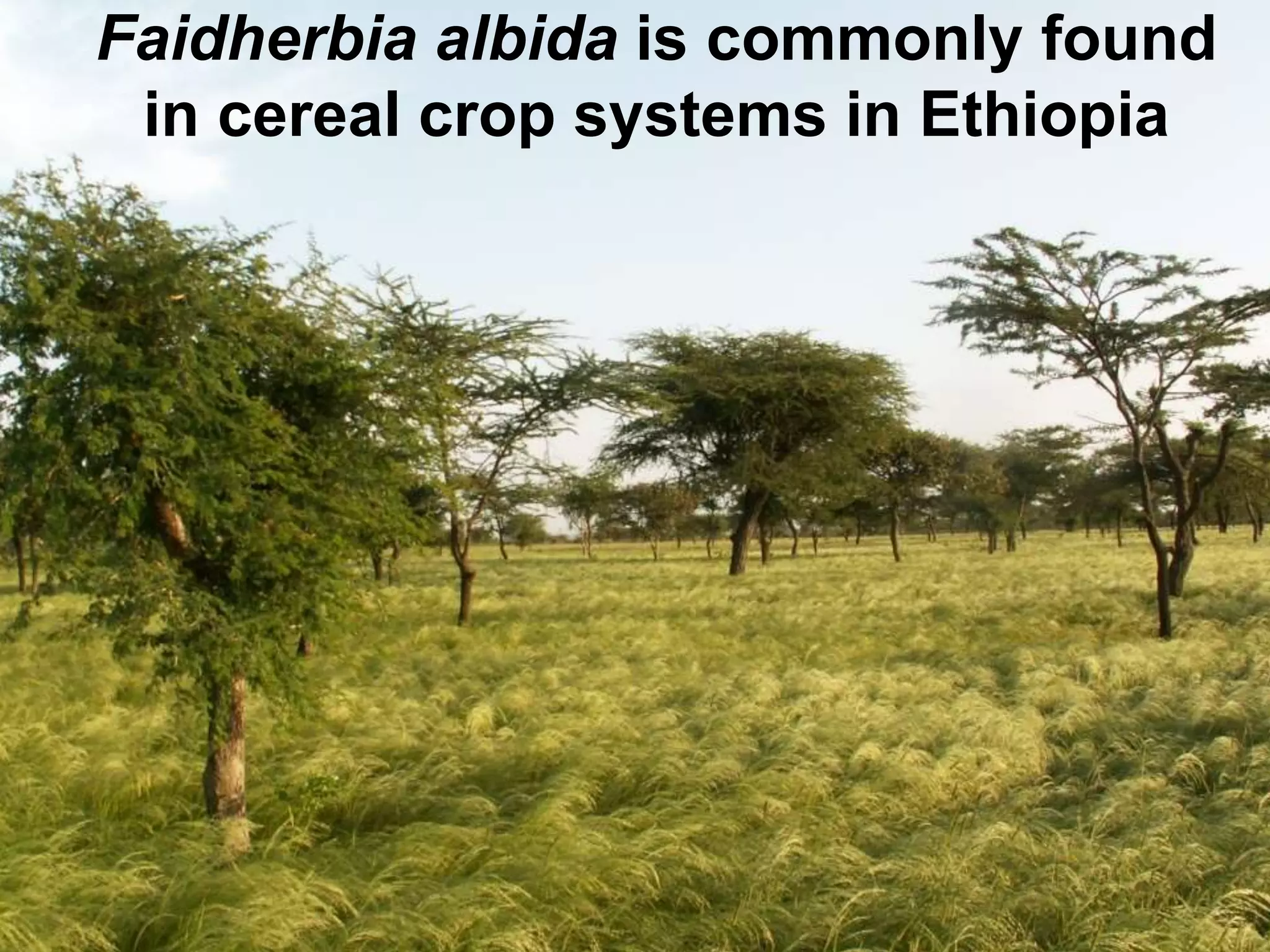
Faidherbia albida is commonly found
in cereal crop systems in Ethiopia
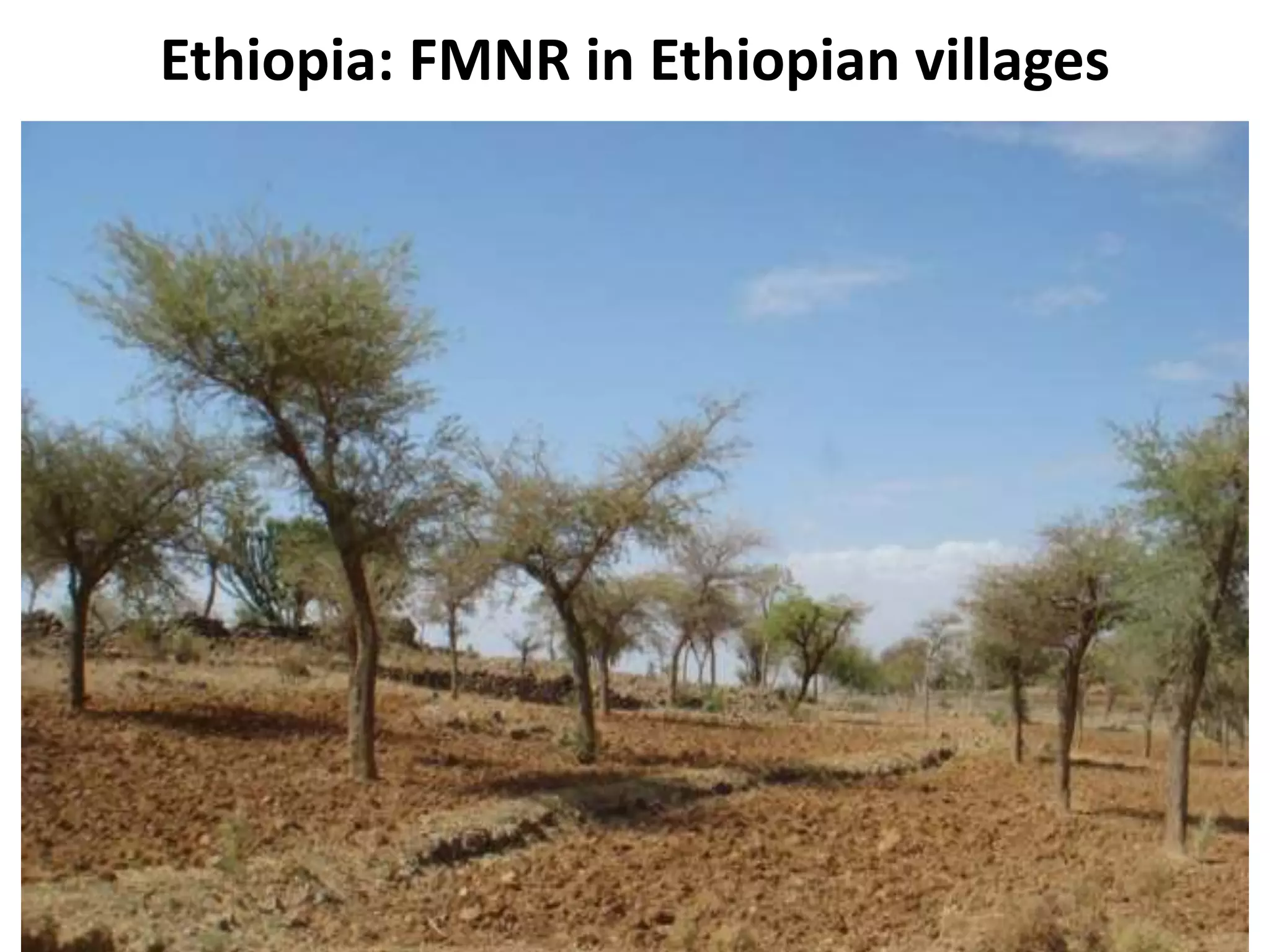
Ethiopia: FMNR in Ethiopian villages
Assisted Natural Regeneration on
grazing land in Ethiopia
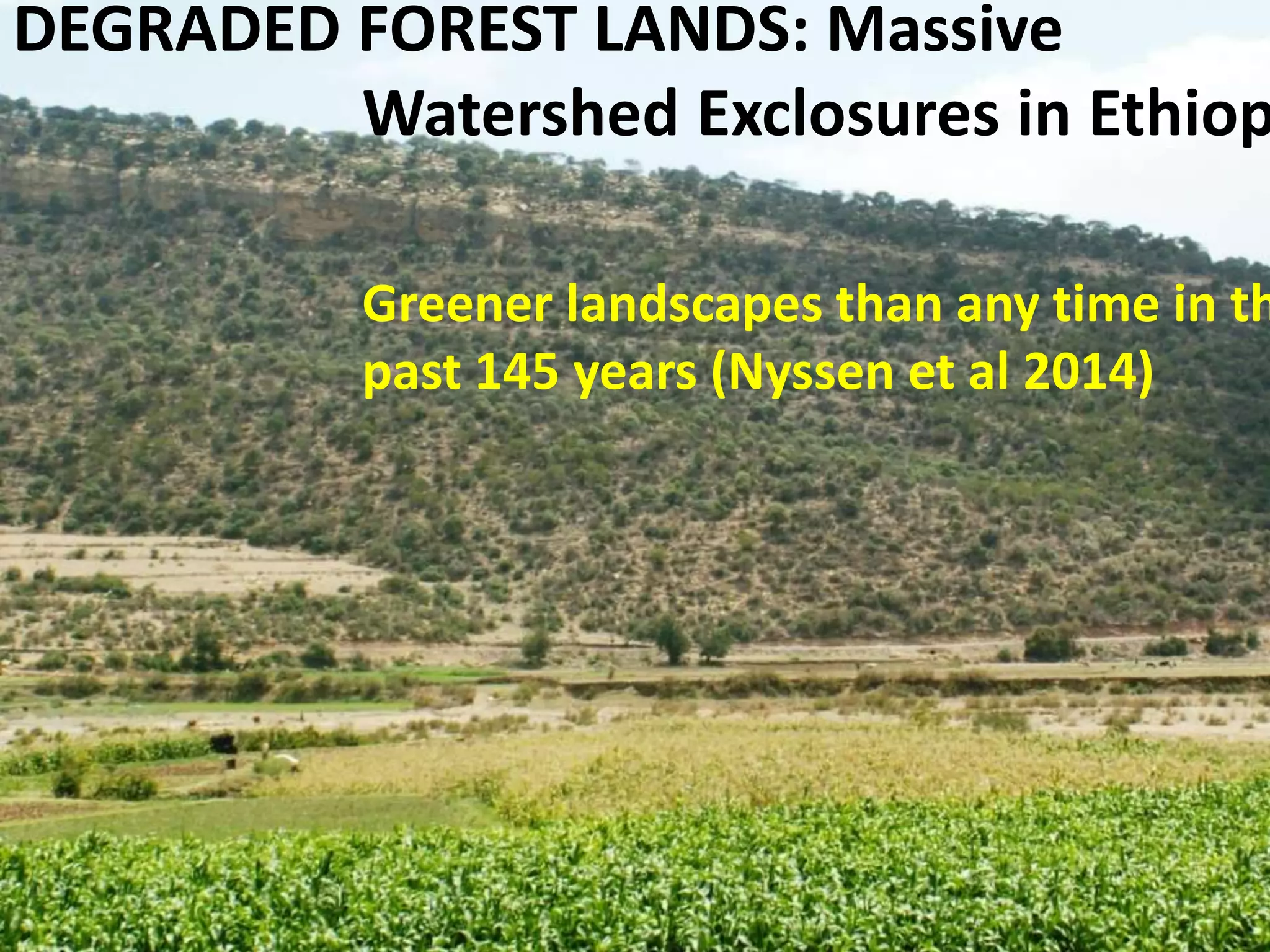
DEGRADED FOREST LANDS: Massive
Watershed Exclosures in Ethiop
Greener landscapes than any time in th
past 145 years (Nyssen et al 2014)
Restoration Investments
Getting the Biggest Bang
for the Buck
Tree plantations: > $1000/ha
Assisted natural regeneration of
trees: $30-50/ha
Vision for the Drylands
2nd Africa Drylands Declaration
Djamena, August 2014
«WE RECOMMEND AND PROPOSE that the drylands
development community commit seriously to achieving the
goal of
Enabling EVERY farm family and
EVERY village across the drylands of Africa
to be practicing Farmer-Managed Natural
Regeneration by the year 2025."
“Farmer-Managed Natural
Regeneration (FMNR) is a
foundational practice for Resilience
in the Drylands of Africa.”
World Bank Drylands Investment
Strategy
Kenya Restoration Target: 5.1 m ha
Already >10% tree cover on 70% of agric land
Creating a Tree Cover Baseline and
Tracking System with Collect Earth
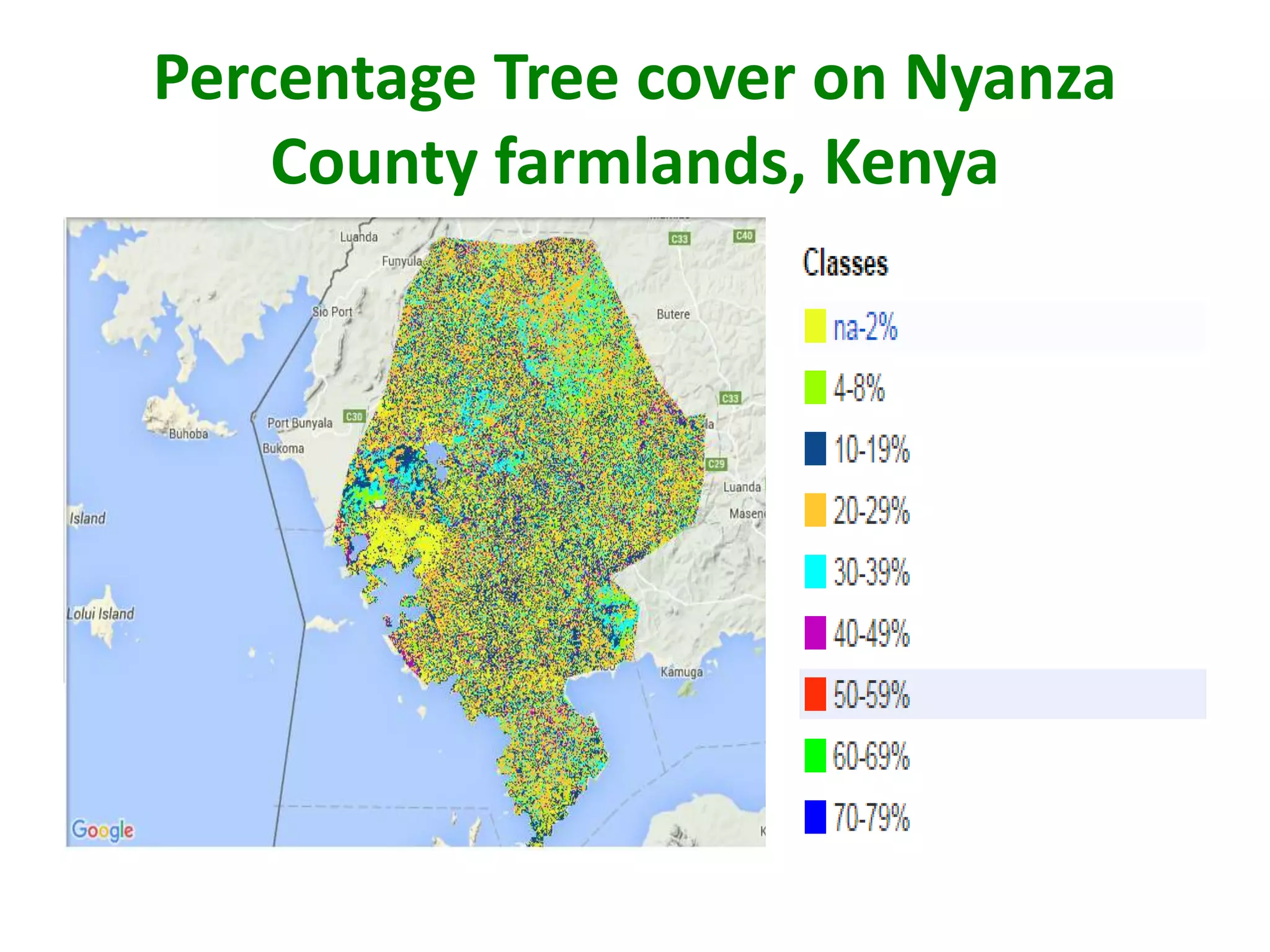
Percentage Tree cover on Nyanza
County farmlands, Kenya
Zero Net Land Degradation by 2030
Zero Carbon Emissions by 2050
EverGreening Africa & The World
18 African countries are now engaged in
EverGreen Agriculture
Farmer Managed Natural
Regeneration
Conservation Agriculture with trees
Trees interplanted in conventional
tilled cropland
Farmer Managed Natural
Regeneration +
Trees interplanted in conventional
tilled cropland
A Recent Development
The Initiatives for Land, Lives and Peace
Program
Is joining up with the Land Restoration
Community
to make EverGreening Africa a bridge to peace-
building and conflict resolution.
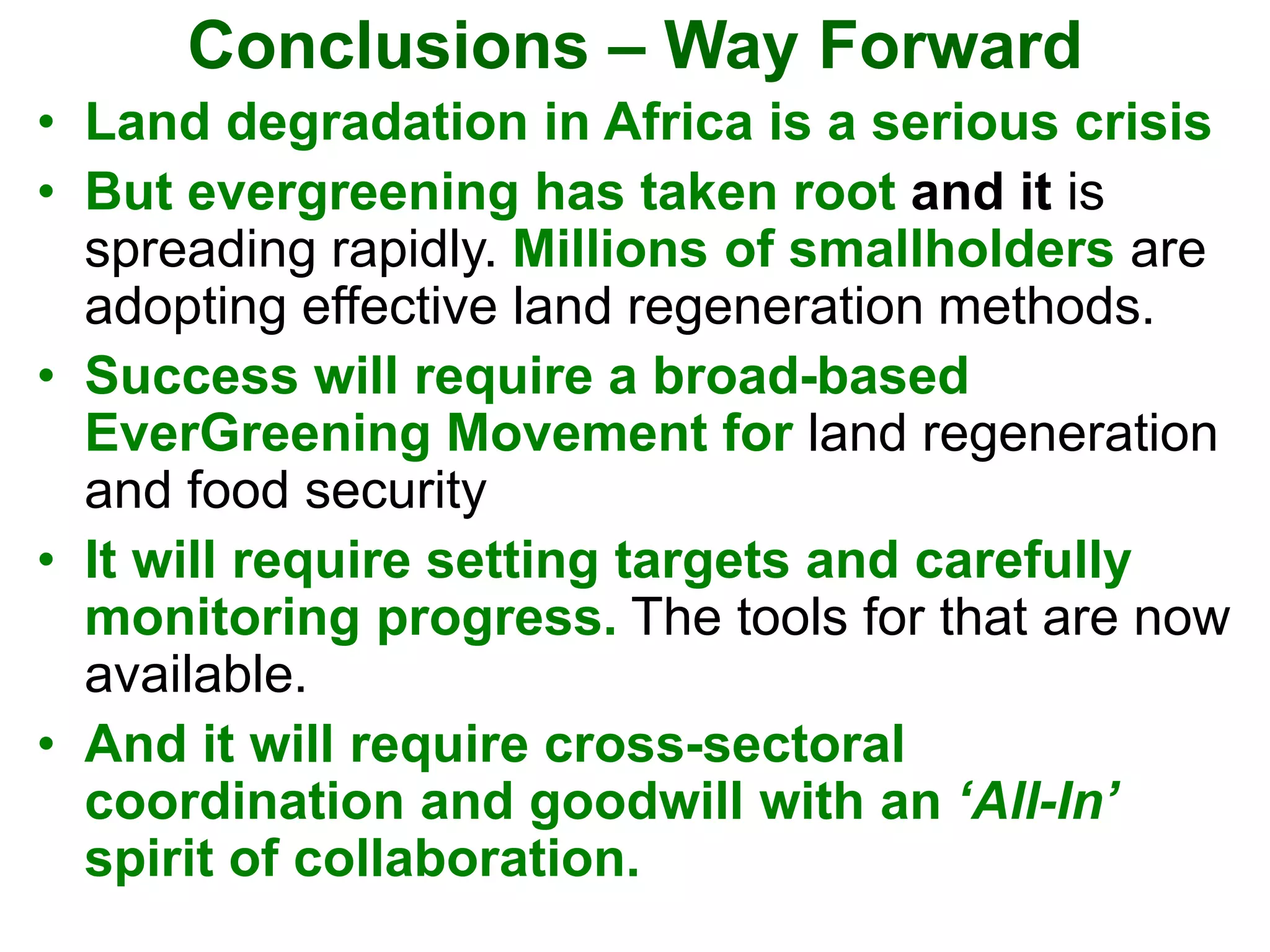
Conclusions – Way Forward
• Land degradation in Africa is a serious crisis
• But evergreening has taken root and it is
spreading rapidly. Millions of smallholders are
adopting effective land regeneration methods.
• Success will require a broad-based
EverGreening Movement for land regeneration
and food security
• It will require setting targets and carefully
monitoring progress. The tools for that are now
available.
• And it will require cross-sectoral
coordination and goodwill with an ‘All-In’
spirit of collaboration.
For More Information
and to Get Engaged
Evergreen Agriculture web site
www.evergreenagriculture.net
Email contact:
d.garrity@cgiar.org
The Next Step for the 3rd
African Drylands Week:
1. There is now a continental target.
2. It’s high time to develop a detailed
strategy and plan to achieve it!
3. And to monitor progress across the
continent every 3-5 years!
The European Commission
Challenge:
Scale-Up EverGreen
Agriculture to
50 million farmers in Africa
Trend in biomass productivity by farming system
Alarming Land Degradation in Southern Africa
A Grassroots Movement for
Landscape Restoration Across
Southern Africa
Grassroots as the basis for scaling-up
Building on success. Scaling-up from
demonstrated successess in grassroots
movements and scaling-up successes
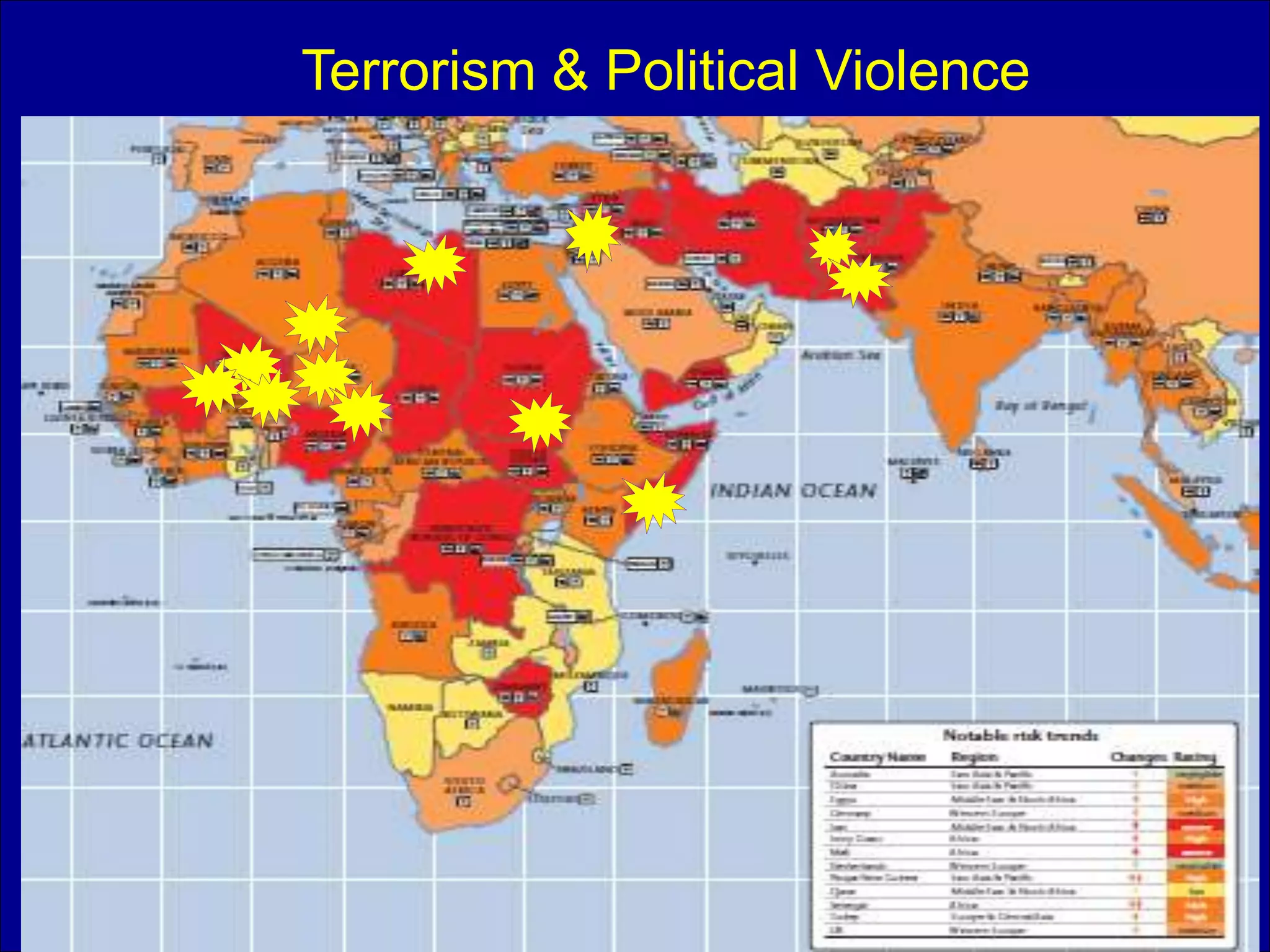
EverGreening for Peacebuilding:
Overcoming Political Violence
Terrorism & Political Violence
Link Fertilizer Subsidies to
Scaling-Up Fertilizer Tree Technologies
New COMESA Platform
1. Strengthen member countries’ ability to
scale-up fertilizer tree technologies by linking
with fertilizer subsidy programs.
2. Assist countries to share their experiences in
developing such linkages to enhance
the impact and welfare benefits of input subsidy
programs.
3. Regenerate soils: create a sustainable nutrient
system.
4. Reduce fertilizer importation bills.
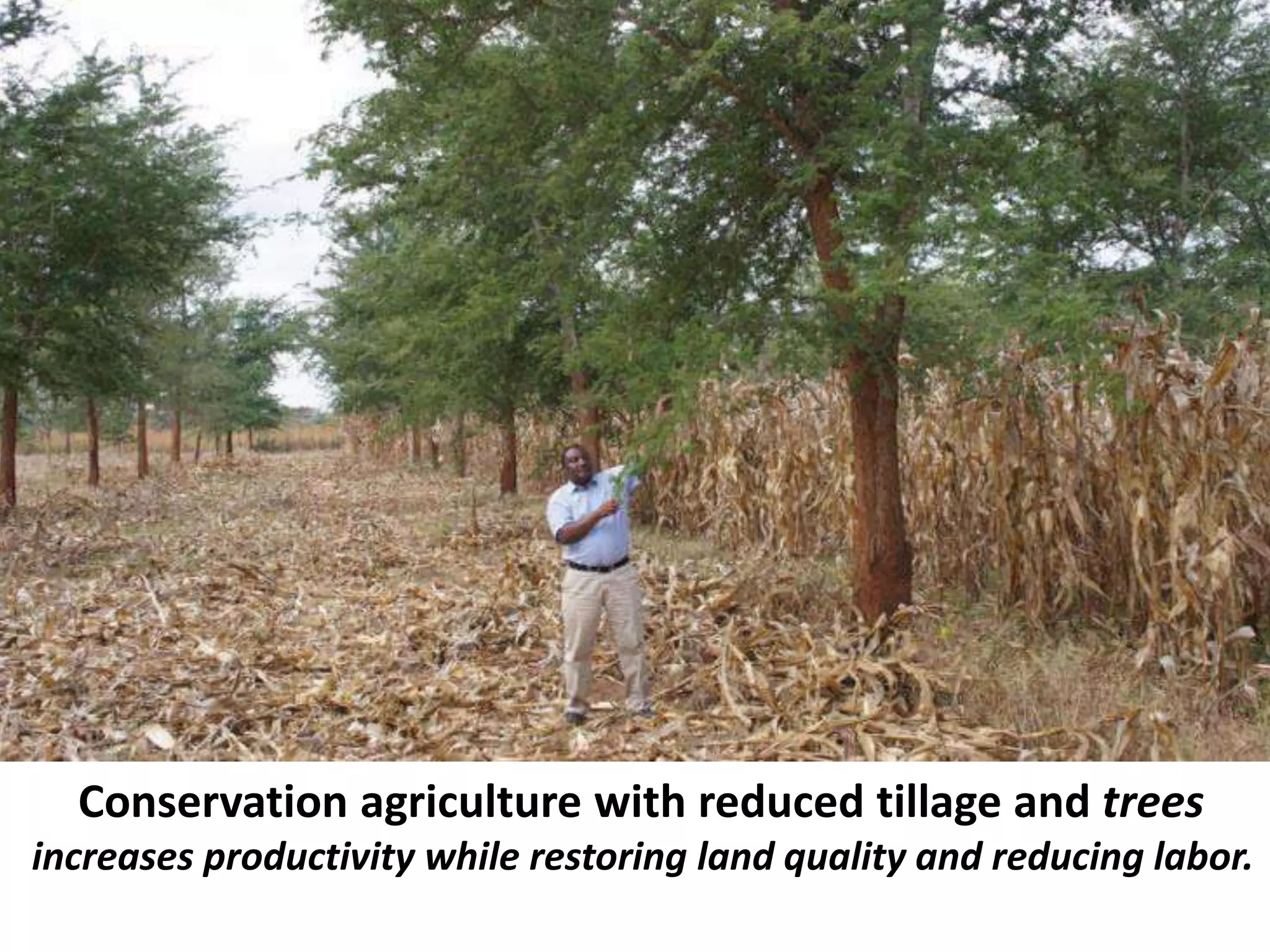
Conservation agriculture with reduced tillage and trees
increases productivity while restoring land quality and reducing labor.
What is Evergreen Agriculture?
A form of more agroecologically intensive
farming that integrates trees into crop
and livestock production systems.
Evergreen farming systems are ‘double-
story’ systems that feature both
perennial and annual species (food
crops and trees), maintaining a green
cover on the land throughout the year.
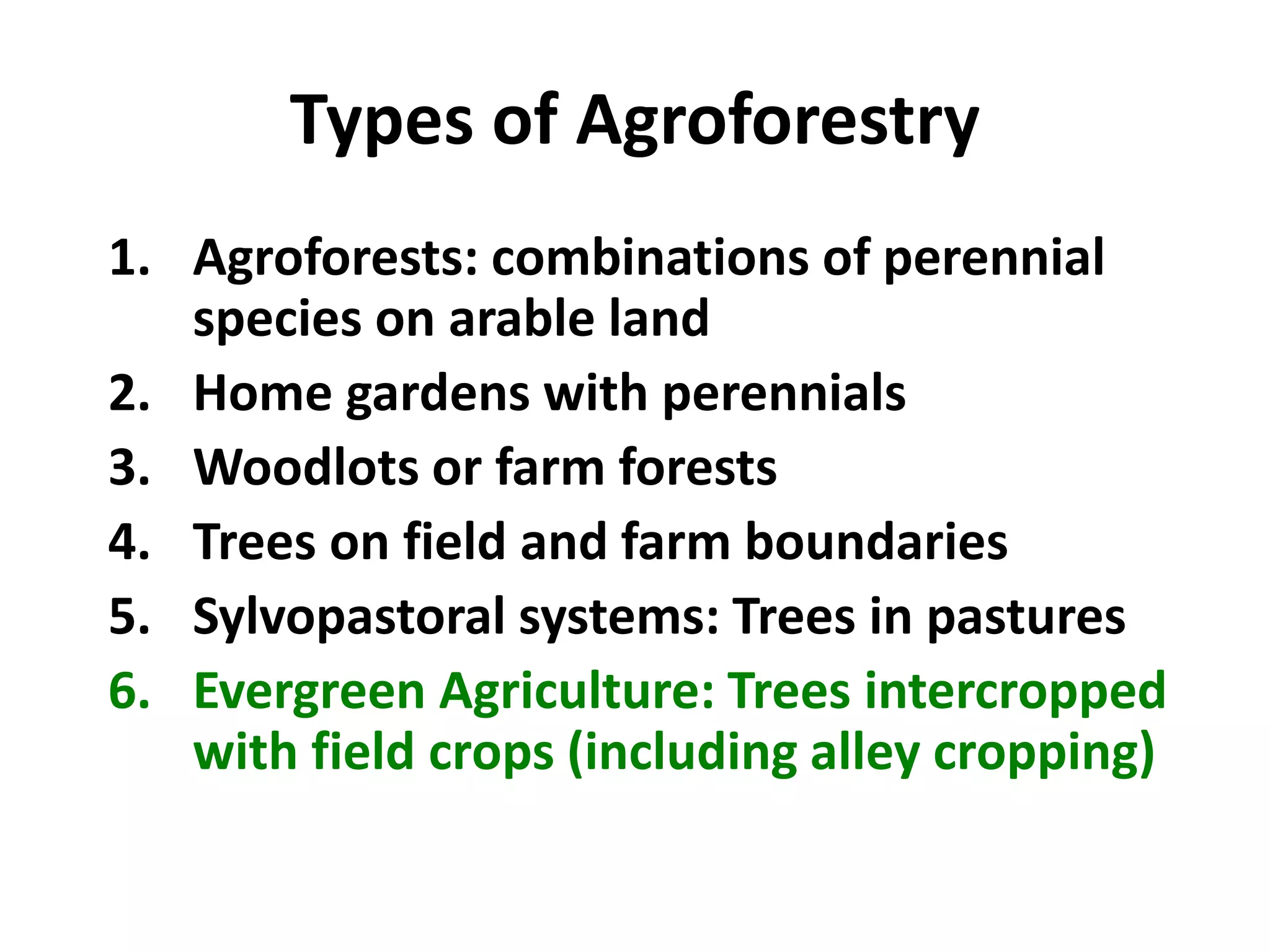
Types of Agroforestry
1. Agroforests: combinations of perennial
species on arable land
2. Home gardens with perennials
3. Woodlots or farm forests
4. Trees on field and farm boundaries
5. Sylvopastoral systems: Trees in pastures
6. Evergreen Agriculture: Trees intercropped
with field crops (including alley cropping)
Types of Evergreen Agriculture
1. Farmer-Managed Natural Regeneration (FMNR)
on cropland
2. Conservation agriculture with trees (CAWT)
3. Conventional agriculture interplanted with trees
(including alley cropping systems)
- 100,000 200,000 300,000 400,000 500,000 600,000 700,000 800,000 900,0001,000,000
Kigali
East
North
South
West
Closed Forest Woodland/Tree Crops Cropland
Savanna/ Prairie/Shrubland Grassland Urban Area
Water bodies
Land use (ha) – RwandaLand that is:
- agricultural
-non-forested
-sloping (5-55%).
Rwanda’s plan for restoration interventions
DroughtDroughtFlood
P addition
resumed
Long-term maize yield without fertilizer
in a Gliricidia system
P stopped
Malawi National Agroforestry Food Security
Programme

Breaking developments in forest & landscape restoration in Africa

  • 1.
    Setting the Stage BreakingDevelopments in Forest & Landscape Restoration in Africa Dennis Garrity Drylands Ambassador, UN Convention to Combat Desertification
  • 2.
    The Challenge inPerspective • Hunger and poverty is overwhelmingly rural, so the real challenge is to assist Africa’s 100 million smallholders to produce more food and income, and • To restore, regenerate and sustain the natural resource base for future food production.
  • 3.
    Trend in biomassproductivity by farming system Alarming Land Degradation in Africa
  • 4.
  • 5.
    Opportunities to realizethe synergies within African landscapes
  • 6.
    22 countries havemade commitments including: • Niger 1 million hectares • Ghana 2 million hectares • Ethiopia 15 million hectares • Kenya 5 million hectares • Uganda 2.5 million hectares • Rwanda 2 million hectares Total commitments are now over 59 m hectares by countries in West, Central, East and Southern Africa. 19 Political commitment to scale up restoration successes is growing!
  • 7.
  • 8.
    Farmer-Managed Regeneration oftrees has been massively upscaled on the croplands in Niger
  • 9.
    Southern Mali 6 millionhectares of agroforestry parklands Photo: C. Reij
  • 10.
    Central Mali 450,000 hectaresof new agroforests developing on the Seno Plains The scale of transformation only uncovered in 2011
  • 11.
    Major agroforestry regionsin West Africa and potential directions of expansion
  • 12.
    Malawi Maize Lands FarmerManaged Natural Regeneration Practiced by 1 Million Farmers
  • 13.
    THE RANGELANDS Shinyanga, Tanzania Severedesertification through to the late 1980s
  • 14.
    Community-Based Regeneration ofwoodlands and grazing lands covering about 500,000 ha in 934 villages Awarded the UNDP Equator Prize
  • 15.
    Faidherbia albida iscommonly found in cereal crop systems in Ethiopia
  • 16.
    Ethiopia: FMNR inEthiopian villages
  • 17.
    Assisted Natural Regenerationon grazing land in Ethiopia
  • 18.
    DEGRADED FOREST LANDS:Massive Watershed Exclosures in Ethiop Greener landscapes than any time in th past 145 years (Nyssen et al 2014)
  • 19.
    Restoration Investments Getting theBiggest Bang for the Buck Tree plantations: > $1000/ha Assisted natural regeneration of trees: $30-50/ha
  • 20.
    Vision for theDrylands 2nd Africa Drylands Declaration Djamena, August 2014 «WE RECOMMEND AND PROPOSE that the drylands development community commit seriously to achieving the goal of Enabling EVERY farm family and EVERY village across the drylands of Africa to be practicing Farmer-Managed Natural Regeneration by the year 2025."
  • 21.
    “Farmer-Managed Natural Regeneration (FMNR)is a foundational practice for Resilience in the Drylands of Africa.” World Bank Drylands Investment Strategy
  • 22.
    Kenya Restoration Target:5.1 m ha Already >10% tree cover on 70% of agric land
  • 23.
    Creating a TreeCover Baseline and Tracking System with Collect Earth
  • 24.
    Percentage Tree coveron Nyanza County farmlands, Kenya
  • 25.
    Zero Net LandDegradation by 2030 Zero Carbon Emissions by 2050 EverGreening Africa & The World
  • 26.
    18 African countriesare now engaged in EverGreen Agriculture Farmer Managed Natural Regeneration Conservation Agriculture with trees Trees interplanted in conventional tilled cropland Farmer Managed Natural Regeneration + Trees interplanted in conventional tilled cropland
  • 27.
    A Recent Development TheInitiatives for Land, Lives and Peace Program Is joining up with the Land Restoration Community to make EverGreening Africa a bridge to peace- building and conflict resolution.
  • 28.
    Conclusions – WayForward • Land degradation in Africa is a serious crisis • But evergreening has taken root and it is spreading rapidly. Millions of smallholders are adopting effective land regeneration methods. • Success will require a broad-based EverGreening Movement for land regeneration and food security • It will require setting targets and carefully monitoring progress. The tools for that are now available. • And it will require cross-sectoral coordination and goodwill with an ‘All-In’ spirit of collaboration.
  • 29.
    For More Information andto Get Engaged Evergreen Agriculture web site www.evergreenagriculture.net Email contact: d.garrity@cgiar.org
  • 30.
    The Next Stepfor the 3rd African Drylands Week: 1. There is now a continental target. 2. It’s high time to develop a detailed strategy and plan to achieve it! 3. And to monitor progress across the continent every 3-5 years!
  • 31.
    The European Commission Challenge: Scale-UpEverGreen Agriculture to 50 million farmers in Africa
  • 32.
    Trend in biomassproductivity by farming system Alarming Land Degradation in Southern Africa
  • 33.
    A Grassroots Movementfor Landscape Restoration Across Southern Africa Grassroots as the basis for scaling-up Building on success. Scaling-up from demonstrated successess in grassroots movements and scaling-up successes
  • 34.
  • 35.
  • 36.
    Link Fertilizer Subsidiesto Scaling-Up Fertilizer Tree Technologies New COMESA Platform 1. Strengthen member countries’ ability to scale-up fertilizer tree technologies by linking with fertilizer subsidy programs. 2. Assist countries to share their experiences in developing such linkages to enhance the impact and welfare benefits of input subsidy programs. 3. Regenerate soils: create a sustainable nutrient system. 4. Reduce fertilizer importation bills.
  • 37.
    Conservation agriculture withreduced tillage and trees increases productivity while restoring land quality and reducing labor.
  • 38.
    What is EvergreenAgriculture? A form of more agroecologically intensive farming that integrates trees into crop and livestock production systems. Evergreen farming systems are ‘double- story’ systems that feature both perennial and annual species (food crops and trees), maintaining a green cover on the land throughout the year.
  • 39.
    Types of Agroforestry 1.Agroforests: combinations of perennial species on arable land 2. Home gardens with perennials 3. Woodlots or farm forests 4. Trees on field and farm boundaries 5. Sylvopastoral systems: Trees in pastures 6. Evergreen Agriculture: Trees intercropped with field crops (including alley cropping)
  • 40.
    Types of EvergreenAgriculture 1. Farmer-Managed Natural Regeneration (FMNR) on cropland 2. Conservation agriculture with trees (CAWT) 3. Conventional agriculture interplanted with trees (including alley cropping systems)
  • 41.
    - 100,000 200,000300,000 400,000 500,000 600,000 700,000 800,000 900,0001,000,000 Kigali East North South West Closed Forest Woodland/Tree Crops Cropland Savanna/ Prairie/Shrubland Grassland Urban Area Water bodies Land use (ha) – RwandaLand that is: - agricultural -non-forested -sloping (5-55%). Rwanda’s plan for restoration interventions
  • 44.
    DroughtDroughtFlood P addition resumed Long-term maizeyield without fertilizer in a Gliricidia system P stopped
  • 45.
    Malawi National AgroforestryFood Security Programme