Neurotransmitters
& Neurohumoral
Transmission
KRVS Chaitanya
Definition
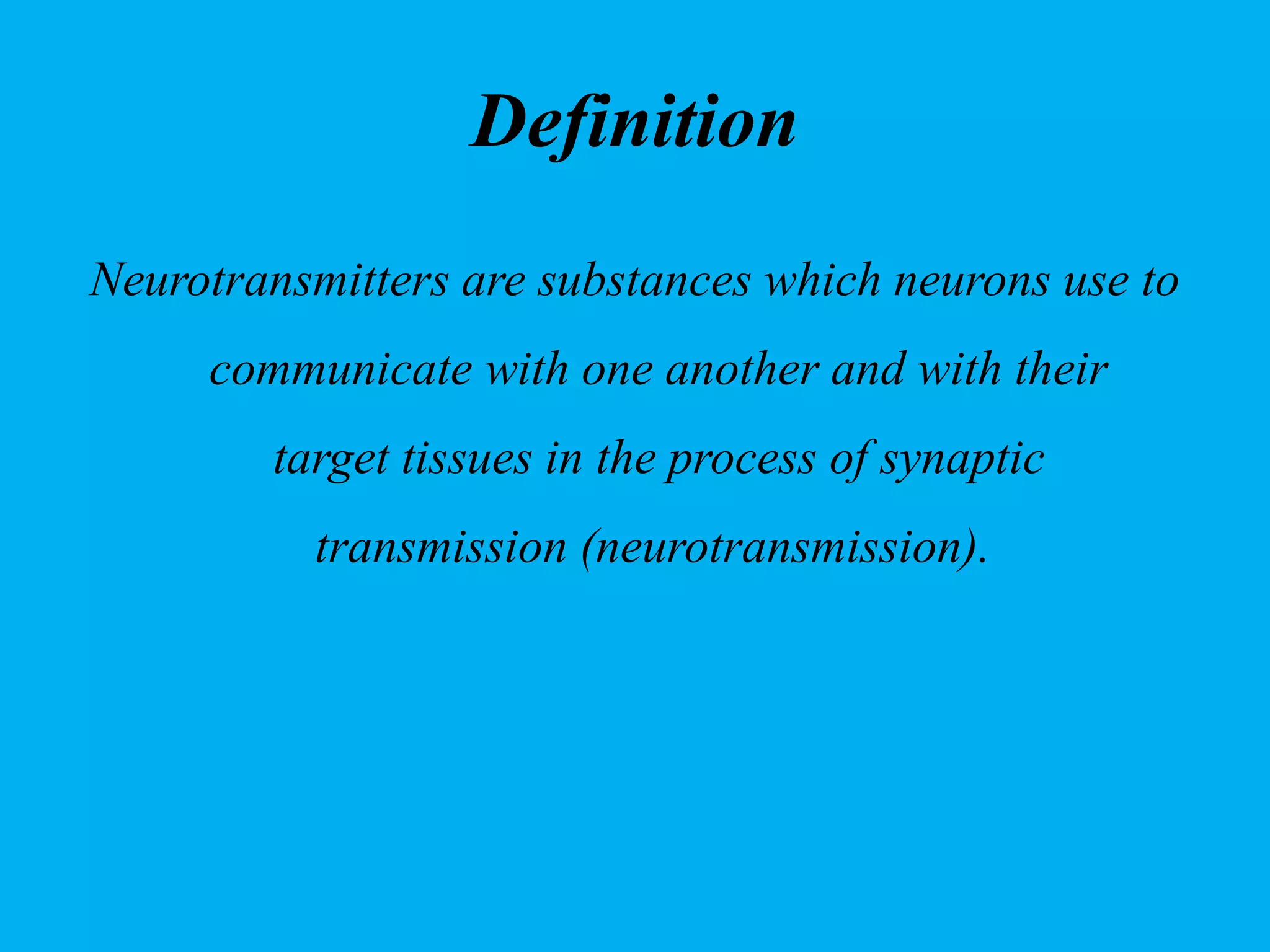
Neurotransmitters are substances which neurons use to
communicate with one another and with their
target tissues in the process of synaptic
transmission (neurotransmission).
• Neurotransmitters are synthesized in and released from nerve
endings into the synaptic cleft.
• From there, neurotransmitters bind to receptor proteins in the
cellular membrane of the target tissue.
• The target tissue gets excited, inhibited, or functionally
modified in some other way.
• There are more than 40 neurotransmitters in the
human nervous system; some of the most important are
1. Acetylcholine
2. Norepinephrine
3. Dopamine
4. Gamma-aminobutyric Acid (GABA)
5. Glutamate
6. Serotonin
7. Histamine.
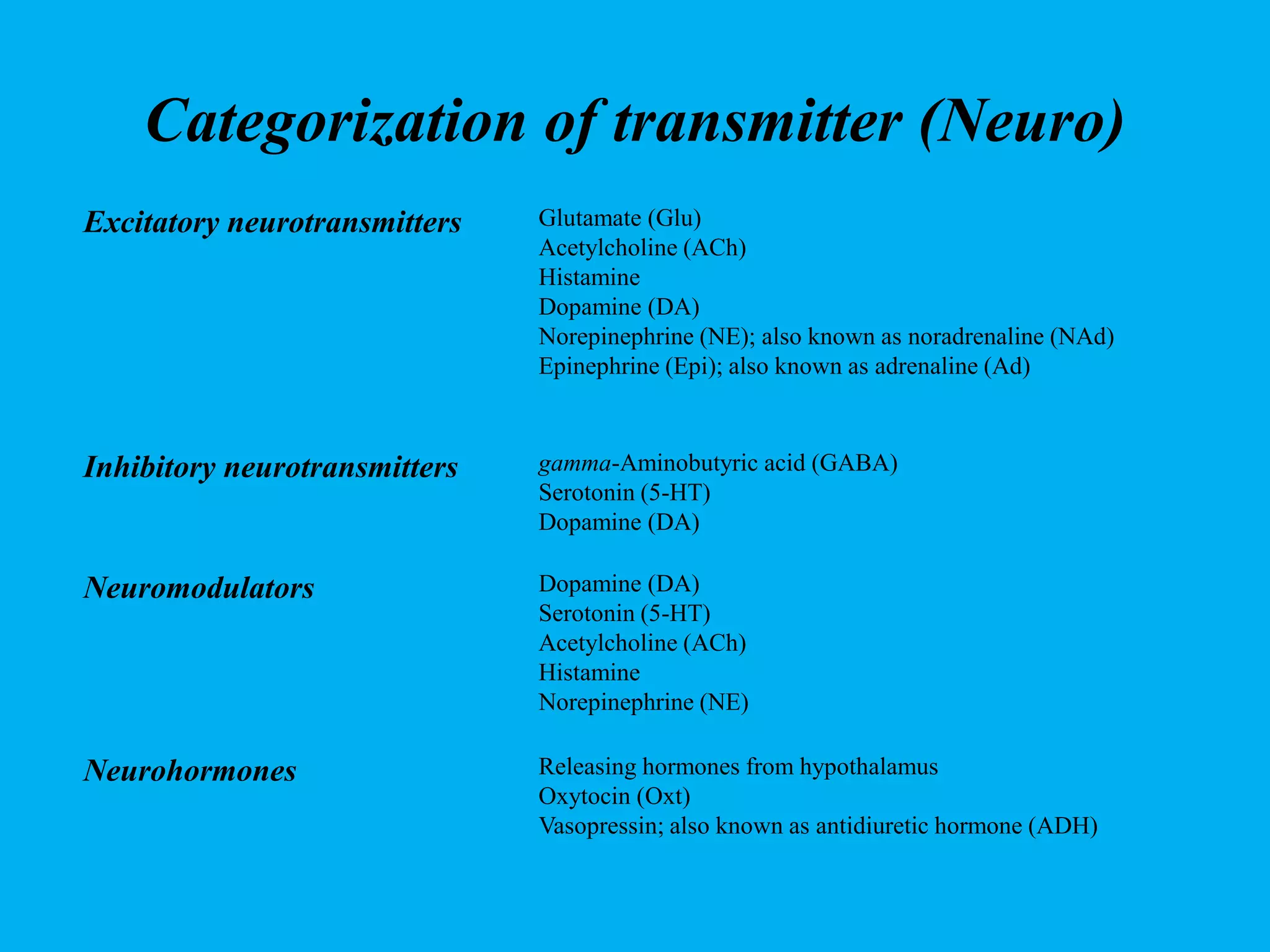
Categorization of transmitter (Neuro)
Excitatory neurotransmitters Glutamate (Glu)
Acetylcholine (ACh)
Histamine
Dopamine (DA)
Norepinephrine (NE); also known as noradrenaline (NAd)
Epinephrine (Epi); also known as adrenaline (Ad)
Inhibitory neurotransmitters gamma-Aminobutyric acid (GABA)
Serotonin (5-HT)
Dopamine (DA)
Neuromodulators Dopamine (DA)
Serotonin (5-HT)
Acetylcholine (ACh)
Histamine
Norepinephrine (NE)
Neurohormones Releasing hormones from hypothalamus
Oxytocin (Oxt)
Vasopressin; also known as antidiuretic hormone (ADH)
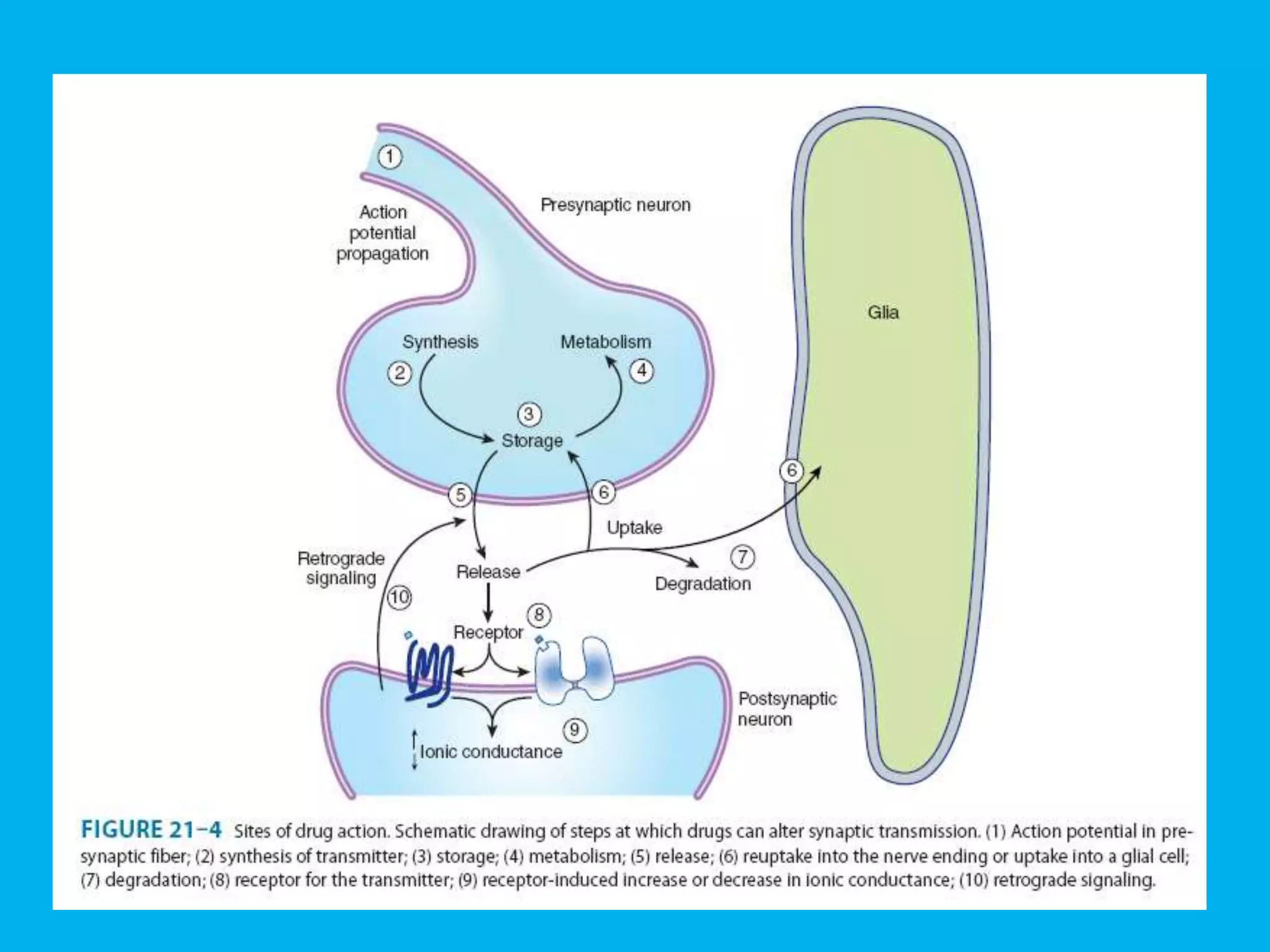
Mechanism of neurotransmission
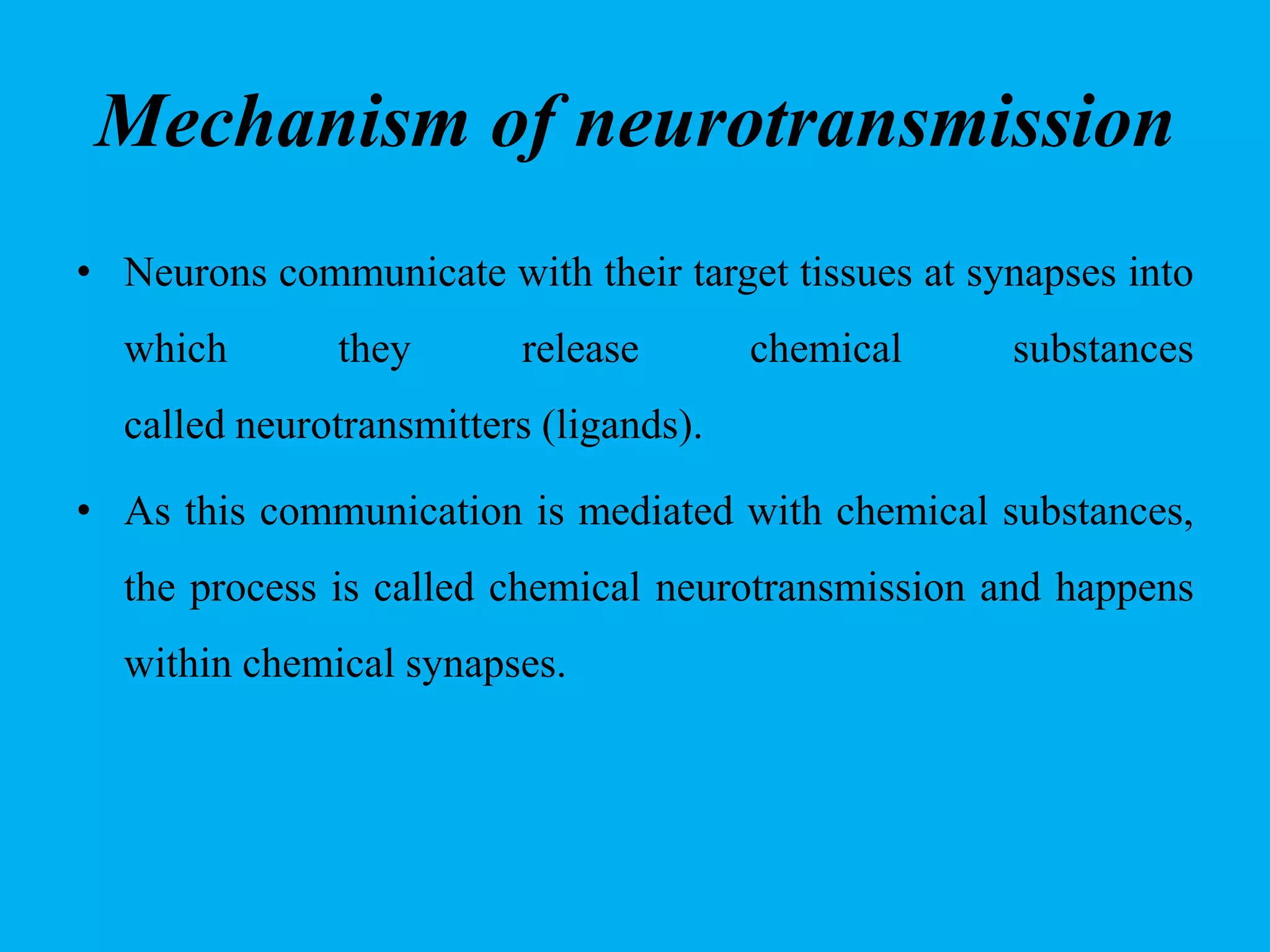
• Neurons communicate with their target tissues at synapses into
which they release chemical substances
called neurotransmitters (ligands).
• As this communication is mediated with chemical substances,
the process is called chemical neurotransmission and happens
within chemical synapses.
• Each synapse consists of the:
1. Presynaptic membrane – membrane of the terminal bouton (axon
ending) of the presynaptic nerve fiber
2. Postsynaptic membrane – membrane of the target cell
3. Synaptic cleft – a gap between the presynaptic and postsynaptic
membranes
• Inside the terminal bouton of the presynaptic nerve fiber, numerous
vesicles that contain neurotransmitters are produced and stored.
• When the presynaptic membrane is depolarized by an action
potential, calcium voltage-gated channels open (found in the
membranes of the terminal buttons).
• This leads to an influx of calcium ions into the terminal
bouton, which changes the state of certain membrane proteins
in the presynaptic membrane, and results in exocytosis of
neurotransmitters from the terminal bouton into the synaptic
cleft.
• After crossing the synaptic cleft, neurotransmitters bind to
their receptors on the postsynaptic membrane.
• Once the neurotransmitter binds to its receptor, the ligands-
gated channels of the postsynaptic membrane either open or
close.
• These ligand-gated channels are ion channels, and their
opening or closing alters the permeability of the postsynaptic
membrane to calcium, sodium, potassium, and chloride ions.
This leads to a stimulatory or inhibitory response.
• If a neurotransmitter stimulates the target cell to an action, then it is
an excitatory neurotransmitter acting in an excitatory synapse.
• On the other hand, if it inhibits the target cell, it is
an inhibitory neurotransmitter acting in an inhibitory synapse.
• So, the type of the synapse and the response of the target tissue
depends on the type of neurotransmitter.
• Excitatory neurotransmitters cause depolarization of the
postsynaptic cells and generate an action potential; for example
acetylcholine stimulates muscle contraction.
• Inhibitory synapses cause hyperpolarisation of the target cells,
leading them farther from the action potential threshold, thus
inhibiting their action; for example GABA inhibits involuntary
movements.
• The neurotransmitter released into the synaptic cleft acts for a
very short duration, only minutes or even seconds.
• It is either destroyed by enzymes, such as acetylcholine esterase, or
is reabsorbed into the terminal button of the presynaptic neuron by
reuptake mechanisms and then recycled.
• The best-known neurotransmitters responsible for such fast, but
short-lived excitatory action are acetylcholine, Norepinephrine, and
epinephrine while GABA is the major inhibitory neurotransmitter.
• Repeated synaptic activities can have long-lasting effects on
the receptor neuron, including structural changes such as the
formation of new synapses, alterations in the dendrite tree, or
growth of axons.
• An example of this is the learning process – the more you
study and repeat, the more synapses are created in your brain
and enable you to retrieve that information when needed.
• Besides neurotransmitters, there are other synapse-associated
chemical substances called the neuromediators (neuromodulators).
Neuromodulation differs to neurotransmission by how long the
substance acts on the synapse.
• Neuromodulators aren’t reabsorbed as quickly by presynaptic
neurons or broken down by enzymes.
• Instead, they spend a significant amount of time in cerebrospinal
fluid, influencing (modulating) the activity of several other neurons
in the brain.
• The best known neuromodulators are also neurotransmitters,
such as dopamine, serotonin, acetylcholine, histamine, and
Norepinephrine.
• Other associated chemical substances include Neurohormones.
• They are synthesized in neurons and secreted into
the bloodstream which carries them to distant tissues.
• The best examples are the hypothalamic releasing hormones
oxytocin and vasopressin
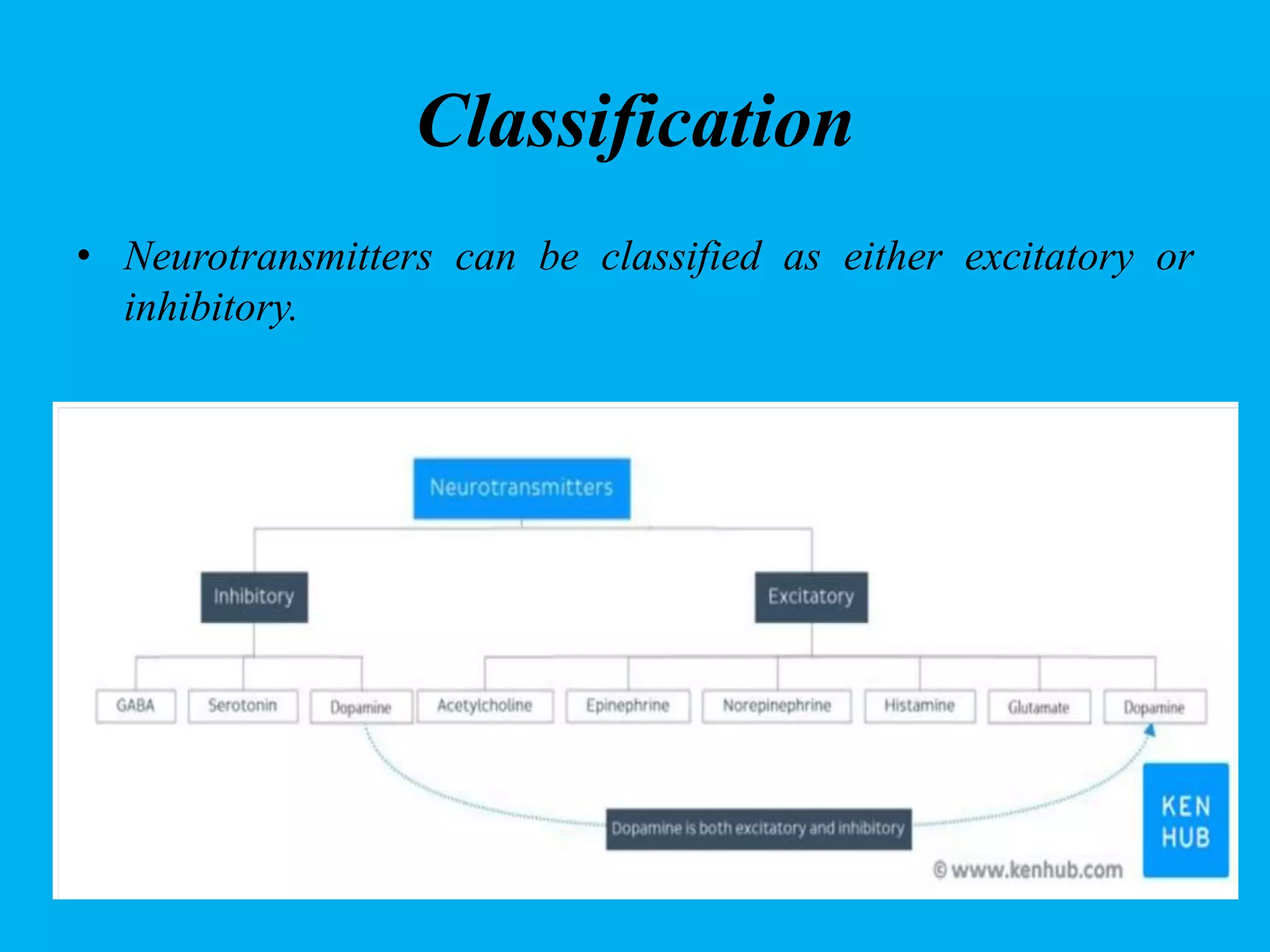
Classification
• Neurotransmitters can be classified as either excitatory or
inhibitory.
• Excitatory neurotransmitters function to activate receptors
on the postsynaptic membrane and enhance the effects of
the action potential.
• while inhibitory neurotransmitters function to prevent an
action potential.
• In addition to the above classification, neurotransmitters
can also be classified based on their chemical
structure:
1. Amino acids – GABA, glutamate
2. Monoamines – Serotonin, Histamine
3. Catecholamines (subcategory of monoamines) –
Dopamine, Norepinephrine, Epinephrine
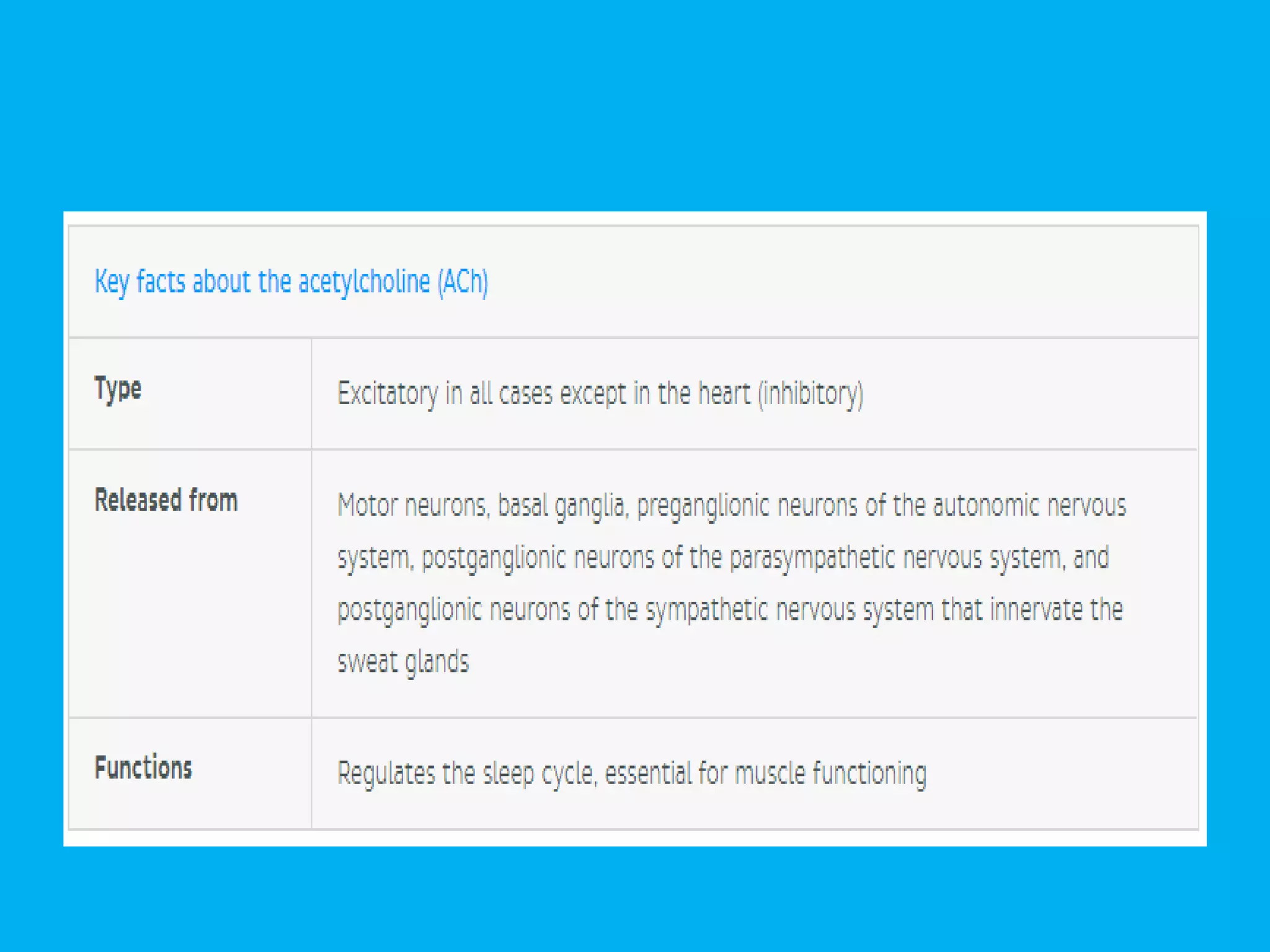
1. Acetylcholine
• Acetylcholine (ACh) is an excitatory
neurotransmitter secreted by motor neurons that
innervate muscle cells, basal ganglia, preganglionic neurons of
the autonomic nervous system, and postganglionic neurons of
the parasympathetic and sympathetic nervous systems.
• Its main function is to stimulate muscle contraction. However, the only
exception to this, where acetylcholine is an inhibitory neurotransmitter, is at
the parasympathetic endings of the vagus nerve.
• These inhibit the heart muscle through the cardiac plexus.
• It is also found in sensory neurons and in the autonomic nervous system,
and has a part in scheduling the “dream state” while an individual is fast
asleep.
• Acetylcholine plays a vital role in the normal functioning of muscles. For
example, poisonous plants like curare and hemlock cause paralysis of
muscles by blocking the acetylcholine receptor sites of myocytes (muscle
cells).
• The well-known poison botulin works by preventing vesicles in the
terminal bouton from releasing acetylcholine, thus leading to paralysis of
the effector muscle.
2. Norepinephrine
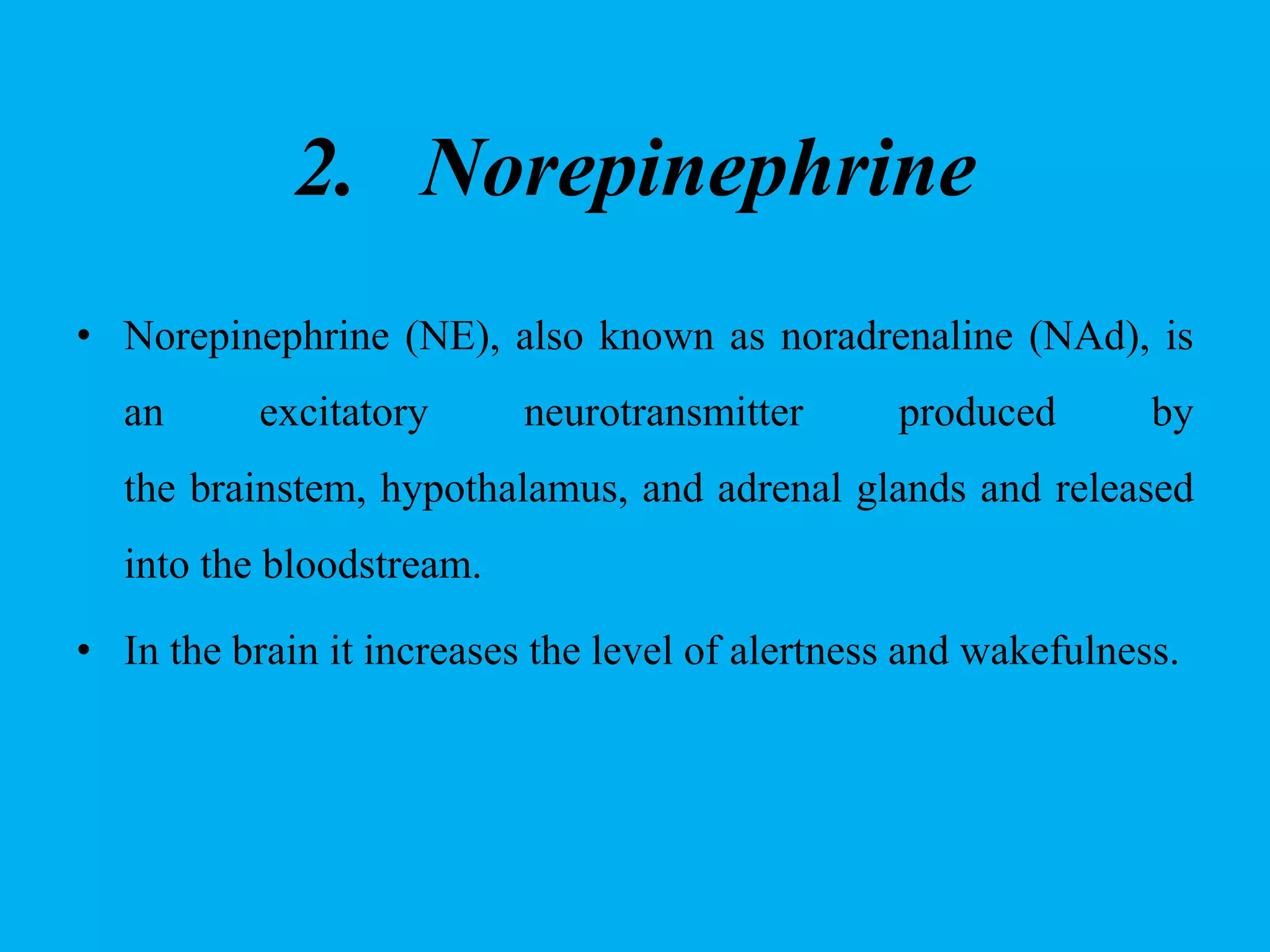
• Norepinephrine (NE), also known as noradrenaline (NAd), is
an excitatory neurotransmitter produced by
the brainstem, hypothalamus, and adrenal glands and released
into the bloodstream.
• In the brain it increases the level of alertness and wakefulness.
• In the body, it is secreted by most postganglionic sympathetic
nerves. It acts to stimulate the processes in the body.
• For example, it is very important in the endogenous production of
epinephrine. Norepinephrine has been implicated in mood disorders
such as depression and anxiety, in which case its concentration in
the body is abnormally low.
• Alternatively, an abnormally high concentration of it may lead to an
impaired sleep cycle.
3. Epinephrine
• Also known as adrenaline (Ad), epinephrine (Epi) is
an excitatory neurotransmitter produced by the chromaffin
cells of the adrenal gland.
• It prepares the body for the fight-or-flight response.
• That means that when a person is highly stimulated (fear,
anger etc.), extra amounts of epinephrine are released into the
bloodstream.
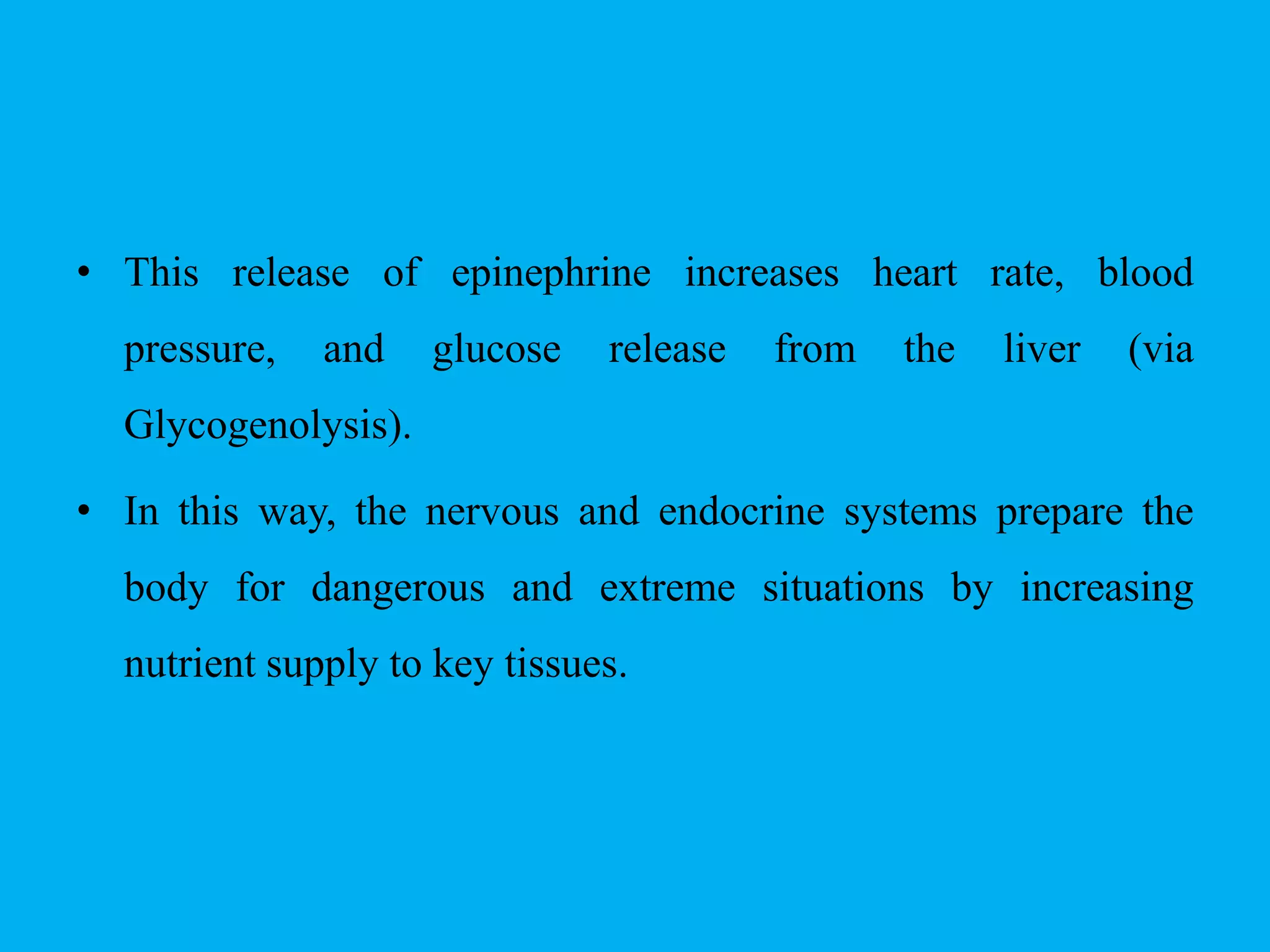
• This release of epinephrine increases heart rate, blood
pressure, and glucose release from the liver (via
Glycogenolysis).
• In this way, the nervous and endocrine systems prepare the
body for dangerous and extreme situations by increasing
nutrient supply to key tissues.
4. Dopamine
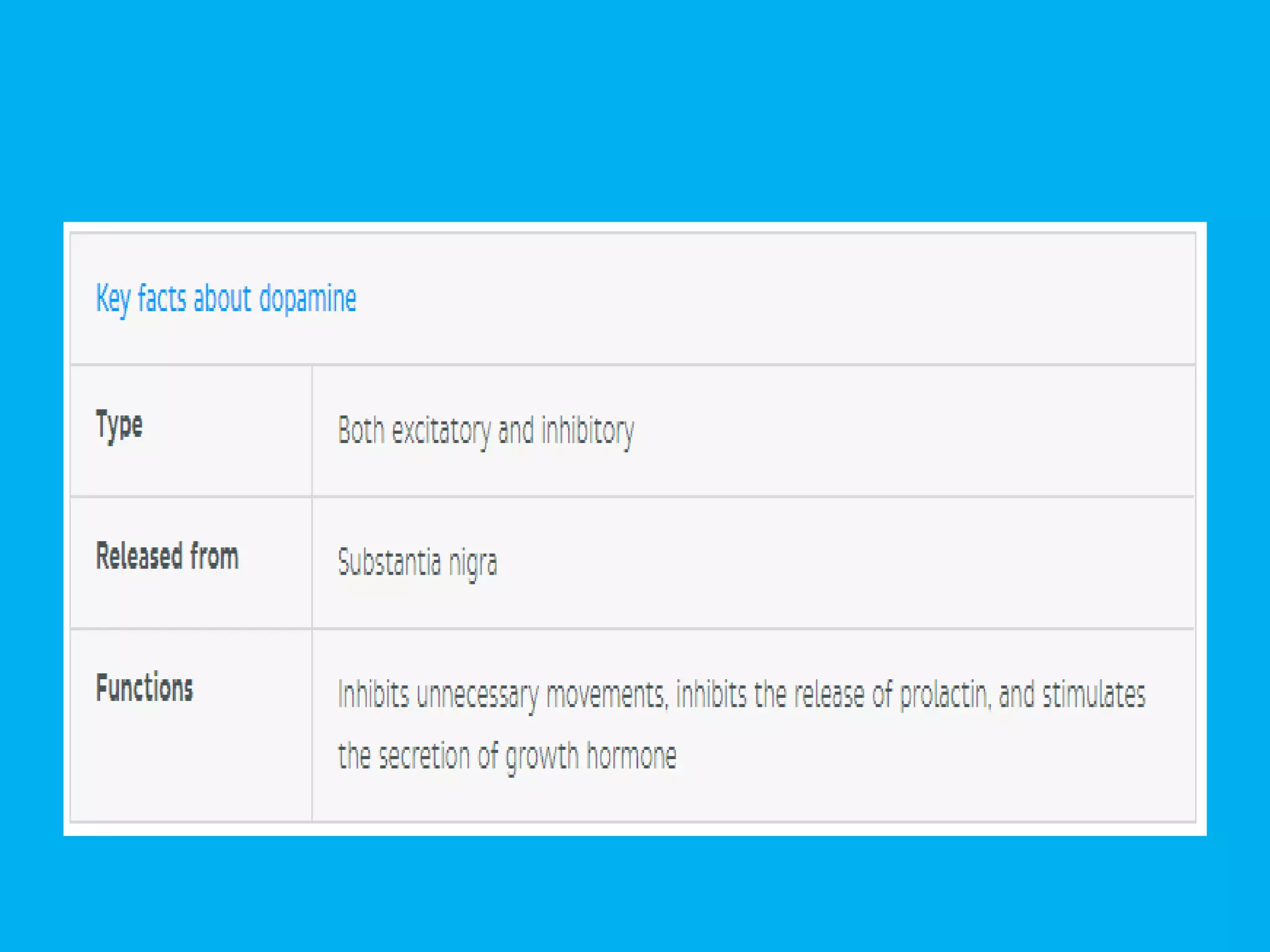
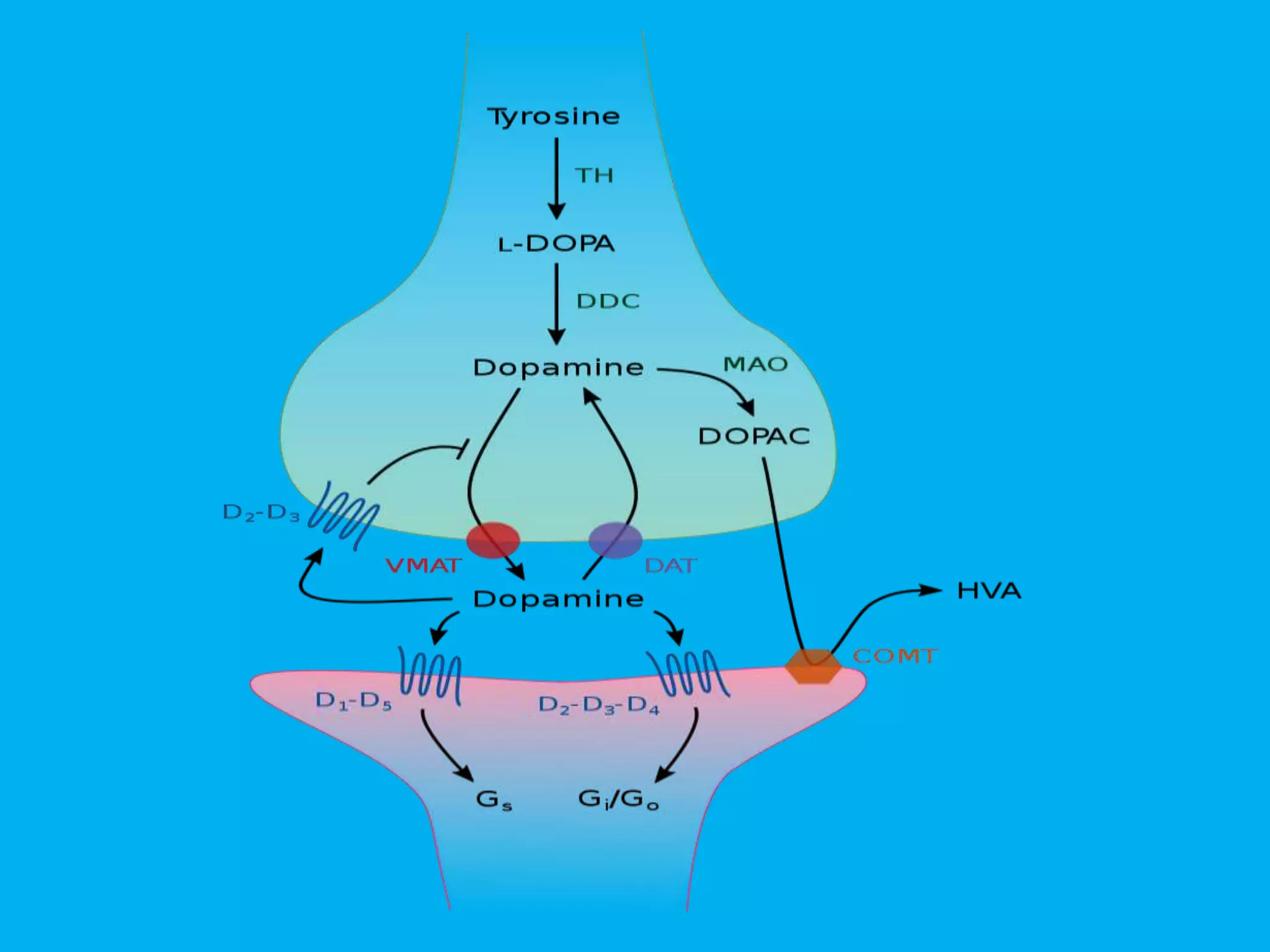
• Dopamine (DA) is a neurotransmitter secreted by the neurons
of the substantia nigra.
• It is considered a special type of neurotransmitter because its
effects are both excitatory and inhibitory.
• Which effect depends on the type of receptor that dopamine
binds to.
• As a part of the Extrapyramidal motor system which involves
the basal ganglia, dopamine is important for movement
coordination by inhibiting unnecessary movements.
• In the pituitary gland, it inhibits the release of prolactin, and
stimulates the secretion of growth hormone.
• Dopamine deficiency related to the destruction of the
substantia nigra leads to Parkinson’s disease.
• Increased activity of dopaminergic neurons contributes to the
pathophysiology of psychotic disorders and schizophrenia.
• Drug and alcohol abuse can temporarily increase dopamine
levels in the blood, leading to confusion and the inability to
focus.
• However, an appropriate secretion of dopamine in the
bloodstream plays a role in the motivation or desire to
complete a task.
5. GABA
• gamma- Aminobutyric acid (GABA) is the most
powerful inhibitory neurotransmitter produced by the
neurons of the spinal cord, cerebellum, basal ganglia, and
many areas of the cerebral cortex.
• It is derived from glutamate.
• Functions of GABA are closely related to mood and emotions.
• It is an inhibitory neurotransmitter that acts as a brake to
excitatory neurotransmitters; thus when it is abnormally low
this can lead to anxiety.
• It is widely distributed in the brain and plays a principal role in
reducing neuronal excitability throughout the nervous system.
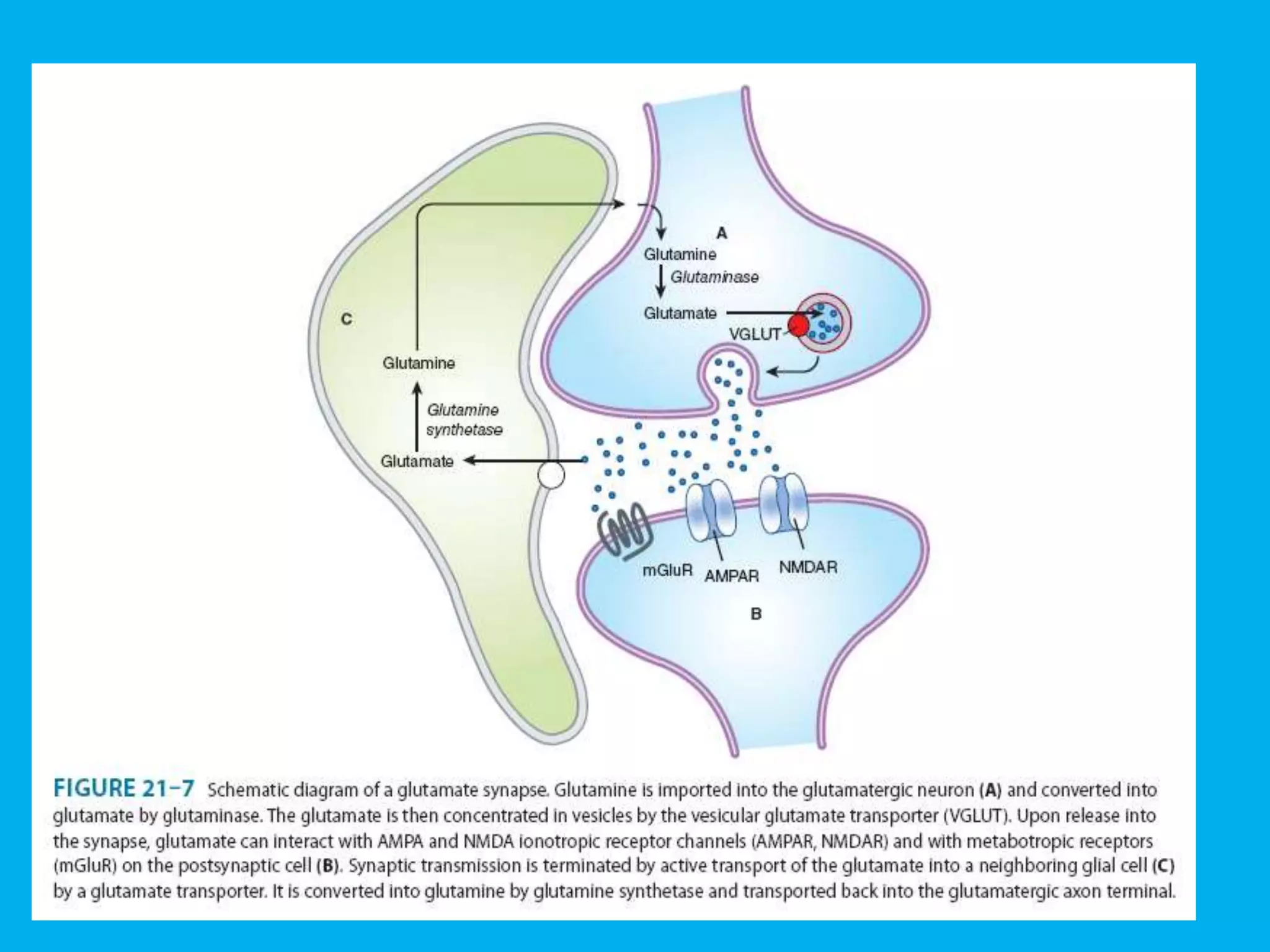
6. Glutamate
• Glutamate (Glu) is the most powerful excitatory
neurotransmitter of the central nervous system which ensures
homeostasis with the effects of GABA.
• It is secreted by neurons of the many of the sensory pathways
entering the central nervous system, as well as the cerebral
cortex.
• Glutamate is the most common neurotransmitter in the central
nervous system; it takes part in the regulation of general
excitability of the central nervous system, learning processes,
and memory.
• Thus, inappropriate glutamate neurotransmission contributes
to developing epilepsy and cognitive and affective disorders.
7. Serotonin
• Serotonin (5-hydroxytryptamine, 5-HT) is an inhibitory
neurotransmitter that has been found to be intimately involved
in emotion and mood.
• It is secreted by the neurons of the brainstem and by neurons
that innervate the gastrointestinal tract (enteric nervous
system).
• In addition, serotonin is found in platelets (thrombocytes)
which release it during coagulation (hemostasis).
• Participates in regulation of body temperature, perception
of pain, emotions, and sleep cycle.
• An insufficient secretion of serotonin may result in decreased
immune system function, as well as a range of emotional
disorders like depression, anger control problems, obsessive-
compulsive disorder, and even suicidal tendencies.
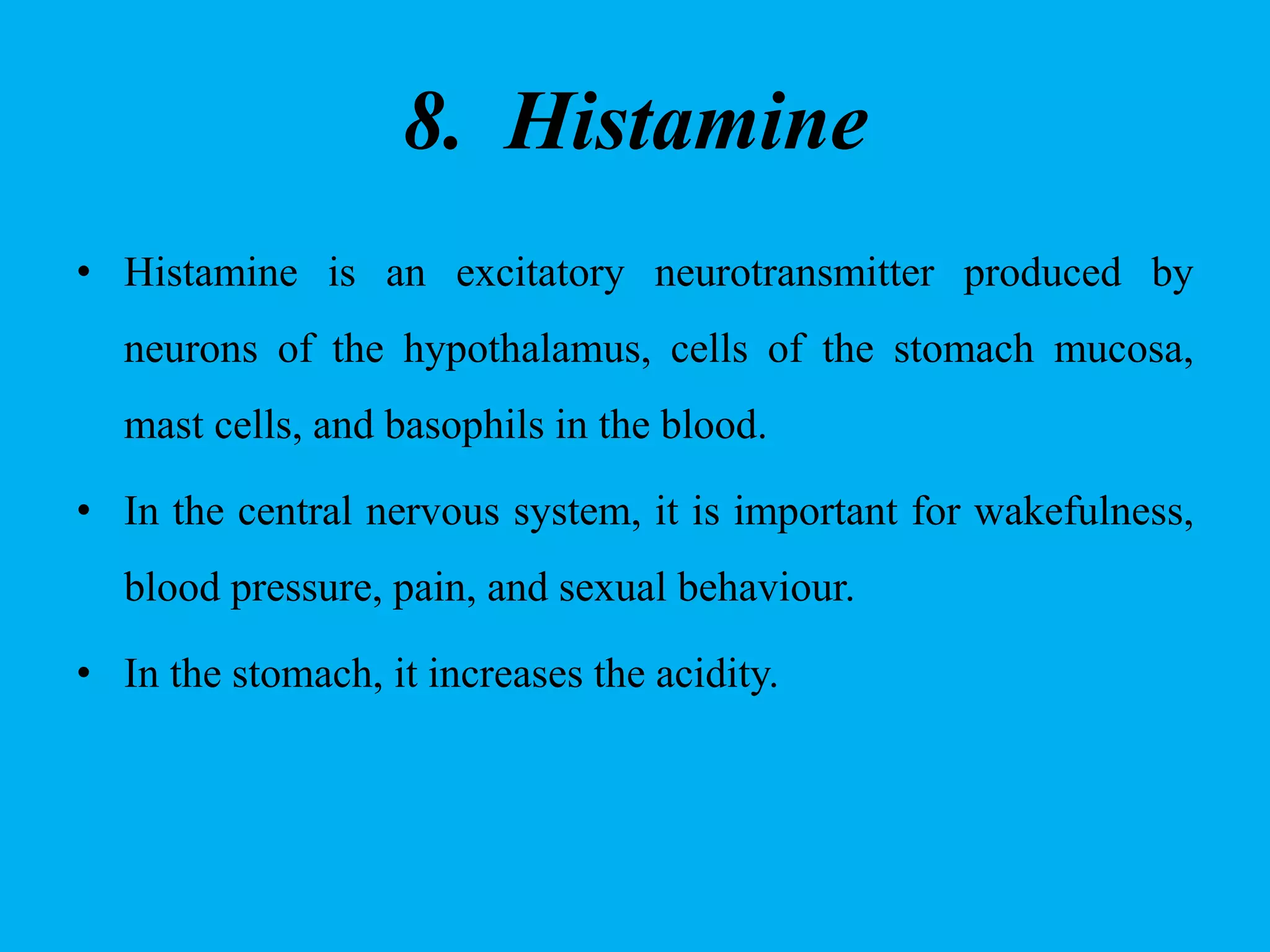
8. Histamine
• Histamine is an excitatory neurotransmitter produced by
neurons of the hypothalamus, cells of the stomach mucosa,
mast cells, and basophils in the blood.
• In the central nervous system, it is important for wakefulness,
blood pressure, pain, and sexual behaviour.
• In the stomach, it increases the acidity.
• It is involved primarily in the inflammatory response, as well
as a range of other functions such as vasodilatation and
regulation of the immune response to foreign bodies.
• For example, when allergens are introduced into the
bloodstream, histamine assists in the fight against these
microorganisms causing itching of the skin or irritations of
the throat, nose, and or lungs.
Thank you

Neurotransmitters and neurohumoral transmission

  • 1.
  • 2.
    Definition Neurotransmitters are substanceswhich neurons use to communicate with one another and with their target tissues in the process of synaptic transmission (neurotransmission).
  • 3.
    • Neurotransmitters aresynthesized in and released from nerve endings into the synaptic cleft. • From there, neurotransmitters bind to receptor proteins in the cellular membrane of the target tissue. • The target tissue gets excited, inhibited, or functionally modified in some other way.
  • 4.
    • There aremore than 40 neurotransmitters in the human nervous system; some of the most important are 1. Acetylcholine 2. Norepinephrine 3. Dopamine 4. Gamma-aminobutyric Acid (GABA) 5. Glutamate 6. Serotonin 7. Histamine.
  • 5.
    Categorization of transmitter(Neuro) Excitatory neurotransmitters Glutamate (Glu) Acetylcholine (ACh) Histamine Dopamine (DA) Norepinephrine (NE); also known as noradrenaline (NAd) Epinephrine (Epi); also known as adrenaline (Ad) Inhibitory neurotransmitters gamma-Aminobutyric acid (GABA) Serotonin (5-HT) Dopamine (DA) Neuromodulators Dopamine (DA) Serotonin (5-HT) Acetylcholine (ACh) Histamine Norepinephrine (NE) Neurohormones Releasing hormones from hypothalamus Oxytocin (Oxt) Vasopressin; also known as antidiuretic hormone (ADH)
  • 6.
    Mechanism of neurotransmission •Neurons communicate with their target tissues at synapses into which they release chemical substances called neurotransmitters (ligands). • As this communication is mediated with chemical substances, the process is called chemical neurotransmission and happens within chemical synapses.
  • 8.
    • Each synapseconsists of the: 1. Presynaptic membrane – membrane of the terminal bouton (axon ending) of the presynaptic nerve fiber 2. Postsynaptic membrane – membrane of the target cell 3. Synaptic cleft – a gap between the presynaptic and postsynaptic membranes • Inside the terminal bouton of the presynaptic nerve fiber, numerous vesicles that contain neurotransmitters are produced and stored.
  • 9.
    • When thepresynaptic membrane is depolarized by an action potential, calcium voltage-gated channels open (found in the membranes of the terminal buttons). • This leads to an influx of calcium ions into the terminal bouton, which changes the state of certain membrane proteins in the presynaptic membrane, and results in exocytosis of neurotransmitters from the terminal bouton into the synaptic cleft.
  • 10.
    • After crossingthe synaptic cleft, neurotransmitters bind to their receptors on the postsynaptic membrane. • Once the neurotransmitter binds to its receptor, the ligands- gated channels of the postsynaptic membrane either open or close. • These ligand-gated channels are ion channels, and their opening or closing alters the permeability of the postsynaptic membrane to calcium, sodium, potassium, and chloride ions. This leads to a stimulatory or inhibitory response.
  • 11.
    • If aneurotransmitter stimulates the target cell to an action, then it is an excitatory neurotransmitter acting in an excitatory synapse. • On the other hand, if it inhibits the target cell, it is an inhibitory neurotransmitter acting in an inhibitory synapse. • So, the type of the synapse and the response of the target tissue depends on the type of neurotransmitter. • Excitatory neurotransmitters cause depolarization of the postsynaptic cells and generate an action potential; for example acetylcholine stimulates muscle contraction. • Inhibitory synapses cause hyperpolarisation of the target cells, leading them farther from the action potential threshold, thus inhibiting their action; for example GABA inhibits involuntary movements.
  • 12.
    • The neurotransmitterreleased into the synaptic cleft acts for a very short duration, only minutes or even seconds. • It is either destroyed by enzymes, such as acetylcholine esterase, or is reabsorbed into the terminal button of the presynaptic neuron by reuptake mechanisms and then recycled. • The best-known neurotransmitters responsible for such fast, but short-lived excitatory action are acetylcholine, Norepinephrine, and epinephrine while GABA is the major inhibitory neurotransmitter.
  • 13.
    • Repeated synapticactivities can have long-lasting effects on the receptor neuron, including structural changes such as the formation of new synapses, alterations in the dendrite tree, or growth of axons. • An example of this is the learning process – the more you study and repeat, the more synapses are created in your brain and enable you to retrieve that information when needed.
  • 14.
    • Besides neurotransmitters,there are other synapse-associated chemical substances called the neuromediators (neuromodulators). Neuromodulation differs to neurotransmission by how long the substance acts on the synapse. • Neuromodulators aren’t reabsorbed as quickly by presynaptic neurons or broken down by enzymes. • Instead, they spend a significant amount of time in cerebrospinal fluid, influencing (modulating) the activity of several other neurons in the brain.
  • 15.
    • The bestknown neuromodulators are also neurotransmitters, such as dopamine, serotonin, acetylcholine, histamine, and Norepinephrine. • Other associated chemical substances include Neurohormones. • They are synthesized in neurons and secreted into the bloodstream which carries them to distant tissues. • The best examples are the hypothalamic releasing hormones oxytocin and vasopressin
  • 16.
    Classification • Neurotransmitters canbe classified as either excitatory or inhibitory.
  • 17.
    • Excitatory neurotransmittersfunction to activate receptors on the postsynaptic membrane and enhance the effects of the action potential. • while inhibitory neurotransmitters function to prevent an action potential.
  • 18.
    • In additionto the above classification, neurotransmitters can also be classified based on their chemical structure: 1. Amino acids – GABA, glutamate 2. Monoamines – Serotonin, Histamine 3. Catecholamines (subcategory of monoamines) – Dopamine, Norepinephrine, Epinephrine
  • 20.
    1. Acetylcholine • Acetylcholine(ACh) is an excitatory neurotransmitter secreted by motor neurons that innervate muscle cells, basal ganglia, preganglionic neurons of the autonomic nervous system, and postganglionic neurons of the parasympathetic and sympathetic nervous systems.
  • 22.
    • Its mainfunction is to stimulate muscle contraction. However, the only exception to this, where acetylcholine is an inhibitory neurotransmitter, is at the parasympathetic endings of the vagus nerve. • These inhibit the heart muscle through the cardiac plexus. • It is also found in sensory neurons and in the autonomic nervous system, and has a part in scheduling the “dream state” while an individual is fast asleep. • Acetylcholine plays a vital role in the normal functioning of muscles. For example, poisonous plants like curare and hemlock cause paralysis of muscles by blocking the acetylcholine receptor sites of myocytes (muscle cells). • The well-known poison botulin works by preventing vesicles in the terminal bouton from releasing acetylcholine, thus leading to paralysis of the effector muscle.
  • 24.
    2. Norepinephrine • Norepinephrine(NE), also known as noradrenaline (NAd), is an excitatory neurotransmitter produced by the brainstem, hypothalamus, and adrenal glands and released into the bloodstream. • In the brain it increases the level of alertness and wakefulness.
  • 26.
    • In thebody, it is secreted by most postganglionic sympathetic nerves. It acts to stimulate the processes in the body. • For example, it is very important in the endogenous production of epinephrine. Norepinephrine has been implicated in mood disorders such as depression and anxiety, in which case its concentration in the body is abnormally low. • Alternatively, an abnormally high concentration of it may lead to an impaired sleep cycle.
  • 28.
    3. Epinephrine • Alsoknown as adrenaline (Ad), epinephrine (Epi) is an excitatory neurotransmitter produced by the chromaffin cells of the adrenal gland. • It prepares the body for the fight-or-flight response. • That means that when a person is highly stimulated (fear, anger etc.), extra amounts of epinephrine are released into the bloodstream.
  • 30.
    • This releaseof epinephrine increases heart rate, blood pressure, and glucose release from the liver (via Glycogenolysis). • In this way, the nervous and endocrine systems prepare the body for dangerous and extreme situations by increasing nutrient supply to key tissues.
  • 31.
    4. Dopamine • Dopamine(DA) is a neurotransmitter secreted by the neurons of the substantia nigra. • It is considered a special type of neurotransmitter because its effects are both excitatory and inhibitory. • Which effect depends on the type of receptor that dopamine binds to.
  • 33.
    • As apart of the Extrapyramidal motor system which involves the basal ganglia, dopamine is important for movement coordination by inhibiting unnecessary movements. • In the pituitary gland, it inhibits the release of prolactin, and stimulates the secretion of growth hormone. • Dopamine deficiency related to the destruction of the substantia nigra leads to Parkinson’s disease.
  • 34.
    • Increased activityof dopaminergic neurons contributes to the pathophysiology of psychotic disorders and schizophrenia. • Drug and alcohol abuse can temporarily increase dopamine levels in the blood, leading to confusion and the inability to focus. • However, an appropriate secretion of dopamine in the bloodstream plays a role in the motivation or desire to complete a task.
  • 36.
    5. GABA • gamma-Aminobutyric acid (GABA) is the most powerful inhibitory neurotransmitter produced by the neurons of the spinal cord, cerebellum, basal ganglia, and many areas of the cerebral cortex. • It is derived from glutamate.
  • 38.
    • Functions ofGABA are closely related to mood and emotions. • It is an inhibitory neurotransmitter that acts as a brake to excitatory neurotransmitters; thus when it is abnormally low this can lead to anxiety. • It is widely distributed in the brain and plays a principal role in reducing neuronal excitability throughout the nervous system.
  • 40.
    6. Glutamate • Glutamate(Glu) is the most powerful excitatory neurotransmitter of the central nervous system which ensures homeostasis with the effects of GABA. • It is secreted by neurons of the many of the sensory pathways entering the central nervous system, as well as the cerebral cortex.
  • 42.
    • Glutamate isthe most common neurotransmitter in the central nervous system; it takes part in the regulation of general excitability of the central nervous system, learning processes, and memory. • Thus, inappropriate glutamate neurotransmission contributes to developing epilepsy and cognitive and affective disorders.
  • 44.
    7. Serotonin • Serotonin(5-hydroxytryptamine, 5-HT) is an inhibitory neurotransmitter that has been found to be intimately involved in emotion and mood. • It is secreted by the neurons of the brainstem and by neurons that innervate the gastrointestinal tract (enteric nervous system). • In addition, serotonin is found in platelets (thrombocytes) which release it during coagulation (hemostasis).
  • 46.
    • Participates inregulation of body temperature, perception of pain, emotions, and sleep cycle. • An insufficient secretion of serotonin may result in decreased immune system function, as well as a range of emotional disorders like depression, anger control problems, obsessive- compulsive disorder, and even suicidal tendencies.
  • 48.
    8. Histamine • Histamineis an excitatory neurotransmitter produced by neurons of the hypothalamus, cells of the stomach mucosa, mast cells, and basophils in the blood. • In the central nervous system, it is important for wakefulness, blood pressure, pain, and sexual behaviour. • In the stomach, it increases the acidity.
  • 51.
    • It isinvolved primarily in the inflammatory response, as well as a range of other functions such as vasodilatation and regulation of the immune response to foreign bodies. • For example, when allergens are introduced into the bloodstream, histamine assists in the fight against these microorganisms causing itching of the skin or irritations of the throat, nose, and or lungs.
  • 56.