AHMADU BELLO UNIVERSITY, ZARIA - NIGERIA
              FACULTY OF MEDICINE
       DEPARTMENT OF HUMAN PHYSIOLOGY


NEUROPHYSIOLOGY (HPHY 305)


   Rabiu AbduSSALAM Magaji, Ph.D.

E-mails: ramagaji@abu.edu.ng; rabiumagaji@yahoo.co.uk
Learning Objectives
  At the end of this lecture, it is expected that the student
  would be able to:

 List and describe the parts of the nervous system and their
  components

 List the various types of glia and their functions.

 Name the parts of a neuron and their functions.

 Describe the role of myelin in nerve conduction.

 List the types of nerve fibers found in the mammalian
  nervous system.
Need for Review
 Excitable Tissues

 Nerves (Structures and functions)

 Muscles (Structures and functions)

 Organization of the Nervous System in general

 Organization of the Central Nervous System (CNS)
specifically

 Anatomy of the different parts of the brain
Organization of the Nervous System - Origin

In the developing embryo, the Nervous system (NS) develops
from ectoderm, that forms the neural plate.

The neural plate differentiates into neural tube and a neural
crest.

The neural tube then differentiates into the Central Nervous
System (CNS), which consists of the Brain and the Spinal
cord.

The neural crest gives rise to most of the Peripheral Nervous
System (PNS), which consists of 12 pairs of cranial nerves
and 31 pairs of spinal nerves.
The Central Nervous System

  The brain develops at the cranial end of the embryonic neural tube.

  By the end of the first month of development, three (3) Primary
  vesicles are formed: Forebrain (Prosencephalon), the Midbrain
  (Mesencephalon), and the Hindbrain (Rhombencephalon).

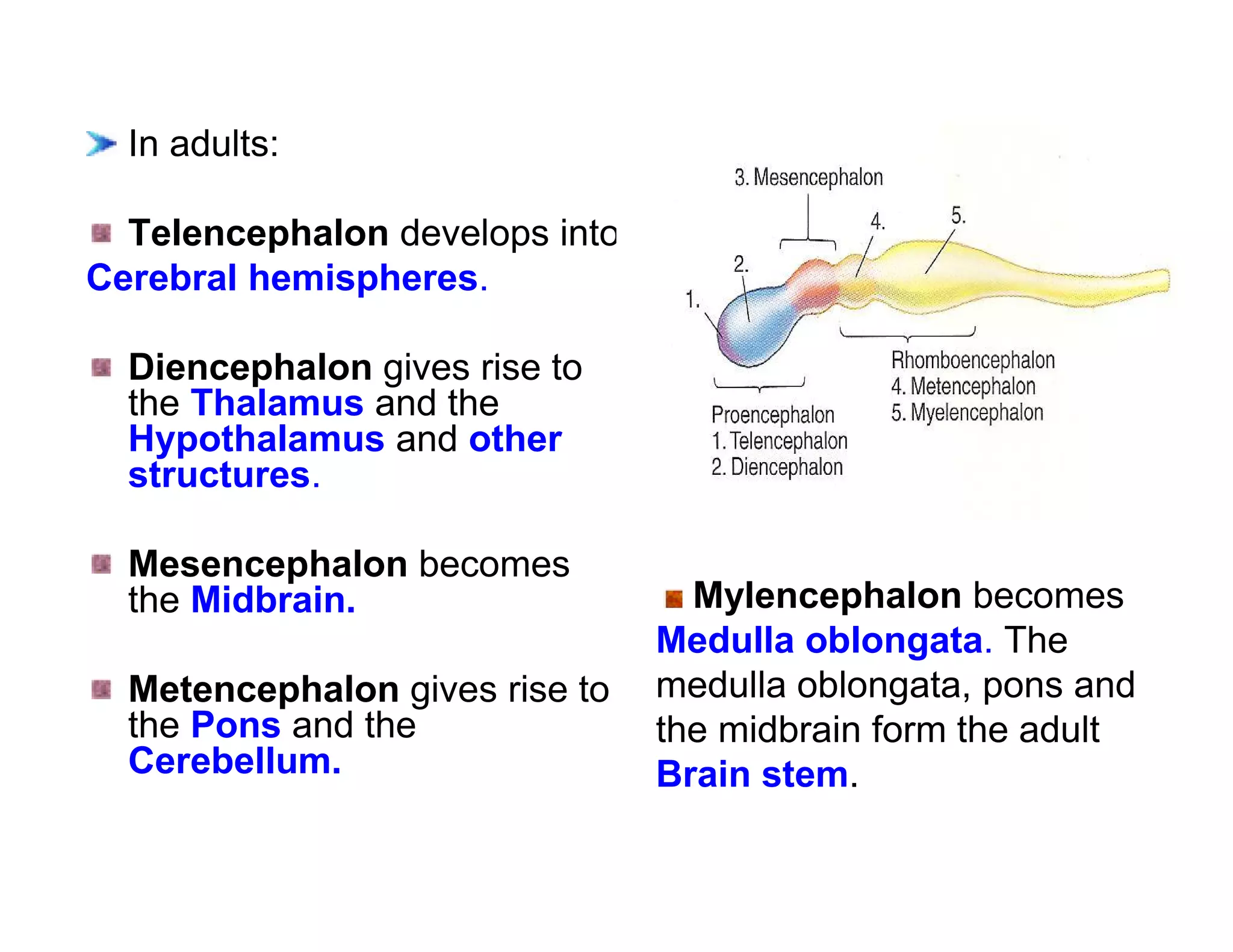
  A week later, the forebrain gives rise to the Telencephalon and the
  Diencephalon, and the hindbrain gives rise to the Metencephalon
  and the Myelencephalon resulting in a total of five (5) secondary
  vesicles.
In adults:

  Telencephalon develops into
Cerebral hemispheres.

  Diencephalon gives rise to
  the Thalamus and the
  Hypothalamus and other
  structures.

  Mesencephalon becomes
  the Midbrain.                   Mylencephalon becomes
                                Medulla oblongata. The
  Metencephalon gives rise to   medulla oblongata, pons and
  the Pons and the              the midbrain form the adult
  Cerebellum.                   Brain stem.
Subdivisions of the Central Nervous System
  The central nervous system (defined as the brain and spinal
cord) is usually considered to have seven basic parts:

 spinal cord,

 medulla,

 pons,

 cerebellum,

 midbrain,

 diencephalon, and

 cerebral hemispheres
Running through all of these subdivisions are fluid-filled
spaces called ventricles

   These ventricles are the remnants of the continuous lumen
initially enclosed by the neural plate as it rounded to become
the neural tube during early development.

  Variations in the shape and size of the mature ventricular
space are characteristic of each adult brain region.

  The brainstem surrounds the 4th ventricle (medulla
and pons) and cerebral aqueduct (midbrain).
The forebrain encloses the 3rd and lateral ventricles.

  The     diencephalon      and     cerebral     hemispheres
  (telencephalon) are collectively called the forebrain, and
  they enclose the 3rd and lateral ventricles, respectively.

   Within the brainstem are the cranial nerve nuclei that
either receive input from the cranial sensory ganglia via the
cranial sensory nerves, or give rise to axons that constitute
the cranial motor nerves.
OVERVIEW OF NEUROPHYSIOLOGY
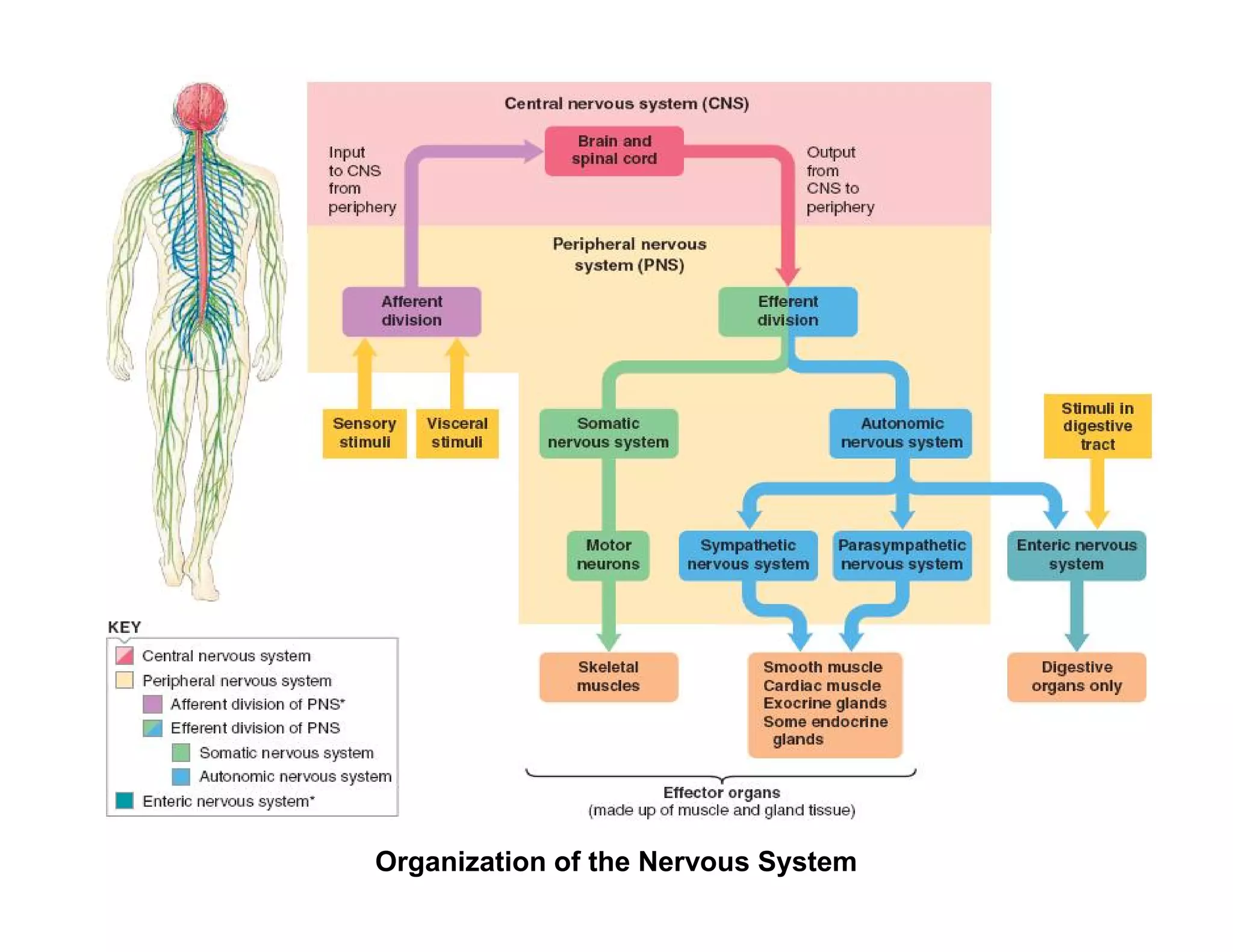
  The nervous system can be divided into two parts:

  the central nervous system (CNS), which is composed of
the brain and spinal cord, and

  the peripheral nervous system, which is composed of
nerves that connect the CNS to muscles, glands, and sense
organs.

  Neurons are the basic building blocks of the nervous
system. The human brain contains about 100 billion neurons.

  It also contains 10–50 times this number of glial cells or
glia.
Organization of the Nervous System
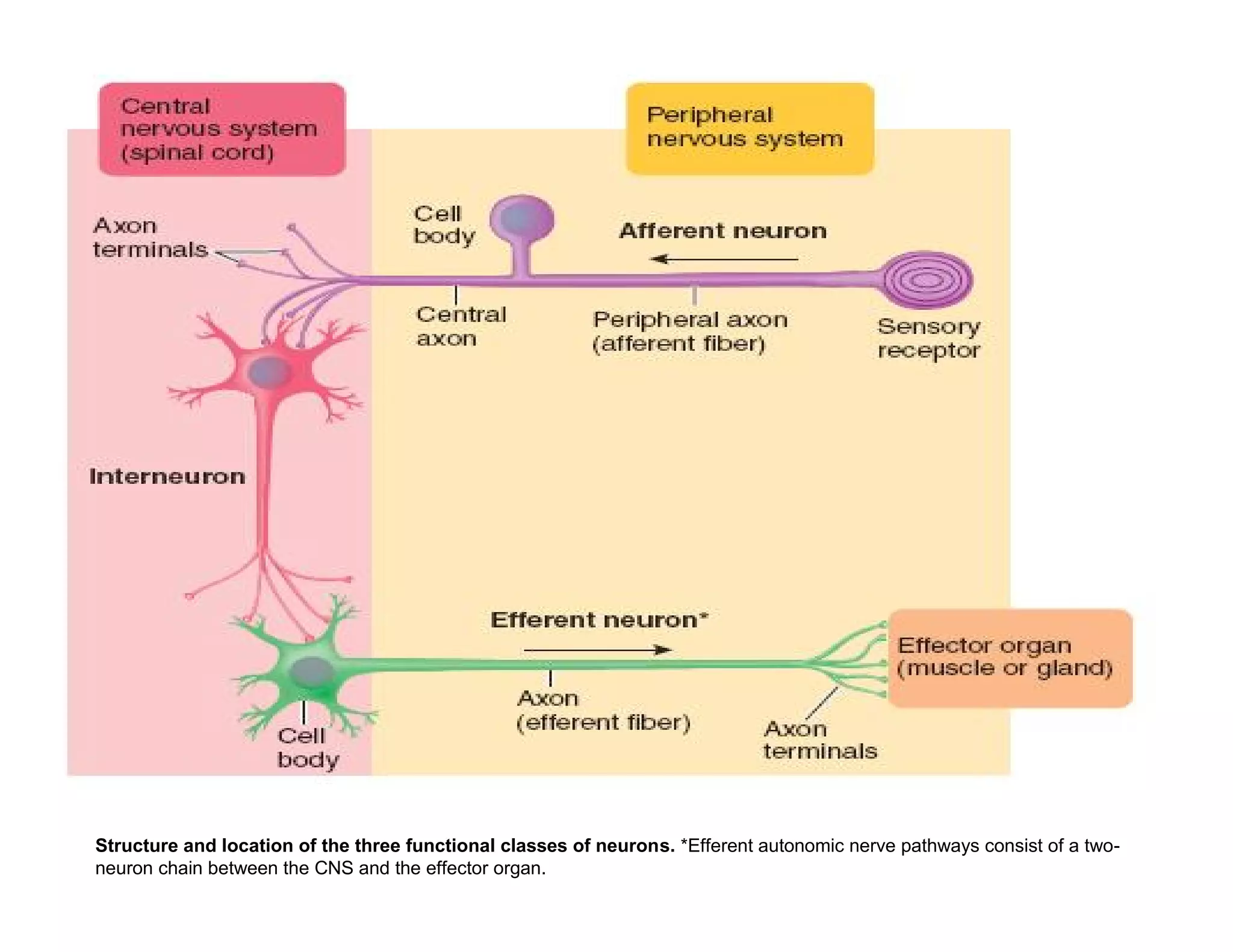
Structure and location of the three functional classes of neurons. *Efferent autonomic nerve pathways consist of a two-
neuron chain between the CNS and the effector organ.
The CNS is a complex organ; it has been calculated that
  40% of the human genes participate, at least to a degree, in
  its formation.

Glia Cells

  The word glia is Greek for glue; for many years, glia were
  thought to function merely as connective tissue.

  However, these cells are now recognized for their role in
  communication within the CNS in partnership with neurons.

  Unlike neurons, glial cells continue to undergo cell division
  in adulthood and their ability to proliferate is particularly
  noticeable after brain injury.

  There are two major types of glia, microglia and
  macroglia.
Microglia arise from macrophages outside of the CNS and are
physiologically and embryologically unrelated to other neural cell
types.

  Microglia are scavenger cells that resemble tissue macrophages
and remove debris resulting from injury, infection, and disease.

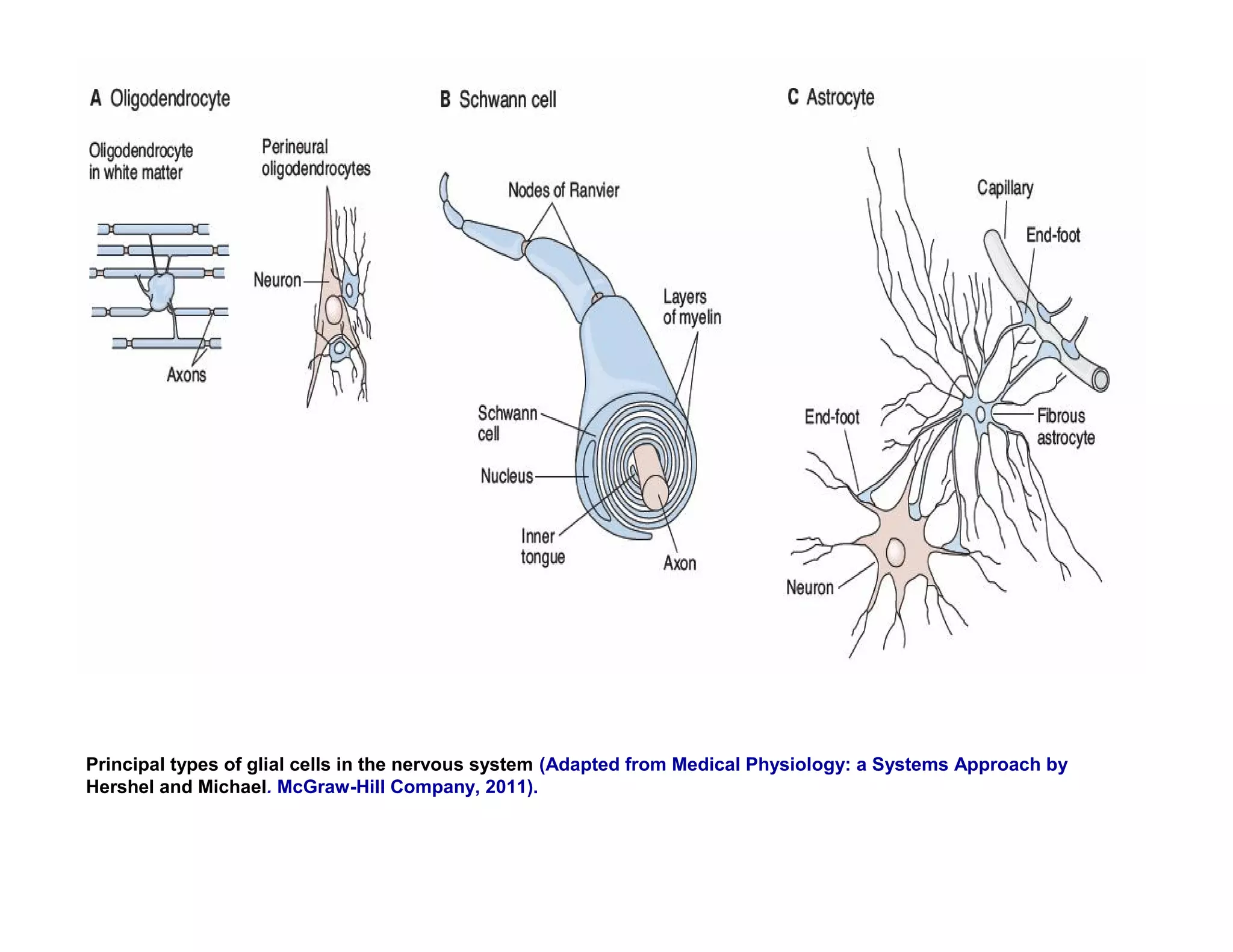
  There are three types of macroglia: oligodendrocytes, Schwann
cells, and astrocytes.

   Oligodendrocytes and Schwann cells are involved in myelin
formation around axons in the CNS and peripheral nervous system,
respectively.

  Astrocytes, which are found throughout the brain, are of two
subtypes:
 Fibrous astrocytes, which contain many intermediate
  filaments are found primarily in white matter; and the

 Protoplasmic astrocytes are found in gray matter and have
  a granular cytoplasm.

• Both types of astrocytes send processes to blood vessels,
  where they induce capillaries to form the tight junctions
  making up the blood–brain barrier.

• The blood–brain barrier prevents the diffusion of large or
  hydrophilic molecules (e.g., proteins) into the cerebrospinal
  fluid and brain, while allowing diffusion of small molecules.

  The astrocytes also send processes that envelop synapses
  and the surface of nerve cells.
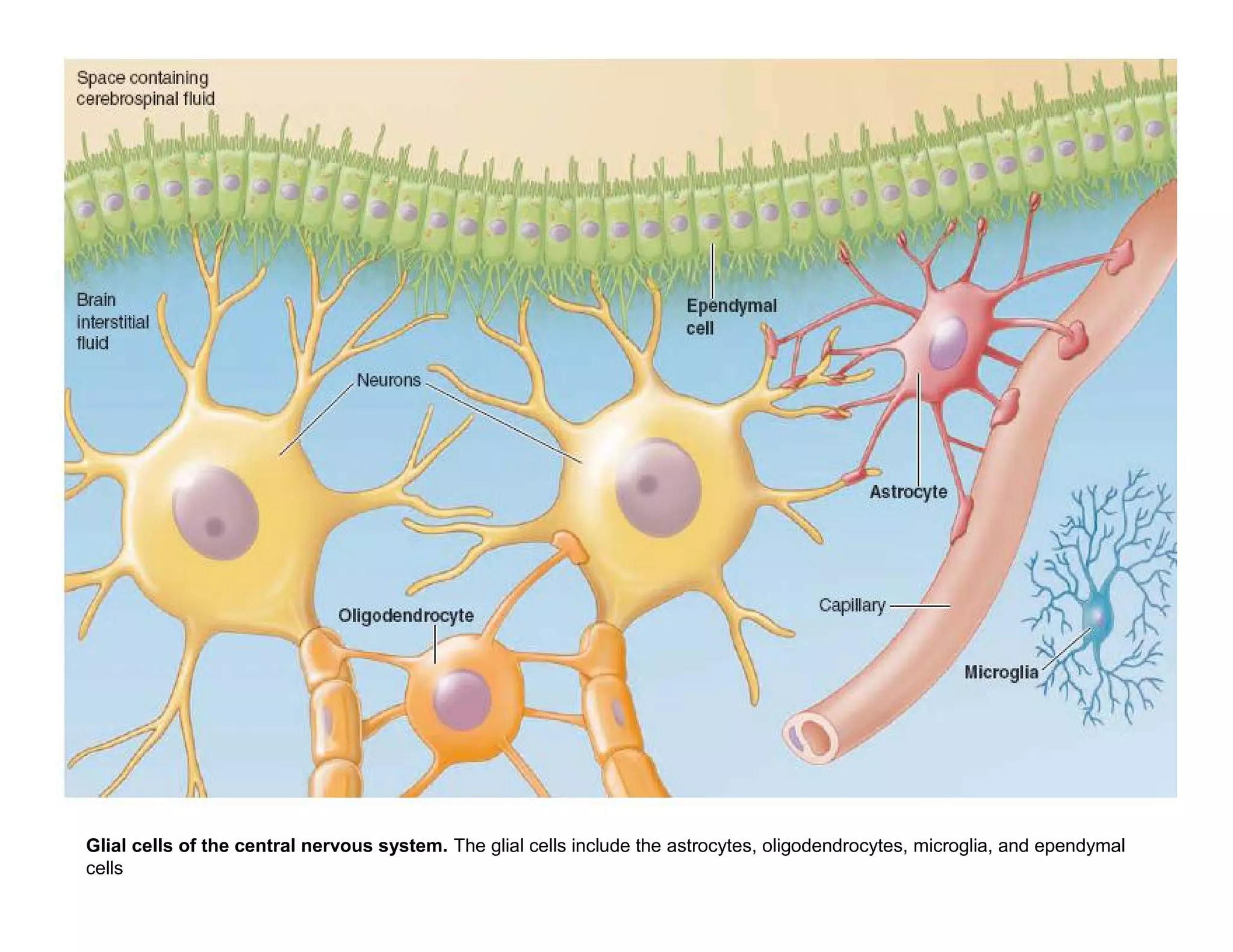
Principal types of glial cells in the nervous system (Adapted from Medical Physiology: a Systems Approach by
Hershel and Michael. McGraw-Hill Company, 2011).
Functions of the Neuroglia
Astrocytes
 Physically support neurons in proper spatial relationships
 Serve as a scaffold during fetal brain development
 Induce formation of blood–brain barrier
 Help transfer nutrients to neurons
 Form neural scar tissue
 Take up and degrade released neurotransmitters
 Take up excess K to help maintain proper brain-ECF ion
  concentration and normal neural excitability
 Enhance synapse formation and strengthen synaptic
  transmission via chemical signaling with neurons
 Communicate by chemical means with neurons and among
  themselves
Oligodendrocytes
 Form myelin sheaths in CNS

Microglia
 Play a role in defense of brain as phagocytic scavengers
 Release nerve growth factor

Ependymal Cells
 Line internal cavities of brain and spinal cord
 Contribute to formation of cerebrospinal fl uid
 Serve as neural stem cells with the potential to form new
  neurons and glial cells
Glial cells of the central nervous system. The glial cells include the astrocytes, oligodendrocytes, microglia, and ependymal
cells
The peripheral nervous system transmits information from the
CNS to the effector organs throughout the body.

It contains 12 pairs of cranial nerves and 31 pairs of spinal
nerves.

The cranial nerves have rather well-defined sensory and
motor functions.

Spinal nerves are named on the basis of the vertebral level
from which the nerve exits (cervical, thoracic, lumbar,
sacral, and coccygeal).

These nerves include motor and sensory fibers of muscles,
skin, and glands throughout the body.
Food for Thought
“A basic principle to remember when studying
the brain is that one function, even an
apparently simple one such as bending your
finger, will involve multiple brain regions (as
well as the spinal cord). Conversely, one
brain region may be involved in several
functions at the same time. In other words,
understanding the brain is not simple and
straightforward”.
THE SPINAL CORD
  The spinal cord is the major pathway for information owing
back and forth between the brain and the skin, joints, and
muscles of the body.

  In addition, the spinal cord contains neural networks
responsible for locomotion.

   If the spinal cord is severed, there is loss of sensation from
the skin and muscles as well as paralysis, loss of the ability to
voluntarily control muscles.

  The spinal cord is divided into four regions (cervical,
thoracic, lumbar, and sacral), named to correspond to the
adjacent vertebrae.
Each spinal region is subdivided into segments, and each
segment gives rise to a bilateral pair of spinal nerves.

  Just before a spinal nerve joins the spinal cord, it divides into
two branches called roots.

   The dorsal root of each spinal nerve is specialized to carry
incoming sensory information.

   The dorsal root ganglia, swellings found on the dorsal roots
just before they enter the cord, contain cell bodies of sensory
neurons.

  The ventral root carries information from the CNS to
muscles and glands.
In cross section, the spinal cord has a butter y- or H-shaped
core of gray matter and a surrounding rim of white matter.

   Sensory fibers from the dorsal roots synapse with
interneurons in the dorsal horns of the gray matter.

   The dorsal horn cell bodies are organized into two distinct
nuclei, one for somatic information and one for visceral
information.

   The ventral horns of the gray matter contain cell bodies of
motor neurons that carry efferent signals to muscles and
glands.

  The ventral horns are organized into somatic motor and
autonomic nuclei.

  Efferent fibers leave the spinal cord via the ventral root.
The white matter of the spinal cord is the biological equivalent
of fiber-optic cables that telephone companies use to carry our
communications systems.

  White matter can be divided into a number of columns
composed of tracts of axons that transfer information up and
down the cord.

  Ascending tracts take sensory information to the brain. They
occupy the dorsal and external lateral portions of the spinal cord.

   Descending tracts carry mostly efferent (motor) signals from
the brain to the cord. They occupy the ventral and interior lateral
portions of the white matter.
Propriospinal tracts (proprius, one’s own) are those that
remain within the cord.

  The spinal cord can function as a self-contained integrating
center for simple spinal re exes, with signals passing from a
sensory neuron through the gray matter to an efferent neuron.

   In addition, spinal interneurons may route sensory
information to the brain through ascending tracts or bring
commands from the brain to motor neurons.

  In many cases, the interneurons also modify information as it
passes through them.

  Reflexes play a critical role in the coordination of movement.
Neural Growth and Regeneration
  The elaborate networks of nerve-cell processes that
characterize the nervous system are remarkably similar in all
human beings and depend upon the outgrowth of specific
axons to specific targets.


   Development of the nervous system in the embryo begins
with a series of divisions of precursor cells that can develop
into neurons or glia.

   After the last cell division, each neuronal daughter cell
differentiates, migrates to its final location, and sends out
processes that will become its axon and dendrites.

   A specialized enlargement, called the growth cone, forms
the tip of each extending axon and is involved in finding the
correct route and final target for the process.
As the axon grows, it is guided along the surfaces of other
cells, most commonly glial cells.

   Which particular route is followed depends largely on
attracting, supporting, deflecting, or inhibiting influences
exerted by several types of molecules.


  Some of these molecules, such as cell adhesion
molecules, reside on the membranes of the glia and
embryonic neurons.

  Others are soluble neurotropic factors (growth factors for
neural tissue) in the extracellular fluid surrounding the growth
cone or its distant target.
Once the target of the advancing growth cone is reached,
synapses are formed.

   The synapses are active, however, before their final
maturation occurs, and this early activity, in part, determines
their final use.

   During these intricate early stages of neural development,
which occur during all trimesters of pregnancy and into infancy,
alcohol and other drugs, radiation, malnutrition, and viruses
can exert effects that cause permanent damage to the
developing fetal nervous system.
A normal, although unexpected, aspect of development of the
nervous system occurs after growth and projection of the axons.

  Many of the newly formed neurons and synapses degenerate.

  In fact, as many as 50 to 70 percent of neurons die by
apoptosis in some regions of the developing nervous system!

  Exactly why this seemingly wasteful process occurs is
unknown although neuroscientists speculate that in this way
connectivity in the nervous system is refined, or “fine tuned.”

   Although the basic shape and location of existing neurons in
the mature central nervous system do not change, the creation
and removal of synaptic contacts begun during fetal development
continue, albeit at a slower pace, throughout life as part of
normal growth, learning, and aging.
Division of neuron precursors is largely complete before
birth, and after early infancy new neurons are formed at a
slower pace to replace those that die.

   Severed axons can repair themselves, however, and
significant function regained, provided that the damage occurs
outside the central nervous system and does not affect the
neuron’s cell body.

   After repairable injury, the axon segment now separated
from the cell body degenerates.

   The proximal part of the axon (the stump still attached to the
cell body) then gives rise to a growth cone, which grows out to
the effector organ so that in some cases function is restored.
In contrast, severed axons within the central nervous system
attempt sprouting, but no significant regeneration of the axon
occurs across the damaged site, and there are no well-
documented reports of significant function return.

   Either some basic difference of central nervous system
neurons or some property of their environment, such as
inhibitory factors associated with nearby glia, prevents their
functional regeneration.

   In humans, however, spinal injuries typically crush rather
than cut the tissue, leaving the axons intact.

   In this case, a primary problem is self-destruction (apoptosis)
of the nearby oligodendroglia, because when these cells die
and their associated axons lose their myelin coat, the axons
cannot transmit information effectively.
PROTECTION AND NOURISHMENT OF THE BRAIN
   Due to the very delicate nature of the CNS tissue and the fact
that its damaged nerve cells cannot be replaced, makes it
imperative that this fragile, irreplaceable tissue be well
protected

  Four (4) major features help protect the CNS from injury:

1. It is enclosed by hard, bony structures. The cranium (skull)
encases the brain, and the vertebral column surrounds the
spinal cord.

2. Three protective and nourishing membranes called the
meninges,lie between the bony covering and the nervous
tissue.

3. The brain “floats” in a special cushioning fluid known as the
cerebrospinal fluid (CSF).
4. A highly selective blood–brain barrier limits access of blood
borne materials into the vulnerable brain tissue.

  The role of the first of these protective devices, the bony
covering, is self-evident while the latter three protective
mechanisms warrant further discussion.

Meninges

   The three meningeal membranes wrap, protect, and nourish
the central nervous system.

  From the outermost to the innermost layer they are the dura
mater, the arachnoid mater, and the pia mater (Mater means
“mother,” indicative of these membranes’ protective and
supportive role).
The dura mater is a tough, inelastic covering that consists
of two layers (dura means “tough”).

   Usually, these layers adhere closely, but in some regions
they are separated to form blood filled cavities, dural sinuses,
or in the case of the larger cavities, venous sinuses.

   Venous blood draining from the brain empties into these
sinuses to be returned to the heart.

   Cerebrospinal fluid also reenters the blood at one of these
sinus sites.

   The arachnoid mater is a delicate, richly vascularized layer
with a “cobwebby” appearance (arachnoid means “spiderlike”).
The space between the arachnoid layer and the underlying
pia mater, the subarachnoid space, is filled with CSF.

   Protrusions of arachnoid tissue, the arachnoid villi,
penetrate through gaps in the overlying dura and project into
the dural sinuses.

   CSF is reabsorbed across the surfaces of these villi into the
blood circulating within the sinuses.

   The innermost meningeal layer, the pia mater, is the most
fragile (pia means “gentle”).

  It is highly vascular and closely adheres to the surfaces of the
brain and spinal cord, following every ridge and valley.
In certain areas it dips deeply into the brain to bring a rich
blood supply into close contact with the ependymal cells lining the
ventricles.

  This relationship is important in the formation of CSF, a topic to
which we now turn our attention.
Cerebro-Spinal Fluid (CSF)
  Cerebrospinal fluid is formed primarily by the choroid
plexuses found in particular regions of the ventricles.

   Choroid plexuses consist of richly vascularized, cauliflower-
like masses of pia mater tissue that dip into pockets formed by
ependymal cells.

  Cerebrospinal fluid forms as a result of selective transport
mechanisms across the membranes of the choroid plexuses.

  The composition of CSF differs from that of blood.

  Cerebrospinal fluid (CSF) surrounds and cushions the brain
and spinal cord.
Cerebrospinal Fluid (CSF) Composition


   Composition                               CSF                               Blood Plasma

   Na+ (mEq/L)                               140 – 145                          135 – 147
   K+ (mEq/L)                                      3                             3.5 – 5
   Cl- (mEq/L)                                115 – 120                           95 – 105
   HCO3- (mEq/L)                                  20                              22 – 28
   Glucose (mg/ml)                             50 – 75                             70 – 110
   Protein (g/dL)                             0.05 – 0.07                           6 – 7.8
   pH                                              7.3                            7.35 – 7.45


Frank et al. (2002). Atlas of Neuroanatomy and Neurophysiology. Icons Custom Communications, USA, p 61
The CSF has about the same density as the brain itself, so
the brain essentially floats or is suspended in this special fluid
environment.

   The major function of CSF is to serve as a shock-absorbing
fluid to prevent the brain from bumping against the interior of
the hard skull when the head is subjected to sudden, jarring
movements.

   In addition to protecting the delicate brain from mechanical
trauma, the CSF plays an important role in the exchange of
materials between the neural cells and the interstitial fluid
surrounding the brain.

   Only the brain interstitial fluid but not the blood or CSF comes
into direct contact with the neurons and glial cells.
Because the brain interstitial fluid directly bathes the neural
cells, its composition is critical.

    The composition of the brain interstitial fluid is influenced
more by changes in the composition of the CSF than by
alterations in the blood.

  Materials are exchanged fairly freely between the CSF and
brain interstitial fluid, whereas only limited exchange occurs
between the blood and brain interstitial fluid.

  Thus, the composition of the CSF must be carefully
regulated.
For example, CSF is lower in K and slightly higher in Na,
making the brain interstitial fluid an ideal environment for
movement of these ions down concentration gradients, a process
essential for conduction of nerve impulses.

   The biggest difference is the presence of plasma proteins in
the blood but almost no proteins normally present in the CSF.

   Plasma proteins cannot exit the brain capillaries to leave the
blood during formation of CSF.

  Once CSF is formed, it flows through the four interconnected
ventricles of the brain and through the spinal cord’s narrow
central canal, which is continuous with the last ventricle.
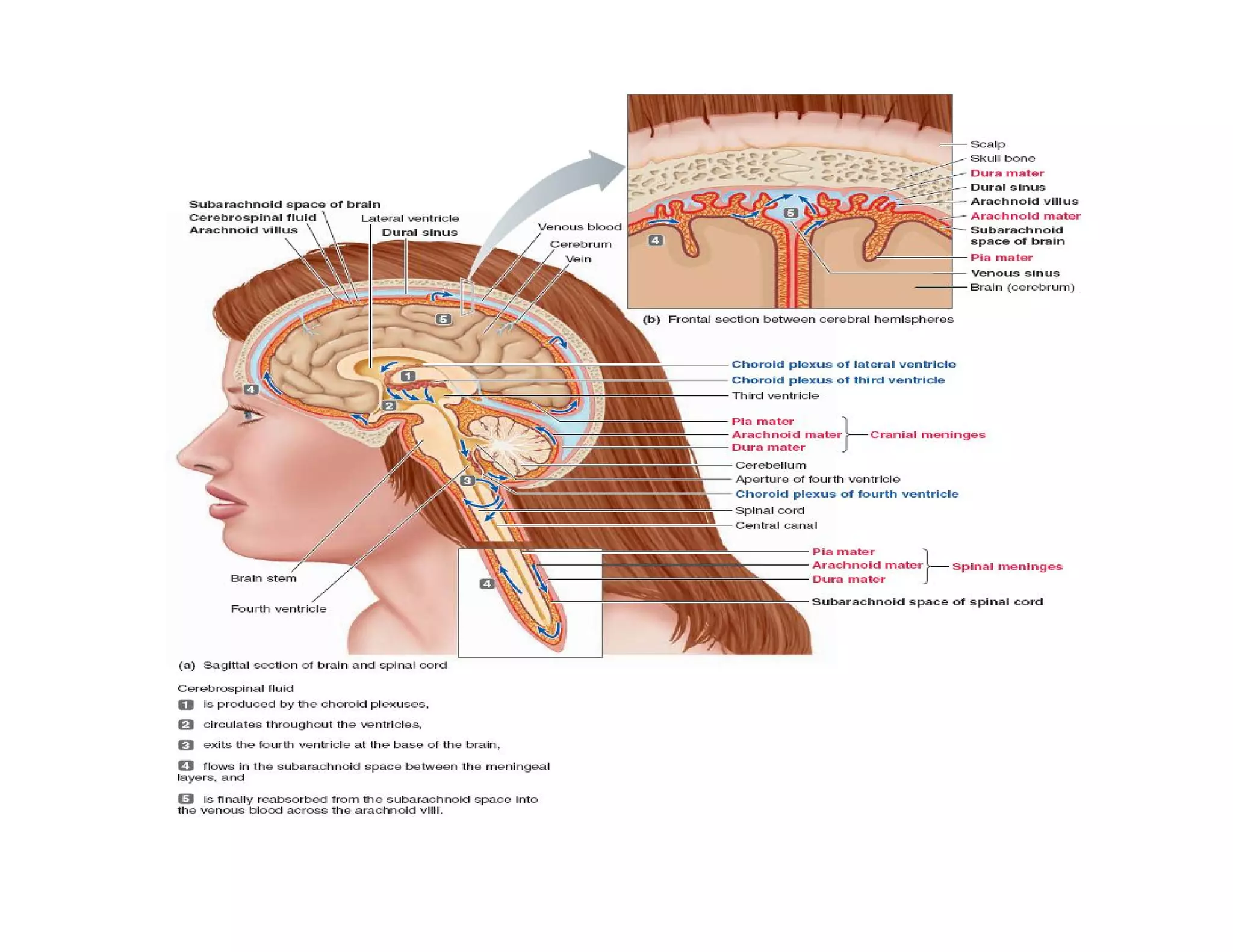
• Cerebrospinal fluid also escapes through small openings from
the fourth ventricle at the base of the brain to enter the
subarachnoid space and subsequently flows between the
meningeal layers over the entire surface of the brain and spinal
cord.

• When the CSF reaches the upper regions of the brain, it is
reabsorbed from the subarachnoid space into the venous blood
through the arachnoid villi.

• Flow of CSF through this system is facilitated by ciliary beating
along with circulatory and postural factors that result in a CSF
pressure of about 10 mm Hg.
Reduction of this pressure by removal of even a few milliliters
(ml) of CSF during a spinal tap for laboratory analysis may
produce severe headaches.

  Through the ongoing processes of formation, circulation, and
reabsorption, the entire CSF volume of about 125 to 150 ml is
replaced more than three times a day.
  If any one of these processes is defective so that excess
CSF accumulates causing hydrocephalus (“water on the
brain”) occurs.

   The resulting increase in CSF pressure can lead to brain
damage and mental retardation if untreated. Treatment consists
of surgically shunting the excess CSF to veins elsewhere in the
body.
Blood Brain Barrier
   The brain is carefully shielded from harmful changes in the
blood by a highly selective blood–brain barrier (BBB).

   Throughout the body, materials can be exchanged between
the blood and interstitial fluid only across the walls of capillaries,
the smallest blood vessels.

  Unlike the rather free exchange across capillaries elsewhere,
only selected, carefully regulated exchanges can be made
across the BBB.

  For example, even if the K+ level in the blood is doubled, little
change occurs in the K+ concentration of the fluid bathing the
central neurons.

  This is beneficial because alterations in interstitial fluid K+
would be detrimental to neuronal function.
The BBB has both anatomic and physiologic features.

   Capillary walls throughout the body are formed by a single
layer of cells.

   Usually, all blood plasma components (except the large
plasma proteins) can be freely exchanged between the blood
and the interstitial fluid through holes or pores between the cells
of the capillary wall.

   In brain capillaries, however, the cells are joined by tight
junctions, which completely seal the capillary wall so that
nothing can be exchanged across the wall by passing between
the cells.

   The only possible exchanges are through the capillary cells
themselves.
Lipid-soluble substances such as O2, CO2, alcohol, and steroid
hormones penetrate these cells easily by dissolving in their lipid
plasma membrane.

   Small water molecules also diff use through readily, by passing
between the phospholipid molecules of the plasma membrane or
through aquaporins (water channels).

   All other substances exchanged between the blood and brain
interstitial fluid, including such essential materials as glucose,
amino acids, and ions, are transported by highly selective
membrane-bound carriers.

   Thus, transport across brain capillary walls between the wall-
forming cells is prevented anatomically and transport through the
cells is restricted physiologically.

  Together, these mechanisms constitute the BBB.
By strictly limiting exchange between the blood and brain,
the BBB protects the delicate brain:

 from chemical fluctuations in the blood;

 minimizes the possibility that potentially harmful blood-borne
  substances might reach the central neural tissue; and

 it further prevents certain circulating hormones that could
  also act as neurotransmitters from reaching the brain, where
  they could produce uncontrolled nervous activity.

   On the negative side, the BBB limits the use of drugs for the
treatment of brain and spinal cord disorders because many
drugs are unable to penetrate this barrier.
Certain areas of the brain, most notably a portion of the
hypothalamus, are not subject to the BBB.

   Functioning of the hypothalamus depends on its “sampling”
the blood and adjusting its controlling output accordingly to
maintain homeostasis.

   Part of this output is in the form of water-soluble hormones
that must enter hypothalamic capillaries to be transported to
their sites of action.

  Appropriately, these hypothalamic capillaries are not sealed
by tight junctions.
Brain Oxygen and Glucose Delivery
   Even though many substances in the blood never actually come
in contact with the brain tissue, the brain is more dependent than
any other tissue on a constant blood supply.

   Unlike most tissues, which can resort to anaerobic metabolism
to produce ATP in the absence of O2 for at least short periods, the
brain cannot produce ATP without O2.

  Scientists recently discovered an O2-binding protein,
neuroglobin, in the brain.

   This molecule, which is similar to hemoglobin, the O2-carrying
protein in red blood cells, is thought to play a key role in O2
handling in the brain, although its exact function remains to be
determined.
Also in contrast to most tissues, which can use other sources
of fuel for energy production in lieu of glucose, the brain normally
uses only glucose but does not store any of this nutrient.

  Because of its high rate of demand for ATP, under resting
conditions the brain uses 20% of the O2 and 50% of the glucose
consumed in the body.

  Therefore, the brain depends on a continuous, adequate blood
supply of O2 and glucose.

  Although it constitutes only 2% of body weight, the brain
receives 15% of the blood pumped out by the heart.

   Instead of using glucose during starvation, the brain can resort
to using ketone bodies produced by the liver, but this alternate
nutrient source also must be delivered by the blood to the brain.
Brain damage results if this organ is deprived of its critical O2
supply for more than 4 to 5 minutes or if its glucose supply is cut
off for more than 10 to 15 minutes.

  The most common cause of inadequate blood supply to the
brain is a stroke.
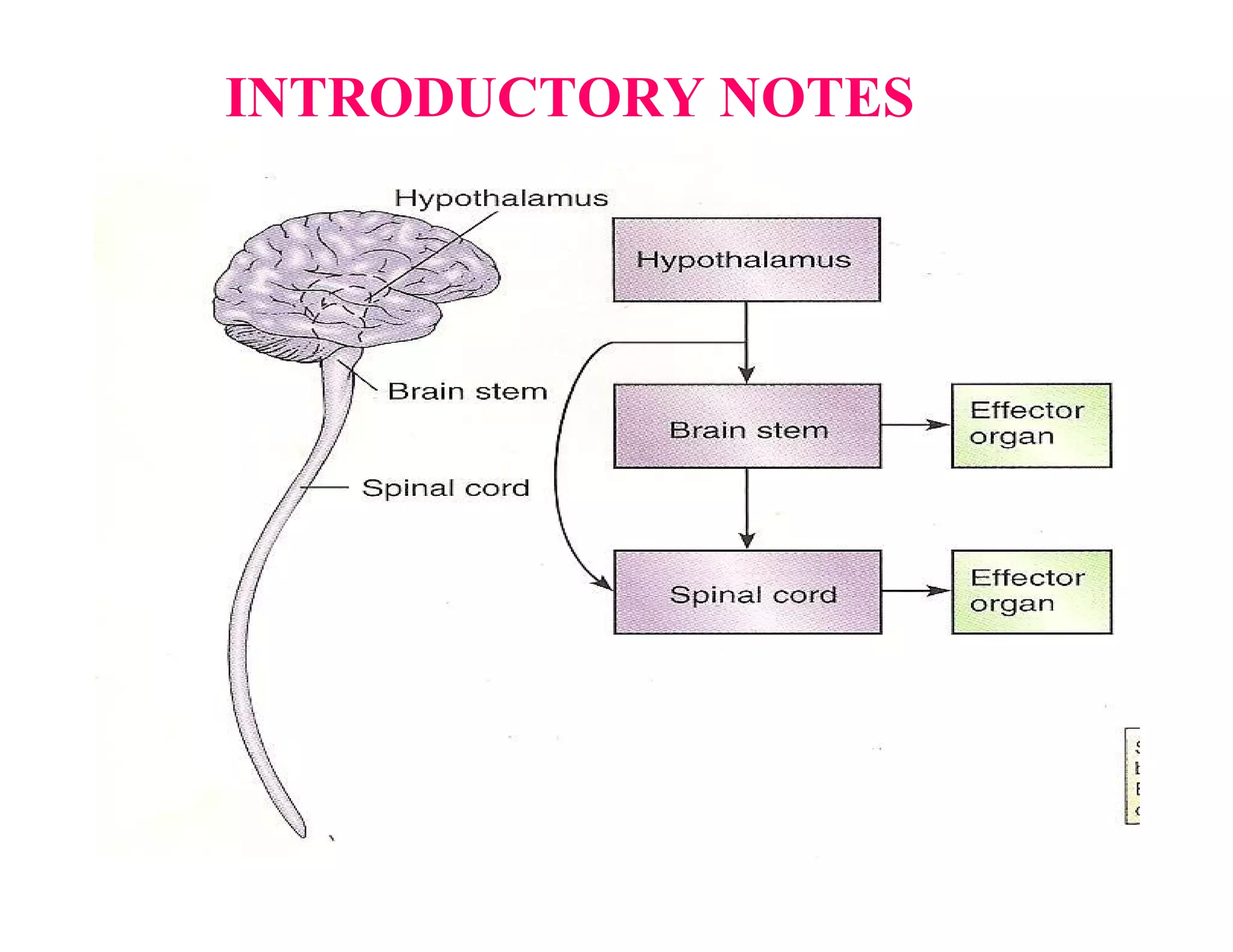
INTRODUCTORY NOTES
   The term “autonomic” implies independent, self-controlling
function without conscious effort.

   The ANS therefore helps to regulate our internal environment
(visceral functions).

   The ANS is activated mainly by centers that are located in the
spinal cord, brain stem and the hypothalamus.

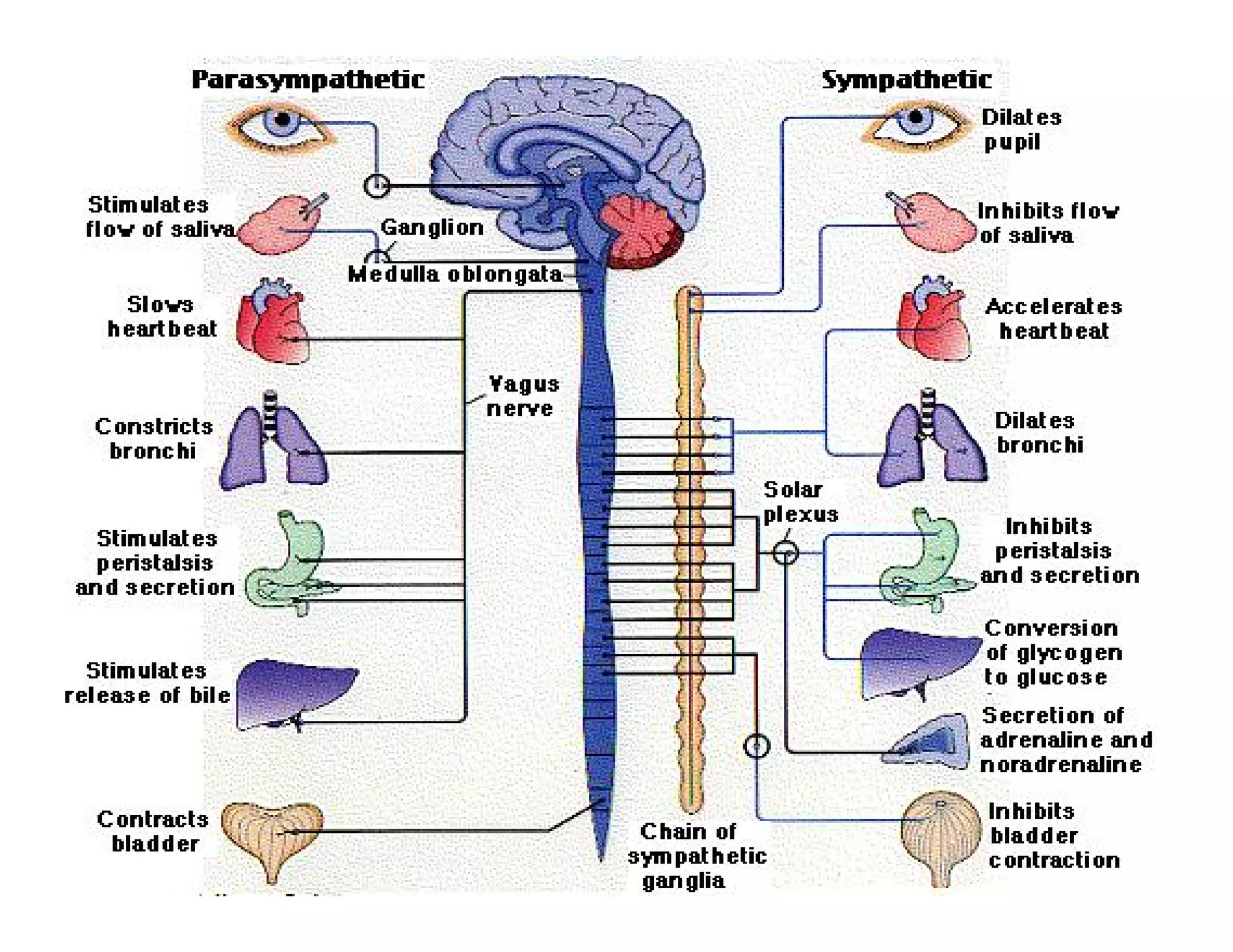
  It comprises of the Sympathetic and parasympathetic nervous
system but Enteric Nervous System (ENS) can also be considered
as part of the ANS.

   Portions of cerebral cortex, especially the limbic cortex can
transmit impulses to the lower centers thereby influencing
autonomic control.

  The ANS also operates via visceral reflexes.
INTRODUCTORY NOTES
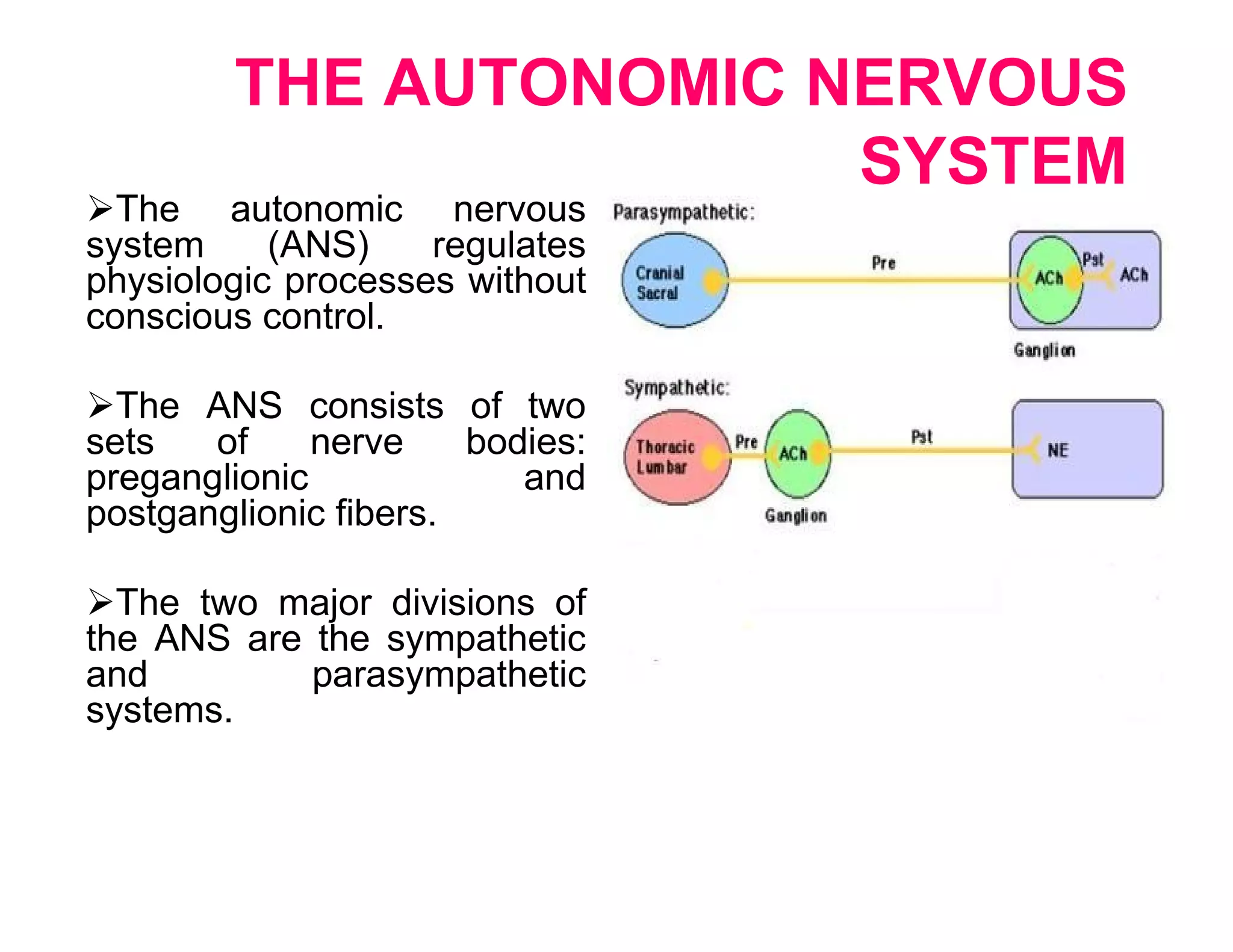
THE AUTONOMIC NERVOUS
                       SYSTEM
The autonomic nervous
system     (ANS)    regulates
physiologic processes without
conscious control.

The ANS consists of two
sets   of     nerve    bodies:
preganglionic             and
postganglionic fibers.

The two major divisions of
the ANS are the sympathetic
and         parasympathetic
systems.
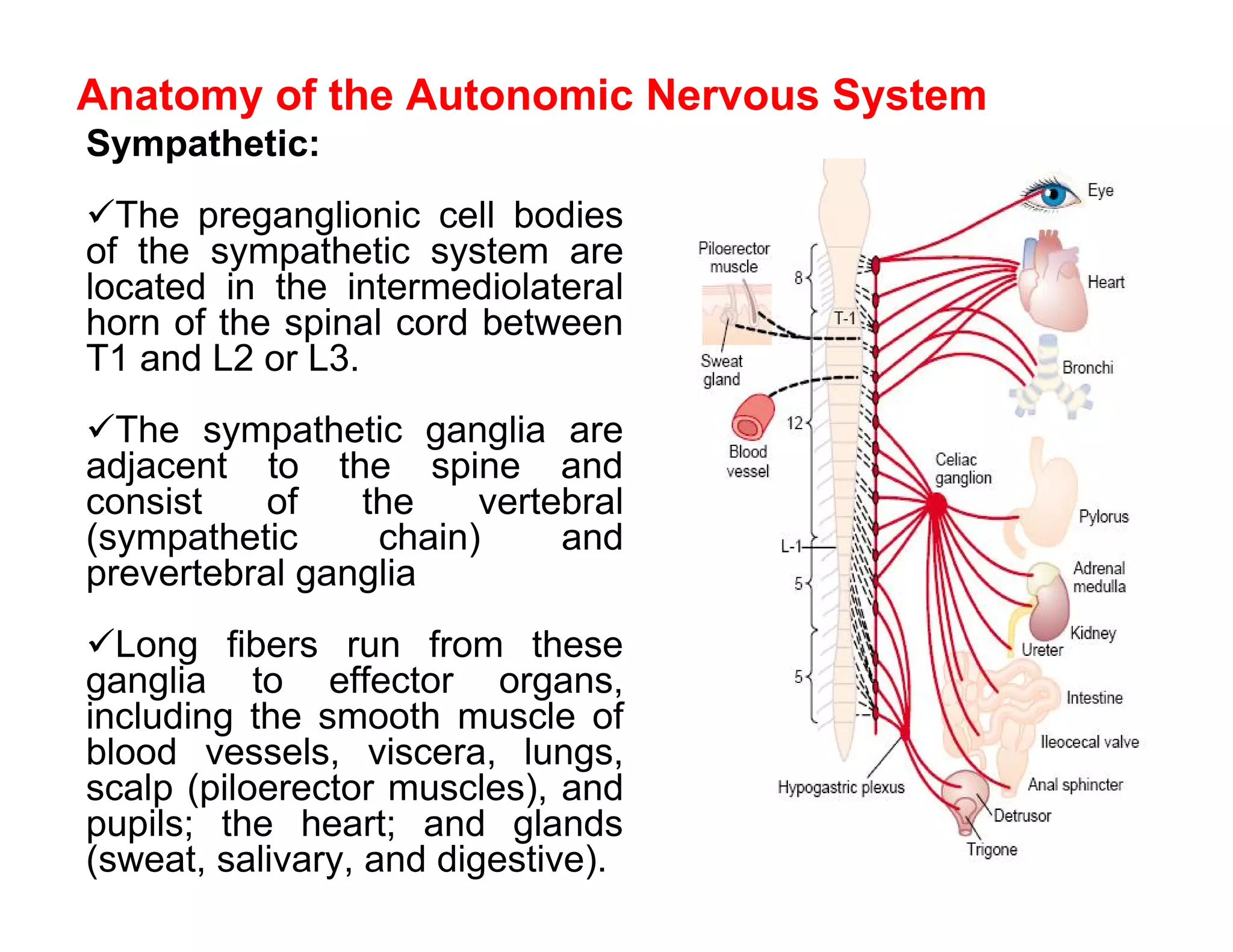
Anatomy of the Autonomic Nervous System
Sympathetic:
The preganglionic cell bodies
of the sympathetic system are
located in the intermediolateral
horn of the spinal cord between
T1 and L2 or L3.
The sympathetic ganglia are
adjacent to the spine and
consist    of   the    vertebral
(sympathetic     chain)     and
prevertebral ganglia
Long fibers run from these
ganglia to effector organs,
including the smooth muscle of
blood vessels, viscera, lungs,
scalp (piloerector muscles), and
pupils; the heart; and glands
(sweat, salivary, and digestive).
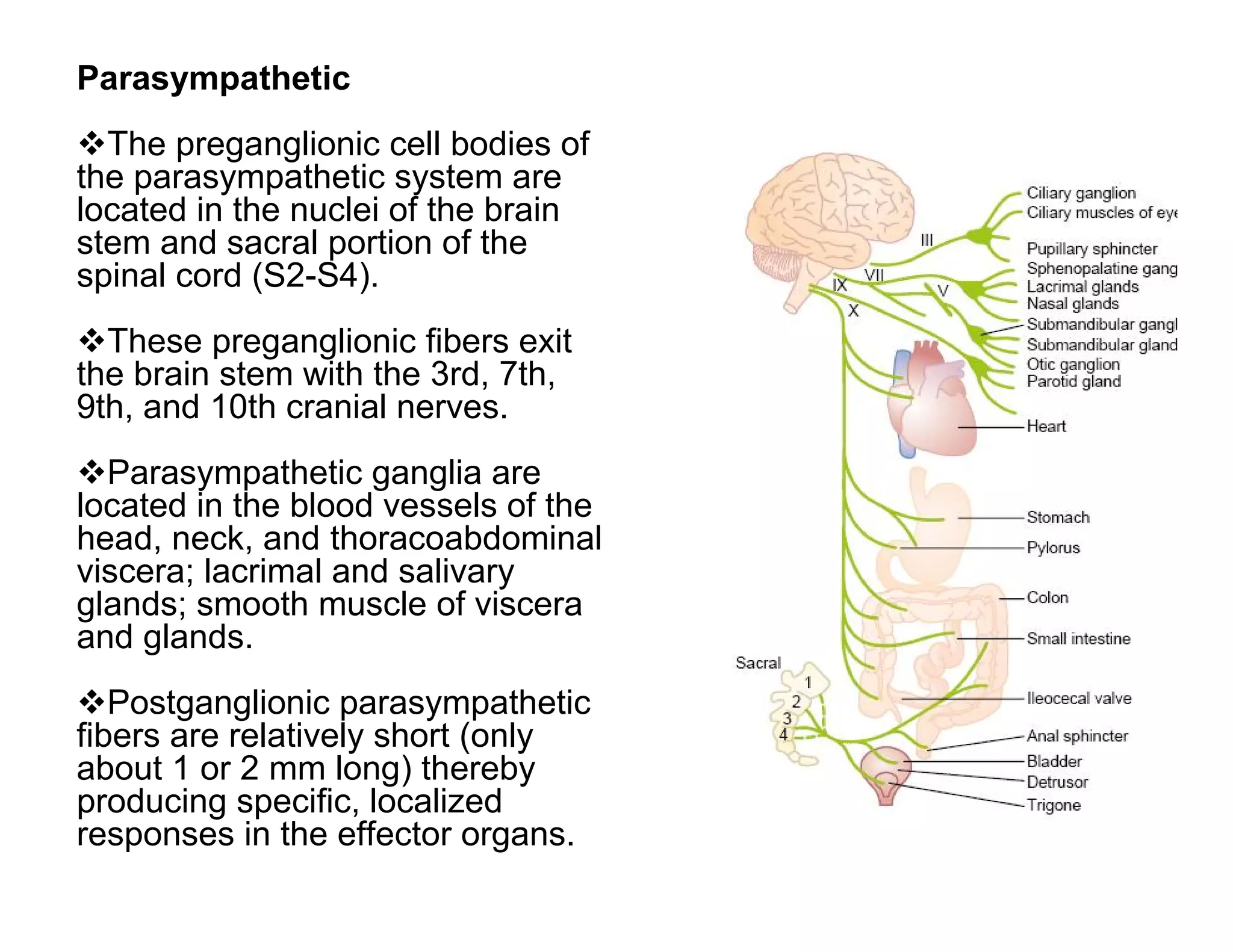
Parasympathetic
The preganglionic cell bodies of
the parasympathetic system are
located in the nuclei of the brain
stem and sacral portion of the
spinal cord (S2-S4).
These preganglionic fibers exit
the brain stem with the 3rd, 7th,
9th, and 10th cranial nerves.
Parasympathetic ganglia are
located in the blood vessels of the
head, neck, and thoracoabdominal
viscera; lacrimal and salivary
glands; smooth muscle of viscera
and glands.
Postganglionic parasympathetic
fibers are relatively short (only
about 1 or 2 mm long) thereby
producing specific, localized
responses in the effector organs.
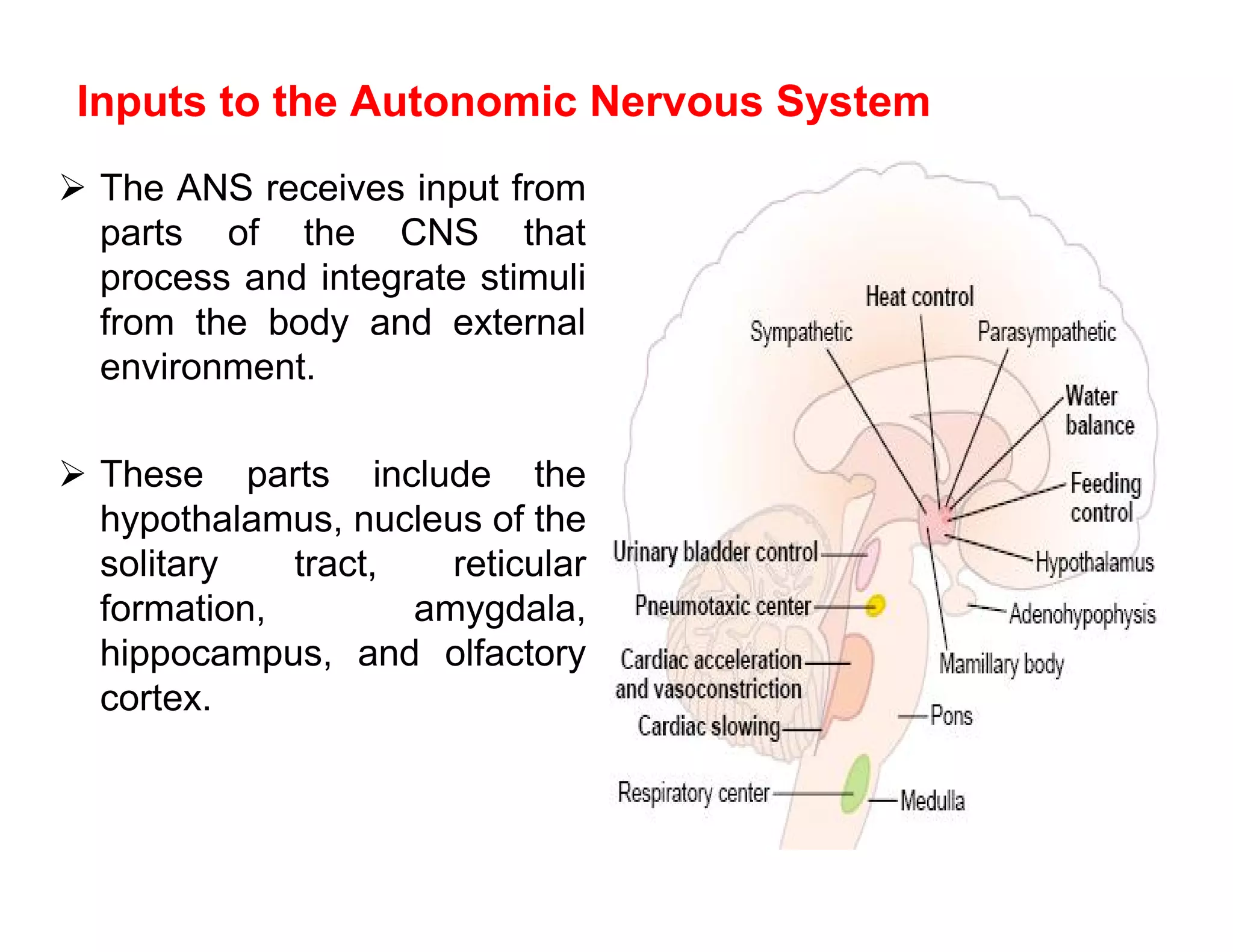
Inputs to the Autonomic Nervous System
 The ANS receives input from
  parts of the CNS that
  process and integrate stimuli
  from the body and external
  environment.

 These parts include the
  hypothalamus, nucleus of the
  solitary   tract,   reticular
  formation,        amygdala,
  hippocampus, and olfactory
  cortex.
Neurotransmitters of the ANS

 Two most common neurotransmitters released by neurons of
 the ANS are acetylcholine (cholinergic) and
 norepinephrine/noradrenaline (adrenergic).

 Acetylcholine:
   All preganglionic nerve fibers
   All postganglionic fibers of the parasympathetic system
   Sympathetic postganglionic fibers innervating sweat glands

 Adrenaline:
   In most sympathetic postganglionic fibers
Receptors of the ANS Neurotransmitters
 Cholinergic receptors: nicotinic or muscarinic.

 Adrenergic receptors: alpha (α) and beta (β), with α being
 more abundant.
  The adrenergic receptors are further divided into (α1, α2,
    β1 and β2) according to some factors.
Functions of the ANS
 The two divisions of the ANS are dominant under different
  conditions.

 The sympathetic system is activated during emergency
  “fight-or-flight” reactions and during exercise.

 The parasympathetic system is predominant during quiet
  conditions (“rest and digest”). As such, the physiological
  effects caused by each system are quite predictable.

 In other words, all of the changes in organ and tissue
  function induced by the sympathetic system work together to
  support strenuous physical activity and the changes induced
  by the parasympathetic system are appropriate for when the
  body is resting.
AUTONOMIC GANGLIA
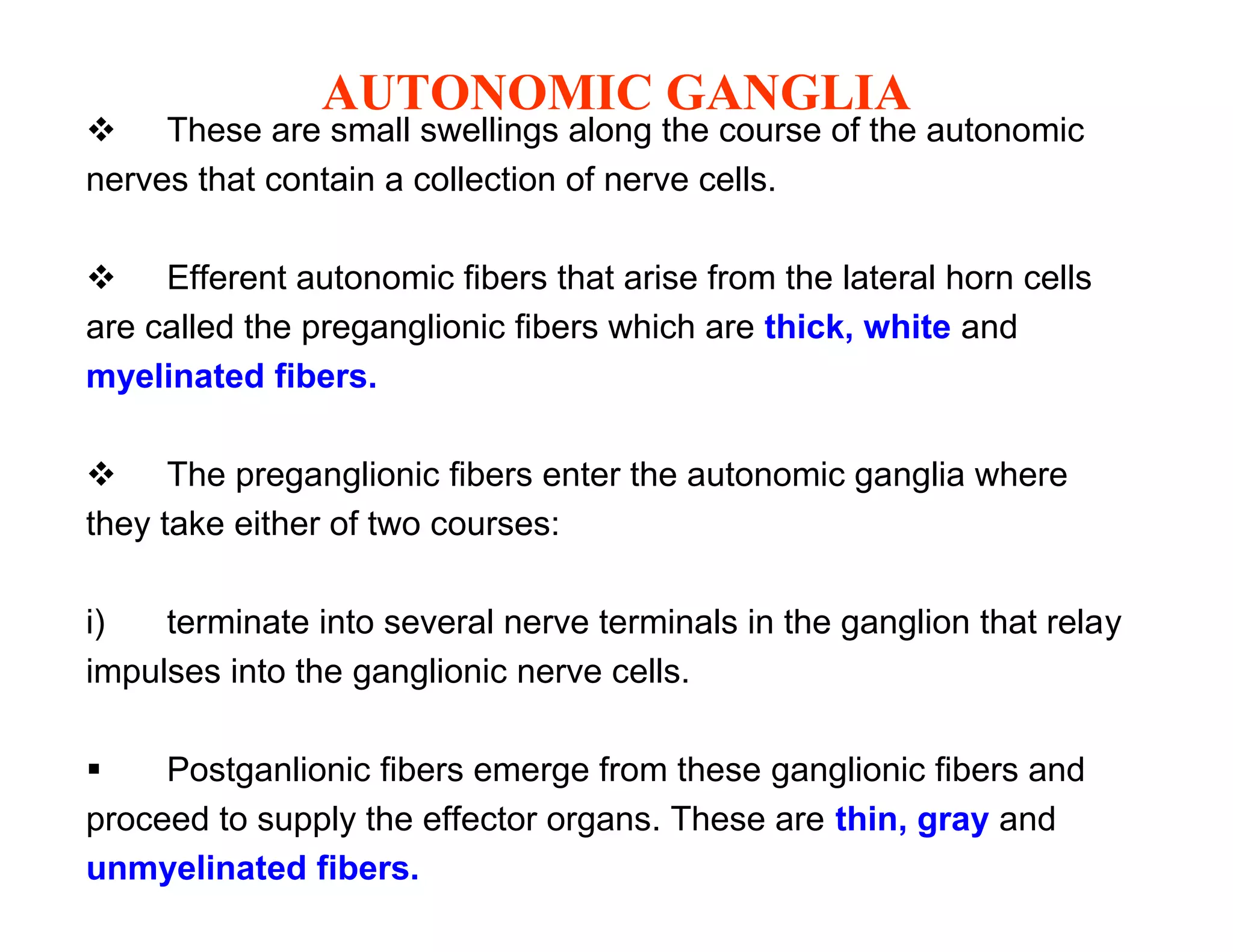
 These are small swellings along the course of the autonomic
nerves that contain a collection of nerve cells.

 Efferent autonomic fibers that arise from the lateral horn cells
are called the preganglionic fibers which are thick, white and
myelinated fibers.

 The preganglionic fibers enter the autonomic ganglia where
they take either of two courses:

i)   terminate into several nerve terminals in the ganglion that relay
impulses into the ganglionic nerve cells.

    Postganlionic fibers emerge from these ganglionic fibers and
proceed to supply the effector organs. These are thin, gray and
unmyelinated fibers.
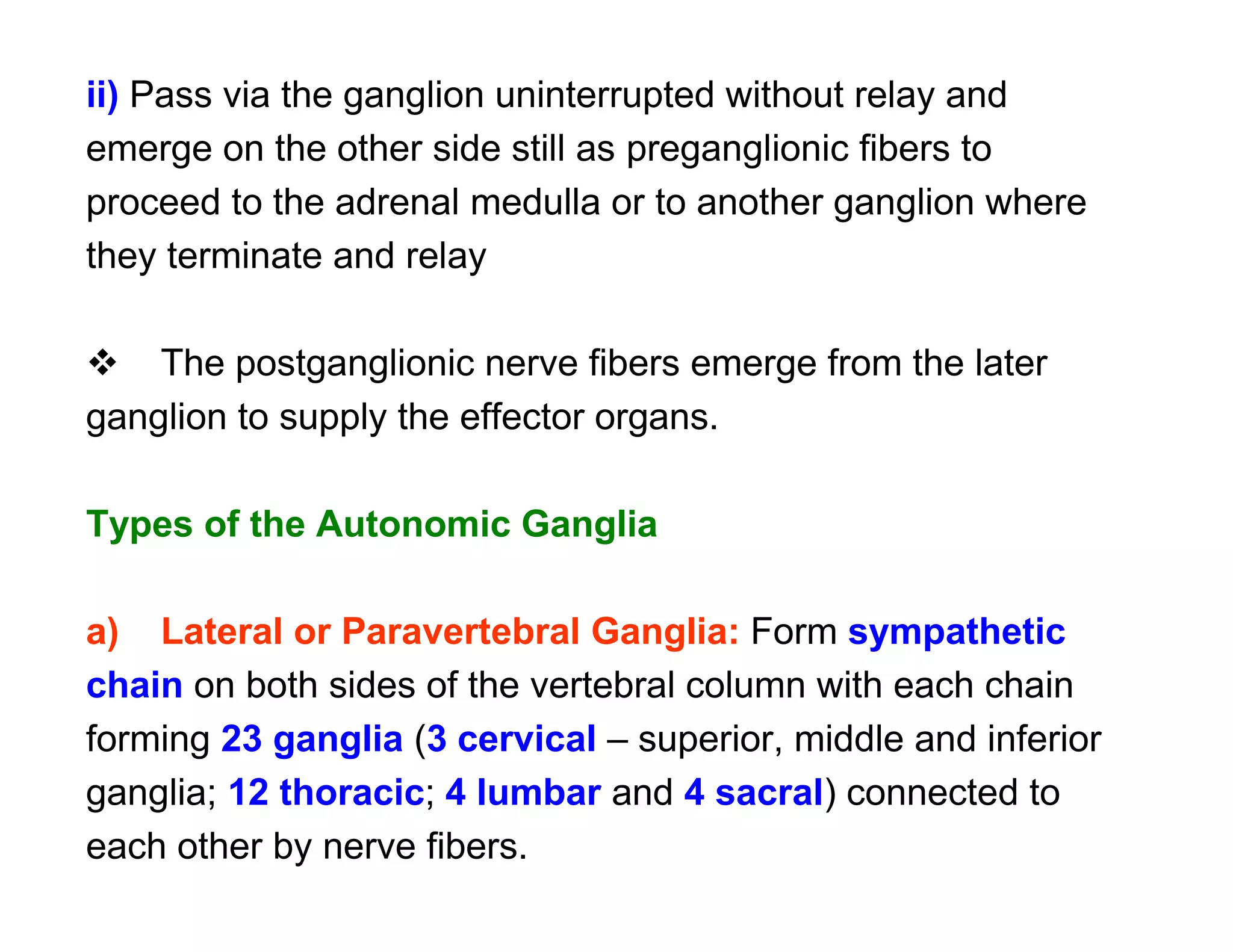
ii) Pass via the ganglion uninterrupted without relay and
emerge on the other side still as preganglionic fibers to
proceed to the adrenal medulla or to another ganglion where
they terminate and relay

 The postganglionic nerve fibers emerge from the later
ganglion to supply the effector organs.

Types of the Autonomic Ganglia

a) Lateral or Paravertebral Ganglia: Form sympathetic
chain on both sides of the vertebral column with each chain
forming 23 ganglia (3 cervical – superior, middle and inferior
ganglia; 12 thoracic; 4 lumbar and 4 sacral) connected to
each other by nerve fibers.
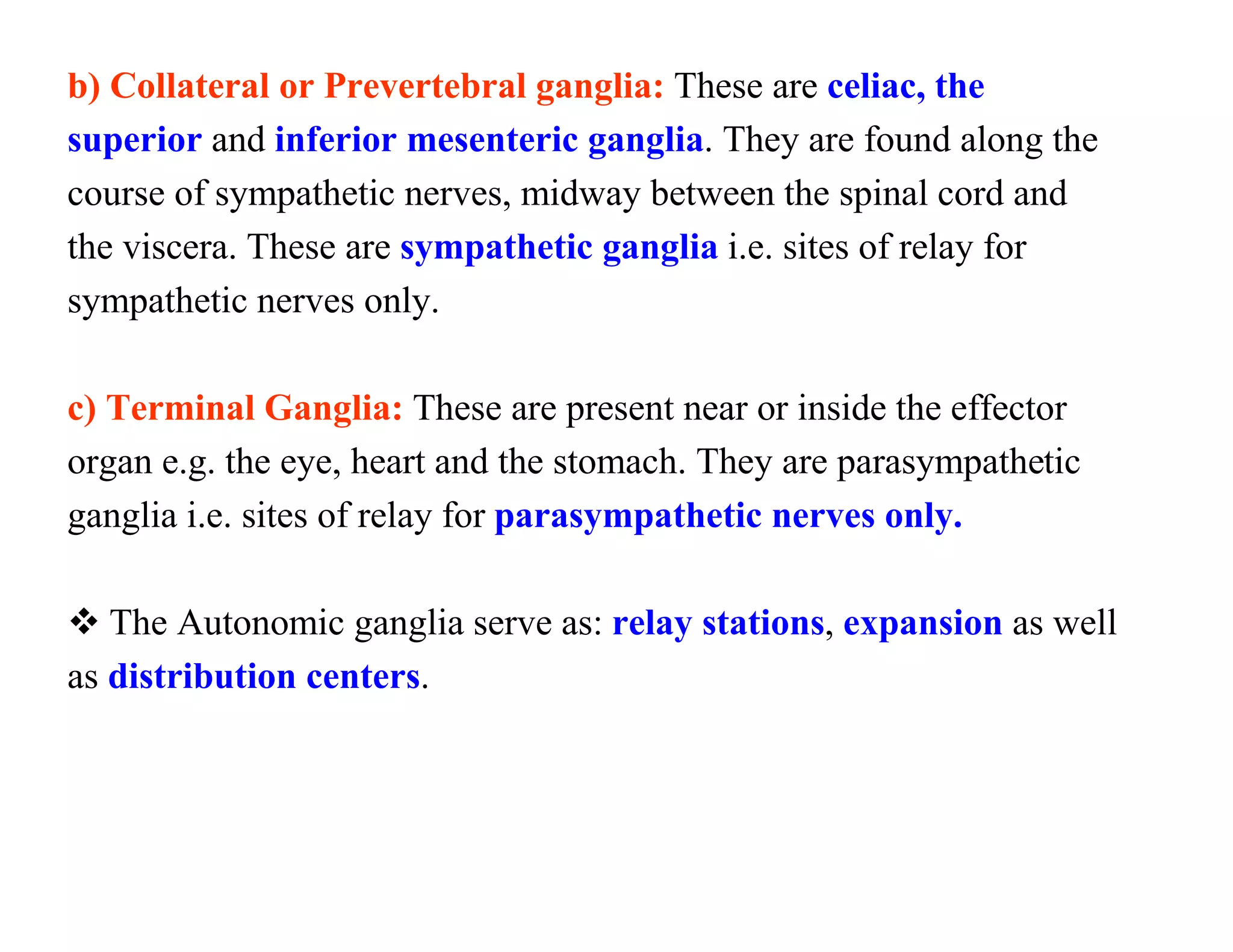
b) Collateral or Prevertebral ganglia: These are celiac, the
superior and inferior mesenteric ganglia. They are found along the
course of sympathetic nerves, midway between the spinal cord and
the viscera. These are sympathetic ganglia i.e. sites of relay for
sympathetic nerves only.

c) Terminal Ganglia: These are present near or inside the effector
organ e.g. the eye, heart and the stomach. They are parasympathetic
ganglia i.e. sites of relay for parasympathetic nerves only.

 The Autonomic ganglia serve as: relay stations, expansion as well
as distribution centers.
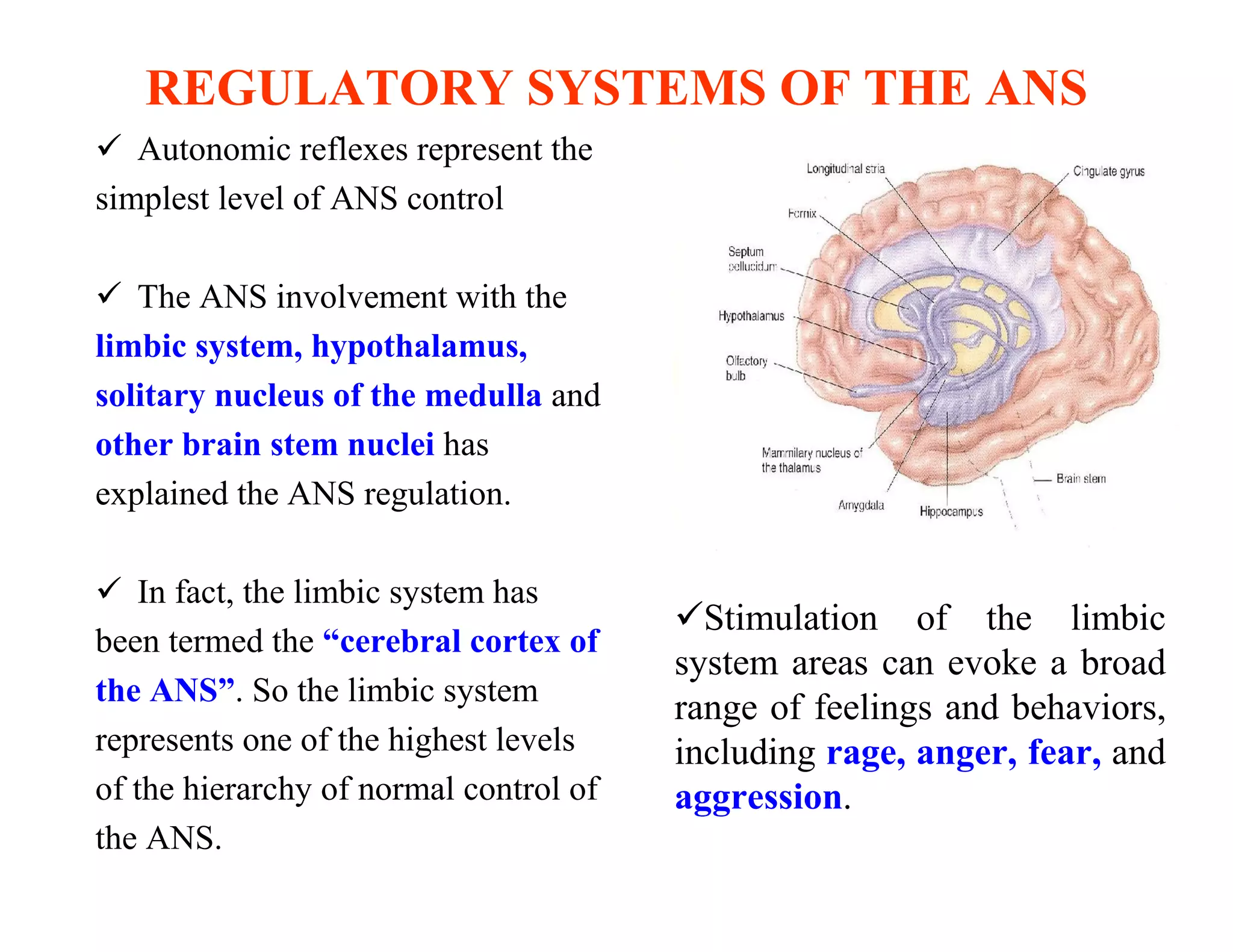
REGULATORY SYSTEMS OF THE ANS
 Autonomic reflexes represent the
simplest level of ANS control

 The ANS involvement with the
limbic system, hypothalamus,
solitary nucleus of the medulla and
other brain stem nuclei has
explained the ANS regulation.

 In fact, the limbic system has
                                        Stimulation of the limbic
been termed the “cerebral cortex of
                                        system areas can evoke a broad
the ANS”. So the limbic system
                                        range of feelings and behaviors,
represents one of the highest levels    including rage, anger, fear, and
of the hierarchy of normal control of   aggression.
the ANS.
 In addition, stimulation of the limbic system, either directly or by input
from the senses, can evoke ANS-mediated physiological changes such as
increased heart rate, sexual arousal, and nausea.

Autonomic Functions of the Hypothalamus
 Hypothalamus is known as the main ganglion of the ANS and the
activation of its different parts produces a variety of coordinated autonomic
responses:

 Activation of the dorsal hypothalamus, for e.g. increases blood pressure,
intestinal motility, and intestinal blood supply but decreases supply to the
skeletal muscles. These are associated with feeding behavior.

 However, activation of ventral hypothalamus increases blood pressure
and the blood supply to the skeletal muscles but decreases intestinal motility
and blood flow to the intestines. These are associated with flight or flight
responses.
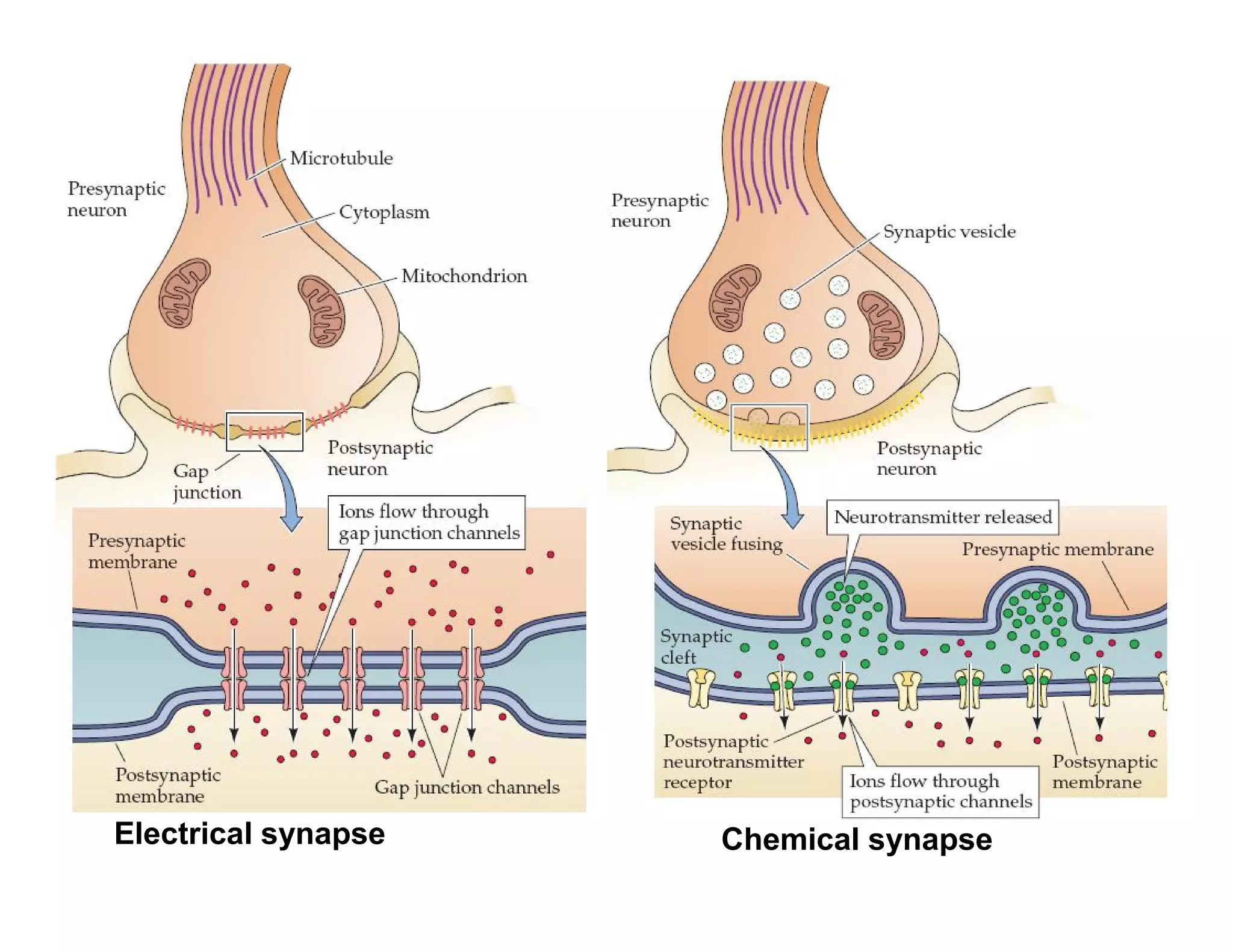
CHEMICAL TRANSMISSION
• Chemical transmissions (synapses) enable cell-to-cell
  communication via the secretion of neurotransmitters by activating
  specific receptor molecules.
•
• A synapse is a junctional area between a neuronal terminal and
  another cell that could be another neuron, muscle cell or a gland.

• If the second cell is a neuron, the synapse is called a neuronal
  synapse.

• The neuron that conducts the signals is the presynaptic neuron
  having a presynaptic membrane at the synapse. However, the
  neuron that receives the signals and its membrane are postsynaptic
  neuron and postsynaptic membrane respectively.

• The space between the presynaptic and postsynaptic membranes is
  called synaptic cleft and measures about 30-50 nm.
 A key feature of all chemical synapses is the presence of small,
membrane-bounded organelles called the synaptic vesicles within the
presynaptic terminal

Neurotransmitters
 There are more than 100 types of neurotransmitters and they
virtually undergo a similar cycle of use:

   synthesis and packaging into synaptic vesicles
   Release from the presynaptic cell
   Binding to postsynaptic receptor
   Rapid removal and degradation

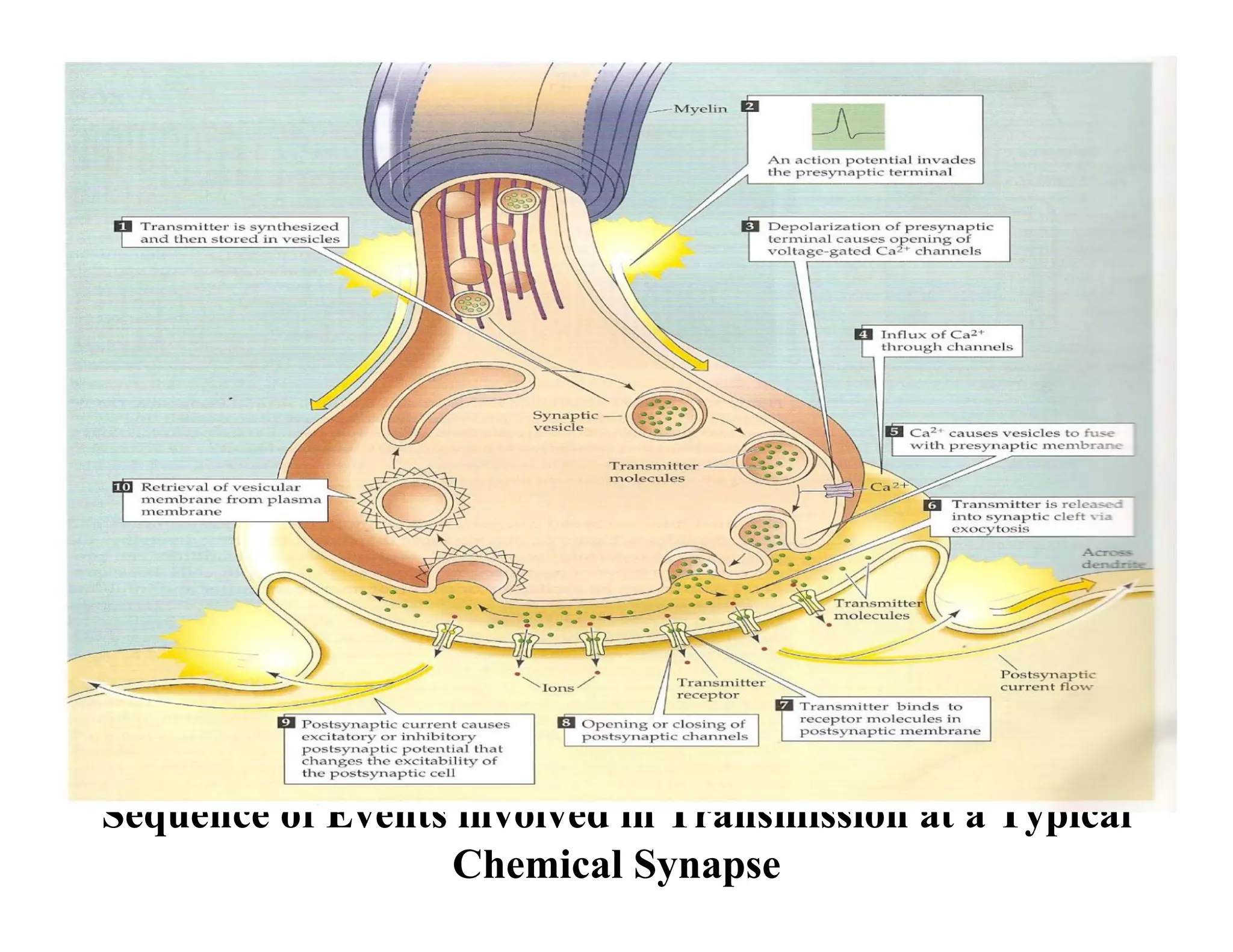
 The secretion of the neurotransmitters is triggered by the influx of Ca2+
  through the voltage-gated channels that give rise to transient increase in
  Ca2+ concentration within the presynaptic terminal.
Sequence of Events involved in Transmission at a Typical
                  Chemical Synapse
 The rise in the Ca2+ causes synaptic vesicles to fuse with presynaptic
plasma membrane and release their contents into the space between the
pre- and postsynaptic cells.

 Neurotransmitters released therefore evoke postsynaptic electrical
responses by binding to members of a diverse group of
neurotransmitter receptors.

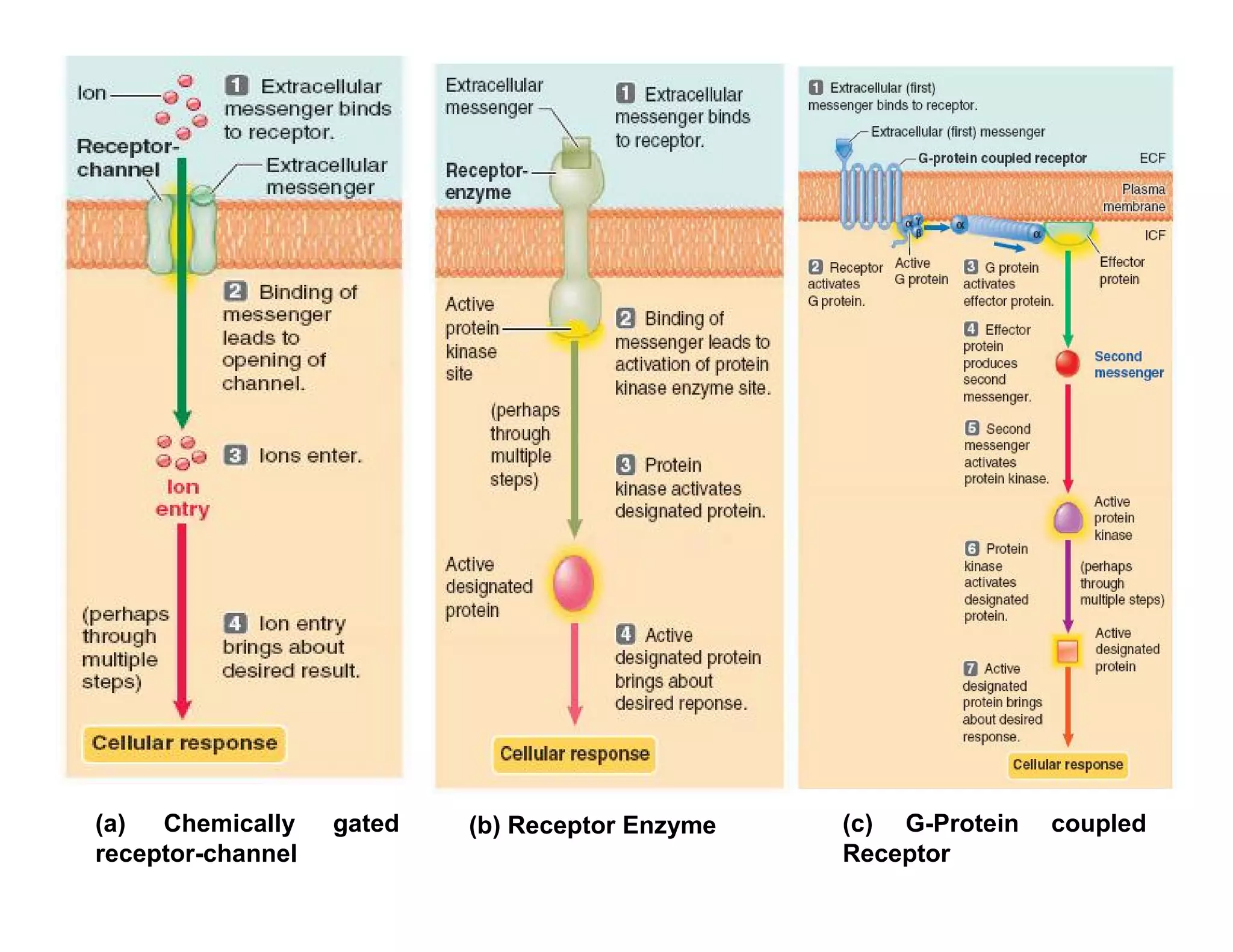
 There are two major classes of receptors: those in which the receptor
molecule is also an ion channel and those in which the receptor and the
ion channel are two separate molecules.

 These receptors give rise to electrical signals by transmitter-induced
opening or closing of the ion channels.
CHEMICAL TRANSMISSION – Cont’d
 Whether the postsynaptic actions of a particular neurotransmitter
are excitatory or inhibitory is determined by:

    The ionic permeability of the ion channel affected by the neurotransmitter
     and

 By the concentration of the permanent ions inside and outside the
cell

Criteria that Define Neurotransmitters
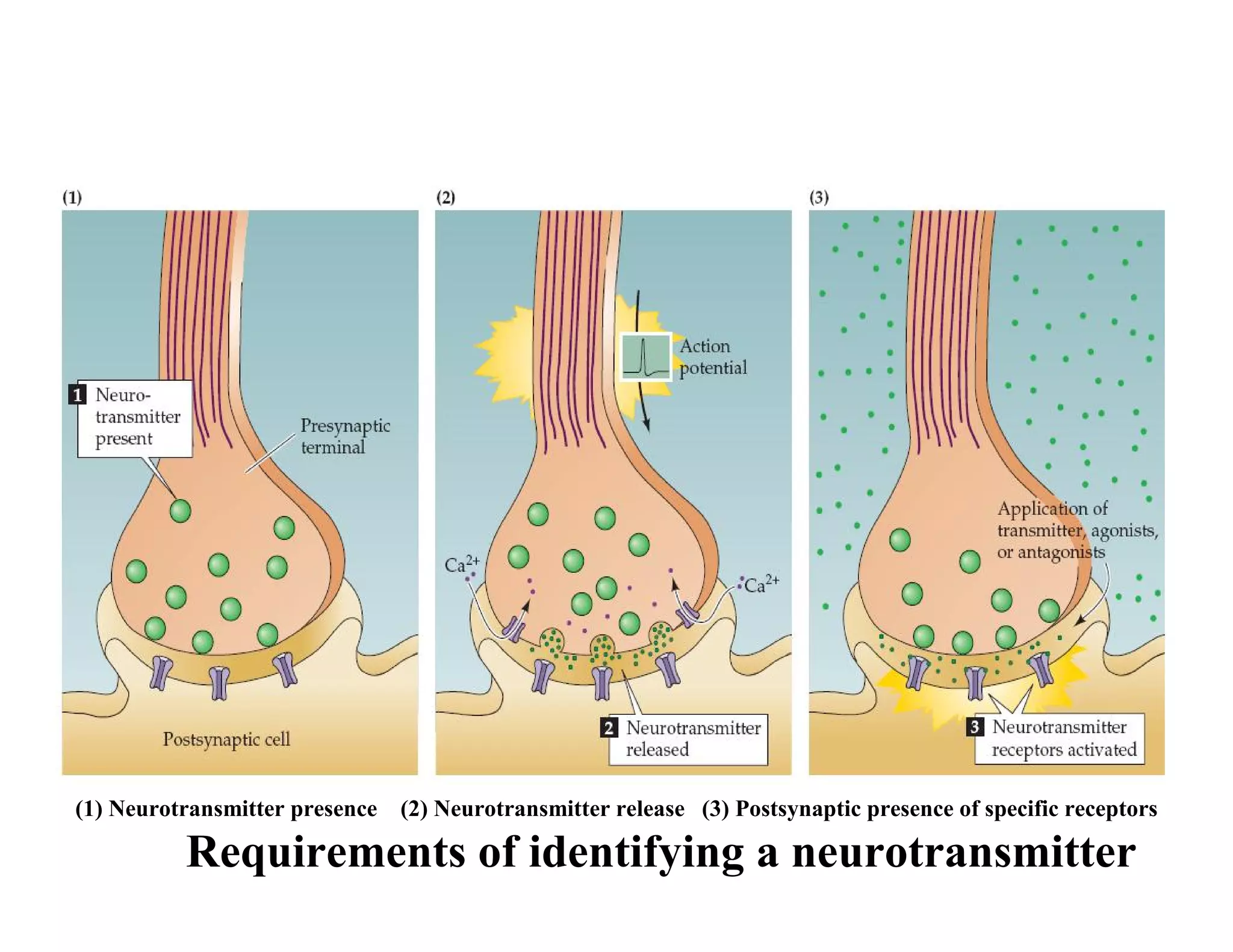
There are 3 primary criteria been used to confirm that a molecule acts
as a neurotransmitter at a given chemical synapse:

1) The substance must be present within the presynaptic neuron. Moreso,
when enzymes and precursors required to synthesize the substance provide
more evidence. However, presence of glutamate, glycine and aspartate is not
a sufficient evidence.
(1) Neurotransmitter presence (2) Neurotransmitter release (3) Postsynaptic presence of specific receptors

          Requirements of identifying a neurotransmitter
2) The substance must be released in response to presynaptic
depolarization, and the release must be Ca2+-dependent. This is quite
challenging not only because it may be difficult to selectively stimulate the
presynaptic neuron, but also because enzymes and transporters efficiently
remove the secreted neurotransmitters.

3) Specific receptors for the substance must be present on the postsynaptic
cell/membrane. One way to demonstrate receptors is to show that application
of exogenous transmitter mimics the postsynaptic effect of presynaptic
stimulation.

 A more rigorous demonstration is to show that agonists and antagonists that
alter the normal postsynaptic response have the same effect when the substance
in question is applied exogenously. High resolution histological techniques can
also be used to show that specific receptors are present in the postsynaptic
membrane (by detection of radioactively labeled receptor antibodies).
Categories of Neurotransmitters
    More than 100 different agents are known to serve as
neurotransmitters that allow for diverse chemical signaling between
neurons.

     These neurotransmitters are broadly divided into two based on size:
i) Neuropeptides: These are relatively large transmitter molecules
composed of 3 to 36 amino acids.

ii) Small-molecule neurotransmitters: individual amino acids, such as
Glutamate, GABA, Ach, serotonin and histamine are examples.

     Within this category, the biogenic amines such as dopamine,
norepinephrine, epinephrine, serotonin and histamine are often discussed
separately because of their similar properties and postsynaptic actions.
NORADRENERGIC TRANSMISSION
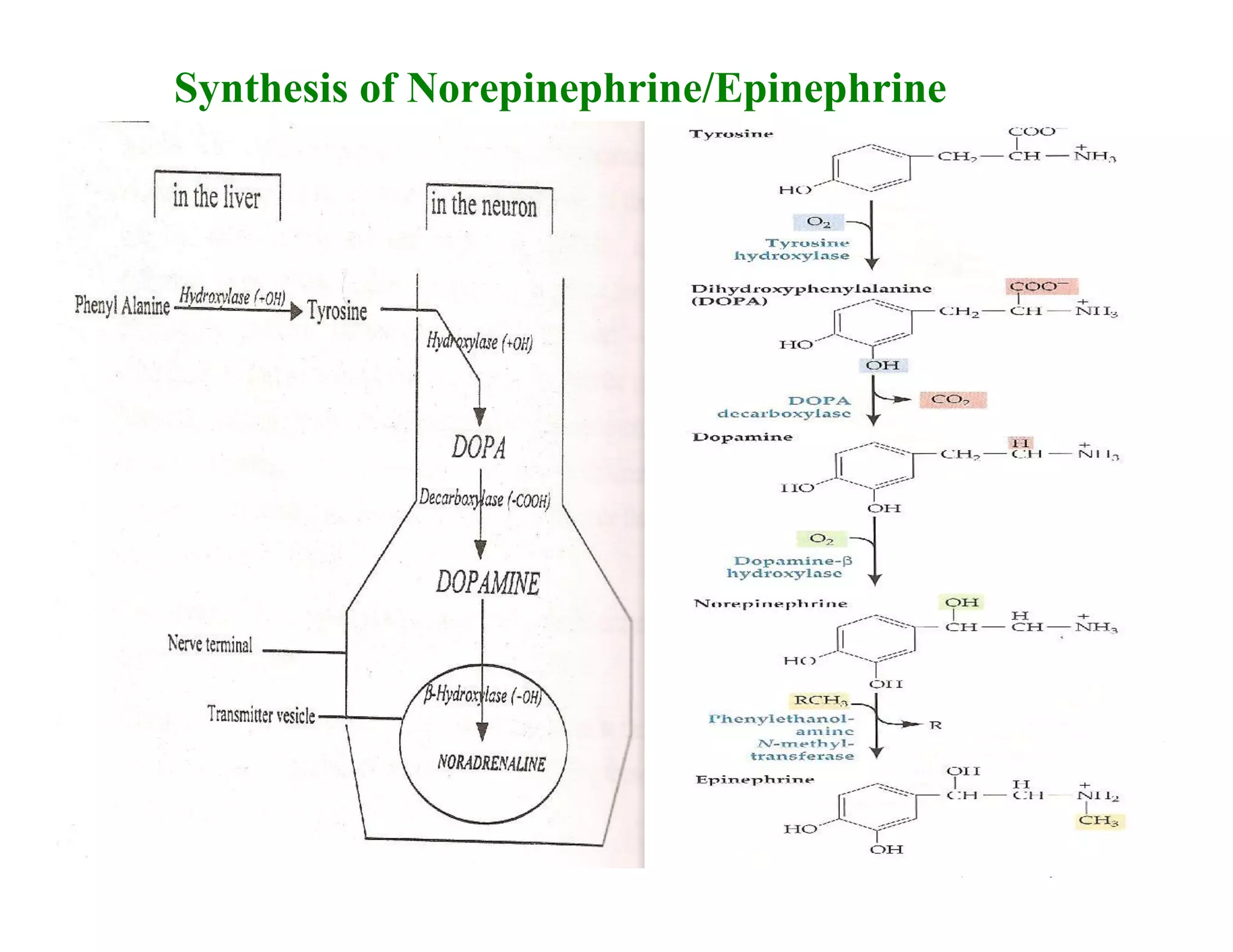
Synthesis of Norepinephrine/Epinephrine

 The adrenal medulla that secretes epinephrine/adrenaline and
norepinephrine/noradrenaline, is an important component of the
sympathetic nervous system. As a result, the sympathetic nervous
system and adrenal medulla are often referred to as the
sympathoadrenal system.

 Norepinephrine is one of the five well-established biogenic amine
neurotransmitters: 3 catecholamines (dopamine, norepinephrine
and epinephrine), histamine and serotonin.

 Noradrenaline like the other 2 catecholamines are derived from
tyrosine (which is a product of phenylalanine).
Synthesis of Norepinephrine/Epinephrine

  This reaction is catalyzed by phenylalanine hydroxylase in the
 liver) in a reaction catalyzed by tyrosine hydroxylase (in the
 neuron) requiring O2 as a co-substrate and tetrahydrobiopterin as a
 cofactor to form DihydrOxyPhenylAlanine (DOPA).

  Norepinephrine synthesis requires dopamine β-hydroxylase
 that catalyzes the production of noradrenaline from Dopamine.

  In the central adrenergic fibers (neurons of the thalamus,
 hypothalamus and midbrain) and in the adrenal medulla,
 noradrenaline is converted to adrenaline by Phenylethanolamine
 -N-methyl Transferase (PNMT).

  This enzyme is not found in the peripheral adrenergic fibers.
Synthesis of Norepinephrine/Epinephrine
Fate / Degradation of Norepinephrine/epinephrine
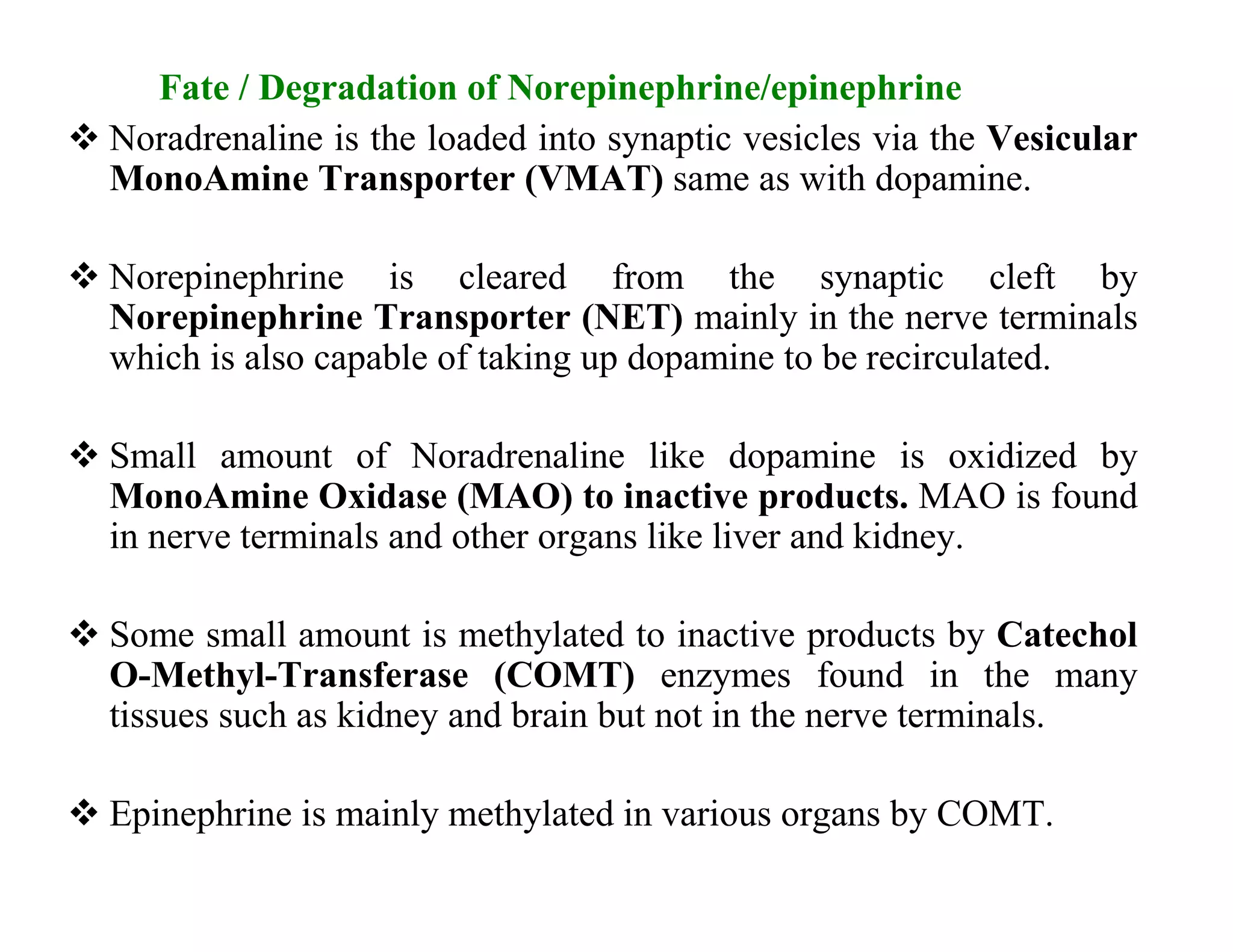
 Noradrenaline is the loaded into synaptic vesicles via the Vesicular
  MonoAmine Transporter (VMAT) same as with dopamine.

 Norepinephrine is cleared from the synaptic cleft by
  Norepinephrine Transporter (NET) mainly in the nerve terminals
  which is also capable of taking up dopamine to be recirculated.

 Small amount of Noradrenaline like dopamine is oxidized by
  MonoAmine Oxidase (MAO) to inactive products. MAO is found
  in nerve terminals and other organs like liver and kidney.

 Some small amount is methylated to inactive products by Catechol
  O-Methyl-Transferase (COMT) enzymes found in the many
  tissues such as kidney and brain but not in the nerve terminals.

 Epinephrine is mainly methylated in various organs by COMT.
Adrenergic Receptors/Adrenoceptors
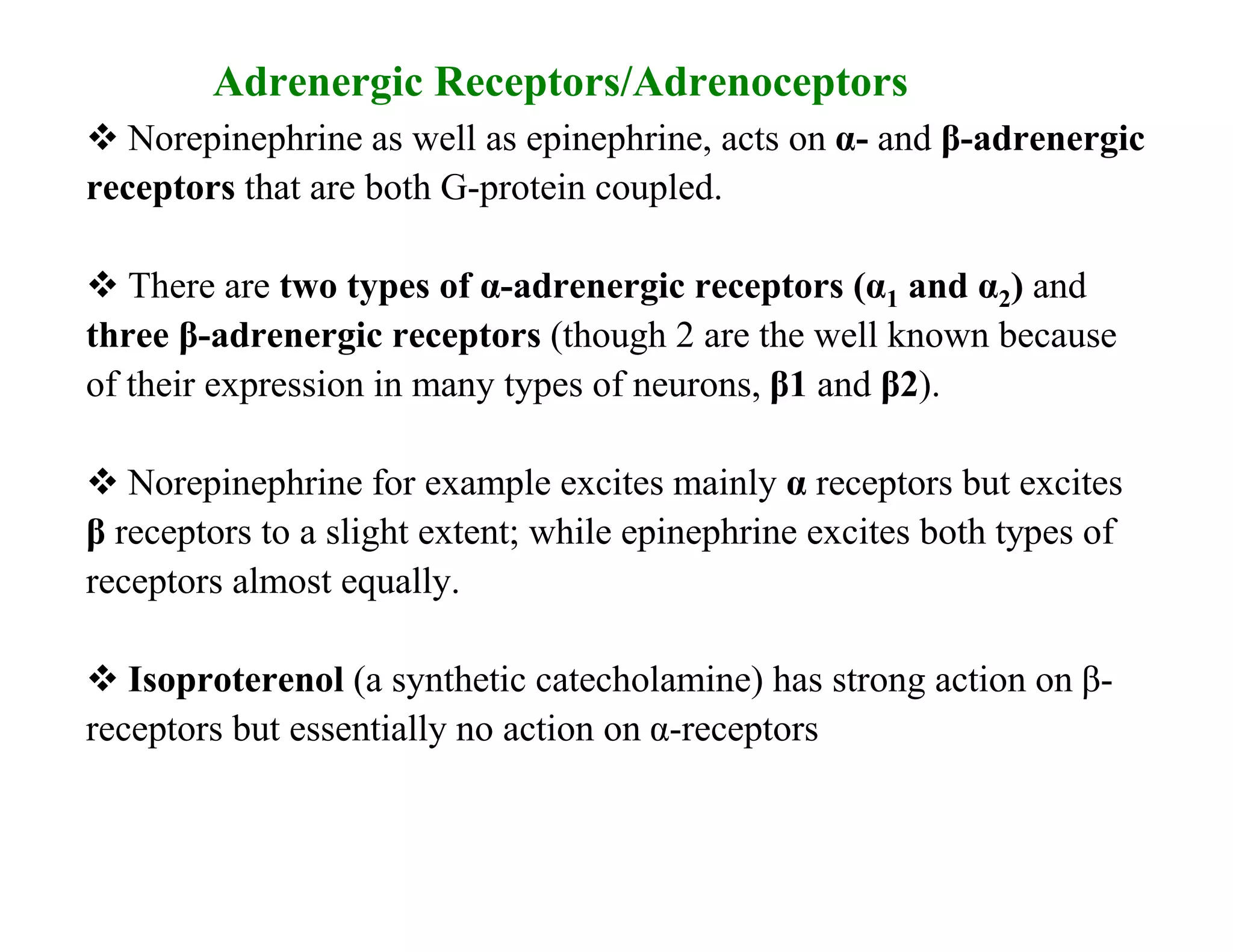
 Norepinephrine as well as epinephrine, acts on α- and β-adrenergic
receptors that are both G-protein coupled.

 There are two types of α-adrenergic receptors (α1 and α2) and
three β-adrenergic receptors (though 2 are the well known because
of their expression in many types of neurons, β1 and β2).

 Norepinephrine for example excites mainly α receptors but excites
β receptors to a slight extent; while epinephrine excites both types of
receptors almost equally.

 Isoproterenol (a synthetic catecholamine) has strong action on β-
receptors but essentially no action on α-receptors
Adrenergic
Drugs/Agonists/Protagonists/Symphatomimietic Drugs
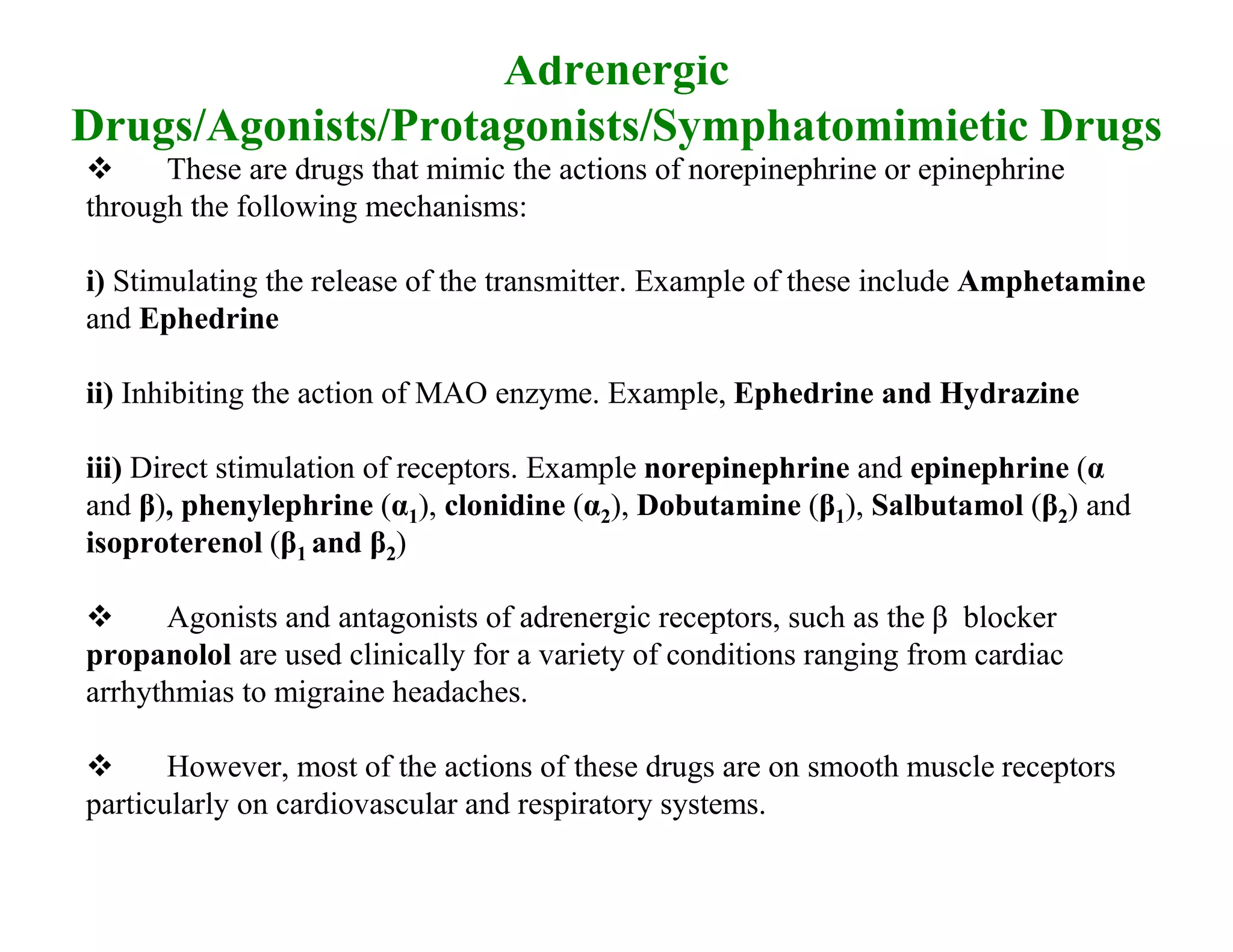
     These are drugs that mimic the actions of norepinephrine or epinephrine
through the following mechanisms:

i) Stimulating the release of the transmitter. Example of these include Amphetamine
and Ephedrine

ii) Inhibiting the action of MAO enzyme. Example, Ephedrine and Hydrazine

iii) Direct stimulation of receptors. Example norepinephrine and epinephrine (α
and β), phenylephrine (α1), clonidine (α2), Dobutamine (β1), Salbutamol (β2) and
isoproterenol (β1 and β2)

     Agonists and antagonists of adrenergic receptors, such as the β blocker
propanolol are used clinically for a variety of conditions ranging from cardiac
arrhythmias to migraine headaches.

      However, most of the actions of these drugs are on smooth muscle receptors
particularly on cardiovascular and respiratory systems.
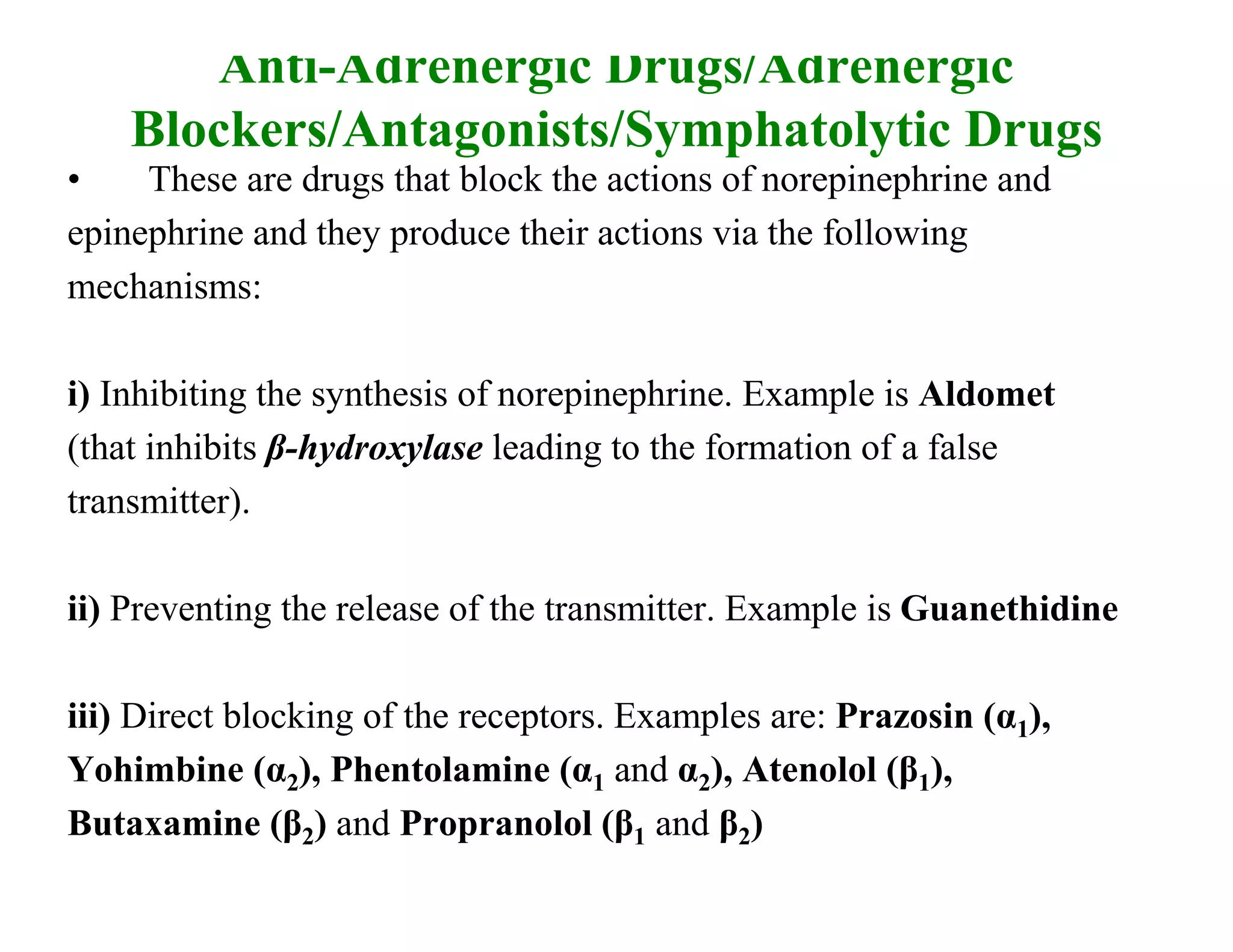
Anti-Adrenergic Drugs/Adrenergic
    Blockers/Antagonists/Symphatolytic Drugs
•    These are drugs that block the actions of norepinephrine and
epinephrine and they produce their actions via the following
mechanisms:

i) Inhibiting the synthesis of norepinephrine. Example is Aldomet
(that inhibits β-hydroxylase leading to the formation of a false
transmitter).

ii) Preventing the release of the transmitter. Example is Guanethidine

iii) Direct blocking of the receptors. Examples are: Prazosin (α1),
Yohimbine (α2), Phentolamine (α1 and α2), Atenolol (β1),
Butaxamine (β2) and Propranolol (β1 and β2)
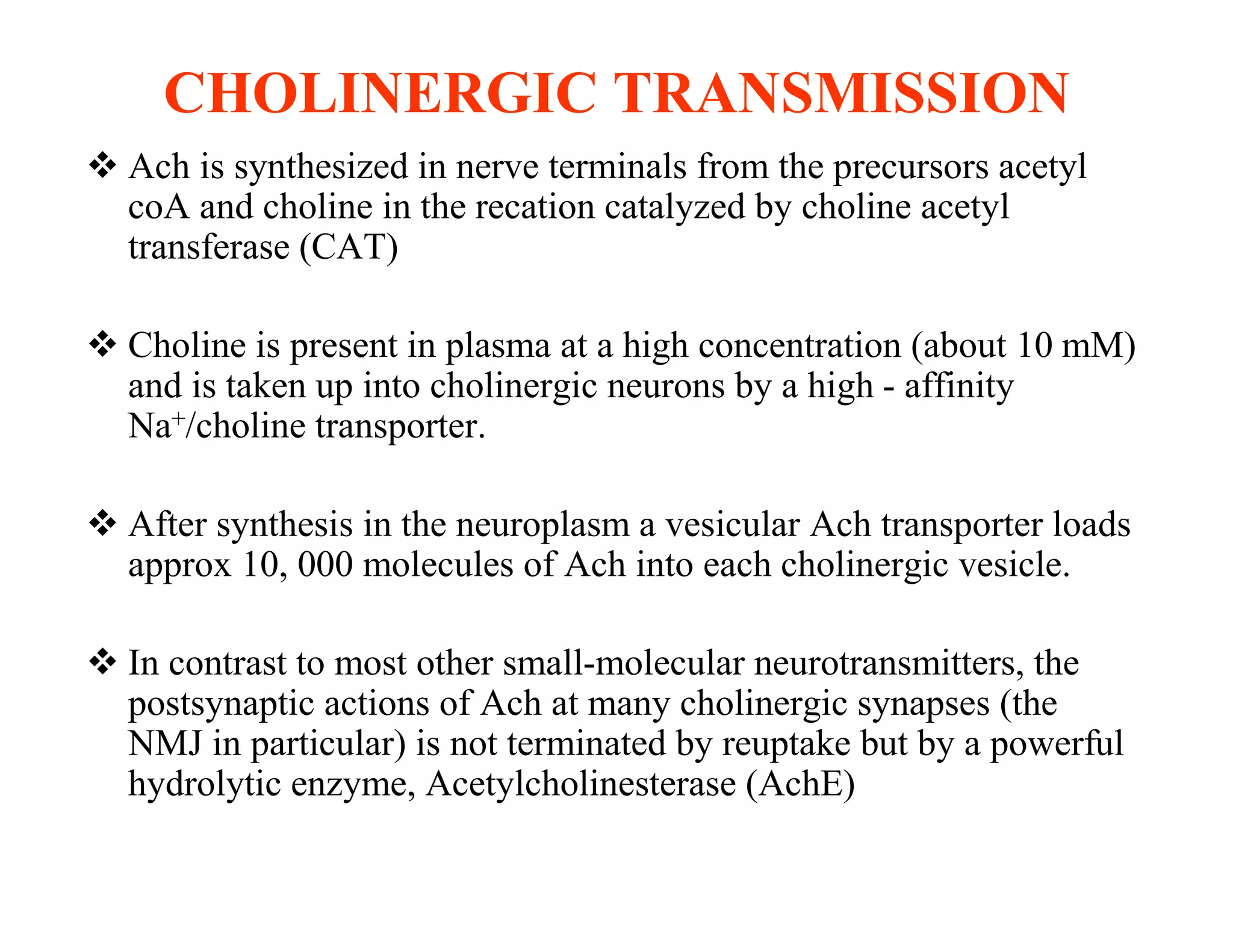
CHOLINERGIC TRANSMISSION
 Ach is synthesized in nerve terminals from the precursors acetyl
  coA and choline in the recation catalyzed by choline acetyl
  transferase (CAT)

 Choline is present in plasma at a high concentration (about 10 mM)
  and is taken up into cholinergic neurons by a high - affinity
  Na+/choline transporter.

 After synthesis in the neuroplasm a vesicular Ach transporter loads
  approx 10, 000 molecules of Ach into each cholinergic vesicle.

 In contrast to most other small-molecular neurotransmitters, the
  postsynaptic actions of Ach at many cholinergic synapses (the
  NMJ in particular) is not terminated by reuptake but by a powerful
  hydrolytic enzyme, Acetylcholinesterase (AchE)
Electrical synapse   Chemical synapse
(a)  Chemically    gated   (b) Receptor Enzyme   (c) G-Protein   coupled
receptor-channel                                 Receptor
Functions of Cranial Nerves
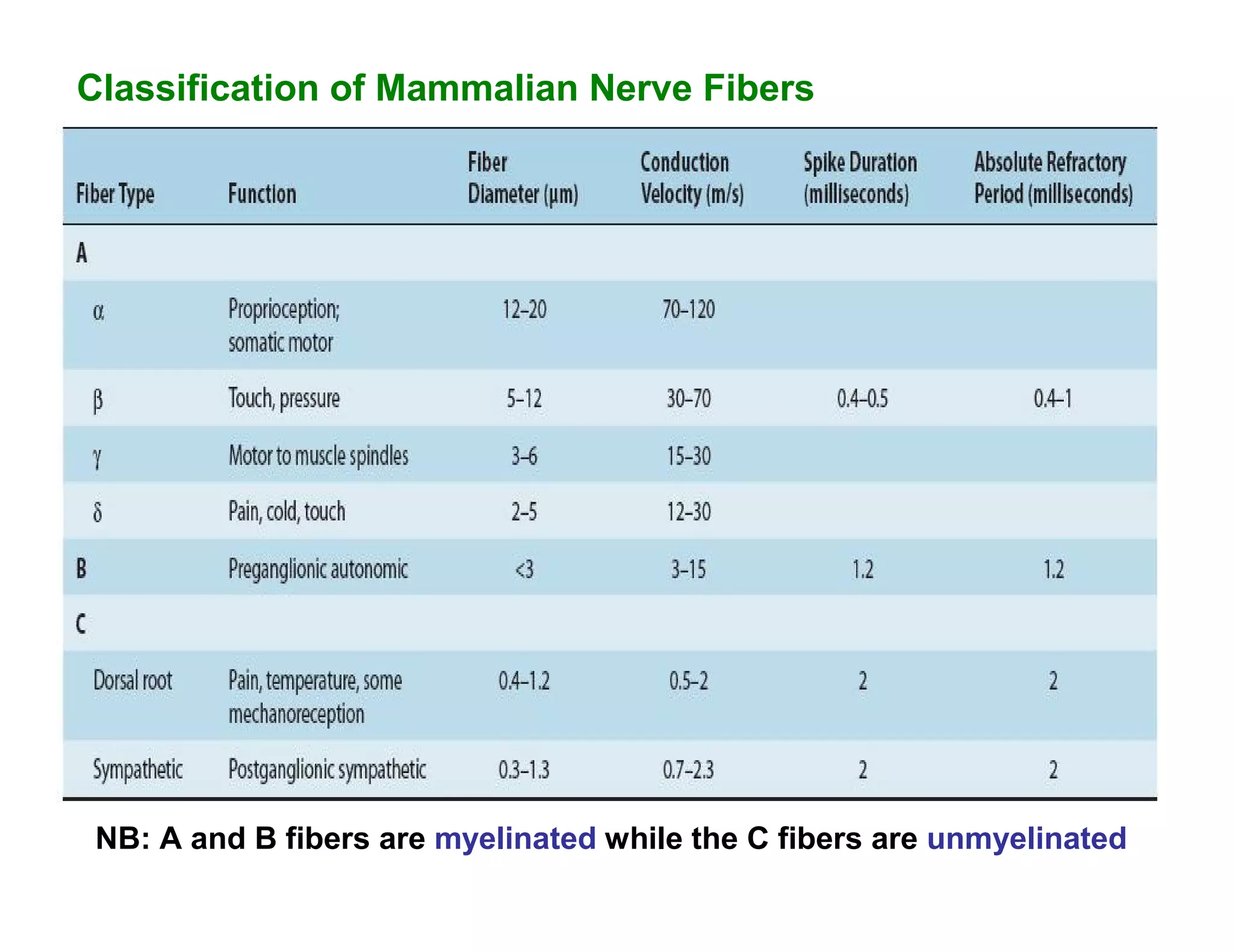
Classification of Mammalian Nerve Fibers


 NB: A and B fibers are myelinated while the C fibers are unmyelinated
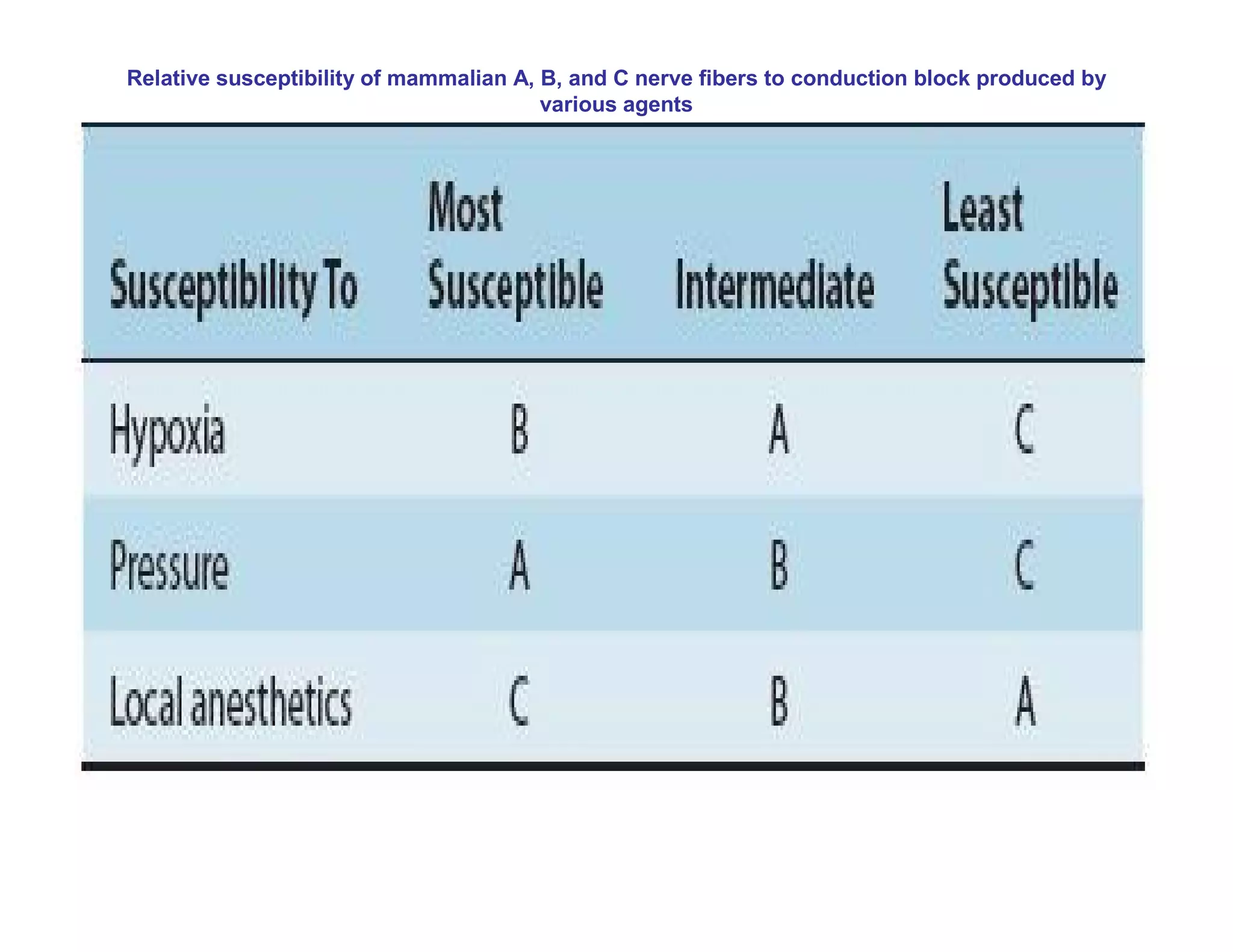
Relative susceptibility of mammalian A, B, and C nerve fibers to conduction block produced by
                                        various agents
Neurotrophins: Trophic Support of Neurons
  Proteins necessary for survival and growth of neurons are
called neurotrophins.

  Many are products of the muscles or other structures that the
neurons innervate, but others are produced by astrocytes.

  These proteins bind to receptors at the endings of a neuron.

   They are internalized and then transported by retrograde
transport to the neuronal cell body, where they foster the
production of proteins associated with neuronal development,
growth, and survival.

   Other neurotrophins are produced in neurons and transported
in an anterograde fashion to the nerve ending, where they
maintain the integrity of the postsynaptic neuron.
The first neurotrophin to be characterized was nerve growth
factor (NGF), a protein that is necessary for the growth and
maintenance of sympathetic neurons and some sensory
neuron.

   It is found in many different tissues. NGF is picked up by
neurons and transported in retrograde fashion from the endings
of the neurons to their cell bodies.

   It is also present in the brain and appears to be responsible
for the growth and maintenance of cholinergic neurons in the
basal forebrain and striatum.
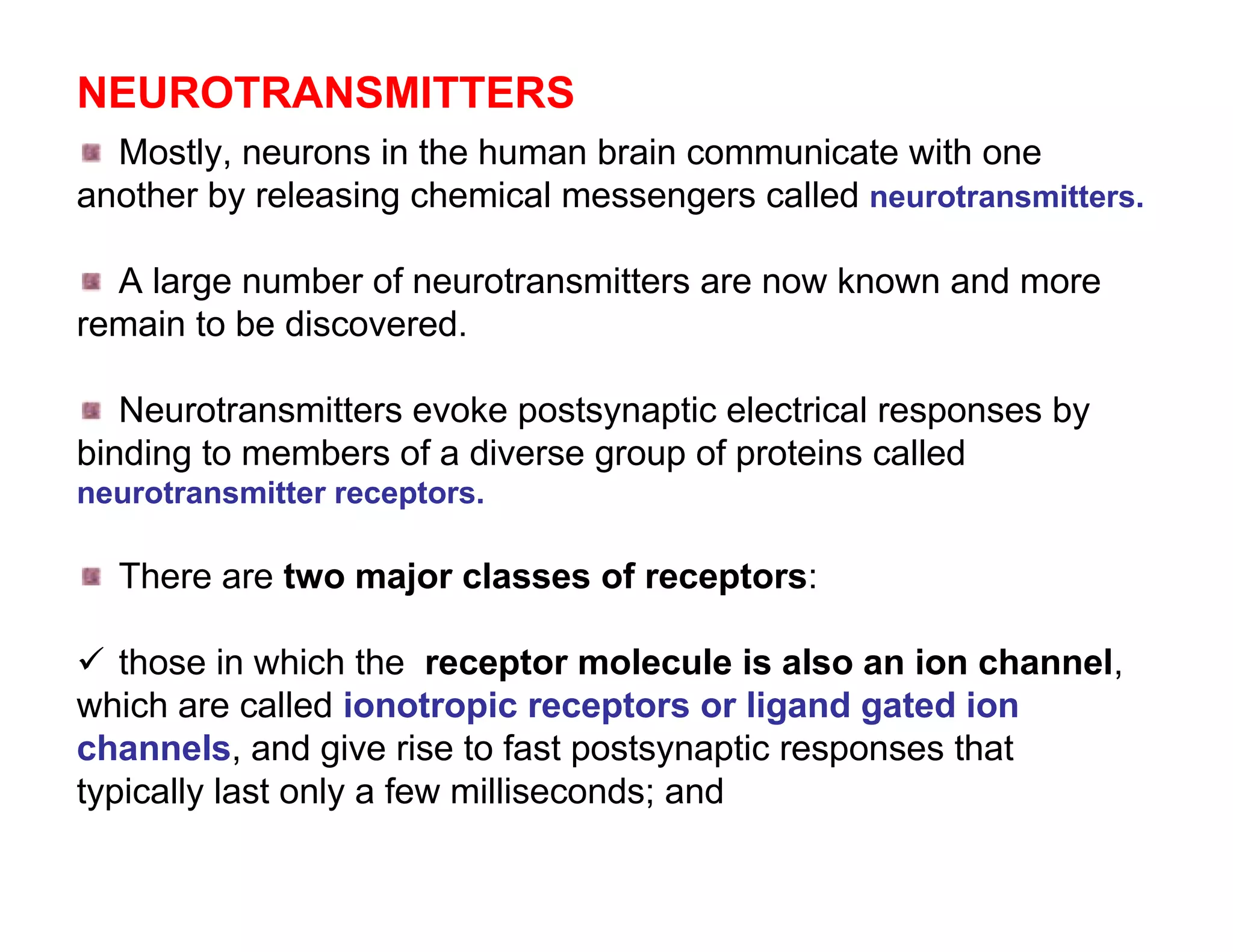
NEUROTRANSMITTERS
  Mostly, neurons in the human brain communicate with one
another by releasing chemical messengers called neurotransmitters.

  A large number of neurotransmitters are now known and more
remain to be discovered.

   Neurotransmitters evoke postsynaptic electrical responses by
binding to members of a diverse group of proteins called
neurotransmitter receptors.

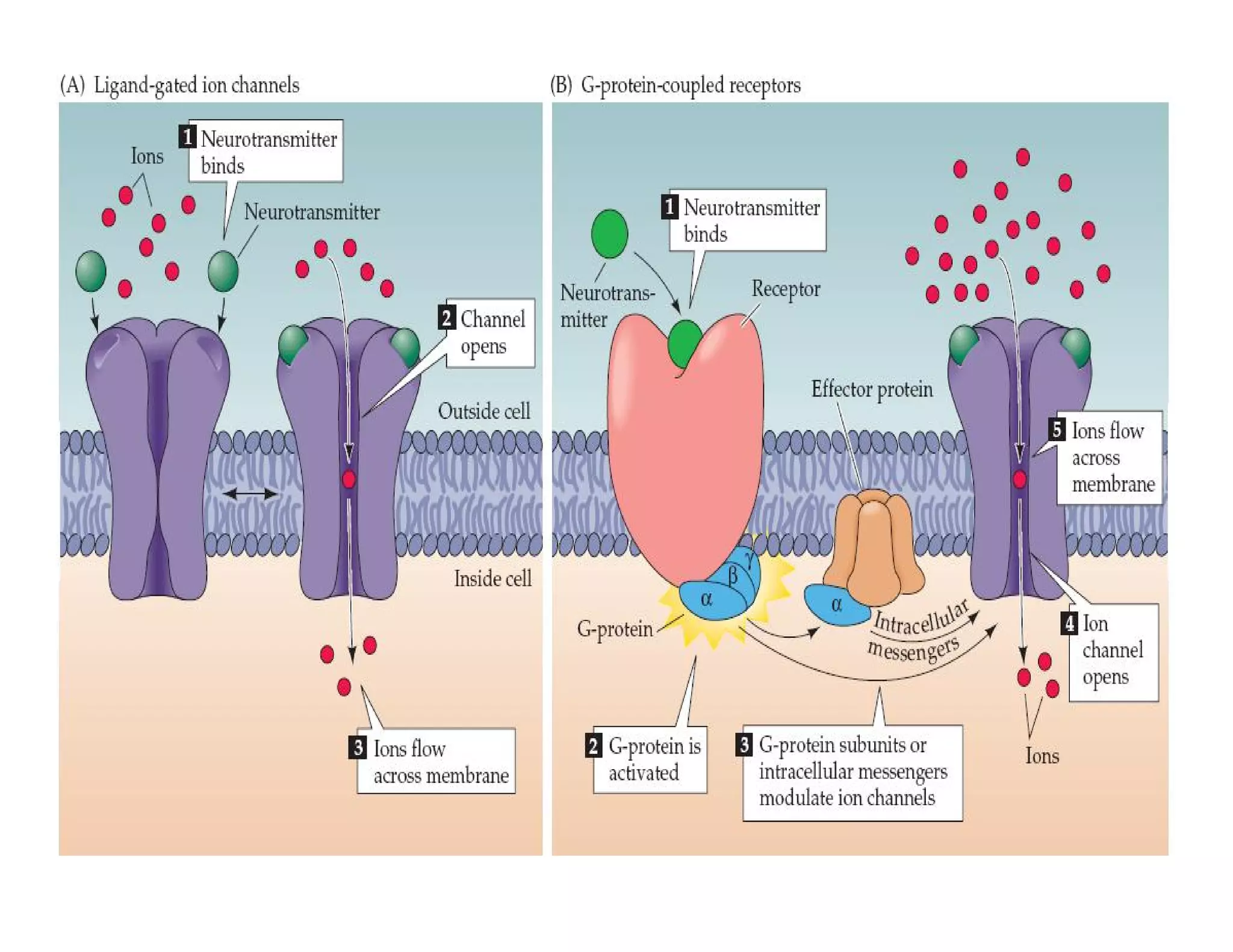
  There are two major classes of receptors:

 those in which the receptor molecule is also an ion channel,
which are called ionotropic receptors or ligand gated ion
channels, and give rise to fast postsynaptic responses that
typically last only a few milliseconds; and
 those in which the receptor and ion channel are separate
molecules called metabotropic receptors, that produce slower
postsynaptic effects that may endure much longer.

  Abnormalities in the function of neurotransmitter systems
contribute to a wide range of neurological and psychiatric disorders.

   As a result, many neuropharmacological therapies are based on
drugs that affect neurotransmitter release, binding, and/or removal.

Categories of Neurotransmitters
  More than 100 different agents are known to serve as
neurotransmitters.

   This large number of transmitters allows for tremendous diversity
in chemical signaling between neurons and are divided into two
broad categories based on size.
i) neuropeptides are relatively large transmitter molecules
composed of 3 to 36 amino acids.

ii) small-molecule neurotransmitters are Individual amino
acids, such as glutamate, GABA, acetylcholine, serotonin,
and histamine, are much smaller than neuropeptides

   Within the category of small-molecule neurotransmitters, the
biogenic amines (dopamine, norepinephrine, epinephrine,
serotonin, and histamine) are often discussed separately
because of their similar chemical properties and postsynaptic
actions.

   The particulars of synthesis, packaging, release, and
removal differ for each neurotransmitter.
Acetylcholine
  Acetylcholine (ACh) was the first
substance identified as a
neurotransmitter.

   Acetylcholine is synthesized in
nerve terminals from the precursors
acetyl coenzyme A (acetyl CoA,
which is synthesized from glucose)
and choline, in a reaction catalyzed
by choline acetyltransferase
(CAT).

    Choline is present in plasma at a   After synthesis in the cytoplasm
high concentration and is taken up      of the neuron, a vesicular Ach
into cholinergic neurons by a high-     transporter loads approximately
affinity Na+/choline transporter.       10,000 molecules of ACh into
                                        each cholinergic vesicle.
In contrast to most other small-molecule neurotransmitters,
the postsynaptic actions of ACh at many cholinergic synapses
(the neuromuscular junction in particular) is not terminated by
reuptake but by a powerful hydrolytic enzyme,
acetylcholinesterase (AChE).

   This enzyme is concentrated in the synaptic cleft, ensuring a
rapid decrease in ACh concentration after its release from the
presynaptic terminal.

  The AChE has a very high catalytic activity (about 5000
molecules of ACh per AChE molecule per second) and
hydrolyzes Ach into acetate and choline.

   The choline produced by ACh hydrolysis is transported back
into nerve terminals and used to re-synthesize ACh.
Among the many interesting drugs that interact with cholinergic
enzymes are the organophosphates that include some potent
chemical warfare agents.

  One such compound is the nerve gas “Sarin,” which was made
notorious after a group of terrorists released this gas in Tokyo’s
underground rail system.

  Organophosphates can be lethal because they inhibit AChE,
causing Ach to accumulate at cholinergic synapses.

  This build-up of ACh depolarizes the postsynaptic cell and
renders it refractory to subsequent ACh release, causing
neuromuscular paralysis and other effects.

  The high sensitivity of insects to these AChE inhibitors has
made organophosphates popular insecticides.
Acetylcholine Receptors
  There are two types of cholinergic receptors:

 Muscarinic

 Nicotinic
Glutamate

• Glutamate is the most important transmitter in normal brain
function.

• Nearly all excitatory neurons in the central nervous system are
glutamatergic, and it is estimated that over half of all brain
synapses release this agent.

• Glutamate plays an especially important role in clinical
neurology because elevated concentrations of extracellular
glutamate, released as a result of neural injury, are toxic to
neurons.

• Glutamate is a nonessential amino acid that does not cross the
blood-brain barrier and therefore must be synthesized in neurons
from local precursors.
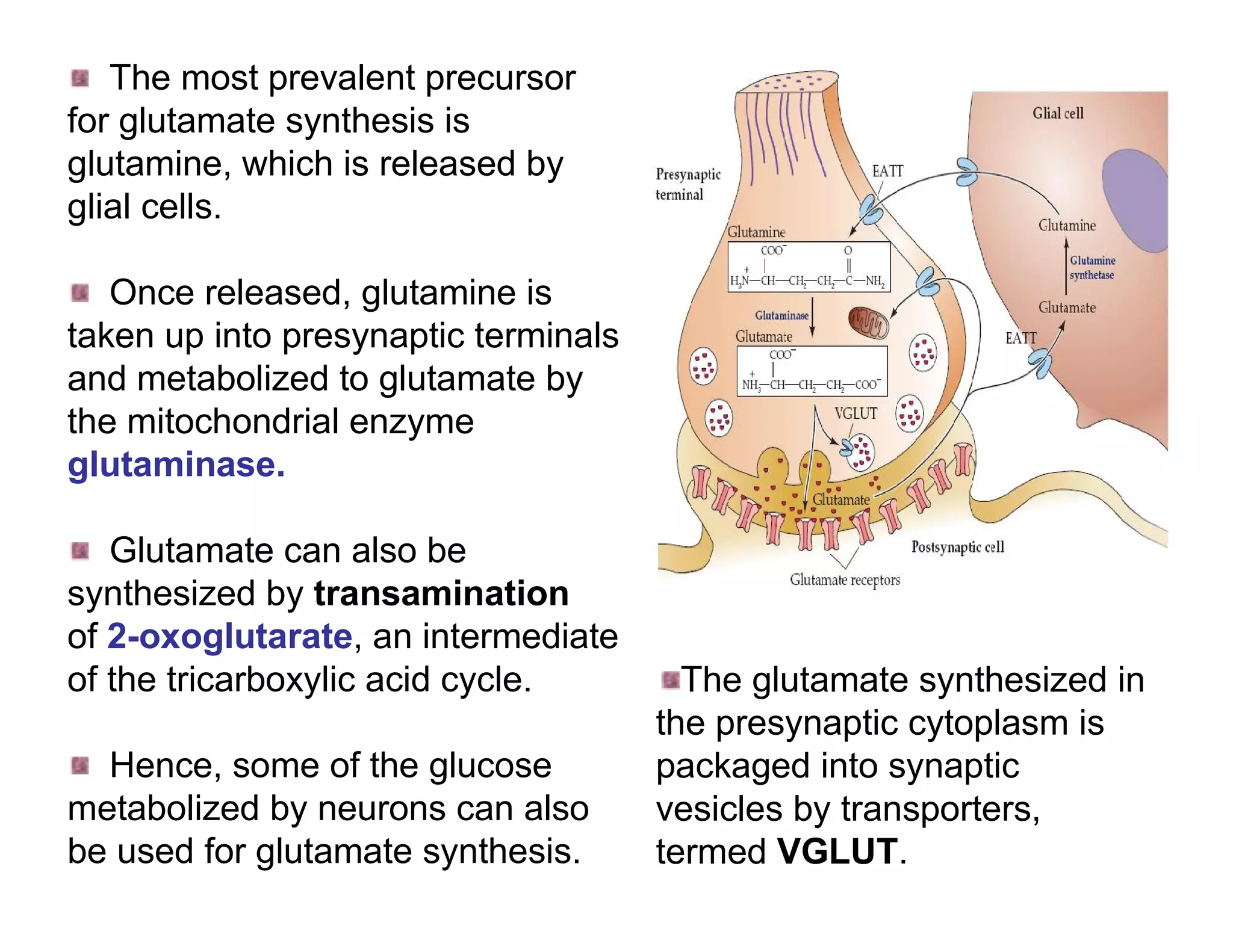
The most prevalent precursor
for glutamate synthesis is
glutamine, which is released by
glial cells.

   Once released, glutamine is
taken up into presynaptic terminals
and metabolized to glutamate by
the mitochondrial enzyme
glutaminase.

   Glutamate can also be
synthesized by transamination
of 2-oxoglutarate, an intermediate
of the tricarboxylic acid cycle.        The glutamate synthesized in
                                      the presynaptic cytoplasm is
  Hence, some of the glucose          packaged into synaptic
metabolized by neurons can also       vesicles by transporters,
be used for glutamate synthesis.      termed VGLUT.
The glutamate synthesized in the presynaptic cytoplasm is
packaged into synaptic vesicles by transporters, termed
VGLUT.

  At least three different VGLUT genes have been identified.

  Once released, glutamate is removed from the synaptic cleft
by the excitatory amino acid transporters (EAATs).

   Glutamate taken up by glial cells is converted into glutamine
by the enzyme glutamine synthetase; glutamine is then
transported out of the glial cells and into nerve terminals.
In this way, synaptic terminals cooperate with glial cells to
maintain an adequate supply of the neurotransmitter.

  This overall sequence of events is referred to as the
glutamate-glutamine cycle.

Glutamate Receptors
  Several types of glutamate receptors have been identified.

  Three of these are ionotropic receptors and are called:

 NMDA (N-methyl-D-aspartate)receptors,
 AMPA (α-amino-3-hydroxyl-5-methyl-4-isoxazolepropionate),
  receptors, and
 kainate receptors

  These glutamate receptors are named after the agonists that
activate them.
All of the ionotropic glutamate receptors are nonselective
cation channels similar to the nAChR, allowing the passage of
Na+ and K+, and in some cases small amounts of Ca2+.

  Hence AMPA, kainate, and NMDA receptor activation always
produces excitatory postsynaptic responses.

  Like other ionotropic receptors, AMPA/kainate and NMDA
receptors are also formed from the association of several protein
subunits that can combine in many ways to produce a large
number of receptor isoforms.
GABA and Glycine

   Most inhibitory synapses in the brain and spinal cord use
either γ-Aminobutyric acid (GABA) or glycine as
neurotransmitters.

  Like glutamate, GABA was identified in brain tissue during the
1950s.

   It is now known that as many as a third of the synapses in the
brain use GABA as their inhibitory neurotransmitter.

   GABA is most commonly found in local circuit interneurons,
although cerebellar Purkinje cells provide an example of a
GABAergic projection neuron.

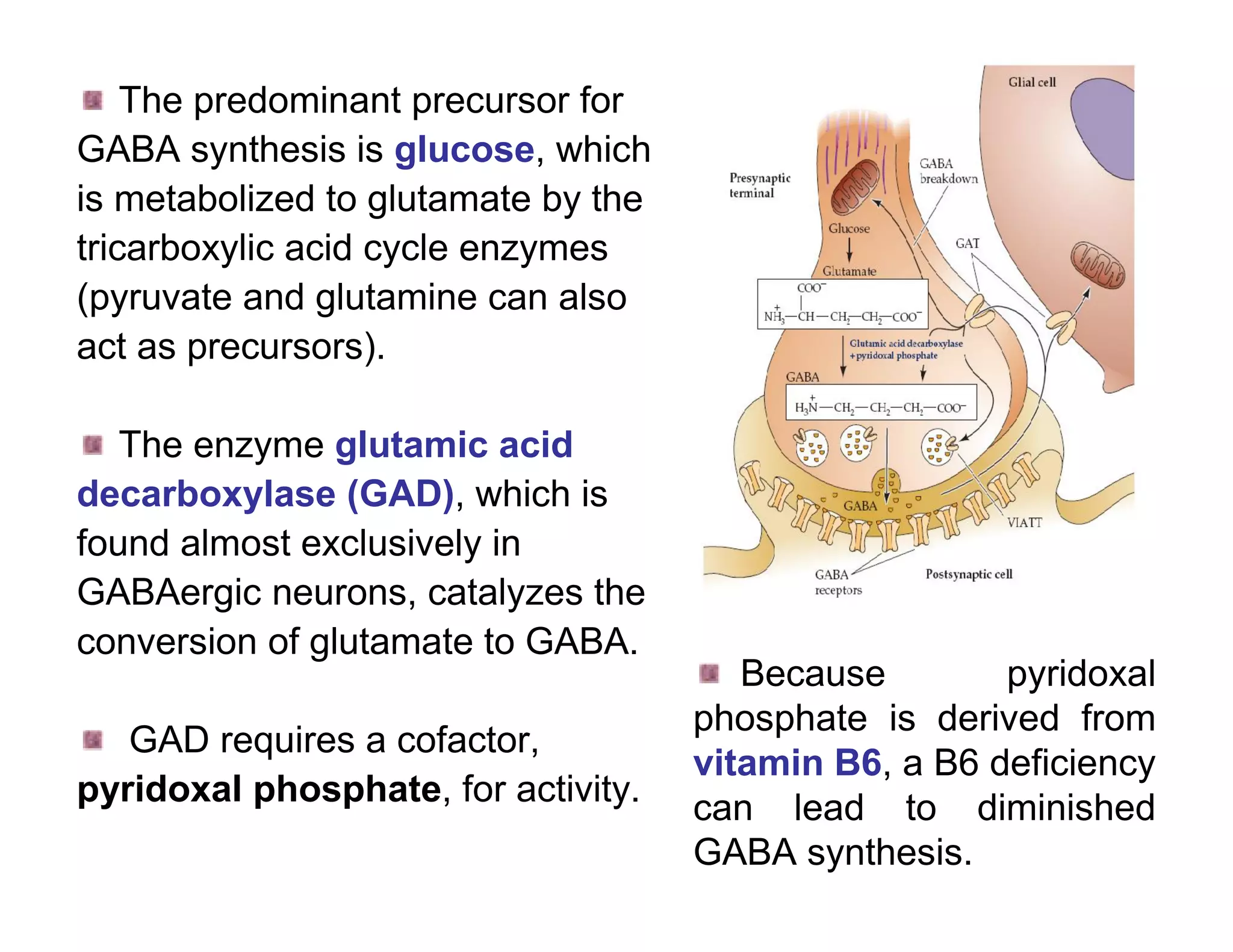
  The predominant precursor for GABA synthesis is glucose,
which is metabolized to glutamate by the tricarboxylic acid cycle
enzymes (pyruvate and glutamine can also act as precursors).
The predominant precursor for
GABA synthesis is glucose, which
is metabolized to glutamate by the
tricarboxylic acid cycle enzymes
(pyruvate and glutamine can also
act as precursors).

   The enzyme glutamic acid
decarboxylase (GAD), which is
found almost exclusively in
GABAergic neurons, catalyzes the
conversion of glutamate to GABA.
                                        Because        pyridoxal
                                     phosphate is derived from
   GAD requires a cofactor,
                                     vitamin B6, a B6 deficiency
pyridoxal phosphate, for activity.   can lead to diminished
                                     GABA synthesis.
The significance of this
became clear after a disastrous
series of infant deaths was linked
to the omission of vitamin B6
from infant formula.

   This lack of B6 resulted in a
large reduction in the GABA
content of the brain, and the
subsequent loss of synaptic
inhibition caused seizures that in
some cases were fatal.

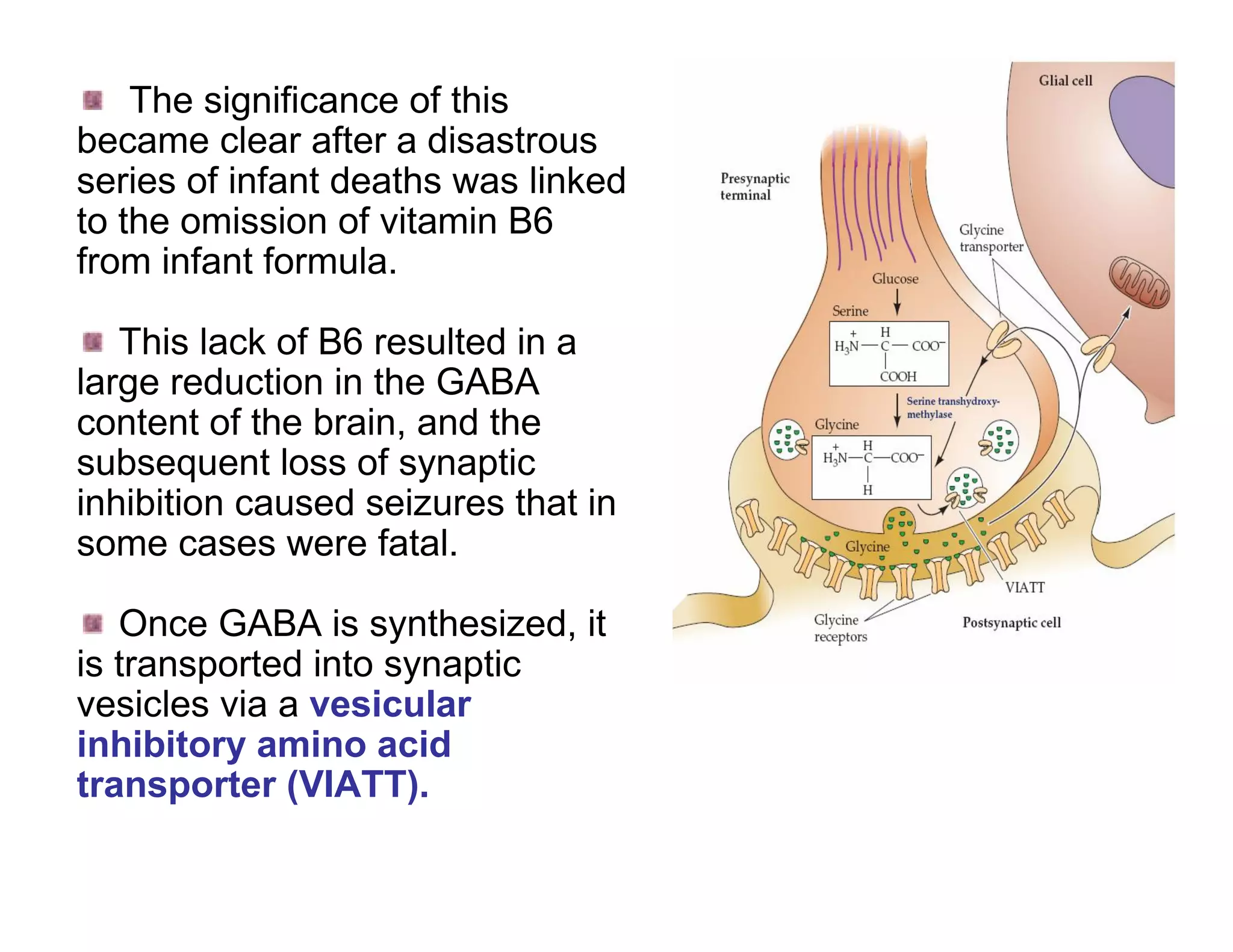
   Once GABA is synthesized, it
is transported into synaptic
vesicles via a vesicular
inhibitory amino acid
transporter (VIATT).
The mechanism of GABA removal is similar to that for
glutamate: Both neurons and glia contain high-affinity
transporters for GABA, termed GATs (several forms of GAT
have been identified).

  Most GABA is eventually converted to succinate, which is
metabolized further in the tricarboxylic acid cycle that mediates
cellular ATP synthesis.

   The enzymes required for this degradation, GABA
transaminase and succinic semialdehyde dehydrogenase,
are mitochondrial enzymes.

  Inhibition of GABA breakdown causes a rise in tissue GABA
content and an increase in the activity of inhibitory neurons.

  There are also other pathways for degradation of GABA.
The most noteworthy of these results in the production of γ-
hydroxybutyrate, a GABA derivitive that has been abused as a
“date rape” drug.

  Oral adminis-tration of γ-hydroxybutyrate can cause
euphoria, memory deficits, and unconsciousness.

  Presumably these effects arise from actions on GABAergic
synapses in the CNS.

  Inhibitory synapses employing GABA as their transmitter can
exhibit three types of postsynaptic receptors, called GABAA,
GABAB, and GABAC.

  GABAA and GABAC receptors are ionotropic receptors,
while GABAB receptors are metabotropic.
Drugs that act as agonists or modulators of postsynaptic
GABA receptors, such as benzodiazepines and barbiturates,
are used clinically to treat epilepsy and are effective sedatives
and anesthetics.
SENSORY SYSTEMS: TOUCH, PAIN, AND TEMPERATURE
Learning Objectives

At the end of this lesson, the students are expected to:

 List common senses and their receptors;

 Explain the terms hyperalgesia and allodynia;

 Explain sensory coding;

 Compare the pathway that mediates sensory input from touch,
proprioceptive, and vibratory senses to that mediating information
from pain and thermoreceptors; and

 Describe mechanisms to modulate transmission in pain
pathways.
Information about the internal and external environment
activates the central nervous system (CNS) via sensory
receptors.

   These receptors are transducers that convert various forms
of energy into action potentials in neurons.

  The somatic sensory system has two major components:

 a subsystem for the detection of mechanical stimuli (e.g.,
light touch, vibration, pressure and cutaneous tension); and

 a subsystem for the detection of painful stimuli and
temperature.

  Together, these two subsystems give humans and other
animals the ability to:
 identify the shapes and textures of objects;

 monitor the internal and external forces acting on the body at
any moment; and

 Detect potentially harmful circumstances.

Types of Somatic Sensory Receptors

 Cutaneous (superficial) receptors for touch and pressure are
mechanoreceptors.

  Potentially harmful stimuli such as pain, extreme heat, and
extreme cold are mediated by nociceptors.

  Chemoreceptors are stimulated by a change in the chemical
composition of the environment in which they are located.
These include receptors for taste and smell as well as
visceral receptors such as those sensitive to changes in the
plasma level of O2, pH, and osmolality.

   Photoreceptors are those in the rods and cones in the retina
that respond to light.

Cutaneous Mechanoreceptors

   Sensory receptors can be specialized dendritic endings of
afferent nerve fibers and are often associated with non-neural
cells that surround them, forming a sense organ.

  Touch and pressure are sensed by four types of mechanoreceptors:
i. Meissner’s corpuscles respond to changes in texture and
slow vibrations.

ii. Merkel cells respond to sustained pressure and touch.

iii. Ruffini corpuscles respond to sustained pressure.

iv. Pacinian corpuscles respond to deep pressure and fast
vibration.

Nociceptors and Thermoreceptors
     Pain and temperature sensations arise from unmyelinated
dendrites of sensory neurons located around hair follicles
throughout the smooth and hairy skin, as well as in deep tissue.
Impulses from nociceptors (pain) are transmitted via two fiber
types:

i. One system comprises thinly myelinated Aδ fibers that
conduct at rates of 12–30 m/s.

ii. The other is unmyelinated C fibers that conduct at low rates of
0.5–2 m/s.

    Thermoreceptors also span the following two fiber types:

i. cold receptors are on dendritic endings of Aδ fibers and C
fibers; and

ii. warm receptors are on C fibers.
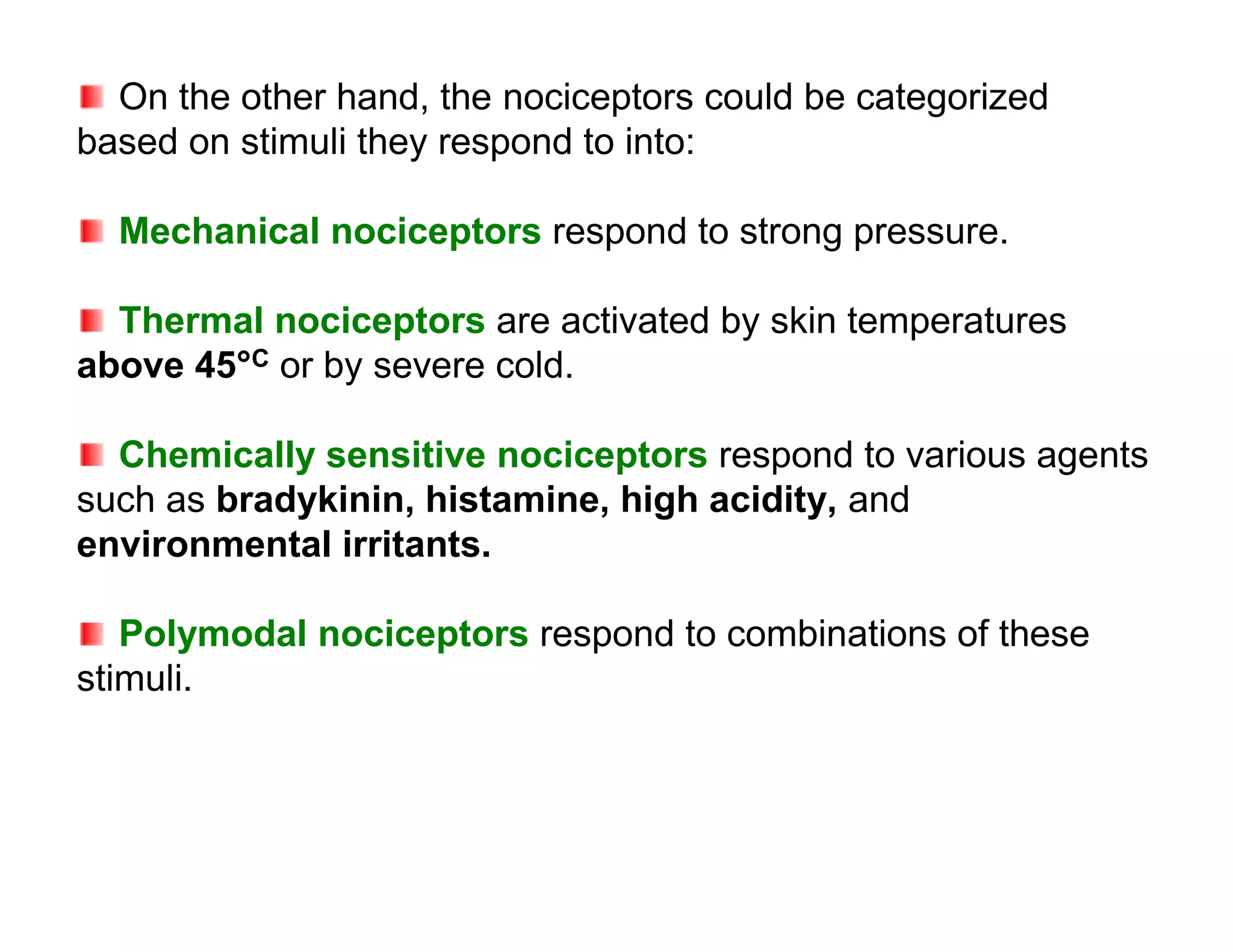
On the other hand, the nociceptors could be categorized
based on stimuli they respond to into:

  Mechanical nociceptors respond to strong pressure.

  Thermal nociceptors are activated by skin temperatures
above 45°C or by severe cold.

  Chemically sensitive nociceptors respond to various agents
such as bradykinin, histamine, high acidity, and
environmental irritants.

   Polymodal nociceptors respond to combinations of these
stimuli.
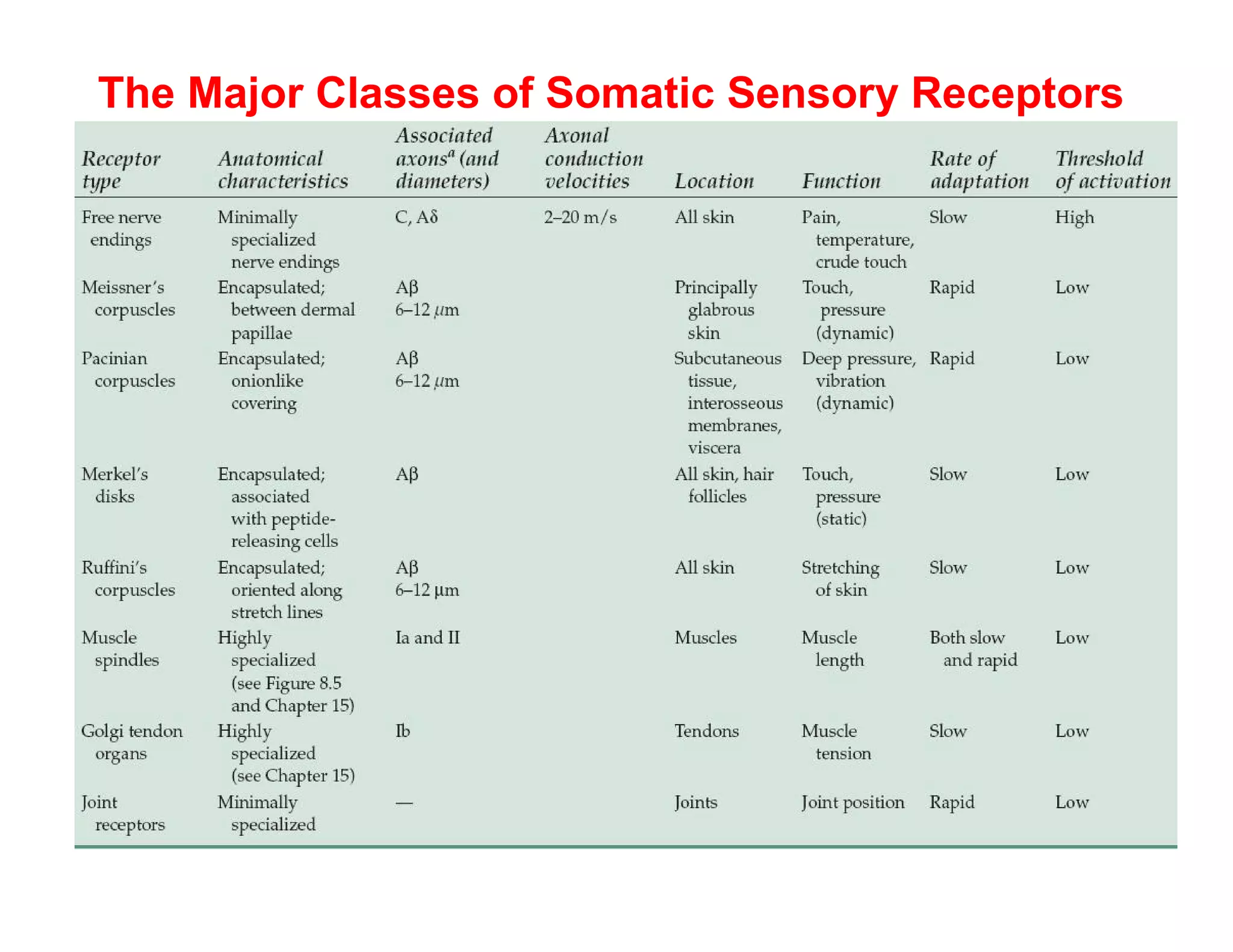
The Major Classes of Somatic Sensory Receptors
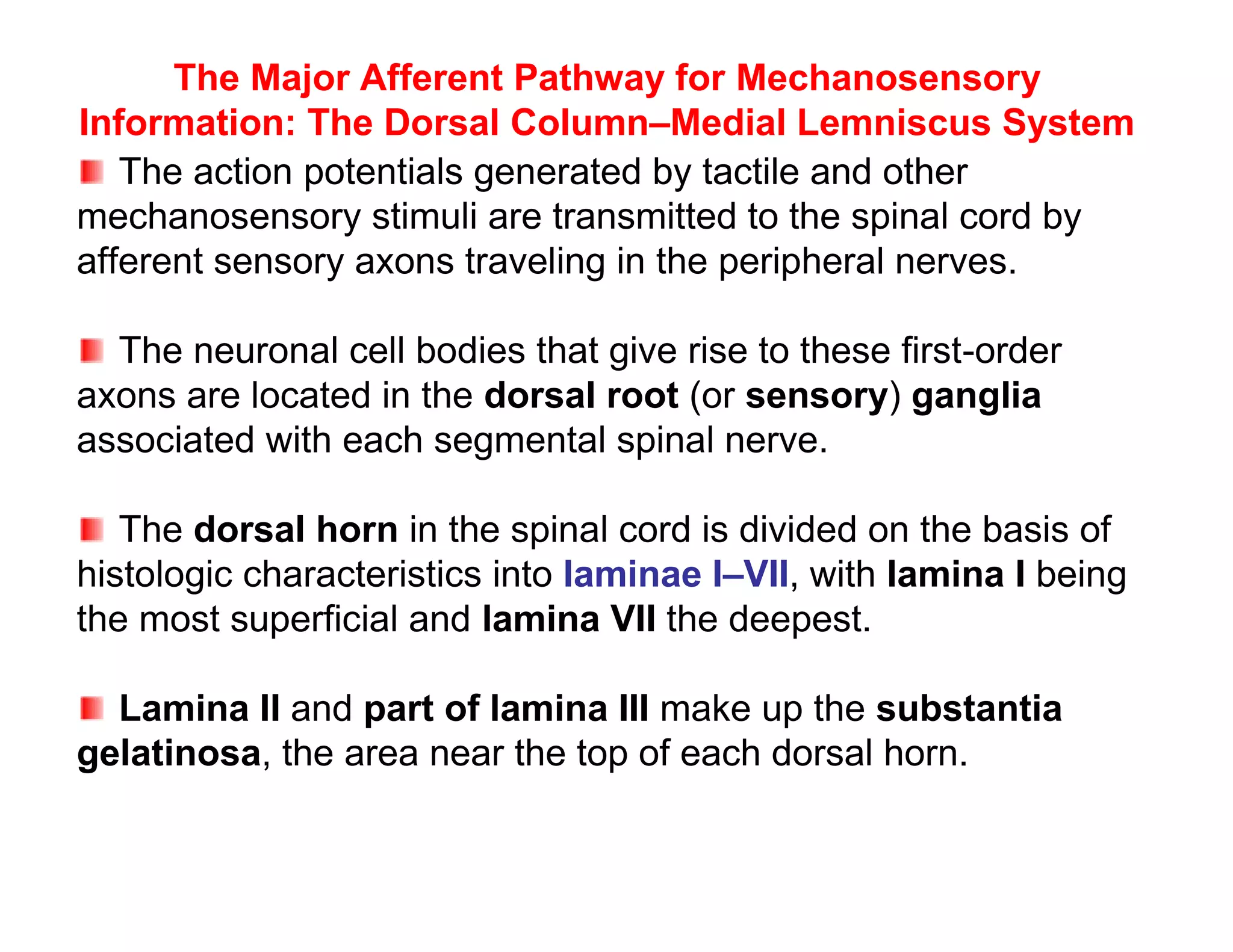
The Major Afferent Pathway for Mechanosensory
Information: The Dorsal Column–Medial Lemniscus System
   The action potentials generated by tactile and other
mechanosensory stimuli are transmitted to the spinal cord by
afferent sensory axons traveling in the peripheral nerves.

  The neuronal cell bodies that give rise to these first-order
axons are located in the dorsal root (or sensory) ganglia
associated with each segmental spinal nerve.

   The dorsal horn in the spinal cord is divided on the basis of
histologic characteristics into laminae I–VII, with lamina I being
the most superficial and lamina VII the deepest.

  Lamina II and part of lamina III make up the substantia
gelatinosa, the area near the top of each dorsal horn.
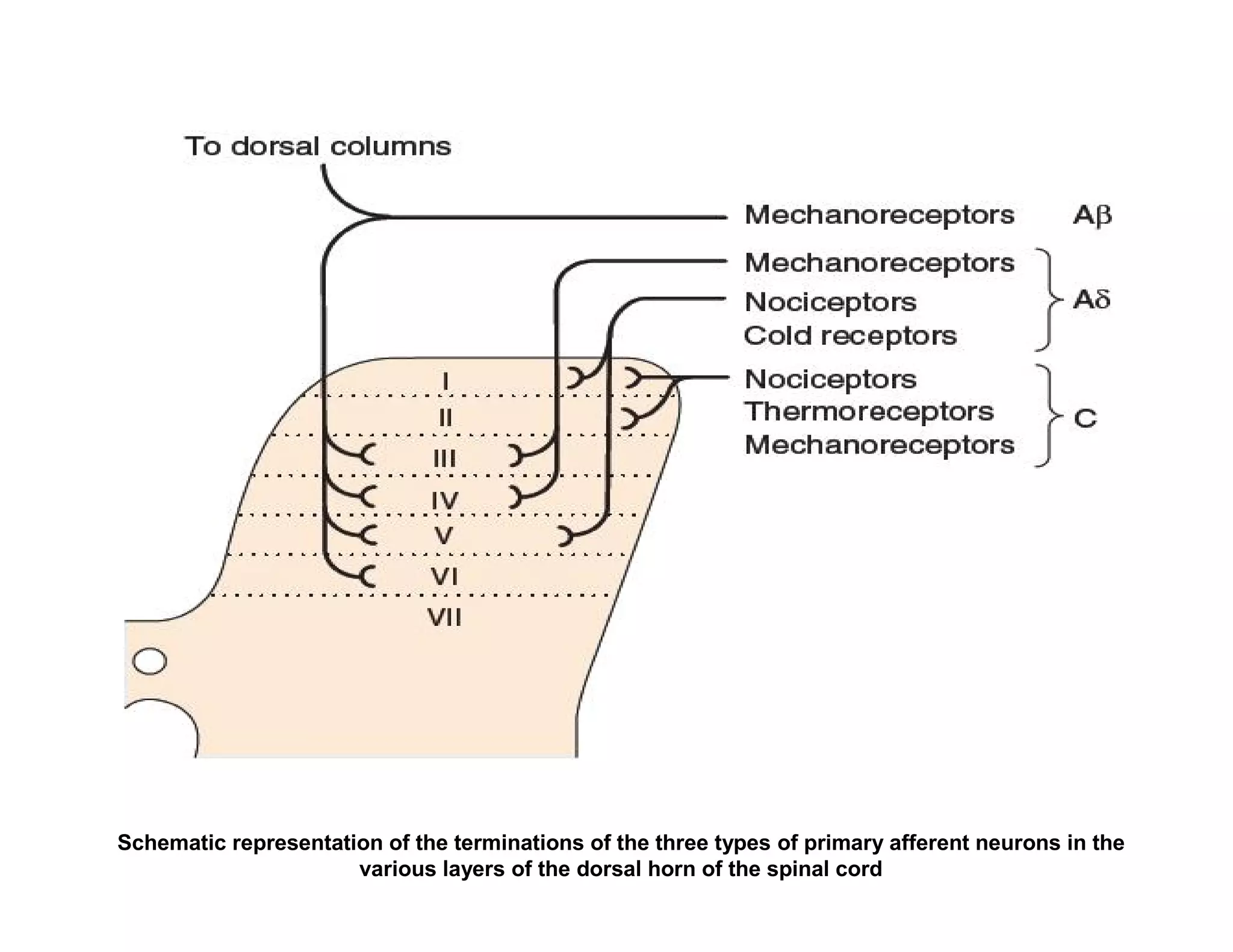
Schematic representation of the terminations of the three types of primary afferent neurons in the
                      various layers of the dorsal horn of the spinal cord
Dorsal root ganglion cells are also known as first-order
neurons because they initiate the sensory process.

  Depending on whether they belong to the mechanosensory
system or to the pain and temperature system, the first-order
axons carrying information from somatic receptors have:

 different patterns of termination in the spinal cord; and

 define distinct somatic sensory pathways within the central
nervous.

  These differences provide for different pathways as follows:
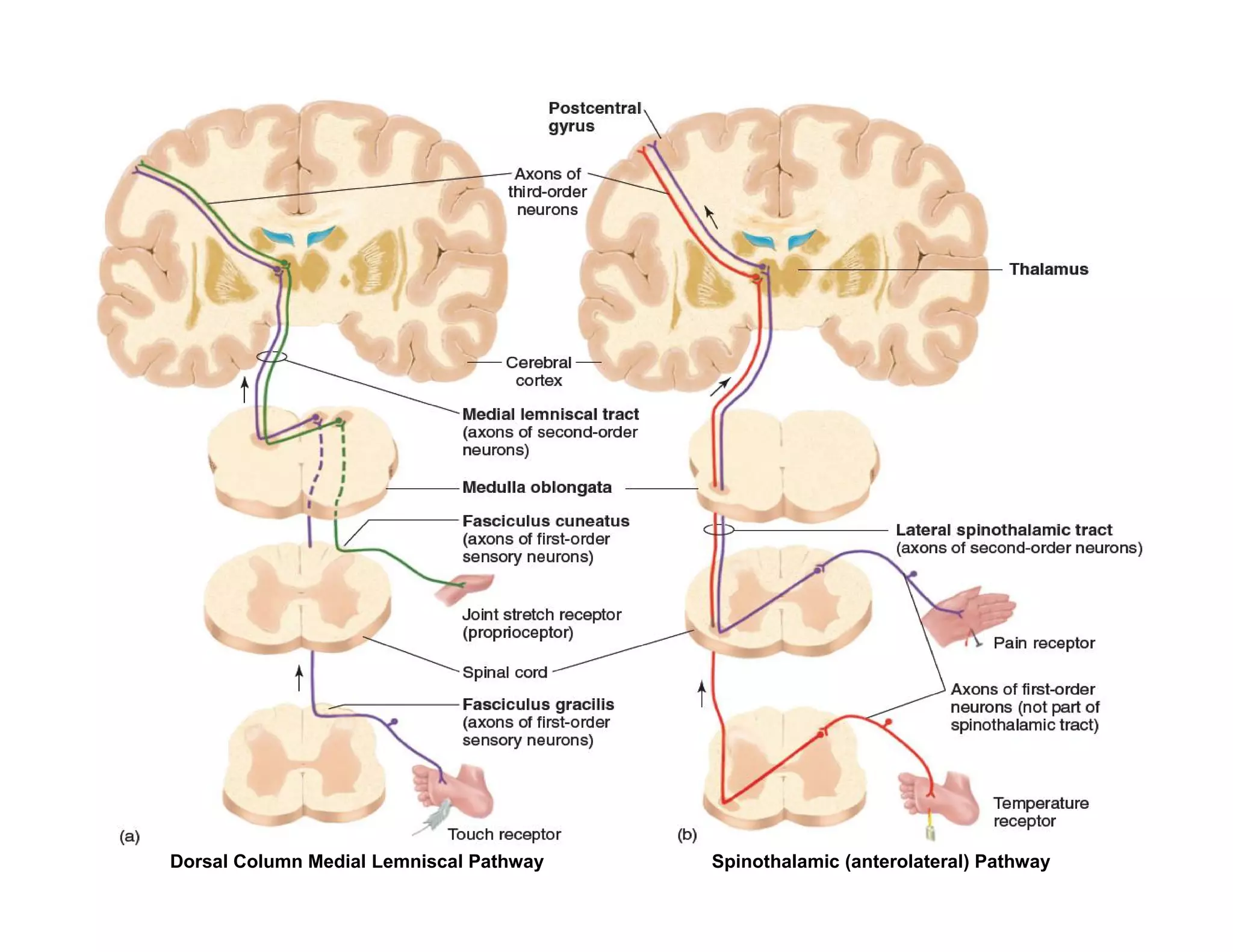
 the dorsal column–medial lemniscus pathway that carries
the majority of information from the mechanoreceptors that
mediate tactile discrimination and proprioception; and

 the spinothalamic (anterolateral) pathway mediates pain
and temperature sensation.

   The difference(s) in the afferent pathways of these modalities
is one of the reasons of treating the sensations separately.
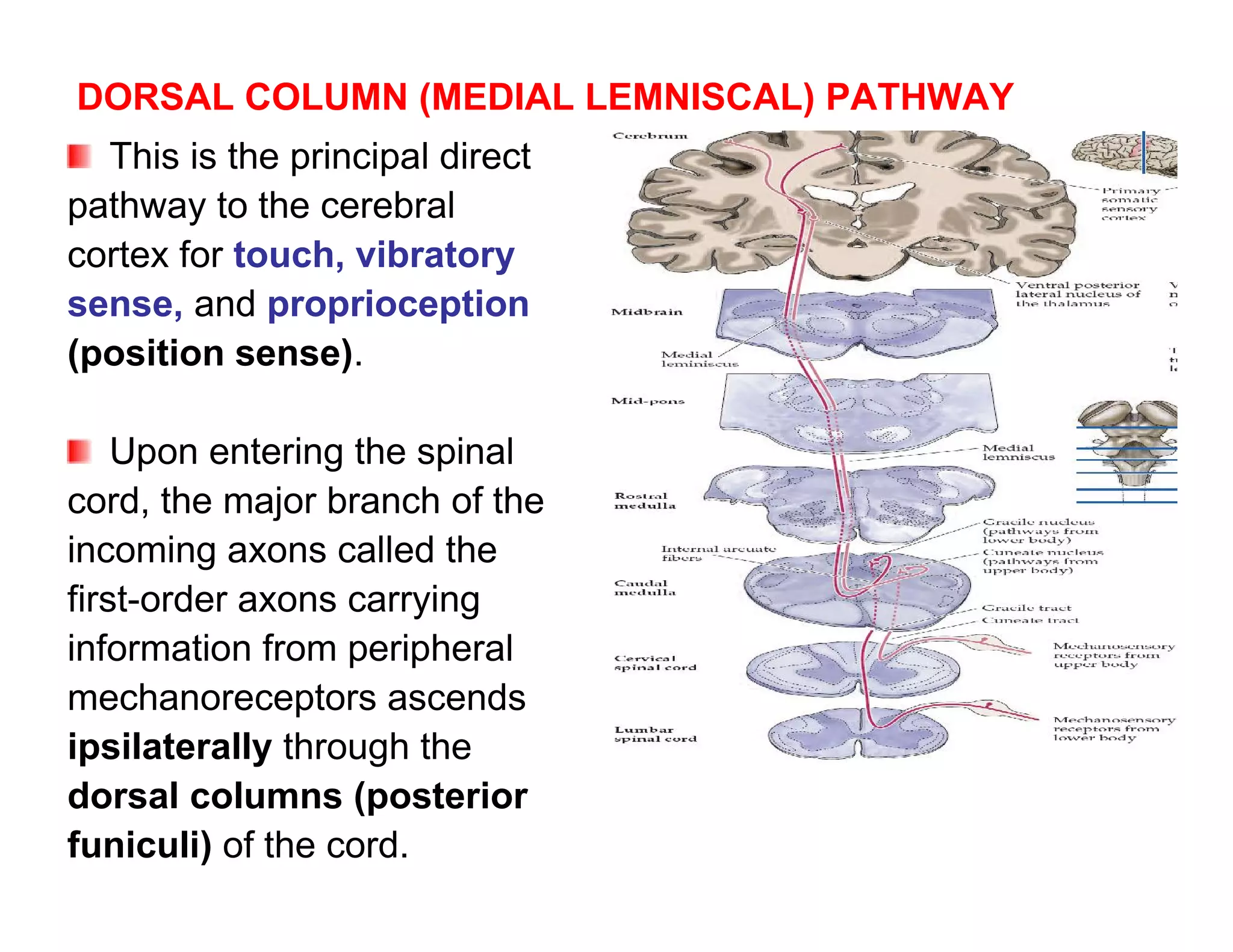
DORSAL COLUMN (MEDIAL LEMNISCAL) PATHWAY
  This is the principal direct
pathway to the cerebral
cortex for touch, vibratory
sense, and proprioception
(position sense).

    Upon entering the spinal
cord, the major branch of the
incoming axons called the
first-order axons carrying
information from peripheral
mechanoreceptors ascends
ipsilaterally through the
dorsal columns (posterior
funiculi) of the cord.
In this column, it goes all
the way to the lower medulla,
where it terminates by
synapsing with the second-
order neurons in the gracile
and cuneate nuclei (together
referred to as the dorsal
column nuclei).

  Axons in the dorsal columns
are topographically organized
such that:
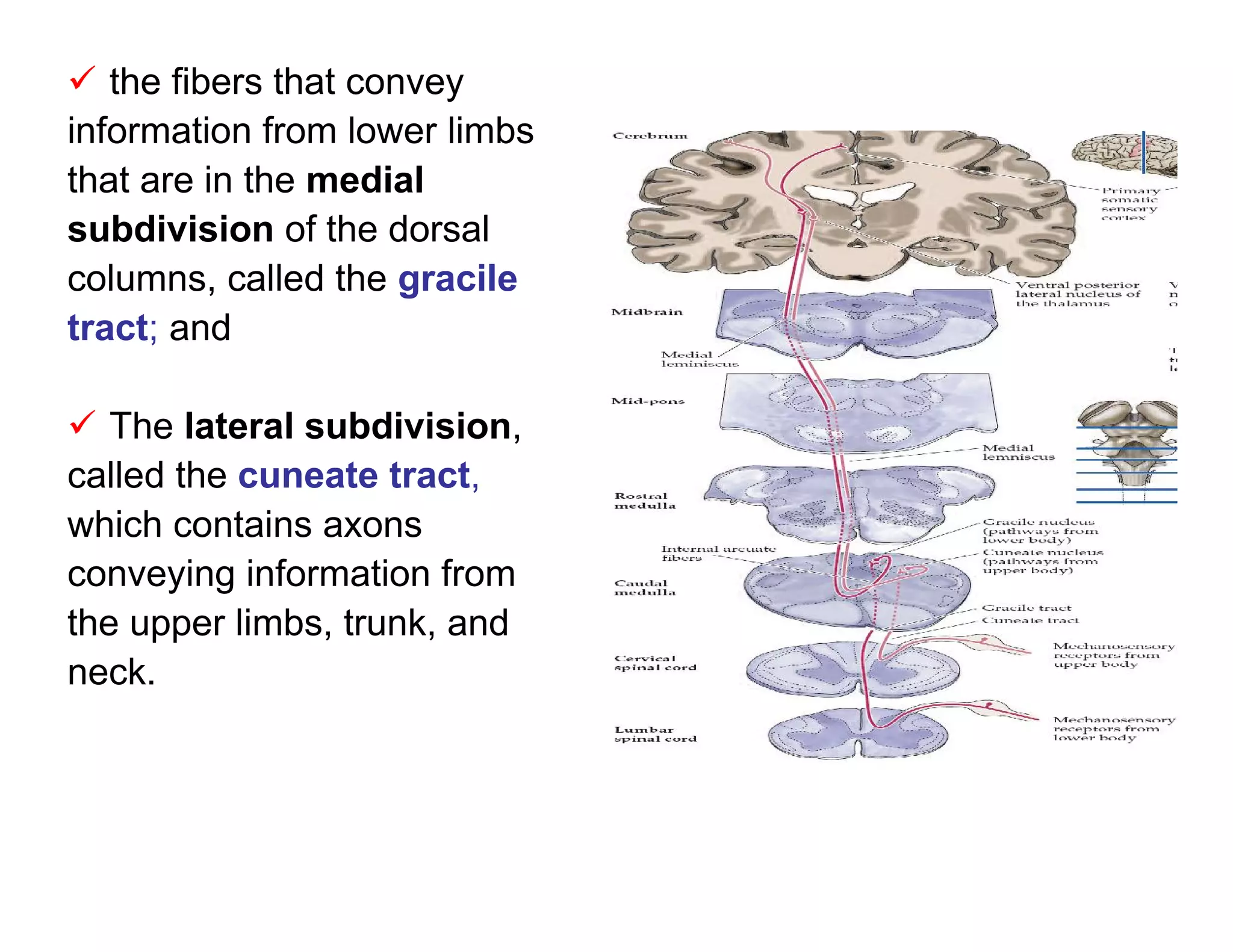
 the fibers that convey
information from lower limbs
that are in the medial
subdivision of the dorsal
columns, called the gracile
tract; and

 The lateral subdivision,
called the cuneate tract,
which contains axons
conveying information from
the upper limbs, trunk, and
neck.
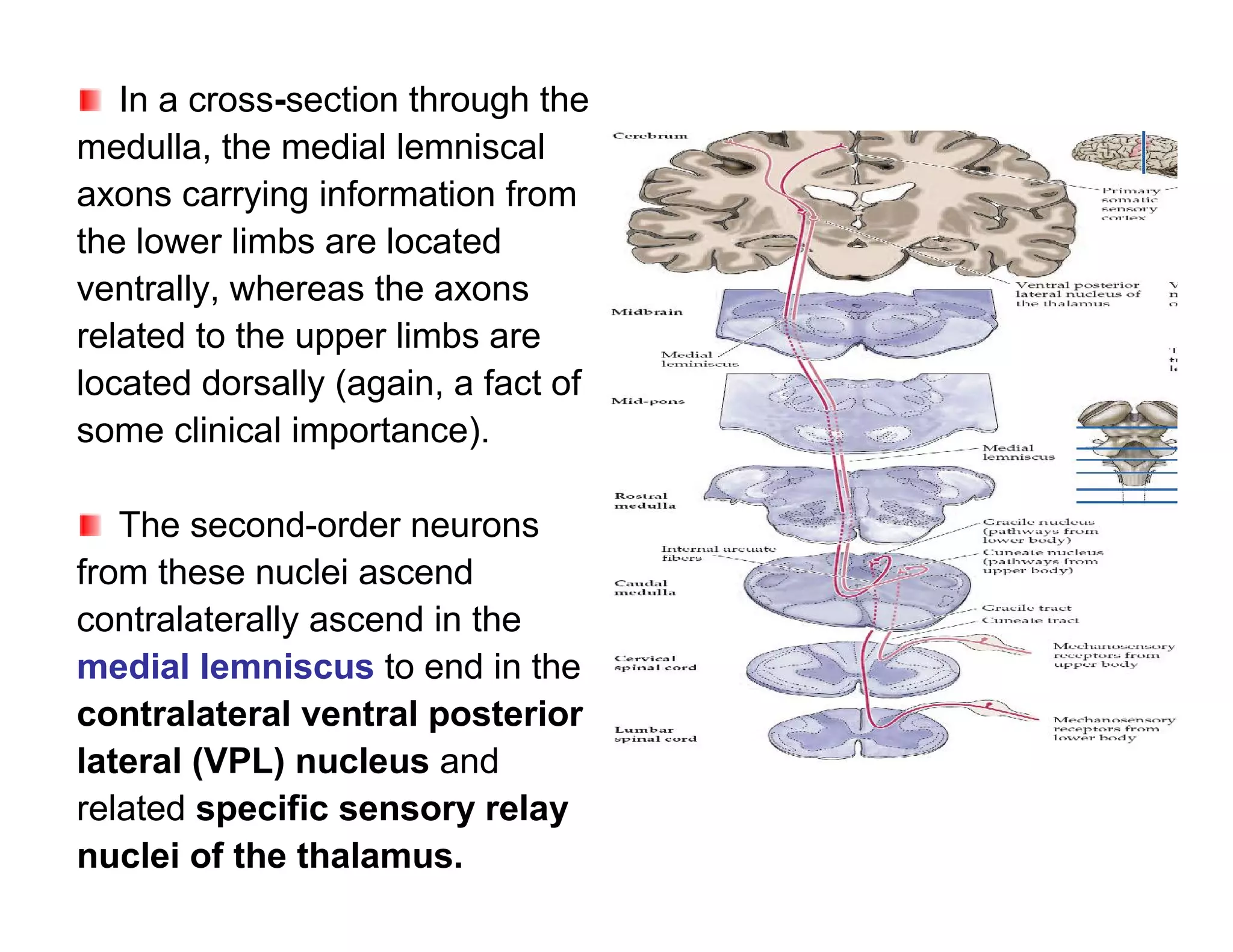
In a cross-section through the
medulla, the medial lemniscal
axons carrying information from
the lower limbs are located
ventrally, whereas the axons
related to the upper limbs are
located dorsally (again, a fact of
some clinical importance).

   The second-order neurons
from these nuclei ascend
contralaterally ascend in the
medial lemniscus to end in the
contralateral ventral posterior
lateral (VPL) nucleus and
related specific sensory relay
nuclei of the thalamus.
These axons of the medial lemniscus that reach the ventral
posterior lateral (VPL) nucleus of the thalamus are the third-
order neurons of the dorsal column–medial lemniscus system.

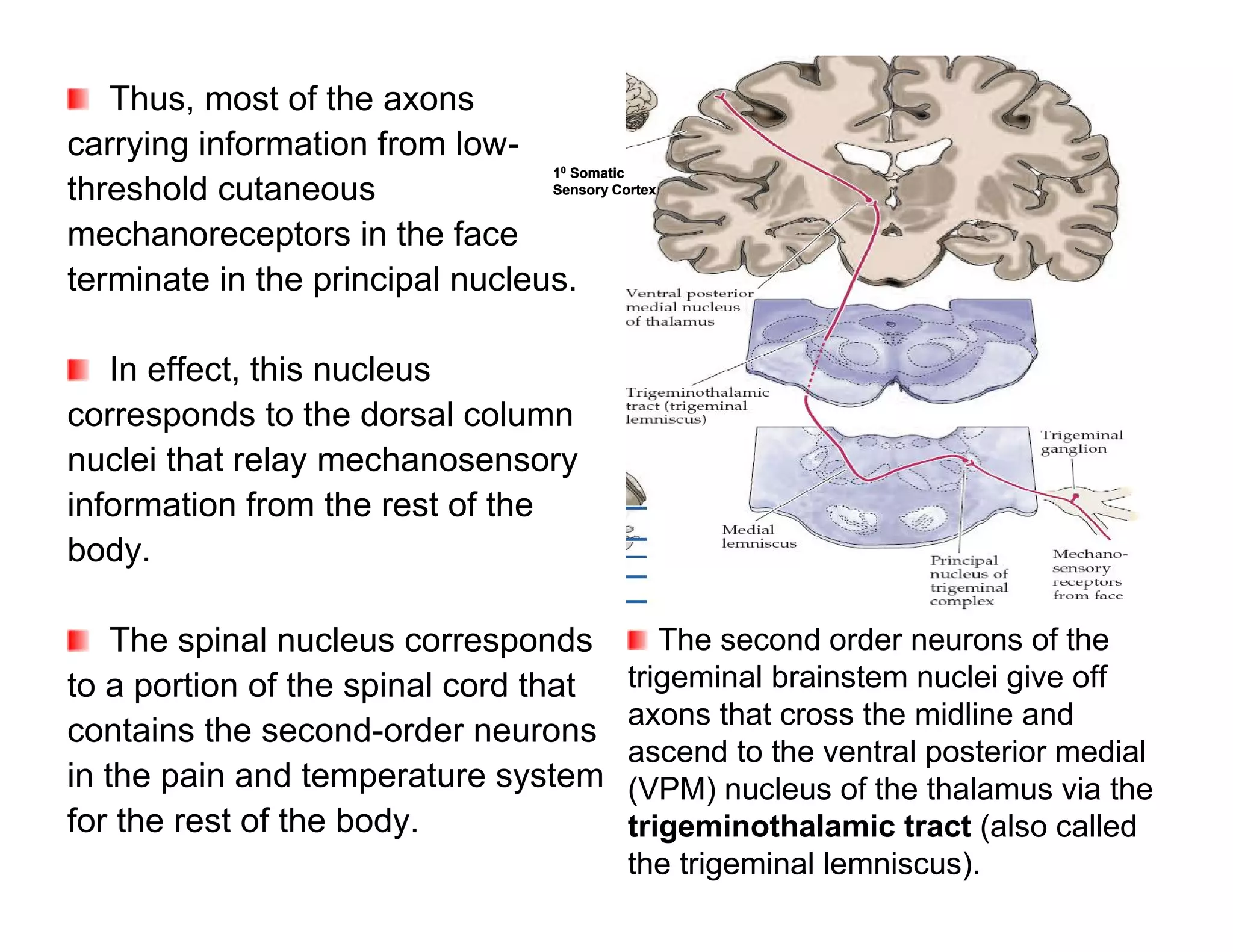
The Trigeminal Portion of the Mechanosensory System
   As noted, the dorsal column–medial lemniscus pathway
described in the preceding section carries somatic information
from only the upper and lower body and from the posterior third
of the head.

  Tactile and proprioceptive information from the face is
conveyed from the periphery to the thalamus by a different route
called trigeminal somatic sensory system.

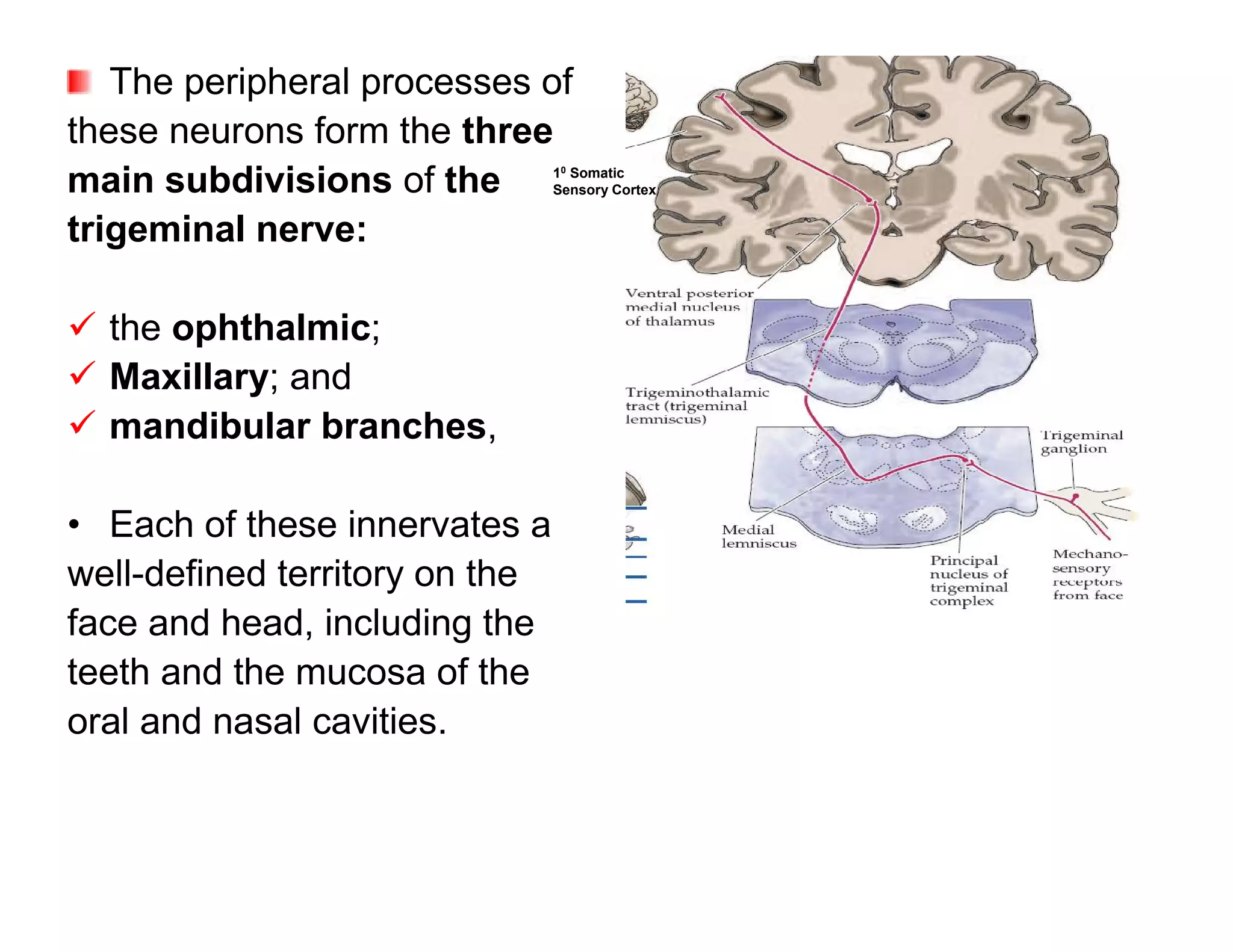
    Low-threshold mechanoreception in the face is mediated by
first order neurons in the trigeminal (cranial nerve V) ganglion.
The peripheral processes of
these neurons form the three
main subdivisions of the        10 Somatic
                                Sensory Cortex


trigeminal nerve:

 the ophthalmic;
 Maxillary; and
 mandibular branches,

• Each of these innervates a
well-defined territory on the
face and head, including the
teeth and the mucosa of the
oral and nasal cavities.
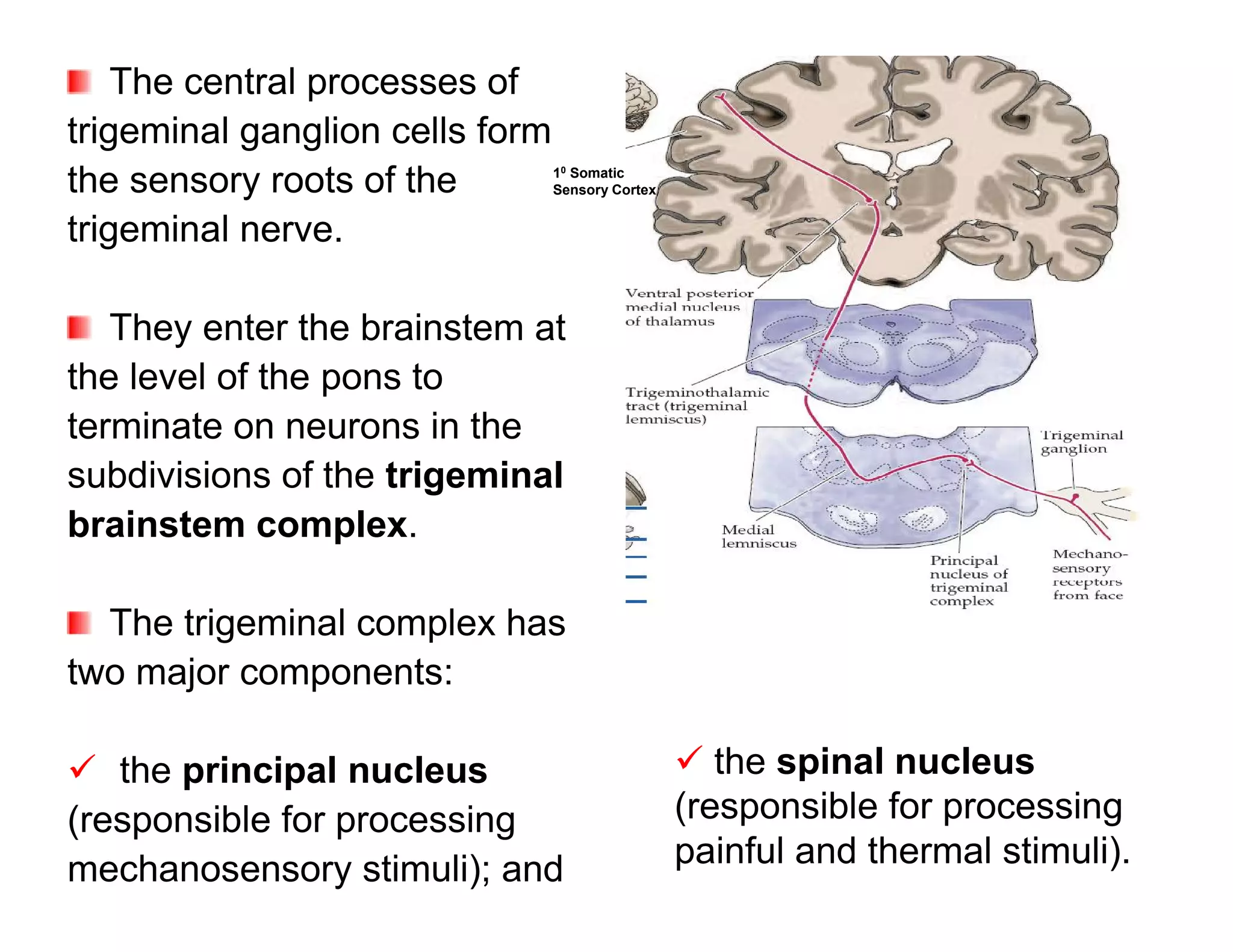
The central processes of
trigeminal ganglion cells form
the sensory roots of the         10 Somatic
                                 Sensory Cortex


trigeminal nerve.

   They enter the brainstem at
the level of the pons to
terminate on neurons in the
subdivisions of the trigeminal
brainstem complex.

  The trigeminal complex has
two major components:

 the principal nucleus                            the spinal nucleus
(responsible for processing                       (responsible for processing
mechanosensory stimuli); and                      painful and thermal stimuli).
Thus, most of the axons
carrying information from low-
                                       0
                                 1 Somatic
threshold cutaneous              Sensory Cortex


mechanoreceptors in the face
terminate in the principal nucleus.

   In effect, this nucleus
corresponds to the dorsal column
nuclei that relay mechanosensory
information from the rest of the
body.

    The spinal nucleus corresponds             The second order neurons of the
to a portion of the spinal cord that        trigeminal brainstem nuclei give off
                                            axons that cross the midline and
contains the second-order neurons
                                            ascend to the ventral posterior medial
in the pain and temperature system          (VPM) nucleus of the thalamus via the
for the rest of the body.                   trigeminothalamic tract (also called
                                            the trigeminal lemniscus).
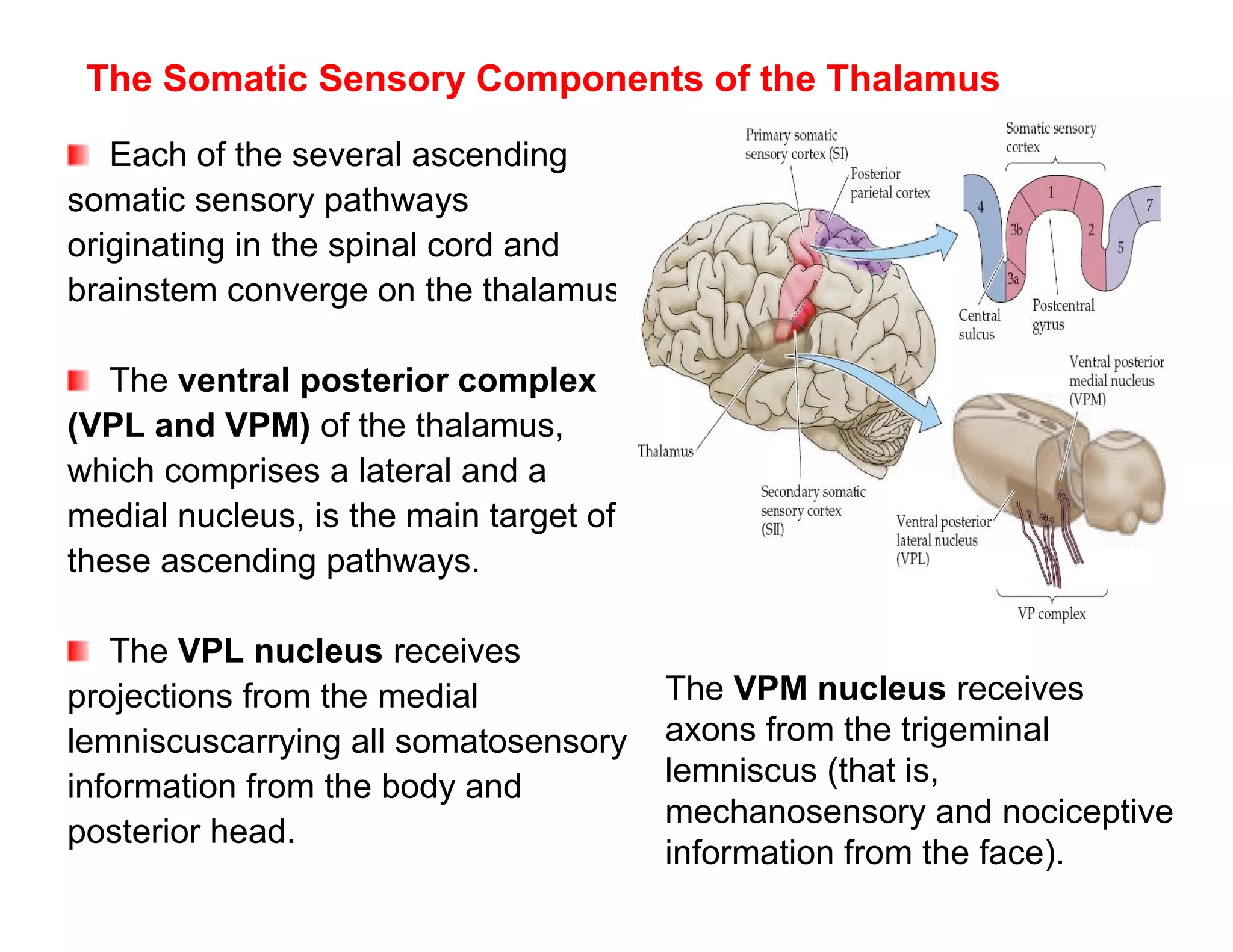
The Somatic Sensory Components of the Thalamus

   Each of the several ascending
somatic sensory pathways
originating in the spinal cord and
brainstem converge on the thalamus.

   The ventral posterior complex
(VPL and VPM) of the thalamus,
which comprises a lateral and a
medial nucleus, is the main target of
these ascending pathways.

   The VPL nucleus receives
projections from the medial             The VPM nucleus receives
lemniscuscarrying all somatosensory     axons from the trigeminal
information from the body and           lemniscus (that is,
                                        mechanosensory and nociceptive
posterior head.
                                        information from the face).
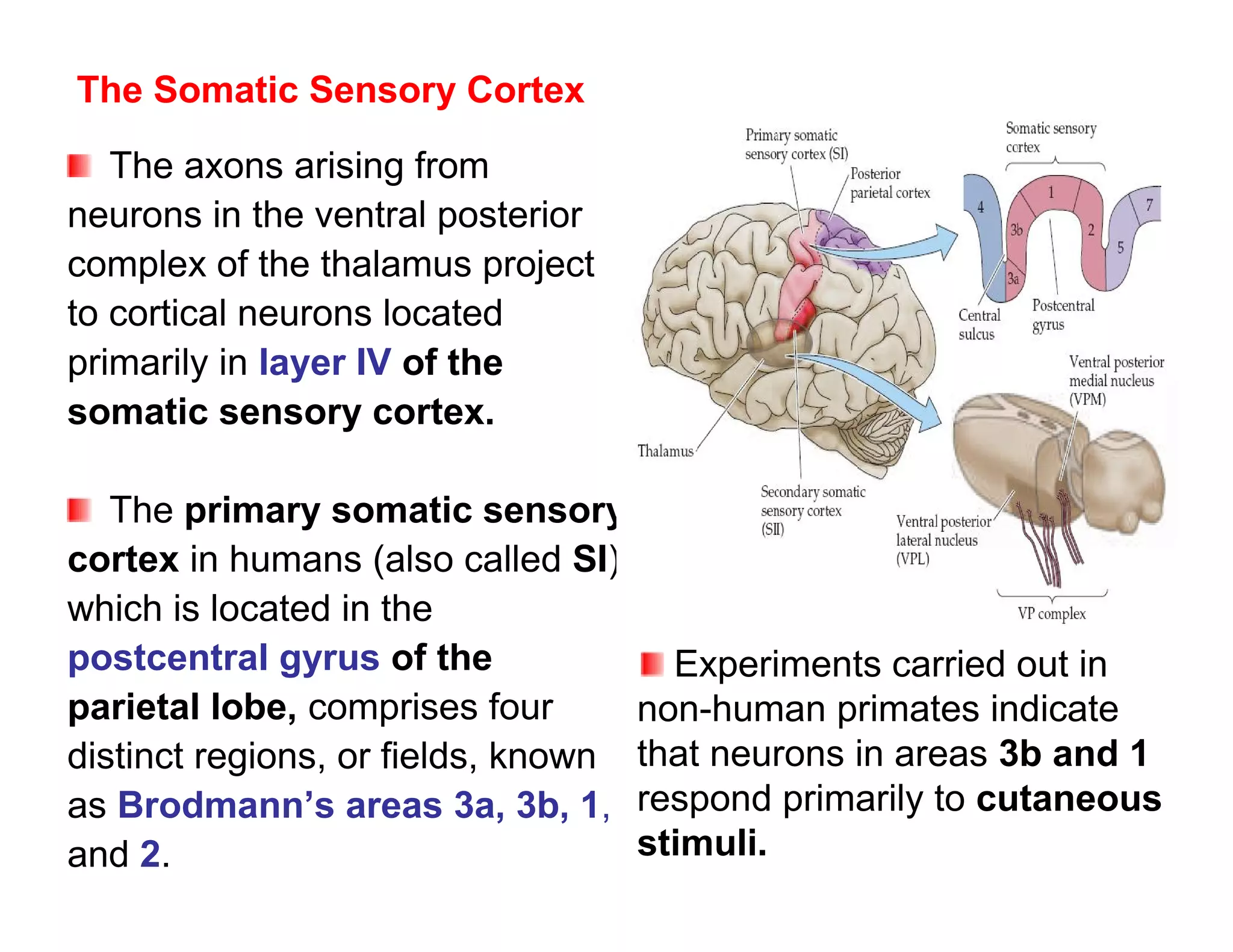
The Somatic Sensory Cortex

   The axons arising from
neurons in the ventral posterior
complex of the thalamus project
to cortical neurons located
primarily in layer IV of the
somatic sensory cortex.

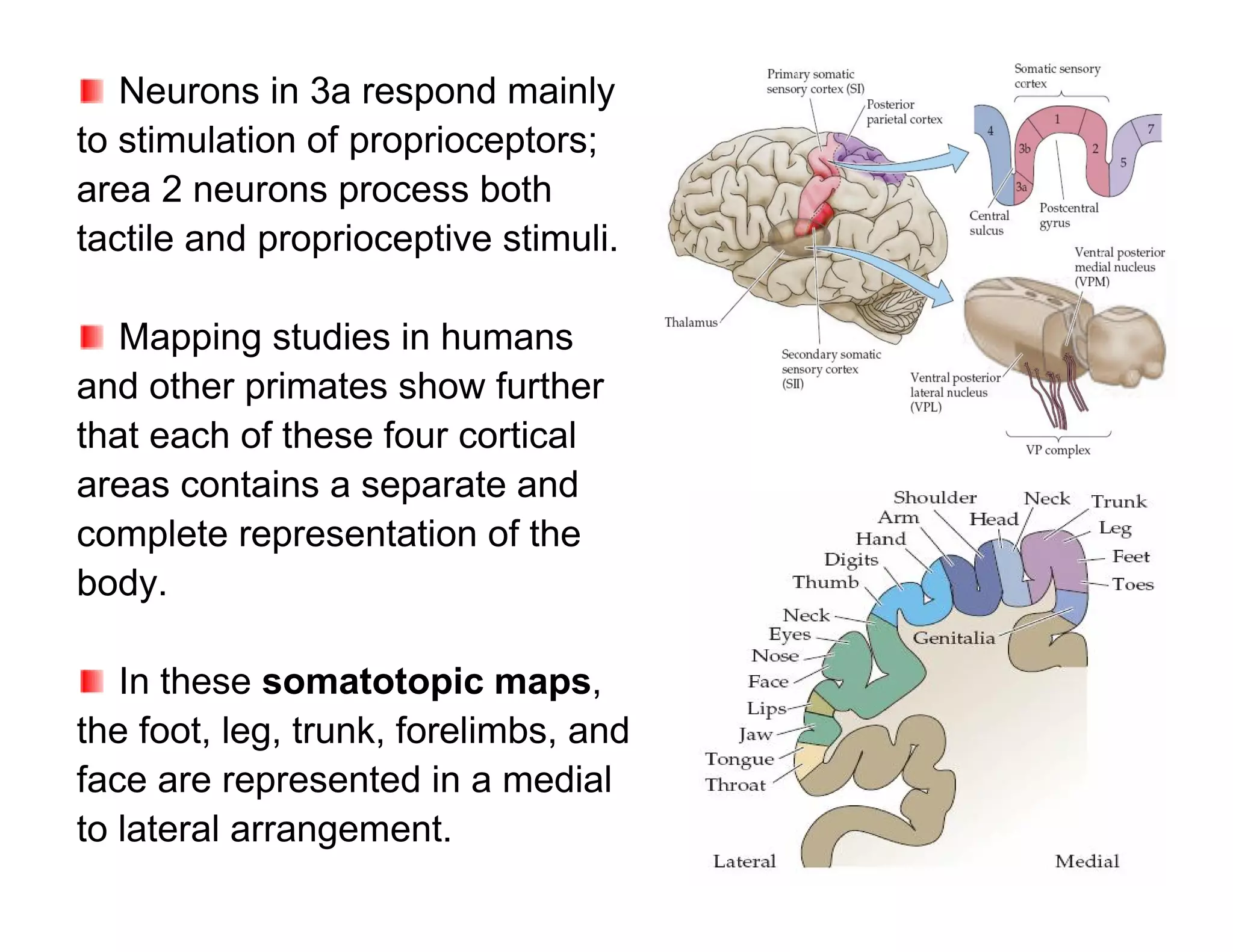
   The primary somatic sensory
cortex in humans (also called SI),
which is located in the
postcentral gyrus of the             Experiments carried out in
parietal lobe, comprises four      non-human primates indicate
distinct regions, or fields, known that neurons in areas 3b and 1
as Brodmann’s areas 3a, 3b, 1, respond primarily to cutaneous
and 2.                             stimuli.
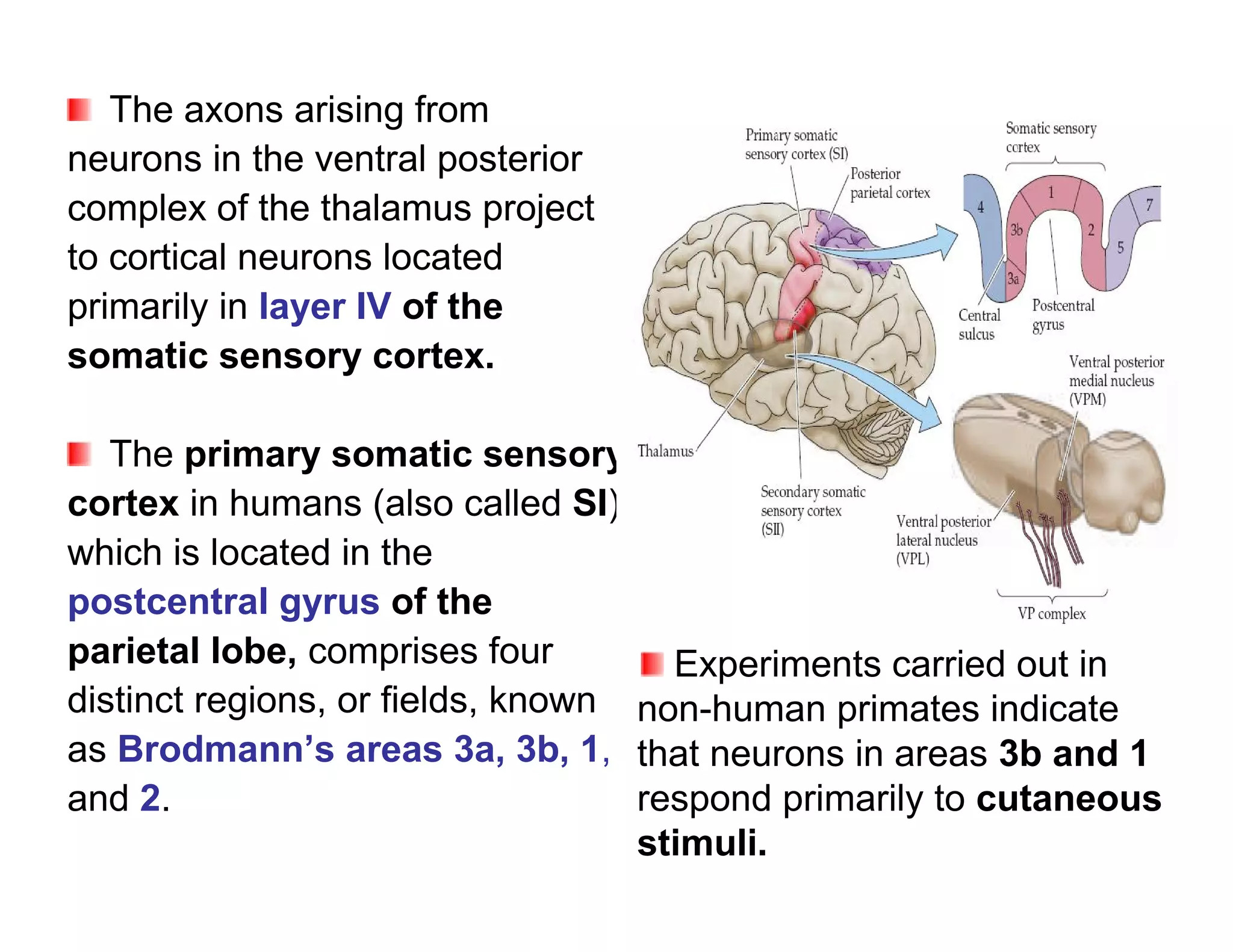
The axons arising from
neurons in the ventral posterior
complex of the thalamus project
to cortical neurons located
primarily in layer IV of the
somatic sensory cortex.

   The primary somatic sensory
cortex in humans (also called SI),
which is located in the
postcentral gyrus of the
parietal lobe, comprises four        Experiments carried out in
distinct regions, or fields, known non-human primates indicate
as Brodmann’s areas 3a, 3b, 1, that neurons in areas 3b and 1
and 2.                             respond primarily to cutaneous
                                   stimuli.
Neurons in 3a respond mainly
to stimulation of proprioceptors;
area 2 neurons process both
tactile and proprioceptive stimuli.

   Mapping studies in humans
and other primates show further
that each of these four cortical
areas contains a separate and
complete representation of the
body.

   In these somatotopic maps,
the foot, leg, trunk, forelimbs, and
face are represented in a medial
to lateral arrangement.
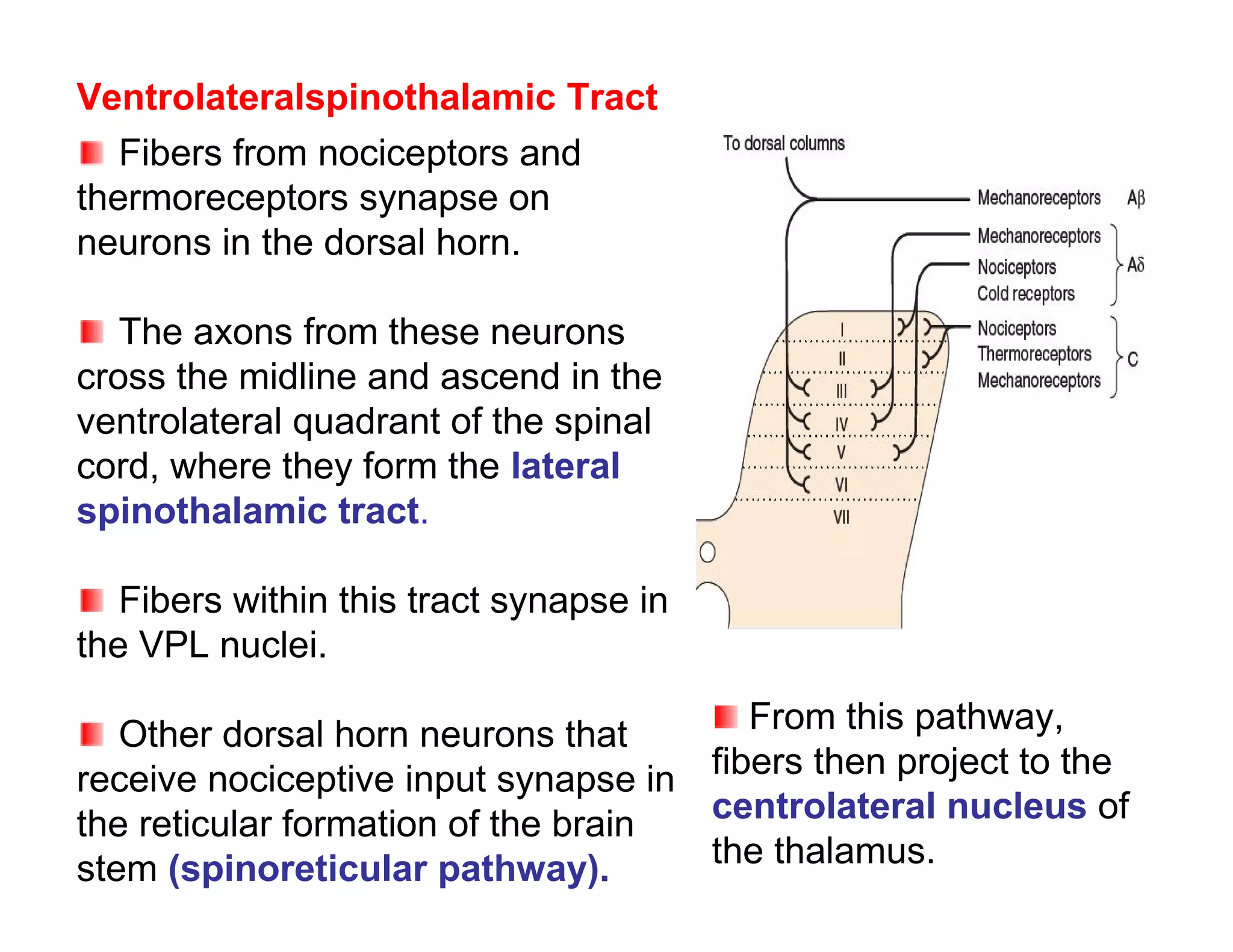
Ventrolateralspinothalamic Tract
   Fibers from nociceptors and
thermoreceptors synapse on
neurons in the dorsal horn.

   The axons from these neurons
cross the midline and ascend in the
ventrolateral quadrant of the spinal
cord, where they form the lateral
spinothalamic tract.

   Fibers within this tract synapse in
the VPL nuclei.

   Other dorsal horn neurons that       From this pathway,
receive nociceptive input synapse in fibers then project to the
the reticular formation of the brain centrolateral nucleus of
stem (spinoreticular pathway).       the thalamus.
Positron emission tomographic (PET) and functional
magnetic resonance imaging (fMRI) studies in normal
humans indicate that pain activates cortical areas SI, SII, and
the cingulate gyrus on the side opposite the stimulus.

  Also,the mediofrontal cortex and insular cortex are activated.
These technologies were important in distinguishing
two components of pain pathways.

  From VPL nuclei in the thalamus, fibers project to SI and SII.

   This is called the neospinothalamic tract, and it is
responsible for the immediate awareness of the painful
sensation and the awareness of the location of the noxious
stimulus.
The pathway that includes synapses in the brain stem reticular
formation and centrolateral thalamic nucleus projects to the
frontal lobe, limbic system, and insula.

  This is called the paleospinothalamic tract, and it mediates
the emotional response to pain.

  In the CNS, visceral sensation travels along the same
pathways as somatic sensation in the spinothalamic tracts and
thalamic radiations, and the cortical receiving areas for visceral
sensation are intermixed with the somatic receiving areas.

  This likely contributes to the phenomenon called referred
pain.
Dorsal Column Medial Lemniscal Pathway   Spinothalamic (anterolateral) Pathway
PHYSIOLOGY OF PAIN
   Pain is defined by the International Association for the
Study of Pain (IASP) as “an unpleasant sensory and emotional
experience associated with actual or potential tissue damage….”

    This is different from nociception, which the IASP defines as
the unconscious activity induced by a harmful stimulus applied to
sense receptors.

   Pain can be classified mainly into two as:

A) Physiological (or acute) pain
    Acute pain typically has a sudden onset and recedes during
the healing process.

   It can be considered “good pain” because it serves an
important protective mechanism.
The withdrawal reflex is an example of this protective role
of pain.

B) Pathological (Chronic) Pain
     Chronic pain can be considered “bad pain” because it
persists long after recovery from an injury and is often refractory
to common analgesic agents, including nonsteroidal anti-
inflammatory drugs (NSAIDs) and opiates.

    It can result from nerve injury including diabetic
neuropathy, toxin-induced nerve damage, and ischemia.

      Pathological pain can be subdivided into:

i)    Inflammatory pain; and
ii)   neuropathic pain
Hyperalgesia and Allodynia

   Pain that is often accompanied by, an exaggerated response
to a noxious stimulus is called hyperalgesia.

   Allodynia is a sensation of pain in response to an innocuous
stimulus.

  An example of allodynia is the painful sensation from a warm
shower when the skin is damaged by sunburn.

  Hyperalgesia and allodynia signify increased sensitivity of
nociceptive afferent fibers.
In response to tissue injury                                 Injured cells release
chemical mediators can                                       chemicals such as K+ that
sensitize and activate                                       depolarize nerve terminals,
nociceptors thereby                                          making nociceptors more
contributing to hyperalgesia                                 responsive.
and allodynia.
                                                               Injured cells also release
                                                             bradykinin and substance P,
                                                             which can further sensitize
                                                             nociceptive terminals.

                                                               Other Chemicals include:

                                                              histamine is released from
                                                               mast cells;
                                                              serotonin (5-HT) from
                                                               platelets;
Adopted from Kandel ER, Schwartz JH, Jessell TM [editors]:
Principles of Neural Science. McGraw-Hill, 2000.
calcitonin gene-related peptide    All these chemicals
(CGRP) from nerve terminals; and contribute to the
                                 inflammatory process and
prostaglandins from cell        activating or sensitizing the
membranes.                       nociceptors.

                                                               Substance P acts on mast
                                                             cells to cause degranulation
                                                             and release of histamine,
                                                             which activates nociceptors
                                                             and plasma extravasation

                                                                CGRP dilates blood
                                                             vessels that together with the
                                                             plasma extravasation result
                                                             in edema formation.

Adopted from Kandel ER, Schwartz JH, Jessell TM [editors]:
Principles of Neural Science. McGraw-Hill, 2000.
The resulting edema causes                                    Some released
additional release of bradykinin.                            substances act by releasing
                                                             another one (e.g., bradykinin
                                                             activates both Aδ and C
                                                             fibers and increases
                                                             synthesis and release of
                                                             prostaglandins).

                                                                Prostaglandin E2 (a
                                                             cyclooxygenase metabolite
                                                             of arachidonic acid) is
                                                             released from damaged cells
                                                             and produces hyperalgesia.

                                                                This is why aspirin and
                                                             other NSAIDs (inhibitors of
                                                             cyclooxygenase) alleviate
Adopted from Kandel ER, Schwartz JH, Jessell TM [editors]:   Pain.
Principles of Neural Science. McGraw-Hill, 2000.
Sensory Coding
   Converting a receptor stimulus to a recognizable sensation is
termed sensory coding.

   All sensory systems code for four elementary attributes of a
stimulus: modality, location, intensity, and duration.

  Modality is the type of energy transmitted by the stimulus.

  The particular form of energy to which a receptor is most
sensitive is called its adequate stimulus.

   Location is the site on the body or space where the stimulus
originated.

   A sensory unit is a single sensory axon and all its peripheral
branches while the receptive field of a sensory unit is the spatial
distribution from which a stimulus produces a response in that
unit.
One of the most important mechanisms that enable
localization of a stimulus site is lateral inhibition.

   Activity arising from sensory neurons whose receptors are at
the peripheral edge of the stimulus is inhibited compared to that
from the sensory neurons at the center of the stimulus.

  Thus, lateral inhibition enhances the contrast between the
center and periphery of a stimulated area and increases the
ability of the brain to localize a sensory input.

   Lateral inhibition underlies the neurological assessment
called the two-point discrimination test, which is used to test
the integrity of the dorsal column (medial lemniscus) system.
Intensity is signaled by the response amplitude or frequency
of action potential generation.

   Duration refers to the time from start to end of a response in
the receptor.

   If a stimulus of constant strength is applied to a receptor, the
frequency of the action potentials in its sensory nerve declines
over time.

   This phenomenon is known as adaptation or desensitization;
the degree to which it occurs varies from one sense to another.

  Based on this phenomenon, receptors can be classified into:

 rapidly adapting (phasic) receptors; and
 slowly adapting (tonic) receptors.
Central Pain Pathways
   The pathways that carry information about noxious stimuli to
the brain, as might be expected for such an important and
multifaceted system, are also complex.

  It helps in understanding this complexity to distinguish two
components of pain:

 the sensory discriminative component, which signals the
  location, intensity, and quality of the noxious stimululation,
 the affective-motivational component of pain—which signals
  the unpleasant quality of the experience, and enables the
  autonomic activation that follows a noxious stimulus.

  The discriminative component is thought to depend on
pathways that target the traditional somatosensory areas of
cortex, while the affective- motivational component is thought to
depend on additional cortical and brainstem pathways.
Pathways responsible for the discriminative component of pain
originate with other sensory neurons, in dorsal root ganglia and,
like other sensory nerve cells the central axons of nociceptive
nerve cells enter the spinal cord via the dorsal roots.

   When these centrally projecting axons reach the dorsal horn of
the spinal cord, they branch into ascending and descending
collaterals, forming the dorsolateral tract of Lissauer.

   Axons in Lissauer’s tract typically run up and down for one or
two spinal cord segments before they penetrate the gray matter
of the dorsal horn.

   Once within the dorsal horn, the axons give off branches that
contact neurons located in several of Rexed’s laminae (these
laminae are the descriptive divisions of the spinal gray matter in
cross section).
The axons of these second-order neurons in the dorsal horn of
the spinal cord cross the midline and ascend all the way to the
brainstem and thalamus in the anterolateral (also called
ventrolateral) quadrant of the contralateral half of the spinal cord.

  These fibers form the spinothalamic tract, the major
ascending pathway for information about pain and temperature.

   This overall pathway is also referred to as the anterolateral
system, much as the mechanosensory pathway is referred to as
the dorsal column–medial lemniscus system.

   The location of the spinothalamic tract is particularly important
clinically because of the characteristic sensory deficits that follow
certain spinal cord injuries.
Since the mechanosensory pathway ascends ipsilaterally in the
cord, a unilateral spinal lesion will produce sensory loss of touch,
pressure, vibration, and proprioception below the lesion on the
same side.

  The pathways for pain and temperature, however, cross the
midline to ascend on the opposite side of the cord.

   Therefore, diminished sensation of pain below the lesion will be
observed on the side opposite the mechanosensory loss (and the
lesion).

   This pattern is referred to as a dissociated sensory loss and
(together with local dermatomal signs) helps define the level of the
lesion.
As is the case of the mechanosensory pathway, information
about noxious and thermal stimulation of the face follows a separate
route to the thalamus.

   First-order axons originating from the trigeminal ganglion cells
and from ganglia associated with nerves VII, IX, and X carry
information from facial nociceptors and thermoreceptors into the
brainstem.

    After entering the pons, these small myelinated and unmyelinated
trigeminal fibers descend to the medulla, forming the spinal
trigeminal tract (or spinal tract of cranial nerve V), and terminate in
two subdivisions of the spinal trigeminal complex:

 the pars interpolari; and
 pars caudalis.
Axons from the second-order neurons in these two trigeminal
nuclei, like their counterparts in the spinal cord, cross the midline
and ascend to the contralateral thalamus in the trigeminothalamic
tract.

  The principal target of the spinothalamic and trigeminothalamic
pathway is the ventral posterior nucleus of the thalamus.

   Similar to the organization of the mechanosensory pathways,
information from the body terminates in the VPL, while information
from the face terminate in the VPM.

  These nuclei send their axons to primary and secondary
somatosensory cortex.

    The nociceptive information transmitted to these cortical areas
is thought to be responsible for the discriminative component of pain:
 identifying the location;

 the intensity; and

 quality of the stimulation.

  Consistent with this interpretation, electrophysiological
recordings from nociceptive neurons in S1, show that these
neurons have small localized receptive fields, properties
commensurate with behavioral measures of pain localization.

   The affective–motivational aspect of pain is evidently mediated
by separate projections of the anterolateral system to the
reticular formation of the midbrain (in particular the parabrachial
nucleus), and to thalamic nuclei that lie medial to the ventral
posterior nucleus (including the so-called intralaminar nuclei).
Studies in rodents show that neurons in the parabrachial
nucleus respond to most types of noxious stimuli, and have large
receptive fields that can include the whole surface of the body.

   Neurons in the parabrachial nucleus project in turn to the
hypothalamus and the amygdala, thus providing nociceptive
information to circuits known to be concerned with motivation and
affect.

   These parabrachial targets are also the source of projections to
the periaqueductal grey of the midbrain, a structure that plays an
important role in the descending control of activity in the pain
pathway.
Nociceptive inputs to the parabrachial nucleus and to the
ventral posterior nucleus arise from separate populations of
neurons in the dorsal horn of the spinal cord.

   Parabrachial inputs arise from neurons in the most superficial
part of the dorsal horn (lamina I), while ventral posterior inputs
arise from deeper parts of the dorsal horn (e.g., lamina V).

   By taking advantage of the unique molecular signature of these
two sets of neurons, it has been possible to selectively eliminate
the nociceptive inputs to the parabrachial nucleus in rodents.

   In these animals, the behavioral responses to the presentation
of noxious stimulation (capsaicin, for example) are substantially
attenuated.
Projections from the anterolateral system to the medial thalamic
nuclei provide nociceptive signals to areas in the frontal lobe, the
insula and the cingulate cortex.

  In accord with this anatomy, functional imaging studies in
humans have shown a strong correlation between activity in the
anterior cingulate cortex and the experience of a painful stimulus.

   Moreover, experiments using hypnosis have been able to tease
apart the neural response to changes in the intensity of a painful
stimulus from changes in its unpleasantness.

   Changes in intensity are accompanied by changes in the
activity of neurons in somatosensory cortex, with little change in
the activity of cingulate cortex, whereas changes in
unpleasantness are correlated with changes in the activity of
neurons in cingulate cortex.
The cortical representation of pain is the least well documented
aspect of the central pathways for nociception, and further studies
will be needed to elucidate the contribution of regions outside the
somatosensory areas of the parietal lobe.

   Nevertheless, a prominent role for these areas in the perception
of pain is suggested by the fact that ablations of the relevant
regions of the parietal cortex do not generally alleviate chronic
pain (although they impair contralateral mechanosensory
perception, as expected).
Some Disorders of Sensory System
1. Referred Pain

• There are few, if any, neurons in the dorsal horn of the spinal
cord that are specialized solely for the transmission of visceral
pain.

• The visceral pain is conveyed centrally via dorsal horn
neurons that are also concerned with cutaneous pain.

• As a result of this arrangement, disorder of an internal organ
is sometimes perceived as cutaneous pain.
• This phenomenon is called referred pain.

• The most common clinical example is anginal pain which is
referred to the upper chest wall, with radiation into the left arm
and hand.
Other important examples are:

 gallbladder pain referred to the scapular region;

 esophogeal pain referred to the chest wall;

 ureteral pain (e.g., from passing a kidney stone) referred to the
  lower abdominal wall;

 bladder pain referred to the perineum; and

 the pain from an inflamed appendix referred to the anterior
  abdominal wall around the umbilicus.

   Understanding referred pain can lead to an astute diagnosis
that might otherwise be missed.
2. Phantom Limbs and Phantom Pain
  Following the amputation of an extremity, nearly all patients
have an illusion that the missing limb is still present.

  Although this illusion usually diminishes over time, it persists in
some degree throughout the amputee’s life and can often be
reactivated by injury to the stump or other perturbations.

  Such phantom sensations are not limited to amputated limbs
but there could also be:

 phantom breasts following mastectomy;

 phantom genitalia following castration; and

 phantoms of the entire lower body following spinal cord
  transection.
Phantoms are also common after local nerve block for
surgery and sometimes during recovery from brachial plexus
anesthesia.

   These sensory phantoms demonstrate that the central
machinery for processing somatic sensory information is not idle
in the absence of peripheral stimuli.

   Apparently, the central sensory processing apparatus
continues to operate independently of the periphery, giving rise
to these bizarre sensations.

  The resulting condition is refered to as, a chronic, intensely
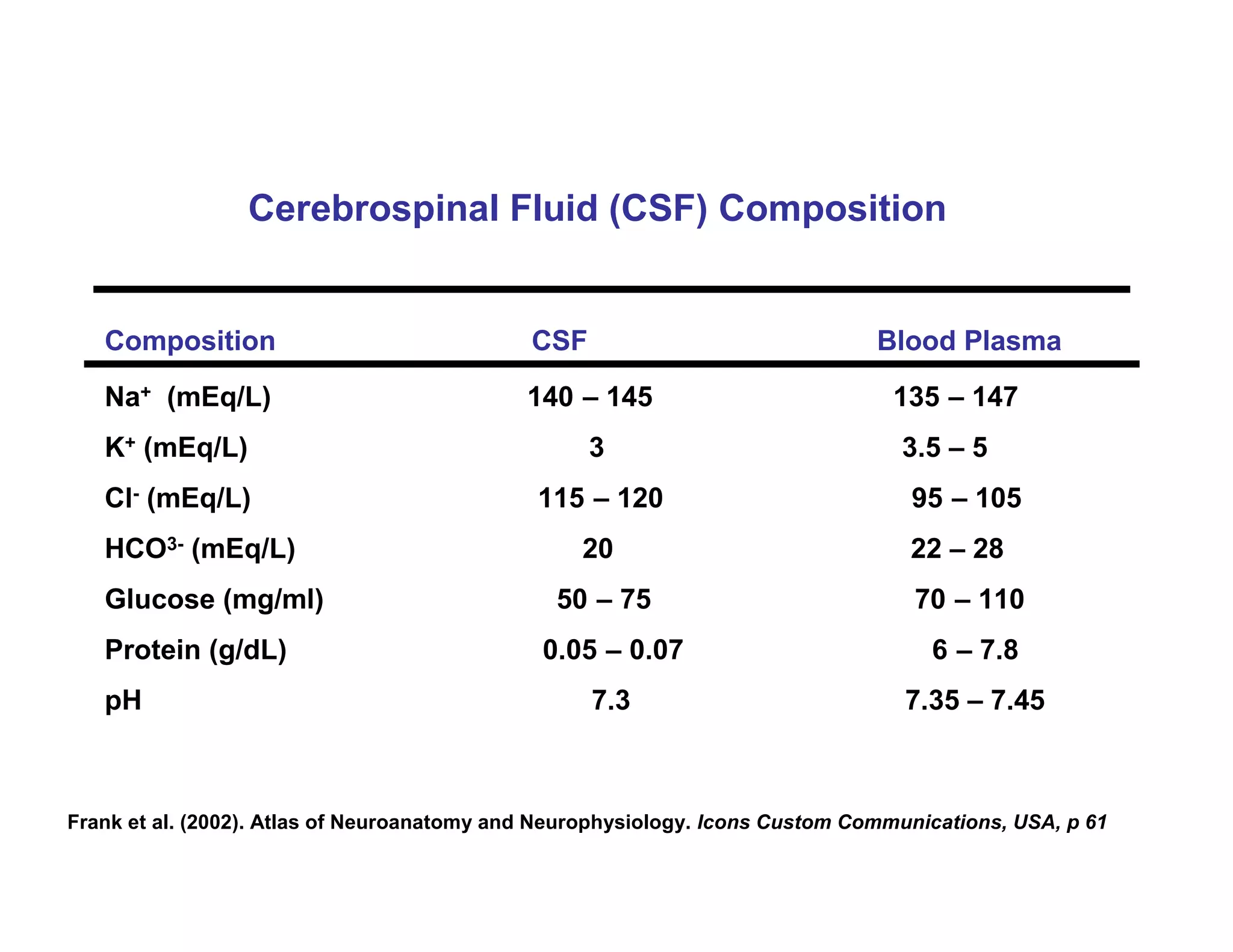
painful experience that is difficult to treat with conventional
analgesic medications.
Neurogenic Quote

……..from this description, it should be evident that

the full experience of sensory sensations (including

mechanosensation, pain and temperature) involve the

cooperative action of an extensive network of brain

regions whose properties are only beginning to be

understood…….
MOVEMENT AND ITS CENTRAL CONTROL
  Movements, whether voluntary or involuntary, are produced
by muscular contractions orchestrated by the brain and spinal
cord.

   Analysis of these circuits is fundamental to an understanding
of both normal behavior and the etiology of a variety of
neurological disorders.

  Ultimately, all movements produced by the skeletal
musculature are initiated by “lower” motor neurons in the spinal
cord and brainstem that directly innervate skeletal muscles.

  The innervation of visceral smooth muscles is separately
organized by the autonomic divisions of the visceral motor
system.
The lower motor neurons are controlled:

 directly by local circuits within the spinal cord and brainstem
  that coordinate individual muscle groups; and

 indirectly by “upper” motor neurons in higher centers that
  regulate those local circuits, thus enabling and coordinating
  complex sequences of movements.

   Especially important of the circuits are in the basal ganglia
and cerebellum that regulate the upper motor neurons, ensuring
that movements are performed with spatial and temporal
precision.

  Specific disorders of movement often signify damage to a
particular brain region.
Some clinically important and intensively studied
neurodegenerative disorders such as Parkinson’s disease,
Huntington’s disease, and amyotrophic lateral sclerosis
result from pathological changes in different parts of the motor
system.

   Knowledge of the various levels of motor control is essential
for understanding, diagnosing, and treating these diseases.
Overall organization of neural structures involved in the control of movement
Lower and Upper Motor Neurons

• Skeletal (striated) muscle contraction is initiated by “lower”
motor neurons in the spinal cord and brainstem.

• The cell bodies of the lower neurons are located in the
ventral horn of the spinal cord gray matter and in the motor
nuclei of the cranial nerves in the brainstem.

• The cell bodies of upper motor neurons are located either in
the cortex or in brainstem centers, such as the vestibular
nucleus, the superior colliculus, and the reticular formation.

• The axons of the upper motor neurons typically contact the
local circuit neurons in the brainstem and spinal cord, which,
via relatively short axons, contact in turn the appropriate
combinations of lower motor neurons.
These neurons (also called α motor neurons) send axons
directly to skeletal muscles via the ventral roots and spinal
peripheral nerves, or via cranial nerves in the case of the
brainstem nuclei.

   The spatial and temporal patterns of activation of lower motor
neurons are determined primarily by local circuits located
within the spinal cord and brainstem.

  Descending pathways from higher centers comprise the
axons of “upper” motor neurons and modulate the activity of
lower motor neurons by influencing this local circuitry.
The local circuit neurons also receive direct input from
sensory neurons, thus mediating important sensory motor
reflexes that operate at the level of the brainstem and spinal
cord.

  Lower motor neurons, therefore, are the final common
pathway for transmitting neural information from a variety of
sources to the skeletal muscles.

Neural Centers Responsible for Movement

  The neural circuits responsible for the control of movement
can be divided into four distinct but highly interactive
subsystems, each of which makes a unique contribution to
motor control.
The first of these subsystems is the local circuitry within the
gray matter of the spinal cord and the analogous circuitry in the
brainstem.

  The relevant cells of this subsystem include:

 the lower motor neurons (which send their axons out of the
  brainstem and spinal cord to innervate the skeletal muscles of
  the head and body, respectively); and

 the local circuit neurons (which are the major source of
  synaptic input to the lower motor neurons).

  All commands for movement, whether reflexive or voluntary,
are ultimately conveyed to the muscles by the activity of the lower
motor neurons.

  Thus these neurons comprise, the “final common path” for
movement.
The second motor subsystem consists of the upper motor
neurons whose cell bodies lie in the brainstem or cerebral cortex

   Axons of the upper motor neurons descend to synapse with the local
circuit neurons or, more rarely, with the lower motor neurons directly.

  The upper motor neuron pathways that arise in the cortex are
essential for the initiation of voluntary movements and for complex
spatiotemporal sequences of skilled movements.

   In particular, descending projections from cortical areas in the frontal
lobe, including:

 Brodmann’s area 4 (the primary motor cortex);
 the lateral part of area 6 (the lateral premotor cortex); and
 the medial part of area 6 (the medial premotor cortex)

• Are essential for planning, initiating, and directing sequences of
voluntary movements.
Upper motor neurons originating in the brainstem are
responsible for regulating muscle tone and for orienting the eyes,
head, and body with respect to vestibular, somatic, auditory, and
visual sensory information.

  Their contributions are thus critical for basic navigational
movements, and for the control of posture.

   The third and larger of these subsystems, the cerebellum, is
located on the dorsal surface of the pons.

   The cerebellum acts via its efferent pathways to the upper
motor neurons as a servomechanism, detecting the difference,
or “motor error,” between an intended movement and the
movement actually performed.
The cerebellum uses this information about discrepancies to
mediate both real-time and long-term reductions in these motor
errors (the latter being a form of motor learning).

  As might be expected from this account, patients with
cerebellar damage exhibit persistent errors in movement.

   The fourth subsystem, embedded in the depths of the
forebrain, consists of a group of structures collectively referred to
as the basal ganglia.

   The basal ganglia suppress unwanted movements and
prepare (or “prime”) upper motor neuron circuits for the initiation
of movements.
The problems associated with disorders of basal ganglia, such as
Parkinson’s disease and Huntington’s disease, attest to the
importance of this complex in the initiation of voluntary movements.

   Despite much effort, the sequence of events that leads from
volitional thought to movement is still poorly understood.

  The picture is clearest, however, at the level of control of the
muscles themselves.

  It therefore makes sense to begin an account of motor behavior
by considering the anatomical and physiological relationships
between lower motor neurons and the muscle fibers they innervate.

  The third and fourth subsystems are complex circuits with output
pathways that have no direct access to either the local circuit
neurons or the lower motor neurons; instead, they control
movement by regulating the activity of the upper motor neurons.
Upper motor neuron and their control of the
           Brainstem and the spinal cord
 The axons of upper motor neurons descend from higher
centers to influence the local circuits in the brainstem and
spinal cord

 This is done by coordinating the activity of lower motor
neurons.

 The sources of these upper motor neuron pathways include:

several brainstem centers; and

a number of cortical areas in the frontal lobe.

Upper motor neurons in the Brain Stem

  The motor control centers in the brainstem are especially
important in postural control each having a distinct influence:
i) the vestibular nuclear complex; and

ii) the reticular formation

   The above two have widespread effects on body position.

iii) the red nucleus controls movements of the arms;

iv) the superior colliculus contains upper motor neurons that
    initiate orienting movements of the head and eyes.

Upper motor neurons in the Frontal Lobe

    Upper motor neurons in the frontal cortex are located in:
i) the motor; and

ii) premotor areas
The motor and premotor areas of the frontal lobe are
responsible for the planning and precise control of complex
sequences of voluntary movements.

   Most upper motor neurons, regardless of their source,
influence the generation of movements by directly affecting the
activity of the local circuits in the brainstem and spinal cord.

   Upper motor neurons in the cortex also control movement
indirectly, via pathways that project to the brainstem motor
control centers, which, in turn, project to the local organizing
circuits in the brainstem and cord.

  A major function of these indirect pathways is to maintain the
body’s posture during cortically initiated voluntary movements.
Modulation of Movement by the Cerebellum
   The efferent cells of the
cerebellum do not project
directly either to the local
circuits of the brainstem and
spinal cord that organize
movement, or to the lower motor
neurons that innervate muscles.

  The cerebellum (like the basal
ganglia) influences movements
by    modifying    the   activity
patterns of the upper motor
neurons.

   In fact, the cerebellum sends
prominent projections to virtually
all upper motor neurons.
Structurally, the cerebellum
has two main components:

a laminated cerebellar cortex;
and

a subcortical cluster of cells
 referred to collectively as the
 deep cerebellar nuclei.

   Pathways that reach the
cerebellum (afferent pathways)
from other brain regions (in
humans, predominantly the
cerebral cortex) project to both
components.
The output cells of the cerebellar cortex project to the deep
cerebellar nuclei, which give rise to the main efferent pathways that
leave the cerebellum to regulate upper motor neurons in the
cerebral cortex and brainstem.

  Thus, much like the basal ganglia, the cerebellum is part of a vast
loop that receives projections from and sends projections back to
the cerebral cortex and brainstem.

  The primary function of the cerebellum is evidently to detect the
difference, or “motor error,” between an intended movement and
the actual movement, and, through its projections to the upper
motor neurons, to reduce the error.

  These corrections can be made both during the course of the
movement and as a form of motor learning when the correction is
stored.

  When this feedback loop is damaged, as occurs in many
cerebellar diseases, the afflicted individuals make persistent
movement errors whose specific character depends on the location
of the damage.
Organization of the Cerebellum
   The cerebellum can be
subdivided into three main
parts based on differences
in their sources of input:

1) Cerebrocerebellum, the
largest subdivision in humans.

 It occupies most of the
 lateral cerebellar
 hemisphere and receives
 input from many areas of
 the cerebral cortex.

 This region of the cerebellum
  is especially well developed
  in primates.
 The cerebrocerebellum is
  concerned with the
  regulation of highly skilled
  movements, especially the
  planning and execution of
  complex spatial and temporal
  sequences of movement
  (including speech).

2) Vestibulocerebellum, the
phylogenetically oldest part of
the cerebellum.

 This portion comprises the
  caudal lobes of the
  cerebellum that includes:

 the flocculus; and
 the nodulus.
 As its name suggests, the
  vestibulocerebellum receives
  input from the vestibular nuclei
  in the brainstem and is primarily
  concerned with the regulation of
  movements underlying posture
  and equilibrium.

3) Spinocerebellum is the last of
the major subdivisions of the
cerebellum.

 The spinocerebellum occupies
  the median and paramedian
  zone of the cerebellar
  hemispheres and is the only part
  that receives input directly from
  the spinal cord.
 The lateral part of the
  spinocerebellum is primarily
  concerned with movements of
  distal muscles, such as the
  relatively gross movements of
  the limbs in walking.

 The central part, called the
  vermis, is primarily concerned
  with movements of proximal
  muscles, and also regulates eye
  movements in response to
  vestibular inputs.
Connections between Cerebellum and other NS Regions


   The connections between the cerebellum and other parts of the
nervous system occur via three large pathways called cerebellar
peduncles.

i) The superior cerebellar peduncle (or brachium conjunctivum)
is almost entirely an efferent pathway.
The neurons that give rise to this pathway are in the deep
cerebellar nuclei, and their axons project to upper motor
neurons in the red nucleus, the deep layers of the superior
colliculus, and, after a relay in the dorsal thalamus, the primary
motor and premotor areas of the cortex.
ii) The middle cerebellar
peduncle (or brachium pontis)
is an afferent pathway to the
cerebellum.

  Most of the cell bodies that
give rise to this pathway are in
the base of the pons, where they
form the pontine nuclei.

  The pontine nuclei receive
input from a wide variety of
sources, including almost all
areas of the cerebral cortex and
the superior colliculus.

  The axons of the pontine
nuclei, called transverse
pontine fibers, cross the
midline and enter the cerebellum
via the middle cerebellar
peduncle.
The pontine nuclei receive
input from a wide variety of
sources, including almost all
areas of the cerebral cortex
and the superior colliculus.

  The axons of the pontine
nuclei, called transverse
pontine fibers, cross the
midline and enter the
cerebellum via the middle
cerebellar peduncle.

  Each of the two middle
cerebellar peduncles contain
over 20 million axons,
making this one of the largest
pathways in the brain.
Most of these pontine axons
relay information from the
cortex to the cerebellum.

iii) The inferior cerebellar
peduncle (or restiform body)
is the smallest but most
complex of the cerebellar
peduncles.

  It contains multiple afferent
and efferent pathways:

 Efferent pathways in this
 peduncle project to the
 vestibular nuclei and the
 reticular formation;
 the afferent pathways
  include axons from the
  vestibular nuclei, the spinal
  cord, and several regions of
  the brainstem tegmentum.
Summary diagram of motor modulation by the
             cerebrocerebellum
1. The central processing
   component, the
   cerebrocerebellar cortex,
   receives massive input from
   the cerebral cortex.

2. It then generates signals that
   adjust the responses of
   upper motor neurons to
   regulate the course of a
   movement.

3. Note that modulatory inputs
   also influence the processing
   of information within the
   cerebellar cortex.
4. The output signals from the
   cerebellar cortex are relayed
   indirectly to the thalamus and
   then back to the motor
   cortex, where they modulate
   the motor commands.
BASAL GANGLIA
  The    term      “basal   ganglia”
refers to the collection of grey
matter made of cell bodies lying
deep inside the white matter of
the cerebrum, and makes up part
of the midbrain.


  It consists of a large and
                                       Anatomy of the Basal Ganglia
functionally diverse set of nuclei
that lie deep within the cerebral
hemispheres.
The subset of these nuclei
relevant    to   motor      function
includes:

the caudate;

putamen; and

the globus pallidus.

 Two additional structures are:

the substantia nigra in the           Components of the Basal Ganglia

base of the midbrain; and

the subthalamic nucleus in the
ventral thalamus.
These additional structures are closely associated with the
motor functions of these basal ganglia nuclei.


  The components of the basal ganglia, effectively make a
subcortical loop that links most areas of the cortex with upper
motor neurons in the primary motor and premotor cortex and in
the brainstem.


 The neurons in this loop respond in anticipation of and during
movements, and their effects on upper motor neurons are
required for the normal course of voluntary movements.
On the overall, the basal ganglia receive large amount of input
from the cerebral cortex and after processing send it back to the
cerebral cortex via the thalamus.

   This major pathway led to the creation of the popular concept
of cortico-basal ganglia- cortical loops.

   When one of these components of the basal ganglia or
associated structures is compromised, the patient cannot switch
smoothly between commands that initiate a movement and those
that terminate the movement.

  The disordered movements that result can be understood as a
consequence of abnormal upper motor neuron activity in the
absence of the supervisory control normally provided by the
basal ganglia.
The globus pallidus is divided into external and internal
segments (GPe and GPi).

   The substantia nigra is divided into pars compacta and pars
reticulata.

  The caudate nucleus and putamen are collectively called the
(corpus) striatum.

  The putamen and globus pallidus form the lenticular nucleus.

   The main inputs (input zone) to the basal ganglia terminate in
the striatum with their neurons being the destinations of
most of the pathway that reach the basal ganglia from other
parts of the brain.
The inputs from the cerebral cortex that reach the basal
ganglia found their destinations on the dendrites of the medium
spiny neurons in the corpus striatum.
Projections (Input) to the Basal Ganglia
  The connections between the
parts of the basal ganglia include:

  The striatum projects to both GPe
and GPi.
 a dopaminergic nigrostriatal
projection from the substantia nigra
pars compacta to the striatum; and

 a corresponding GABAergic
projection from the striatum to
substantia nigra pars reticulata.


• GPe projects to the subthalamic
nucleus, which in turn projects to
both GPe and GPi.
Projections (output) from the Basal Ganglia
  The principal output from the
basal ganglia is from GPi via
the thalamic fasciculus to the:

 ventral lateral;

 ventral anterior, and

 centromedian nuclei of the
thalamus.

  From the thalamic nuclei, fibers
project to the prefrontal and
premotor cortex.

   The substantia nigra also projects
to the thalamus.
The main feature of the
connections of the basal ganglia is
that:

1. the cerebral cortex projects to the
   striatum,

2. the striatum to GPi,

3. GPi to the thalamus, and

4. the thalamus back to the cortex,
   completing a loop.

   The output from GPi to the
thalamus is inhibitory, whereas
the output from the thalamus to
the cerebral cortex is excitatory.
Functions of the Basal Ganglia
i. Act by modifying ongoing activity in motor pathways.

ii. Inhibit muscle tone (proper tone – balance the excitatory and
inhibitory inputs to motor neurons that innervate skeletal muscle).

iii. Select and maintain purposeful motor activity while
suppressing unwanted patterns of movement

iv. Monitor and coordinate slow and sustained contractions,
especially those related to posture and support.

v. Regulate attention and cognition

vi. Control timing and switching

vii. Motor planning and learning
Circuits within the Basal Ganglia System

A) Direct Pathway

   The pathway to the cortex arises primarily in the internal
globus pallidus and reaches the motor cortex after a relay in the
ventral anterior (VA) and ventral lateral (VL) nuclei of the
dorsal thalamus.

   These two nuclei directly project to motor areas of the cortex
thus completing a vast loop that originates in multiple cortical
areas and terminates back in the motor areas of the frontal lobe.

   In humans for e.g. the corpus striatum contains about 100
million neurons, about 75% of which are medium spiny
neurons.
Organization of the Basal Ganglia
        (direct pathway)


                 Substantia nigra
                 Pars reticulata
Chain of Nerve Cells Arranged in a
       Disinhibitory Circuit
In contrast, the main destination of their axons, the globus
pallidus, comprises only about 700,000 cells.

   Thus on the average about 140 medium spiny neurons
innervate each pallidal cell.

   The efferent neurons of the internal globus pallidus and
subtantia nigra reticulata together give rise to major pathways
that link the basal ganglia with upper motor neurons in the cortex
and brain stem.

   In contrast, the axons from the substantia nigra pars
reticulata synapse on upper motor neurons in the superior
colliculus that command eye movements without relay in the
dorsal thalamus.
This difference between in globus pallidus and substantia
nigra pars reticulata is not absolute.

   This is because many reticulata axons also project to the
thalamus where they contact relay neurons that project to the
frontal eye fields of the premotor cortex.

  Because the efferent cells of both the globus pallidus and the
sustantia nigra pars reticulata are both GABAergic, the main
output of the basal ganglia is inhibitory.

  These output zones (in contrast to the inactive medium spiny
neurons) have high levels of spontaneous activity that tend to
prevent unwanted movements by tonically inhibiting cells in the
superior colliculus and thalamus.
The net effect of the excitatory inputs that reach the striatum
from the cortex is to inhibit the tonically active inhibitory cells
of the globus pallidus and substantia nigra pars reticulata.

   When the pallidal cells are inhibited, the thalamic neurons are
then disinhibited and relay signals from other sources to the
upper motor neurons in the cortex.

  This disinhibition is what normally allows the upper motor
neurons to send commands to local circuit and lower motor
neurons that initiate movements.

   Conversely, an abnormal reduction in the tonic inhibition as a
result of basal ganglia dysfunction leads to excessive
excitability of the upper motor neurons, and thus to the
involuntary movement syndromes that are characteristic of
basal ganglia disorders such as Huntington’s disease.
Chain of Nerve Cells Arranged in a Disinhibitory Circuit
Disinhibition in the Direct Pathway
B) Indirect Pathway
 This pathway serves to increase the level of tonic inhibition
and provides a second route that links the corpus striatum to
the internal globus pallidus and the subtantia nigra pars
reticulata.

 In this pathway, a population of medium spiny neurons
projects to the external globus pallidus which in turn sends
projections to the internal globus pallidus and to the
subthalamic nucleus of the ventral thalamus.

 The subthalamic nucleus instead of projecting outside the
basal ganglia it projects excitatory neurons backwards into the
internal globus pallidus and the substantia nigra pars reticulata.
Organization of the Basal Ganglia (indirect pathway)
 The indirect pathway influences the activity of the upper
motor neurons and serves to modulate the disinhibitory actions
of the direct pathway.

 Normally, when the indirect pathway is activated by the
signals from the cerebral cortex the medium spiny neurons
discharge and inhibit the tonically active GABAergic neurons
of the external globus pallidus.

 As, a result, the subthalamic cells become more active and by
virtue of their excitatory synapses with cells of the internal
globus pallidus and sustantia nigra reticulata, they increase the
inhibitory outflow of the basal ganglia.
 Thus in contrast to the direct pathway, which when
activated reduces tonic inhibition, the net effect of the
indirect pathway is to increase inhibitory influences on the
upper motor neurons.

 Therefore, the indirect pathway can be regarded as a
“brake” on the normal function of the direct pathway.

 The consequences of imbalances in this fine control
mechanism are apparent in diseases that affect the
subthalamic nucleus.
 These disorders remove a source of excitatory input to
the internal globus pallidus and substantia nigra pars
reticulata, and thus abnormally reduce the inhibitory
outflow of the basal ganglia.

 A basal ganglia syndrome called the hemiballismus,
which is characterized by violent, involuntary movements
of the limbs is the result of damage to subthalamic
nucleus.

 The involuntary movements are initiated by abnormal
discharges of the upper motor neurons that are receiving
less tonic inhibition from basal ganglia.
Neurotransmitters of the Basal Ganglia

 Corticostriatal projections are glutamatergic (excitatory)

 Projections from caudate, putamen, GPi, Gpe, and SNpr
are all GABAergic (inhibitory)

 Subthalamic nucleus projections to GPi are glutamatergic
(excitatory)

 Nigrostriatal projections are dopaminergic (either
excitatory or inhibitory, depending on striatal cell type)
Basal Ganglia Associated Neurodegenerative Disorders


Parkinson’s Disease

 Age of onset >65 years old
 Uncommon before 40 years old
 Estimated 1.5% of population affected over 65 years old,
  2.5% over 85 years old.
 Loss of dopamine producing neurons in the substantia
  nigra (50-60%)
 80% loss of striatal DA
 Etiology unknown
 Very recent discovery of several familial forms
 On striatal MSNs of the direct pathway, dopamine
exerts an excitatory influence because these cells
express D1 receptors, which are positively linked to cAMP
formation and cell excitability.

 On striatal MSNs of the indirect pathway, dopamine
exerts an inhibitory influence because these cells express
D2 receptors, which are negatively coupled to cAMP
formation and cell excitability.
Parkinson’s Disease Symptoms

 Resting tremor
 Impairment of balance and coordination
 Muscle rigidity (cogwheel)
 Difficulty initiating movement
 Micrographia (shrinking handwriting)
 Decreased facial expression
 Late stages include depression, fatigue, sleep
  disorders, hallucinations, psychosis and dementia
 Loss of DA to the striatum causes increased activity of
  the indirect pathway and decreased activity in direct
  pathway (D1, D2 receptors)
Cognitive Impairments in Parkinson’s Disease

 Bradyphrenia: slowing of thought processes

 Memory, specifically retrieving information in
nonstructured situations/spatial working memory

 Emotional functioning: depression is common

 Decrease in executive functioning
Some Parkinson’s Treatments

• L-DOPA: Dopamine
precursor allows more
dopamine to be made by
remaining cells.

• Subthalamic nucleus
stimulation.

• Dopamine transplants-
Stem cells.
Huntington disease (HD)

 It is heritable

 Progressive, untreatable, decreased function and
  dementia

 Genetic defect in gene called huntington

 Autosomal dominant
   – gene defect on chromosome 4
   – CAG repeats
      • 70-100 - HD as juveniles
      • >40 – anticipation
 Choreiform movements leading to severe impairment;
death within 15 years

 Loss of about 90% of striatal neurons, especially of
indirect pathway: overactivity of direct pathway:
uncontrolled movements.

Five characteristic features of HD
    Heritability
    Chorea
    Behavioral/psychiatric disturbances
    Dementia
    Death within 15-20 years of onset
Mechanism of Huntington Disease

 Striatal neurons giving
rise to indirect pathway
are selectively lost

 In advanced HD, loss
of striatal neurons
projecting to internal
pallidum
Hemiballismus
 It is usually characterized by involuntary flinging
motions of the extremities.

 The movements are often violent and have wide
amplitudes of motion.

 Some of the symptoms include:
• Involuntary movements on one side of the body
• Involuntary muscle spasms on one side of the body
• Violent movements involving one side of the body
• Usually arms are more affected than the legs
PHYSIOLOGY OF LEARNING AND MEMORY
Learning Objectives

 Describe the various types of long-term memory.

 Define synaptic plasticity, long-term potentiation, long-term
depression, habituation, and sensitization, and their roles in
learning and memory.

 List the parts of the brain that are involved in memory and
their role in memory processing and storage.

 Describe the abnormalities of brain structure and function
found in Alzheimer disease.
Introduction
   A revolution in our understanding of brain function has been
brought about by the development and widespread availability
of techniques of assessing the brain function.

  Today, we have more than a dozen techniques that are
rapidly evolving toward greater precision and a broader range of
application.

   The most widely used methods are EEG, positron emission
tomography (PET), magnetic resonance imaging (MRI),
functional MRI (fMRI), and magnetoencephalography (MEG).

   Positron emission tomography is often used to measure local
glucose metabolism, which is proportionate to neural activity,
and fMRI is used to measure local amounts of oxygenated
blood.
These techniques make it possible to determine the activity in
various parts of the brain in healthy subjects and in those with
various diseases.

   They have been used to study not only simple responses, but
also complex aspects of learning, memory, and perception.

   An example of the use of PET scans to study the functions of
the cerebral cortex in processing words is shown in figure (next
slide).

  Different portions of the cortex are activated when a person is
hearing, seeing, speaking, or generating words.
Images of active areas of the brain in a male (left) and female (right) during a language task. Note that
males use only one side of the brain whereas females use both sides of the
brain when language is being processed (Adapted from Medical Physiology: a Systems Approach by
Hershel and Michael. McGraw-Hill Company, 2011).
Definitions
   Learning is acquisition of
information that makes it
possible to alter behavior on
the basis of experience, and
memory is the retention and
storage of that information.

   The two are obviously
closely related and should be
considered together.

   From a physiologic point of   Areas concerned with encoding explicit memories. The
                                 prefrontal cortex and the parahippocampal cortex of the
view, memory is divided into     brain are active during the encoding of memories (Adapted
                                 from Rugg (1998);. Memories are made of this. Science.
explicit and implicit forms.     281(5380):1151–1152.)
A) Explicit or Declarative
   Memory

  It is associated with
consciousness (or at least
awareness).

    It is dependent on the
hippocampus and other parts
of the medial temporal lobes
of the brain for its retention.

                                  Areas concerned with encoding explicit memories. The
  Explicit memory is              prefrontal cortex and the parahippocampal cortex of the
                                  brain are active during the encoding of memories (Adapted
subdivided into:                  from Rugg (1998);. Memories are made of this. Science.
                                  281(5380):1151–1152.)
 episodic memory for events; and

 semantic memory for facts (e.g., words, rules, and
language).

   Explicit memories initially required for activities such as riding
a car can become implicit once the task is thoroughly learned.

B) Implicit or Non-declarative Memory

  It does not involve awareness, and its retention does not
usually involve processing in the hippocampus.
Implicit memory is subdivided into four types : (P2AN)

 Procedural memory that includes skills and habits, which,
once acquired, become unconscious and automatic.

 Priming which means facilitation of recognition of words or
objects by prior exposure to them. An example is improved
recall of a word when presented with the first few letters of it.

 Non associative learning in which a person (one) learns
about a single stimulus.

 Associative learning, one learns about the relation of one
stimulus to another.

  Explicit memory and many forms of implicit memory are
subdivided into short term and long term memories
Types of Memory

1. Short term memory which lasts seconds to hours, during
which processing in the hippocampus and elsewhere leads to
long-term changes in synaptic strength.

    During short term memory, the memory traces are subject to
disruption by trauma and various drugs.

 Working memory is a form of short-term memory that
keeps information available, usually for very short periods, while
the individual plans action based on it.

2. Long term memory, which stores memories for years and
remarkably resistant to disruption.
Physiologic Mechanism of Learning and Memory
(Synaptic Plasticity)
  The key to memory is alteration in the strength of selected
synaptic connections referred to as Synaptic Plasticity.

  In all but the simplest of cases, the alteration involves
activation of genes and protein synthesis.

  This occurs during the change from short term working
memory to long term memory.

  If an intervention occurs too soon after a training session,
acquisition of long term memory is impaired.

   This is exemplified by the loss of memory for the events
immediately preceding brain concussion or electroshock
therapy (retrograde amnesia).
Short term and long term changes in synaptic function can
occur as a result of the history of discharge at a synapse.

  This means that synaptic conduction can be strengthened or
weakened on the basis of past experience.

   These changes, which can be presynaptic or postsynaptic, are
of great interest because they represent forms of learning and
memory.

   One form of plastic change is post tetanic potentiation, the
production of enhanced postsynaptic potentials in response to
stimulation.

   This enhancement lasts up to 60 seconds and occurs after a
brief (tetanizing) train of stimuli in a presynaptic neuron.
The stimulation causes Ca2+ to accumulate in the
presynaptic neuron to such a degree that the intracellular
binding sites that keep cytoplasmic Ca2+ low are overwhelmed.

   Habituation is a simple form of learning in which a stimulus
is repeated many times.

   The first time it is applied it is novel and evokes a reaction
(the “what is it?” response); however, it evokes less and less
electrical response as it is repeated.

  Eventually, the subject becomes habituated to the stimulus
and ignores it.

   This is associated with decreased release of neurotransmitter
from the presynaptic terminal because of decreased
intracellular Ca2+.
The decrease in intracellular Ca2+ is due to a gradual
inactivation of Ca2+ channels.

  It can be short term, or it can be prolonged if exposure to the
benign stimulus is repeated many times.

  Habituation is a classic example of non associative learning.

  Sensitization is the prolonged occurrence of augmented
postsynaptic responses after a stimulus to which one has
become habituated is paired once or several times with a
another stimulus.

   It is due to presynaptic facilitation and may occur as a
transient response.
Concept of Long Term Potentiation (LTP)
   The LTP is a rapidly developing persistent enhancement of
the postsynaptic potential response to presynaptic stimulation
after a brief period of rapidly repeated stimulation of the
presynaptic neuron.

  It resembles post tetanic potentiation but is much more
prolonged and can last for days.

   Unlike post tetanic potentiation, LTP is initiated by an
increase in intracellular Ca2+ in the postsynaptic rather than
the presynaptic neuron.

  It occurs in many parts of the CNS but has been studied in
greatest detail in the hippocampus.
If it is reinforced by additional pairings of the stimulus and
the initial stimulus, it can exhibit features of short term or long
term memory.

   The short-term prolongation of sensitization is due to a Ca2+-
mediated change in adenylyl cyclase that increases production
of cAMP.


  The LTP involves protein synthesis and growth of the
presynaptic and postsynaptic neurons and their connections.
There are two forms of LTP:

a) Mossy fiber LTP, which is presynaptic and independent of
   N-methyl-d- aspartate (NMDA) receptors

b) Schaffer collateral LTP, which is postsynaptic and NMDA
receptor- dependent.

   The hypothetical basis of the latter form is summarized in the
following figure (next slide).
Production of long-term potentiation (LTP) in Schaffer collaterals in the hippocampus (Courtesy of R.
Nicoll)
Production of Long Term Potentiation (LTP) in Schaffer
Collaterals in the Hippocampus

   Glutamate (Glu) released from the presynaptic neuron binds
to α-amino-3-hydroxyl-5- methyl-4-isoxazole-propionate
(AMPA), N-methyl-d-aspartate (NMDA) and Kainate (recently
found) receptors in the membrane of the postsynaptic neuron.

  The depolarization triggered by activation of the AMPA
receptors relieves the Mg2+ block in the NMDA receptor
channel, and Ca2+ enters the neuron with Na+.

  The increase in cytoplasmic Ca2+ activates calmodulin
(CaM), which in turn activates Ca2+/calmodulin kinase II
(CaM kII).
The kinase phosphorylates the AMPA receptors (P),
increasing their conductance, and moves more AMPA receptors
into the synaptic cell membrane from cytoplasmic storage sites.

  In addition, a chemical signal (PS) may pass to the
presynaptic neuron, producing a long-term increase in the
quantal release of glutamate.
Working Memory
  Working memory areas are
connected to the hippocampus
and the adjacent parahippocampal
portions of the medial temporal
cortex.

   Bilateral destruction of the
ventral hippocampus, or Alzheimer
disease (described below) and
similar disease processes that
destroy its CA1 neurons, causes
striking defects in short-term
memory.

  Individuals with such destruction      Their implicit memory
have intact working memory and        processes are generally
remote memory.                        intact.
Working memory areas are
connected to the hippocampus
and the adjacent parahippocampal
portions of the medial temporal
cortex.

   Bilateral destruction of the
ventral hippocampus, or Alzheimer
disease and similar disease
processes that destroy its CA1
neurons, causes striking defects in
short-term memory.

  Individuals with such destruction
have intact working memory and
remote memory.                           Their implicit memory
                                      processes are generally
                                      intact.
The hippocampus is closely associated with the overlying
parahippocampal cortex in the medial frontal lobe.

   When subjects recall words, activity in their left frontal lobe
and their left parahippocampal cortex increases, but when they
recall pictures or scenes, activity takes place in their right
frontal lobe and the parahippocampal cortex on both sides.

  The connections of the hippocampus to the diencephalon
are also involved in memory.

   Some people with alcoholism related brain damage develop
impairment of recent memory, and the memory loss correlates
well with the presence of pathologic changes in the mamillary
bodies, which have extensive efferent connections to the
hippocampus via the fornix.
The mamillary bodies project to the anterior thalamus via
the mamillothalamic tract.

   From the thalamus, the fibers concerned with memory project
to the prefrontal cortex and from there to the basal forebrain.

   From the basal forebrain, a diffuse cholinergic projection
goes to all of the neocortex, the amygdala, and the
hippocampus from the nucleus basalis of Meynert.

  Severe loss of these fibers occurs in Alzheimer disease.

  The amygdala is closely associated with the hippocampus
and is concerned with encoding and recalling emotionally
charged memories.
During retrieval of fearful memories, the theta rhythms of the
amygdala and the hippocampus become synchronized.

   In healthy subjects, events associated with strong emotions
are remembered better than events without an emotional
charge, but in patients with bilateral lesions of the amygdala,
this difference is absent.
Long Term Memory
   While the encoding process for short-term explicit memory
involves the hippocampus, long-term memories are stored in
various parts of the neocortex.

   Various parts of the memories—visual, olfactory, auditory,
etc. are located in the cortical regions concerned with these
functions.

    These parts are tied together by long term changes in the
strength of transmission at relevant synaptic junctions so that all
the components are brought to consciousness when the
memory is recalled.

  Once long-term memories have been established, they can
be recalled or accessed by many different associations.
For example, the memory of a vivid scene can be evoked not
only by a similar scene, but also by a sound or smell associated
with the scene.

  Thus, each stored memory must have multiple routes, and
many memories have an emotional component.
Some Learning/Memory (Neurodegenerative) Disorders
  Alzheimer disease is the most common age-related
neurodegenerative disorder.

  Memory decline initially manifests as a loss of episodic memory,
which impedes recollection of recent events.

  Loss of short-term memory is followed by general loss of
cognitive and other brain functions, the need for constant care,
and, eventually, death.

   The cytopathologic hallmarks of the disease are intracellular
neurofibrillary tangles, made up in part of hyperphosphorylated
forms of the tau protein that normally binds to microtubules.
Comparison of a normal neuron (A) and one with abnormalities associated with Alzheimer disease
(B) (Adapted from Kandel et al., (2000). Principles of Neural Science, 4th ed. McGraw-Hill, 2000.)
The Aβ peptides are products of a normal protein, amyloid
precursor protein (APP), a transmembrane protein that
projects into the extracellular fluid (ECF) from all nerve cells.

  This protein is hydrolyzed at three different sites by α-, β-,
and γ-secretase, respectively. When APP is hydrolyzed by α-
secretase, nontoxic peptide products are produced.

   However, when it is hydrolyzed by β- and γ-secretase,
polypeptides with 40–42 amino acids are produced; the actual
length varies because of variation in the site at which γ-
secretase cuts the protein chain.

  These polypeptides are toxic, the most toxic being Aβσ1–42.

   The polypeptides form extracellular aggregates, which can
stick to and Ca2+ ion channels, increasing Ca2+ influx.
Another pathology is the extracellular senile plaques, which
have a core of β-amyloid peptides (Aβ) surrounded by altered
nerve fibers and reactive glial cells.

   They also initiate an inflammatory response, with production
of intracellular tangles and the damaged cells eventually die.

  An interesting finding that may have broad physiologic
implications is that frequent effortful mental activities slow the
onset of cognitive dementia due to Alzheimer disease and
vascular disease.

  The explanation for this “use it or lose it” phenomenon is as
yet unknown, but it certainly suggests that the hippocampus
and its connections have plasticity like other parts of the brain.
PHYSIOLOGY OF LANGUAGE AND SPEECH
  Memory and learning are functions of large parts of the brain.

   On the other hand, centers controlling some of the other
“higher functions of the nervous system,” particularly the
mechanisms related to language, are more or less localized to
the neocortex.

  Human language functions depend more on one cerebral
hemisphere than on the other. This is called the dominant
hemisphere and is concerned with categorization and
symbolization.

   The other hemisphere is not less developed “non-dominant”;
instead, it is specialized in the area of spatiotemporal relations.
It is this hemisphere that is concerned, for example, with the
identification of objects by their form and plays a primary role in
the recognition of faces.

   This contributes to the concept of complementary
specialization of the hemispheres, one for sequential-analytic
processes (the categorical hemisphere) and one for
visuospatial relations (the representational hemisphere).

   The categorical hemisphere is concerned with language
functions. Lesions in the categorical hemisphere produce
language disorders.

   In contrast, lesions in the representational hemisphere lead
to astereognosis, the inability to identify objects by feeling
them.

  Hemispheric specialization is related to handedness.
In 96% of right-handed individuals, who constitute 91% of
the human population, the left hemisphere is the dominant or
categorical hemisphere, and in the other 4%, the right
hemisphere is dominant.

   In 70% of left-handers, the left hemisphere is also the
categorical hemisphere; in 15%, the right hemisphere is the
categorical hemisphere; and in 15%, there is no clear
lateralization.

   Learning disabilities such as dyslexia (an impaired ability to
learn to read) are 12 times as common in left-handers as they
are in right-handers, possibly because some fundamental
abnormality in the left hemisphere led to a switch in
handedness early in development.
The spatial talents of lefthanders may be well above average
as a disproportionately large number of artists, musicians, and
mathematicians are left-handed.

  Some anatomic differences between the two hemispheres
may correlate with the functional differences.

   The planum temporale, an area of the superior temporal
gyrus that is involved in language-related auditory processing,
is regularly larger on the left side than the right.

   Imaging studies show that other portions of the upper surface
of the left temporal lobe are larger in right-handed individuals,
the right frontal lobe is normally thicker than the left, and the left
occipital lobe is wider and protrudes across the midline.
In patients with schizophrenia, a disorder characterized by a
distorted sense of reality, MRI studies show reduced volumes of
gray matter on the left side in the anterior hippocampus,
amygdala, parahippocampal gyrus, and posterior superior
temporal gyrus.

  The degree of reduction in the left superior temporal gyrus
correlates with the degree of disordered thinking in the disease.

  There are also apparent abnormalities of dopaminergic
systems and cerebral blood flow in this disease.
SPINAL REFLEXES
Learning Objectives
At the end of the following lesson, it is expected that the student
   can:
 Describe the components of a reflex arc.

 Describe the muscle spindles and their role in the stretch reflex.

 Describe the functions of the Golgi tendon organs as part of a
  feedback system that maintains muscle force.

 Define reciprocal innervation, inverse stretch reflex, and clonus.

 Describe the short- and long-term effects of spinal cord injury
  on spinal reflexes.
INTRODUCTION

  The basic unit of integrated reflex activity is the reflex arc.

  This arc consists of a sense organ, an afferent neuron,
synapses within a central integrating station, an efferent neuron,
and an effector organ.
The afferent neurons enter the central nervous system (CNS)
via the spinal dorsal roots or cranial nerves and have their cell
bodies in the dorsal root ganglia or in the homologous ganglia
for the cranial nerves.

   The efferent fibers leave the CNS via the spinal ventral roots
or corresponding motor cranial nerves.
Activity in the reflex arc starts in a sensory receptor with a
generator potential whose magnitude is proportional to the
strength of the stimulus.

   This generates all-or-none action potentials in the afferent
nerve, the number of action potentials being proportional to the
size of the generator potential.
In the CNS, the responses are again graded in terms of
excitatory postsynaptic potentials (EPSPs) and inhibitory
postsynaptic potentials (IPSPs) at the synaptic junctions.


  The postsynaptic potentials (PSPs) are either:

 excitatory postsynaptic potentials (EPSPs), if their effect is
  to make the postsynaptic cell more likely to respond with an
  action potential; or

 inhibitory postsynaptic potentials (IPSPs), if they make the
postsynaptic cell less likely to fire an action potential.


  All-or-none responses are generated in the efferent nerve.
Activity within the reflex arc is modified by the multiple inputs
converging on the efferent neurons or at any synaptic station
within the reflex loop.

   The simplest reflex arc is one with a single synapse between
the afferent and efferent neurons.

  Such arcs are monosynaptic, and reflexes occurring in them
are called monosynaptic reflexes.

  Reflex arcs in which one or more interneuron is interposed
between the afferent and efferent neurons are called
polysynaptic reflexes.

  There can be anywhere from two to hundreds of synapses in a
polysynaptic reflex arc.
It is evident that reflex activity is stereotyped and specific in
terms of both the stimulus and the response; a particular
stimulus elicits a particular response.

The Stretch Reflex

  This reflex is an example of monosynaptic reflex.

   When a skeletal muscle with an intact nerve supply is
stretched, it contracts.

   The sense organ (receptor) is a small encapsulated
spindlelike or fusiform shaped structure called the muscle
spindle, located within the fleshy part of the muscle.

   The impulses originating from the spindle are transmitted to
the CNS by fast sensory fibers (group Ia) that pass directly to the
motor neurons that supply the same muscle.
The stretch reflex is the best-known and studied monosynaptic
reflex and is typified by the knee-jerk reflex.

  The stimulus that initiates the reflex is stretch of the muscle,
and the response is contraction of the same muscle.

The Withdrawal Reflex

  The withdrawal reflex is a typical polysynaptic reflex that
occurs in response to a painful stimulation of the skin or
subcutaneous tissues and muscle.

   The response is flexor muscle contraction and inhibition of
extensor muscles, so that the body part stimulated is flexed and
withdrawn from the stimulus.
When a strong stimulus is applied to a limb, the response
includes not only flexion and withdrawal of that limb, but also
extension of the opposite limb.

   This crossed extensor response is part of the withdrawal
reflex.

Neurophysiology complete note (hphy 305) 2

  • 1.
    AHMADU BELLO UNIVERSITY,ZARIA - NIGERIA FACULTY OF MEDICINE DEPARTMENT OF HUMAN PHYSIOLOGY NEUROPHYSIOLOGY (HPHY 305) Rabiu AbduSSALAM Magaji, Ph.D. E-mails: ramagaji@abu.edu.ng; rabiumagaji@yahoo.co.uk
  • 2.
    Learning Objectives At the end of this lecture, it is expected that the student would be able to:  List and describe the parts of the nervous system and their components  List the various types of glia and their functions.  Name the parts of a neuron and their functions.  Describe the role of myelin in nerve conduction.  List the types of nerve fibers found in the mammalian nervous system.
  • 3.
    Need for Review Excitable Tissues  Nerves (Structures and functions)  Muscles (Structures and functions)  Organization of the Nervous System in general  Organization of the Central Nervous System (CNS) specifically  Anatomy of the different parts of the brain
  • 4.
    Organization of theNervous System - Origin In the developing embryo, the Nervous system (NS) develops from ectoderm, that forms the neural plate. The neural plate differentiates into neural tube and a neural crest. The neural tube then differentiates into the Central Nervous System (CNS), which consists of the Brain and the Spinal cord. The neural crest gives rise to most of the Peripheral Nervous System (PNS), which consists of 12 pairs of cranial nerves and 31 pairs of spinal nerves.
  • 5.
    The Central NervousSystem The brain develops at the cranial end of the embryonic neural tube. By the end of the first month of development, three (3) Primary vesicles are formed: Forebrain (Prosencephalon), the Midbrain (Mesencephalon), and the Hindbrain (Rhombencephalon). A week later, the forebrain gives rise to the Telencephalon and the Diencephalon, and the hindbrain gives rise to the Metencephalon and the Myelencephalon resulting in a total of five (5) secondary vesicles.
  • 6.
    In adults: Telencephalon develops into Cerebral hemispheres. Diencephalon gives rise to the Thalamus and the Hypothalamus and other structures. Mesencephalon becomes the Midbrain. Mylencephalon becomes Medulla oblongata. The Metencephalon gives rise to medulla oblongata, pons and the Pons and the the midbrain form the adult Cerebellum. Brain stem.
  • 7.
    Subdivisions of theCentral Nervous System The central nervous system (defined as the brain and spinal cord) is usually considered to have seven basic parts:  spinal cord,  medulla,  pons,  cerebellum,  midbrain,  diencephalon, and  cerebral hemispheres
  • 8.
    Running through allof these subdivisions are fluid-filled spaces called ventricles These ventricles are the remnants of the continuous lumen initially enclosed by the neural plate as it rounded to become the neural tube during early development. Variations in the shape and size of the mature ventricular space are characteristic of each adult brain region. The brainstem surrounds the 4th ventricle (medulla and pons) and cerebral aqueduct (midbrain).
  • 9.
    The forebrain enclosesthe 3rd and lateral ventricles. The diencephalon and cerebral hemispheres (telencephalon) are collectively called the forebrain, and they enclose the 3rd and lateral ventricles, respectively. Within the brainstem are the cranial nerve nuclei that either receive input from the cranial sensory ganglia via the cranial sensory nerves, or give rise to axons that constitute the cranial motor nerves.
  • 10.
    OVERVIEW OF NEUROPHYSIOLOGY The nervous system can be divided into two parts: the central nervous system (CNS), which is composed of the brain and spinal cord, and the peripheral nervous system, which is composed of nerves that connect the CNS to muscles, glands, and sense organs. Neurons are the basic building blocks of the nervous system. The human brain contains about 100 billion neurons. It also contains 10–50 times this number of glial cells or glia.
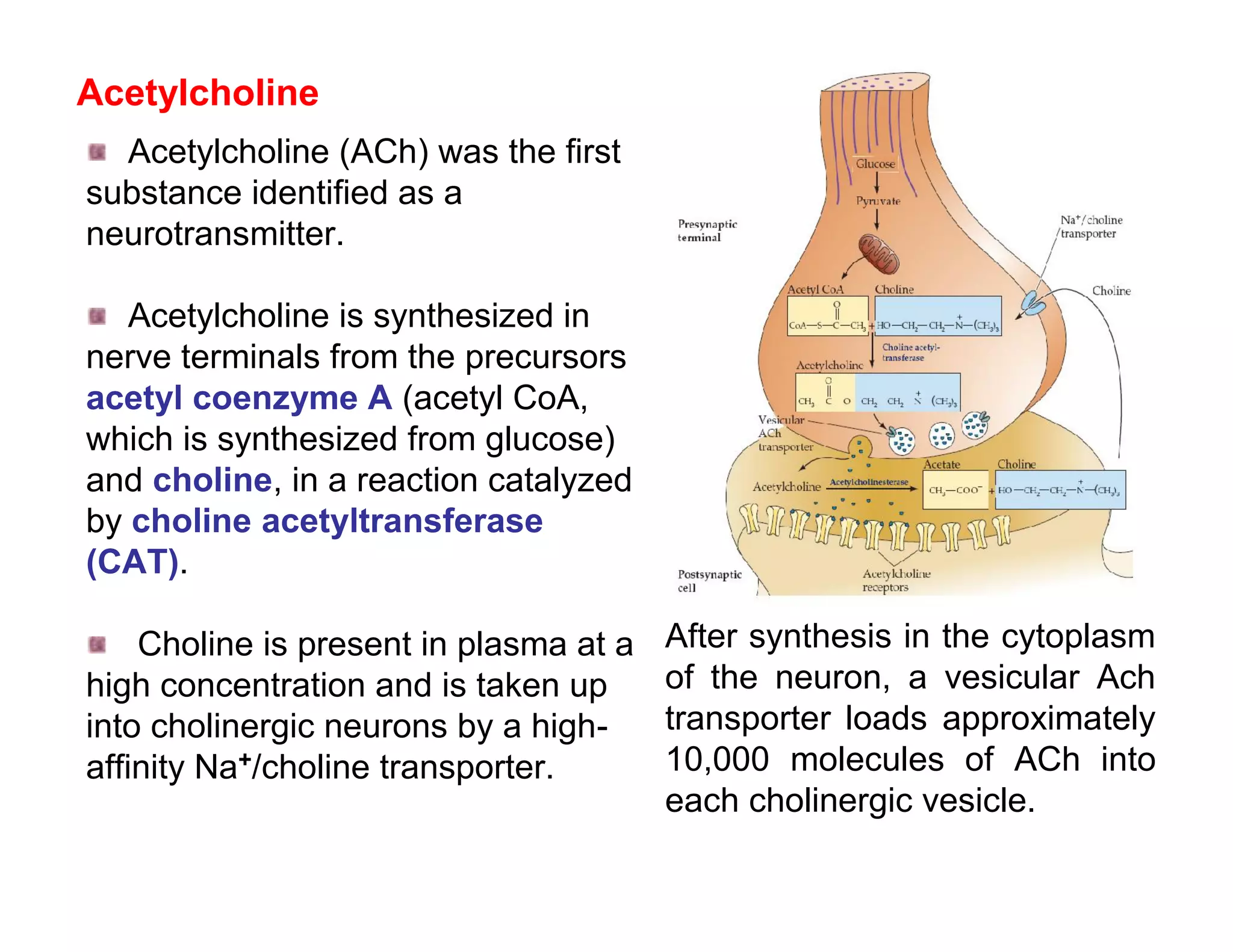
  • 11.
    Organization of theNervous System
  • 12.
    Structure and locationof the three functional classes of neurons. *Efferent autonomic nerve pathways consist of a two- neuron chain between the CNS and the effector organ.
  • 13.
    The CNS isa complex organ; it has been calculated that 40% of the human genes participate, at least to a degree, in its formation. Glia Cells The word glia is Greek for glue; for many years, glia were thought to function merely as connective tissue. However, these cells are now recognized for their role in communication within the CNS in partnership with neurons. Unlike neurons, glial cells continue to undergo cell division in adulthood and their ability to proliferate is particularly noticeable after brain injury. There are two major types of glia, microglia and macroglia.
  • 14.
    Microglia arise frommacrophages outside of the CNS and are physiologically and embryologically unrelated to other neural cell types. Microglia are scavenger cells that resemble tissue macrophages and remove debris resulting from injury, infection, and disease. There are three types of macroglia: oligodendrocytes, Schwann cells, and astrocytes. Oligodendrocytes and Schwann cells are involved in myelin formation around axons in the CNS and peripheral nervous system, respectively. Astrocytes, which are found throughout the brain, are of two subtypes:
  • 15.
     Fibrous astrocytes,which contain many intermediate filaments are found primarily in white matter; and the  Protoplasmic astrocytes are found in gray matter and have a granular cytoplasm. • Both types of astrocytes send processes to blood vessels, where they induce capillaries to form the tight junctions making up the blood–brain barrier. • The blood–brain barrier prevents the diffusion of large or hydrophilic molecules (e.g., proteins) into the cerebrospinal fluid and brain, while allowing diffusion of small molecules. The astrocytes also send processes that envelop synapses and the surface of nerve cells.
  • 16.
    Principal types ofglial cells in the nervous system (Adapted from Medical Physiology: a Systems Approach by Hershel and Michael. McGraw-Hill Company, 2011).
  • 17.
    Functions of theNeuroglia Astrocytes  Physically support neurons in proper spatial relationships  Serve as a scaffold during fetal brain development  Induce formation of blood–brain barrier  Help transfer nutrients to neurons  Form neural scar tissue  Take up and degrade released neurotransmitters  Take up excess K to help maintain proper brain-ECF ion concentration and normal neural excitability  Enhance synapse formation and strengthen synaptic transmission via chemical signaling with neurons  Communicate by chemical means with neurons and among themselves
  • 18.
    Oligodendrocytes  Form myelinsheaths in CNS Microglia  Play a role in defense of brain as phagocytic scavengers  Release nerve growth factor Ependymal Cells  Line internal cavities of brain and spinal cord  Contribute to formation of cerebrospinal fl uid  Serve as neural stem cells with the potential to form new neurons and glial cells
  • 19.
    Glial cells ofthe central nervous system. The glial cells include the astrocytes, oligodendrocytes, microglia, and ependymal cells
  • 20.
    The peripheral nervoussystem transmits information from the CNS to the effector organs throughout the body. It contains 12 pairs of cranial nerves and 31 pairs of spinal nerves. The cranial nerves have rather well-defined sensory and motor functions. Spinal nerves are named on the basis of the vertebral level from which the nerve exits (cervical, thoracic, lumbar, sacral, and coccygeal). These nerves include motor and sensory fibers of muscles, skin, and glands throughout the body.
  • 21.
    Food for Thought “Abasic principle to remember when studying the brain is that one function, even an apparently simple one such as bending your finger, will involve multiple brain regions (as well as the spinal cord). Conversely, one brain region may be involved in several functions at the same time. In other words, understanding the brain is not simple and straightforward”.
  • 22.
    THE SPINAL CORD The spinal cord is the major pathway for information owing back and forth between the brain and the skin, joints, and muscles of the body. In addition, the spinal cord contains neural networks responsible for locomotion. If the spinal cord is severed, there is loss of sensation from the skin and muscles as well as paralysis, loss of the ability to voluntarily control muscles. The spinal cord is divided into four regions (cervical, thoracic, lumbar, and sacral), named to correspond to the adjacent vertebrae.
  • 23.
    Each spinal regionis subdivided into segments, and each segment gives rise to a bilateral pair of spinal nerves. Just before a spinal nerve joins the spinal cord, it divides into two branches called roots. The dorsal root of each spinal nerve is specialized to carry incoming sensory information. The dorsal root ganglia, swellings found on the dorsal roots just before they enter the cord, contain cell bodies of sensory neurons. The ventral root carries information from the CNS to muscles and glands.
  • 24.
    In cross section,the spinal cord has a butter y- or H-shaped core of gray matter and a surrounding rim of white matter. Sensory fibers from the dorsal roots synapse with interneurons in the dorsal horns of the gray matter. The dorsal horn cell bodies are organized into two distinct nuclei, one for somatic information and one for visceral information. The ventral horns of the gray matter contain cell bodies of motor neurons that carry efferent signals to muscles and glands. The ventral horns are organized into somatic motor and autonomic nuclei. Efferent fibers leave the spinal cord via the ventral root.
  • 25.
    The white matterof the spinal cord is the biological equivalent of fiber-optic cables that telephone companies use to carry our communications systems. White matter can be divided into a number of columns composed of tracts of axons that transfer information up and down the cord. Ascending tracts take sensory information to the brain. They occupy the dorsal and external lateral portions of the spinal cord. Descending tracts carry mostly efferent (motor) signals from the brain to the cord. They occupy the ventral and interior lateral portions of the white matter.
  • 26.
    Propriospinal tracts (proprius,one’s own) are those that remain within the cord. The spinal cord can function as a self-contained integrating center for simple spinal re exes, with signals passing from a sensory neuron through the gray matter to an efferent neuron. In addition, spinal interneurons may route sensory information to the brain through ascending tracts or bring commands from the brain to motor neurons. In many cases, the interneurons also modify information as it passes through them. Reflexes play a critical role in the coordination of movement.
  • 27.
    Neural Growth andRegeneration The elaborate networks of nerve-cell processes that characterize the nervous system are remarkably similar in all human beings and depend upon the outgrowth of specific axons to specific targets. Development of the nervous system in the embryo begins with a series of divisions of precursor cells that can develop into neurons or glia. After the last cell division, each neuronal daughter cell differentiates, migrates to its final location, and sends out processes that will become its axon and dendrites. A specialized enlargement, called the growth cone, forms the tip of each extending axon and is involved in finding the correct route and final target for the process.
  • 28.
    As the axongrows, it is guided along the surfaces of other cells, most commonly glial cells. Which particular route is followed depends largely on attracting, supporting, deflecting, or inhibiting influences exerted by several types of molecules. Some of these molecules, such as cell adhesion molecules, reside on the membranes of the glia and embryonic neurons. Others are soluble neurotropic factors (growth factors for neural tissue) in the extracellular fluid surrounding the growth cone or its distant target.
  • 29.
    Once the targetof the advancing growth cone is reached, synapses are formed. The synapses are active, however, before their final maturation occurs, and this early activity, in part, determines their final use. During these intricate early stages of neural development, which occur during all trimesters of pregnancy and into infancy, alcohol and other drugs, radiation, malnutrition, and viruses can exert effects that cause permanent damage to the developing fetal nervous system.
  • 30.
    A normal, althoughunexpected, aspect of development of the nervous system occurs after growth and projection of the axons. Many of the newly formed neurons and synapses degenerate. In fact, as many as 50 to 70 percent of neurons die by apoptosis in some regions of the developing nervous system! Exactly why this seemingly wasteful process occurs is unknown although neuroscientists speculate that in this way connectivity in the nervous system is refined, or “fine tuned.” Although the basic shape and location of existing neurons in the mature central nervous system do not change, the creation and removal of synaptic contacts begun during fetal development continue, albeit at a slower pace, throughout life as part of normal growth, learning, and aging.
  • 31.
    Division of neuronprecursors is largely complete before birth, and after early infancy new neurons are formed at a slower pace to replace those that die. Severed axons can repair themselves, however, and significant function regained, provided that the damage occurs outside the central nervous system and does not affect the neuron’s cell body. After repairable injury, the axon segment now separated from the cell body degenerates. The proximal part of the axon (the stump still attached to the cell body) then gives rise to a growth cone, which grows out to the effector organ so that in some cases function is restored.
  • 32.
    In contrast, severedaxons within the central nervous system attempt sprouting, but no significant regeneration of the axon occurs across the damaged site, and there are no well- documented reports of significant function return. Either some basic difference of central nervous system neurons or some property of their environment, such as inhibitory factors associated with nearby glia, prevents their functional regeneration. In humans, however, spinal injuries typically crush rather than cut the tissue, leaving the axons intact. In this case, a primary problem is self-destruction (apoptosis) of the nearby oligodendroglia, because when these cells die and their associated axons lose their myelin coat, the axons cannot transmit information effectively.
  • 33.
    PROTECTION AND NOURISHMENTOF THE BRAIN Due to the very delicate nature of the CNS tissue and the fact that its damaged nerve cells cannot be replaced, makes it imperative that this fragile, irreplaceable tissue be well protected Four (4) major features help protect the CNS from injury: 1. It is enclosed by hard, bony structures. The cranium (skull) encases the brain, and the vertebral column surrounds the spinal cord. 2. Three protective and nourishing membranes called the meninges,lie between the bony covering and the nervous tissue. 3. The brain “floats” in a special cushioning fluid known as the cerebrospinal fluid (CSF).
  • 34.
    4. A highlyselective blood–brain barrier limits access of blood borne materials into the vulnerable brain tissue. The role of the first of these protective devices, the bony covering, is self-evident while the latter three protective mechanisms warrant further discussion. Meninges The three meningeal membranes wrap, protect, and nourish the central nervous system. From the outermost to the innermost layer they are the dura mater, the arachnoid mater, and the pia mater (Mater means “mother,” indicative of these membranes’ protective and supportive role).
  • 35.
    The dura materis a tough, inelastic covering that consists of two layers (dura means “tough”). Usually, these layers adhere closely, but in some regions they are separated to form blood filled cavities, dural sinuses, or in the case of the larger cavities, venous sinuses. Venous blood draining from the brain empties into these sinuses to be returned to the heart. Cerebrospinal fluid also reenters the blood at one of these sinus sites. The arachnoid mater is a delicate, richly vascularized layer with a “cobwebby” appearance (arachnoid means “spiderlike”).
  • 36.
    The space betweenthe arachnoid layer and the underlying pia mater, the subarachnoid space, is filled with CSF. Protrusions of arachnoid tissue, the arachnoid villi, penetrate through gaps in the overlying dura and project into the dural sinuses. CSF is reabsorbed across the surfaces of these villi into the blood circulating within the sinuses. The innermost meningeal layer, the pia mater, is the most fragile (pia means “gentle”). It is highly vascular and closely adheres to the surfaces of the brain and spinal cord, following every ridge and valley.
  • 37.
    In certain areasit dips deeply into the brain to bring a rich blood supply into close contact with the ependymal cells lining the ventricles. This relationship is important in the formation of CSF, a topic to which we now turn our attention.
  • 38.
    Cerebro-Spinal Fluid (CSF) Cerebrospinal fluid is formed primarily by the choroid plexuses found in particular regions of the ventricles. Choroid plexuses consist of richly vascularized, cauliflower- like masses of pia mater tissue that dip into pockets formed by ependymal cells. Cerebrospinal fluid forms as a result of selective transport mechanisms across the membranes of the choroid plexuses. The composition of CSF differs from that of blood. Cerebrospinal fluid (CSF) surrounds and cushions the brain and spinal cord.
  • 39.
    Cerebrospinal Fluid (CSF)Composition Composition CSF Blood Plasma Na+ (mEq/L) 140 – 145 135 – 147 K+ (mEq/L) 3 3.5 – 5 Cl- (mEq/L) 115 – 120 95 – 105 HCO3- (mEq/L) 20 22 – 28 Glucose (mg/ml) 50 – 75 70 – 110 Protein (g/dL) 0.05 – 0.07 6 – 7.8 pH 7.3 7.35 – 7.45 Frank et al. (2002). Atlas of Neuroanatomy and Neurophysiology. Icons Custom Communications, USA, p 61
  • 40.
    The CSF hasabout the same density as the brain itself, so the brain essentially floats or is suspended in this special fluid environment. The major function of CSF is to serve as a shock-absorbing fluid to prevent the brain from bumping against the interior of the hard skull when the head is subjected to sudden, jarring movements. In addition to protecting the delicate brain from mechanical trauma, the CSF plays an important role in the exchange of materials between the neural cells and the interstitial fluid surrounding the brain. Only the brain interstitial fluid but not the blood or CSF comes into direct contact with the neurons and glial cells.
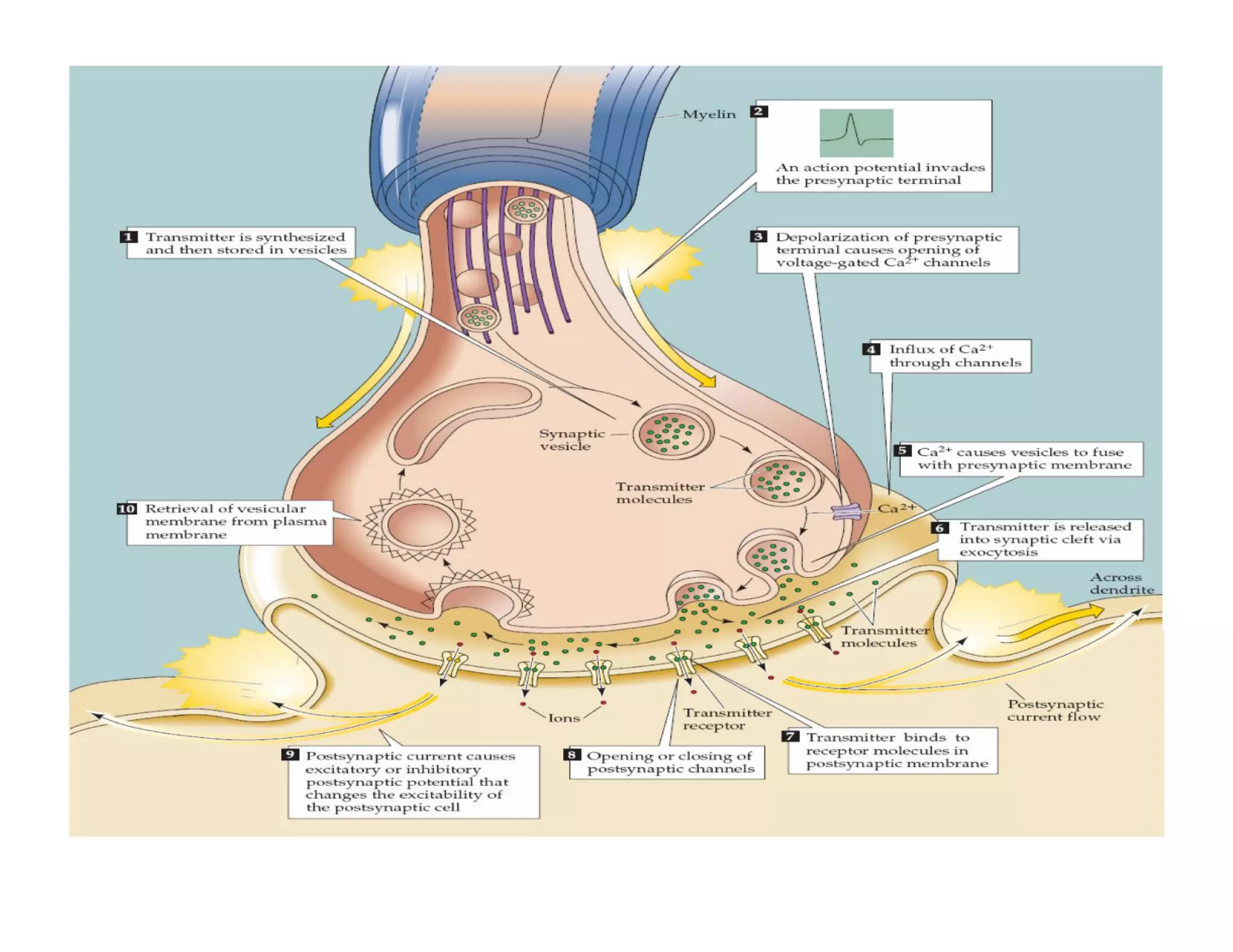
  • 41.
    Because the braininterstitial fluid directly bathes the neural cells, its composition is critical. The composition of the brain interstitial fluid is influenced more by changes in the composition of the CSF than by alterations in the blood. Materials are exchanged fairly freely between the CSF and brain interstitial fluid, whereas only limited exchange occurs between the blood and brain interstitial fluid. Thus, the composition of the CSF must be carefully regulated.
  • 42.
    For example, CSFis lower in K and slightly higher in Na, making the brain interstitial fluid an ideal environment for movement of these ions down concentration gradients, a process essential for conduction of nerve impulses. The biggest difference is the presence of plasma proteins in the blood but almost no proteins normally present in the CSF. Plasma proteins cannot exit the brain capillaries to leave the blood during formation of CSF. Once CSF is formed, it flows through the four interconnected ventricles of the brain and through the spinal cord’s narrow central canal, which is continuous with the last ventricle.
  • 43.
    • Cerebrospinal fluidalso escapes through small openings from the fourth ventricle at the base of the brain to enter the subarachnoid space and subsequently flows between the meningeal layers over the entire surface of the brain and spinal cord. • When the CSF reaches the upper regions of the brain, it is reabsorbed from the subarachnoid space into the venous blood through the arachnoid villi. • Flow of CSF through this system is facilitated by ciliary beating along with circulatory and postural factors that result in a CSF pressure of about 10 mm Hg.
  • 45.
    Reduction of thispressure by removal of even a few milliliters (ml) of CSF during a spinal tap for laboratory analysis may produce severe headaches. Through the ongoing processes of formation, circulation, and reabsorption, the entire CSF volume of about 125 to 150 ml is replaced more than three times a day. If any one of these processes is defective so that excess CSF accumulates causing hydrocephalus (“water on the brain”) occurs. The resulting increase in CSF pressure can lead to brain damage and mental retardation if untreated. Treatment consists of surgically shunting the excess CSF to veins elsewhere in the body.
  • 46.
    Blood Brain Barrier The brain is carefully shielded from harmful changes in the blood by a highly selective blood–brain barrier (BBB). Throughout the body, materials can be exchanged between the blood and interstitial fluid only across the walls of capillaries, the smallest blood vessels. Unlike the rather free exchange across capillaries elsewhere, only selected, carefully regulated exchanges can be made across the BBB. For example, even if the K+ level in the blood is doubled, little change occurs in the K+ concentration of the fluid bathing the central neurons. This is beneficial because alterations in interstitial fluid K+ would be detrimental to neuronal function.
  • 47.
    The BBB hasboth anatomic and physiologic features. Capillary walls throughout the body are formed by a single layer of cells. Usually, all blood plasma components (except the large plasma proteins) can be freely exchanged between the blood and the interstitial fluid through holes or pores between the cells of the capillary wall. In brain capillaries, however, the cells are joined by tight junctions, which completely seal the capillary wall so that nothing can be exchanged across the wall by passing between the cells. The only possible exchanges are through the capillary cells themselves.
  • 48.
    Lipid-soluble substances suchas O2, CO2, alcohol, and steroid hormones penetrate these cells easily by dissolving in their lipid plasma membrane. Small water molecules also diff use through readily, by passing between the phospholipid molecules of the plasma membrane or through aquaporins (water channels). All other substances exchanged between the blood and brain interstitial fluid, including such essential materials as glucose, amino acids, and ions, are transported by highly selective membrane-bound carriers. Thus, transport across brain capillary walls between the wall- forming cells is prevented anatomically and transport through the cells is restricted physiologically. Together, these mechanisms constitute the BBB.
  • 49.
    By strictly limitingexchange between the blood and brain, the BBB protects the delicate brain:  from chemical fluctuations in the blood;  minimizes the possibility that potentially harmful blood-borne substances might reach the central neural tissue; and  it further prevents certain circulating hormones that could also act as neurotransmitters from reaching the brain, where they could produce uncontrolled nervous activity. On the negative side, the BBB limits the use of drugs for the treatment of brain and spinal cord disorders because many drugs are unable to penetrate this barrier.
  • 50.
    Certain areas ofthe brain, most notably a portion of the hypothalamus, are not subject to the BBB. Functioning of the hypothalamus depends on its “sampling” the blood and adjusting its controlling output accordingly to maintain homeostasis. Part of this output is in the form of water-soluble hormones that must enter hypothalamic capillaries to be transported to their sites of action. Appropriately, these hypothalamic capillaries are not sealed by tight junctions.
  • 51.
    Brain Oxygen andGlucose Delivery Even though many substances in the blood never actually come in contact with the brain tissue, the brain is more dependent than any other tissue on a constant blood supply. Unlike most tissues, which can resort to anaerobic metabolism to produce ATP in the absence of O2 for at least short periods, the brain cannot produce ATP without O2. Scientists recently discovered an O2-binding protein, neuroglobin, in the brain. This molecule, which is similar to hemoglobin, the O2-carrying protein in red blood cells, is thought to play a key role in O2 handling in the brain, although its exact function remains to be determined.
  • 52.
    Also in contrastto most tissues, which can use other sources of fuel for energy production in lieu of glucose, the brain normally uses only glucose but does not store any of this nutrient. Because of its high rate of demand for ATP, under resting conditions the brain uses 20% of the O2 and 50% of the glucose consumed in the body. Therefore, the brain depends on a continuous, adequate blood supply of O2 and glucose. Although it constitutes only 2% of body weight, the brain receives 15% of the blood pumped out by the heart. Instead of using glucose during starvation, the brain can resort to using ketone bodies produced by the liver, but this alternate nutrient source also must be delivered by the blood to the brain.
  • 53.
    Brain damage resultsif this organ is deprived of its critical O2 supply for more than 4 to 5 minutes or if its glucose supply is cut off for more than 10 to 15 minutes. The most common cause of inadequate blood supply to the brain is a stroke.
  • 54.
    INTRODUCTORY NOTES The term “autonomic” implies independent, self-controlling function without conscious effort. The ANS therefore helps to regulate our internal environment (visceral functions). The ANS is activated mainly by centers that are located in the spinal cord, brain stem and the hypothalamus. It comprises of the Sympathetic and parasympathetic nervous system but Enteric Nervous System (ENS) can also be considered as part of the ANS. Portions of cerebral cortex, especially the limbic cortex can transmit impulses to the lower centers thereby influencing autonomic control. The ANS also operates via visceral reflexes.
  • 55.
  • 56.
    THE AUTONOMIC NERVOUS SYSTEM The autonomic nervous system (ANS) regulates physiologic processes without conscious control. The ANS consists of two sets of nerve bodies: preganglionic and postganglionic fibers. The two major divisions of the ANS are the sympathetic and parasympathetic systems.
  • 57.
    Anatomy of theAutonomic Nervous System Sympathetic: The preganglionic cell bodies of the sympathetic system are located in the intermediolateral horn of the spinal cord between T1 and L2 or L3. The sympathetic ganglia are adjacent to the spine and consist of the vertebral (sympathetic chain) and prevertebral ganglia Long fibers run from these ganglia to effector organs, including the smooth muscle of blood vessels, viscera, lungs, scalp (piloerector muscles), and pupils; the heart; and glands (sweat, salivary, and digestive).
  • 58.
    Parasympathetic The preganglionic cellbodies of the parasympathetic system are located in the nuclei of the brain stem and sacral portion of the spinal cord (S2-S4). These preganglionic fibers exit the brain stem with the 3rd, 7th, 9th, and 10th cranial nerves. Parasympathetic ganglia are located in the blood vessels of the head, neck, and thoracoabdominal viscera; lacrimal and salivary glands; smooth muscle of viscera and glands. Postganglionic parasympathetic fibers are relatively short (only about 1 or 2 mm long) thereby producing specific, localized responses in the effector organs.
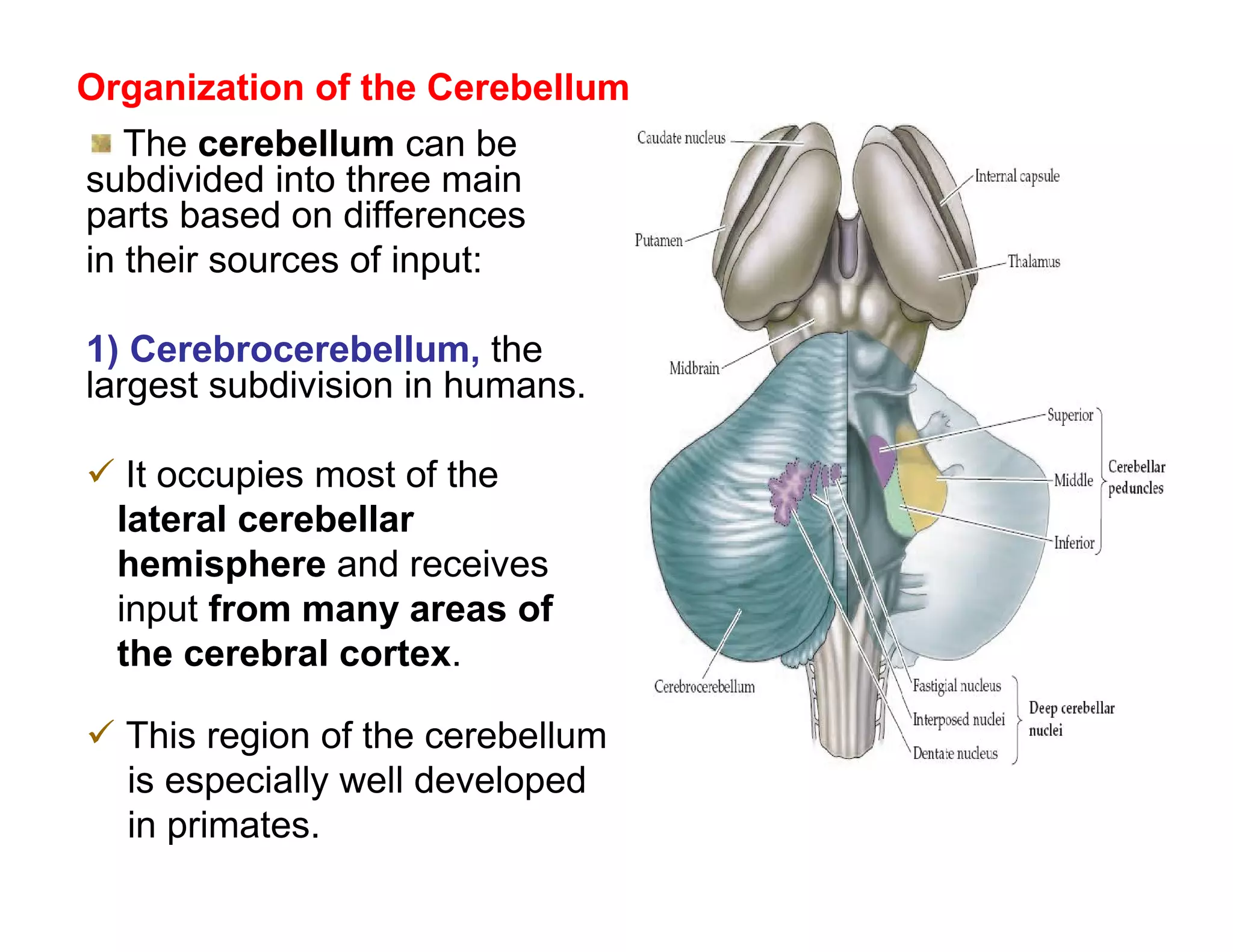
  • 59.
    Inputs to theAutonomic Nervous System  The ANS receives input from parts of the CNS that process and integrate stimuli from the body and external environment.  These parts include the hypothalamus, nucleus of the solitary tract, reticular formation, amygdala, hippocampus, and olfactory cortex.
  • 60.
    Neurotransmitters of theANS Two most common neurotransmitters released by neurons of the ANS are acetylcholine (cholinergic) and norepinephrine/noradrenaline (adrenergic). Acetylcholine: All preganglionic nerve fibers All postganglionic fibers of the parasympathetic system Sympathetic postganglionic fibers innervating sweat glands Adrenaline: In most sympathetic postganglionic fibers
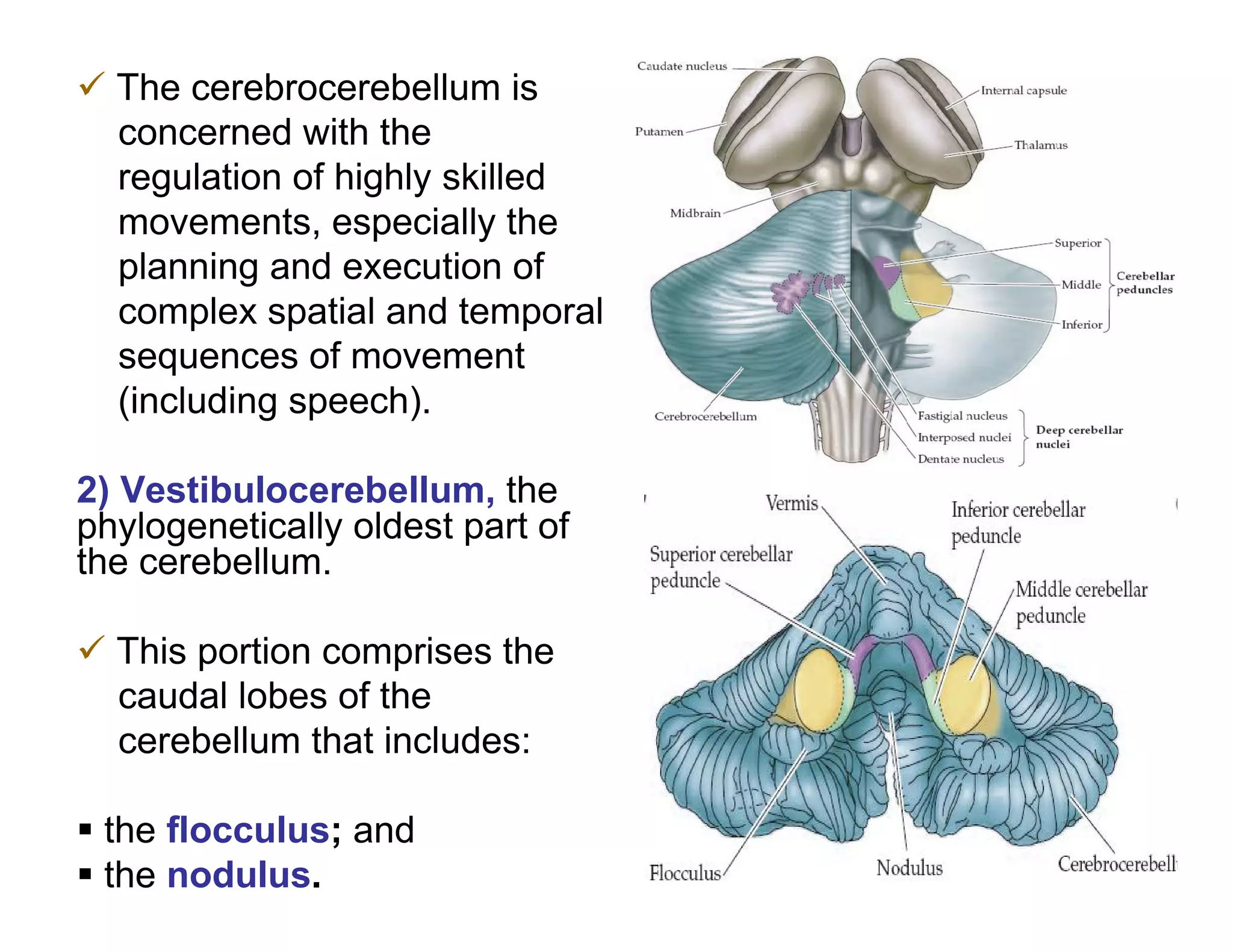
  • 61.
    Receptors of theANS Neurotransmitters  Cholinergic receptors: nicotinic or muscarinic.  Adrenergic receptors: alpha (α) and beta (β), with α being more abundant. The adrenergic receptors are further divided into (α1, α2, β1 and β2) according to some factors.
  • 62.
    Functions of theANS  The two divisions of the ANS are dominant under different conditions.  The sympathetic system is activated during emergency “fight-or-flight” reactions and during exercise.  The parasympathetic system is predominant during quiet conditions (“rest and digest”). As such, the physiological effects caused by each system are quite predictable.  In other words, all of the changes in organ and tissue function induced by the sympathetic system work together to support strenuous physical activity and the changes induced by the parasympathetic system are appropriate for when the body is resting.
  • 64.
    AUTONOMIC GANGLIA  Theseare small swellings along the course of the autonomic nerves that contain a collection of nerve cells.  Efferent autonomic fibers that arise from the lateral horn cells are called the preganglionic fibers which are thick, white and myelinated fibers.  The preganglionic fibers enter the autonomic ganglia where they take either of two courses: i) terminate into several nerve terminals in the ganglion that relay impulses into the ganglionic nerve cells.  Postganlionic fibers emerge from these ganglionic fibers and proceed to supply the effector organs. These are thin, gray and unmyelinated fibers.
  • 65.
    ii) Pass viathe ganglion uninterrupted without relay and emerge on the other side still as preganglionic fibers to proceed to the adrenal medulla or to another ganglion where they terminate and relay  The postganglionic nerve fibers emerge from the later ganglion to supply the effector organs. Types of the Autonomic Ganglia a) Lateral or Paravertebral Ganglia: Form sympathetic chain on both sides of the vertebral column with each chain forming 23 ganglia (3 cervical – superior, middle and inferior ganglia; 12 thoracic; 4 lumbar and 4 sacral) connected to each other by nerve fibers.
  • 66.
    b) Collateral orPrevertebral ganglia: These are celiac, the superior and inferior mesenteric ganglia. They are found along the course of sympathetic nerves, midway between the spinal cord and the viscera. These are sympathetic ganglia i.e. sites of relay for sympathetic nerves only. c) Terminal Ganglia: These are present near or inside the effector organ e.g. the eye, heart and the stomach. They are parasympathetic ganglia i.e. sites of relay for parasympathetic nerves only.  The Autonomic ganglia serve as: relay stations, expansion as well as distribution centers.
  • 67.
    REGULATORY SYSTEMS OFTHE ANS  Autonomic reflexes represent the simplest level of ANS control  The ANS involvement with the limbic system, hypothalamus, solitary nucleus of the medulla and other brain stem nuclei has explained the ANS regulation.  In fact, the limbic system has Stimulation of the limbic been termed the “cerebral cortex of system areas can evoke a broad the ANS”. So the limbic system range of feelings and behaviors, represents one of the highest levels including rage, anger, fear, and of the hierarchy of normal control of aggression. the ANS.
  • 68.
     In addition,stimulation of the limbic system, either directly or by input from the senses, can evoke ANS-mediated physiological changes such as increased heart rate, sexual arousal, and nausea. Autonomic Functions of the Hypothalamus  Hypothalamus is known as the main ganglion of the ANS and the activation of its different parts produces a variety of coordinated autonomic responses:  Activation of the dorsal hypothalamus, for e.g. increases blood pressure, intestinal motility, and intestinal blood supply but decreases supply to the skeletal muscles. These are associated with feeding behavior.  However, activation of ventral hypothalamus increases blood pressure and the blood supply to the skeletal muscles but decreases intestinal motility and blood flow to the intestines. These are associated with flight or flight responses.
  • 69.
    CHEMICAL TRANSMISSION • Chemicaltransmissions (synapses) enable cell-to-cell communication via the secretion of neurotransmitters by activating specific receptor molecules. • • A synapse is a junctional area between a neuronal terminal and another cell that could be another neuron, muscle cell or a gland. • If the second cell is a neuron, the synapse is called a neuronal synapse. • The neuron that conducts the signals is the presynaptic neuron having a presynaptic membrane at the synapse. However, the neuron that receives the signals and its membrane are postsynaptic neuron and postsynaptic membrane respectively. • The space between the presynaptic and postsynaptic membranes is called synaptic cleft and measures about 30-50 nm.
  • 70.
     A keyfeature of all chemical synapses is the presence of small, membrane-bounded organelles called the synaptic vesicles within the presynaptic terminal Neurotransmitters  There are more than 100 types of neurotransmitters and they virtually undergo a similar cycle of use:  synthesis and packaging into synaptic vesicles  Release from the presynaptic cell  Binding to postsynaptic receptor  Rapid removal and degradation  The secretion of the neurotransmitters is triggered by the influx of Ca2+ through the voltage-gated channels that give rise to transient increase in Ca2+ concentration within the presynaptic terminal.
  • 71.
    Sequence of Eventsinvolved in Transmission at a Typical Chemical Synapse
  • 72.
     The risein the Ca2+ causes synaptic vesicles to fuse with presynaptic plasma membrane and release their contents into the space between the pre- and postsynaptic cells.  Neurotransmitters released therefore evoke postsynaptic electrical responses by binding to members of a diverse group of neurotransmitter receptors.  There are two major classes of receptors: those in which the receptor molecule is also an ion channel and those in which the receptor and the ion channel are two separate molecules.  These receptors give rise to electrical signals by transmitter-induced opening or closing of the ion channels.
  • 73.
    CHEMICAL TRANSMISSION –Cont’d  Whether the postsynaptic actions of a particular neurotransmitter are excitatory or inhibitory is determined by:  The ionic permeability of the ion channel affected by the neurotransmitter and  By the concentration of the permanent ions inside and outside the cell Criteria that Define Neurotransmitters There are 3 primary criteria been used to confirm that a molecule acts as a neurotransmitter at a given chemical synapse: 1) The substance must be present within the presynaptic neuron. Moreso, when enzymes and precursors required to synthesize the substance provide more evidence. However, presence of glutamate, glycine and aspartate is not a sufficient evidence.
  • 74.
    (1) Neurotransmitter presence(2) Neurotransmitter release (3) Postsynaptic presence of specific receptors Requirements of identifying a neurotransmitter
  • 75.
    2) The substancemust be released in response to presynaptic depolarization, and the release must be Ca2+-dependent. This is quite challenging not only because it may be difficult to selectively stimulate the presynaptic neuron, but also because enzymes and transporters efficiently remove the secreted neurotransmitters. 3) Specific receptors for the substance must be present on the postsynaptic cell/membrane. One way to demonstrate receptors is to show that application of exogenous transmitter mimics the postsynaptic effect of presynaptic stimulation.  A more rigorous demonstration is to show that agonists and antagonists that alter the normal postsynaptic response have the same effect when the substance in question is applied exogenously. High resolution histological techniques can also be used to show that specific receptors are present in the postsynaptic membrane (by detection of radioactively labeled receptor antibodies).
  • 76.
    Categories of Neurotransmitters  More than 100 different agents are known to serve as neurotransmitters that allow for diverse chemical signaling between neurons.  These neurotransmitters are broadly divided into two based on size: i) Neuropeptides: These are relatively large transmitter molecules composed of 3 to 36 amino acids. ii) Small-molecule neurotransmitters: individual amino acids, such as Glutamate, GABA, Ach, serotonin and histamine are examples.  Within this category, the biogenic amines such as dopamine, norepinephrine, epinephrine, serotonin and histamine are often discussed separately because of their similar properties and postsynaptic actions.
  • 77.
    NORADRENERGIC TRANSMISSION Synthesis ofNorepinephrine/Epinephrine  The adrenal medulla that secretes epinephrine/adrenaline and norepinephrine/noradrenaline, is an important component of the sympathetic nervous system. As a result, the sympathetic nervous system and adrenal medulla are often referred to as the sympathoadrenal system.  Norepinephrine is one of the five well-established biogenic amine neurotransmitters: 3 catecholamines (dopamine, norepinephrine and epinephrine), histamine and serotonin.  Noradrenaline like the other 2 catecholamines are derived from tyrosine (which is a product of phenylalanine).
  • 78.
    Synthesis of Norepinephrine/Epinephrine  This reaction is catalyzed by phenylalanine hydroxylase in the liver) in a reaction catalyzed by tyrosine hydroxylase (in the neuron) requiring O2 as a co-substrate and tetrahydrobiopterin as a cofactor to form DihydrOxyPhenylAlanine (DOPA).  Norepinephrine synthesis requires dopamine β-hydroxylase that catalyzes the production of noradrenaline from Dopamine.  In the central adrenergic fibers (neurons of the thalamus, hypothalamus and midbrain) and in the adrenal medulla, noradrenaline is converted to adrenaline by Phenylethanolamine -N-methyl Transferase (PNMT).  This enzyme is not found in the peripheral adrenergic fibers.
  • 79.
  • 80.
    Fate / Degradationof Norepinephrine/epinephrine  Noradrenaline is the loaded into synaptic vesicles via the Vesicular MonoAmine Transporter (VMAT) same as with dopamine.  Norepinephrine is cleared from the synaptic cleft by Norepinephrine Transporter (NET) mainly in the nerve terminals which is also capable of taking up dopamine to be recirculated.  Small amount of Noradrenaline like dopamine is oxidized by MonoAmine Oxidase (MAO) to inactive products. MAO is found in nerve terminals and other organs like liver and kidney.  Some small amount is methylated to inactive products by Catechol O-Methyl-Transferase (COMT) enzymes found in the many tissues such as kidney and brain but not in the nerve terminals.  Epinephrine is mainly methylated in various organs by COMT.
  • 81.
    Adrenergic Receptors/Adrenoceptors  Norepinephrineas well as epinephrine, acts on α- and β-adrenergic receptors that are both G-protein coupled.  There are two types of α-adrenergic receptors (α1 and α2) and three β-adrenergic receptors (though 2 are the well known because of their expression in many types of neurons, β1 and β2).  Norepinephrine for example excites mainly α receptors but excites β receptors to a slight extent; while epinephrine excites both types of receptors almost equally.  Isoproterenol (a synthetic catecholamine) has strong action on β- receptors but essentially no action on α-receptors
  • 82.
    Adrenergic Drugs/Agonists/Protagonists/Symphatomimietic Drugs  These are drugs that mimic the actions of norepinephrine or epinephrine through the following mechanisms: i) Stimulating the release of the transmitter. Example of these include Amphetamine and Ephedrine ii) Inhibiting the action of MAO enzyme. Example, Ephedrine and Hydrazine iii) Direct stimulation of receptors. Example norepinephrine and epinephrine (α and β), phenylephrine (α1), clonidine (α2), Dobutamine (β1), Salbutamol (β2) and isoproterenol (β1 and β2)  Agonists and antagonists of adrenergic receptors, such as the β blocker propanolol are used clinically for a variety of conditions ranging from cardiac arrhythmias to migraine headaches.  However, most of the actions of these drugs are on smooth muscle receptors particularly on cardiovascular and respiratory systems.
  • 83.
    Anti-Adrenergic Drugs/Adrenergic Blockers/Antagonists/Symphatolytic Drugs • These are drugs that block the actions of norepinephrine and epinephrine and they produce their actions via the following mechanisms: i) Inhibiting the synthesis of norepinephrine. Example is Aldomet (that inhibits β-hydroxylase leading to the formation of a false transmitter). ii) Preventing the release of the transmitter. Example is Guanethidine iii) Direct blocking of the receptors. Examples are: Prazosin (α1), Yohimbine (α2), Phentolamine (α1 and α2), Atenolol (β1), Butaxamine (β2) and Propranolol (β1 and β2)
  • 84.
    CHOLINERGIC TRANSMISSION  Achis synthesized in nerve terminals from the precursors acetyl coA and choline in the recation catalyzed by choline acetyl transferase (CAT)  Choline is present in plasma at a high concentration (about 10 mM) and is taken up into cholinergic neurons by a high - affinity Na+/choline transporter.  After synthesis in the neuroplasm a vesicular Ach transporter loads approx 10, 000 molecules of Ach into each cholinergic vesicle.  In contrast to most other small-molecular neurotransmitters, the postsynaptic actions of Ach at many cholinergic synapses (the NMJ in particular) is not terminated by reuptake but by a powerful hydrolytic enzyme, Acetylcholinesterase (AchE)
  • 85.
    Electrical synapse Chemical synapse
  • 86.
    (a) Chemically gated (b) Receptor Enzyme (c) G-Protein coupled receptor-channel Receptor
  • 87.
  • 88.
    Classification of MammalianNerve Fibers NB: A and B fibers are myelinated while the C fibers are unmyelinated
  • 89.
    Relative susceptibility ofmammalian A, B, and C nerve fibers to conduction block produced by various agents
  • 90.
    Neurotrophins: Trophic Supportof Neurons Proteins necessary for survival and growth of neurons are called neurotrophins. Many are products of the muscles or other structures that the neurons innervate, but others are produced by astrocytes. These proteins bind to receptors at the endings of a neuron. They are internalized and then transported by retrograde transport to the neuronal cell body, where they foster the production of proteins associated with neuronal development, growth, and survival. Other neurotrophins are produced in neurons and transported in an anterograde fashion to the nerve ending, where they maintain the integrity of the postsynaptic neuron.
  • 91.
    The first neurotrophinto be characterized was nerve growth factor (NGF), a protein that is necessary for the growth and maintenance of sympathetic neurons and some sensory neuron. It is found in many different tissues. NGF is picked up by neurons and transported in retrograde fashion from the endings of the neurons to their cell bodies. It is also present in the brain and appears to be responsible for the growth and maintenance of cholinergic neurons in the basal forebrain and striatum.
  • 92.
    NEUROTRANSMITTERS Mostly,neurons in the human brain communicate with one another by releasing chemical messengers called neurotransmitters. A large number of neurotransmitters are now known and more remain to be discovered. Neurotransmitters evoke postsynaptic electrical responses by binding to members of a diverse group of proteins called neurotransmitter receptors. There are two major classes of receptors:  those in which the receptor molecule is also an ion channel, which are called ionotropic receptors or ligand gated ion channels, and give rise to fast postsynaptic responses that typically last only a few milliseconds; and
  • 94.
     those inwhich the receptor and ion channel are separate molecules called metabotropic receptors, that produce slower postsynaptic effects that may endure much longer. Abnormalities in the function of neurotransmitter systems contribute to a wide range of neurological and psychiatric disorders. As a result, many neuropharmacological therapies are based on drugs that affect neurotransmitter release, binding, and/or removal. Categories of Neurotransmitters More than 100 different agents are known to serve as neurotransmitters. This large number of transmitters allows for tremendous diversity in chemical signaling between neurons and are divided into two broad categories based on size.
  • 95.
    i) neuropeptides arerelatively large transmitter molecules composed of 3 to 36 amino acids. ii) small-molecule neurotransmitters are Individual amino acids, such as glutamate, GABA, acetylcholine, serotonin, and histamine, are much smaller than neuropeptides Within the category of small-molecule neurotransmitters, the biogenic amines (dopamine, norepinephrine, epinephrine, serotonin, and histamine) are often discussed separately because of their similar chemical properties and postsynaptic actions. The particulars of synthesis, packaging, release, and removal differ for each neurotransmitter.
  • 96.
    Acetylcholine Acetylcholine(ACh) was the first substance identified as a neurotransmitter. Acetylcholine is synthesized in nerve terminals from the precursors acetyl coenzyme A (acetyl CoA, which is synthesized from glucose) and choline, in a reaction catalyzed by choline acetyltransferase (CAT). Choline is present in plasma at a After synthesis in the cytoplasm high concentration and is taken up of the neuron, a vesicular Ach into cholinergic neurons by a high- transporter loads approximately affinity Na+/choline transporter. 10,000 molecules of ACh into each cholinergic vesicle.
  • 98.
    In contrast tomost other small-molecule neurotransmitters, the postsynaptic actions of ACh at many cholinergic synapses (the neuromuscular junction in particular) is not terminated by reuptake but by a powerful hydrolytic enzyme, acetylcholinesterase (AChE). This enzyme is concentrated in the synaptic cleft, ensuring a rapid decrease in ACh concentration after its release from the presynaptic terminal. The AChE has a very high catalytic activity (about 5000 molecules of ACh per AChE molecule per second) and hydrolyzes Ach into acetate and choline. The choline produced by ACh hydrolysis is transported back into nerve terminals and used to re-synthesize ACh.
  • 99.
    Among the manyinteresting drugs that interact with cholinergic enzymes are the organophosphates that include some potent chemical warfare agents. One such compound is the nerve gas “Sarin,” which was made notorious after a group of terrorists released this gas in Tokyo’s underground rail system. Organophosphates can be lethal because they inhibit AChE, causing Ach to accumulate at cholinergic synapses. This build-up of ACh depolarizes the postsynaptic cell and renders it refractory to subsequent ACh release, causing neuromuscular paralysis and other effects. The high sensitivity of insects to these AChE inhibitors has made organophosphates popular insecticides.
  • 100.
    Acetylcholine Receptors There are two types of cholinergic receptors:  Muscarinic  Nicotinic
  • 101.
    Glutamate • Glutamate isthe most important transmitter in normal brain function. • Nearly all excitatory neurons in the central nervous system are glutamatergic, and it is estimated that over half of all brain synapses release this agent. • Glutamate plays an especially important role in clinical neurology because elevated concentrations of extracellular glutamate, released as a result of neural injury, are toxic to neurons. • Glutamate is a nonessential amino acid that does not cross the blood-brain barrier and therefore must be synthesized in neurons from local precursors.
  • 102.
    The most prevalentprecursor for glutamate synthesis is glutamine, which is released by glial cells. Once released, glutamine is taken up into presynaptic terminals and metabolized to glutamate by the mitochondrial enzyme glutaminase. Glutamate can also be synthesized by transamination of 2-oxoglutarate, an intermediate of the tricarboxylic acid cycle. The glutamate synthesized in the presynaptic cytoplasm is Hence, some of the glucose packaged into synaptic metabolized by neurons can also vesicles by transporters, be used for glutamate synthesis. termed VGLUT.
  • 103.
    The glutamate synthesizedin the presynaptic cytoplasm is packaged into synaptic vesicles by transporters, termed VGLUT. At least three different VGLUT genes have been identified. Once released, glutamate is removed from the synaptic cleft by the excitatory amino acid transporters (EAATs). Glutamate taken up by glial cells is converted into glutamine by the enzyme glutamine synthetase; glutamine is then transported out of the glial cells and into nerve terminals.
  • 104.
    In this way,synaptic terminals cooperate with glial cells to maintain an adequate supply of the neurotransmitter. This overall sequence of events is referred to as the glutamate-glutamine cycle. Glutamate Receptors Several types of glutamate receptors have been identified. Three of these are ionotropic receptors and are called:  NMDA (N-methyl-D-aspartate)receptors,  AMPA (α-amino-3-hydroxyl-5-methyl-4-isoxazolepropionate), receptors, and  kainate receptors These glutamate receptors are named after the agonists that activate them.
  • 105.
    All of theionotropic glutamate receptors are nonselective cation channels similar to the nAChR, allowing the passage of Na+ and K+, and in some cases small amounts of Ca2+. Hence AMPA, kainate, and NMDA receptor activation always produces excitatory postsynaptic responses. Like other ionotropic receptors, AMPA/kainate and NMDA receptors are also formed from the association of several protein subunits that can combine in many ways to produce a large number of receptor isoforms.
  • 106.
    GABA and Glycine Most inhibitory synapses in the brain and spinal cord use either γ-Aminobutyric acid (GABA) or glycine as neurotransmitters. Like glutamate, GABA was identified in brain tissue during the 1950s. It is now known that as many as a third of the synapses in the brain use GABA as their inhibitory neurotransmitter. GABA is most commonly found in local circuit interneurons, although cerebellar Purkinje cells provide an example of a GABAergic projection neuron. The predominant precursor for GABA synthesis is glucose, which is metabolized to glutamate by the tricarboxylic acid cycle enzymes (pyruvate and glutamine can also act as precursors).
  • 107.
    The predominant precursorfor GABA synthesis is glucose, which is metabolized to glutamate by the tricarboxylic acid cycle enzymes (pyruvate and glutamine can also act as precursors). The enzyme glutamic acid decarboxylase (GAD), which is found almost exclusively in GABAergic neurons, catalyzes the conversion of glutamate to GABA. Because pyridoxal phosphate is derived from GAD requires a cofactor, vitamin B6, a B6 deficiency pyridoxal phosphate, for activity. can lead to diminished GABA synthesis.
  • 108.
    The significance ofthis became clear after a disastrous series of infant deaths was linked to the omission of vitamin B6 from infant formula. This lack of B6 resulted in a large reduction in the GABA content of the brain, and the subsequent loss of synaptic inhibition caused seizures that in some cases were fatal. Once GABA is synthesized, it is transported into synaptic vesicles via a vesicular inhibitory amino acid transporter (VIATT).
  • 109.
    The mechanism ofGABA removal is similar to that for glutamate: Both neurons and glia contain high-affinity transporters for GABA, termed GATs (several forms of GAT have been identified). Most GABA is eventually converted to succinate, which is metabolized further in the tricarboxylic acid cycle that mediates cellular ATP synthesis. The enzymes required for this degradation, GABA transaminase and succinic semialdehyde dehydrogenase, are mitochondrial enzymes. Inhibition of GABA breakdown causes a rise in tissue GABA content and an increase in the activity of inhibitory neurons. There are also other pathways for degradation of GABA.
  • 110.
    The most noteworthyof these results in the production of γ- hydroxybutyrate, a GABA derivitive that has been abused as a “date rape” drug. Oral adminis-tration of γ-hydroxybutyrate can cause euphoria, memory deficits, and unconsciousness. Presumably these effects arise from actions on GABAergic synapses in the CNS. Inhibitory synapses employing GABA as their transmitter can exhibit three types of postsynaptic receptors, called GABAA, GABAB, and GABAC. GABAA and GABAC receptors are ionotropic receptors, while GABAB receptors are metabotropic.
  • 111.
    Drugs that actas agonists or modulators of postsynaptic GABA receptors, such as benzodiazepines and barbiturates, are used clinically to treat epilepsy and are effective sedatives and anesthetics.
  • 113.
    SENSORY SYSTEMS: TOUCH,PAIN, AND TEMPERATURE Learning Objectives At the end of this lesson, the students are expected to:  List common senses and their receptors;  Explain the terms hyperalgesia and allodynia;  Explain sensory coding;  Compare the pathway that mediates sensory input from touch, proprioceptive, and vibratory senses to that mediating information from pain and thermoreceptors; and  Describe mechanisms to modulate transmission in pain pathways.
  • 114.
    Information about theinternal and external environment activates the central nervous system (CNS) via sensory receptors. These receptors are transducers that convert various forms of energy into action potentials in neurons. The somatic sensory system has two major components:  a subsystem for the detection of mechanical stimuli (e.g., light touch, vibration, pressure and cutaneous tension); and  a subsystem for the detection of painful stimuli and temperature. Together, these two subsystems give humans and other animals the ability to:
  • 115.
     identify theshapes and textures of objects;  monitor the internal and external forces acting on the body at any moment; and  Detect potentially harmful circumstances. Types of Somatic Sensory Receptors Cutaneous (superficial) receptors for touch and pressure are mechanoreceptors. Potentially harmful stimuli such as pain, extreme heat, and extreme cold are mediated by nociceptors. Chemoreceptors are stimulated by a change in the chemical composition of the environment in which they are located.
  • 116.
    These include receptorsfor taste and smell as well as visceral receptors such as those sensitive to changes in the plasma level of O2, pH, and osmolality. Photoreceptors are those in the rods and cones in the retina that respond to light. Cutaneous Mechanoreceptors Sensory receptors can be specialized dendritic endings of afferent nerve fibers and are often associated with non-neural cells that surround them, forming a sense organ. Touch and pressure are sensed by four types of mechanoreceptors:
  • 117.
    i. Meissner’s corpusclesrespond to changes in texture and slow vibrations. ii. Merkel cells respond to sustained pressure and touch. iii. Ruffini corpuscles respond to sustained pressure. iv. Pacinian corpuscles respond to deep pressure and fast vibration. Nociceptors and Thermoreceptors Pain and temperature sensations arise from unmyelinated dendrites of sensory neurons located around hair follicles throughout the smooth and hairy skin, as well as in deep tissue.
  • 118.
    Impulses from nociceptors(pain) are transmitted via two fiber types: i. One system comprises thinly myelinated Aδ fibers that conduct at rates of 12–30 m/s. ii. The other is unmyelinated C fibers that conduct at low rates of 0.5–2 m/s. Thermoreceptors also span the following two fiber types: i. cold receptors are on dendritic endings of Aδ fibers and C fibers; and ii. warm receptors are on C fibers.
  • 119.
    On the otherhand, the nociceptors could be categorized based on stimuli they respond to into: Mechanical nociceptors respond to strong pressure. Thermal nociceptors are activated by skin temperatures above 45°C or by severe cold. Chemically sensitive nociceptors respond to various agents such as bradykinin, histamine, high acidity, and environmental irritants. Polymodal nociceptors respond to combinations of these stimuli.
  • 120.
    The Major Classesof Somatic Sensory Receptors
  • 121.
    The Major AfferentPathway for Mechanosensory Information: The Dorsal Column–Medial Lemniscus System The action potentials generated by tactile and other mechanosensory stimuli are transmitted to the spinal cord by afferent sensory axons traveling in the peripheral nerves. The neuronal cell bodies that give rise to these first-order axons are located in the dorsal root (or sensory) ganglia associated with each segmental spinal nerve. The dorsal horn in the spinal cord is divided on the basis of histologic characteristics into laminae I–VII, with lamina I being the most superficial and lamina VII the deepest. Lamina II and part of lamina III make up the substantia gelatinosa, the area near the top of each dorsal horn.
  • 122.
    Schematic representation ofthe terminations of the three types of primary afferent neurons in the various layers of the dorsal horn of the spinal cord
  • 123.
    Dorsal root ganglioncells are also known as first-order neurons because they initiate the sensory process. Depending on whether they belong to the mechanosensory system or to the pain and temperature system, the first-order axons carrying information from somatic receptors have:  different patterns of termination in the spinal cord; and  define distinct somatic sensory pathways within the central nervous. These differences provide for different pathways as follows:
  • 124.
     the dorsalcolumn–medial lemniscus pathway that carries the majority of information from the mechanoreceptors that mediate tactile discrimination and proprioception; and  the spinothalamic (anterolateral) pathway mediates pain and temperature sensation. The difference(s) in the afferent pathways of these modalities is one of the reasons of treating the sensations separately.
  • 125.
    DORSAL COLUMN (MEDIALLEMNISCAL) PATHWAY This is the principal direct pathway to the cerebral cortex for touch, vibratory sense, and proprioception (position sense). Upon entering the spinal cord, the major branch of the incoming axons called the first-order axons carrying information from peripheral mechanoreceptors ascends ipsilaterally through the dorsal columns (posterior funiculi) of the cord.
  • 126.
    In this column,it goes all the way to the lower medulla, where it terminates by synapsing with the second- order neurons in the gracile and cuneate nuclei (together referred to as the dorsal column nuclei). Axons in the dorsal columns are topographically organized such that:
  • 127.
     the fibersthat convey information from lower limbs that are in the medial subdivision of the dorsal columns, called the gracile tract; and  The lateral subdivision, called the cuneate tract, which contains axons conveying information from the upper limbs, trunk, and neck.
  • 128.
    In a cross-sectionthrough the medulla, the medial lemniscal axons carrying information from the lower limbs are located ventrally, whereas the axons related to the upper limbs are located dorsally (again, a fact of some clinical importance). The second-order neurons from these nuclei ascend contralaterally ascend in the medial lemniscus to end in the contralateral ventral posterior lateral (VPL) nucleus and related specific sensory relay nuclei of the thalamus.
  • 129.
    These axons ofthe medial lemniscus that reach the ventral posterior lateral (VPL) nucleus of the thalamus are the third- order neurons of the dorsal column–medial lemniscus system. The Trigeminal Portion of the Mechanosensory System As noted, the dorsal column–medial lemniscus pathway described in the preceding section carries somatic information from only the upper and lower body and from the posterior third of the head. Tactile and proprioceptive information from the face is conveyed from the periphery to the thalamus by a different route called trigeminal somatic sensory system. Low-threshold mechanoreception in the face is mediated by first order neurons in the trigeminal (cranial nerve V) ganglion.
  • 130.
    The peripheral processesof these neurons form the three main subdivisions of the 10 Somatic Sensory Cortex trigeminal nerve:  the ophthalmic;  Maxillary; and  mandibular branches, • Each of these innervates a well-defined territory on the face and head, including the teeth and the mucosa of the oral and nasal cavities.
  • 131.
    The central processesof trigeminal ganglion cells form the sensory roots of the 10 Somatic Sensory Cortex trigeminal nerve. They enter the brainstem at the level of the pons to terminate on neurons in the subdivisions of the trigeminal brainstem complex. The trigeminal complex has two major components:  the principal nucleus  the spinal nucleus (responsible for processing (responsible for processing mechanosensory stimuli); and painful and thermal stimuli).
  • 132.
    Thus, most ofthe axons carrying information from low- 0 1 Somatic threshold cutaneous Sensory Cortex mechanoreceptors in the face terminate in the principal nucleus. In effect, this nucleus corresponds to the dorsal column nuclei that relay mechanosensory information from the rest of the body. The spinal nucleus corresponds The second order neurons of the to a portion of the spinal cord that trigeminal brainstem nuclei give off axons that cross the midline and contains the second-order neurons ascend to the ventral posterior medial in the pain and temperature system (VPM) nucleus of the thalamus via the for the rest of the body. trigeminothalamic tract (also called the trigeminal lemniscus).
  • 133.
    The Somatic SensoryComponents of the Thalamus Each of the several ascending somatic sensory pathways originating in the spinal cord and brainstem converge on the thalamus. The ventral posterior complex (VPL and VPM) of the thalamus, which comprises a lateral and a medial nucleus, is the main target of these ascending pathways. The VPL nucleus receives projections from the medial The VPM nucleus receives lemniscuscarrying all somatosensory axons from the trigeminal information from the body and lemniscus (that is, mechanosensory and nociceptive posterior head. information from the face).
  • 134.
    The Somatic SensoryCortex The axons arising from neurons in the ventral posterior complex of the thalamus project to cortical neurons located primarily in layer IV of the somatic sensory cortex. The primary somatic sensory cortex in humans (also called SI), which is located in the postcentral gyrus of the Experiments carried out in parietal lobe, comprises four non-human primates indicate distinct regions, or fields, known that neurons in areas 3b and 1 as Brodmann’s areas 3a, 3b, 1, respond primarily to cutaneous and 2. stimuli.
  • 135.
    The axons arisingfrom neurons in the ventral posterior complex of the thalamus project to cortical neurons located primarily in layer IV of the somatic sensory cortex. The primary somatic sensory cortex in humans (also called SI), which is located in the postcentral gyrus of the parietal lobe, comprises four Experiments carried out in distinct regions, or fields, known non-human primates indicate as Brodmann’s areas 3a, 3b, 1, that neurons in areas 3b and 1 and 2. respond primarily to cutaneous stimuli.
  • 136.
    Neurons in 3arespond mainly to stimulation of proprioceptors; area 2 neurons process both tactile and proprioceptive stimuli. Mapping studies in humans and other primates show further that each of these four cortical areas contains a separate and complete representation of the body. In these somatotopic maps, the foot, leg, trunk, forelimbs, and face are represented in a medial to lateral arrangement.
  • 137.
    Ventrolateralspinothalamic Tract Fibers from nociceptors and thermoreceptors synapse on neurons in the dorsal horn. The axons from these neurons cross the midline and ascend in the ventrolateral quadrant of the spinal cord, where they form the lateral spinothalamic tract. Fibers within this tract synapse in the VPL nuclei. Other dorsal horn neurons that From this pathway, receive nociceptive input synapse in fibers then project to the the reticular formation of the brain centrolateral nucleus of stem (spinoreticular pathway). the thalamus.
  • 138.
    Positron emission tomographic(PET) and functional magnetic resonance imaging (fMRI) studies in normal humans indicate that pain activates cortical areas SI, SII, and the cingulate gyrus on the side opposite the stimulus. Also,the mediofrontal cortex and insular cortex are activated. These technologies were important in distinguishing two components of pain pathways. From VPL nuclei in the thalamus, fibers project to SI and SII. This is called the neospinothalamic tract, and it is responsible for the immediate awareness of the painful sensation and the awareness of the location of the noxious stimulus.
  • 139.
    The pathway thatincludes synapses in the brain stem reticular formation and centrolateral thalamic nucleus projects to the frontal lobe, limbic system, and insula. This is called the paleospinothalamic tract, and it mediates the emotional response to pain. In the CNS, visceral sensation travels along the same pathways as somatic sensation in the spinothalamic tracts and thalamic radiations, and the cortical receiving areas for visceral sensation are intermixed with the somatic receiving areas. This likely contributes to the phenomenon called referred pain.
  • 140.
    Dorsal Column MedialLemniscal Pathway Spinothalamic (anterolateral) Pathway
  • 141.
    PHYSIOLOGY OF PAIN Pain is defined by the International Association for the Study of Pain (IASP) as “an unpleasant sensory and emotional experience associated with actual or potential tissue damage….” This is different from nociception, which the IASP defines as the unconscious activity induced by a harmful stimulus applied to sense receptors. Pain can be classified mainly into two as: A) Physiological (or acute) pain Acute pain typically has a sudden onset and recedes during the healing process. It can be considered “good pain” because it serves an important protective mechanism.
  • 142.
    The withdrawal reflexis an example of this protective role of pain. B) Pathological (Chronic) Pain Chronic pain can be considered “bad pain” because it persists long after recovery from an injury and is often refractory to common analgesic agents, including nonsteroidal anti- inflammatory drugs (NSAIDs) and opiates. It can result from nerve injury including diabetic neuropathy, toxin-induced nerve damage, and ischemia. Pathological pain can be subdivided into: i) Inflammatory pain; and ii) neuropathic pain
  • 143.
    Hyperalgesia and Allodynia Pain that is often accompanied by, an exaggerated response to a noxious stimulus is called hyperalgesia. Allodynia is a sensation of pain in response to an innocuous stimulus. An example of allodynia is the painful sensation from a warm shower when the skin is damaged by sunburn. Hyperalgesia and allodynia signify increased sensitivity of nociceptive afferent fibers.
  • 144.
    In response totissue injury Injured cells release chemical mediators can chemicals such as K+ that sensitize and activate depolarize nerve terminals, nociceptors thereby making nociceptors more contributing to hyperalgesia responsive. and allodynia. Injured cells also release bradykinin and substance P, which can further sensitize nociceptive terminals. Other Chemicals include:  histamine is released from mast cells;  serotonin (5-HT) from platelets; Adopted from Kandel ER, Schwartz JH, Jessell TM [editors]: Principles of Neural Science. McGraw-Hill, 2000.
  • 145.
    calcitonin gene-related peptide All these chemicals (CGRP) from nerve terminals; and contribute to the inflammatory process and prostaglandins from cell activating or sensitizing the membranes. nociceptors. Substance P acts on mast cells to cause degranulation and release of histamine, which activates nociceptors and plasma extravasation CGRP dilates blood vessels that together with the plasma extravasation result in edema formation. Adopted from Kandel ER, Schwartz JH, Jessell TM [editors]: Principles of Neural Science. McGraw-Hill, 2000.
  • 146.
    The resulting edemacauses Some released additional release of bradykinin. substances act by releasing another one (e.g., bradykinin activates both Aδ and C fibers and increases synthesis and release of prostaglandins). Prostaglandin E2 (a cyclooxygenase metabolite of arachidonic acid) is released from damaged cells and produces hyperalgesia. This is why aspirin and other NSAIDs (inhibitors of cyclooxygenase) alleviate Adopted from Kandel ER, Schwartz JH, Jessell TM [editors]: Pain. Principles of Neural Science. McGraw-Hill, 2000.
  • 147.
    Sensory Coding Converting a receptor stimulus to a recognizable sensation is termed sensory coding. All sensory systems code for four elementary attributes of a stimulus: modality, location, intensity, and duration. Modality is the type of energy transmitted by the stimulus. The particular form of energy to which a receptor is most sensitive is called its adequate stimulus. Location is the site on the body or space where the stimulus originated. A sensory unit is a single sensory axon and all its peripheral branches while the receptive field of a sensory unit is the spatial distribution from which a stimulus produces a response in that unit.
  • 148.
    One of themost important mechanisms that enable localization of a stimulus site is lateral inhibition. Activity arising from sensory neurons whose receptors are at the peripheral edge of the stimulus is inhibited compared to that from the sensory neurons at the center of the stimulus. Thus, lateral inhibition enhances the contrast between the center and periphery of a stimulated area and increases the ability of the brain to localize a sensory input. Lateral inhibition underlies the neurological assessment called the two-point discrimination test, which is used to test the integrity of the dorsal column (medial lemniscus) system.
  • 149.
    Intensity is signaledby the response amplitude or frequency of action potential generation. Duration refers to the time from start to end of a response in the receptor. If a stimulus of constant strength is applied to a receptor, the frequency of the action potentials in its sensory nerve declines over time. This phenomenon is known as adaptation or desensitization; the degree to which it occurs varies from one sense to another. Based on this phenomenon, receptors can be classified into:  rapidly adapting (phasic) receptors; and  slowly adapting (tonic) receptors.
  • 150.
    Central Pain Pathways The pathways that carry information about noxious stimuli to the brain, as might be expected for such an important and multifaceted system, are also complex. It helps in understanding this complexity to distinguish two components of pain:  the sensory discriminative component, which signals the location, intensity, and quality of the noxious stimululation,  the affective-motivational component of pain—which signals the unpleasant quality of the experience, and enables the autonomic activation that follows a noxious stimulus. The discriminative component is thought to depend on pathways that target the traditional somatosensory areas of cortex, while the affective- motivational component is thought to depend on additional cortical and brainstem pathways.
  • 151.
    Pathways responsible forthe discriminative component of pain originate with other sensory neurons, in dorsal root ganglia and, like other sensory nerve cells the central axons of nociceptive nerve cells enter the spinal cord via the dorsal roots. When these centrally projecting axons reach the dorsal horn of the spinal cord, they branch into ascending and descending collaterals, forming the dorsolateral tract of Lissauer. Axons in Lissauer’s tract typically run up and down for one or two spinal cord segments before they penetrate the gray matter of the dorsal horn. Once within the dorsal horn, the axons give off branches that contact neurons located in several of Rexed’s laminae (these laminae are the descriptive divisions of the spinal gray matter in cross section).
  • 152.
    The axons ofthese second-order neurons in the dorsal horn of the spinal cord cross the midline and ascend all the way to the brainstem and thalamus in the anterolateral (also called ventrolateral) quadrant of the contralateral half of the spinal cord. These fibers form the spinothalamic tract, the major ascending pathway for information about pain and temperature. This overall pathway is also referred to as the anterolateral system, much as the mechanosensory pathway is referred to as the dorsal column–medial lemniscus system. The location of the spinothalamic tract is particularly important clinically because of the characteristic sensory deficits that follow certain spinal cord injuries.
  • 153.
    Since the mechanosensorypathway ascends ipsilaterally in the cord, a unilateral spinal lesion will produce sensory loss of touch, pressure, vibration, and proprioception below the lesion on the same side. The pathways for pain and temperature, however, cross the midline to ascend on the opposite side of the cord. Therefore, diminished sensation of pain below the lesion will be observed on the side opposite the mechanosensory loss (and the lesion). This pattern is referred to as a dissociated sensory loss and (together with local dermatomal signs) helps define the level of the lesion.
  • 154.
    As is thecase of the mechanosensory pathway, information about noxious and thermal stimulation of the face follows a separate route to the thalamus. First-order axons originating from the trigeminal ganglion cells and from ganglia associated with nerves VII, IX, and X carry information from facial nociceptors and thermoreceptors into the brainstem. After entering the pons, these small myelinated and unmyelinated trigeminal fibers descend to the medulla, forming the spinal trigeminal tract (or spinal tract of cranial nerve V), and terminate in two subdivisions of the spinal trigeminal complex:  the pars interpolari; and  pars caudalis.
  • 155.
    Axons from thesecond-order neurons in these two trigeminal nuclei, like their counterparts in the spinal cord, cross the midline and ascend to the contralateral thalamus in the trigeminothalamic tract. The principal target of the spinothalamic and trigeminothalamic pathway is the ventral posterior nucleus of the thalamus. Similar to the organization of the mechanosensory pathways, information from the body terminates in the VPL, while information from the face terminate in the VPM. These nuclei send their axons to primary and secondary somatosensory cortex. The nociceptive information transmitted to these cortical areas is thought to be responsible for the discriminative component of pain:
  • 156.
     identifying thelocation;  the intensity; and  quality of the stimulation. Consistent with this interpretation, electrophysiological recordings from nociceptive neurons in S1, show that these neurons have small localized receptive fields, properties commensurate with behavioral measures of pain localization. The affective–motivational aspect of pain is evidently mediated by separate projections of the anterolateral system to the reticular formation of the midbrain (in particular the parabrachial nucleus), and to thalamic nuclei that lie medial to the ventral posterior nucleus (including the so-called intralaminar nuclei).
  • 157.
    Studies in rodentsshow that neurons in the parabrachial nucleus respond to most types of noxious stimuli, and have large receptive fields that can include the whole surface of the body. Neurons in the parabrachial nucleus project in turn to the hypothalamus and the amygdala, thus providing nociceptive information to circuits known to be concerned with motivation and affect. These parabrachial targets are also the source of projections to the periaqueductal grey of the midbrain, a structure that plays an important role in the descending control of activity in the pain pathway.
  • 158.
    Nociceptive inputs tothe parabrachial nucleus and to the ventral posterior nucleus arise from separate populations of neurons in the dorsal horn of the spinal cord. Parabrachial inputs arise from neurons in the most superficial part of the dorsal horn (lamina I), while ventral posterior inputs arise from deeper parts of the dorsal horn (e.g., lamina V). By taking advantage of the unique molecular signature of these two sets of neurons, it has been possible to selectively eliminate the nociceptive inputs to the parabrachial nucleus in rodents. In these animals, the behavioral responses to the presentation of noxious stimulation (capsaicin, for example) are substantially attenuated.
  • 159.
    Projections from theanterolateral system to the medial thalamic nuclei provide nociceptive signals to areas in the frontal lobe, the insula and the cingulate cortex. In accord with this anatomy, functional imaging studies in humans have shown a strong correlation between activity in the anterior cingulate cortex and the experience of a painful stimulus. Moreover, experiments using hypnosis have been able to tease apart the neural response to changes in the intensity of a painful stimulus from changes in its unpleasantness. Changes in intensity are accompanied by changes in the activity of neurons in somatosensory cortex, with little change in the activity of cingulate cortex, whereas changes in unpleasantness are correlated with changes in the activity of neurons in cingulate cortex.
  • 160.
    The cortical representationof pain is the least well documented aspect of the central pathways for nociception, and further studies will be needed to elucidate the contribution of regions outside the somatosensory areas of the parietal lobe. Nevertheless, a prominent role for these areas in the perception of pain is suggested by the fact that ablations of the relevant regions of the parietal cortex do not generally alleviate chronic pain (although they impair contralateral mechanosensory perception, as expected).
  • 161.
    Some Disorders ofSensory System 1. Referred Pain • There are few, if any, neurons in the dorsal horn of the spinal cord that are specialized solely for the transmission of visceral pain. • The visceral pain is conveyed centrally via dorsal horn neurons that are also concerned with cutaneous pain. • As a result of this arrangement, disorder of an internal organ is sometimes perceived as cutaneous pain. • This phenomenon is called referred pain. • The most common clinical example is anginal pain which is referred to the upper chest wall, with radiation into the left arm and hand.
  • 162.
    Other important examplesare:  gallbladder pain referred to the scapular region;  esophogeal pain referred to the chest wall;  ureteral pain (e.g., from passing a kidney stone) referred to the lower abdominal wall;  bladder pain referred to the perineum; and  the pain from an inflamed appendix referred to the anterior abdominal wall around the umbilicus. Understanding referred pain can lead to an astute diagnosis that might otherwise be missed.
  • 163.
    2. Phantom Limbsand Phantom Pain Following the amputation of an extremity, nearly all patients have an illusion that the missing limb is still present. Although this illusion usually diminishes over time, it persists in some degree throughout the amputee’s life and can often be reactivated by injury to the stump or other perturbations. Such phantom sensations are not limited to amputated limbs but there could also be:  phantom breasts following mastectomy;  phantom genitalia following castration; and  phantoms of the entire lower body following spinal cord transection.
  • 164.
    Phantoms are alsocommon after local nerve block for surgery and sometimes during recovery from brachial plexus anesthesia. These sensory phantoms demonstrate that the central machinery for processing somatic sensory information is not idle in the absence of peripheral stimuli. Apparently, the central sensory processing apparatus continues to operate independently of the periphery, giving rise to these bizarre sensations. The resulting condition is refered to as, a chronic, intensely painful experience that is difficult to treat with conventional analgesic medications.
  • 165.
    Neurogenic Quote ……..from thisdescription, it should be evident that the full experience of sensory sensations (including mechanosensation, pain and temperature) involve the cooperative action of an extensive network of brain regions whose properties are only beginning to be understood…….
  • 166.
    MOVEMENT AND ITSCENTRAL CONTROL Movements, whether voluntary or involuntary, are produced by muscular contractions orchestrated by the brain and spinal cord. Analysis of these circuits is fundamental to an understanding of both normal behavior and the etiology of a variety of neurological disorders. Ultimately, all movements produced by the skeletal musculature are initiated by “lower” motor neurons in the spinal cord and brainstem that directly innervate skeletal muscles. The innervation of visceral smooth muscles is separately organized by the autonomic divisions of the visceral motor system.
  • 167.
    The lower motorneurons are controlled:  directly by local circuits within the spinal cord and brainstem that coordinate individual muscle groups; and  indirectly by “upper” motor neurons in higher centers that regulate those local circuits, thus enabling and coordinating complex sequences of movements. Especially important of the circuits are in the basal ganglia and cerebellum that regulate the upper motor neurons, ensuring that movements are performed with spatial and temporal precision. Specific disorders of movement often signify damage to a particular brain region.
  • 168.
    Some clinically importantand intensively studied neurodegenerative disorders such as Parkinson’s disease, Huntington’s disease, and amyotrophic lateral sclerosis result from pathological changes in different parts of the motor system. Knowledge of the various levels of motor control is essential for understanding, diagnosing, and treating these diseases.
  • 169.
    Overall organization ofneural structures involved in the control of movement
  • 170.
    Lower and UpperMotor Neurons • Skeletal (striated) muscle contraction is initiated by “lower” motor neurons in the spinal cord and brainstem. • The cell bodies of the lower neurons are located in the ventral horn of the spinal cord gray matter and in the motor nuclei of the cranial nerves in the brainstem. • The cell bodies of upper motor neurons are located either in the cortex or in brainstem centers, such as the vestibular nucleus, the superior colliculus, and the reticular formation. • The axons of the upper motor neurons typically contact the local circuit neurons in the brainstem and spinal cord, which, via relatively short axons, contact in turn the appropriate combinations of lower motor neurons.
  • 171.
    These neurons (alsocalled α motor neurons) send axons directly to skeletal muscles via the ventral roots and spinal peripheral nerves, or via cranial nerves in the case of the brainstem nuclei. The spatial and temporal patterns of activation of lower motor neurons are determined primarily by local circuits located within the spinal cord and brainstem. Descending pathways from higher centers comprise the axons of “upper” motor neurons and modulate the activity of lower motor neurons by influencing this local circuitry.
  • 172.
    The local circuitneurons also receive direct input from sensory neurons, thus mediating important sensory motor reflexes that operate at the level of the brainstem and spinal cord. Lower motor neurons, therefore, are the final common pathway for transmitting neural information from a variety of sources to the skeletal muscles. Neural Centers Responsible for Movement The neural circuits responsible for the control of movement can be divided into four distinct but highly interactive subsystems, each of which makes a unique contribution to motor control.
  • 173.
    The first ofthese subsystems is the local circuitry within the gray matter of the spinal cord and the analogous circuitry in the brainstem. The relevant cells of this subsystem include:  the lower motor neurons (which send their axons out of the brainstem and spinal cord to innervate the skeletal muscles of the head and body, respectively); and  the local circuit neurons (which are the major source of synaptic input to the lower motor neurons). All commands for movement, whether reflexive or voluntary, are ultimately conveyed to the muscles by the activity of the lower motor neurons. Thus these neurons comprise, the “final common path” for movement.
  • 174.
    The second motorsubsystem consists of the upper motor neurons whose cell bodies lie in the brainstem or cerebral cortex Axons of the upper motor neurons descend to synapse with the local circuit neurons or, more rarely, with the lower motor neurons directly. The upper motor neuron pathways that arise in the cortex are essential for the initiation of voluntary movements and for complex spatiotemporal sequences of skilled movements. In particular, descending projections from cortical areas in the frontal lobe, including:  Brodmann’s area 4 (the primary motor cortex);  the lateral part of area 6 (the lateral premotor cortex); and  the medial part of area 6 (the medial premotor cortex) • Are essential for planning, initiating, and directing sequences of voluntary movements.
  • 175.
    Upper motor neuronsoriginating in the brainstem are responsible for regulating muscle tone and for orienting the eyes, head, and body with respect to vestibular, somatic, auditory, and visual sensory information. Their contributions are thus critical for basic navigational movements, and for the control of posture. The third and larger of these subsystems, the cerebellum, is located on the dorsal surface of the pons. The cerebellum acts via its efferent pathways to the upper motor neurons as a servomechanism, detecting the difference, or “motor error,” between an intended movement and the movement actually performed.
  • 176.
    The cerebellum usesthis information about discrepancies to mediate both real-time and long-term reductions in these motor errors (the latter being a form of motor learning). As might be expected from this account, patients with cerebellar damage exhibit persistent errors in movement. The fourth subsystem, embedded in the depths of the forebrain, consists of a group of structures collectively referred to as the basal ganglia. The basal ganglia suppress unwanted movements and prepare (or “prime”) upper motor neuron circuits for the initiation of movements.
  • 177.
    The problems associatedwith disorders of basal ganglia, such as Parkinson’s disease and Huntington’s disease, attest to the importance of this complex in the initiation of voluntary movements. Despite much effort, the sequence of events that leads from volitional thought to movement is still poorly understood. The picture is clearest, however, at the level of control of the muscles themselves. It therefore makes sense to begin an account of motor behavior by considering the anatomical and physiological relationships between lower motor neurons and the muscle fibers they innervate. The third and fourth subsystems are complex circuits with output pathways that have no direct access to either the local circuit neurons or the lower motor neurons; instead, they control movement by regulating the activity of the upper motor neurons.
  • 178.
    Upper motor neuronand their control of the Brainstem and the spinal cord The axons of upper motor neurons descend from higher centers to influence the local circuits in the brainstem and spinal cord This is done by coordinating the activity of lower motor neurons. The sources of these upper motor neuron pathways include: several brainstem centers; and a number of cortical areas in the frontal lobe. Upper motor neurons in the Brain Stem The motor control centers in the brainstem are especially important in postural control each having a distinct influence:
  • 179.
    i) the vestibularnuclear complex; and ii) the reticular formation The above two have widespread effects on body position. iii) the red nucleus controls movements of the arms; iv) the superior colliculus contains upper motor neurons that initiate orienting movements of the head and eyes. Upper motor neurons in the Frontal Lobe Upper motor neurons in the frontal cortex are located in: i) the motor; and ii) premotor areas
  • 180.
    The motor andpremotor areas of the frontal lobe are responsible for the planning and precise control of complex sequences of voluntary movements. Most upper motor neurons, regardless of their source, influence the generation of movements by directly affecting the activity of the local circuits in the brainstem and spinal cord. Upper motor neurons in the cortex also control movement indirectly, via pathways that project to the brainstem motor control centers, which, in turn, project to the local organizing circuits in the brainstem and cord. A major function of these indirect pathways is to maintain the body’s posture during cortically initiated voluntary movements.
  • 181.
    Modulation of Movementby the Cerebellum The efferent cells of the cerebellum do not project directly either to the local circuits of the brainstem and spinal cord that organize movement, or to the lower motor neurons that innervate muscles. The cerebellum (like the basal ganglia) influences movements by modifying the activity patterns of the upper motor neurons. In fact, the cerebellum sends prominent projections to virtually all upper motor neurons.
  • 182.
    Structurally, the cerebellum hastwo main components: a laminated cerebellar cortex; and a subcortical cluster of cells referred to collectively as the deep cerebellar nuclei. Pathways that reach the cerebellum (afferent pathways) from other brain regions (in humans, predominantly the cerebral cortex) project to both components.
  • 183.
    The output cellsof the cerebellar cortex project to the deep cerebellar nuclei, which give rise to the main efferent pathways that leave the cerebellum to regulate upper motor neurons in the cerebral cortex and brainstem. Thus, much like the basal ganglia, the cerebellum is part of a vast loop that receives projections from and sends projections back to the cerebral cortex and brainstem. The primary function of the cerebellum is evidently to detect the difference, or “motor error,” between an intended movement and the actual movement, and, through its projections to the upper motor neurons, to reduce the error. These corrections can be made both during the course of the movement and as a form of motor learning when the correction is stored. When this feedback loop is damaged, as occurs in many cerebellar diseases, the afflicted individuals make persistent movement errors whose specific character depends on the location of the damage.
  • 184.
    Organization of theCerebellum The cerebellum can be subdivided into three main parts based on differences in their sources of input: 1) Cerebrocerebellum, the largest subdivision in humans.  It occupies most of the lateral cerebellar hemisphere and receives input from many areas of the cerebral cortex.  This region of the cerebellum is especially well developed in primates.
  • 185.
     The cerebrocerebellumis concerned with the regulation of highly skilled movements, especially the planning and execution of complex spatial and temporal sequences of movement (including speech). 2) Vestibulocerebellum, the phylogenetically oldest part of the cerebellum.  This portion comprises the caudal lobes of the cerebellum that includes:  the flocculus; and  the nodulus.
  • 186.
     As itsname suggests, the vestibulocerebellum receives input from the vestibular nuclei in the brainstem and is primarily concerned with the regulation of movements underlying posture and equilibrium. 3) Spinocerebellum is the last of the major subdivisions of the cerebellum.  The spinocerebellum occupies the median and paramedian zone of the cerebellar hemispheres and is the only part that receives input directly from the spinal cord.
  • 187.
     The lateralpart of the spinocerebellum is primarily concerned with movements of distal muscles, such as the relatively gross movements of the limbs in walking.  The central part, called the vermis, is primarily concerned with movements of proximal muscles, and also regulates eye movements in response to vestibular inputs.
  • 188.
    Connections between Cerebellumand other NS Regions The connections between the cerebellum and other parts of the nervous system occur via three large pathways called cerebellar peduncles. i) The superior cerebellar peduncle (or brachium conjunctivum) is almost entirely an efferent pathway.
  • 189.
    The neurons thatgive rise to this pathway are in the deep cerebellar nuclei, and their axons project to upper motor neurons in the red nucleus, the deep layers of the superior colliculus, and, after a relay in the dorsal thalamus, the primary motor and premotor areas of the cortex.
  • 190.
    ii) The middlecerebellar peduncle (or brachium pontis) is an afferent pathway to the cerebellum. Most of the cell bodies that give rise to this pathway are in the base of the pons, where they form the pontine nuclei. The pontine nuclei receive input from a wide variety of sources, including almost all areas of the cerebral cortex and the superior colliculus. The axons of the pontine nuclei, called transverse pontine fibers, cross the midline and enter the cerebellum via the middle cerebellar peduncle.
  • 191.
    The pontine nucleireceive input from a wide variety of sources, including almost all areas of the cerebral cortex and the superior colliculus. The axons of the pontine nuclei, called transverse pontine fibers, cross the midline and enter the cerebellum via the middle cerebellar peduncle. Each of the two middle cerebellar peduncles contain over 20 million axons, making this one of the largest pathways in the brain.
  • 192.
    Most of thesepontine axons relay information from the cortex to the cerebellum. iii) The inferior cerebellar peduncle (or restiform body) is the smallest but most complex of the cerebellar peduncles. It contains multiple afferent and efferent pathways:  Efferent pathways in this peduncle project to the vestibular nuclei and the reticular formation;
  • 193.
     the afferentpathways include axons from the vestibular nuclei, the spinal cord, and several regions of the brainstem tegmentum.
  • 194.
    Summary diagram ofmotor modulation by the cerebrocerebellum 1. The central processing component, the cerebrocerebellar cortex, receives massive input from the cerebral cortex. 2. It then generates signals that adjust the responses of upper motor neurons to regulate the course of a movement. 3. Note that modulatory inputs also influence the processing of information within the cerebellar cortex.
  • 195.
    4. The outputsignals from the cerebellar cortex are relayed indirectly to the thalamus and then back to the motor cortex, where they modulate the motor commands.
  • 196.
    BASAL GANGLIA The term “basal ganglia” refers to the collection of grey matter made of cell bodies lying deep inside the white matter of the cerebrum, and makes up part of the midbrain. It consists of a large and Anatomy of the Basal Ganglia functionally diverse set of nuclei that lie deep within the cerebral hemispheres.
  • 197.
    The subset ofthese nuclei relevant to motor function includes: the caudate; putamen; and the globus pallidus. Two additional structures are: the substantia nigra in the Components of the Basal Ganglia base of the midbrain; and the subthalamic nucleus in the ventral thalamus.
  • 198.
    These additional structuresare closely associated with the motor functions of these basal ganglia nuclei. The components of the basal ganglia, effectively make a subcortical loop that links most areas of the cortex with upper motor neurons in the primary motor and premotor cortex and in the brainstem. The neurons in this loop respond in anticipation of and during movements, and their effects on upper motor neurons are required for the normal course of voluntary movements.
  • 199.
    On the overall,the basal ganglia receive large amount of input from the cerebral cortex and after processing send it back to the cerebral cortex via the thalamus. This major pathway led to the creation of the popular concept of cortico-basal ganglia- cortical loops. When one of these components of the basal ganglia or associated structures is compromised, the patient cannot switch smoothly between commands that initiate a movement and those that terminate the movement. The disordered movements that result can be understood as a consequence of abnormal upper motor neuron activity in the absence of the supervisory control normally provided by the basal ganglia.
  • 200.
    The globus pallidusis divided into external and internal segments (GPe and GPi). The substantia nigra is divided into pars compacta and pars reticulata. The caudate nucleus and putamen are collectively called the (corpus) striatum. The putamen and globus pallidus form the lenticular nucleus. The main inputs (input zone) to the basal ganglia terminate in the striatum with their neurons being the destinations of most of the pathway that reach the basal ganglia from other parts of the brain.
  • 201.
    The inputs fromthe cerebral cortex that reach the basal ganglia found their destinations on the dendrites of the medium spiny neurons in the corpus striatum.
  • 202.
    Projections (Input) tothe Basal Ganglia The connections between the parts of the basal ganglia include: The striatum projects to both GPe and GPi.  a dopaminergic nigrostriatal projection from the substantia nigra pars compacta to the striatum; and  a corresponding GABAergic projection from the striatum to substantia nigra pars reticulata. • GPe projects to the subthalamic nucleus, which in turn projects to both GPe and GPi.
  • 203.
    Projections (output) fromthe Basal Ganglia The principal output from the basal ganglia is from GPi via the thalamic fasciculus to the:  ventral lateral;  ventral anterior, and  centromedian nuclei of the thalamus. From the thalamic nuclei, fibers project to the prefrontal and premotor cortex. The substantia nigra also projects to the thalamus.
  • 204.
    The main featureof the connections of the basal ganglia is that: 1. the cerebral cortex projects to the striatum, 2. the striatum to GPi, 3. GPi to the thalamus, and 4. the thalamus back to the cortex, completing a loop. The output from GPi to the thalamus is inhibitory, whereas the output from the thalamus to the cerebral cortex is excitatory.
  • 205.
    Functions of theBasal Ganglia i. Act by modifying ongoing activity in motor pathways. ii. Inhibit muscle tone (proper tone – balance the excitatory and inhibitory inputs to motor neurons that innervate skeletal muscle). iii. Select and maintain purposeful motor activity while suppressing unwanted patterns of movement iv. Monitor and coordinate slow and sustained contractions, especially those related to posture and support. v. Regulate attention and cognition vi. Control timing and switching vii. Motor planning and learning
  • 206.
    Circuits within theBasal Ganglia System A) Direct Pathway The pathway to the cortex arises primarily in the internal globus pallidus and reaches the motor cortex after a relay in the ventral anterior (VA) and ventral lateral (VL) nuclei of the dorsal thalamus. These two nuclei directly project to motor areas of the cortex thus completing a vast loop that originates in multiple cortical areas and terminates back in the motor areas of the frontal lobe. In humans for e.g. the corpus striatum contains about 100 million neurons, about 75% of which are medium spiny neurons.
  • 207.
    Organization of theBasal Ganglia (direct pathway) Substantia nigra Pars reticulata
  • 208.
    Chain of NerveCells Arranged in a Disinhibitory Circuit
  • 209.
    In contrast, themain destination of their axons, the globus pallidus, comprises only about 700,000 cells. Thus on the average about 140 medium spiny neurons innervate each pallidal cell. The efferent neurons of the internal globus pallidus and subtantia nigra reticulata together give rise to major pathways that link the basal ganglia with upper motor neurons in the cortex and brain stem. In contrast, the axons from the substantia nigra pars reticulata synapse on upper motor neurons in the superior colliculus that command eye movements without relay in the dorsal thalamus.
  • 210.
    This difference betweenin globus pallidus and substantia nigra pars reticulata is not absolute. This is because many reticulata axons also project to the thalamus where they contact relay neurons that project to the frontal eye fields of the premotor cortex. Because the efferent cells of both the globus pallidus and the sustantia nigra pars reticulata are both GABAergic, the main output of the basal ganglia is inhibitory. These output zones (in contrast to the inactive medium spiny neurons) have high levels of spontaneous activity that tend to prevent unwanted movements by tonically inhibiting cells in the superior colliculus and thalamus.
  • 211.
    The net effectof the excitatory inputs that reach the striatum from the cortex is to inhibit the tonically active inhibitory cells of the globus pallidus and substantia nigra pars reticulata. When the pallidal cells are inhibited, the thalamic neurons are then disinhibited and relay signals from other sources to the upper motor neurons in the cortex. This disinhibition is what normally allows the upper motor neurons to send commands to local circuit and lower motor neurons that initiate movements. Conversely, an abnormal reduction in the tonic inhibition as a result of basal ganglia dysfunction leads to excessive excitability of the upper motor neurons, and thus to the involuntary movement syndromes that are characteristic of basal ganglia disorders such as Huntington’s disease.
  • 212.
    Chain of NerveCells Arranged in a Disinhibitory Circuit
  • 213.
    Disinhibition in theDirect Pathway
  • 214.
    B) Indirect Pathway This pathway serves to increase the level of tonic inhibition and provides a second route that links the corpus striatum to the internal globus pallidus and the subtantia nigra pars reticulata.  In this pathway, a population of medium spiny neurons projects to the external globus pallidus which in turn sends projections to the internal globus pallidus and to the subthalamic nucleus of the ventral thalamus.  The subthalamic nucleus instead of projecting outside the basal ganglia it projects excitatory neurons backwards into the internal globus pallidus and the substantia nigra pars reticulata.
  • 215.
    Organization of theBasal Ganglia (indirect pathway)
  • 216.
     The indirectpathway influences the activity of the upper motor neurons and serves to modulate the disinhibitory actions of the direct pathway.  Normally, when the indirect pathway is activated by the signals from the cerebral cortex the medium spiny neurons discharge and inhibit the tonically active GABAergic neurons of the external globus pallidus.  As, a result, the subthalamic cells become more active and by virtue of their excitatory synapses with cells of the internal globus pallidus and sustantia nigra reticulata, they increase the inhibitory outflow of the basal ganglia.
  • 217.
     Thus incontrast to the direct pathway, which when activated reduces tonic inhibition, the net effect of the indirect pathway is to increase inhibitory influences on the upper motor neurons.  Therefore, the indirect pathway can be regarded as a “brake” on the normal function of the direct pathway.  The consequences of imbalances in this fine control mechanism are apparent in diseases that affect the subthalamic nucleus.
  • 218.
     These disordersremove a source of excitatory input to the internal globus pallidus and substantia nigra pars reticulata, and thus abnormally reduce the inhibitory outflow of the basal ganglia.  A basal ganglia syndrome called the hemiballismus, which is characterized by violent, involuntary movements of the limbs is the result of damage to subthalamic nucleus.  The involuntary movements are initiated by abnormal discharges of the upper motor neurons that are receiving less tonic inhibition from basal ganglia.
  • 219.
    Neurotransmitters of theBasal Ganglia  Corticostriatal projections are glutamatergic (excitatory)  Projections from caudate, putamen, GPi, Gpe, and SNpr are all GABAergic (inhibitory)  Subthalamic nucleus projections to GPi are glutamatergic (excitatory)  Nigrostriatal projections are dopaminergic (either excitatory or inhibitory, depending on striatal cell type)
  • 221.
    Basal Ganglia AssociatedNeurodegenerative Disorders Parkinson’s Disease  Age of onset >65 years old  Uncommon before 40 years old  Estimated 1.5% of population affected over 65 years old, 2.5% over 85 years old.  Loss of dopamine producing neurons in the substantia nigra (50-60%)  80% loss of striatal DA  Etiology unknown  Very recent discovery of several familial forms
  • 222.
     On striatalMSNs of the direct pathway, dopamine exerts an excitatory influence because these cells express D1 receptors, which are positively linked to cAMP formation and cell excitability.  On striatal MSNs of the indirect pathway, dopamine exerts an inhibitory influence because these cells express D2 receptors, which are negatively coupled to cAMP formation and cell excitability.
  • 225.
    Parkinson’s Disease Symptoms Resting tremor  Impairment of balance and coordination  Muscle rigidity (cogwheel)  Difficulty initiating movement  Micrographia (shrinking handwriting)  Decreased facial expression  Late stages include depression, fatigue, sleep disorders, hallucinations, psychosis and dementia  Loss of DA to the striatum causes increased activity of the indirect pathway and decreased activity in direct pathway (D1, D2 receptors)
  • 226.
    Cognitive Impairments inParkinson’s Disease  Bradyphrenia: slowing of thought processes  Memory, specifically retrieving information in nonstructured situations/spatial working memory  Emotional functioning: depression is common  Decrease in executive functioning
  • 227.
    Some Parkinson’s Treatments •L-DOPA: Dopamine precursor allows more dopamine to be made by remaining cells. • Subthalamic nucleus stimulation. • Dopamine transplants- Stem cells.
  • 228.
    Huntington disease (HD) It is heritable  Progressive, untreatable, decreased function and dementia  Genetic defect in gene called huntington  Autosomal dominant – gene defect on chromosome 4 – CAG repeats • 70-100 - HD as juveniles • >40 – anticipation
  • 229.
     Choreiform movementsleading to severe impairment; death within 15 years  Loss of about 90% of striatal neurons, especially of indirect pathway: overactivity of direct pathway: uncontrolled movements. Five characteristic features of HD  Heritability  Chorea  Behavioral/psychiatric disturbances  Dementia  Death within 15-20 years of onset
  • 231.
    Mechanism of HuntingtonDisease  Striatal neurons giving rise to indirect pathway are selectively lost  In advanced HD, loss of striatal neurons projecting to internal pallidum
  • 232.
    Hemiballismus  It isusually characterized by involuntary flinging motions of the extremities.  The movements are often violent and have wide amplitudes of motion.  Some of the symptoms include: • Involuntary movements on one side of the body • Involuntary muscle spasms on one side of the body • Violent movements involving one side of the body • Usually arms are more affected than the legs
  • 233.
    PHYSIOLOGY OF LEARNINGAND MEMORY Learning Objectives  Describe the various types of long-term memory.  Define synaptic plasticity, long-term potentiation, long-term depression, habituation, and sensitization, and their roles in learning and memory.  List the parts of the brain that are involved in memory and their role in memory processing and storage.  Describe the abnormalities of brain structure and function found in Alzheimer disease.
  • 234.
    Introduction A revolution in our understanding of brain function has been brought about by the development and widespread availability of techniques of assessing the brain function. Today, we have more than a dozen techniques that are rapidly evolving toward greater precision and a broader range of application. The most widely used methods are EEG, positron emission tomography (PET), magnetic resonance imaging (MRI), functional MRI (fMRI), and magnetoencephalography (MEG). Positron emission tomography is often used to measure local glucose metabolism, which is proportionate to neural activity, and fMRI is used to measure local amounts of oxygenated blood.
  • 235.
    These techniques makeit possible to determine the activity in various parts of the brain in healthy subjects and in those with various diseases. They have been used to study not only simple responses, but also complex aspects of learning, memory, and perception. An example of the use of PET scans to study the functions of the cerebral cortex in processing words is shown in figure (next slide). Different portions of the cortex are activated when a person is hearing, seeing, speaking, or generating words.
  • 236.
    Images of activeareas of the brain in a male (left) and female (right) during a language task. Note that males use only one side of the brain whereas females use both sides of the brain when language is being processed (Adapted from Medical Physiology: a Systems Approach by Hershel and Michael. McGraw-Hill Company, 2011).
  • 237.
    Definitions Learning is acquisition of information that makes it possible to alter behavior on the basis of experience, and memory is the retention and storage of that information. The two are obviously closely related and should be considered together. From a physiologic point of Areas concerned with encoding explicit memories. The prefrontal cortex and the parahippocampal cortex of the view, memory is divided into brain are active during the encoding of memories (Adapted from Rugg (1998);. Memories are made of this. Science. explicit and implicit forms. 281(5380):1151–1152.)
  • 239.
    A) Explicit orDeclarative Memory It is associated with consciousness (or at least awareness). It is dependent on the hippocampus and other parts of the medial temporal lobes of the brain for its retention. Areas concerned with encoding explicit memories. The Explicit memory is prefrontal cortex and the parahippocampal cortex of the brain are active during the encoding of memories (Adapted subdivided into: from Rugg (1998);. Memories are made of this. Science. 281(5380):1151–1152.)
  • 240.
     episodic memoryfor events; and  semantic memory for facts (e.g., words, rules, and language). Explicit memories initially required for activities such as riding a car can become implicit once the task is thoroughly learned. B) Implicit or Non-declarative Memory It does not involve awareness, and its retention does not usually involve processing in the hippocampus.
  • 241.
    Implicit memory issubdivided into four types : (P2AN)  Procedural memory that includes skills and habits, which, once acquired, become unconscious and automatic.  Priming which means facilitation of recognition of words or objects by prior exposure to them. An example is improved recall of a word when presented with the first few letters of it.  Non associative learning in which a person (one) learns about a single stimulus.  Associative learning, one learns about the relation of one stimulus to another. Explicit memory and many forms of implicit memory are subdivided into short term and long term memories
  • 242.
    Types of Memory 1.Short term memory which lasts seconds to hours, during which processing in the hippocampus and elsewhere leads to long-term changes in synaptic strength. During short term memory, the memory traces are subject to disruption by trauma and various drugs.  Working memory is a form of short-term memory that keeps information available, usually for very short periods, while the individual plans action based on it. 2. Long term memory, which stores memories for years and remarkably resistant to disruption.
  • 243.
    Physiologic Mechanism ofLearning and Memory (Synaptic Plasticity) The key to memory is alteration in the strength of selected synaptic connections referred to as Synaptic Plasticity. In all but the simplest of cases, the alteration involves activation of genes and protein synthesis. This occurs during the change from short term working memory to long term memory. If an intervention occurs too soon after a training session, acquisition of long term memory is impaired. This is exemplified by the loss of memory for the events immediately preceding brain concussion or electroshock therapy (retrograde amnesia).
  • 244.
    Short term andlong term changes in synaptic function can occur as a result of the history of discharge at a synapse. This means that synaptic conduction can be strengthened or weakened on the basis of past experience. These changes, which can be presynaptic or postsynaptic, are of great interest because they represent forms of learning and memory. One form of plastic change is post tetanic potentiation, the production of enhanced postsynaptic potentials in response to stimulation. This enhancement lasts up to 60 seconds and occurs after a brief (tetanizing) train of stimuli in a presynaptic neuron.
  • 245.
    The stimulation causesCa2+ to accumulate in the presynaptic neuron to such a degree that the intracellular binding sites that keep cytoplasmic Ca2+ low are overwhelmed. Habituation is a simple form of learning in which a stimulus is repeated many times. The first time it is applied it is novel and evokes a reaction (the “what is it?” response); however, it evokes less and less electrical response as it is repeated. Eventually, the subject becomes habituated to the stimulus and ignores it. This is associated with decreased release of neurotransmitter from the presynaptic terminal because of decreased intracellular Ca2+.
  • 246.
    The decrease inintracellular Ca2+ is due to a gradual inactivation of Ca2+ channels. It can be short term, or it can be prolonged if exposure to the benign stimulus is repeated many times. Habituation is a classic example of non associative learning. Sensitization is the prolonged occurrence of augmented postsynaptic responses after a stimulus to which one has become habituated is paired once or several times with a another stimulus. It is due to presynaptic facilitation and may occur as a transient response.
  • 247.
    Concept of LongTerm Potentiation (LTP) The LTP is a rapidly developing persistent enhancement of the postsynaptic potential response to presynaptic stimulation after a brief period of rapidly repeated stimulation of the presynaptic neuron. It resembles post tetanic potentiation but is much more prolonged and can last for days. Unlike post tetanic potentiation, LTP is initiated by an increase in intracellular Ca2+ in the postsynaptic rather than the presynaptic neuron. It occurs in many parts of the CNS but has been studied in greatest detail in the hippocampus.
  • 248.
    If it isreinforced by additional pairings of the stimulus and the initial stimulus, it can exhibit features of short term or long term memory. The short-term prolongation of sensitization is due to a Ca2+- mediated change in adenylyl cyclase that increases production of cAMP. The LTP involves protein synthesis and growth of the presynaptic and postsynaptic neurons and their connections.
  • 249.
    There are twoforms of LTP: a) Mossy fiber LTP, which is presynaptic and independent of N-methyl-d- aspartate (NMDA) receptors b) Schaffer collateral LTP, which is postsynaptic and NMDA receptor- dependent. The hypothetical basis of the latter form is summarized in the following figure (next slide).
  • 250.
    Production of long-termpotentiation (LTP) in Schaffer collaterals in the hippocampus (Courtesy of R. Nicoll)
  • 252.
    Production of LongTerm Potentiation (LTP) in Schaffer Collaterals in the Hippocampus Glutamate (Glu) released from the presynaptic neuron binds to α-amino-3-hydroxyl-5- methyl-4-isoxazole-propionate (AMPA), N-methyl-d-aspartate (NMDA) and Kainate (recently found) receptors in the membrane of the postsynaptic neuron. The depolarization triggered by activation of the AMPA receptors relieves the Mg2+ block in the NMDA receptor channel, and Ca2+ enters the neuron with Na+. The increase in cytoplasmic Ca2+ activates calmodulin (CaM), which in turn activates Ca2+/calmodulin kinase II (CaM kII).
  • 253.
    The kinase phosphorylatesthe AMPA receptors (P), increasing their conductance, and moves more AMPA receptors into the synaptic cell membrane from cytoplasmic storage sites. In addition, a chemical signal (PS) may pass to the presynaptic neuron, producing a long-term increase in the quantal release of glutamate.
  • 254.
    Working Memory Working memory areas are connected to the hippocampus and the adjacent parahippocampal portions of the medial temporal cortex. Bilateral destruction of the ventral hippocampus, or Alzheimer disease (described below) and similar disease processes that destroy its CA1 neurons, causes striking defects in short-term memory. Individuals with such destruction Their implicit memory have intact working memory and processes are generally remote memory. intact.
  • 256.
    Working memory areasare connected to the hippocampus and the adjacent parahippocampal portions of the medial temporal cortex. Bilateral destruction of the ventral hippocampus, or Alzheimer disease and similar disease processes that destroy its CA1 neurons, causes striking defects in short-term memory. Individuals with such destruction have intact working memory and remote memory. Their implicit memory processes are generally intact.
  • 257.
    The hippocampus isclosely associated with the overlying parahippocampal cortex in the medial frontal lobe. When subjects recall words, activity in their left frontal lobe and their left parahippocampal cortex increases, but when they recall pictures or scenes, activity takes place in their right frontal lobe and the parahippocampal cortex on both sides. The connections of the hippocampus to the diencephalon are also involved in memory. Some people with alcoholism related brain damage develop impairment of recent memory, and the memory loss correlates well with the presence of pathologic changes in the mamillary bodies, which have extensive efferent connections to the hippocampus via the fornix.
  • 258.
    The mamillary bodiesproject to the anterior thalamus via the mamillothalamic tract. From the thalamus, the fibers concerned with memory project to the prefrontal cortex and from there to the basal forebrain. From the basal forebrain, a diffuse cholinergic projection goes to all of the neocortex, the amygdala, and the hippocampus from the nucleus basalis of Meynert. Severe loss of these fibers occurs in Alzheimer disease. The amygdala is closely associated with the hippocampus and is concerned with encoding and recalling emotionally charged memories.
  • 259.
    During retrieval offearful memories, the theta rhythms of the amygdala and the hippocampus become synchronized. In healthy subjects, events associated with strong emotions are remembered better than events without an emotional charge, but in patients with bilateral lesions of the amygdala, this difference is absent.
  • 260.
    Long Term Memory While the encoding process for short-term explicit memory involves the hippocampus, long-term memories are stored in various parts of the neocortex. Various parts of the memories—visual, olfactory, auditory, etc. are located in the cortical regions concerned with these functions. These parts are tied together by long term changes in the strength of transmission at relevant synaptic junctions so that all the components are brought to consciousness when the memory is recalled. Once long-term memories have been established, they can be recalled or accessed by many different associations.
  • 261.
    For example, thememory of a vivid scene can be evoked not only by a similar scene, but also by a sound or smell associated with the scene. Thus, each stored memory must have multiple routes, and many memories have an emotional component.
  • 262.
    Some Learning/Memory (Neurodegenerative)Disorders Alzheimer disease is the most common age-related neurodegenerative disorder. Memory decline initially manifests as a loss of episodic memory, which impedes recollection of recent events. Loss of short-term memory is followed by general loss of cognitive and other brain functions, the need for constant care, and, eventually, death. The cytopathologic hallmarks of the disease are intracellular neurofibrillary tangles, made up in part of hyperphosphorylated forms of the tau protein that normally binds to microtubules.
  • 263.
    Comparison of anormal neuron (A) and one with abnormalities associated with Alzheimer disease (B) (Adapted from Kandel et al., (2000). Principles of Neural Science, 4th ed. McGraw-Hill, 2000.)
  • 264.
    The Aβ peptidesare products of a normal protein, amyloid precursor protein (APP), a transmembrane protein that projects into the extracellular fluid (ECF) from all nerve cells. This protein is hydrolyzed at three different sites by α-, β-, and γ-secretase, respectively. When APP is hydrolyzed by α- secretase, nontoxic peptide products are produced. However, when it is hydrolyzed by β- and γ-secretase, polypeptides with 40–42 amino acids are produced; the actual length varies because of variation in the site at which γ- secretase cuts the protein chain. These polypeptides are toxic, the most toxic being Aβσ1–42. The polypeptides form extracellular aggregates, which can stick to and Ca2+ ion channels, increasing Ca2+ influx.
  • 265.
    Another pathology isthe extracellular senile plaques, which have a core of β-amyloid peptides (Aβ) surrounded by altered nerve fibers and reactive glial cells. They also initiate an inflammatory response, with production of intracellular tangles and the damaged cells eventually die. An interesting finding that may have broad physiologic implications is that frequent effortful mental activities slow the onset of cognitive dementia due to Alzheimer disease and vascular disease. The explanation for this “use it or lose it” phenomenon is as yet unknown, but it certainly suggests that the hippocampus and its connections have plasticity like other parts of the brain.
  • 266.
    PHYSIOLOGY OF LANGUAGEAND SPEECH Memory and learning are functions of large parts of the brain. On the other hand, centers controlling some of the other “higher functions of the nervous system,” particularly the mechanisms related to language, are more or less localized to the neocortex. Human language functions depend more on one cerebral hemisphere than on the other. This is called the dominant hemisphere and is concerned with categorization and symbolization. The other hemisphere is not less developed “non-dominant”; instead, it is specialized in the area of spatiotemporal relations.
  • 267.
    It is thishemisphere that is concerned, for example, with the identification of objects by their form and plays a primary role in the recognition of faces. This contributes to the concept of complementary specialization of the hemispheres, one for sequential-analytic processes (the categorical hemisphere) and one for visuospatial relations (the representational hemisphere). The categorical hemisphere is concerned with language functions. Lesions in the categorical hemisphere produce language disorders. In contrast, lesions in the representational hemisphere lead to astereognosis, the inability to identify objects by feeling them. Hemispheric specialization is related to handedness.
  • 268.
    In 96% ofright-handed individuals, who constitute 91% of the human population, the left hemisphere is the dominant or categorical hemisphere, and in the other 4%, the right hemisphere is dominant. In 70% of left-handers, the left hemisphere is also the categorical hemisphere; in 15%, the right hemisphere is the categorical hemisphere; and in 15%, there is no clear lateralization. Learning disabilities such as dyslexia (an impaired ability to learn to read) are 12 times as common in left-handers as they are in right-handers, possibly because some fundamental abnormality in the left hemisphere led to a switch in handedness early in development.
  • 269.
    The spatial talentsof lefthanders may be well above average as a disproportionately large number of artists, musicians, and mathematicians are left-handed. Some anatomic differences between the two hemispheres may correlate with the functional differences. The planum temporale, an area of the superior temporal gyrus that is involved in language-related auditory processing, is regularly larger on the left side than the right. Imaging studies show that other portions of the upper surface of the left temporal lobe are larger in right-handed individuals, the right frontal lobe is normally thicker than the left, and the left occipital lobe is wider and protrudes across the midline.
  • 270.
    In patients withschizophrenia, a disorder characterized by a distorted sense of reality, MRI studies show reduced volumes of gray matter on the left side in the anterior hippocampus, amygdala, parahippocampal gyrus, and posterior superior temporal gyrus. The degree of reduction in the left superior temporal gyrus correlates with the degree of disordered thinking in the disease. There are also apparent abnormalities of dopaminergic systems and cerebral blood flow in this disease.
  • 271.
    SPINAL REFLEXES Learning Objectives Atthe end of the following lesson, it is expected that the student can:  Describe the components of a reflex arc.  Describe the muscle spindles and their role in the stretch reflex.  Describe the functions of the Golgi tendon organs as part of a feedback system that maintains muscle force.  Define reciprocal innervation, inverse stretch reflex, and clonus.  Describe the short- and long-term effects of spinal cord injury on spinal reflexes.
  • 272.
    INTRODUCTION Thebasic unit of integrated reflex activity is the reflex arc. This arc consists of a sense organ, an afferent neuron, synapses within a central integrating station, an efferent neuron, and an effector organ.
  • 273.
    The afferent neuronsenter the central nervous system (CNS) via the spinal dorsal roots or cranial nerves and have their cell bodies in the dorsal root ganglia or in the homologous ganglia for the cranial nerves. The efferent fibers leave the CNS via the spinal ventral roots or corresponding motor cranial nerves.
  • 274.
    Activity in thereflex arc starts in a sensory receptor with a generator potential whose magnitude is proportional to the strength of the stimulus. This generates all-or-none action potentials in the afferent nerve, the number of action potentials being proportional to the size of the generator potential.
  • 275.
    In the CNS,the responses are again graded in terms of excitatory postsynaptic potentials (EPSPs) and inhibitory postsynaptic potentials (IPSPs) at the synaptic junctions. The postsynaptic potentials (PSPs) are either:  excitatory postsynaptic potentials (EPSPs), if their effect is to make the postsynaptic cell more likely to respond with an action potential; or  inhibitory postsynaptic potentials (IPSPs), if they make the postsynaptic cell less likely to fire an action potential. All-or-none responses are generated in the efferent nerve.
  • 276.
    Activity within thereflex arc is modified by the multiple inputs converging on the efferent neurons or at any synaptic station within the reflex loop. The simplest reflex arc is one with a single synapse between the afferent and efferent neurons. Such arcs are monosynaptic, and reflexes occurring in them are called monosynaptic reflexes. Reflex arcs in which one or more interneuron is interposed between the afferent and efferent neurons are called polysynaptic reflexes. There can be anywhere from two to hundreds of synapses in a polysynaptic reflex arc.
  • 277.
    It is evidentthat reflex activity is stereotyped and specific in terms of both the stimulus and the response; a particular stimulus elicits a particular response. The Stretch Reflex This reflex is an example of monosynaptic reflex. When a skeletal muscle with an intact nerve supply is stretched, it contracts. The sense organ (receptor) is a small encapsulated spindlelike or fusiform shaped structure called the muscle spindle, located within the fleshy part of the muscle. The impulses originating from the spindle are transmitted to the CNS by fast sensory fibers (group Ia) that pass directly to the motor neurons that supply the same muscle.
  • 278.
    The stretch reflexis the best-known and studied monosynaptic reflex and is typified by the knee-jerk reflex. The stimulus that initiates the reflex is stretch of the muscle, and the response is contraction of the same muscle. The Withdrawal Reflex The withdrawal reflex is a typical polysynaptic reflex that occurs in response to a painful stimulation of the skin or subcutaneous tissues and muscle. The response is flexor muscle contraction and inhibition of extensor muscles, so that the body part stimulated is flexed and withdrawn from the stimulus.
  • 279.
    When a strongstimulus is applied to a limb, the response includes not only flexion and withdrawal of that limb, but also extension of the opposite limb. This crossed extensor response is part of the withdrawal reflex.