 The change in the base sequence of DNA is
called mutations.
 Dobzhansky stated that mutation is a mistake
or misprint in cell division.
 The term mutation was introduced by De vries.
 Mutations are classified in to two types….
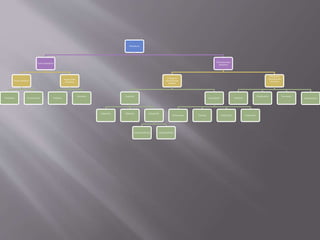
Mutations
Gene mutations
Point mutation
Transition Transversion
Frame shift
mutation
Deletion
Insertion
Chromosomal
mutation
Change in
chromosome
number
Euploidy
Haploidy Diploidy Polyploidy
Auto polyploidy Allopolyploidy
aneuplodiy
Monosomy Trisomy Nullysomy Tetrasomy
Change in
chromosome
structure
Deletion
Duplication Inversion
translocation
 Gene mutation is a small scale alteration of
genetic material.
 A sudden change in gene is called gene
mutation.
 The process of producing mutation is called
mutagenesis.
 Two types of gene mutations
1. Point mutation
o A chemical change that occurs in DNA of
cell called as point mutation
I. Transition
o Purine is replaced by another purine
A by G ,G by A
o Pyramidine is replaced by another
pyramidine T by C ,C by T
II. Transversion
o Purin is replaced by pyramidine
o Pyramidine is replaced by purine
2. Frame shift mutation
o A mutation in which insertion or deletion of
one or more nucleotides is called frame shift
mutation
o Insertion : one or more bases added to the
message
o Deletion : one or more bases deleted from
message
I. Spontaneous mutation
o The mutation occurring naturally
o It is due to normal cellular operations or
random interactions with environment
II. Induced mutations
o Artificially produced mutations
o Mutagens are physical or chemical factors
o E.g.. X-rays, nitrous acid etc……
a. Tautomerisation
o normal base pairing is AT ,GC
o Alternative joining of nitrogen base is called
tautomeric shifts
b. Deamination
o Chemicals like nitrous acid cause oxidative
deamination of nitrogen bases
o Adinine → hypoxanthin[similar to G]
o Hypoxanthine replaced with C , the A T is
replaced by G C
c. Base analouge mutation
o Certain chemicals are similar
to the bases of dna .
o The base analogue has ability
to pair with a base of DNA
o Base 5-bromouracil [BU]is an
analouge of thymine ,easily
pair with adenine.
 Chromosomal Mutation is a large scale alteration of the
chromosomes of an organism
 Changes in structure and no of chromosomes
Based on change in structure of chromosomes
I. Deletion
o Segment of chromosome lost
II. Duplication
o Segment is repeated
III. Inversion
o Segment of chromosome breaks and reunites in
reverse order
IV. Translocation
o Non homologous chromosomes exchange segments
1. Euploidy
I. Haploidy
o Basic set of chromosomes ,N condition
II. Diploidy
o A set of chromosomes 2N
III. Polyploidy
o More than usual set of chromosomes,3N,4N
a. Autoployploidy
b. Allopolyploidy
2. Aneuploidy
I. Monosomy
o One chromosome is lost from a pair ,2n-1
II. Trisomy
o One chromosome is added to a pair,2n+1
III. Nullisomy
o Both chromosome pair is lost,2n-2
IV. Tetrasomy
o A pair of chromosomes are added

Mutations

  • 1.
     The changein the base sequence of DNA is called mutations.  Dobzhansky stated that mutation is a mistake or misprint in cell division.  The term mutation was introduced by De vries.  Mutations are classified in to two types….
  • 2.
    Mutations Gene mutations Point mutation TransitionTransversion Frame shift mutation Deletion Insertion Chromosomal mutation Change in chromosome number Euploidy Haploidy Diploidy Polyploidy Auto polyploidy Allopolyploidy aneuplodiy Monosomy Trisomy Nullysomy Tetrasomy Change in chromosome structure Deletion Duplication Inversion translocation
  • 3.
     Gene mutationis a small scale alteration of genetic material.  A sudden change in gene is called gene mutation.  The process of producing mutation is called mutagenesis.  Two types of gene mutations
  • 4.
    1. Point mutation oA chemical change that occurs in DNA of cell called as point mutation I. Transition o Purine is replaced by another purine A by G ,G by A o Pyramidine is replaced by another pyramidine T by C ,C by T
  • 5.
    II. Transversion o Purinis replaced by pyramidine o Pyramidine is replaced by purine 2. Frame shift mutation o A mutation in which insertion or deletion of one or more nucleotides is called frame shift mutation o Insertion : one or more bases added to the message o Deletion : one or more bases deleted from message
  • 6.
    I. Spontaneous mutation oThe mutation occurring naturally o It is due to normal cellular operations or random interactions with environment II. Induced mutations o Artificially produced mutations o Mutagens are physical or chemical factors o E.g.. X-rays, nitrous acid etc……
  • 7.
    a. Tautomerisation o normalbase pairing is AT ,GC o Alternative joining of nitrogen base is called tautomeric shifts b. Deamination o Chemicals like nitrous acid cause oxidative deamination of nitrogen bases o Adinine → hypoxanthin[similar to G] o Hypoxanthine replaced with C , the A T is replaced by G C
  • 8.
    c. Base analougemutation o Certain chemicals are similar to the bases of dna . o The base analogue has ability to pair with a base of DNA o Base 5-bromouracil [BU]is an analouge of thymine ,easily pair with adenine.
  • 9.
     Chromosomal Mutationis a large scale alteration of the chromosomes of an organism  Changes in structure and no of chromosomes Based on change in structure of chromosomes I. Deletion o Segment of chromosome lost II. Duplication o Segment is repeated III. Inversion o Segment of chromosome breaks and reunites in reverse order IV. Translocation o Non homologous chromosomes exchange segments
  • 10.
    1. Euploidy I. Haploidy oBasic set of chromosomes ,N condition II. Diploidy o A set of chromosomes 2N III. Polyploidy o More than usual set of chromosomes,3N,4N a. Autoployploidy b. Allopolyploidy
  • 11.
    2. Aneuploidy I. Monosomy oOne chromosome is lost from a pair ,2n-1 II. Trisomy o One chromosome is added to a pair,2n+1 III. Nullisomy o Both chromosome pair is lost,2n-2 IV. Tetrasomy o A pair of chromosomes are added