Multi-Sensory Design
Towards Inclusion and Access
MCN -2019.11.06
Sina Bahram 

sina@sinabahram.com
Corey Timpson

corey@coreytimpson.com
Ecosystem
The user exists within both physical and digital space. 

Many variables combine to define the user experience within and across
these spaces. 

Consideration of either of these spaces cannot be done in isolation. We
must consider both, as we think towards inclusion, access, and meaningful
experience design.
Ethos
Rather than design and develop something and then figure out how to make
it accessible, we design with a consideration to all audiences, and all vectors
of human difference, from the outset.
Premise
Exclusion is the result of mismatched intentions: design intent vs user intent. 

Our responsibility is to know how our design intent affects, responds to, and
facilitates user intentions. 

Resolving these points of exclusion yields not only inclusion, but immersion
and innovation.
Facets
The facets of our approach: 

• mixed interaction design (passive, active, interactive) 

• analogue and digital blends (mixed and trans media) 

• stylistic variety 

• immersion 

• multi-sensory
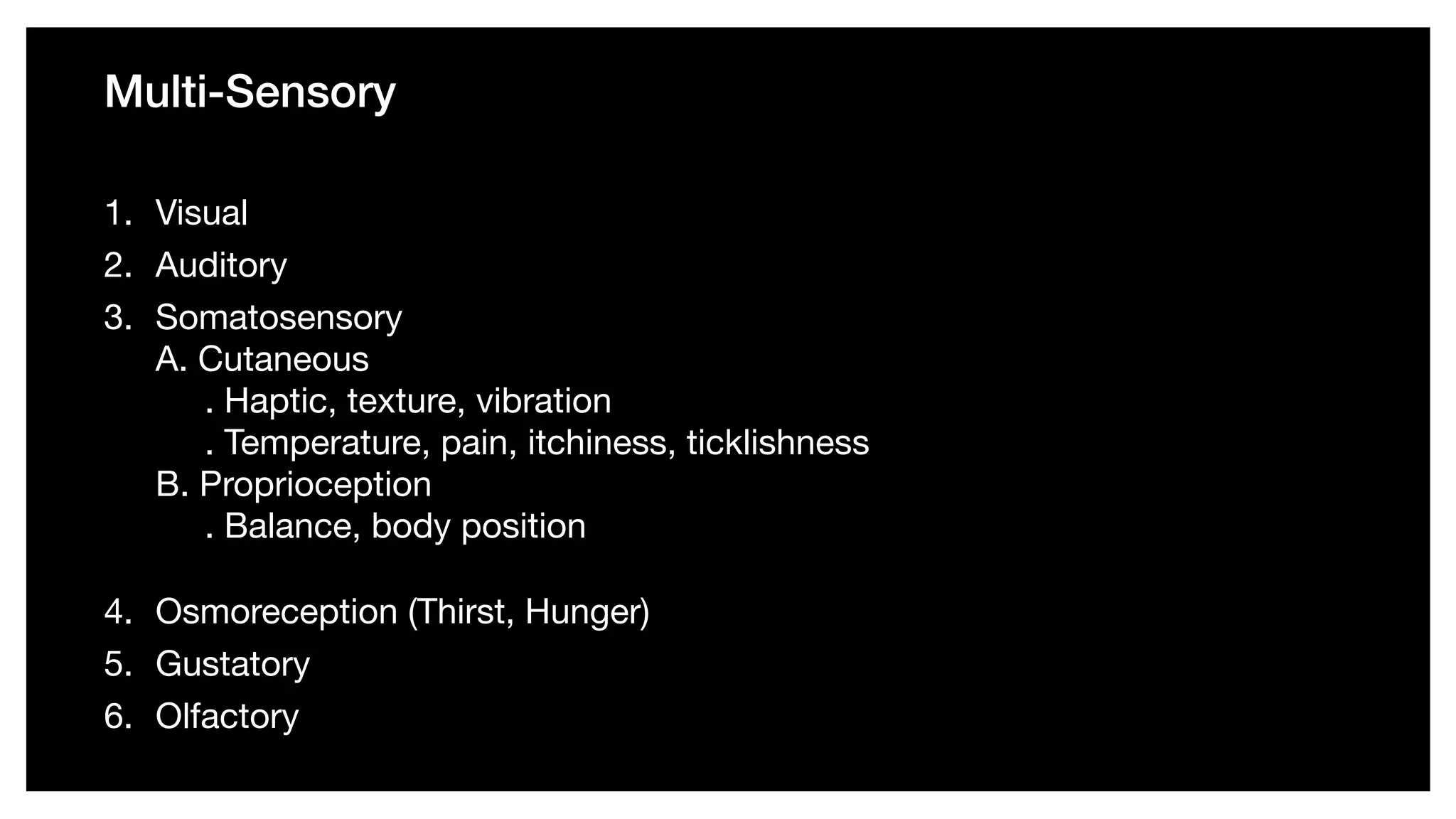
Multi-Sensory
1. Visual 

2. Auditory 

3. Somatosensory 

A. Cutaneous 

. Haptic, texture, vibration 

. Temperature, pain, itchiness, ticklishness 

B. Proprioception 

. Balance, body position 

4. Osmoreception (Thirst, Hunger) 

5. Gustatory 

6. Olfactory
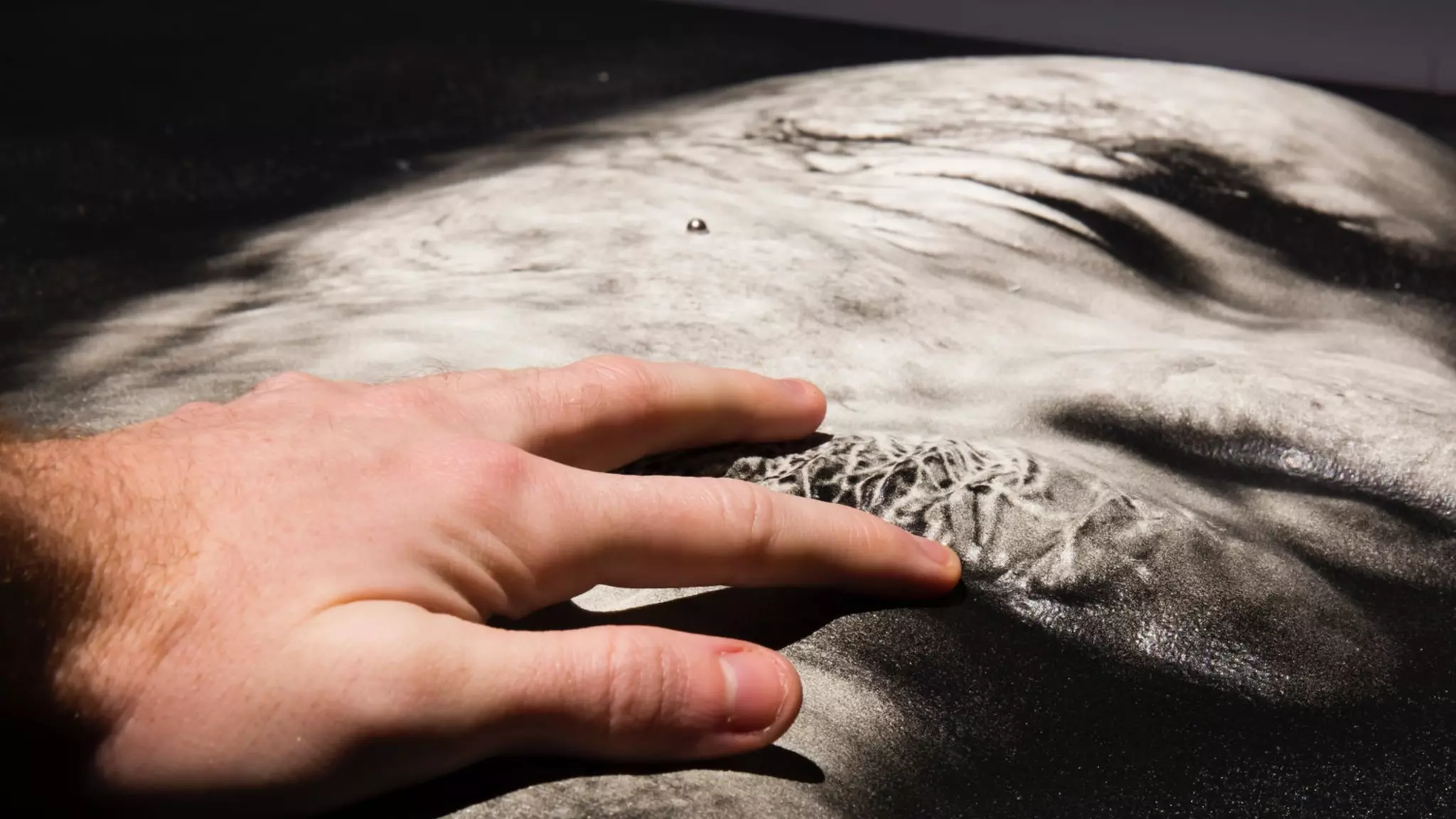
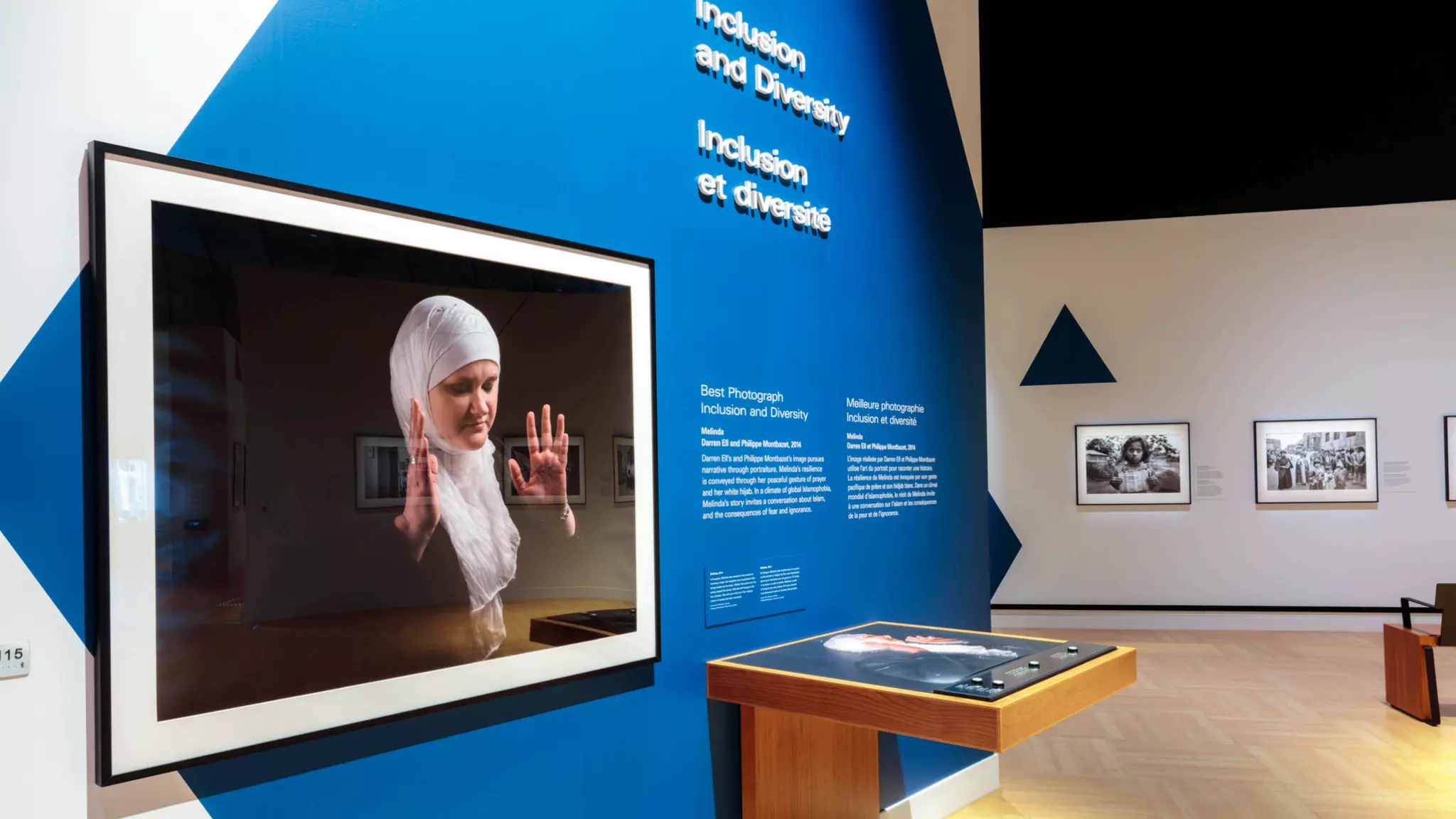
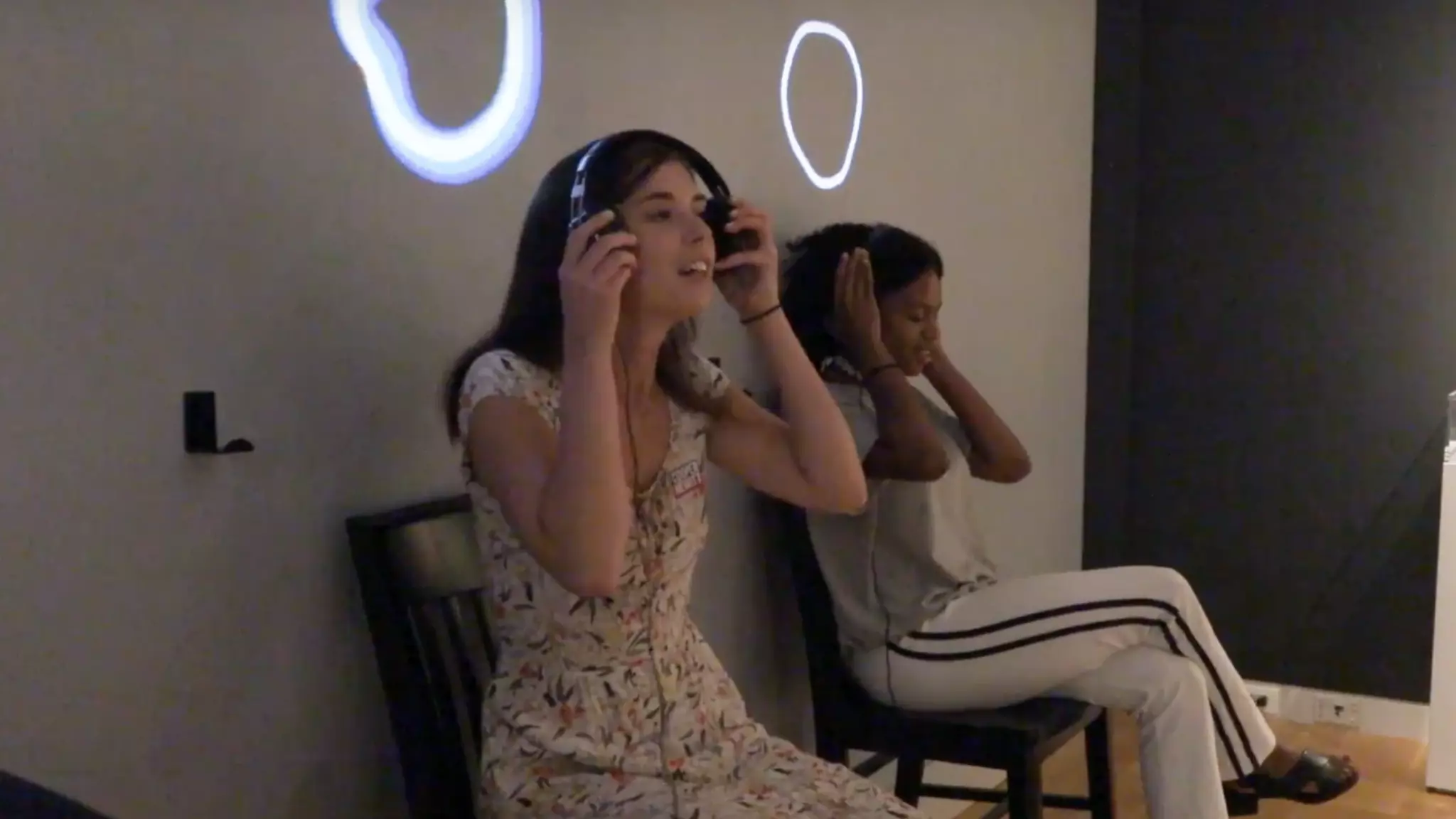
Tactile, Audio Navigated Photos
Visual, tactile, auditory 

4 instances (to date, more to come) 

• Sight Unseen Exhibition 

• Points of View Exhibition 

•
 Tet Offensive Exhibition

• Time to Act: Rohingya Voices Exhibition 

Consider: Respecting artistic intent.
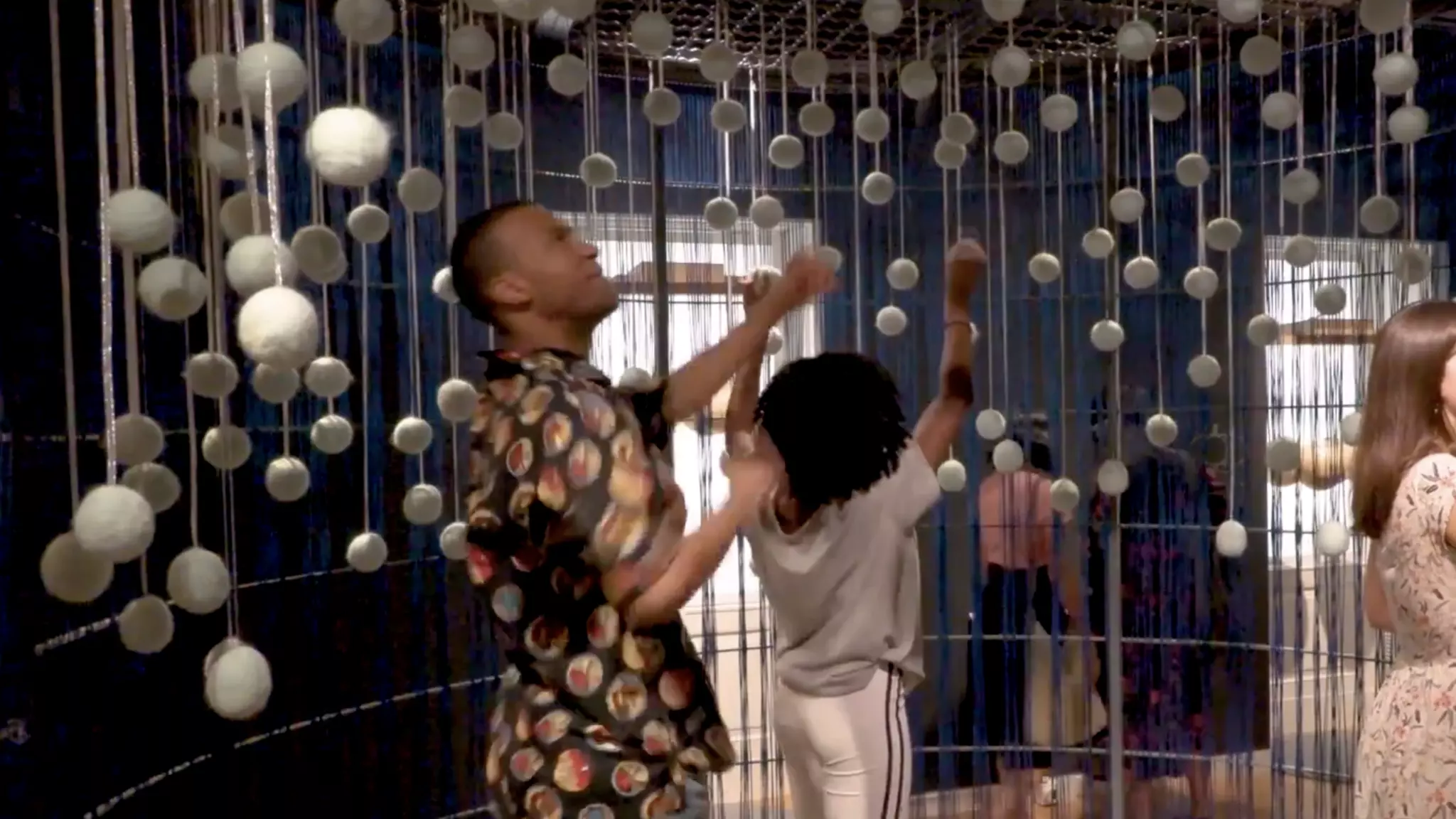
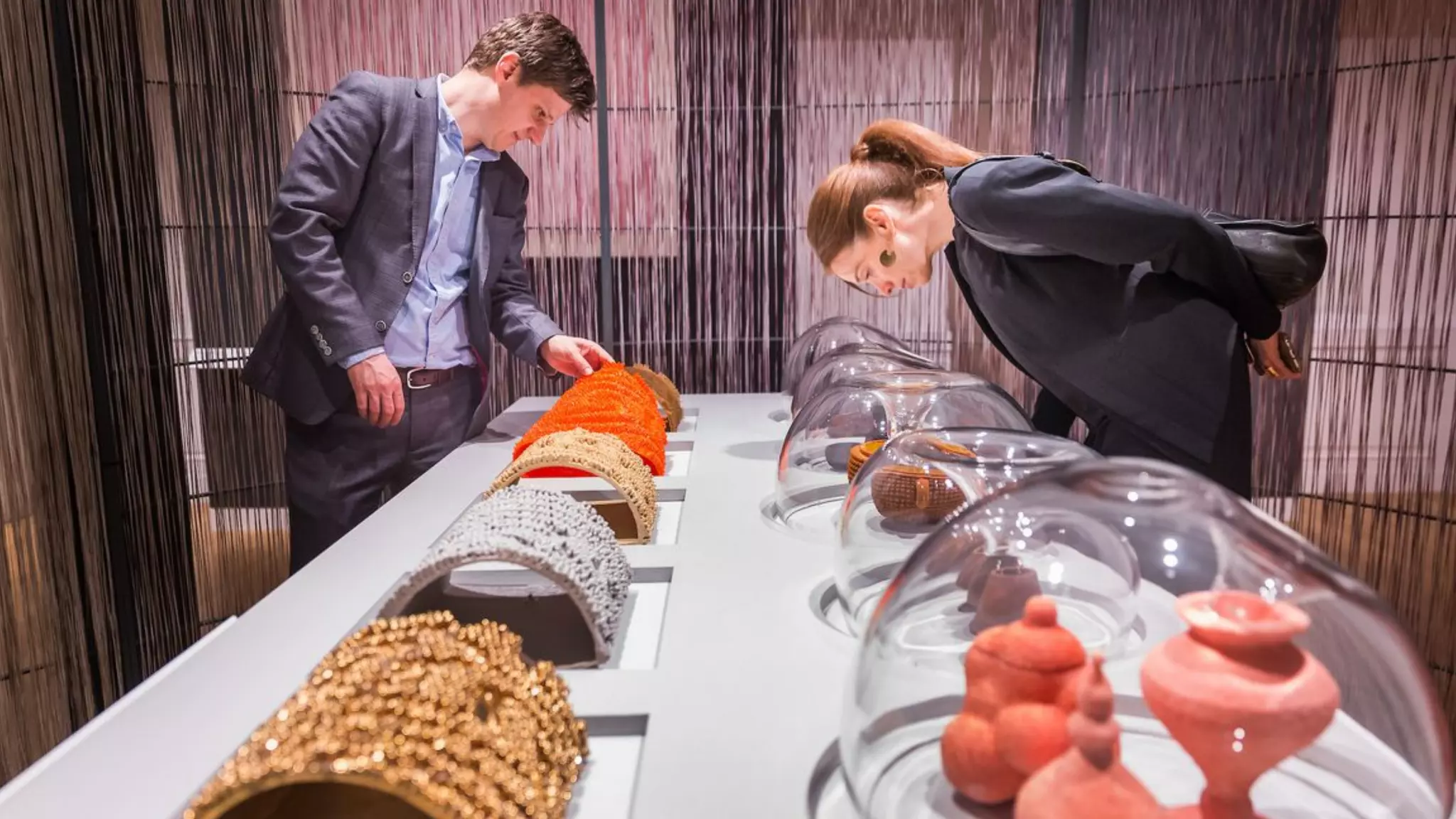
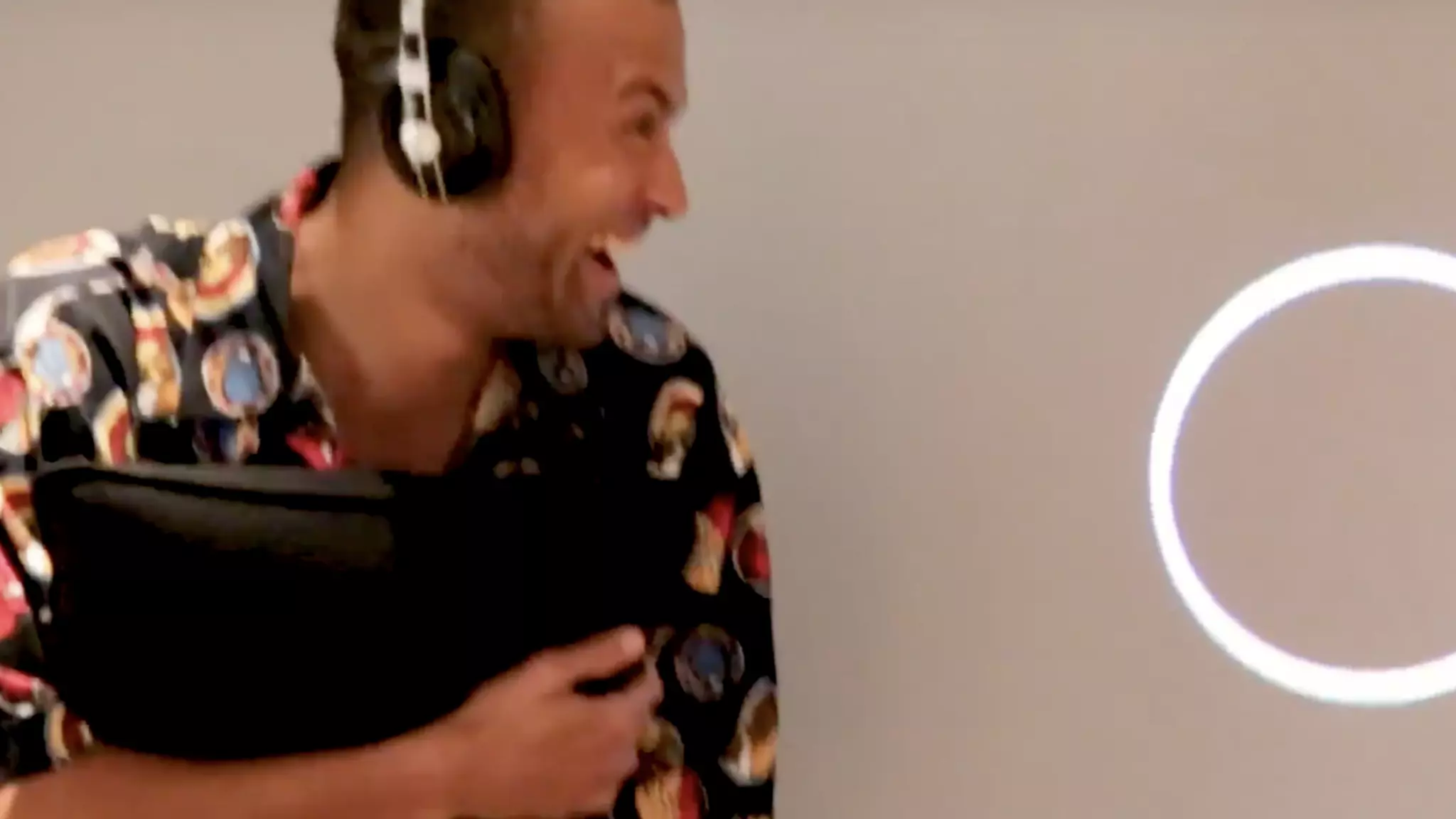
Multi-Sensory Installation Design
Visual, auditory, olfactory, vibra-tactile-haptic. 

Consider: Creating multi-sensory installations that do not exclude one group
in service of another.
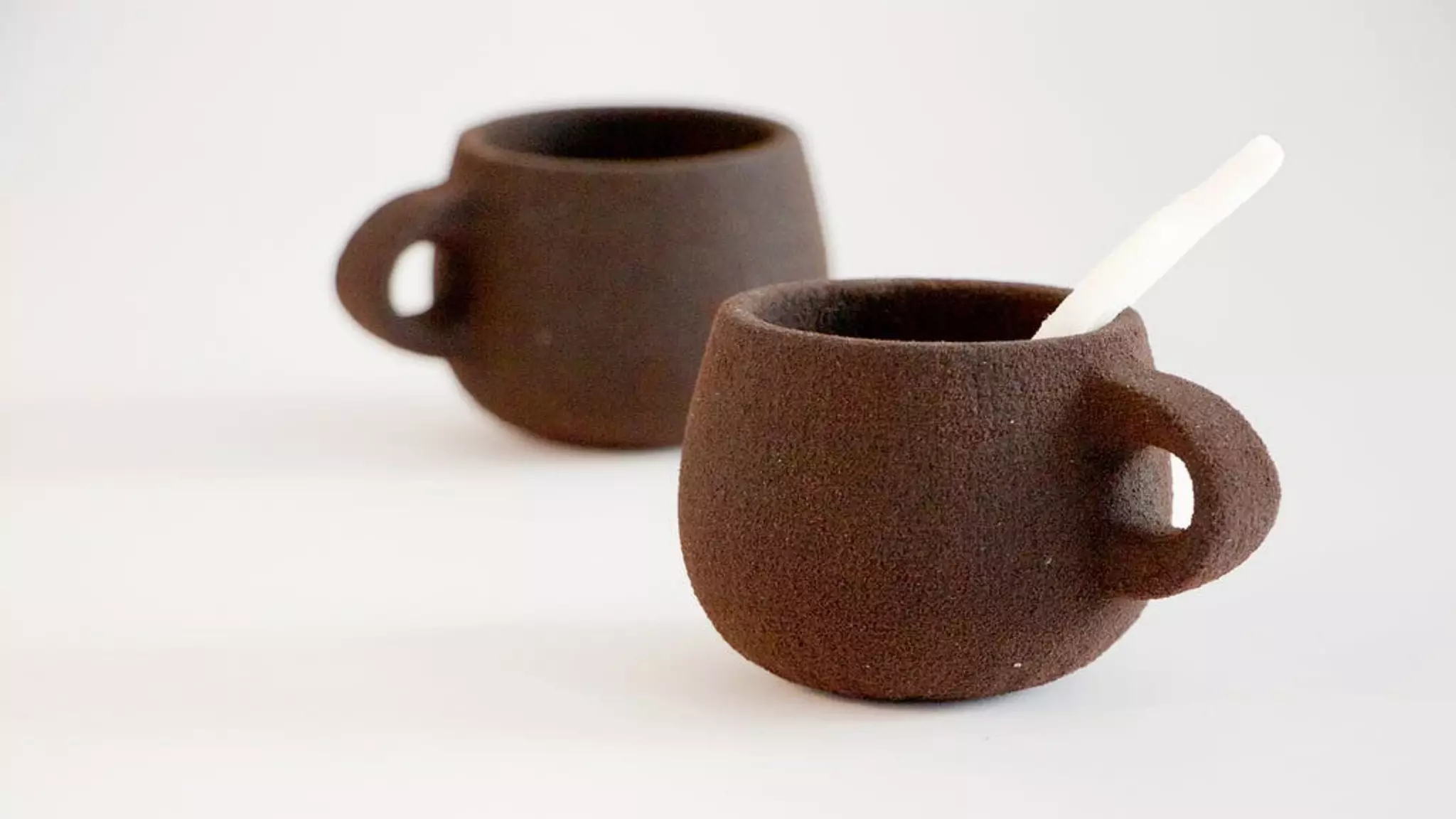
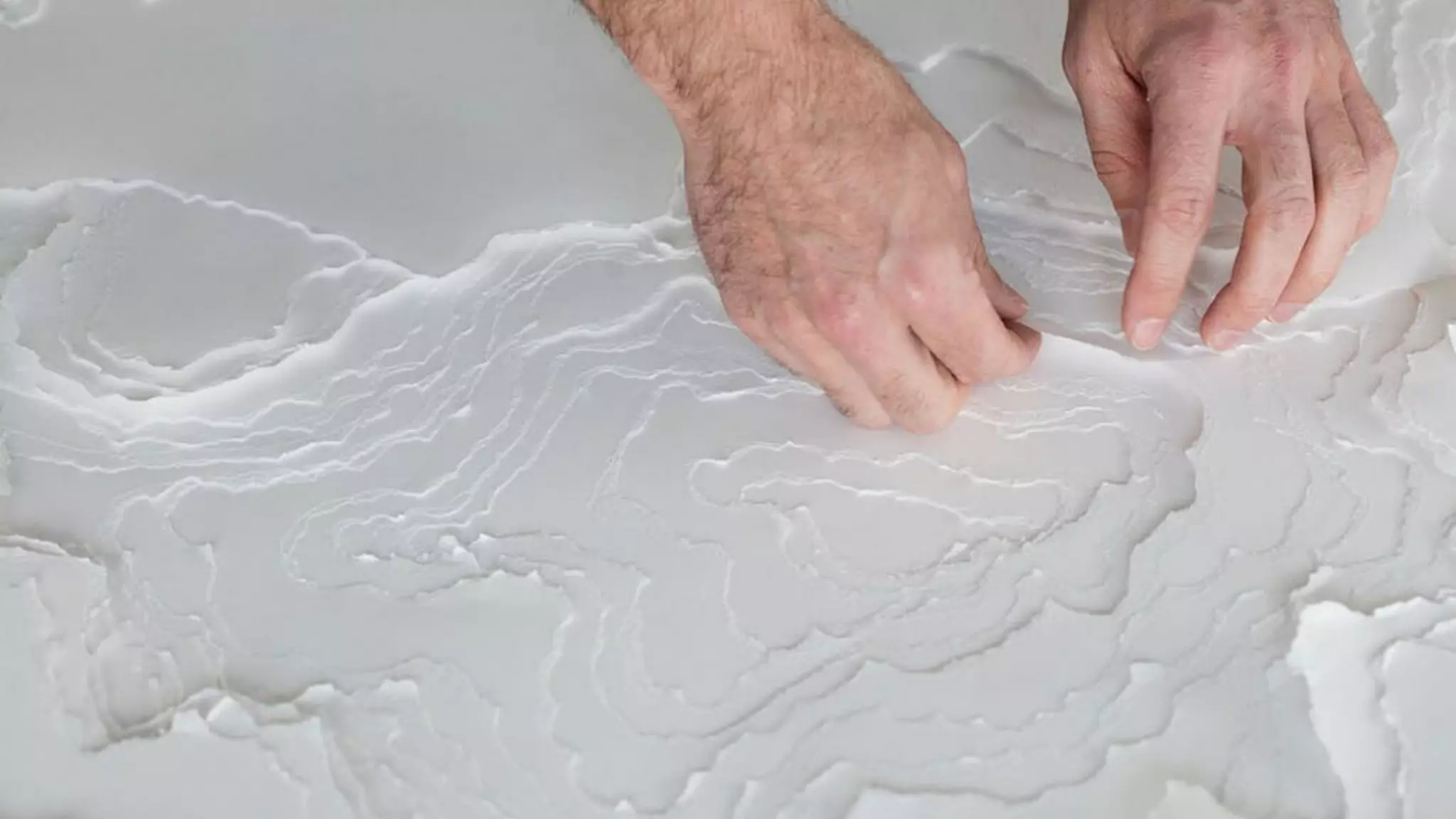
Tactile Reproductions + Guided
Descriptions
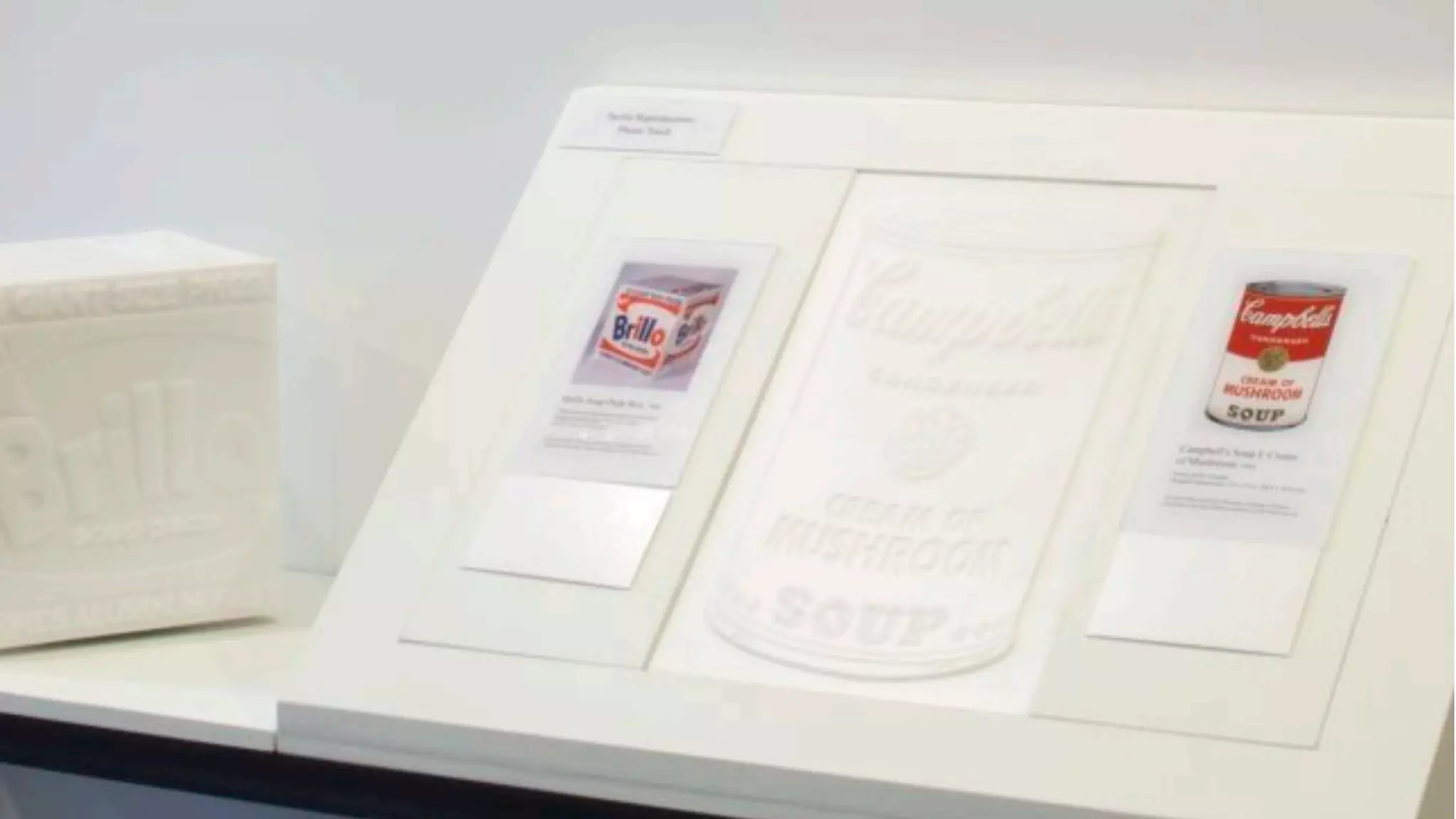
Tactile Reproductions + Guided Descriptions
Tactile, visual, auditory. 

Consider: Balancing aesthetic accuracy against tactile clarity.
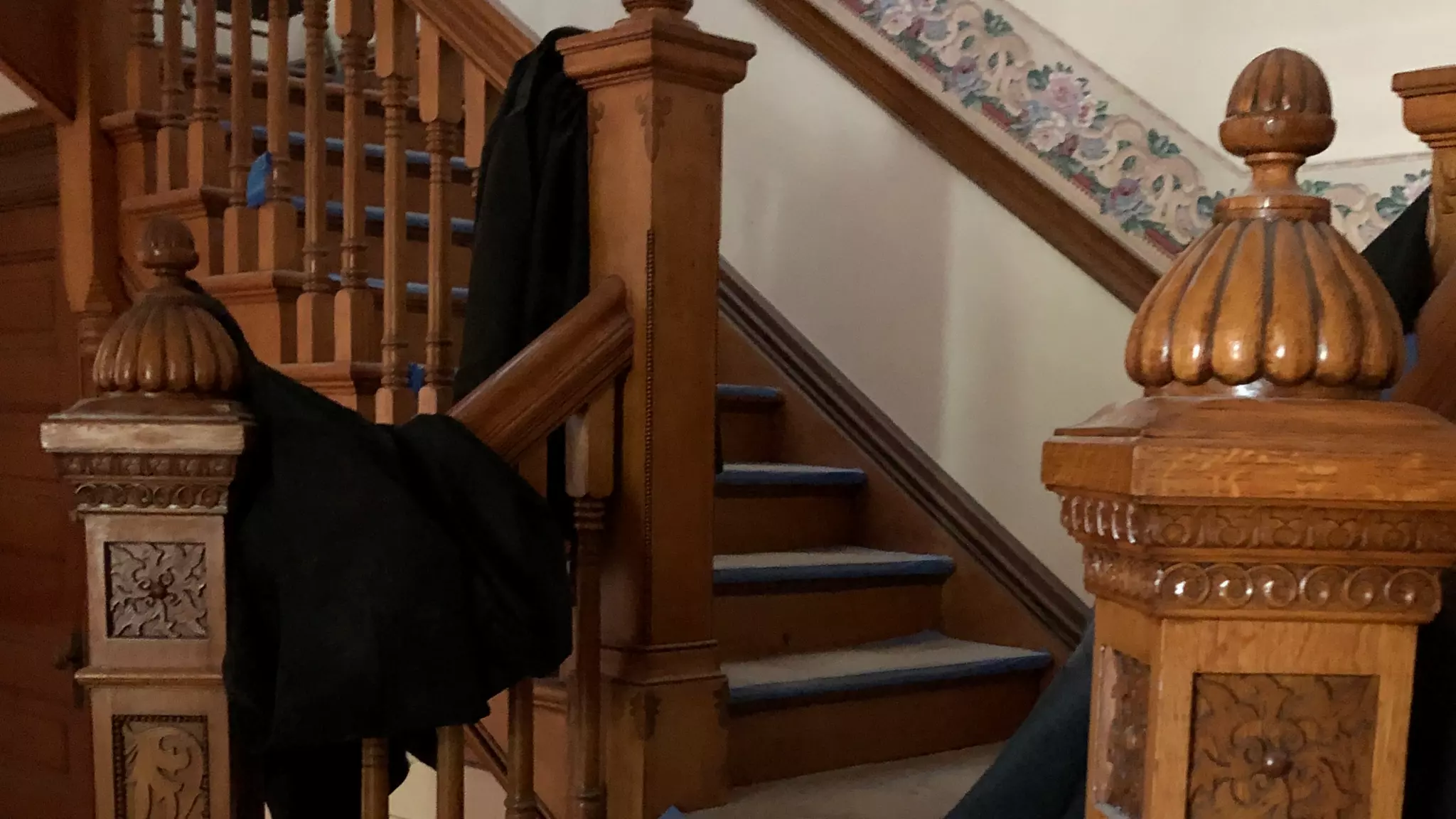
Historic House Museum
Visual, auditory, olfactory, tactile, textural, more. 

Consider: Ensure historical accuracy while providing inclusive and
accessible experiences.
Final Thoughts
Final Thoughts
Using multi-sensory design for inclusion and access is a benefit, not a
burden. 

Happy accidents happen (innovation is provoked). 

This is not a zero sum game. The whole is greater than the sum of its parts
(this is actually true, not just a cliché).
Final Thoughts
Multi-sensory design does not guarantee immersion, nor inclusion or
access. 

Multi-sensory design tactics, in service of inclusion, provides rich,
immersive, and accessible experiences, when implemented deliberately.
Thank You
MCN -2019.11.06
Sina Bahram 

sina@sinabahram.com
Corey Timpson

corey@coreytimpson.com

Multi-Sensory Design Towards Inclusion and Access

  • 1.
    Multi-Sensory Design Towards Inclusionand Access MCN -2019.11.06 Sina Bahram 
 sina@sinabahram.com Corey Timpson
 corey@coreytimpson.com
  • 2.
    Ecosystem The user existswithin both physical and digital space. Many variables combine to define the user experience within and across these spaces. Consideration of either of these spaces cannot be done in isolation. We must consider both, as we think towards inclusion, access, and meaningful experience design.
  • 3.
    Ethos Rather than designand develop something and then figure out how to make it accessible, we design with a consideration to all audiences, and all vectors of human difference, from the outset.
  • 4.
    Premise Exclusion is theresult of mismatched intentions: design intent vs user intent. Our responsibility is to know how our design intent affects, responds to, and facilitates user intentions. Resolving these points of exclusion yields not only inclusion, but immersion and innovation.
  • 5.
    Facets The facets ofour approach: • mixed interaction design (passive, active, interactive) • analogue and digital blends (mixed and trans media) • stylistic variety • immersion • multi-sensory
  • 6.
    Multi-Sensory 1. Visual 2.Auditory 3. Somatosensory 
 A. Cutaneous 
 . Haptic, texture, vibration 
 . Temperature, pain, itchiness, ticklishness 
 B. Proprioception 
 . Balance, body position 4. Osmoreception (Thirst, Hunger) 5. Gustatory 6. Olfactory
  • 7.
  • 10.
    Tactile, Audio NavigatedPhotos Visual, tactile, auditory 4 instances (to date, more to come) • Sight Unseen Exhibition • Points of View Exhibition •
 Tet Offensive Exhibition • Time to Act: Rohingya Voices Exhibition Consider: Respecting artistic intent.
  • 11.
  • 18.
    Multi-Sensory Installation Design Visual,auditory, olfactory, vibra-tactile-haptic. Consider: Creating multi-sensory installations that do not exclude one group in service of another.
  • 19.
    Tactile Reproductions +Guided Descriptions
  • 21.
    Tactile Reproductions +Guided Descriptions Tactile, visual, auditory. Consider: Balancing aesthetic accuracy against tactile clarity.
  • 22.
  • 25.
    Historic House Museum Visual,auditory, olfactory, tactile, textural, more. Consider: Ensure historical accuracy while providing inclusive and accessible experiences.
  • 26.
  • 27.
    Final Thoughts Using multi-sensorydesign for inclusion and access is a benefit, not a burden. Happy accidents happen (innovation is provoked). This is not a zero sum game. The whole is greater than the sum of its parts (this is actually true, not just a cliché).
  • 28.
    Final Thoughts Multi-sensory designdoes not guarantee immersion, nor inclusion or access. Multi-sensory design tactics, in service of inclusion, provides rich, immersive, and accessible experiences, when implemented deliberately.
  • 29.
    Thank You MCN -2019.11.06 SinaBahram 
 sina@sinabahram.com Corey Timpson
 corey@coreytimpson.com