Facing the Future
Natural User Interfaces and
Transmedia Spaces in Museums
Experience Design
> Passive, Active, Interactive, Immersive
Environmental Design
> Scenographic, graphic, material selection
> Inclusive Design
Media Design
> Mixed and transmedia
> Digital, analogue, tangible, natural, interface design consistency, usability,
accessibility
Design Prerequisites
Corey
Design intent and overview.
. 150 years of Canada’s human rights history
. key debates, topics, issues over time
. 5 zones (eras)
1867-1914: Foundations and Dislocations
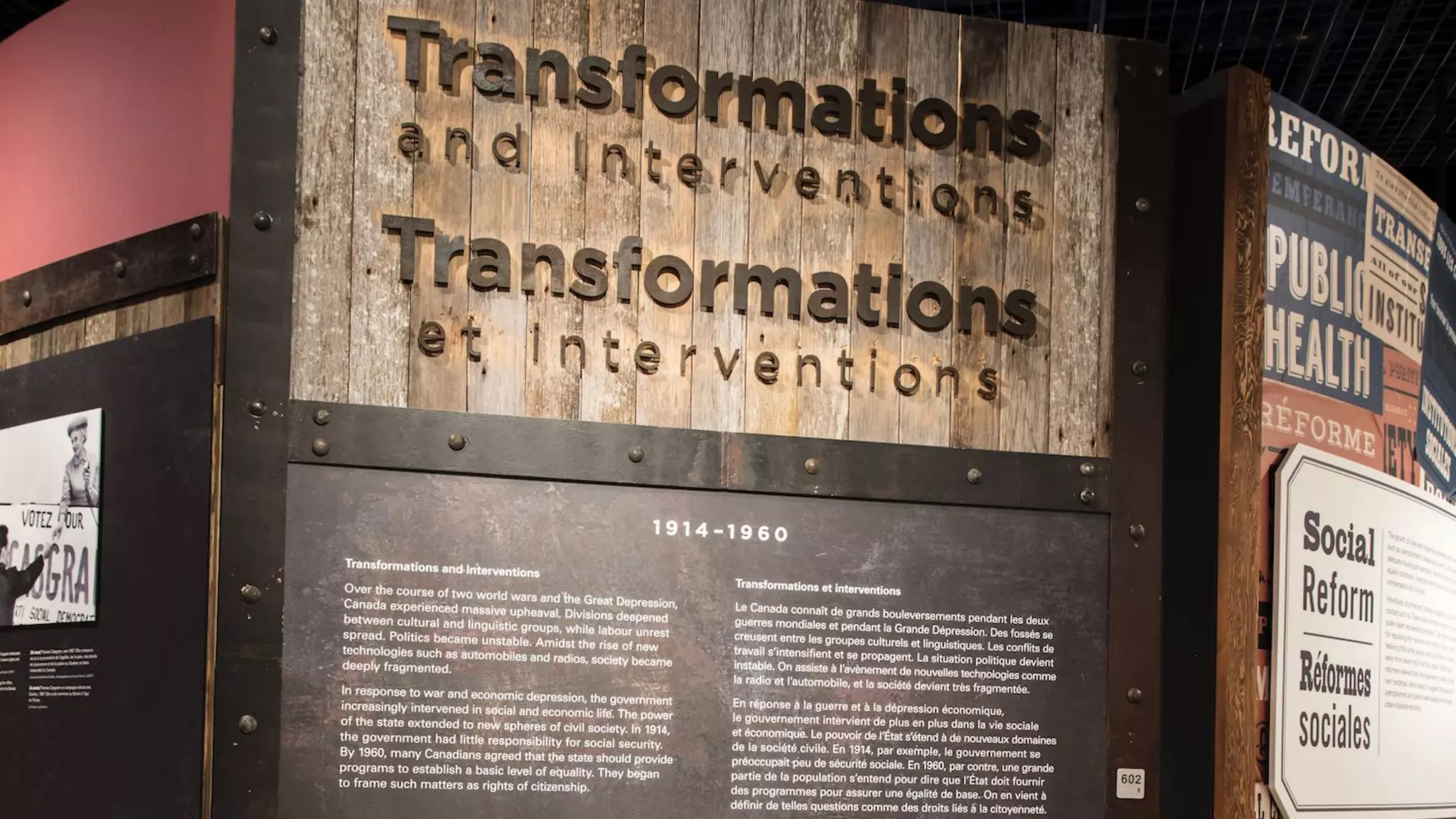
1915-1960: Transformations and Interventions
1960-1982: Towards the Charter
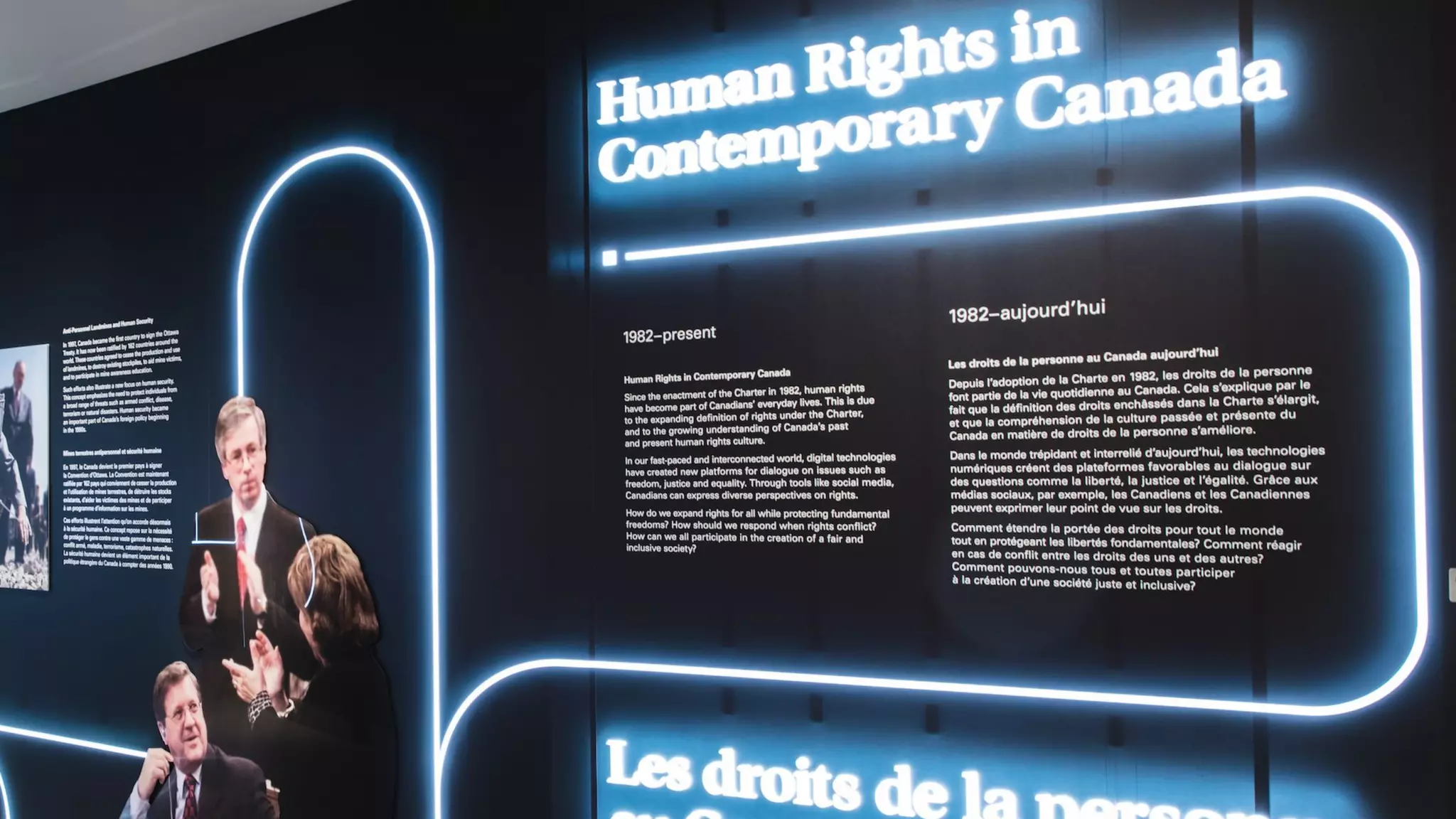
1982-Present: Human Rights in a Contemporary Canada
Past and Present: Defending Sovereignty
Rights of Passage
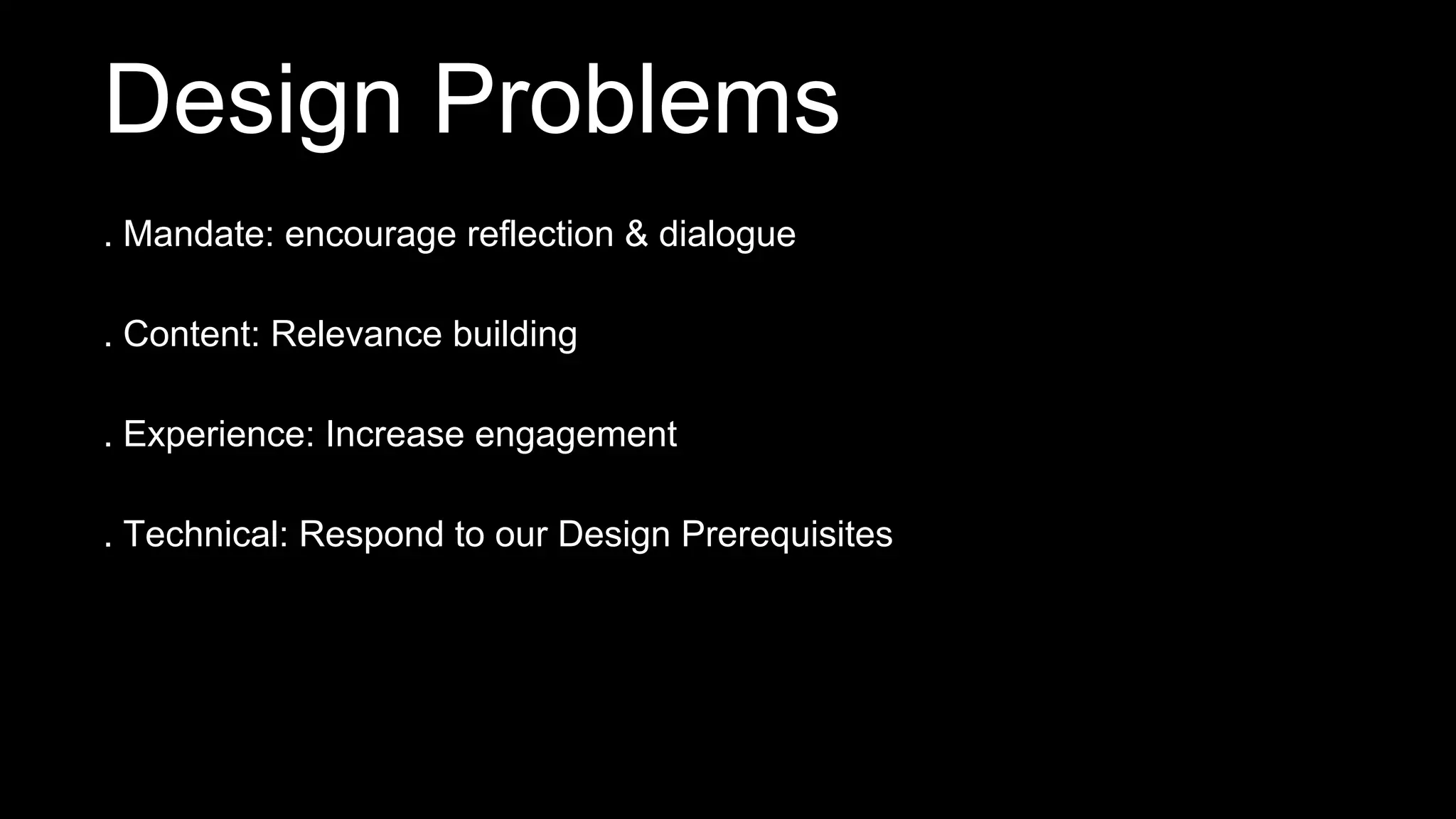
. Mandate: encourage reflection & dialogue
. Content: Relevance building
. Experience: Increase engagement
. Technical: Respond to our Design Prerequisites
Design Problems
Expressing the stories of the time, through the medium and material of the
time.
Use material and medium as storytelling vehicles.
Design Direction
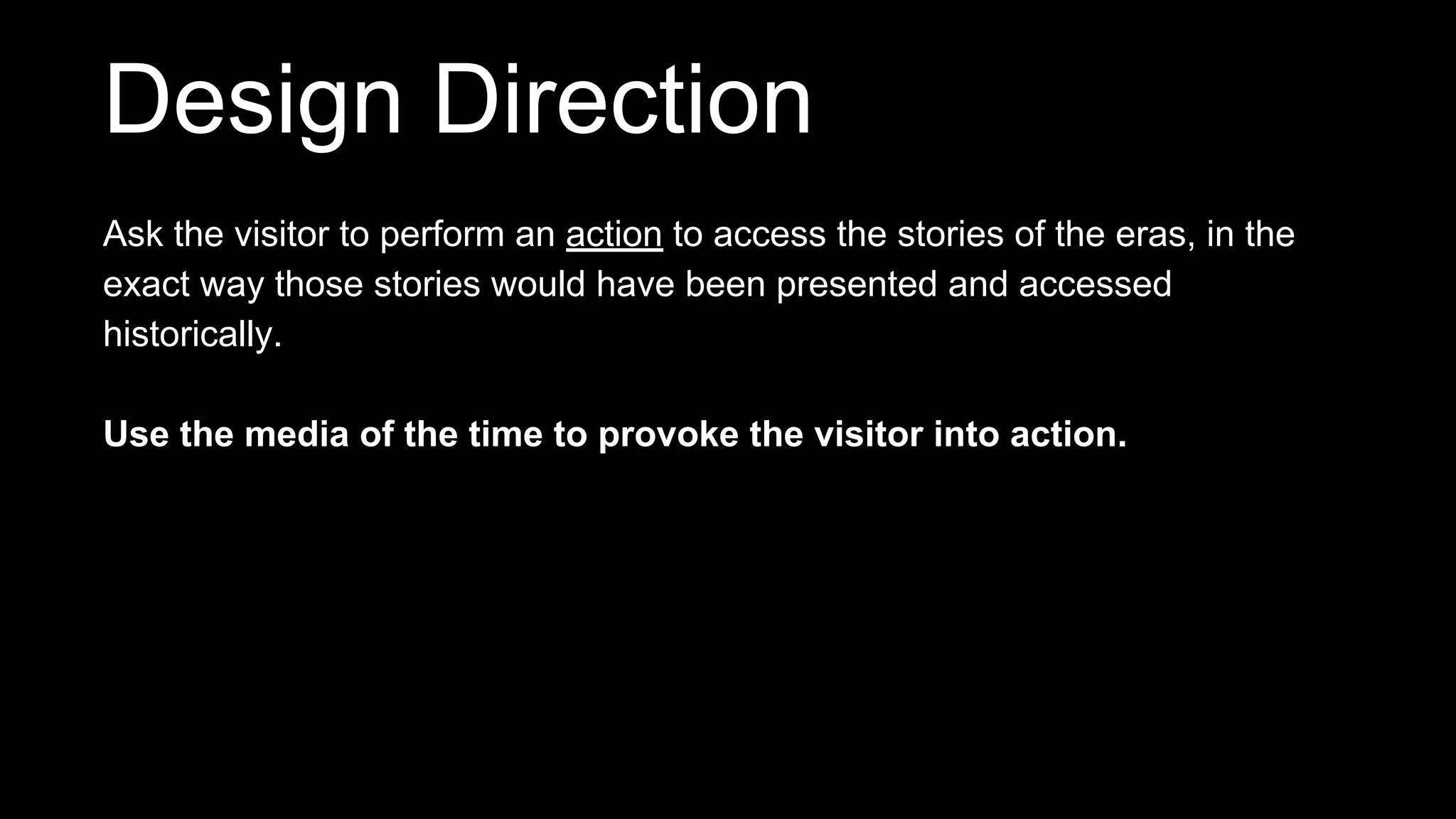
Ask the visitor to perform an action to access the stories of the eras, in the
exact way those stories would have been presented and accessed
historically.
Design Direction
Ask the visitor to perform an action to access the stories of the eras, in the
exact way those stories would have been presented and accessed
historically.
Use the media of the time to provoke the visitor into action.
Design Direction
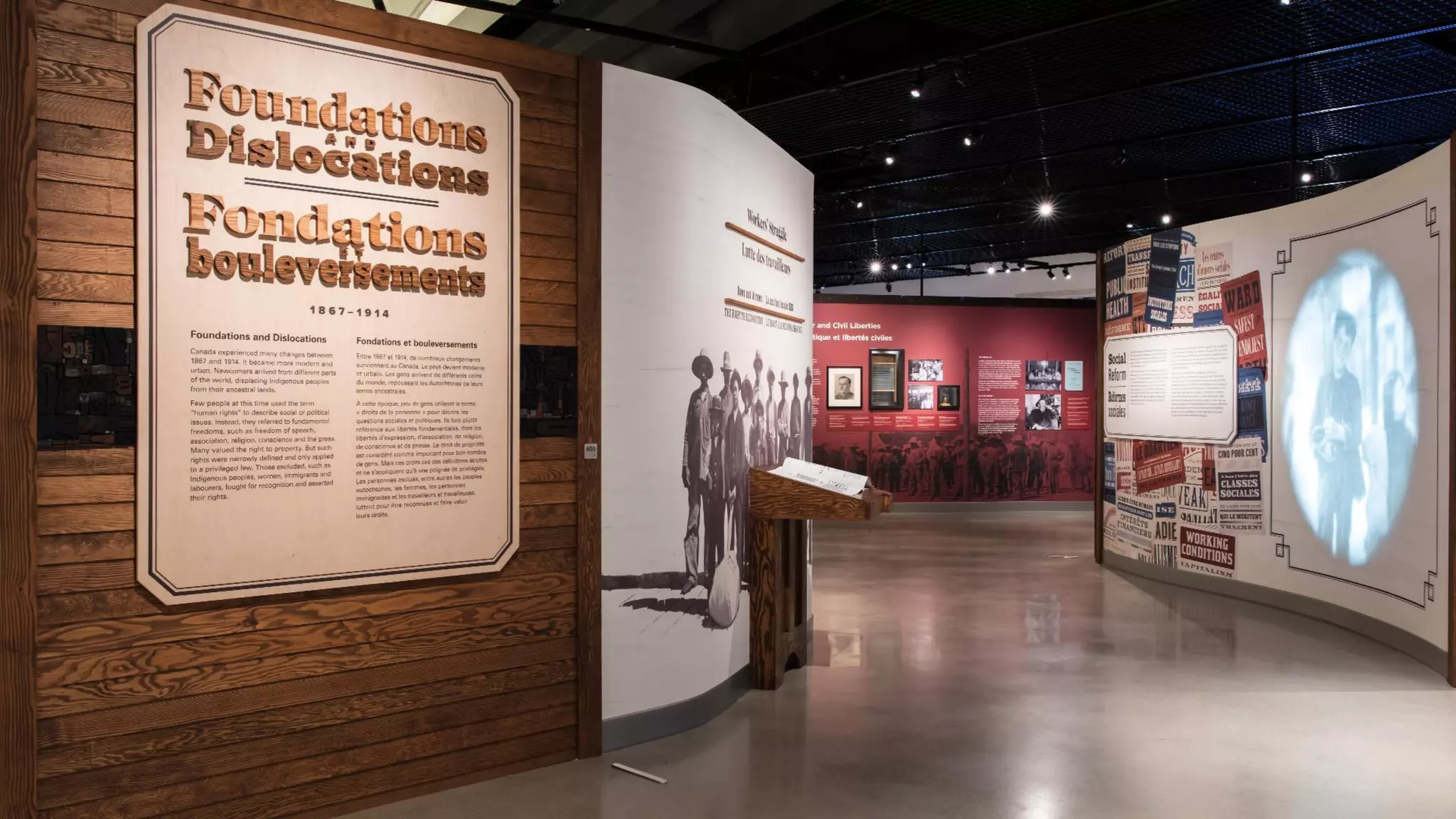
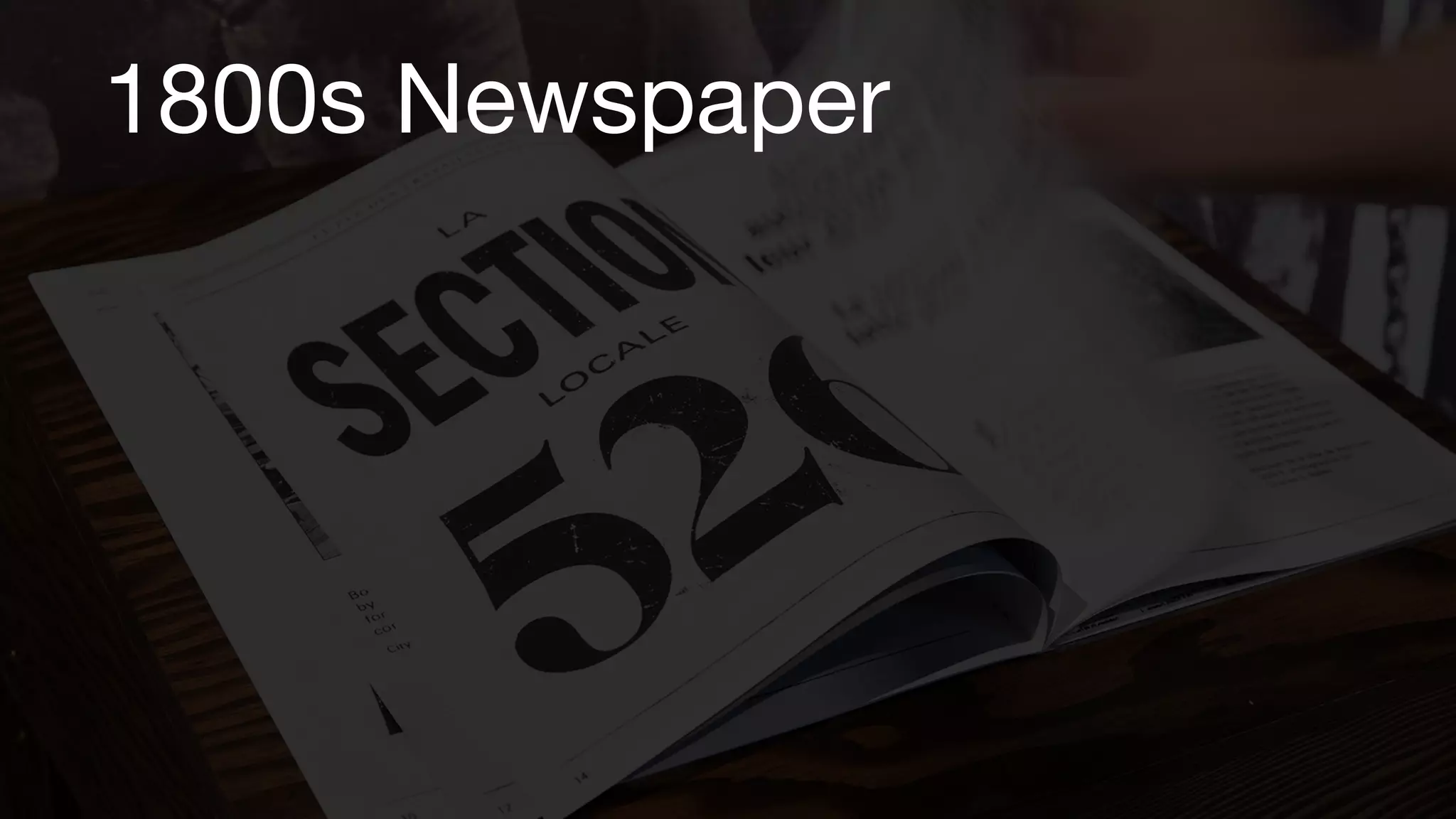
1867-1914: Foundations and Dislocations
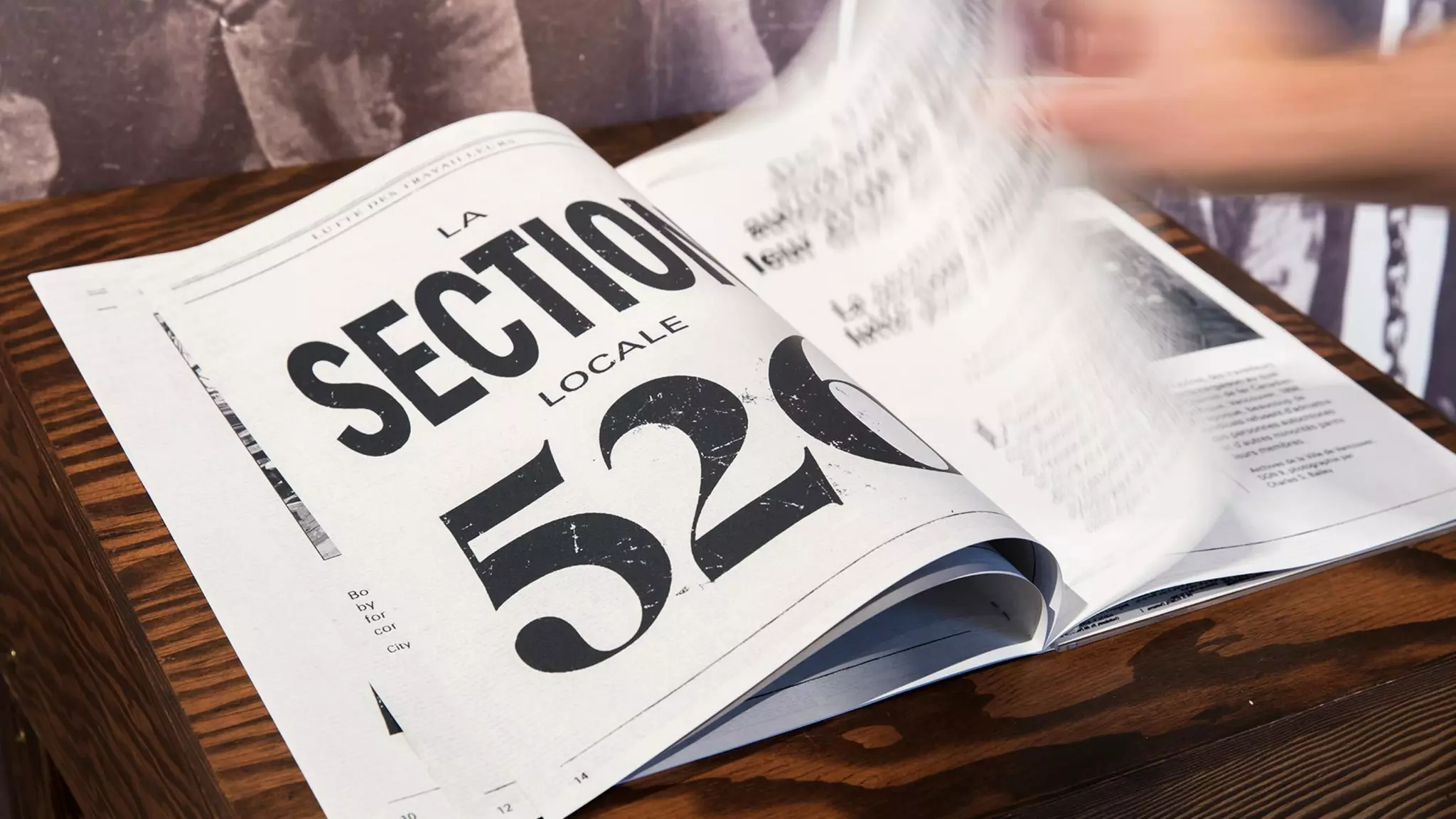
Material: Wood
Medium: Printing Press, newsprint, pulp posters, magic lantern
Rights of Passage
1915-1960: Transformations and Interventions
Material: Steel, Wood
Medium: Radio (broadcast audio)
Rights of Passage
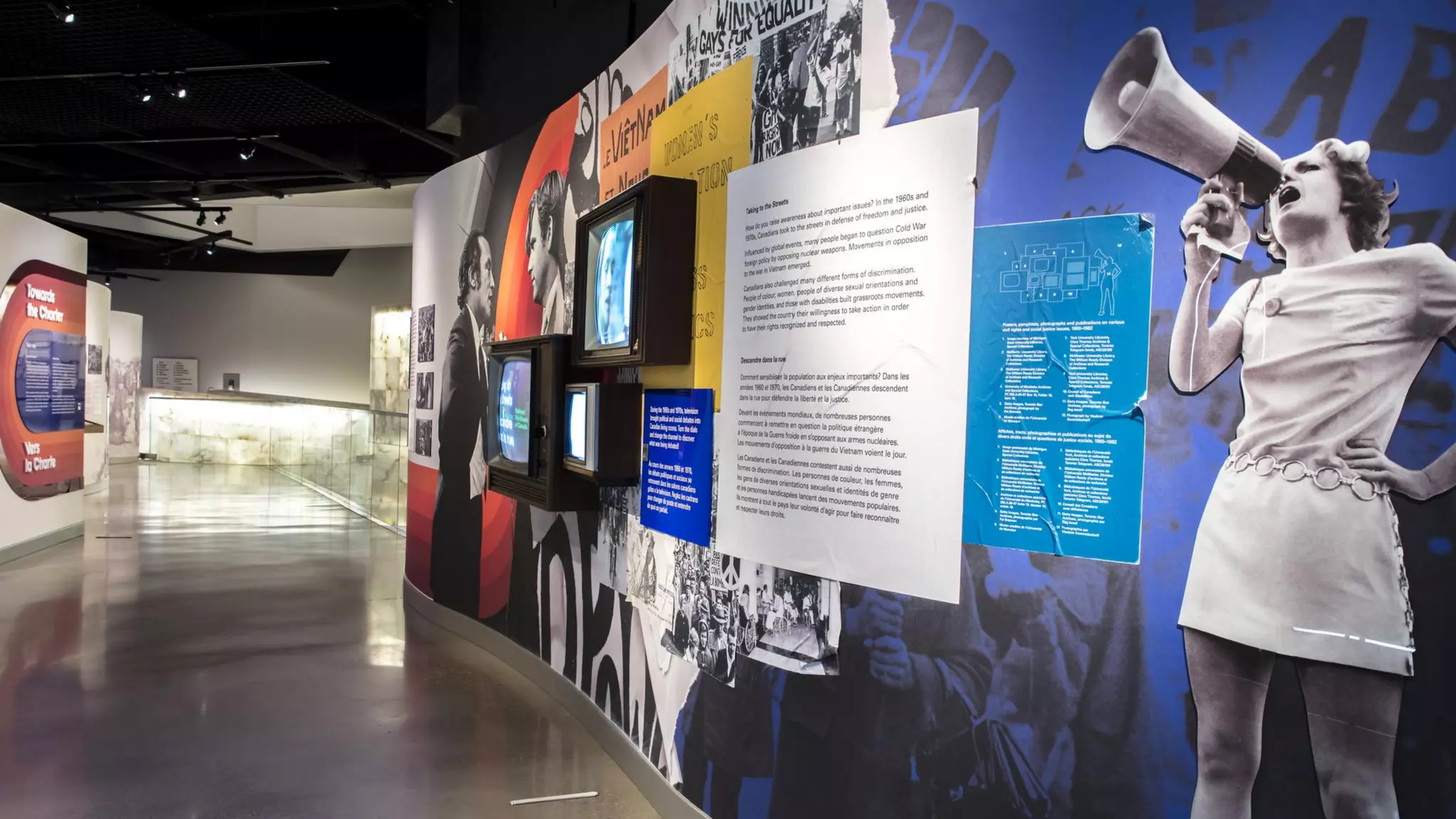
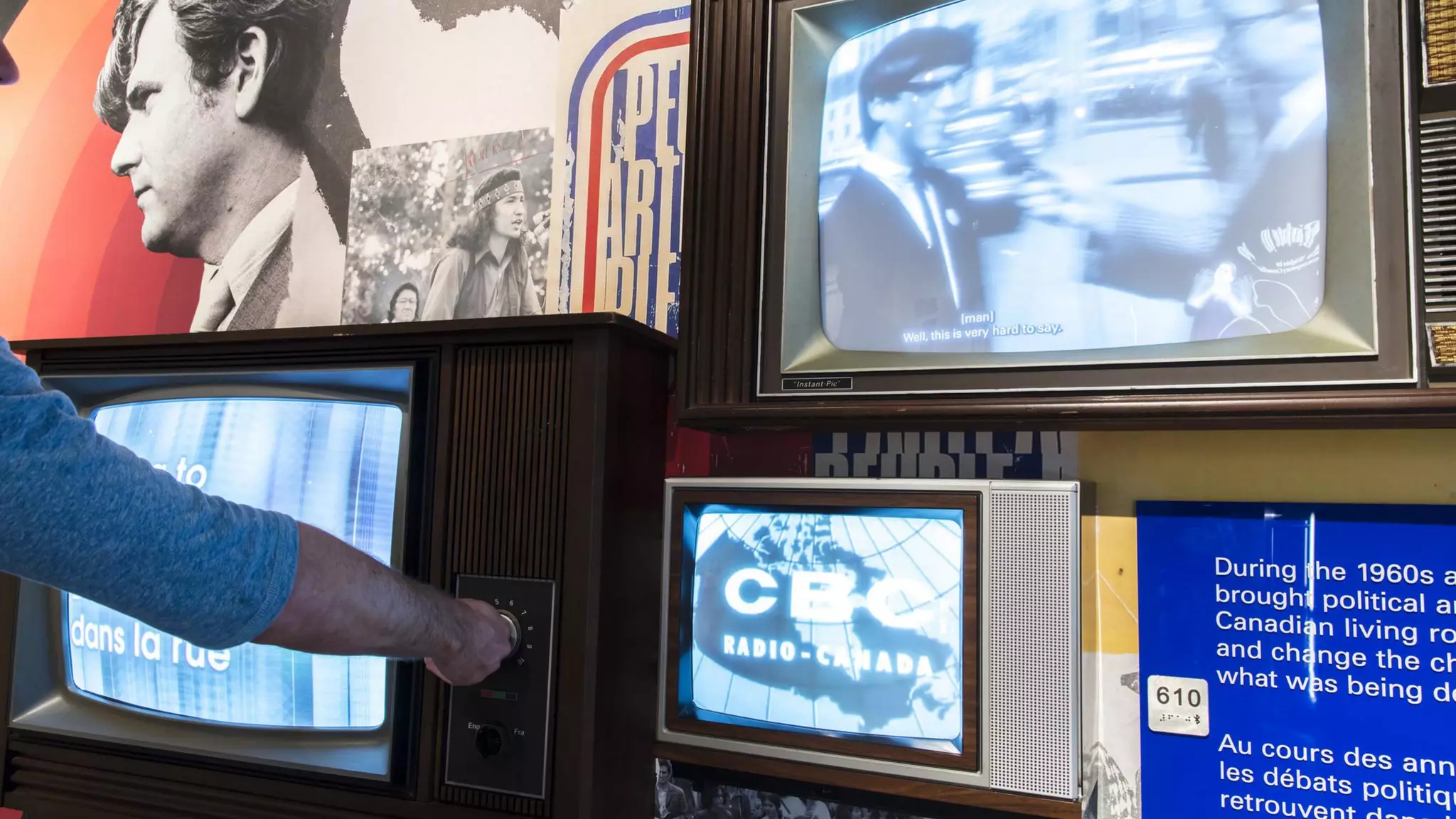
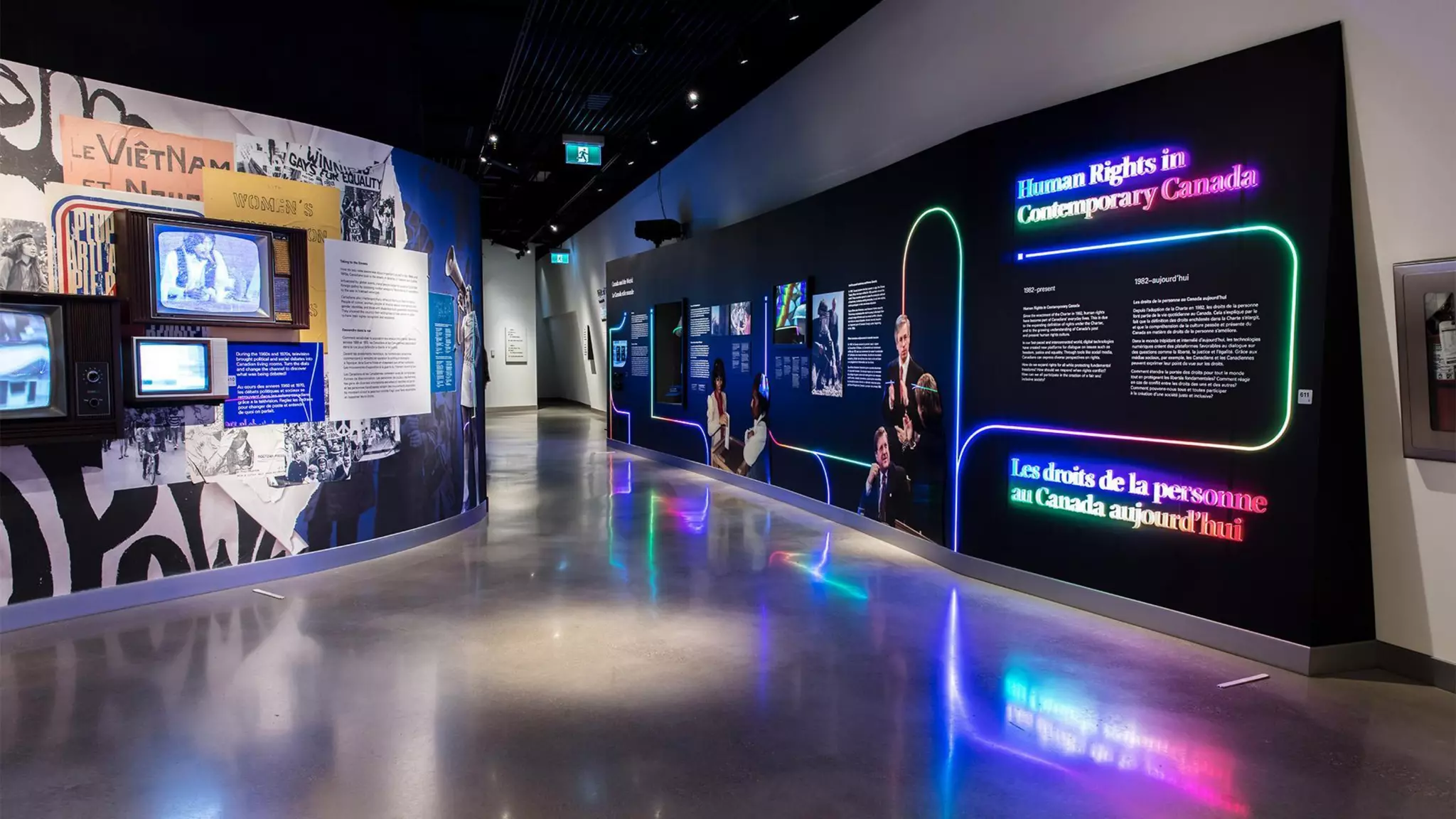
1960-1982: Towards the Charter
Material: Plastic, laminate
Medium: Television (broadcast video, audio)
Rights of Passage
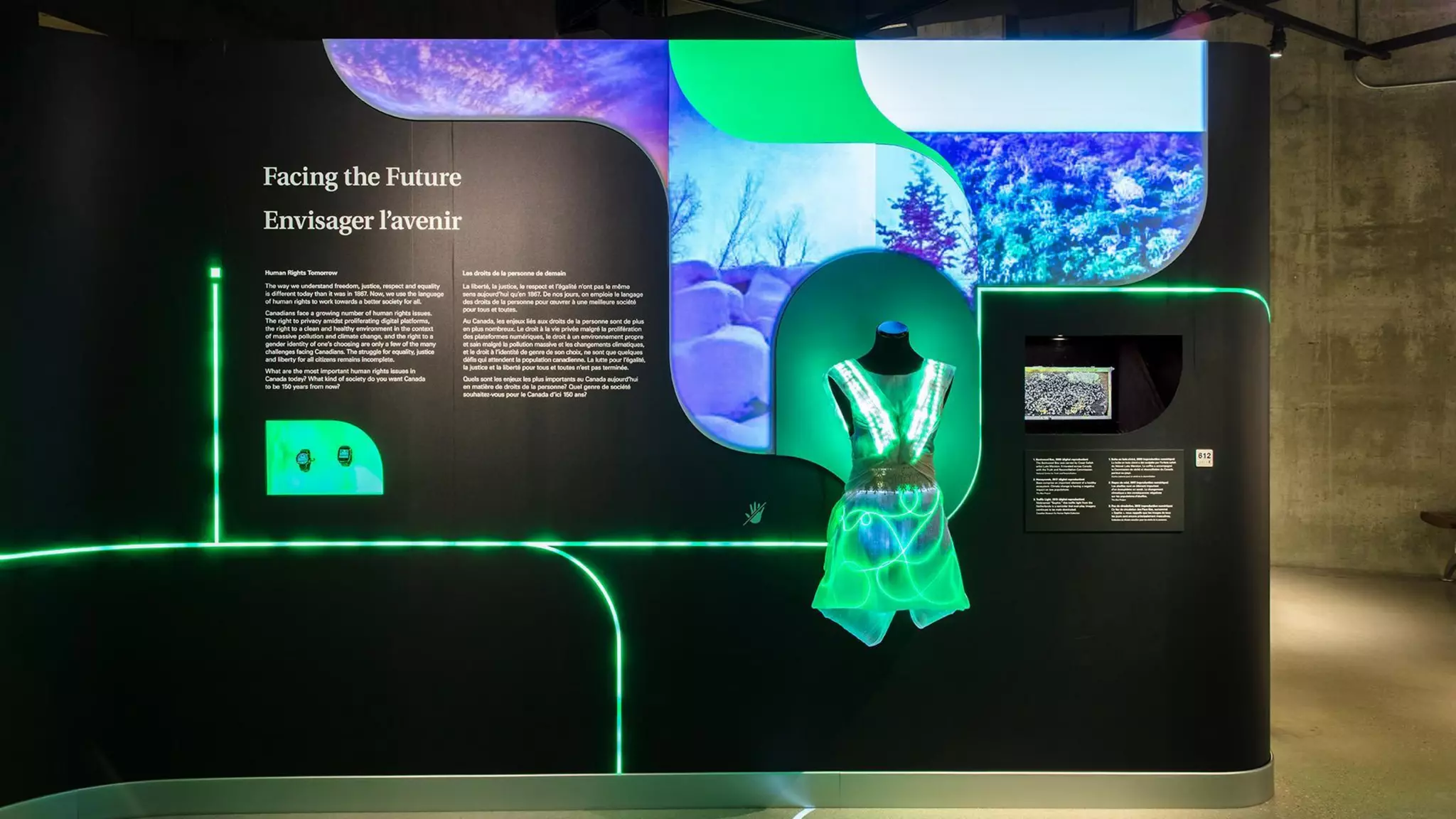
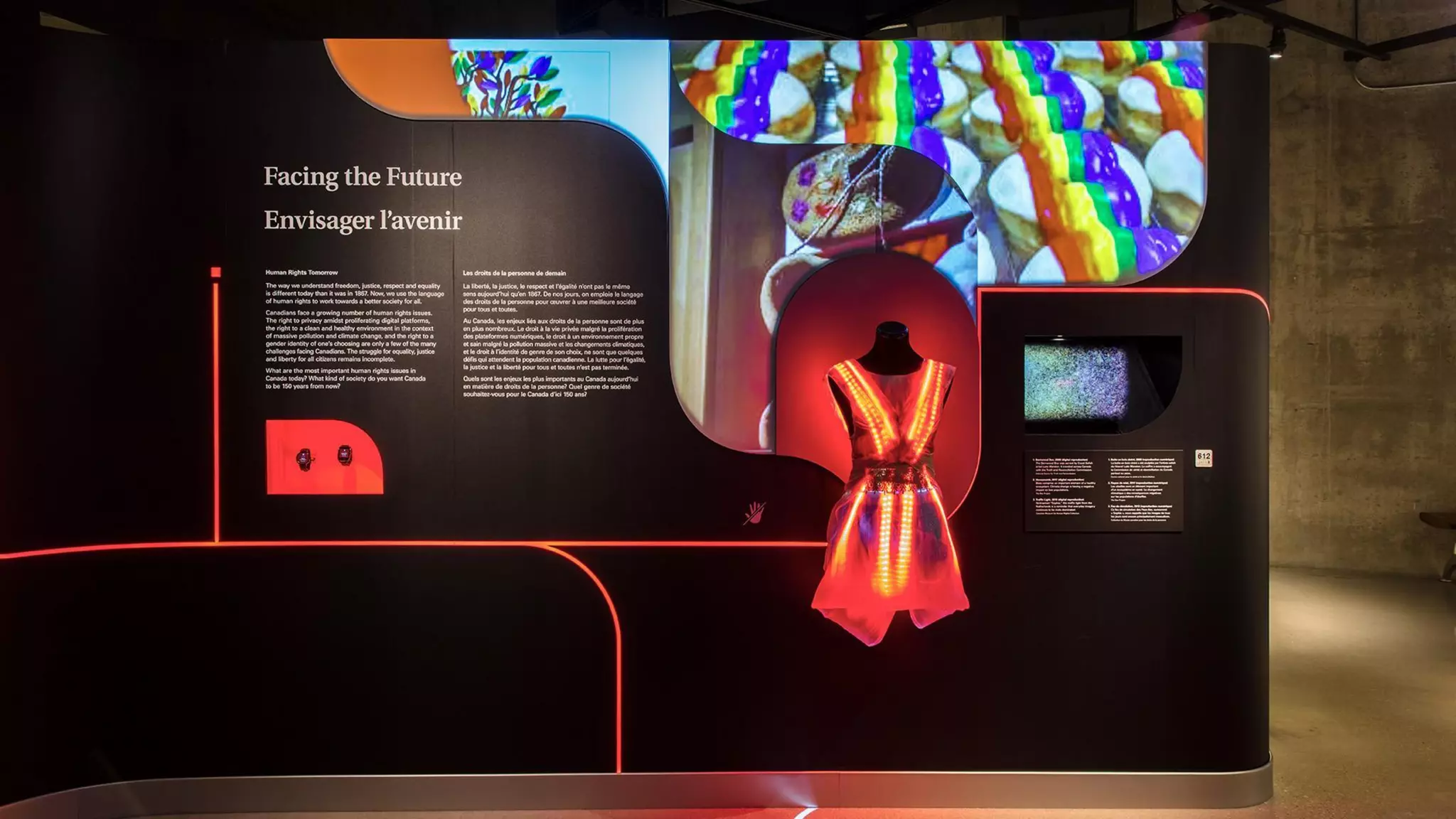
1982-Present: Human Rights in a Contemporary Canada (& Facing the
Future)
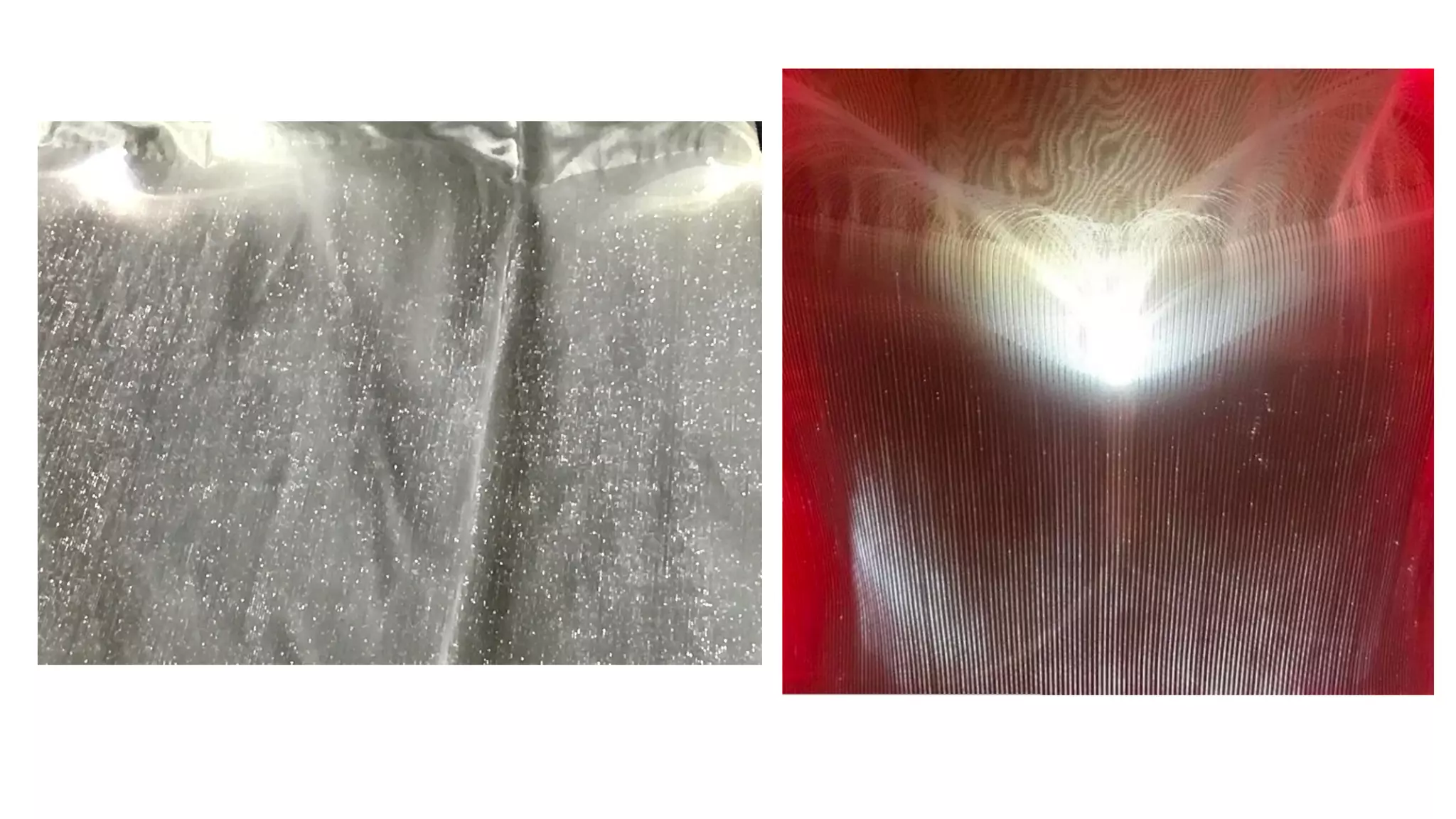
Material: Light
Medium: Light (digital, fiber, broadcast & response)
Rights of Passage
Past and Present: Defending Sovereignty
Material: 4 sacred plants/medecins (cedar, sage, tobacco, sweetgrass)
Medium: Oral tradition, the intangible
Rights of Passage
. Use material for environmental immersion (reflecting the era/context)
. Use medium of the time to present content of the time
. Use of material and media created passive, active, and interactive
experiences
To date:
> visitors use the interfaces (kids seem naturally inclined to interact)
> re-creation of the old media facilitates accessibility
> dwell time is 3x as long as it is in other galleries
Outcomes
The natural interfaces in this exhibition served the roles of creating active
and interactive experiences, increasing personalization, and reflecting the
transmedia storytelling approach now characteristic of the CMHR’s
exhibition style.
Natural Interfaces
The natural interfaces in this exhibition served the roles of creating active
and interactive experiences, increasing personalization, and reflecting the
transmedia storytelling approach now characteristic of the CMHR’s
exhibition style.
Address inclusive/universal design and accessibility in the seamless
integration of media installations within the fabric of the exhibition.
Natural Interfaces
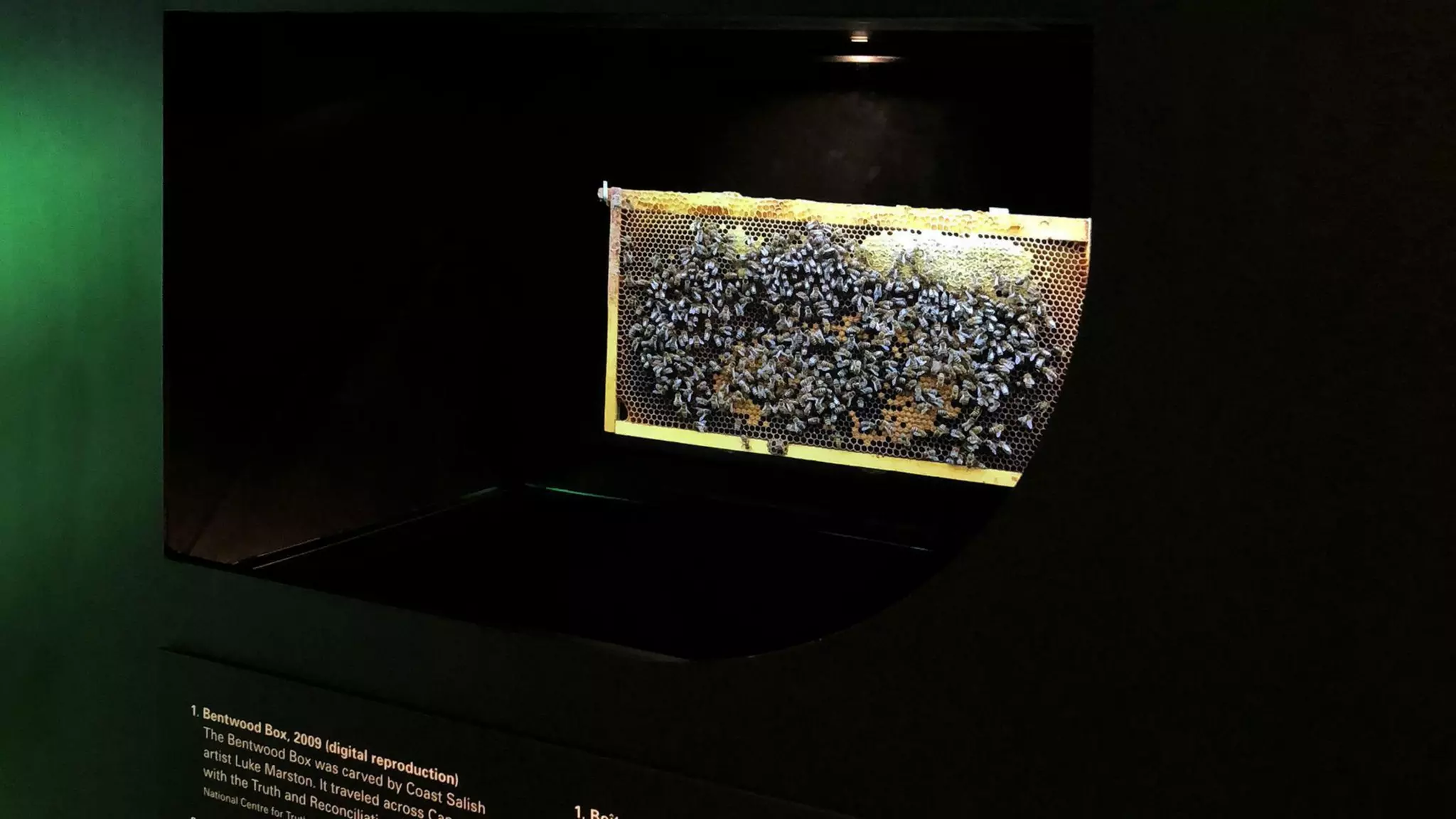
1800s Newspaper
1930’s Radio
1970’s Television
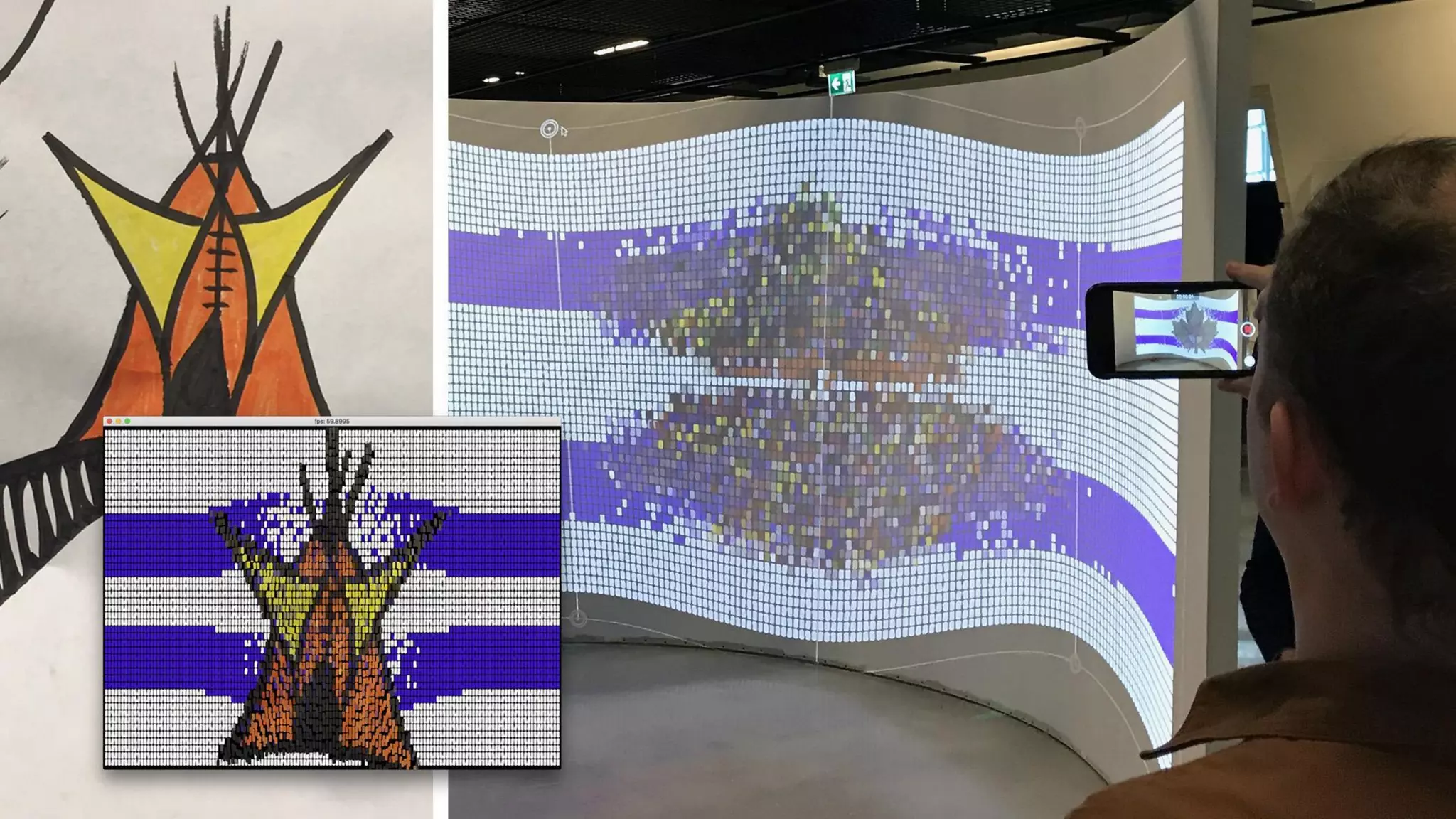
Audio Beaded Projection
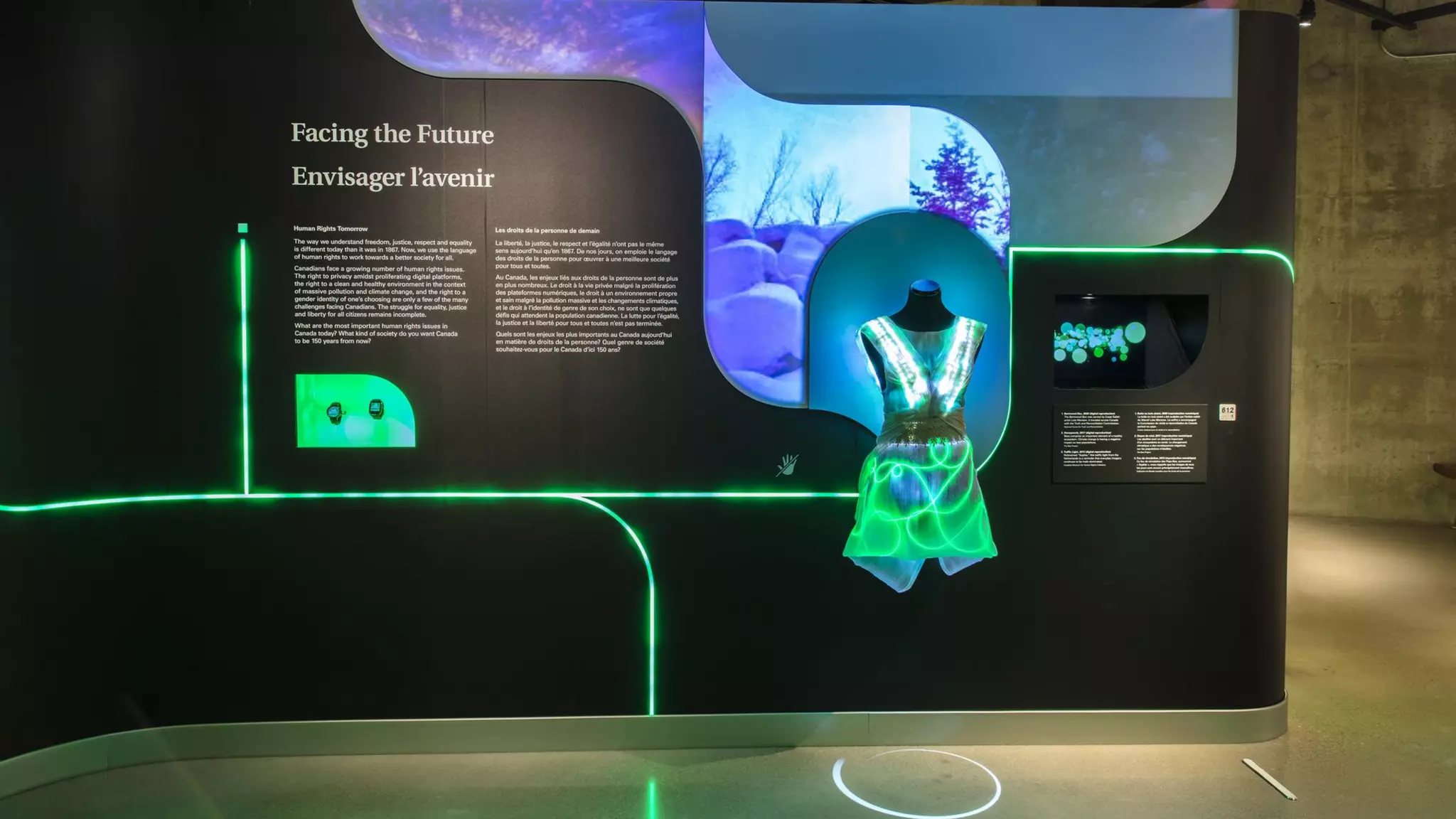
Facing the Future
Liz
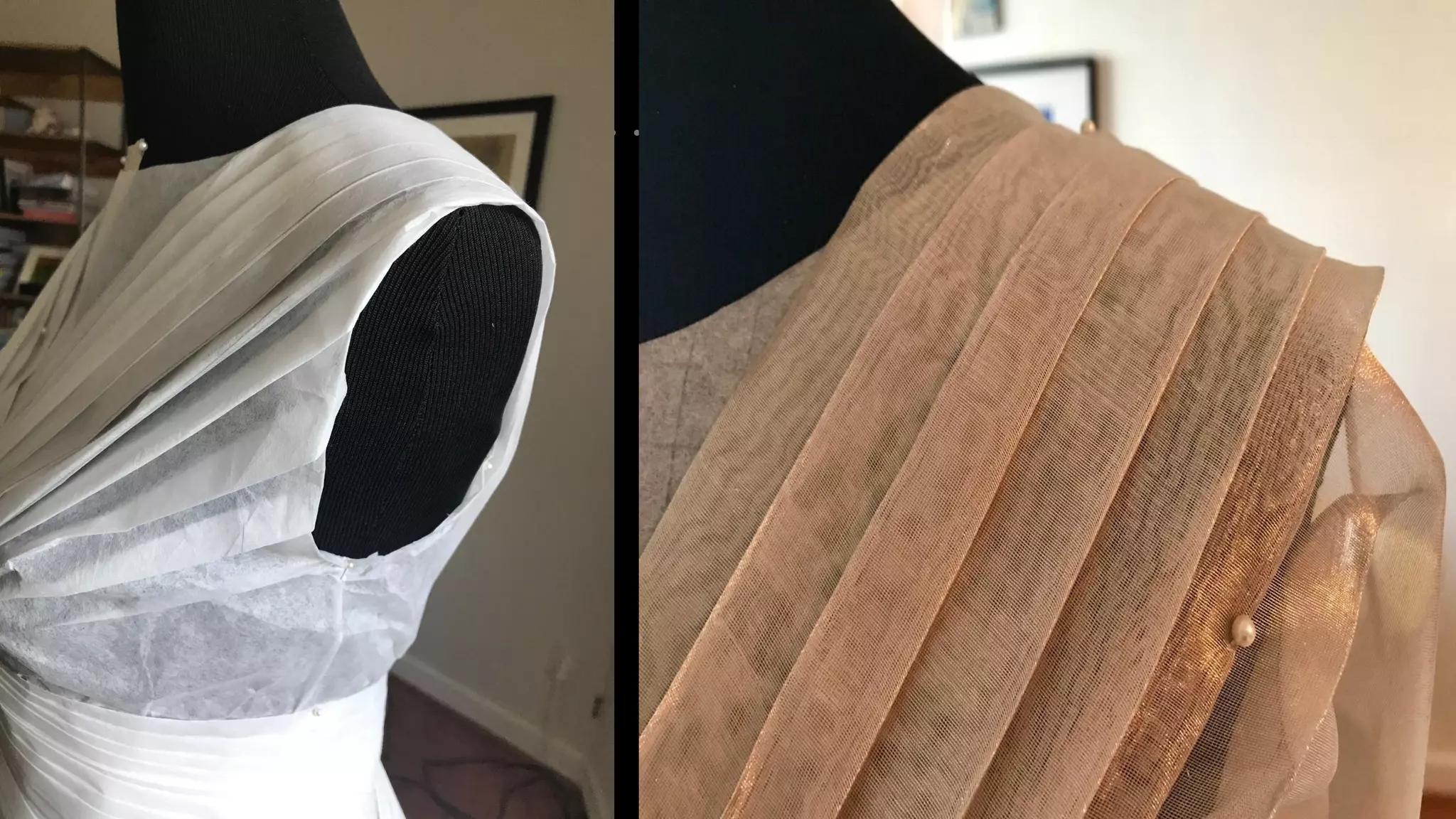
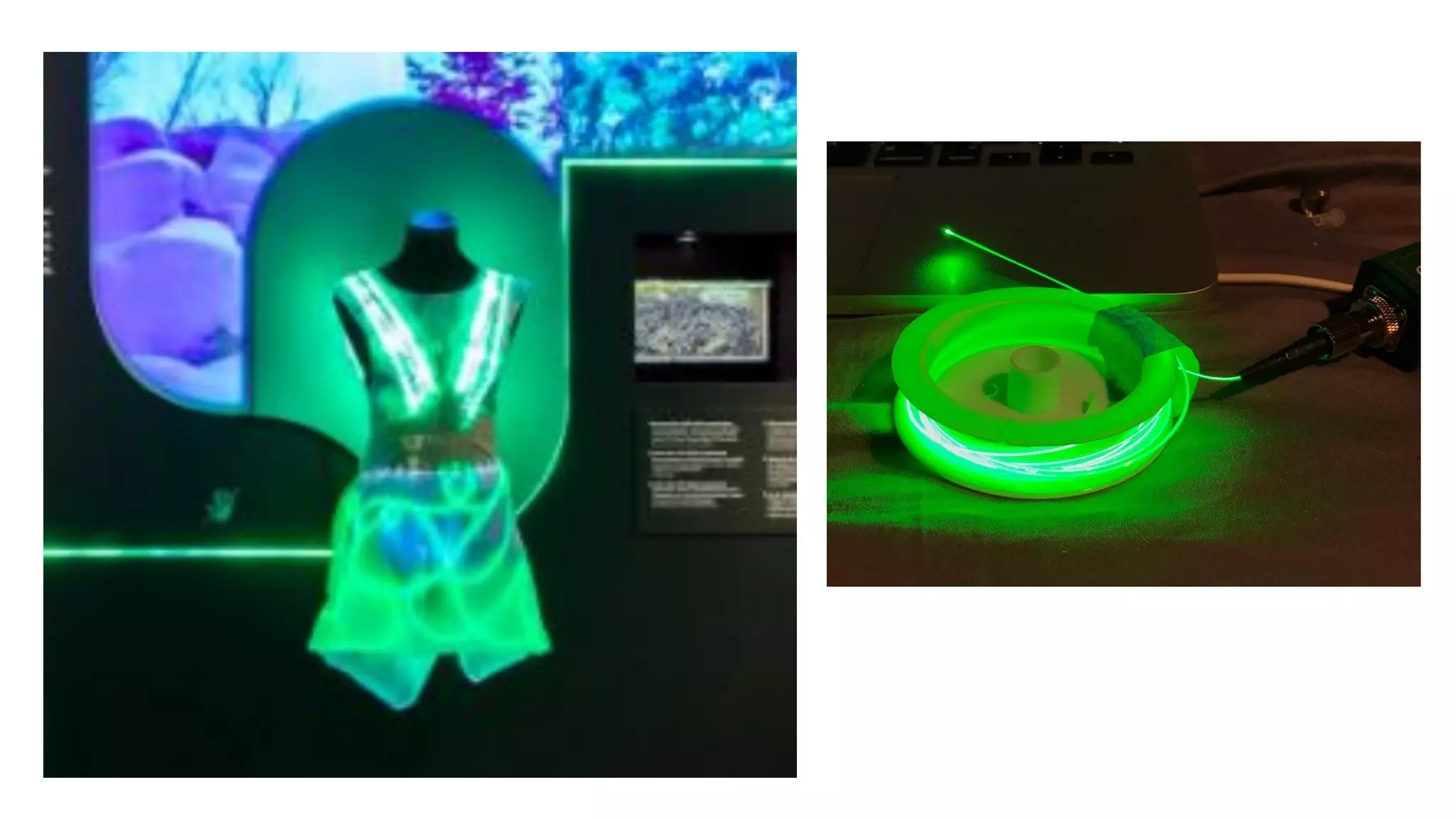
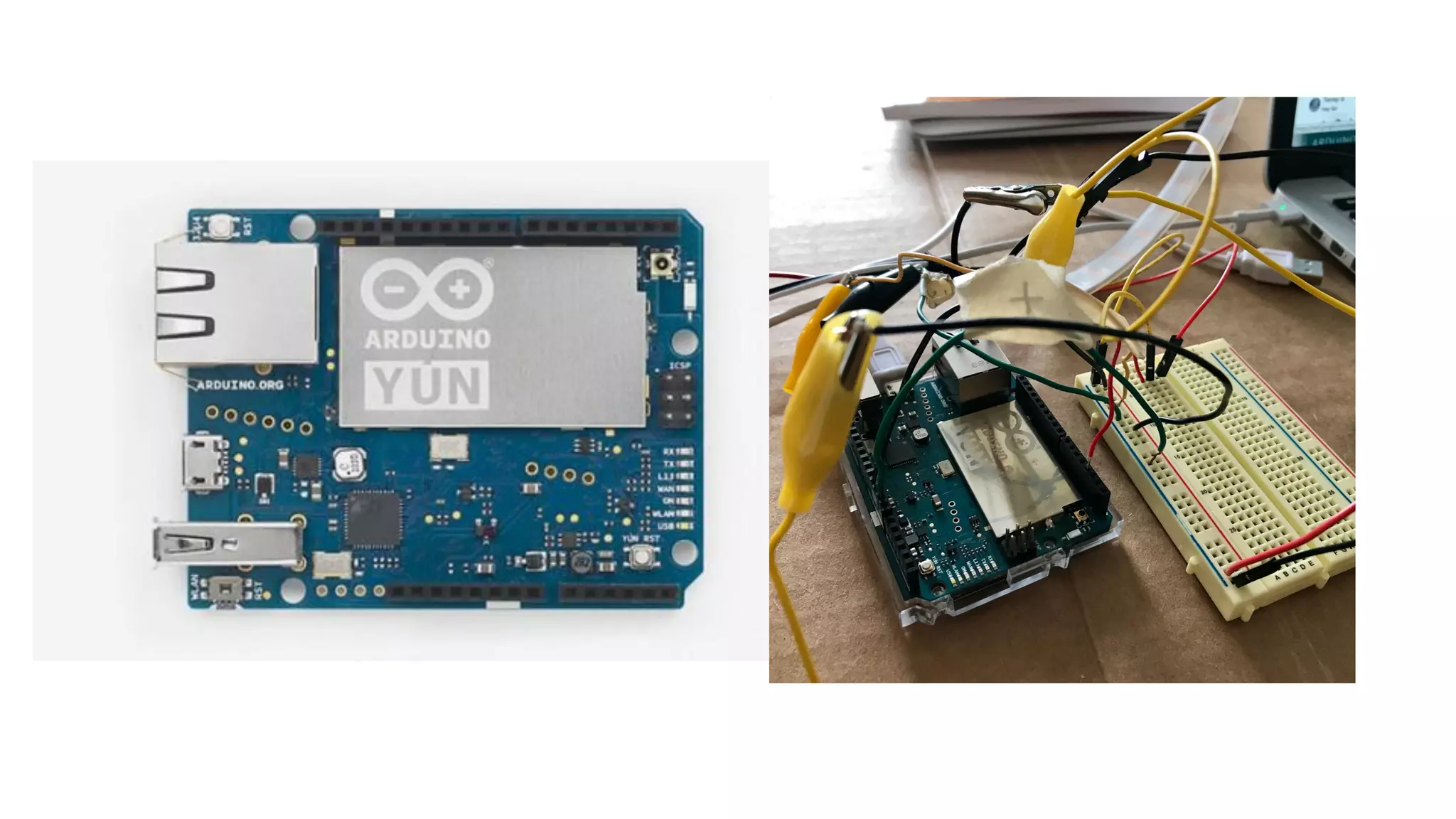
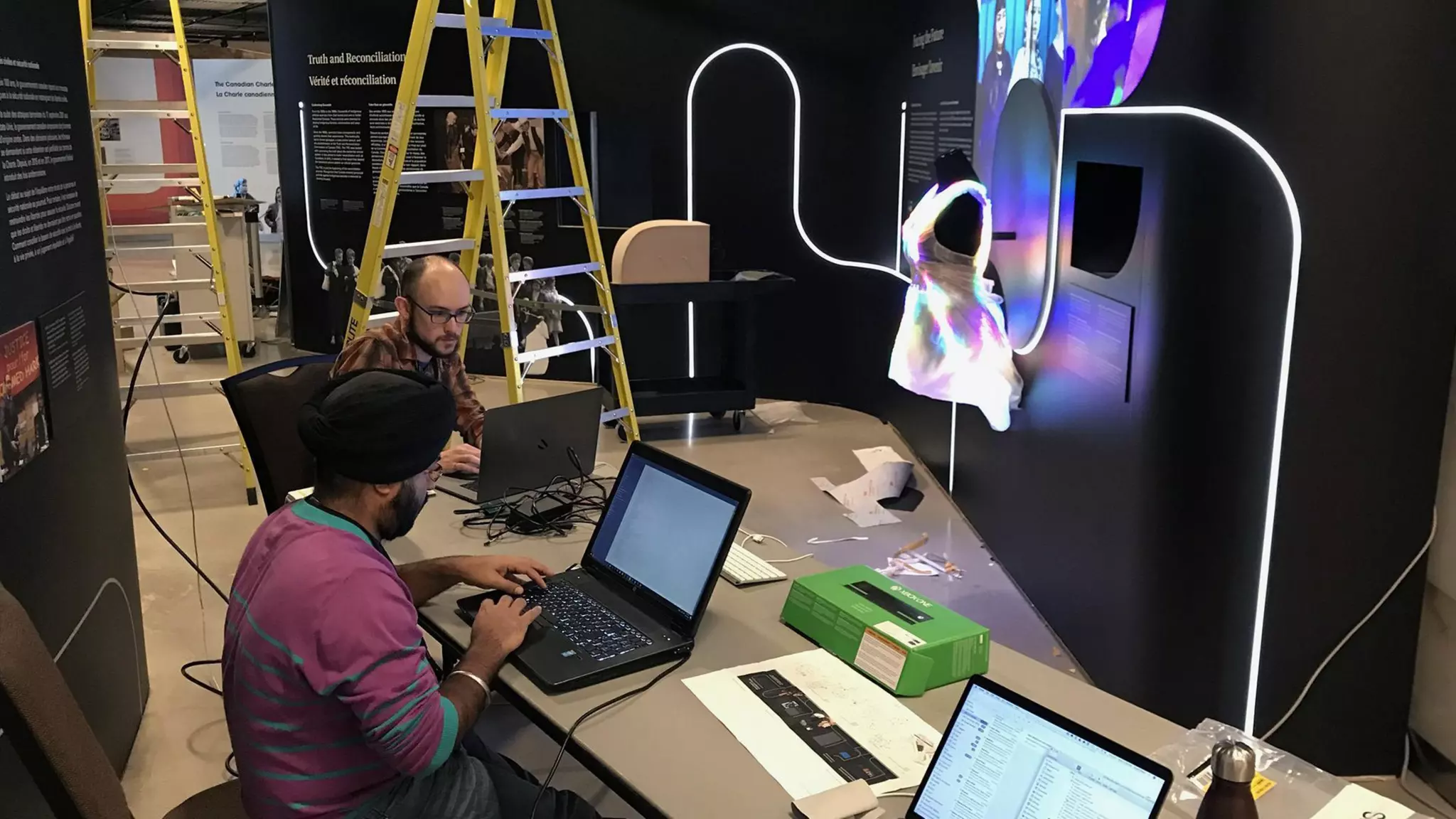
Dress, maker aspect
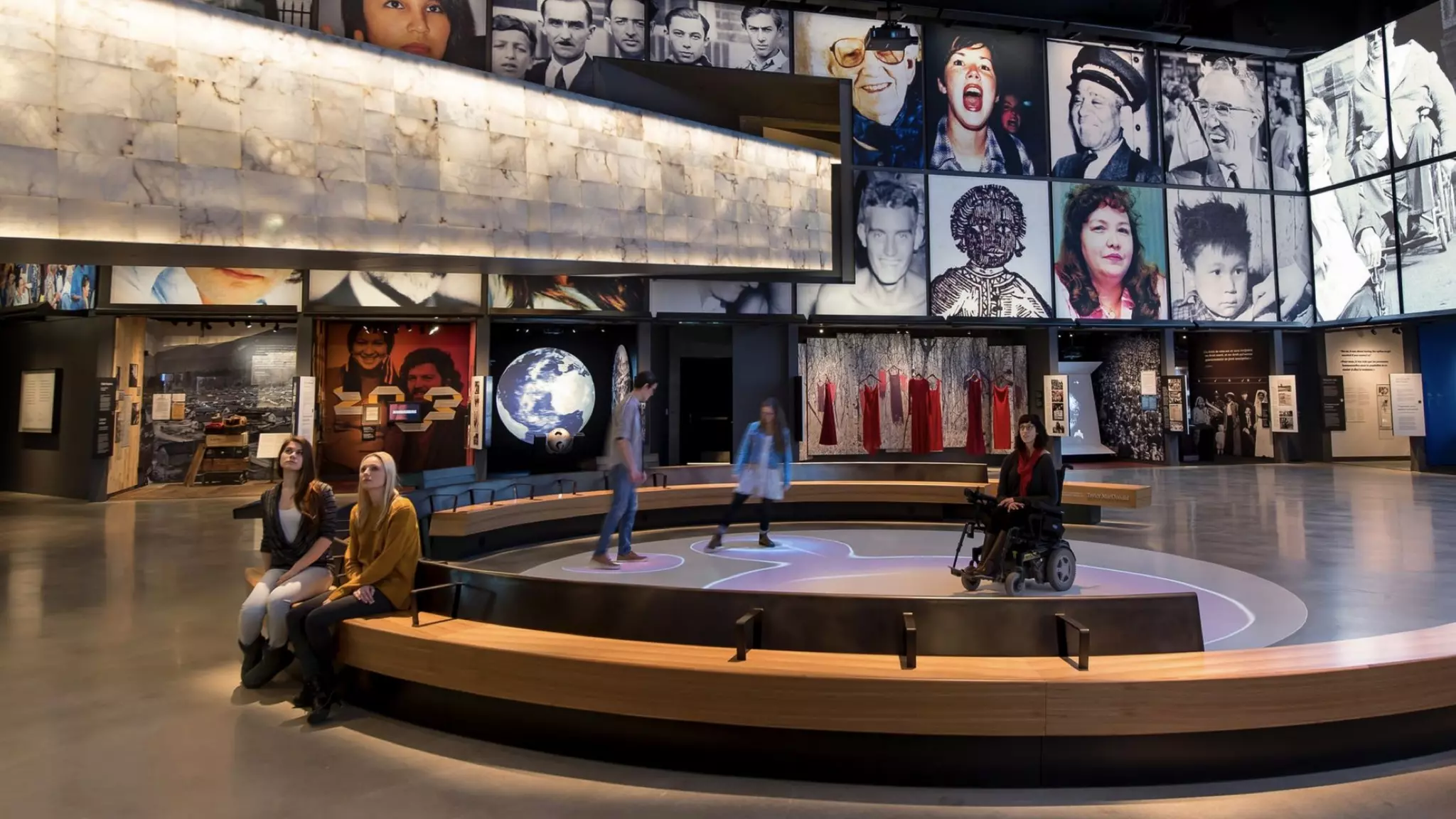
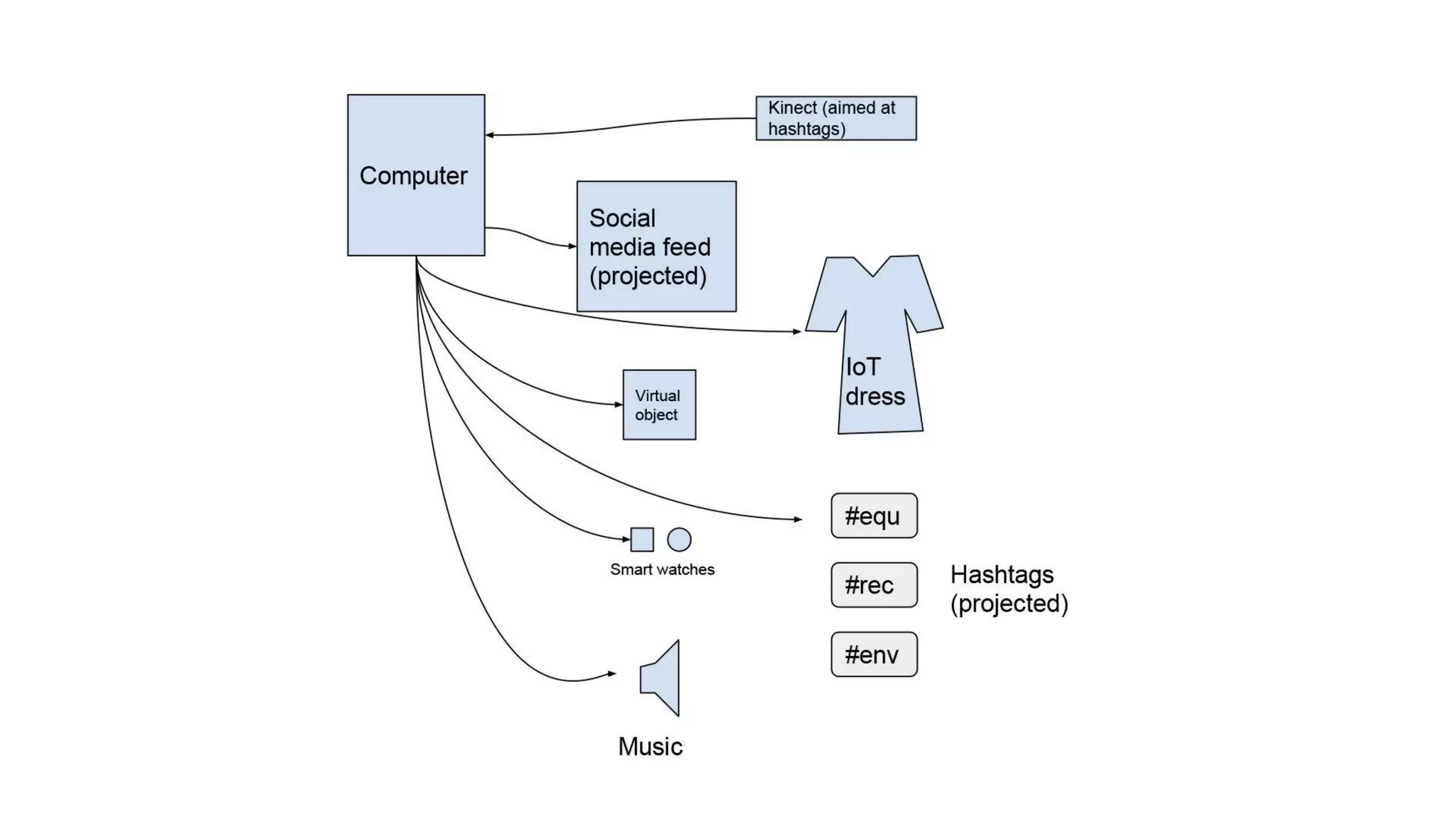
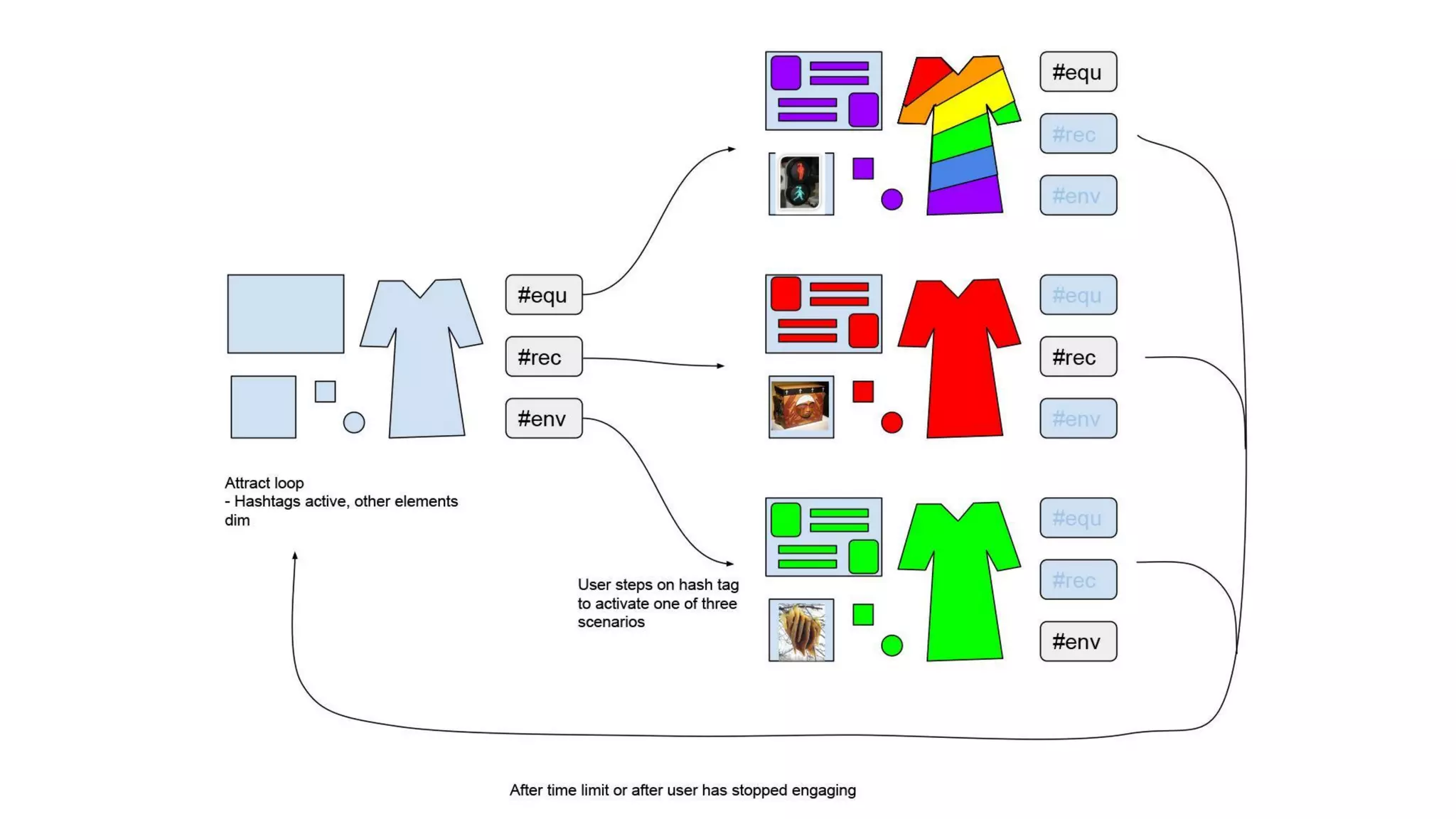
For the digital experience in Human Rights in Contemporary Canada, we
wanted to capture the imagination of the visitor. Creating an environment,
multimodal in nature, that responded to a single input.
IOT Experience Design
For the digital experience in Human Rights in Contemporary Canada, we
wanted to capture the imagination of the visitor. Creating an environment,
multimodal in nature, that responded to a single input.
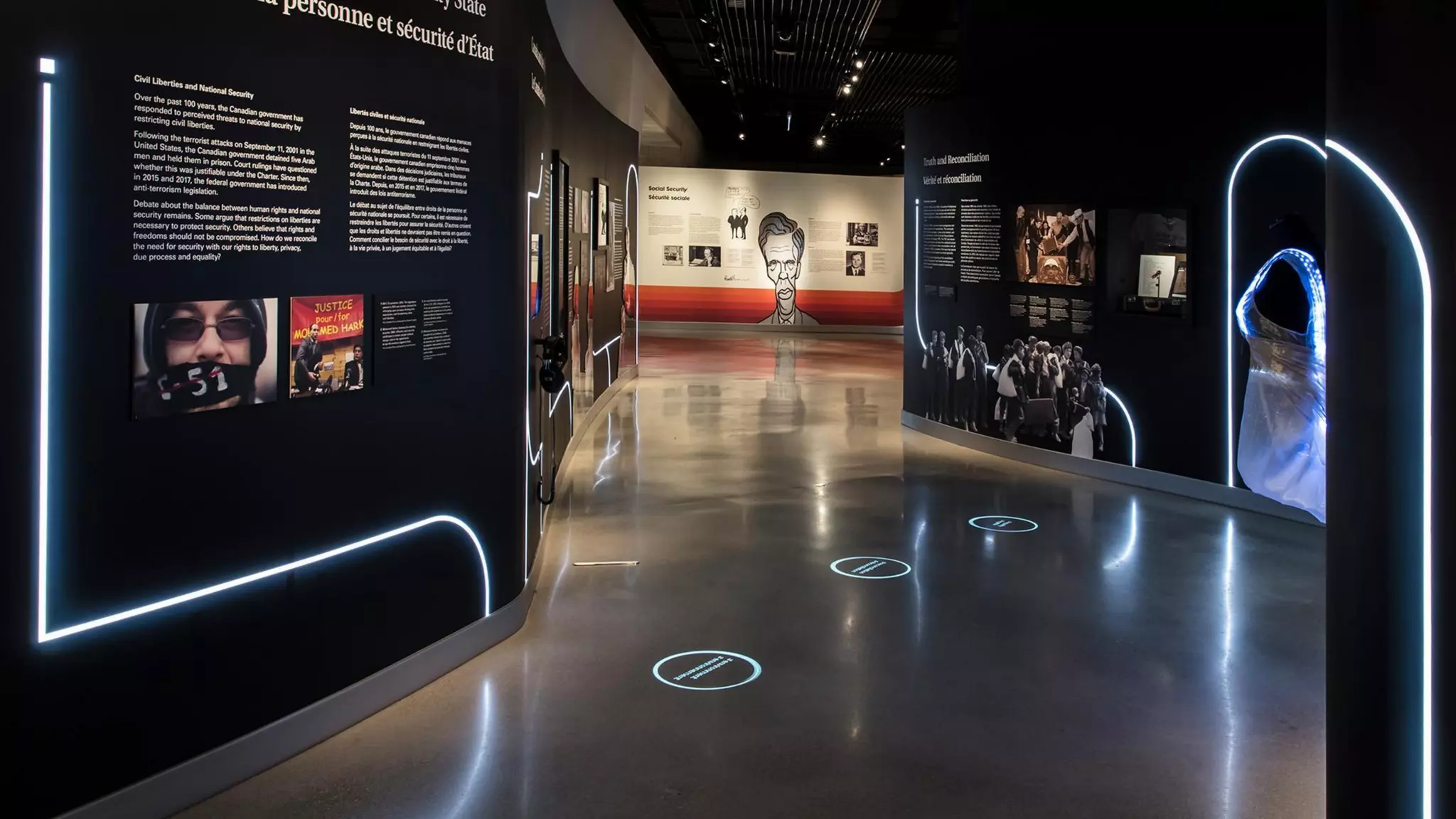
That input would be made up of three hashtags projected on the floor:
#reconciliation, #equality, and #environment
IOT Experience Design
Thank You
@coreytimpson
@pushdesignca
@lili_czarina

Facing the Future MW2018

  • 1.
    Facing the Future NaturalUser Interfaces and Transmedia Spaces in Museums
  • 2.
    Experience Design > Passive,Active, Interactive, Immersive Environmental Design > Scenographic, graphic, material selection > Inclusive Design Media Design > Mixed and transmedia > Digital, analogue, tangible, natural, interface design consistency, usability, accessibility Design Prerequisites
  • 3.
  • 5.
    . 150 yearsof Canada’s human rights history . key debates, topics, issues over time . 5 zones (eras) 1867-1914: Foundations and Dislocations 1915-1960: Transformations and Interventions 1960-1982: Towards the Charter 1982-Present: Human Rights in a Contemporary Canada Past and Present: Defending Sovereignty Rights of Passage
  • 6.
    . Mandate: encouragereflection & dialogue . Content: Relevance building . Experience: Increase engagement . Technical: Respond to our Design Prerequisites Design Problems
  • 7.
    Expressing the storiesof the time, through the medium and material of the time. Use material and medium as storytelling vehicles. Design Direction
  • 8.
    Ask the visitorto perform an action to access the stories of the eras, in the exact way those stories would have been presented and accessed historically. Design Direction
  • 9.
    Ask the visitorto perform an action to access the stories of the eras, in the exact way those stories would have been presented and accessed historically. Use the media of the time to provoke the visitor into action. Design Direction
  • 10.
    1867-1914: Foundations andDislocations Material: Wood Medium: Printing Press, newsprint, pulp posters, magic lantern Rights of Passage
  • 15.
    1915-1960: Transformations andInterventions Material: Steel, Wood Medium: Radio (broadcast audio) Rights of Passage
  • 18.
    1960-1982: Towards theCharter Material: Plastic, laminate Medium: Television (broadcast video, audio) Rights of Passage
  • 22.
    1982-Present: Human Rightsin a Contemporary Canada (& Facing the Future) Material: Light Medium: Light (digital, fiber, broadcast & response) Rights of Passage
  • 26.
    Past and Present:Defending Sovereignty Material: 4 sacred plants/medecins (cedar, sage, tobacco, sweetgrass) Medium: Oral tradition, the intangible Rights of Passage
  • 30.
    . Use materialfor environmental immersion (reflecting the era/context) . Use medium of the time to present content of the time . Use of material and media created passive, active, and interactive experiences To date: > visitors use the interfaces (kids seem naturally inclined to interact) > re-creation of the old media facilitates accessibility > dwell time is 3x as long as it is in other galleries Outcomes
  • 31.
    The natural interfacesin this exhibition served the roles of creating active and interactive experiences, increasing personalization, and reflecting the transmedia storytelling approach now characteristic of the CMHR’s exhibition style. Natural Interfaces
  • 32.
    The natural interfacesin this exhibition served the roles of creating active and interactive experiences, increasing personalization, and reflecting the transmedia storytelling approach now characteristic of the CMHR’s exhibition style. Address inclusive/universal design and accessibility in the seamless integration of media installations within the fabric of the exhibition. Natural Interfaces
  • 33.
  • 35.
  • 38.
  • 42.
  • 45.
  • 49.
  • 53.
    For the digitalexperience in Human Rights in Contemporary Canada, we wanted to capture the imagination of the visitor. Creating an environment, multimodal in nature, that responded to a single input. IOT Experience Design
  • 55.
    For the digitalexperience in Human Rights in Contemporary Canada, we wanted to capture the imagination of the visitor. Creating an environment, multimodal in nature, that responded to a single input. That input would be made up of three hashtags projected on the floor: #reconciliation, #equality, and #environment IOT Experience Design
  • 70.