Matthew Might, Ph.D.
Associate Professor
University of Utah
Visiting Assoc. Professor
Harvard Medical School
Treating the Rarest of Diseases
What do you do when you’re one of a kind?
President
NGLY1.org
a story
Bertrand
Bertrand Russell
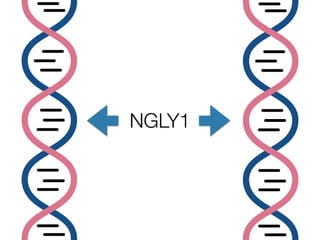
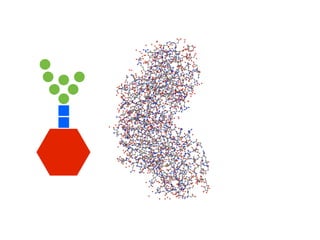
NGLY1
an odyssey
“undiagnosed island”
David Goldstein Vandana ShashiKelly Schoch
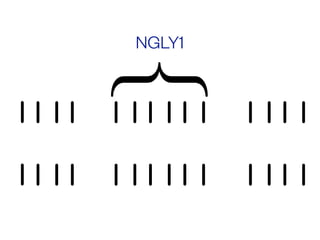
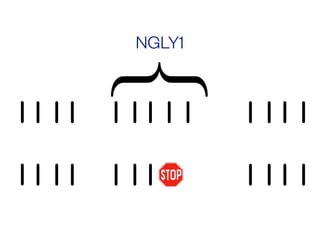
{
NGLY1
{
NGLY1
“first”
“only”
Hudson Freeze (Sanford-Burnham-Prebys)
“You got it.”
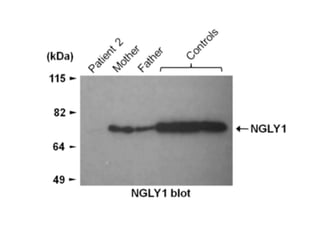
“not actionable”
NGLY1
Science becomes medicine.
Science becomes action.
We can’t do this alone.
I wrote a blog post.
1. Go viral
2. Rank high
3898
Meetings
Foundations
Natural experiments
CDG Natural History
Biomarkers!
Hypoglycosylation!
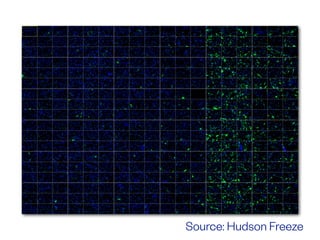
Assays
Source: Hudson Freeze
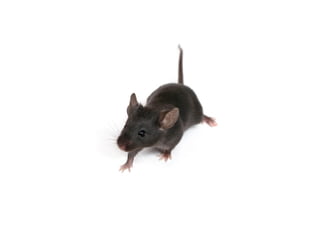
Model organisms
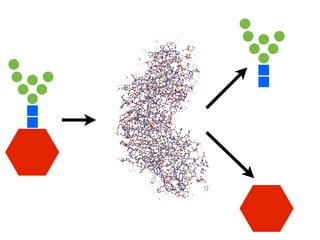
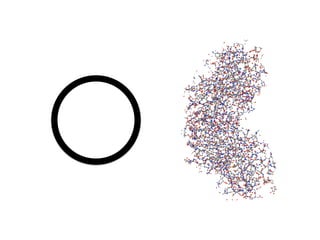
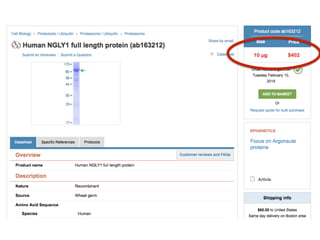
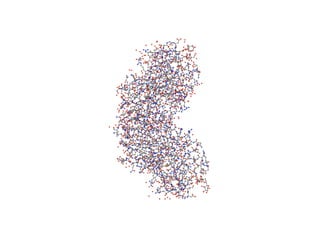
Enzyme replacement
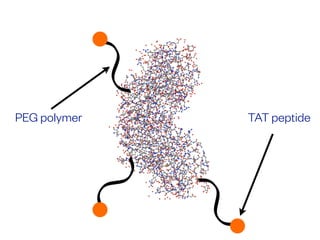
PEG polymer TAT peptide
Crowd science
Su Lab @ Scripps
mark2cure.org
Repurposing
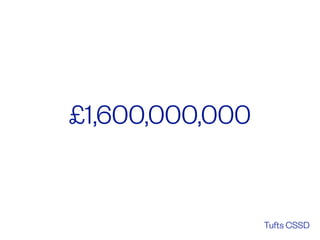
Tufts CSSD
£1,600,000,000
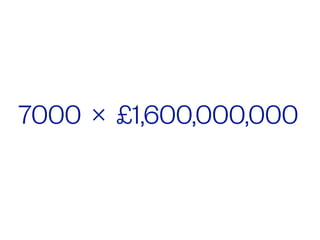
£1,600,000,0007000 ×
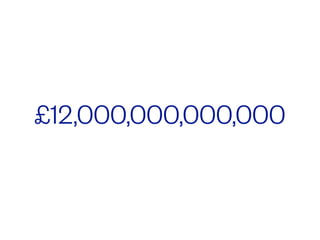
£12,000,000,000,000
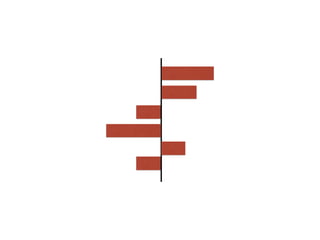
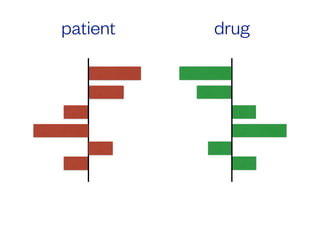
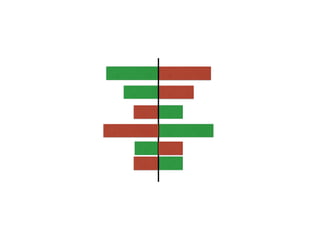
Repurposing is key
patient drug
Basic science
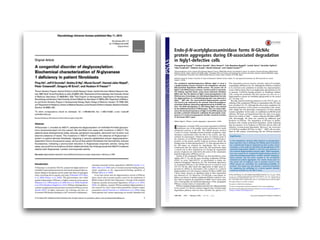
Endo-β-N-acetylglucosaminidase forms N-GlcNAc
protein aggregates during ER-associated degradation
in Ngly1-defective cells
Chengcheng Huanga,b
, Yoichiro Haradaa
, Akira Hosomia
, Yuki Masahara-Negishia
, Junichi Seinoa
, Haruhiko Fujihiraa
,
Yoko Funakoshia
, Takehiro Suzukic
, Naoshi Dohmaec
, and Tadashi Suzukia,b,1
a
Glycometabolome Team, Systems Glycobiology Research Group, RIKEN–Max Planck Joint Research Center for Systems Chemical Biology, RIKEN Global
Research Cluster, Wako, Saitama 351-0198, Japan; b
Graduate School of Science and Engineering, Saitama University, Saitama, Saitama 338-8570, Japan;
and c
Collaboration Promotion Unit, RIKEN Global Research Cluster, Wako, Saitama 351-0198, Japan
Edited by David W. Russell, University of Texas Southwestern Medical Center, Dallas, TX, and approved December 30, 2014 (received for review
August 1, 2014)
The cytoplasmic peptide:N-glycanase (PNGase; Ngly1 in mice) is
a deglycosylating enzyme involved in the endoplasmic reticulum
(ER)-associated degradation (ERAD) process. The precise role of
Ngly1 in the ERAD process, however, remains unclear in mammals.
The findings reported herein, using mouse embryonic fibroblast
(MEF) cells, that the ablation of Ngly1 causes dysregulation of the
ERAD process. Interestingly, not only delayed degradation but also
the deglycosylation of a misfolded glycoprotein was observed in
Ngly1−/−
MEF cells. The unconventional deglycosylation reaction
was found to be catalyzed by the cytosolic endo-β-N-acetylgluco-
saminidase (ENGase), generating aggregation-prone N-GlcNAc pro-
teins. The ERAD dysregulation in cells lacking Ngly1 was restored
by the additional knockout of ENGase gene. Thus, our study under-
scores the functional importance of Ngly1 in the ERAD process and
provides a potential mechanism underlying the phenotypic conse-
quences of a newly emerging genetic disorder caused by mutation
of the human NGLY1 gene.
PNGase (Ngly1) | ENGase | protein aggregates | glycoprotein | ERAD
Endoplasmic reticulum (ER)-associated degradation (ERAD)
constitutes one of the quality control mechanisms for newly
synthesized proteins in the ER. The ERAD process involves
a series of events, including aberrant domain recognition, ubiq-
uitination, translocation from the ER to the cytosol, and deg-
radation by proteasomes. Numerous lines of evidence point to
the existence of an ERAD system dedicated to N-linked glyco-
proteins; in this system, specific N-glycan structures dictate the
folding status of client glycoproteins (1, 2). Once glycoproteins in
the ER lumen are targeted for degradation, they are retro-
translocated into the cytosol, where the 26S proteasome plays
a central role in their degradation (3). During the degradation
process, N-glycans are removed by the action of the cytoplasmic
peptide:N-glycanase (PNGase) (4–6).
Activity of the cytoplasmic PNGase was first described in mam-
malian cells (7, 8), and the gene encoding cytoplasmic PNGase
(PNG1 in yeast; Ngly1/NGLY1 in mice/human) is widely dis-
tributed throughout eukaryotes (9). The functional importance
of cytoplasmic PNGase in the ERAD process is evident in yeast
(10–13). On the other hand, the suppression of Ngly1 gene ex-
pression by siRNA in mammalian cells resulted in a reduced
deglycosylation of T-cell receptor α subunit (TCRα) or MHC class
I heavy chain, whereas no significant delay in their degradation
was observed (14, 15). Moreover, Z-VAD-fmk, a pan-caspase in-
hibitor, was shown to inhibit cytoplasmic PNGase activity in vivo,
but it did not impede the degradation of MHC class I heavy chain
(16). Consequently, the functional importance of the cytoplasmic
PNGase remains elusive in mammalian cells.
PNGase-mediated deglycosylation generates free oligosaccharides
in the cytosol (17). Recent evidence suggests that a nonlysosomal
degradation pathway exists for these cytosolic free glycans (17).
This degradation process involves cytosolic endo-β-N-acetylglu-
cosaminidase (ENGase) (18, 19). Although the ENGase is believed
to be involved in the catabolism of cytosolic free oligosaccharides,
recent evidence shows that it can deglycosylate glycoproteins in vivo
to generate N-GlcNAc–bearing proteins in Arabidopsis thaliana
(20), raising the possibility that this enzyme may also act as a
deglycosylation enzyme for misfolded glycoproteins in the cytosol
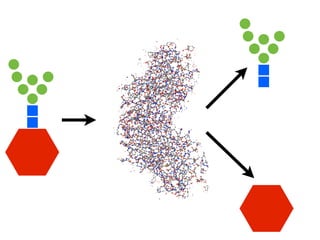
(21, 22) (Fig. 1A).
Recently, patients harboring mutations on the NGLY1 gene, an
ortholog of the cytoplasmic PNGase in mammalian cells (23), have
been described (24, 25). Although this observation emphasizes the
functional importance of this protein in mammalian cells, mecha-
nistic insight into the phenotypic consequences of these patients
remains unclarified. In this study, we established an ERAD model
substrate, RTAΔm, and demonstrated that the delay in its degra-
dation was evident in Ngly1−/−
mouse embryonic fibroblast (MEF)
cells. Interestingly, the delay was canceled by additional gene
knockout of ENGase. The degradation of RTAΔm in double-
knockout cells remains proteasome-dependent, clearly indicating
that the presence of an N-glycan on RTAΔm did not affect the
efficiency of proteasomal degradation. Moreover, the occurrence
of N-GlcNAc–modified RTAΔm in Ngly1−/−
MEF cells was iden-
tified by MS analysis, demonstrating that the ENGase-mediated
Significance
In the endoplasmic reticulum (ER), N-glycans on glycoproteins
play important roles in dictating the folding status of proteins
by a sophisticated N-glycan–dependent protein quality control
machinery. In this study we identified the dysregulation of ER-
associated degradation (ERAD) in cells that were defective in
the cytosolic deglycosylating enzyme, Ngly1. ERAD dysregula-
tion was caused by an unexpected deglycosylating activity of
endo-β-N-acetylglucosaminidase, another cytosolic deglycosy-
lation enzyme, and this action resulted in the intracellular
formation of protein aggregates. Our results clearly point to
the critical role of N-glycans even in cytosolic events of the
ERAD process by controlling the conformation/solubility of
proteins. This study may also provide a potential mechanism
for explaining the pathology of a human genetic disorder
caused by mutations in the NGLY1 gene.
Author contributions: C.H. and Tadashi Suzuki designed research; C.H., Y.H., A.H., Y.M.-N.,
J.S., H.F., Y.F., Takehiro Suzuki, and N.D. performed research; Y.H., A.H., Y.M.-N., and Y.F.
contributed new reagents/analytic tools; C.H., Y.H., A.H., J.S., H.F., Y.F., Takehiro Suzuki,
N.D., and Tadashi Suzuki analyzed data; and C.H. and Tadashi Suzuki wrote the paper.
The authors declare no conflict of interest.
This article is a PNAS Direct Submission.
1
To whom correspondence should be addressed. Email: tsuzuki_gm@riken.jp.
This article contains supporting information online at www.pnas.org/lookup/suppl/doi:10.
1073/pnas.1414593112/-/DCSupplemental.
1398–1403 | PNAS | February 3, 2015 | vol. 112 | no. 5 www.pnas.org/cgi/doi/10.1073/pnas.1414593112
Patient-led science
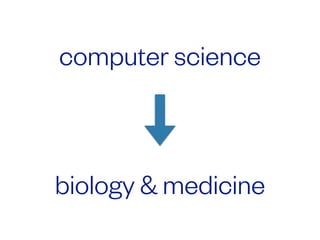
computer science
computer science
biology & medicine
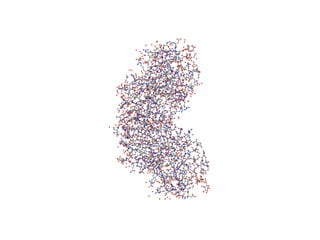
A drug discovery platform for NGLY1 deficiency
YesReplicable?
blog.might.net
Advocacy & Outreach
Parting thought
“not actionable”
Thank you.
http://matt.might.net/
matt@might.net
@mattmight

Might Might - Cambridge Rare Disease Summit 2015

  • 1.
    Matthew Might, Ph.D. AssociateProfessor University of Utah Visiting Assoc. Professor Harvard Medical School Treating the Rarest of Diseases What do you do when you’re one of a kind? President NGLY1.org
  • 2.
  • 3.
  • 4.
  • 6.
  • 8.
  • 9.
  • 24.
    David Goldstein VandanaShashiKelly Schoch
  • 26.
  • 27.
  • 28.
  • 29.
  • 41.
  • 42.
  • 43.
  • 45.
  • 47.
  • 48.
  • 52.
    We can’t dothis alone.
  • 53.
    I wrote ablog post.
  • 54.
  • 55.
  • 61.
  • 62.
  • 64.
  • 66.
  • 68.
  • 120.
  • 121.
  • 122.
  • 123.
  • 125.
  • 131.
  • 135.
  • 136.
  • 137.
    Su Lab @Scripps
  • 138.
  • 140.
  • 142.
  • 143.
  • 144.
  • 145.
  • 148.
  • 150.
  • 151.
    Endo-β-N-acetylglucosaminidase forms N-GlcNAc proteinaggregates during ER-associated degradation in Ngly1-defective cells Chengcheng Huanga,b , Yoichiro Haradaa , Akira Hosomia , Yuki Masahara-Negishia , Junichi Seinoa , Haruhiko Fujihiraa , Yoko Funakoshia , Takehiro Suzukic , Naoshi Dohmaec , and Tadashi Suzukia,b,1 a Glycometabolome Team, Systems Glycobiology Research Group, RIKEN–Max Planck Joint Research Center for Systems Chemical Biology, RIKEN Global Research Cluster, Wako, Saitama 351-0198, Japan; b Graduate School of Science and Engineering, Saitama University, Saitama, Saitama 338-8570, Japan; and c Collaboration Promotion Unit, RIKEN Global Research Cluster, Wako, Saitama 351-0198, Japan Edited by David W. Russell, University of Texas Southwestern Medical Center, Dallas, TX, and approved December 30, 2014 (received for review August 1, 2014) The cytoplasmic peptide:N-glycanase (PNGase; Ngly1 in mice) is a deglycosylating enzyme involved in the endoplasmic reticulum (ER)-associated degradation (ERAD) process. The precise role of Ngly1 in the ERAD process, however, remains unclear in mammals. The findings reported herein, using mouse embryonic fibroblast (MEF) cells, that the ablation of Ngly1 causes dysregulation of the ERAD process. Interestingly, not only delayed degradation but also the deglycosylation of a misfolded glycoprotein was observed in Ngly1−/− MEF cells. The unconventional deglycosylation reaction was found to be catalyzed by the cytosolic endo-β-N-acetylgluco- saminidase (ENGase), generating aggregation-prone N-GlcNAc pro- teins. The ERAD dysregulation in cells lacking Ngly1 was restored by the additional knockout of ENGase gene. Thus, our study under- scores the functional importance of Ngly1 in the ERAD process and provides a potential mechanism underlying the phenotypic conse- quences of a newly emerging genetic disorder caused by mutation of the human NGLY1 gene. PNGase (Ngly1) | ENGase | protein aggregates | glycoprotein | ERAD Endoplasmic reticulum (ER)-associated degradation (ERAD) constitutes one of the quality control mechanisms for newly synthesized proteins in the ER. The ERAD process involves a series of events, including aberrant domain recognition, ubiq- uitination, translocation from the ER to the cytosol, and deg- radation by proteasomes. Numerous lines of evidence point to the existence of an ERAD system dedicated to N-linked glyco- proteins; in this system, specific N-glycan structures dictate the folding status of client glycoproteins (1, 2). Once glycoproteins in the ER lumen are targeted for degradation, they are retro- translocated into the cytosol, where the 26S proteasome plays a central role in their degradation (3). During the degradation process, N-glycans are removed by the action of the cytoplasmic peptide:N-glycanase (PNGase) (4–6). Activity of the cytoplasmic PNGase was first described in mam- malian cells (7, 8), and the gene encoding cytoplasmic PNGase (PNG1 in yeast; Ngly1/NGLY1 in mice/human) is widely dis- tributed throughout eukaryotes (9). The functional importance of cytoplasmic PNGase in the ERAD process is evident in yeast (10–13). On the other hand, the suppression of Ngly1 gene ex- pression by siRNA in mammalian cells resulted in a reduced deglycosylation of T-cell receptor α subunit (TCRα) or MHC class I heavy chain, whereas no significant delay in their degradation was observed (14, 15). Moreover, Z-VAD-fmk, a pan-caspase in- hibitor, was shown to inhibit cytoplasmic PNGase activity in vivo, but it did not impede the degradation of MHC class I heavy chain (16). Consequently, the functional importance of the cytoplasmic PNGase remains elusive in mammalian cells. PNGase-mediated deglycosylation generates free oligosaccharides in the cytosol (17). Recent evidence suggests that a nonlysosomal degradation pathway exists for these cytosolic free glycans (17). This degradation process involves cytosolic endo-β-N-acetylglu- cosaminidase (ENGase) (18, 19). Although the ENGase is believed to be involved in the catabolism of cytosolic free oligosaccharides, recent evidence shows that it can deglycosylate glycoproteins in vivo to generate N-GlcNAc–bearing proteins in Arabidopsis thaliana (20), raising the possibility that this enzyme may also act as a deglycosylation enzyme for misfolded glycoproteins in the cytosol (21, 22) (Fig. 1A). Recently, patients harboring mutations on the NGLY1 gene, an ortholog of the cytoplasmic PNGase in mammalian cells (23), have been described (24, 25). Although this observation emphasizes the functional importance of this protein in mammalian cells, mecha- nistic insight into the phenotypic consequences of these patients remains unclarified. In this study, we established an ERAD model substrate, RTAΔm, and demonstrated that the delay in its degra- dation was evident in Ngly1−/− mouse embryonic fibroblast (MEF) cells. Interestingly, the delay was canceled by additional gene knockout of ENGase. The degradation of RTAΔm in double- knockout cells remains proteasome-dependent, clearly indicating that the presence of an N-glycan on RTAΔm did not affect the efficiency of proteasomal degradation. Moreover, the occurrence of N-GlcNAc–modified RTAΔm in Ngly1−/− MEF cells was iden- tified by MS analysis, demonstrating that the ENGase-mediated Significance In the endoplasmic reticulum (ER), N-glycans on glycoproteins play important roles in dictating the folding status of proteins by a sophisticated N-glycan–dependent protein quality control machinery. In this study we identified the dysregulation of ER- associated degradation (ERAD) in cells that were defective in the cytosolic deglycosylating enzyme, Ngly1. ERAD dysregula- tion was caused by an unexpected deglycosylating activity of endo-β-N-acetylglucosaminidase, another cytosolic deglycosy- lation enzyme, and this action resulted in the intracellular formation of protein aggregates. Our results clearly point to the critical role of N-glycans even in cytosolic events of the ERAD process by controlling the conformation/solubility of proteins. This study may also provide a potential mechanism for explaining the pathology of a human genetic disorder caused by mutations in the NGLY1 gene. Author contributions: C.H. and Tadashi Suzuki designed research; C.H., Y.H., A.H., Y.M.-N., J.S., H.F., Y.F., Takehiro Suzuki, and N.D. performed research; Y.H., A.H., Y.M.-N., and Y.F. contributed new reagents/analytic tools; C.H., Y.H., A.H., J.S., H.F., Y.F., Takehiro Suzuki, N.D., and Tadashi Suzuki analyzed data; and C.H. and Tadashi Suzuki wrote the paper. The authors declare no conflict of interest. This article is a PNAS Direct Submission. 1 To whom correspondence should be addressed. Email: tsuzuki_gm@riken.jp. This article contains supporting information online at www.pnas.org/lookup/suppl/doi:10. 1073/pnas.1414593112/-/DCSupplemental. 1398–1403 | PNAS | February 3, 2015 | vol. 112 | no. 5 www.pnas.org/cgi/doi/10.1073/pnas.1414593112

  • 160.
  • 161.
  • 162.
  • 163.
    A drug discoveryplatform for NGLY1 deficiency
  • 167.
  • 168.
  • 170.
  • 174.
  • 175.
  • 176.