An Introduction to Marine Viruses
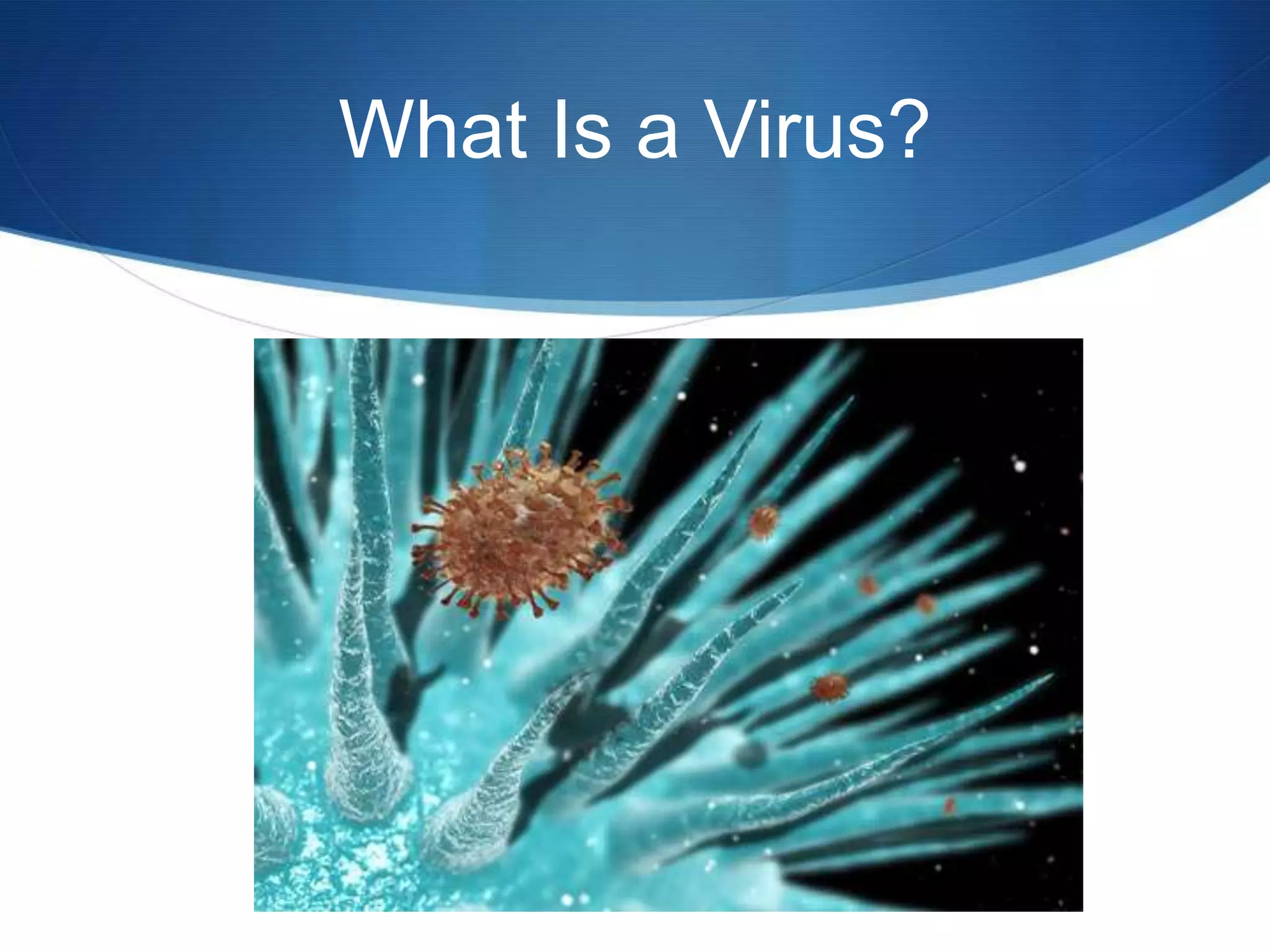
What Is a Virus?
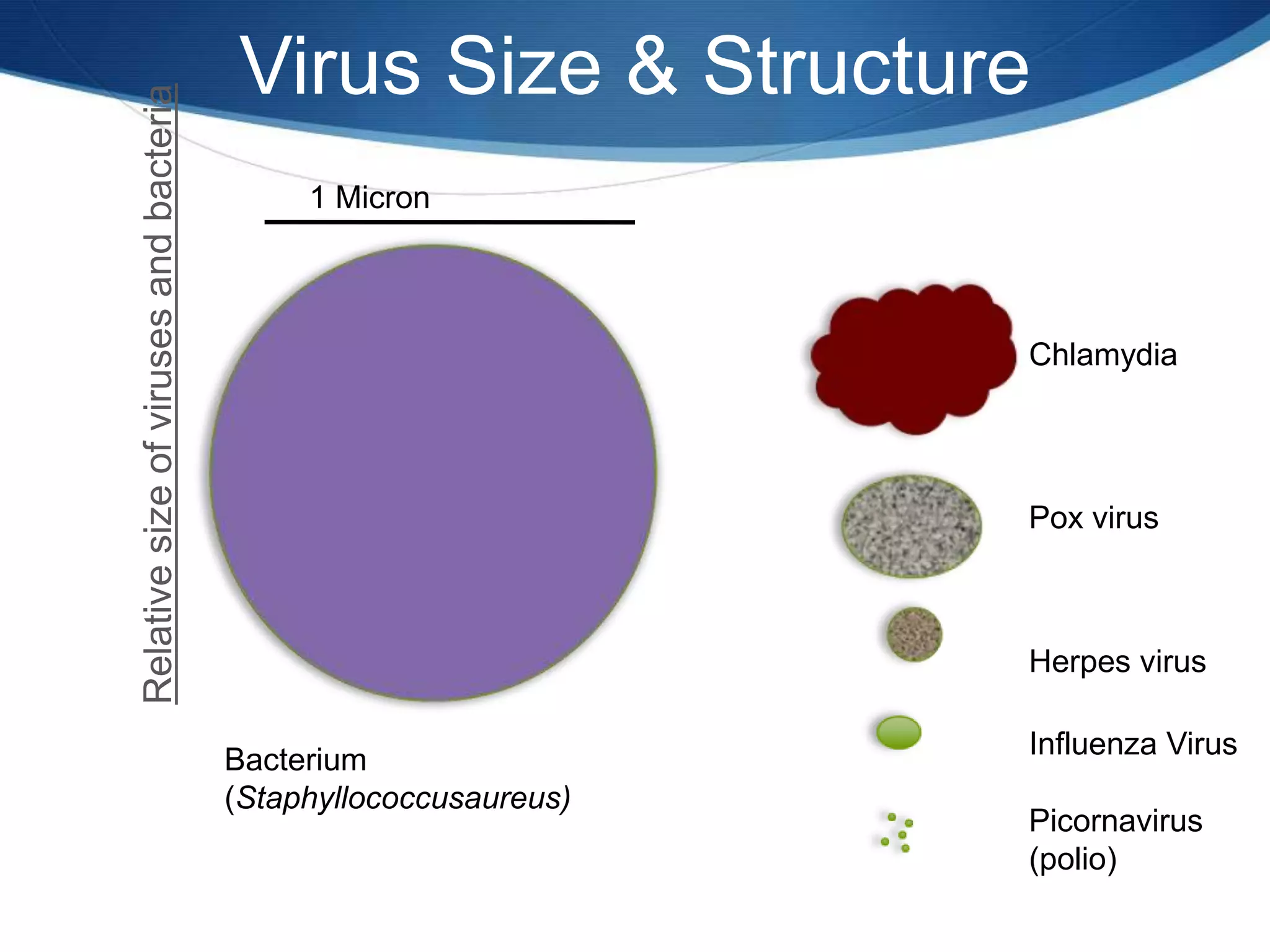
Virus Size & Structure1 MicronChlamydiaRelative size of viruses and bacteriaPox virusHerpes virusInfluenza VirusBacterium (Staphyllococcusaureus)Picornavirus (polio)
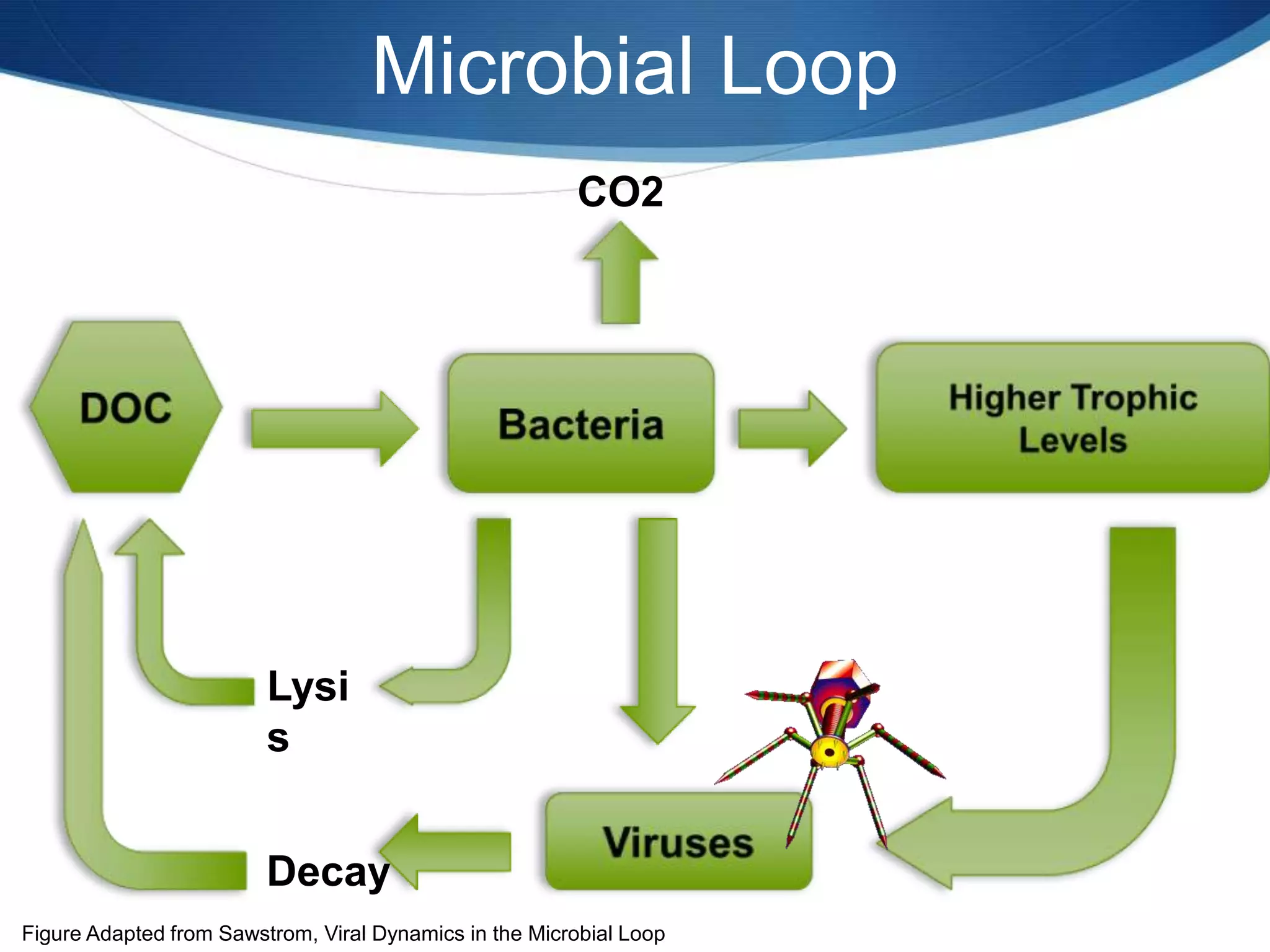
Microbial LoopCO2DOCHigher Trophic LevelsBacteriaLysisVirusesDecayFigure Adapted from Sawstrom, Viral Dynamics in the Microbial Loop
Viruses in the Marine EnvironmentThe estimated 1030 viruses in the ocean, if stretched end to end, would span farther than the nearest 60 galaxies.
Characteristics of Aquatic VirusesMost diverse and abundant component of the plankton communityOnly a small portion of marine virus diversity has been isolated and describedComposition and structure are dependant on seasonality, the degree of stratification of the water column, and other factors related to geographic location.
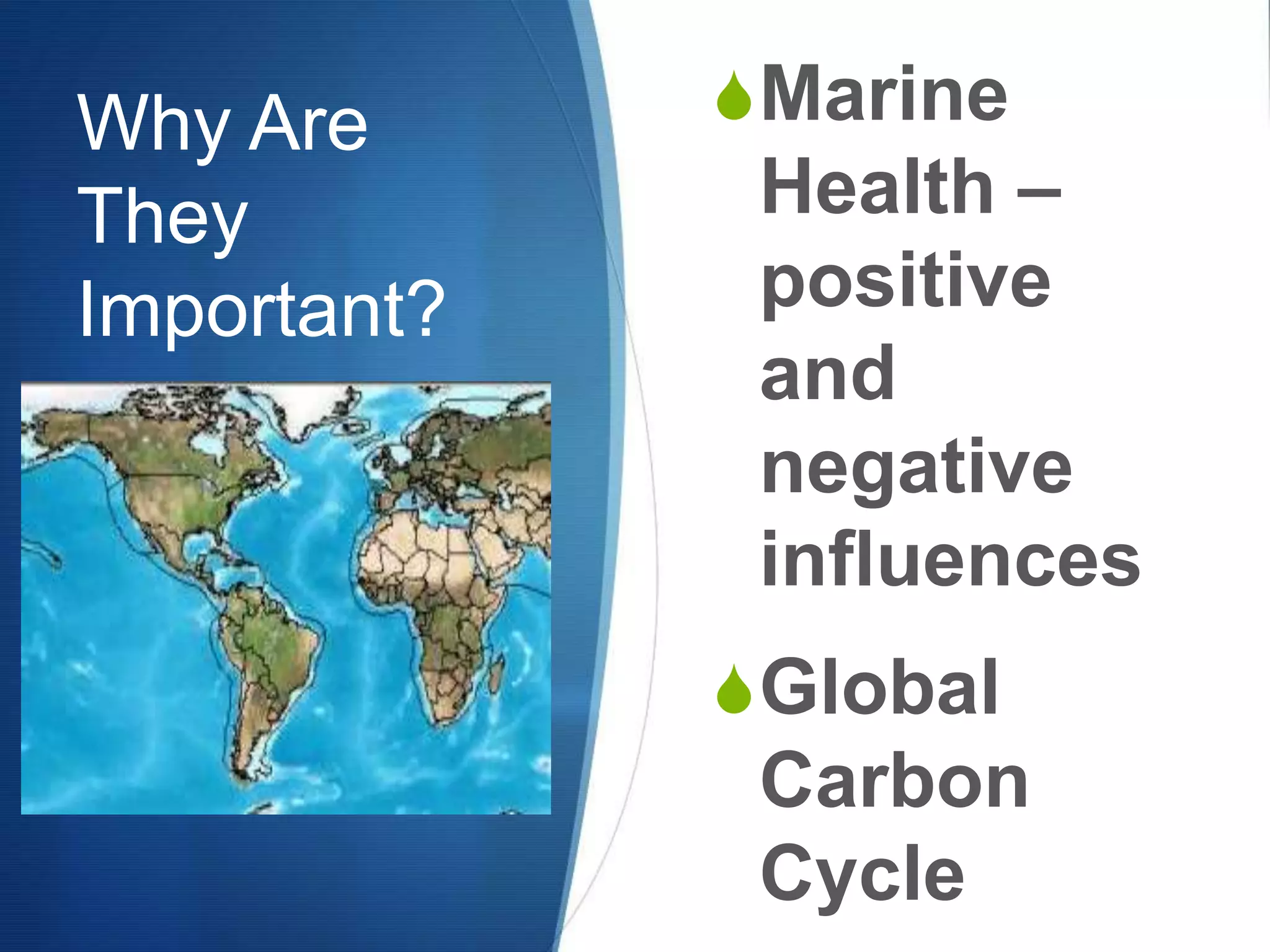
Why Are They Important?Marine Health – positive and negative influencesGlobal Carbon Cycle
Influence on Marine HealthControl of bacterial and algal populationsMicrobial Food Web & Nutrient cyclingCO2 cycleMicrobial Diversity
Role in Microbial Food WebsProducts of cell lysis: MacromoleculesCell organellesVirus particles
Influence on Structure and Diversity of Aquatic Microbial CommunitiesCell Predation Limiting Specific Bacteria and Phytoplankton Populations. Lateral and Horizontal Gene Transfer
An Important Role in the Deep-Sea biogeochemical cycles Viral production in deep-sea benthic ecosystems worldwide is extremely high
Viral infections are responsible for the abatement of 80% of prokaryotic heterotrophic productionViruses on the Sea FloorPhoto from Monterey Bay Aquarium Research Institute (MBARI)
Increasing Marine StressesTransfer of invasive, non-native, microbial constituents from one region to anotherPollutionOutbreak of waterborne diseaseLoss of habitatOverharvesting
Implications for Future ResearchThe processes involved with with viruses and nutrient cycling need to be examined. The effects of global warming have placed special emphasis on understanding the biogeochemical cycling of carbon and nitrogen. Determination of how the physiology and ecology of planktonic organisms affects global carbon and nitrogen cycling may improve our ability to predict and perhaps remediate the ecological impacts of human related carbon and nitrogen release.
The Potential for New DiscoveriesA marine virus has been found with a gigantic genome that contains compounds that might be used in anti-ageing and cancer-inhibiting therapies.This virus is known to infect a marine algae species that is important in taking billions of tonnes of carbon dioxide from the atmosphere and is thought to control climate through the production of a gas (dimethyl sulfide) that helps form clouds.
Implications for Marine ManagementThrough cycles of infection, replication and host cell lysis, phages impact multiple pathways and processes involved in the population ecology and functioning of marine environments as a whole. Scientists need to better understand the function of marine viruses in order to model the future effects of climate change and other global changes as well as to find new discoveries in medicine and microbiology.

Marine Virus Presentation

  • 1.
    An Introduction toMarine Viruses
  • 2.
    What Is aVirus?
  • 3.
    Virus Size &Structure1 MicronChlamydiaRelative size of viruses and bacteriaPox virusHerpes virusInfluenza VirusBacterium (Staphyllococcusaureus)Picornavirus (polio)
  • 4.
    Microbial LoopCO2DOCHigher TrophicLevelsBacteriaLysisVirusesDecayFigure Adapted from Sawstrom, Viral Dynamics in the Microbial Loop
  • 5.
    Viruses in theMarine EnvironmentThe estimated 1030 viruses in the ocean, if stretched end to end, would span farther than the nearest 60 galaxies.
  • 6.
    Characteristics of AquaticVirusesMost diverse and abundant component of the plankton communityOnly a small portion of marine virus diversity has been isolated and describedComposition and structure are dependant on seasonality, the degree of stratification of the water column, and other factors related to geographic location.
  • 7.
    Why Are TheyImportant?Marine Health – positive and negative influencesGlobal Carbon Cycle
  • 8.
    Influence on MarineHealthControl of bacterial and algal populationsMicrobial Food Web & Nutrient cyclingCO2 cycleMicrobial Diversity
  • 9.
    Role in MicrobialFood WebsProducts of cell lysis: MacromoleculesCell organellesVirus particles
  • 10.
    Influence on Structureand Diversity of Aquatic Microbial CommunitiesCell Predation Limiting Specific Bacteria and Phytoplankton Populations. Lateral and Horizontal Gene Transfer
  • 11.
    An Important Rolein the Deep-Sea biogeochemical cycles Viral production in deep-sea benthic ecosystems worldwide is extremely high
  • 12.
    Viral infections areresponsible for the abatement of 80% of prokaryotic heterotrophic productionViruses on the Sea FloorPhoto from Monterey Bay Aquarium Research Institute (MBARI)
  • 13.
    Increasing Marine StressesTransferof invasive, non-native, microbial constituents from one region to anotherPollutionOutbreak of waterborne diseaseLoss of habitatOverharvesting
  • 14.
    Implications for FutureResearchThe processes involved with with viruses and nutrient cycling need to be examined. The effects of global warming have placed special emphasis on understanding the biogeochemical cycling of carbon and nitrogen. Determination of how the physiology and ecology of planktonic organisms affects global carbon and nitrogen cycling may improve our ability to predict and perhaps remediate the ecological impacts of human related carbon and nitrogen release.
  • 15.
    The Potential forNew DiscoveriesA marine virus has been found with a gigantic genome that contains compounds that might be used in anti-ageing and cancer-inhibiting therapies.This virus is known to infect a marine algae species that is important in taking billions of tonnes of carbon dioxide from the atmosphere and is thought to control climate through the production of a gas (dimethyl sulfide) that helps form clouds.
  • 16.
    Implications for MarineManagementThrough cycles of infection, replication and host cell lysis, phages impact multiple pathways and processes involved in the population ecology and functioning of marine environments as a whole. Scientists need to better understand the function of marine viruses in order to model the future effects of climate change and other global changes as well as to find new discoveries in medicine and microbiology.

Editor's Notes

  • #2 After this class students will be able to: Understand the significance of viruses in the marine ecosystem;Identify three important roles that viruses play in the marine ecosystem;Identify current threats to the marine ecosystem in relationship to marine viruses.