Health and
Advocacy for LGBTI
people in Southern
Africa
CAROLINE MAPOSHERE
ZIMBABWE
Presentation Outline
 Legal environment
 Impact of criminalization
 Barriers to health care
 Community dialogues
 Human sexuality education sessions
 Conclusions
 Lessons learned
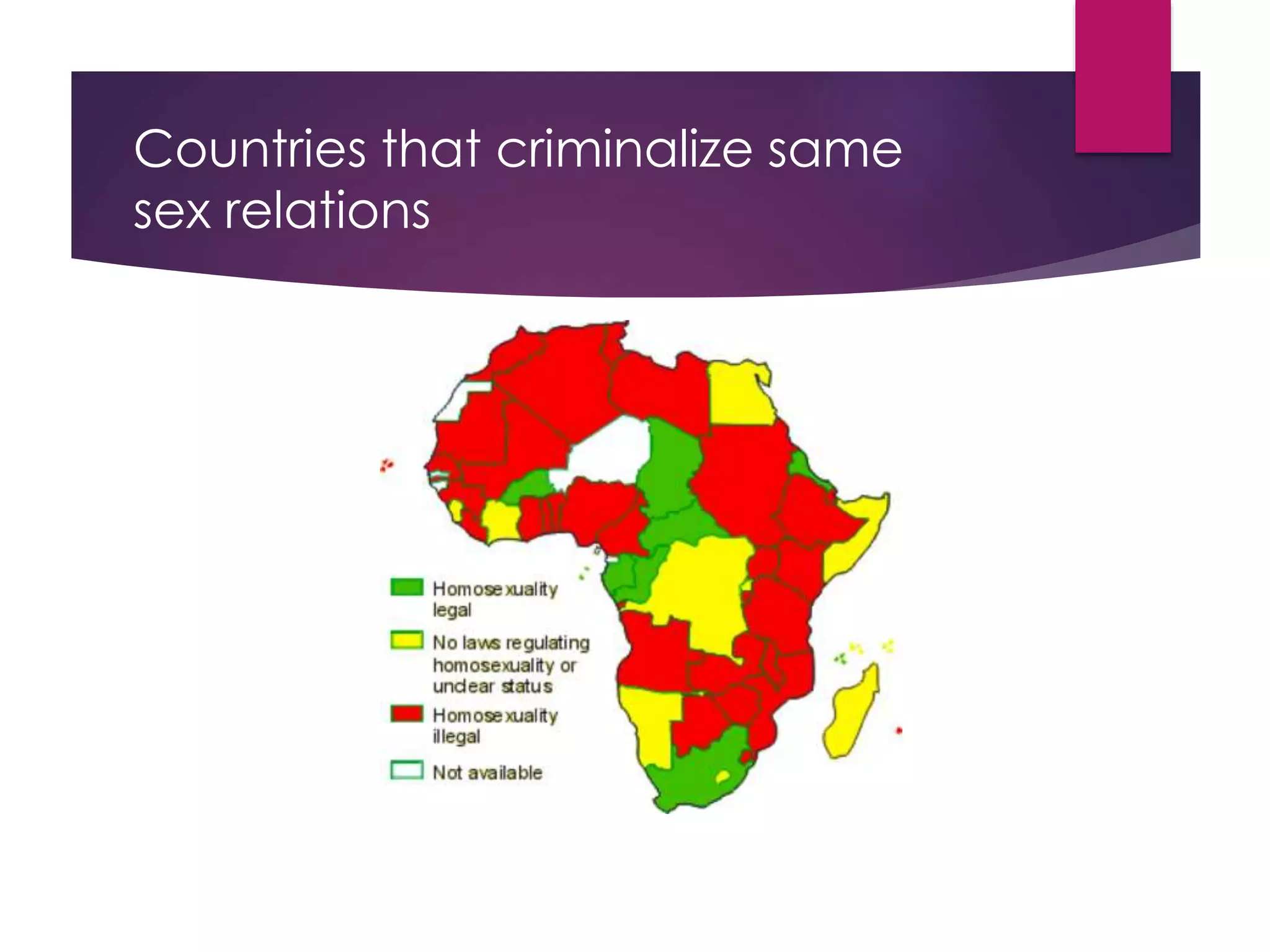
Countries that criminalize same
sex relations
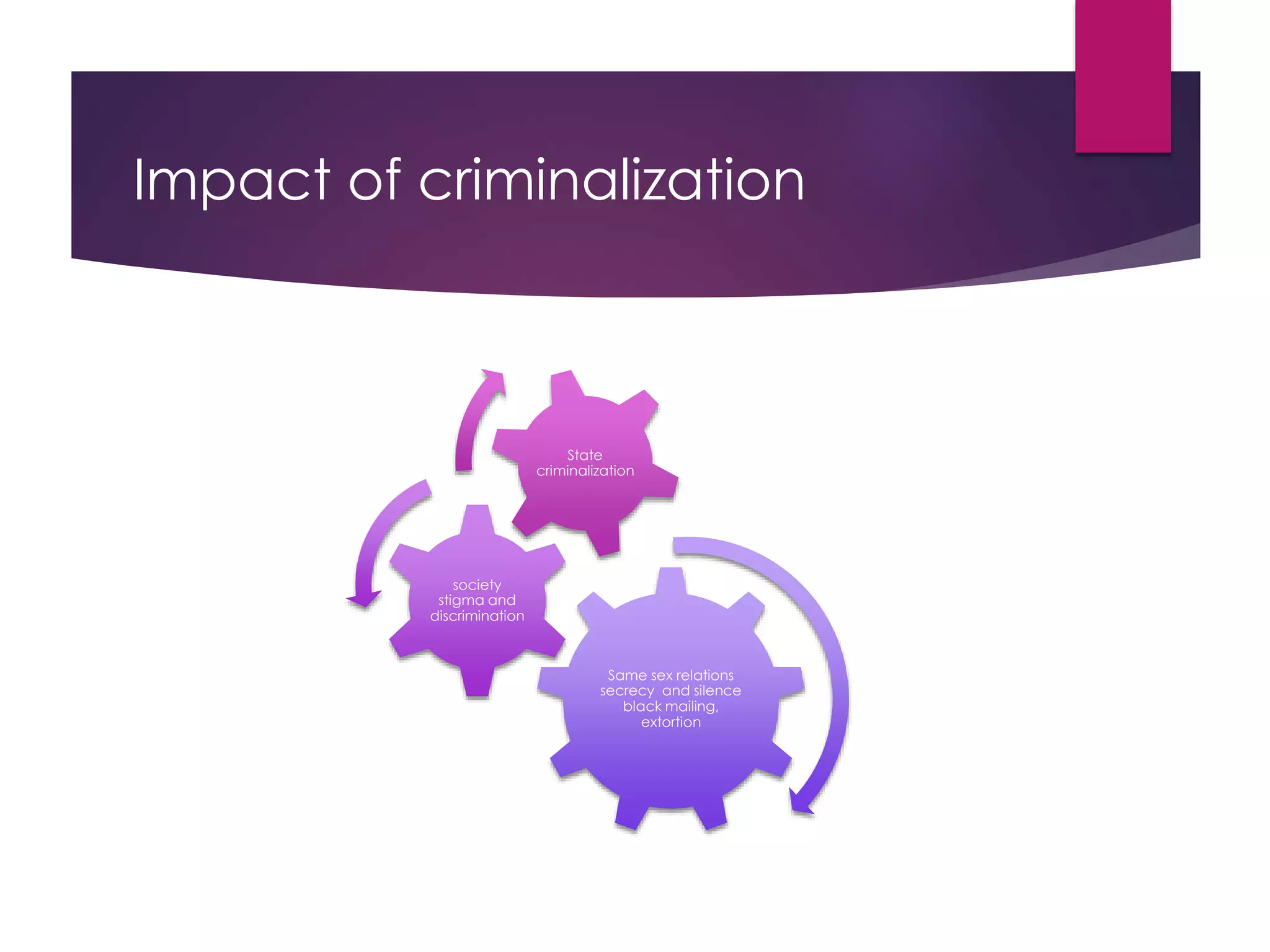
Impact of criminalization
Same sex relations
secrecy and silence
black mailing,
extortion
society
stigma and
discrimination
State
criminalization
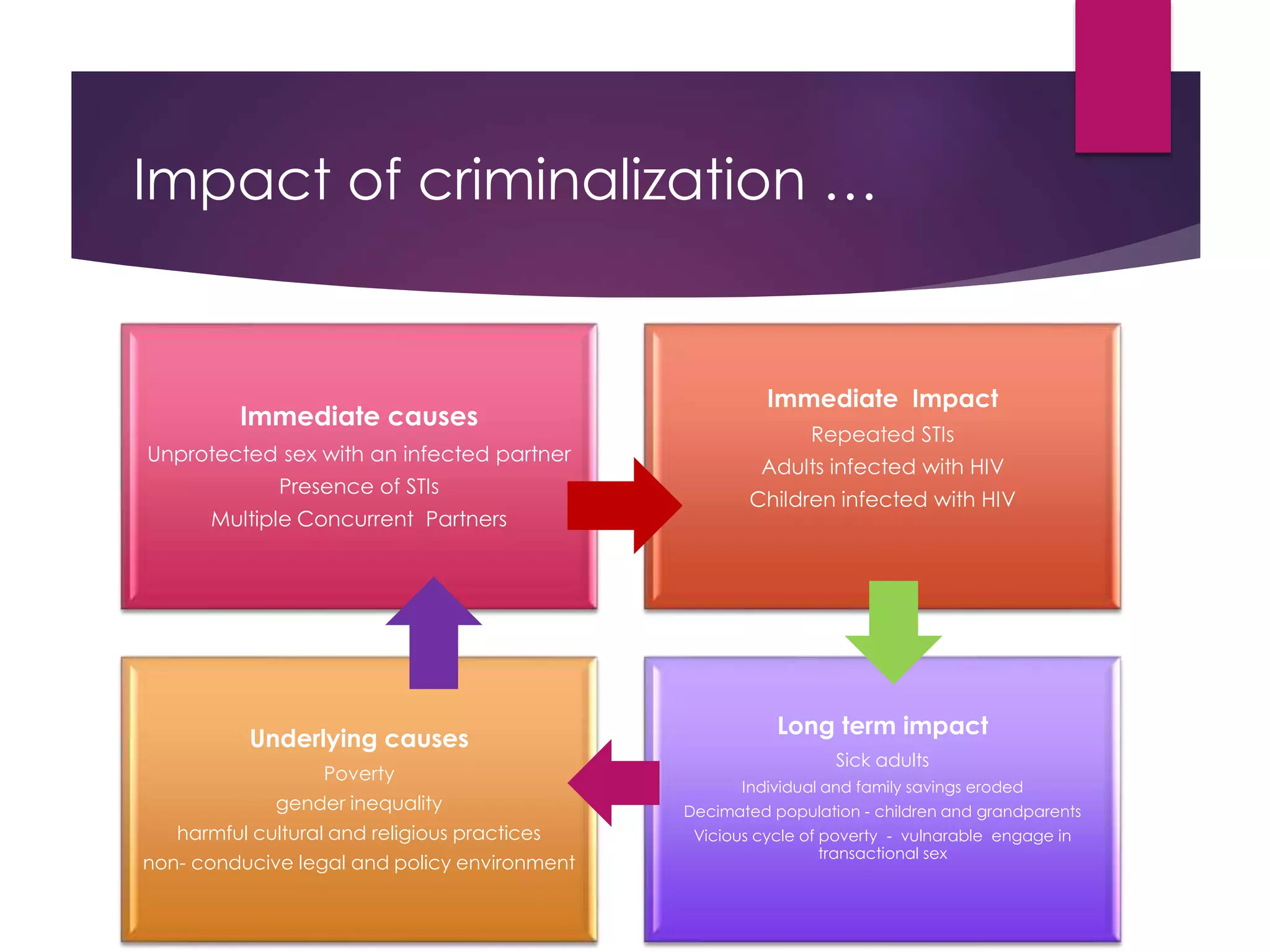
Impact of criminalization …
Immediate causes
Unprotected sex with an infected partner
Presence of STIs
Multiple Concurrent Partners
Immediate Impact
Repeated STIs
Adults infected with HIV
Children infected with HIV
Underlying causes
Poverty
gender inequality
harmful cultural and religious practices
non- conducive legal and policy environment
Long term impact
Sick adults
Individual and family savings eroded
Decimated population - children and grandparents
Vicious cycle of poverty - vulnarable engage in
transactional sex
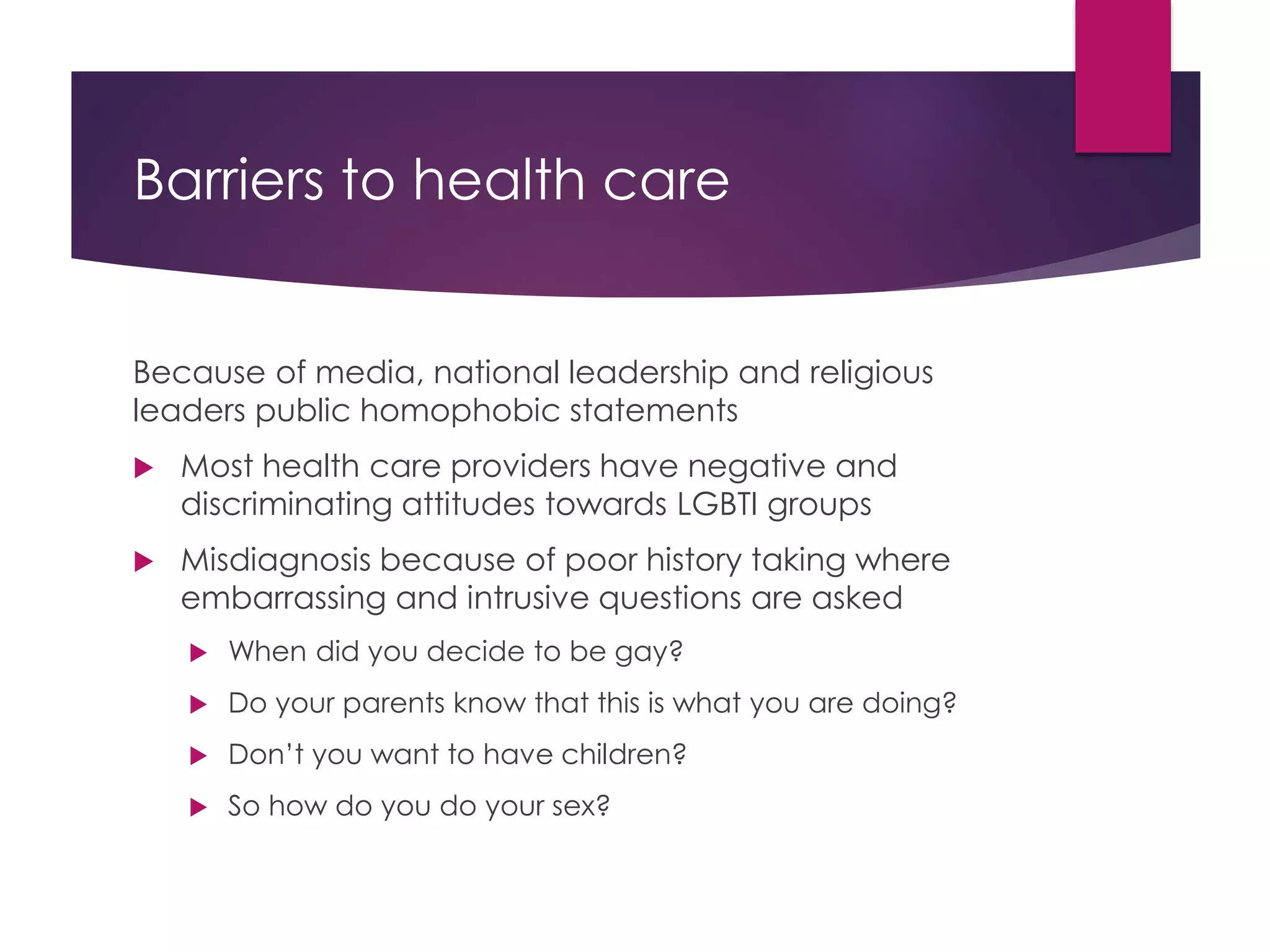
Barriers to health care
Because of media, national leadership and religious
leaders public homophobic statements
 Most health care providers have negative and
discriminating attitudes towards LGBTI groups
 Misdiagnosis because of poor history taking where
embarrassing and intrusive questions are asked
 When did you decide to be gay?
 Do your parents know that this is what you are doing?
 Don’t you want to have children?
 So how do you do your sex?
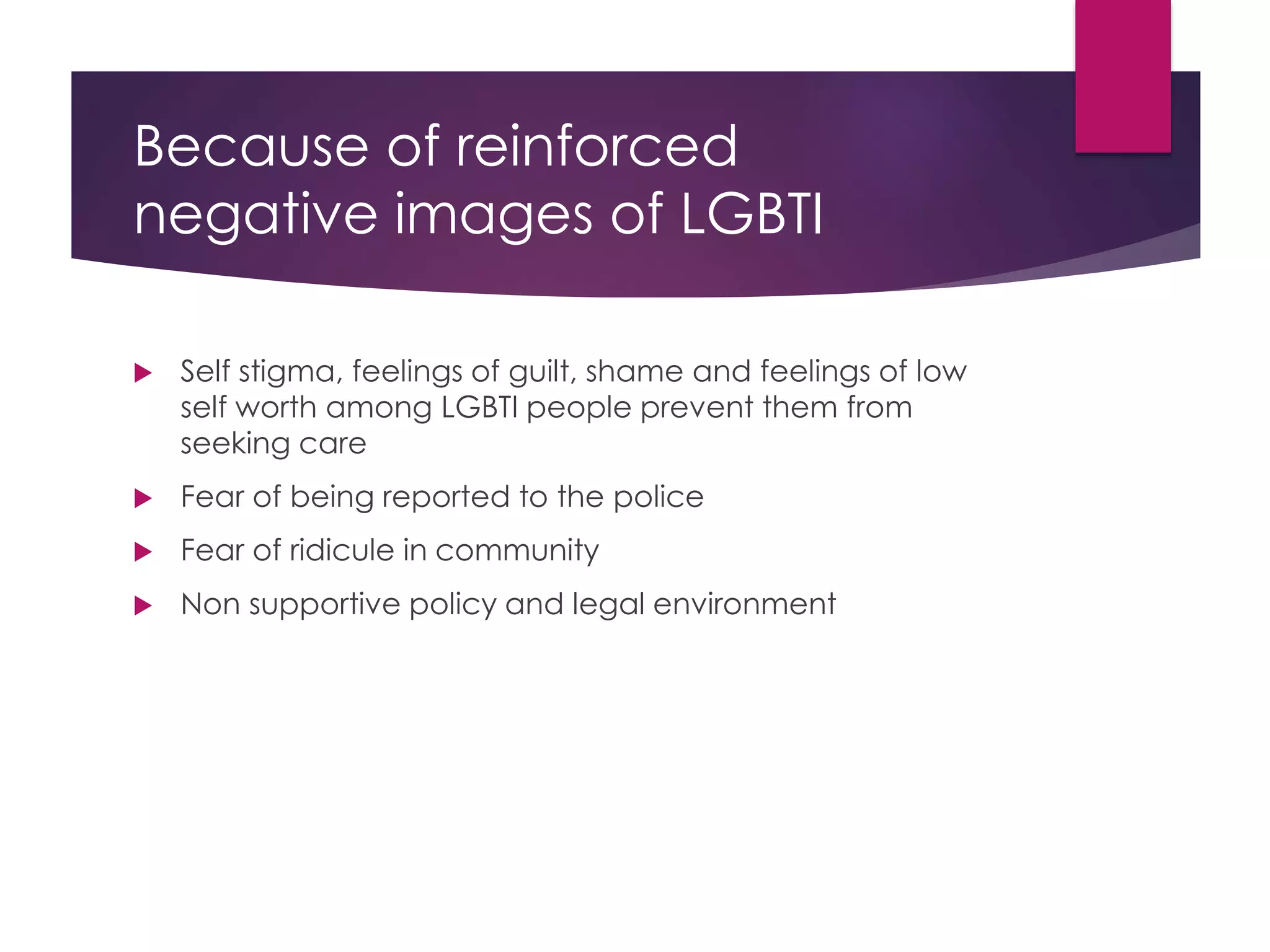
Because of reinforced
negative images of LGBTI
 Self stigma, feelings of guilt, shame and feelings of low
self worth among LGBTI people prevent them from
seeking care
 Fear of being reported to the police
 Fear of ridicule in community
 Non supportive policy and legal environment
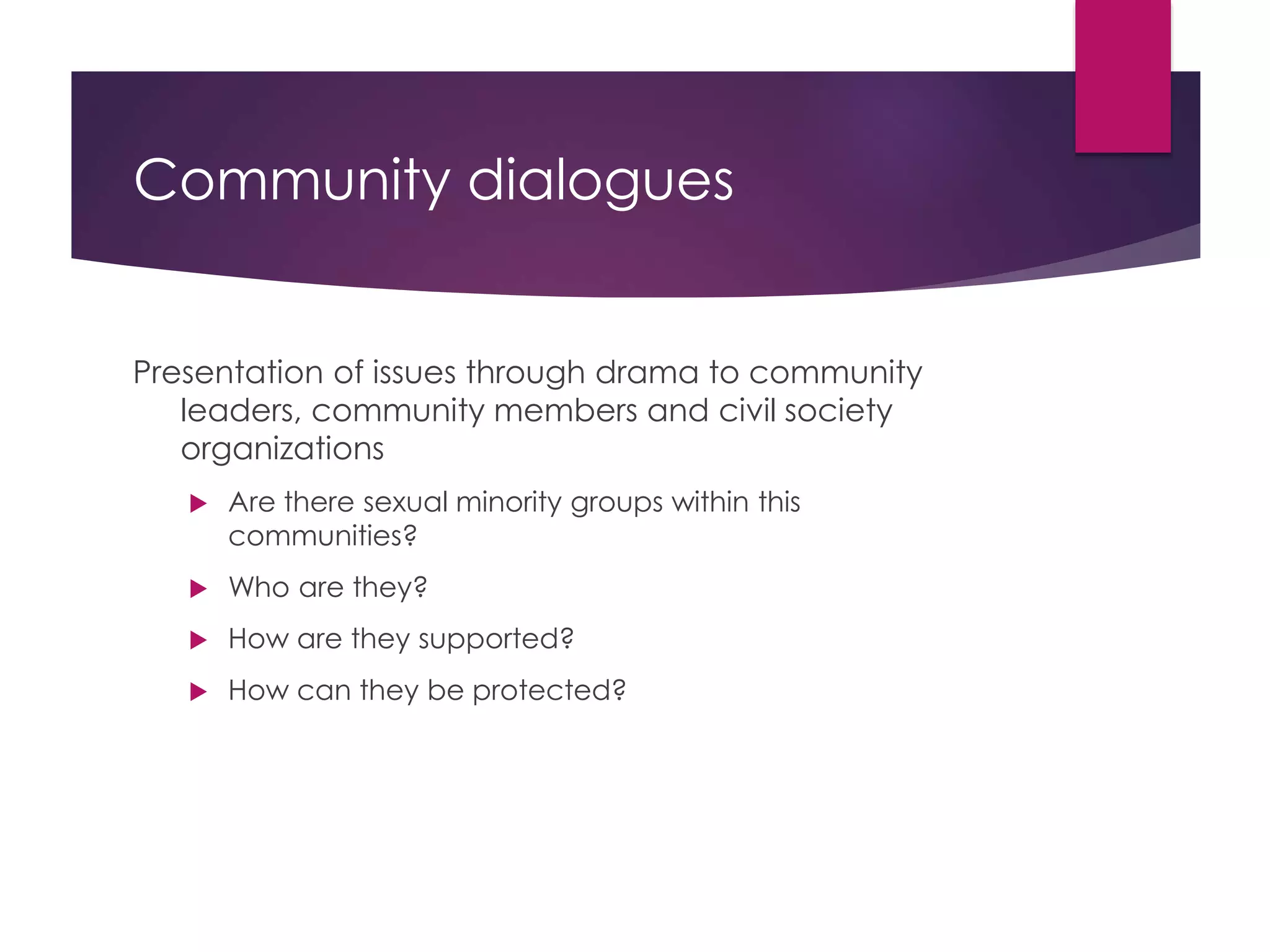
Community dialogues
Presentation of issues through drama to community
leaders, community members and civil society
organizations
 Are there sexual minority groups within this
communities?
 Who are they?
 How are they supported?
 How can they be protected?
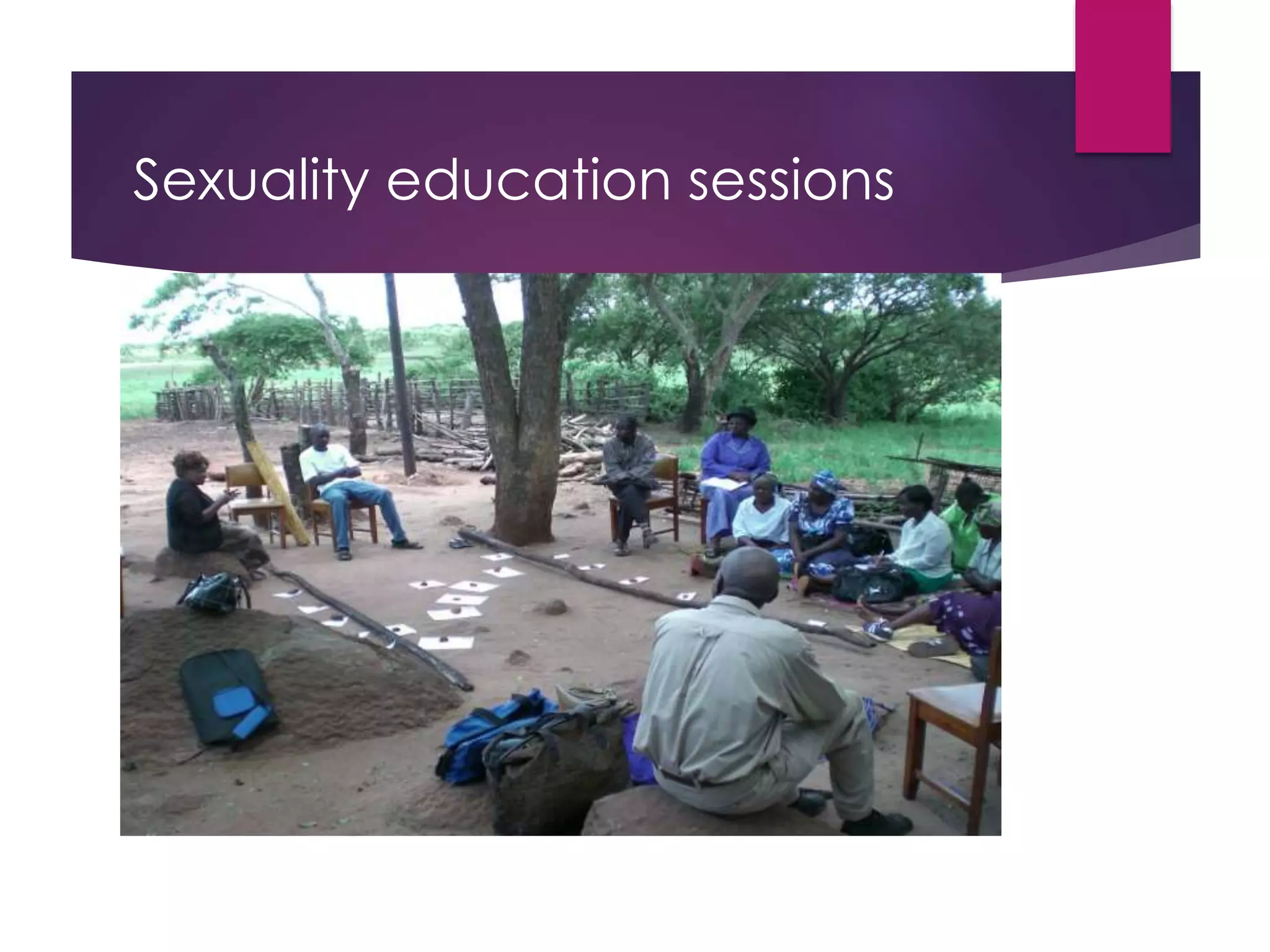
Sexuality education sessions
Stereotyping session
 Discuss how different groups are stereotyped
 Discuss why people stereotype
 Discuss how other naturally different people were or are
treated
 Left handed people
 Twins
 Albinos
 Discuss terms, negative labels and all the degrading names
used on LGBTI people
 Paper squashing exercise
Sexuality education sessions
NB TALKING SEXUALITY IS TABOO
Body mapping exercises
Draw yourself
Mark erotic points on your body
Introspective session to help achieve the following-
 Participants acknowledge diversity within the groups
 Participants acknowledge that different is normal
 Participants start to think about sexual diversity
Sexuality education sessions
cont…
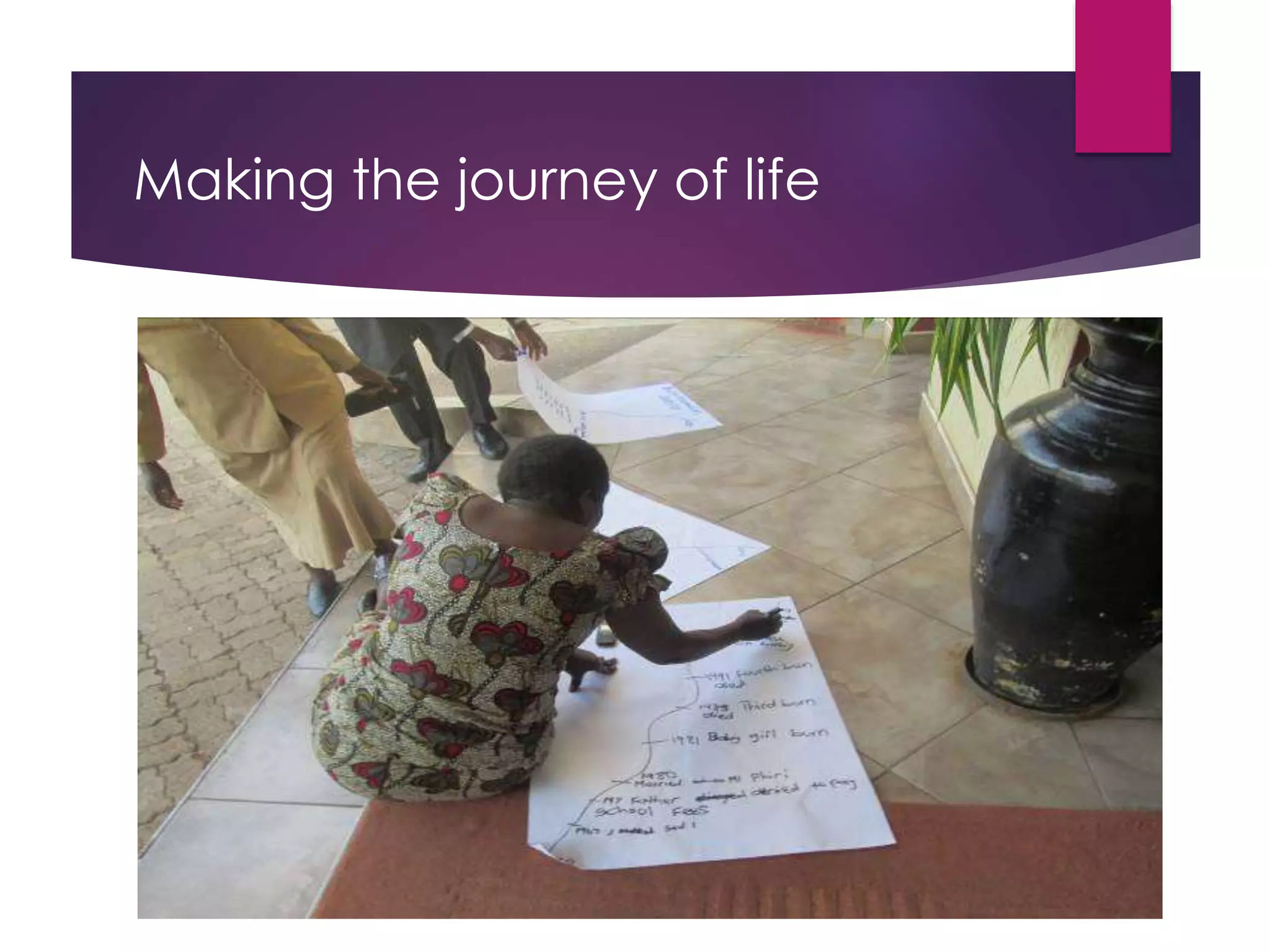
Journey of life
Define sexuality – (Use WHO definition)
 Think back on personal life events from birth –
circumstances around birth and why they got their
names etc
 Diagrammatically present sexual life story
 Share story
Making the journey of life
Sexuality education sessions
Binaries and boxes
 Discuss sex as a biologic concept
 Gender as a social construct
 Explain different levels of relationships, attractions and
identities
 Discuss sexual practices
Sexuality education sessions
Who received the sexuality
education trainings
 Journalists
 Community leaders
 Traditional leaders
 Religious leaders
 Political leaders
 Made commitments after training
 Health care providers
 Use correct terminology “bring partner”
 Use rights based approach
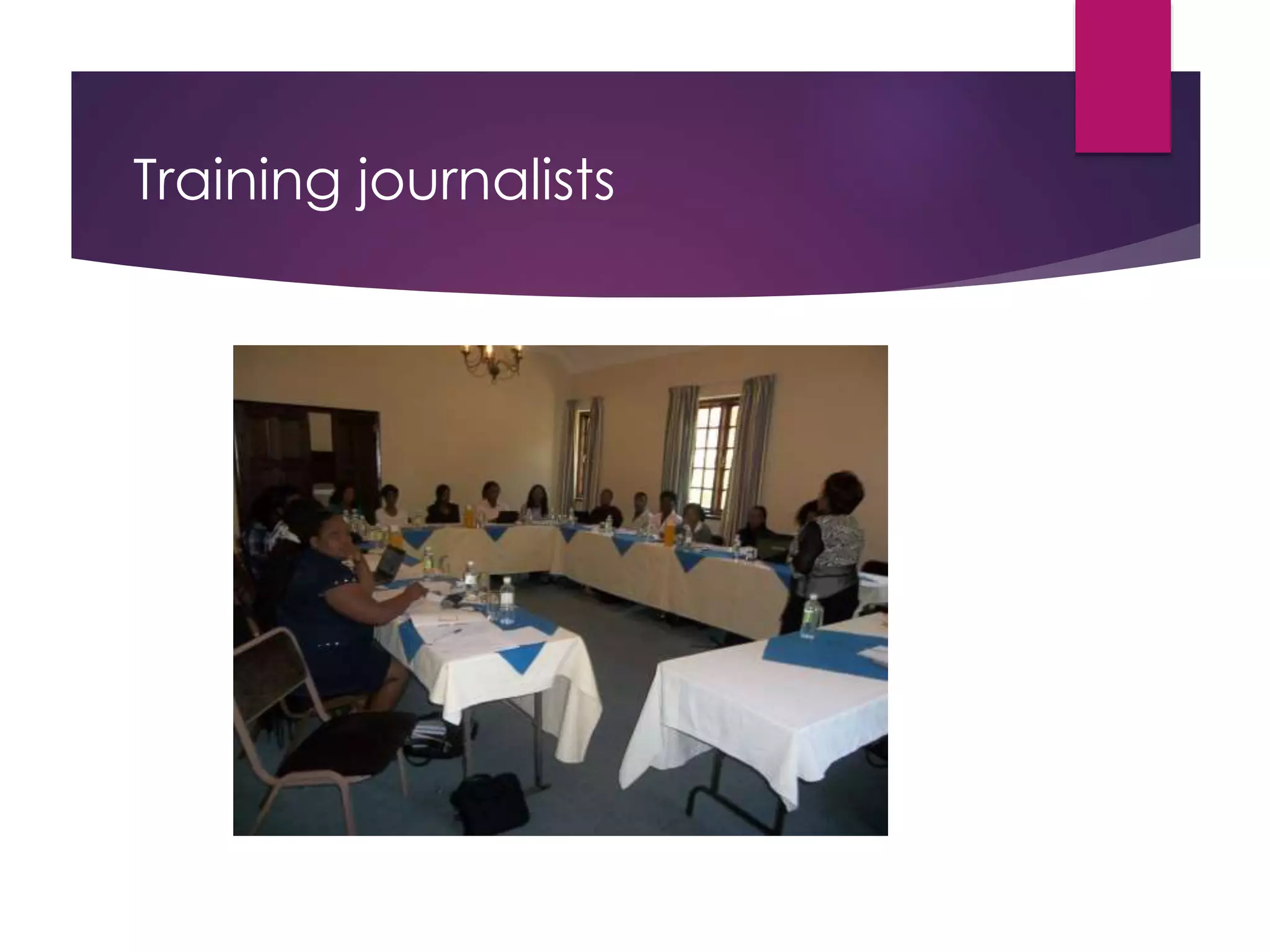
Training journalists
Sessions for LGBTI people
 Understanding human sexuality
 Goal setting
 Assertive
 Safety and security – creating safety networks
 Risk reduction
 Coming out
 Human rights defenders
Conclusions
 LGBTI people exist in Southern Africa as they do in
every culture and society although their existence
has been overlooked and denied by authorities.
 There are Misconceptions that homosexuality is a
behaviour introduced to Africa by foreigners
 It is difficult for LGBTI people to come out due to
fear of prosecution, persecution and most cultures
do not seem to sanction same sex relationships nor
accept anyone different - not fit into the binaries
and boxes
Lessons Learned cont….
 With appropriate skills and approaches, it is possible to
conduct dialogues for sensitive topics in the
communities and with different audiences
 It is possible to train communities on human sexuality
even in hostile environments
 Advocacy for the sexual rights of sexual minority groups
like LGBTI communities cannot be a stand-alone
agenda - some success can be achieved through use
of acceptable entry points
 HIV programming
 Gender discussion
 Identify champions to cascade trainings
 Create safety nets for protection of champions
Thank you

Maposhere lecture 9-30-15

  • 1.
    Health and Advocacy forLGBTI people in Southern Africa CAROLINE MAPOSHERE ZIMBABWE
  • 2.
    Presentation Outline  Legalenvironment  Impact of criminalization  Barriers to health care  Community dialogues  Human sexuality education sessions  Conclusions  Lessons learned
  • 3.
    Countries that criminalizesame sex relations
  • 4.
    Impact of criminalization Samesex relations secrecy and silence black mailing, extortion society stigma and discrimination State criminalization
  • 5.
    Impact of criminalization… Immediate causes Unprotected sex with an infected partner Presence of STIs Multiple Concurrent Partners Immediate Impact Repeated STIs Adults infected with HIV Children infected with HIV Underlying causes Poverty gender inequality harmful cultural and religious practices non- conducive legal and policy environment Long term impact Sick adults Individual and family savings eroded Decimated population - children and grandparents Vicious cycle of poverty - vulnarable engage in transactional sex
  • 6.
    Barriers to healthcare Because of media, national leadership and religious leaders public homophobic statements  Most health care providers have negative and discriminating attitudes towards LGBTI groups  Misdiagnosis because of poor history taking where embarrassing and intrusive questions are asked  When did you decide to be gay?  Do your parents know that this is what you are doing?  Don’t you want to have children?  So how do you do your sex?
  • 7.
    Because of reinforced negativeimages of LGBTI  Self stigma, feelings of guilt, shame and feelings of low self worth among LGBTI people prevent them from seeking care  Fear of being reported to the police  Fear of ridicule in community  Non supportive policy and legal environment
  • 8.
    Community dialogues Presentation ofissues through drama to community leaders, community members and civil society organizations  Are there sexual minority groups within this communities?  Who are they?  How are they supported?  How can they be protected?
  • 9.
    Sexuality education sessions Stereotypingsession  Discuss how different groups are stereotyped  Discuss why people stereotype  Discuss how other naturally different people were or are treated  Left handed people  Twins  Albinos  Discuss terms, negative labels and all the degrading names used on LGBTI people  Paper squashing exercise
  • 10.
    Sexuality education sessions NBTALKING SEXUALITY IS TABOO Body mapping exercises Draw yourself Mark erotic points on your body Introspective session to help achieve the following-  Participants acknowledge diversity within the groups  Participants acknowledge that different is normal  Participants start to think about sexual diversity
  • 11.
    Sexuality education sessions cont… Journeyof life Define sexuality – (Use WHO definition)  Think back on personal life events from birth – circumstances around birth and why they got their names etc  Diagrammatically present sexual life story  Share story
  • 12.
  • 13.
    Sexuality education sessions Binariesand boxes  Discuss sex as a biologic concept  Gender as a social construct  Explain different levels of relationships, attractions and identities  Discuss sexual practices
  • 14.
  • 15.
    Who received thesexuality education trainings  Journalists  Community leaders  Traditional leaders  Religious leaders  Political leaders  Made commitments after training  Health care providers  Use correct terminology “bring partner”  Use rights based approach
  • 16.
  • 17.
    Sessions for LGBTIpeople  Understanding human sexuality  Goal setting  Assertive  Safety and security – creating safety networks  Risk reduction  Coming out  Human rights defenders
  • 18.
    Conclusions  LGBTI peopleexist in Southern Africa as they do in every culture and society although their existence has been overlooked and denied by authorities.  There are Misconceptions that homosexuality is a behaviour introduced to Africa by foreigners  It is difficult for LGBTI people to come out due to fear of prosecution, persecution and most cultures do not seem to sanction same sex relationships nor accept anyone different - not fit into the binaries and boxes
  • 19.
    Lessons Learned cont…. With appropriate skills and approaches, it is possible to conduct dialogues for sensitive topics in the communities and with different audiences  It is possible to train communities on human sexuality even in hostile environments  Advocacy for the sexual rights of sexual minority groups like LGBTI communities cannot be a stand-alone agenda - some success can be achieved through use of acceptable entry points  HIV programming  Gender discussion  Identify champions to cascade trainings  Create safety nets for protection of champions
  • 21.